Anthropic Drops OpenClaw From Claude, Forces API Pricing
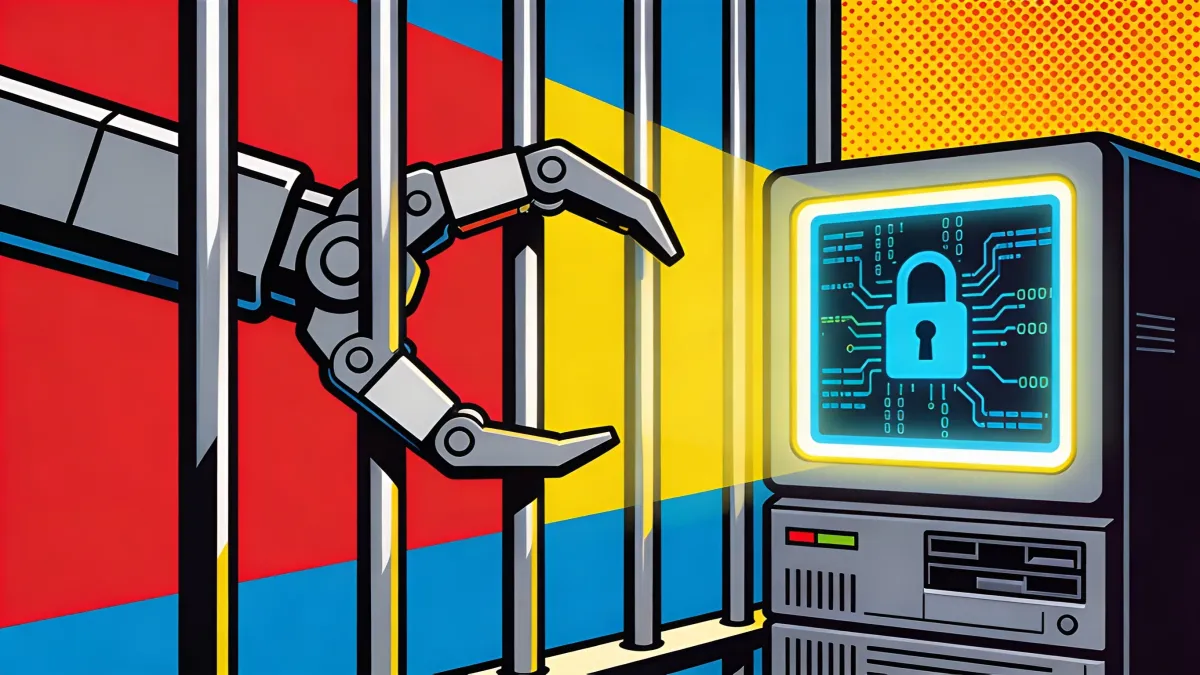
Anthropic announced Friday evening that Claude subscriptions will no longer cover usage through third-party tools including OpenClaw, effective April 4 at 12 pm PT. Users who want to keep running OpenClaw with Claude must now purchase separate "extra usage" bundles or switch to API-key billing, according to Boris Cherny, head of Claude Code. The change breaks apart one of the most popular combinations in autonomous AI tooling and exposes a widening gap between flat-rate subscription pricing and the compute demands of agent-driven workloads.
The math behind the decision is blunt. A Claude Max subscription runs up to $200 per month. Heavy OpenClaw users were running up daily API-equivalent costs between $1,000 and $5,000 on those same plans, according to estimates from growth marketer Aakash Gupta. Anthropic's own tools, Claude Code and Claude Cowork, are built to maximize prompt cache hit rates, reusing previously processed text to cut inference costs. Third-party harnesses often bypass those optimizations.
"Our subscriptions weren't built for the usage patterns of these third-party tools," Cherny wrote. "Capacity is a resource we manage thoughtfully." An Anthropic spokesperson told Business Insider that OpenClaw put an "outsized strain on our systems."
Claude has been under visible pressure for weeks. The app briefly topped the US Apple App Store in March, then went down multiple times during peak hours. Anthropic had already started throttling subscription usage during business hours, a change the company said affected up to 7% of users at any given time.
OpenClaw creator Peter Steinberger, who joined OpenAI in February, did not absorb the news quietly. He and OpenClaw board member Dave Morin tried to negotiate with Anthropic. Got one week of delay. Not enough.
"We told Anthropic that we have many users who only signed up for their sub because of OpenClaw and that it'd be a loss if they cut them off," Steinberger told Business Insider. "Now they try to bury the news on a Friday night."
His sharpest accusation landed squarely on timing. "Funny how timings match up," Steinberger wrote on X. "First they copy some popular features into their closed harness, then they lock out open source." Anthropic recently added messaging agent capabilities through Discord and Telegram to Claude Code, features that helped OpenClaw gain traction in the first place.
But Steinberger also gave Cherny credit for trying. Cherny personally submitted pull requests to improve OpenClaw's cache hit rates, a move aimed at lowering costs for users forced onto API billing. And Steinberger acknowledged that other providers still support OpenClaw. An OpenAI employee hinted on X that the company would fill the gap Anthropic just created.
This is not the first restriction Anthropic has placed on third-party access. The company's Consumer Terms of Service have technically prohibited unauthorized third-party tool access since at least February 2024, though enforcement stayed lax for nearly two years. Anthropic started enforcing quietly. Server-side safeguards went live on January 9, blocking subscription OAuth tokens from working outside the official Claude Code client. Users hit 403 errors. No warning email, no grace period.
The formal terms revision landed February 19, explicitly reserving OAuth authentication for Claude Code and Claude.ai only. Google ran a parallel crackdown around the same period, restricting AI Ultra subscribers who routed requests through OpenClaw.
The pattern is consistent across providers. And it keeps tightening.
Anthropic is offering a one-time credit equal to each subscriber's monthly plan cost, redeemable by April 17. Pre-purchased extra usage bundles come with discounts up to 30%. Users who want out entirely can request a full subscription refund.
Those figures sound manageable until you examine per-task pricing. Users who relied on OpenClaw-plus-Claude workflows now report per-interaction costs between $0.50 and $2.00 under API rates. For hobbyists and solo developers running autonomous agents all day, that math kills the use case.
If you built your workflow around OpenClaw and Claude, the choices are stark. Pay substantially more. Switch providers. Or rebuild on a platform that still welcomes third-party harnesses. OpenClaw carries 347,000 GitHub stars and a developer community that won't vanish on a Saturday afternoon. But the all-you-can-eat buffet that made it viable for most of those builders closed at noon Pacific time today.