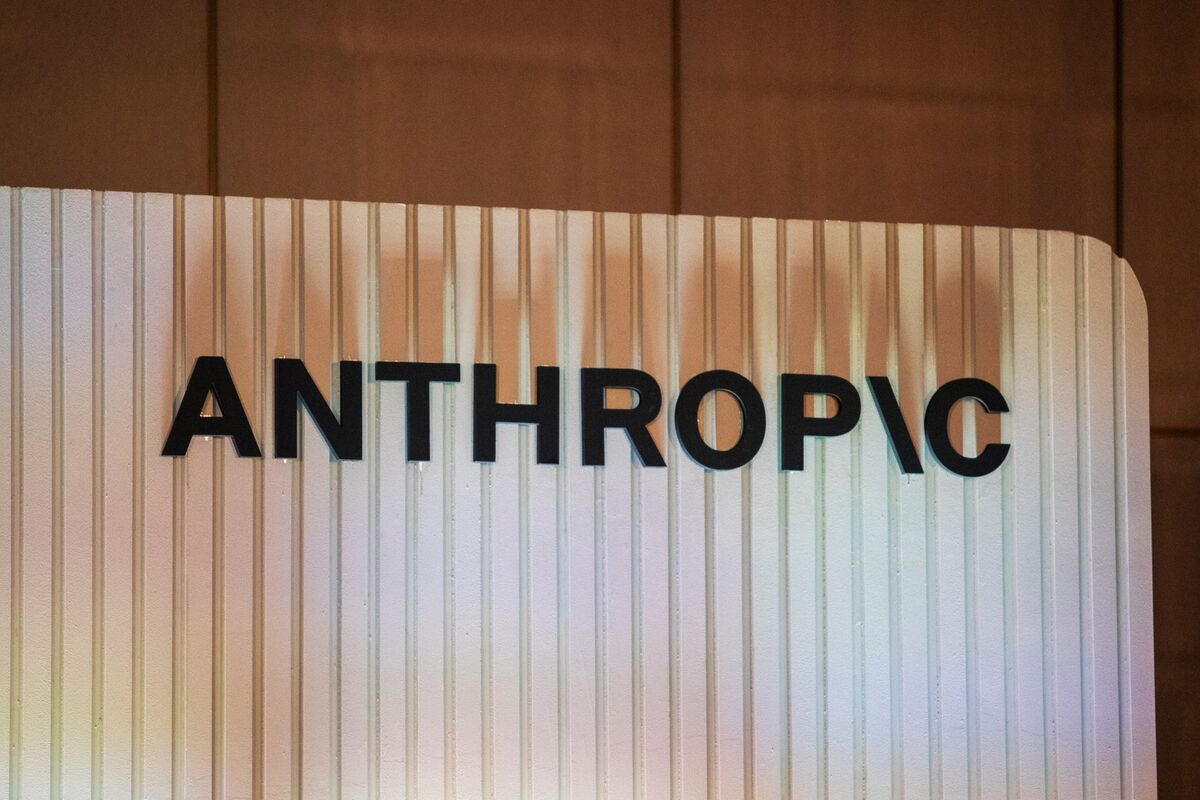
Anthropic Is the Center of the AI Orbit at HumanX Conference
You're reading the Tech In Depth newsletter.
You're reading the Tech In Depth newsletter.
You're reading the Tech In Depth newsletter.
Analysis and scoops about the business of technology from Bloomberg's journalists around the world.
Analysis and scoops about the business of technology from Bloomberg's journalists around the world.
Analysis and scoops about the business of technology from Bloomberg's journalists around the world.
Plus Signed UpPlus Sign UpPlus Sign Up
By continuing, I agree to the Privacy Policy and Terms of Service.
Welcome to Tech In Depth, our daily newsletter about the business of tech from Bloomberg's journalists around the world. Today, Rebecca Torrence reports on the biggest name making the rounds at the HumanX conference on artificial intelligence.
Tech Across the Globe
Meta introduces Muse Spark: Meta debuted its first artificial intelligence model since embarking on a multibillion-dollar overhaul of the company's AI organization.
Paramount departure: Jeff Shell is stepping down as president of Paramount following a contentious lawsuit by a high-stakes gambler who accused him of leaking inside information.
Samsung share sale: A Samsung family member is selling as much as $2.1 billion in shares of the electronics company in one of the biggest such offerings in South Korea.
Revalued
Telecom tycoon Patrick Drahi has shortlisted bidders for a controlling stake in French fiber optic company XpFibre, according to people with knowledge of the matter. Investment firm DigitalBridge and KKR have been picked to enter the next round of bidding. Brookfield Asset Management and Vauban Infrastructure Partners are also part of the process. The initial offers from the shortlisted bidders valued the business at about €8 billion ($9.4 billion) including debt, according to one of the people.
Dominant force
This week, San Francisco's Moscone Center hosted thousands of AI entrepreneurs, researchers and investors -- skeptics and zealots -- for the annual HumanX conference.
In the hallways, we overheard attendees speaking about "pivoting to enterprise" and cutting staff thanks to artificial intelligence making their companies more efficient. One techie on a scooter sidled up to conference-goers in a bid to entice them to check out his AI startup's booth, one of dozens filling the convention hall.
Despite that volume, one company has been on everyone's mind: Anthropic.
On Monday, Anthropic said it had reached a revenue run rate of $30 billion, already surpassing the target it previously expected to hit by the end of the year, and notched a deal with Google and Broadcom for more computing capacity as demand explodes for its products. The next day, it announced a new AI model that the company said was too powerful to be released publicly.
Anthropic has come up in nearly every conversation I've had so far at HumanX. The AI darling has dominated investor dollars this year, so it's no surprise that the company is commanding startup attention, too. Its preeminence in the market means many founders are pitching themselves in reference to Anthropic, and in turn, investors are evaluating those companies in comparison to the AI company.
Notable Capital managing partner Hans Tung, an investor in Anthropic, said many founders mention the AI company unprompted in their pitches to investors, especially to explain why Anthropic won't compete with what they're building. "Founders know investors are thinking it, so let me just address it now,'" he said. "It's practical."
That makes investments where Anthropic and OpenAI appear less likely to be play, such as physical AI, feel more attractive to venture firms, said Premise co-founder Vanessa Larco. If a startup directly competes with Anthropic, or is building in an area where Anthropic is expected to expand in the future (for example, AI for financial services), the bar for new investment is higher, said Jai Das, co-founder and president of Sapphire Ventures.
Still, the remarkable growth of many AI startups means they're getting funded even if they compete with Anthropic, he said. Take the demand for AI coding companies, such as Cursor, which has been in talks to raise new capital at about a $50 billion valuation even as Anthropic's coding business hits warp speed and OpenAI turns its focus to the sector.
Das recalled the debate among venture capitalists in the 2010s about whether to back cloud data startup Snowflake because Snowflake competed with Amazon's Redshift. Investors who weren't deterred by the Big Tech rivalry were rewarded: Snowflake went public in 2020 in what was at the time the largest software IPO ever.
"Anthropic is a leader, but they're one provider," said Anjney Midha, founder of venture firm and computing resource provider AMP, who's an investor in Anthropic. "The largest enterprises in the world, which are governments and Fortune 500 companies, can't be vendor-dependent."
And with OpenAI ditching "side quests" like e-commerce and video generation to go all-in on enterprise deals, some founders are rejoicing that there will be more opportunities the big AI labs won't touch.
While that could be good news for many startups that focus on AI applications, some investors worry the "neolabs" -- smaller labs focused on conducting research in search of new AI breakthroughs -- will face more scrutiny.
Some of these AI labs are still landing huge seed rounds, sometimes raising billions of dollars without any product or revenue. But as the leaders in the field like Anthropic continue to accelerate, keen investors are starting to apply pressure for those labs to execute on their visions, said Sangeen Zeb, general partner at GV.
"What happens when you need to raise $5 billion?" he said. "Then it's like -- where's the product?"
Quoted
"A human performer can't perform 365 days a year, but an avatar can."
Choi Yong-ho
founder and chief executive officer of Galaxy
Choi's Seoul-based startup is trying to build a new K-pop strategy that blends AI characters and life-size robots.
Read
The day's most read story in tech and entertainment
Bets on a ceasefire between the US and Iran have sent more than $170 million coursing through Polymarket, making it one of the largest geopolitical wagers in the short history of prediction markets. Now, the aftermath is raising the same questions that have dogged the platforms for months: whether bettors are trading on inside information, and whether the platforms can cleanly settle the contracts they broker.
Moved
$3 Billion
The amount of loans a group of banks are selling to finance a data center in Ohio, known as Prometheus, being built to power Meta's AI work.
AV Club
More from Bloomberg
Get Tech In Depth and more Bloomberg Tech newsletters in your inbox:
-
Cyber Bulletin for the shadow world of hackers and cyber-espionage
-
Game On for diving deep inside the video game business
-
Power On for Apple scoops, consumer tech news and more
-
Screentime for a front-row seat to the collision of Hollywood and tech
-
Soundbite for the podcasting and music industries plus audio trends