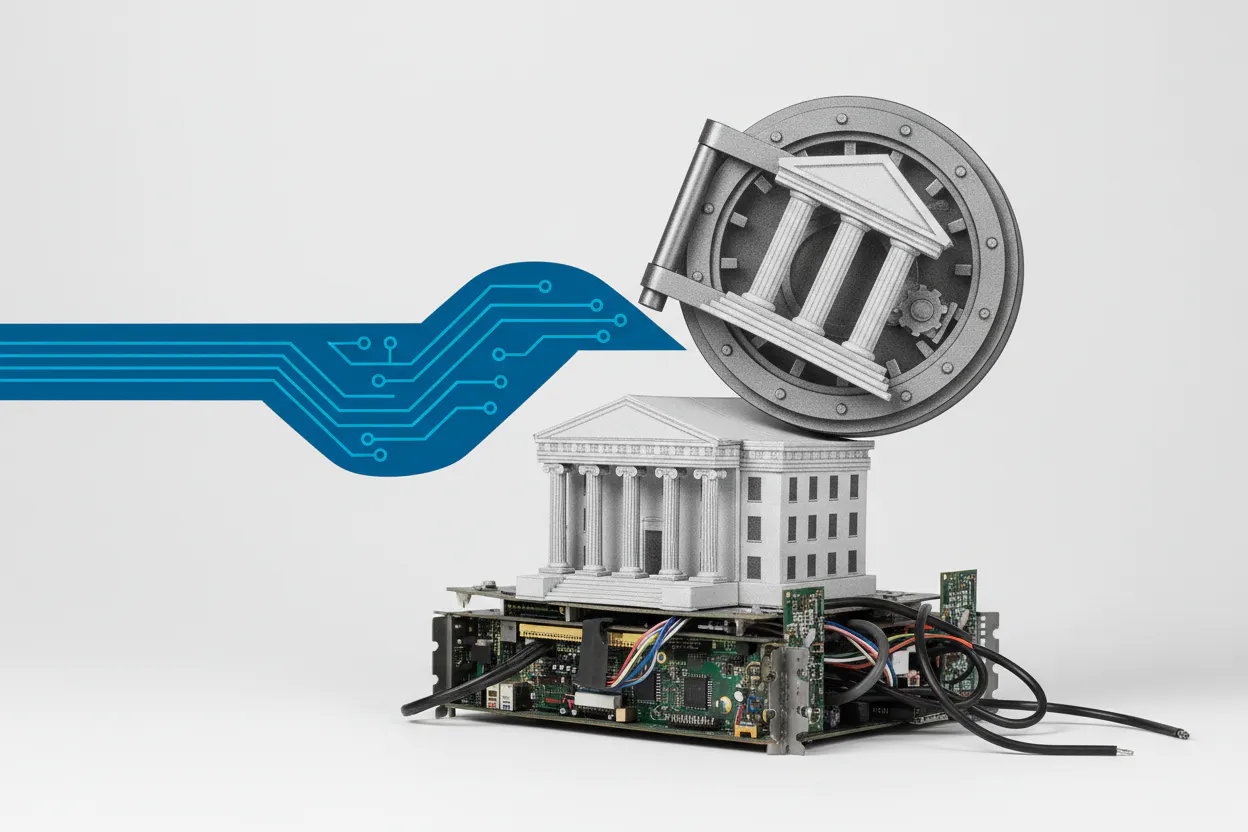
Anthropic Readies Mythos For Europe's Banks, But Security Comes First
So far, access has been uneven: some US lenders got an earlier look, which puts pressure on European and UK banks to start testing before AI tools get embedded into everyday work. Anthropic has shared Mythos through Project Glasswing, a program for organizations that build or run critical software infrastructure, and it has publicly confirmed JPMorgan Chase, a major US bank, as a user. Policymakers at the International Monetary Fund's sp..
ring meeting also flagged a downside: powerful models can widen cyber risk, especially when older "legacy" systems create weak links attackers can exploit. That's why Anthropic is running security checks before deployment, and why the rollout may move at different speeds across institutions.
Why should I care?
For markets: Being first can set the new playbook.
Big banks that test new tech early can turn what they learn into faster automation, better risk monitoring, and tighter partnerships with vendors - and those advantages can stack up over time. With Mythos already linked to Glasswing and confirmed at JPMorgan, European and UK lenders risk starting later than US peers. In a sector where pilots typically roll out in stages, a head start can mean earlier process rewrites and stronger defenses.
The bigger picture: AI is becoming a financial stability issue.
Regulators worry that new AI systems could amplify old weaknesses because many banks still rely on aging infrastructure that's harder to secure. That's why officials, including Germany's central bank chief Joachim Nagel, have pushed for more equal access, so competition stays fair and misuse risks don't pool in a few fast movers. If access stays lopsided, it could widen the gap between early testers and everyone else - while concentrating operational and cybersecurity risk where adoption is fastest.