Elon Musk reopens SpaceX-Tesla merger talk: "more and more overlap"
No deal announced, but chips, batteries and Starlink already connect them
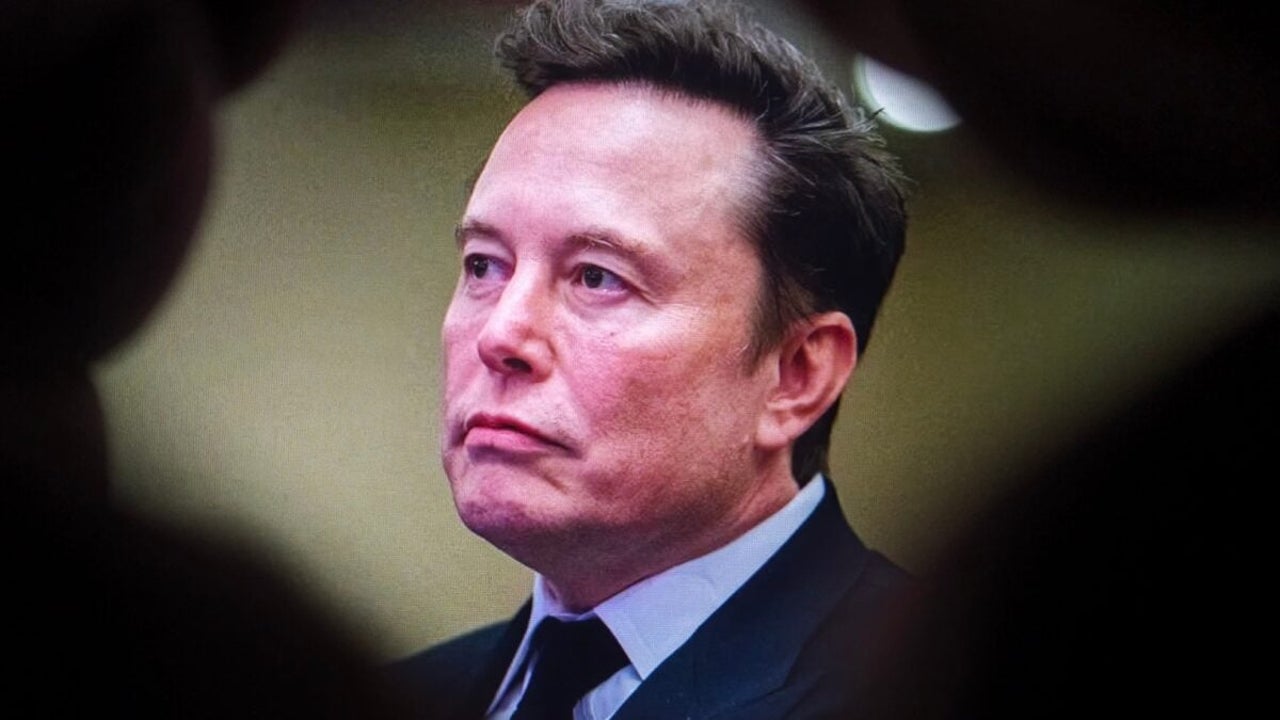
On Tesla's Q2 2026 earnings call, Elon Musk brought the idea of a Tesla-SpaceX merger back into the conversation. He said the two companies have "more and more overlap," and added that any combination would have to go through an "appropriate process."
He didn't announce a transaction. Still, the market reaction makes sense. Earlier this year, SpaceX acquired xAI in a deal that valued the combined business at roughly $1.25 trillion, and Deepwater's Gene Munster raised his estimate of the odds of a merger happening in the next few years from 80% to 90%.
And the overlap isn't hypothetical.
Tesla and SpaceX are already tied together in a few concrete ways. They're working on Terafab, a Texas chip venture with Intel, aimed at Tesla vehicles, SpaceX spacecraft, and Tesla Optimus robots. Tesla supplies batteries to SpaceX. Starlink , meanwhile, is being built into Tesla vehicles.
That's why people who follow either company are paying attention. Backers of a deal think a single structure could pull together automotive, energy, robotics, connectivity, manufacturing, and space under one roof.
It would also be enormous, and complicated.
SpaceX's June 2026 IPO raised $75 billion, valued the company at $1.77 trillion, and then sent it to about $2.1 trillion on its first day of trading. Tesla, for its part, was valued between $1.23 trillion and $1.48 trillion in July 2026.
So yes, the latest round of merger talk starts with Musk's comments on the earnings call. But the hard questions are still there: China, governance, competition, and what all of this would mean for employees.