FG Targets Livestock Tracker To End Insecurity, Data Chaos
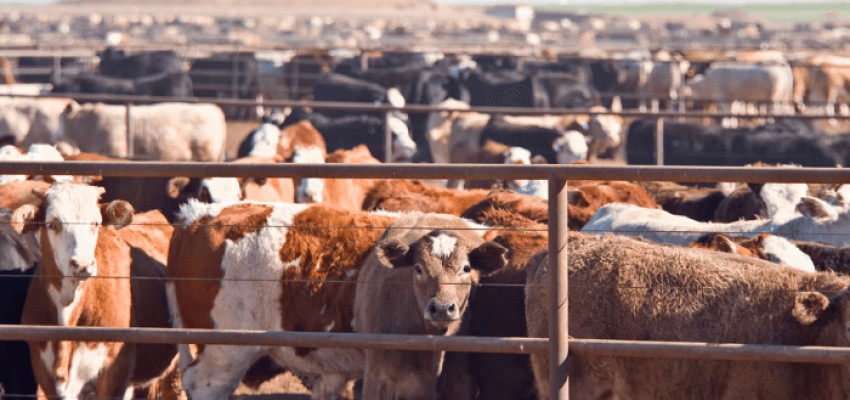
The federal government has signalled plans to introduce a nationwide livestock identification and tracking system aimed at addressing insecurity, poor data, and inefficiencies across Nigeria's livestock sector.
Minister of livestock development, Dr. Idi Mukhtar Maiha, disclosed this in Abuja when a technology firm specialising in radio-frequency identification (RFID) paid a courtesy visit to the ministry.
Maiha said Nigeria's inability to accurately account for its livestock population -- estimated at over 50 million cattle and millions of smaller ruminants has continued to undermine effective planning, security, and value chain development.
He identified longstanding challenges in the sector to include weak infrastructure, poor policy implementation, and reliance on traditional open grazing systems, noting that these have limited productivity and contributed to recurring conflicts.
According to him, deploying modern tracking and identification mechanisms would enhance traceability, establish proof of ownership, and improve opportunities for livestock export.
"Overcoming the challenges in the sector requires modernising traditional practices, strengthening infrastructure, and addressing land-use issues," the minister said.
He added that the ministry would set up a technical committee to review proposals presented and develop workable strategies for implementing a national livestock identification framework.
Maiha also indicated the government's readiness to adopt technology suited to Nigeria's environment to improve data management and overall efficiency in the livestock value chain.
Earlier, managing director of the RFID firm, Dr. Daniel Omofoman, said the visit was to seek government's backing for the adoption of a digital livestock identification system as a national priority.
Omofoman said the initiative would support data-driven livestock management and align with broader development goals, including improved productivity and sectoral transparency.
The proposed system is expected to form part of ongoing reforms in the livestock sector, which authorities say are aimed at boosting productivity, enhancing security, and reducing losses linked to unregulated grazing practices.