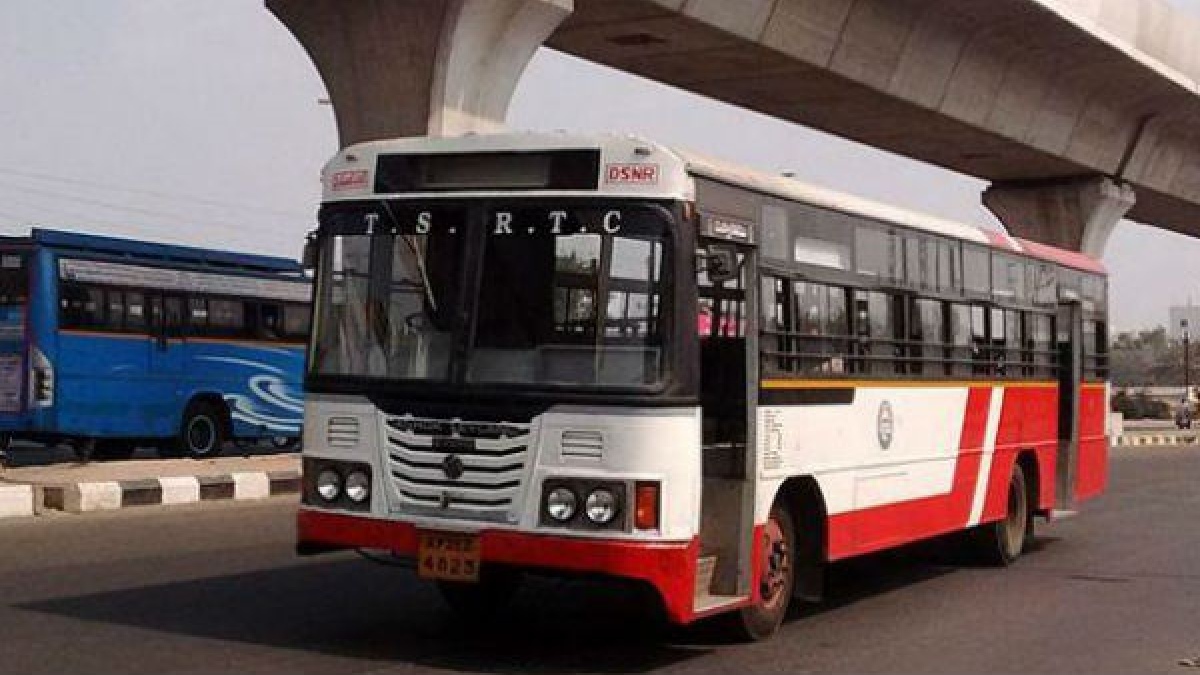
Hyderabad RTC Strike Halts 2,850 Buses, Metro Crowded As 22 Lakh Commuters Face Travel Chaos
Bus services across Hyderabad came to a halt from midnight on Tuesday after talks between the government and Road Transport Corporation (RTC) unions failed, triggering a major strike that has left daily life in the city severely disrupted. With nearly 2,850 buses staying inside depots across Greater Hyderabad, around 22 lakh passengers are expected to face significant inconvenience, as commuters scramble for alternatives and Metro stations witness an unusual surge in footfall.
Over 20,000 RTC Staff Stay Away, Major Bus Hubs Hit Across Hyderabad
The strike has impacted public transport on a massive scale, with over 20,000 RTC staff, including drivers, conductors and mechanics from 25 depots in Greater Hyderabad, staying away from duties. As a result, bus services from major hubs such as MGBS, JBS, Dilsukhnagar, Kukatpally, LB Nagar and Uppal to districts across Telangana and parts of Andhra Pradesh remained suspended.
The disruption hit passengers who had planned early morning travel on Wednesday, especially those arriving at key railway stations including Cherlapally, Secunderabad, Nampally and Kacheguda. In the absence of city buses, many were forced to depend on autos and Metro services to continue their journeys.
First Major RTC Agitation In Seven Years Raises Fears Of Repeat Chaos
This is the first major RTC strike in Hyderabad in seven years, reviving memories of the 2019 agitation when employees stayed off work for 52 days and public transport systems across the state were thrown into disarray.
During that strike, private transport operators were accused of charging inflated fares, while Metro Rail and MMTS services struggled under heavy passenger loads. Authorities now fear similar conditions may return if the current strike continues, with concerns also emerging over possible increases in the prices of vegetables and other essential commodities due to transport disruptions.
Metro Rail Becomes Lifeline As Auto Fares Rise Across The City
With RTC buses off the roads, commuters quickly shifted to Hyderabad Metro Rail, leading to heavy crowding at stations across the network from the first morning of the strike. Even though trains were running at short intervals of two to three minutes, stations continued to report high passenger movement throughout the day.
Many commuters used the Metro to get as close as possible to their destinations before relying on share autos for the last mile. However, that too became expensive, as auto fares reportedly rose sharply after the strike began, adding further pressure on passengers already struggling with limited transport options.
The situation was worsened by seasonal travel demand, with summer holidays and ongoing wedding functions increasing movement across the city. RTC buses typically serve a wide cross-section of Hyderabad's population, from daily wage earners to IT professionals, and women in particular rely heavily on the service because of the free travel scheme. On the first day of the strike, that dependency became especially visible as alternate systems failed to absorb the full load.
Government Plans Alternate Services, Commuters Seek More Metro Trains
Officials said efforts are underway to reduce the impact of the strike by increasing Metro Rail and MMTS services. Authorities are also preparing to deploy private buses, and school buses may be used if the disruption continues and demand rises further.
Transport officials have also warned that strict action will be taken against private operators found charging excess fares during the strike period.
Meanwhile, commuters have urged the government to increase Metro frequency further and extend service timings to manage the rush. The spike in Metro users has also led to new problems, including parking shortages at several stations, as more passengers choose to drive to stations before boarding trains.
If the strike continues, Hyderabad could see growing pressure on every available transport mode, with Metro Rail remaining the city's primary lifeline for now.