Index Funds Are Hoarding Cash Ahead Of SpaceX And OpenAI IPOs
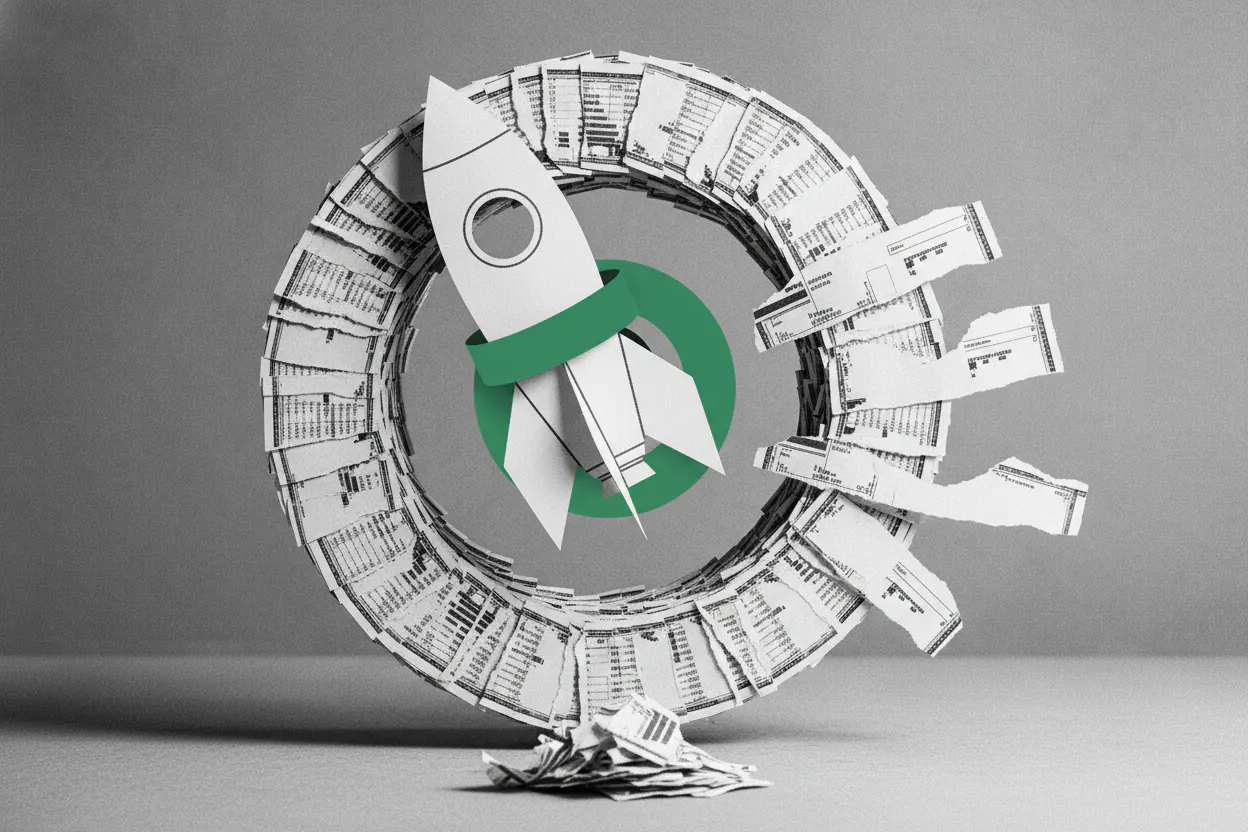
Index funds are built to follow a benchmark, not to make judgment calls. So when a new stock gets added to the S&P 500 or Nasdaq 100, they have to buy it, often by raising cash or trimming other large holdings. In a May 22nd note, Goldman Sachs, a global investment bank, said US equity mutual funds have historically increased cash balances ahead of the four biggest IPOs of the past few decades. Reuters reported that upcoming Nasdaq 100 and S&P 500 rule..
changes are expected to speed up entry for newly listed megacaps, which could matter if companies like SpaceX (Reuters said it's targeting roughly a $1.75 trillion valuation) or AI firms OpenAI and Anthropic (each discussed by Reuters at around $1 trillion valuations) go public. Even if the dollars raised are small relative to the S&P 500's total size, "must-own" flows can still shift demand across a narrow part of the market at predictable moments.
Why should I care?
For markets: SpaceX's ~$1.75 trillion listing could create two separate flow squeezes.
Faster benchmark entry pulls forward a simple logistics problem: passive funds may need cash sooner, which can mean selling a little of today's megacaps to make room. The buying itself can also come in stages. With fast entry, a new stock can start with a smaller index weight tied to its public float - the shares that can actually trade - and that weight can rise as lockups expire and more stock becomes freely tradable. Reuters noted lockups often end 90-180 days after an IPO, a window that can bring insider selling and a jump in tradable shares at the same time. Put together, that leaves two points where flows can overpower fundamentals for a spell: the initial index-inclusion rebalance, and the later post-lockup period when the index effectively "needs" to own more.