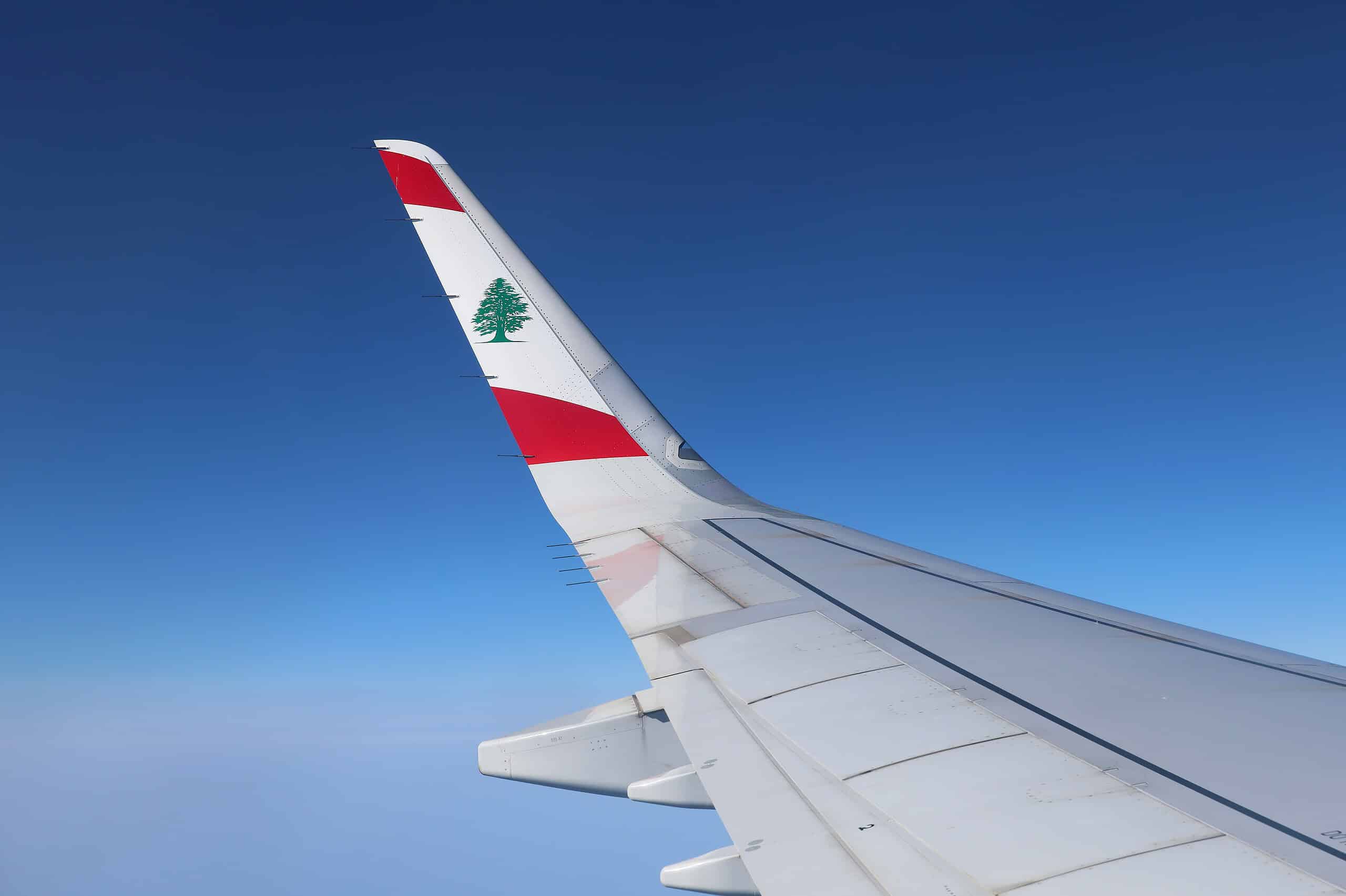
Q&A: How Lebanon's Aviation Chief Keeps Beirut Airport Open Amid Iran War Chaos
Aziz: To be able to fly in such a situation, you need a daily risk assessment conducted at the highest level, with the highest contacts. The head of civil aviation, the chairman of MEA and the head of the security forces have to be in direct contact with the government 24/7. The government is in contact with embassies and foreign ministries. So if anything changes, we can know immediately and take the right decision. Every day we have a coordination meeting. If anything changes, we know about it, but this is time-consuming. Now, if Lebanon is 100% of your operations, you do it because the only alternative is to stop. But for foreign airlines, Beirut is just one of thousands of flights, so they say, "OK, forget about it, when the situation gets better, we will return."