Market Updates
Science breakthrough: The kraken was REAL say researchers after remains of prehistoric predator the size of two London buses are found
Dr Yasuhiro Iba: "Our study shows that these were not simply large versions of modern octopuses.
"They were giant predators at the very top of the Cretaceous marine food web. This changes the view that Cretaceous seas were dominated only by large vertebrate predators."
The newest analysis concluded the beaks belonged to a genus of ancient octopus relatives known as Nanaimoteuthis, with the team uncovering an additional 12 octopus beaks dating 72million to 100million year ago.
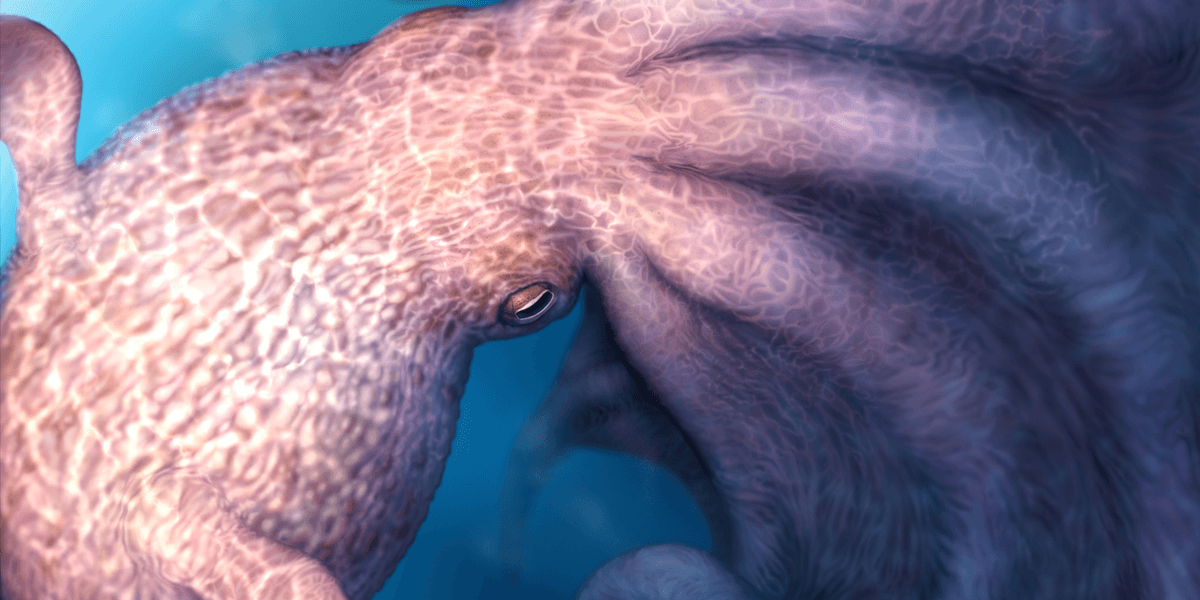
Taking the relationship between jaw size and body length in modern octopuses, the team estimated the species Nanaimoteuthis haggarti spanned between seven and 19 metres long, and would have been the largest invertebrate on record.
Kraken