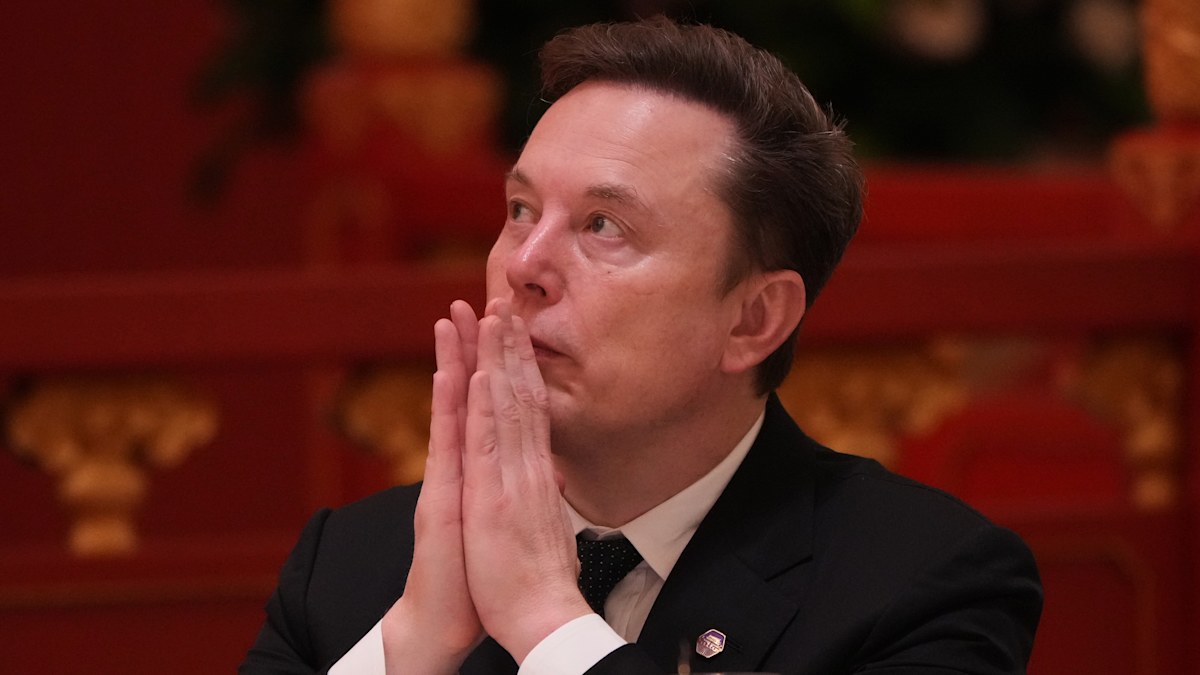
SpaceX almost halves in value from its much-vaunted June launch
When SpaceX went public last month, it immediately became one of the most valuable companies on Earth, and turned its CEO Elon Musk into the world's first trillionaire.
But in the six weeks since, it has been a stunning drop for the space company, with its value nearly halving from its first days on sale.
When it first hit the market, SpaceX shares were selling at more than US$201 ($287). Now it's $US119 ($170).
The company has now lost a trillion dollars in value in a month, and is now trading well below its initial public offering price.
SpaceX derives much of its income from launching satellites into space, but two last-second aborts of its rockets in the past week have given investors the jitters.
One of its Falcon 9 rockets aborted a takeoff even as its engines started firing up overnight.
And last week, Musk's new-fangled Starship megarocket's launch was aborted.
Much of the company's share market value is not tied to its current profitability but its future forecasts.
But repeated failures after much hype has given investors cold feet, and many are starting to wonder why they put so much money in a company that still isn't profitable.
For many traders, it represents a colossal loss of money.
Among early investors is Australian billionaire Gina Rinehart, who reportedly sunk a billion US dollars in the company. It is not known if she sold her shares before SpaceX's precipitous fall.
Musk meanwhile has been busy tweeting on X, promoting his AI program Grok, posting conservative opinions and reposting memes.
SpaceX isn't the only tech company to have a bad run on the stock market.
Last week the release of a new Chinese AI model rattled the big tech companies in the US.
Kimi K3 from Moonshot AI appeared to outperform nearly all its rivals, triggering selloffs on Wall Street.
And the Australian share market hasn't been immune, opening on Tuesday to a sharp drop.