SpaceX is turning away Falcon customers in major bet on Starship
[WASHINGTON] SpaceX has started to turn away satellite operators seeking dedicated rides to orbit aboard its staple Falcon 9 rocket beyond 2028, people familiar with the matter said, underscoring the massive bet Elon Musk is making on its unproven Starship.
Musk's rocket, satellite and artificial intelligence juggernaut has also stopped building some non-reusable components for the Falcon family, such as the rocket's massive upper stage, said one of the people.
SpaceX is currently not taking future reservations for its Falcon 9 rideshare program, in which multiple satellite operators hitch a ride to orbit on a single rocket, said the people, who spoke on condition of anonymity because the information is confidential.
SpaceX's plans could change for a number of reasons, including development setbacks with the futuristic Starship vehicle, the people said.
The company is likely to still use the Falcon 9 for launches for the Department of Defense and NASA, some of the people said.
Representatives for SpaceX, the Pentagon and NASA did not immediately respond to requests for comment.
SpaceX has publicly stated that it intends to off-ramp its Falcon 9 rocket for Starship, but has not disclosed a timeline.
When the company does take the step, it will mark one of the most significant strategic shifts in its launch business in decades.
It is also a major undertaking, requiring SpaceX to push through development setbacks and cement the technology leaps needed to bring the long-delayed vehicle to market in the span of about a year and a half.
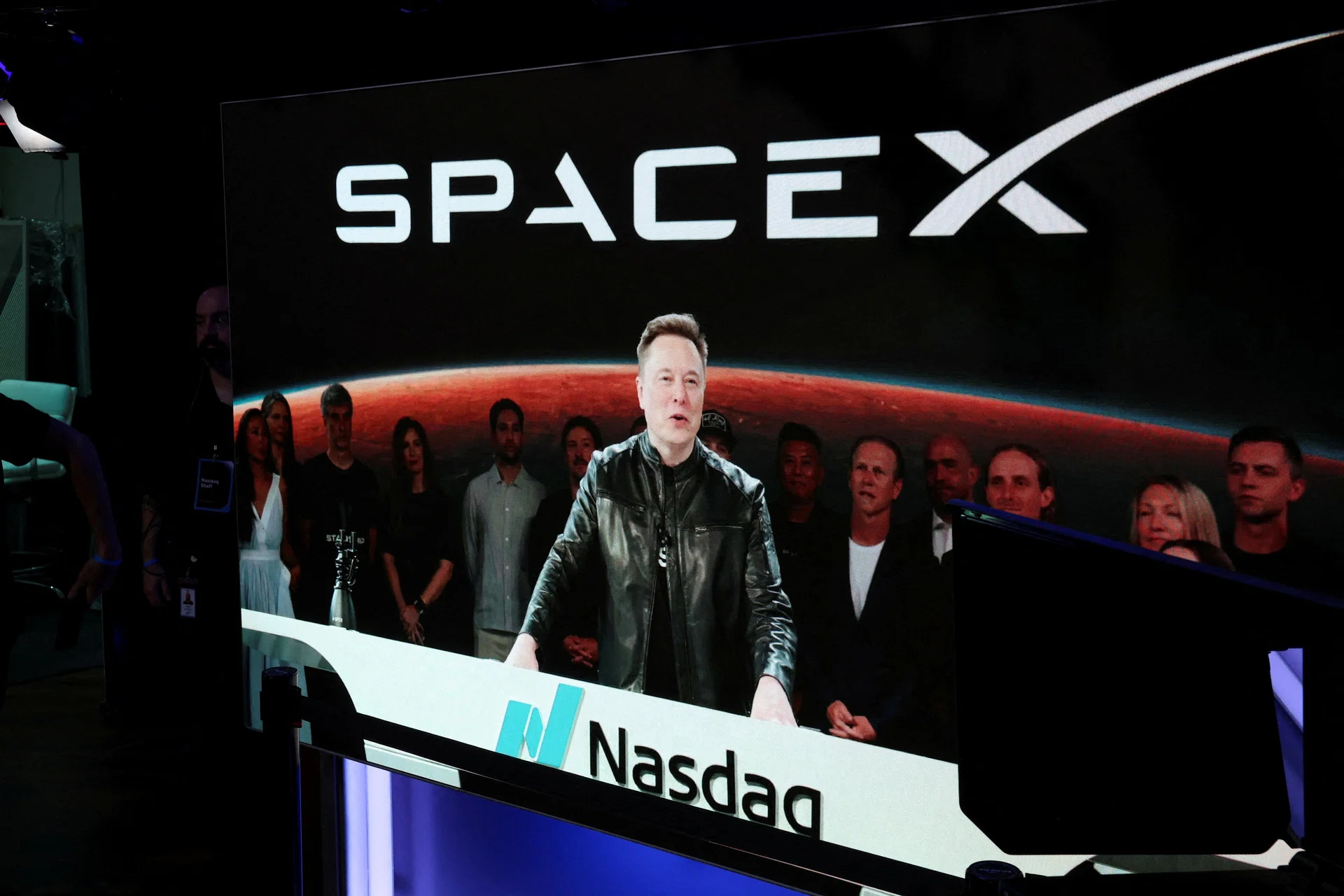
Delays with Starship have contributed to a stock sell-off that has seen the shares fall below the US$135 price at its history-making initial public offering in June.
SpaceX rose 2.6 per cent and closed at US$118.24 in regular trading on Thursday (Jul 23), but remains down about 24 per cent over the last month.
For years, SpaceX has commanded a near-monopoly on sending people and cargo to orbit using Falcon 9, the most prolific launch vehicle in the world.
The Falcon 9 slashed the cost of getting to space and enabled the growth of large-scale satellite networks, including SpaceX's Starlink.
Starship is central to Musk's ambitions to put data centres in space, expand the Starlink communications network and send humans to the moon and Mars.
But it is not yet operational and has so far faced a testing cycle marred by explosive setbacks, malfunctions and delays.
SpaceX delayed its scheduled test flight on Thursday for the second time in about a week.
If Starship is not ready to launch commercial missions by the end of 2028 and the company does not revert to the Falcon family, it would slash access to orbit for the many space companies that rely on SpaceX to get to space amid a global heavy-lift rocket shortage. BLOOMBERG