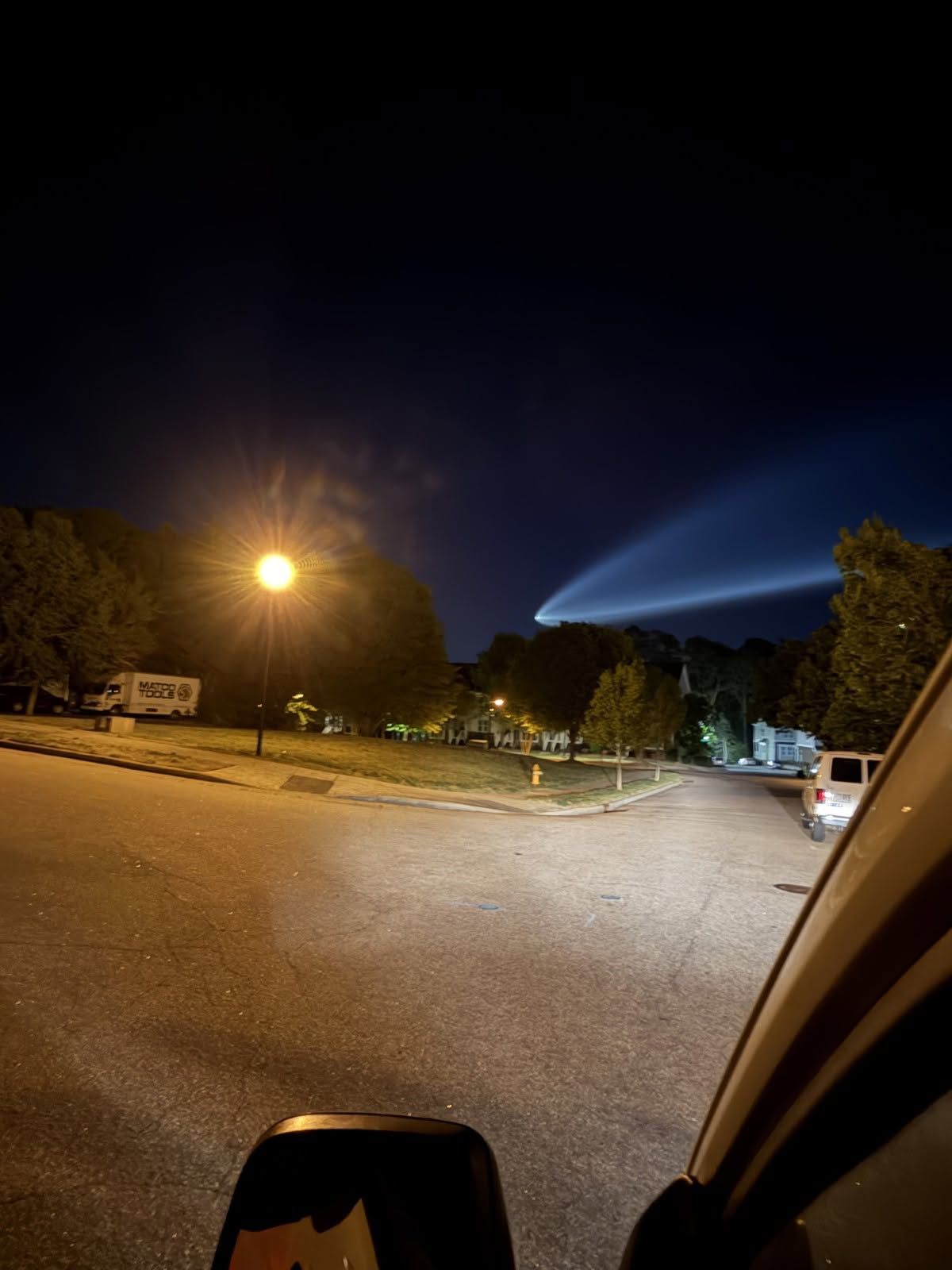
Lookup Thursday before sunrise for a SpaceX launch
SpaceX plans to launch a batch of Starlink satellites, designated Starlink 10-42, from Space Launch Complex 40 at Cape Canaveral Space Force Station in Florida.
Timing of the scheduled 5:05 a.m. launch could make the rocket visible along parts of the East Coast, weather permitting, as it climbs into orbit.
For observers in central North Carolina, the rocket should begin to rise above the southern horizon about two to three minutes after launch. Around six minutes after liftoff, look low in the southeast as the rocket reaches its highest point in the sky, about 17 degrees above the horizon. For many viewers, that will appear just above the treeline.
Although sunrise will still be about an hour away on the ground, sunlight will already be reaching the upper atmosphere, where the rocket and its exhaust plume will be moving. That combination can make the plume appear to take on a jellyfish look as it expands reduced pressure of the upper reaches of the pre-dawn sky.
The mission will carry 29 desk-sized Starlink satellites into orbit. These launches help replenish SpaceX's broadband internet constellation as older satellites de-orbit at the end of their useful lives. Some satellites may also de-orbit sooner than expected when increased solar activity heats and expands the upper atmosphere, increasing atmospheric drag.
While you are looking for the rocket, note orange Mars and cream colored Saturn flanking the waxing crescent Moon in the southeastern sky.