SpaceX may build its own GPUs to reduce chip supply risks
Serving tech enthusiasts for over 25 years.
TechSpot means tech analysis and advice you can trust.
What we know so far: SpaceX may be about to take on one of the most difficult jobs in the tech industry: making its own AI chips. According to reports, the company has warned prospective investors that chip supply constraints and the cost of securing enough compute hardware could become a serious problem. As such, it's now considering manufacturing its own GPUs.
The disclosure appears in excerpts from SpaceX's S-1 filing ahead of its expected IPO this summer. Reuters says the filing lists "manufacturing our own GPUs" among the "substantial capital expenditures" the company is taking on.
The filing acknowledges that SpaceX still expects to rely heavily on third-party suppliers for a significant portion of its compute hardware. The company also said it does not have long-term contracts with many of its direct chip suppliers, leaving it more exposed to shortages or price spikes.
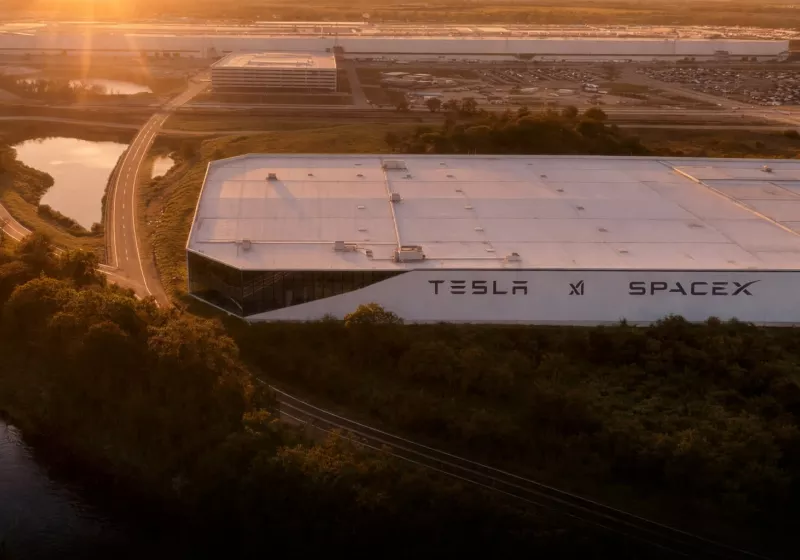
Elon Musk outlined a joint Tesla, SpaceX, xAI, and Intel chipmaking effort last month called Terafab, an advanced manufacturing complex planned for Austin, Texas. SpaceX's reported in-house GPU ambitions appear to tie directly into that same project, which is supposed to help produce the processors needed for cars, humanoid robots, and space-based data centers.
It seems the plan isn't just about reducing Nvidia dependence; it appears to align with Musk's broader push to expand in-house AI infrastructure across his companies.
Wanting to build GPUs and actually doing it are two very different things, of course. Producing cutting-edge chips requires billions of dollars, highly specialized materials, and a manufacturing process involving well over a thousand tightly controlled steps.
It's still unclear when SpaceX plans to manufacture its own chips, whether "GPU" is being used precisely or as a catch-all label for AI processors, and which company would handle the fabrication technology inside Terafab.
The report notes that SpaceX's filing frames compute hardware as a potential operational and financial risk, particularly given its reliance on outside suppliers and the lack of long-term contracts with some of them.
Reuters says SpaceX's filing identifies compute hardware as a potential operational and financial risk because of its dependence on outside suppliers and the absence of long-term contracts with some of them. It also leaves several questions unanswered, including what role Terafab would play in that effort.