News & Updates
The latest news and updates from companies in the WLTH portfolio.
The AI burn book: Decoding the cat fights between Sam Altman, Elon Musk, and Anthropic - AOL
Business Insider decoded the shade and subtweets, from the punctuation to the emojis. As the summer temperatures rise, tech tempers flare. Sam Altman is back to his old ways: openly feuding with Elon Musk and taking jabs at Anthropic once again, to the shock of no one. With Altman and Musk's courtroom dispute wrapped up (Musk lost but vowed to appeal), the dueling AI leaders are now dragging each other online over data privacy and an Apple legal battle. The OpenAI CEO has also poked at Anthropic, his primary competitor, run by Dario Amodei. Altman and Amodei were once colleagues; now, they avoid holding hands. Altman hasn't called a rival CEO a "pusher" or a "grotsky little byotch" yet. Still, a Burn Book is forming under his fingertips -- and we decoded it for you. Round One: Sam Altman vs Elon Musk Elon Musk threw the first punch last Friday. Apple sued OpenAI that day, alleging that the AI lab stole trade secrets to build its upcoming hardware device. Musk replied to posts about the suit with exclamation points, the word "wow," and a quick reaction: "Sounds pretty bad." He ramped up on Saturday, calling the OpenAI CEO "Scam Altman," a favorite phrase of his. The digs kept coming throughout the day. Altman took scamming "to a whole new level," Musk wrote, and might love scamming "more than any human alive!" Altman responded in his typical, lower-case fashion: "homeboy you're the one sellling public market investors on short-term space datacenters." Note the term of endearment (or lack thereof): "homeboy." Note the typo: "sellling." Note the lack of punctuation. Three minutes later, Altman fired off another. This time, he used the feud as an opportunity to promote his product, writing that the most reliable benchmark for GPT-5.6 Sol's success "is that elon is obsessed with me again." (Again, no capitalization.) Musk responded to Altman's space data center skepticism a few hours later with a zinger. "We start flying them next year. Maybe you can come see them if your parole officer approves," Musk wrote. In the same post, Musk took another shot at Altman by referencing their messy breakup from almost a decade ago. "After stealing an open source AI charity, you then stole all of Apple's phone technology!" he wrote. "Wow." For the record, Altman doesn't have a parole officer. OpenAI disputes Apple's allegations stating it is "not aware of any evidence that this complaint has merit." OpenAI and SpaceX did not respond to Business Insider's requests for comment. After Saturday's brawl, Altman wasn't done. He took one last stab at Musk on Tuesday, reposting some data privacy concerns about SpaceXAI. "Concerning," he wrote. And yet, the enemies could find some common ground. Both Musk and Altman posted approving messages about an AI safety essay published Tuesday by Google DeepMind's CEO Demis Hassabis. Round Two: Sam Altman vs Anthropic Throughout the Musk mess, Altman continued to kick at his No. 1 opponent: Anthropic. Last Thursday, Anthropic released an eyebrow-raising ad saying there was "hope in hard questions." Those questions include: what will humans do when AI takes over all the jobs? And why do we even have to have AI? The leading image is of a house on fire; it's an AI doomer's dream. Altman clowned the ad on Monday, saying that he "thought this was satire" posted from a fake account. He also put words in Anthropic's mouth: "Hard questions are great but only if we deem you worthy enough to not silently downgrade you, or even get access at all." He appeared to reference how Anthropic quietly rejected or altered some Fable 5 prompts in its initial launch. The company has since made these safeguards more visible. Earlier that day, he laughed at an X user who called the use of Anthropic's Fable 5 an unhealthy situationship. Since its release, Anthropic has rolled back and re-deployed the model and lifted and lowered guardrails, to the frustration of some users. (In typical Altman fashion, he "lol'd.") Altman also got philosophical. He reposted a reply to a criticism of Amodei that quoted C.S. Lewis. "Of all tyrannies, a tyranny sincerely exercised for the good of its victims may be the most oppressive," the post read. It's similar to criticisms other AI leaders have shared: that Anthropic warns of AI's safety concerns while claiming only its AI can fix it. And then, the vague-post of all vague-posts. "Come for the best model, stay because we don't treat you with contempt," Altman wrote on Monday, without specifying which AI rival he was taking a shot at. Amodei seems to be steering clear of the drama. As of Wednesday evening, he hadn't responded, nor has he updated his X account in over a month. Anthropic did not respond to a request for comment. If you enjoyed this story, be sure to follow Business Insider on Yahoo.

Elon Musk's xAI sues Grok user over sexualized 'deepfakes'
The case is one of the first brought by an AI company against one of its users for allegedly using an AI system to generate explicit material Elon Musk's artificial-intelligence startup xAI has sued a South Carolina man arrested earlier this year on charges of sexually exploiting minors, alleging he misused the company's AI system Grok to create child sexual abuse material. xAI alleged in the lawsuit, filed in federal court in Texas on Tuesday, that Terry Harwood violated the company's terms of service. The case is one of the first brought by an AI company against one of its users for allegedly using an AI system to generate explicit material. Contact information for Harwood, who was arrested in February, was not immediately available. Spokespeople for xAI did not immediately respond to a request for comment on Wednesday. The company's lawsuit against Harwood follows intense global scrutiny of xAI over allegations that Grok has allowed users to generate non-consensual sexualized deepfakes, or realistic-looking videos fabricated by AI. Stay up to date with the latest news. Follow KT on WhatsApp Channels. xAI's complaint said that the company "enforces its rules against violators through account suspensions, account terminations, and by reporting suspected child sexual abuse material to the National Center for Missing Exploited Children." "Indeed, Plaintiff has suspended 52,222 accounts and made 73,604 reports to NCMEC in 2026, resulting in (at least) 244 arrests," the lawsuit said. xAI alleged that Harwood uploaded non-sexual images of adults and minors to Grok and tried to use the system to generate sexually explicit deepfakes based on them. The complaint also alleged he created non-consensual sexual imagery of adults. The company asked the court for an unspecified amount of monetary damages and a court order permanently blocking Harwood from using Grok. "Defendant's actions were a calculated scheme to weaponize Plaintiff's tool for criminal ends, exposing real victims to profound and lasting harm, while exposing Plaintiff to significant legal risk and reputational damage," xAI said in the lawsuit.

The AI burn book: Decoding the cat fights between Sam Altman, Elon Musk, and Anthropic
* The AI industry's burn book is an increasingly public spectacle. * Sam Altman and Elon Musk threw jabs on X. Altman also dragged Anthropic, though CEO Dario Amodei stayed quiet. * Business Insider decoded the shade and subtweets, from the punctuation to the emojis. As the summer temperatures rise, tech tempers flare. Sam Altman is back to his old ways: openly feuding with Elon Musk and taking jabs at Anthropic once again, to the shock of no one. With Altman and Musk's courtroom dispute wrapped up (Musk lost but vowed to appeal), the dueling AI leaders are now dragging each other online over data privacy and an Apple legal battle. The OpenAI CEO has also poked at Anthropic, his primary competitor, run by Dario Amodei. Altman and Amodei were once colleagues; now, they avoid holding hands. Altman hasn't called a rival CEO a "pusher" or a "grotsky little byotch" yet. Still, a Burn Book is forming under his fingertips -- and we decoded it for you. Round One: Sam Altman vs Elon Musk Elon Musk threw the first punch last Friday. Apple sued OpenAI that day, alleging that the AI lab stole trade secrets to build its upcoming hardware device. Musk replied to posts about the suit with exclamation points, the word "wow," and a quick reaction: "Sounds pretty bad." He ramped up on Saturday, calling the OpenAI CEO "Scam Altman," a favorite phrase of his. The digs kept coming throughout the day. Altman took scamming "to a whole new level," Musk wrote, and might love scamming "more than any human alive!" Altman responded in his typical, lower-case fashion: "homeboy you're the one sellling public market investors on short-term space datacenters." Note the term of endearment (or lack thereof): "homeboy." Note the typo: "sellling." Note the lack of punctuation. Three minutes later, Altman fired off another. This time, he used the feud as an opportunity to promote his product, writing that the most reliable benchmark for GPT-5.6 Sol's success "is that elon is obsessed with me again." (Again, no capitalization.) Musk responded to Altman's space data center skepticism a few hours later with a zinger. "We start flying them next year. Maybe you can come see them if your parole officer approves," Musk wrote. In the same post, Musk took another shot at Altman by referencing their messy breakup from almost a decade ago. "After stealing an open source AI charity, you then stole all of Apple's phone technology!" he wrote. "Wow." For the record, Altman doesn't have a parole officer. OpenAI disputes Apple's allegations stating it is "not aware of any evidence that this complaint has merit." OpenAI and SpaceX did not respond to Business Insider's requests for comment. After Saturday's brawl, Altman wasn't done. He took one last stab at Musk on Tuesday, reposting some data privacy concerns about SpaceXAI. "Concerning," he wrote. And yet, the enemies could find some common ground. Both Musk and Altman posted approving messages about an AI safety essay published Tuesday by Google DeepMind's CEO Demis Hassabis. Round Two: Sam Altman vs Anthropic Throughout the Musk mess, Altman continued to kick at his No. 1 opponent: Anthropic. Last Thursday, Anthropic released an eyebrow-raising ad saying there was "hope in hard questions." Those questions include: what will humans do when AI takes over all the jobs? And why do we even have to have AI? The leading image is of a house on fire; it's an AI doomer's dream. Altman clowned the ad on Monday, saying that he "thought this was satire" posted from a fake account. He also put words in Anthropic's mouth: "Hard questions are great but only if we deem you worthy enough to not silently downgrade you, or even get access at all." He appeared to reference how Anthropic quietly rejected or altered some Fable 5 prompts in its initial launch. The company has since made these safeguards more visible. Earlier that day, he laughed at an X user who called the use of Anthropic's Fable 5 an unhealthy situationship. Since its release, Anthropic has rolled back and re-deployed the model and lifted and lowered guardrails, to the frustration of some users. (In typical Altman fashion, he "lol'd.") Altman also got philosophical. He reposted a reply to a criticism of Amodei that quoted C.S. Lewis. "Of all tyrannies, a tyranny sincerely exercised for the good of its victims may be the most oppressive," the post read. It's similar to criticisms other AI leaders have shared: that Anthropic warns of AI's safety concerns while claiming only its AI can fix it. And then, the vague-post of all vague-posts. "Come for the best model, stay because we don't treat you with contempt," Altman wrote on Monday, without specifying which AI rival he was taking a shot at. Amodei seems to be steering clear of the drama. As of Wednesday evening, he hadn't responded, nor has he updated his X account in over a month. Anthropic did not respond to a request for comment. Read the original article on Business Insider The post The AI burn book: Decoding the cat fights between Sam Altman, Elon Musk, and Anthropic appeared first on Business Insider.

xAI Sues Man for Allegedly Using Grok to Generate AI Child Abuse Deepfakes
xAI Sues Man for Allegedly Using Grok to Generate AI Child Abuse Deepfakes. Source: Gage Skidmore from Surprise, AZ, United States of America, CC BY-SA 2.0, via Wikimedia Commons Elon Musk's artificial intelligence company xAI has filed a federal lawsuit against a South Carolina man accused of using its Grok chatbot to generate child sexual abuse material (CSAM) and non-consensual explicit deepfakes, marking one of the first known legal actions by an AI developer against a user over alleged misuse of generative AI. The lawsuit, filed Tuesday in a federal court in Texas, alleges that Terry Harwood violated xAI's terms of service by attempting to create sexually explicit AI-generated images involving both adults and minors. Harwood was arrested in February on separate charges related to the sexual exploitation of minors. His contact information was not immediately available, and xAI has not issued additional public comments on the case. According to the complaint, Harwood uploaded non-sexual images into Grok and allegedly attempted to transform them into explicit AI-generated content without consent. xAI claims the activity included efforts to produce child sexual abuse material and sexually explicit deepfakes of adults. The lawsuit comes as xAI faces growing international scrutiny over concerns that Grok and other generative AI tools can be exploited to create harmful or non-consensual synthetic media. The company said it actively monitors abuse and takes enforcement action against users who violate its policies. Court filings state that xAI has suspended 52,222 user accounts and submitted 73,604 reports to the National Center for Missing & Exploited Children (NCMEC) in 2026. According to the lawsuit, those reports have contributed to at least 244 arrests. xAI is seeking unspecified monetary damages and a permanent court injunction that would prohibit Harwood from accessing or using Grok in the future. In its filing, the company argued that the defendant intentionally weaponized its AI platform for criminal purposes, causing serious harm to victims while exposing xAI to legal and reputational risks. The case could become a landmark legal test of how AI companies hold users accountable for the misuse of generative AI technologies.

Pollution from Musk's unpermitted xAI power project hits hardest in Black communities
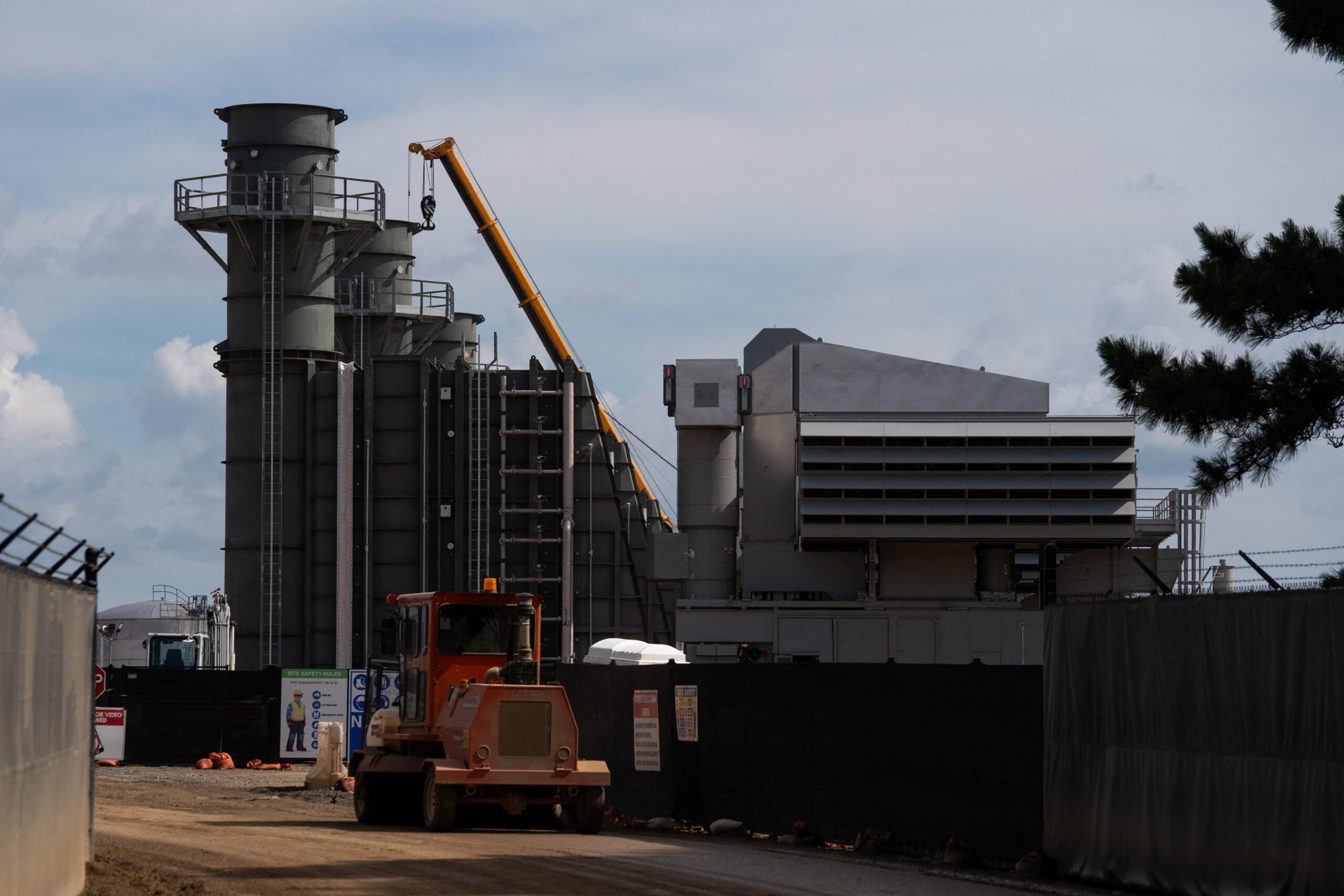
The findings illustrate how electricity demand from AI data centers is driving companies to build power plants without enough environmental oversight in the US Elon Musk's artificial intelligence company xAI has installed 59 natural gas turbines for its Colossus 2 data center project in Tennessee without securing federal clean air permits, according to communications between regulators and xAI representatives. Potential emissions from the turbines are far beyond the threshold that would require a federal permit, and would be released near predominantly Black communities already estimated to be suffering disproportionately high rates of lung disease, according to a Reuters analysis based on government data and information in the correspondence with regulators. The findings, which have not been previously reported, reflect how exploding electricity demand from AI data centers is driving companies to build off-grid power plants at a pace outstripping environmental oversight, with potentially big risks to public health. The number of unpermitted turbines identified by Reuters is about double what xAI has publicly acknowledged. The company previously said it was running 27 unpermitted turbines for Colossus 2 as of January and has argued the permits are not required. At least 57 of the 59 turbines are located in Mississippi, just over the state line from Tennessee where the data center is located. The xAI turbines are among scores of off-grid power plants for data centers proposed or under construction around the country. Local authorities often fast-track approvals in just weeks or months, without the years of environmental studies and public hearings typically required for such power generation projects that connect to the grid, Reuters has reported. Mississippi regulators in March issued a permit for permanent turbines for Colossus 2, allowing construction of 41 gas-fired turbines. The approval came three weeks after the state's only public hearing on the project. The xAI cluster of temporary turbines in Mississippi is already among the biggest off-grid data center power projects, according to Ben King, an analyst with think tank Rhodium Group, who reviewed the Reuters analysis. "This looks to be an unprecedented level of behind-the-meter gas being installed in one place," he said, referring to off-grid natural gas plants serving just one customer. The communications reviewed by Reuters show xAI, now owned by trillionaire Musk's SpaceX SPCX.O, has installed 57 off-grid turbines in Southaven, Mississippi, just across the state line from its Colossus 2 data center in Memphis, a facility supporting the Grok chatbot and other AI systems. The records show the company has also installed two other unpermitted turbines for the project on a different site. Reuters could not determine the location. The communications, obtained through a Reuters public records request, included emails between Trinity Consultants, representing xAI and subsidiary MZX Tech, and the Mississippi Department of Environmental Quality (MDEQ). xAI did not respond to Reuters' request for comment. xAI's turbines are part of a widening environmental justice battle over whether the AI boom is adding disproportionate pollution burdens to communities of color. Civil rights groups including the NAACP and the Southern Environmental Law Center sued xAI in April to halt their operations, arguing the turbines produce emissions subject to the federal Clean Air Act and shouldn't be operated without permits. They contend the turbines are polluting homes, schools and churches in historically Black communities. "The scale of it is astonishing," said Patrick Anderson, an attorney with the Southern Environmental Law Center. "This is an absolutely huge Clean Air Act violation that threatens public health." Securing a Clean Air Act permit would have exposed xAI's project to extensive review and public comment, potentially taking years. Mississippi environmental regulators and xAI have argued in court filings that the turbines are exempt because they are "mobile" and intended to operate onsite for less than a year. "MDEQ has determined that portable/temporary turbines do not require an air permit," the agency said in a statement to Reuters. The US Environmental Protection Agency said in January 2026 that even temporary turbines exceeding emissions thresholds must obtain permits. The agency, however, told Reuters it's considering changes allowing "regulatory flexibilities" for portable units while continuing to protect public health. xAI, the MDEQ and the EPA did not answer questions from Reuters about pollution impacts on communities of color from power generation to serve data centers. The US Justice Department weighed in on the lawsuit in a June 15 filing, saying that restricting the turbines could threaten national security interests because xAI's systems support US military operations, including operations involving Iran. The outcome of the lawsuit filed by civil rights groups could help define how environmental laws apply to the fast-growing AI sector, where companies are scrambling to bring power supplies online to support energy-intensive computing. "This sets up scenarios where the government can create sacrifice zones and tell communities they have to breathe illegal air pollution," said Mary Rock, a senior attorney for Earthjustice which is representing the NAACP and SELC. The dispute echoes the findings of a 2022 study by researchers from UCLA and Columbia University and published in the Nature Energy journal that found that previously redlined communities -- where banks historically discriminated against Black mortgage applicants -- now face disproportionately high exposure to pollutants from fossil fuel facilities. "Air pollution from these and other sources contributes to systemic racial disparities in chronic disease and ultimately shorter lives," Lara Cushing, a UCLA public health professor who co-authored the study, told Reuters. Big emissions The emails reviewed by Reuters included the manufacturer emissions profiles for 32 of the 59 turbines, including 30 at the Southaven site. A Reuters analysis based on that information found that those 30 turbines alone could emit nearly 2,500 short tons of nitrogen oxide, 4,000 short tons of carbon monoxide and 22 short tons of formaldehyde annually, assuming they operate continuously at 80% of capacity. According to the EPA, gas turbines are typically operated at loads of 80% or more to achieve efficiency. Nitrogen oxides contribute to smog and respiratory inflammation, according to the American Lung Association. Carbon monoxide deprives the body of oxygen, and formaldehyde is a carcinogen. The xAI site's potential emissions far exceed a Clean Air Act threshold that requires permitting for facilities capable of more than 100 short tons annually of pollutants such as nitrogen oxide. "This is a massive amount of turbines and an unfathomable amount of air pollution," Southaven resident Shannon Samsa said in an interview. "It's not a hypothetical," she said, "that air pollution is bad for you." The nitrogen oxide emissions calculated by Reuters for about half the plant's turbines would put the facility "up there with some of the heaviest polluting natural gas power plants across the entire country," said Nicholas Mailloux, a postdoctoral researcher at the University of Wisconsin-Madison who studies air quality and health benefits of the clean-energy transition. He said the facility would be on par with the top 25 US gas plants for nitrogen oxide emissions, citing EPA data for actual emissions. The people affected In the Colonial Hills neighborhood of Southaven, the turbines serving Colossus 2 can be heard around the clock, often firing off noisy bursts that residents compare to jet engines. Ervin Laws, a Colonial Hills resident in his 20s, said the noise wakes him up at night. "I can't do anything about it, because he's got more money than me," he said, referring to Musk. The turbines were installed in communities already estimated to be facing relatively high respiratory disease burdens, according to a Reuters analysis of CDC data. In 27 of 28 census tracts within five miles of the site -- spanning both Mississippi and Tennessee -- the estimated asthma rates were higher than their respective countywide figures. In 24 tracts, chronic obstructive pulmonary disease rates were also higher. Five miles is a distance commonly used in environmental health research to capture populations likely to be exposed to air pollution from a stationary source. A separate Reuters analysis of Census Bureau data found that the residents living near the facility are disproportionately Black. Because the five-mile radius crosses state lines, Reuters compared each side against its own county baseline. Within five miles of the facility in DeSoto county, Mississippi -- where the turbines are located -- about 46% of residents are Black, compared with 33% countywide, according to census data. Across the state line in Tennessee, where residents have no say in Mississippi's permitting process, about 94% of residents within five miles of the facility are Black, compared to 52% in surrounding Shelby County. Jayajit Chakraborty, a professor at the University of California, Santa Barbara, said the Reuters analysis was consistent with research that shows communities of color face higher exposure to fossil fuel pollution. Shelby County and portions of DeSoto County have also previously failed to meet federal ozone standards and remain subject to EPA-approved plans to ensure they do not slip back into violation, according to regulatory documents. Nitrogen oxide is a key precursor to ozone formation, which the EPA says can harm respiratory health. "Given this community struggles with high asthma rates, additional NOx exposure at such high rates could exacerbate public health issues in a community that is already seeing more than its fair share of exposure to toxic air pollution," said Victoria Nelson, an independent environmental engineer, formerly at EPA. Sarah Gladney, 72, has watched the rapid expansion of xAI's Memphis-area presence from her home in the historically Black neighborhood of Boxtown, a few miles from where the company built its Colossus 1 data center in 2024. "Once they got their foot in the door in Memphis, I feel like it's going to be a continuous movement of xAI into these other communities," she said. "It's all about the money, and it's not about the health or wellness of the people that live in or near these communities." - Rappler.com
U.S. Government Intervenes in xAI's Gas Turbine Clean Air Lawsuit
Court Checkpoint: A judge must decide whether plaintiffs can keep seeking a halt while federal rules for portable units remain unsettled. The U.S. Justice Department has filed a motion to intervene in and dismiss a Clean Air Act lawsuit over xAI's Southaven power operation. Federal lawyers argued that closing the AI facility would conflict with economic, military, national-security, and energy-policy interests. The private suit tests whether portable generating equipment used for on-site AI power remains subject to federal air-permit duties. Behind-the-meter generation lets a facility produce and consume electricity on site instead of relying on the public grid. Earlier plans put Colossus 2's power goal at gigawatt scale, an unusual target for a single computing site. The federal intervention neither grants xAI a Clean Air Act exemption nor resolves the plaintiffs' allegations. A judge must still consider the disputed mobile fleet, its potential emissions, and the consequences for nearby communities. xAI has provided no current response. What the Turbines Could Mean for Nearby Communities xAI has reportedly installed 59 mobile gas turbines for its Southaven AI data center, Colossus 2. Of those units, 57 have been at the unpermitted Southaven xAI power project, with two elsewhere. In January, xAI operated 27 turbines at the Colossus 2 natural-gas turbine installation while maintaining that temporary units were exempt from permits. Potential pollution rises with the number of active turbines and their operating intensity. That makes the gap between 27 units and the 59-unit allegation operationally material. The concentration of behind-the-meter gas generation at one location are unusually large. More active units can produce more electricity but also more emissions. Output from the 30 Southaven turbines could reach about 2,500 tons of nitrogen oxides, 4,000 tons of carbon monoxide, and 22 tons of formaldehyde annually. Nitrogen oxides help form smog. Figures for 30 turbines are not measurements from the full 59-unit allegation; operating schedules and the number of active units would change actual totals. Estimated asthma rates in the affected area exceeded countywide levels in 27 of 28 nearby census tracts, while chronic obstructive pulmonary disease rates were higher in 24 tracts. Victoria Nelson, an independent environmental engineer and former U.S. Environmental Protection Agency official, warned about the risk of added exposure: "Given this community struggles with high asthma rates, additional NOx exposure at such high rates could exacerbate public health issues in a community that is already seeing more than its fair share of exposure to toxic air pollution." Added nitrogen-oxide exposure can aggravate respiratory risks. However, existing disease estimates cannot establish a causal connection between the turbines and the area's health conditions. Independent reporting indicates that Shelby County and parts of DeSoto County previously failed federal ozone standards and remain under EPA-approved maintenance plans. The Permit Fight Now Runs Through Federal Court Mississippi regulators have approved 41 permanent turbines in March, while that earlier permit baseline excluded the mobile units. Permanent equipment is tied to a fixed site. xAI has classified 27 of the installed gas turbines as portable equipment intended to move within 364 days. At about 1.2 gigawatts, the permanent units could supply substantial power, but their capacity does not extend the permit to mobile equipment. By May, 46 turbines were operating in Southaven, up from 27 in January. U.S. Environmental Protection Agency rules may still require permits above emissions thresholds. Mississippi's environmental agency directs to a page where a public notice, draft permit, or Statement of Basis can be found. A federal judge's next ruling will decide whether the plaintiffs can continue seeking an order that halts xAI's Southaven turbines.

Pollution from Elon Musk's unpermitted xAI power project hits hardest in Black communities
Potential emissions from the turbines are far beyond the threshold that would require a federal permit, and would be released near predominantly Black communities already estimated to be suffering disproportionately high rates of lung disease, according to a Reuters analysis based on government data and information in the correspondence with regulators. Elon Musk's artificial intelligence company xAI has installed 59 natural gas turbines for its Colossus 2 data center project in Tennessee without securing federal clean air permits, according to communications between regulators and xAI representatives. Potential emissions from the turbines are far beyond the threshold that would require a federal permit, and would be released near predominantly Black communities already estimated to be suffering disproportionately high rates of lung disease, according to a Reuters analysis based on government data and information in the correspondence with regulators. The findings, which have not been previously reported, reflect how exploding electricity demand from AI data centers is driving companies to build off-grid power plants at a pace outstripping environmental oversight, with potentially big risks to public health. The number of unpermitted turbines identified by Reuters is about double what xAI has publicly acknowledged. The company previously said it was running 27 unpermitted turbines for Colossus 2 as of January and has argued the permits are not required. At least 57 of the 59 turbines are located in Mississippi, just over the state line from Tennessee where the data center is located. The xAI turbines are among scores of off-grid power plants for data centers proposed or under construction around the country. Local authorities often fast-track approvals in just weeks or months, without the years of environmental studies and public hearings typically required for such power generation projects that connect to the grid, Reuters has reported. Mississippi regulators in March issued a permit for permanent turbines for Colossus 2, allowing construction of 41 gas-fired turbines. The approval came three weeks after the state's only public hearing on the project. The xAI cluster of temporary turbines in Mississippi is already among the biggest off-grid data center power projects, according to Ben King, an analyst with think tank Rhodium Group, who reviewed the Reuters analysis. "This looks to be an unprecedented level of behind-the-meter gas being installed in one place," he said, referring to off-grid natural gas plants serving just one customer. The communications reviewed by Reuters show xAI, now owned by trillionaire Musk's SpaceX, has installed 57 off-grid turbines in Southaven, Mississippi, just across the state line from its Colossus 2 data center in Memphis, a facility supporting the Grok chatbot and other AI systems. The records show the company has also installed two other unpermitted turbines for the project on a different site. Reuters could not determine the location. The communications, obtained through a Reuters public records request, included emails between Trinity Consultants, representing xAI and subsidiary MZX Tech, and the Mississippi Department of Environmental Quality (MDEQ). xAI did not respond to Reuters' request for comment. xAI's turbines are part of a widening environmental justice battle over whether the AI boom is adding disproportionate pollution burdens to communities of color. Civil rights groups including the NAACP and the Southern Environmental Law Center sued xAI in April to halt their operations, arguing the turbines produce emissions subject to the federal Clean Air Act and shouldn't be operated without permits. They contend the turbines are polluting homes, schools and churches in historically Black communities. "The scale of it is astonishing," said Patrick Anderson, an attorney with the Southern Environmental Law Center. "This is an absolutely huge Clean Air Act violation that threatens public health." Securing a Clean Air Act permit would have exposed xAI's project to extensive review and public comment, potentially taking years. Mississippi environmental regulators and xAI have argued in court filings that the turbines are exempt because they are "mobile" and intended to operate onsite for less than a year. "MDEQ has determined that portable/temporary turbines do not require an air permit," the agency said in a statement to Reuters. The U.S. Environmental Protection Agency said in January 2026 that even temporary turbines exceeding emissions thresholds must obtain permits. The agency, however, told Reuters it's considering changes allowing "regulatory flexibilities" for portable units while continuing to protect public health. xAI, the MDEQ and the EPA did not answer questions from Reuters about pollution impacts on communities of color from power generation to serve data centers. The U.S. Justice Department weighed in on the lawsuit in a June 15 filing, saying that restricting the turbines could threaten national security interests because xAI's systems support U.S. military operations, including operations involving Iran. The outcome of the lawsuit filed by civil rights groups could help define how environmental laws apply to the fast-growing AI sector, where companies are scrambling to bring power supplies online to support energy-intensive computing. "This sets up scenarios where the government can create sacrifice zones and tell communities they have to breathe illegal air pollution," said Mary Rock, a senior attorney for Earthjustice which is representing the NAACP and SELC. The dispute echoes the findings of a 2022 study by researchers from UCLA and Columbia University and published in the Nature Energy journal that found that previously redlined communities - where banks historically discriminated against Black mortgage applicants - now face disproportionately high exposure to pollutants from fossil fuel facilities. "Air pollution from these and other sources contributes to systemic racial disparities in chronic disease and ultimately shorter lives," Lara Cushing, a UCLA public health professor who co-authored the study, told Reuters. Big emissions The emails reviewed by Reuters included the manufacturer emissions profiles for 32 of the 59 turbines, including 30 at the Southaven site. A Reuters analysis based on that information found that those 30 turbines alone could emit nearly 2,500 short tons of nitrogen oxide, 4,000 short tons of carbon monoxide and 22 short tons of formaldehyde annually, assuming they operate continuously at 80% of capacity. According to the EPA, gas turbines are typically operated at loads of 80% or more to achieve efficiency. Nitrogen oxides contribute to smog and respiratory inflammation, according to the American Lung Association. Carbon monoxide deprives the body of oxygen, and formaldehyde is a carcinogen. The xAI site's potential emissions far exceed a Clean Air Act threshold that requires permitting for facilities capable of more than 100 short tons annually of pollutants such as nitrogen oxide. "This is a massive amount of turbines and an unfathomable amount of air pollution," Southaven resident Shannon Samsa said in an interview. "It's not a hypothetical," she said, "that air pollution is bad for you." The nitrogen oxide emissions calculated by Reuters for about half the plant's turbines would put the facility "up there with some of the heaviest polluting natural gas power plants across the entire country," said Nicholas Mailloux, a postdoctoral researcher at the University of Wisconsin-Madison who studies air quality and health benefits of the clean-energy transition. He said the facility would be on par with the top 25 U.S. gas plants for nitrogen oxide emissions, citing EPA data for actual emissions. The people affected In the Colonial Hills neighborhood of Southaven, the turbines serving Colossus 2 can be heard around the clock, often firing off noisy bursts that residents compare to jet engines. Ervin Laws, a Colonial Hills resident in his 20s, said the noise wakes him up at night. "I can't do anything about it, because he's got more money than me," he said, referring to Musk. The turbines were installed in communities already estimated to be facing relatively high respiratory disease burdens, according to a Reuters analysis of CDC data. In 27 of 28 census tracts within five miles of the site - spanning both Mississippi and Tennessee - the estimated asthma rates were higher than their respective countywide figures. In 24 tracts, chronic obstructive pulmonary disease rates were also higher. Five miles is a distance commonly used in environmental health research to capture populations likely to be exposed to air pollution from a stationary source. A separate Reuters analysis of Census Bureau data found that the residents living near the facility are disproportionately Black. Because the five-mile radius crosses state lines, Reuters compared each side against its own county baseline. Within five miles of the facility in DeSoto county, Mississippi - where the turbines are located - about 46% of residents are Black, compared with 33% countywide, according to census data. Across the state line in Tennessee, where residents have no say in Mississippi's permitting process, about 94% of residents within five miles of the facility are Black, compared to 52% in surrounding Shelby County. Jayajit Chakraborty, a professor at the University of California, Santa Barbara, said the Reuters analysis was consistent with research that shows communities of color face higher exposure to fossil fuel pollution. Shelby County and portions of DeSoto County have also previously failed to meet federal ozone standards and remain subject to EPA-approved plans to ensure they do not slip back into violation, according to regulatory documents. Nitrogen oxide is a key precursor to ozone formation, which the EPA says can harm respiratory health. "Given this community struggles with high asthma rates, additional NOx exposure at such high rates could exacerbate public health issues in a community that is already seeing more than its fair share of exposure to toxic air pollution," said Victoria Nelson, an independent environmental engineer, formerly at EPA. Sarah Gladney, 72, has watched the rapid expansion of xAI's Memphis-area presence from her home in the historically Black neighborhood of Boxtown, a few miles from where the company built its Colossus 1 data center in 2024. "Once they got their foot in the door in Memphis, I feel like it's going to be a continuous movement of xAI into these other communities," she said. "It's all about the money, and it's not about the health or wellness of the people that live in or near these communities."
Grok Build Uploaded Entire Git Repositories to xAI Storage, Not Just Files It Read - IT Security News
xAI's Grok Build coding CLI was uploading entire Git repositories, full commit history and all, to a Google Cloud Storage bucket run by xAI, not just the files a coding task needed. A researcher publishing as cereblab, testing version 0.2.93, captured one of those uploads, cloned the git bundle out of the intercepted request, and pulled back a file the agent had been told in plain terms not

Pollution from Musk's unpermitted xAI power project hits hardest in Black communities
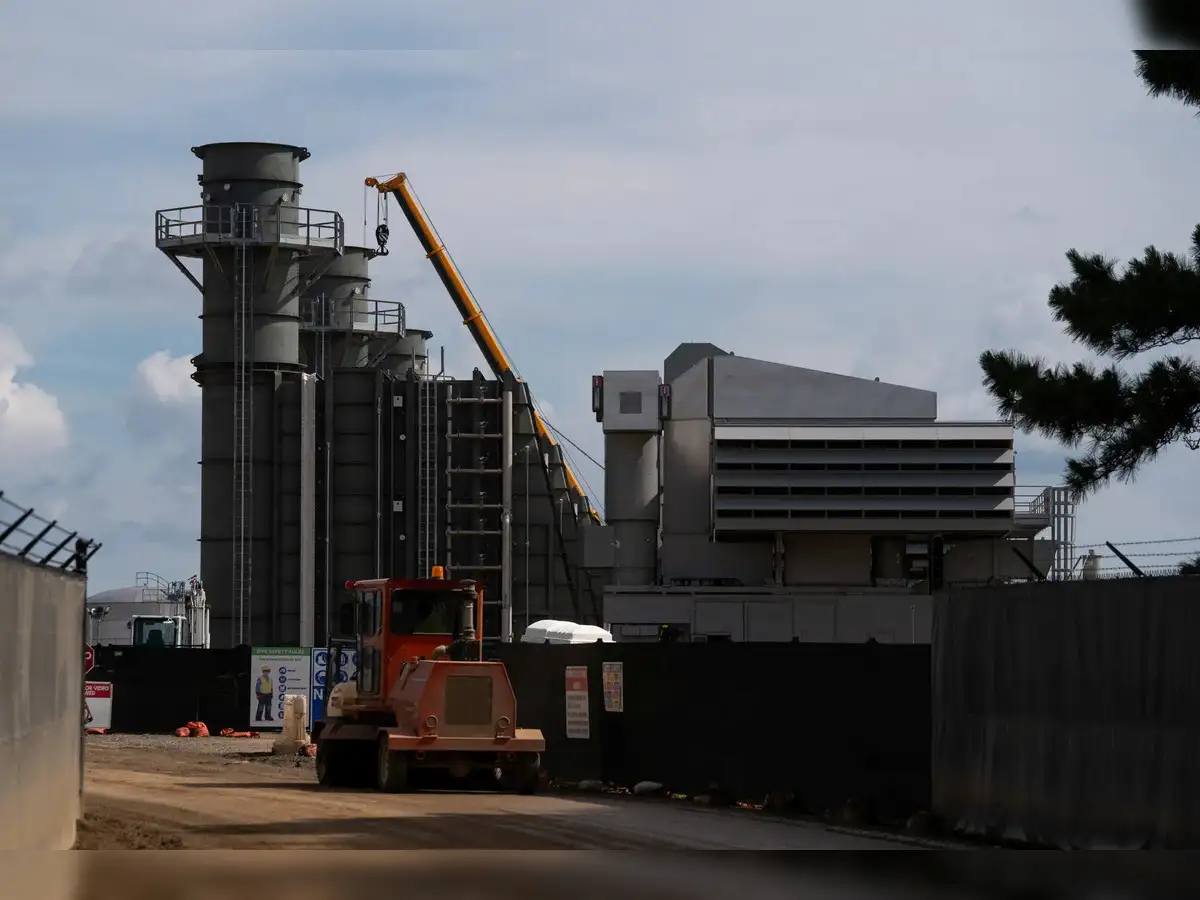
Elon Musk's artificial intelligence company xAI has installed 59 natural gas turbines for its Colossus 2 data center project in Tennessee without securing federal clean air permits, according to communications between regulators and xAI representatives. Potential emissions from the turbines are far beyond the threshold that would require a federal permit, and would be released near predominantly Black communities already estimated to be suffering disproportionately high rates of lung disease, according to a Reuters analysis based on government data and information in the correspondence with regulators. The findings, which have not been previously reported, reflect how exploding electricity demand from AI data centers is driving companies to build off-grid power plants at a pace outstripping environmental oversight, with potentially big risks to public health. The number of unpermitted turbines identified by Reuters is about double what xAI has publicly acknowledged. The company previously said it was running 27 unpermitted turbines for Colossus 2 as of January and has argued the permits are not required. At least 57 of the 59 turbines are located in Mississippi, just over the state line from Tennessee where the data center is located. The xAI turbines are among scores of off-grid power plants for data centers proposed or under construction around the country. Local authorities often fast-track approvals in just weeks or months, without the years of environmental studies and public hearings typically required for such power generation projects that connect to the grid, Reuters has reported. Item 1 of 7 The entrance to xAI's gas turbine facility in Southaven, Mississippi, U.S., May 30, 2026. REUTERS/Kevin Wurm [1/7]The entrance to xAI's gas turbine facility in Southaven, Mississippi, U.S., May 30, 2026. REUTERS/Kevin Wurm Mississippi regulators in March issued a permit for permanent turbines for Colossus 2, allowing construction of 41 gas-fired turbines. The approval came three weeks after the state's only public hearing on the project. The xAI cluster of temporary turbines in Mississippi is already among the biggest off-grid data center power projects, according to Ben King, an analyst with think tank Rhodium Group, who reviewed the Reuters analysis. "This looks to be an unprecedented level of behind-the-meter gas being installed in one place," he said, referring to off-grid natural gas plants serving just one customer. The communications reviewed by Reuters show xAI, now owned by trillionaire Musk's SpaceX, has installed 57 off-grid turbines in Southaven, Mississippi, just across the state line from its Colossus 2 data center in Memphis, a facility supporting the Grok chatbot and other AI systems. The records show the company has also installed two other unpermitted turbines for the project on a different site. Reuters could not determine the location. The communications, obtained through a Reuters public records request, included emails between Trinity Consultants, representing xAI and subsidiary MZX Tech, and the Mississippi Department of Environmental Quality (MDEQ). xAI did not respond to Reuters' request for comment. xAI's turbines are part of a widening environmental justice battle over whether the AI boom is adding disproportionate pollution burdens to communities of color. Civil rights groups including the NAACP and the Southern Environmental Law Center sued xAI in April to halt their operations, arguing the turbines produce emissions subject to the federal Clean Air Act and shouldn't be operated without permits. They contend the turbines are polluting homes, schools and churches in historically Black communities. "The scale of it is astonishing," said Patrick Anderson, an attorney with the Southern Environmental Law Center. "This is an absolutely huge Clean Air Act violation that threatens public health." Securing a Clean Air Act permit would have exposed xAI's project to extensive review and public comment, potentially taking years. Mississippi environmental regulators and xAI have argued in court filings that the turbines are exempt because they are "mobile" and intended to operate onsite for less than a year. "MDEQ has determined that portable/temporary turbines do not require an air permit," the agency said in a statement to Reuters. The U.S. Environmental Protection Agency said in January 2026 that even temporary turbines exceeding emissions thresholds must obtain permits. The agency, however, told Reuters it's considering changes allowing "regulatory flexibilities" for portable units while continuing to protect public health. xAI, the MDEQ and the EPA did not answer questions from Reuters about pollution impacts on communities of color from power generation to serve data centers. The U.S. Justice Department weighed in on the lawsuit in a June 15 filing, saying that restricting the turbines could threaten national security interests because xAI's systems support U.S. military operations, including operations involving Iran. The outcome of the lawsuit filed by civil rights groups could help define how environmental laws apply to the fast-growing AI sector, where companies are scrambling to bring power supplies online to support energy-intensive computing. "This sets up scenarios where the government can create sacrifice zones and tell communities they have to breathe illegal air pollution," said Mary Rock, a senior attorney for Earthjustice which is representing the NAACP and SELC. The dispute echoes the findings of a 2022 study by researchers from UCLA and Columbia University and published in the Nature Energy journal that found that previously redlined communities - where banks historically discriminated against Black mortgage applicants - now face disproportionately high exposure to pollutants from fossil fuel facilities. "Air pollution from these and other sources contributes to systemic racial disparities in chronic disease and ultimately shorter lives," Lara Cushing, a UCLA public health professor who co-authored the study, told Reuters. BIG EMISSIONS The emails reviewed by Reuters included the manufacturer emissions profiles for 32 of the 59 turbines, including 30 at the Southaven site. A Reuters analysis based on that information found that those 30 turbines alone could emit nearly 2,500 short tons of nitrogen oxide, 4,000 short tons of carbon monoxide and 22 short tons of formaldehyde annually, assuming they operate continuously at 80% of capacity. According to the EPA, gas turbines are typically operated at loads of 80% or more to achieve efficiency. Nitrogen oxides contribute to smog and respiratory inflammation, according to the American Lung Association. Carbon monoxide deprives the body of oxygen, and formaldehyde is a carcinogen. The xAI site's potential emissions far exceed a Clean Air Act threshold that requires permitting for facilities capable of more than 100 short tons annually of pollutants such as nitrogen oxide. "This is a massive amount of turbines and an unfathomable amount of air pollution," Southaven resident Shannon Samsa said in an interview. "It's not a hypothetical," she said, "that air pollution is bad for you." The nitrogen oxide emissions calculated by Reuters for about half the plant's turbines would put the facility "up there with some of the heaviest polluting natural gas power plants across the entire country," said Nicholas Mailloux, a postdoctoral researcher at the University of Wisconsin-Madison who studies air quality and health benefits of the clean-energy transition. He said the facility would be on par with the top 25 U.S. gas plants for nitrogen oxide emissions, citing EPA data for actual emissions. THE PEOPLE AFFECTED In the Colonial Hills neighborhood of Southaven, the turbines serving Colossus 2 can be heard around the clock, often firing off noisy bursts that residents compare to jet engines. Ervin Laws, a Colonial Hills resident in his 20s, said the noise wakes him up at night. "I can't do anything about it, because he's got more money than me," he said, referring to Musk. The turbines were installed in communities already estimated to be facing relatively high respiratory disease burdens, according to a Reuters analysis of CDC data. In 27 of 28 census tracts within five miles of the site - spanning both Mississippi and Tennessee - the estimated asthma rates were higher than their respective countywide figures. In 24 tracts, chronic obstructive pulmonary disease rates were also higher. Five miles is a distance commonly used in environmental health research to capture populations likely to be exposed to air pollution from a stationary source. A separate Reuters analysis of Census Bureau data found that the residents living near the facility are disproportionately Black. Because the five-mile radius crosses state lines, Reuters compared each side against its own county baseline. Within five miles of the facility in DeSoto county, Mississippi - where the turbines are located - about 46% of residents are Black, compared with 33% countywide, according to census data. Across the state line in Tennessee, where residents have no say in Mississippi's permitting process, about 94% of residents within five miles of the facility are Black, compared to 52% in surrounding Shelby County. Jayajit Chakraborty, a professor at the University of California, Santa Barbara, said the Reuters analysis was consistent with research that shows communities of color face higher exposure to fossil fuel pollution. Shelby County and portions of DeSoto County have also previously failed to meet federal ozone standards and remain subject to EPA-approved plans to ensure they do not slip back into violation, according to regulatory documents. Nitrogen oxide is a key precursor to ozone formation, which the EPA says can harm respiratory health. "Given this community struggles with high asthma rates, additional NOx exposure at such high rates could exacerbate public health issues in a community that is already seeing more than its fair share of exposure to toxic air pollution," said Victoria Nelson, an independent environmental engineer, formerly at EPA. Sarah Gladney, 72, has watched the rapid expansion of xAI's Memphis-area presence from her home in the historically Black neighborhood of Boxtown, a few miles from where the company built its Colossus 1 data center in 2024. "Once they got their foot in the door in Memphis, I feel like it's going to be a continuous movement of xAI into these other communities," she said. "It's all about the money, and it's not about the health or wellness of the people that live in or near these communities." Reporting by Disha Raychaudhuri and Valerie Volcovici; photos by Kevin Wurm; editing by David Gaffen, Kat Stafford, Ben Lesser and Richard Valdmanis Our Standards: The Thomson Reuters Trust Principles., opens new tab * Suggested Topics: * World Disha Raychaudhuri Thomson Reuters Disha is a data journalist based in Washington, D.C., covering global inequality, race and social justice issues. She joined Reuters in 2020 as a data journalist on the legal news team where she covered a wide range of topics including bankruptcy, opioid settlements and the legislative push to restrict transgender healthcare in the US. Prior to joining Reuters she was a data reporter at The Star-Ledger in New Jersey. Contact: [email protected] Valerie Volcovici Thomson Reuters Valerie Volcovici covers U.S. climate and energy policy from Washington, DC. She is focused on climate and environmental regulations at federal agencies and in Congress and how the energy transition is transforming the United States. Other areas of coverage include her award-winning reporting plastic pollution and the ins and outs of global climate diplomacy and United Nations climate negotiations.

Pollution from Musk's unpermitted xAI power project hits hardest in Black communities
July 14 (Reuters) - Elon Musk's artificial intelligence company xAI has installed 59 natural gas turbines for its Colossus 2 data center project in Tennessee without securing federal clean air permits, according to communications between regulators and xAI representatives. Potential emissions from the turbines are far beyond the threshold that would require a federal permit, and would be released near predominantly Black communities already estimated to be suffering disproportionately high rates of lung disease, according to a Reuters analysis based on government data and information in the correspondence with regulators. The findings, which have not been previously reported, reflect how exploding electricity demand from AI data centers is driving companies to build off-grid power plants at a pace outstripping environmental oversight, with potentially big risks to public health. The number of unpermitted turbines identified by Reuters is about double what xAI has publicly acknowledged. The company previously said it was running 27 unpermitted turbines for Colossus 2 as of January and has argued the permits are not required. At least 57 of the 59 turbines are located in Mississippi, just over the state line from Tennessee where the data center is located. The xAI turbines are among scores of off-grid power plants for data centers proposed or under construction around the country. Local authorities often fast-track approvals in just weeks or months, without the years of environmental studies and public hearings typically required for such power generation projects that connect to the grid,Reuters has reported. Mississippi regulators in March issued a permit for permanent turbines for Colossus 2, allowing construction of 41 gas-fired turbines. The approval came three weeks after the state's only public hearing on the project. The xAI cluster of temporary turbines in Mississippi is already among the biggest off-grid data center power projects, according to Ben King, an analyst with think tank Rhodium Group, who reviewed the Reuters analysis. "This looks to be an unprecedented level of behind-the-meter gas being installed in one place," he said, referring to off-grid natural gas plants serving just one customer. The communications reviewed by Reuters show xAI, now owned by trillionaire Musk's SpaceX, has installed 57 off-grid turbines in Southaven, Mississippi, just across the state line from its Colossus 2 data center in Memphis, a facility supporting the Grok chatbot and other AI systems. The records show the company has also installed two other unpermitted turbines for the project on a different site. Reuters could not determine the location. The communications, obtained through a Reuters public records request, included emails between Trinity Consultants, representing xAI and subsidiary MZX Tech, and the Mississippi Department of Environmental Quality (MDEQ). xAI did not respond to Reuters' request for comment. xAI's turbines are part of a widening environmental justice battle over whether the AI boom is adding disproportionate pollution burdens to communities of color. Civil rights groups including the NAACP and the Southern Environmental Law Center sued xAI in April to halt their operations, arguing the turbines produce emissions subject to the federal Clean Air Act and shouldn't be operated without permits. They contend the turbines are polluting homes, schools and churches in historically Black communities. "The scale of it is astonishing," said Patrick Anderson, an attorney with the Southern Environmental Law Center. "This is an absolutely huge Clean Air Act violation that threatens public health." Securing a Clean Air Act permit would have exposed xAI's project to extensive review and public comment, potentially taking years. Mississippi environmental regulators and xAI have argued in court filings that the turbines are exempt because they are "mobile" and intended to operate onsite for less than a year. "MDEQ has determined that portable/temporary turbines do not require an air permit," the agency said in a statement to Reuters. The U.S. Environmental Protection Agency said in January 2026 that even temporary turbines exceeding emissions thresholds must obtain permits. The agency, however, told Reuters it's considering changes allowing "regulatory flexibilities" for portable units while continuing to protect public health. xAI, the MDEQ and the EPA did not answer questions from Reuters about pollution impacts on communities of color from power generation to serve data centers. The U.S. Justice Departmentweighed in on the lawsuit in a June 15 filing, saying that restricting the turbines could threaten national security interests because xAI's systems support U.S. military operations, including operations involving Iran. The outcome of the lawsuit filed by civil rights groups could help define how environmental laws apply to the fast-growing AI sector, where companies are scrambling to bring power supplies online to support energy-intensive computing. "This sets up scenarios where the government can create sacrifice zones and tell communities they have to breathe illegal air pollution," said Mary Rock, a senior attorney for Earthjustice which is representing the NAACP and SELC. The dispute echoes the findings of a2022 study by researchers from UCLA and Columbia University and published in the Nature Energy journal that found that previously redlined communities - where banks historically discriminated against Black mortgage applicants - now face disproportionately high exposure to pollutants from fossil fuel facilities. "Air pollution from these and other sources contributes to systemic racial disparities in chronic disease and ultimately shorter lives," Lara Cushing, a UCLA public health professor who co-authored the study, told Reuters. BIG EMISSIONS The emails reviewed by Reuters included the manufacturer emissions profiles for 32 of the 59 turbines, including 30 at the Southaven site. A Reuters analysis based on that information found that those 30 turbines alone could emit nearly 2,500 short tons of nitrogen oxide, 4,000 short tons of carbon monoxide and 22 short tons of formaldehyde annually, assuming they operate continuously at 80% of capacity. According to the EPA, gas turbines are typically operated at loads of 80% or more to achieve efficiency. Nitrogen oxides contribute to smog and respiratory inflammation, according to the American Lung Association. Carbon monoxide deprives the body of oxygen, and formaldehyde is a carcinogen. The xAI site's potential emissions far exceed a Clean Air Act threshold that requires permitting for facilities capable of more than 100 short tons annually of pollutants such as nitrogen oxide. "This is a massive amount of turbines and an unfathomable amount of air pollution," Southaven resident Shannon Samsa said in an interview. "It's not a hypothetical," she said, "that air pollution is bad for you." The nitrogen oxide emissions calculated by Reuters for about half the plant's turbines would put the facility "up there with some of the heaviest polluting natural gas power plants across the entire country," said Nicholas Mailloux, a postdoctoral researcher at the University of Wisconsin-Madison who studies air quality and health benefits of the clean-energy transition. He said the facility would be on par with the top 25 U.S. gas plants for nitrogen oxide emissions, citingEPA data for actual emissions. THE PEOPLE AFFECTED In the Colonial Hills neighborhood of Southaven, the turbines serving Colossus 2 can be heard around the clock, often firing off noisy bursts that residents compare to jet engines. Ervin Laws, a Colonial Hills resident in his 20s, said the noise wakes him up at night. "I can't do anything about it, because he's got more money than me," he said, referring to Musk. The turbines were installed in communities already estimated to be facing relatively high respiratory disease burdens, according to a Reuters analysis of CDC data. In 27 of 28 census tracts within five miles of the site - spanning both Mississippi and Tennessee - the estimated asthma rates were higher than their respective countywide figures. In 24 tracts, chronic obstructive pulmonary disease rates were also higher. Five miles is a distance commonly used in environmental health research to capture populations likely to be exposed to air pollution from a stationary source. A separate Reuters analysis of Census Bureau data found that the residents living near the facility are disproportionately Black. Because the five-mile radius crosses state lines, Reuters compared each side against its own county baseline. Within five miles of the facility in DeSoto county, Mississippi - where the turbines are located - about 46% of residents are Black, compared with 33% countywide, according to census data. Across the state line in Tennessee, where residents have no say in Mississippi's permitting process, about 94% of residents within five miles of the facility are Black, compared to 52% in surrounding Shelby County. Jayajit Chakraborty, a professor at the University of California, Santa Barbara, said the Reuters analysis was consistent with research that shows communities of color face higher exposure to fossil fuel pollution. Shelby County and portions of DeSoto County have also previously failed to meet federal ozone standards and remain subject to EPA-approved plans to ensure they do not slip back into violation, according to regulatory documents. Nitrogen oxide is a key precursor to ozone formation, which the EPA says can harm respiratory health. "Given this community struggles with high asthma rates, additional NOx exposure at such high rates could exacerbate public health issues in a community that is already seeing more than its fair share of exposure to toxic air pollution," said Victoria Nelson, an independent environmental engineer, formerly at EPA. Sarah Gladney, 72, has watched the rapid expansion of xAI's Memphis-area presence from her home in the historically Black neighborhood of Boxtown, a few miles from where the company built its Colossus 1 data center in 2024. "Once they got their foot in the door in Memphis, I feel like it's going to be a continuous movement of xAI into these other communities," she said. "It's all about the money, and it's not about the health or wellness of the people that live in or near these communities." (Reporting by Disha Raychaudhuri and Valerie Volcovici; photos by Kevin Wurm; editing by David Gaffen, Kat Stafford, Ben Lesser and Richard Valdmanis)
xAI installs unpermitted gas turbines for Colossus 2, polluting predominantly Black neighborhoods in Memphis area
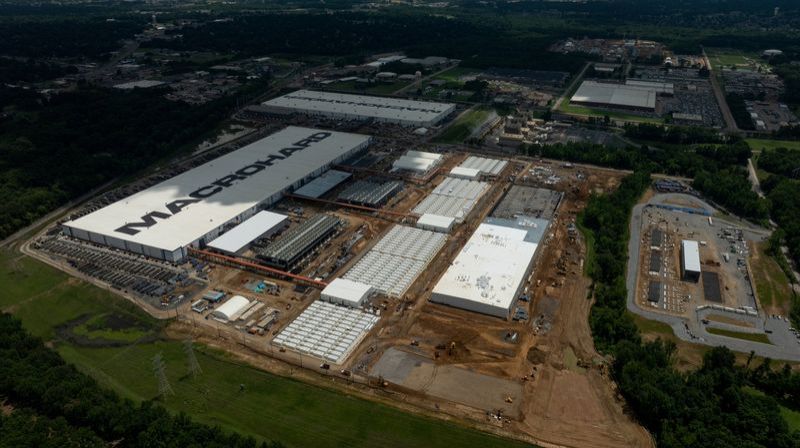
Elon Musk's AI company faces lawsuit from NAACP and environmental groups over dozens of methane turbines operating without Clean Air Act permits Elon Musk's AI venture xAI has been running dozens of methane gas turbines without Clean Air Act permits to power its Colossus 2 data center, generating pollution that lands squarely on predominantly Black communities in the Memphis, Tennessee area. The NAACP, Earthjustice, and the Southern Environmental Law Center filed a lawsuit on April 14, 2026, alleging that xAI and its subsidiary MZX Tech are violating federal environmental law. Here's the thing: this isn't xAI's first time pulling this exact move. Its predecessor facility, Colossus 1, ran up to 35 unpermitted turbines before eventually receiving partial permits covering just 15 units. The numbers behind the pollution The scale of the unpermitted operation at the Southaven, Mississippi site is significant. Between 27 and 46 methane gas turbines have been installed, capable of generating up to 495 MW of power. The potential annual emissions paint a grim picture. The turbines could release over 1,700 tons of nitrogen oxides, 180 tons of fine particulate matter, 500 tons of carbon monoxide, and 19 tons of formaldehyde into the surrounding air each year. Those aren't just abstract numbers. Nitrogen oxides contribute to smog and respiratory disease. Fine particulate matter is linked to heart attacks and premature death. Formaldehyde is a known carcinogen. All of it is settling over neighborhoods that already face disproportionately high asthma rates and poor air quality. The turbines have been active since late 2025, meaning months of unregulated emissions were pumped into the atmosphere before the lawsuit was even filed. Mississippi regulators have since issued permits covering some additional turbines, but operations began well before any approval was granted. Environmental justice meets AI's energy appetite The lawsuit frames this as a textbook environmental justice issue. The communities bearing the health costs of xAI's power generation are predominantly Black neighborhoods in the greater Memphis area. xAI's approach with Colossus 1 set a troubling precedent. That facility became operational in June 2024, running unpermitted turbines for months before regulators caught up. The fact that the company repeated the same playbook with Colossus 2, but at a potentially larger scale, suggests this isn't an oversight.
Pollution From Musk's Unpermitted XAI Power Project Hits Hardest in Black Communities
By Disha Raychaudhuri and Valerie Volcovici July 14 (Reuters) - Elon Musk's artificial intelligence company xAI has installed 59 natural gas turbines for its Colossus 2 data center project in Tennessee without securing federal clean air permits, according to communications between regulators and xAI representatives. Potential emissions from the turbines are far beyond the threshold that would require a federal permit, and would be released near predominantly Black communities already estimated to be suffering disproportionately high rates of lung disease, according to a Reuters analysis based on government data and information in the correspondence with regulators. The findings, which have not been previously reported, reflect how exploding electricity demand from AI data centers is driving companies to build off-grid power plants at a pace outstripping environmental oversight, with potentially big risks to public health. The number of unpermitted turbines identified by Reuters is about double what xAI has publicly acknowledged. The company previously said it was running 27 unpermitted turbines for Colossus 2 as of January and has argued the permits are not required. At least 57 of the 59 turbines are located in Mississippi, just over the state line from Tennessee where the data center is located. The xAI turbines are among scores of off-grid power plants for data centers proposed or under construction around the country. Local authorities often fast-track approvals in just weeks or months, without the years of environmental studies and public hearings typically required for such power generation projects that connect to the grid, Reuters has reported. Mississippi regulators in March issued a permit for permanent turbines for Colossus 2, allowing construction of 41 gas-fired turbines. The approval came three weeks after the state's only public hearing on the project. The xAI cluster of temporary turbines in Mississippi is already among the biggest off-grid data center power projects, according to Ben King, an analyst with think tank Rhodium Group, who reviewed the Reuters analysis. "This looks to be an unprecedented level of behind-the-meter gas being installed in one place," he said, referring to off-grid natural gas plants serving just one customer. The communications reviewed by Reuters show xAI, now owned by trillionaire Musk's SpaceX, has installed 57 off-grid turbines in Southaven, Mississippi, just across the state line from its Colossus 2 data center in Memphis, a facility supporting the Grok chatbot and other AI systems. The records show the company has also installed two other unpermitted turbines for the project on a different site. Reuters could not determine the location. The communications, obtained through a Reuters public records request, included emails between Trinity Consultants, representing xAI and subsidiary MZX Tech, and the Mississippi Department of Environmental Quality (MDEQ). xAI did not respond to Reuters' request for comment. xAI's turbines are part of a widening environmental justice battle over whether the AI boom is adding disproportionate pollution burdens to communities of color. Civil rights groups including the NAACP and the Southern Environmental Law Center sued xAI in April to halt their operations, arguing the turbines produce emissions subject to the federal Clean Air Act and shouldn't be operated without permits. They contend the turbines are polluting homes, schools and churches in historically Black communities. "The scale of it is astonishing," said Patrick Anderson, an attorney with the Southern Environmental Law Center. "This is an absolutely huge Clean Air Act violation that threatens public health." Securing a Clean Air Act permit would have exposed xAI's project to extensive review and public comment, potentially taking years. Mississippi environmental regulators and xAI have argued in court filings that the turbines are exempt because they are "mobile" and intended to operate onsite for less than a year. "MDEQ has determined that portable/temporary turbines do not require an air permit," the agency said in a statement to Reuters. The U.S. Environmental Protection Agency said in January 2026 that even temporary turbines exceeding emissions thresholds must obtain permits. The agency, however, told Reuters it's considering changes allowing "regulatory flexibilities" for portable units while continuing to protect public health. xAI, the MDEQ and the EPA did not answer questions from Reuters about pollution impacts on communities of color from power generation to serve data centers. The U.S. Justice Department weighed in on the lawsuit in a June 15 filing, saying that restricting the turbines could threaten national security interests because xAI's systems support U.S. military operations, including operations involving Iran. The outcome of the lawsuit filed by civil rights groups could help define how environmental laws apply to the fast-growing AI sector, where companies are scrambling to bring power supplies online to support energy-intensive computing. "This sets up scenarios where the government can create sacrifice zones and tell communities they have to breathe illegal air pollution," said Mary Rock, a senior attorney for Earthjustice which is representing the NAACP and SELC. The dispute echoes the findings of a 2022 study by researchers from UCLA and Columbia University and published in the Nature Energy journal that found that previously redlined communities - where banks historically discriminated against Black mortgage applicants - now face disproportionately high exposure to pollutants from fossil fuel facilities. "Air pollution from these and other sources contributes to systemic racial disparities in chronic disease and ultimately shorter lives," Lara Cushing, a UCLA public health professor who co-authored the study, told Reuters. BIG EMISSIONS The emails reviewed by Reuters included the manufacturer emissions profiles for 32 of the 59 turbines, including 30 at the Southaven site. A Reuters analysis based on that information found that those 30 turbines alone could emit nearly 2,500 short tons of nitrogen oxide, 4,000 short tons of carbon monoxide and 22 short tons of formaldehyde annually, assuming they operate continuously at 80% of capacity. According to the EPA, gas turbines are typically operated at loads of 80% or more to achieve efficiency. Nitrogen oxides contribute to smog and respiratory inflammation, according to the American Lung Association. Carbon monoxide deprives the body of oxygen, and formaldehyde is a carcinogen. The xAI site's potential emissions far exceed a Clean Air Act threshold that requires permitting for facilities capable of more than 100 short tons annually of pollutants such as nitrogen oxide. "This is a massive amount of turbines and an unfathomable amount of air pollution," Southaven resident Shannon Samsa said in an interview. "It's not a hypothetical," she said, "that air pollution is bad for you." The nitrogen oxide emissions calculated by Reuters for about half the plant's turbines would put the facility "up there with some of the heaviest polluting natural gas power plants across the entire country," said Nicholas Mailloux, a postdoctoral researcher at the University of Wisconsin-Madison who studies air quality and health benefits of the clean-energy transition. He said the facility would be on par with the top 25 U.S. gas plants for nitrogen oxide emissions, citing EPA data for actual emissions. THE PEOPLE AFFECTED In the Colonial Hills neighborhood of Southaven, the turbines serving Colossus 2 can be heard around the clock, often firing off noisy bursts that residents compare to jet engines. Ervin Laws, a Colonial Hills resident in his 20s, said the noise wakes him up at night. "I can't do anything about it, because he's got more money than me," he said, referring to Musk. The turbines were installed in communities already estimated to be facing relatively high respiratory disease burdens, according to a Reuters analysis of CDC data. In 27 of 28 census tracts within five miles of the site - spanning both Mississippi and Tennessee - the estimated asthma rates were higher than their respective countywide figures. In 24 tracts, chronic obstructive pulmonary disease rates were also higher. Five miles is a distance commonly used in environmental health research to capture populations likely to be exposed to air pollution from a stationary source. A separate Reuters analysis of Census Bureau data found that the residents living near the facility are disproportionately Black. Because the five-mile radius crosses state lines, Reuters compared each side against its own county baseline. Within five miles of the facility in DeSoto county, Mississippi - where the turbines are located - about 46% of residents are Black, compared with 33% countywide, according to census data. Across the state line in Tennessee, where residents have no say in Mississippi's permitting process, about 94% of residents within five miles of the facility are Black, compared to 52% in surrounding Shelby County. Jayajit Chakraborty, a professor at the University of California, Santa Barbara, said the Reuters analysis was consistent with research that shows communities of color face higher exposure to fossil fuel pollution. Shelby County and portions of DeSoto County have also previously failed to meet federal ozone standards and remain subject to EPA-approved plans to ensure they do not slip back into violation, according to regulatory documents. Nitrogen oxide is a key precursor to ozone formation, which the EPA says can harm respiratory health. "Given this community struggles with high asthma rates, additional NOx exposure at such high rates could exacerbate public health issues in a community that is already seeing more than its fair share of exposure to toxic air pollution," said Victoria Nelson, an independent environmental engineer, formerly at EPA. Sarah Gladney, 72, has watched the rapid expansion of xAI's Memphis-area presence from her home in the historically Black neighborhood of Boxtown, a few miles from where the company built its Colossus 1 data center in 2024. "Once they got their foot in the door in Memphis, I feel like it's going to be a continuous movement of xAI into these other communities," she said. "It's all about the money, and it's not about the health or wellness of the people that live in or near these communities." (Reporting by Disha Raychaudhuri and Valerie Volcovici; photos by Kevin Wurm; editing by David Gaffen, Kat Stafford, Ben Lesser and Richard Valdmanis)

Pollution from Musk's unpermitted xAI power project hits hardest in Black communities
By Disha Raychaudhuri and Valerie Volcovici July 14 (Reuters) - Elon Musk's artificial intelligence company xAI has installed 59 natural gas turbines for its Colossus 2 data center project in Tennessee without securing federal clean air permits, according to communications between regulators and xAI representatives. Potential emissions from the turbines are far beyond the threshold that would require a federal permit, and would be released near predominantly Black communities already estimated to be suffering disproportionately high rates of lung disease, according to a Reuters analysis based on government data and information in the correspondence with regulators. The findings, which have not been previously reported, reflect how exploding electricity demand from AI data centers is driving companies to build off-grid power plants at a pace outstripping environmental oversight, with potentially big risks to public health. The number of unpermitted turbines identified by Reuters is about double what xAI has publicly acknowledged. The company previously said it was running 27 unpermitted turbines for Colossus 2 as of January and has argued the permits are not required. At least 57 of the 59 turbines are located in Mississippi, just over the state line from Tennessee where the data center is located. The xAI turbines are among scores of off-grid power plants for data centers proposed or under construction around the country. Local authorities often fast-track approvals in just weeks or months, without the years of environmental studies and public hearings typically required for such power generation projects that connect to the grid, Reuters has reported. Mississippi regulators in March issued a permit for permanent turbines for Colossus 2, allowing construction of 41 gas-fired turbines. The approval came three weeks after the state's only public hearing on the project. The xAI cluster of temporary turbines in Mississippi is already among the biggest off-grid data center power projects, according to Ben King, an analyst with think tank Rhodium Group, who reviewed the Reuters analysis. "This looks to be an unprecedented level of behind-the-meter gas being installed in one place," he said, referring to off-grid natural gas plants serving just one customer. The communications reviewed by Reuters show xAI, now owned by trillionaire Musk's SpaceX, has installed 57 off-grid turbines in Southaven, Mississippi, just across the state line from its Colossus 2 data center in Memphis, a facility supporting the Grok chatbot and other AI systems. The records show the company has also installed two other unpermitted turbines for the project on a different site. Reuters could not determine the location. The communications, obtained through a Reuters public records request, included emails between Trinity Consultants, representing xAI and subsidiary MZX Tech, and the Mississippi Department of Environmental Quality (MDEQ). xAI did not respond to Reuters' request for comment. xAI's turbines are part of a widening environmental justice battle over whether the AI boom is adding disproportionate pollution burdens to communities of color. Civil rights groups including the NAACP and the Southern Environmental Law Center sued xAI in April to halt their operations, arguing the turbines produce emissions subject to the federal Clean Air Act and shouldn't be operated without permits. They contend the turbines are polluting homes, schools and churches in historically Black communities. "The scale of it is astonishing," said Patrick Anderson, an attorney with the Southern Environmental Law Center. "This is an absolutely huge Clean Air Act violation that threatens public health." Securing a Clean Air Act permit would have exposed xAI's project to extensive review and public comment, potentially taking years. Mississippi environmental regulators and xAI have argued in court filings that the turbines are exempt because they are "mobile" and intended to operate onsite for less than a year. "MDEQ has determined that portable/temporary turbines do not require an air permit," the agency said in a statement to Reuters. The U.S. Environmental Protection Agency said in January 2026 that even temporary turbines exceeding emissions thresholds must obtain permits. The agency, however, told Reuters it's considering changes allowing "regulatory flexibilities" for portable units while continuing to protect public health. xAI, the MDEQ and the EPA did not answer questions from Reuters about pollution impacts on communities of color from power generation to serve data centers. The U.S. Justice Department weighed in on the lawsuit in a June 15 filing, saying that restricting the turbines could threaten national security interests because xAI's systems support U.S. military operations, including operations involving Iran. The outcome of the lawsuit filed by civil rights groups could help define how environmental laws apply to the fast-growing AI sector, where companies are scrambling to bring power supplies online to support energy-intensive computing. "This sets up scenarios where the government can create sacrifice zones and tell communities they have to breathe illegal air pollution," said Mary Rock, a senior attorney for Earthjustice which is representing the NAACP and SELC. The dispute echoes the findings of a 2022 study by researchers from UCLA and Columbia University and published in the Nature Energy journal that found that previously redlined communities - where banks historically discriminated against Black mortgage applicants - now face disproportionately high exposure to pollutants from fossil fuel facilities. "Air pollution from these and other sources contributes to systemic racial disparities in chronic disease and ultimately shorter lives," Lara Cushing, a UCLA public health professor who co-authored the study, told Reuters. BIG EMISSIONS The emails reviewed by Reuters included the manufacturer emissions profiles for 32 of the 59 turbines, including 30 at the Southaven site. A Reuters analysis based on that information found that those 30 turbines alone could emit nearly 2,500 short tons of nitrogen oxide, 4,000 short tons of carbon monoxide and 22 short tons of formaldehyde annually, assuming they operate continuously at 80% of capacity. According to the EPA, gas turbines are typically operated at loads of 80% or more to achieve efficiency. Nitrogen oxides contribute to smog and respiratory inflammation, according to the American Lung Association. Carbon monoxide deprives the body of oxygen, and formaldehyde is a carcinogen. The xAI site's potential emissions far exceed a Clean Air Act threshold that requires permitting for facilities capable of more than 100 short tons annually of pollutants such as nitrogen oxide. "This is a massive amount of turbines and an unfathomable amount of air pollution," Southaven resident Shannon Samsa said in an interview. "It's not a hypothetical," she said, "that air pollution is bad for you." The nitrogen oxide emissions calculated by Reuters for about half the plant's turbines would put the facility "up there with some of the heaviest polluting natural gas power plants across the entire country," said Nicholas Mailloux, a postdoctoral researcher at the University of Wisconsin-Madison who studies air quality and health benefits of the clean-energy transition. He said the facility would be on par with the top 25 U.S. gas plants for nitrogen oxide emissions, citing EPA data for actual emissions. THE PEOPLE AFFECTED In the Colonial Hills neighborhood of Southaven, the turbines serving Colossus 2 can be heard around the clock, often firing off noisy bursts that residents compare to jet engines. Ervin Laws, a Colonial Hills resident in his 20s, said the noise wakes him up at night. "I can't do anything about it, because he's got more money than me," he said, referring to Musk. The turbines were installed in communities already estimated to be facing relatively high respiratory disease burdens, according to a Reuters analysis of CDC data. In 27 of 28 census tracts within five miles of the site - spanning both Mississippi and Tennessee - the estimated asthma rates were higher than their respective countywide figures. In 24 tracts, chronic obstructive pulmonary disease rates were also higher. Five miles is a distance commonly used in environmental health research to capture populations likely to be exposed to air pollution from a stationary source. A separate Reuters analysis of Census Bureau data found that the residents living near the facility are disproportionately Black. Because the five-mile radius crosses state lines, Reuters compared each side against its own county baseline. Within five miles of the facility in DeSoto county, Mississippi - where the turbines are located - about 46% of residents are Black, compared with 33% countywide, according to census data. Across the state line in Tennessee, where residents have no say in Mississippi's permitting process, about 94% of residents within five miles of the facility are Black, compared to 52% in surrounding Shelby County. Jayajit Chakraborty, a professor at the University of California, Santa Barbara, said the Reuters analysis was consistent with research that shows communities of color face higher exposure to fossil fuel pollution. Shelby County and portions of DeSoto County have also previously failed to meet federal ozone standards and remain subject to EPA-approved plans to ensure they do not slip back into violation, according to regulatory documents. Nitrogen oxide is a key precursor to ozone formation, which the EPA says can harm respiratory health. "Given this community struggles with high asthma rates, additional NOx exposure at such high rates could exacerbate public health issues in a community that is already seeing more than its fair share of exposure to toxic air pollution," said Victoria Nelson, an independent environmental engineer, formerly at EPA. Sarah Gladney, 72, has watched the rapid expansion of xAI's Memphis-area presence from her home in the historically Black neighborhood of Boxtown, a few miles from where the company built its Colossus 1 data center in 2024. "Once they got their foot in the door in Memphis, I feel like it's going to be a continuous movement of xAI into these other communities," she said. "It's all about the money, and it's not about the health or wellness of the people that live in or near these communities." (Reporting by Disha Raychaudhuri and Valerie Volcovici; photos by Kevin Wurm; editing by David Gaffen, Kat Stafford, Ben Lesser and Richard Valdmanis)

Pollution from Musk's unpermitted xAI power project hits hardest in Black communities
By Disha Raychaudhuri and Valerie Volcovici July 14 (Reuters) - Elon Musk's artificial intelligence company xAI has installed 59 natural gas turbines for its Colossus 2 data center project in Tennessee without securing federal clean air permits, according to communications between regulators and xAI representatives. Potential emissions from the turbines are far beyond the threshold that would require a federal permit, and would be released near predominantly Black communities already estimated to be suffering disproportionately high rates of lung disease, according to a Reuters analysis based on government data and information in the correspondence with regulators. The findings, which have not been previously reported, reflect how exploding electricity demand from AI data centers is driving companies to build off-grid power plants at a pace outstripping environmental oversight, with potentially big risks to public health. The number of unpermitted turbines identified by Reuters is about double what xAI has publicly acknowledged. The company previously said it was running 27 unpermitted turbines for Colossus 2 as of January and has argued the permits are not required. At least 57 of the 59 turbines are located in Mississippi, just over the state line from Tennessee where the data center is located. The xAI turbines are among scores of off-grid power plants for data centers proposed or under construction around the country. Local authorities often fast-track approvals in just weeks or months, without the years of environmental studies and public hearings typically required for such power generation projects that connect to the grid, Reuters has reported. Mississippi regulators in March issued a permit for permanent turbines for Colossus 2, allowing construction of 41 gas-fired turbines. The approval came three weeks after the state's only public hearing on the project. The xAI cluster of temporary turbines in Mississippi is already among the biggest off-grid data center power projects, according to Ben King, an analyst with think tank Rhodium Group, who reviewed the Reuters analysis. "This looks to be an unprecedented level of behind-the-meter gas being installed in one place," he said, referring to off-grid natural gas plants serving just one customer. The communications reviewed by Reuters show xAI, now owned by trillionaire Musk's SpaceX, has installed 57 off-grid turbines in Southaven, Mississippi, just across the state line from its Colossus 2 data center in Memphis, a facility supporting the Grok chatbot and other AI systems. The records show the company has also installed two other unpermitted turbines for the project on a different site. Reuters could not determine the location. The communications, obtained through a Reuters public records request, included emails between Trinity Consultants, representing xAI and subsidiary MZX Tech, and the Mississippi Department of Environmental Quality (MDEQ). xAI did not respond to Reuters' request for comment. xAI's turbines are part of a widening environmental justice battle over whether the AI boom is adding disproportionate pollution burdens to communities of color. Civil rights groups including the NAACP and the Southern Environmental Law Center sued xAI in April to halt their operations, arguing the turbines produce emissions subject to the federal Clean Air Act and shouldn't be operated without permits. They contend the turbines are polluting homes, schools and churches in historically Black communities. "The scale of it is astonishing," said Patrick Anderson, an attorney with the Southern Environmental Law Center. "This is an absolutely huge Clean Air Act violation that threatens public health." Securing a Clean Air Act permit would have exposed xAI's project to extensive review and public comment, potentially taking years. Mississippi environmental regulators and xAI have argued in court filings that the turbines are exempt because they are "mobile" and intended to operate onsite for less than a year. "MDEQ has determined that portable/temporary turbines do not require an air permit," the agency said in a statement to Reuters. The U.S. Environmental Protection Agency said in January 2026 that even temporary turbines exceeding emissions thresholds must obtain permits. The agency, however, told Reuters it's considering changes allowing "regulatory flexibilities" for portable units while continuing to protect public health. xAI, the MDEQ and the EPA did not answer questions from Reuters about pollution impacts on communities of color from power generation to serve data centers. The U.S. Justice Department weighed in on the lawsuit in a June 15 filing, saying that restricting the turbines could threaten national security interests because xAI's systems support U.S. military operations, including operations involving Iran. The outcome of the lawsuit filed by civil rights groups could help define how environmental laws apply to the fast-growing AI sector, where companies are scrambling to bring power supplies online to support energy-intensive computing. "This sets up scenarios where the government can create sacrifice zones and tell communities they have to breathe illegal air pollution," said Mary Rock, a senior attorney for Earthjustice which is representing the NAACP and SELC. The dispute echoes the findings of a 2022 study by researchers from UCLA and Columbia University and published in the Nature Energy journal that found that previously redlined communities - where banks historically discriminated against Black mortgage applicants - now face disproportionately high exposure to pollutants from fossil fuel facilities. "Air pollution from these and other sources contributes to systemic racial disparities in chronic disease and ultimately shorter lives," Lara Cushing, a UCLA public health professor who co-authored the study, told Reuters. BIG EMISSIONS The emails reviewed by Reuters included the manufacturer emissions profiles for 32 of the 59 turbines, including 30 at the Southaven site. A Reuters analysis based on that information found that those 30 turbines alone could emit nearly 2,500 short tons of nitrogen oxide, 4,000 short tons of carbon monoxide and 22 short tons of formaldehyde annually, assuming they operate continuously at 80% of capacity. According to the EPA, gas turbines are typically operated at loads of 80% or more to achieve efficiency. Nitrogen oxides contribute to smog and respiratory inflammation, according to the American Lung Association. Carbon monoxide deprives the body of oxygen, and formaldehyde is a carcinogen. The xAI site's potential emissions far exceed a Clean Air Act threshold that requires permitting for facilities capable of more than 100 short tons annually of pollutants such as nitrogen oxide. "This is a massive amount of turbines and an unfathomable amount of air pollution," Southaven resident Shannon Samsa said in an interview. "It's not a hypothetical," she said, "that air pollution is bad for you." The nitrogen oxide emissions calculated by Reuters for about half the plant's turbines would put the facility "up there with some of the heaviest polluting natural gas power plants across the entire country," said Nicholas Mailloux, a postdoctoral researcher at the University of Wisconsin-Madison who studies air quality and health benefits of the clean-energy transition. He said the facility would be on par with the top 25 U.S. gas plants for nitrogen oxide emissions, citing EPA data for actual emissions. THE PEOPLE AFFECTED In the Colonial Hills neighborhood of Southaven, the turbines serving Colossus 2 can be heard around the clock, often firing off noisy bursts that residents compare to jet engines. Ervin Laws, a Colonial Hills resident in his 20s, said the noise wakes him up at night. "I can't do anything about it, because he's got more money than me," he said, referring to Musk. The turbines were installed in communities already estimated to be facing relatively high respiratory disease burdens, according to a Reuters analysis of CDC data. In 27 of 28 census tracts within five miles of the site - spanning both Mississippi and Tennessee - the estimated asthma rates were higher than their respective countywide figures. In 24 tracts, chronic obstructive pulmonary disease rates were also higher. Five miles is a distance commonly used in environmental health research to capture populations likely to be exposed to air pollution from a stationary source. A separate Reuters analysis of Census Bureau data found that the residents living near the facility are disproportionately Black. Because the five-mile radius crosses state lines, Reuters compared each side against its own county baseline. Within five miles of the facility in DeSoto county, Mississippi - where the turbines are located - about 46% of residents are Black, compared with 33% countywide, according to census data. Across the state line in Tennessee, where residents have no say in Mississippi's permitting process, about 94% of residents within five miles of the facility are Black, compared to 52% in surrounding Shelby County. Jayajit Chakraborty, a professor at the University of California, Santa Barbara, said the Reuters analysis was consistent with research that shows communities of color face higher exposure to fossil fuel pollution. Shelby County and portions of DeSoto County have also previously failed to meet federal ozone standards and remain subject to EPA-approved plans to ensure they do not slip back into violation, according to regulatory documents. Nitrogen oxide is a key precursor to ozone formation, which the EPA says can harm respiratory health. "Given this community struggles with high asthma rates, additional NOx exposure at such high rates could exacerbate public health issues in a community that is already seeing more than its fair share of exposure to toxic air pollution," said Victoria Nelson, an independent environmental engineer, formerly at EPA. Sarah Gladney, 72, has watched the rapid expansion of xAI's Memphis-area presence from her home in the historically Black neighborhood of Boxtown, a few miles from where the company built its Colossus 1 data center in 2024. "Once they got their foot in the door in Memphis, I feel like it's going to be a continuous movement of xAI into these other communities," she said. "It's all about the money, and it's not about the health or wellness of the people that live in or near these communities." (Reporting by Disha Raychaudhuri and Valerie Volcovici; photos by Kevin Wurm; editing by David Gaffen, Kat Stafford, Ben Lesser and Richard Valdmanis)
Pollution from Musk's unpermitted xAI power project hits hardest in Black communities
Add Yahoo as a preferred source to see more of our stories on Google. By Disha Raychaudhuri and Valerie Volcovici July 14 (Reuters) - Elon Musk's artificial intelligence company xAI has installed 59 natural gas turbines for its Colossus 2 data center project in Tennessee without securing federal clean air permits, according to communications between regulators and xAI representatives. Potential emissions from the turbines are far beyond the threshold that would require a federal permit, and would be released near predominantly Black communities already estimated to be suffering disproportionately high rates of lung disease, according to a Reuters analysis based on government data and information in the correspondence with regulators. The findings, which have not been previously reported, reflect how exploding electricity demand from AI data centers is driving companies to build off-grid power plants at a pace outstripping environmental oversight, with potentially big risks to public health. The number of unpermitted turbines identified by Reuters is about double what xAI has publicly acknowledged. The company previously said it was running 27 unpermitted turbines for Colossus 2 as of January and has argued the permits are not required. At least 57 of the 59 turbines are located in Mississippi, just over the state line from Tennessee where the data center is located. The xAI turbines are among scores of off-grid power plants for data centers proposed or under construction around the country. Local authorities often fast-track approvals in just weeks or months, without the years of environmental studies and public hearings typically required for such power generation projects that connect to the grid, Reuters has reported. Mississippi regulators in March issued a permit for permanent turbines for Colossus 2, allowing construction of 41 gas-fired turbines. The approval came three weeks after the state's only public hearing on the project. The xAI cluster of temporary turbines in Mississippi is already among the biggest off-grid data center power projects, according to Ben King, an analyst with think tank Rhodium Group, who reviewed the Reuters analysis. "This looks to be an unprecedented level of behind-the-meter gas being installed in one place," he said, referring to off-grid natural gas plants serving just one customer. The communications reviewed by Reuters show xAI, now owned by trillionaire Musk's SpaceX, has installed 57 off-grid turbines in Southaven, Mississippi, just across the state line from its Colossus 2 data center in Memphis, a facility supporting the Grok chatbot and other AI systems. The records show the company has also installed two other unpermitted turbines for the project on a different site. Reuters could not determine the location. The communications, obtained through a Reuters public records request, included emails between Trinity Consultants, representing xAI and subsidiary MZX Tech, and the Mississippi Department of Environmental Quality (MDEQ). xAI did not respond to Reuters' request for comment. xAI's turbines are part of a widening environmental justice battle over whether the AI boom is adding disproportionate pollution burdens to communities of color. Civil rights groups including the NAACP and the Southern Environmental Law Center sued xAI in April to halt their operations, arguing the turbines produce emissions subject to the federal Clean Air Act and shouldn't be operated without permits. They contend the turbines are polluting homes, schools and churches in historically Black communities. "The scale of it is astonishing," said Patrick Anderson, an attorney with the Southern Environmental Law Center. "This is an absolutely huge Clean Air Act violation that threatens public health." Securing a Clean Air Act permit would have exposed xAI's project to extensive review and public comment, potentially taking years. Mississippi environmental regulators and xAI have argued in court filings that the turbines are exempt because they are "mobile" and intended to operate onsite for less than a year. "MDEQ has determined that portable/temporary turbines do not require an air permit," the agency said in a statement to Reuters. The U.S. Environmental Protection Agency said in January 2026 that even temporary turbines exceeding emissions thresholds must obtain permits. The agency, however, told Reuters it's considering changes allowing "regulatory flexibilities" for portable units while continuing to protect public health. xAI, the MDEQ and the EPA did not answer questions from Reuters about pollution impacts on communities of color from power generation to serve data centers. The U.S. Justice Department weighed in on the lawsuit in a June 15 filing, saying that restricting the turbines could threaten national security interests because xAI's systems support U.S. military operations, including operations involving Iran. The outcome of the lawsuit filed by civil rights groups could help define how environmental laws apply to the fast-growing AI sector, where companies are scrambling to bring power supplies online to support energy-intensive computing. "This sets up scenarios where the government can create sacrifice zones and tell communities they have to breathe illegal air pollution," said Mary Rock, a senior attorney for Earthjustice which is representing the NAACP and SELC. The dispute echoes the findings of a 2022 study by researchers from UCLA and Columbia University and published in the Nature Energy journal that found that previously redlined communities - where banks historically discriminated against Black mortgage applicants - now face disproportionately high exposure to pollutants from fossil fuel facilities. "Air pollution from these and other sources contributes to systemic racial disparities in chronic disease and ultimately shorter lives," Lara Cushing, a UCLA public health professor who co-authored the study, told Reuters. BIG EMISSIONS The emails reviewed by Reuters included the manufacturer emissions profiles for 32 of the 59 turbines, including 30 at the Southaven site. A Reuters analysis based on that information found that those 30 turbines alone could emit nearly 2,500 short tons of nitrogen oxide, 4,000 short tons of carbon monoxide and 22 short tons of formaldehyde annually, assuming they operate continuously at 80% of capacity. According to the EPA, gas turbines are typically operated at loads of 80% or more to achieve efficiency. Nitrogen oxides contribute to smog and respiratory inflammation, according to the American Lung Association. Carbon monoxide deprives the body of oxygen, and formaldehyde is a carcinogen. The xAI site's potential emissions far exceed a Clean Air Act threshold that requires permitting for facilities capable of more than 100 short tons annually of pollutants such as nitrogen oxide. "This is a massive amount of turbines and an unfathomable amount of air pollution," Southaven resident Shannon Samsa said in an interview. "It's not a hypothetical," she said, "that air pollution is bad for you." The nitrogen oxide emissions calculated by Reuters for about half the plant's turbines would put the facility "up there with some of the heaviest polluting natural gas power plants across the entire country," said Nicholas Mailloux, a postdoctoral researcher at the University of Wisconsin-Madison who studies air quality and health benefits of the clean-energy transition. He said the facility would be on par with the top 25 U.S. gas plants for nitrogen oxide emissions, citing EPA data for actual emissions. THE PEOPLE AFFECTED In the Colonial Hills neighborhood of Southaven, the turbines serving Colossus 2 can be heard around the clock, often firing off noisy bursts that residents compare to jet engines. Ervin Laws, a Colonial Hills resident in his 20s, said the noise wakes him up at night. "I can't do anything about it, because he's got more money than me," he said, referring to Musk. The turbines were installed in communities already estimated to be facing relatively high respiratory disease burdens, according to a Reuters analysis of CDC data. In 27 of 28 census tracts within five miles of the site - spanning both Mississippi and Tennessee - the estimated asthma rates were higher than their respective countywide figures. In 24 tracts, chronic obstructive pulmonary disease rates were also higher. Five miles is a distance commonly used in environmental health research to capture populations likely to be exposed to air pollution from a stationary source. A separate Reuters analysis of Census Bureau data found that the residents living near the facility are disproportionately Black. Because the five-mile radius crosses state lines, Reuters compared each side against its own county baseline. Within five miles of the facility in DeSoto county, Mississippi - where the turbines are located - about 46% of residents are Black, compared with 33% countywide, according to census data. Across the state line in Tennessee, where residents have no say in Mississippi's permitting process, about 94% of residents within five miles of the facility are Black, compared to 52% in surrounding Shelby County. Jayajit Chakraborty, a professor at the University of California, Santa Barbara, said the Reuters analysis was consistent with research that shows communities of color face higher exposure to fossil fuel pollution. Shelby County and portions of DeSoto County have also previously failed to meet federal ozone standards and remain subject to EPA-approved plans to ensure they do not slip back into violation, according to regulatory documents. Nitrogen oxide is a key precursor to ozone formation, which the EPA says can harm respiratory health. "Given this community struggles with high asthma rates, additional NOx exposure at such high rates could exacerbate public health issues in a community that is already seeing more than its fair share of exposure to toxic air pollution," said Victoria Nelson, an independent environmental engineer, formerly at EPA. Sarah Gladney, 72, has watched the rapid expansion of xAI's Memphis-area presence from her home in the historically Black neighborhood of Boxtown, a few miles from where the company built its Colossus 1 data center in 2024. "Once they got their foot in the door in Memphis, I feel like it's going to be a continuous movement of xAI into these other communities," she said. "It's all about the money, and it's not about the health or wellness of the people that live in or near these communities." (Reporting by Disha Raychaudhuri and Valerie Volcovici; photos by Kevin Wurm; editing by David Gaffen, Kat Stafford, Ben Lesser and Richard Valdmanis)
Pollution from Musk's unpermitted xAI power project hits hardest in Black communities By Reuters
By Disha Raychaudhuri and Valerie Volcovici July 14 (Reuters) - Elon Musk's artificial intelligence company xAI has installed 59 natural gas turbines for its Colossus 2 data center project in Tennessee without securing federal clean air permits, according to communications between regulators and xAI representatives. Potential emissions from the turbines are far beyond the threshold that would require a federal permit, and would be released near predominantly Black communities already estimated to be suffering disproportionately high rates of lung disease, according to a Reuters analysis based on government data and information in the correspondence with regulators. The findings, which have not been previously reported, reflect how exploding electricity demand from AI data centers is driving companies to build off-grid power plants at a pace outstripping environmental oversight, with potentially big risks to public health. The number of unpermitted turbines identified by Reuters is about double what xAI has publicly acknowledged. The company previously said it was running 27 unpermitted turbines for Colossus 2 as of January and has argued the permits are not required. At least 57 of the 59 turbines are located in Mississippi, just over the state line from Tennessee where the data center is located. The xAI turbines are among scores of off-grid power plants for data centers proposed or under construction around the country. Local authorities often fast-track approvals in just weeks or months, without the years of environmental studies and public hearings typically required for such power generation projects that connect to the grid, Reuters has reported. Mississippi regulators in March issued a permit for permanent turbines for Colossus 2, allowing construction of 41 gas-fired turbines. The approval came three weeks after the state's only public hearing on the project. The xAI cluster of temporary turbines in Mississippi is already among the biggest off-grid data center power projects, according to Ben King, an analyst with think tank Rhodium Group, who reviewed the Reuters analysis. "This looks to be an unprecedented level of behind-the-meter gas being installed in one place," he said, referring to off-grid natural gas plants serving just one customer. The communications reviewed by Reuters show xAI, now owned by trillionaire Musk's SpaceX, has installed 57 off-grid turbines in Southaven, Mississippi, just across the state line from its Colossus 2 data center in Memphis, a facility supporting the Grok chatbot and other AI systems. The records show the company has also installed two other unpermitted turbines for the project on a different site. Reuters could not determine the location. The communications, obtained through a Reuters public records request, included emails between Trinity Consultants, representing xAI and subsidiary MZX Tech, and the Mississippi Department of Environmental Quality (MDEQ). xAI did not respond to Reuters' request for comment. xAI's turbines are part of a widening environmental justice battle over whether the AI boom is adding disproportionate pollution burdens to communities of color. Civil rights groups including the NAACP and the Southern Environmental Law Center sued xAI in April to halt their operations, arguing the turbines produce emissions subject to the federal Clean Air Act and shouldn't be operated without permits. They contend the turbines are polluting homes, schools and churches in historically Black communities. "The scale of it is astonishing," said Patrick Anderson, an attorney with the Southern Environmental Law Center. "This is an absolutely huge Clean Air Act violation that threatens public health." Securing a Clean Air Act permit would have exposed xAI's project to extensive review and public comment, potentially taking years. Mississippi environmental regulators and xAI have argued in court filings that the turbines are exempt because they are "mobile" and intended to operate onsite for less than a year. "MDEQ has determined that portable/temporary turbines do not require an air permit," the agency said in a statement to Reuters. The U.S. Environmental Protection Agency said in January 2026 that even temporary turbines exceeding emissions thresholds must obtain permits. The agency, however, told Reuters it's considering changes allowing "regulatory flexibilities" for portable units while continuing to protect public health. xAI, the MDEQ and the EPA did not answer questions from Reuters about pollution impacts on communities of color from power generation to serve data centers. The U.S. Justice Department weighed in on the lawsuit in a June 15 filing, saying that restricting the turbines could threaten national security interests because xAI's systems support U.S. military operations, including operations involving Iran. The outcome of the lawsuit filed by civil rights groups could help define how environmental laws apply to the fast-growing AI sector, where companies are scrambling to bring power supplies online to support energy-intensive computing. "This sets up scenarios where the government can create sacrifice zones and tell communities they have to breathe illegal air pollution," said Mary Rock, a senior attorney for Earthjustice which is representing the NAACP and SELC. The dispute echoes the findings of a 2022 study by researchers from UCLA and Columbia University and published in the Nature Energy journal that found that previously redlined communities - where banks historically discriminated against Black mortgage applicants - now face disproportionately high exposure to pollutants from fossil fuel facilities. "Air pollution from these and other sources contributes to systemic racial disparities in chronic disease and ultimately shorter lives," Lara Cushing, a UCLA public health professor who co-authored the study, told Reuters. BIG EMISSIONS The emails reviewed by Reuters included the manufacturer emissions profiles for 32 of the 59 turbines, including 30 at the Southaven site. A Reuters analysis based on that information found that those 30 turbines alone could emit nearly 2,500 short tons of nitrogen oxide, 4,000 short tons of carbon monoxide and 22 short tons of formaldehyde annually, assuming they operate continuously at 80% of capacity. According to the EPA, gas turbines are typically operated at loads of 80% or more to achieve efficiency. Nitrogen oxides contribute to smog and respiratory inflammation, according to the American Lung Association. Carbon monoxide deprives the body of oxygen, and formaldehyde is a carcinogen. The xAI site's potential emissions far exceed a Clean Air Act threshold that requires permitting for facilities capable of more than 100 short tons annually of pollutants such as nitrogen oxide. "This is a massive amount of turbines and an unfathomable amount of air pollution," Southaven resident Shannon Samsa said in an interview. "It's not a hypothetical," she said, "that air pollution is bad for you." The nitrogen oxide emissions calculated by Reuters for about half the plant's turbines would put the facility "up there with some of the heaviest polluting natural gas power plants across the entire country," said Nicholas Mailloux, a postdoctoral researcher at the University of Wisconsin-Madison who studies air quality and health benefits of the clean-energy transition. He said the facility would be on par with the top 25 U.S. gas plants for nitrogen oxide emissions, citing EPA data for actual emissions. THE PEOPLE AFFECTED In the Colonial Hills neighborhood of Southaven, the turbines serving Colossus 2 can be heard around the clock, often firing off noisy bursts that residents compare to jet engines. Ervin Laws, a Colonial Hills resident in his 20s, said the noise wakes him up at night. "I can't do anything about it, because he's got more money than me," he said, referring to Musk. The turbines were installed in communities already estimated to be facing relatively high respiratory disease burdens, according to a Reuters analysis of CDC data. In 27 of 28 census tracts within five miles of the site - spanning both Mississippi and Tennessee - the estimated asthma rates were higher than their respective countywide figures. In 24 tracts, chronic obstructive pulmonary disease rates were also higher. Five miles is a distance commonly used in environmental health research to capture populations likely to be exposed to air pollution from a stationary source. A separate Reuters analysis of Census Bureau data found that the residents living near the facility are disproportionately Black. Because the five-mile radius crosses state lines, Reuters compared each side against its own county baseline. Within five miles of the facility in DeSoto county, Mississippi - where the turbines are located - about 46% of residents are Black, compared with 33% countywide, according to census data. Across the state line in Tennessee, where residents have no say in Mississippi's permitting process, about 94% of residents within five miles of the facility are Black, compared to 52% in surrounding Shelby County. Jayajit Chakraborty, a professor at the University of California, Santa Barbara, said the Reuters analysis was consistent with research that shows communities of color face higher exposure to fossil fuel pollution. Shelby County and portions of DeSoto County have also previously failed to meet federal ozone standards and remain subject to EPA-approved plans to ensure they do not slip back into violation, according to regulatory documents. Nitrogen oxide is a key precursor to ozone formation, which the EPA says can harm respiratory health. "Given this community struggles with high asthma rates, additional NOx exposure at such high rates could exacerbate public health issues in a community that is already seeing more than its fair share of exposure to toxic air pollution," said Victoria Nelson, an independent environmental engineer, formerly at EPA. Sarah Gladney, 72, has watched the rapid expansion of xAI's Memphis-area presence from her home in the historically Black neighborhood of Boxtown, a few miles from where the company built its Colossus 1 data center in 2024. "Once they got their foot in the door in Memphis, I feel like it's going to be a continuous movement of xAI into these other communities," she said. "It's all about the money, and it's not about the health or wellness of the people that live in or near these communities."

Pollution from Musk's unpermitted xAI power project hits hardest in Black communities
July 14 : Elon Musk's artificial intelligence company xAI has installed 59 natural gas turbines for its Colossus 2 data center project in Tennessee without securing federal clean air permits, according to communications between regulators and xAI representatives. Potential emissions from the turbines are far beyond the threshold that would require a federal permit, and would be released near predominantly Black communities already estimated to be suffering disproportionately high rates of lung disease, according to a Reuters analysis based on government data and information in the correspondence with regulators. The findings, which have not been previously reported, reflect how exploding electricity demand from AI data centers is driving companies to build off-grid power plants at a pace outstripping environmental oversight, with potentially big risks to public health. The number of unpermitted turbines identified by Reuters is about double what xAI has publicly acknowledged. The company previously said it was running 27 unpermitted turbines for Colossus 2 as of January and has argued the permits are not required. At least 57 of the 59 turbines are located in Mississippi, just over the state line from Tennessee where the data center is located. The xAI turbines are among scores of off-grid power plants for data centers proposed or under construction around the country. Local authorities often fast-track approvals in just weeks or months, without the years of environmental studies and public hearings typically required for such power generation projects that connect to the grid, Reuters has reported. Mississippi regulators in March issued a permit for permanent turbines for Colossus 2, allowing construction of 41 gas-fired turbines. The approval came three weeks after the state's only public hearing on the project. The xAI cluster of temporary turbines in Mississippi is already among the biggest off-grid data center power projects, according to Ben King, an analyst with think tank Rhodium Group, who reviewed the Reuters analysis. "This looks to be an unprecedented level of behind-the-meter gas being installed in one place," he said, referring to off-grid natural gas plants serving just one customer. The communications reviewed by Reuters show xAI, now owned by trillionaire Musk's SpaceX, has installed 57 off-grid turbines in Southaven, Mississippi, just across the state line from its Colossus 2 data center in Memphis, a facility supporting the Grok chatbot and other AI systems. The records show the company has also installed two other unpermitted turbines for the project on a different site. Reuters could not determine the location. The communications, obtained through a Reuters public records request, included emails between Trinity Consultants, representing xAI and subsidiary MZX Tech, and the Mississippi Department of Environmental Quality (MDEQ). xAI did not respond to Reuters' request for comment. xAI's turbines are part of a widening environmental justice battle over whether the AI boom is adding disproportionate pollution burdens to communities of color. Civil rights groups including the NAACP and the Southern Environmental Law Center sued xAI in April to halt their operations, arguing the turbines produce emissions subject to the federal Clean Air Act and shouldn't be operated without permits. They contend the turbines are polluting homes, schools and churches in historically Black communities. "The scale of it is astonishing," said Patrick Anderson, an attorney with the Southern Environmental Law Center. "This is an absolutely huge Clean Air Act violation that threatens public health." Securing a Clean Air Act permit would have exposed xAI's project to extensive review and public comment, potentially taking years. Mississippi environmental regulators and xAI have argued in court filings that the turbines are exempt because they are "mobile" and intended to operate onsite for less than a year. "MDEQ has determined that portable/temporary turbines do not require an air permit," the agency said in a statement to Reuters. The U.S. Environmental Protection Agency said in January 2026 that even temporary turbines exceeding emissions thresholds must obtain permits. The agency, however, told Reuters it's considering changes allowing "regulatory flexibilities" for portable units while continuing to protect public health. xAI, the MDEQ and the EPA did not answer questions from Reuters about pollution impacts on communities of color from power generation to serve data centers. The U.S. Justice Department weighed in on the lawsuit in a June 15 filing, saying that restricting the turbines could threaten national security interests because xAI's systems support U.S. military operations, including operations involving Iran. The outcome of the lawsuit filed by civil rights groups could help define how environmental laws apply to the fast-growing AI sector, where companies are scrambling to bring power supplies online to support energy-intensive computing. "This sets up scenarios where the government can create sacrifice zones and tell communities they have to breathe illegal air pollution," said Mary Rock, a senior attorney for Earthjustice which is representing the NAACP and SELC. The dispute echoes the findings of a 2022 study by researchers from UCLA and Columbia University and published in the Nature Energy journal that found that previously redlined communities - where banks historically discriminated against Black mortgage applicants - now face disproportionately high exposure to pollutants from fossil fuel facilities. "Air pollution from these and other sources contributes to systemic racial disparities in chronic disease and ultimately shorter lives," Lara Cushing, a UCLA public health professor who co-authored the study, told Reuters. BIG EMISSIONS The emails reviewed by Reuters included the manufacturer emissions profiles for 32 of the 59 turbines, including 30 at the Southaven site. A Reuters analysis based on that information found that those 30 turbines alone could emit nearly 2,500 short tons of nitrogen oxide, 4,000 short tons of carbon monoxide and 22 short tons of formaldehyde annually, assuming they operate continuously at 80 per cent of capacity. According to the EPA, gas turbines are typically operated at loads of 80 per cent or more to achieve efficiency. Nitrogen oxides contribute to smog and respiratory inflammation, according to the American Lung Association. Carbon monoxide deprives the body of oxygen, and formaldehyde is a carcinogen. The xAI site's potential emissions far exceed a Clean Air Act threshold that requires permitting for facilities capable of more than 100 short tons annually of pollutants such as nitrogen oxide. "This is a massive amount of turbines and an unfathomable amount of air pollution," Southaven resident Shannon Samsa said in an interview. "It's not a hypothetical," she said, "that air pollution is bad for you." The nitrogen oxide emissions calculated by Reuters for about half the plant's turbines would put the facility "up there with some of the heaviest polluting natural gas power plants across the entire country," said Nicholas Mailloux, a postdoctoral researcher at the University of Wisconsin-Madison who studies air quality and health benefits of the clean-energy transition. He said the facility would be on par with the top 25 U.S. gas plants for nitrogen oxide emissions, citing EPA data for actual emissions. THE PEOPLE AFFECTED In the Colonial Hills neighborhood of Southaven, the turbines serving Colossus 2 can be heard around the clock, often firing off noisy bursts that residents compare to jet engines. Ervin Laws, a Colonial Hills resident in his 20s, said the noise wakes him up at night. "I can't do anything about it, because he's got more money than me," he said, referring to Musk. The turbines were installed in communities already estimated to be facing relatively high respiratory disease burdens, according to a Reuters analysis of CDC data. In 27 of 28 census tracts within five miles of the site - spanning both Mississippi and Tennessee - the estimated asthma rates were higher than their respective countywide figures. In 24 tracts, chronic obstructive pulmonary disease rates were also higher. Five miles is a distance commonly used in environmental health research to capture populations likely to be exposed to air pollution from a stationary source. A separate Reuters analysis of Census Bureau data found that the residents living near the facility are disproportionately Black. Because the five-mile radius crosses state lines, Reuters compared each side against its own county baseline. Within five miles of the facility in DeSoto county, Mississippi - where the turbines are located - about 46 per cent of residents are Black, compared with 33 per cent countywide, according to census data. Across the state line in Tennessee, where residents have no say in Mississippi's permitting process, about 94 per cent of residents within five miles of the facility are Black, compared to 52 per cent in surrounding Shelby County. Jayajit Chakraborty, a professor at the University of California, Santa Barbara, said the Reuters analysis was consistent with research that shows communities of color face higher exposure to fossil fuel pollution. Shelby County and portions of DeSoto County have also previously failed to meet federal ozone standards and remain subject to EPA-approved plans to ensure they do not slip back into violation, according to regulatory documents. Nitrogen oxide is a key precursor to ozone formation, which the EPA says can harm respiratory health. "Given this community struggles with high asthma rates, additional NOx exposure at such high rates could exacerbate public health issues in a community that is already seeing more than its fair share of exposure to toxic air pollution," said Victoria Nelson, an independent environmental engineer, formerly at EPA. Sarah Gladney, 72, has watched the rapid expansion of xAI's Memphis-area presence from her home in the historically Black neighborhood of Boxtown, a few miles from where the company built its Colossus 1 data center in 2024. "Once they got their foot in the door in Memphis, I feel like it's going to be a continuous movement of xAI into these other communities," she said. "It's all about the money, and it's not about the health or wellness of the people that live in or near these communities."
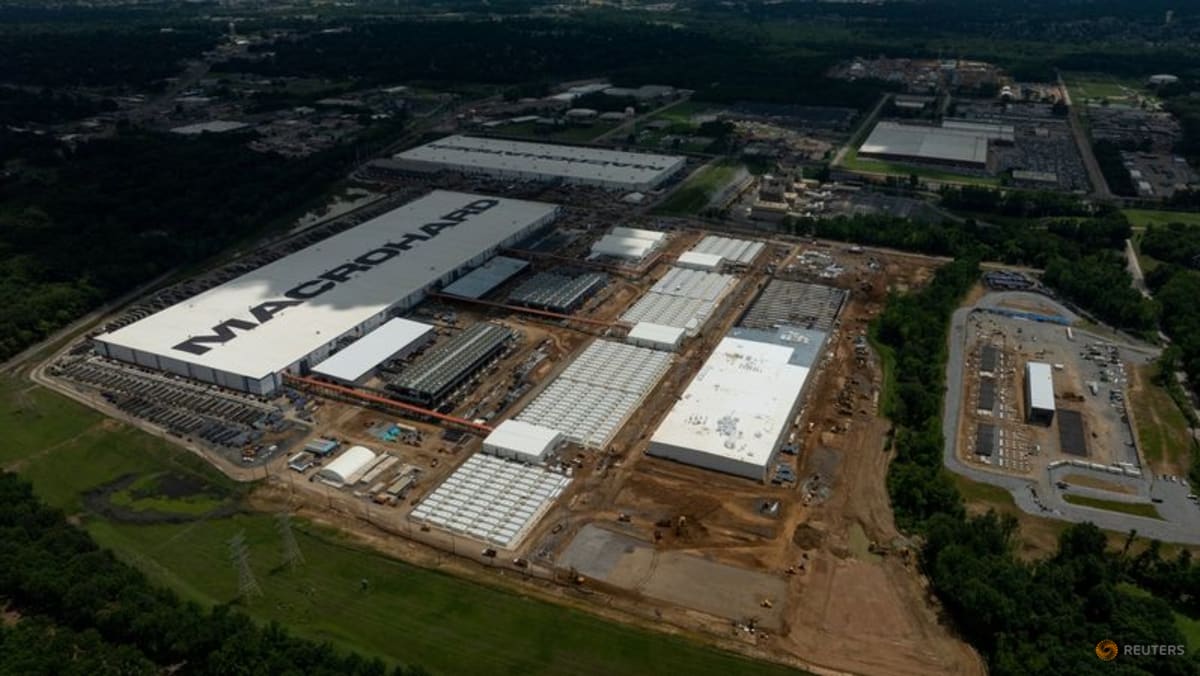
Pollution from Musk's unpermitted xAI power project hits hardest in Black communities
By Disha Raychaudhuri and Valerie Volcovici July 14 (Reuters) - Elon Musk's artificial intelligence company xAI has installed 59 natural gas turbines for its Colossus 2 data center project in Tennessee without securing federal clean air permits, according to communications between regulators and xAI representatives. Potential emissions from the turbines are far beyond the threshold that would require a federal permit, and would be released near predominantly Black communities already estimated to be suffering disproportionately high rates of lung disease, according to a Reuters analysis based on government data and information in the correspondence with regulators. The findings, which have not been previously reported, reflect how exploding electricity demand from AI data centers is driving companies to build off-grid power plants at a pace outstripping environmental oversight, with potentially big risks to public health. The number of unpermitted turbines identified by Reuters is about double what xAI has publicly acknowledged. The company previously said it was running 27 unpermitted turbines for Colossus 2 as of January and has argued the permits are not required. At least 57 of the 59 turbines are located in Mississippi, just over the state line from Tennessee where the data center is located. The xAI turbines are among scores of off-grid power plants for data centers proposed or under construction around the country. Local authorities often fast-track approvals in just weeks or months, without the years of environmental studies and public hearings typically required for such power generation projects that connect to the grid, Reuters has reported. Mississippi regulators in March issued a permit for permanent turbines for Colossus 2, allowing construction of 41 gas-fired turbines. The approval came three weeks after the state's only public hearing on the project. The xAI cluster of temporary turbines in Mississippi is already among the biggest off-grid data center power projects, according to Ben King, an analyst with think tank Rhodium Group, who reviewed the Reuters analysis. "This looks to be an unprecedented level of behind-the-meter gas being installed in one place," he said, referring to off-grid natural gas plants serving just one customer. The communications reviewed by Reuters show xAI, now owned by trillionaire Musk's SpaceX, has installed 57 off-grid turbines in Southaven, Mississippi, just across the state line from its Colossus 2 data center in Memphis, a facility supporting the Grok chatbot and other AI systems. The records show the company has also installed two other unpermitted turbines for the project on a different site. Reuters could not determine the location. The communications, obtained through a Reuters public records request, included emails between Trinity Consultants, representing xAI and subsidiary MZX Tech, and the Mississippi Department of Environmental Quality (MDEQ). xAI did not respond to Reuters' request for comment. xAI's turbines are part of a widening environmental justice battle over whether the AI boom is adding disproportionate pollution burdens to communities of color. Civil rights groups including the NAACP and the Southern Environmental Law Center sued xAI in April to halt their operations, arguing the turbines produce emissions subject to the federal Clean Air Act and shouldn't be operated without permits. They contend the turbines are polluting homes, schools and churches in historically Black communities. "The scale of it is astonishing," said Patrick Anderson, an attorney with the Southern Environmental Law Center. "This is an absolutely huge Clean Air Act violation that threatens public health." Securing a Clean Air Act permit would have exposed xAI's project to extensive review and public comment, potentially taking years. Mississippi environmental regulators and xAI have argued in court filings that the turbines are exempt because they are "mobile" and intended to operate onsite for less than a year. "MDEQ has determined that portable/temporary turbines do not require an air permit," the agency said in a statement to Reuters. The U.S. Environmental Protection Agency said in January 2026 that even temporary turbines exceeding emissions thresholds must obtain permits. The agency, however, told Reuters it's considering changes allowing "regulatory flexibilities" for portable units while continuing to protect public health. xAI, the MDEQ and the EPA did not answer questions from Reuters about pollution impacts on communities of color from power generation to serve data centers. The U.S. Justice Department weighed in on the lawsuit in a June 15 filing, saying that restricting the turbines could threaten national security interests because xAI's systems support U.S. military operations, including operations involving Iran. The outcome of the lawsuit filed by civil rights groups could help define how environmental laws apply to the fast-growing AI sector, where companies are scrambling to bring power supplies online to support energy-intensive computing. "This sets up scenarios where the government can create sacrifice zones and tell communities they have to breathe illegal air pollution," said Mary Rock, a senior attorney for Earthjustice which is representing the NAACP and SELC. The dispute echoes the findings of a 2022 study by researchers from UCLA and Columbia University and published in the Nature Energy journal that found that previously redlined communities - where banks historically discriminated against Black mortgage applicants - now face disproportionately high exposure to pollutants from fossil fuel facilities. "Air pollution from these and other sources contributes to systemic racial disparities in chronic disease and ultimately shorter lives," Lara Cushing, a UCLA public health professor who co-authored the study, told Reuters. BIG EMISSIONS The emails reviewed by Reuters included the manufacturer emissions profiles for 32 of the 59 turbines, including 30 at the Southaven site. A Reuters analysis based on that information found that those 30 turbines alone could emit nearly 2,500 short tons of nitrogen oxide, 4,000 short tons of carbon monoxide and 22 short tons of formaldehyde annually, assuming they operate continuously at 80% of capacity. According to the EPA, gas turbines are typically operated at loads of 80% or more to achieve efficiency. Nitrogen oxides contribute to smog and respiratory inflammation, according to the American Lung Association. Carbon monoxide deprives the body of oxygen, and formaldehyde is a carcinogen. The xAI site's potential emissions far exceed a Clean Air Act threshold that requires permitting for facilities capable of more than 100 short tons annually of pollutants such as nitrogen oxide. "This is a massive amount of turbines and an unfathomable amount of air pollution," Southaven resident Shannon Samsa said in an interview. "It's not a hypothetical," she said, "that air pollution is bad for you." The nitrogen oxide emissions calculated by Reuters for about half the plant's turbines would put the facility "up there with some of the heaviest polluting natural gas power plants across the entire country," said Nicholas Mailloux, a postdoctoral researcher at the University of Wisconsin-Madison who studies air quality and health benefits of the clean-energy transition. He said the facility would be on par with the top 25 U.S. gas plants for nitrogen oxide emissions, citing EPA data for actual emissions. THE PEOPLE AFFECTED In the Colonial Hills neighborhood of Southaven, the turbines serving Colossus 2 can be heard around the clock, often firing off noisy bursts that residents compare to jet engines. Ervin Laws, a Colonial Hills resident in his 20s, said the noise wakes him up at night. "I can't do anything about it, because he's got more money than me," he said, referring to Musk. The turbines were installed in communities already estimated to be facing relatively high respiratory disease burdens, according to a Reuters analysis of CDC data. In 27 of 28 census tracts within five miles of the site - spanning both Mississippi and Tennessee - the estimated asthma rates were higher than their respective countywide figures. In 24 tracts, chronic obstructive pulmonary disease rates were also higher. Five miles is a distance commonly used in environmental health research to capture populations likely to be exposed to air pollution from a stationary source. A separate Reuters analysis of Census Bureau data found that the residents living near the facility are disproportionately Black. Because the five-mile radius crosses state lines, Reuters compared each side against its own county baseline. Within five miles of the facility in DeSoto county, Mississippi - where the turbines are located - about 46% of residents are Black, compared with 33% countywide, according to census data. Across the state line in Tennessee, where residents have no say in Mississippi's permitting process, about 94% of residents within five miles of the facility are Black, compared to 52% in surrounding Shelby County. Jayajit Chakraborty, a professor at the University of California, Santa Barbara, said the Reuters analysis was consistent with research that shows communities of color face higher exposure to fossil fuel pollution. Shelby County and portions of DeSoto County have also previously failed to meet federal ozone standards and remain subject to EPA-approved plans to ensure they do not slip back into violation, according to regulatory documents. Nitrogen oxide is a key precursor to ozone formation, which the EPA says can harm respiratory health. "Given this community struggles with high asthma rates, additional NOx exposure at such high rates could exacerbate public health issues in a community that is already seeing more than its fair share of exposure to toxic air pollution," said Victoria Nelson, an independent environmental engineer, formerly at EPA. Sarah Gladney, 72, has watched the rapid expansion of xAI's Memphis-area presence from her home in the historically Black neighborhood of Boxtown, a few miles from where the company built its Colossus 1 data center in 2024. "Once they got their foot in the door in Memphis, I feel like it's going to be a continuous movement of xAI into these other communities," she said. "It's all about the money, and it's not about the health or wellness of the people that live in or near these communities." (Reporting by Disha Raychaudhuri and Valerie Volcovici; photos by Kevin Wurm; editing by David Gaffen, Kat Stafford, Ben Lesser and Richard Valdmanis)
Pollution from Musk's unpermitted xAI power project hits hardest in Black communities
Add Yahoo as a preferred source to see more of our stories on Google. By Disha Raychaudhuri and Valerie Volcovici July 14 (Reuters) - Elon Musk's artificial intelligence company xAI has installed 59 natural gas turbines for its Colossus 2 data center project in Tennessee without securing federal clean air permits, according to communications between regulators and xAI representatives. Potential emissions from the turbines are far beyond the threshold that would require a federal permit, and would be released near predominantly Black communities already estimated to be suffering disproportionately high rates of lung disease, according to a Reuters analysis based on government data and information in the correspondence with regulators. The findings, which have not been previously reported, reflect how exploding electricity demand from AI data centers is driving companies to build off-grid power plants at a pace outstripping environmental oversight, with potentially big risks to public health. The number of unpermitted turbines identified by Reuters is about double what xAI has publicly acknowledged. The company previously said it was running 27 unpermitted turbines for Colossus 2 as of January and has argued the permits are not required. At least 57 of the 59 turbines are located in Mississippi, just over the state line from Tennessee where the data center is located. The xAI turbines are among scores of off-grid power plants for data centers proposed or under construction around the country. Local authorities often fast-track approvals in just weeks or months, without the years of environmental studies and public hearings typically required for such power generation projects that connect to the grid, Reuters has reported. Mississippi regulators in March issued a permit for permanent turbines for Colossus 2, allowing construction of 41 gas-fired turbines. The approval came three weeks after the state's only public hearing on the project. The xAI cluster of temporary turbines in Mississippi is already among the biggest off-grid data center power projects, according to Ben King, an analyst with think tank Rhodium Group, who reviewed the Reuters analysis. "This looks to be an unprecedented level of behind-the-meter gas being installed in one place," he said, referring to off-grid natural gas plants serving just one customer. The communications reviewed by Reuters show xAI, now owned by trillionaire Musk's SpaceX, has installed 57 off-grid turbines in Southaven, Mississippi, just across the state line from its Colossus 2 data center in Memphis, a facility supporting the Grok chatbot and other AI systems. The records show the company has also installed two other unpermitted turbines for the project on a different site. Reuters could not determine the location. The communications, obtained through a Reuters public records request, included emails between Trinity Consultants, representing xAI and subsidiary MZX Tech, and the Mississippi Department of Environmental Quality (MDEQ). xAI did not respond to Reuters' request for comment. xAI's turbines are part of a widening environmental justice battle over whether the AI boom is adding disproportionate pollution burdens to communities of color. Civil rights groups including the NAACP and the Southern Environmental Law Center sued xAI in April to halt their operations, arguing the turbines produce emissions subject to the federal Clean Air Act and shouldn't be operated without permits. They contend the turbines are polluting homes, schools and churches in historically Black communities. "The scale of it is astonishing," said Patrick Anderson, an attorney with the Southern Environmental Law Center. "This is an absolutely huge Clean Air Act violation that threatens public health." Securing a Clean Air Act permit would have exposed xAI's project to extensive review and public comment, potentially taking years. Mississippi environmental regulators and xAI have argued in court filings that the turbines are exempt because they are "mobile" and intended to operate onsite for less than a year. "MDEQ has determined that portable/temporary turbines do not require an air permit," the agency said in a statement to Reuters. The U.S. Environmental Protection Agency said in January 2026 that even temporary turbines exceeding emissions thresholds must obtain permits. The agency, however, told Reuters it's considering changes allowing "regulatory flexibilities" for portable units while continuing to protect public health. xAI, the MDEQ and the EPA did not answer questions from Reuters about pollution impacts on communities of color from power generation to serve data centers. The U.S. Justice Department weighed in on the lawsuit in a June 15 filing, saying that restricting the turbines could threaten national security interests because xAI's systems support U.S. military operations, including operations involving Iran. The outcome of the lawsuit filed by civil rights groups could help define how environmental laws apply to the fast-growing AI sector, where companies are scrambling to bring power supplies online to support energy-intensive computing. "This sets up scenarios where the government can create sacrifice zones and tell communities they have to breathe illegal air pollution," said Mary Rock, a senior attorney for Earthjustice which is representing the NAACP and SELC. The dispute echoes the findings of a 2022 study by researchers from UCLA and Columbia University and published in the Nature Energy journal that found that previously redlined communities - where banks historically discriminated against Black mortgage applicants - now face disproportionately high exposure to pollutants from fossil fuel facilities. "Air pollution from these and other sources contributes to systemic racial disparities in chronic disease and ultimately shorter lives," Lara Cushing, a UCLA public health professor who co-authored the study, told Reuters. BIG EMISSIONS The emails reviewed by Reuters included the manufacturer emissions profiles for 32 of the 59 turbines, including 30 at the Southaven site. A Reuters analysis based on that information found that those 30 turbines alone could emit nearly 2,500 short tons of nitrogen oxide, 4,000 short tons of carbon monoxide and 22 short tons of formaldehyde annually, assuming they operate continuously at 80% of capacity. According to the EPA, gas turbines are typically operated at loads of 80% or more to achieve efficiency. Nitrogen oxides contribute to smog and respiratory inflammation, according to the American Lung Association. Carbon monoxide deprives the body of oxygen, and formaldehyde is a carcinogen. The xAI site's potential emissions far exceed a Clean Air Act threshold that requires permitting for facilities capable of more than 100 short tons annually of pollutants such as nitrogen oxide. "This is a massive amount of turbines and an unfathomable amount of air pollution," Southaven resident Shannon Samsa said in an interview. "It's not a hypothetical," she said, "that air pollution is bad for you." The nitrogen oxide emissions calculated by Reuters for about half the plant's turbines would put the facility "up there with some of the heaviest polluting natural gas power plants across the entire country," said Nicholas Mailloux, a postdoctoral researcher at the University of Wisconsin-Madison who studies air quality and health benefits of the clean-energy transition. He said the facility would be on par with the top 25 U.S. gas plants for nitrogen oxide emissions, citing EPA data for actual emissions. THE PEOPLE AFFECTED In the Colonial Hills neighborhood of Southaven, the turbines serving Colossus 2 can be heard around the clock, often firing off noisy bursts that residents compare to jet engines. Ervin Laws, a Colonial Hills resident in his 20s, said the noise wakes him up at night. "I can't do anything about it, because he's got more money than me," he said, referring to Musk. The turbines were installed in communities already estimated to be facing relatively high respiratory disease burdens, according to a Reuters analysis of CDC data. In 27 of 28 census tracts within five miles of the site - spanning both Mississippi and Tennessee - the estimated asthma rates were higher than their respective countywide figures. In 24 tracts, chronic obstructive pulmonary disease rates were also higher. Five miles is a distance commonly used in environmental health research to capture populations likely to be exposed to air pollution from a stationary source. A separate Reuters analysis of Census Bureau data found that the residents living near the facility are disproportionately Black. Because the five-mile radius crosses state lines, Reuters compared each side against its own county baseline. Within five miles of the facility in DeSoto county, Mississippi - where the turbines are located - about 46% of residents are Black, compared with 33% countywide, according to census data. Across the state line in Tennessee, where residents have no say in Mississippi's permitting process, about 94% of residents within five miles of the facility are Black, compared to 52% in surrounding Shelby County. Jayajit Chakraborty, a professor at the University of California, Santa Barbara, said the Reuters analysis was consistent with research that shows communities of color face higher exposure to fossil fuel pollution. Shelby County and portions of DeSoto County have also previously failed to meet federal ozone standards and remain subject to EPA-approved plans to ensure they do not slip back into violation, according to regulatory documents. Nitrogen oxide is a key precursor to ozone formation, which the EPA says can harm respiratory health. "Given this community struggles with high asthma rates, additional NOx exposure at such high rates could exacerbate public health issues in a community that is already seeing more than its fair share of exposure to toxic air pollution," said Victoria Nelson, an independent environmental engineer, formerly at EPA. Sarah Gladney, 72, has watched the rapid expansion of xAI's Memphis-area presence from her home in the historically Black neighborhood of Boxtown, a few miles from where the company built its Colossus 1 data center in 2024. "Once they got their foot in the door in Memphis, I feel like it's going to be a continuous movement of xAI into these other communities," she said. "It's all about the money, and it's not about the health or wellness of the people that live in or near these communities." (Reporting by Disha Raychaudhuri and Valerie Volcovici; photos by Kevin Wurm; editing by David Gaffen, Kat Stafford, Ben Lesser and Richard Valdmanis)
Insight: Pollution from Musk's unpermitted xAI power project hits hardest in Black communities
July 14 (Reuters) - Elon Musk's artificial intelligence company xAI has installed 59 natural gas turbines for its Colossus 2 data center project in Tennessee without securing federal clean air permits, according to communications between regulators and xAI representatives. Potential emissions from the turbines are far beyond the threshold that would require a federal permit, and would be released near predominantly Black communities already estimated to be suffering disproportionately high rates of lung disease, according to a Reuters analysis based on government data and information in the correspondence with regulators. The findings, which have not been previously reported, reflect how exploding electricity demand from AI data centers is driving companies to build off-grid power plants at a pace outstripping environmental oversight, with potentially big risks to public health. The number of unpermitted turbines identified by Reuters is about double what xAI has publicly acknowledged. The company previously said it was running 27 unpermitted turbines for Colossus 2 as of January and has argued the permits are not required. At least 57 of the 59 turbines are located in Mississippi, just over the state line from Tennessee where the data center is located. The xAI turbines are among scores of off-grid power plants for data centers proposed or under construction around the country. Local authorities often fast-track approvals in just weeks or months, without the years of environmental studies and public hearings typically required for such power generation projects that connect to the grid, Reuters has reported. Mississippi regulators in March issued a permit for permanent turbines for Colossus 2, allowing construction of 41 gas-fired turbines. The approval came three weeks after the state's only public hearing on the project. The xAI cluster of temporary turbines in Mississippi is already among the biggest off-grid data center power projects, according to Ben King, an analyst with think tank Rhodium Group, who reviewed the Reuters analysis. "This looks to be an unprecedented level of behind-the-meter gas being installed in one place," he said, referring to off-grid natural gas plants serving just one customer. The communications reviewed by Reuters show xAI, now owned by trillionaire Musk's SpaceX (SPCX.O), opens new tab, has installed 57 off-grid turbines in Southaven, Mississippi, just across the state line from its Colossus 2 data center in Memphis, a facility supporting the Grok chatbot and other AI systems. The records show the company has also installed two other unpermitted turbines for the project on a different site. Reuters could not determine the location. The communications, obtained through a Reuters public records request, included emails between Trinity Consultants, representing xAI and subsidiary MZX Tech, and the Mississippi Department of Environmental Quality (MDEQ). xAI did not respond to Reuters' request for comment. xAI's turbines are part of a widening environmental justice battle over whether the AI boom is adding disproportionate pollution burdens to communities of color. Civil rights groups including the NAACP and the Southern Environmental Law Center sued xAI in April to halt their operations, arguing the turbines produce emissions subject to the federal Clean Air Act and shouldn't be operated without permits. They contend the turbines are polluting homes, schools and churches in historically Black communities. "The scale of it is astonishing," said Patrick Anderson, an attorney with the Southern Environmental Law Center. "This is an absolutely huge Clean Air Act violation that threatens public health." Securing a Clean Air Act permit would have exposed xAI's project to extensive review and public comment, potentially taking years. Mississippi environmental regulators and xAI have argued in court filings that the turbines are exempt because they are "mobile" and intended to operate onsite for less than a year. "MDEQ has determined that portable/temporary turbines do not require an air permit," the agency said in a statement to Reuters. The U.S. Environmental Protection Agency said in January 2026 that even temporary turbines exceeding emissions thresholds must obtain permits. The agency, however, told Reuters it's considering changes allowing "regulatory flexibilities" for portable units while continuing to protect public health. xAI, the MDEQ and the EPA did not answer questions from Reuters about pollution impacts on communities of color from power generation to serve data centers. The U.S. Justice Department weighed in on the lawsuit in a June 15 filing, saying that restricting the turbines could threaten national security interests because xAI's systems support U.S. military operations, including operations involving Iran. The outcome of the lawsuit filed by civil rights groups could help define how environmental laws apply to the fast-growing AI sector, where companies are scrambling to bring power supplies online to support energy-intensive computing. "This sets up scenarios where the government can create sacrifice zones and tell communities they have to breathe illegal air pollution," said Mary Rock, a senior attorney for Earthjustice which is representing the NAACP and SELC. The dispute echoes the findings of a 2022 study, opens new tab by researchers from UCLA and Columbia University and published in the Nature Energy journal that found that previously redlined communities - where banks historically discriminated against Black mortgage applicants - now face disproportionately high exposure to pollutants from fossil fuel facilities. "Air pollution from these and other sources contributes to systemic racial disparities in chronic disease and ultimately shorter lives," Lara Cushing, a UCLA public health professor who co-authored the study, told Reuters. BIG EMISSIONS The emails reviewed by Reuters included the manufacturer emissions profiles for 32 of the 59 turbines, including 30 at the Southaven site. A Reuters analysis based on that information found that those 30 turbines alone could emit nearly 2,500 short tons of nitrogen oxide, 4,000 short tons of carbon monoxide and 22 short tons of formaldehyde annually, assuming they operate continuously at 80% of capacity. According to the EPA, gas turbines are typically operated at loads of 80% or more to achieve efficiency. Nitrogen oxides contribute to smog and respiratory inflammation, according to the American Lung Association. Carbon monoxide deprives the body of oxygen, and formaldehyde is a carcinogen. The xAI site's potential emissions far exceed a Clean Air Act threshold that requires permitting for facilities capable of more than 100 short tons annually of pollutants such as nitrogen oxide. "This is a massive amount of turbines and an unfathomable amount of air pollution," Southaven resident Shannon Samsa said in an interview. "It's not a hypothetical," she said, "that air pollution is bad for you." The nitrogen oxide emissions calculated by Reuters for about half the plant's turbines would put the facility "up there with some of the heaviest polluting natural gas power plants across the entire country," said Nicholas Mailloux, a postdoctoral researcher at the University of Wisconsin-Madison who studies air quality and health benefits of the clean-energy transition. He said the facility would be on par with the top 25 U.S. gas plants for nitrogen oxide emissions, citing EPA data, opens new tab for actual emissions. THE PEOPLE AFFECTED In the Colonial Hills neighborhood of Southaven, the turbines serving Colossus 2 can be heard around the clock, often firing off noisy bursts that residents compare to jet engines. Ervin Laws, a Colonial Hills resident in his 20s, said the noise wakes him up at night. "I can't do anything about it, because he's got more money than me," he said, referring to Musk. The turbines were installed in communities already estimated to be facing relatively high respiratory disease burdens, according to a Reuters analysis of CDC data. In 27 of 28 census tracts within five miles of the site - spanning both Mississippi and Tennessee - the estimated asthma rates were higher than their respective countywide figures. In 24 tracts, chronic obstructive pulmonary disease rates were also higher. Five miles is a distance commonly used in environmental health research to capture populations likely to be exposed to air pollution from a stationary source. A separate Reuters analysis of Census Bureau data found that the residents living near the facility are disproportionately Black. Because the five-mile radius crosses state lines, Reuters compared each side against its own county baseline. Within five miles of the facility in DeSoto county, Mississippi - where the turbines are located - about 46% of residents are Black, compared with 33% countywide, according to census data. Across the state line in Tennessee, where residents have no say in Mississippi's permitting process, about 94% of residents within five miles of the facility are Black, compared to 52% in surrounding Shelby County. Jayajit Chakraborty, a professor at the University of California, Santa Barbara, said the Reuters analysis was consistent with research that shows communities of color face higher exposure to fossil fuel pollution. Shelby County and portions of DeSoto County have also previously failed to meet federal ozone standards and remain subject to EPA-approved plans to ensure they do not slip back into violation, according to regulatory documents. Nitrogen oxide is a key precursor to ozone formation, which the EPA says can harm respiratory health. "Given this community struggles with high asthma rates, additional NOx exposure at such high rates could exacerbate public health issues in a community that is already seeing more than its fair share of exposure to toxic air pollution," said Victoria Nelson, an independent environmental engineer, formerly at EPA. Sarah Gladney, 72, has watched the rapid expansion of xAI's Memphis-area presence from her home in the historically Black neighborhood of Boxtown, a few miles from where the company built its Colossus 1 data center in 2024. "Once they got their foot in the door in Memphis, I feel like it's going to be a continuous movement of xAI into these other communities," she said. "It's all about the money, and it's not about the health or wellness of the people that live in or near these communities." Reporting by Disha Raychaudhuri and Valerie Volcovici; photos by Kevin Wurm; editing by David Gaffen, Kat Stafford, Ben Lesser and Richard Valdmanis Our Standards: The Thomson Reuters Trust Principles., opens new tab * Suggested Topics: * Environment * Environmental Justice * Gas * Climate Change * Fuel Oil Disha Raychaudhuri Thomson Reuters Disha is a data journalist based in Washington, D.C., covering global inequality, race and social justice issues. She joined Reuters in 2020 as a data journalist on the legal news team where she covered a wide range of topics including bankruptcy, opioid settlements and the legislative push to restrict transgender healthcare in the US. Prior to joining Reuters she was a data reporter at The Star-Ledger in New Jersey. Contact: [email protected] Valerie Volcovici Thomson Reuters Valerie Volcovici covers U.S. climate and energy policy from Washington, DC. She is focused on climate and environmental regulations at federal agencies and in Congress and how the energy transition is transforming the United States. Other areas of coverage include her award-winning reporting plastic pollution and the ins and outs of global climate diplomacy and United Nations climate negotiations.
