News & Updates
The latest news and updates from companies in the WLTH portfolio.
China's Moonshot AI stole from Anthropic, Trump tech adviser says - VANNY RADIO
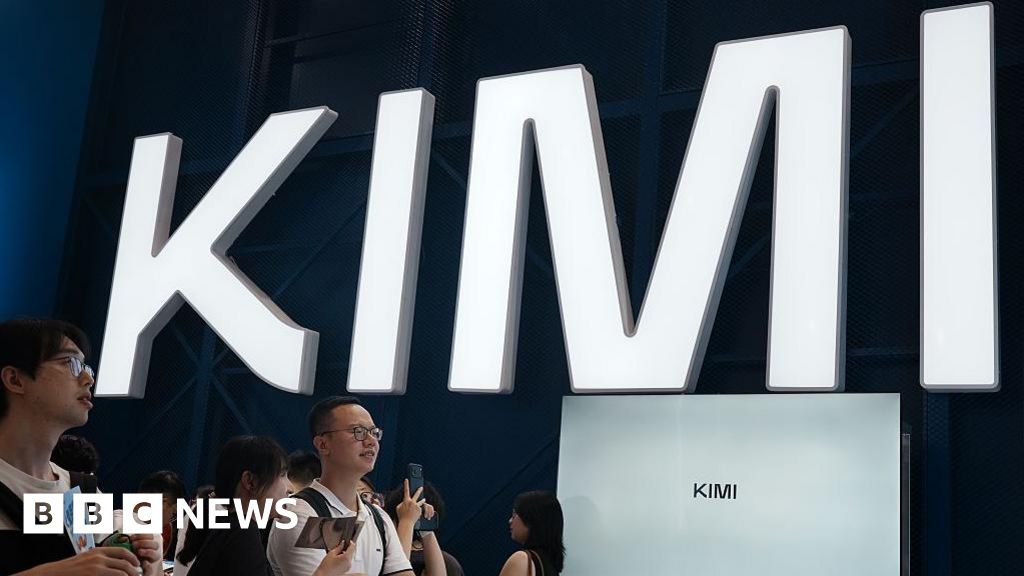
A White House adviser has accused China's Moonshot AI of a "large scale" effort to steal the capabilities of top US artificial intelligence (AI) models. US President Donald Trump's Science and Technology adviser Michael Kratsios said Moonshot AI carried out the campaign through what is known as distillation - when a weaker AI model extracts answers from a stronger one. Moonshot also gained access to restricted cutting-edge Nvidia servers to train its models, Kratsios said in a social post, external on Wednesday. The BBC has contacted Moonshot, Anthropic, the White House and Nvidia for comment. Kratsios said on X that the US government has information that Moonshot AI "distilled" capabilities from Anthropic's Fable AI for the development of its K3 model. Kimi K3 gained attention around the world after it was unveiled last week, with many believing it to have narrowed the gap between Western and Chinese AI models. Moonshot said its K3 model is able to rival top US technology. Kratsios' allegations come just a day after Treasury Secretary Scott Bessent said the US would examine whether Chinese AI models have stolen the capabilities from American rivals. "We've seen a lot of talk about open-source models coming and threatening the large language models in the US," Bessent told Fox Business on Tuesday. "If we see, especially, that overseas models are stealing from our great companies, we have the ability to sanction them," he added. The increased scrutiny by the US of Chinese AI companies also comes as Trump is expected to meet his Chinese counterpart Xi Jinping in September.

China's Moonshot AI stole from Anthropic, Trump tech advisor says
A White House advisor has accused China's Moonshot AI of a "large scale" effort to steal the capabilities of top US artificial intelligence (AI) models. US President Donald Trump's Science and Technology advisor Michael Kratsios said Moonshot AI carried out the campaign through what is known as distillation - when a weaker AI model extracts answers from a stronger one. Moonshot also gained access to restricted cutting-edge Nvidia servers to train its models, Kratsios said in a social post on Wednesday. The BBC has contacted Moonshot, Anthropic, the White House and Nvidia for comment. Kratsios said on X that the US government has information that Moonshot AI "distilled" capabilities from Anthropic's Fable AI for the development of its K3 model. Kimi K3 gained attention around the world after it was unveiled last week, with many believing it to have narrowed the gap between Western and Chinese AI models. Moonshot said its K3 model is able to rival top US technology. Kratsios' allegations come just a day after Treasury Secretary Scott Bessent said the US would examine whether Chinese AI models have stolen the capabilities from American rivals. "We've seen a lot of talk about open-source models coming and threatening the large language models in the US," Bessent told Fox Business on Tuesday. "If we see, especially, that overseas models are stealing from our great companies, we have the ability to sanction them," he added. The increased scrutiny by the US of Chinese AI companies also comes as Trump is expected to meet his Chinese counterpart Xi Jinping in September.
China's Moonshot AI stole from Anthropic, Trump tech advisor says
Add Yahoo as a preferred source to see more of our stories on Google. A White House advisor has accused China's Moonshot AI of a "large scale" effort to steal the capabilities of top US artificial intelligence (AI) models. US President Donald Trump's Science and Technology advisor Michael Kratsios said Moonshot AI carried out the campaign through what is known as distillation - when a weaker AI model extracts answers from a stronger one. Moonshot also gained access to restricted cutting-edge Nvidia servers to train its models, Kratsios said in a social post on Wednesday. The BBC has contacted Moonshot, Anthropic, the White House and Nvidia for comment. Kratsios said on X that the US government has information that Moonshot AI "distilled" capabilities from Anthropic's Fable AI for the development of its K3 model. Kimi K3 gained attention around the world after it was unveiled last week, with many believing it to have narrowed the gap between Western and Chinese AI models. Moonshot said its K3 model is able to rival top US technology. Kratsios' allegations come just a day after Treasury Secretary Scott Bessent said the US would examine whether Chinese AI models have stolen the capabilities from American rivals. "We've seen a lot of talk about open-source models coming and threatening the large language models in the US," Bessent told Fox Business on Tuesday. "If we see, especially, that overseas models are stealing from our great companies, we have the ability to sanction them," he added. The increased scrutiny by the US of Chinese AI companies also comes as Trump is expected to meet his Chinese counterpart Xi Jinping in September.
China's Moonshot AI stole from Anthropic, Trump tech advisor says
A White House advisor has accused China's Moonshot AI of a "large scale" effort to steal the capabilities of top US artificial intelligence (AI) models. US President Donald Trump's Science and Technology advisor Michael Kratsios said Moonshot AI carried out the campaign through what is known as distillation - when a weaker AI model extracts answers from a stronger one. Moonshot also gained access to restricted cutting-edge Nvidia servers to train its models, Kratsios said in a social post on Wednesday. The BBC has contacted Moonshot, Anthropic, the White House and Nvidia for comment. Kratsios said on X that the US government has information that Moonshot AI "distilled" capabilities from Anthropic's Fable AI for the development of its K3 model. Kimi K3 gained attention around the world after it was unveiled last week, with many believing it to have narrowed the gap between Western and Chinese AI models. Moonshot said its K3 model is able to rival top US technology. Kratsios' allegations come just a day after Treasury Secretary Scott Bessent said the US would examine whether Chinese AI models have stolen the capabilities from American rivals. "We've seen a lot of talk about open-source models coming and threatening the large language models in the US," Bessent told Fox Business on Tuesday. "If we see, especially, that overseas models are stealing from our great companies, we have the ability to sanction them," he added. The increased scrutiny by the US of Chinese AI companies also comes as Trump is expected to meet his Chinese counterpart Xi Jinping in September.
SpaceX, Grab, Sea to Trade on Singapore Exchange Through SDRs
SpaceX, Grab and Sea are set to start trading on the Singapore Exchange via the issuance of Singapore Depository Receipts on Wednesday. SGX said in a statement that the new additions will "provide direct access to innovative themes" in Singapore's local currency. "The U.S. SDRs enable investors to manage and trade these global companies seamlessly in [Singapore dollars], eliminating foreign-currency conversion friction, while enabling trading during Singapore market hours," SGX said. The move comes as investor activity in SDRs continues to build, the exchange operator said. Average daily turnover has risen strongly, driven by record-high retail participation, it said.
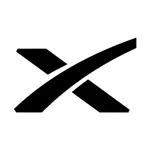
Step into Comme des Garçons' new home for unconventional style
.mb-article-details { position: relative; } .mb-article-details .article-body-preview, .mb-article-details .article-body-summary{ font-size: 17px; line-height: 30px; font-family: "Libre Caslon Text", serif; color: #000; } .mb-article-details .article-body-preview iframe , .mb-article-details .article-body-summary iframe{ width: 100%; margin: auto; } .read-more-background { background: linear-gradient(180deg, color(display-p3 1.000 1.000 1.000 / 0) 13.75%, color(display-p3 1.000 1.000 1.000 / 0.8) 30.79%, color(display-p3 1.000 1.000 1.000) 72.5%); position: absolute; height: 200px; width: 100%; bottom: 0; display: flex; justify-content: center; align-items: center; padding: 0; } .read-more-background a{ color: #000; } .read-more-btn { padding: 17px 45px; font-family: Inter; font-weight: 700; font-size: 18px; line-height: 16px; text-align: center; vertical-align: middle; border: 1px solid black; background-color: white; } .hidden { display: none; } function initializeAllSwipers() { // Get all hidden inputs with cms_article_id document.querySelectorAll('[id^="cms_article_id_"]').forEach(function (input) { const cmsArticleId = input.value; const articleSelector = '#article-' + cmsArticleId + ' .body_images'; const swiperElement = document.querySelector(articleSelector); if (swiperElement && !swiperElement.classList.contains('swiper-initialized')) { new Swiper(articleSelector, { loop: true, pagination: false, navigation: { nextEl: '#article-' + cmsArticleId + ' .swiper-button-next', prevEl: '#article-' + cmsArticleId + ' .swiper-button-prev', }, }); } }); } setTimeout(initializeAllSwipers, 3000); function showArticleBody(button) { const article = button.closest("article"); const summary = article.querySelector(".article-body-summary"); const body = article.querySelector(".article-body-preview"); const readMoreSection = article.querySelector(".read-more-background"); // Hide summary and read-more section summary.style.display = "none"; readMoreSection.style.display = "none"; // Show the full article body body.classList.remove("hidden"); } document.addEventListener("DOMContentLoaded", () => { let loadCount = 0; // Track how many times articles are loaded const offset = [1, 2, 3, 4, 5, 6, 7, 8, 9, 10]; // Offset values const currentUrl = window.location.pathname.substring(1); let isLoading = false; // Prevent multiple calls if (!currentUrl) { console.log("Current URL is invalid."); return; } const sentinel = document.getElementById("load-more-sentinel"); if (!sentinel) { console.log("Sentinel element not found."); return; } function isSentinelVisible() { const rect = sentinel.getBoundingClientRect(); return ( rect.top < window.innerHeight && rect.bottom >= 0 ); } function onScroll() { console.log('scroll event'); if (isLoading) return; if (isSentinelVisible()) { if (loadCount >= offset.length) { console.log("Maximum load attempts reached."); window.removeEventListener("scroll", onScroll); return; } isLoading = true; const currentOffset = offset[loadCount]; window.loadMoreItems().then((data) => { console.log(data); console.log(this); loadCount++; }).catch(error => { console.error("Error loading more items:", error); }).finally(() => { isLoading = false; }); } } window.addEventListener("scroll", onScroll); }); // Mutation Observer for Newly Loaded Articles const observer = new MutationObserver(() => { console.log("length: ", articles.length); const articles = document.querySelectorAll(".articles-observe"); if (articles.length > 0) { observeArticles(articles); } }); observer.observe(document.body, { childList: true, subtree: true }); let oberservationCount = 0; // Intersection Observer for Updating URL function observeArticles(articles) { const intersectionObserver = new IntersectionObserver( (entries) => { entries.forEach((entry) => { if (entry.isIntersecting) { const newUrl = entry.target.getAttribute("data-url"); if (newUrl && newUrl !== window.location.pathname) { history.pushState(null, null, newUrl); // Extract metadata const section = entry.target.querySelector('.section-info a:first-of-type')?.textContent?.trim() || ''; const author = entry.target.querySelector('.author-section a')?.textContent?.trim() || ''; const title = entry.target.querySelector('h1, h2, h3, .article-title')?.textContent?.trim() || document.title; // Parse URL for Chartbeat path format const parsedUrl = new URL(newUrl, window.location.origin); const cleanUrl = parsedUrl.host + parsedUrl.pathname; // Update Chartbeat configuration if (typeof window._sf_async_config !== 'undefined') { window._sf_async_config.path = cleanUrl; window._sf_async_config.sections = section; window._sf_async_config.authors = author; } // Track virtual page view with Chartbeat if (typeof pSUPERFLY !== 'undefined' && typeof pSUPERFLY.virtualPage === 'function') { pSUPERFLY.virtualPage(cleanUrl, { title: title, sections: section, authors: author }); } // Optional: Update document title if (title && title !== document.title) { document.title = title; } console.log('Chartbeat virtual page tracked:', { url: cleanUrl, section: section, author: author, title: title }); } } }); }, { threshold: 0.1 } ); articles.forEach(article => { console.log(oberservationCount++); intersectionObserver.observe(article) }); }
See images of SpaceX launching Northrop Grumman robotic spacecraft
With a brilliant blue-sky backdrop, a soaring SpaceX Falcon 9 rocket launched Northrop Grumman's Mission Robotic Vehicle during a late-afternoon mission Tuesday, July 21, from Cape Canaveral Space Force Station. The Falcon 9 took flight at 5:15 p.m. from Launch Complex 40. Touted by Northrop Grumman as a "Swiss army knife for satellites," the MRV is designed for on-orbit satellite inspection, life extension, repairs, upgrades, debris removal and repositioning. Looking ahead on the Eastern Range calendar, another Falcon 9 will launch July 30 on a SpaceX national security mission, a Federal Aviation Administration operations plan advisory shows. More details on the NROL-95 mission: * Launch window: 2:37 a.m. to 4:04 a.m. * Location: Launch Complex 40 at Cape Canaveral Space Force Station. * Live FLORIDA TODAY Space Team coverage: Starts 90 minutes before liftoff at floridatoday.com/space. For the latest news and launch schedule from Cape Canaveral Space Force Station and NASA's Kennedy Space Center, visit floridatoday.com/space. Another easy way: Click here to sign up for our weekly 321 Launch space newsletter. Rick Neale is a Space Reporter at FLORIDA TODAY, where he has covered news since 2004. Contact Neale at [email protected]. Twitter/X: @RickNeale1

Polymarket odds for Hormuz normal traffic drop to 54% after Iran strike reports
Polymarket Odds Slide After Continued US Strikes Reframe Strait of Hormuz "Back to Normal" Settlement Risk Polymarket traders have sharply cut the implied probability that Strait of Hormuz traffic returns to normal by Dec. 31, with "Yes" now at 53.5% on $5.56M in volume. The repricing follows reports of continued US strikes in Iran, and the contract's odds swing shows a market moving from near-consensus to a near coin-flip. Key Takeaways * Polymarket currently prices "Yes" at 53.5% (No 46.5%) for traffic returning to normal by Dec. 31. * After headlines tied to renewed strikes and shipping-risk framing, the market moved from 85.5% to 53.5%, a 32.0pp drop in implied probability. * The contract resolves on 2026-12-31, while recent stats show a bearish tone with a 24h and 7d change of -2.0pp. A report said the US military launched an eleventh consecutive night of strikes against Iran, with explosions reported near the Tabriz region and other air defense activity reported around Tehran. The strikes were described as aimed at degrading Iran's ability to threaten commercial shipping in the Strait of Hormuz, as tensions over control of the waterway persist and drone-related air defense activity was also reported in the region. Market Reaction: "Yes" Drops 32.0pp to 53.5% on $5.56M Volume (No 46.5%), Testing the 80%+ Prior Zone This is a binary Polymarket contract: a "Yes" share at 53.5% represents the market-implied chance that traffic is deemed back to normal by the Dec. 31 resolution date, while "No" sits at 46.5%. The key signal is the magnitude of the repricing: odds are down 32.0 percentage points from the prior 85.5%, taking the market from a strong "Yes" lean to a near split, which implies substantially higher disagreement about the year-end outcome. With $5,558,294 matched, the move is not just noise -- traders have been willing to transact meaningful size at the lower probability. The historical summary flags bearish, moderate momentum with reversal_detected set to true and moderate volatility, consistent with a market that had been stable near the high-80s but is now vulnerable to fast re-anchoring as new information hits. Watch whether the contract can re-establish a clear majority view (back above the prior 80%+ zone seen in the history) or whether it stays range-bound around the current mid-50s; either way, the next big test is how traders translate ongoing shipping-risk headlines into the specific, end-of-year settlement standard for "returns to normal." What Traders Watch Next on Polymarket: Cross-Market Spillovers Into Oil, Shipping-Insurance Risk, and Macro Volatility C Beyond the headline contract, traders often triangulate sentiment by watching adjacent Polymarket markets that can pull positioning across time horizons and risk buckets. In the region-specific cluster, "Strait of Hormuz traffic returns to normal by July 31?" is priced at 98.75% on $19,186,106 in volume, while "US x Iran Effective Ceasefire by...? (2 week pause)" sits at 54.5% with $1,912,849 traded -- useful for gauging near-term de-escalation expectations. Longer-dated risk stays active too, with "Will the U.S. invade Iran before 2027?" at 71.5% on $45,969,779 and "Iran leader end of 2026?" at 73.15% on $33,451,634, offering context for how the platform is pricing tail scenarios versus base-case continuity. Odds Trend By the Numbers * Platform: Polymarket * Market: Strait of Hormuz traffic returns to normal by December 31? * Resolution window: Dec 31, 2026 (UTC) * Status: Active (open for trading) * Leading implied prob.: 53.5% * Volume: ~$5,558,294 * Top outcomes: Yes: Yes 53.5% / No 46.5%; No: Yes 53.5% / No 46.5%

See images of SpaceX launching Northrop Grumman robotic spacecraft
With a brilliant blue-sky backdrop, a soaring SpaceX Falcon 9 rocket launched Northrop Grumman's Mission Robotic Vehicle during a late-afternoon mission Tuesday, July 21, from Cape Canaveral Space Force Station. The Falcon 9 took flight at 5:15 p.m. from Launch Complex 40. Touted by Northrop Grumman as a "Swiss army knife for satellites," the MRV is designed for on-orbit satellite inspection, life extension, repairs, upgrades, debris removal and repositioning. Looking ahead on the Eastern Range calendar, another Falcon 9 will launch July 30 on a SpaceX national security mission, a Federal Aviation Administration operations plan advisory shows. More details on the NROL-95 mission: * Launch window: 2:37 a.m. to 4:04 a.m. * Location: Launch Complex 40 at Cape Canaveral Space Force Station. * Live FLORIDA TODAY Space Team coverage: Starts 90 minutes before liftoff at floridatoday.com/space. For the latest news and launch schedule from Cape Canaveral Space Force Station and NASA's Kennedy Space Center, visit floridatoday.com/space. Another easy way: Click here to sign up for our weekly 321 Launch space newsletter. Rick Neale is a Space Reporter at FLORIDA TODAY, where he has covered news since 2004. Contact Neale at [email protected]. Twitter/X: @RickNeale1
Polymarket prices 16.5% Putin exit by June 2027 as ladder shifts long-dated
Polymarket Reprices the "Putin Out by...?" Ladder After Expanded Ukrainian Drone-Strike Reports Polymarket traders pushed up the longer-dated line in the "Putin out as President of Russia by...?" ladder, with the June 30, 2027 strike trading at 16.5% implied odds on $18.0M volume. The repricing followed reports of expanded Ukrainian drone strikes, but the key read is the term-structure gap across the ladder's dated strikes. Key Takeaways * Prediction markets currently price a 16.5% chance that Putin is out as President of Russia by June 30, 2027 (83.5% No). * Traders moved probability toward the later horizon: June 30, 2027 is 16.5% Yes vs December 31, 2026 at 8.5% Yes, reflecting higher confidence in "not soon" outcomes. * Timing focus: the market resolves on June 30, 2027; recent tape shows a bearish 24h and 7d move of -4.0 pp with reversal_detected flagged in the summary. A report said Ukraine's Unmanned Systems Forces struck seven vessels tied to Russia's "shadow fleet" in the Azov and Black Seas, hit six Russian air-defense assets on Russian territory, and struck seven energy facilities in occupied areas including Crimea. It also described cumulative strike counts since July 1 under named operations, and said earlier attacks disabled three of five Kerch ferry-crossing ferries, reducing capacity by 75%. Ladder Term Structure: $18.0M Volume With 16.5% Yes by Jun 30, 2027 vs 8.5% by Dec 31, 2026 (Near-Dated Discount) This is a price-ladder market: each dated "by" line is its own Yes/No contract, so 16.5% on June 30, 2027 is the market's implied chance of the event occurring by that deadline, not a statement about any near-term "settlement." The ladder shows a steep near-term discount -- December 31, 2026 is 8.5% Yes / 91.5% No, while September 30, 2026 is 3.75% Yes / 96.25% No and July 31, 2026 is 0.35% Yes / 99.65% No -- indicating traders see most of the risk, if any, as back-loaded rather than imminent. On activity, total matched volume is about $18.0M, and the snapshot shows June 30, 2027 up to 16.5% from 8.5% on the platform's headline field, even as the historical summary reads bearish with strong momentum and a -4.0 pp move over both 24h and 7d plus reversal_detected. That mix -- wider strike-to-strike dispersion alongside a reversal flag -- fits a market where traders can express "timing uncertainty" more precisely than a single binary contract, without needing to agree on a specific near-term catalyst. Watch whether the curve steepens or flattens: if near-dated lines like December 31, 2026 (8.5% Yes / 91.5% No) catch up toward the June 30, 2027 line (16.5% Yes / 83.5% No), that would signal traders shifting from long-horizon risk to higher near-term conviction ahead of the June 30, 2027 resolution. What Traders Watch Next on Polymarket: Curve Steepening Signals Across Geopolitics, Macro, and Crypto Event Contracts Beyond the ladder dynamics in the main contract, traders often scan adjacent Polymarket boards to see where risk is clustering across related political timelines and broader macro/crypto catalysts. Right now, 56.5% on "Which party will gain most seats in Russian Parliamentary Election?" (United Russia (ER)) on $15,723,587 volume offers a separate read on institutional continuity, while 92.3% on "Oleksandr Syrskyi out as Ukraine's Commander-in-Chief by...?" (December 31) on $251,371 volume shows how firmly the market is leaning on leadership stability in another key seat. Taken together, these contracts can help contextualize whether flows are concentrating in electoral outcomes, personnel turnover, or simply dispersing across independent event risk. Odds Trend By the Numbers * Platform: Polymarket * Market: Putin out as President of Russia by...? * Contract type: Price strike ladder: each rung has separate Yes/No; Yes means the spot price is above that USD strike at settlement. * Resolution window: Jun 30, 2027 (UTC) * Status: Active (open for trading) * Volume: ~$18,038,456 Top strike rungs +1 more strikes not shown

Polymarket: Vance holds 19.85% in 2028 market as Trump stays 1.45%
predict.info -- Premium Domain For Sale Domain only: USD 200,000. Prediction platform technology priced separately. predict.info Polymarket Reprices the 2028 Winner Board After Trump-Iran Headlines, but the Leader Cluster Holds Polymarket's "Presidential Election Winner 2028" contract is still led by JD Vance at 19.85% implied odds on $665.5M matched volume, while the market's read on Donald Trump has moved up to 1.45%. The trigger in the news cycle is renewed attention to Trump's Iran-related attacks, and this piece focuses on how the multi-outcome pricing and recent odds drift map to that catalyst. Key Takeaways * Prediction: JD Vance leads the 2028 winner market at 19.85% (No 80.15%), while Donald Trump is priced at 1.45% (No 98.55%). * Basis: A news cycle tied to Trump's renewed attacks on Iran coincides with traders keeping the top of the board near ~20% while leaving Trump as a long shot in this multi-outcome field. * Timing: The contract resolves on 2028-11-07; recent pricing tone is bearish with -3.95pp over both 24h and 7d, and no reversal detected. A report describes Democrats looking for ways to halt Donald Trump's renewed attacks on Iran. The piece frames the situation as an internal political scramble over how to respond to Trump's latest rhetoric and actions on that issue. Odds, Volume, and Drift: $665.5M Matched as Vance Stays 19.85%, Rubio 13.95%, Newsom 11.75%, Trump 1.45% (‑3.95pp 24h/7d This is a multi-outcome Polymarket contract where each named candidate is its own Yes/No line, so "19.85% for JD Vance" means a 19.85% implied chance he wins the 2028 election (No 80.15%), not a head-to-head versus Trump. The board shows a clear leader cluster rather than a single dominant favorite: Vance at 19.85% (No 80.15%) versus Marco Rubio at 13.95% (No 86.05%) and Gavin Newsom at 11.75% (No 88.25%), with Donald Trump far back at 1.45% (No 98.55%). Despite today's snapshot showing Trump's odds up to 1.45% from 1.45% in the outcome list, the broader market tone in the dataset is soft: the historical summary flags bearish trend, moderate momentum, low volatility, and weakening consensus, with -3.95pp over both 24h and 7d and an average of 18.2 across the last five points versus a 16.4 latest odds reading in the summary. In practice, that combination suggests traders are not converging on a single narrative that reshuffles the top tier; instead, pricing stays relatively stable across the leading names while long-shot outcomes like Trump remain priced with very high "No" probabilities. With $665.5M in matched volume, this contract also illustrates how a continuously traded market can register incremental, probabilistic shifts around fast-moving political catalysts without waiting for a single definitive "event day" until resolution in 2028. Watch whether the market's "weakening consensus" resolves into a cleaner front-runner (Vance/Rubio/Newsom) or whether dispersion persists; any sustained move would show up as coordinated changes across multiple top outcomes rather than a standalone bump in a single long shot like Trump. What Traders Watch Next on Polymarket: Spillover to 2024 Election, Iran/Foreign‑Policy, and Macro‑Risk Contracts Beyond the 2028 winner board, traders often cross-check positioning against adjacent Polymarket lines that can move on different headlines or timelines. In "Republican Presidential Nominee 2028," Robert F. Kennedy Jr. leads at 49.0% on $677,049,419 in volume, while foreign-policy-linked timing is being priced in "US announces end of Iranian blockade by...?" with "August 31" at 44.5% on $535,333. For near-term regime-risk sentiment, "Trump out as President by July 31?" is overwhelmingly "No" at 99.55% on $1,726,142 -- useful context for how traders are separating long-dated electoral probability from short-dated event outcomes. Odds Trend By the Numbers * Platform: Polymarket * Market: Presidential Election Winner 2028 * Contract type: Price strike ladder: each rung has separate Yes/No; Yes means the spot price is above that USD strike at settlement. * Resolution window: Nov 07, 2028 (UTC) * Status: Active (open for trading) * Volume: ~$665,507,342 Top strike rungs +33 more strikes not shown

Polymarket odds for Israel-Iran ceasefire ease to 99.65% after Kuwait claim
Polymarket Ceasefire Ladder Reprices After Iran Missile-Claim Headline Hits the Tape On Polymarket's ceasefire-duration ladder, traders still price extremely high odds that the Israel-Iran ceasefire lasts through the next key dates, even as the front contract eased to 99.65% (down from 99.8%) on $1.05M volume. The move follows a fresh headline about Iran claiming a missile strike on a US base in Kuwait, and the ladder shows where confidence starts to break by late July and mid-August. Key Takeaways * Prediction: The leading strike is "ceasefire continues through July 18?" at 99.65% Yes (0.35% No). * Basis: After a new Iran-related missile-claim headline, the front strike dipped slightly (99.8% to 99.65%), while longer-dated strikes still show a steep confidence drop-off. * Timing: This ladder market resolves by 2026-08-31 23:59 UTC, with odds implying much lower confidence by August 15 (49% Yes) and August 31 (39.5% Yes). A single headline catalyst hit the tape: Iran said it targeted a US base in Kuwait with missiles. The report was framed as an Iran statement and became a near-term trigger for how ceasefire-risk is being priced in continuously traded prediction markets. Odds Curve Breakdown: $1.05M Volume, 99.65% Yes on July 18 vs 49% by Aug 15 and 39.5% by Aug 31 This is a price-ladder market, meaning each row is its own Yes/No contract for whether the ceasefire is still in place through that specific date, not a single contract that "settles at" a date. Even after the small downtick to 99.65% on the July 18 strike (99.65% Yes / 0.35% No), the curve shows traders assigning rising tail risk as the horizon extends: July 22 sits at 94% Yes / 6% No, July 31 at 67.5% Yes / 32.5% No, and August 15 flips to a near coin toss at 49% Yes / 51% No (with August 31 at 39.5% Yes / 60.5% No). The market's $1.05M volume suggests sustained two-sided interest, but the ladder shape implies consensus on near-term continuity while disagreement concentrates in late-July to mid-August. The historical summary also points to strengthening consensus with low volatility and a +3.55pp move over both 24h and 7d, indicating that recent trading has generally pushed probabilities higher even if the very front strike just softened by 0.15pp. Watch whether the ladder's inflection points shift: if headline risk persists, the first place it should show up is a lower July 25 (80% Yes) and July 31 (67.5% Yes) rather than the already-near-certain July 18/July 20 strikes; also monitor whether August 15 stays near 50/50 as the market approaches the 2026-08-31 resolution window. Cross-Contract Watchlist: How Ceasefire Tail Risk Can Spill Into Polymarket Macro and Crypto Volatility Markets Zooming out from the ceasefire ladder itself, Polymarket traders are also watching adjacent contracts that can reprice macro and crypto vol in a hurry as headlines hit. 73.5% No on "Will the U.S. invade Iran before 2027?" ($45.72M volume) and 98.65% No on "Strait of Hormuz traffic returns to normal by July 31?" ($18.85M) function as fast-moving risk gauges, while the timeline-oriented "US x Iran Effective Ceasefire by...? (2 week pause)" sits at 53.5% for August 31 ($1.63M). For a more operational read-through, "Iran full airspace closure by...?" has August 31 at 49.5% ($4.97M), offering another venue where traders can express tail-risk views when the main ceasefire curve feels too binary. Odds Trend By the Numbers * Platform: Polymarket * Market: Israel x Iran ceasefire continues through...? * Contract type: Price strike ladder: each rung has separate Yes/No; Yes means the spot price is above that USD strike at settlement. * Resolution window: Aug 31, 2026 (UTC) * Status: Active (open for trading) * Volume: ~$1,053,984 Top strike rungs +3 more strikes not shown
Q3 2026 Anthropic Is Winning on Value, Not Price - PitchBook
The market is pricing tokens, but it should be pricing work Frontier token prices collapsed in July, and the coverage has the story backwards. Buyers do not purchase tokens; they purchase completed tasks, and once you price the work rather than the tokens, the ranking inverts. The near-priciest model on the sheet becomes the cheapest to run, and the models winning the price-cut headlines become the most expensive way to get an agentic job done. The best model for the money is currently Claude Opus 4.8, but Google's Gemini 3.1 Pro, a frontier model at a fraction of the price, closes the gap to a whisker. This note shows why, and it argues that the price war is a trap that transfers the appearance of savings to the buyer and the real cost of failure right back to them.
Nozomi Networks Joins Anthropic's Project Glasswing | iTWire
Nozomi Networks is joining Anthropic's Project Glasswing to bring AI-driven vulnerability discovery to operational technology (OT), Internet of Things (IoT) and cyber-physical systems (CPS). AI models like Mythos are on track to fundamentally change how vulnerabilities are identified. They can help defenders find risks faster and at greater scale. Project Glasswing brings together providers of critical infrastructure and software to apply these capabilities defensively, helping identify and mitigate vulnerabilities before they can be exploited, and secure critical software infrastructure. Nozomi Networks is working alongside peers, partners, and customers to help address the unique cybersecurity challenges and requirements of critical infrastructure environments. Operational and critical infrastructure environments face unique constraints, including long lifecycles, patching limitations, and direct physical consequences from cyber incidents. Recognising this, critical infrastructure sectors are a core piece of Project Glasswing. OT and IoT cybersecurity expertise are important contributions to Project Glasswing and ensuring advanced, AI-driven vulnerability discovery is applied to real-world environments. Through Project Glasswing, Nozomi Networks will: * Apply advanced AI models to OT & IoT-focused vulnerability discovery in our own platform * Contribute insights to Anthropic's collaborative research * Share findings with the broader cybersecurity community AI is Strengthening Security for Critical Infrastructure Project Glasswing reflects a broader shift: AI is accelerating vulnerability discovery and raising the stakes for both aggressors and defenders. Anthropic understands that collaboration among technology providers, infrastructure operators, and security experts is essential to keep pace with evolving threats and to ensure these capabilities are used safely and effectively. By joining Project Glasswing, Nozomi Networks is helping ensure that the unique requirements of OT and CPS environments are fully represented in the next phase of cybersecurity.

Nozomi Networks joins Anthropic's Project Glasswing - Enterprise IT News
Nozomi Networks is joining Anthropic's Project Glasswing to bring AI-driven vulnerability discovery to operational technology (OT), Internet of Things (IoT) and cyber-physical systems (CPS). AI models like Mythos are on track to fundamentally change how vulnerabilities are identified. They can help defenders find risks faster and at greater scale. Project Glasswing brings together providers of critical infrastructure and software to apply these capabilities defensively, helping identify and mitigate vulnerabilities before they can be exploited, and secure critical software infrastructure. Nozomi Networks is working alongside peers, partners, and customers to help address the unique cybersecurity challenges and requirements of critical infrastructure environments. Operational and critical infrastructure environments face unique constraints, including long lifecycles, patching limitations, and direct physical consequences from cyber incidents. Recognising this, critical infrastructure sectors are a core piece of Project Glasswing. OT and IoT cybersecurity expertise are important contributions to Project Glasswing and ensuring advanced, AI-driven vulnerability discovery is applied to real-world environments. Through Project Glasswing, Nozomi Networks will: * Apply advanced AI models to OT & IoT-focused vulnerability discovery in our own platform * Contribute insights to Anthropic's collaborative research * Share findings with the broader cybersecurity community AI is Strengthening Security for Critical Infrastructure Project Glasswing reflects a broader shift: AI is accelerating vulnerability discovery and raising the stakes for both aggressors and defenders. Anthropic understands that collaboration among technology providers, infrastructure operators, and security experts is essential to keep pace with evolving threats and to ensure these capabilities are used safely and effectively. By joining Project Glasswing, Nozomi Networks is helping ensure that the unique requirements of OT and CPS environments are fully represented in the next phase of cybersecurity. ## About Nozomi Networks: Named the company to beat for AI in CPS Security in Gartner's AI Vendor Race, Nozomi Networks brings more than a decade of experience securing OT, IoT, and CPS environments. Nozomi Networks has been building and training our AI engine in-house since 2013, refining it based on insights from thousands of real-world OT and IoT environments. We use a variety of AI and machine learning (ML) models, including Claude, throughout our Vantage platform and Vantage IQ™ - the world's first private, company-trained AI assistant for OT/IoT security teams.

SpaceX reschedules 13th Starship test flight to Thursday
HARLINGEN, Texas (ValleyCentral) - SpaceX has announced it has rescheduled its thirteenth Starship test flight for the second time. The launch window has been moved to 5:45 p.m. Thursday, July 23, from Starbase. The thirteenth Starship test flight will be the second flight test of 2026. Last week's scheduled launch was aborted just seconds before the Starship lifted off. As previously reported on ValleyCentral, SpaceX CEO Elon Musk announced that some of the engines failed to start. SpaceX originally rescheduled the launch for Monday afternoon and then moved the date again to Thursday. According to Starbase, the thirteenth Starship test flight aims to accomplish goals similar to those of the previous flight test, which included the debut of the third-generation Starship and Super Heavy vehicles. In addition to completing similar objectives, the flight will also carry the next-generation Starlink V3 satellites for the first time. A live webcast of the flight test will be available for viewers to watch approximately 30 minutes before takeoff on the SpaceX website.

Kraken Fed Master Account Still Inactive Despite Historic Approval - TokenPost
Kraken's Wyoming-chartered bank made history in March by becoming the first crypto-focused institution to receive approval for a Federal Reserve master account. However, months after securing the milestone, the account has yet to become operational, highlighting the challenges of integrating crypto firms into the U.S. banking system. A Fed master account allows banks to hold funds directly with the Federal Reserve and transfer U.S. dollars through Fedwire without relying on intermediary banks. The Federal Reserve Bank of Kansas City approved Kraken's application on March 4 after the company had waited since October 2020. Despite the approval, Kraken Financial CEO David Mathena recently told Wyoming's blockchain select committee that the bank is still working to activate the account. The company is now focused on expanding its deposit services and preparing to fully utilize the direct Fed connection. Until then, Kraken continues to process U.S. dollar wire transfers through Dart Bank, according to its support documentation. Kraken has previously said the rollout would happen in phases, initially serving large institutional clients. The account also comes with unique restrictions. The Kansas City Fed approved it as a one-year pilot with undisclosed conditions tailored to the bank's risk profile. Those limitations have attracted scrutiny from lawmakers, including Representative Maxine Waters, who questioned the legal basis for the so-called "limited purpose account" and whether Kraken can access services such as ACH payments or earn interest on Fed balances. Kraken secured approval as a Tier 3 applicant, a category covering state-chartered banks without federal deposit insurance or a federal banking regulator. Such approvals are extremely rare. Federal Reserve Vice Chair for Supervision Michelle Bowman recently described Tier 3 access as nearly impossible to obtain. According to fintech analyst Jason Mikula, only three of 53 Tier 3 or unclassified applicants have ever received approval, with Kraken being the only crypto-related institution. The uncertainty continues as the Federal Reserve finalizes new rules governing payment account access for non-bank institutions. Public comments on the proposal close on July 27, while Governor Christopher Waller expects final regulations by the end of the year. Kraken's experience could influence the Fed's handling of future applications, including Ripple's pending request for a master account.

Polymarket odds for Hormuz traffic normalizing by year-end slide to 52.5%
Polymarket Reprices Strait of Hormuz "Traffic Normalizes by Dec. 31" After Ninth Night of U.S. Strikes On Polymarket, the contract "Strait of Hormuz traffic returns to normal by December 31?" is priced at 52.5% Yes on $5.40M matched volume, after a sharp repricing from 85.5%. The move follows a fresh headline about U.S. forces striking Iran for a ninth consecutive night, and the market's shift is visible directly in the implied probability. Key Takeaways * Polymarket currently implies a 52.5% chance (Yes) that Strait of Hormuz traffic returns to normal by Dec. 31. * Traders repriced the contract lower after a new headline about continued U.S. strikes, pushing odds down from 85.5% to 52.5%. * Settlement is tied to conditions by 2026-12-31; near-term tape shows moderate volatility with -2.0 pp over both 24h and 7d. A brief headline reports that U.S. forces struck Iran for the ninth consecutive night, citing Central Command. The update adds to ongoing conflict-related uncertainty that traders may connect to regional shipping risk and timelines. Odds Collapse From 85.5% to 52.5% Yes on $5.40M Matched Volume -- Coin-Flip Pricing Near 50% At 52.5% Yes vs 47.5% No, Polymarket is now close to a coin-flip on whether traffic normalizes by year-end -- down 33.0 percentage points from the prior 85.5% reference, a large confidence reset rather than a marginal drift. With $5,403,416 matched, this isn't a thin-market blip; the price is reflecting meaningful two-sided disagreement about the timeline. The contract is a simple binary: buying Yes pays out if the "returns to normal by December 31" condition is met by the 2026-12-31 resolution date; buying No pays out otherwise, so the entire debate is being expressed as a single probability rather than a narrative. Even while the broader summary flags bearish trend, moderate momentum, and reversal_detected=true, the shorter-window stats show only -2.0 pp over both 24h and 7d -- suggesting the big repricing is the dominant signal, while the latest tape has been comparatively stable around its new range. Watch whether the market can hold above the 50% line: a sustained move back toward the mid-80s would indicate traders re-embracing a fast-normalization timeline, while continued sub-50% pricing would imply the year-end deadline is being treated as more likely to be missed as the contract approaches 2026-12-31. Cross-Contract Watchlist: How Traders Hedge Shipping-Risk Bets With Macro and Crypto Polymarket Markets Zooming out from the core shipping-risk line, traders often hedge timeline uncertainty by scanning adjacent Polymarket contracts that price nearer-term normalization, ceasefire durability, and broader escalation risk. The tightest near-date read is 98.35% No on $18,408,562 matched for "Strait of Hormuz traffic returns to normal by July 31?", while conflict-duration framing shows 99.1% on $655,123 for "Israel x Iran ceasefire continues through...?". On the tail-risk side, "Will the U.S. invade Iran before 2027?" sits at 69.5% No on $44,953,022, and leadership-path pricing appears in "Iran leader end of 2026?" at 73.3% on $32,658,882 -- useful cross-checks for how the platform is distributing risk across horizons. Odds Trend By the Numbers * Platform: Polymarket * Market: Strait of Hormuz traffic returns to normal by December 31? * Resolution window: Dec 31, 2026 (UTC) * Status: Active (open for trading) * Leading implied prob.: 52.5% * Volume: ~$5,403,416 * Top outcomes: Yes: Yes 52.5% / No 47.5%; No: Yes 52.5% / No 47.5%

Polymarket odds put Lula at 59.5% in Brazil race after 10-point jump
predict.info -- Premium Domain For Sale Domain only: USD 200,000. Prediction platform technology priced separately. predict.info Polymarket Reprices Brazil 2026 After Election-Legitimacy Headlines, Pushing Lula to 59.5% On Polymarket's Brazil Presidential Election market, Luiz Inácio Lula da Silva is priced at 59.5% after a sharp +10.0 percentage-point move, with $113,881,111 in volume. The repricing comes as a political-news cycle about election legitimacy resurfaced, giving traders a fresh catalyst to lean into (or fade) the front-runner premium. Key Takeaways * Polymarket's leading outcome is Luiz Inácio Lula da Silva at 59.5% (No 40.5%), ahead of Flávio Bolsonaro at 25.65% (No 74.35%). * The market widened the gap to the leader (+10.0 pp from 49.5% to 59.5%) as renewed public focus on election claims provided a sentiment catalyst. * This is a long-dated contract resolving on 2026-10-04, so near-term headlines can move price without providing settlement-level certainty. A new report describes differing public answers from Energy Secretary Chris Wright and DNI nominee Jay Clayton when asked whether Joe Biden won the 2020 U.S. election, after a televised address by President Donald Trump revived claims about interference and integrity. The piece says multiple audits, court rulings, and independent reviews upheld Biden's victory, while some Republicans publicly rejected Trump's renewed allegations. It also notes Senate Intelligence Committee Democrats criticized Clayton's refusal to directly state that Biden won, and Senator Mark Warner said the exchange is why he would oppose Clayton's nomination. Odds & Liquidity Check: Lula +10.0pp to 59.5% on $113,881,111 Volume; Flávio Bolsonaro at 25.65% This Polymarket contract is a multi-outcome election market: each candidate has their own Yes/No price, and exactly one outcome resolves as the winner at settlement rather than "the market" settling at a single number. At snapshot time, Lula's line sits at Yes 59.5% / No 40.5%, while the main challenger Flávio Bolsonaro is Yes 25.65% / No 74.35% -- a spread that implies traders see the race as meaningfully tilted but not locked. The latest move is a fast +10.0 pp jump in the leader from 49.5% to 59.5% on $113,881,111 volume, a sign the market is willing to pay up for the front-runner even as the historical summary flags moderate volatility and a "weakening" consensus (latest odds in the summary: 49.5%, with -11.0 pp over both 24h and 7d). That combination -- big spot repricing alongside a negative short-window change in the summary -- signals two-way disagreement: traders are still actively testing levels rather than converging on a stable probability. Compared with slower narrative formation in traditional political coverage, this market's continuously traded prices show where traders are willing to take risk right now, but the 2026-10-04 resolution date means the contract will remain highly sensitive to non-settlement headlines for a long time. Watch whether the leader's premium holds above the ~60% area while the market is still labeling consensus as weakening; sustained holding would suggest traders are converting headline catalysts into a more durable baseline. Also monitor whether the second-place contract (Flávio Bolsonaro) compresses from 25.65% or stays wide -- multi-outcome markets often show meaningful information in how quickly the runner-up rebounds (or fails to) after a leader spike. Cross-Market Watchlist on Polymarket: U.S. Election-Legitimacy Contracts and Other Macro/Crypto Event Markets Traders Tr If you're building a cross-market watchlist on Polymarket, it's worth keeping an eye on adjacent contracts where traders are also repricing long-horizon political risk. The biggest tape right now is 19.75% on "Democratic Presidential Nominee 2028" (leading outcome: Gavin Newsom) on $1,242,441,083 in volume, alongside 34.8% on "Next French Presidential Election" (leading outcome: Marine Le Pen) with $114,963,312 traded. Watching how these odds move in parallel can help contextualize whether flows are idiosyncratic to one race or part of a broader risk-on/risk-off shift across the platform. Odds Trend By the Numbers * Platform: Polymarket * Market: Brazil Presidential Election * Contract type: Price strike ladder: each rung has separate Yes/No; Yes means the spot price is above that USD strike at settlement. * Resolution window: Oct 04, 2026 (UTC) * Status: Active (open for trading) * Volume: ~$113,881,111 Top strike rungs +13 more strikes not shown

Beyond the coffee fix: Unconventional, science-backed strategies to recover from a sleepless night - NaturalNews.com
* Pharm.D. Zeke Medina advises using proteins and healthy fats, like nuts and whole wheat, to stabilize blood sugar after poor sleep. * Neuroscientist Major Allison Brager emphasizes that early morning light exposure is crucial for resetting the sleep system and promoting alertness. * The circadian rhythm is a 24-hour internal clock that prepares the body for regular transitions like sleep and wakefulness. * Medina warns against going to bed excessively early to "catch up," stating that consistency in wake-up times anchors your rhythm. * A short power nap may help, but experts caution that longer or irregular naps can disrupt nighttime sleep. While experts agree that consistent, quality sleep is non-negotiable for health, the reality of an occasional restless night is universal. The standard advice, have some coffee, power through, only scratches the surface. A deeper dive into sleep science and long-standing wellness principles reveals a more nuanced playbook for recovery, one that involves strategic nutrition, light exposure and a strict commitment to rhythm. After a poor night's sleep, the body's energy systems are depleted. The craving for quick sugar is a trap, leading to an insulin spike and subsequent crash. While coffee's caffeine can temporarily block sleep-inducing adenosine, sustainable energy must come from elsewhere. "My favorites are mixed nuts, veggies with hummus or anything with whole wheat and nut butter," advises Pharm.D. Zeke Medina, emphasizing proteins and healthy fats to stabilize blood sugar. This aligns with broader nutritional wisdom that cautions against evening intake of fatty foods, sugar and white flour, all of which can disrupt sleep onset. The goal the next day is to avoid these same energy-sabotaging foods, opting instead for steady fuel. Harnessing light and rhythm Perhaps the most potent tool is light. Neuroscientist Major Allison Brager, Ph.D., notes our sleep system "resets" through early morning light exposure. Getting sun, even through a window, signals the body to promote alertness. This complements the fundamental practice of obtaining enough exercise outdoors during the day, which reinforces natural circadian cycles. As noted by BrightU.AI's Enoch, the circadian rhythm is a 24-hour internal clock that governs our daily physiological patterns, enabling the body to adapt to transitions like sleep and wakefulness. These natural cycles prepare us for regular environmental changes, such as from day to night. The cornerstone of recovery, however, is resisting the urge to overcorrect. "Your circadian rhythm is anchored by your original bed and wake time," Medina explains. Going to bed excessively early to "catch up" can backfire. Consistency is vital; the body thrives on regular rhythmic cycles. This means waking at your usual time, even after a bad night and avoiding the disruptive temptation to sleep in on weekends. The nap paradox and active recovery The role of napping is personal and precise. A short "power nap" of 5-30 minutes may improve alertness and emotional regulation. However, experts warn it can perpetuate poor nighttime sleep if not managed. For some, daytime naps make nocturnal sleep more difficult. The key is consistency and brevity: If you nap, do so regularly and keep it under an hour. When fatigue hits, movement trumps stagnation. A moderate walk promotes wakefulness and increases blood flow without being overly strenuous. This echoes the recommendation for regular afternoon or evening exercise (though not right before bed) and a quiet 30-45 minute walk in fresh air before bedtime as a sleep-promoting ritual. Building better sleep for tomorrow Today's recovery is linked to tonight's sleep. Experts universally warn against sleep disruptors: caffeine after lunch, alcohol, nicotine and heavy evening meals. Instead, they promote sleep-supportive habits: a cool room (60-65°F) with fresh air circulation, a hot bath 1-2 hours before bed and a focus on calming foods. Foods containing the amino acid tryptophan, like figs, dates and whole grain crackers, can promote sleep. At the same time, items high in tyramine (like aged cheese, processed meats and tomatoes) should be avoided in the evening as they stimulate the brain. Ultimately, the path to recovering from and preventing sleepless nights is holistic. It intertwines disciplined daily habits, mindful nutrition and an understanding of the body's innate rhythms. As one timeless piece of advice succinctly puts it: "Regularity in your habits is important. This is vital to good sleep." The journey to better days starts not just with a morning coffee, but with a commitment to respecting the intricate science of sleep itself. Watch this video explaining why sleep deprivation is deadly. This video is from the High Hopes channel on Brighteon.com.