News & Updates
The latest news and updates from companies in the WLTH portfolio.
SpaceX Starship launch aborted on pad at last moment
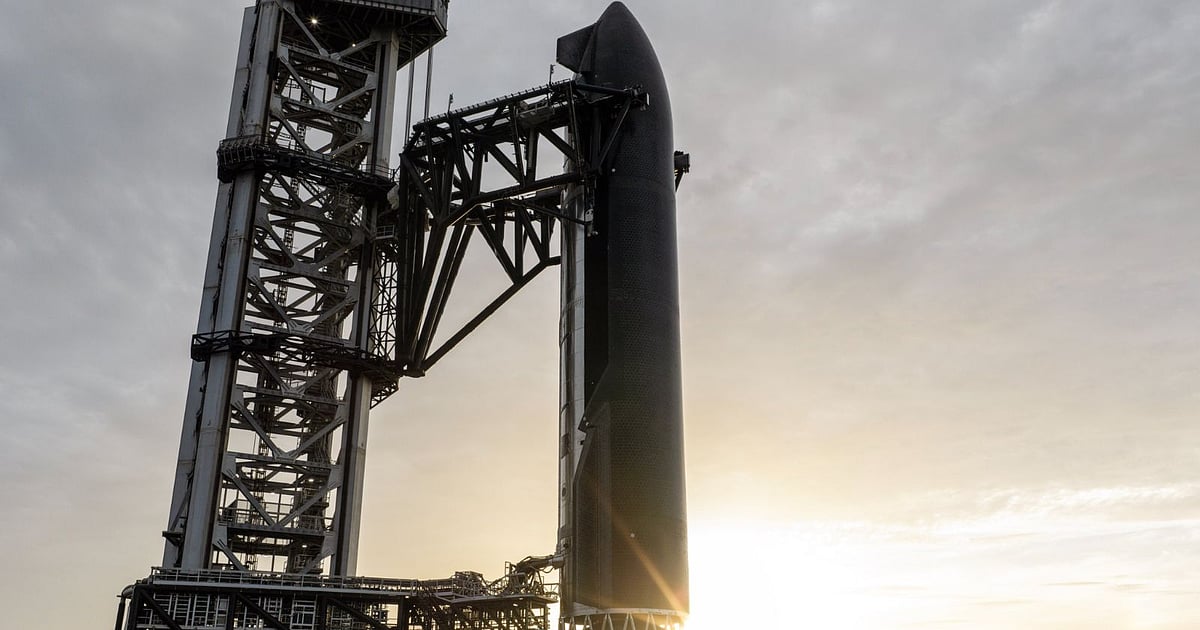
WASHINGTON: SpaceX's mega Starship rocket came within a second or so from blasting off on a test flight but some of the engines failed to start, triggering a launch abort. Elon Musk's company said it will have to figure out what went wrong before making another attempt to send Starship on a space-skimming flight halfway around the world. It was supposed to be the 13th flight for Starship, which at 407 feet (124 meters) tall with 33 main engines is the world's biggest and most powerful rocket. SpaceX's launch webcast on Thursday showed the start of engine ignition three seconds before the planned liftoff, viewed from a drone high above the pad. Whichever engines fired abruptly shut down, with the rocket remaining anchored to the pad. The launch team immediately began draining the fuel from the rocket. "Next launch attempt hopefully in a few days," Musk announced via X.
Kraken and Calisen in first-of-its-kind partnership
Left: Catherine O'Kelly, CEO, Calisen. Right: Amir Orad, CEO, Kraken / Images courtesy Calisen Group and Kraken Smart meter company Calisen has partnered with Kraken to modernise the management of its nationwide engineering workforce as the UK's smart meter rollout enters a more complex phase. The first-of-its-kind agreement will see Calisen deploy workplace management platform Kraken Field on the Kraken operating system to coordinate scheduling, job dispatch and engineer deployment across its field operations. Calisen owns and manages the largest portfolio of smart meters in the UK. It employs around 1,100 field engineers and carries out a home visit every six seconds. The company expects the new platform to improve operational efficiency by automating many of the planning tasks traditionally handled manually. Smart meters are one of the foundations of a more flexible energy system, but the rollout depends on thousands of field visits being planned and completed reliably. By modernising the operational layer behind those visits, Kraken and Calisen can help accelerate the deployment and maintenance of the infrastructure the UK needs for a cleaner, more flexible grid. Optimisation technology Kraken's software uses workforce optimisation technology to match engineers with suitable jobs based on factors including location, skills and equipment requirements. By reducing unnecessary travel and improving scheduling, the system is intended to increase the number of successful appointments while improving first-time fix rates and reducing missed appointments. Have you read? AI and smart meters transform African utilities New G3 certification: Multi-utility metering over a single communication network DLMS UA and OpenADR Alliance cooperate on data exchange at the grid edge Discussing the broader context of this agreement, Amir Orad, chief executive of Kraken, said: "The energy transition depends on the deployment of smarter infrastructure at national scale - and to make the operations behind it just as intelligent. "Calisen has built one of the UK's most important smart-metering platforms, and Kraken Field optimisation will help make every visit count: improving first-time success, reducing unnecessary miles and giving customers a faster, more reliable service." Meter maturity Calisen chief executive Catherine O'Kelly also commented on the bigger picture, mentioning that around three quarters of British homes now have smart meters. "In this mature and more complex phase of the roll out, the remaining installations are in harder to reach homes, we are fixing non-communicating meters and performing upgrades. "At the same time, consumers are rightly demanding this crucial bit of kit is functioning well as they look to install solar panels and batteries or switch to EVs. This new phase of the smart meter system is more technical, with tougher penalties for suppliers when things go wrong. "It is therefore vital that we have the best systems in place to ensure our 1,100-field force is in the right place at the right time with the right equipment to improve customer service. Kraken offers the best way for us to secure this ambition." The partnership with Kraken is part of Calisen's wider technology transformation programme, which is being delivered in pilot phases by a dedicated internal team in partnership with key industry players such as Kraken and with the support of 'early adopter' employees within the business.

SpaceX scrubs Starship flight test due to engine issues
US private space company SpaceX scrubbed the 13th flight test of its giant Starship rocket at the last minute due to engine issues on Thursday. The launch was scheduled for 5:45 p.m. Central Time (2245 GMT) from the company's Starbase facility in the US state of Texas but was later called off. SpaceX founder Elon Musk said in a post on X that "some of the engines didn't start, triggering an automatic launch abort." Musk said the next launch attempt would be "hopefully in a few days." The mission aims to continue testing the upgraded Version 3 Starship and Super Heavy vehicles, which made their debut during the previous flight test in May.

Microsoft Turns On OpenAI And Anthropic As AI Alliance Frays
For a decade, Microsoft was OpenAI's landlord, bank and shopfront. It now wants to be its rival. At an internal meeting on Tuesday, executives told the company's sales organisation to start negatively comparing AI products from OpenAI, Google and Anthropic against Microsoft's own, pitching the efficiency and lower cost of its in-house models, according to people familiar with the session . The meeting, billed as a strategy session for fiscal year 2027, which began on 1 July, produced two quotes that will follow Microsoft around for some time. At heart, I am a storyteller drawn to the watershed moments that bend the technology landscape. I braid narrative with data, humanise statistics, and trace the arc from first spark to world-changing impact. My reportage, features and reviews are witty, sardonic, visual and vivid, using anecdote to illuminate rather than eviscerate. As a technology journalist with over sixteen years of experience, I have travelled the world and the seven seas, covered every major tech conference worth its lanyard, chronicled the defining breakthroughs of the last decade and a half, and played a pivotal role in launching some of India's most important technology publishing platforms across web, print and TV. In my current role as Editor of Gadgets Now Studios, I bring that experience, instinct and editorial firepower to the table, with the mandate of scaling the brand to towering heights. When I am off the clock, I am usually lost in music, from underground electronic and progressive rock to stone-cold blues. I am also an incurable F1 nut, a hangover from my previous life as an auto journalist, and always game for a jam session with friends, where I do my best to make my guitar gently weep.

SpaceX's Starship test flight aborted shortly before launch
Despite recent setbacks in test flights, SpaceX's Starship is being developed for potential use by NASA to send astronauts to the moon and Elon Musk's goal of human missions to Mars. A planned test flight of SpaceX's Starship, the largest rocket system ever built, was aborted shortly before launch, company founder Elon Musk said on Thursday. "Some of the engines didn't start, triggering an automatic launch abort," Musk wrote on X, the social media platform he also owns. "Next launch attempt hopefully in a few days," he added. The giant Starship rocket last completed a test flight in May, its 12th overall. Several engines also failed during that flight, but the test otherwise went largely according to plan. It marked the first flight of Starship Version 3, which SpaceX says has been extensively redesigned, including improvements to its design and performance. US space agency NASA hopes to use Starship to send astronauts to the moon, while Musk's stated goal is for humans to reach Mars. The Starship rocket system consists of two parts that separate after the launch: the about 70-metre-long Super Heavy booster and the upper stage, also called Starship, which measures around 50 metres. The system has been developed so that both the spacecraft and the booster can be reused after returning to Earth. The system was first tested in April 2023, when it exploded after a few minutes. Later tests saw the upper stage reach space and land under control in the Indian Ocean. However, several recent test flights fell well short of expectations. SpaceX recently carried out the largest initial public offering to date, although its shares have since fallen below their issue price.
SpaceX's Starship test flight aborted shortly before launch
A planned test flight of SpaceX's Starship, the largest rocket system ever built, was aborted shortly before launch, company founder Elon Musk said on Thursday. "Some of the engines didn't start, triggering an automatic launch abort," Musk wrote on X, the social media platform he also owns. "Next launch attempt hopefully in a few days," he added. The giant Starship rocket last completed a test flight in May, its 12th overall. Several engines also failed during that flight, but the test otherwise went largely according to plan. It marked the first flight of Starship Version 3, which SpaceX says has been extensively redesigned, including improvements to its design and performance. US space agency NASA hopes to use Starship to send astronauts to the moon, while Musk's stated goal is for humans to reach Mars. The Starship rocket system consists of two parts that separate after the launch: the about 70-metre-long Super Heavy booster and the upper stage, also called Starship, which measures around 50 metres. The system has been developed so that both the spacecraft and the booster can be reused after returning to Earth. The system was first tested in April 2023, when it exploded after a few minutes. Later tests saw the upper stage reach space and land under control in the Indian Ocean. However, several recent test flights fell well short of expectations. SpaceX recently carried out the largest initial public offering to date, although its shares have since fallen below their issue price.

SpaceX abruptly scrubs Starship test flight
SpaceX on Thursday scrubbed what was to be its first Starship flight since the company went public, abruptly calling it off just as the booster began to ignite. "Some of the engines didn't start, triggering an automatic launch abort. Now offloading propellant. Next launch attempt hopefully in a few days," wrote company head Elon Musk on X. It was to be the mammoth rocket's 13th flight overall. When it eventually takes off, the flight's aims will be similar to those of a mostly successful voyage carried out in May, which debuted the latest edition of the powerful Starship, its third-generation model. The goals of that test were essentially to demonstrate the new designs in flight. It was not without a few glitches, however, including engine issues with the Super Heavy booster that necessitated a crash into the Gulf of Mexico rather than a precision return. The company said "there have been several modifications to hardware and software to address issues seen on the previous flight." SpaceX will aspire the next time around to execute a launch, ascent, stage separation, boostback burn and landing burn of the booster offshore without hiccups. The upper stage will deploy 20 Starlink V3 satellites, and SpaceX said it will test out a relight of a Raptor engine in space. It will also test upgrades to Starship's heat shield. The latest flight will be the first after Musk's SpaceX went public on Wall Street in June, with a record initial public offering. The rocket company has rapidly expanded its satellite internet service and voiced lofty ambitions for AI data centers in space. There's a lot riding on SpaceX's progress: the company is under contract with NASA to produce a modified version of Starship to serve as a lunar landing system.

SpaceX Starship launch aborted at the last moment
SpaceX's mega Starship rocket has come within a second or so from blasting off on a test flight but some of the engines failed to start, triggering a launch abort. Elon Musk's company said it will have to figure out what went wrong on Thursday before making another attempt to send Starship on a space-skimming journey halfway around the world. It was supposed to be the 13th flight for Starship, which at 124m tall with 33 main engines is the world's biggest and most powerful rocket. SpaceX's launch webcast showed the start of engine ignition three seconds before the planned liftoff, viewed from a drone high above the pad. Although the company did not elaborate, on-screen data showed four engines not firing, with the remaining 29 engines immediately shutting down and keeping the rocket anchored to the pad. It was the first time a full-scale Starship experienced a last-second abort like this. The launch team immediately began draining the fuel from the rocket. "Next launch attempt hopefully in a few days," Musk announced via X. Everything was going SpaceX's way, even the weather, until the partial engine ignition. In the end, the rocket's automatic launch system worked as planned by halting everything. Too few operating engines could have doomed the launch. Some earlier Starship flights ended in explosive fireballs. Elon Musk's company had newest, most advanced Starlinks aboard Twenty of SpaceX's newest and most advanced Starlinks were on board Starship for release during the planned hour-long flight. The internet satellites were going to try communicating with Starlinks already in orbit while taking photos of Starship's heat shield. Neither the first-stage booster nor spacecraft were meant to be recovered, with both ending up in the sea. The rocket's automatic launch system worked as planned by halting everything. Too few operating engines could have resulted in a failed launch. Some earlier Starship flights, for example, ended in explosive fireballs.

SpaceX Starship launch aborted at the last moment
SpaceX's mega Starship rocket has come within a second or so from blasting off on a test flight but some of the engines failed to start, triggering a launch abort. Elon Musk's company said it will have to figure out what went wrong on Thursday before making another attempt to send Starship on a space-skimming journey halfway around the world. It was supposed to be the 13th flight for Starship, which at 124m tall with 33 main engines is the world's biggest and most powerful rocket. SpaceX's launch webcast showed the start of engine ignition three seconds before the planned liftoff, viewed from a drone high above the pad. Although the company did not elaborate, on-screen data showed four engines not firing, with the remaining 29 engines immediately shutting down and keeping the rocket anchored to the pad. It was the first time a full-scale Starship experienced a last-second abort like this. The launch team immediately began draining the fuel from the rocket. "Next launch attempt hopefully in a few days," Musk announced via X. Everything was going SpaceX's way, even the weather, until the partial engine ignition. In the end, the rocket's automatic launch system worked as planned by halting everything. Too few operating engines could have doomed the launch. Some earlier Starship flights ended in explosive fireballs. Elon Musk's company had newest, most advanced Starlinks aboard Twenty of SpaceX's newest and most advanced Starlinks were on board Starship for release during the planned hour-long flight. The internet satellites were going to try communicating with Starlinks already in orbit while taking photos of Starship's heat shield. Neither the first-stage booster nor spacecraft were meant to be recovered, with both ending up in the sea. The rocket's automatic launch system worked as planned by halting everything. Too few operating engines could have resulted in a failed launch. Some earlier Starship flights, for example, ended in explosive fireballs.

SpaceX Starship launch aborted at the last moment
SpaceX's mega Starship rocket has come within a second or so from blasting off on a test flight but some of the engines failed to start, triggering a launch abort. Elon Musk's company said it will have to figure out what went wrong on Thursday before making another attempt to send Starship on a space-skimming journey halfway around the world. It was supposed to be the 13th flight for Starship, which at 124m tall with 33 main engines is the world's biggest and most powerful rocket. SpaceX's launch webcast showed the start of engine ignition three seconds before the planned liftoff, viewed from a drone high above the pad. Although the company did not elaborate, on-screen data showed four engines not firing, with the remaining 29 engines immediately shutting down and keeping the rocket anchored to the pad. It was the first time a full-scale Starship experienced a last-second abort like this. The launch team immediately began draining the fuel from the rocket. "Next launch attempt hopefully in a few days," Musk announced via X. Everything was going SpaceX's way, even the weather, until the partial engine ignition. In the end, the rocket's automatic launch system worked as planned by halting everything. Too few operating engines could have doomed the launch. Some earlier Starship flights ended in explosive fireballs. Elon Musk's company had newest, most advanced Starlinks aboard Twenty of SpaceX's newest and most advanced Starlinks were on board Starship for release during the planned hour-long flight. The internet satellites were going to try communicating with Starlinks already in orbit while taking photos of Starship's heat shield. Neither the first-stage booster nor spacecraft were meant to be recovered, with both ending up in the sea. The rocket's automatic launch system worked as planned by halting everything. Too few operating engines could have resulted in a failed launch. Some earlier Starship flights, for example, ended in explosive fireballs.

SpaceX aborts Starship launch after engine failure seconds before liftoff
SpaceX's mega Starship rocket came within a second or so from blasting off on a test flight but some of the engines failed to start, triggering a launch abort. Elon Musk's company said it will have to figure out what went wrong before making another attempt to send Starship on a space-skimming flight halfway around the world. It was supposed to be the 13th flight for Starship, which at 407 feet (124 meters) tall with 33 main engines is the world's biggest and most powerful rocket. SpaceX's launch webcast on Thursday showed the start of engine ignition three seconds before the planned liftoff, viewed from a drone high above the pad. Whichever engines fired abruptly shut down, with the rocket remaining anchored to the pad. The launch team immediately began draining the fuel from the rocket. "Next launch attempt hopefully in a few days," Musk announced via X. Everything had been going SpaceX's way, including the weather, until the partial engine ignition. Twenty of SpaceX's newest and most advanced Starlinks were on board Starship for release during the planned hourlong flight. The internet satellites were going to try communicating with Starlinks already in orbit while taking photos of Starship's heat shield. Neither the first-stage booster nor spacecraft were meant to be recovered, with both ending up in the sea. NASA is counting on Starship to land its astronauts on the moon in the next few years. The space agency has hired SpaceX and Jeff Bezos' Blue Origin to build and fly the lunar landers that will return humanity to the surface of the moon after an absence of more than half a century. Both companies need to have their landers -- Starship and Blue Moon -- ready to fly by next year so that the newly named Artemis III crew can practice docking their capsule with them in orbit around Earth. The mission after that -- Artemis IV planned for no earlier than 2028 -- would use one of those landers to take two astronauts to the moon's south polar region. Published on July 17, 2026

SpaceX's Starship Flight 13 test launch aborts at last second (video)
Starship Flight 13 will carry 20 Starlink V3 internet satellites, marking their first trip to space before crashing back to Earth after about 20 minutes. When you buy through links on our articles, Future and its syndication partners may earn a commission. Starship wasn't quite ready to fly today (July 16). SpaceX tried to launch the Starship megarocket on its 13th test flight today but couldn't quite pull it off. Something went wrong just as the giant vehicle's first-stage engines started to fire up, and an abort was triggered. It's too early to say what exactly happened or when SpaceX will try again with Starship Flight 13. "We'll take some time, dig into what triggered that abort once the booster was igniting to launch, and then we'll figure out what our path forward is going to be," SpaceX's Dan Huot said during the company's launch webcast today. "Hopefully, we'll be back real soon for Flight 13 and another attempt to get Starship off the pad," he added. Flight 13 will fly from SpaceX's Starbase site in South Texas. Today's attempt occurred at 6:45 p.m. EDT (2245 GMT; 5:45 p.m. local time), right at the beginning of a 90-minute launch window. Flight 13 will be the second test launch of Starship Version 3 (V3), an upgraded variant of the megarocket designed to get it up to operational status. V3's first jaunt, Flight 12 on May 22, was mostly successful, but there were a few issues. For example, Starship's Super Heavy first stage didn't steer itself back for a controlled splashdown in the Gulf of Mexico as planned, and the Ship upper stage wasn't able to relight one of its Raptor engines in space. Starship V3 will get a second chance on Flight 13, whose goals are similar to those of Flight 12: Get Super Heavy down on target in the Gulf and send Ship most of the way around the world, for a controlled splashdown of its own off the coast of Western Australia. (Ship pulled that off on Flight 12.) There are a few new objectives, however. The most notable is the payload suite flying on Flight 13 -- 20 of SpaceX's next-gen Starlink V3 internet satellites. The company wants to build a constellation of 100,000 Starlink V3 spacecraft in low Earth orbit using Starship, and Flight 13 will mark the satellites' first-ever trip to space. They won't stay up there, however; the spacecraft will be deployed on Ship's suborbital trajectory and will crash back to Earth after about 20 minutes, according to SpaceX. Six of the 20 Starlinks going up on Flight 13 will be equipped with cameras, to image Ship's heat shield. SpaceX did this with a couple of V2 Starlinks on Flight 12 as well.
SpaceX Starship Launch Aborted on the Pad at the last moment
(AP) -- SpaceX's mega Starship rocket came within a few seconds of blasting off on a test flight Thursday, but some of the engines failed to start triggering a launch abort. Elon Musk's company said it will have to figure out what went wrong before making another attempt to send Starship on a space-skimming flight halfway around the world. It was supposed to be the 13th flight for Starship, which at 407 feet (124 meters) tall with 33 main engines is the world's biggest and most powerful rocket. Twenty of SpaceX's newest and most advanced Starlinks were on board Starship for release during the planned hourlong flight. The internet satellites were going to try communicating with Starlinks already in orbit while taking photos of Starship's heat shield. Neither the first-stage booster nor spacecraft were meant to be recovered, with both ending up in the sea. NASA is counting on Starship to land its astronauts on the moon in the next few years.
SpaceX Starship launch aborted on pad at last moment
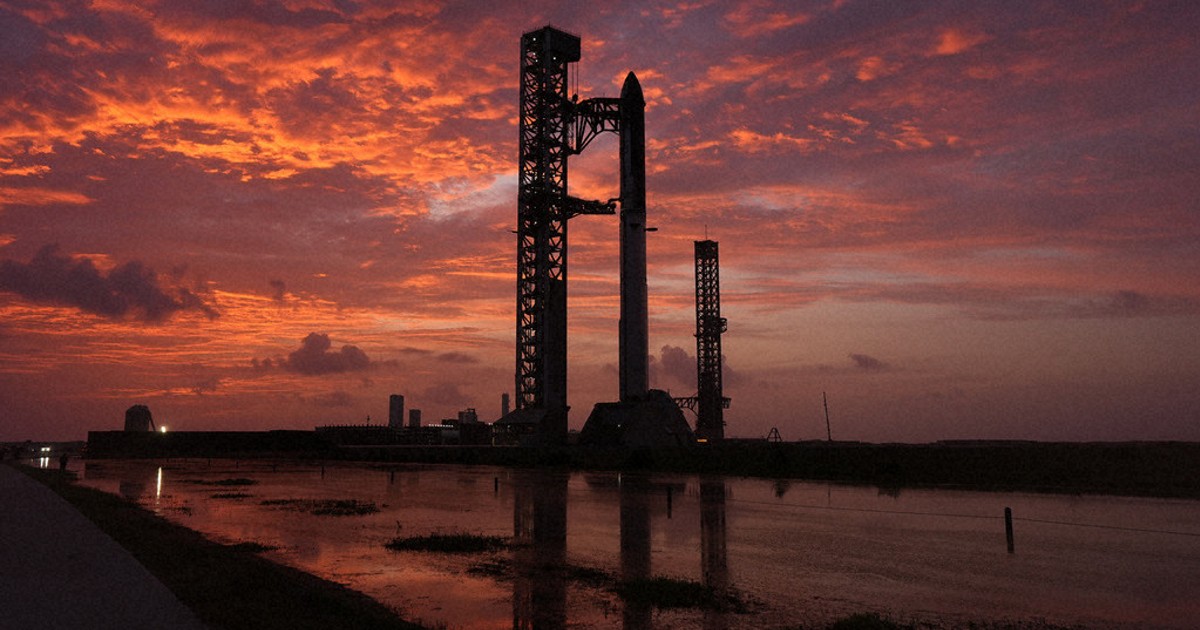
SpaceX's mega Starship rocket came within a second or so of blasting off on a test flight but some of the engines failed to start, triggering a launch abort. Elon Musk's company said it will have to figure out what went wrong before making another attempt to send Starship on a space-skimming flight halfway around the world. It was supposed to be the 13th flight for Starship, which, at 407 feet (124 metres) tall with 33 main engines, is the world's biggest and most powerful rocket. SpaceX's launch webcast on Thursday (July 16, 2026) showed the start of engine ignition three seconds before the planned liftoff, viewed from a drone high above the pad. Whichever engines fired abruptly shut down, with the rocket remaining anchored to the pad. The launch team immediately began draining the fuel from the rocket. "Next launch attempt hopefully in a few days," Musk announced via X. Everything had been going SpaceX's way, including the weather, until the partial engine ignition. Twenty of SpaceX's newest and most advanced Starlinks were on board Starship for release during the planned hourlong flight. The internet satellites were going to try communicating with Starlinks already in orbit while taking photos of Starship's heat shield. Neither the first-stage booster nor the spacecraft was meant to be recovered, with both ending up in the sea. NASA is counting on Starship to land its astronauts on the moon in the next few years. The space agency has hired SpaceX and Jeff Bezos' Blue Origin to build and fly the lunar landers that will return humanity to the surface of the moon after an absence of more than half a century. Both companies need to have their landers -- Starship and Blue Moon -- ready to fly by next year so that the newly named Artemis III crew can practise docking their capsule with them in orbit around Earth. The mission after that -- Artemis IV planned for no earlier than 2028 -- would use one of those landers to take two astronauts to the moon's south polar region.

SpaceX scrubs Starship Flight 13 launch moments before liftoff
SpaceX scrubs Starship Flight 13 launch moments before liftoffNext launch attempt hopefully in a few days,' says SpaceX CEO Elon Musk SpaceX on Thursday canceled the 13th test flight of its Starship megarocket after some of its engines failed to ignite during the launch attempt. The test flight from the company's Starbase, Texas test site was aborted as the giant vehicle's first-stage engines started to fire up just before the launch, which was scheduled at 6.45 p.m. EDT (2245 GMT), Space.com reported. "Some of the engines didn't start, triggering an automatic launch abort. Now offloading propellant. Next launch attempt hopefully in a few days," Space X CEO Elon Musk said on the US social media platform X. "To be confident of a good flight, 2 Raptors will be removed & replaced. Most probable launch timing is early next week," he added.
SpaceX Starship launch aborted on the pad at the last moment
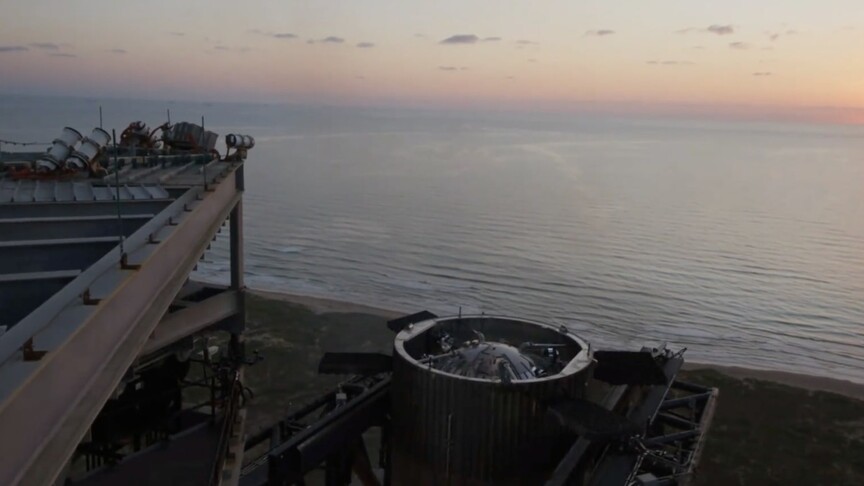
SpaceX's mega Starship rocket came within a second or so from blasting off on a test flight Thursday but some of the engines failed to ignite, triggering a launch abort amid billowing clouds of smoke and vapor. Elon Musk, the company's founder and CEO, said two engines will be replaced "to be confident of a good flight" before sending Starship on a space-skimming journey halfway around the world. It will be the 13th flight for Starship, which at 407 feet (124 meters) tall with 33 main engines is the world's biggest and most powerful rocket. SpaceX's launch webcast showed the start of engine ignition three seconds before the planned liftoff, viewed from a drone high above the pad. Although the company did not elaborate, on-screen data showed four engines not firing, with the remaining 29 engines immediately shutting down and keeping the rocket anchored to the pad. It was the first time a full-scale Starship experienced a last-second abort like this. The launch team immediately began draining the fuel from the rocket. "Most probable launch timing is early next week," Musk said via X. Everything was going SpaceX's way, even the weather, until the partial engine ignition. In the end, the rocket's automatic launch system worked as planned by halting everything. Too few operating engines could have doomed the launch. Some earlier Starship flights ended in explosive fireballs. Twenty of SpaceX's newest and most advanced Starlinks were on board Starship for release during the planned hourlong flight. The internet satellites were going to try communicating with Starlinks already in orbit while taking photos of Starship's heat shield. Neither the first-stage booster nor spacecraft were meant to be recovered, with both ending up in the sea. The rocket's automatic launch system worked as planned by halting everything. Too few operating engines could have resulted in a failed launch. Some earlier Starship flights, for example, ended in explosive fireballs. NASA is counting on Starship to land its astronauts on the moon in the next few years. The space agency has hired SpaceX and Jeff Bezos' Blue Origin to build and fly the lunar landers that will return humanity to the surface of the moon after an absence of more than half a century. Both companies need to have their landers -- Starship and Blue Moon -- ready to fly by next year so that the newly named Artemis III crew can practice docking their capsule with them in orbit around Earth. The mission after that -- Artemis IV planned for no earlier than 2028 -- would use one of those landers to take two astronauts to the moon's south polar region. ___ The Associated Press Health and Science Department receives support from the Howard Hughes Medical Institute's Department of Science Education and the Robert Wood Johnson Foundation. The AP is solely responsible for all content.
SpaceX abruptly scrubs Starship test flight
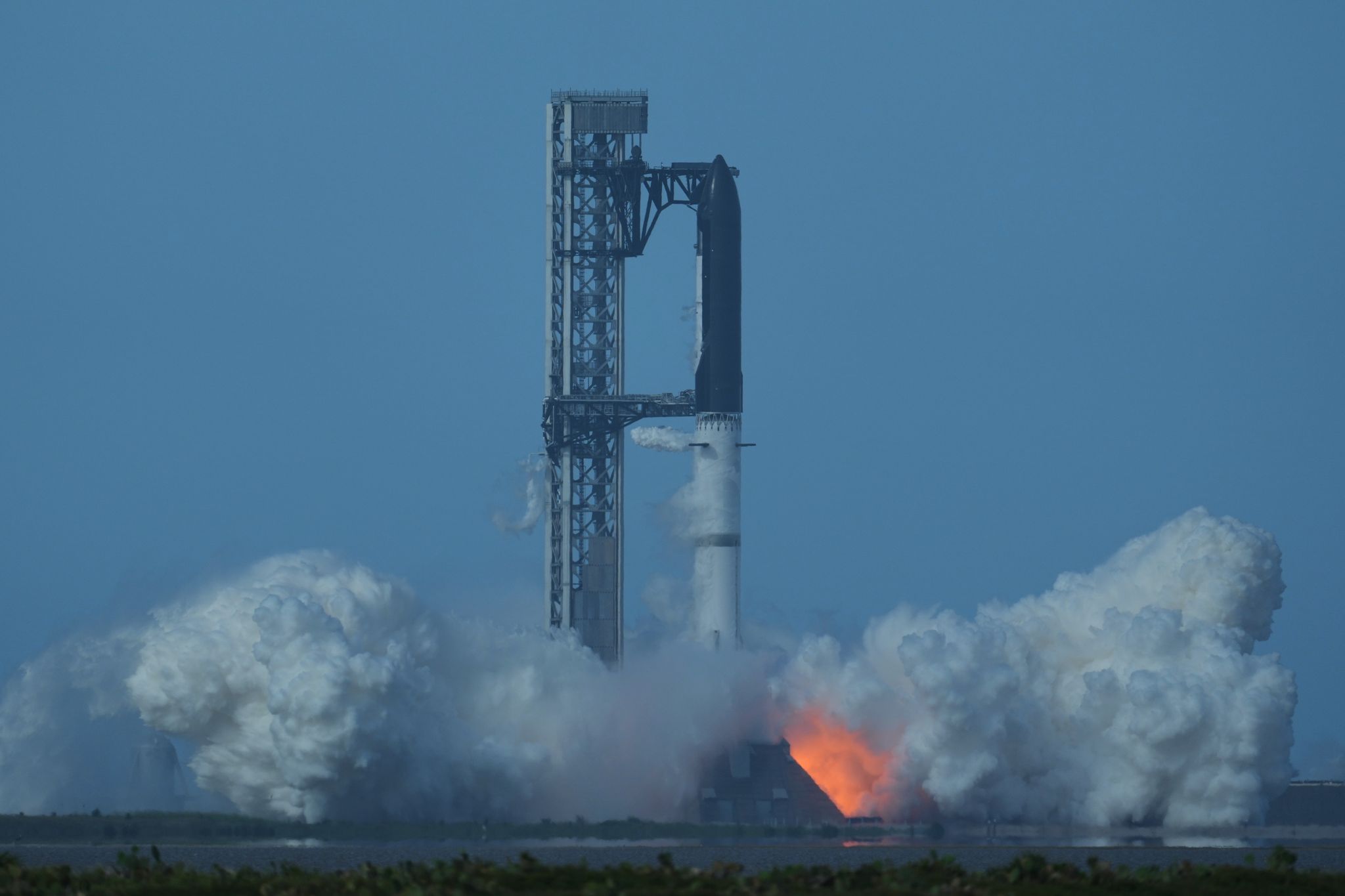
SOUTH PADRE ISLAND, Texas -- SpaceX on Thursday scrubbed what was to be its first Starship flight since the company went public, abruptly calling it off just as the booster began to ignite. "Some of the engines didn't start, triggering an automatic launch abort. Now offloading propellant. Next launch attempt hopefully in a few days," wrote company head Elon Musk on X. It was to be the mammoth rocket's 13th flight overall. When it eventually takes off, the flight's aims will be similar to those of a mostly successful voyage carried out in May, which debuted the latest edition of the powerful Starship, its third-generation model. The goals of that test were essentially to demonstrate the new designs in flight. Get the latest news delivered to your inbox Sign up for The Manila Times newsletters By signing up with an email address, I acknowledge that I have read and agree to the Terms of Service and Privacy Policy. It was not without a few glitches, however, including engine issues with the Super Heavy booster that necessitated a crash into the Gulf of Mexico rather than a precision return. The company said "there have been several modifications to hardware and software to address issues seen on the previous flight." Advertisement SpaceX will aspire the next time around to execute a launch, ascent, stage separation, boostback burn and landing burn of the booster offshore without hiccups. The upper stage will deploy 20 Starlink V3 satellites, and SpaceX said it will test out a relight of a Raptor engine in space. It will also test upgrades to Starship's heat shield. The latest flight will be the first after Musk's SpaceX went public on Wall Street in June, with a record initial public offering. Advertisement The rocket company has rapidly expanded its satellite internet service and voiced lofty ambitions for AI data centers in space. There's a lot riding on SpaceX's progress: the company is under contract with NASA to produce a modified version of Starship to serve as a lunar landing system.

SpaceX Starship launch aborted at the last moment
SpaceX's mega Starship rocket has come within a second or so from blasting off on a test flight but some of the engines failed to start, triggering a launch abort. Elon Musk's company said it will have to figure out what went wrong on Thursday before making another attempt to send Starship on a space-skimming journey halfway around the world. It was supposed to be the 13th flight for Starship, which at 124m tall with 33 main engines is the world's biggest and most powerful rocket. SpaceX's launch webcast showed the start of engine ignition three seconds before the planned liftoff, viewed from a drone high above the pad. Although the company did not elaborate, on-screen data showed four engines not firing, with the remaining 29 engines immediately shutting down and keeping the rocket anchored to the pad. It was the first time a full-scale Starship experienced a last-second abort like this. The launch team immediately began draining the fuel from the rocket. "Next launch attempt hopefully in a few days," Musk announced via X. Everything was going SpaceX's way, even the weather, until the partial engine ignition. In the end, the rocket's automatic launch system worked as planned by halting everything. Too few operating engines could have doomed the launch. Some earlier Starship flights ended in explosive fireballs. Elon Musk's company had newest, most advanced Starlinks aboard Twenty of SpaceX's newest and most advanced Starlinks were on board Starship for release during the planned hour-long flight. The internet satellites were going to try communicating with Starlinks already in orbit while taking photos of Starship's heat shield. Neither the first-stage booster nor spacecraft were meant to be recovered, with both ending up in the sea. The rocket's automatic launch system worked as planned by halting everything. Too few operating engines could have resulted in a failed launch. Some earlier Starship flights, for example, ended in explosive fireballs.

SpaceX Starship launch aborted on the pad at the last moment
SpaceX's mega Starship rocket came within a second or so from blasting off on a test flight Thursday but some of the engines failed to start, triggering a launch abort. Elon Musk's company said it will have to figure out what went wrong before making another attempt to send Starship on a space-skimming journey halfway around the world. It was supposed to be the 13th flight for Starship, which at 407 feet (124 meters) tall with 33 main engines is the world's biggest and most powerful rocket. SpaceX's launch webcast showed the start of engine ignition three seconds before the planned liftoff, viewed from a drone high above the pad. Although the company did not elaborate, on-screen data showed four engines not firing, with the remaining 29 engines immediately shutting down and keeping the rocket anchored to the pad. It was the first time a full-scale Starship experienced a last-second abort like this. The launch team immediately began draining the fuel from the rocket. "Next launch attempt hopefully in a few days," Musk announced via X. Everything was going SpaceX's way, even the weather, until the partial engine ignition. In the end, the rocket's automatic launch system worked as planned by halting everything. Too few operating engines could have doomed the launch. Some earlier Starship flights ended in explosive fireballs. Elon Musk's company had newest, most advanced Starlinks aboard Twenty of SpaceX's newest and most advanced Starlinks were on board Starship for release during the planned hourlong flight. The internet satellites were going to try communicating with Starlinks already in orbit while taking photos of Starship's heat shield. Neither the first-stage booster nor spacecraft were meant to be recovered, with both ending up in the sea. The rocket's automatic launch system worked as planned by halting everything. Too few operating engines could have resulted in a failed launch. Some earlier Starship flights, for example, ended in explosive fireballs. World's biggest rocket is key to putting astronauts back on the moon NASA is counting on Starship to land its astronauts on the moon in the next few years. The space agency has hired SpaceX and Jeff Bezos' Blue Origin to build and fly the lunar landers that will return humanity to the surface of the moon after an absence of more than half a century. Both companies need to have their landers -- Starship and Blue Moon -- ready to fly by next year so that the newly named Artemis III crew can practice docking their capsule with them in orbit around Earth. The mission after that -- Artemis IV planned for no earlier than 2028 -- would use one of those landers to take two astronauts to the moon's south polar region.

SpaceX Starship launch aborted on the pad at the last moment
SpaceX's mega Starship rocket came within a second or so from blasting off on a test flight Thursday but some of the engines failed to start, triggering a launch abort. Elon Musk's company said it will have to figure out what went wrong before making another attempt to send Starship on a space-skimming flight halfway around the world. It was supposed to be the 13th flight for Starship, which at 407 feet (124 meters) tall with 33 main engines is the world's biggest and most powerful rocket. SpaceX's launch webcast showed the start of engine ignition three seconds before the planned liftoff, viewed from a drone high above the pad. Whichever engines fired abruptly shut down, with the rocket remaining anchored to the pad. The launch team immediately began draining the fuel from the rocket. "Next launch attempt hopefully in a few days," Musk announced via X. Everything had been going SpaceX's way, including the weather, until the partial engine ignition. Twenty of SpaceX's newest and most advanced Starlinks were on board Starship for release during the planned hourlong flight. The internet satellites were going to try communicating with Starlinks already in orbit while taking photos of Starship's heat shield. Neither the first-stage booster nor spacecraft were meant to be recovered, with both ending up in the sea. NASA is counting on Starship to land its astronauts on the moon in the next few years. The space agency has hired SpaceX and Jeff Bezos' Blue Origin to build and fly the lunar landers that will return humanity to the surface of the moon after an absence of more than half a century. Both companies need to have their landers -- Starship and Blue Moon -- ready to fly by next year so that the newly named Artemis III crew can practice docking their capsule with them in orbit around Earth. The mission after that -- Artemis IV planned for no earlier than 2028 -- would use one of those landers to take two astronauts to the moon's south polar region. ___ The Associated Press Health and Science Department receives support from the Howard Hughes Medical Institute's Department of Science Education and the Robert Wood Johnson Foundation. The AP is solely responsible for all content.
