News & Updates
The latest news and updates from companies in the WLTH portfolio.
SpaceX Stock Falls Below IPO Price, Market Cap Plummets $1 Trillion
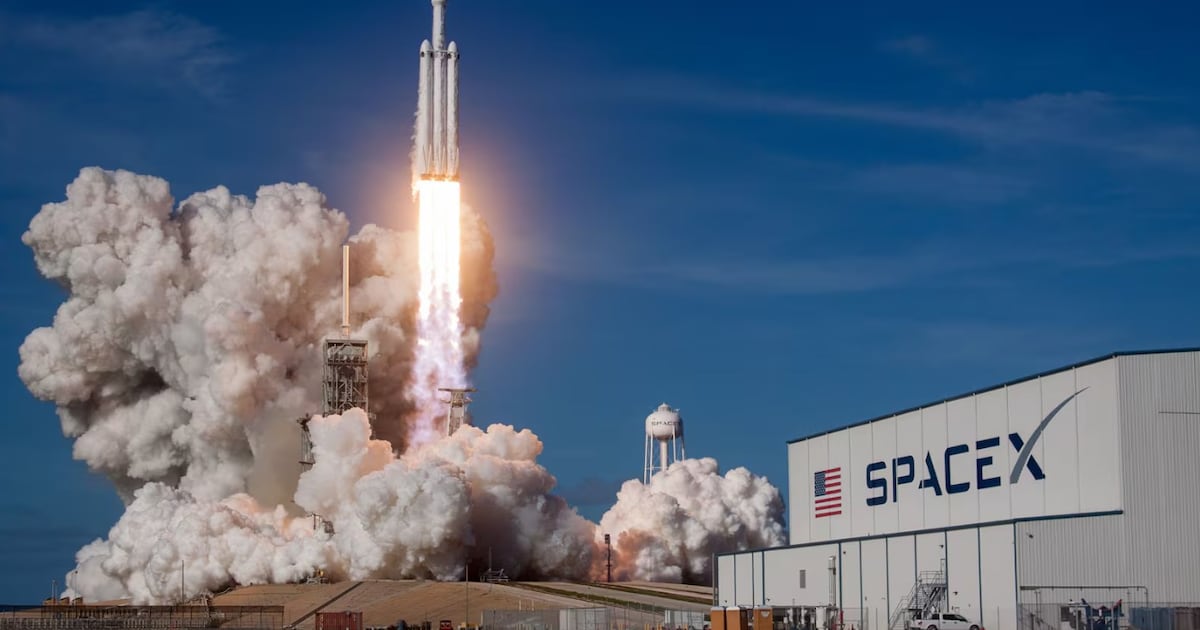
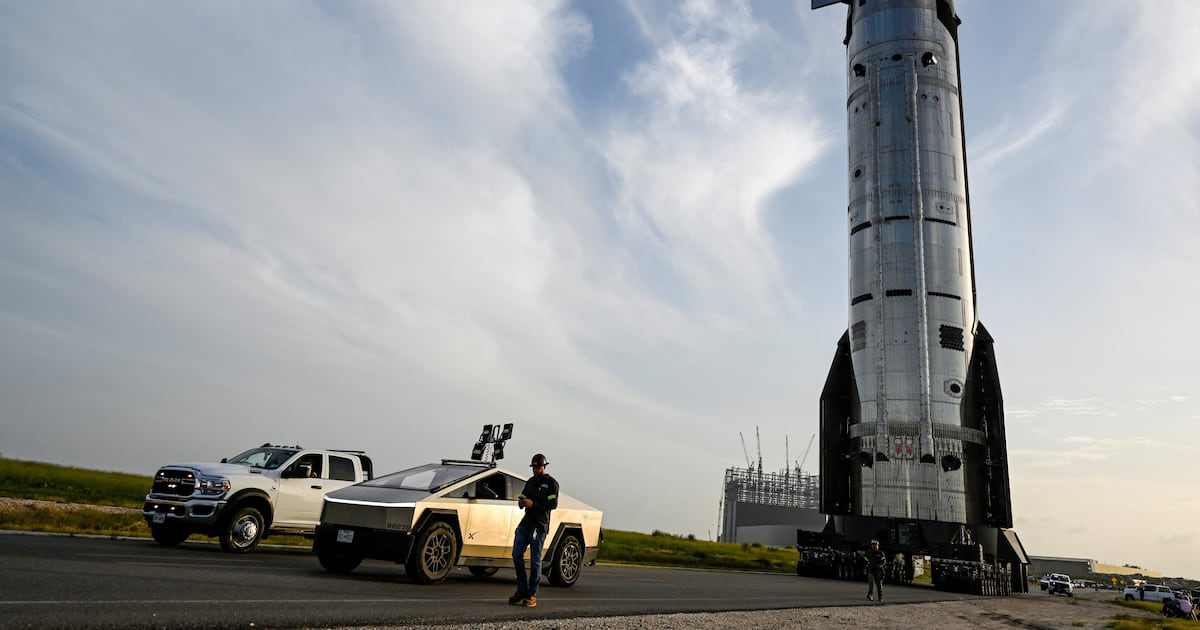
Bond issuance, Starship test suspension, and upcoming earnings report fuel investor concerns The stock price of U.S. aerospace and artificial intelligence (AI) company **SpaceX**, which made its debut on the New York Stock Exchange last month through the largest-ever initial public offering (IPO), has significantly declined, with its market capitalization falling below the offering price within a month. On the 17th (local time), SpaceX's stock price on the New York Stock Exchange closed at $123.99, down 5.43% from the previous day. With a six-consecutive-day decline, the market capitalization shrank to $1.6316 trillion. This is a decrease of $1 trillion (approximately 1,490 trillion Korean won) from the record high of $2.64 trillion set on June 16. SpaceX raised a total of $85.7 billion (approximately 130 trillion Korean won) through the largest-ever IPO on June 10. Following oversubscription, the stock price surged immediately after listing as investor expectations grew, but recent adverse factors have caused the stock price to fall below the offering price of $135. On June 23, the company issued $25 billion in corporate bonds to repay debt, and concerns over AI infrastructure investments have intensified, leading to a downward trend in the stock price. Additionally, the sudden suspension of the 13th test flight of Starship, SpaceX's next-generation core spacecraft and the first test flight since the company's listing, on July 16 further fueled the decline. Starship is a 124-meter-tall super-heavy launch vehicle developed by SpaceX. **Elon Musk**, the CEO of SpaceX, dreams of using Starship to transport people and cargo to Mars. The disclosure of SpaceX's first earnings report in early August is also seen as a negative factor. This is because the lock-up period for a significant portion of institutional holdings in SpaceX will be lifted starting two trading days after the earnings announcement. The release of a large volume of shares into the market could drive the stock price further down.
Elon Musk Predicts SpaceX Value to Surpass Entire Earth
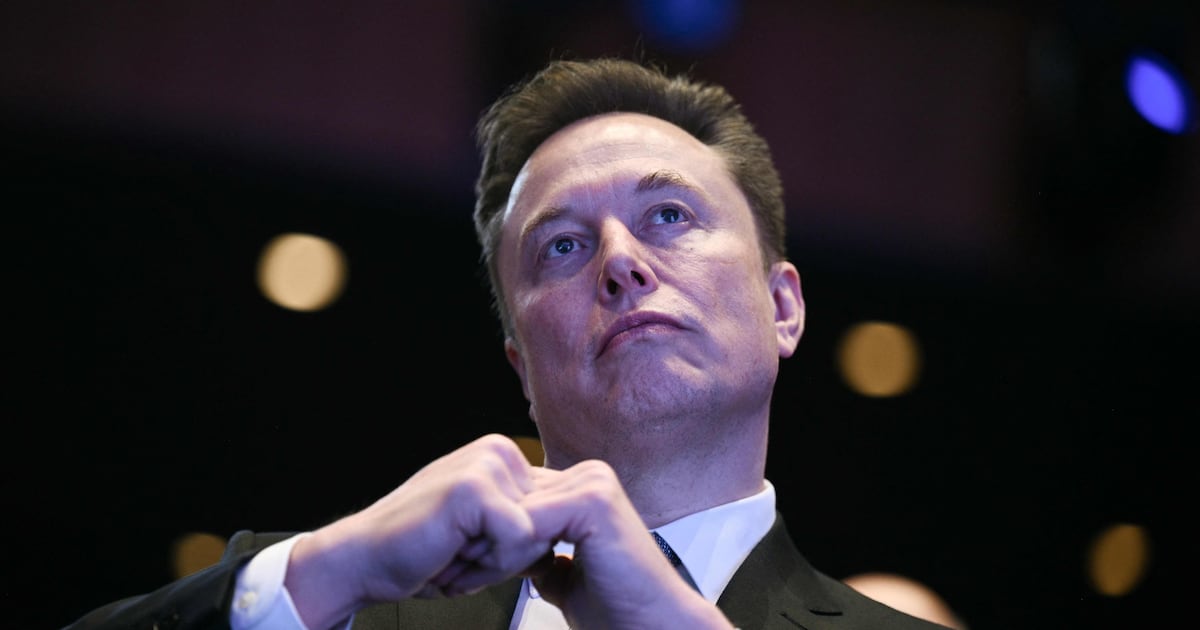
Amid Wall Street valuations, analysts project SpaceX stock from $75 to $900 per share Elon Musk, CEO of U.S. electric vehicle company Tesla, claimed that the future value of SpaceX, the aerospace company he founded, would surpass the combined value of the entire Earth. According to financial weekly Barron's on July 10 (local time), Musk stated via X (formerly Twitter) the previous afternoon, "If we achieve our goals, SpaceX's value will grow larger than the rest of the planet combined." Barron's reported that Musk made this remark amid ongoing Wall Street valuations of SpaceX following its June initial public offering (IPO). In a radio interview, Musk also revealed a concrete goal of sending tens of thousands of people to a lunar base within the next 10 years. He added that astronauts would be sent to the Moon within 2-3 years, with plans to expand operations. He argued that, at some point, anyone who wishes could travel to the Moon or Mars. Musk stated, "We will build a self-sustaining city on the Moon, like a metropolis," where people could permanently relocate or take vacations. Market forecasts for SpaceX's valuation are mixed. Morgan Stanley projected that under a pessimistic scenario -- where Starship does not achieve normal operations by 2029 -- the stock price could drop to 75 dollars per share. Under an optimistic scenario, it estimated 600 dollars per share, with a target price of 300 dollars. Conversely, Citi assumed an optimistic scenario, projecting a stock price of 900 dollars, a corporate value of 12 trillion dollars, or approximately 18,000 trillion Korean won. According to financial data provider FactSet, the average analyst target price was 240 dollars per share. Sales are expected to reach 630 billion dollars by 2031, with operating profits exceeding 340 billion dollars in the same year.
SpaceXAI Announces Name Change Following Merger with SpaceX
The merged entity plans to deploy AI compute satellites as space data centers starting 2028, aiming to expand AI infrastructure The AI company xAI, led by Tesla CEO Elon Musk, has changed its name to SpaceXAI. xAI announced the name change on the social media platform X (formerly Twitter) on the 6th (local time), stating, "We are now SpaceXAI." Musk's space company SpaceX, which recently entered Nasdaq through the largest-ever initial public offering (IPO), merged with xAI in February to integrate its space, AI, and social media businesses. The company plans to integrate AI into its space business in the long term, aiming to expand its AI infrastructure business, including space data centers. Although xAI is currently running losses, SpaceX has assessed that the AI business has significant growth potential. The company stated, "We plan to deploy AI compute satellites serving as space data centers starting in 2028."
Exclusive: Mirae Asset Securities to Pay 10% Interest on Failed SpaceX IPO
Firm to Compensate 1.42 Billion Won for Tied-Up Funds After Allocation Failure Mirae Asset Securities announced on the 6th that it is "strongly considering a plan to pay annual 10% passage interest to individual investors whose funds were tied up due to the failed subscription for SpaceX's initial public offering (IPO)." The compensation is estimated to amount to approximately 1.4 billion Korean won. Passage interest refers to interest calculated and paid based on the period during which funds were tied up. Mirae Asset Securities conducted the SpaceX IPO subscription for registered professional individual and corporate/institutional investors from June 5 to 10. The total offering amount was 1.14 billion dollars. Of this, 500 million dollars allocated to individual professional investors sold out within 1-2 minutes of the sale's start. However, the lead underwriter Goldman Sachs did not allocate any shares to Mirae Asset Securities during the final allocation process, causing the subscription to fail. Mirae Asset Securities fully refunded the subscription deposits on the morning of June 13. Previously, the virtual asset exchange Bybit set a precedent by paying annual 10% passage interest in a similar case. Mirae Asset Securities plans to apply the same 10% annual rate. Calculating compensation based on the amounts deposited by individual professional investors yields approximately 1.42 billion Korean won. The $300 million deposited on June 5 was tied up for 8 days until the refund date of the 13th, while the $200 million deposited on June 8 was tied up for 5 days. Applying the annual 10% rate on a daily basis, the $300 million portion accrues 657,534 dollars, and the $200 million portion accrues 273,973 dollars. The total of 931,507 dollars, when converted using the exchange rate at the time of refund (1 dollar = 1,524.8 Korean won), amounts to approximately 1.4204 billion Korean won. A Mirae Asset Securities official stated, "We deeply regret the inconvenience caused to customers awaiting subscription results. We will do our best to protect investors and provide stable services." Meanwhile, the Financial Supervisory Service has initiated an inspection into Mirae Asset Securities regarding this incident. Lee Chan-jin, head of the Financial Supervisory Service, recently said at a press briefing, "We never imagined such an incident could occur," and added that the inspection will determine whether the issue stemmed from communication failures by the lead underwriter or other factors. Mirae Asset Securities is also considering legal action if it determines that unfair treatment contributed to the allocation failure. Regarding Bloomberg's report, which claimed that a misunderstanding of the order submission process resulted in no shares being allocated, the company plans to hold Bloomberg accountable for legal responsibility.