News & Updates
The latest news and updates from companies in the WLTH portfolio.
Share Market News: IT stocks hits upper circuit as company signs a 5-year AI deal with SpaceX International, check details here
Under this agreement, BCSSL-USA will be able to provide tailored services related to artificial intelligence (AI) infrastructure, cloud-based AI platforms, enterprise AI solutions, AI consulting, AI integration, and digital transformation. New Delhi: Shares of Blue Cloud Softech Solutions Ltd., a small-cap AI-based IT company with a market cap of Rs 1,712.51 crore, hit a 5 percent upper circuit in the opening trade even as the benchmark indices fell due to ongoing tensions in the Middle East. The stock opened at Rs 22 on the BSE today against the previous close of Rs 21.66 and gained to touch the high of Rs 22.74. The action comes as the company announced in its latest exchange filing that its US-based subsidiary, BCSSL-USA, has entered into a five-year Master Services Agreement (MSA) with SpaceX International Ltd. Under this agreement, BCSSL-USA will be able to provide tailored services related to artificial intelligence (AI) infrastructure, cloud-based AI platforms, enterprise AI solutions, AI consulting, AI integration, and digital transformation. Tejesh Kumar Kodali, Chairman of Blue Cloud Softech Group, stated that this five-year agreement with SpaceX International Ltd. is a major step toward expanding the company's global AI business. According to him, this agreement will enable BCSSL-USA to provide enterprise AI solutions and AI infrastructure services at scale. He added that this partnership demonstrates customer confidence in the company's AI capabilities and will further strengthen the company's presence in international markets. Bhaskar Nallamilli, CEO of BCSSL-USA, said this agreement further strengthens the company's position as a trusted partner in the field of enterprise AI transformation. He added that the company will work with the customer to provide large-scale AI infrastructure, a cloud-based AI platform, and AI-enabled digital transformation services. All of these services will be provided under separate Statements of Work to be negotiated between the two parties. Markets tumble in early trade as rising oil prices dent sentiment Market benchmark indices Sensex and Nifty declined in early trade on Tuesday dragged by a sharp rally in crude oil prices due to the renewed flare-up in West Asia. Fresh foreign fund outflows and a weak trend in global peers also put pressure on the markets. The 30-share BSE Sensex dropped 552.99 points to 77,063.41 in early trade. The 50-share NSE Nifty declined 160.45 points to 24,050.55. Brent crude, the global oil benchmark, quoted 1.63 per cent higher at USD 84.60 per barrel. "There are some headwinds blowing again which might impact the Indian market in the near-term. The escalation of US-Iran conflict has pushed Brent crude to USD 84. If this spike continues it will again start impacting India's macros," VK Vijayakumar, Chief Investment Strategist, Geojit Investments Limited, said. Disclaimer: India.com provides stock market news for informational purposes only and should not be construed as investment advice. Readers are encouraged to consult with a qualified financial advisor before making any investment decisions.

Anthropic 'clear leader in AI', says Musk. Here's what the SpaceX chief really means
Elon Musk does not often admit he was wrong. But he has. Responding on X to a user who noted that SpaceX controls the computing power Anthropic depends on, and could, in theory, cut it off, Musk said he never would. He went further, calling Anthropic the clear leader in AI and saying no rival had shipped a model as good as its Mythos and Fable systems. He expects a Mythos 2 before long. The turn is surprising, given that last September, he wrote that winning was never a possible outcome for Anthropic. In February, after it raised $30bn at a $380bn valuation, he called its models "misanthropic and evil" and told it to fix them. Five months on, the same company is his benchmark for the field. The praise is not free Take the compliment at face value and it reads as rare humility. Look at the plumbing and a second motive appears. In May, Anthropic agreed to lease the entire output of xAI's Colossus 1 data centre near Memphis, about 300 megawatts, paying roughly $1.25bn a month through 2029. That is close to $40bn flowing to Musk's side of the table. He is not just admiring Anthropic. He is billing it. A rival who pays you $40bn is a rival worth flattering. Musk's pledge not to weaponise that dependence costs him nothing and buys goodwill with a customer he needs. The admiration may be real. It is also good business. Playground politics? The sharper reading sits one company over. Musk co-founded OpenAI in 2015 as a non-profit, left the board in 2018 after the others refused to hand him control, and has fought it since. He sued Altman and OpenAI in 2024, accusing them of abandoning the founding mission for private gain. He sought more than $150bn in damages, Altman's removal and the unwinding of the for-profit structure. In May, a jury threw the case out, finding Musk had waited too long to file. He called the verdict a "calendar technicality" and vowed to appeal. By July, the feud was personal again. Musk branded Altman "Scam Altman" after Apple sued OpenAI, and Altman replied that the surest sign his new model led the field was that Musk was obsessed with him again. Against that backdrop, crowning Anthropic the leader does double duty. It is a real judgement about the models. It is also a way to tell the market that the AI company that matters is not the one he is suing. Both are racing to the same finish line Timing sharpens the point. Both firms filed confidentially for stock market listings in June, within days of each other. Anthropic, valued at about $965bn in private markets, is pushing for a Nasdaq debut as early as October. It could be the first company to list at close to $1tn, and it expects its first profitable quarter, with around $559m in operating income on $10.9bn of revenue. OpenAI, valued a little lower and still loss-making, is leaning toward 2027, wary after SpaceX's own listing spiked and then surrendered much of the gain. Altman is holding out for a $1tn price. Here the two threads meet. Whoever lists first sets the benchmark the second is priced against. Anthropic going out ahead, blessed by Musk as the field's leader, helps fix the multiple bankers who later apply to OpenAI. Musk talking up the rival he profits from, while running down the rival he is suing, shapes the terms on which his enemy will one day face public investors. None of this proves the praise is hollow. Musk may well think Anthropic makes the best models right now. But "wowed by the model" and "at war with OpenAI" were never competing explanations. They are the same move. The compliment serves his balance sheet and his grudge at once, and it lands in the narrow window before both labs ask the market to price them.
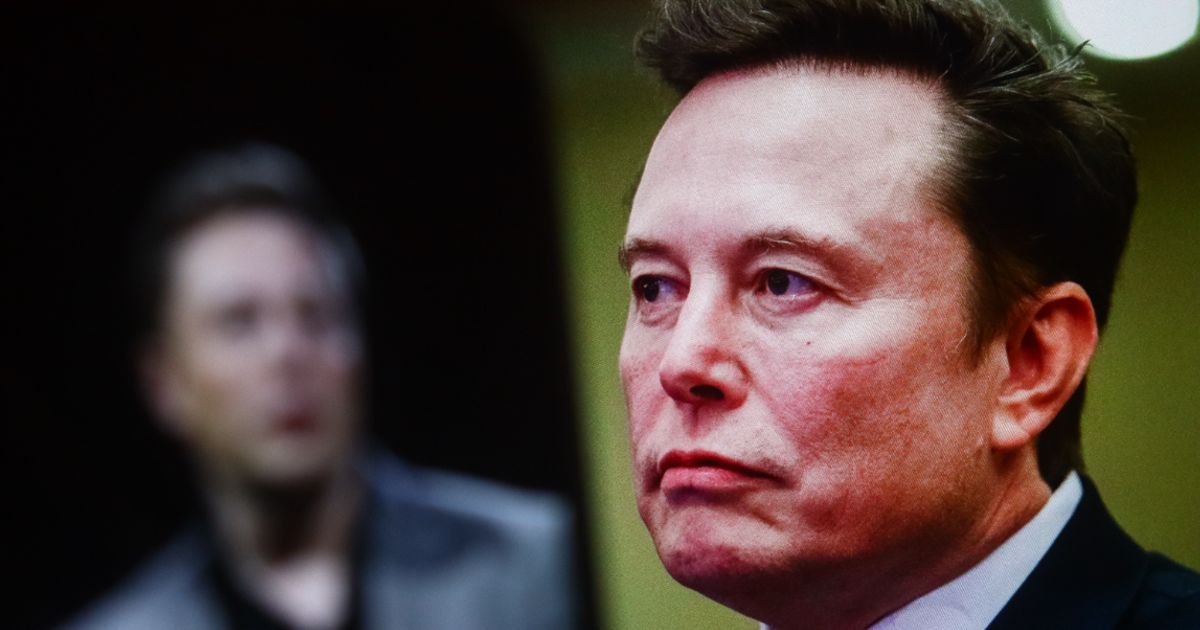
Anthropic 'clear leader in AI', says Musk. Here's what the SpaceX chief really means
Elon Musk does not often admit he was wrong. But he has. Responding on X to a user who noted that SpaceX controls the computing power Anthropic depends on, and could, in theory, cut it off, Musk said he never would. He went further, calling Anthropic the clear leader in AI and saying no rival had shipped a model as good as its Mythos and Fable systems. He expects a Mythos 2 before long. The turn is surprising, given that last September, he wrote that winning was never a possible outcome for Anthropic. In February, after it raised $30bn at a $380bn valuation, he called its models "misanthropic and evil" and told it to fix them. Five months on, the same company is his benchmark for the field. The praise is not free Take the compliment at face value and it reads as rare humility. Look at the plumbing and a second motive appears. In May, Anthropic agreed to lease the entire output of xAI's Colossus 1 data centre near Memphis, about 300 megawatts, paying roughly $1.25bn a month through 2029. That is close to $40bn flowing to Musk's side of the table. He is not just admiring Anthropic. He is billing it. A rival who pays you $40bn is a rival worth flattering. Musk's pledge not to weaponise that dependence costs him nothing and buys goodwill with a customer he needs. The admiration may be real. It is also good business. Playground politics? The sharper reading sits one company over. Musk co-founded OpenAI in 2015 as a non-profit, left the board in 2018 after the others refused to hand him control, and has fought it since. He sued Altman and OpenAI in 2024, accusing them of abandoning the founding mission for private gain. He sought more than $150bn in damages, Altman's removal and the unwinding of the for-profit structure. In May, a jury threw the case out, finding Musk had waited too long to file. He called the verdict a "calendar technicality" and vowed to appeal. By July, the feud was personal again. Musk branded Altman "Scam Altman" after Apple sued OpenAI, and Altman replied that the surest sign his new model led the field was that Musk was obsessed with him again. Against that backdrop, crowning Anthropic the leader does double duty. It is a real judgement about the models. It is also a way to tell the market that the AI company that matters is not the one he is suing. Both are racing to the same finish line Timing sharpens the point. Both firms filed confidentially for stock market listings in June, within days of each other. Anthropic, valued at about $965bn in private markets, is pushing for a Nasdaq debut as early as October. It could be the first company to list at close to $1tn, and it expects its first profitable quarter, with around $559m in operating income on $10.9bn of revenue. OpenAI, valued a little lower and still loss-making, is leaning toward 2027, wary after SpaceX's own listing spiked and then surrendered much of the gain. Altman is holding out for a $1tn price. Here the two threads meet. Whoever lists first sets the benchmark the second is priced against. Anthropic going out ahead, blessed by Musk as the field's leader, helps fix the multiple bankers who later apply to OpenAI. Musk talking up the rival he profits from, while running down the rival he is suing, shapes the terms on which his enemy will one day face public investors. None of this proves the praise is hollow. Musk may well think Anthropic makes the best models right now. But "wowed by the model" and "at war with OpenAI" were never competing explanations. They are the same move. The compliment serves his balance sheet and his grudge at once, and it lands in the narrow window before both labs ask the market to price them.
Ark Invest doubles down on SpaceX with $52m weekly buying spree
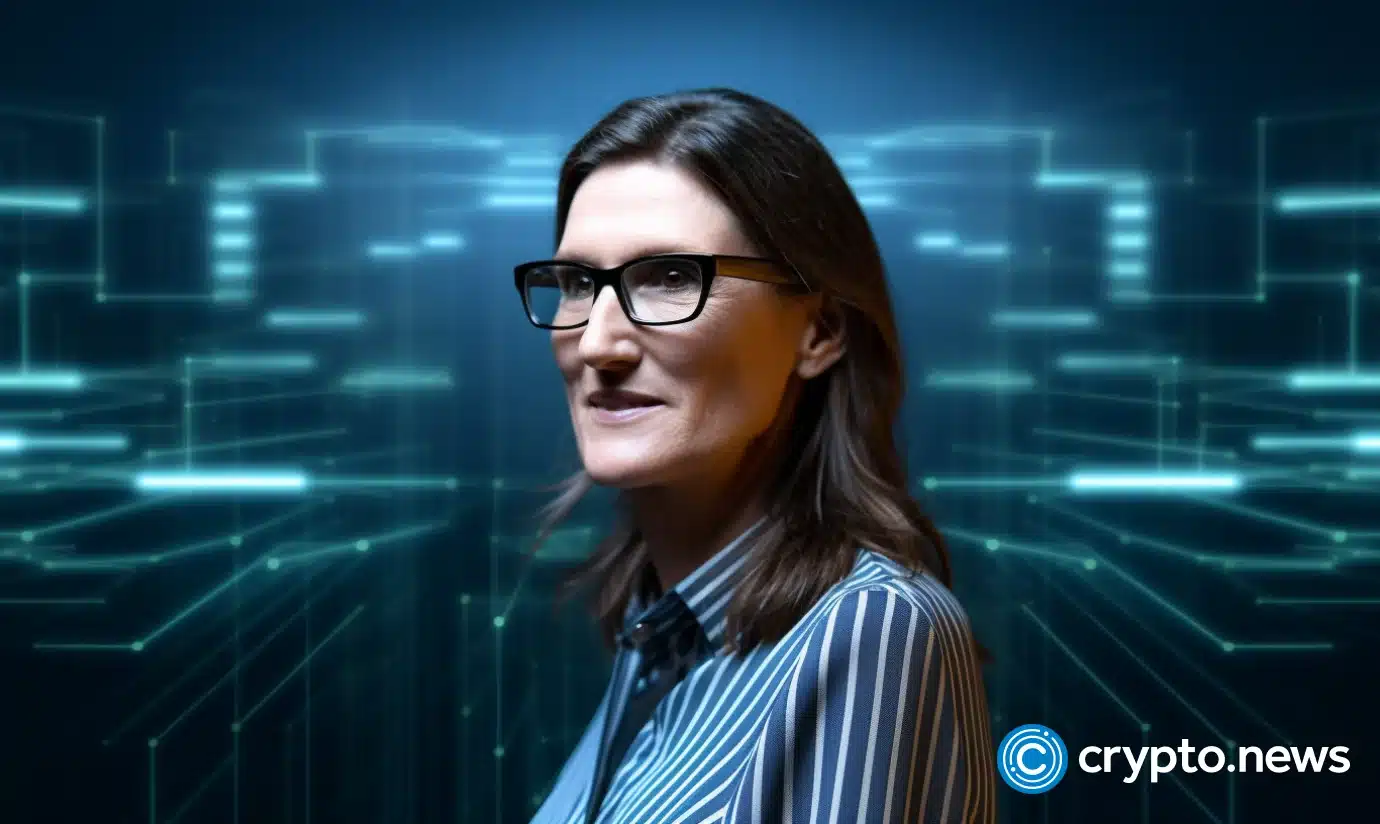
Cathie Wood's Ark Invest has increased its exposure to SpaceX with purchases worth about $52.1 million during the week ended July 10, while cutting positions in semiconductor, streaming and genomics companies as it continued adjusting its portfolios. According to Ark Invest's latest weekly trading disclosure, Space Exploration Technologies Corp. (SPCX) received the firm's largest allocation by value across multiple exchange-traded funds. The investment manager also bought shares of Eli Lilly, Meta Platforms, X-Energy, Coinbase Global and Circle Internet Group, alongside several healthcare, artificial intelligence and defence-related companies. Across individual funds, Ark added SpaceX shares to ARKK, ARKQ, ARKW and ARKX. The latest filings also showed fresh purchases of X-Energy across three ETFs, while Block, Kratos Defense & Security Solutions, Oklo, Pony AI, Kodiak AI and WeRide were among other additions. In healthcare, the firm increased positions in companies including Ionis Pharmaceuticals, Beam Therapeutics, Prime Medicine, Alamar Biosciences, Compass Pathways, and Recursion Pharmaceuticals. Ark continues buying SpaceX after earlier dip purchases The latest trades extend Ark's recent buying activity in SpaceX after several purchases made during the stock's post-listing decline. Last month, the investment firm bought about $32.5 million worth of SpaceX shares after the stock dropped more than 16% from its post-IPO peak. The purchase followed an even larger investment of roughly $444.3 million made across four ETFs on the company's Nasdaq debut on June 12. Ark had also held exposure to SpaceX before its public listing through the ARK Venture Fund, where the aerospace company ranked as the fund's largest holding. Earlier this month, Cathie Wood told Fox Business that SpaceX held a "10-year lead" over competitors, while Ark's internal valuation models projected a base-case enterprise value of about $2.5 trillion by 2030 and a bull-case estimate of approximately $3.1 trillion. Meanwhile, the latest portfolio changes showed the firm reducing holdings in Advanced Micro Devices, Roku, Robinhood Markets, Deere, and Iridium Communications. The disclosures also listed sales of several genomics companies, including Natera, Illumina, Twist Bioscience, 10x Genomics and BioNTech, alongside smaller reductions in Personalis, Absci and Strata Critical Medical. The changes come ahead of the second-quarter earnings season, with the latest disclosures indicating continued portfolio rebalancing across Ark's actively managed funds. The recent buying activity also follows a pattern seen in previous weeks. On June 26, Ark increased its holdings in Coinbase, Circle, Bullish, and Robinhood after all four stocks declined during the trading session. Earlier in June, the firm also purchased about $18.4 million worth of Coinbase shares after the crypto exchange had fallen nearly 13% over the preceding month. Ark manages its exchange-traded funds under a policy that limits any single holding to no more than 10% of a portfolio. The firm periodically adjusts positions to keep those weightings within its target allocations as share prices change.
Why OpenAI wants $1 million from Elon Musk's xAI amid Apple lawsuit
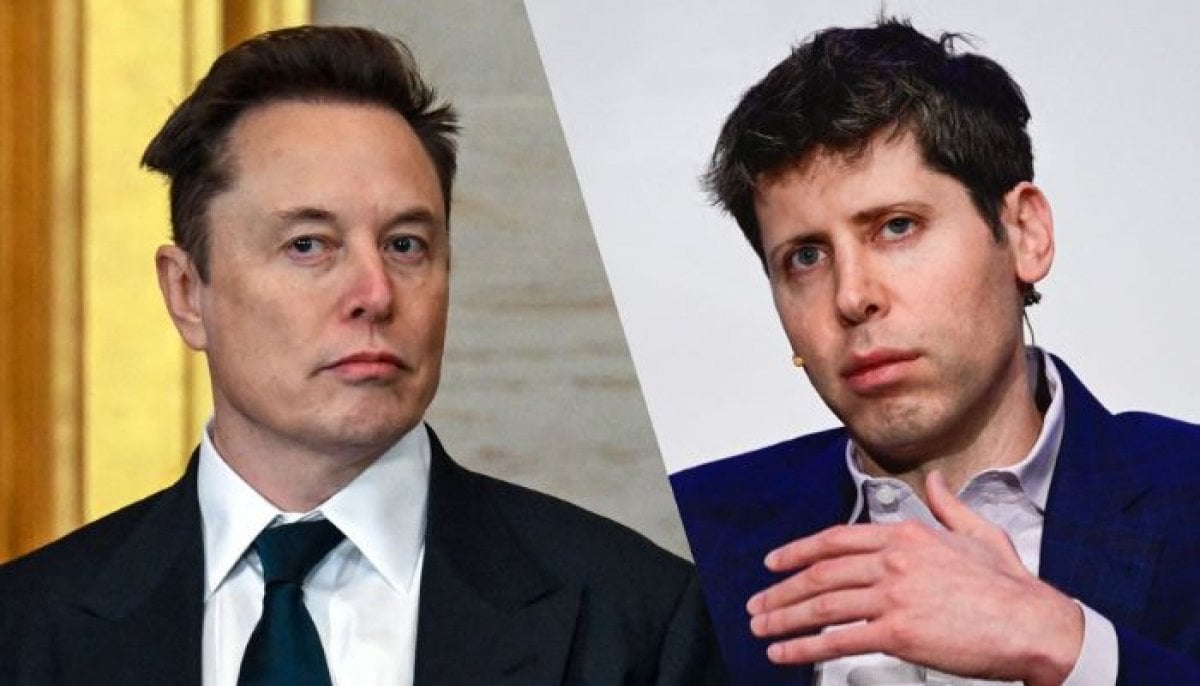
Apple accused OpenAI of stealing confidential hardware designs and manufacturing processes in lawsuit OpenAI has asked the court to award $1 million from Elon Musk's xAI company after the former was hit with a lawsuit filed by Apple over the allegations of trade secrets theft. In the midst of legal challenges, Sam Altman is now seeking such hefty legal costs from his long-standing rival Elon Musk over the dismissal of xAI's trade secret lawsuit. According to the CEO of OpenAI as reported by Bloomberg, xAI's trade secrets lawsuit should never have been filed in the first place. Under this lawsuit, the CEO of SpaceX accused the AI company of encouraging ex-employees to steal confidential data from the company, but offered no evidence to substantiate its claims. Later, the judges dismissed xAI's founder allegations and ruled that hiring practices were routine and not based on illicit activities. A federal judge in San Francisco tossed out the lawsuit earlier this year, stating that xAI lacked proof that OpenAI had encouraged any misconduct. "xAI sued OpenAI first and looked for evidence later, forcing OpenAI to spend substantial resources defeating a sprawling, aggressively litigated trade secret claim for which xAI had no evidentiary support," OpenAI's lawyers wrote. The OpenAI's announcement to seek legal costs came on Monday after the Grok chatbot maker revealed that it plans to appeal repeatedly dismissed claims regarding the role of OpenAI in alleged misconduct. The developments have proved dramatic for Sam Altman as he is also facing a lawsuit from Apple who alleged that the tech giant stole confidential hardware designs and manufacturing processes to build their own devices. Moreover, the iPhone maker also accused OpenAI of encouraging some of its employees to "share confidential information, product components, engineering drawings and other materials related to future Apple devices." With lawsuit filed by Apple, the public feud between Elon Musk and Sam Altman has deepened as they exchanged barbs on X platform. In response to this alleged lawsuit, Musk criticized Altman calling him a "scammer" who took this alleged crime to another new level. Musk also claimed on his X post that OpenAI CEO "had graduated from stealing an open source AI charity to trying to steal all of Apple's phone technology."
Bernstein Slashes Targets On VZ, CHTR, T, CMCSA, TMUS Stocks: What's The SpaceX Connection?
* While Starlink is not expected to materially affect telecom operators in the near term, Bernstein said it still adds another competitor to an already saturated and highly competitive market. * The firm added that uncertainty around Starlink's long-term strategy is likely to persist, prompting it to lower price targets across the telecom sector. * Meanwhile, reports have also suggested that SpaceX has held executive-level discussions with Charter Communications about a consumer mobile offering to leverage existing terrestrial infrastructure to accelerate its entry into the broader telecom market. Wall Street is beginning to price in SpaceX's telecom ambitions. Equity research firm Bernstein slashed the price targets on five major telecom operators on Monday, citing valuation risks tied to SpaceX's (SPCX) Starlink. The company lowered price targets on Verizon Communications (VZN), Charter Communications (CHTR), AT&T (T), Comcast (CMCSA) and T-Mobile US (TMUS). See what 10M+ investors are talking about. Get the Stocktwits Daily Rip for what retail is watching right now, free to your inbox Last month, several media reports said SpaceX is planning to launch a direct-to-consumer Starlink mobile service and is considering building its own terrestrial wireless network in the U.S. Why Bernstein Cut Telecom Price Targets While SpaceX's Starlink is unlikely to have a substantial near-term impact for telecom companies, it "represents another competitor in an already mature and highly penetrated broadband market," Bernstein reportedly said in a note, as per TheFly. The analyst said the prospect of a Starlink mobile offering could intensify competition in the U.S. telecom sector, making subscriber gains increasingly dependent on taking market share from rivals. The firm added that uncertainty around Starlink's long-term strategy is likely to persist, prompting it to lower price targets across the telecom sector. VZ, CHTR, T, CMCSA, TMUS Target Cuts How Much Bernstein Cut Each Stock Target Bernstein lowered the price target on Verizon to $44 from $49 and maintained a 'Market Perform' rating on the shares, as per TheFly. The revised target still implies an upside of about 3% from current levels. The firm cut Charter's price target to $170 from $210 and kept a 'Market Perform' rating on the shares, implying an upside of about 29% from current levels.
OpenAI CEO Sam Altman Throws Shade At Anthropic's New Ad Amid Tussle With Elon Musk, Apple: 'Thought This Was Satire'
* Altman took a swipe at a new advertisement for Anthropic's Claude. * In the past few days, he has again rebutted Elon Musk and said he is "not afraid of Apple" following the iPhone maker's lawsuit. * Investors are closely watching developments at OpenAI as it moves toward a public listing. OpenAI CEO Sam Altman took a more combative tone toward tech rivals on Monday, days after his AI startup was hit with a major trade-secret theft lawsuit by Apple. "Come for the best model, stay because we don't treat you with contempt," Altman posted on X on Monday, without context. Given the timing, X users interpreted it as criticism aimed at companies like Apple, Anthropic or SpaceXAI. In a separate post, Altman took a swipe at a new advertisement for Anthropic's Claude. The ad, titled "There's Hope in Hard Questions," features a narrator reflecting on whether AI can be built to benefit humanity. Responding to it, Altman wrote, "i thought this was satire, kept looking for the handle to be spelled c1audeai or something." Anthropic was started by former OpenAI employees, and the company now appears to be leading in the AI market. Altman Sharpens The Rhetoric The OpenAI CEO is no stranger to quirky responses to online critics, but lately he appears to be taking a more head-on approach. In the past few days, he's rebutted criticism from SpaceX and Tesla founder Elon Musk, saying that he was wooing public market investors with unproven claims about space data centers and that he is "not afraid of Apple" following the iPhone maker's lawsuit. Altman and Musk have frequently traded jabs online amid Musk's long-running legal campaign against OpenAI, including challenges to its restructuring and its relationship with Apple. Apple Lawsuit On Friday, Apple said it sued OpenAI in California, alleging that OpenAI encouraged Apple employees to share information, components, drawings, and other materials related to upcoming products -- as part of OpenAI's efforts to develop its own suite of devices. The suit also named Tang Tan, a 25-year Apple veteran who joined OpenAI as its chief hardware officer last year, as a defendant. The suit marks a dramatic turn for two companies that were close partners. OpenAI has powered Apple Intelligence and Siri, but ties between the two have frayed over the past year. OpenAI IPO Watch Investors are closely watching developments at OpenAI as it moves toward a public listing, setting up a potential IPO showdown with chief rival Anthropic. Both companies confidentially filed IPO paperwork with regulators last month, before reports emerged that OpenAI may delay its listing until next year rather than the previously expected fourth-quarter timeline. OpenAI now broadly trails Anthropic, based on the most recently disclosed numbers. In April, Anthropic said it tripled its annual revenue run rate to $30 billion, surpassing OpenAI's ARR of about $24 billion. Anthropic is valued at $1.08 trillion, compared to OpenAI's private market valuation of $868.4 billion, according to data from Nasdaq Private Market. For updates and corrections, email newsroom[at]stocktwits[dot]com.
OpenAI CEO Sam Altman Throws Shade At Anthropic's New Ad Amid Tussle With Elon Musk, Apple: 'Thought This Was Satire'
* Altman took a swipe at a new advertisement for Anthropic's Claude. * In the past few days, he has again rebutted Elon Musk and said he is "not afraid of Apple" following the iPhone maker's lawsuit. * Investors are closely watching developments at OpenAI as it moves toward a public listing. OpenAI CEO Sam Altman took a more combative tone toward tech rivals on Monday, days after his AI startup was hit with a major trade-secret theft lawsuit by Apple. "Come for the best model, stay because we don't treat you with contempt," Altman posted on X on Monday, without context. Given the timing, X users interpreted it as criticism aimed at companies like Apple, Anthropic or SpaceXAI. See what 10M+ investors are talking about. Get the Stocktwits Daily Rip for what retail is watching right now, free to your inbox In a separate post, Altman took a swipe at a new advertisement for Anthropic's Claude. The ad, titled "There's Hope in Hard Questions," features a narrator reflecting on whether AI can be built to benefit humanity. Responding to it, Altman wrote, "i thought this was satire, kept looking for the handle to be spelled c1audeai or something." Anthropic was started by former OpenAI employees, and the company now appears to be leading in the AI market. Altman Sharpens The Rhetoric The OpenAI CEO is no stranger to quirky responses to online critics, but lately he appears to be taking a more head-on approach. In the past few days, he's rebutted criticism from SpaceX and Tesla founder Elon Musk, saying that he was wooing public market investors with unproven claims about space data centers and that he is "not afraid of Apple" following the iPhone maker's lawsuit. Altman and Musk have frequently traded jabs online amid Musk's long-running legal campaign against OpenAI, including challenges to its restructuring and its relationship with Apple. Apple Lawsuit On Friday, Apple said it sued OpenAI in California, alleging that OpenAI encouraged Apple employees to share information, components, drawings, and other materials related to upcoming products -- as part of OpenAI's efforts to develop its own suite of devices. The suit also named Tang Tan, a 25-year Apple veteran who joined OpenAI as its chief hardware officer last year, as a defendant. The suit marks a dramatic turn for two companies that were close partners. OpenAI has powered Apple Intelligence and Siri, but ties between the two have frayed over the past year. OpenAI IPO Watch Investors are closely watching developments at OpenAI as it moves toward a public listing, setting up a potential IPO showdown with chief rival Anthropic.
Blue Cloud Softech Soars on 5-Year SpaceX AI Services Deal
The agreement covers diverse AI infrastructure and solutions. The shares of small-cap tech company 'Blue Cloud Softech Solution' soared to hit 5 per cent upper circuit for the second consecutive session after the company announced that its United States subsidiary executed a definitive five-year Master Services Agreement (MSA) with SpaceX International for Artificial Intelligence (AI) services. The BSE-listed company started the session with a decent gap-up at Rs 22 as compared to the last day's closing of Rs 21.66. However, despite bearish sentiment in the domestic stock market, the stock escalated 5 per cent to hit the upper circuit limit at Rs 22.74. Last seen, the IT stock was trading at Rs 22.71, up 4.85 per cent or Rs 1.05. Earlier in the last session, the stock opened flat. However, the scrip witnessed strong buying following the announcement and jumped 5 per cent to hit the upper circuit of Rs 21.68. Later, the stock ended the session at Rs 21.66. Stock Market Today: Amid a sharp rise in crude prices--Brent crude climbed to $84 per barrel--due to escalating tension in the Middle East, the key domestic equity benchmark indices--Sensex, Nifty--traded significantly lower in early trade on Tuesday. Last seen, Sensex was trading at 77,272.04, up 0.44 per cent or 344.36 points. Nifty50 was quoted at 24,111.85, down 0.41 per cent or 99.15 points. "The Agreement enables BCSSL-USA to provide Artificial Intelligence (AI) infrastructure, cloud-native AI platforms, enterprise AI solutions, AI consulting, AI integration, AI operations and related AI-enabled digital transformation services, subject to mutually agreed Statements of Work and applicable contractual terms," the exchange filing added. Disclaimer: This story is for informational purposes only. It should not be considered as investment advice.
Hyperion snags $290m SpaceX bet as stock crashes back to earth
Hyperion Asset Management's outsized bet on Elon Musk's SpaceX is threatening to undo a recent winning streak for the fund manager as shares of the rocket and artificial intelligence business spiral back towards its initial public offering price. The $12.5 billion money manager, which is already one of Australia's biggest shareholders of Musk's electric carmaker Tesla, disclosed in late June that it had snagged a stake in SpaceX in its Global Growth Fund.
TSLA Stock Back To $400? Jefferies Lays Out Bull Case, Says SpaceX Merger Could Hand Shareholders A Premium
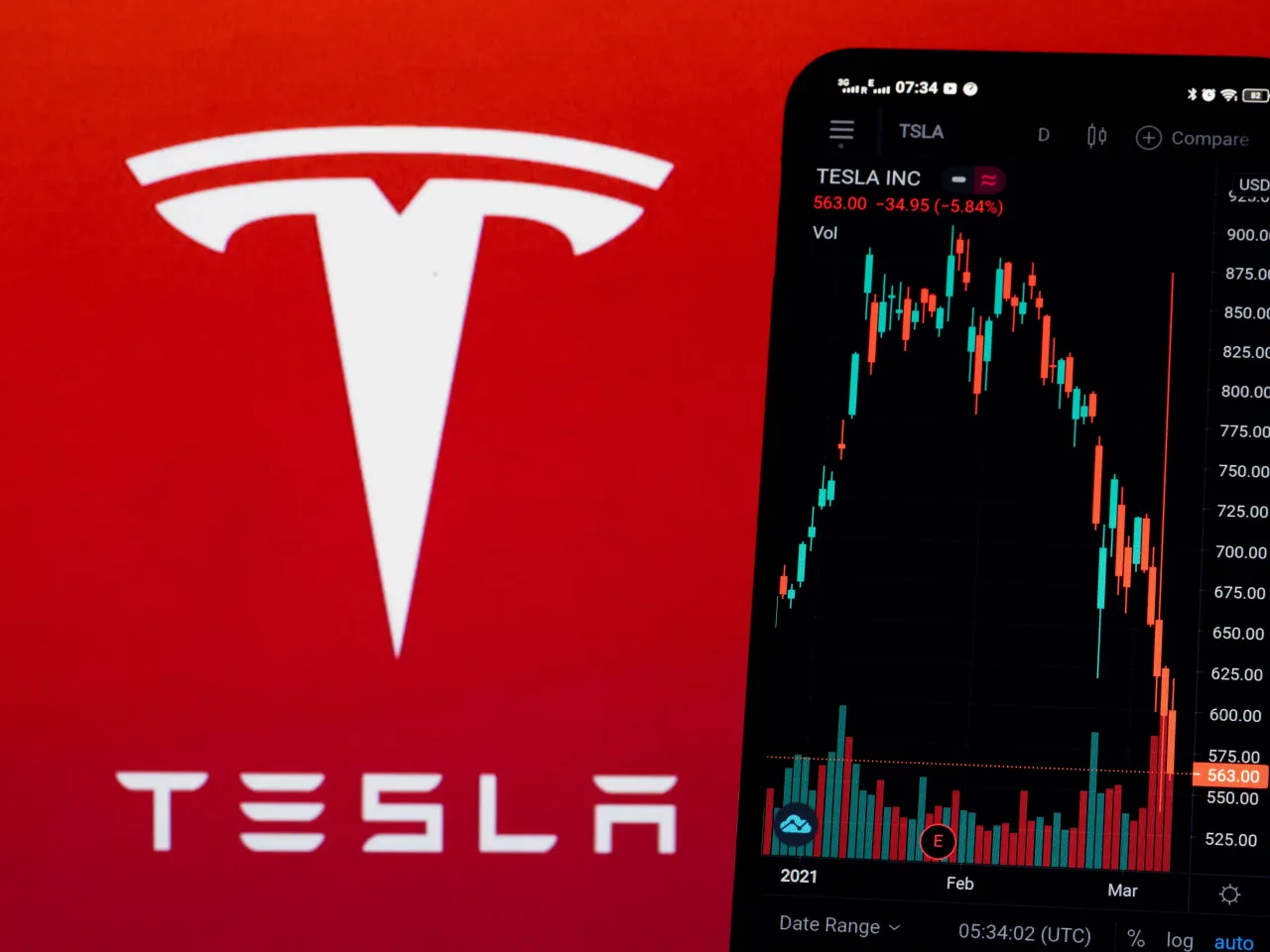
* The brokerage raised Q2 EBIT to $1.45 billion but still expects a $7.5 billion free cash flow outflow. * Jefferies said that a Tesla-SpaceX merger could leave room for a shareholder premium, with Musk retaining 55.3% voting control. * Tesla's Semi will enter a pilot in Chicago with Paper Transport to test its 500-mile range in colder conditions. Shares of Tesla, Inc. (TSLA) rose 0.2% in overnight trading late Monday as Jefferies raised its price target and said that a potential SpaceX merger could leave room for a shareholder premium. TSLA stock fell 3% on Monday, snapping two straight sessions of gains. Jefferies Lifts TSLA Outlook Ahead Of Q2 Earnings Jefferies raised its Tesla price target to $400 from $375 while maintaining a 'Hold' rating, implying a modest 1% upside from current levels. The firm cited Tesla's "significant auto volume beat" after the company delivered 480,100 vehicles in the second quarter, well above the consensus estimate of 406,000. Model 3 and Model Y vehicles accounted for 467,800 deliveries. The brokerage said that the strength in China and Europe validated the "unique value proposition of Tesla vehicles," even as the broader auto industry faces a growing risk of commoditization. The brokerage also said that Tesla's multi-year deterioration in growth and earnings had started to reverse. Jefferies raised its second-quarter (Q2) earnings before interest and taxes (EBIT) forecast to $1.45 billion, representing a 5.1% margin, and increased its longer-term EBIT estimates by about 6%. Tesla is set to report its Q2 earnings on July 22. The firm now expects automotive revenue of $21 billion, including $250 million from zero-emission vehicle credits and $500 million from leasing. Group revenue and EBIT are projected at $28.7 billion and $1.45 billion, respectively. For fiscal 2026, Jefferies raised its EBIT estimate by 4% to $6.2 billion, partly reflecting stronger volumes and the higher-priced long-wheelbase Model Y. Jefferies also expects Q2 capital spending of $6.9 billion, leaving Tesla with $41.7 billion in liquidity. Deliveries running ahead of production should also provide a near-term cash-flow benefit by reducing inventory. However, Jefferies maintained its forecast of about $7.5 billion in free cash flow outflows, including $23 billion in capital expenditures. It also struck a cautious note on autonomy, saying low implied Cybercab production pointed to further delays in Tesla's robotaxi ramp. Tesla-SpaceX Merger Thesis Gains Steam The debate over a potential Tesla-SpaceX merger has evolved beyond retail speculation. What began as prominent retail investors modeling ownership structures and exchange ratios has now drawn institutional attention, with firms such as Jefferies and JPMorgan publishing analytical frameworks that examine voting control, governance implications, and potential merger-premium structures. Jefferies said it continues to see logic in merging Tesla with Elon Musk's privately held space company. Under a nil-premium deal, Musk would retain an estimated 55.3% voting stake in the combined entity. The structure, Jefferies said, could leave room for Tesla shareholders to receive a premium. The argument adds to growing Wall Street interest in whether Musk could eventually bring his automotive, AI, energy and space businesses closer together. JPMorgan recently called a Tesla-SpaceX merger "strategically coherent on paper," pointing to potential integration across AI, robotics, energy, transportation and space. It maintained a 'Neutral' rating. Tesla Semi Enters Chicago Pilot Separately, Tesla's Semi is entering a new pilot program with Wisconsin-based Paper Transport. Paper Transport will test the long-range truck in dedicated Chicago operations, giving Tesla another opportunity to assess its performance in colder temperatures and snow-heavy conditions. The configuration offers about 500 miles of range and is priced at $290,000. Tesla has previously conducted Semi fleet trials with PepsiCo and Frito-Lay. How Do Retail Traders Feel About TSLA? On Stocktwits, retail sentiment for TSLA was 'bullish' amid a 396% jump in 24-hour message volumes. One user said, "$TSLA 390 has been holding for last couple days. earnings coming up. give me 450." Another user said, "I actually feel better that Tesla isn't going parabolic heading into next week's earnings. Trading below $400 keeps the stock in a healthier range, and a strong earnings call or Elon Musk's commentary could spark a short squeeze." So far this year, Tesla's stock has lagged its "Magnificent Seven" peers, making it the group's second-worst performer, down 12%. For updates and corrections, email newsroom[at]stocktwits[dot]com.
TSLA Stock Back To $400? Jefferies Lays Out Bull Case, Says SpaceX Merger Could Hand Shareholders A Premium
* The brokerage raised Q2 EBIT to $1.45 billion but still expects a $7.5 billion free cash flow outflow. * Jefferies said that a Tesla-SpaceX merger could leave room for a shareholder premium, with Musk retaining 55.3% voting control. * Tesla's Semi will enter a pilot in Chicago with Paper Transport to test its 500-mile range in colder conditions. Shares of Tesla, Inc. (TSLA) rose 0.2% in overnight trading late Monday as Jefferies raised its price target and said that a potential SpaceX merger could leave room for a shareholder premium. TSLA stock fell 3% on Monday, snapping two straight sessions of gains. See what 10M+ investors are talking about. Get the Stocktwits Daily Rip for what retail is watching right now, free to your inbox Jefferies Lifts TSLA Outlook Ahead Of Q2 Earnings Jefferies raised its Tesla price target to $400 from $375 while maintaining a 'Hold' rating, implying a modest 1% upside from current levels. The firm cited Tesla's "significant auto volume beat" after the company delivered 480,100 vehicles in the second quarter, well above the consensus estimate of 406,000. Model 3 and Model Y vehicles accounted for 467,800 deliveries. The brokerage said that the strength in China and Europe validated the "unique value proposition of Tesla vehicles," even as the broader auto industry faces a growing risk of commoditization. The brokerage also said that Tesla's multi-year deterioration in growth and earnings had started to reverse. Jefferies raised its second-quarter (Q2) earnings before interest and taxes (EBIT) forecast to $1.45 billion, representing a 5.1% margin, and increased its longer-term EBIT estimates by about 6%. Tesla is set to report its Q2 earnings on July 22. The firm now expects automotive revenue of $21 billion, including $250 million from zero-emission vehicle credits and $500 million from leasing. Group revenue and EBIT are projected at $28.7 billion and $1.45 billion, respectively. For fiscal 2026, Jefferies raised its EBIT estimate by 4% to $6.2 billion, partly reflecting stronger volumes and the higher-priced long-wheelbase Model Y. Jefferies also expects Q2 capital spending of $6.9 billion, leaving Tesla with $41.7 billion in liquidity. Deliveries running ahead of production should also provide a near-term cash-flow benefit by reducing inventory. However, Jefferies maintained its forecast of about $7.5 billion in free cash flow outflows, including $23 billion in capital expenditures. It also struck a cautious note on autonomy, saying low implied Cybercab production pointed to further delays in Tesla's robotaxi ramp.
Citi sends powerful sign to SpaceX investors
SpaceX stock is trading at $145.30, about 8% above its $135 IPO price, according to Yahoo Finance at the time of writing. Interestingly, SpaceX stock climbed as high as $225.64 after its $135 IPO, according to Yahoo Finance reporting, indicating a peak post-IPO gain of about 67%, before sharply retreating from those highs. So SpaceX investors were naturally looking for proof that Wall Street's post-IPO optimism wasn't misplaced and that the company was truly onto something special. Citi's analysts obliged, offering far more than a simple stock call. Following a 10-hour teach-in on space and AI, the firm argued that SpaceX sits at the center of a 10-plus-year investment cycle, with launch leadership, Starlink, orbital AI, and extreme vertical integration creating a compounding infrastructure story. Citi just hailed SpaceX as a platform for the future, while the market still has to decide how much of that future is investable today. Why Citi sees SpaceX as more than a rocket company Citi kicked things off with a buy rating and a $200 base-case price target for SpaceX stock, implying an expected return of about 34.9% from current levels. In the note shared with me, Citi valued SpaceX as a vertically integrated platform spanning space access, global connectivity, and AI infrastructure, rather than just a launch provider. Moreover, Citi derived its target from the average of three methods: 2027 growth-adjusted multiples for trillion-dollar peers, a sum-of-the-parts analysis valuing Space, Connectivity, and AI separately, and 2030 comparable-company multiples for large-cap platform peers. Put bluntly, as my fellow tech reporter Vuk Zdinjak noted in perhaps the most honest take on SpaceX, that kind of valuation framework shows how tough it is to value such a business. In the Bank of America note he covered, he panned the bank's use of a nearly 20-year cash-flow model that stretched far beyond the usual 5- to 10-year DCF window and well past the typical 12-month life of a price target. Analysts looked to assign a present value to businesses that may not be fully proven for years. Nevertheless, Citi is sold on SpaceX's abilities, especially its reusable launch capability, Starlink's global satellite network, the xAI/Grok integration, and future terrestrial and orbital compute infrastructure. It also argues that extreme vertical integration will likely push costs down and throughput up at a scale competitors might struggle to match. Wall Street price targets for SpaceX stock
Prediction: $25,000 Invested in SpaceX Today Will Be Worth This Much by 2050
Let's get right to it: A $25,000 investment in Space Exploration Technologies (NASDAQ: SPCX) stock today could be worth over $100,000 by 2050 if revenue grows 19% annually. By the same token, the same investment in SpaceX is more likely to be worth about $28,000 by 2050 if revenue grows more moderately -- albeit still bullish -- at a rate of 13% annually. Let's unpack these predictions. Missed Nvidia in 2009? This Rare Signal Is Flashing Again. In 2009, a "Double Down" signal flashed for a little-known chipmaker called Nvidia. For the first time in years, that same "Total Conviction" signal is flashing for a company 1/100th the size of Nvidia. Continue " First, keep in mind that SpaceX carried a roughly $1.8 trillion valuation at its initial public offering (IPO), despite reporting about $19 billion in 2025 revenue. At the time of its IPO, the stock was already trading close to 100 times annual sales -- a figure that hasn't changed much, even after the stock has plummeted over 30% from its all-time high. Under the bullish scenario, SpaceX would need to quadruple by 2050 for a $25,000 investment to hit $100,000 or more, which would imply a $7 trillion market cap. If we value that version of SpaceX at a price-to-sales ratio of about 5, then the space company would need to generate about $1.5 trillion in annual sales by that year, or almost 19% revenue growth annually. That's not technically impossible, but it would also mean SpaceX has become the most dominant launch, satellite, and artificial intelligence (AI) company in the world. In short, very little has to go wrong, and if it does, it can't go wrong for long. Under a less bullish scenario, SpaceX's valuation would rise only modestly, from about $1.8 trillion to about $2 trillion by 2050. If, again, we assume a price-to-sales ratio of 5, SpaceX would generate about $400 billion in 2050 sales, which implies compound annual revenue growth of about 13% for the next 25 years. That's still impressive growth, even if the concomitant growth in the stock is only modest. These are, of course, my own figures, but they drive home the point that, however you slice it, SpaceX stock is still very pricy right now. Even as the stock nears its IPO price of $135, I think long-term investors should continue to wait. SpaceX may become one of the most important companies in the world, but at today's valuation, much of that success appears already priced in. Should you buy stock in Space Exploration Technologies right now? Before you buy stock in Space Exploration Technologies, consider this:
Prediction: $25,000 Invested in SpaceX Today Will Be Worth This Much by 2050
Let's get right to it: A $25,000 investment in Space Exploration Technologies (NASDAQ: SPCX) stock today could be worth over $100,000 by 2050 if revenue grows 19% annually. By the same token, the same investment in SpaceX is more likely to be worth about $28,000 by 2050 if revenue grows more moderately -- albeit still bullish -- at a rate of 13% annually. Let's unpack these predictions. Missed Nvidia in 2009? This Rare Signal Is Flashing Again. In 2009, a "Double Down" signal flashed for a little-known chipmaker called Nvidia. For the first time in years, that same "Total Conviction" signal is flashing for a company 1/100th the size of Nvidia. Continue " First, keep in mind that SpaceX carried a roughly $1.8 trillion valuation at its initial public offering (IPO), despite reporting about $19 billion in 2025 revenue. At the time of its IPO, the stock was already trading close to 100 times annual sales -- a figure that hasn't changed much, even after the stock has plummeted over 30% from its all-time high. Under the bullish scenario, SpaceX would need to quadruple by 2050 for a $25,000 investment to hit $100,000 or more, which would imply a $7 trillion market cap. If we value that version of SpaceX at a price-to-sales ratio of about 5, then the space company would need to generate about $1.5 trillion in annual sales by that year, or almost 19% revenue growth annually. That's not technically impossible, but it would also mean SpaceX has become the most dominant launch, satellite, and artificial intelligence (AI) company in the world. In short, very little has to go wrong, and if it does, it can't go wrong for long. Image source: Getty Images. Under a less bullish scenario, SpaceX's valuation would rise only modestly, from about $1.8 trillion to about $2 trillion by 2050. If, again, we assume a price-to-sales ratio of 5, SpaceX would generate about $400 billion in 2050 sales, which implies compound annual revenue growth of about 13% for the next 25 years. That's still impressive growth, even if the concomitant growth in the stock is only modest. These are, of course, my own figures, but they drive home the point that, however you slice it, SpaceX stock is still very pricy right now. Even as the stock nears its IPO price of $135, I think long-term investors should continue to wait. SpaceX may become one of the most important companies in the world, but at today's valuation, much of that success appears already priced in. Should you buy stock in Space Exploration Technologies right now? Before you buy stock in Space Exploration Technologies, consider this: The Motley Fool Stock Advisor analyst team just identified what they believe are the 10 best stocks for investors to buy now... and Space Exploration Technologies wasn't one of them. The 10 stocks that made the cut could produce monster returns in the coming years. Consider when Netflix made this list on December 17, 2004... if you invested $1,000 at the time of our recommendation, you'd have $395,679!* Or when Nvidia made this list on April 15, 2005... if you invested $1,000 at the time of our recommendation, you'd have $1,294,805!* Now, it's worth noting Stock Advisor's total average return is 929% -- a market-crushing outperformance compared to 211% for the S&P 500. Don't miss the latest top 10 list, available with Stock Advisor, and join an investing community built by individual investors for individual investors. See the 10 stocks " *Stock Advisor returns as of July 13, 2026. Steven Porrello has no position in any of the stocks mentioned. The Motley Fool has no position in any of the stocks mentioned. The Motley Fool has a disclosure policy. The views and opinions expressed herein are the views and opinions of the author and do not necessarily reflect those of Nasdaq, Inc.

Prediction: $25,000 Invested in SpaceX Today Will Be Worth This Much by 2050
Let's get right to it: A $25,000 investment in Space Exploration Technologies (SPCX 4.75%) stock today could be worth over $100,000 by 2050 if revenue grows 19% annually. By the same token, the same investment in SpaceX is more likely to be worth about $28,000 by 2050 if revenue grows more moderately -- albeit still bullish -- at a rate of 13% annually. Let's unpack these predictions. First, keep in mind that SpaceX carried a roughly $1.8 trillion valuation at its initial public offering (IPO), despite reporting about $19 billion in 2025 revenue. At the time of its IPO, the stock was already trading close to 100 times annual sales -- a figure that hasn't changed much, even after the stock has plummeted over 30% from its all-time high. Under the bullish scenario, SpaceX would need to quadruple by 2050 for a $25,000 investment to hit $100,000 or more, which would imply a $7 trillion market cap. If we value that version of SpaceX at a price-to-sales ratio of about 5, then the space company would need to generate about $1.5 trillion in annual sales by that year, or almost 19% revenue growth annually. That's not technically impossible, but it would also mean SpaceX has become the most dominant launch, satellite, and artificial intelligence (AI) company in the world. In short, very little has to go wrong, and if it does, it can't go wrong for long. Under a less bullish scenario, SpaceX's valuation would rise only modestly, from about $1.8 trillion to about $2 trillion by 2050. If, again, we assume a price-to-sales ratio of 5, SpaceX would generate about $400 billion in 2050 sales, which implies compound annual revenue growth of about 13% for the next 25 years. That's still impressive growth, even if the concomitant growth in the stock is only modest. These are, of course, my own figures, but they drive home the point that, however you slice it, SpaceX stock is still very pricy right now. Even as the stock nears its IPO price of $135, I think long-term investors should continue to wait. SpaceX may become one of the most important companies in the world, but at today's valuation, much of that success appears already priced in.
SpaceX stock: Which ASX ETF buys you the most?
You're reading a free article with opinions that may differ from The Motley Fool's Premium Investing Services. Become a Motley Fool member today to get instant access to our top analyst recommendations, in-depth research, investing resources, and more. Learn More Now that the initial public offering (IPO) of Elon Musk's Space Exploration Technologies Corp (NASDAQ: SPCX) is complete and bedded down, investors all over the world have a myriad of options at their disposal if they wish to invest in this ambitious company. Yes, SpaceX stock has, at least as of the time of writing, come off the boil a little. Even so, this company remains a behemoth on the world stage, commanding a market capitalisation of US$1.91 trillion. For an investor wishing to get themselves a slice of this company, the most direct way remains buying SpaceX stock themselves. Yes, SpaceX is listed on the American NASDAQ exchange and is thus not available for purchase on the ASX. However, it has arguably never been easier to open a US brokerage account from Australia and put some shares against a name. Even if an investor isn't comfortable with owning a US stock directly, there are locally-based options. These essentially boil down to owning an exchange-traded fund (ETF) that, in turn, owns SpaceX shares. That allows ASX investors to indirectly invest in SpaceX without having to buy US dollars or open an international brokerage account. But which ASX ETF to pick? Well, SpaceX shares haven't qualified for many international index funds just yet. For instance, the company hasn't yet made the cut for either the iShares S&P 500 ETF (ASX: IVV) or the BetaShares Nasdaq 100 ETF (ASX: NDQ). It probably will with time, albeit as one relatively small holding among many. Two ASX ETFs to buy for SpaceX stock However, some ASX ETFs of the thematic persuasion haven't wasted any time in buying SpaceX stock. These ETFs are giving the company a lot of real estate. If that sounds appealing to investors, the first port of call may be the BetaShares Space Industry ETF (ASX: RCKT). This ETF was launched back in May. Although it didn't invest in SpaceX until the IPO, today, the company commands a whopping 26.8% of RCKT's entire portfolio. That means more than one in every four dollars invested in this fund finds its way to SpaceX stock. The other option for ASX investors seeking a substantial but local SpaceX investment is the Global X Space Tech ETF (ASX: MOON). This ETF has just over a month of ASX life to its name. Saying that, MOON's portfolio is dominated by SpaceX stock as well. Space Exploration Technologies Corp makes up 26.7% of the ETF's entire weighted portfolio. Thus, there are a few options for ASX investors who may like to own some SpaceX stock today.
Analysts are still bullish on SpaceX shares after Nasdaq inclusion. Here is what that means for ASX investors
You're reading a free article with opinions that may differ from The Motley Fool's Premium Investing Services. Become a Motley Fool member today to get instant access to our top analyst recommendations, in-depth research, investing resources, and more. Learn More SpaceX shares have had an extraordinary first month. Shares were issued at US$135 before listing on 12 June, and the stock climbed well above US$200, pushing the valuation above US$2 trillion. Since then, SpaceX shares have come back down to earth. Although, the company was then fast-tracked into the Nasdaq-100 index in early July, approximately 15 trading days after listing. Analysts remain bullish. For ASX investors, that matters more than most realise, because a large number of Australians now own a piece of SpaceX without having made any decision to buy it. Reasons to remain bullish on SpaceX shares The core of the bull case is Starlink. According to SpaceX's S-1 filing with the SEC, the Starlink connectivity segment generated US$11.4 billion in revenue in 2025. The segment delivered US$4.4 billion in operating income, representing year-on-year growth of 49.8% and 120.4% respectively. Starlink served 10.3 million subscribers across 164 countries as at 31 March 2026, up from just 2.3 million in 2023. This is a business growing at extraordinary speed with a defensible moat. Launching a satellite constellation of that scale requires launch capability almost no competitor possesses. The Nasdaq-100 inclusion added a further mechanical tailwind. This will force index-tracking funds worldwide to buy SPCX regardless of any individual portfolio manager's view on valuation. Betashares Space Industry ETF The Betashares Space Industry ETF (ASX: RCKT) is the most direct ASX exposure. SpaceX has already been included in RCKT following the fund's fast-track inclusion feature. This allowed it to enter the Solactive Space Industry Index far more quickly than standard timelines would permit. SpaceX now represents approximately 27% of the RCKT portfolio, making it the fund's single largest holding by a wide margin. That concentration deserves a closer look. RCKT is no longer a diversified space economy fund in any meaningful sense. It is now, in effect, a SpaceX fund with 28 other holdings attached, and its performance will be dominated by what SPCX does from here. Betashares Nasdaq 100 ETF The Betashares Nasdaq 100 ETF (ASX: NDQ) is where most Australians now own SpaceX without having chosen to. NDQ is one of the most widely held ETFs in Australia, and SpaceX's Nasdaq-100 inclusion means every NDQ holder automatically gained SpaceX exposure when the index inclusion took effect. The same applies to holders of the Vanguard MSCI International Shares ETF (ASX: VGS) and the iShares S&P 500 ETF (ASX: IVV). What's more, the millions of Australians whose superannuation funds hold international shares benchmarked against major US indices have also gained exposure. For most investors, that exposure will be small relative to the overall portfolio. But it exists, automatically, without any further action required. The risk worth understanding for SpaceX shares SpaceX is not a conventionally profitable company. The company posted a GAAP net loss of US$4.94 billion in 2025, driven by losses in the xAI and Space divisions that offset Starlink's profitability. A company trading above US$2 trillion with significant GAAP losses is a demanding proposition, even for investors genuinely excited by the long-term opportunity. The mechanical index buying that has supported the share price since listing was a one-time event, not a permanent support mechanism. Furthermore, SpaceX bonds issued shortly after the IPO have reportedly sold off to levels comparable with junk-rated borrowers. This is despite investment-grade ratings, a warning sign that the debt market is less enthusiastic than the equity market. Foolish takeaway for SpaceX shares Analysts remain bullish on SpaceX shares, and Starlink's growth justifies significant optimism. But for ASX investors, the more important point is that ownership of SpaceX is now largely automatic rather than chosen. RCKT holders own it heavily, at around 26% of the fund. NDQ, VGS, and IVV holders own it passively. Understanding how much SpaceX exposure you actually have is perhaps a more useful exercise than debating whether to buy it.

SpaceX Shares Sink Lowest Level Since Nasdaq Debut
This article first appeared on GuruFocus. Space Exploration Technologies (NASDAQ:SPCX) shares fell about 4% in Monday morning trading, extending their recent decline and trading near the company's initial public offering price. The stock changed hands around $139, its lowest level since listing on Nasdaq about one month ago. Shares have retreated more than 38% from their intraday peak of $225.64 reached on June 16, reducing much of the gains recorded after the company's market debut. Space Exploration Technologies went public at $135 per share, raising about $75 billion in one of the largest U.S. initial public offerings. The stock opened at $150, roughly 11% above its offering price, giving the aerospace company a market capitalization of about $2.1 trillion at the close of its first trading session. Monday's pullback leaves Space Exploration Technologies trading only modestly above its IPO price after a volatile first month on the public market. The latest decline comes as investors continue to reassess valuations across growth and technology stocks following a strong initial rally after the company's listing.

What is Starship? SpaceX building in Texas and Florida for future space exploration, innovation
Down the two-lane Highway 4 near the U.S.-Mexico border, the Texas desert stretches for miles, but as you approach the coast, a growing number of Teslas hint at something more than just cacti and creatures. Located at the southern tip of Texas, Starbase is the newest city in the Rio Grande Valley, officially incorporated in May 2022. The area, which resembles an active construction zone, is home to SpaceX's Starship rocket, a project some call the most ambitious engineering endeavor of the 21st century. "We are slowly getting used to the changes, i.e., hearing a rocket launch and the booms," said Eddie Treviño Jr., Cameron County judge for the Rio Grande area. Treviño, who works directly with SpaceX, has witnessed the transformation of the city and the rocket's development. He explained how the project evolved. "The initial idea was this was gonna be a launch facility for the Falcon 9, and it would launch, you know, twice a month, and that was the intent, game plan was," Treviño said. "Several years back, SpaceX decided to change course and move Starship development from California to South Texas to Cameron County, Boca Chica Beach." The location seemed ideal, with the densely populated Brownsville about 20 miles away and Boca Chica Beach just steps from the site. SpaceX crews are working around the clock to expand Starbase, which is not just a rocket facility but the foundation of an entire city built around a spaceport. "A lot of people are not happy that it's here, but it's building a community, I think. It's bringing a lot of people here; more businesses are opening. There's always pluses and minuses with everything," said Ashley Andujo, whose husband is an engineer for SpaceX. Andujo and her family moved to the area in May 2022 from Los Angeles. "It's crazy. My husband actually builds them. So we love it. You know, it's cool to look up in the sky and see something that my husband built and something that my kid's dad built," she said. Starbase is not only a rocket factory but also a growing community. SpaceX offered buyouts to the small number of families who previously lived nearby and is now building condos close to the base. The area features a gated community with amenities such as restaurants, live music, a pool, a gym, a bar, and a grocery store. "They have a bunch of amenities there. They have a pool. They have a gym. They have a restaurant. A bar. A grocery store," Andujo said. The purpose of this mini-city is to have crews nearby to help realize Elon Musk's vision. Starship, a fully reusable giant rocket, is designed to carry humans and cargo to the moon and eventually Mars. Its reusability is expected to lower the cost of space travel and play a key role in NASA's Artemis missions. Starship began its first test flights in 2023, many of which ended in explosions. While such mishaps are common during initial testing, the remote desert location has proven suitable for these trials. However, not everyone agrees. "When these explosions happen, it's terrifying. It sounds like a bomb going off. My apartment shakes even though I live 20 miles away from the launch pad. The sonic boom is horrifying," said Bekah Hinojosa, co-founder of the South Texas Environmental Justice Network, who opposes the project. Starship is unlikely to launch from Florida's Space Coast until it achieves a completely successful launch, but it could be a critical component of future moon missions. For now, Starship remains a work in progress, but one thing is certain: it is already reshaping the future of space exploration and the community of Starbase, Texas. Down the two-lane Highway 4 near the U.S.-Mexico border, the Texas desert stretches for miles, but as you approach the coast, a growing number of Teslas hint at something more than just cacti and creatures. Located at the southern tip of Texas, Starbase is the newest city in the Rio Grande Valley, officially incorporated in May 2022. The area, which resembles an active construction zone, is home to SpaceX's Starship rocket, a project some call the most ambitious engineering endeavor of the 21st century. "We are slowly getting used to the changes, i.e., hearing a rocket launch and the booms," said Eddie Treviño Jr., Cameron County judge for the Rio Grande area. Treviño, who works directly with SpaceX, has witnessed the transformation of the city and the rocket's development. He explained how the project evolved. "The initial idea was this was gonna be a launch facility for the Falcon 9, and it would launch, you know, twice a month, and that was the intent, game plan was," Treviño said. "Several years back, SpaceX decided to change course and move Starship development from California to South Texas to Cameron County, Boca Chica Beach." The location seemed ideal, with the densely populated Brownsville about 20 miles away and Boca Chica Beach just steps from the site. SpaceX crews are working around the clock to expand Starbase, which is not just a rocket facility but the foundation of an entire city built around a spaceport. "A lot of people are not happy that it's here, but it's building a community, I think. It's bringing a lot of people here; more businesses are opening. There's always pluses and minuses with everything," said Ashley Andujo, whose husband is an engineer for SpaceX. Andujo and her family moved to the area in May 2022 from Los Angeles. "It's crazy. My husband actually builds them. So we love it. You know, it's cool to look up in the sky and see something that my husband built and something that my kid's dad built," she said. Starbase is not only a rocket factory but also a growing community. SpaceX offered buyouts to the small number of families who previously lived nearby and is now building condos close to the base. The area features a gated community with amenities such as restaurants, live music, a pool, a gym, a bar, and a grocery store. "They have a bunch of amenities there. They have a pool. They have a gym. They have a restaurant. A bar. A grocery store," Andujo said. The purpose of this mini-city is to have crews nearby to help realize Elon Musk's vision. Starship, a fully reusable giant rocket, is designed to carry humans and cargo to the moon and eventually Mars. Its reusability is expected to lower the cost of space travel and play a key role in NASA's Artemis missions. Starship began its first test flights in 2023, many of which ended in explosions. While such mishaps are common during initial testing, the remote desert location has proven suitable for these trials. However, not everyone agrees. "When these explosions happen, it's terrifying. It sounds like a bomb going off. My apartment shakes even though I live 20 miles away from the launch pad. The sonic boom is horrifying," said Bekah Hinojosa, co-founder of the South Texas Environmental Justice Network, who opposes the project. Starship is unlikely to launch from Florida's Space Coast until it achieves a completely successful launch, but it could be a critical component of future moon missions. For now, Starship remains a work in progress, but one thing is certain: it is already reshaping the future of space exploration and the community of Starbase, Texas.
