News & Updates
The latest news and updates from companies in the WLTH portfolio.
Trump floats intriguing Elon Musk, SpaceX plan
On July 2, Trump sat down with CNBC for an interview in the Oval Office. He talked about tariffs, the Federal Reserve, and his business dealings. Then he was asked about Elon Musk. His answer says more about the current state of their relationship than almost anything that has come out of Washington recently. Trump told CNBC he expects Musk to donate SpaceX stock to Trump Accounts, the federal savings program for American children that officially launched on July 4. Musk has not publicly confirmed or commented on the claim. But the government had already been in talks with SpaceX about the idea before Trump said a word about it publicly. What Trump said about Musk in the CNBC interview When asked whether Musk might donate SpaceX shares to the program, Trump replied in the original interview: "Well, I think that he will do that." He was careful with that phrasing. He thinks. He did not announce a deal or confirm a commitment. Trump also told the interviewer he had not spoken with Musk directly since SpaceX completed its IPO last month. "I wrote him a note," Trump said. "I said, 'Congratulations, very good.' I have a very good relationship with Elon." A note, not a call. Good, not great. The language was measured. SpaceX's IPO was the largest in history at approximately $86 billion, briefly making Musk the world's first trillionaire before share prices pulled back. Separately, Semafor reported on June 29, before Trump's interview, that the administration had actually spoken directly with SpaceX about donating stock to Trump Accounts. Whether Musk has agreed, or how a contribution might be structured, remains unresolved. Why the Trump-Musk relationship makes this complicated Musk spent roughly $300 million to help elect Trump in 2024 and then served as a special government employee running DOGE, the administration's aggressive government-cutting effort, CNBC reported. Their public falling out came over Trump's sweeping tax-and-spending legislation last year. Musk called the bill "utterly insane" in a post on X. Trump responded publicly that Musk had "just went CRAZY." The dispute was loud and fast. The reconciliation followed a similar trajectory. By the fall, they were seen shaking hands at a public event. By November, Musk was attending a White House dinner. Trump has repeatedly described their relationship as intact. On July 2, he cited other executives who had contributed to Trump Accounts as he discussed Musk's potential involvement. "Micron, which is a great company, just did it. Michael Dell is a fantastic guy," Trump said, referencing other donors to the program. On Dell's contribution specifically, Trump made clear he understood the scale. "That's a tremendous amount, I don't care how rich you are," Trump said, referring to Dell's $6.25 billion pledge to seed 25 million accounts. What Trump Accounts are and why SpaceX stock would be different Trump Accounts were created under last year's Republican tax-and-spending law. The federal government seeds each account with $1,000 for eligible children born in the U.S. between January 1, 2025 and December 31, 2028. The money goes into low-fee U.S. equity index funds and converts to a retirement-style account when the child turns 18. Treasury partnered with Bank of New York Mellon and Robinhood to run the program's infrastructure, NBC News reported. Goldman Sachs, Morgan Stanley, BlackRock, Intel, JPMorgan Chase, Uber, Comcast, and Wells Fargo are among the companies that have committed to matching or contributing for employees' children. Michael Dell pledged $6.25 billion. Micron committed contributions in several states. All of those are cash contributions or stock from publicly traded companies with established markets. SpaceX stock is different. The company's IPO was completed last month, but shares remain volatile and access is still far more limited than conventional large-cap equities. Any formal donation of SpaceX stock to Trump Accounts would require clarity on valuation, lock-up periods, and how shares get distributed across millions of potential beneficiaries. None of that structure currently exists. How much traction Trump Accounts have actually gotten so far Adoption has been gradual. More than 6 million accounts had been opened ahead of the program's launch, but only 1.4 million of those are eligible for the $1,000 government seed, out of roughly 75 million children under 18 in the United States, NBC News reported. The administration has been relying on high-profile commitments to maintain momentum. A SpaceX stock donation would generate significant attention for the program, regardless of what it means practically for most families. SpaceX is one of the most closely watched companies in the world, and Musk remains one of the most recognizable figures in American business. Trump's statement puts Musk in a position where silence starts to carry its own meaning. Whether Musk follows through, and in what form, is the question Trump's July 2 comment left open. The administration has spoken with SpaceX. Trump expects a donation. Musk has said nothing. That is where things stood heading into the program's launch. The Arena Media Brands, LLC THESTREET is a registered trademark of TheStreet, Inc. This story was originally published July 4, 2026 at 3:37 PM.
Trump floats intriguing Elon Musk, SpaceX plan
On July 2, Trump sat down with CNBC for an interview in the Oval Office. He talked about tariffs, the Federal Reserve, and his business dealings. Then he was asked about Elon Musk. His answer says more about the current state of their relationship than almost anything that has come out of Washington recently. Trump told CNBC he expects Musk to donate SpaceX stock to Trump Accounts, the federal savings program for American children that officially launched on July 4. Musk has not publicly confirmed or commented on the claim. But the government had already been in talks with SpaceX about the idea before Trump said a word about it publicly. What Trump said about Musk in the CNBC interview When asked whether Musk might donate SpaceX shares to the program, Trump replied in the original interview: "Well, I think that he will do that." He was careful with that phrasing. He thinks. He did not announce a deal or confirm a commitment. Trump also told the interviewer he had not spoken with Musk directly since SpaceX completed its IPO last month. "I wrote him a note," Trump said. "I said, 'Congratulations, very good.' I have a very good relationship with Elon." A note, not a call. Good, not great. The language was measured. SpaceX's IPO was the largest in history at approximately $86 billion, briefly making Musk the world's first trillionaire before share prices pulled back. Separately, Semafor reported on June 29, before Trump's interview, that the administration had actually spoken directly with SpaceX about donating stock to Trump Accounts. Whether Musk has agreed, or how a contribution might be structured, remains unresolved. Why the Trump-Musk relationship makes this complicated Musk spent roughly $300 million to help elect Trump in 2024 and then served as a special government employee running DOGE, the administration's aggressive government-cutting effort, CNBC reported. Their public falling out came over Trump's sweeping tax-and-spending legislation last year. Musk called the bill "utterly insane" in a post on X. Trump responded publicly that Musk had "just went CRAZY." The dispute was loud and fast. The reconciliation followed a similar trajectory. By the fall, they were seen shaking hands at a public event. By November, Musk was attending a White House dinner. Trump has repeatedly described their relationship as intact. On July 2, he cited other executives who had contributed to Trump Accounts as he discussed Musk's potential involvement. "Micron, which is a great company, just did it. Michael Dell is a fantastic guy," Trump said, referencing other donors to the program. On Dell's contribution specifically, Trump made clear he understood the scale. "That's a tremendous amount, I don't care how rich you are," Trump said, referring to Dell's $6.25 billion pledge to seed 25 million accounts. What Trump Accounts are and why SpaceX stock would be different Trump Accounts were created under last year's Republican tax-and-spending law. The federal government seeds each account with $1,000 for eligible children born in the U.S. between January 1, 2025 and December 31, 2028. The money goes into low-fee U.S. equity index funds and converts to a retirement-style account when the child turns 18. Treasury partnered with Bank of New York Mellon and Robinhood to run the program's infrastructure, NBC News reported. Goldman Sachs, Morgan Stanley, BlackRock, Intel, JPMorgan Chase, Uber, Comcast, and Wells Fargo are among the companies that have committed to matching or contributing for employees' children. Michael Dell pledged $6.25 billion. Micron committed contributions in several states. All of those are cash contributions or stock from publicly traded companies with established markets. SpaceX stock is different. The company's IPO was completed last month, but shares remain volatile and access is still far more limited than conventional large-cap equities. Any formal donation of SpaceX stock to Trump Accounts would require clarity on valuation, lock-up periods, and how shares get distributed across millions of potential beneficiaries. None of that structure currently exists. How much traction Trump Accounts have actually gotten so far Adoption has been gradual. More than 6 million accounts had been opened ahead of the program's launch, but only 1.4 million of those are eligible for the $1,000 government seed, out of roughly 75 million children under 18 in the United States, NBC News reported. The administration has been relying on high-profile commitments to maintain momentum. A SpaceX stock donation would generate significant attention for the program, regardless of what it means practically for most families. SpaceX is one of the most closely watched companies in the world, and Musk remains one of the most recognizable figures in American business. Trump's statement puts Musk in a position where silence starts to carry its own meaning. Whether Musk follows through, and in what form, is the question Trump's July 2 comment left open. The administration has spoken with SpaceX. Trump expects a donation. Musk has said nothing. That is where things stood heading into the program's launch. The Arena Media Brands, LLC THESTREET is a registered trademark of TheStreet, Inc. This story was originally published July 4, 2026 at 6:37 PM.
Trump floats intriguing Elon Musk, SpaceX plan
On July 2, Trump sat down with CNBC for an interview in the Oval Office. He talked about tariffs, the Federal Reserve, and his business dealings. Then he was asked about Elon Musk. His answer says more about the current state of their relationship than almost anything that has come out of Washington recently. Trump told CNBC he expects Musk to donate SpaceX stock to Trump Accounts, the federal savings program for American children that officially launched on July 4. Musk has not publicly confirmed or commented on the claim. But the government had already been in talks with SpaceX about the idea before Trump said a word about it publicly. What Trump said about Musk in the CNBC interview When asked whether Musk might donate SpaceX shares to the program, Trump replied in the original interview: "Well, I think that he will do that." He was careful with that phrasing. He thinks. He did not announce a deal or confirm a commitment. Trump also told the interviewer he had not spoken with Musk directly since SpaceX completed its IPO last month. "I wrote him a note," Trump said. "I said, 'Congratulations, very good.' I have a very good relationship with Elon." A note, not a call. Good, not great. The language was measured. SpaceX's IPO was the largest in history at approximately $86 billion, briefly making Musk the world's first trillionaire before share prices pulled back. Separately, Semafor reported on June 29, before Trump's interview, that the administration had actually spoken directly with SpaceX about donating stock to Trump Accounts. Whether Musk has agreed, or how a contribution might be structured, remains unresolved. Why the Trump-Musk relationship makes this complicated Musk spent roughly $300 million to help elect Trump in 2024 and then served as a special government employee running DOGE, the administration's aggressive government-cutting effort, CNBC reported. Their public falling out came over Trump's sweeping tax-and-spending legislation last year. Musk called the bill "utterly insane" in a post on X. Trump responded publicly that Musk had "just went CRAZY." The dispute was loud and fast. The reconciliation followed a similar trajectory. By the fall, they were seen shaking hands at a public event. By November, Musk was attending a White House dinner. Trump has repeatedly described their relationship as intact. On July 2, he cited other executives who had contributed to Trump Accounts as he discussed Musk's potential involvement. "Micron, which is a great company, just did it. Michael Dell is a fantastic guy," Trump said, referencing other donors to the program. On Dell's contribution specifically, Trump made clear he understood the scale. "That's a tremendous amount, I don't care how rich you are," Trump said, referring to Dell's $6.25 billion pledge to seed 25 million accounts. What Trump Accounts are and why SpaceX stock would be different Trump Accounts were created under last year's Republican tax-and-spending law. The federal government seeds each account with $1,000 for eligible children born in the U.S. between January 1, 2025 and December 31, 2028. The money goes into low-fee U.S. equity index funds and converts to a retirement-style account when the child turns 18. Treasury partnered with Bank of New York Mellon and Robinhood to run the program's infrastructure, NBC News reported. Goldman Sachs, Morgan Stanley, BlackRock, Intel, JPMorgan Chase, Uber, Comcast, and Wells Fargo are among the companies that have committed to matching or contributing for employees' children. Michael Dell pledged $6.25 billion. Micron committed contributions in several states. All of those are cash contributions or stock from publicly traded companies with established markets. SpaceX stock is different. The company's IPO was completed last month, but shares remain volatile and access is still far more limited than conventional large-cap equities. Any formal donation of SpaceX stock to Trump Accounts would require clarity on valuation, lock-up periods, and how shares get distributed across millions of potential beneficiaries. None of that structure currently exists. How much traction Trump Accounts have actually gotten so far Adoption has been gradual. More than 6 million accounts had been opened ahead of the program's launch, but only 1.4 million of those are eligible for the $1,000 government seed, out of roughly 75 million children under 18 in the United States, NBC News reported. The administration has been relying on high-profile commitments to maintain momentum. A SpaceX stock donation would generate significant attention for the program, regardless of what it means practically for most families. SpaceX is one of the most closely watched companies in the world, and Musk remains one of the most recognizable figures in American business. Trump's statement puts Musk in a position where silence starts to carry its own meaning. Whether Musk follows through, and in what form, is the question Trump's July 2 comment left open. The administration has spoken with SpaceX. Trump expects a donation. Musk has said nothing. That is where things stood heading into the program's launch. The Arena Media Brands, LLC THESTREET is a registered trademark of TheStreet, Inc. This story was originally published July 4, 2026 at 6:37 PM.
Trump floats intriguing Elon Musk, SpaceX plan
On July 2, Trump sat down with CNBC for an interview in the Oval Office. He talked about tariffs, the Federal Reserve, and his business dealings. Then he was asked about Elon Musk. His answer says more about the current state of their relationship than almost anything that has come out of Washington recently. Trump told CNBC he expects Musk to donate SpaceX stock to Trump Accounts, the federal savings program for American children that officially launched on July 4. Musk has not publicly confirmed or commented on the claim. But the government had already been in talks with SpaceX about the idea before Trump said a word about it publicly. What Trump said about Musk in the CNBC interview When asked whether Musk might donate SpaceX shares to the program, Trump replied in the original interview: "Well, I think that he will do that." He was careful with that phrasing. He thinks. He did not announce a deal or confirm a commitment. Trump also told the interviewer he had not spoken with Musk directly since SpaceX completed its IPO last month. "I wrote him a note," Trump said. "I said, 'Congratulations, very good.' I have a very good relationship with Elon." A note, not a call. Good, not great. The language was measured. SpaceX's IPO was the largest in history at approximately $86 billion, briefly making Musk the world's first trillionaire before share prices pulled back. Separately, Semafor reported on June 29, before Trump's interview, that the administration had actually spoken directly with SpaceX about donating stock to Trump Accounts. Whether Musk has agreed, or how a contribution might be structured, remains unresolved. Why the Trump-Musk relationship makes this complicated Musk spent roughly $300 million to help elect Trump in 2024 and then served as a special government employee running DOGE, the administration's aggressive government-cutting effort, CNBC reported. Their public falling out came over Trump's sweeping tax-and-spending legislation last year. Musk called the bill "utterly insane" in a post on X. Trump responded publicly that Musk had "just went CRAZY." The dispute was loud and fast. The reconciliation followed a similar trajectory. By the fall, they were seen shaking hands at a public event. By November, Musk was attending a White House dinner. Trump has repeatedly described their relationship as intact. On July 2, he cited other executives who had contributed to Trump Accounts as he discussed Musk's potential involvement. "Micron, which is a great company, just did it. Michael Dell is a fantastic guy," Trump said, referencing other donors to the program. On Dell's contribution specifically, Trump made clear he understood the scale. "That's a tremendous amount, I don't care how rich you are," Trump said, referring to Dell's $6.25 billion pledge to seed 25 million accounts. What Trump Accounts are and why SpaceX stock would be different Trump Accounts were created under last year's Republican tax-and-spending law. The federal government seeds each account with $1,000 for eligible children born in the U.S. between January 1, 2025 and December 31, 2028. The money goes into low-fee U.S. equity index funds and converts to a retirement-style account when the child turns 18. Treasury partnered with Bank of New York Mellon and Robinhood to run the program's infrastructure, NBC News reported. Goldman Sachs, Morgan Stanley, BlackRock, Intel, JPMorgan Chase, Uber, Comcast, and Wells Fargo are among the companies that have committed to matching or contributing for employees' children. Michael Dell pledged $6.25 billion. Micron committed contributions in several states. All of those are cash contributions or stock from publicly traded companies with established markets. SpaceX stock is different. The company's IPO was completed last month, but shares remain volatile and access is still far more limited than conventional large-cap equities. Any formal donation of SpaceX stock to Trump Accounts would require clarity on valuation, lock-up periods, and how shares get distributed across millions of potential beneficiaries. None of that structure currently exists. How much traction Trump Accounts have actually gotten so far Adoption has been gradual. More than 6 million accounts had been opened ahead of the program's launch, but only 1.4 million of those are eligible for the $1,000 government seed, out of roughly 75 million children under 18 in the United States, NBC News reported. The administration has been relying on high-profile commitments to maintain momentum. A SpaceX stock donation would generate significant attention for the program, regardless of what it means practically for most families. SpaceX is one of the most closely watched companies in the world, and Musk remains one of the most recognizable figures in American business. Trump's statement puts Musk in a position where silence starts to carry its own meaning. Whether Musk follows through, and in what form, is the question Trump's July 2 comment left open. The administration has spoken with SpaceX. Trump expects a donation. Musk has said nothing. That is where things stood heading into the program's launch. The Arena Media Brands, LLC THESTREET is a registered trademark of TheStreet, Inc. This story was originally published July 4, 2026 at 6:37 PM.
Trump floats intriguing Elon Musk, SpaceX plan
On July 2, Trump sat down with CNBC for an interview in the Oval Office. He talked about tariffs, the Federal Reserve, and his business dealings. Then he was asked about Elon Musk. His answer says more about the current state of their relationship than almost anything that has come out of Washington recently. Trump told CNBC he expects Musk to donate SpaceX stock to Trump Accounts, the federal savings program for American children that officially launched on July 4. Musk has not publicly confirmed or commented on the claim. But the government had already been in talks with SpaceX about the idea before Trump said a word about it publicly. What Trump said about Musk in the CNBC interview When asked whether Musk might donate SpaceX shares to the program, Trump replied in the original interview: "Well, I think that he will do that." He was careful with that phrasing. He thinks. He did not announce a deal or confirm a commitment. Trump also told the interviewer he had not spoken with Musk directly since SpaceX completed its IPO last month. "I wrote him a note," Trump said. "I said, 'Congratulations, very good.' I have a very good relationship with Elon." A note, not a call. Good, not great. The language was measured. SpaceX's IPO was the largest in history at approximately $86 billion, briefly making Musk the world's first trillionaire before share prices pulled back. Separately, Semafor reported on June 29, before Trump's interview, that the administration had actually spoken directly with SpaceX about donating stock to Trump Accounts. Whether Musk has agreed, or how a contribution might be structured, remains unresolved. Why the Trump-Musk relationship makes this complicated Musk spent roughly $300 million to help elect Trump in 2024 and then served as a special government employee running DOGE, the administration's aggressive government-cutting effort, CNBC reported. Their public falling out came over Trump's sweeping tax-and-spending legislation last year. Musk called the bill "utterly insane" in a post on X. Trump responded publicly that Musk had "just went CRAZY." The dispute was loud and fast. The reconciliation followed a similar trajectory. By the fall, they were seen shaking hands at a public event. By November, Musk was attending a White House dinner. Trump has repeatedly described their relationship as intact. On July 2, he cited other executives who had contributed to Trump Accounts as he discussed Musk's potential involvement. "Micron, which is a great company, just did it. Michael Dell is a fantastic guy," Trump said, referencing other donors to the program. On Dell's contribution specifically, Trump made clear he understood the scale. "That's a tremendous amount, I don't care how rich you are," Trump said, referring to Dell's $6.25 billion pledge to seed 25 million accounts. What Trump Accounts are and why SpaceX stock would be different Trump Accounts were created under last year's Republican tax-and-spending law. The federal government seeds each account with $1,000 for eligible children born in the U.S. between January 1, 2025 and December 31, 2028. The money goes into low-fee U.S. equity index funds and converts to a retirement-style account when the child turns 18. Treasury partnered with Bank of New York Mellon and Robinhood to run the program's infrastructure, NBC News reported. Goldman Sachs, Morgan Stanley, BlackRock, Intel, JPMorgan Chase, Uber, Comcast, and Wells Fargo are among the companies that have committed to matching or contributing for employees' children. Michael Dell pledged $6.25 billion. Micron committed contributions in several states. All of those are cash contributions or stock from publicly traded companies with established markets. SpaceX stock is different. The company's IPO was completed last month, but shares remain volatile and access is still far more limited than conventional large-cap equities. Any formal donation of SpaceX stock to Trump Accounts would require clarity on valuation, lock-up periods, and how shares get distributed across millions of potential beneficiaries. None of that structure currently exists. How much traction Trump Accounts have actually gotten so far Adoption has been gradual. More than 6 million accounts had been opened ahead of the program's launch, but only 1.4 million of those are eligible for the $1,000 government seed, out of roughly 75 million children under 18 in the United States, NBC News reported. The administration has been relying on high-profile commitments to maintain momentum. A SpaceX stock donation would generate significant attention for the program, regardless of what it means practically for most families. SpaceX is one of the most closely watched companies in the world, and Musk remains one of the most recognizable figures in American business. Trump's statement puts Musk in a position where silence starts to carry its own meaning. Whether Musk follows through, and in what form, is the question Trump's July 2 comment left open. The administration has spoken with SpaceX. Trump expects a donation. Musk has said nothing. That is where things stood heading into the program's launch. The Arena Media Brands, LLC THESTREET is a registered trademark of TheStreet, Inc. This story was originally published July 4, 2026 at 6:37 PM.
Trump floats intriguing Elon Musk, SpaceX plan
On July 2, Trump sat down with CNBC for an interview in the Oval Office. He talked about tariffs, the Federal Reserve, and his business dealings. Then he was asked about Elon Musk. His answer says more about the current state of their relationship than almost anything that has come out of Washington recently. Trump told CNBC he expects Musk to donate SpaceX stock to Trump Accounts, the federal savings program for American children that officially launched on July 4. Musk has not publicly confirmed or commented on the claim. But the government had already been in talks with SpaceX about the idea before Trump said a word about it publicly. What Trump said about Musk in the CNBC interview When asked whether Musk might donate SpaceX shares to the program, Trump replied in the original interview: "Well, I think that he will do that." He was careful with that phrasing. He thinks. He did not announce a deal or confirm a commitment. Trump also told the interviewer he had not spoken with Musk directly since SpaceX completed its IPO last month. "I wrote him a note," Trump said. "I said, 'Congratulations, very good.' I have a very good relationship with Elon." A note, not a call. Good, not great. The language was measured. SpaceX's IPO was the largest in history at approximately $86 billion, briefly making Musk the world's first trillionaire before share prices pulled back. Separately, Semafor reported on June 29, before Trump's interview, that the administration had actually spoken directly with SpaceX about donating stock to Trump Accounts. Whether Musk has agreed, or how a contribution might be structured, remains unresolved. Why the Trump-Musk relationship makes this complicated Musk spent roughly $300 million to help elect Trump in 2024 and then served as a special government employee running DOGE, the administration's aggressive government-cutting effort, CNBC reported. Their public falling out came over Trump's sweeping tax-and-spending legislation last year. Musk called the bill "utterly insane" in a post on X. Trump responded publicly that Musk had "just went CRAZY." The dispute was loud and fast. The reconciliation followed a similar trajectory. By the fall, they were seen shaking hands at a public event. By November, Musk was attending a White House dinner. Trump has repeatedly described their relationship as intact. On July 2, he cited other executives who had contributed to Trump Accounts as he discussed Musk's potential involvement. "Micron, which is a great company, just did it. Michael Dell is a fantastic guy," Trump said, referencing other donors to the program. On Dell's contribution specifically, Trump made clear he understood the scale. "That's a tremendous amount, I don't care how rich you are," Trump said, referring to Dell's $6.25 billion pledge to seed 25 million accounts. What Trump Accounts are and why SpaceX stock would be different Trump Accounts were created under last year's Republican tax-and-spending law. The federal government seeds each account with $1,000 for eligible children born in the U.S. between January 1, 2025 and December 31, 2028. The money goes into low-fee U.S. equity index funds and converts to a retirement-style account when the child turns 18. Treasury partnered with Bank of New York Mellon and Robinhood to run the program's infrastructure, NBC News reported. Goldman Sachs, Morgan Stanley, BlackRock, Intel, JPMorgan Chase, Uber, Comcast, and Wells Fargo are among the companies that have committed to matching or contributing for employees' children. Michael Dell pledged $6.25 billion. Micron committed contributions in several states. All of those are cash contributions or stock from publicly traded companies with established markets. SpaceX stock is different. The company's IPO was completed last month, but shares remain volatile and access is still far more limited than conventional large-cap equities. Any formal donation of SpaceX stock to Trump Accounts would require clarity on valuation, lock-up periods, and how shares get distributed across millions of potential beneficiaries. None of that structure currently exists. How much traction Trump Accounts have actually gotten so far Adoption has been gradual. More than 6 million accounts had been opened ahead of the program's launch, but only 1.4 million of those are eligible for the $1,000 government seed, out of roughly 75 million children under 18 in the United States, NBC News reported. The administration has been relying on high-profile commitments to maintain momentum. A SpaceX stock donation would generate significant attention for the program, regardless of what it means practically for most families. SpaceX is one of the most closely watched companies in the world, and Musk remains one of the most recognizable figures in American business. Trump's statement puts Musk in a position where silence starts to carry its own meaning. Whether Musk follows through, and in what form, is the question Trump's July 2 comment left open. The administration has spoken with SpaceX. Trump expects a donation. Musk has said nothing. That is where things stood heading into the program's launch. The Arena Media Brands, LLC THESTREET is a registered trademark of TheStreet, Inc. This story was originally published July 4, 2026 at 5:37 PM.
Trump floats intriguing Elon Musk, SpaceX plan
On July 2, Trump sat down with CNBC for an interview in the Oval Office. He talked about tariffs, the Federal Reserve, and his business dealings. Then he was asked about Elon Musk. His answer says more about the current state of their relationship than almost anything that has come out of Washington recently. Trump told CNBC he expects Musk to donate SpaceX stock to Trump Accounts, the federal savings program for American children that officially launched on July 4. Musk has not publicly confirmed or commented on the claim. But the government had already been in talks with SpaceX about the idea before Trump said a word about it publicly. What Trump said about Musk in the CNBC interview When asked whether Musk might donate SpaceX shares to the program, Trump replied in the original interview: "Well, I think that he will do that." He was careful with that phrasing. He thinks. He did not announce a deal or confirm a commitment. Trump also told the interviewer he had not spoken with Musk directly since SpaceX completed its IPO last month. "I wrote him a note," Trump said. "I said, 'Congratulations, very good.' I have a very good relationship with Elon." A note, not a call. Good, not great. The language was measured. SpaceX's IPO was the largest in history at approximately $86 billion, briefly making Musk the world's first trillionaire before share prices pulled back. Separately, Semafor reported on June 29, before Trump's interview, that the administration had actually spoken directly with SpaceX about donating stock to Trump Accounts. Whether Musk has agreed, or how a contribution might be structured, remains unresolved. Why the Trump-Musk relationship makes this complicated Musk spent roughly $300 million to help elect Trump in 2024 and then served as a special government employee running DOGE, the administration's aggressive government-cutting effort, CNBC reported. Their public falling out came over Trump's sweeping tax-and-spending legislation last year. Musk called the bill "utterly insane" in a post on X. Trump responded publicly that Musk had "just went CRAZY." The dispute was loud and fast. The reconciliation followed a similar trajectory. By the fall, they were seen shaking hands at a public event. By November, Musk was attending a White House dinner. Trump has repeatedly described their relationship as intact. On July 2, he cited other executives who had contributed to Trump Accounts as he discussed Musk's potential involvement. "Micron, which is a great company, just did it. Michael Dell is a fantastic guy," Trump said, referencing other donors to the program. On Dell's contribution specifically, Trump made clear he understood the scale. "That's a tremendous amount, I don't care how rich you are," Trump said, referring to Dell's $6.25 billion pledge to seed 25 million accounts. What Trump Accounts are and why SpaceX stock would be different Trump Accounts were created under last year's Republican tax-and-spending law. The federal government seeds each account with $1,000 for eligible children born in the U.S. between January 1, 2025 and December 31, 2028. The money goes into low-fee U.S. equity index funds and converts to a retirement-style account when the child turns 18. Treasury partnered with Bank of New York Mellon and Robinhood to run the program's infrastructure, NBC News reported. Goldman Sachs, Morgan Stanley, BlackRock, Intel, JPMorgan Chase, Uber, Comcast, and Wells Fargo are among the companies that have committed to matching or contributing for employees' children. Michael Dell pledged $6.25 billion. Micron committed contributions in several states. All of those are cash contributions or stock from publicly traded companies with established markets. SpaceX stock is different. The company's IPO was completed last month, but shares remain volatile and access is still far more limited than conventional large-cap equities. Any formal donation of SpaceX stock to Trump Accounts would require clarity on valuation, lock-up periods, and how shares get distributed across millions of potential beneficiaries. None of that structure currently exists. How much traction Trump Accounts have actually gotten so far Adoption has been gradual. More than 6 million accounts had been opened ahead of the program's launch, but only 1.4 million of those are eligible for the $1,000 government seed, out of roughly 75 million children under 18 in the United States, NBC News reported. The administration has been relying on high-profile commitments to maintain momentum. A SpaceX stock donation would generate significant attention for the program, regardless of what it means practically for most families. SpaceX is one of the most closely watched companies in the world, and Musk remains one of the most recognizable figures in American business. Trump's statement puts Musk in a position where silence starts to carry its own meaning. Whether Musk follows through, and in what form, is the question Trump's July 2 comment left open. The administration has spoken with SpaceX. Trump expects a donation. Musk has said nothing. That is where things stood heading into the program's launch.
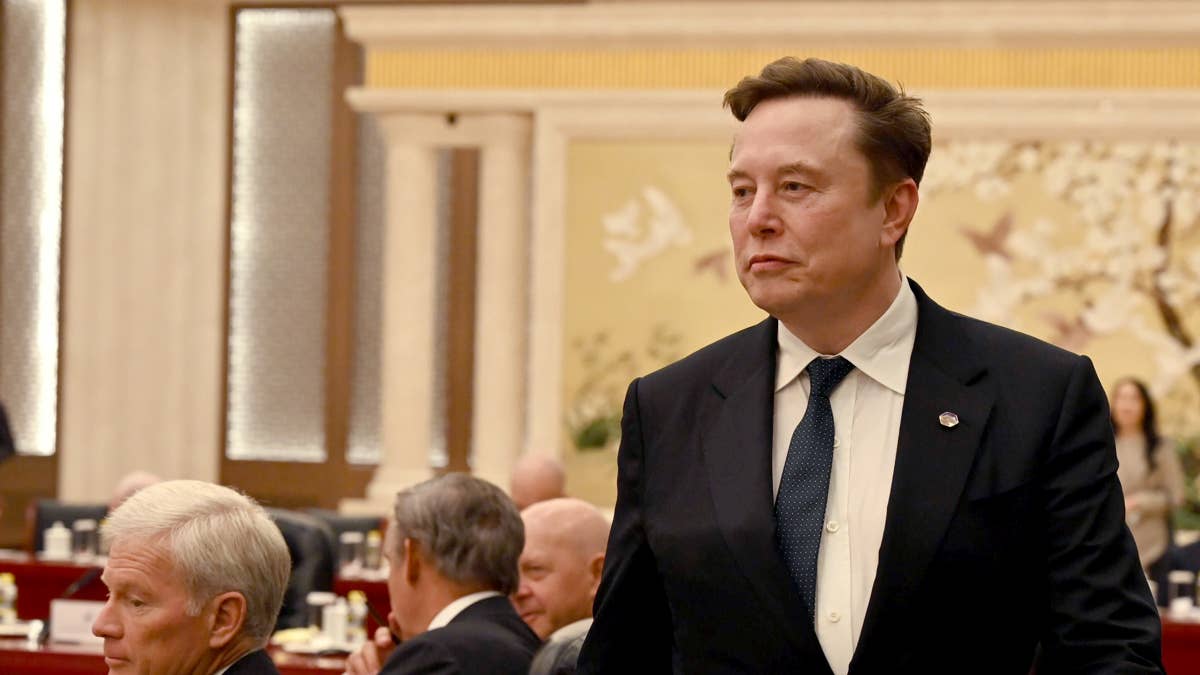
Elon Musk can't sell a single SpaceX share for a year -- and then all the locks crack open at once
Unless you've been on the moon, you know that Elon Musk's SpaceX just pulled off the biggest IPO of all time and raised about $86 billion in its public stock offering last month. The reusable rocket maker did it while selling only a tiny sliver -- between 4% and 5% -- of its stock. The other 95% -- which consists of about 12.5 billion shares -- is being kept behind bars in one of the most byzantine, complicated lock-up schedules in history. To level set, lock-up periods are standard fare following an IPO; founders, top executives, and early venture investors usually agree not to sell their shares for 180 days. The point, as IPO advisor Lise Buyer of Class V Group explains, is twofold. First, it forces the people who know the company best to hold through at least one earnings report, so they can't dump stock on the public right before a bad quarter. Second, it sends a soothing signal during what could otherwise be a volatile and tenuous time in the life of a newly public company. "It's a message to the new buyers that the people who know the company best still believe in it and are going to hang on," said Buyer. But when the lock-up expires, usually right after 180 days, a glut of stock typically hits the market and puts downward pressure on the stock price. During the past decade, underwriters have pushed buzzy tech companies into adopting more staggered or shortened release dates for insiders to sell their shares, some even contingent on earnings or stock-price increases to dampen the flow. Airbnb, DoorDash, Reddit, and Snowflake all either shortened the 180 days or staggered them. SpaceX, however, took the flexible lockup approach, wrapped it in a puzzle, strapped it to an enigma, and sent it to live in a colony on Mars. There are 15 dates for sales in the public markets, according to the company's filings. For anyone who isn't Musk or a large investor, they can sell their stock during the 180-day window as it unlocks in slices of 7% on various dates in August, September, and October and then two trading days after SpaceX's Q2 2026 earnings, which will be its first as a public company. There's another big tranche after its next earnings report, and then whatever is left can be sold at 180 days. There are also dates tied to other earnings releases, plus stock-price increases. Avery Marquez, who tracks IPOs and lock-up structures as director of investment strategies at Renaissance Capital, described just how much of an outlier this is: "This is one of the most complicated, if not the most complicated lock-up we've ever seen." Buyer said she's never seen such a large percentage of a company's stock unlock before 180 days are up. "This is outside the bounds of anything we've seen before," she said. "I would expect their transfer agent will be doing shots of tequila, because it's going to be a little hard to manage," she joked. Why build a lock-up schedule this complicated? Buyer and Marquez said it's designed to keep the billions of shares behind bars from flooding the market all at once. To do so "could be catastrophic to the share price if everybody wanted to sell," said Marquez. Hans Tung, managing partner at Notable Capital and an early SpaceX investor through a company that was acquired by the rocket maker, said the schedule reads as an attempt to let shareholders ease out rather than see everything sold at once. Some will keep holding the stock "because that's how they compound over a long period of time," while others who got in during the past five to 10 years will probably sell to show some liquidity, he said. "I think this series of steps is designed for most shareholders to sell a bit each time," said Tung, whose fund has a small stake in SpaceX and a much larger position in Anthropic, which is also provides compute to SpaceX. Tung said he doesn't have inside information, but he noted that Anthropic and OpenAI, given their size, could end up adopting lockups similar to SpaceX if they go public. "The amount of money involved is just very big. So some people need to have exits along the way," he said. This is designed so that it's done over tranches instead of a free-for-all with a six month lockup and thereafter, everybody just do whatever they want." There's is another reason that could keep investors holding the stock, rather than selling right away, added Tung. The public market listing is the start of a new phase for SpaceX. And Musk's xAI, which is part of SpaceX, is likely to acquire some companies. He pointed to Cursor, the AI coding startup that SpaceX inked a compute deal with prior to the IPO. Days after the listing, SpaceX exercised an option to buy Cursor for $60 billion in SpaceX stock. Now that SpaceX is public, Musk has a liquid currency to fund more deals like this, Tung said -- and "as he acquires more companies, it will be adding more value to the stock, so [investors] will hold on for even longer." SpaceX has had a stunning trajectory in its brief time in the public market. The stock, which priced at $135 in the IPO, opened up at $150 on its first day trading and surged all the way to $226 per share in the following days. While it has since given up some of those gains, the stock now trades at roughly $162, giving SpaceX a $2.61 trillion market cap. And then there's Musk There's a wildcard in the mix. Musk holds roughly 6.4 billion shares making up about 82% of the voting power at SpaceX between his Class A and Class B supervoting 10-shares-in-one stock. Musk can't sell for 366 days, and there are no early-release provisions at all. But then in one shot, everything unlocks at once. Musk's unusual lock-up structure presents investors with a case of extremes, giving the stock a ballast of stability for the first year, followed by the potential for a supernova event. While it's almost inconceivable that Musk would choose to sell all his shares at that point given the negative signal it would send and the resulting impact on the company, the risk factor can't be discounted. Musk's track record with his Tesla stock may provide some indication of what to expect. Musk has held onto his stake in the electric carmaker and borrowed against it, avoiding the capital gains tax hit he would face. He has sold Tesla stock only as a last resort. Jay Ritter, an IPO expert and University of Florida professor, said he wouldn't be surprised if Musk doesn't sell any SpaceX stock at all. "He doesn't have to worry where his next meal is coming from, and if he does, it's probably going to be a tiny fraction of the, what, 6 billion shares that he owns," said Ritter. Musk might even buy more of SpaceX's, Marquez speculated. "It's possible we could see him buy shares when these are released. People start selling them, and he buys them up," she said. "With Elon Musk, anything is possible." Tung doesn't expect Musk to jump in right away, but wouldn't rule out buybacks down the line. "I don't think he will buy immediately, but I think over the course of the next five to 10 years, he will buy some [stock] back when he feels it's the right thing to do," he said. "He is who he is, and he's been doing this for a long time. I don't see any reason why he would behave differently." Buyer, who also declined to guess at Musk's plans, said the same. "He has no use for the cash, and I'm sure he believes that the stock is undervalued," she said. "He might not sell a single share." Whether Musk's investors can do the same remains to be seen. The post Elon Musk can't sell a single SpaceX share for a year -- and then all the locks crack open at once appeared first on Fortune.
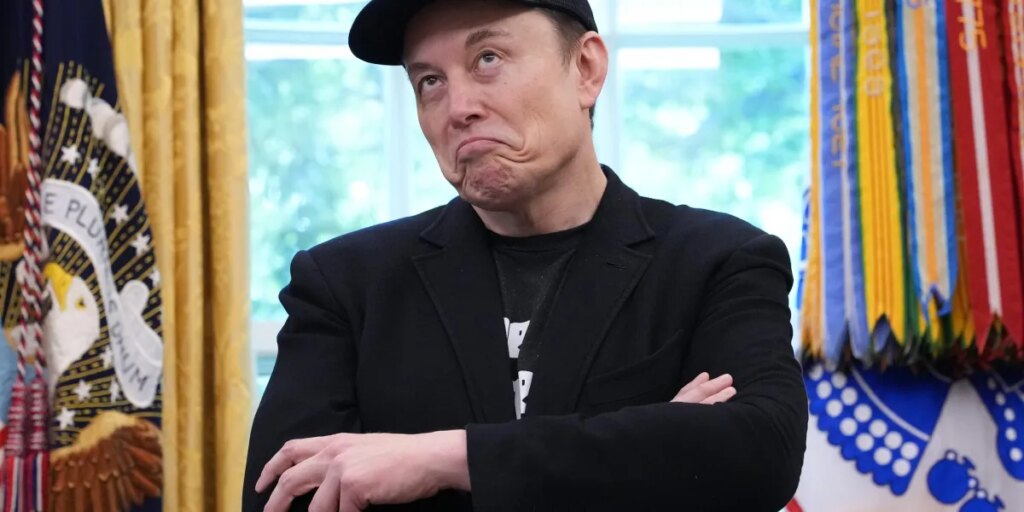
SpaceX (SPCX) to Build Eight‑Mile Natural Gas Pipeline "Starpipe" to Texas Launch Facilities, Reuters Reports
Space Exploration Technologies Corp. (NASDAQ:SPCX) is one of the most promising future stocks to buy right now. Reuters reported on June 25 that, according to county filings, Space Exploration Technologies Corp. (NASDAQ:SPCX) has plans to begin building an eight‑mile (13-km) natural gas pipeline called "Starpipe" to its Texas launch facilities next month. The announcement comes against a backdrop featuring the company's efforts to ramp up launches of its next‑generation Starship rocket. It further reported that, according to a document filed last month with the Texas Railroad Commission by SpaceX affiliate Lone Star Mineral Development and reviewed by Reuters, Starpipe will end at the company's Texas company town of Starbase, and is anticipated to be in service by January 26. Starship is designed to be fully reusable and uses around 630,000 gallons (2.4 million liters) of liquid methane per launch, which is delivered at present by hundreds of tanker trucks in an hours-long process incompatible with Musk's expansion plans. Reuters further reported that Space Exploration Technologies Corp. (NASDAQ:SPCX) did not respond to its request for a comment. Space Exploration Technologies Corp. (NASDAQ:SPCX), operating as SpaceX, is an aerospace manufacturer that also operates as a satellite communications company and launch service provider. It is involved in the design, manufacture, launch, and operation of products and services that are built on cutting-edge technologies, including spacecraft and rockets. While we acknowledge the potential of SPCX as an investment, we believe certain AI stocks offer greater upside potential and carry less downside risk. If you're looking for an extremely undervalued AI stock that also stands to benefit significantly from Trump-era tariffs and the onshoring trend, see our free report on the best short-term AI stock. Disclosure: None. Follow Insider Monkey on Google News.
SpaceX AI device claims surface ahead of IPO as Elon Musk denies reports
The claims come amid wider industry interest in AI smartphones, including OpenAI's reported plans. This signals growing competition in AI hardware. Anonymous sources claim that SpaceX has developed a mysterious, handset-like device intended to reshape how we interact with artificial intelligence (AI). According to the Wall Street Journal (WSJ), a prototype was recently demonstrated to investors just moments before the company's initial public offering (IPO). Allegedly, the device has a "sleek design that's slimmer than an iPhone," but the final design could change as the project is in its early stages of development. The tool runs a proprietary operating system, is powered by a Qualcomm Snapdragon chipset, and integrates AI technology developed by Elon Musk's xAI. Musk is calling the claims of an AI-powered device "utterly false" on X. In February 2026, rumors arose that SpaceX was reportedly developing a mobile phone that would connect directly to its Starlink satellite network. Musk immediately refuted the report. "We are not developing a phone," the entrepreneur said on X. But according to the Financial Times, Musk has plans to move into the US consumer mobile market. The WSJ report suggests that a phone would be the way to create Musk's "everything app," a concept that he has talked about since acquiring Twitter back in 2022. Instead of downloading separate apps to handle parts of our daily lives, these "super apps" would bring together the services people need into a single program. This concept is currently being developed and tested by Chinese tech companies like WeChat and Alipay. Allegedly, SpaceX isn't the only AI company working on an AI-powered device. According to market analyst Ming-Chi Kuo, OpenAI is trying to revolutionize the smartphone industry by developing a new smartphone with an AI agent ecosystem as a key feature. Instead of rows and columns of app icons, the interface would consist of the work of an AI agent. To optimize its performance and results, the AI agent would work both locally and in the cloud. Using an AI agent instead of apps would drastically change how we use our smartphones. "OpenAI's advantages lie in its consumer brand, years of accumulated user data, and leading AI models. Smartphone hardware is already highly mature, so OpenAI can work with the supply chain to develop the device. On the business model side, OpenAI may bundle subscriptions with hardware and build a new AI agent ecosystem with developers," Kuo said.
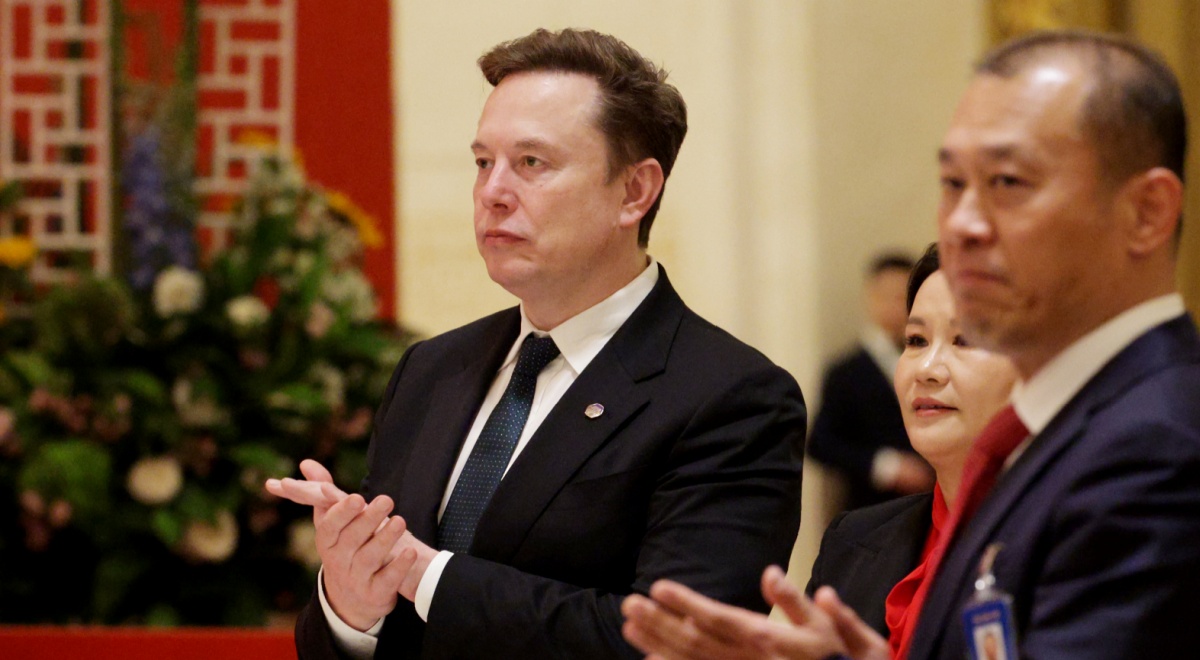
India's space industry hunts for its SpaceX moment
For decades, the Indian Space Research Organisation has launched cost-effective, pioneering missions, including the world's first landing near the Moon's south pole. The national agency, which allows startups to use its facilities for early tests, will soon share technology involving its workhorse rocket to speed up local knowhow. India's attempt to fire up its fledgling private space program is showing early signs of success. Three years after Prime Minister Narendra Modi allowed non-government firms to own spaceports, launch rockets and sell remote-sensing data, the country has its first space unicorn preparing for a lift-off, and boasts startups making advanced Earth-imaging and all-weather satellites. Billionaire Mukesh Ambani is also evaluating plans to deploy a constellation that could pit him against Elon Musk's Starlink in India. For decades, the Indian Space Research Organisation has launched cost-effective, pioneering missions, including the world's first landing near the Moon's south pole. The national agency, which allows startups to use its facilities for early tests, will soon share technology involving its workhorse rocket to speed up local knowhow. "We are becoming more aggressive in the kind of technology that we are able to transfer from ISRO because we now see the ability of the private sector to absorb this technology and take it forward," Pawan Goenka, an automotive industry veteran tasked with building a commercial space economy, said in a recent interview. "Frankly, we are late to the party, and the US is now more private sector than government in terms of the overall space economy." Starlink, a unit of SpaceX, illustrates the magnitude of the challenge. It alone invested more than $11 billion over three years to expand its constellation to 10,000-plus satellites. SpaceX listed in the US in June after a historic $75 billion IPO made Musk the world's first trillionaire. By comparison, India counts some 260 space startups with a total funding of almost $730 million, about a quarter of which flowed last year, according to data provider Tracxn. Yet, last year's military conflict with Pakistan and the US-Iran war have reinforced the urgency to build critical infrastructure within Indian borders. "Ten years ago, if I graduated as an engineer, the only visible path was software services or moving abroad on an H-1B visa," said Suyash Singh, 34, chief executive officer of GalaxEye Space Solutions Pvt. , which has developed the world's first satellite that combines optical cameras with radar sensors, allowing it to see through thick clouds and operate in pitch darkness. "The Indian ecosystem today is extremely ripe for deep tech," Singh said. "The challenges are real, especially around capital and supply chains, but the momentum is also very real." Launched using SpaceX's Falcon 9 rocket on May 3, GalaxEye's satellite is named Mission Drishti -- Sanskrit for 'focused gaze'. The company, which counts Infosys Ltd. as an investor, aims to expand to roughly 10 satellites over the next three years and eventually a full constellation. Singh said much of its early imaging capacity is already booked with demand from defense, agriculture, insurance, disaster management and security applications. Its Bengaluru-based rival Pixxel Space India Pvt. was born out of an opportunity its founder spotted while still at university. Awais Ahmed, 28, said he realized that, outside of China, there were no commercial providers of imagery to detect crop diseases or underground leaks that are invisible to conventional remote sensing. Pixxel now offers the highest-resolution hyperspectral data to customers including NASA, Rio Tinto Plc and India's Ministry of Agriculture. The startup, backed by Google and Lightspeed, plans an over fourfold increase in its capacity to build such satellites. Meanwhile, Hyderabad-based Skyroot Aerospace Pvt. , India's first space startup to surpass a $1 billion valuation, raised funds from GIC and BlackRock as it prepares the first flight of the Vikram-1 orbital rocket later this month. The company will carry out more test launches before a commercial lift-off, said co-founder and CEO Pawan Kumar Chandana, a former ISRO scientist. All three firms were founded around 2020, when Modi first announced his intention to open the space sector to private players. Policies were formalized in 2023. About 400 startups are currently registered with the Indian National Space Promotion and Authorization Centre. At least a third of their revenue comes from overseas, according to Goenka, who chairs the agency. A key milestone to ensure the sector's success, he said, is making Indian companies use space technology. There are signs that the country's giants are seeing value. Ambani's Jio Platforms Ltd. is evaluating a low-orbit satellite network for India as it seeks to cement control over the nation's communications infrastructure. The Economic Times reported that the digital unit of Asia's third-richest person is set to launch over 1,600 such satellites over the next two to three years, and the firm has acquired a stake in Bengaluru's Digantara, which specializes in building ground stations, tracking satellites and monitoring space debris. While Ambani's telecom venture has tied up with Starlink, the Indian government has effectively frozen approvals for Musk's firm, Bloomberg News reported earlier, citing concerns over the use of the company's network in the US-Iran war. Satellite communications was always the largest business in the global space market, but telecom companies will have to move to high-speed 6G networks for the Indian space economy to truly grow, according to Chaitanya Giri, fellow at Observer Research Foundation, a policy think tank. That is about to happen soon, said Giri, referring to the 6G tests in the country. India's planned spy constellation and the satellite network for civilian use will also generate opportunities to create new users, he said. Still, a big hurdle to wider private participation would be a lack of launch capacity outside of ISRO, which itself faced setbacks after its most reliable Polar Satellite Launch Vehicle failed to deploy payloads twice over the past year. A former director at an ISRO unit had told Bloomberg News that back-to-back failures shouldn't call into doubt the rocket's future, but he anticipated a faster shift toward the private sector. The government is in talks with large private companies to share the technology involving PSLV, Goenka said. State-owned Hindustan Aeronautics Ltd. and Mumbai-based conglomerate Larsen & Toubro Ltd. are already working on their version. Skyroot has a head start as it became the first Indian private company to send a rocket to the edge of space for a few minutes in 2022. But it has deferred the debut lift-off to place satellites into orbit at least thrice since 2023. Chandana's firm now targets the orbital launch between July 12 and August 4. Goenka expects a virtuous cycle to develop only after the nation becomes a global hub for small satellite launches with one lift-off every two weeks, and gains the capability to deploy commercially successful constellations. Pixxel's Ahmed is optimistic about his own firm's business. The company expects to turn in an operating profit this year and become cash-flow positive by early 2028, though an IPO is still four or five years away, he said. "China opened its space sector to private companies around 2014 or 2015 and funded them aggressively," Ahmed said. "To catch up, India needs sustained funding, stronger venture capital participation and continued government procurement."
SpaceX Joined 6 Stocks in the $2 Trillion Club. Here's My Top Pick for July.
Before the end of its first trading day on the Nasdaq, Elon Musk's Space Exploration Technologies (NASDAQ: SPCX), or SpaceX, had joined an elite club: stocks with at least $2 trillion in market capitalization. The club is so exclusive that only six other stocks belong to it. And unlike SpaceX, most of them underperformed in June. Here's my pick for the best one to buy in July. Missed Nvidia in 2009? This Rare Signal Is Flashing Again. In 2009, a "Double Down" signal flashed for a little-known chipmaker called Nvidia. For the first time in years, that same "Total Conviction" signal is flashing for a company 1/100th the size of Nvidia. Continue " Biggest of the big The seven largest stocks in the world are currently: *Data as of market close on 6/29/2026. **SpaceX performance since Nasdaq debut at $150/share on 6/12/2026. Aside from TSMC and, of course, SpaceX, all of these huge companies saw big share price declines over the past month. One big reason? Ongoing concerns about how they might be impacted by the current memory shortage. Memory loss High-end memory chips for dynamic random access memory (DRAM) and N-AND flash memory (NAND) are in very short supply, and as a result, they've gotten much more expensive. Yet DRAM and NAND are critical for AI applications and for many consumer devices, such as smartphones and laptops. For Apple, more expensive DRAM and NAND chips mean the company has to accept thinner product margins for its devices that include DRAM and NAND, like iPhones and MacBooks, or pass that cost along to consumers. It had been absorbing the costs, but this month announced it would have to pass the costs on and raised prices on many of its products. Investors punished the stock, concerned that higher costs would hurt sales. For Alphabet, Microsoft, and Amazon, the memory shortage means they'll have to pay more for memory chips for their AI data center build-outs. These "hyperscalers" are already incurring massive AI capital expenditures, which are likely to increase even further in the short term as memory gets more expensive. The market is worried the costs won't justify the eventual benefits. I think these concerns are likely to persist in the short term, which is why I'm not picking any of these stocks as my top July pick.
SpaceX Faces Post-IPO Volatility, Yet Wall Street Predicts Significant Stock Price Gains
* SpaceX's stock has seen volatility since the company's IPO nearly three weeks ago, but analysts project significant long-term growth. * Analysts highlight the Starship reusable rocket as a pillar of the company's future success, and point to growing AI revenue and the potential for acquisitions as additional reasons for optimism. * Risks include high cash burn and reliance on aggressive growth assumptions for future success. Wall Street is starting to size up SpaceX (SPCX), and the stock is getting stellar reviews. Analysts who have launched coverage of the stock since the company's IPO have said SpaceX stands to become "a major hyperscaler" and "the largest communications, cloud and AI company in the world." That positivity didn't translate into gains today -- the stock fell 8% to around $157.50 -- but Wall Street sees plenty of room for SpaceX shares to rise in the months ahead. The average price target from three firms that have initiated coverage of the stock recently stands at $203. While well below the $225 all-time high hit two weeks ago, it's nearly 30% above current levels, and 35% higher than the opening price for SpaceX shares when they began trading on June 12. WHY THIS MATTERS TO YOU Elon Musk's space exploration, connectivity and AI company is now a part of major benchmark indexes and the funds that track them, and will be joining some more, which means the stock's performance is likely represented in your retirement account. The latest bullish view was delivered Tuesday by analysts at Wedbush led by Dan Ives, who initiated coverage of SpaceX with an "outperform" rating and a price target of $190. That target is derived from revenue estimates for 2028, which is expected to be the first year that all three of SpaceX's businesses scale. They view SpaceX's spacecraft and rocket called Starship as "the essential layer" driving the company's success. Its reusability is a strategic advantage from a cost perspective, but also generates a "feedback loop" through which the company can improve its flight rates without driving up capital expenditures, according to Ives and his team. They add that without it, the company's broadband business Starlink would not have reached the scale it has so far, and that SpaceX's ambitions to build orbital data centers would otherwise not be "feasible." Oppenheimer's Timothy Horan started coverage on the stock on June 11, prior to the company's IPO, with an "Outperform" rating and a $190 price target. A week later, the firm raised the target to $250 following SpaceX's acquisition of AI startup Cursor. Horan's models suggest that Cursor revenue will hit $6 billion by the end of this year, raising SpaceX's AI business revenue by 84% to $8.75 billion in the fourth quarter.
4 Lessons for Future OpenAI and Anthropic Investors, Following SpaceX's Historic IPO
SpaceX (NASDAQ: SPCX), the aerospace and AI company founded by Elon Musk, went public on June 12 at a valuation of $1.77 trillion, making it the largest IPO in history. It went public at $135 per share, started trading at $150, and hit a record high of $225.64 on June 16. But as of this writing, SpaceX's stock trades at about $160. Many investors who hopped on the bandwagon in its first four days are now underwater. That volatile market debut should teach investors four valuable lessons about hot IPOs like SpaceX -- and how they should approach OpenAI and Anthropic, two of the market's most eagerly anticipated AI IPOs, in the future. Missed Nvidia in 2009? This Rare Signal Is Flashing Again. In 2009, a "Double Down" signal flashed for a little-known chipmaker called Nvidia. For the first time in years, that same "Total Conviction" signal is flashing for a company 1/100th the size of Nvidia. Continue " 1. Valuations matter When SpaceX went public, it was already valued at 95 times its 2025 revenue of $18.7 billion. At its peak market cap of $2.66 trillion, it was valued at 142 times its trailing sales. Those were sky-high valuations, even for a company that grew its revenue by 33% in 2025. As of this writing, SpaceX is worth $2.1 trillion, or 112 times last year's sales. OpenAI was most recently valued at $852 billion, and its founders hope to go public with a market cap of $1 trillion. That would be 50 times its annualized revenue run rate of $20 billion at the end of 2025, making it seem more reasonably valued than SpaceX. Anthropic, valued at $965 billion after its latest funding round, only had an annualized revenue run rate of $9 billion at the end of 2025. If it's also targeting a $1 trillion IPO, it would debut at 111 times its annualized revenue -- making it more comparable to SpaceX. 2. Profits matter SpaceX was actually profitable in 2025, as Starlink's profits offset its space division's losses. But this year, it acquired xAI (which owns Grok and X) in an all-stock acquisition before its IPO. After recasting its 2025 financials to account for that acquisition, it became deeply unprofitable. The critics claimed that Musk was bailing out xAI at the expense of SpaceX's shareholders. OpenAI and Anthropic -- which are both unprofitable -- will also be closely scrutinized when they go public. OpenAI is still racking up steep losses, but Anthropic's rapid expansion in the enterprise market (with tools like Claude Code) is quickly reducing its operating losses. Anthropic even expects to post its first adjusted operating profit this year.
SpaceX Went From $150 to $225 and Back in Under 2 Weeks -- Here's the Math That Explains Every Dollar of That Move
The long-awaited IPO of Space Exploration Technologies (NASDAQ: SPCX), or SpaceX for short, finally arrived on June 12. Shares shot up like a rocket on their first day of trading, soaring to $150 and then to $225 in short order. But the stock has reversed course just as quickly, falling back to around $150, a round trip that took place in under two weeks. A lot is happening with SpaceX right now, from rampant hype around space and artificial intelligence (AI) to the company's recent $60 billion acquisition of Cursor. But there is real, underlying math that helps explain why SpaceX stock is so volatile right out the gate, and what it might mean for the stock price moving forward. Where to invest $1,000 right now? Our analyst team just revealed what they believe are the 10 best stocks to buy right now, when you join Stock Advisor. See the stocks " Looking at SpaceX's quick surge and sudden decline SpaceX was the largest IPO in history, and arguably one of the most hyped. There were tons of investors who wanted to buy shares. By design, SpaceX only made a small portion of its total stock publicly available on IPO day, just 4.24%. These publicly tradable shares are called the float. The small float and overwhelming demand for SpaceX shares created a classic supply-and-demand situation, in which the stock price rocketed higher in the days immediately following its market debut. But demand eventually peaks, and investors saw SpaceX reverse course after reaching about $225 per share. Image source: The Motley Fool. So, why did the stock cool off? There are probably a few reasons. First, SpaceX's stock was very expensive at its high. Second, the company is funding its $60 billion acquisition of Cursor with stock, diluting existing investors. The market often sells off stocks in these scenarios to reflect the anticipated dilution. Lastly, IPO day is often when excitement peaks. Investors then have a few days to step back and assess, and that hype and excitement usually fade a bit. Where is the rest of SpaceX's stock? Newly public companies have lockup periods that prevent insiders and employees from dumping their stock into the buying frenzy on IPO day. While typical lockup periods are around 180 days, SpaceX is using a staggered lockup period that gradually allows insiders to sell and expand the float at a controlled pace. The earliest selling window opens after SpaceX's first earnings report, assuming the stock meets certain share price thresholds. There are several windows after that, building up to the traditional lockup expiration after 180 days. Additionally, CEO Elon Musk and other significant investors are subject to a 366-day lockup, allowing them to begin selling shares on June 14, 2027. Remember, investors can currently trade only 4.24% of SpaceX's total shares. The current float of approximately 555.6 million shares could multiply as these lockups expire over the next year. Circling back to the supply-and-demand dynamic, a steadily growing float puts a thumb on the supply side of the scale. Looking at where SpaceX's share price might go from here Meanwhile, SpaceX still trades at a $2 trillion market cap, approximately 110 times its 2025 revenue of $18.6 billion. It remains one of the market's most expensive stocks, even after the recent dip. High valuations create high expectations. The selling pressure could intensify if SpaceX cannot deliver the growth to justify such a high valuation. There are several reasons to love SpaceX as a long-term investment. That said, the stock's quick dip from $225 could be a warning sign of how quickly SpaceX can shed value if market sentiment turns against it. Understanding how the float will expand over the coming year will help investors weigh the risks of buying shares now versus waiting for the dust to settle. Should you buy stock in Space Exploration Technologies right now? Before you buy stock in Space Exploration Technologies, consider this: The Motley Fool Stock Advisor analyst team just identified what they believe are the 10 best stocks for investors to buy now... and Space Exploration Technologies wasn't one of them. The 10 stocks that made the cut could produce monster returns in the coming years. Consider when Netflix made this list on December 17, 2004... if you invested $1,000 at the time of our recommendation, you'd have $400,101!* Or when Nvidia made this list on April 15, 2005... if you invested $1,000 at the time of our recommendation, you'd have $1,212,683!* Now, it's worth noting Stock Advisor's total average return is 911% -- a market-crushing outperformance compared to 208% for the S&P 500. Don't miss the latest top 10 list, available with Stock Advisor, and join an investing community built by individual investors for individual investors. See the 10 stocks " *Stock Advisor returns as of July 3, 2026. Justin Pope has no position in any of the stocks mentioned. The Motley Fool has no position in any of the stocks mentioned. The Motley Fool has a disclosure policy. The views and opinions expressed herein are the views and opinions of the author and do not necessarily reflect those of Nasdaq, Inc.

SpaceX Went From $150 to $225 and Back in Under 2 Weeks -- Here's the Math That Explains Every Dollar of That Move
The long-awaited IPO of Space Exploration Technologies (NASDAQ: SPCX), or SpaceX for short, finally arrived on June 12. Shares shot up like a rocket on their first day of trading, soaring to $150 and then to $225 in short order. But the stock has reversed course just as quickly, falling back to around $150, a round trip that took place in under two weeks. A lot is happening with SpaceX right now, from rampant hype around space and artificial intelligence (AI) to the company's recent $60 billion acquisition of Cursor. But there is real, underlying math that helps explain why SpaceX stock is so volatile right out the gate, and what it might mean for the stock price moving forward. Missed Nvidia in 2009? This Rare Signal Is Flashing Again. In 2009, a "Double Down" signal flashed for a little-known chipmaker called Nvidia. For the first time in years, that same "Total Conviction" signal is flashing for a company 1/100th the size of Nvidia. Continue " Looking at SpaceX's quick surge and sudden decline SpaceX was the largest IPO in history, and arguably one of the most hyped. There were tons of investors who wanted to buy shares. By design, SpaceX only made a small portion of its total stock publicly available on IPO day, just 4.24%. These publicly tradable shares are called the float. The small float and overwhelming demand for SpaceX shares created a classic supply-and-demand situation, in which the stock price rocketed higher in the days immediately following its market debut. But demand eventually peaks, and investors saw SpaceX reverse course after reaching about $225 per share. So, why did the stock cool off? There are probably a few reasons. First, SpaceX's stock was very expensive at its high. Second, the company is funding its $60 billion acquisition of Cursor with stock, diluting existing investors. The market often sells off stocks in these scenarios to reflect the anticipated dilution. Lastly, IPO day is often when excitement peaks. Investors then have a few days to step back and assess, and that hype and excitement usually fade a bit. Where is the rest of SpaceX's stock? Newly public companies have lockup periods that prevent insiders and employees from dumping their stock into the buying frenzy on IPO day. While typical lockup periods are around 180 days, SpaceX is using a staggered lockup period that gradually allows insiders to sell and expand the float at a controlled pace. The earliest selling window opens after SpaceX's first earnings report, assuming the stock meets certain share price thresholds. There are several windows after that, building up to the traditional lockup expiration after 180 days. Additionally, CEO Elon Musk and other significant investors are subject to a 366-day lockup, allowing them to begin selling shares on June 14, 2027.