News & Updates
The latest news and updates from companies in the WLTH portfolio.
SpaceX IPO earns millions for US Small Business Administration head Kelly Loeffler
Add Yahoo as a preferred source to see more of our stories on Google. WASHINGTON, July 17 (Reuters) - U.S. Small Business Administration head Kelly Loeffler multiplied the value of her investment in Elon Musk's SpaceX after she was nominated for the job, earning millions of dollars from the company's record initial public offering, a Reuters review of her financial disclosures showed. Loeffler invested between $1 million and $5 million as of January 3, 2025, in xAI, Musk's AI and social media firm that has since merged with SpaceX, according to a required financial disclosure submitted before she became SBA's administrator. Later in 2025, Loeffler invested again in SpaceX and xAI between $1 million and $5 million, according to a separate financial disclosure covering her investments for all of 2025 that she signed on May 14, 2026. Reuters obtained the form from the SBA on June 12. Loeffler's second investment has not been previously reported. Two independent government ethics attorneys agreed with Reuters' assessment of Loeffler's disclosure. Cabinet members use ranges to declare the value of their assets on their required financial disclosure forms, and they do not disclose the dates of their investments before taking office. SpaceX is a military contractor for the U.S. government. Federal law prohibits cabinet members from participating in decisions involving a company in which they have a financial interest. Public records do not show a financial relationship between SBA and xAI or SpaceX. xAI was not included on the public list of AI tools used by SBA employees in 2025. Loeffler and her team did not respond to multiple requests for comment about her SpaceX investment. VALUE OF SPACEX INVESTMENT SOARS Loeffler's bet on SpaceX paid off. The company priced the biggest-ever U.S. IPO on June 12, valuing the space, satellite and AI provider at $1.77 trillion. Her first investment in xAI would have been worth between $7 million and $2.6 billion on the day of the IPO, depending on the exact amount she invested and the date she made it, said Franco Granda, analyst at data provider PitchBook. The second investment would have been worth between $2.2 million and $25.4 million that day, he said. The earlier the investment, the more it would have been worth at the IPO, he said. xAI's valuation increased by more than 7,000% between its first investment round and January 5, 2025. SpaceX's valuation more than doubled in 2025. At least 10 Trump administration officials listed investments in SpaceX or xAI on their 2025 financial disclosure forms. None of those officials works for the Defense Department. Billionaire Musk, a former Trump adviser, is the founder and CEO of SpaceX. Loeffler initially invested in xAI via a private placement, according to her disclosure form. Private placements are typically open to select individuals and institutions with significant financial resources. Loeffler is a wealthy businesswoman. She was the founding chief executive at Bakkt, a bitcoin trading platform, and spent 16 years working at Intercontinental Exchange, the firm that owns the New York Stock Exchange, according to her LinkedIn profile. She is married to Intercontinental Exchange CEO Jeffrey Sprecher. Loeffler briefly represented Georgia in the Senate. The SBA helps entrepreneurs start and build their small businesses, according to the agency website. It connects business owners with lenders and funding to help them recover from natural disasters, among other responsibilities. The Senate confirmed Loeffler as SBA administrator on February 19, 2025. (Reporting by Courtney RozenEditing by Chris Sanders and Rod Nickel)
SpaceX IPO earns millions for US Small Business Administration head Kelly Loeffler
Add Yahoo as a preferred source to see more of our stories on Google. WASHINGTON, July 17 (Reuters) - U.S. Small Business Administration head Kelly Loeffler multiplied the value of her investment in Elon Musk's SpaceX after she was nominated for the job, earning millions of dollars from the company's record initial public offering, a Reuters review of her financial disclosures showed. Loeffler invested between $1 million and $5 million as of January 3, 2025, in xAI, Musk's AI and social media firm that has since merged with SpaceX, according to a required financial disclosure submitted before she became SBA's administrator. Later in 2025, Loeffler invested again in SpaceX and xAI between $1 million and $5 million, according to a separate financial disclosure covering her investments for all of 2025 that she signed on May 14, 2026. Reuters obtained the form from the SBA on June 12. Loeffler's second investment has not been previously reported. Two independent government ethics attorneys agreed with Reuters' assessment of Loeffler's disclosure. Cabinet members use ranges to declare the value of their assets on their required financial disclosure forms, and they do not disclose the dates of their investments before taking office. SpaceX is a military contractor for the U.S. government. Federal law prohibits cabinet members from participating in decisions involving a company in which they have a financial interest. Public records do not show a financial relationship between SBA and xAI or SpaceX. xAI was not included on the public list of AI tools used by SBA employees in 2025. Loeffler and her team did not respond to multiple requests for comment about her SpaceX investment. VALUE OF SPACEX INVESTMENT SOARS Loeffler's bet on SpaceX paid off. The company priced the biggest-ever U.S. IPO on June 12, valuing the space, satellite and AI provider at $1.77 trillion. Her first investment in xAI would have been worth between $7 million and $2.6 billion on the day of the IPO, depending on the exact amount she invested and the date she made it, said Franco Granda, analyst at data provider PitchBook. The second investment would have been worth between $2.2 million and $25.4 million that day, he said. The earlier the investment, the more it would have been worth at the IPO, he said. xAI's valuation increased by more than 7,000% between its first investment round and January 5, 2025. SpaceX's valuation more than doubled in 2025. At least 10 Trump administration officials listed investments in SpaceX or xAI on their 2025 financial disclosure forms. None of those officials works for the Defense Department. Billionaire Musk, a former Trump adviser, is the founder and CEO of SpaceX. Loeffler initially invested in xAI via a private placement, according to her disclosure form. Private placements are typically open to select individuals and institutions with significant financial resources. Loeffler is a wealthy businesswoman. She was the founding chief executive at Bakkt, a bitcoin trading platform, and spent 16 years working at Intercontinental Exchange, the firm that owns the New York Stock Exchange, according to her LinkedIn profile. She is married to Intercontinental Exchange CEO Jeffrey Sprecher. Loeffler briefly represented Georgia in the Senate. The SBA helps entrepreneurs start and build their small businesses, according to the agency website. It connects business owners with lenders and funding to help them recover from natural disasters, among other responsibilities. The Senate confirmed Loeffler as SBA administrator on February 19, 2025. (Reporting by Courtney RozenEditing by Chris Sanders and Rod Nickel)
Prediction: 3 Reasons SpaceX Could Fall 50% Over the Next Year
When Space Exploration Technologies (SPCX 3.08%) debuted last month, it became the largest initial public offering (IPO) ever. However, after a blistering start, the stock has fallen back down to earth and now trades around its IPO price. Let's look at three reasons I think the company (commonly called SpaceX) could lose half its value over the next year. 1. An extreme valuation It's not uncommon for IPOs to debut at frothy valuations, but SpaceX takes this to a whole other galaxy. The company has a nearly $2 trillion market cap, making it one of the 10 largest companies in the world. However, its revenue increased by only 33% to $18.7 billion last year while the company recorded an operating loss. The company is expected to see a meaningful acceleration in revenue this year, with Morgan Stanley projecting sales will climb to nearly $45 billion. Nonetheless, that still values SpaceX at a forward price-to-sales (P/S) multiple of 40 times for what is ultimately a business with high capital expenditures that is likely to burn cash for about the next decade. In fact, Morgan Stanley does not project that it will become free cash flow positive until 2035. As such, not only does the stock carry an extreme valuation, but it will also need to take on debt or issue equity on top of that. 2. Unrealistic goals and timelines With not much to justify its current valuation in the form of revenue or profits, CEO Elon Musk instead has made a bevy of promises and predictions to get investors excited. Eventually, these will have to be realized, or investors may lose faith. However, Musk has a poor track record in this area, with The New York Times recently reporting that fewer than 20% of his past predictions were delivered on schedule. Among Musk's recent promises for SpaceX have been a data center in space by next year, the company generating $1 trillion in revenue by 2030, and launching five uncrewed ships to Mars later this year with a fleet of Tesla Optimus robots. All are unlikely to happen. The Mars Mission and orbital AI data centers both have big technical hurdles that still need to be overcome. For the Mars Mission, the biggest obstacle is refueling, as its largest rocket, Starship, uses up most of its fuel to reach low Earth orbit. Musk has a history of making promises about landing on Mars, but has consistently missed deadlines. Meanwhile, putting a data center in space would require the company to solve the issue of chips being affected by cosmic radiation and to devise a way to cool a system in the vacuum of space. Coming up with solutions for those obstacles will take time and won't happen in the next year. Meanwhile, $1 trillion in revenue by 2030 is an outlandish number that would need everything to go the company's way. Missing out on Musk's predictions could eventually weigh on the stock. 3. Lockup expirations Perhaps the biggest catalyst for SpaceX shares to plummet over the next year is that many more of them will hit the open market. At its IPO, fewer than 5% of its shares were available to be traded, but the number to hit the open market will expand exponentially over the next year as the company faces 15 lockup expirations over this period. The first lockup expiration will come later this month or in early August after the company's first earnings release, when insiders will be permitted to sell 911.5 million shares. That's more than the 555.6 million shares the company initially offered in its IPO. With a flood of new shares hitting the market over the next year, the likelihood of SpaceX missing deadlines, and an extreme valuation, the stock could easily see its price cut in half over the next year -- and it would still arguably be expensive.
Anthropic reveals it will pay $600,000 for someone to shape its tricky IPO story
Anthropic has already become a success story for venture capitalists. Now, the AI lab begins the tricky task of selling itself to a much larger pool of investors. The company behind the Claude AI model is preparing for a blockbuster initial public offering as soon as this fall that will test investor confidence in its gigantic private valuation, which reached $965 billion in May. To handle the shift to Wall Street, Anthropic is staffing up. On Tuesday, the company posted a job opening for a director on its investor relations team with a base salary of $425,000 to $600,000. The person will develop Anthropic's "investment narrative" and serve as a primary point of contact between major investors and company leadership, according to the listing. They'll track AI developments, speak about Anthropic's products in meetings, and project how major decisions will ripple through the stock market. The job listing says the director will work as a "thought partner" to Anthropic's head of investor relations -- himself a new hire. Kenneth Dorell took that job in June, reporting to chief financial officer Krishna Rao. Dorell previously led Meta's investor relations team. Anthropic's former head of strategic finance and investor relations, Vu Bui, left the company earlier this year, according to an Anthropic spokesperson. Anthropic's revenue boomed over the last year on the strength of its tools for business customers, including Claude Code -- it touted in May that its run-rate revenue crossed $47 billion. It has consistently released cutting-edge AI models, positioning it as OpenAI's key competitor. Dorell, the yet-to-be-hired director, and their team still have a tricky task ahead. Both Anthropic and OpenAI are unusual companies; their private valuations are vast, and AI labs are a new type of investment for Wall Street. Each pours titanic sums of money into training new models and hiring talent, is contending with new government involvement, and boasts an atypical financial structure. Anthropic is a public benefit corporation, meaning that it's required to balance shareholder returns with the "responsible development and maintenance of advanced AI for the long-term benefit of humanity." OpenAI is partially owned by a nonprofit. Each company has an influential bloc of researchers whom executives aim to please. Anthropic's new job listing alludes to that challenge. Its "preferred qualifications" section includes, "Interest in AI safety and enthusiasm for explaining a research-driven company to a financial audience." For guidance, Anthropic's investor relations team can look to SpaceX's $1.77 trillion IPO in June, in which the rocket company positioned itself as a major AI player. After the stock jumped post-listing, it tumbled. On Wednesday, SpaceX shares fell for the first time back below their listing price -- a warning sign for the AI labs about the fickleness of the investors they're beginning to court. Have a tip? Contact this reporter via email at [email protected], or over text, Signal, Telegram, or WhatsApp at 415-757-8198. Use a personal email address, a nonwork WiFi network, and a nonwork device; here's our guide to sharing information securely.
$10,000 invested in SpaceX stock one month ago is now worth
SpaceX (NASDAQ: SPCX) had an explosive initial public offering (IPO) last month, but investors who gained direct exposure to the company at its debut have unfortunately suffered some noticeable losses. Namely, a $10,000 investment made at the initial SpaceX IPO price of $135 per share on June 12, 2026, would now be worth approximately $9,706, with the space exploration leader trading just barely above $131 as of press time, July 17. The losses come after a rather turbulent first month of trading following the largest IPO in history. Indeed, Elon Musk's company debuted with an initial valuation of around $1.77 trillion and closed the first trading session with a market capitalization above $2 trillion. In just four days, SPCX shares hit an intraday high of roughly $211 before broader market weakness kicked in and profit-taking and renewed concerns over the company's valuation sent the stock lower. SpaceX shares fell below their $135 IPO price for the first time on July 15, reaching a session low of $132.28 before recovering to close at $135.27. By press time, the price had gone even lower, to the aforementioned $131. The decline has reduced SpaceX's market capitalization to approximately $1.72 trillion, a significant retreat from the roughly $2.9 trillion valuation recorded just four days after its debut. Why did SpaceX stock crash? First and foremost, the selloff reflects growing investor concerns regarding SpaceX's valuation and financial outlook as the company approaches its first earnings report in August. Currently, analysts expect SpaceX to generate between $34 billion and $43 billion in revenue this year, up from $18.7 billion in 2025. However, many investors are on edge as SpaceX recorded a net loss of approximately $4.9 billion in 2025. Shareholders are also watching for a potential increase in selling pressure later in 2026. For instance, insider share unlocks following the upcoming quarterly could expand the public float, allowing some employees to sell portions of their holdings. Looking ahead, SpaceX's growth is driven by several prospects. The most important of those are its Falcon launch business, expanding Starlink satellite internet network, Starship development, and potential artificial intelligence (AI) infrastructure projects. However, the company faces significant execution risks as it invests heavily in these technologies. With its first earnings report as a public company approaching, investors will be watching whether management can turn technological leadership into financial performance strong enough to justify the multi-trillion-dollar valuation and deliver gains to early and future backers.
SpaceX (SPCX) Shares Tumble After Starship V3 Launch Abort at Ignition
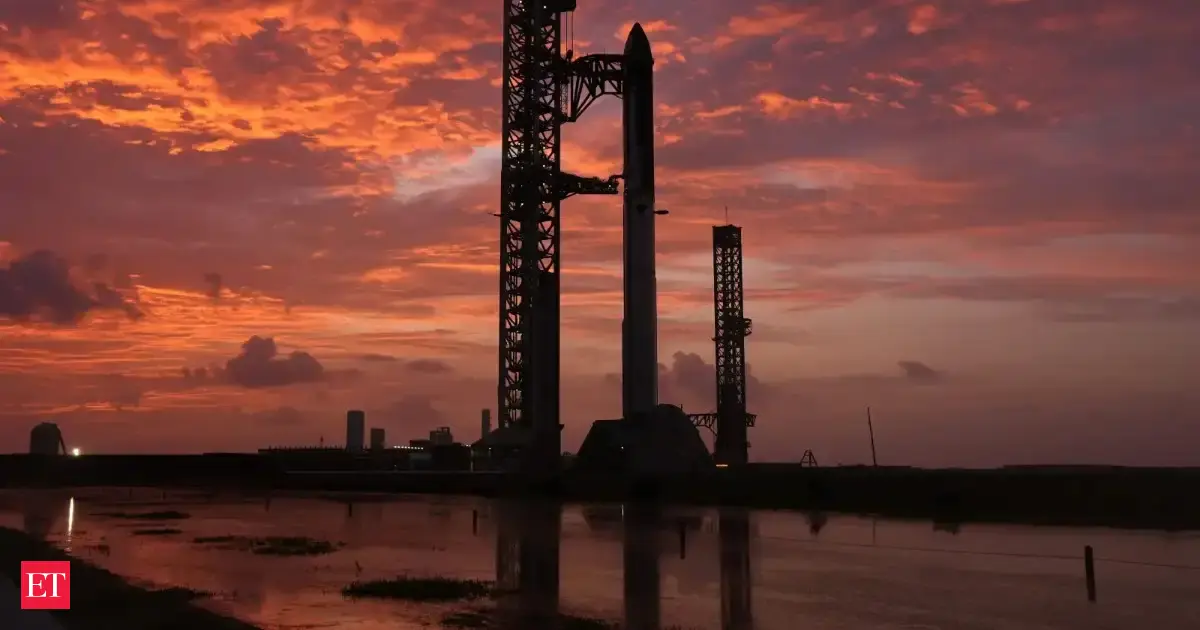
* Thursday's Starship V3 launch was aborted when four Raptor engines failed during the ignition sequence at liftoff * Elon Musk announced plans to swap out two faulty engines, targeting early next week for another launch attempt * SPCX shares declined more than 3% during after-hours trading, settling at $131.11 -- beneath the company's $135 IPO entry point * Federal regulators had just approved SpaceX's return to flight following their probe into May's booster mishap * The cancelled flight planned to deploy 20 advanced Starlink satellites, critical for the company's space-based data infrastructure plans Shares of SpaceX (SPCX) declined over 3% during after-hours trading Thursday evening, falling to approximately $125 following the company's scrubbed second Starship V3 launch attempt. The stock concluded regular market hours at $131.11, trading beneath its $135 initial public offering price established in June. Space Exploration Technologies Corp., SPCX The abort occurred precisely at the ignition moment. The launch pad's water suppression system had activated and the booster's engines began their startup sequence when an abrupt shutdown occurred. Telemetry data from SpaceX's live stream indicated four Raptor engines failed their ignition sequence, activating the automated safety abort protocol. "Several engines failed to ignite, which triggered an automated launch abort sequence," CEO Elon Musk posted on X. He subsequently confirmed that two problematic Raptor engines will undergo removal and replacement, scheduling the next launch window for sometime early the following week. This scrubbed launch continues SPCX's five-session downward trend. The stock has experienced consistent pressure since its historic IPO on June 12, when SpaceX secured $85.7 billion in capital -- establishing the largest public offering ever recorded -- and momentarily achieved market capitalizations rivaling Amazon and Microsoft. Mission Objectives and Payload Details Thursday's planned flight aimed to deliver 20 advanced Starlink satellites to low Earth orbit. Following deployment, these satellites were scheduled to extend their solar panels and communication antennas, establish brief connectivity with the existing Starlink network, then perform controlled atmospheric reentry and burn up approximately 20 minutes post-deployment. SpaceX has yet to successfully demonstrate Starship's capability to achieve sustained orbital flight, explaining why these satellites featured intentionally short operational lifespans. Despite this limitation, the mission represented an important milestone toward validating "orbital data centers" -- a cornerstone of SpaceX's future revenue model. Currently, Starlink stands as SpaceX's sole profitable division and primary income source. Recent Federal Approval Preceded Launch Attempt The Federal Aviation Administration granted SpaceX authorization to resume flights just this past Monday, completing their mandatory investigation following May's inaugural V3 launch. During that previous mission, the Super Heavy booster experienced an engine malfunction during its descent phase, resulting in an ocean impact in the Gulf of Mexico instead of completing its planned simulated landing procedure. The FAA's conclusive mishap investigation identified two primary root causes: thermal stress on propulsion system hardware during the ascent phase and incorrect engine monitoring system configurations. SpaceX implemented four remedial measures, encompassing both hardware modifications and software revisions. The upper stage during May's attempt demonstrated superior performance, successfully deploying Starlink test units and executing its own simulated ocean landing without complications. Thursday's abort requires SpaceX to drain all cryogenic propellants from both the Super Heavy booster and upper stage before technical teams can investigate the Raptor ignition malfunction. SPCX traded near $125 during Friday's pre-market session, representing approximately a 4.65% decline from Thursday's closing price.
Should You Buy SpaceX Stock Below $135 Per Share? Here's What History Says.
After a hot start following its IPO, Space Exploration Technologies (NASDAQ: SPCX), better known as SpaceX, has seen its stock price come back down to Earth. The price is now approaching its IPO price of $135 per share. Investors who couldn't get in on the IPO may be wondering whether to buy the stock if it dips below that number. Here's what history has to say. Missed Nvidia in 2009? This Rare Signal Is Flashing Again. In 2009, a "Double Down" signal flashed for a little-known chipmaker called Nvidia. For the first time in years, that same "Total Conviction" signal is flashing for a company 1/100th the size of Nvidia. Continue " Image source: Getty Images. How well do IPOs hold up over the long run? Most IPO stocks see a pop on their first day of trading. Underwriters intentionally underprice offerings to ensure enough demand to fully allocate the stock offering and guarantee success for the company. Indeed, SpaceX closed its first day of trading about 19% above its IPO price, which is about average based on data dating back to 1960. But most investors aren't interested in SpaceX's short-term outcomes. The company's value is based on its potential to disrupt multiple industries over the long run. The stock should appeal to investors who believe in CEO Elon Musk's ability to build more efficient reusable rockets, expand its satellite constellation, and reshape broadband internet access and artificial intelligence (AI). So, looking at how IPOs usually hold up after at least three years of trading can provide valuable insight. For investors who buy just any new IPO as it comes to market, the long-term results aren't great. Even with a big first-day pop, the average IPO since 1980 (excluding the 1999-2000 dot-com bubble) produced worse returns than the overall market, according to data compiled by professor Jay Ritter. He found that all IPOs produce an average return of 44.2% from their IPO price over three years, but that trails the weighted-average market return by 1.6%. But tech stocks specifically do significantly better. Tech IPOs produced average three-year returns of 73.3%, massively outperforming the market by 25.8%. And if you dig a little bit deeper, big tech stocks with sales exceeding $100 million (adjusted for inflation) perform even better. These companies have delivered an average three-year return of 82.5% and outperformed the market by 43.1%. Even if they're unprofitable, they still produce excess returns of 41.7% on average, according to Ritter's data. In other words, history is on SpaceX's side as a large tech company making its public debut. Still, there are a few reasons to remain cautious about buying SpaceX, even at its IPO price. The SpaceX IPO is a special case SpaceX was the largest IPO in history, raising over $85 billion after underwriters exercised their option to buy additional shares. With a valuation of about $1.75 trillion, it's already a massive business. But that valuation puts its price-to-sales ratio above 90. And valuation still matters. According to a University of Florida 2026 study of IPOs, since 1980, only 14 other IPOs have had over $100 million in sales and a price-to-sales ratio above 40. The average three-year return from their IPO price was just 3.1%, trailing the market average by 15.4%. While it's a small sample size, there's a clear correlation between IPO price-to-sales valuation and returns. The lower the valuation, the better the returns. SpaceX has one of the highest price-to-sales ratios in the market. There's additional concern that SpaceX's stock price could be weighed down as lockup periods expire and early investors and employees can sell their shares. Interestingly, the same University of Florida study found that companies that float a smaller percentage of shares (SpaceX offered about 5% of the company's shares) end up outperforming companies that sell a larger portion of the equity at their IPO. That said, there's never been a company the size of SpaceX with so many shares locked up. That's a lot of capital for the market to absorb over the next six months or so. The truth of the matter is that SpaceX is unlike any IPO we've ever seen. Using historical averages to project SpaceX's future stock price can only go so far. The actual results will depend on the same thing that applies to every stock in the market, whether old or new. Will the company perform better than the market expects? If it does, the stock price could outperform the market average. At its current valuation, the market is setting a very high bar for SpaceX to exceed. Should you buy stock in Space Exploration Technologies right now? Before you buy stock in Space Exploration Technologies, consider this: The Motley Fool Stock Advisor analyst team just identified what they believe are the 10 best stocks for investors to buy now... and Space Exploration Technologies wasn't one of them. The 10 stocks that made the cut could produce monster returns in the coming years. Consider when Netflix made this list on December 17, 2004... if you invested $1,000 at the time of our recommendation, you'd have $397,351!* Or when Nvidia made this list on April 15, 2005... if you invested $1,000 at the time of our recommendation, you'd have $1,304,257!* Now, it's worth noting Stock Advisor's total average return is 934% -- a market-crushing outperformance compared to 210% for the S&P 500. Don't miss the latest top 10 list, available with Stock Advisor, and join an investing community built by individual investors for individual investors. See the 10 stocks " *Stock Advisor returns as of July 17, 2026. Adam Levy has no position in any of the stocks mentioned. The Motley Fool has no position in any of the stocks mentioned. The Motley Fool has a disclosure policy. The views and opinions expressed herein are the views and opinions of the author and do not necessarily reflect those of Nasdaq, Inc.

SpaceX's Starship rocket aborts before liftoff
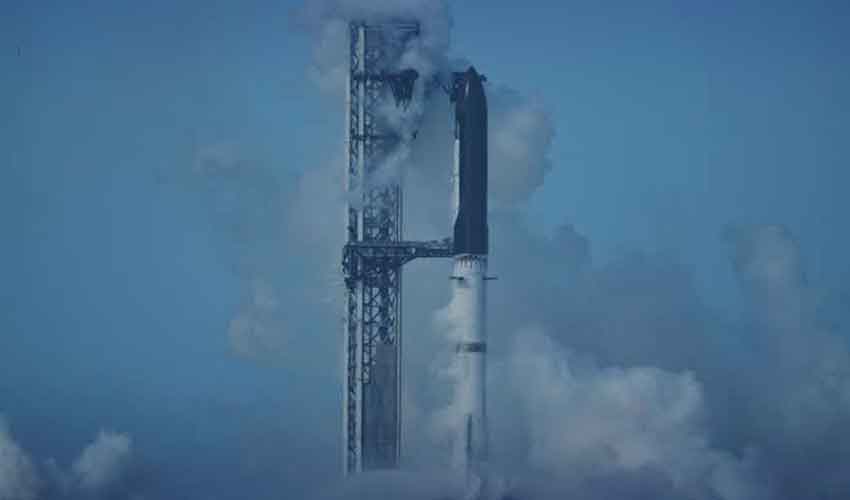
Shares of SpaceX fall about 3% in aftermarket trading following scrubbed launch SpaceX's Starship rocket triggered a last-second abort before liftoff for its 13th flight test from Texas on Thursday as some of its 33 engines failed to start, with CEO Elon Musk saying it will likely try to launch again early next week. Shares of SpaceX, which went public last month, fell about 3% in aftermarket trading following the scrubbed launch. The stock ended at $131.11 on Thursday, closing below its IPO price of $135 for the first time since listing. "Some of the engines didn't start, triggering an automatic launch abort," Musk said in a post on X, without disclosing the number of engines on the Super Heavy rocket that did not start. "To be confident of a good flight, 2 Raptors will be removed & replaced. Most probable launch timing is early next week." The launch abort came less than a second before Starship's planned liftoff from Starbase, SpaceX's company town in south Texas, at 5:45pm CT (2245 GMT). The rocket's engines ignited but cut off shortly after. "We did trigger a hold on the booster that aborted our liftoff as we were starting to light those Raptor engines," said SpaceX spokesperson Dan Huot, speaking on the company's live stream after the launch was scrubbed.
Should You Buy SpaceX Stock Below $135 Per Share? Here's What History Says.
After a hot start following its IPO, Space Exploration Technologies (NASDAQ: SPCX), better known as SpaceX, has seen its stock price come back down to Earth. The price is now approaching its IPO price of $135 per share. Investors who couldn't get in on the IPO may be wondering whether to buy the stock if it dips below that number. Here's what history has to say. Missed Nvidia in 2009? This Rare Signal Is Flashing Again. In 2009, a "Double Down" signal flashed for a little-known chipmaker called Nvidia. For the first time in years, that same "Total Conviction" signal is flashing for a company 1/100th the size of Nvidia. Continue " How well do IPOs hold up over the long run? Most IPO stocks see a pop on their first day of trading. Underwriters intentionally underprice offerings to ensure enough demand to fully allocate the stock offering and guarantee success for the company. Indeed, SpaceX closed its first day of trading about 19% above its IPO price, which is about average based on data dating back to 1960. But most investors aren't interested in SpaceX's short-term outcomes. The company's value is based on its potential to disrupt multiple industries over the long run. The stock should appeal to investors who believe in CEO Elon Musk's ability to build more efficient reusable rockets, expand its satellite constellation, and reshape broadband internet access and artificial intelligence (AI). So, looking at how IPOs usually hold up after at least three years of trading can provide valuable insight. For investors who buy just any new IPO as it comes to market, the long-term results aren't great. Even with a big first-day pop, the average IPO since 1980 (excluding the 1999-2000 dot-com bubble) produced worse returns than the overall market, according to data compiled by professor Jay Ritter. He found that all IPOs produce an average return of 44.2% from their IPO price over three years, but that trails the weighted-average market return by 1.6%. But tech stocks specifically do significantly better. Tech IPOs produced average three-year returns of 73.3%, massively outperforming the market by 25.8%. And if you dig a little bit deeper, big tech stocks with sales exceeding $100 million (adjusted for inflation) perform even better. These companies have delivered an average three-year return of 82.5% and outperformed the market by 43.1%. Even if they're unprofitable, they still produce excess returns of 41.7% on average, according to Ritter's data. In other words, history is on SpaceX's side as a large tech company making its public debut. Still, there are a few reasons to remain cautious about buying SpaceX, even at its IPO price.
Should You Buy SpaceX Stock Below $135 Per Share? Here's What History Says.
After a hot start following its IPO, Space Exploration Technologies (SPCX 3.08%), better known as SpaceX, has seen its stock price come back down to Earth. The price is now approaching its IPO price of $135 per share. Investors who couldn't get in on the IPO may be wondering whether to buy the stock if it dips below that number. Here's what history has to say. How well do IPOs hold up over the long run? Most IPO stocks see a pop on their first day of trading. Underwriters intentionally underprice offerings to ensure enough demand to fully allocate the stock offering and guarantee success for the company. Indeed, SpaceX closed its first day of trading about 19% above its IPO price, which is about average based on data dating back to 1960. But most investors aren't interested in SpaceX's short-term outcomes. The company's value is based on its potential to disrupt multiple industries over the long run. The stock should appeal to investors who believe in CEO Elon Musk's ability to build more efficient reusable rockets, expand its satellite constellation, and reshape broadband internet access and artificial intelligence (AI). So, looking at how IPOs usually hold up after at least three years of trading can provide valuable insight. For investors who buy just any new IPO as it comes to market, the long-term results aren't great. Even with a big first-day pop, the average IPO since 1980 (excluding the 1999-2000 dot-com bubble) produced worse returns than the overall market, according to data compiled by professor Jay Ritter. He found that all IPOs produce an average return of 44.2% from their IPO price over three years, but that trails the weighted-average market return by 1.6%. But tech stocks specifically do significantly better. Tech IPOs produced average three-year returns of 73.3%, massively outperforming the market by 25.8%. And if you dig a little bit deeper, big tech stocks with sales exceeding $100 million (adjusted for inflation) perform even better. These companies have delivered an average three-year return of 82.5% and outperformed the market by 43.1%. Even if they're unprofitable, they still produce excess returns of 41.7% on average, according to Ritter's data. In other words, history is on SpaceX's side as a large tech company making its public debut. Still, there are a few reasons to remain cautious about buying SpaceX, even at its IPO price. The SpaceX IPO is a special case SpaceX was the largest IPO in history, raising over $85 billion after underwriters exercised their option to buy additional shares. With a valuation of about $1.75 trillion, it's already a massive business. But that valuation puts its price-to-sales ratio above 90. And valuation still matters. According to a University of Florida 2026 study of IPOs, since 1980, only 14 other IPOs have had over $100 million in sales and a price-to-sales ratio above 40. The average three-year return from their IPO price was just 3.1%, trailing the market average by 15.4%. While it's a small sample size, there's a clear correlation between IPO price-to-sales valuation and returns. The lower the valuation, the better the returns. SpaceX has one of the highest price-to-sales ratios in the market. There's additional concern that SpaceX's stock price could be weighed down as lockup periods expire and early investors and employees can sell their shares. Interestingly, the same University of Florida study found that companies that float a smaller percentage of shares (SpaceX offered about 5% of the company's shares) end up outperforming companies that sell a larger portion of the equity at their IPO. That said, there's never been a company the size of SpaceX with so many shares locked up. That's a lot of capital for the market to absorb over the next six months or so. The truth of the matter is that SpaceX is unlike any IPO we've ever seen. Using historical averages to project SpaceX's future stock price can only go so far. The actual results will depend on the same thing that applies to every stock in the market, whether old or new. Will the company perform better than the market expects? If it does, the stock price could outperform the market average. At its current valuation, the market is setting a very high bar for SpaceX to exceed.
SpaceX's Starship rocket aborts before liftoff, Musk says launch probable next week
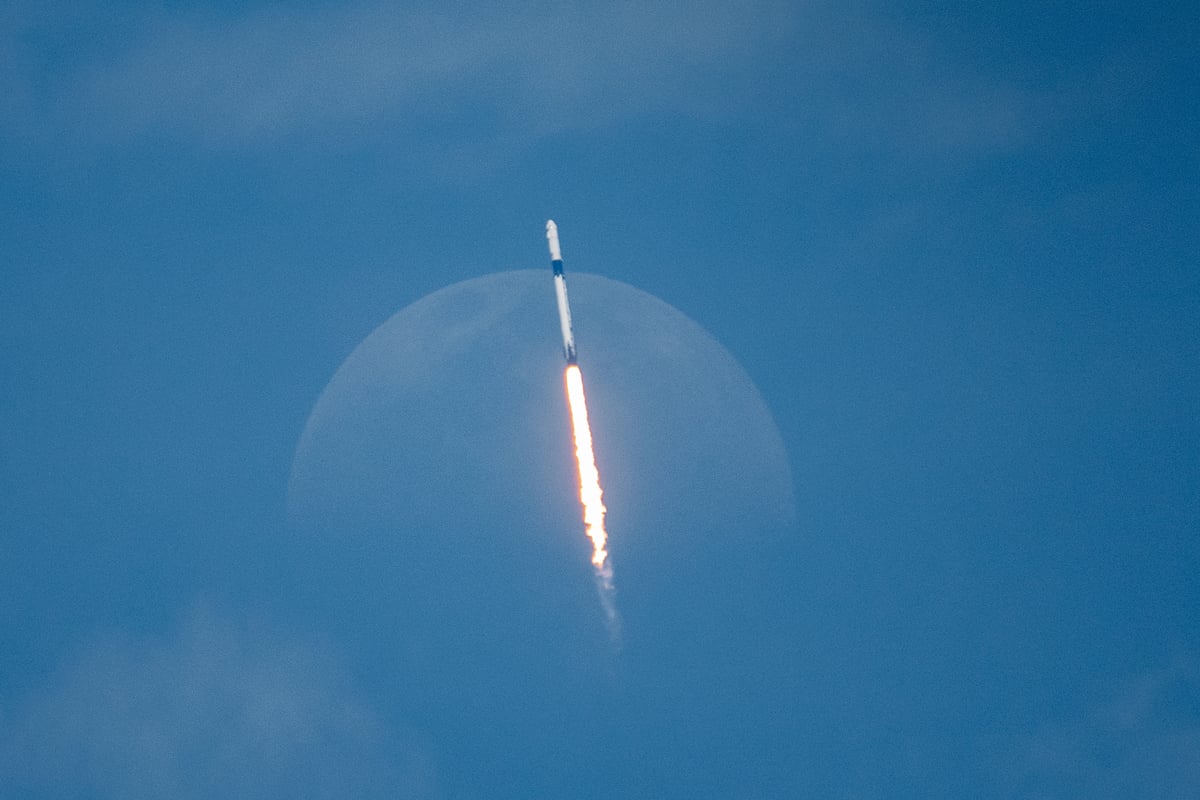
WASHINGTON, July 16 (Reuters) - SpaceX's Starship rocket triggered a last-second abort before liftoff for its 13th flight test from Texas on Thursday as some of its 33 engines failed to start, with CEO Elon Musk saying it will likely try to launch again early next week. Shares of SpaceX, which went public last month, fell about 3% in aftermarket trading following the scrubbed launch. The stock ended at $131.11 on Thursday, closing below its IPO price of $135 for the first time since listing. "Some of the engines didn't start, triggering an automatic launch abort," Musk said in a post on X, without disclosing the number of engines on the Super Heavy rocket that did not start. "To be confident of a good flight, 2 Raptors will be removed & replaced. Most probable launch timing is early next week." The launch abort came less than a second before Starship's planned liftoff from Starbase, SpaceX's company town in south Texas, at 5:45 p.m. CT (2245 GMT). The rocket's engines ignited but cut off shortly after. "We did trigger a hold on the booster that aborted our liftoff as we were starting to light those Raptor engines," said SpaceX spokesperson Dan Huot, speaking on the company's live stream after the launch was scrubbed. (Reporting by Joey Roulette and Chris Thomas; Editing by Chris Reese and Jamie Freed)
SpaceX's Starship rocket aborts before liftoff, Musk says launch probable next week
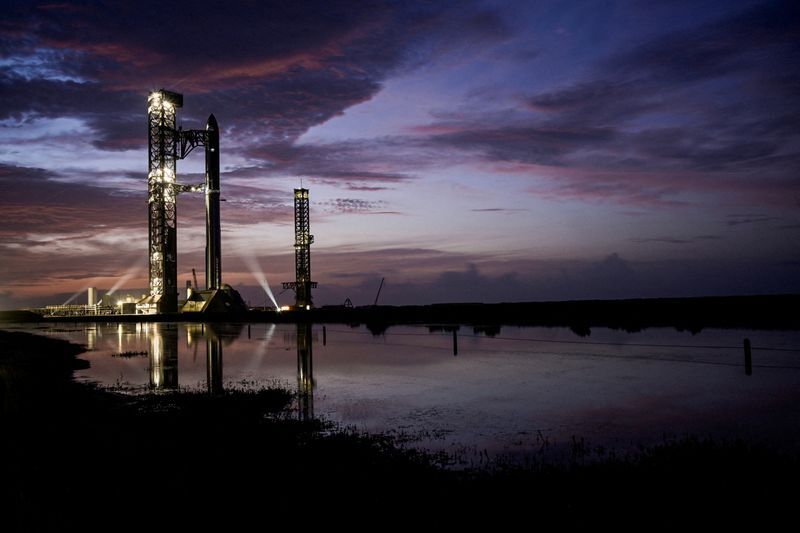
WASHINGTON, July 16 (Reuters) - SpaceX's Starship rocket triggered a last-second abort before liftoff for its 13th flight test from Texas on Thursday as some of its 33 engines failed to start, with CEO Elon Musk saying it will likely try to launch again early next week. Shares of SpaceX, which went public last month, fell about 3% in aftermarket trading following the scrubbed launch. The stock ended at $131.11 on Thursday, closing below its IPO price of $135 for the first time since listing. "Some of the engines didn't start, triggering an automatic launch abort," Musk said in a post on X, without disclosing the number of engines on the Super Heavy rocket that did not start. "To be confident of a good flight, 2 Raptors will be removed & replaced. Most probable launch timing is early next week." The launch abort came less than a second before Starship's planned liftoff from Starbase, SpaceX's company town in south Texas, at 5:45 p.m. CT (2245 GMT). The rocket's engines ignited but cut off shortly after. "We did trigger a hold on the booster that aborted our liftoff as we were starting to light those Raptor engines," said SpaceX spokesperson Dan Huot, speaking on the company's live stream after the launch was scrubbed. (Reporting by Joey Roulette and Chris Thomas; Editing by Chris Reese and Jamie Freed)
SpaceX's Starship rocket aborts before liftoff, Musk says launch probable next week
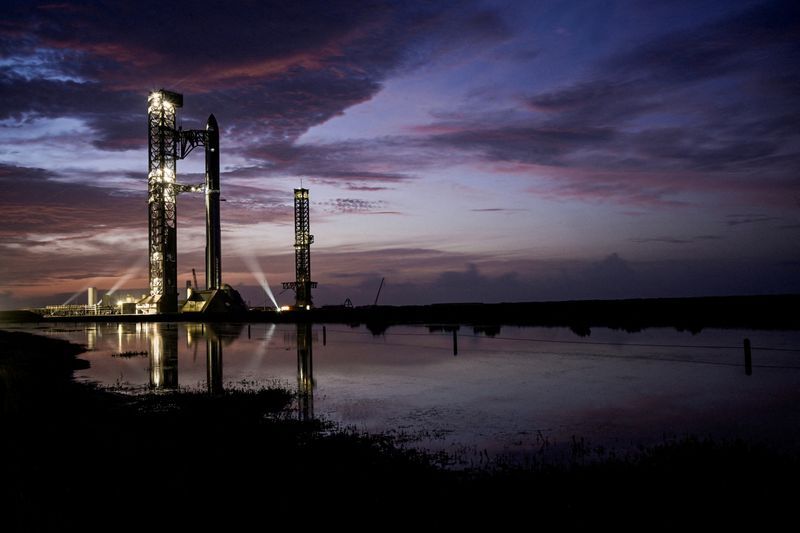
WASHINGTON, July 16 - SpaceX's Starship rocket triggered a last-second abort before liftoff for its 13th flight test from Texas on Thursday as some of its 33 engines failed to start, with CEO Elon Musk saying it will likely try to launch again early next week. Shares of SpaceX, which went public last month, fell about 3% in aftermarket trading following the scrubbed launch. The stock ended at $131.11 on Thursday, closing below its IPO price of $135 for the first time since listing. "Some of the engines didn't start, triggering an automatic launch abort," Musk said in a post on X, without disclosing the number of engines on the Super Heavy rocket that did not start. "To be confident of a good flight, 2 Raptors will be removed & replaced. Most probable launch timing is early next week." The launch abort came less than a second before Starship's planned liftoff from Starbase, SpaceX's company town in south Texas, at 5:45 p.m. CT (2245 GMT). The rocket's engines ignited but cut off shortly after. "We did trigger a hold on the booster that aborted our liftoff as we were starting to light those Raptor engines," said SpaceX spokesperson Dan Huot, speaking on the company's live stream after the launch was scrubbed. REUTERS
SpaceX Launches Are Changing How Families Vacation on South Padre Island
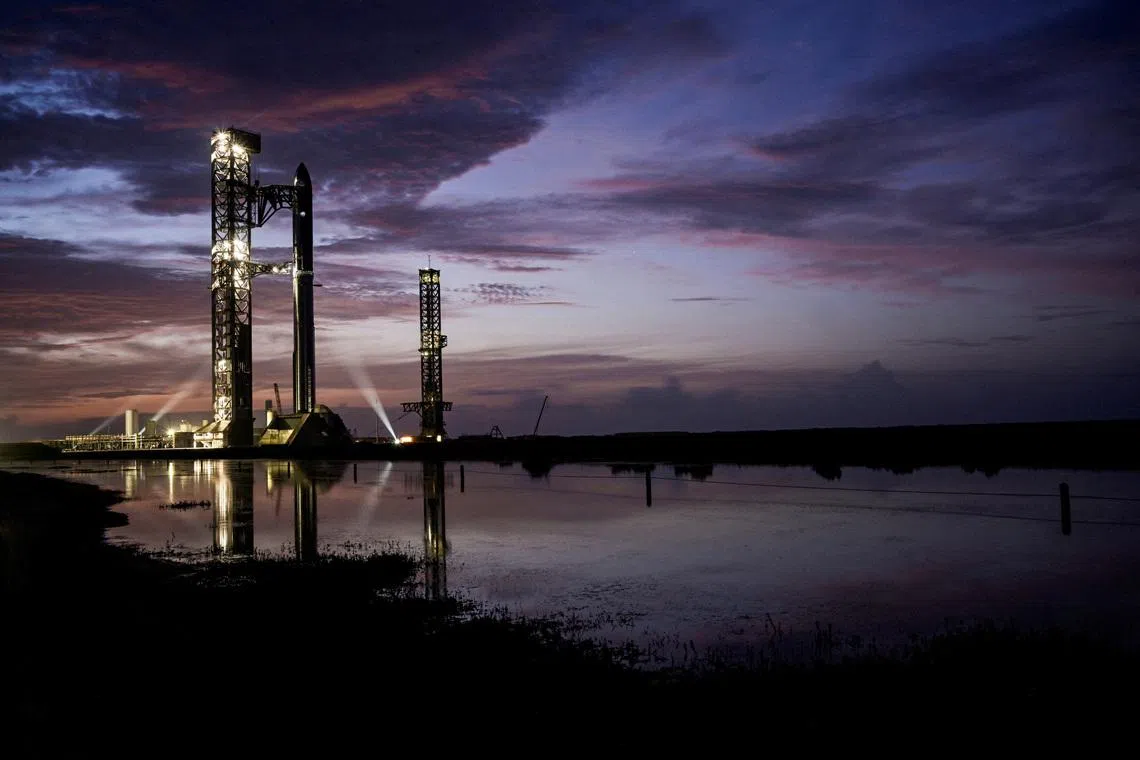
Local rental firm South Padre Trips says Starship launch windows now trigger booking surges, as a new Brownsville study credits rocket tourism with $99 million in annual visitor spending South Padre Island, Texas - July 16, 2026 - For decades, families planned their South Padre Island vacations around spring break, summer weather and fishing tournaments. A growing number now plan them around a rocket. South Padre Trips, a vacation rental management company based on South Padre, reports that SpaceX Starship launch windows at nearby Starbase have become one of the strongest booking drivers of the year. The launch pad sits about five miles from the island's southern tip, close enough that guests can watch a launch from some condo balcony. "We used to get one question from families; how close is the unit to the beach," or "what is the view of the Gulf," said Chad Hart, founder and principal of South Padre Trips. "Now the follow-up is whether they can see the launch from the balcony. When SpaceX announces a launch date, the inquiries off our websites go bonkers." The numbers back him up. An economic impact white paper published this year by the City of Brownsville found Starbase has generated an estimated $10 billion in gross revenue for the region since 2023, with launch-related tourism accounting for roughly $99 million in visitor spending last year alone. Hart says the pattern on the island is consistent. Once a launch date firms up, south-end properties with a fairly direct line of sight to the pad, including Gulfview, La Isla, Gulfpoint, Sea VIsta and Sapphire Condo, are the first to sell out as the most Southern. Guests arrive from across the Texas, and, increasingly, from Northern States. On launch mornings, Isla Blanca Park at the island's southern most tip fills with lawn chairs, telescopes and camera tripods hours before liftoff. Even scrubbed launches work in the island's favor. Because launch dates often slip, visitors pad their trips with extra nights or extend, and many stay on after a delay rather than go home. "A scrub used to feel like bad news," Hart said. "Now guests just add a couple of nights and go fishing or enjoy the best beach in Texas while they wait. Parents tell us the launch is the reason the kids agreed to a beach trip in the first place. It's a vacation and a science lesson in one." The island's tourism bureau has embraced the shift, promoting the area as the Texas Space Coast in its official visitors guide. Starbase itself incorporated as a Texas city in May 2025 and continues an active Starship test flight schedule. For travelers hoping to catch a launch, Hart recommends booking as soon as a launch window is announced, choosing a south-end unit with the best views, and building a day or two of cushion into the trip in case the date moves. About South Padre Trips South Padre Trips.com is the #1 rated full-service vacation rental management company on South Padre Island, offering condo and beach home rentals across South Padre Island, Texas. Founded by Chad Hart, who has more than 25 years of vacation rental management experience, the company operates a local office at 2600 Padre Blvd. and is the top-rated rental agency on the island on Google, with more than 650 five-star reviews and a 4.9-star average. Learn more at https://southpadretrips.com. Media Contact Company Name:South Padre Trips Contact Person: Chad Hart, Founder & Principal Email:Send Email Phone: (512)-825-2157 Country: United States Website:https://southpadretrips.com Press Release Distributed by ABNewswire.com To view the original version on ABNewswire visit: SpaceX Launches Are Changing How Families Vacation on South Padre Island

TSLA Stock Slips Overnight: Gary Black Says SpaceX Can't Afford Tesla - 'The Math Won't Pass Muster'
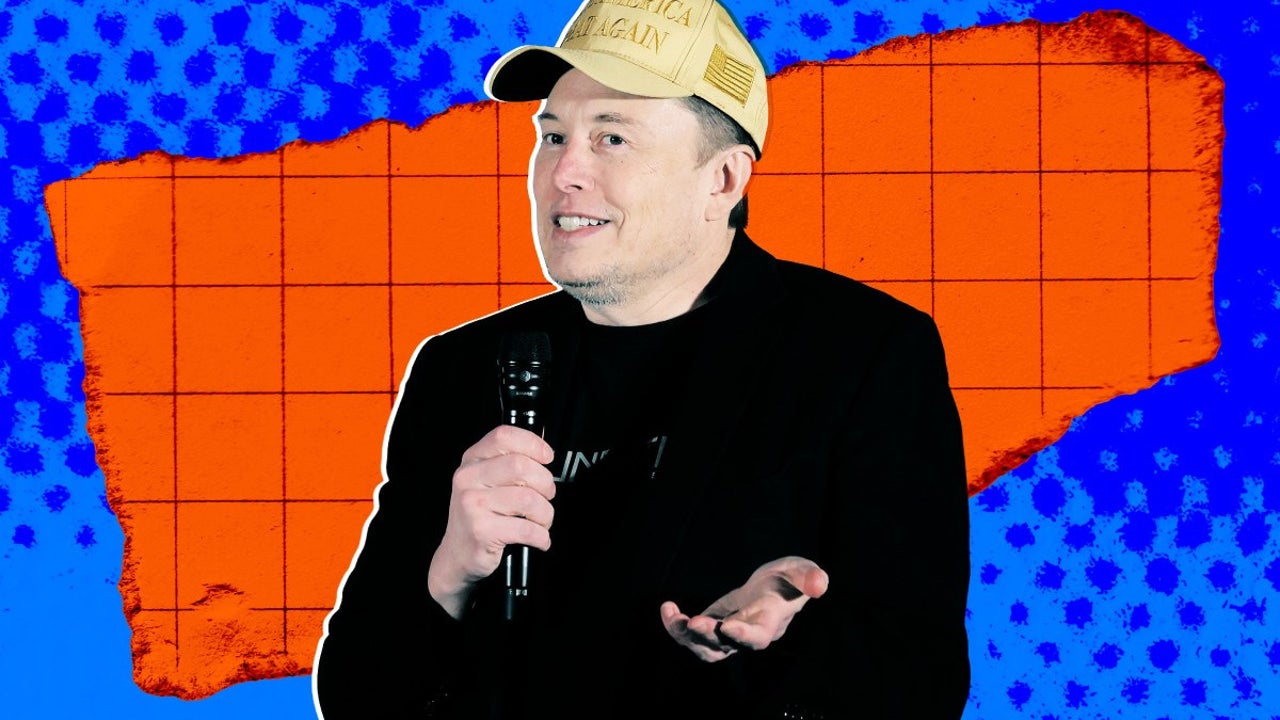
* Black warned a Tesla deal could dilute SPCX shareholders by about 25%. * Chamath, Jefferies and JPMorgan still see strategic logic in a Tesla-SpaceX combination. * Tesla reports Q2 earnings on July 22, with EPS of $0.32 expected. Shares of Tesla, Inc. (TSLA) slid 2% overnight heading into Friday as Future Fund Managing Director Gary Black pushed back against growing speculation that SpaceX could acquire the EV giant. TSLA stock slipped 1% on Thursday to $391.06, logging its second consecutive session in the red. See what 10M+ investors are talking about. Get the Stocktwits Daily Rip for what retail is watching right now, free to your inbox Tesla Bull Gary Black Says SpaceX Deal Does Not Add Up Black said that CEO Elon Musk's control of SpaceX prevents its board from ignoring the financial impact of a heavily dilutive deal. "Those who think $SPCX will buy $TSLA don't understand the concept of board fiduciary duty," Black said on X. Musk controls 82% of SpaceX's voting power and owns 42% of its overall equity. However, he said that the control does not remove the board's obligation to act in the interests of SpaceX shareholders. The key problem, he said, is dilution. With SPCX trading at about $132 and continuing to fall, an equity-funded Tesla acquisition would require SpaceX to issue a large amount of new stock: "At $132 and sinking, SPCX can't just buy TSLA in a 25% dilutive equity deal," Black said. "The math won't pass muster." Why The Tesla-SpaceX Merger Debate Is Heating Up Black's warning comes days after early SpaceX investor Chamath Palihapitiya revived the merger debate, saying there is "a very obvious industrial logic" to combining Tesla and SpaceX under one capital structure and balance sheet. Palihapitiya previously said that SpaceX was more likely to reverse-merge into Tesla than pursue a traditional IPO, allowing Musk to place his "two seminal assets into one cap table." He also called SpaceX "the outlier of outliers" and said its direct-to-cell business could become "an enormous business" before several other revenue streams mature. Meanwhile, Jefferies said a merger could make strategic sense, estimating that a nil-premium deal could leave Musk with 55.3% voting control while still allowing a premium for Tesla shareholders. JPMorgan similarly called the idea "strategically coherent on paper," citing links across AI, robotics, energy, transportation and space. TSLA Earnings Ahead: Q2 Preview The merger debate comes ahead of Tesla's second-quarter earnings on July 22, with Wall Street expecting EPS of $0.32 on revenue of $26.02 billion.
SpaceX Launches Are Changing How Families Vacation on South Padre Island
Local rental firm South Padre Trips says Starship launch windows now trigger booking surges, as a new Brownsville study credits rocket tourism with $99 million in annual visitor spending South Padre Island, Texas - July 16, 2026 - For decades, families planned their South Padre Island vacations around spring break, summer weather and fishing tournaments. A growing number now plan them around a rocket. South Padre Trips, a vacation rental management company based on South Padre, reports that SpaceX Starship launch windows at nearby Starbase have become one of the strongest booking drivers of the year. The launch pad sits about five miles from the island's southern tip, close enough that guests can watch a launch from some condo balcony. "We used to get one question from families; how close is the unit to the beach," or "what is the view of the Gulf," said Chad Hart, founder and principal of South Padre Trips. "Now the follow-up is whether they can see the launch from the balcony. When SpaceX announces a launch date, the inquiries off our websites go bonkers." The numbers back him up. An economic impact white paper published this year by the City of Brownsville found Starbase has generated an estimated $10 billion in gross revenue for the region since 2023, with launch-related tourism accounting for roughly $99 million in visitor spending last year alone. Hart says the pattern on the island is consistent. Once a launch date firms up, south-end properties with a fairly direct line of sight to the pad, including Gulfview, La Isla, Gulfpoint, Sea VIsta and Sapphire Condo, are the first to sell out as the most Southern. Guests arrive from across the Texas, and, increasingly, from Northern States. On launch mornings, Isla Blanca Park at the island's southern most tip fills with lawn chairs, telescopes and camera tripods hours before liftoff. Even scrubbed launches work in the island's favor. Because launch dates often slip, visitors pad their trips with extra nights or extend, and many stay on after a delay rather than go home. "A scrub used to feel like bad news," Hart said. "Now guests just add a couple of nights and go fishing or enjoy the best beach in Texas while they wait. Parents tell us the launch is the reason the kids agreed to a beach trip in the first place. It's a vacation and a science lesson in one." The island's tourism bureau has embraced the shift, promoting the area as the Texas Space Coast in its official visitors guide. Starbase itself incorporated as a Texas city in May 2025 and continues an active Starship test flight schedule. For travelers hoping to catch a launch, Hart recommends booking as soon as a launch window is announced, choosing a south-end unit with the best views, and building a day or two of cushion into the trip in case the date moves. About South Padre Trips South Padre Trips.com is the #1 rated full-service vacation rental management company on South Padre Island, offering condo and beach home rentals across South Padre Island, Texas. Founded by Chad Hart, who has more than 25 years of vacation rental management experience, the company operates a local office at 2600 Padre Blvd. and is the top-rated rental agency on the island on Google, with more than 650 five-star reviews and a 4.9-star average. Learn more at https://southpadretrips.com. Media Contact Company Name:South Padre Trips Contact Person: Chad Hart, Founder & Principal Email:Send Email Phone: (512)-825-2157 Country: United States Website:https://southpadretrips.com Press Release Distributed by ABNewswire.com To view the original version on ABNewswire visit: SpaceX Launches Are Changing How Families Vacation on South Padre Island

xAI reportedly loses all 11 co-founders: turnover surges
Former staff cite long hours, top-down decisions and looming layoffs xAI, the Elon Musk AI company behind Grok, is reportedly dealing with a talent problem. Reports say all 11 original co-founders are gone, and staff turnover more broadly has been described as unusually high. Former employees describe xAI as a hard place to work: long hours, decisions concentrated at the top, not much tolerance for disagreement, and constant churn. People watching the company say that could start to show up in execution, hiring, and enterprise credibility, even after reports of a $20 billion raise at roughly a $230 billion valuation and a February 2026 merger with SpaceX that reportedly put the combined company near $1.25 trillion. Reports also say xAI has measured Grok against Claude, Anthropic's competing model, especially on coding. Inside the company, there was said to be frustration that Grok lagged behind. There were also allegations that Claude outputs were used to improve xAI's coding systems, including claims that some employees kept relying on personal Anthropic accounts after official access had been cut off. xAI was also reportedly preparing layoffs of as much as 30% in March 2026, though other reports put the cuts at more than 70%. All of that landed while Grok was already taking heat over deepfake sexual images, misinformation, and a July 2026 allegation that one coding tool sent entire code repositories to the cloud without clear consent. If you follow Grok closely, keep an eye on this. The next round of xAI news will likely come down to one question: can the company behind Grok get itself steady?
TSLA Stock Slips Overnight: Gary Black Says SpaceX Can't Afford Tesla - 'The Math Won't Pass Muster'
* Black warned a Tesla deal could dilute SPCX shareholders by about 25%. * Chamath, Jefferies and JPMorgan still see strategic logic in a Tesla-SpaceX combination. * Tesla reports Q2 earnings on July 22, with EPS of $0.32 expected. Shares of Tesla, Inc. (TSLA) slid 2% overnight heading into Friday as Future Fund Managing Director Gary Black pushed back against growing speculation that SpaceX could acquire the EV giant. TSLA stock slipped 1% on Thursday to $391.06, logging its second consecutive session in the red. Tesla Bull Gary Black Says SpaceX Deal Does Not Add Up Black said that CEO Elon Musk's control of SpaceX prevents its board from ignoring the financial impact of a heavily dilutive deal. "Those who think $SPCX will buy $TSLA don't understand the concept of board fiduciary duty," Black said on X. Musk controls 82% of SpaceX's voting power and owns 42% of its overall equity. However, he said that the control does not remove the board's obligation to act in the interests of SpaceX shareholders. The key problem, he said, is dilution. With SPCX trading at about $132 and continuing to fall, an equity-funded Tesla acquisition would require SpaceX to issue a large amount of new stock: "At $132 and sinking, SPCX can't just buy TSLA in a 25% dilutive equity deal," Black said. "The math won't pass muster." Why The Tesla-SpaceX Merger Debate Is Heating Up Black's warning comes days after early SpaceX investor Chamath Palihapitiya revived the merger debate, saying there is "a very obvious industrial logic" to combining Tesla and SpaceX under one capital structure and balance sheet. Palihapitiya previously said that SpaceX was more likely to reverse-merge into Tesla than pursue a traditional IPO, allowing Musk to place his "two seminal assets into one cap table." He also called SpaceX "the outlier of outliers" and said its direct-to-cell business could become "an enormous business" before several other revenue streams mature. Meanwhile, Jefferies said a merger could make strategic sense, estimating that a nil-premium deal could leave Musk with 55.3% voting control while still allowing a premium for Tesla shareholders. JPMorgan similarly called the idea "strategically coherent on paper," citing links across AI, robotics, energy, transportation and space. TSLA Earnings Ahead: Q2 Preview The merger debate comes ahead of Tesla's second-quarter earnings on July 22, with Wall Street expecting EPS of $0.32 on revenue of $26.02 billion. Jefferies raised its TSLA price target to $400 from $375 and kept a 'Hold' rating after Tesla delivered 480,100 vehicles, beating estimates. The firm also lifted its earnings before interest and taxes (EBIT) forecast to $1.45 billion, citing stronger demand in China and Europe, while remaining cautious about possible Cybercab delays. How Do Retail Traders Feel About TSLA? On Stocktwits, retail sentiment for TSLA was 'neutral' amid a 13% decline in 24-hour message volumes. One bullish user said, "$TSLA start of the earnings run ,Merger news July 22 or August 550+ coming." Another user said, "$SPCX A $TSLA merger warrants $50 SP with Starlink" So far this year, Tesla's stock has lagged its "Magnificent Seven" peers, making it the group's second-worst performer, down about 13%. For updates and corrections, email newsroom[at]stocktwits[dot]com.
AST SpaceMobile vs. Rocket Lab: Which Stock Is The Superior SpaceX Competitor?
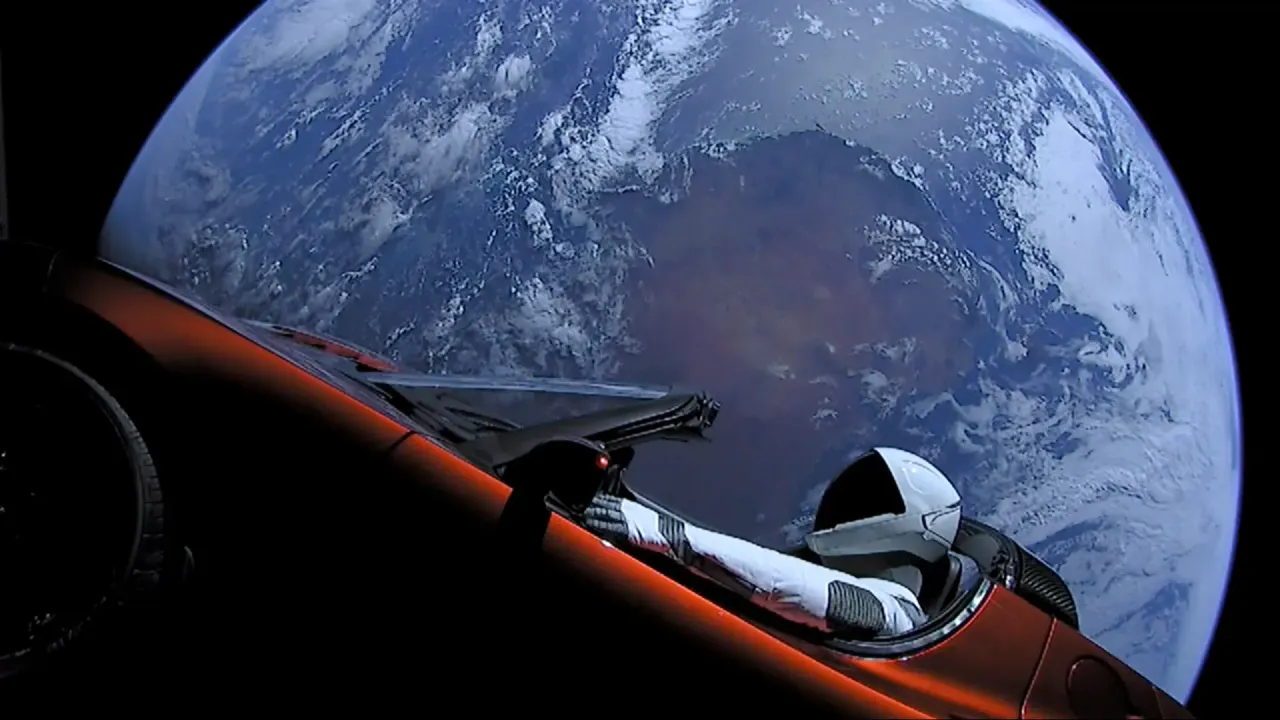
Space Exploration Technologies (NASDAQ: SPCX) made headlines when it raised $75 billion from investors in an initial public offering (nearly $86 billion if you include the investment bankers' overallotment). The stock rocketed higher after the IPO, but it has now fallen back down to the $135 IPO price. There are alternatives to consider, such as AST SpaceMobile (NASDAQ: ASTS) and Rocket Lab (NASDAQ: RKLB). Here's why you might want to buy one of these stocks over SpaceX. What does SpaceX do? The simple answer is SpaceX does a lot. For example, it builds and launches rockets. In fact, it appears well ahead of the competition in terms of technology, with rockets that return and land after use. Reusing launch rockets materially reduces launch costs. SpaceX also operates Starlink, a satellite-based telecommunication network. And it is building an artificial intelligence business. Where to invest $1,000 right now? Our analyst team just revealed what they believe are the 10 best stocks to buy right now, when you join Stock Advisor. See the stocks " Image source: Getty Images. This is where things get interesting. SpaceX is a money-losing start-up, but its Starlink business is profitable. As the company clearly spelled out in its IPO prospectus, space launches and AI are burning through cash. You can avoid the money-losing businesses and just focus on the one segment of SpaceX that is profitable, the satellite-based broadband network, if you buy AST SpaceMobile. AST SpaceMobile: Not up to speed, but getting close AST SpaceMobile isn't profitable yet, either. However, it operates a satellite-based broadband network. And it is working to expand that network to cover the entire planet. It is getting close to a commercial launch of its network, but there's a vital difference between Starlink and AST SpaceMobile: Starlink's service is bespoke, while AST SpaceMobile is partnered with large cellphone service providers. That means it has a built-in customer base and is likely to hit the ground running when its service starts operating. It still has material spending needs as it works to broaden its geographic coverage, but it also has major telecom partners as supporters. If you are worried that Elon Musk is pulling SpaceX in too many directions, AST SpaceMobile would be a way to focus on the one part of that company that actually makes money today. That said, AST SpaceMobile likely won't be profitable for a while longer, given the huge cost of building and launching satellites. Rocket Lab: Everything but the AI One sizable drawback with AST SpaceMobile is that it doesn't launch its own satellites. It has to contract that out to other companies, which means, in some ways, it is at the mercy of its space-focused competitors. Rocket Lab currently builds and launches rockets and makes other space technology. However, it has agreed to buy Iridium Communications (NASDAQ: IRDM), which operates a space-based broadband network, in an $8 billion deal. That will, effectively, make Rocket Lab a fully integrated space company, just like SpaceX. But it will leave out the AI part of the business, which is currently eating up huge amounts of SpaceX cash. It isn't that Rocket Lab doesn't use AI; it does. But it uses AI internally to support its own business. Rocket Lab isn't profitable either, so it, too, is still a money-losing start-up. As with SpaceX and AST SpaceMobile, only the most aggressive investors should consider it. However, it lets you focus on space and avoid getting caught up in the AI hype running through the stock market today. What are you looking to own? When you step back and look at SpaceX, AST SpaceMobile, and Rocket Lab, there are a few big takeaways. First, the only way to get direct access to Elon Musk is to buy SpaceX. If that's what has you interested in space, then stick with the "original." Second, you can focus on the one part of SpaceX that's profitable if you buy AST SpaceMobile. AST SpaceMobile isn't profitable, as it is still building out its satellite business, but it has major partners to help it along. Third, if you want everything but SpaceX's AI business, your best option is Rocket Lab. The caveat here is that it still hasn't completed the purchase of Iridium. If you choose to go this route, you might want to hold off until the deal is consummated. One final consideration here: All three companies are still money-losing start-ups. Only the most aggressive growth investors should probably consider buying any of them. The space sector is still very early in its development, and it is far from clear which companies will be the long-term winners. Should you buy stock in Space Exploration Technologies right now? Before you buy stock in Space Exploration Technologies, consider this: The Motley Fool Stock Advisor analyst team just identified what they believe are the 10 best stocks for investors to buy now... and Space Exploration Technologies wasn't one of them. The 10 stocks that made the cut could produce monster returns in the coming years. Consider when Netflix made this list on December 17, 2004... if you invested $1,000 at the time of our recommendation, you'd have $397,351!* Or when Nvidia made this list on April 15, 2005... if you invested $1,000 at the time of our recommendation, you'd have $1,304,257!* Now, it's worth noting Stock Advisor's total average return is 934% -- a market-crushing outperformance compared to 210% for the S&P 500. Don't miss the latest top 10 list, available with Stock Advisor, and join an investing community built by individual investors for individual investors. See the 10 stocks " *Stock Advisor returns as of July 16, 2026. Reuben Gregg Brewer has no position in any of the stocks mentioned. The Motley Fool has positions in and recommends AST SpaceMobile and Rocket Lab. The Motley Fool has a disclosure policy. The views and opinions expressed herein are the views and opinions of the author and do not necessarily reflect those of Nasdaq, Inc.
SpaceX aborts Starship launch seconds before liftoff
SpaceX's Starship rocket experienced a last-second launch abort on Thursday. Some of the rocket's 33 engines failed to ignite properly before liftoff. This engine issue triggered an automatic abort sequence just before the scheduled launch. SpaceX CEO Elon Musk indicated a probable launch attempt early next week. The company's stock saw a slight decline following the scrubbed launch event. Washington: SpaceX's Starship rocket triggered a last-second abort before liftoff for its 13th flight test from Texas on Thursday as some of its 33 engines failed to start, with CEO Elon Musk saying it will likely try to launch again early next week. Shares of SpaceX, which went public last month, fell about 3% in aftermarket trading following the scrubbed launch. The stock ended at $131.11 on Thursday, closing below its IPO price of $135 for the first time since listing. "Some of the engines didn't start, triggering an automatic launch abort," Musk said in a post on X, without disclosing the number of engines on the Super Heavy rocket that did not start. "To be confident of a good flight, 2 Raptors will be removed & replaced. Most probable launch timing is early next week." The launch abort came less than a second before Starship's planned liftoff from Starbase, SpaceX's company town in south Texas, at 5:45 p.m. CT (2245 GMT). The rocket's engines ignited but cut off shortly after. "We did trigger a hold on the booster that aborted our liftoff as we were starting to light those Raptor engines," said SpaceX spokesperson Dan Huot, speaking on the company's live stream after the launch was scrubbed.