News & Updates
The latest news and updates from companies in the WLTH portfolio.
Elon Musk Fuels SpaceX-Tesla Merger Speculation After Earnings Call
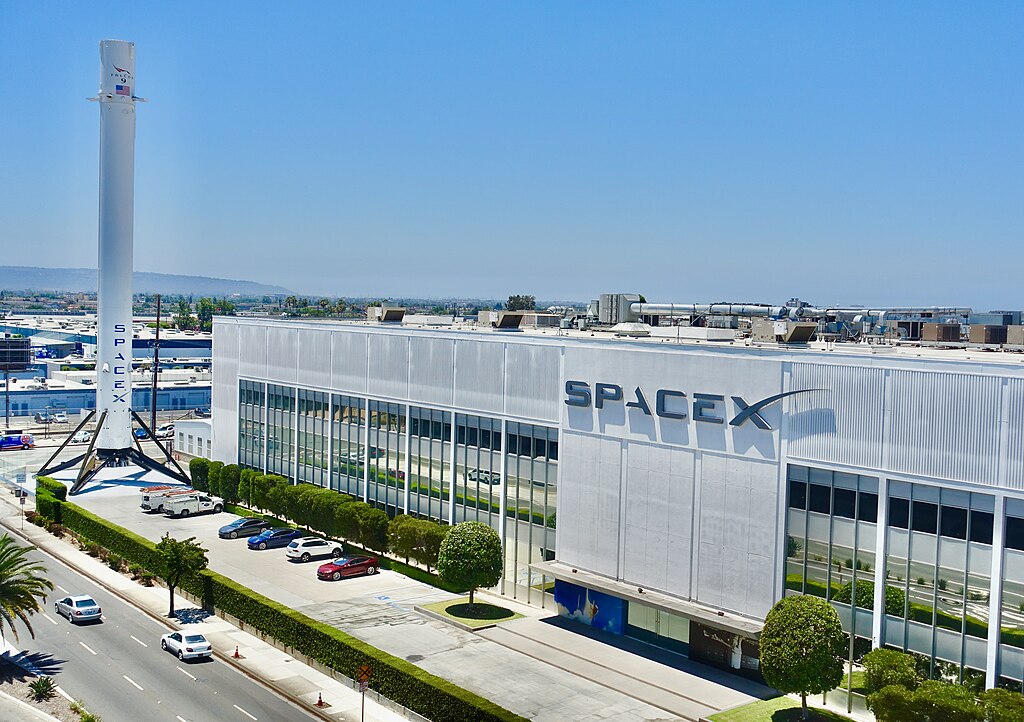
The possibility of a merger between Tesla (NASDAQ: TSLA) and SpaceX gained fresh attention after Tesla's second-quarter earnings call, with Deepwater Management's Gene Munster increasing the odds of a deal taking place in the coming years. In a post on X, Munster said he now sees a 90% chance of a SpaceX-Tesla merger, up from his previous estimate of 80%. He pointed to comments made during Tesla's earnings call, where Elon Musk addressed an analyst's question about combining the two companies instead of dismissing the topic outright. Musk highlighted the growing collaboration between Tesla and SpaceX, particularly through Terafab, a chipmaking venture backed by both companies. He noted that the businesses are working together across multiple areas, reflecting increasing operational overlap. "Obviously, we can't talk about combining companies and that kind of thing on an earnings call. It's got to be done with the appropriate process," Musk said, signaling that any potential merger would require formal corporate and regulatory procedures. Speculation has intensified since SpaceX's June public market debut, which initially pushed the aerospace company's valuation to about $2.6 trillion. Although its valuation has since dropped by roughly $1 trillion amid concerns over pricing and anticipated insider share sales, investors continue to debate whether closer integration with Tesla could unlock additional value. The two Musk-led companies already maintain a significant commercial relationship. SpaceX uses Tesla's battery storage systems to support its artificial intelligence data centers, while Tesla has integrated SpaceX's Grok AI assistant into its vehicles. Tesla has also supplied vehicles to SpaceX, further strengthening ties between the businesses. Musk has previously combined several of his companies. Most recently, xAI was merged into SpaceX before the rocket company's IPO. Tesla also acquired SolarCity in 2016, a transaction that faced shareholder litigation but was ultimately upheld in Musk's favor in 2022. Tesla shares fell nearly 4% in after-hours trading following its second-quarter earnings report, after the electric vehicle maker missed profit expectations and reported negative free cash flow, adding pressure to the stock despite renewed investor interest in a potential merger with SpaceX.
Foxconn Wins First SpaceX AI Server Contract Worth Estimated $52 Billion
Taiwan's Hon Hai Precision Industry, better known as Foxconn, has reportedly secured its first contract to manufacture artificial intelligence (AI) servers for Elon Musk's SpaceX, marking a major expansion of its AI infrastructure business. According to Taiwan's Economic Daily, the agreement could be worth about $52 billion, based on SpaceX's reported plan to deploy more than 13,000 AI server racks powered by Nvidia's next-generation GB300 chips. With each rack estimated to cost around $4 million, the deal would represent one of the largest AI server orders in the industry. The report said the contract would end the previous dominance of Dell Technologies and Super Micro Computer in supplying AI servers to SpaceX. It also strengthens Foxconn's position as a key manufacturing partner for major North American cloud computing and AI infrastructure companies. Foxconn has not commented on specific customer orders but has consistently highlighted strong demand for its AI server business. Chairman Liu Yangwei previously projected that the company would capture more than 40% of the global AI server market this year. He also expects AI rack shipments to double and continue growing through the end of 2026. Cloud and networking products, driven primarily by AI servers, have already become Foxconn's largest business segment. The Economic Daily reported that SpaceX recently increased its planned deployment of Nvidia GB300 server racks to approximately 13,000 units, with deliveries expected to begin in late 2026 and continue into the first quarter of 2027. Beyond its satellite and space launch operations, SpaceX is rapidly expanding its AI computing infrastructure. The report said the company has reached agreements involving Anthropic and Google while also advancing AI computing initiatives with the U.S. Department of Defense. These investments reflect SpaceX's broader push into cloud computing and artificial intelligence, creating new opportunities for suppliers such as Foxconn as demand for high-performance AI servers continues to accelerate.
SpaceX Targets Thursday Launch for Starship's 13th Test Flight After Last-Minute Delay
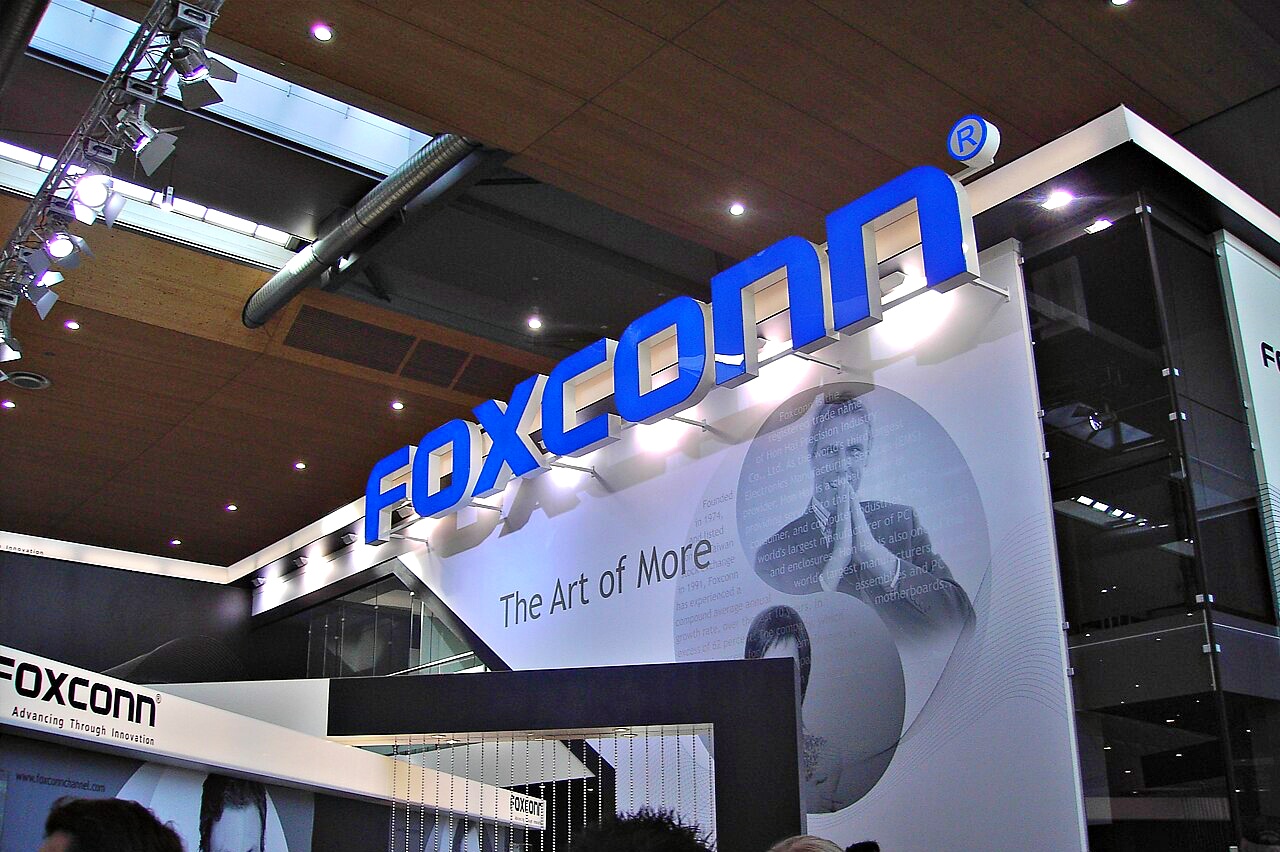
SpaceX (NASDAQ: SPCX) plans to launch the 13th test flight of its Starship rocket as early as Thursday, following the cancellation of a previous launch attempt just minutes before liftoff due to engine startup issues. The upcoming mission will focus on achieving a successful launch, ascent, stage separation, boostback burn, and landing burn at a designated offshore location. SpaceX also confirmed that the Starship vehicle will carry Starlink V3 satellites, marking another step in expanding its next-generation satellite internet network. The latest launch attempt was called off after several engines failed to ignite during the final countdown. The setback followed engine-related issues encountered during Starship's 12th test flight, which prompted an investigation by the Federal Aviation Administration (FAA). According to SpaceX, engineers have implemented multiple hardware and software upgrades to address the problems identified during the previous mission. The company said the changes are intended to improve the rocket's reliability and increase the likelihood of a successful test flight. The 13th Starship test will be the first since SpaceX completed its blockbuster initial public offering (IPO) in June. Investor sentiment has remained under pressure after last week's canceled launch, contributing to further declines in the company's share price. SpaceX stock has continued to trade below its IPO level, reflecting growing concerns over repeated testing delays and technical challenges. Since reaching a post-IPO peak market valuation of approximately $2.64 trillion, the company has lost roughly $1 trillion in market value. Despite the recent setbacks, Starship remains central to SpaceX's long-term ambitions, including deploying larger Starlink payloads, supporting future lunar missions, and eventually enabling human exploration of Mars. The upcoming test flight will be closely watched by investors, regulators, and the broader aerospace industry as the company seeks to demonstrate meaningful progress in its flagship rocket program.
SpaceX Stock Falls Below IPO Price as Investors Weigh Losses and Lockup Expiry
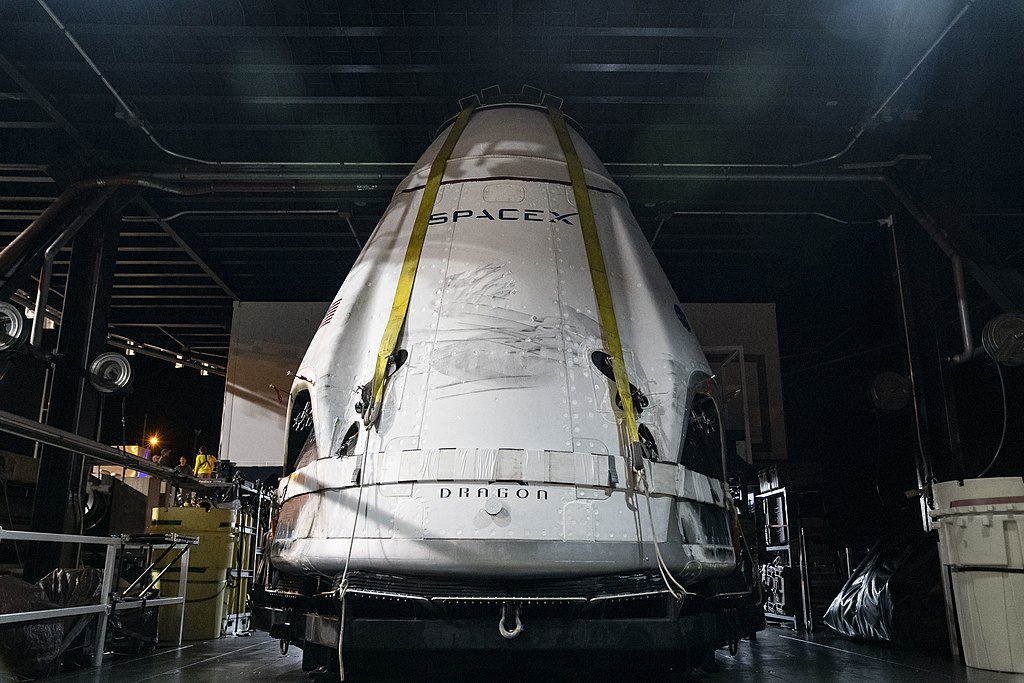
SpaceX shares fell below their initial public offering (IPO) price for the first time on Wednesday, highlighting growing investor caution as the company's early post-listing momentum continues to fade. The stock dropped 2.2% to $133.02 during midday trading, slipping beneath its $135 IPO price set during last month's $86 billion public offering. The decline extends a volatile trading period for the Elon Musk-led aerospace company. After surging nearly 50% within its first three trading sessions, SpaceX stock has surrendered much of those gains as investors reassess the company's financial outlook and broader market conditions. Market participants are also watching the upcoming expiration of the first insider lockup period, which will occur after SpaceX releases its first quarterly earnings report as a publicly traded company. The end of these restrictions could increase selling pressure as early investors and company insiders become eligible to sell their shares. Investor sentiment weakened further after SpaceX disclosed a net loss of $4.9 billion for the previous year, raising concerns about the company's timeline for achieving sustained profitability. At the same time, uncertainty surrounding the Federal Reserve's interest rate policy and slowing enthusiasm for artificial intelligence-related stocks, particularly semiconductor companies, have added pressure to high-growth technology names. Despite the recent pullback, SpaceX initially benefited from strong institutional demand following its rapid inclusion in major stock indexes. The company was added to the Russell 1000 Index shortly after its market debut and later joined the Nasdaq-100 after eligibility rules for newly listed large-cap companies were accelerated. Even with shares trading below their IPO price, Wall Street analysts remain optimistic about the company's long-term growth potential. Raymond James recently issued one of the most bullish forecasts on the stock, assigning an $800 price target and signaling confidence that SpaceX can recover as it expands its commercial space, satellite, and technology businesses.
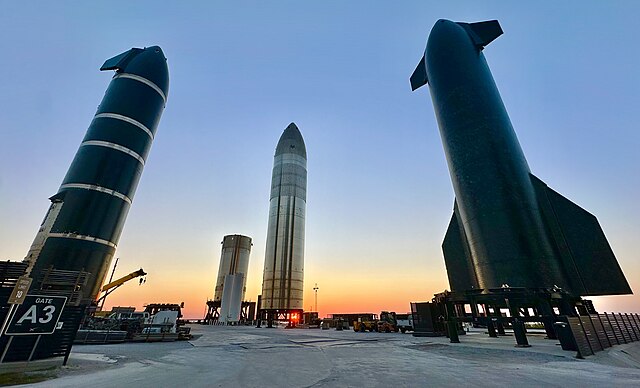
Morgan Stanley Says China's Reusable Rocket Progress Poses Long-Term Challenge to SpaceX
Morgan Stanley Says China's Reusable Rocket Progress Poses Long-Term Challenge to SpaceX. Source: Steve Jurvetson, CC BY 2.0, via Wikimedia Commons Morgan Stanley believes China's rapidly advancing reusable rocket program represents the biggest long-term competitive threat to SpaceX, following the country's first successful recovery of an orbital-class rocket booster. The investment bank said the China Aerospace Science and Technology Corp. (CASC) achieved a major milestone by recovering the Long March 10B booster, making it only the third organization after SpaceX and Blue Origin to accomplish the feat. While the demonstration marks significant progress, Morgan Stanley noted that China must still prove it can repeatedly launch, recover, and reuse rockets before establishing a fully operational reusable launch system. According to the brokerage, China's expanding space industry -- supported by both government-backed programs and private companies such as LandSpace, Galactic Energy, and Space Pioneer -- has become the most serious long-term rival to SpaceX's launch business. The country completed 90 orbital launches in 2025, second only to SpaceX's 165 Falcon 9 missions, highlighting its growing presence in the global space sector. Morgan Stanley also pointed to earlier assessments from the U.S. Space Force, which estimated China was still three to five years away from mastering reusable rocket technology. However, the successful Long March 10B recovery could accelerate that timeline and strengthen China's position in the commercial space race. Beyond launch capabilities, China continues expanding its ambitions in satellite infrastructure. Planned low-Earth orbit constellations, including the Guowang and Qianfan projects, aim to deploy roughly 28,000 satellites, while an additional proposal seeks authorization for more than 190,000 non-geostationary satellites. The brokerage also highlighted China's investment in space-based computing, citing the launch of the first satellites for its planned 2,800-satellite "Star Compute" orbital supercomputer network. Despite increasing competition, Morgan Stanley maintained its Overweight rating on SpaceX with a $300 price target. Analysts said the company continues to lead the industry through its unmatched launch frequency, proven reusable rocket technology, and Starlink satellite connectivity. However, the firm cautioned investors not to underestimate China's accelerating technological progress as it works to narrow the gap with the world's leading commercial space company.