News & Updates
The latest news and updates from companies in the WLTH portfolio.
What SpaceX's Starship flight 13 test means for Florida's Space Coast
SpaceX has big plans for Starship during its 13th test flight from South Texas as the pressure is on for the rocket to be ready for missions to the moon and Mars. For just the second time in 2026, SpaceX is preparing to launch the world's largest rocket. Starship, the commercial spaceflight company's super heavy-lift launch vehicle, is due to get off the ground in South Texas on the heels of a largely successful May flight test. And as usual, the stakes are high for SpaceX and its chief executive, tech mogul Elon Musk. The upcoming flight will be the 13th for Starship overall, including its April 2023 debut, and the second for SpaceX's new prototype that serves as the largest iteration of the rocket to date. The pressure is on for SpaceX, which is working under a strict deadline to have Starship ready for NASA's fast-approaching moon landing missions. Musk, of course, also still dreams of sending the rocket on interplanetary voyages to Mars. The latest flight test also comes as SpaceX continues preparations to bring Starship to Florida's Space Coast. Here's everything to know about the next Starship launch, which SpaceX refers to as flight 13, as well as the latest on plans for its maiden flight in Florida. When is the next Starship launch date? SpaceX is working toward a Thursday, July 16, launch of its Starship rocket, the company announced. The launch window is due to open from 6:45 to 8:15 p.m. ET. Where does Starship launch? As it has since its maiden launch in April 2023, Starship will once again get off the ground from SpaceX's Starbase company town and headquarters in South Texas. Starbase is located close to the U.S.-Mexico border near the well-known Boca Chica Beach. In May 2025, Texas voters in Cameron County - most of whom are SpaceX employees - approved a measure to officially recognize the company's headquarters as its own town, complete with a mayor and city commissioners. What is Starship? Starship is the massive rocket that SpaceX, the commercial company founded by tech entrepreneur Elon Musk, has been testing since April 2023. SpaceX is developing the rocket to be a fully reusable transportation system that can carry huge satellites and other payloads to space, meaning both the rocket and vehicle can return to the ground for additional missions. How tall is Starship? Is it the world's largest rocket? Starship's most recent flight test in May marked the debut of SpaceX's third-generation prototype of the rocket. Standing at 407 feet tall when fully stacked, the new iteration of Starship - known as Version 3, or V3 - became the largest and most powerful rocket SpaceX has ever launched. Similar to previous designs, the fully integrated Starship spacecraft is composed of both a 236-feet-tall lower-stage booster known as Super Heavy, as well as a 171-feet-tall upper stage simply called Starship. What is SpaceX planning for flight 13? For the next Starship test flight, SpaceX said it is aiming to complete similar objectives as the last launch in May in which it debuted its Version 3 prototype. SpaceX plans to push the performance of the Super Heavy booster - responsible for the initial burst of thrust at liftoff - before it lands in the Gulf of Mexico, renamed in the U.S. under executive order as the Gulf of America. The upper stage, which is designed to eventually fly in orbit, will also be put to the test as it flies halfway around the world ahead of a landing in the Indian Ocean. Starship to carry Starlink satellites to space In a major first, Starship will be carrying 20 larger versions of SpaceX's Starlink internet satellites that it will attempt to deliver into suborbital space. The satellites will deploy solar arrays and antennas while attempeting to connect with SpaceX's larger Starlink constellation higher up in orbit before they fall toward the ground and burn up in the atmosphere about 20 minutes later. If this sounds familiar, that's because SpaceX has deployed mock Starlink satellites during previous Starship flight tests. Why is SpaceX testing Starship? Elon Musk envisions colony on Mars Musk's vision has long been for Starship to be an interplanetary vehicle that takes humans to Mars, where they can establish a self-sustaining colony. While the world's richest man has indicated that SpaceX will focus on building a lunar city first, the company has already announced a human-led expedition to Mars' orbit - though it has not set a target date. In order for that to be possible, Starship will need to be capable of refueling midflight in a complex process that requires two Starships equipped with docking adapters to meet in orbit to transfer propellant. The maneuver is one SpaceX has yet to test. When could Starship launch in Florida? Florida's first landmark Starship launch from NASA's Kennedy Space Center could also take flight in 2026 in late summer or early fall, according to the U.S. Space Force. Plans to get the rocket off the ground from the Sunshine State come as SpaceX continues to ready longterm launch and landing operations at not only Kennedy Space Center's Launch Complex 39A, but Launch Complex 37 at the neighboring Cape Canaveral Space Force Station. Super Heavy boosters could begin arriving on SpaceX's drone barge You'll Thank Me Later in the coming months. And at NASA's Kennedy Space Center, Gigabay - an enormous Starship maintenance facility - is rising beam-by-beam off Roberts Road. NASA relies on Starship for Artemis moon missions SpaceX is also under contract with NASA to develop a lunar lander configuration of its Starship to ferry astronauts to the moon, known as the Human Landing System. NASA is relying on Starship to be ready for a mission due in 2027 known as Artemis III. SpaceX and Jeff Bezos' Blue Origin are competing to develop lunar landers for future crewed and uncrewed Artemis missions, both of which will be tested first in Earth orbit during the crewed Artemis III mission. See photos of Starship rocket launches What happened on the last Starship flight test in May? During Starship's last flight test on May 22, the booster helped propel the upper stage on its journey before it made a water landing in the Gulf Coast. The upper stage, sometimes referred to simply as 'Ship, then used its own six Raptor engines to fly halfway around the world before landing and exploding as expected in the Indian Ocean. Along the way, Starship succeeded in deploying 20 mock versions of SpaceX's Starlink satellites and two modified satellites that, in a major first, imaged Starship while it climbed into space. Contributing: Rick Neale, Brooke Edwards, Florida Today Eric Lagatta is the Space Connect reporter for the USA TODAY Network. Reach him at [email protected]. Subscribe to the free Florida TODAY newsletter.

What SpaceX's Starship flight 13 test means for Florida's Space Coast
SpaceX has big plans for Starship during its 13th test flight from South Texas as the pressure is on for the rocket to be ready for missions to the moon and Mars. For just the second time in 2026, SpaceX is preparing to launch the world's largest rocket. Starship, the commercial spaceflight company's super heavy-lift launch vehicle, is due to get off the ground in South Texas on the heels of a largely successful May flight test. And as usual, the stakes are high for SpaceX and its chief executive, tech mogul Elon Musk. The upcoming flight will be the 13th for Starship overall, including its April 2023 debut, and the second for SpaceX's new prototype that serves as the largest iteration of the rocket to date. The pressure is on for SpaceX, which is working under a strict deadline to have Starship ready for NASA's fast-approaching moon landing missions. Musk, of course, also still dreams of sending the rocket on interplanetary voyages to Mars. The latest flight test also comes as SpaceX continues preparations to bring Starship to Florida's Space Coast. Here's everything to know about the next Starship launch, which SpaceX refers to as flight 13, as well as the latest on plans for its maiden flight in Florida. When is the next Starship launch date? SpaceX is working toward a Thursday, July 16, launch of its Starship rocket, the company announced. The launch window is due to open from 6:45 to 8:15 p.m. ET. Where does Starship launch? As it has since its maiden launch in April 2023, Starship will once again get off the ground from SpaceX's Starbase company town and headquarters in South Texas. Starbase is located close to the U.S.-Mexico border near the well-known Boca Chica Beach. In May 2025, Texas voters in Cameron County - most of whom are SpaceX employees - approved a measure to officially recognize the company's headquarters as its own town, complete with a mayor and city commissioners. What is Starship? Starship is the massive rocket that SpaceX, the commercial company founded by tech entrepreneur Elon Musk, has been testing since April 2023. SpaceX is developing the rocket to be a fully reusable transportation system that can carry huge satellites and other payloads to space, meaning both the rocket and vehicle can return to the ground for additional missions. How tall is Starship? Is it the world's largest rocket? Starship's most recent flight test in May marked the debut of SpaceX's third-generation prototype of the rocket. Standing at 407 feet tall when fully stacked, the new iteration of Starship - known as Version 3, or V3 - became the largest and most powerful rocket SpaceX has ever launched. Similar to previous designs, the fully integrated Starship spacecraft is composed of both a 236-feet-tall lower-stage booster known as Super Heavy, as well as a 171-feet-tall upper stage simply called Starship. What is SpaceX planning for flight 13? For the next Starship test flight, SpaceX said it is aiming to complete similar objectives as the last launch in May in which it debuted its Version 3 prototype. SpaceX plans to push the performance of the Super Heavy booster - responsible for the initial burst of thrust at liftoff - before it lands in the Gulf of Mexico, renamed in the U.S. under executive order as the Gulf of America. The upper stage, which is designed to eventually fly in orbit, will also be put to the test as it flies halfway around the world ahead of a landing in the Indian Ocean. Starship to carry Starlink satellites to space In a major first, Starship will be carrying 20 larger versions of SpaceX's Starlink internet satellites that it will attempt to deliver into suborbital space. The satellites will deploy solar arrays and antennas while attempeting to connect with SpaceX's larger Starlink constellation higher up in orbit before they fall toward the ground and burn up in the atmosphere about 20 minutes later. If this sounds familiar, that's because SpaceX has deployed mock Starlink satellites during previous Starship flight tests. Why is SpaceX testing Starship? Elon Musk envisions colony on Mars Musk's vision has long been for Starship to be an interplanetary vehicle that takes humans to Mars, where they can establish a self-sustaining colony. While the world's richest man has indicated that SpaceX will focus on building a lunar city first, the company has already announced a human-led expedition to Mars' orbit - though it has not set a target date. In order for that to be possible, Starship will need to be capable of refueling midflight in a complex process that requires two Starships equipped with docking adapters to meet in orbit to transfer propellant. The maneuver is one SpaceX has yet to test. When could Starship launch in Florida? Florida's first landmark Starship launch from NASA's Kennedy Space Center could also take flight in 2026 in late summer or early fall, according to the U.S. Space Force. Plans to get the rocket off the ground from the Sunshine State come as SpaceX continues to ready longterm launch and landing operations at not only Kennedy Space Center's Launch Complex 39A, but Launch Complex 37 at the neighboring Cape Canaveral Space Force Station. Super Heavy boosters could begin arriving on SpaceX's drone barge You'll Thank Me Later in the coming months. And at NASA's Kennedy Space Center, Gigabay - an enormous Starship maintenance facility - is rising beam-by-beam off Roberts Road. NASA relies on Starship for Artemis moon missions SpaceX is also under contract with NASA to develop a lunar lander configuration of its Starship to ferry astronauts to the moon, known as the Human Landing System. NASA is relying on Starship to be ready for a mission due in 2027 known as Artemis III. SpaceX and Jeff Bezos' Blue Origin are competing to develop lunar landers for future crewed and uncrewed Artemis missions, both of which will be tested first in Earth orbit during the crewed Artemis III mission. See photos of Starship rocket launches What happened on the last Starship flight test in May? During Starship's last flight test on May 22, the booster helped propel the upper stage on its journey before it made a water landing in the Gulf Coast. The upper stage, sometimes referred to simply as 'Ship, then used its own six Raptor engines to fly halfway around the world before landing and exploding as expected in the Indian Ocean. Along the way, Starship succeeded in deploying 20 mock versions of SpaceX's Starlink satellites and two modified satellites that, in a major first, imaged Starship while it climbed into space. Contributing: Rick Neale, Brooke Edwards, Florida Today Eric Lagatta is the Space Connect reporter for the USA TODAY Network. Reach him at [email protected]. Subscribe to the free Florida TODAY newsletter.
What SpaceX's Starship flight 13 test means for Florida's Space Coast
SpaceX has big plans for Starship during its 13th test flight from South Texas as the pressure is on for the rocket to be ready for missions to the moon and Mars. For just the second time in 2026, SpaceX is preparing to launch the world's largest rocket. Starship, the commercial spaceflight company's super heavy-lift launch vehicle, is due to get off the ground in South Texas on the heels of a largely successful May flight test. And as usual, the stakes are high for SpaceX and its chief executive, tech mogul Elon Musk. The upcoming flight will be the 13th for Starship overall, including its April 2023 debut, and the second for SpaceX's new prototype that serves as the largest iteration of the rocket to date. The pressure is on for SpaceX, which is working under a strict deadline to have Starship ready for NASA's fast-approaching moon landing missions. Musk, of course, also still dreams of sending the rocket on interplanetary voyages to Mars. The latest flight test also comes as SpaceX continues preparations to bring Starship to Florida's Space Coast. Here's everything to know about the next Starship launch, which SpaceX refers to as flight 13, as well as the latest on plans for its maiden flight in Florida. When is the next Starship launch date? SpaceX is working toward a Thursday, July 16, launch of its Starship rocket, the company announced. The launch window is due to open from 6:45 to 8:15 p.m. ET. Where does Starship launch? As it has since its maiden launch in April 2023, Starship will once again get off the ground from SpaceX's Starbase company town and headquarters in South Texas. Starbase is located close to the U.S.-Mexico border near the well-known Boca Chica Beach. In May 2025, Texas voters in Cameron County - most of whom are SpaceX employees - approved a measure to officially recognize the company's headquarters as its own town, complete with a mayor and city commissioners. What is Starship? Starship is the massive rocket that SpaceX, the commercial company founded by tech entrepreneur Elon Musk, has been testing since April 2023. SpaceX is developing the rocket to be a fully reusable transportation system that can carry huge satellites and other payloads to space, meaning both the rocket and vehicle can return to the ground for additional missions. How tall is Starship? Is it the world's largest rocket? Starship's most recent flight test in May marked the debut of SpaceX's third-generation prototype of the rocket. Standing at 407 feet tall when fully stacked, the new iteration of Starship - known as Version 3, or V3 - became the largest and most powerful rocket SpaceX has ever launched. Similar to previous designs, the fully integrated Starship spacecraft is composed of both a 236-feet-tall lower-stage booster known as Super Heavy, as well as a 171-feet-tall upper stage simply called Starship. What is SpaceX planning for flight 13? For the next Starship test flight, SpaceX said it is aiming to complete similar objectives as the last launch in May in which it debuted its Version 3 prototype. SpaceX plans to push the performance of the Super Heavy booster - responsible for the initial burst of thrust at liftoff - before it lands in the Gulf of Mexico, renamed in the U.S. under executive order as the Gulf of America. The upper stage, which is designed to eventually fly in orbit, will also be put to the test as it flies halfway around the world ahead of a landing in the Indian Ocean. Starship to carry Starlink satellites to space In a major first, Starship will be carrying 20 larger versions of SpaceX's Starlink internet satellites that it will attempt to deliver into suborbital space. The satellites will deploy solar arrays and antennas while attempeting to connect with SpaceX's larger Starlink constellation higher up in orbit before they fall toward the ground and burn up in the atmosphere about 20 minutes later. If this sounds familiar, that's because SpaceX has deployed mock Starlink satellites during previous Starship flight tests. Why is SpaceX testing Starship? Elon Musk envisions colony on Mars Musk's vision has long been for Starship to be an interplanetary vehicle that takes humans to Mars, where they can establish a self-sustaining colony. While the world's richest man has indicated that SpaceX will focus on building a lunar city first, the company has already announced a human-led expedition to Mars' orbit - though it has not set a target date. In order for that to be possible, Starship will need to be capable of refueling midflight in a complex process that requires two Starships equipped with docking adapters to meet in orbit to transfer propellant. The maneuver is one SpaceX has yet to test. When could Starship launch in Florida? Florida's first landmark Starship launch from NASA's Kennedy Space Center could also take flight in 2026 in late summer or early fall, according to the U.S. Space Force. Plans to get the rocket off the ground from the Sunshine State come as SpaceX continues to ready longterm launch and landing operations at not only Kennedy Space Center's Launch Complex 39A, but Launch Complex 37 at the neighboring Cape Canaveral Space Force Station. Super Heavy boosters could begin arriving on SpaceX's drone barge You'll Thank Me Later in the coming months. And at NASA's Kennedy Space Center, Gigabay - an enormous Starship maintenance facility - is rising beam-by-beam off Roberts Road. NASA relies on Starship for Artemis moon missions SpaceX is also under contract with NASA to develop a lunar lander configuration of its Starship to ferry astronauts to the moon, known as the Human Landing System. NASA is relying on Starship to be ready for a mission due in 2027 known as Artemis III. SpaceX and Jeff Bezos' Blue Origin are competing to develop lunar landers for future crewed and uncrewed Artemis missions, both of which will be tested first in Earth orbit during the crewed Artemis III mission. See photos of Starship rocket launches What happened on the last Starship flight test in May? During Starship's last flight test on May 22, the booster helped propel the upper stage on its journey before it made a water landing in the Gulf Coast. The upper stage, sometimes referred to simply as 'Ship, then used its own six Raptor engines to fly halfway around the world before landing and exploding as expected in the Indian Ocean. Along the way, Starship succeeded in deploying 20 mock versions of SpaceX's Starlink satellites and two modified satellites that, in a major first, imaged Starship while it climbed into space. Contributing: Rick Neale, Brooke Edwards, Florida Today Eric Lagatta is the Space Connect reporter for the USA TODAY Network. Reach him at [email protected]. Subscribe to the free Florida TODAY newsletter.
What SpaceX's Starship flight 13 test means for Florida's Space Coast
SpaceX has big plans for Starship during its 13th test flight from South Texas as the pressure is on for the rocket to be ready for missions to the moon and Mars. For just the second time in 2026, SpaceX is preparing to launch the world's largest rocket. Starship, the commercial spaceflight company's super heavy-lift launch vehicle, is due to get off the ground in South Texas on the heels of a largely successful May flight test. And as usual, the stakes are high for SpaceX and its chief executive, tech mogul Elon Musk. The upcoming flight will be the 13th for Starship overall, including its April 2023 debut, and the second for SpaceX's new prototype that serves as the largest iteration of the rocket to date. The pressure is on for SpaceX, which is working under a strict deadline to have Starship ready for NASA's fast-approaching moon landing missions. Musk, of course, also still dreams of sending the rocket on interplanetary voyages to Mars. The latest flight test also comes as SpaceX continues preparations to bring Starship to Florida's Space Coast. Here's everything to know about the next Starship launch, which SpaceX refers to as flight 13, as well as the latest on plans for its maiden flight in Florida. When is the next Starship launch date? SpaceX is working toward a Thursday, July 16, launch of its Starship rocket, the company announced. The launch window is due to open from 6:45 to 8:15 p.m. ET. Where does Starship launch? As it has since its maiden launch in April 2023, Starship will once again get off the ground from SpaceX's Starbase company town and headquarters in South Texas. Starbase is located close to the U.S.-Mexico border near the well-known Boca Chica Beach. In May 2025, Texas voters in Cameron County - most of whom are SpaceX employees - approved a measure to officially recognize the company's headquarters as its own town, complete with a mayor and city commissioners. What is Starship? Starship is the massive rocket that SpaceX, the commercial company founded by tech entrepreneur Elon Musk, has been testing since April 2023. SpaceX is developing the rocket to be a fully reusable transportation system that can carry huge satellites and other payloads to space, meaning both the rocket and vehicle can return to the ground for additional missions. How tall is Starship? Is it the world's largest rocket? Starship's most recent flight test in May marked the debut of SpaceX's third-generation prototype of the rocket. Standing at 407 feet tall when fully stacked, the new iteration of Starship - known as Version 3, or V3 - became the largest and most powerful rocket SpaceX has ever launched. Similar to previous designs, the fully integrated Starship spacecraft is composed of both a 236-feet-tall lower-stage booster known as Super Heavy, as well as a 171-feet-tall upper stage simply called Starship. What is SpaceX planning for flight 13? For the next Starship test flight, SpaceX said it is aiming to complete similar objectives as the last launch in May in which it debuted its Version 3 prototype. SpaceX plans to push the performance of the Super Heavy booster - responsible for the initial burst of thrust at liftoff - before it lands in the Gulf of Mexico, renamed in the U.S. under executive order as the Gulf of America. The upper stage, which is designed to eventually fly in orbit, will also be put to the test as it flies halfway around the world ahead of a landing in the Indian Ocean. Starship to carry Starlink satellites to space In a major first, Starship will be carrying 20 larger versions of SpaceX's Starlink internet satellites that it will attempt to deliver into suborbital space. The satellites will deploy solar arrays and antennas while attempeting to connect with SpaceX's larger Starlink constellation higher up in orbit before they fall toward the ground and burn up in the atmosphere about 20 minutes later. If this sounds familiar, that's because SpaceX has deployed mock Starlink satellites during previous Starship flight tests. Why is SpaceX testing Starship? Elon Musk envisions colony on Mars Musk's vision has long been for Starship to be an interplanetary vehicle that takes humans to Mars, where they can establish a self-sustaining colony. While the world's richest man has indicated that SpaceX will focus on building a lunar city first, the company has already announced a human-led expedition to Mars' orbit - though it has not set a target date. In order for that to be possible, Starship will need to be capable of refueling midflight in a complex process that requires two Starships equipped with docking adapters to meet in orbit to transfer propellant. The maneuver is one SpaceX has yet to test. When could Starship launch in Florida? Florida's first landmark Starship launch from NASA's Kennedy Space Center could also take flight in 2026 in late summer or early fall, according to the U.S. Space Force. Plans to get the rocket off the ground from the Sunshine State come as SpaceX continues to ready longterm launch and landing operations at not only Kennedy Space Center's Launch Complex 39A, but Launch Complex 37 at the neighboring Cape Canaveral Space Force Station. Super Heavy boosters could begin arriving on SpaceX's drone barge You'll Thank Me Later in the coming months. And at NASA's Kennedy Space Center, Gigabay - an enormous Starship maintenance facility - is rising beam-by-beam off Roberts Road. NASA relies on Starship for Artemis moon missions SpaceX is also under contract with NASA to develop a lunar lander configuration of its Starship to ferry astronauts to the moon, known as the Human Landing System. NASA is relying on Starship to be ready for a mission due in 2027 known as Artemis III. SpaceX and Jeff Bezos' Blue Origin are competing to develop lunar landers for future crewed and uncrewed Artemis missions, both of which will be tested first in Earth orbit during the crewed Artemis III mission. See photos of Starship rocket launches What happened on the last Starship flight test in May? During Starship's last flight test on May 22, the booster helped propel the upper stage on its journey before it made a water landing in the Gulf Coast. The upper stage, sometimes referred to simply as 'Ship, then used its own six Raptor engines to fly halfway around the world before landing and exploding as expected in the Indian Ocean. Along the way, Starship succeeded in deploying 20 mock versions of SpaceX's Starlink satellites and two modified satellites that, in a major first, imaged Starship while it climbed into space. Contributing: Rick Neale, Brooke Edwards, Florida Today Eric Lagatta is the Space Connect reporter for the USA TODAY Network. Reach him at [email protected]. Subscribe to the free Florida TODAY newsletter.
What SpaceX's Starship flight 13 test means for Florida's Space Coast
SpaceX has big plans for Starship during its 13th test flight from South Texas as the pressure is on for the rocket to be ready for missions to the moon and Mars. * The upcoming launch will be the second for the new, larger V3 prototype and will carry 20 Starlink satellites for the first time. * SpaceX is developing Starship for NASA's Artemis moon missions and Elon Musk's long-term goal of colonizing Mars. * The launch is scheduled for Thursday, July 16, with a window opening from 6:45 to 8:15 p.m. ET. * The latest flight test also comes as SpaceX continues preparations to bring Starship to Florida's Space Coast at both the Kennedy Space Center and Cape Canaveral Space Force Station. For just the second time in 2026, SpaceX is preparing to launch the world's largest rocket. Starship, the commercial spaceflight company's super heavy-lift launch vehicle, is due to get off the ground in South Texas on the heels of a largely successful May flight test. And as usual, the stakes are high for SpaceX and its chief executive, tech mogul Elon Musk. The upcoming flight will be the 13th for Starship overall, including its April 2023 debut, and the second for SpaceX's new prototype that serves as the largest iteration of the rocket to date. The pressure is on for SpaceX, which is working under a strict deadline to have Starship ready for NASA's fast-approaching moon landing missions. Musk, of course, also still dreams of sending the rocket on interplanetary voyages to Mars. The latest flight test also comes as SpaceX continues preparations to bring Starship to Florida's Space Coast. Here's everything to know about the next Starship launch, which SpaceX refers to as flight 13, as well as the latest on plans for its maiden flight in Florida. When is the next Starship launch date? SpaceX is working toward a Thursday, July 16, launch of its Starship rocket, the company announced. The launch window is due to open from 6:45 to 8:15 p.m. ET. Where does Starship launch? As it has since its maiden launch in April 2023, Starship will once again get off the ground from SpaceX's Starbase company town and headquarters in South Texas. Starbase is located close to the U.S.-Mexico border near the well-known Boca Chica Beach. In May 2025, Texas voters in Cameron County - most of whom are SpaceX employees - approved a measure to officially recognize the company's headquarters as its own town, complete with a mayor and city commissioners. What is Starship? Starship is the massive rocket that SpaceX, the commercial company founded by tech entrepreneur Elon Musk, has been testing since April 2023. SpaceX is developing the rocket to be a fully reusable transportation system that can carry huge satellites and other payloads to space, meaning both the rocket and vehicle can return to the ground for additional missions. How tall is Starship? Is it the world's largest rocket? Starship's most recent flight test in May marked the debut of SpaceX's third-generation prototype of the rocket. Standing at 407 feet tall when fully stacked, the new iteration of Starship - known as Version 3, or V3 - became the largest and most powerful rocket SpaceX has ever launched. Similar to previous designs, the fully integrated Starship spacecraft is composed of both a 236-feet-tall lower-stage booster known as Super Heavy, as well as a 171-feet-tall upper stage simply called Starship. What is SpaceX planning for flight 13? For the next Starship test flight, SpaceX said it is aiming to complete similar objectives as the last launch in May in which it debuted its Version 3 prototype. SpaceX plans to push the performance of the Super Heavy booster - responsible for the initial burst of thrust at liftoff - before it lands in the Gulf of Mexico, renamed in the U.S. under executive order as the Gulf of America. The upper stage, which is designed to eventually fly in orbit, will also be put to the test as it flies halfway around the world ahead of a landing in the Indian Ocean. Starship to carry Starlink satellites to space In a major first, Starship will be carrying 20 larger versions of SpaceX's Starlink internet satellites that it will attempt to deliver into suborbital space. The satellites will deploy solar arrays and antennas while attempeting to connect with SpaceX's larger Starlink constellation higher up in orbit before they fall toward the ground and burn up in the atmosphere about 20 minutes later. If this sounds familiar, that's because SpaceX has deployed mock Starlink satellites during previous Starship flight tests. Why is SpaceX testing Starship? Elon Musk envisions colony on Mars Musk's vision has long been for Starship to be an interplanetary vehicle that takes humans to Mars, where they can establish a self-sustaining colony. While the world's richest man has indicated that SpaceX will focus on building a lunar city first, the company has already announced a human-led expedition to Mars' orbit - though it has not set a target date. In order for that to be possible, Starship will need to be capable of refueling midflight in a complex process that requires two Starships equipped with docking adapters to meet in orbit to transfer propellant. The maneuver is one SpaceX has yet to test. When could Starship launch in Florida? Florida's first landmark Starship launch from NASA's Kennedy Space Center could also take flight in 2026 in late summer or early fall, according to the U.S. Space Force. Plans to get the rocket off the ground from the Sunshine State come as SpaceX continues to ready longterm launch and landing operations at not only Kennedy Space Center's Launch Complex 39A, but Launch Complex 37 at the neighboring Cape Canaveral Space Force Station. Super Heavy boosters could begin arriving on SpaceX's drone barge You'll Thank Me Later in the coming months. And at NASA's Kennedy Space Center, Gigabay - an enormous Starship maintenance facility - is rising beam-by-beam off Roberts Road. NASA relies on Starship for Artemis moon missions SpaceX is also under contract with NASA to develop a lunar lander configuration of its Starship to ferry astronauts to the moon, known as the Human Landing System. NASA is relying on Starship to be ready for a mission due in 2027 known as Artemis III. SpaceX and Jeff Bezos' Blue Origin are competing to develop lunar landers for future crewed and uncrewed Artemis missions, both of which will be tested first in Earth orbit during the crewed Artemis III mission. See photos of Starship rocket launches What happened on the last Starship flight test in May? During Starship's last flight test on May 22, the booster helped propel the upper stage on its journey before it made a water landing in the Gulf Coast. The upper stage, sometimes referred to simply as 'Ship, then used its own six Raptor engines to fly halfway around the world before landing and exploding as expected in the Indian Ocean. Along the way, Starship succeeded in deploying 20 mock versions of SpaceX's Starlink satellites and two modified satellites that, in a major first, imaged Starship while it climbed into space. Contributing: Rick Neale, Brooke Edwards, Florida Today Eric Lagatta is the Space Connect reporter for the USA TODAY Network. Reach him at [email protected]. Subscribe to the free Florida TODAY newsletter.

What SpaceX's Starship flight 13 test means for Florida's Space Coast
Add Yahoo as a preferred source to see more of our stories on Google. For just the second time in 2026, SpaceX is preparing to launch the world's largest rocket. Starship, the commercial spaceflight company's super heavy-lift launch vehicle, is due to get off the ground in South Texas on the heels of a largely successful May flight test. And as usual, the stakes are high for SpaceX and its chief executive, tech mogul Elon Musk. The upcoming flight will be the 13th for Starship overall, including its April 2023 debut, and the second for SpaceX's new prototype that serves as the largest iteration of the rocket to date. The pressure is on for SpaceX, which is working under a strict deadline to have Starship ready for NASA's fast-approaching moon landing missions. Musk, of course, also still dreams of sending the rocket on interplanetary voyages to Mars. The latest flight test also comes as SpaceX continues preparations to bring Starship to Florida's Space Coast. Here's everything to know about the next Starship launch, which SpaceX refers to as flight 13, as well as the latest on plans for its maiden flight in Florida. Starship: Recapping all 12 previous flight tests When is the next Starship launch date? SpaceX is working toward a Thursday, July 16, launch of its Starship rocket, the company announced. The launch window is due to open from 6:45 to 8:15 p.m. ET. Where does Starship launch? As it has since its maiden launch in April 2023, Starship will once again get off the ground from SpaceX's Starbase company town and headquarters in South Texas. Starbase is located close to the U.S.-Mexico border near the well-known Boca Chica Beach. In May 2025, Texas voters in Cameron County - most of whom are SpaceX employees - approved a measure to officially recognize the company's headquarters as its own town, complete with a mayor and city commissioners. What is Starship? Starship is the massive rocket that SpaceX, the commercial company founded by tech entrepreneur Elon Musk, has been testing since April 2023. SpaceX is developing the rocket to be a fully reusable transportation system that can carry huge satellites and other payloads to space, meaning both the rocket and vehicle can return to the ground for additional missions. How tall is Starship? Is it the world's largest rocket? Starship's most recent flight test in May marked the debut of SpaceX's third-generation prototype of the rocket. Standing at 407 feet tall when fully stacked, the new iteration of Starship - known as Version 3, or V3 - became the largest and most powerful rocket SpaceX has ever launched. Similar to previous designs, the fully integrated Starship spacecraft is composed of both a 236-feet-tall lower-stage booster known as Super Heavy, as well as a 171-feet-tall upper stage simply called Starship. What is SpaceX planning for flight 13? For the next Starship test flight, SpaceX said it is aiming to complete similar objectives as the last launch in May in which it debuted its Version 3 prototype. SpaceX plans to push the performance of the Super Heavy booster - responsible for the initial burst of thrust at liftoff - before it lands in the Gulf of Mexico, renamed in the U.S. under executive order as the Gulf of America. The upper stage, which is designed to eventually fly in orbit, will also be put to the test as it flies halfway around the world ahead of a landing in the Indian Ocean. Starship to carry Starlink satellites to space In a major first, Starship will be carrying 20 larger versions of SpaceX's Starlink internet satellites that it will attempt to deliver into suborbital space. The satellites will deploy solar arrays and antennas while attempeting to connect with SpaceX's larger Starlink constellation higher up in orbit before they fall toward the ground and burn up in the atmosphere about 20 minutes later. If this sounds familiar, that's because SpaceX has deployed mock Starlink satellites during previous Starship flight tests. Why is SpaceX testing Starship? Elon Musk envisions colony on Mars Musk's vision has long been for Starship to be an interplanetary vehicle that takes humans to Mars, where they can establish a self-sustaining colony. While the world's richest man has indicated that SpaceX will focus on building a lunar city first, the company has already announced a human-led expedition to Mars' orbit - though it has not set a target date. In order for that to be possible, Starship will need to be capable of refueling midflight in a complex process that requires two Starships equipped with docking adapters to meet in orbit to transfer propellant. The maneuver is one SpaceX has yet to test. When could Starship launch in Florida? Florida's first landmark Starship launch from NASA's Kennedy Space Center could also take flight in 2026 in late summer or early fall, according to the U.S. Space Force. Plans to get the rocket off the ground from the Sunshine State come as SpaceX continues to ready longterm launch and landing operations at not only Kennedy Space Center's Launch Complex 39A, but Launch Complex 37 at the neighboring Cape Canaveral Space Force Station. Super Heavy boosters could begin arriving on SpaceX's drone barge You'll Thank Me Later in the coming months. And at NASA's Kennedy Space Center, Gigabay - an enormous Starship maintenance facility - is rising beam-by-beam off Roberts Road. NASA relies on Starship for Artemis moon missions SpaceX is also under contract with NASA to develop a lunar lander configuration of its Starship to ferry astronauts to the moon, known as the Human Landing System. NASA is relying on Starship to be ready for a mission due in 2027 known as Artemis III. SpaceX and Jeff Bezos' Blue Origin are competing to develop lunar landers for future crewed and uncrewed Artemis missions, both of which will be tested first in Earth orbit during the crewed Artemis III mission. See photos of Starship rocket launches What happened on the last Starship flight test in May? During Starship's last flight test on May 22, the booster helped propel the upper stage on its journey before it made a water landing in the Gulf Coast. The upper stage, sometimes referred to simply as 'Ship, then used its own six Raptor engines to fly halfway around the world before landing and exploding as expected in the Indian Ocean. Along the way, Starship succeeded in deploying 20 mock versions of SpaceX's Starlink satellites and two modified satellites that, in a major first, imaged Starship while it climbed into space. Contributing: Rick Neale, Brooke Edwards, Florida Today Eric Lagatta is the Space Connect reporter for the USA TODAY Network. Reach him at [email protected]. Subscribe to the free Florida TODAY newsletter. This article originally appeared on Florida Today: What SpaceX's Starship flight 13 test means for Florida's Space Coast

What SpaceX's Starship flight 13 test means for Florida's Space Coast
SpaceX has big plans for Starship during its 13th test flight from South Texas as the pressure is on for the rocket to be ready for missions to the moon and Mars. For just the second time in 2026, SpaceX is preparing to launch the world's largest rocket. Starship, the commercial spaceflight company's super heavy-lift launch vehicle, is due to get off the ground in South Texas on the heels of a largely successful May flight test. And as usual, the stakes are high for SpaceX and its chief executive, tech mogul Elon Musk. The upcoming flight will be the 13th for Starship overall, including its April 2023 debut, and the second for SpaceX's new prototype that serves as the largest iteration of the rocket to date. The pressure is on for SpaceX, which is working under a strict deadline to have Starship ready for NASA's fast-approaching moon landing missions. Musk, of course, also still dreams of sending the rocket on interplanetary voyages to Mars. The latest flight test also comes as SpaceX continues preparations to bring Starship to Florida's Space Coast. Here's everything to know about the next Starship launch, which SpaceX refers to as flight 13, as well as the latest on plans for its maiden flight in Florida. When is the next Starship launch date? SpaceX is working toward a Thursday, July 16, launch of its Starship rocket, the company announced. The launch window is due to open from 6:45 to 8:15 p.m. ET. Where does Starship launch? As it has since its maiden launch in April 2023, Starship will once again get off the ground from SpaceX's Starbase company town and headquarters in South Texas. Starbase is located close to the U.S.-Mexico border near the well-known Boca Chica Beach. In May 2025, Texas voters in Cameron County - most of whom are SpaceX employees - approved a measure to officially recognize the company's headquarters as its own town, complete with a mayor and city commissioners. What is Starship? Starship is the massive rocket that SpaceX, the commercial company founded by tech entrepreneur Elon Musk, has been testing since April 2023. SpaceX is developing the rocket to be a fully reusable transportation system that can carry huge satellites and other payloads to space, meaning both the rocket and vehicle can return to the ground for additional missions. How tall is Starship? Is it the world's largest rocket? Starship's most recent flight test in May marked the debut of SpaceX's third-generation prototype of the rocket. Standing at 407 feet tall when fully stacked, the new iteration of Starship - known as Version 3, or V3 - became the largest and most powerful rocket SpaceX has ever launched. Similar to previous designs, the fully integrated Starship spacecraft is composed of both a 236-feet-tall lower-stage booster known as Super Heavy, as well as a 171-feet-tall upper stage simply called Starship. What is SpaceX planning for flight 13? For the next Starship test flight, SpaceX said it is aiming to complete similar objectives as the last launch in May in which it debuted its Version 3 prototype. SpaceX plans to push the performance of the Super Heavy booster - responsible for the initial burst of thrust at liftoff - before it lands in the Gulf of Mexico, renamed in the U.S. under executive order as the Gulf of America. The upper stage, which is designed to eventually fly in orbit, will also be put to the test as it flies halfway around the world ahead of a landing in the Indian Ocean. Starship to carry Starlink satellites to space In a major first, Starship will be carrying 20 larger versions of SpaceX's Starlink internet satellites that it will attempt to deliver into suborbital space. The satellites will deploy solar arrays and antennas while attempeting to connect with SpaceX's larger Starlink constellation higher up in orbit before they fall toward the ground and burn up in the atmosphere about 20 minutes later. If this sounds familiar, that's because SpaceX has deployed mock Starlink satellites during previous Starship flight tests. Why is SpaceX testing Starship? Elon Musk envisions colony on Mars Musk's vision has long been for Starship to be an interplanetary vehicle that takes humans to Mars, where they can establish a self-sustaining colony. While the world's richest man has indicated that SpaceX will focus on building a lunar city first, the company has already announced a human-led expedition to Mars' orbit - though it has not set a target date. In order for that to be possible, Starship will need to be capable of refueling midflight in a complex process that requires two Starships equipped with docking adapters to meet in orbit to transfer propellant. The maneuver is one SpaceX has yet to test. When could Starship launch in Florida? Florida's first landmark Starship launch from NASA's Kennedy Space Center could also take flight in 2026 in late summer or early fall, according to the U.S. Space Force. Plans to get the rocket off the ground from the Sunshine State come as SpaceX continues to ready longterm launch and landing operations at not only Kennedy Space Center's Launch Complex 39A, but Launch Complex 37 at the neighboring Cape Canaveral Space Force Station. Super Heavy boosters could begin arriving on SpaceX's drone barge You'll Thank Me Later in the coming months. And at NASA's Kennedy Space Center, Gigabay - an enormous Starship maintenance facility - is rising beam-by-beam off Roberts Road. NASA relies on Starship for Artemis moon missions SpaceX is also under contract with NASA to develop a lunar lander configuration of its Starship to ferry astronauts to the moon, known as the Human Landing System. NASA is relying on Starship to be ready for a mission due in 2027 known as Artemis III. SpaceX and Jeff Bezos' Blue Origin are competing to develop lunar landers for future crewed and uncrewed Artemis missions, both of which will be tested first in Earth orbit during the crewed Artemis III mission. See photos of Starship rocket launches What happened on the last Starship flight test in May? During Starship's last flight test on May 22, the booster helped propel the upper stage on its journey before it made a water landing in the Gulf Coast. The upper stage, sometimes referred to simply as 'Ship, then used its own six Raptor engines to fly halfway around the world before landing and exploding as expected in the Indian Ocean. Along the way, Starship succeeded in deploying 20 mock versions of SpaceX's Starlink satellites and two modified satellites that, in a major first, imaged Starship while it climbed into space. Contributing: Rick Neale, Brooke Edwards, Florida Today Eric Lagatta is the Space Connect reporter for the USA TODAY Network. Reach him at [email protected]. Subscribe to the free Florida TODAY newsletter.
What time is SpaceX's Starship Flight 13 launch on July 16? (Full mission timeline)
Viewers can watch the launch online through SpaceX's livestream or Space.com's simulcast, with in-person viewing options available near the launch site in South Padre Island or Port Isabel, Texas. When you buy through links on our articles, Future and its syndication partners may earn a commission. SpaceX is just a day away from its first Starship test flight of the summer, and if you're hoping to watch the world's largest rocket lift off, you'll need to know where and when to tune in. But don't worry -- we've got you covered. The next Starship test flight, called Flight 13 (SpaceX doesn't appear to be superstitious), is scheduled to launch from the company's test site in Starbase, Texas near Boca Chica Beach on Thursday, July 16. Liftoff is set for 6:45 p.m. EDT (2245 GMT). As its name suggests, the upcoming flight will be the 13th test launch overall of SpaceX's Starship megarocket. It will be the second such flight this year, after the May 22 launch of Starship Flight 12. SpaceX is designing Starship, which stands more than 400 feet (121 meters) tall, to be a fully reusable rocket capable of launching missions to the moon, Mars or beyond. NASA picked Starship to land its Artemis IV astronauts on the moon by 2028, and SpaceX has sold at least one Starship passenger flight to Mars as well. But before SpaceX can carry astronauts to other worlds with Starship, it has to complete a series of suborbital flights and, eventually, reach Earth orbit for in-flight fueling tests, docking demonstrations and more. SpaceX's Starship Flight 13 is a suborbital test that will be the second flight of SpaceX's new V3 Starship. Below you'll find details on what time Flight 13 will launch, what the mission will do and a full timeline for the mission. What time is SpaceX's Starship Flight 13 launch? SpaceX is currently targeting the launch of Starship Flight 13 for no earlier than 6:45 p.m. EDT (2245 GMT) on Thursday, July 16. However, the exact timing of the launch could change. That's because SpaceX has a 90-minute window in which to launch Flight 13 from Starbase Pad 2. Liftoff could occur anytime between 6:45 p.m. and 8:15 p.m. EDT (2245 to 0015 GMT). SpaceX's launch webcast will begin 30 minutes before liftoff. And remember, SpaceX has at least one backup day, so the launch could slip to July 17 if needed. In that case, it would likely lift off at the same time -- 6:45 p.m. EDT -- and have a 90-minute window, as on the first attempt. Related: Read our SpaceX Starship and Super Heavy guide for a detailed look Can I watch SpaceX's Starship Flight 13 launch? Yes, you'll be able to watch SpaceX's Starship Flight 13 launch online, but you'll have your pick on where to watch. SpaceX will provide its own livestream of the launch via its X account and the official Flight 13 mission page. If everything is on time, that livestream will begin at 6:15 p.m. EDT (2215 GMT) -- 30 minutes before the planned Flight 13 liftoff. Space.com will simulcast the SpaceX Flight 13 launch webcast on this page, as well as an our homepage and YouTube channel. A prelaunch show Now, if you need to get your Starship Flight 13 fix earlier than SpaceX's stream, a good place to look is the NASASpaceflight preshow. They'll have a livestream the day before launch, then constant live views of the pad on launch day many hours ahead of SpaceX's livestream. The NASASpaceflight preflight show will begin on July 15 at 3 p.m. EDT (1900 GMT). NASASpaceflight has a wealth of cameras installed around SpaceX's Starbase test facility, and the company will share up-close views and live commentary for all preflight activities. In-person launch options While SpaceX does not have an official Starship launch viewing site, there are several places where you can see the launch in person around the Starbase area. For first-time spectators, I recommend watching Starship launch from near the Cameron County Amphitheater at Isla Blanca Park on South Padre Island, which is just across the bay from Starbase. The rocky beaches around the amphitheater offer a clear line of sight of the Starship launch pad, and there are often spectators on boats out of nearby Port Isabel offering a picturesque view. It's about 5 miles (8 kilometers) from the launch site, and the park has bathrooms. The traffic getting to South Padre Island (if you're not staying at a hotel on the island) can be heavy on launch days, so another option is watching from the shore in Port Isabel, which is home to Hopper Haus, a SpaceX-themed bar and grill that I can confirm makes awesome burgers. There is also a shoreline stretch of Highway 48 between Brownsville and Port Isabel, from 6 to 8 miles (10 to 13 km) from the launch site, where you can pull up for the day to watch the launch. It's just the side of the highway, so you won't find amenities like bathrooms there. You can learn more about that at the site SpaceLaunchSchedule.com. If you're looking for a more rustic experience (and have cash for a $200 ticket, though kids under 17 are $40), you can camp at the Rocket Ranch, which is 3.8 miles (6.1 km) from the Starbase launch site, and camp there for one day and night. It has two viewing locations available, one at an "Outpost" and the other on the campground itself. The Outpost location is the closest and has "unmatched media service," so you can stay connected. Larger four-day camping packages are also available. The ticket includes bus transportation from the ranch campground to a viewing site and back for one launch attempt. I've actually never visited this ranch, but I wanted to include it so you know it's an option. Be sure to read the full Rocket Ranch FAQ so you know what to expect. How long is SpaceX's Starship Flight 13? SpaceX's Starship Flight 13 test flight will last just over 1 hour and 5 minutes and should follow the same mission profile as the company's last test, Flight 12, in May. This will be the second flight of SpaceX's new Starship Version 3, or V3. During Flight 12, the giant Super Heavy booster stage failed to return to Earth properly for a controlled landing and splashdown in the Gulf of Mexico (which the Trump Administration has renamed the Gulf of America). Instead, the booster crashed into the ocean. "The booster's primary test objective will be executing a successful launch, ascent, stage separation, boostback burn, and landing burn at an offshore landing point in the Gulf of America," SpaceX wrote in a mission overview. "There have been several modifications to hardware and software to address issues seen on the previous flight." Starship Flight 13 will launch from SpaceX's new Pad 2 at Starbase, which the company upgraded with shorter, faster "chopsticks" -- capture arms that can catch returning Starship Super Heavy boosters and Ship upper stages during landing, as well as lift vehicles into place on the pad for launch. Check out our full overview on how SpaceX changed Starship for V3 here. SpaceX will not try to reach orbit with Starship Flight 13 or return its Ship back to Earth for a capture at the launch pad. Instead, both vehicles aim to make controlled descent and water landings, before falling over and sliding into the sea. While the Super Heavy booster will splash down in the Gulf of Mexico off the coast of Boca Chica, the Ship upper stage will follow a suborbital trajectory for a target splashdown in the Indian Ocean off the coast of Western Australia. During the flight, the Ship vehicle will attempt to deploy 20 Starlink V3 satellites, the company's newer and larger satellite-internet units, but they won't reach orbit. They will follow Starship's suborbital trajectory back down to Earth and burn up in the atmosphere. Six of the Starlink V3 satellites are equipped with cameras to record live views of Starship and its heat shield and beam them back to Earth for analysis. "For the first time, Starship will carry V3 Starlink satellites to space, which aim to greatly expand the network's capacity and user speeds. As part of this initial test, Starship is planned to deploy 20 satellites which will extend solar arrays and antennas and will attempt to connect with the larger Starlink constellation via high-capacity lasers," SpaceX wrote in the mission overview. "The Starlink satellites will be on the same suborbital trajectory as Starship and are expected to demise upon reentry approximately 20 minutes after deployment." What if Starship Flight 13 can't launch? If SpaceX can't launch Starship Flight 13 on July 16, the company does have at least one backup day available. According to a Starship town beach closure notice, SpaceX is targeting both July 16 and July 17 as launch days for Flight 13. So, it bad weather or a minor technical issue delays launch, SpaceX could try again on Friday, July 17, at the same time as the original target. It is possible that SpaceX may have additional backup days beyond July 17. That was the case in May for Flight 12, when a series of delays postponed launch from May 19 to May 22. Whichever date SpaceX launches Starship Flight 13, you will be able to follow the mission on Space.com. Be sure to return to Space.com on launch day for complete Starship Flight 13 coverage.
Pollution from Musk's unpermitted xAI power project hits hardest in Black communities
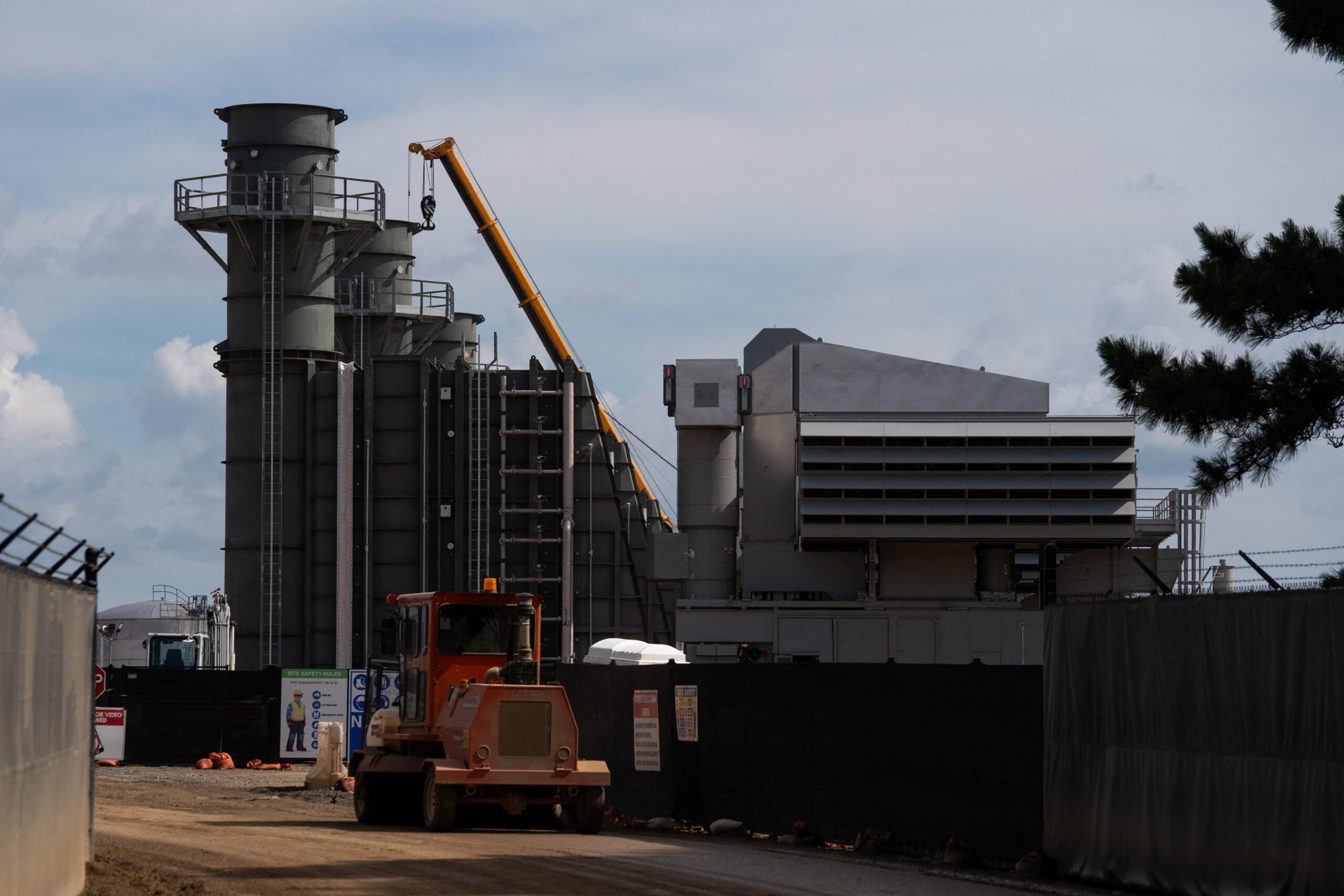
The findings illustrate how electricity demand from AI data centers is driving companies to build power plants without enough environmental oversight in the US Elon Musk's artificial intelligence company xAI has installed 59 natural gas turbines for its Colossus 2 data center project in Tennessee without securing federal clean air permits, according to communications between regulators and xAI representatives. Potential emissions from the turbines are far beyond the threshold that would require a federal permit, and would be released near predominantly Black communities already estimated to be suffering disproportionately high rates of lung disease, according to a Reuters analysis based on government data and information in the correspondence with regulators. The findings, which have not been previously reported, reflect how exploding electricity demand from AI data centers is driving companies to build off-grid power plants at a pace outstripping environmental oversight, with potentially big risks to public health. The number of unpermitted turbines identified by Reuters is about double what xAI has publicly acknowledged. The company previously said it was running 27 unpermitted turbines for Colossus 2 as of January and has argued the permits are not required. At least 57 of the 59 turbines are located in Mississippi, just over the state line from Tennessee where the data center is located. The xAI turbines are among scores of off-grid power plants for data centers proposed or under construction around the country. Local authorities often fast-track approvals in just weeks or months, without the years of environmental studies and public hearings typically required for such power generation projects that connect to the grid, Reuters has reported. Mississippi regulators in March issued a permit for permanent turbines for Colossus 2, allowing construction of 41 gas-fired turbines. The approval came three weeks after the state's only public hearing on the project. The xAI cluster of temporary turbines in Mississippi is already among the biggest off-grid data center power projects, according to Ben King, an analyst with think tank Rhodium Group, who reviewed the Reuters analysis. "This looks to be an unprecedented level of behind-the-meter gas being installed in one place," he said, referring to off-grid natural gas plants serving just one customer. The communications reviewed by Reuters show xAI, now owned by trillionaire Musk's SpaceX SPCX.O, has installed 57 off-grid turbines in Southaven, Mississippi, just across the state line from its Colossus 2 data center in Memphis, a facility supporting the Grok chatbot and other AI systems. The records show the company has also installed two other unpermitted turbines for the project on a different site. Reuters could not determine the location. The communications, obtained through a Reuters public records request, included emails between Trinity Consultants, representing xAI and subsidiary MZX Tech, and the Mississippi Department of Environmental Quality (MDEQ). xAI did not respond to Reuters' request for comment. xAI's turbines are part of a widening environmental justice battle over whether the AI boom is adding disproportionate pollution burdens to communities of color. Civil rights groups including the NAACP and the Southern Environmental Law Center sued xAI in April to halt their operations, arguing the turbines produce emissions subject to the federal Clean Air Act and shouldn't be operated without permits. They contend the turbines are polluting homes, schools and churches in historically Black communities. "The scale of it is astonishing," said Patrick Anderson, an attorney with the Southern Environmental Law Center. "This is an absolutely huge Clean Air Act violation that threatens public health." Securing a Clean Air Act permit would have exposed xAI's project to extensive review and public comment, potentially taking years. Mississippi environmental regulators and xAI have argued in court filings that the turbines are exempt because they are "mobile" and intended to operate onsite for less than a year. "MDEQ has determined that portable/temporary turbines do not require an air permit," the agency said in a statement to Reuters. The US Environmental Protection Agency said in January 2026 that even temporary turbines exceeding emissions thresholds must obtain permits. The agency, however, told Reuters it's considering changes allowing "regulatory flexibilities" for portable units while continuing to protect public health. xAI, the MDEQ and the EPA did not answer questions from Reuters about pollution impacts on communities of color from power generation to serve data centers. The US Justice Department weighed in on the lawsuit in a June 15 filing, saying that restricting the turbines could threaten national security interests because xAI's systems support US military operations, including operations involving Iran. The outcome of the lawsuit filed by civil rights groups could help define how environmental laws apply to the fast-growing AI sector, where companies are scrambling to bring power supplies online to support energy-intensive computing. "This sets up scenarios where the government can create sacrifice zones and tell communities they have to breathe illegal air pollution," said Mary Rock, a senior attorney for Earthjustice which is representing the NAACP and SELC. The dispute echoes the findings of a 2022 study by researchers from UCLA and Columbia University and published in the Nature Energy journal that found that previously redlined communities -- where banks historically discriminated against Black mortgage applicants -- now face disproportionately high exposure to pollutants from fossil fuel facilities. "Air pollution from these and other sources contributes to systemic racial disparities in chronic disease and ultimately shorter lives," Lara Cushing, a UCLA public health professor who co-authored the study, told Reuters. Big emissions The emails reviewed by Reuters included the manufacturer emissions profiles for 32 of the 59 turbines, including 30 at the Southaven site. A Reuters analysis based on that information found that those 30 turbines alone could emit nearly 2,500 short tons of nitrogen oxide, 4,000 short tons of carbon monoxide and 22 short tons of formaldehyde annually, assuming they operate continuously at 80% of capacity. According to the EPA, gas turbines are typically operated at loads of 80% or more to achieve efficiency. Nitrogen oxides contribute to smog and respiratory inflammation, according to the American Lung Association. Carbon monoxide deprives the body of oxygen, and formaldehyde is a carcinogen. The xAI site's potential emissions far exceed a Clean Air Act threshold that requires permitting for facilities capable of more than 100 short tons annually of pollutants such as nitrogen oxide. "This is a massive amount of turbines and an unfathomable amount of air pollution," Southaven resident Shannon Samsa said in an interview. "It's not a hypothetical," she said, "that air pollution is bad for you." The nitrogen oxide emissions calculated by Reuters for about half the plant's turbines would put the facility "up there with some of the heaviest polluting natural gas power plants across the entire country," said Nicholas Mailloux, a postdoctoral researcher at the University of Wisconsin-Madison who studies air quality and health benefits of the clean-energy transition. He said the facility would be on par with the top 25 US gas plants for nitrogen oxide emissions, citing EPA data for actual emissions. The people affected In the Colonial Hills neighborhood of Southaven, the turbines serving Colossus 2 can be heard around the clock, often firing off noisy bursts that residents compare to jet engines. Ervin Laws, a Colonial Hills resident in his 20s, said the noise wakes him up at night. "I can't do anything about it, because he's got more money than me," he said, referring to Musk. The turbines were installed in communities already estimated to be facing relatively high respiratory disease burdens, according to a Reuters analysis of CDC data. In 27 of 28 census tracts within five miles of the site -- spanning both Mississippi and Tennessee -- the estimated asthma rates were higher than their respective countywide figures. In 24 tracts, chronic obstructive pulmonary disease rates were also higher. Five miles is a distance commonly used in environmental health research to capture populations likely to be exposed to air pollution from a stationary source. A separate Reuters analysis of Census Bureau data found that the residents living near the facility are disproportionately Black. Because the five-mile radius crosses state lines, Reuters compared each side against its own county baseline. Within five miles of the facility in DeSoto county, Mississippi -- where the turbines are located -- about 46% of residents are Black, compared with 33% countywide, according to census data. Across the state line in Tennessee, where residents have no say in Mississippi's permitting process, about 94% of residents within five miles of the facility are Black, compared to 52% in surrounding Shelby County. Jayajit Chakraborty, a professor at the University of California, Santa Barbara, said the Reuters analysis was consistent with research that shows communities of color face higher exposure to fossil fuel pollution. Shelby County and portions of DeSoto County have also previously failed to meet federal ozone standards and remain subject to EPA-approved plans to ensure they do not slip back into violation, according to regulatory documents. Nitrogen oxide is a key precursor to ozone formation, which the EPA says can harm respiratory health. "Given this community struggles with high asthma rates, additional NOx exposure at such high rates could exacerbate public health issues in a community that is already seeing more than its fair share of exposure to toxic air pollution," said Victoria Nelson, an independent environmental engineer, formerly at EPA. Sarah Gladney, 72, has watched the rapid expansion of xAI's Memphis-area presence from her home in the historically Black neighborhood of Boxtown, a few miles from where the company built its Colossus 1 data center in 2024. "Once they got their foot in the door in Memphis, I feel like it's going to be a continuous movement of xAI into these other communities," she said. "It's all about the money, and it's not about the health or wellness of the people that live in or near these communities." - Rappler.com
SpaceX Starship Flight 13 launch updates: Starship undergoing preparations to launch tomorrow
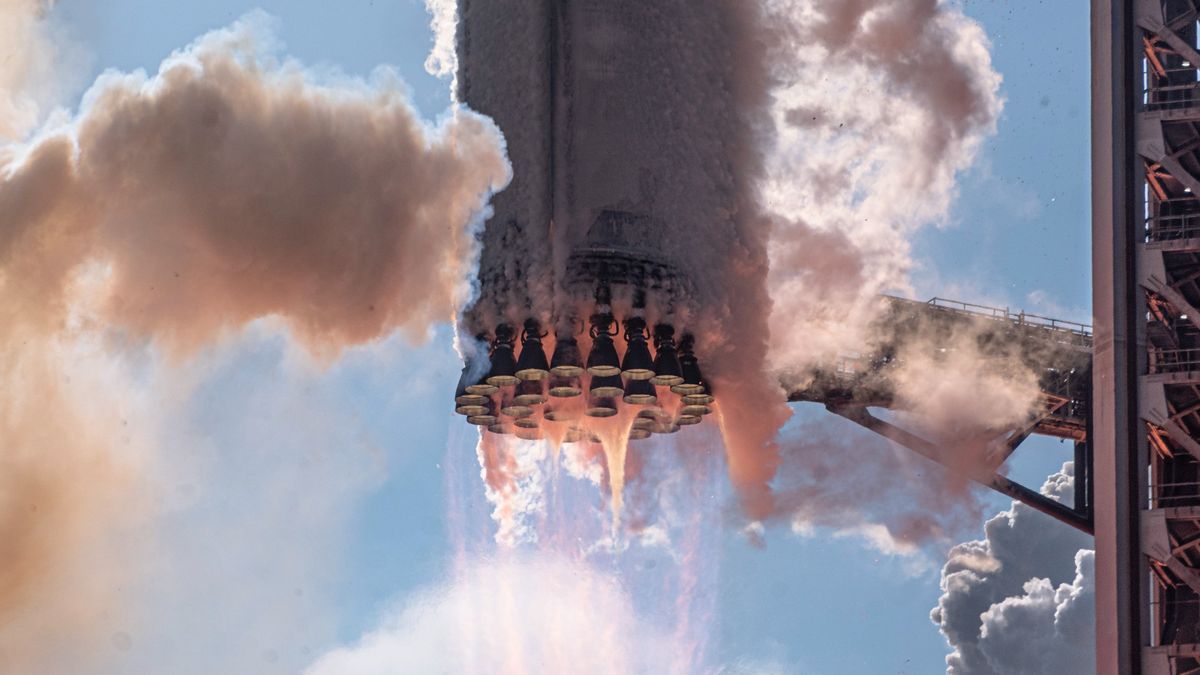
Even if you can't see SpaceX's Starship in person, you can score a model of your own. Standing at 13.77 inches (35 cm), this is a 1:375 ratio of SpaceX's Starship as a desktop model. The materials here are alloy steel and it weighs just 225g. Starship's next big test launch is just a day away. SpaceX has transported Booster 20, the Super Heavy first stage for the massive launch vehicle, back to pad 2 at the company's Starbase facility in Texas. If all goes according to plan, that will be its last relocation before launch, currently scheduled for tomorrow (July 15) during a 90-minute launch window beginning at 6:45 p.m. EDT (2245 GMT). Ship 40, Starship's upper stage for Flight 13, will be trasnported to the pad today, and stacked on Super Heavy for a full wet dress rehearsal to confirm the vehicle's readiness ahead of tomorrow's launch attempt. What time is SpaceX's Starship Flight 13 launch on July 16? (Full mission timeline) Following a static fire engine test last Friday (July 10), SpaceX has lowered the Flight 13 Super Heavy, Booster 20, from the launch stand and transported the stage back to its hangar at the company's Starbase, Texas, facility. The booster will roll back to the pad in the next day or so, along with Ship 40, the Flight 13 Starship upper stage. The pair will be stacked a Starbase's pad 2, where it's expected the rocket will undergo at least one additional engine test prior to launch. SpaceX is still targeting July 16 for liftoff of Starship's 13th test flight, scheduled to get off the ground during a 90-minute window that opens at 6:45 p.m. EDT (2245 GMT). Read how this launch will deploy SpaceX's first batch up upgraded Starlink Version 3 satellites into space. How to watch SpaceX launch Starship Flight 13 on July 16 The next Starship launch has arrived! SpaceX is targeting no earlier than July 16 for the next launch of its massive Starship rocket, the company announced on in a post on X. Flight 13 will be the second launch of the vehicle's Version 3 configuration and will be similar in profile to Flight 12. It will be the second launch for Starship "Version 3" (V3), a bigger, more powerful upgrade from previous Starship designs, and will come a little less than two months after V3's debut. A 90-minute launch window will begin on Thursday at 6:45 p.m. EDT (2245 GMT). A livestream of the mission will begin about 30 minutes prior to liftoff and stream on the company's mission page, profile on X and here on Space.com. Full story: SpaceX targets July 16 for Starship Flight 13, reveals what went wrong on previous launch
SpaceX could launch Starship this week. Here's what's different
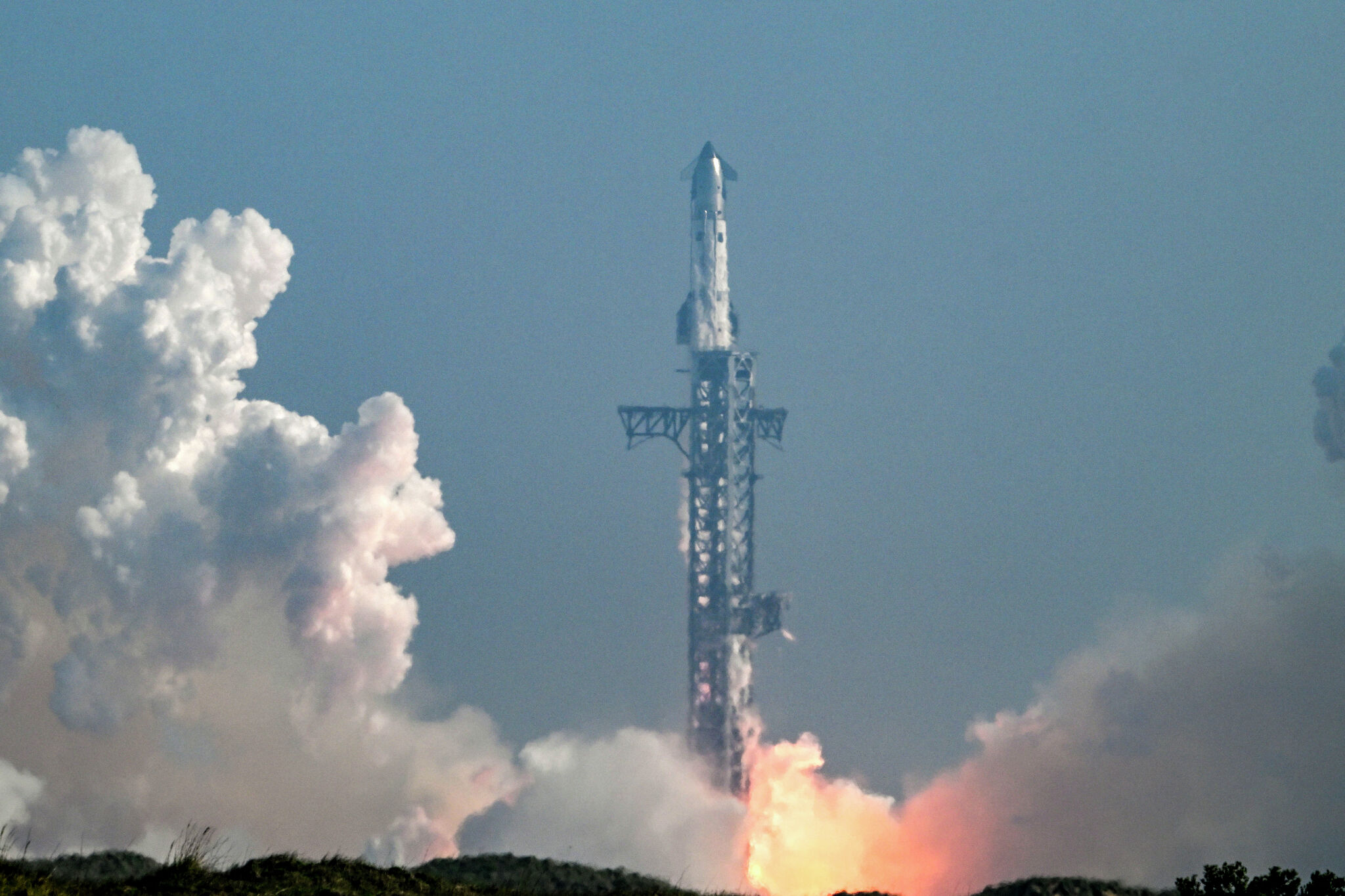
SpaceX could launch its next Starship into space as soon as Thursday, according to the company's website and social media posts by CEO Elon Musk. If the launch of the 13th test flight of Starship/Super Heavy proceeds as planned, it would be the quickest turnaround time between launches for the spacefaring company that recently went public and made Musk the world's first trillionaire. It's also expected to mark another first for SpaceX -- the first time that Starship will carry functional Starlink satellites into space. "The upcoming flight will aim to complete similar objectives targeted on the previous flight test... while also carrying next-generation Starlink V3 satellites for the first time," SpaceX said on its website on a page dedicated to upcoming launches. SpaceX last launched a Starship from its Starbase headquarters on May 22. Flight 12 was the first flight of 2026, and the first time that the company deployed its third-generation Starship configuration. Before that, SpaceX hadn't launched a ship since October 13, 2025. But not everything went according to plan during May's test flight. It's something SpaceX acknowledged on the Flight 13 launch page. An error "in engine startup" on Starship during what is known as "hot staging" caused the booster to rotate off kilter by 90 degrees when the two vehicles separated. Further, five of Super Heavy's 33 Raptor engines failed to relight when it attempted its boostback burn, which was meant to point the rocket back toward Earth for a splashdown in the Gulf of Mexico. One of Starship's Raptors also died after separation. SpaceX said it has since corrected both errors. And those corrections were crucial in meeting a federal regulatory prerequisite before Starship could take to the skies again. After the May 22 launch, the Federal Aviation Administration grounded Starship and ordered SpaceX to investigate the so-called "mishap." On Monday, July 13, the FAA officially closed the mishap investigation, paving the way for SpaceX to proceed with Flight 13. "The final mishap report cites two most probable root causes for the loss of the Super Heavy booster as heat effects on propulsion system components during the ascent and erroneous engine alarm system settings," the FAA said in a statement Monday. For the first time, Starship will carry live Starlink satellites into space and attempt to connect them with the existing Starlink network. Until now, SpaceX has relied on its unmanned Falcon 9 reusable rockets to launch the communications satellites into low Earth orbit. "Starship is planned to deploy 20 satellites which will extend solar arrays and antennas and will attempt to connect with the larger Starlink constellation via high-capacity lasers," SpaceX said. But the satellites will not remain in orbit. Instead, they're expected to burn up in the Earth's atmosphere. SpaceX is targeting a 90-minute launch window that's expected to begin at about 5:45 p.m. local time on Thursday, July 16. However, the company has selected July 17 and July 18 as potential backup dates, according to several notices to airmen, or NOTAMs, the FAA published announcing airspace restrictions on those dates.
SpaceX Is Failing to Live Up to Wall Street's Hype
S&P 500 futures7,604.50+0.2%Nasdaq 100 futures29,928.50+0.5%US 10-year Treasury yield4.60%+0.01WTI crude oil futures$80.27+1.2%Bloomberg Dollar Spot Index1,218.38+0.0%South Korea Kospi Index7,284.41+6.2% Market data as of 06:21 AM ET. Data is subject to provider delays. Five things you need to ...

What time is SpaceX's Starship Flight 13 launch on July 16? (Full mission timeline)
SpaceX will launch its next Starship, carrying the first V3 Starlink satellites, on the Flight 13 test mission on July 16. SpaceX is just a day away from its first Starship test flight of the summer, and if you're hoping to watch the world's largest rocket lift off, you'll need to know where and when to tune in. But don't worry -- we've got you covered. The next Starship test flight, called Flight 13 (SpaceX doesn't appear to be superstitious), is scheduled to launch from the company's test site in Starbase, Texas near Boca Chica Beach on Thursday, July 16. Liftoff is set for 6:45 p.m. EDT (2245 GMT). As its name suggests, the upcoming flight will be the 13th test launch overall of SpaceX's Starship megarocket. It will be the second such flight this year, after the May 22 launch of Starship Flight 12. SpaceX is designing Starship, which stands more than 400 feet (121 meters) tall, to be a fully reusable rocket capable of launching missions to the moon, Mars or beyond. NASA picked Starship to land its Artemis IV astronauts on the moon by 2028, and SpaceX has sold at least one Starship passenger flight to Mars as well. But before SpaceX can carry astronauts to other worlds with Starship, it has to complete a series of suborbital flights and, eventually, reach Earth orbit for in-flight fueling tests, docking demonstrations and more. SpaceX's Starship Flight 13 is a suborbital test that will be the second flight of SpaceX's new V3 Starship. Below you'll find details on what time Flight 13 will launch, what the mission will do and a full timeline for the mission. What time is SpaceX's Starship Flight 13 launch? SpaceX is currently targeting the launch of Starship Flight 13 for no earlier than 6:45 p.m. EDT (2245 GMT) on Thursday, July 16. However, the exact timing of the launch could change. That's because SpaceX has a 90-minute window in which to launch Flight 13 from Starbase Pad 2. Liftoff could occur anytime between 6:45 p.m. and 8:15 p.m. EDT (2245 to 0015 GMT). SpaceX's launch webcast will begin 30 minutes before liftoff. And remember, SpaceX has at least one backup day, so the launch could slip to July 17 if needed. In that case, it would likely lift off at the same time -- 6:45 p.m. EDT -- and have a 90-minute window, as on the first attempt. Related: Read our SpaceX Starship and Super Heavy guide for a detailed look Can I watch SpaceX's Starship Flight 13 launch? Yes, you'll be able to watch SpaceX's Starship Flight 13 launch online, but you'll have your pick on where to watch. SpaceX will provide its own livestream of the launch via its X account and the official Flight 13 mission page. If everything is on time, that livestream will begin at 6:15 p.m. EDT (2215 GMT) -- 30 minutes before the planned Flight 13 liftoff. Space.com will simulcast the SpaceX Flight 13 launch webcast on this page, as well as an our homepage and YouTube channel. A prelaunch show Now, if you need to get your Starship Flight 13 fix earlier than SpaceX's stream, a good place to look is the NASASpaceflight preshow. They'll have a livestream the day before launch, then constant live views of the pad on launch day many hours ahead of SpaceX's livestream. The NASASpaceflight preflight show will begin on July 15 at 3 p.m. EDT (1900 GMT). NASASpaceflight has a wealth of cameras installed around SpaceX's Starbase test facility, and the company will share up-close views and live commentary for all preflight activities. In-person launch options While SpaceX does not have an official Starship launch viewing site, there are several places where you can see the launch in person around the Starbase area. For first-time spectators, I recommend watching Starship launch from near the Cameron County Amphitheater at Isla Blanca Park on South Padre Island, which is just across the bay from Starbase. The rocky beaches around the amphitheater offer a clear line of sight of the Starship launch pad, and there are often spectators on boats out of nearby Port Isabel offering a picturesque view. It's about 5 miles (8 kilometers) from the launch site, and the park has bathrooms. The traffic getting to South Padre Island (if you're not staying at a hotel on the island) can be heavy on launch days, so another option is watching from the shore in Port Isabel, which is home to Hopper Haus, a SpaceX-themed bar and grill that I can confirm makes awesome burgers. There is also a shoreline stretch of Highway 48 between Brownsville and Port Isabel, from 6 to 8 miles (10 to 13 km) from the launch site, where you can pull up for the day to watch the launch. It's just the side of the highway, so you won't find amenities like bathrooms there. You can learn more about that at the site SpaceLaunchSchedule.com. If you're looking for a more rustic experience (and have cash for a $200 ticket, though kids under 17 are $40), you can camp at the Rocket Ranch, which is 3.8 miles (6.1 km) from the Starbase launch site, and camp there for one day and night. It has two viewing locations available, one at an "Outpost" and the other on the campground itself. The Outpost location is the closest and has "unmatched media service," so you can stay connected. Larger four-day camping packages are also available. The ticket includes bus transportation from the ranch campground to a viewing site and back for one launch attempt. I've actually never visited this ranch, but I wanted to include it so you know it's an option. Be sure to read the full Rocket Ranch FAQ so you know what to expect. How long is SpaceX's Starship Flight 13? SpaceX's Starship Flight 13 test flight will last just over 1 hour and 5 minutes and should follow the same mission profile as the company's last test, Flight 12, in May. This will be the second flight of SpaceX's new Starship Version 3, or V3. During Flight 12, the giant Super Heavy booster stage failed to return to Earth properly for a controlled landing and splashdown in the Gulf of Mexico (which the Trump Administration has renamed the Gulf of America). Instead, the booster crashed into the ocean. "The booster's primary test objective will be executing a successful launch, ascent, stage separation, boostback burn, and landing burn at an offshore landing point in the Gulf of America," SpaceX wrote in a mission overview. "There have been several modifications to hardware and software to address issues seen on the previous flight." Starship Flight 13 will launch from SpaceX's new Pad 2 at Starbase, which the company upgraded with shorter, faster "chopsticks" -- capture arms that can catch returning Starship Super Heavy boosters and Ship upper stages during landing, as well as lift vehicles into place on the pad for launch. Check out our full overview on how SpaceX changed Starship for V3 here. SpaceX will not try to reach orbit with Starship Flight 13 or return its Ship back to Earth for a capture at the launch pad. Instead, both vehicles aim to make controlled descent and water landings, before falling over and sliding into the sea. While the Super Heavy booster will splash down in the Gulf of Mexico off the coast of Boca Chica, the Ship upper stage will follow a suborbital trajectory for a target splashdown in the Indian Ocean off the coast of Western Australia. During the flight, the Ship vehicle will attempt to deploy 20 Starlink V3 satellites, the company's newer and larger satellite-internet units, but they won't reach orbit. They will follow Starship's suborbital trajectory back down to Earth and burn up in the atmosphere. Six of the Starlink V3 satellites are equipped with cameras to record live views of Starship and its heat shield and beam them back to Earth for analysis. "For the first time, Starship will carry V3 Starlink satellites to space, which aim to greatly expand the network's capacity and user speeds. As part of this initial test, Starship is planned to deploy 20 satellites which will extend solar arrays and antennas and will attempt to connect with the larger Starlink constellation via high-capacity lasers," SpaceX wrote in the mission overview. "The Starlink satellites will be on the same suborbital trajectory as Starship and are expected to demise upon reentry approximately 20 minutes after deployment." What if Starship Flight 13 can't launch? If SpaceX can't launch Starship Flight 13 on July 16, the company does have at least one backup day available. According to a Starship town beach closure notice, SpaceX is targeting both July 16 and July 17 as launch days for Flight 13. So, it bad weather or a minor technical issue delays launch, SpaceX could try again on Friday, July 17, at the same time as the original target. It is possible that SpaceX may have additional backup days beyond July 17. That was the case in May for Flight 12, when a series of delays postponed launch from May 19 to May 22. Whichever date SpaceX launches Starship Flight 13, you will be able to follow the mission on Space.com. Be sure to return to Space.com on launch day for complete Starship Flight 13 coverage.
SpaceX's Blow-It-Up Testing Won't Fly on Starship
SpaceX's willingness to blow stuff up and learn from the failures has propelled it from a cash-strapped startup to one of the world's most valuable companies (and kick-started a commercial space revolution along the way). The development of the Falcon 9 rocket was achieved over a relatively short ...
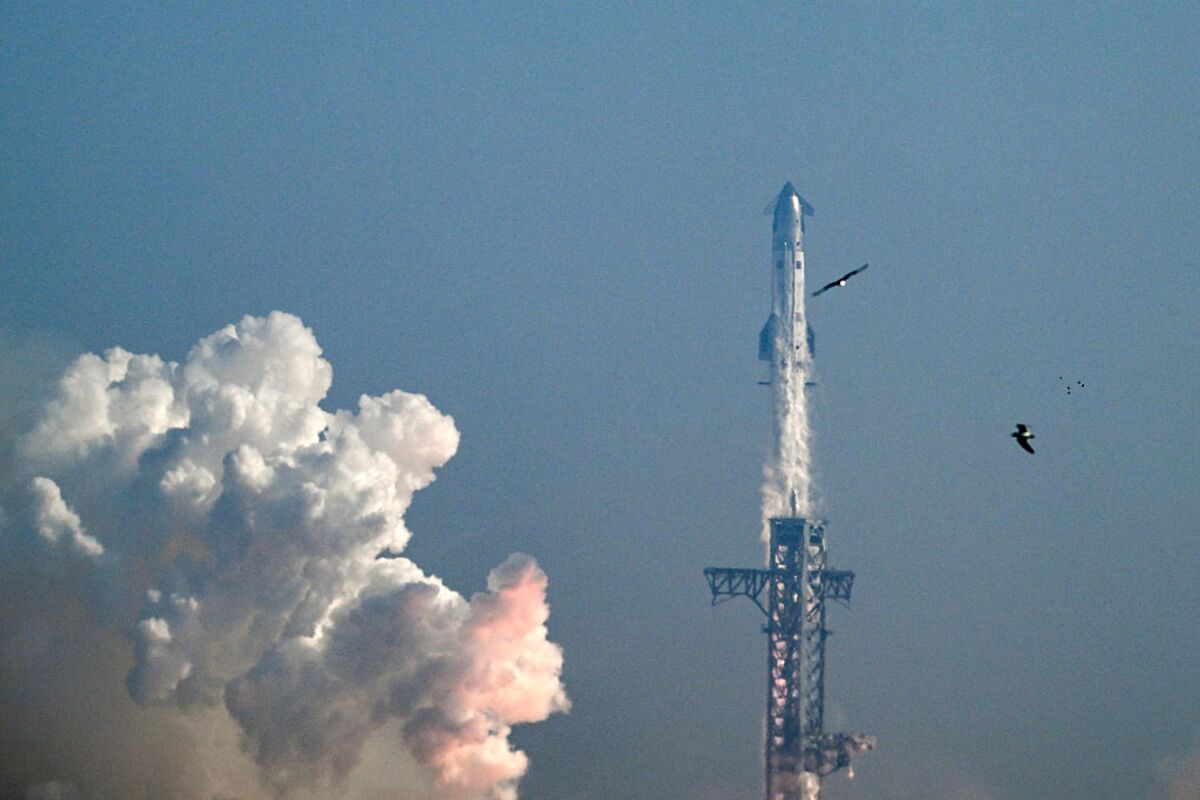
SpaceX seeks to send data centers into orbit
SpaceX has announced that the 13th test flight of its Starship super heavy-lift launch system is scheduled for July 16. The launch window from the company's Starbase facility in Texas will open at 17:45 local time, which corresponds to 00:45 on July 17 in Baku time, AzerNEWS reports. The upcoming Flight 13 mission will feature the Ship 40 spacecraft and the Booster 20 Super Heavy rocket. This will mark the second test flight of the upgraded Starship V3 configuration, which includes improvements to both hardware and flight systems. One of the most important milestones of the mission will be the first attempt to deploy a real payload into orbit. Starship is expected to carry 20 next-generation Starlink V3 satellites, with six of them equipped with cameras designed to monitor the condition of the spacecraft's thermal protection system during flight. However, because the mission will follow a suborbital trajectory, the satellites will not remain in orbit and will eventually re-enter Earth's atmosphere and burn up. During the test, SpaceX plans to evaluate several critical technologies, including the in-space restart of a Raptor engine, the performance of the upgraded heat shield during atmospheric re-entry, and the controlled splashdown of the spacecraft in the Indian Ocean. The company has also introduced software and hardware improvements based on data collected during the previous test flight in May. During that mission, the Super Heavy booster failed to complete its planned soft landing after experiencing an engine-related issue during the landing sequence. Meanwhile, SpaceX CEO Elon Musk has shared new details about the company's long-term plans to build data centers in low Earth orbit. According to Musk, SpaceX could begin launching the first components of these orbital computing systems as early as next year, with major progress expected by 2028. Earlier, SpaceX revealed additional information about the Starmind project, a planned orbital network of data centers designed to provide large-scale computing capacity for artificial intelligence applications. If successful, the project could become one of the most ambitious attempts to move AI infrastructure beyond Earth, using space-based solar power and advanced satellite networks. The Starship program remains central to SpaceX's future plans, including NASA's Artemis lunar missions, potential Mars exploration, and the expansion of global satellite services.

SpaceX launches flight-proven rocket for 600th time, sending Starlink satellites to orbit
Both flights successfully recovered their Falcon 9 first stage boosters, with B1093 completing its 15th flight from Florida and B1080 achieving its 28th mission from California, contributing to SpaceX's total of 83 Falcon 9 missions this year. When you buy through links on our articles, Future and its syndication partners may earn a commission. SpaceX reached a milestone with its latest Starlink launch, sending the satellites into orbit on its 600th flight of a flight-proven booster. The sexacentennial launch came on the second of two Falcon 9 missions that lifted off less than eight hours apart overnight from Monday to Tuesday (July 13 to July 14). The first flight, with Starlink batch 15-14, launched at 9:28 p.m. EDT (0128 GMT or 6:28 p.m. PDT local time) from Space Launch Complex 4 East at Vandenberg Space Force Base in California. The second flight, with Starlink group 10-45, followed at 5:10 a.m. EDT (0910 GMT) from Space Launch Complex 40 at Cape Canaveral Space Force Station in Florida. Both launches successfully deployed their payloads -- 27 and 29 Starlink satellites, respectively -- into their intended orbits, as confirmed by SpaceX. Previous Booster B0193 missions SDA-T1TL-B | SDA-T1TL-C | Transporter-16 | 11 Starlink missions Previous Booster B1080 missions Ax-2 | Euclid | Ax-3 | CRS-30 | SES ASTRA 1P | NG-21 | 21 Starlink missions Both flights also successfully recovered their Falcon 9 first stage boosters. B1093, launched from Florida, completed its 15th flight. B1080, launched from California, achieved its 28th mission. The record for a single Falcon 9 first stage's re-flight stands at 36 launches. The addition of 56 more Starlink satellites to SpaceX's megaconstellation brought the total active number of broadband internet relay units to 10,839, according to tracker Jonathan McDowell. In addition to Tuesday's launch being the 600th launch of a flight-proven Falcon 9 stage, SpaceX now stands at 83 Falcon 9 missions this year to date.
SpaceX targets Thursday for Starship's 13th test flight from South Texas
SpaceX's latest test flight is currently scheduled for Thursday with the 90-minute launch window opening at 5:45 p.m. SpaceX is looking at later this week for its next flight test of Starship from its South Texas launch site. The 13th test looks to test modifications to hardware and software from previous flights, while launching Starlink satellites for the first time. SpaceX to launch 13th Starship flight test What we know: SpaceX's latest test flight is currently scheduled for Thursday with the 90-minute launch window opening at 5:45 p.m. The latest test flight will test the company's Super Heavy booster with the objective of a successful launch, ascent, stage separation, boostback burn and landing burn. SpaceX said the booster's hardware has been modified to improve relight reliability. For Starship, the company hopes to launch 20 Starlink satellites and have a successful relight of an engine while in space with a controlled entry, descent and splashdown in the Indian Ocean. The company is also doing some testing of Starship's heat shields. What went wrong during test flight 12? SpaceX had issues with both the Super Heavy booster and Starship during its last test flight. During the previous test flight, SpaceX said differences in engine startup on the ship caused the booster's directional flip to be off by 90 degrees. Some of the booster's engines also failed to reignite, causing its boostback burn to end early. The Federal Aviation Administration cited "heat effects on propulsion system components during the ascent and erroneous engine alarm system settings" as causes for the booster's failure. SpaceX said those issues have been addressed for the upcoming test. Starship also experienced issues during the test flight, when one of it lost one of its engines. Starship was still able to hit its planned trajectory.
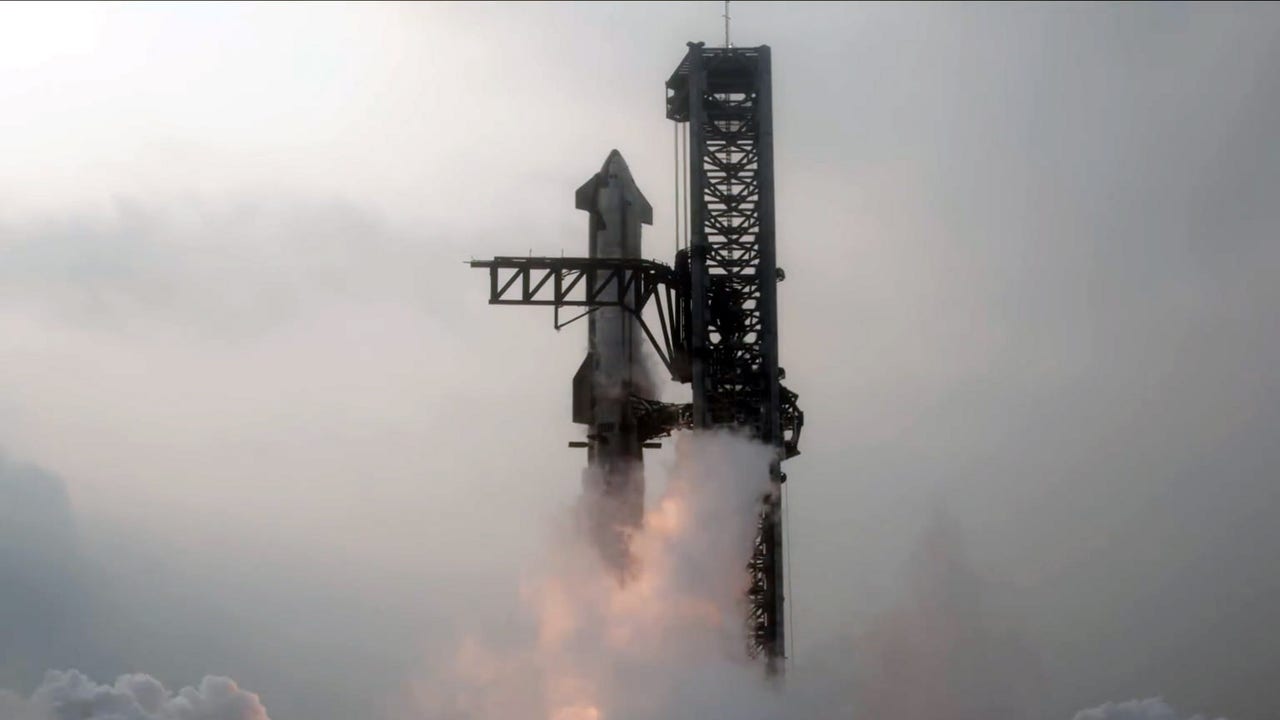
Frontier Airlines to Roll Out SpaceX Starlink In-Flight Wi-Fi Beginning in 2027
Frontier Airlines ($ULCC) announced it will introduce in-flight Wi-Fi powered by SpaceX ($SPCX)'s Starlink, with installations across its fleet beginning in early 2027. Frontier becomes the first U.S. ultra-low-cost carrier to adopt Starlink as airlines continue investing in premium passenger amenities to attract higher-spending travelers. * Frontier plans to begin installing Starlink Wi-Fi across its fleet in early 2027. * The airline is the first U.S. ultra-low-cost carrier to partner with Starlink for in-flight connectivity. * Frontier is one of five Indigo Partners portfolio airlines expected to install Starlink on more than 1,000 aircraft. * The carrier recently introduced first-class seating and loyalty program enhancements as part of its broader product strategy. * Financial terms of the agreement were not disclosed. Relevant Companies * Frontier Airlines ($ULCC) - The Starlink rollout expands the airline's onboard offerings as it targets higher-value customers. * SpaceX ($SPCX) - Starlink continues expanding its commercial aviation customer base through new airline connectivity agreements. * Amazon ($AMZN) - Its Kuiper satellite internet service competes with Starlink for airline connectivity contracts.

Pollution from Elon Musk's unpermitted xAI power project hits hardest in Black communities
Potential emissions from the turbines are far beyond the threshold that would require a federal permit, and would be released near predominantly Black communities already estimated to be suffering disproportionately high rates of lung disease, according to a Reuters analysis based on government data and information in the correspondence with regulators. Elon Musk's artificial intelligence company xAI has installed 59 natural gas turbines for its Colossus 2 data center project in Tennessee without securing federal clean air permits, according to communications between regulators and xAI representatives. Potential emissions from the turbines are far beyond the threshold that would require a federal permit, and would be released near predominantly Black communities already estimated to be suffering disproportionately high rates of lung disease, according to a Reuters analysis based on government data and information in the correspondence with regulators. The findings, which have not been previously reported, reflect how exploding electricity demand from AI data centers is driving companies to build off-grid power plants at a pace outstripping environmental oversight, with potentially big risks to public health. The number of unpermitted turbines identified by Reuters is about double what xAI has publicly acknowledged. The company previously said it was running 27 unpermitted turbines for Colossus 2 as of January and has argued the permits are not required. At least 57 of the 59 turbines are located in Mississippi, just over the state line from Tennessee where the data center is located. The xAI turbines are among scores of off-grid power plants for data centers proposed or under construction around the country. Local authorities often fast-track approvals in just weeks or months, without the years of environmental studies and public hearings typically required for such power generation projects that connect to the grid, Reuters has reported. Mississippi regulators in March issued a permit for permanent turbines for Colossus 2, allowing construction of 41 gas-fired turbines. The approval came three weeks after the state's only public hearing on the project. The xAI cluster of temporary turbines in Mississippi is already among the biggest off-grid data center power projects, according to Ben King, an analyst with think tank Rhodium Group, who reviewed the Reuters analysis. "This looks to be an unprecedented level of behind-the-meter gas being installed in one place," he said, referring to off-grid natural gas plants serving just one customer. The communications reviewed by Reuters show xAI, now owned by trillionaire Musk's SpaceX, has installed 57 off-grid turbines in Southaven, Mississippi, just across the state line from its Colossus 2 data center in Memphis, a facility supporting the Grok chatbot and other AI systems. The records show the company has also installed two other unpermitted turbines for the project on a different site. Reuters could not determine the location. The communications, obtained through a Reuters public records request, included emails between Trinity Consultants, representing xAI and subsidiary MZX Tech, and the Mississippi Department of Environmental Quality (MDEQ). xAI did not respond to Reuters' request for comment. xAI's turbines are part of a widening environmental justice battle over whether the AI boom is adding disproportionate pollution burdens to communities of color. Civil rights groups including the NAACP and the Southern Environmental Law Center sued xAI in April to halt their operations, arguing the turbines produce emissions subject to the federal Clean Air Act and shouldn't be operated without permits. They contend the turbines are polluting homes, schools and churches in historically Black communities. "The scale of it is astonishing," said Patrick Anderson, an attorney with the Southern Environmental Law Center. "This is an absolutely huge Clean Air Act violation that threatens public health." Securing a Clean Air Act permit would have exposed xAI's project to extensive review and public comment, potentially taking years. Mississippi environmental regulators and xAI have argued in court filings that the turbines are exempt because they are "mobile" and intended to operate onsite for less than a year. "MDEQ has determined that portable/temporary turbines do not require an air permit," the agency said in a statement to Reuters. The U.S. Environmental Protection Agency said in January 2026 that even temporary turbines exceeding emissions thresholds must obtain permits. The agency, however, told Reuters it's considering changes allowing "regulatory flexibilities" for portable units while continuing to protect public health. xAI, the MDEQ and the EPA did not answer questions from Reuters about pollution impacts on communities of color from power generation to serve data centers. The U.S. Justice Department weighed in on the lawsuit in a June 15 filing, saying that restricting the turbines could threaten national security interests because xAI's systems support U.S. military operations, including operations involving Iran. The outcome of the lawsuit filed by civil rights groups could help define how environmental laws apply to the fast-growing AI sector, where companies are scrambling to bring power supplies online to support energy-intensive computing. "This sets up scenarios where the government can create sacrifice zones and tell communities they have to breathe illegal air pollution," said Mary Rock, a senior attorney for Earthjustice which is representing the NAACP and SELC. The dispute echoes the findings of a 2022 study by researchers from UCLA and Columbia University and published in the Nature Energy journal that found that previously redlined communities - where banks historically discriminated against Black mortgage applicants - now face disproportionately high exposure to pollutants from fossil fuel facilities. "Air pollution from these and other sources contributes to systemic racial disparities in chronic disease and ultimately shorter lives," Lara Cushing, a UCLA public health professor who co-authored the study, told Reuters. Big emissions The emails reviewed by Reuters included the manufacturer emissions profiles for 32 of the 59 turbines, including 30 at the Southaven site. A Reuters analysis based on that information found that those 30 turbines alone could emit nearly 2,500 short tons of nitrogen oxide, 4,000 short tons of carbon monoxide and 22 short tons of formaldehyde annually, assuming they operate continuously at 80% of capacity. According to the EPA, gas turbines are typically operated at loads of 80% or more to achieve efficiency. Nitrogen oxides contribute to smog and respiratory inflammation, according to the American Lung Association. Carbon monoxide deprives the body of oxygen, and formaldehyde is a carcinogen. The xAI site's potential emissions far exceed a Clean Air Act threshold that requires permitting for facilities capable of more than 100 short tons annually of pollutants such as nitrogen oxide. "This is a massive amount of turbines and an unfathomable amount of air pollution," Southaven resident Shannon Samsa said in an interview. "It's not a hypothetical," she said, "that air pollution is bad for you." The nitrogen oxide emissions calculated by Reuters for about half the plant's turbines would put the facility "up there with some of the heaviest polluting natural gas power plants across the entire country," said Nicholas Mailloux, a postdoctoral researcher at the University of Wisconsin-Madison who studies air quality and health benefits of the clean-energy transition. He said the facility would be on par with the top 25 U.S. gas plants for nitrogen oxide emissions, citing EPA data for actual emissions. The people affected In the Colonial Hills neighborhood of Southaven, the turbines serving Colossus 2 can be heard around the clock, often firing off noisy bursts that residents compare to jet engines. Ervin Laws, a Colonial Hills resident in his 20s, said the noise wakes him up at night. "I can't do anything about it, because he's got more money than me," he said, referring to Musk. The turbines were installed in communities already estimated to be facing relatively high respiratory disease burdens, according to a Reuters analysis of CDC data. In 27 of 28 census tracts within five miles of the site - spanning both Mississippi and Tennessee - the estimated asthma rates were higher than their respective countywide figures. In 24 tracts, chronic obstructive pulmonary disease rates were also higher. Five miles is a distance commonly used in environmental health research to capture populations likely to be exposed to air pollution from a stationary source. A separate Reuters analysis of Census Bureau data found that the residents living near the facility are disproportionately Black. Because the five-mile radius crosses state lines, Reuters compared each side against its own county baseline. Within five miles of the facility in DeSoto county, Mississippi - where the turbines are located - about 46% of residents are Black, compared with 33% countywide, according to census data. Across the state line in Tennessee, where residents have no say in Mississippi's permitting process, about 94% of residents within five miles of the facility are Black, compared to 52% in surrounding Shelby County. Jayajit Chakraborty, a professor at the University of California, Santa Barbara, said the Reuters analysis was consistent with research that shows communities of color face higher exposure to fossil fuel pollution. Shelby County and portions of DeSoto County have also previously failed to meet federal ozone standards and remain subject to EPA-approved plans to ensure they do not slip back into violation, according to regulatory documents. Nitrogen oxide is a key precursor to ozone formation, which the EPA says can harm respiratory health. "Given this community struggles with high asthma rates, additional NOx exposure at such high rates could exacerbate public health issues in a community that is already seeing more than its fair share of exposure to toxic air pollution," said Victoria Nelson, an independent environmental engineer, formerly at EPA. Sarah Gladney, 72, has watched the rapid expansion of xAI's Memphis-area presence from her home in the historically Black neighborhood of Boxtown, a few miles from where the company built its Colossus 1 data center in 2024. "Once they got their foot in the door in Memphis, I feel like it's going to be a continuous movement of xAI into these other communities," she said. "It's all about the money, and it's not about the health or wellness of the people that live in or near these communities."
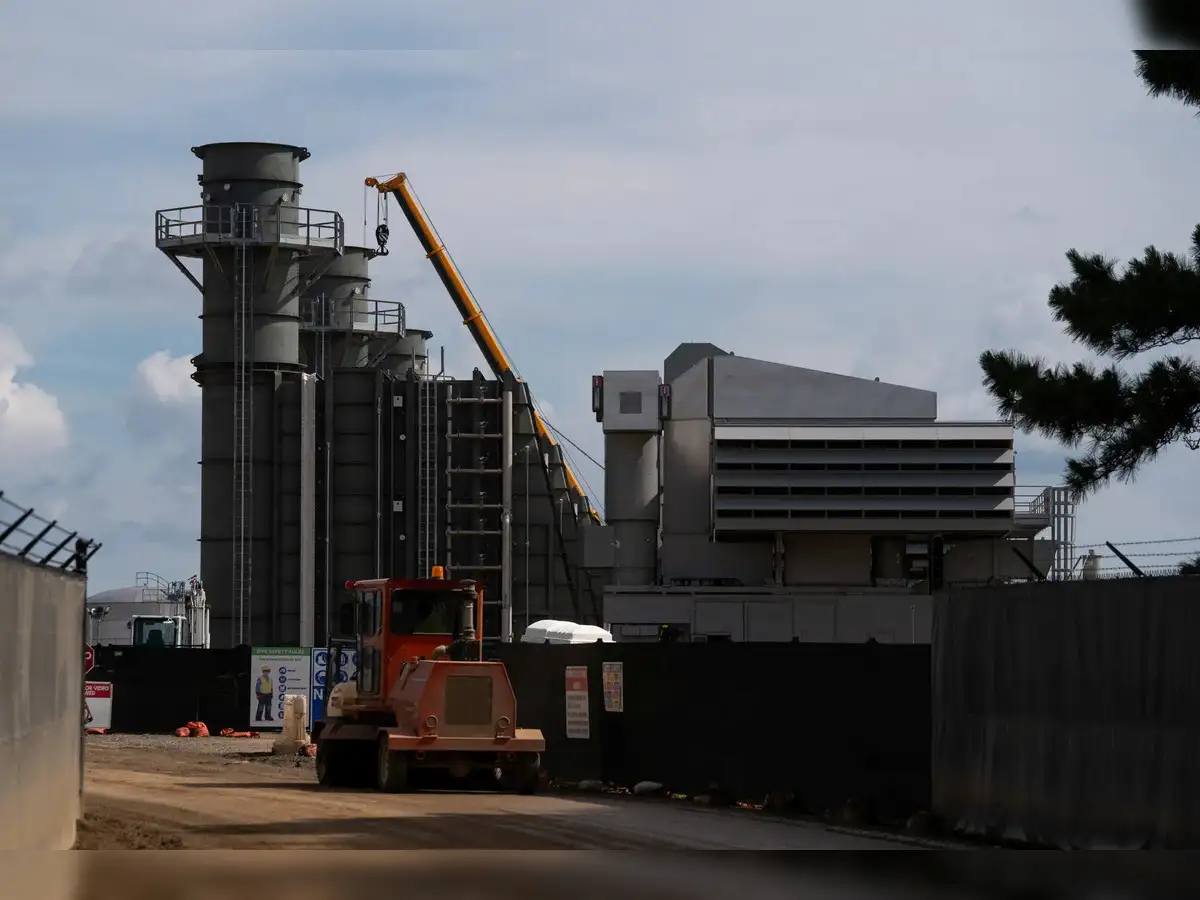
Evercore ISI Initiates SpaceX at Outperform With $230 Price Target
Space Exploration Technologies Corp. designs, manufactures, launches, and operates products and services built on technologies, including rockets and spacecraft. The Company's segments include Space, Connectivity, and artificial intelligence (AI). Its Space segment designs, manufactures, and launches reusable rockets to provide access to space. Its Connectivity segment operates broadband data and communications network powered by approximately 9,600 Starlink broadband and mobile satellites in Low-Earth orbit, delivering connectivity to consumer, enterprises, and government customers over 164 countries, territories, and other markets. In its AI segment, it operates a vertically integrated AI platform spanning its truth-seeking frontier model Grok, AI solutions for consumer and enterprise customers, X-its real-time information, entertainment, and free speech platform and AI computational infrastructure.