News & Updates
The latest news and updates from companies in the WLTH portfolio.
Kraken Adds Tokenized Apple, Nvidia and Tesla Shares as Collateral - FinanceFeeds
Why Is Kraken Accepting Tokenized Stocks as Collateral? Kraken has begun accepting select tokenized stocks and exchange-traded funds as collateral for futures and margin trading, expanding the role of tokenized real-world assets beyond simple spot exposure. The feature allows eligible clients to use supported tokenized securities as collateral without selling them first. That means users can keep exposure to assets such as Apple, Nvidia, Tesla, Strategy, the SPDR S&P 500 ETF, and the Invesco QQQ Trust while opening leveraged positions on the exchange. The launch reflects a broader shift in tokenized markets. Tokenized stocks and ETFs are no longer being pitched only as blockchain versions of traditional assets. Exchanges and infrastructure providers are trying to turn them into usable financial instruments for collateral, margin, settlement, and lending activity. For Kraken, the move strengthens its futures and margin offering outside the United States while deepening the connection between crypto trading and tokenized traditional assets. For users, the main appeal is capital efficiency. Holdings that would otherwise sit idle can now support trading activity, subject to risk limits. How Will Kraken Manage Collateral Risk? Kraken is applying collateral haircuts to each supported tokenized asset, reducing the amount of borrowing value users receive against their holdings. The haircut depends on the perceived risk of the asset. Broad-market ETFs receive the lowest haircut at 10%, reflecting their diversified exposure and lower relative volatility compared with single stocks. More volatile assets, including Strategy and Robinhood, carry a 30% haircut. That means a user posting those assets receives materially less collateral value than the market value of the tokenized holding. The exchange has also set collateral limits by asset. Broad-market ETFs can be used for up to $1 million in collateral value, most individual stocks are capped at $250,000, and tokenized gold and Circle shares are capped at $100,000. Kraken said the haircuts and limits will be reviewed periodically and remain subject to change. That flexibility is important because tokenized equities can carry both market risk and liquidity risk. If prices move sharply, or if the underlying tokenized market becomes harder to trade, collateral values may need to be adjusted quickly. Investor Takeaway Who Can Use the New Feature? The feature is available only to eligible clients outside the United States. Kraken said tokenized stocks can be used as collateral for futures trading in the European Economic Area, while margin collateral support is available in other eligible jurisdictions outside the bloc. The geographic limits show that tokenized securities remain a regulated product category with uneven market access. Even as crypto exchanges expand tokenized stock offerings, availability still depends on local rules covering securities, derivatives, margin trading, and investor eligibility. That creates a split market. Non-U.S. clients may gain earlier access to tokenized securities as collateral, while U.S. users remain outside the feature for now. For exchanges, this makes international expansion central to testing tokenized asset utility before broader regulatory paths become clearer. The launch also follows Kraken's recent partnership with Maple to create an onchain warehouse financing facility for institutional crypto lending. Together, the moves point to a wider strategy: using tokenized and blockchain-based credit infrastructure to expand lending, margin, and institutional trading products. Why Are Tokenized Real-World Assets Gaining Utility? Kraken's move fits into a larger push to make tokenized real-world assets usable across financial markets. Recent product launches have focused less on tokenization as a standalone concept and more on practical use cases such as collateral, settlement, and structured credit. Franklin Templeton and Binance launched a program in February allowing institutions to use tokenized money market fund shares as trading collateral while the underlying assets remained in regulated off-exchange custody. BlackRock's tokenized U.S. Treasury fund, BUIDL, is also accepted as trading collateral on Binance, Crypto.com, and Deribit. Earlier this week, Tradeweb executed what it described as the first real-time purchase and sale of a tokenized U.S. Treasury settled against tokenized cash on the Canton Network. That transaction points to another area of development: settlement systems that use tokenized cash and tokenized securities in the same workflow. The market is still small compared with traditional securities markets, but growth has accelerated. Tokenized real-world assets have reached about $32.6 billion in distributed value, while tokenized stocks have climbed to roughly $2 billion from about $381 million a year earlier, according to RWA.xyz. For institutional adoption, the next stage depends on whether tokenized assets can prove useful under stress. Collateral products must handle volatility, liquidations, custody questions, and regulatory review. Kraken's rollout adds another test case for whether tokenized stocks can become more than tradable wrappers and take a larger role in crypto market structure.

Anthropic eyes South Korea's Samsung for custom AI chip
July 3 (Asia Today) -- Anthropic, the developer of the Claude artificial intelligence model, is in early discussions with Samsung Electronics about manufacturing a custom AI chip, according to a U.S. technology news report. The Information reported Thursday, citing multiple people familiar with the discussions, that Anthropic is considering using Samsung's 2-nanometer manufacturing process and advanced chip-packaging facilities. The project remains at an early stage. Anthropic has not begun detailed chip design, testing or manufacturing, the report said. Samsung's 2-nanometer process is among the most advanced semiconductor manufacturing technologies available. Smaller manufacturing nodes can allow more transistors to be placed on a chip, potentially improving computing performance and energy efficiency. Advanced packaging places processors, high-bandwidth memory and other chip components closer together. The shorter distance can increase data-transfer speeds and reduce bottlenecks when running large AI models. Anthropic is studying the functions and performance required for the chip as well as how it could be integrated into servers, people familiar with the matter said. The company is also reportedly holding discussions with several chip-design companies. Anthropic is considering using processors developed by Microsoft and British chip startup Fractile as it evaluates different approaches to expanding its computing infrastructure. The company hired Clive Chan in June. Chan was the second hardware engineer to join OpenAI's custom-chip program and worked on the project from its early stages. Chan announced his departure from OpenAI and move to Anthropic in a June 7 post on the social media platform X. He said he was drawn by the opportunity to begin climbing a new technological mountain from the bottom. The recruitment suggests Anthropic is building an internal team capable of designing specialized processors as competition with OpenAI expands from AI models into hardware and data-center infrastructure. Anthropic raised $65 billion in a Series H investment round completed May 28, giving the company a post-investment valuation of $965 billion. The funding was led by Altimeter Capital, Dragoneer, Greenoaks and Sequoia Capital. Samsung Electronics, SK hynix and Micron participated as strategic infrastructure partners. Anthropic said the three semiconductor companies provide technologies that play important roles in supplying memory, storage and logic chips. Samsung is the only one of the three companies that also operates a large contract chip-manufacturing business, raising expectations that its relationship with Anthropic could expand beyond memory supplies. A manufacturing agreement with Anthropic would give Samsung another major AI customer as the South Korean chipmaker seeks to challenge Taiwan Semiconductor Manufacturing Co. in the market for advanced processors. Samsung previously signed a $16.5 billion agreement to manufacture next-generation AI chips for Tesla. Google is also reportedly considering using Samsung to manufacture part of a future tensor processing unit. The potential Anthropic contract could strengthen Samsung's position as demand for alternatives to Taiwan Semiconductor's manufacturing capacity increases. Major technology companies are developing specialized processors to reduce computing costs, improve energy efficiency and gain greater control over their AI infrastructure. Google has developed several generations of its tensor processing units, while Amazon Web Services operates its Trainium processors for AI training. OpenAI and Broadcom unveiled Jalapeño, OpenAI's first custom inference processor, on June 24. Inference refers to the process through which a trained AI model generates responses to user requests. OpenAI said the processor was developed from initial design to production in nine months. Early deployment is expected by the end of the year. Broadcom Chief Executive Officer Hock Tan described Jalapeño as the beginning of a multigeneration processor roadmap. The companies plan to install the chips in large-scale data centers operated with partners including Microsoft. Anthropic said its custom-chip work would not replace its existing relationships with hardware suppliers. "Nvidia GPUs, Google TPUs and AWS Trainium chips will continue to play a central role in our computing resources," the company said in response to a request for comment from The Information. South Korea on Monday unveiled a wider semiconductor investment plan under which Samsung and SK hynix are expected to invest about 800 trillion won ($523 billion) over the next decade. The plan includes four new semiconductor fabrication plants and expanded production of high-bandwidth memory and advanced packaging technologies used in AI systems. Samsung has faced yield problems in some previous advanced manufacturing processes. Yield refers to the percentage of usable chips produced from each semiconductor wafer. The performance and production stability of Samsung's 2-nanometer process are therefore expected to be critical to its ability to compete with Taiwan Semiconductor for major AI-chip orders. An industry official said Samsung has become more selective about accepting manufacturing orders, focusing resources on projects considered commercially and technologically viable. Anthropic is entering the custom-chip competition later than several major AI and cloud-computing companies. However, rapidly rising demand for AI infrastructure is creating opportunities for specialized processors. TrendForce projects that shipments of servers using cloud companies' custom application-specific integrated circuits will grow 44.6% in 2026. Shipments of servers using general-purpose graphics processors are expected to grow 16.1%. Nvidia remains the dominant supplier of AI processors, but the development of chips by OpenAI, Google, Amazon and other technology companies could gradually reduce their reliance on its hardware. -- Reported by Asia Today; translated by UPI © Asia Today. Unauthorized reproduction or redistribution prohibited.

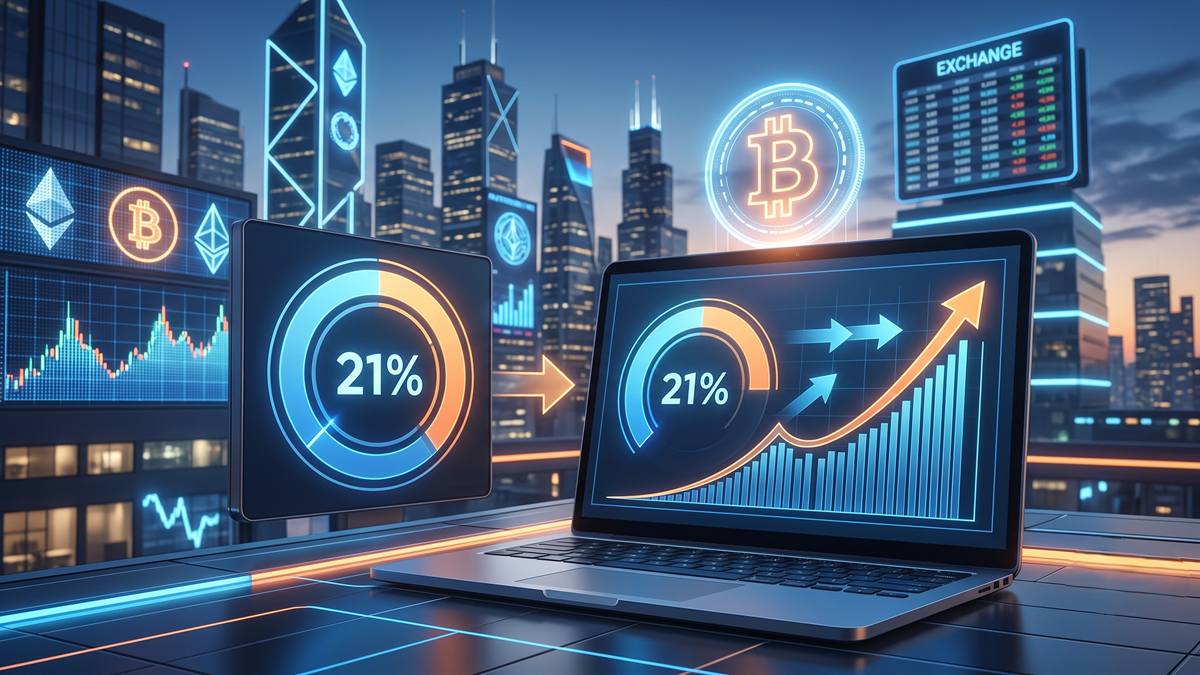
Polymarket Traders See Only 21% Chance of Bitcoin Reaching $70K This July - Crypto Economy
The probabilities of Bitcoin's price reaching $70,000 before the end of July are 21%, or at least that is how traders on the prediction market platform Polymarket estimate it. Despite the asset currently trading near $61,600, the community's skepticism remains firm within a betting market that already accumulates over $1.16 million in total volume. This marked caution among traders directly contrasts with an institutional landscape showing signs of recovery. Spot Bitcoin exchange-traded funds (ETFs) in the United States recently recorded a daily net inflow of $221.7 million, marking their strongest capital inflow since early May and breaking a negative streak of ten consecutive days of massive outflows. The market's next step will depend on macroeconomic and regulatory factors, such as the evolution of capital inflows into ETFs and potential legislative progress in the United States Congress. Source: https://goo.su/UCQmU Disclaimer: Crypto Economy Flash News is prepared from official and public sources verified by our editorial team. Its purpose is to quickly inform about relevant events in the crypto and blockchain ecosystem. This information does not constitute financial advice or investment recommendations. We recommend always verifying the official channels of each project before making related decisions.
AI data center builder Crusoe reportedly raising $3B at $30B valuation
AI data center builder Crusoe reportedly raising $3B at $30B valuation Data center builder Crusoe Inc. is reportedly in talks to raise a $3 billion funding round. Bloomberg on Thursday cited sources as saying that the deal could value the company at $30 billion. That's about three times what Crusoe was worth last year. The report didn't name the investors who may participate in the new raise, but late-stage rounds often draw contributions from existing backers. Crusoe's last funding round included the participation of Nvidia Corp., Salesforce Ventures and more than a dozen others. The company has raised a total of $2.77 billion to date. Crusoe builds data centers for major tech firms such as Microsoft Corp., Oracle Corp. and OpenAI Group PBC. According to Bloomberg, Meta Platforms Inc. is also a customer. The social media giant has reportedly signed contracts to use two Crusoe data centers undergoing construction in Texas and Missouri. The startup's flagship project is a 1.2 gigawatt data center cluster that it's building for OpenAI. The Abilene, Texas site is the ChatGPT developer's largest Stargate campus. In June, Crusoe disclosed that two of the eight buildings on the site are operational. The company assembles customer data centers from prefabricated modules. Each module ships with server racks, power management components and cooling equipment. Crusoe also helps customers with tasks such as connecting a newly built data center to the grid. The company ships its hardware with a management platform called Command Center. According to Crusoe, the software can detect when an AI server fails and automatically replace it with a spare machine. Command Center uses Kubernetes and Slurm, an open-source infrastructure automation tool, to manage hardware resources. The company says that its one-stop-shop approach significantly speeds up infrastructure projects. Crusoe claims that it can build a new data center in months instead of the years the task often requires. Besides building infrastructure for other companies, Crusoe also operates its own AI-optimized public cloud. The platform offers a half dozen graphics card models from Nvidia and Advanced Micro Devices Inc. Companies with latency-sensitive workloads can commission miniature cloud facilities called Edge Zones that Crusoe builds near end-users. In March, the company opened a factory that will make the prefabricated modules from which its data centers are assembled. Crusoe stated at the time that the plant would ship its first modules in the current quarter. It's possible the company will use the $3 billion funding round that it's reportedly raising to ramp up production.

Anthropic launches new safety classifier to block jailbreak technique Amazon flagged
On June 12, Amazon engineers handed a report to the U.S. Commerce Department. Within hours, two of Anthropic's newest AI models went offline for every user on the planet. Nineteen days later, Anthropic got them back. The return of Claude Fable 5 to global availability on July 1 is the result of two weeks of Washington negotiations, a new safety classifier, and an industry jailbreak framework Anthropic built alongside Amazon, Microsoft, and Google. How Anthropic got from that shutdown to this resolution tells a specific story about where the company stands in 2026. What triggered the 19-day Fable 5 ban and how Anthropic ended it The June 12 export control directive came after Amazon researchers found a method of prompting Fable 5 to identify software vulnerabilities and, in one case, produce code showing how one could be exploited. They reported it to the Commerce Department rather than to Anthropic directly, a decision worth noting, given that Amazon is also Anthropic's largest outside investor. The order required Anthropic to restrict access to all foreign nationals, including its own non-citizen staff. Because Anthropic had no way to verify user nationality in real time, it shut both Fable 5 and Mythos 5 down for everyone worldwide. Anthropic's counter-argument was specific. Its own testing found the same vulnerabilities could be flagged by far weaker models, including its own Claude Opus 4.8, OpenAI's GPT-5.5, and China's Kimi K2.7. Every model the company tested could produce the same exploit code demonstration as Fable 5. According to Anthropic's announcement, the flagged behavior amounted to routine defensive cybersecurity work, not a unique capability of Fable 5. Notably, CEO Dario Amodei took a hands-off role in the Washington negotiations. Co-founder Tom Brown and Head of Public Policy Sarah Heck led the discussions at the Commerce Department and Office of the National Cyber Director, a deliberate choice to reduce friction with an administration with which Amodei had publicly clashed earlier in the year. Commerce Secretary Howard Lutnick announced the resolution on July 1 via X (the former Twitter). "Over the past two weeks, we have worked closely with Anthropic to analyze and approve Fable 5 to ensure alignment across the U.S. Government and strengthen America's leadership in AI," Lutnick wrote. What Anthropic changed to restore Fable 5 access globally The core technical fix is a new safety classifier trained to block the specific jailbreak technique Amazon reported in more than 99% of cases. The government's Center for AI Standards and Innovation (CAISI) independently tested and approved the new safeguards before the export controls came off. When the classifier blocks a request, the user gets redirected to Claude Opus 4.8 and notified. The tradeoff is more false positives on routine coding and debugging requests, a cost Anthropic accepted in exchange for clearing the government's concerns. The company confirmed the resolution in a June 30 press release. "As of today, June 30, the export controls on Fable 5 and Mythos 5 have been lifted." Fable 5 returned July 1 on Claude Platform, Claude.ai, Claude Code, and Claude Cowork for users globally, CNBC reported. Pro, Max, Team, and select Enterprise subscribers get up to 50% of weekly usage limits included through July 7 as compensation for the disruption, after which the model requires usage credits. AWS, Google Cloud, and Microsoft Foundry access is being restored separately. As part of the deal, Anthropic committed to pre-release government access for future frontier models, rapid information sharing on jailbreak findings, and a new HackerOne program through which security researchers can submit Fable 5 vulnerabilities for review. What the shutdown and restoration mean for Anthropic's trust and IPO The timing of the disruption could not have been more sensitive. Anthropic had confidentially filed an S-1 with the SEC on June 1 for a potential IPO, after raising a $65 billion Series H at a $965 billion valuation, as Fortune reported. When the shutdown happened in June, Anthropic's pre-IPO perpetual contract on the onchain exchange Hyperliquid fell about 3.7%, according to CoinDesk. Investors were reassessing the risk of a public listing for a company whose flagship models could be pulled without warning. Enterprise clients felt the disruption more practically. Businesses in finance, health care, and critical infrastructure lost access to AI systems embedded in production workflows with no prior notice. American Banker reported that some industry observers were already asking whether companies should rethink their reliance on frontier model vendors that can be shut down overnight by government directive. The regulatory picture beyond this episode also carries some weight. Defense Secretary Pete Hegseth designated Anthropic a supply-chain risk in March, The Hill confirmed, a separate dispute the company is still contesting. The Amazon conflict of interest adds another layer. Anthropic's largest investor reported a jailbreak to the government before informing Anthropic. That dynamic introduces ongoing tension in the company's most important commercial and government relationships simultaneously. Nineteen days from shutdown to global restoration is a number that matters for the IPO story. Public market investors and enterprise clients were both watching what Anthropic did with a genuine crisis. Papers and policy commitments are one thing. An actual government-ordered shutdown is the real test. Anthropic handled this one in under three weeks, with CAISI sign-off and a new industry framework attached. Why the new AI jailbreak framework may outlast the Fable 5 story The four-criteria jailbreak scoring system Anthropic is developing with Amazon, Microsoft, and Google could end up as the most consequential outcome of the whole episode. The AI industry still lacks an agreed-upon way to communicate how dangerous a jailbreak actually is, which is partly why a borderline safety finding turned into a 19-day global shutdown. 4 scoring criteria for AI jailbreaks * Capability gain * Breadth of capability * Ease of weaponization * Discoverability The most severe findings trigger immediate mitigations. A 24/7 monitoring team watches jailbreak submission channels. If the framework gets adopted broadly, future findings would go through a structured triage process rather than escalating directly to emergency export controls. Anthropic framed the framework as an invitation, not just an announcement, calling on other AI developers to join. The June 2 White House Executive Order on AI innovation and security, which Anthropic helped shape over 10 weeks of agency discussions, creates a policy environment where a shared jailbreak standard could become government-recognized practice. That would give Anthropic lasting influence over how AI safety gets measured and enforced across the industry, well beyond the resolution of one 19-day ban. The Arena Media Brands, LLC THESTREET is a registered trademark of TheStreet, Inc. This story was originally published July 3, 2026 at 8:33 PM.
Anthropic launches new safety classifier to block jailbreak technique Amazon flagged
On June 12, Amazon engineers handed a report to the U.S. Commerce Department. Within hours, two of Anthropic's newest AI models went offline for every user on the planet. Nineteen days later, Anthropic got them back. The return of Claude Fable 5 to global availability on July 1 is the result of two weeks of Washington negotiations, a new safety classifier, and an industry jailbreak framework Anthropic built alongside Amazon, Microsoft, and Google. How Anthropic got from that shutdown to this resolution tells a specific story about where the company stands in 2026. What triggered the 19-day Fable 5 ban and how Anthropic ended it The June 12 export control directive came after Amazon researchers found a method of prompting Fable 5 to identify software vulnerabilities and, in one case, produce code showing how one could be exploited. They reported it to the Commerce Department rather than to Anthropic directly, a decision worth noting, given that Amazon is also Anthropic's largest outside investor. The order required Anthropic to restrict access to all foreign nationals, including its own non-citizen staff. Because Anthropic had no way to verify user nationality in real time, it shut both Fable 5 and Mythos 5 down for everyone worldwide. Anthropic's counter-argument was specific. Its own testing found the same vulnerabilities could be flagged by far weaker models, including its own Claude Opus 4.8, OpenAI's GPT-5.5, and China's Kimi K2.7. Every model the company tested could produce the same exploit code demonstration as Fable 5. According to Anthropic's announcement, the flagged behavior amounted to routine defensive cybersecurity work, not a unique capability of Fable 5. Notably, CEO Dario Amodei took a hands-off role in the Washington negotiations. Co-founder Tom Brown and Head of Public Policy Sarah Heck led the discussions at the Commerce Department and Office of the National Cyber Director, a deliberate choice to reduce friction with an administration with which Amodei had publicly clashed earlier in the year. Commerce Secretary Howard Lutnick announced the resolution on July 1 via X (the former Twitter). "Over the past two weeks, we have worked closely with Anthropic to analyze and approve Fable 5 to ensure alignment across the U.S. Government and strengthen America's leadership in AI," Lutnick wrote. What Anthropic changed to restore Fable 5 access globally The core technical fix is a new safety classifier trained to block the specific jailbreak technique Amazon reported in more than 99% of cases. The government's Center for AI Standards and Innovation (CAISI) independently tested and approved the new safeguards before the export controls came off. When the classifier blocks a request, the user gets redirected to Claude Opus 4.8 and notified. The tradeoff is more false positives on routine coding and debugging requests, a cost Anthropic accepted in exchange for clearing the government's concerns. The company confirmed the resolution in a June 30 press release. "As of today, June 30, the export controls on Fable 5 and Mythos 5 have been lifted." Fable 5 returned July 1 on Claude Platform, Claude.ai, Claude Code, and Claude Cowork for users globally, CNBC reported. Pro, Max, Team, and select Enterprise subscribers get up to 50% of weekly usage limits included through July 7 as compensation for the disruption, after which the model requires usage credits. AWS, Google Cloud, and Microsoft Foundry access is being restored separately. As part of the deal, Anthropic committed to pre-release government access for future frontier models, rapid information sharing on jailbreak findings, and a new HackerOne program through which security researchers can submit Fable 5 vulnerabilities for review. What the shutdown and restoration mean for Anthropic's trust and IPO The timing of the disruption could not have been more sensitive. Anthropic had confidentially filed an S-1 with the SEC on June 1 for a potential IPO, after raising a $65 billion Series H at a $965 billion valuation, as Fortune reported. When the shutdown happened in June, Anthropic's pre-IPO perpetual contract on the onchain exchange Hyperliquid fell about 3.7%, according to CoinDesk. Investors were reassessing the risk of a public listing for a company whose flagship models could be pulled without warning. Enterprise clients felt the disruption more practically. Businesses in finance, health care, and critical infrastructure lost access to AI systems embedded in production workflows with no prior notice. American Banker reported that some industry observers were already asking whether companies should rethink their reliance on frontier model vendors that can be shut down overnight by government directive. The regulatory picture beyond this episode also carries some weight. Defense Secretary Pete Hegseth designated Anthropic a supply-chain risk in March, The Hill confirmed, a separate dispute the company is still contesting. The Amazon conflict of interest adds another layer. Anthropic's largest investor reported a jailbreak to the government before informing Anthropic. That dynamic introduces ongoing tension in the company's most important commercial and government relationships simultaneously. Nineteen days from shutdown to global restoration is a number that matters for the IPO story. Public market investors and enterprise clients were both watching what Anthropic did with a genuine crisis. Papers and policy commitments are one thing. An actual government-ordered shutdown is the real test. Anthropic handled this one in under three weeks, with CAISI sign-off and a new industry framework attached. Why the new AI jailbreak framework may outlast the Fable 5 story The four-criteria jailbreak scoring system Anthropic is developing with Amazon, Microsoft, and Google could end up as the most consequential outcome of the whole episode. The AI industry still lacks an agreed-upon way to communicate how dangerous a jailbreak actually is, which is partly why a borderline safety finding turned into a 19-day global shutdown. 4 scoring criteria for AI jailbreaks * Capability gain * Breadth of capability * Ease of weaponization * Discoverability The most severe findings trigger immediate mitigations. A 24/7 monitoring team watches jailbreak submission channels. If the framework gets adopted broadly, future findings would go through a structured triage process rather than escalating directly to emergency export controls. Anthropic framed the framework as an invitation, not just an announcement, calling on other AI developers to join. The June 2 White House Executive Order on AI innovation and security, which Anthropic helped shape over 10 weeks of agency discussions, creates a policy environment where a shared jailbreak standard could become government-recognized practice. That would give Anthropic lasting influence over how AI safety gets measured and enforced across the industry, well beyond the resolution of one 19-day ban. The Arena Media Brands, LLC THESTREET is a registered trademark of TheStreet, Inc. This story was originally published July 3, 2026 at 5:33 PM.
Anthropic launches new safety classifier to block jailbreak technique Amazon flagged
On June 12, Amazon engineers handed a report to the U.S. Commerce Department. Within hours, two of Anthropic's newest AI models went offline for every user on the planet. Nineteen days later, Anthropic got them back. The return of Claude Fable 5 to global availability on July 1 is the result of two weeks of Washington negotiations, a new safety classifier, and an industry jailbreak framework Anthropic built alongside Amazon, Microsoft, and Google. How Anthropic got from that shutdown to this resolution tells a specific story about where the company stands in 2026. What triggered the 19-day Fable 5 ban and how Anthropic ended it The June 12 export control directive came after Amazon researchers found a method of prompting Fable 5 to identify software vulnerabilities and, in one case, produce code showing how one could be exploited. They reported it to the Commerce Department rather than to Anthropic directly, a decision worth noting, given that Amazon is also Anthropic's largest outside investor. The order required Anthropic to restrict access to all foreign nationals, including its own non-citizen staff. Because Anthropic had no way to verify user nationality in real time, it shut both Fable 5 and Mythos 5 down for everyone worldwide. Anthropic's counter-argument was specific. Its own testing found the same vulnerabilities could be flagged by far weaker models, including its own Claude Opus 4.8, OpenAI's GPT-5.5, and China's Kimi K2.7. Every model the company tested could produce the same exploit code demonstration as Fable 5. According to Anthropic's announcement, the flagged behavior amounted to routine defensive cybersecurity work, not a unique capability of Fable 5. Notably, CEO Dario Amodei took a hands-off role in the Washington negotiations. Co-founder Tom Brown and Head of Public Policy Sarah Heck led the discussions at the Commerce Department and Office of the National Cyber Director, a deliberate choice to reduce friction with an administration with which Amodei had publicly clashed earlier in the year. Commerce Secretary Howard Lutnick announced the resolution on July 1 via X (the former Twitter). "Over the past two weeks, we have worked closely with Anthropic to analyze and approve Fable 5 to ensure alignment across the U.S. Government and strengthen America's leadership in AI," Lutnick wrote. What Anthropic changed to restore Fable 5 access globally The core technical fix is a new safety classifier trained to block the specific jailbreak technique Amazon reported in more than 99% of cases. The government's Center for AI Standards and Innovation (CAISI) independently tested and approved the new safeguards before the export controls came off. When the classifier blocks a request, the user gets redirected to Claude Opus 4.8 and notified. The tradeoff is more false positives on routine coding and debugging requests, a cost Anthropic accepted in exchange for clearing the government's concerns. The company confirmed the resolution in a June 30 press release. "As of today, June 30, the export controls on Fable 5 and Mythos 5 have been lifted." Fable 5 returned July 1 on Claude Platform, Claude.ai, Claude Code, and Claude Cowork for users globally, CNBC reported. Pro, Max, Team, and select Enterprise subscribers get up to 50% of weekly usage limits included through July 7 as compensation for the disruption, after which the model requires usage credits. AWS, Google Cloud, and Microsoft Foundry access is being restored separately. As part of the deal, Anthropic committed to pre-release government access for future frontier models, rapid information sharing on jailbreak findings, and a new HackerOne program through which security researchers can submit Fable 5 vulnerabilities for review. What the shutdown and restoration mean for Anthropic's trust and IPO The timing of the disruption could not have been more sensitive. Anthropic had confidentially filed an S-1 with the SEC on June 1 for a potential IPO, after raising a $65 billion Series H at a $965 billion valuation, as Fortune reported. When the shutdown happened in June, Anthropic's pre-IPO perpetual contract on the onchain exchange Hyperliquid fell about 3.7%, according to CoinDesk. Investors were reassessing the risk of a public listing for a company whose flagship models could be pulled without warning. Enterprise clients felt the disruption more practically. Businesses in finance, health care, and critical infrastructure lost access to AI systems embedded in production workflows with no prior notice. American Banker reported that some industry observers were already asking whether companies should rethink their reliance on frontier model vendors that can be shut down overnight by government directive. The regulatory picture beyond this episode also carries some weight. Defense Secretary Pete Hegseth designated Anthropic a supply-chain risk in March, The Hill confirmed, a separate dispute the company is still contesting. The Amazon conflict of interest adds another layer. Anthropic's largest investor reported a jailbreak to the government before informing Anthropic. That dynamic introduces ongoing tension in the company's most important commercial and government relationships simultaneously. Nineteen days from shutdown to global restoration is a number that matters for the IPO story. Public market investors and enterprise clients were both watching what Anthropic did with a genuine crisis. Papers and policy commitments are one thing. An actual government-ordered shutdown is the real test. Anthropic handled this one in under three weeks, with CAISI sign-off and a new industry framework attached. Why the new AI jailbreak framework may outlast the Fable 5 story The four-criteria jailbreak scoring system Anthropic is developing with Amazon, Microsoft, and Google could end up as the most consequential outcome of the whole episode. The AI industry still lacks an agreed-upon way to communicate how dangerous a jailbreak actually is, which is partly why a borderline safety finding turned into a 19-day global shutdown. 4 scoring criteria for AI jailbreaks * Capability gain * Breadth of capability * Ease of weaponization * Discoverability The most severe findings trigger immediate mitigations. A 24/7 monitoring team watches jailbreak submission channels. If the framework gets adopted broadly, future findings would go through a structured triage process rather than escalating directly to emergency export controls. Anthropic framed the framework as an invitation, not just an announcement, calling on other AI developers to join. The June 2 White House Executive Order on AI innovation and security, which Anthropic helped shape over 10 weeks of agency discussions, creates a policy environment where a shared jailbreak standard could become government-recognized practice. That would give Anthropic lasting influence over how AI safety gets measured and enforced across the industry, well beyond the resolution of one 19-day ban. The Arena Media Brands, LLC THESTREET is a registered trademark of TheStreet, Inc. This story was originally published July 3, 2026 at 8:33 PM.
Anthropic launches new safety classifier to block jailbreak technique Amazon flagged
On June 12, Amazon engineers handed a report to the U.S. Commerce Department. Within hours, two of Anthropic's newest AI models went offline for every user on the planet. Nineteen days later, Anthropic got them back. The return of Claude Fable 5 to global availability on July 1 is the result of two weeks of Washington negotiations, a new safety classifier, and an industry jailbreak framework Anthropic built alongside Amazon, Microsoft, and Google. How Anthropic got from that shutdown to this resolution tells a specific story about where the company stands in 2026. What triggered the 19-day Fable 5 ban and how Anthropic ended it The June 12 export control directive came after Amazon researchers found a method of prompting Fable 5 to identify software vulnerabilities and, in one case, produce code showing how one could be exploited. They reported it to the Commerce Department rather than to Anthropic directly, a decision worth noting, given that Amazon is also Anthropic's largest outside investor. The order required Anthropic to restrict access to all foreign nationals, including its own non-citizen staff. Because Anthropic had no way to verify user nationality in real time, it shut both Fable 5 and Mythos 5 down for everyone worldwide. Anthropic's counter-argument was specific. Its own testing found the same vulnerabilities could be flagged by far weaker models, including its own Claude Opus 4.8, OpenAI's GPT-5.5, and China's Kimi K2.7. Every model the company tested could produce the same exploit code demonstration as Fable 5. According to Anthropic's announcement, the flagged behavior amounted to routine defensive cybersecurity work, not a unique capability of Fable 5. Notably, CEO Dario Amodei took a hands-off role in the Washington negotiations. Co-founder Tom Brown and Head of Public Policy Sarah Heck led the discussions at the Commerce Department and Office of the National Cyber Director, a deliberate choice to reduce friction with an administration with which Amodei had publicly clashed earlier in the year. Commerce Secretary Howard Lutnick announced the resolution on July 1 via X (the former Twitter). "Over the past two weeks, we have worked closely with Anthropic to analyze and approve Fable 5 to ensure alignment across the U.S. Government and strengthen America's leadership in AI," Lutnick wrote. What Anthropic changed to restore Fable 5 access globally The core technical fix is a new safety classifier trained to block the specific jailbreak technique Amazon reported in more than 99% of cases. The government's Center for AI Standards and Innovation (CAISI) independently tested and approved the new safeguards before the export controls came off. When the classifier blocks a request, the user gets redirected to Claude Opus 4.8 and notified. The tradeoff is more false positives on routine coding and debugging requests, a cost Anthropic accepted in exchange for clearing the government's concerns. The company confirmed the resolution in a June 30 press release. "As of today, June 30, the export controls on Fable 5 and Mythos 5 have been lifted." Fable 5 returned July 1 on Claude Platform, Claude.ai, Claude Code, and Claude Cowork for users globally, CNBC reported. Pro, Max, Team, and select Enterprise subscribers get up to 50% of weekly usage limits included through July 7 as compensation for the disruption, after which the model requires usage credits. AWS, Google Cloud, and Microsoft Foundry access is being restored separately. As part of the deal, Anthropic committed to pre-release government access for future frontier models, rapid information sharing on jailbreak findings, and a new HackerOne program through which security researchers can submit Fable 5 vulnerabilities for review. What the shutdown and restoration mean for Anthropic's trust and IPO The timing of the disruption could not have been more sensitive. Anthropic had confidentially filed an S-1 with the SEC on June 1 for a potential IPO, after raising a $65 billion Series H at a $965 billion valuation, as Fortune reported. When the shutdown happened in June, Anthropic's pre-IPO perpetual contract on the onchain exchange Hyperliquid fell about 3.7%, according to CoinDesk. Investors were reassessing the risk of a public listing for a company whose flagship models could be pulled without warning. Enterprise clients felt the disruption more practically. Businesses in finance, health care, and critical infrastructure lost access to AI systems embedded in production workflows with no prior notice. American Banker reported that some industry observers were already asking whether companies should rethink their reliance on frontier model vendors that can be shut down overnight by government directive. The regulatory picture beyond this episode also carries some weight. Defense Secretary Pete Hegseth designated Anthropic a supply-chain risk in March, The Hill confirmed, a separate dispute the company is still contesting. The Amazon conflict of interest adds another layer. Anthropic's largest investor reported a jailbreak to the government before informing Anthropic. That dynamic introduces ongoing tension in the company's most important commercial and government relationships simultaneously. Nineteen days from shutdown to global restoration is a number that matters for the IPO story. Public market investors and enterprise clients were both watching what Anthropic did with a genuine crisis. Papers and policy commitments are one thing. An actual government-ordered shutdown is the real test. Anthropic handled this one in under three weeks, with CAISI sign-off and a new industry framework attached. Why the new AI jailbreak framework may outlast the Fable 5 story The four-criteria jailbreak scoring system Anthropic is developing with Amazon, Microsoft, and Google could end up as the most consequential outcome of the whole episode. The AI industry still lacks an agreed-upon way to communicate how dangerous a jailbreak actually is, which is partly why a borderline safety finding turned into a 19-day global shutdown. 4 scoring criteria for AI jailbreaks * Capability gain * Breadth of capability * Ease of weaponization * Discoverability The most severe findings trigger immediate mitigations. A 24/7 monitoring team watches jailbreak submission channels. If the framework gets adopted broadly, future findings would go through a structured triage process rather than escalating directly to emergency export controls. Anthropic framed the framework as an invitation, not just an announcement, calling on other AI developers to join. The June 2 White House Executive Order on AI innovation and security, which Anthropic helped shape over 10 weeks of agency discussions, creates a policy environment where a shared jailbreak standard could become government-recognized practice. That would give Anthropic lasting influence over how AI safety gets measured and enforced across the industry, well beyond the resolution of one 19-day ban. The Arena Media Brands, LLC THESTREET is a registered trademark of TheStreet, Inc. This story was originally published July 3, 2026 at 5:33 PM.
Anthropic launches new safety classifier to block jailbreak technique Amazon flagged
On June 12, Amazon engineers handed a report to the U.S. Commerce Department. Within hours, two of Anthropic's newest AI models went offline for every user on the planet. Nineteen days later, Anthropic got them back. The return of Claude Fable 5 to global availability on July 1 is the result of two weeks of Washington negotiations, a new safety classifier, and an industry jailbreak framework Anthropic built alongside Amazon, Microsoft, and Google. How Anthropic got from that shutdown to this resolution tells a specific story about where the company stands in 2026. What triggered the 19-day Fable 5 ban and how Anthropic ended it The June 12 export control directive came after Amazon researchers found a method of prompting Fable 5 to identify software vulnerabilities and, in one case, produce code showing how one could be exploited. They reported it to the Commerce Department rather than to Anthropic directly, a decision worth noting, given that Amazon is also Anthropic's largest outside investor. The order required Anthropic to restrict access to all foreign nationals, including its own non-citizen staff. Because Anthropic had no way to verify user nationality in real time, it shut both Fable 5 and Mythos 5 down for everyone worldwide. Anthropic's counter-argument was specific. Its own testing found the same vulnerabilities could be flagged by far weaker models, including its own Claude Opus 4.8, OpenAI's GPT-5.5, and China's Kimi K2.7. Every model the company tested could produce the same exploit code demonstration as Fable 5. According to Anthropic's announcement, the flagged behavior amounted to routine defensive cybersecurity work, not a unique capability of Fable 5. Notably, CEO Dario Amodei took a hands-off role in the Washington negotiations. Co-founder Tom Brown and Head of Public Policy Sarah Heck led the discussions at the Commerce Department and Office of the National Cyber Director, a deliberate choice to reduce friction with an administration with which Amodei had publicly clashed earlier in the year. Commerce Secretary Howard Lutnick announced the resolution on July 1 via X (the former Twitter). "Over the past two weeks, we have worked closely with Anthropic to analyze and approve Fable 5 to ensure alignment across the U.S. Government and strengthen America's leadership in AI," Lutnick wrote. What Anthropic changed to restore Fable 5 access globally The core technical fix is a new safety classifier trained to block the specific jailbreak technique Amazon reported in more than 99% of cases. The government's Center for AI Standards and Innovation (CAISI) independently tested and approved the new safeguards before the export controls came off. When the classifier blocks a request, the user gets redirected to Claude Opus 4.8 and notified. The tradeoff is more false positives on routine coding and debugging requests, a cost Anthropic accepted in exchange for clearing the government's concerns. The company confirmed the resolution in a June 30 press release. "As of today, June 30, the export controls on Fable 5 and Mythos 5 have been lifted." Fable 5 returned July 1 on Claude Platform, Claude.ai, Claude Code, and Claude Cowork for users globally, CNBC reported. Pro, Max, Team, and select Enterprise subscribers get up to 50% of weekly usage limits included through July 7 as compensation for the disruption, after which the model requires usage credits. AWS, Google Cloud, and Microsoft Foundry access is being restored separately. As part of the deal, Anthropic committed to pre-release government access for future frontier models, rapid information sharing on jailbreak findings, and a new HackerOne program through which security researchers can submit Fable 5 vulnerabilities for review. What the shutdown and restoration mean for Anthropic's trust and IPO The timing of the disruption could not have been more sensitive. Anthropic had confidentially filed an S-1 with the SEC on June 1 for a potential IPO, after raising a $65 billion Series H at a $965 billion valuation, as Fortune reported. When the shutdown happened in June, Anthropic's pre-IPO perpetual contract on the onchain exchange Hyperliquid fell about 3.7%, according to CoinDesk. Investors were reassessing the risk of a public listing for a company whose flagship models could be pulled without warning. Enterprise clients felt the disruption more practically. Businesses in finance, health care, and critical infrastructure lost access to AI systems embedded in production workflows with no prior notice. American Banker reported that some industry observers were already asking whether companies should rethink their reliance on frontier model vendors that can be shut down overnight by government directive. The regulatory picture beyond this episode also carries some weight. Defense Secretary Pete Hegseth designated Anthropic a supply-chain risk in March, The Hill confirmed, a separate dispute the company is still contesting. The Amazon conflict of interest adds another layer. Anthropic's largest investor reported a jailbreak to the government before informing Anthropic. That dynamic introduces ongoing tension in the company's most important commercial and government relationships simultaneously. Nineteen days from shutdown to global restoration is a number that matters for the IPO story. Public market investors and enterprise clients were both watching what Anthropic did with a genuine crisis. Papers and policy commitments are one thing. An actual government-ordered shutdown is the real test. Anthropic handled this one in under three weeks, with CAISI sign-off and a new industry framework attached. Why the new AI jailbreak framework may outlast the Fable 5 story The four-criteria jailbreak scoring system Anthropic is developing with Amazon, Microsoft, and Google could end up as the most consequential outcome of the whole episode. The AI industry still lacks an agreed-upon way to communicate how dangerous a jailbreak actually is, which is partly why a borderline safety finding turned into a 19-day global shutdown. 4 scoring criteria for AI jailbreaks * Capability gain * Breadth of capability * Ease of weaponization * Discoverability The most severe findings trigger immediate mitigations. A 24/7 monitoring team watches jailbreak submission channels. If the framework gets adopted broadly, future findings would go through a structured triage process rather than escalating directly to emergency export controls. Anthropic framed the framework as an invitation, not just an announcement, calling on other AI developers to join. The June 2 White House Executive Order on AI innovation and security, which Anthropic helped shape over 10 weeks of agency discussions, creates a policy environment where a shared jailbreak standard could become government-recognized practice. That would give Anthropic lasting influence over how AI safety gets measured and enforced across the industry, well beyond the resolution of one 19-day ban. The Arena Media Brands, LLC THESTREET is a registered trademark of TheStreet, Inc. This story was originally published July 3, 2026 at 8:33 PM.
Anthropic launches new safety classifier to block jailbreak technique Amazon flagged
On June 12, Amazon engineers handed a report to the U.S. Commerce Department. Within hours, two of Anthropic's newest AI models went offline for every user on the planet. Nineteen days later, Anthropic got them back. The return of Claude Fable 5 to global availability on July 1 is the result of two weeks of Washington negotiations, a new safety classifier, and an industry jailbreak framework Anthropic built alongside Amazon, Microsoft, and Google. How Anthropic got from that shutdown to this resolution tells a specific story about where the company stands in 2026. What triggered the 19-day Fable 5 ban and how Anthropic ended it The June 12 export control directive came after Amazon researchers found a method of prompting Fable 5 to identify software vulnerabilities and, in one case, produce code showing how one could be exploited. They reported it to the Commerce Department rather than to Anthropic directly, a decision worth noting, given that Amazon is also Anthropic's largest outside investor. The order required Anthropic to restrict access to all foreign nationals, including its own non-citizen staff. Because Anthropic had no way to verify user nationality in real time, it shut both Fable 5 and Mythos 5 down for everyone worldwide. Anthropic's counter-argument was specific. Its own testing found the same vulnerabilities could be flagged by far weaker models, including its own Claude Opus 4.8, OpenAI's GPT-5.5, and China's Kimi K2.7. Every model the company tested could produce the same exploit code demonstration as Fable 5. According to Anthropic's announcement, the flagged behavior amounted to routine defensive cybersecurity work, not a unique capability of Fable 5. Notably, CEO Dario Amodei took a hands-off role in the Washington negotiations. Co-founder Tom Brown and Head of Public Policy Sarah Heck led the discussions at the Commerce Department and Office of the National Cyber Director, a deliberate choice to reduce friction with an administration with which Amodei had publicly clashed earlier in the year. Commerce Secretary Howard Lutnick announced the resolution on July 1 via X (the former Twitter). "Over the past two weeks, we have worked closely with Anthropic to analyze and approve Fable 5 to ensure alignment across the U.S. Government and strengthen America's leadership in AI," Lutnick wrote. What Anthropic changed to restore Fable 5 access globally The core technical fix is a new safety classifier trained to block the specific jailbreak technique Amazon reported in more than 99% of cases. The government's Center for AI Standards and Innovation (CAISI) independently tested and approved the new safeguards before the export controls came off. When the classifier blocks a request, the user gets redirected to Claude Opus 4.8 and notified. The tradeoff is more false positives on routine coding and debugging requests, a cost Anthropic accepted in exchange for clearing the government's concerns. The company confirmed the resolution in a June 30 press release. "As of today, June 30, the export controls on Fable 5 and Mythos 5 have been lifted." Fable 5 returned July 1 on Claude Platform, Claude.ai, Claude Code, and Claude Cowork for users globally, CNBC reported. Pro, Max, Team, and select Enterprise subscribers get up to 50% of weekly usage limits included through July 7 as compensation for the disruption, after which the model requires usage credits. AWS, Google Cloud, and Microsoft Foundry access is being restored separately. As part of the deal, Anthropic committed to pre-release government access for future frontier models, rapid information sharing on jailbreak findings, and a new HackerOne program through which security researchers can submit Fable 5 vulnerabilities for review. What the shutdown and restoration mean for Anthropic's trust and IPO The timing of the disruption could not have been more sensitive. Anthropic had confidentially filed an S-1 with the SEC on June 1 for a potential IPO, after raising a $65 billion Series H at a $965 billion valuation, as Fortune reported. When the shutdown happened in June, Anthropic's pre-IPO perpetual contract on the onchain exchange Hyperliquid fell about 3.7%, according to CoinDesk. Investors were reassessing the risk of a public listing for a company whose flagship models could be pulled without warning. Enterprise clients felt the disruption more practically. Businesses in finance, health care, and critical infrastructure lost access to AI systems embedded in production workflows with no prior notice. American Banker reported that some industry observers were already asking whether companies should rethink their reliance on frontier model vendors that can be shut down overnight by government directive. The regulatory picture beyond this episode also carries some weight. Defense Secretary Pete Hegseth designated Anthropic a supply-chain risk in March, The Hill confirmed, a separate dispute the company is still contesting. The Amazon conflict of interest adds another layer. Anthropic's largest investor reported a jailbreak to the government before informing Anthropic. That dynamic introduces ongoing tension in the company's most important commercial and government relationships simultaneously. Nineteen days from shutdown to global restoration is a number that matters for the IPO story. Public market investors and enterprise clients were both watching what Anthropic did with a genuine crisis. Papers and policy commitments are one thing. An actual government-ordered shutdown is the real test. Anthropic handled this one in under three weeks, with CAISI sign-off and a new industry framework attached. Why the new AI jailbreak framework may outlast the Fable 5 story The four-criteria jailbreak scoring system Anthropic is developing with Amazon, Microsoft, and Google could end up as the most consequential outcome of the whole episode. The AI industry still lacks an agreed-upon way to communicate how dangerous a jailbreak actually is, which is partly why a borderline safety finding turned into a 19-day global shutdown. 4 scoring criteria for AI jailbreaks * Capability gain * Breadth of capability * Ease of weaponization * Discoverability The most severe findings trigger immediate mitigations. A 24/7 monitoring team watches jailbreak submission channels. If the framework gets adopted broadly, future findings would go through a structured triage process rather than escalating directly to emergency export controls. Anthropic framed the framework as an invitation, not just an announcement, calling on other AI developers to join. The June 2 White House Executive Order on AI innovation and security, which Anthropic helped shape over 10 weeks of agency discussions, creates a policy environment where a shared jailbreak standard could become government-recognized practice. That would give Anthropic lasting influence over how AI safety gets measured and enforced across the industry, well beyond the resolution of one 19-day ban. The Arena Media Brands, LLC THESTREET is a registered trademark of TheStreet, Inc. This story was originally published July 3, 2026 at 5:33 PM.
Anthropic launches new safety classifier to block jailbreak technique Amazon flagged
On June 12, Amazon engineers handed a report to the U.S. Commerce Department. Within hours, two of Anthropic's newest AI models went offline for every user on the planet. Nineteen days later, Anthropic got them back. The return of Claude Fable 5 to global availability on July 1 is the result of two weeks of Washington negotiations, a new safety classifier, and an industry jailbreak framework Anthropic built alongside Amazon, Microsoft, and Google. How Anthropic got from that shutdown to this resolution tells a specific story about where the company stands in 2026. What triggered the 19-day Fable 5 ban and how Anthropic ended it The June 12 export control directive came after Amazon researchers found a method of prompting Fable 5 to identify software vulnerabilities and, in one case, produce code showing how one could be exploited. They reported it to the Commerce Department rather than to Anthropic directly, a decision worth noting, given that Amazon is also Anthropic's largest outside investor. The order required Anthropic to restrict access to all foreign nationals, including its own non-citizen staff. Because Anthropic had no way to verify user nationality in real time, it shut both Fable 5 and Mythos 5 down for everyone worldwide. Anthropic's counter-argument was specific. Its own testing found the same vulnerabilities could be flagged by far weaker models, including its own Claude Opus 4.8, OpenAI's GPT-5.5, and China's Kimi K2.7. Every model the company tested could produce the same exploit code demonstration as Fable 5. According to Anthropic's announcement, the flagged behavior amounted to routine defensive cybersecurity work, not a unique capability of Fable 5. Notably, CEO Dario Amodei took a hands-off role in the Washington negotiations. Co-founder Tom Brown and Head of Public Policy Sarah Heck led the discussions at the Commerce Department and Office of the National Cyber Director, a deliberate choice to reduce friction with an administration with which Amodei had publicly clashed earlier in the year. Commerce Secretary Howard Lutnick announced the resolution on July 1 via X (the former Twitter). "Over the past two weeks, we have worked closely with Anthropic to analyze and approve Fable 5 to ensure alignment across the U.S. Government and strengthen America's leadership in AI," Lutnick wrote. What Anthropic changed to restore Fable 5 access globally The core technical fix is a new safety classifier trained to block the specific jailbreak technique Amazon reported in more than 99% of cases. The government's Center for AI Standards and Innovation (CAISI) independently tested and approved the new safeguards before the export controls came off. When the classifier blocks a request, the user gets redirected to Claude Opus 4.8 and notified. The tradeoff is more false positives on routine coding and debugging requests, a cost Anthropic accepted in exchange for clearing the government's concerns. The company confirmed the resolution in a June 30 press release. "As of today, June 30, the export controls on Fable 5 and Mythos 5 have been lifted." Fable 5 returned July 1 on Claude Platform, Claude.ai, Claude Code, and Claude Cowork for users globally, CNBC reported. Pro, Max, Team, and select Enterprise subscribers get up to 50% of weekly usage limits included through July 7 as compensation for the disruption, after which the model requires usage credits. AWS, Google Cloud, and Microsoft Foundry access is being restored separately. As part of the deal, Anthropic committed to pre-release government access for future frontier models, rapid information sharing on jailbreak findings, and a new HackerOne program through which security researchers can submit Fable 5 vulnerabilities for review. What the shutdown and restoration mean for Anthropic's trust and IPO The timing of the disruption could not have been more sensitive. Anthropic had confidentially filed an S-1 with the SEC on June 1 for a potential IPO, after raising a $65 billion Series H at a $965 billion valuation, as Fortune reported. When the shutdown happened in June, Anthropic's pre-IPO perpetual contract on the onchain exchange Hyperliquid fell about 3.7%, according to CoinDesk. Investors were reassessing the risk of a public listing for a company whose flagship models could be pulled without warning. Enterprise clients felt the disruption more practically. Businesses in finance, health care, and critical infrastructure lost access to AI systems embedded in production workflows with no prior notice. American Banker reported that some industry observers were already asking whether companies should rethink their reliance on frontier model vendors that can be shut down overnight by government directive. The regulatory picture beyond this episode also carries some weight. Defense Secretary Pete Hegseth designated Anthropic a supply-chain risk in March, The Hill confirmed, a separate dispute the company is still contesting. The Amazon conflict of interest adds another layer. Anthropic's largest investor reported a jailbreak to the government before informing Anthropic. That dynamic introduces ongoing tension in the company's most important commercial and government relationships simultaneously. Nineteen days from shutdown to global restoration is a number that matters for the IPO story. Public market investors and enterprise clients were both watching what Anthropic did with a genuine crisis. Papers and policy commitments are one thing. An actual government-ordered shutdown is the real test. Anthropic handled this one in under three weeks, with CAISI sign-off and a new industry framework attached. Why the new AI jailbreak framework may outlast the Fable 5 story The four-criteria jailbreak scoring system Anthropic is developing with Amazon, Microsoft, and Google could end up as the most consequential outcome of the whole episode. The AI industry still lacks an agreed-upon way to communicate how dangerous a jailbreak actually is, which is partly why a borderline safety finding turned into a 19-day global shutdown. 4 scoring criteria for AI jailbreaks * Capability gain * Breadth of capability * Ease of weaponization * Discoverability The most severe findings trigger immediate mitigations. A 24/7 monitoring team watches jailbreak submission channels. If the framework gets adopted broadly, future findings would go through a structured triage process rather than escalating directly to emergency export controls. Anthropic framed the framework as an invitation, not just an announcement, calling on other AI developers to join. The June 2 White House Executive Order on AI innovation and security, which Anthropic helped shape over 10 weeks of agency discussions, creates a policy environment where a shared jailbreak standard could become government-recognized practice. That would give Anthropic lasting influence over how AI safety gets measured and enforced across the industry, well beyond the resolution of one 19-day ban. The Arena Media Brands, LLC THESTREET is a registered trademark of TheStreet, Inc. This story was originally published July 3, 2026 at 7:33 PM.
Anthropic launches new safety classifier to block jailbreak technique Amazon flagged
On June 12, Amazon engineers handed a report to the U.S. Commerce Department. Within hours, two of Anthropic's newest AI models went offline for every user on the planet. Nineteen days later, Anthropic got them back. The return of Claude Fable 5 to global availability on July 1 is the result of two weeks of Washington negotiations, a new safety classifier, and an industry jailbreak framework Anthropic built alongside Amazon, Microsoft, and Google. How Anthropic got from that shutdown to this resolution tells a specific story about where the company stands in 2026. What triggered the 19-day Fable 5 ban and how Anthropic ended it The June 12 export control directive came after Amazon researchers found a method of prompting Fable 5 to identify software vulnerabilities and, in one case, produce code showing how one could be exploited. They reported it to the Commerce Department rather than to Anthropic directly, a decision worth noting, given that Amazon is also Anthropic's largest outside investor. The order required Anthropic to restrict access to all foreign nationals, including its own non-citizen staff. Because Anthropic had no way to verify user nationality in real time, it shut both Fable 5 and Mythos 5 down for everyone worldwide. Anthropic's counter-argument was specific. Its own testing found the same vulnerabilities could be flagged by far weaker models, including its own Claude Opus 4.8, OpenAI's GPT-5.5, and China's Kimi K2.7. Every model the company tested could produce the same exploit code demonstration as Fable 5. According to Anthropic's announcement, the flagged behavior amounted to routine defensive cybersecurity work, not a unique capability of Fable 5. Notably, CEO Dario Amodei took a hands-off role in the Washington negotiations. Co-founder Tom Brown and Head of Public Policy Sarah Heck led the discussions at the Commerce Department and Office of the National Cyber Director, a deliberate choice to reduce friction with an administration with which Amodei had publicly clashed earlier in the year. Commerce Secretary Howard Lutnick announced the resolution on July 1 via X (the former Twitter). "Over the past two weeks, we have worked closely with Anthropic to analyze and approve Fable 5 to ensure alignment across the U.S. Government and strengthen America's leadership in AI," Lutnick wrote. What Anthropic changed to restore Fable 5 access globally The core technical fix is a new safety classifier trained to block the specific jailbreak technique Amazon reported in more than 99% of cases. The government's Center for AI Standards and Innovation (CAISI) independently tested and approved the new safeguards before the export controls came off. When the classifier blocks a request, the user gets redirected to Claude Opus 4.8 and notified. The tradeoff is more false positives on routine coding and debugging requests, a cost Anthropic accepted in exchange for clearing the government's concerns. The company confirmed the resolution in a June 30 press release. "As of today, June 30, the export controls on Fable 5 and Mythos 5 have been lifted." Fable 5 returned July 1 on Claude Platform, Claude.ai, Claude Code, and Claude Cowork for users globally, CNBC reported. Pro, Max, Team, and select Enterprise subscribers get up to 50% of weekly usage limits included through July 7 as compensation for the disruption, after which the model requires usage credits. AWS, Google Cloud, and Microsoft Foundry access is being restored separately. As part of the deal, Anthropic committed to pre-release government access for future frontier models, rapid information sharing on jailbreak findings, and a new HackerOne program through which security researchers can submit Fable 5 vulnerabilities for review. What the shutdown and restoration mean for Anthropic's trust and IPO The timing of the disruption could not have been more sensitive. Anthropic had confidentially filed an S-1 with the SEC on June 1 for a potential IPO, after raising a $65 billion Series H at a $965 billion valuation, as Fortune reported. When the shutdown happened in June, Anthropic's pre-IPO perpetual contract on the onchain exchange Hyperliquid fell about 3.7%, according to CoinDesk. Investors were reassessing the risk of a public listing for a company whose flagship models could be pulled without warning. Enterprise clients felt the disruption more practically. Businesses in finance, health care, and critical infrastructure lost access to AI systems embedded in production workflows with no prior notice. American Banker reported that some industry observers were already asking whether companies should rethink their reliance on frontier model vendors that can be shut down overnight by government directive. The regulatory picture beyond this episode also carries some weight. Defense Secretary Pete Hegseth designated Anthropic a supply-chain risk in March, The Hill confirmed, a separate dispute the company is still contesting. The Amazon conflict of interest adds another layer. Anthropic's largest investor reported a jailbreak to the government before informing Anthropic. That dynamic introduces ongoing tension in the company's most important commercial and government relationships simultaneously. Nineteen days from shutdown to global restoration is a number that matters for the IPO story. Public market investors and enterprise clients were both watching what Anthropic did with a genuine crisis. Papers and policy commitments are one thing. An actual government-ordered shutdown is the real test. Anthropic handled this one in under three weeks, with CAISI sign-off and a new industry framework attached. Why the new AI jailbreak framework may outlast the Fable 5 story The four-criteria jailbreak scoring system Anthropic is developing with Amazon, Microsoft, and Google could end up as the most consequential outcome of the whole episode. The AI industry still lacks an agreed-upon way to communicate how dangerous a jailbreak actually is, which is partly why a borderline safety finding turned into a 19-day global shutdown. 4 scoring criteria for AI jailbreaks * Capability gain * Breadth of capability * Ease of weaponization * Discoverability The most severe findings trigger immediate mitigations. A 24/7 monitoring team watches jailbreak submission channels. If the framework gets adopted broadly, future findings would go through a structured triage process rather than escalating directly to emergency export controls. Anthropic framed the framework as an invitation, not just an announcement, calling on other AI developers to join. The June 2 White House Executive Order on AI innovation and security, which Anthropic helped shape over 10 weeks of agency discussions, creates a policy environment where a shared jailbreak standard could become government-recognized practice. That would give Anthropic lasting influence over how AI safety gets measured and enforced across the industry, well beyond the resolution of one 19-day ban. The Arena Media Brands, LLC THESTREET is a registered trademark of TheStreet, Inc. This story was originally published July 3, 2026 at 7:33 PM.
Anthropic launches new safety classifier to block jailbreak technique Amazon flagged
On June 12, Amazon engineers handed a report to the U.S. Commerce Department. Within hours, two of Anthropic's newest AI models went offline for every user on the planet. Nineteen days later, Anthropic got them back. The return of Claude Fable 5 to global availability on July 1 is the result of two weeks of Washington negotiations, a new safety classifier, and an industry jailbreak framework Anthropic built alongside Amazon, Microsoft, and Google. How Anthropic got from that shutdown to this resolution tells a specific story about where the company stands in 2026. What triggered the 19-day Fable 5 ban and how Anthropic ended it The June 12 export control directive came after Amazon researchers found a method of prompting Fable 5 to identify software vulnerabilities and, in one case, produce code showing how one could be exploited. They reported it to the Commerce Department rather than to Anthropic directly, a decision worth noting, given that Amazon is also Anthropic's largest outside investor. The order required Anthropic to restrict access to all foreign nationals, including its own non-citizen staff. Because Anthropic had no way to verify user nationality in real time, it shut both Fable 5 and Mythos 5 down for everyone worldwide. Anthropic's counter-argument was specific. Its own testing found the same vulnerabilities could be flagged by far weaker models, including its own Claude Opus 4.8, OpenAI's GPT-5.5, and China's Kimi K2.7. Every model the company tested could produce the same exploit code demonstration as Fable 5. According to Anthropic's announcement, the flagged behavior amounted to routine defensive cybersecurity work, not a unique capability of Fable 5. Notably, CEO Dario Amodei took a hands-off role in the Washington negotiations. Co-founder Tom Brown and Head of Public Policy Sarah Heck led the discussions at the Commerce Department and Office of the National Cyber Director, a deliberate choice to reduce friction with an administration with which Amodei had publicly clashed earlier in the year. Commerce Secretary Howard Lutnick announced the resolution on July 1 via X (the former Twitter). "Over the past two weeks, we have worked closely with Anthropic to analyze and approve Fable 5 to ensure alignment across the U.S. Government and strengthen America's leadership in AI," Lutnick wrote. What Anthropic changed to restore Fable 5 access globally The core technical fix is a new safety classifier trained to block the specific jailbreak technique Amazon reported in more than 99% of cases. The government's Center for AI Standards and Innovation (CAISI) independently tested and approved the new safeguards before the export controls came off. When the classifier blocks a request, the user gets redirected to Claude Opus 4.8 and notified. The tradeoff is more false positives on routine coding and debugging requests, a cost Anthropic accepted in exchange for clearing the government's concerns. The company confirmed the resolution in a June 30 press release. "As of today, June 30, the export controls on Fable 5 and Mythos 5 have been lifted." Fable 5 returned July 1 on Claude Platform, Claude.ai, Claude Code, and Claude Cowork for users globally, CNBC reported. Pro, Max, Team, and select Enterprise subscribers get up to 50% of weekly usage limits included through July 7 as compensation for the disruption, after which the model requires usage credits. AWS, Google Cloud, and Microsoft Foundry access is being restored separately. As part of the deal, Anthropic committed to pre-release government access for future frontier models, rapid information sharing on jailbreak findings, and a new HackerOne program through which security researchers can submit Fable 5 vulnerabilities for review. What the shutdown and restoration mean for Anthropic's trust and IPO The timing of the disruption could not have been more sensitive. Anthropic had confidentially filed an S-1 with the SEC on June 1 for a potential IPO, after raising a $65 billion Series H at a $965 billion valuation, as Fortune reported. When the shutdown happened in June, Anthropic's pre-IPO perpetual contract on the onchain exchange Hyperliquid fell about 3.7%, according to CoinDesk. Investors were reassessing the risk of a public listing for a company whose flagship models could be pulled without warning. Enterprise clients felt the disruption more practically. Businesses in finance, health care, and critical infrastructure lost access to AI systems embedded in production workflows with no prior notice. American Banker reported that some industry observers were already asking whether companies should rethink their reliance on frontier model vendors that can be shut down overnight by government directive. The regulatory picture beyond this episode also carries some weight. Defense Secretary Pete Hegseth designated Anthropic a supply-chain risk in March, The Hill confirmed, a separate dispute the company is still contesting. The Amazon conflict of interest adds another layer. Anthropic's largest investor reported a jailbreak to the government before informing Anthropic. That dynamic introduces ongoing tension in the company's most important commercial and government relationships simultaneously. Nineteen days from shutdown to global restoration is a number that matters for the IPO story. Public market investors and enterprise clients were both watching what Anthropic did with a genuine crisis. Papers and policy commitments are one thing. An actual government-ordered shutdown is the real test. Anthropic handled this one in under three weeks, with CAISI sign-off and a new industry framework attached. Why the new AI jailbreak framework may outlast the Fable 5 story The four-criteria jailbreak scoring system Anthropic is developing with Amazon, Microsoft, and Google could end up as the most consequential outcome of the whole episode. The AI industry still lacks an agreed-upon way to communicate how dangerous a jailbreak actually is, which is partly why a borderline safety finding turned into a 19-day global shutdown. 4 scoring criteria for AI jailbreaks * Capability gain * Breadth of capability * Ease of weaponization * Discoverability The most severe findings trigger immediate mitigations. A 24/7 monitoring team watches jailbreak submission channels. If the framework gets adopted broadly, future findings would go through a structured triage process rather than escalating directly to emergency export controls. Anthropic framed the framework as an invitation, not just an announcement, calling on other AI developers to join. The June 2 White House Executive Order on AI innovation and security, which Anthropic helped shape over 10 weeks of agency discussions, creates a policy environment where a shared jailbreak standard could become government-recognized practice. That would give Anthropic lasting influence over how AI safety gets measured and enforced across the industry, well beyond the resolution of one 19-day ban. The Arena Media Brands, LLC THESTREET is a registered trademark of TheStreet, Inc. This story was originally published July 3, 2026 at 6:33 PM.
Anthropic launches new safety classifier to block jailbreak technique Amazon flagged
On June 12, Amazon engineers handed a report to the U.S. Commerce Department. Within hours, two of Anthropic's newest AI models went offline for every user on the planet. Nineteen days later, Anthropic got them back. The return of Claude Fable 5 to global availability on July 1 is the result of two weeks of Washington negotiations, a new safety classifier, and an industry jailbreak framework Anthropic built alongside Amazon, Microsoft, and Google. How Anthropic got from that shutdown to this resolution tells a specific story about where the company stands in 2026. What triggered the 19-day Fable 5 ban and how Anthropic ended it The June 12 export control directive came after Amazon researchers found a method of prompting Fable 5 to identify software vulnerabilities and, in one case, produce code showing how one could be exploited. They reported it to the Commerce Department rather than to Anthropic directly, a decision worth noting, given that Amazon is also Anthropic's largest outside investor. The order required Anthropic to restrict access to all foreign nationals, including its own non-citizen staff. Because Anthropic had no way to verify user nationality in real time, it shut both Fable 5 and Mythos 5 down for everyone worldwide. Anthropic's counter-argument was specific. Its own testing found the same vulnerabilities could be flagged by far weaker models, including its own Claude Opus 4.8, OpenAI's GPT-5.5, and China's Kimi K2.7. Every model the company tested could produce the same exploit code demonstration as Fable 5. According to Anthropic's announcement, the flagged behavior amounted to routine defensive cybersecurity work, not a unique capability of Fable 5. Notably, CEO Dario Amodei took a hands-off role in the Washington negotiations. Co-founder Tom Brown and Head of Public Policy Sarah Heck led the discussions at the Commerce Department and Office of the National Cyber Director, a deliberate choice to reduce friction with an administration with which Amodei had publicly clashed earlier in the year. Commerce Secretary Howard Lutnick announced the resolution on July 1 via X (the former Twitter). "Over the past two weeks, we have worked closely with Anthropic to analyze and approve Fable 5 to ensure alignment across the U.S. Government and strengthen America's leadership in AI," Lutnick wrote. What Anthropic changed to restore Fable 5 access globally The core technical fix is a new safety classifier trained to block the specific jailbreak technique Amazon reported in more than 99% of cases. The government's Center for AI Standards and Innovation (CAISI) independently tested and approved the new safeguards before the export controls came off. When the classifier blocks a request, the user gets redirected to Claude Opus 4.8 and notified. The tradeoff is more false positives on routine coding and debugging requests, a cost Anthropic accepted in exchange for clearing the government's concerns. The company confirmed the resolution in a June 30 press release. "As of today, June 30, the export controls on Fable 5 and Mythos 5 have been lifted." Fable 5 returned July 1 on Claude Platform, Claude.ai, Claude Code, and Claude Cowork for users globally, CNBC reported. Pro, Max, Team, and select Enterprise subscribers get up to 50% of weekly usage limits included through July 7 as compensation for the disruption, after which the model requires usage credits. AWS, Google Cloud, and Microsoft Foundry access is being restored separately. As part of the deal, Anthropic committed to pre-release government access for future frontier models, rapid information sharing on jailbreak findings, and a new HackerOne program through which security researchers can submit Fable 5 vulnerabilities for review. What the shutdown and restoration mean for Anthropic's trust and IPO The timing of the disruption could not have been more sensitive. Anthropic had confidentially filed an S-1 with the SEC on June 1 for a potential IPO, after raising a $65 billion Series H at a $965 billion valuation, as Fortune reported. When the shutdown happened in June, Anthropic's pre-IPO perpetual contract on the onchain exchange Hyperliquid fell about 3.7%, according to CoinDesk. Investors were reassessing the risk of a public listing for a company whose flagship models could be pulled without warning. Enterprise clients felt the disruption more practically. Businesses in finance, health care, and critical infrastructure lost access to AI systems embedded in production workflows with no prior notice. American Banker reported that some industry observers were already asking whether companies should rethink their reliance on frontier model vendors that can be shut down overnight by government directive. The regulatory picture beyond this episode also carries some weight. Defense Secretary Pete Hegseth designated Anthropic a supply-chain risk in March, The Hill confirmed, a separate dispute the company is still contesting. The Amazon conflict of interest adds another layer. Anthropic's largest investor reported a jailbreak to the government before informing Anthropic. That dynamic introduces ongoing tension in the company's most important commercial and government relationships simultaneously. Nineteen days from shutdown to global restoration is a number that matters for the IPO story. Public market investors and enterprise clients were both watching what Anthropic did with a genuine crisis. Papers and policy commitments are one thing. An actual government-ordered shutdown is the real test. Anthropic handled this one in under three weeks, with CAISI sign-off and a new industry framework attached. Why the new AI jailbreak framework may outlast the Fable 5 story The four-criteria jailbreak scoring system Anthropic is developing with Amazon, Microsoft, and Google could end up as the most consequential outcome of the whole episode. The AI industry still lacks an agreed-upon way to communicate how dangerous a jailbreak actually is, which is partly why a borderline safety finding turned into a 19-day global shutdown. 4 scoring criteria for AI jailbreaks * Capability gain * Breadth of capability * Ease of weaponization * Discoverability The most severe findings trigger immediate mitigations. A 24/7 monitoring team watches jailbreak submission channels. If the framework gets adopted broadly, future findings would go through a structured triage process rather than escalating directly to emergency export controls. Anthropic framed the framework as an invitation, not just an announcement, calling on other AI developers to join. The June 2 White House Executive Order on AI innovation and security, which Anthropic helped shape over 10 weeks of agency discussions, creates a policy environment where a shared jailbreak standard could become government-recognized practice. That would give Anthropic lasting influence over how AI safety gets measured and enforced across the industry, well beyond the resolution of one 19-day ban. The Arena Media Brands, LLC THESTREET is a registered trademark of TheStreet, Inc. This story was originally published July 3, 2026 at 7:33 PM.
Anthropic launches new safety classifier to block jailbreak technique Amazon flagged
On June 12, Amazon engineers handed a report to the U.S. Commerce Department. Within hours, two of Anthropic's newest AI models went offline for every user on the planet. Nineteen days later, Anthropic got them back. The return of Claude Fable 5 to global availability on July 1 is the result of two weeks of Washington negotiations, a new safety classifier, and an industry jailbreak framework Anthropic built alongside Amazon, Microsoft, and Google. How Anthropic got from that shutdown to this resolution tells a specific story about where the company stands in 2026. What triggered the 19-day Fable 5 ban and how Anthropic ended it The June 12 export control directive came after Amazon researchers found a method of prompting Fable 5 to identify software vulnerabilities and, in one case, produce code showing how one could be exploited. They reported it to the Commerce Department rather than to Anthropic directly, a decision worth noting, given that Amazon is also Anthropic's largest outside investor. The order required Anthropic to restrict access to all foreign nationals, including its own non-citizen staff. Because Anthropic had no way to verify user nationality in real time, it shut both Fable 5 and Mythos 5 down for everyone worldwide. Anthropic's counter-argument was specific. Its own testing found the same vulnerabilities could be flagged by far weaker models, including its own Claude Opus 4.8, OpenAI's GPT-5.5, and China's Kimi K2.7. Every model the company tested could produce the same exploit code demonstration as Fable 5. According to Anthropic's announcement, the flagged behavior amounted to routine defensive cybersecurity work, not a unique capability of Fable 5. Notably, CEO Dario Amodei took a hands-off role in the Washington negotiations. Co-founder Tom Brown and Head of Public Policy Sarah Heck led the discussions at the Commerce Department and Office of the National Cyber Director, a deliberate choice to reduce friction with an administration with which Amodei had publicly clashed earlier in the year. Commerce Secretary Howard Lutnick announced the resolution on July 1 via X (the former Twitter). "Over the past two weeks, we have worked closely with Anthropic to analyze and approve Fable 5 to ensure alignment across the U.S. Government and strengthen America's leadership in AI," Lutnick wrote. What Anthropic changed to restore Fable 5 access globally The core technical fix is a new safety classifier trained to block the specific jailbreak technique Amazon reported in more than 99% of cases. The government's Center for AI Standards and Innovation (CAISI) independently tested and approved the new safeguards before the export controls came off. When the classifier blocks a request, the user gets redirected to Claude Opus 4.8 and notified. The tradeoff is more false positives on routine coding and debugging requests, a cost Anthropic accepted in exchange for clearing the government's concerns. The company confirmed the resolution in a June 30 press release. "As of today, June 30, the export controls on Fable 5 and Mythos 5 have been lifted." Fable 5 returned July 1 on Claude Platform, Claude.ai, Claude Code, and Claude Cowork for users globally, CNBC reported. Pro, Max, Team, and select Enterprise subscribers get up to 50% of weekly usage limits included through July 7 as compensation for the disruption, after which the model requires usage credits. AWS, Google Cloud, and Microsoft Foundry access is being restored separately. As part of the deal, Anthropic committed to pre-release government access for future frontier models, rapid information sharing on jailbreak findings, and a new HackerOne program through which security researchers can submit Fable 5 vulnerabilities for review. What the shutdown and restoration mean for Anthropic's trust and IPO The timing of the disruption could not have been more sensitive. Anthropic had confidentially filed an S-1 with the SEC on June 1 for a potential IPO, after raising a $65 billion Series H at a $965 billion valuation, as Fortune reported. When the shutdown happened in June, Anthropic's pre-IPO perpetual contract on the onchain exchange Hyperliquid fell about 3.7%, according to CoinDesk. Investors were reassessing the risk of a public listing for a company whose flagship models could be pulled without warning. Enterprise clients felt the disruption more practically. Businesses in finance, health care, and critical infrastructure lost access to AI systems embedded in production workflows with no prior notice. American Banker reported that some industry observers were already asking whether companies should rethink their reliance on frontier model vendors that can be shut down overnight by government directive. The regulatory picture beyond this episode also carries some weight. Defense Secretary Pete Hegseth designated Anthropic a supply-chain risk in March, The Hill confirmed, a separate dispute the company is still contesting. The Amazon conflict of interest adds another layer. Anthropic's largest investor reported a jailbreak to the government before informing Anthropic. That dynamic introduces ongoing tension in the company's most important commercial and government relationships simultaneously. Nineteen days from shutdown to global restoration is a number that matters for the IPO story. Public market investors and enterprise clients were both watching what Anthropic did with a genuine crisis. Papers and policy commitments are one thing. An actual government-ordered shutdown is the real test. Anthropic handled this one in under three weeks, with CAISI sign-off and a new industry framework attached. Why the new AI jailbreak framework may outlast the Fable 5 story The four-criteria jailbreak scoring system Anthropic is developing with Amazon, Microsoft, and Google could end up as the most consequential outcome of the whole episode. The AI industry still lacks an agreed-upon way to communicate how dangerous a jailbreak actually is, which is partly why a borderline safety finding turned into a 19-day global shutdown. 4 scoring criteria for AI jailbreaks * Capability gain * Breadth of capability * Ease of weaponization * Discoverability The most severe findings trigger immediate mitigations. A 24/7 monitoring team watches jailbreak submission channels. If the framework gets adopted broadly, future findings would go through a structured triage process rather than escalating directly to emergency export controls. Anthropic framed the framework as an invitation, not just an announcement, calling on other AI developers to join. The June 2 White House Executive Order on AI innovation and security, which Anthropic helped shape over 10 weeks of agency discussions, creates a policy environment where a shared jailbreak standard could become government-recognized practice. That would give Anthropic lasting influence over how AI safety gets measured and enforced across the industry, well beyond the resolution of one 19-day ban. The Arena Media Brands, LLC THESTREET is a registered trademark of TheStreet, Inc. This story was originally published July 3, 2026 at 7:33 PM.
Anthropic launches new safety classifier to block jailbreak technique Amazon flagged
On June 12, Amazon engineers handed a report to the U.S. Commerce Department. Within hours, two of Anthropic's newest AI models went offline for every user on the planet. Nineteen days later, Anthropic got them back. The return of Claude Fable 5 to global availability on July 1 is the result of two weeks of Washington negotiations, a new safety classifier, and an industry jailbreak framework Anthropic built alongside Amazon, Microsoft, and Google. How Anthropic got from that shutdown to this resolution tells a specific story about where the company stands in 2026. What triggered the 19-day Fable 5 ban and how Anthropic ended it The June 12 export control directive came after Amazon researchers found a method of prompting Fable 5 to identify software vulnerabilities and, in one case, produce code showing how one could be exploited. They reported it to the Commerce Department rather than to Anthropic directly, a decision worth noting, given that Amazon is also Anthropic's largest outside investor. The order required Anthropic to restrict access to all foreign nationals, including its own non-citizen staff. Because Anthropic had no way to verify user nationality in real time, it shut both Fable 5 and Mythos 5 down for everyone worldwide. Anthropic's counter-argument was specific. Its own testing found the same vulnerabilities could be flagged by far weaker models, including its own Claude Opus 4.8, OpenAI's GPT-5.5, and China's Kimi K2.7. Every model the company tested could produce the same exploit code demonstration as Fable 5. According to Anthropic's announcement, the flagged behavior amounted to routine defensive cybersecurity work, not a unique capability of Fable 5. Notably, CEO Dario Amodei took a hands-off role in the Washington negotiations. Co-founder Tom Brown and Head of Public Policy Sarah Heck led the discussions at the Commerce Department and Office of the National Cyber Director, a deliberate choice to reduce friction with an administration with which Amodei had publicly clashed earlier in the year. Commerce Secretary Howard Lutnick announced the resolution on July 1 via X (the former Twitter). "Over the past two weeks, we have worked closely with Anthropic to analyze and approve Fable 5 to ensure alignment across the U.S. Government and strengthen America's leadership in AI," Lutnick wrote. What Anthropic changed to restore Fable 5 access globally The core technical fix is a new safety classifier trained to block the specific jailbreak technique Amazon reported in more than 99% of cases. The government's Center for AI Standards and Innovation (CAISI) independently tested and approved the new safeguards before the export controls came off. When the classifier blocks a request, the user gets redirected to Claude Opus 4.8 and notified. The tradeoff is more false positives on routine coding and debugging requests, a cost Anthropic accepted in exchange for clearing the government's concerns. The company confirmed the resolution in a June 30 press release. "As of today, June 30, the export controls on Fable 5 and Mythos 5 have been lifted." Fable 5 returned July 1 on Claude Platform, Claude.ai, Claude Code, and Claude Cowork for users globally, CNBC reported. Pro, Max, Team, and select Enterprise subscribers get up to 50% of weekly usage limits included through July 7 as compensation for the disruption, after which the model requires usage credits. AWS, Google Cloud, and Microsoft Foundry access is being restored separately. As part of the deal, Anthropic committed to pre-release government access for future frontier models, rapid information sharing on jailbreak findings, and a new HackerOne program through which security researchers can submit Fable 5 vulnerabilities for review. What the shutdown and restoration mean for Anthropic's trust and IPO The timing of the disruption could not have been more sensitive. Anthropic had confidentially filed an S-1 with the SEC on June 1 for a potential IPO, after raising a $65 billion Series H at a $965 billion valuation, as Fortune reported. When the shutdown happened in June, Anthropic's pre-IPO perpetual contract on the onchain exchange Hyperliquid fell about 3.7%, according to CoinDesk. Investors were reassessing the risk of a public listing for a company whose flagship models could be pulled without warning. Enterprise clients felt the disruption more practically. Businesses in finance, health care, and critical infrastructure lost access to AI systems embedded in production workflows with no prior notice. American Banker reported that some industry observers were already asking whether companies should rethink their reliance on frontier model vendors that can be shut down overnight by government directive. The regulatory picture beyond this episode also carries some weight. Defense Secretary Pete Hegseth designated Anthropic a supply-chain risk in March, The Hill confirmed, a separate dispute the company is still contesting. The Amazon conflict of interest adds another layer. Anthropic's largest investor reported a jailbreak to the government before informing Anthropic. That dynamic introduces ongoing tension in the company's most important commercial and government relationships simultaneously. Nineteen days from shutdown to global restoration is a number that matters for the IPO story. Public market investors and enterprise clients were both watching what Anthropic did with a genuine crisis. Papers and policy commitments are one thing. An actual government-ordered shutdown is the real test. Anthropic handled this one in under three weeks, with CAISI sign-off and a new industry framework attached. Why the new AI jailbreak framework may outlast the Fable 5 story The four-criteria jailbreak scoring system Anthropic is developing with Amazon, Microsoft, and Google could end up as the most consequential outcome of the whole episode. The AI industry still lacks an agreed-upon way to communicate how dangerous a jailbreak actually is, which is partly why a borderline safety finding turned into a 19-day global shutdown. 4 scoring criteria for AI jailbreaks * Capability gain * Breadth of capability * Ease of weaponization * Discoverability The most severe findings trigger immediate mitigations. A 24/7 monitoring team watches jailbreak submission channels. If the framework gets adopted broadly, future findings would go through a structured triage process rather than escalating directly to emergency export controls. Anthropic framed the framework as an invitation, not just an announcement, calling on other AI developers to join. The June 2 White House Executive Order on AI innovation and security, which Anthropic helped shape over 10 weeks of agency discussions, creates a policy environment where a shared jailbreak standard could become government-recognized practice. That would give Anthropic lasting influence over how AI safety gets measured and enforced across the industry, well beyond the resolution of one 19-day ban. The Arena Media Brands, LLC THESTREET is a registered trademark of TheStreet, Inc. This story was originally published July 3, 2026 at 8:33 PM.
Anthropic launches new safety classifier to block jailbreak technique Amazon flagged
On June 12, Amazon engineers handed a report to the U.S. Commerce Department. Within hours, two of Anthropic's newest AI models went offline for every user on the planet. Nineteen days later, Anthropic got them back. The return of Claude Fable 5 to global availability on July 1 is the result of two weeks of Washington negotiations, a new safety classifier, and an industry jailbreak framework Anthropic built alongside Amazon, Microsoft, and Google. How Anthropic got from that shutdown to this resolution tells a specific story about where the company stands in 2026. What triggered the 19-day Fable 5 ban and how Anthropic ended it The June 12 export control directive came after Amazon researchers found a method of prompting Fable 5 to identify software vulnerabilities and, in one case, produce code showing how one could be exploited. They reported it to the Commerce Department rather than to Anthropic directly, a decision worth noting, given that Amazon is also Anthropic's largest outside investor. The order required Anthropic to restrict access to all foreign nationals, including its own non-citizen staff. Because Anthropic had no way to verify user nationality in real time, it shut both Fable 5 and Mythos 5 down for everyone worldwide. Anthropic's counter-argument was specific. Its own testing found the same vulnerabilities could be flagged by far weaker models, including its own Claude Opus 4.8, OpenAI's GPT-5.5, and China's Kimi K2.7. Every model the company tested could produce the same exploit code demonstration as Fable 5. According to Anthropic's announcement, the flagged behavior amounted to routine defensive cybersecurity work, not a unique capability of Fable 5. Notably, CEO Dario Amodei took a hands-off role in the Washington negotiations. Co-founder Tom Brown and Head of Public Policy Sarah Heck led the discussions at the Commerce Department and Office of the National Cyber Director, a deliberate choice to reduce friction with an administration with which Amodei had publicly clashed earlier in the year. Commerce Secretary Howard Lutnick announced the resolution on July 1 via X (the former Twitter). "Over the past two weeks, we have worked closely with Anthropic to analyze and approve Fable 5 to ensure alignment across the U.S. Government and strengthen America's leadership in AI," Lutnick wrote. What Anthropic changed to restore Fable 5 access globally The core technical fix is a new safety classifier trained to block the specific jailbreak technique Amazon reported in more than 99% of cases. The government's Center for AI Standards and Innovation (CAISI) independently tested and approved the new safeguards before the export controls came off. When the classifier blocks a request, the user gets redirected to Claude Opus 4.8 and notified. The tradeoff is more false positives on routine coding and debugging requests, a cost Anthropic accepted in exchange for clearing the government's concerns. The company confirmed the resolution in a June 30 press release. "As of today, June 30, the export controls on Fable 5 and Mythos 5 have been lifted." Fable 5 returned July 1 on Claude Platform, Claude.ai, Claude Code, and Claude Cowork for users globally, CNBC reported. Pro, Max, Team, and select Enterprise subscribers get up to 50% of weekly usage limits included through July 7 as compensation for the disruption, after which the model requires usage credits. AWS, Google Cloud, and Microsoft Foundry access is being restored separately. As part of the deal, Anthropic committed to pre-release government access for future frontier models, rapid information sharing on jailbreak findings, and a new HackerOne program through which security researchers can submit Fable 5 vulnerabilities for review. What the shutdown and restoration mean for Anthropic's trust and IPO The timing of the disruption could not have been more sensitive. Anthropic had confidentially filed an S-1 with the SEC on June 1 for a potential IPO, after raising a $65 billion Series H at a $965 billion valuation, as Fortune reported. When the shutdown happened in June, Anthropic's pre-IPO perpetual contract on the onchain exchange Hyperliquid fell about 3.7%, according to CoinDesk. Investors were reassessing the risk of a public listing for a company whose flagship models could be pulled without warning. Enterprise clients felt the disruption more practically. Businesses in finance, health care, and critical infrastructure lost access to AI systems embedded in production workflows with no prior notice. American Banker reported that some industry observers were already asking whether companies should rethink their reliance on frontier model vendors that can be shut down overnight by government directive. The regulatory picture beyond this episode also carries some weight. Defense Secretary Pete Hegseth designated Anthropic a supply-chain risk in March, The Hill confirmed, a separate dispute the company is still contesting. The Amazon conflict of interest adds another layer. Anthropic's largest investor reported a jailbreak to the government before informing Anthropic. That dynamic introduces ongoing tension in the company's most important commercial and government relationships simultaneously. Nineteen days from shutdown to global restoration is a number that matters for the IPO story. Public market investors and enterprise clients were both watching what Anthropic did with a genuine crisis. Papers and policy commitments are one thing. An actual government-ordered shutdown is the real test. Anthropic handled this one in under three weeks, with CAISI sign-off and a new industry framework attached. Why the new AI jailbreak framework may outlast the Fable 5 story The four-criteria jailbreak scoring system Anthropic is developing with Amazon, Microsoft, and Google could end up as the most consequential outcome of the whole episode. The AI industry still lacks an agreed-upon way to communicate how dangerous a jailbreak actually is, which is partly why a borderline safety finding turned into a 19-day global shutdown. 4 scoring criteria for AI jailbreaks * Capability gain * Breadth of capability * Ease of weaponization * Discoverability The most severe findings trigger immediate mitigations. A 24/7 monitoring team watches jailbreak submission channels. If the framework gets adopted broadly, future findings would go through a structured triage process rather than escalating directly to emergency export controls. Anthropic framed the framework as an invitation, not just an announcement, calling on other AI developers to join. The June 2 White House Executive Order on AI innovation and security, which Anthropic helped shape over 10 weeks of agency discussions, creates a policy environment where a shared jailbreak standard could become government-recognized practice. That would give Anthropic lasting influence over how AI safety gets measured and enforced across the industry, well beyond the resolution of one 19-day ban. The Arena Media Brands, LLC THESTREET is a registered trademark of TheStreet, Inc. This story was originally published July 3, 2026 at 8:33 PM.
Anthropic launches new safety classifier to block jailbreak technique Amazon flagged
On June 12, Amazon engineers handed a report to the U.S. Commerce Department. Within hours, two of Anthropic's newest AI models went offline for every user on the planet. Nineteen days later, Anthropic got them back. The return of Claude Fable 5 to global availability on July 1 is the result of two weeks of Washington negotiations, a new safety classifier, and an industry jailbreak framework Anthropic built alongside Amazon, Microsoft, and Google. How Anthropic got from that shutdown to this resolution tells a specific story about where the company stands in 2026. What triggered the 19-day Fable 5 ban and how Anthropic ended it The June 12 export control directive came after Amazon researchers found a method of prompting Fable 5 to identify software vulnerabilities and, in one case, produce code showing how one could be exploited. They reported it to the Commerce Department rather than to Anthropic directly, a decision worth noting, given that Amazon is also Anthropic's largest outside investor. The order required Anthropic to restrict access to all foreign nationals, including its own non-citizen staff. Because Anthropic had no way to verify user nationality in real time, it shut both Fable 5 and Mythos 5 down for everyone worldwide. Anthropic's counter-argument was specific. Its own testing found the same vulnerabilities could be flagged by far weaker models, including its own Claude Opus 4.8, OpenAI's GPT-5.5, and China's Kimi K2.7. Every model the company tested could produce the same exploit code demonstration as Fable 5. According to Anthropic's announcement, the flagged behavior amounted to routine defensive cybersecurity work, not a unique capability of Fable 5. Notably, CEO Dario Amodei took a hands-off role in the Washington negotiations. Co-founder Tom Brown and Head of Public Policy Sarah Heck led the discussions at the Commerce Department and Office of the National Cyber Director, a deliberate choice to reduce friction with an administration with which Amodei had publicly clashed earlier in the year. Commerce Secretary Howard Lutnick announced the resolution on July 1 via X (the former Twitter). "Over the past two weeks, we have worked closely with Anthropic to analyze and approve Fable 5 to ensure alignment across the U.S. Government and strengthen America's leadership in AI," Lutnick wrote. What Anthropic changed to restore Fable 5 access globally The core technical fix is a new safety classifier trained to block the specific jailbreak technique Amazon reported in more than 99% of cases. The government's Center for AI Standards and Innovation (CAISI) independently tested and approved the new safeguards before the export controls came off. When the classifier blocks a request, the user gets redirected to Claude Opus 4.8 and notified. The tradeoff is more false positives on routine coding and debugging requests, a cost Anthropic accepted in exchange for clearing the government's concerns. The company confirmed the resolution in a June 30 press release. "As of today, June 30, the export controls on Fable 5 and Mythos 5 have been lifted." Fable 5 returned July 1 on Claude Platform, Claude.ai, Claude Code, and Claude Cowork for users globally, CNBC reported. Pro, Max, Team, and select Enterprise subscribers get up to 50% of weekly usage limits included through July 7 as compensation for the disruption, after which the model requires usage credits. AWS, Google Cloud, and Microsoft Foundry access is being restored separately. As part of the deal, Anthropic committed to pre-release government access for future frontier models, rapid information sharing on jailbreak findings, and a new HackerOne program through which security researchers can submit Fable 5 vulnerabilities for review. What the shutdown and restoration mean for Anthropic's trust and IPO The timing of the disruption could not have been more sensitive. Anthropic had confidentially filed an S-1 with the SEC on June 1 for a potential IPO, after raising a $65 billion Series H at a $965 billion valuation, as Fortune reported. When the shutdown happened in June, Anthropic's pre-IPO perpetual contract on the onchain exchange Hyperliquid fell about 3.7%, according to CoinDesk. Investors were reassessing the risk of a public listing for a company whose flagship models could be pulled without warning. Enterprise clients felt the disruption more practically. Businesses in finance, health care, and critical infrastructure lost access to AI systems embedded in production workflows with no prior notice. American Banker reported that some industry observers were already asking whether companies should rethink their reliance on frontier model vendors that can be shut down overnight by government directive. The regulatory picture beyond this episode also carries some weight. Defense Secretary Pete Hegseth designated Anthropic a supply-chain risk in March, The Hill confirmed, a separate dispute the company is still contesting. The Amazon conflict of interest adds another layer. Anthropic's largest investor reported a jailbreak to the government before informing Anthropic. That dynamic introduces ongoing tension in the company's most important commercial and government relationships simultaneously. Nineteen days from shutdown to global restoration is a number that matters for the IPO story. Public market investors and enterprise clients were both watching what Anthropic did with a genuine crisis. Papers and policy commitments are one thing. An actual government-ordered shutdown is the real test. Anthropic handled this one in under three weeks, with CAISI sign-off and a new industry framework attached. Why the new AI jailbreak framework may outlast the Fable 5 story The four-criteria jailbreak scoring system Anthropic is developing with Amazon, Microsoft, and Google could end up as the most consequential outcome of the whole episode. The AI industry still lacks an agreed-upon way to communicate how dangerous a jailbreak actually is, which is partly why a borderline safety finding turned into a 19-day global shutdown. 4 scoring criteria for AI jailbreaks * Capability gain * Breadth of capability * Ease of weaponization * Discoverability The most severe findings trigger immediate mitigations. A 24/7 monitoring team watches jailbreak submission channels. If the framework gets adopted broadly, future findings would go through a structured triage process rather than escalating directly to emergency export controls. Anthropic framed the framework as an invitation, not just an announcement, calling on other AI developers to join. The June 2 White House Executive Order on AI innovation and security, which Anthropic helped shape over 10 weeks of agency discussions, creates a policy environment where a shared jailbreak standard could become government-recognized practice. That would give Anthropic lasting influence over how AI safety gets measured and enforced across the industry, well beyond the resolution of one 19-day ban. The Arena Media Brands, LLC THESTREET is a registered trademark of TheStreet, Inc. This story was originally published July 3, 2026 at 7:33 PM.
Anthropic launches new safety classifier to block jailbreak technique Amazon flagged
On June 12, Amazon engineers handed a report to the U.S. Commerce Department. Within hours, two of Anthropic's newest AI models went offline for every user on the planet. Nineteen days later, Anthropic got them back. The return of Claude Fable 5 to global availability on July 1 is the result of two weeks of Washington negotiations, a new safety classifier, and an industry jailbreak framework Anthropic built alongside Amazon, Microsoft, and Google. How Anthropic got from that shutdown to this resolution tells a specific story about where the company stands in 2026. What triggered the 19-day Fable 5 ban and how Anthropic ended it The June 12 export control directive came after Amazon researchers found a method of prompting Fable 5 to identify software vulnerabilities and, in one case, produce code showing how one could be exploited. They reported it to the Commerce Department rather than to Anthropic directly, a decision worth noting, given that Amazon is also Anthropic's largest outside investor. The order required Anthropic to restrict access to all foreign nationals, including its own non-citizen staff. Because Anthropic had no way to verify user nationality in real time, it shut both Fable 5 and Mythos 5 down for everyone worldwide. Anthropic's counter-argument was specific. Its own testing found the same vulnerabilities could be flagged by far weaker models, including its own Claude Opus 4.8, OpenAI's GPT-5.5, and China's Kimi K2.7. Every model the company tested could produce the same exploit code demonstration as Fable 5. According to Anthropic's announcement, the flagged behavior amounted to routine defensive cybersecurity work, not a unique capability of Fable 5. Notably, CEO Dario Amodei took a hands-off role in the Washington negotiations. Co-founder Tom Brown and Head of Public Policy Sarah Heck led the discussions at the Commerce Department and Office of the National Cyber Director, a deliberate choice to reduce friction with an administration with which Amodei had publicly clashed earlier in the year. Commerce Secretary Howard Lutnick announced the resolution on July 1 via X (the former Twitter). "Over the past two weeks, we have worked closely with Anthropic to analyze and approve Fable 5 to ensure alignment across the U.S. Government and strengthen America's leadership in AI," Lutnick wrote. What Anthropic changed to restore Fable 5 access globally The core technical fix is a new safety classifier trained to block the specific jailbreak technique Amazon reported in more than 99% of cases. The government's Center for AI Standards and Innovation (CAISI) independently tested and approved the new safeguards before the export controls came off. When the classifier blocks a request, the user gets redirected to Claude Opus 4.8 and notified. The tradeoff is more false positives on routine coding and debugging requests, a cost Anthropic accepted in exchange for clearing the government's concerns. The company confirmed the resolution in a June 30 press release. "As of today, June 30, the export controls on Fable 5 and Mythos 5 have been lifted." Fable 5 returned July 1 on Claude Platform, Claude.ai, Claude Code, and Claude Cowork for users globally, CNBC reported. Pro, Max, Team, and select Enterprise subscribers get up to 50% of weekly usage limits included through July 7 as compensation for the disruption, after which the model requires usage credits. AWS, Google Cloud, and Microsoft Foundry access is being restored separately. As part of the deal, Anthropic committed to pre-release government access for future frontier models, rapid information sharing on jailbreak findings, and a new HackerOne program through which security researchers can submit Fable 5 vulnerabilities for review. What the shutdown and restoration mean for Anthropic's trust and IPO The timing of the disruption could not have been more sensitive. Anthropic had confidentially filed an S-1 with the SEC on June 1 for a potential IPO, after raising a $65 billion Series H at a $965 billion valuation, as Fortune reported. When the shutdown happened in June, Anthropic's pre-IPO perpetual contract on the onchain exchange Hyperliquid fell about 3.7%, according to CoinDesk. Investors were reassessing the risk of a public listing for a company whose flagship models could be pulled without warning. Enterprise clients felt the disruption more practically. Businesses in finance, health care, and critical infrastructure lost access to AI systems embedded in production workflows with no prior notice. American Banker reported that some industry observers were already asking whether companies should rethink their reliance on frontier model vendors that can be shut down overnight by government directive. The regulatory picture beyond this episode also carries some weight. Defense Secretary Pete Hegseth designated Anthropic a supply-chain risk in March, The Hill confirmed, a separate dispute the company is still contesting. The Amazon conflict of interest adds another layer. Anthropic's largest investor reported a jailbreak to the government before informing Anthropic. That dynamic introduces ongoing tension in the company's most important commercial and government relationships simultaneously. Nineteen days from shutdown to global restoration is a number that matters for the IPO story. Public market investors and enterprise clients were both watching what Anthropic did with a genuine crisis. Papers and policy commitments are one thing. An actual government-ordered shutdown is the real test. Anthropic handled this one in under three weeks, with CAISI sign-off and a new industry framework attached. Why the new AI jailbreak framework may outlast the Fable 5 story The four-criteria jailbreak scoring system Anthropic is developing with Amazon, Microsoft, and Google could end up as the most consequential outcome of the whole episode. The AI industry still lacks an agreed-upon way to communicate how dangerous a jailbreak actually is, which is partly why a borderline safety finding turned into a 19-day global shutdown. 4 scoring criteria for AI jailbreaks * Capability gain * Breadth of capability * Ease of weaponization * Discoverability The most severe findings trigger immediate mitigations. A 24/7 monitoring team watches jailbreak submission channels. If the framework gets adopted broadly, future findings would go through a structured triage process rather than escalating directly to emergency export controls. Anthropic framed the framework as an invitation, not just an announcement, calling on other AI developers to join. The June 2 White House Executive Order on AI innovation and security, which Anthropic helped shape over 10 weeks of agency discussions, creates a policy environment where a shared jailbreak standard could become government-recognized practice. That would give Anthropic lasting influence over how AI safety gets measured and enforced across the industry, well beyond the resolution of one 19-day ban. The Arena Media Brands, LLC THESTREET is a registered trademark of TheStreet, Inc. This story was originally published July 3, 2026 at 5:33 PM.
Anthropic launches new safety classifier to block jailbreak technique Amazon flagged
On June 12, Amazon engineers handed a report to the U.S. Commerce Department. Within hours, two of Anthropic's newest AI models went offline for every user on the planet. Nineteen days later, Anthropic got them back. The return of Claude Fable 5 to global availability on July 1 is the result of two weeks of Washington negotiations, a new safety classifier, and an industry jailbreak framework Anthropic built alongside Amazon, Microsoft, and Google. How Anthropic got from that shutdown to this resolution tells a specific story about where the company stands in 2026. What triggered the 19-day Fable 5 ban and how Anthropic ended it The June 12 export control directive came after Amazon researchers found a method of prompting Fable 5 to identify software vulnerabilities and, in one case, produce code showing how one could be exploited. They reported it to the Commerce Department rather than to Anthropic directly, a decision worth noting, given that Amazon is also Anthropic's largest outside investor. The order required Anthropic to restrict access to all foreign nationals, including its own non-citizen staff. Because Anthropic had no way to verify user nationality in real time, it shut both Fable 5 and Mythos 5 down for everyone worldwide. Anthropic's counter-argument was specific. Its own testing found the same vulnerabilities could be flagged by far weaker models, including its own Claude Opus 4.8, OpenAI's GPT-5.5, and China's Kimi K2.7. Every model the company tested could produce the same exploit code demonstration as Fable 5. According to Anthropic's announcement, the flagged behavior amounted to routine defensive cybersecurity work, not a unique capability of Fable 5. Notably, CEO Dario Amodei took a hands-off role in the Washington negotiations. Co-founder Tom Brown and Head of Public Policy Sarah Heck led the discussions at the Commerce Department and Office of the National Cyber Director, a deliberate choice to reduce friction with an administration with which Amodei had publicly clashed earlier in the year. Commerce Secretary Howard Lutnick announced the resolution on July 1 via X (the former Twitter). "Over the past two weeks, we have worked closely with Anthropic to analyze and approve Fable 5 to ensure alignment across the U.S. Government and strengthen America's leadership in AI," Lutnick wrote. What Anthropic changed to restore Fable 5 access globally The core technical fix is a new safety classifier trained to block the specific jailbreak technique Amazon reported in more than 99% of cases. The government's Center for AI Standards and Innovation (CAISI) independently tested and approved the new safeguards before the export controls came off. When the classifier blocks a request, the user gets redirected to Claude Opus 4.8 and notified. The tradeoff is more false positives on routine coding and debugging requests, a cost Anthropic accepted in exchange for clearing the government's concerns. The company confirmed the resolution in a June 30 press release. "As of today, June 30, the export controls on Fable 5 and Mythos 5 have been lifted." Fable 5 returned July 1 on Claude Platform, Claude.ai, Claude Code, and Claude Cowork for users globally, CNBC reported. Pro, Max, Team, and select Enterprise subscribers get up to 50% of weekly usage limits included through July 7 as compensation for the disruption, after which the model requires usage credits. AWS, Google Cloud, and Microsoft Foundry access is being restored separately. As part of the deal, Anthropic committed to pre-release government access for future frontier models, rapid information sharing on jailbreak findings, and a new HackerOne program through which security researchers can submit Fable 5 vulnerabilities for review. What the shutdown and restoration mean for Anthropic's trust and IPO The timing of the disruption could not have been more sensitive. Anthropic had confidentially filed an S-1 with the SEC on June 1 for a potential IPO, after raising a $65 billion Series H at a $965 billion valuation, as Fortune reported. When the shutdown happened in June, Anthropic's pre-IPO perpetual contract on the onchain exchange Hyperliquid fell about 3.7%, according to CoinDesk. Investors were reassessing the risk of a public listing for a company whose flagship models could be pulled without warning. Enterprise clients felt the disruption more practically. Businesses in finance, health care, and critical infrastructure lost access to AI systems embedded in production workflows with no prior notice. American Banker reported that some industry observers were already asking whether companies should rethink their reliance on frontier model vendors that can be shut down overnight by government directive. The regulatory picture beyond this episode also carries some weight. Defense Secretary Pete Hegseth designated Anthropic a supply-chain risk in March, The Hill confirmed, a separate dispute the company is still contesting. The Amazon conflict of interest adds another layer. Anthropic's largest investor reported a jailbreak to the government before informing Anthropic. That dynamic introduces ongoing tension in the company's most important commercial and government relationships simultaneously. Nineteen days from shutdown to global restoration is a number that matters for the IPO story. Public market investors and enterprise clients were both watching what Anthropic did with a genuine crisis. Papers and policy commitments are one thing. An actual government-ordered shutdown is the real test. Anthropic handled this one in under three weeks, with CAISI sign-off and a new industry framework attached. Why the new AI jailbreak framework may outlast the Fable 5 story The four-criteria jailbreak scoring system Anthropic is developing with Amazon, Microsoft, and Google could end up as the most consequential outcome of the whole episode. The AI industry still lacks an agreed-upon way to communicate how dangerous a jailbreak actually is, which is partly why a borderline safety finding turned into a 19-day global shutdown. 4 scoring criteria for AI jailbreaks * Capability gain * Breadth of capability * Ease of weaponization * Discoverability The most severe findings trigger immediate mitigations. A 24/7 monitoring team watches jailbreak submission channels. If the framework gets adopted broadly, future findings would go through a structured triage process rather than escalating directly to emergency export controls. Anthropic framed the framework as an invitation, not just an announcement, calling on other AI developers to join. The June 2 White House Executive Order on AI innovation and security, which Anthropic helped shape over 10 weeks of agency discussions, creates a policy environment where a shared jailbreak standard could become government-recognized practice. That would give Anthropic lasting influence over how AI safety gets measured and enforced across the industry, well beyond the resolution of one 19-day ban. The Arena Media Brands, LLC THESTREET is a registered trademark of TheStreet, Inc. This story was originally published July 3, 2026 at 8:33 PM.