News & Updates
The latest news and updates from companies in the WLTH portfolio.
Musk's xAI Draws Flak As AI Power Push Hits Black Communities With Toxic Air
Authorities fast-tracked such projects forgoing required studies, hearings. (Representational Image) xAI's Collossus 2 data centre in Tennessee runs on 59 natural gas turbines, will be disproportionately polluting the air in the surrounding Black communities, and is operating without federal clean air permits, as per a Reuters report on Monday. The report cited communications between regulators and xAI representatives regarding the development, and identified two times more unpermitted turbines compared to the figures that the company had publicly reported. The firm had claimed that it had set up 27 unpermitted turbine projects as of January, and had contended that they did not neccessitate the aforementioned permits. ALSO READ: OpenAI's Feud With xAI Carries On As Apple Secrets Fight Revs Up As per the report's analysis, the pollution from these turbine projects is set to largely impact the surrounding Black communities, who are also gauged to be affected by disproportionately high rates of lung disease. The analysis used government data and information from regulators. Reuters cited a 2022 report from UCLA and Columbia University which attributed this phenomenon to redlining, a practice where banks and financial institutions racially discriminated against Black communities in providing mortgages and loans. This led to them making their homes in "red-lined" areas which were usually unsuitable for human settlement due to heavy underinvestment and proximity to hazardous environments. The report stated that local authorities fast-tracked such projects, forgoing the required environmental studies and public hearings, which tend to take years. ALSO READ: 'xAI Is Kind Of A Failure': AI Pioneer Yann LeCun Questions Musk's AI Bet Civil Rights organisations such as the National Association for the Advancement of Coloured People (NAACP) and the Southern Environmental Law Center had sued xAI in April due to the company operating such turbine projects across the US in similar situations, without Clean Air permits. Environmental regulators in Mississippi, which has 57 of 59 turbines that xAI is operating, argued that since these projects were mobile and did not operate "onsite" for over a year, they were not required to have these permits. Essential Business Intelligence, Sharp Market Insights, Practical Personal Finance Advice, Daily Fuel, Gold and Silver Prices and Latest Stories -- On NDTV Profit.
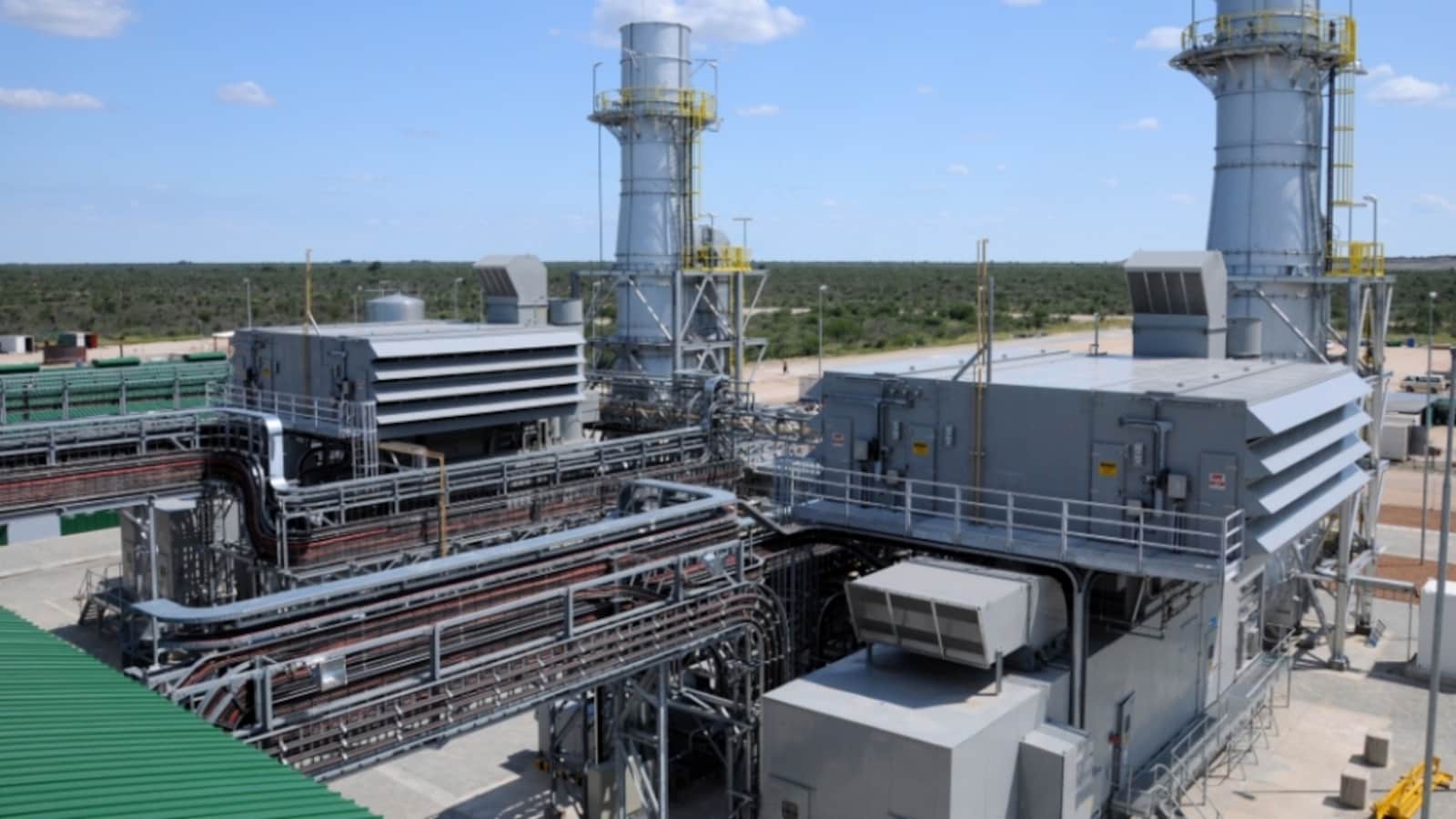
Raymond James sets $800 price target on SpaceX, valuing company at $10.5 trillion
The Street-high target implies a 450% upside and would make SpaceX worth more than any company in history, and its 18,712 BTC treasury adds a crypto wrinkle worth watching. A Wall Street analyst just looked at SpaceX and essentially said: "This company should be worth more than the entire GDP of Japan." Raymond James analyst Brian Gesuale initiated coverage of SpaceX with a Strong Buy rating and an $800 price target, implying a market capitalization of roughly $10.5 trillion. The current Street-high target represents a potential 425-450% upside from SpaceX's recent trading levels around $145 per share. The numbers behind the moonshot thesis Gesuale's model projects SpaceX generating over $837 billion in revenue by 2031, with $696 billion in EBITDA. The analyst used a 27x exit multiple on discounted cash flows from 2031 to arrive at the $800 figure, anchoring the thesis to what he estimates is a total addressable market approaching $30 trillion in the long term. SpaceX debuted on public markets via the SPCX ticker in mid-June 2026. Shares initially surged more than 40%, pushing the company's market cap to approximately $2.5 trillion before the inevitable profit-taking set in. The stock has since pulled back to a 52-week low range of $138-$145. The bull case rests on SpaceX's positioning as what Gesuale calls a crucial industrial infrastructure player of the 21st century. Between Starlink's satellite internet constellation, the company's dominant launch services business, and the upcoming Starship launch planned for July 16, 2026, there's no shortage of catalysts on the calendar. The Bitcoin treasury angle crypto investors should watch Buried in the analyst note is a detail that bridges the gap between traditional aerospace investing and digital asset markets: SpaceX holds a confirmed 18,712 BTC on its balance sheet. That figure exceeds earlier estimates from prior blockchain tracking services, suggesting SpaceX has been quietly accumulating Bitcoin beyond what public trackers had identified. SpaceX's recent acquisition of xAI, the artificial intelligence company Musk founded in 2023, adds another dimension. The deal, completed in early 2026, combined with ongoing compute collaborations with Tesla, positions SpaceX at the intersection of space infrastructure, AI, and potentially decentralized compute networks. What this means for investors on both sides of the aisle For crypto investors, SpaceX's 18,712 BTC treasury means that every institutional dollar flowing into SPCX shares is, in a fractional sense, also a bet on Bitcoin. If Gesuale's thesis attracts even a portion of the capital it implies, the downstream effects on BTC demand through corporate treasury expansion could be material. If SpaceX's valuation compresses, management might face pressure to liquidate Bitcoin holdings to shore up the balance sheet. That scenario would create selling pressure in crypto markets at precisely the wrong moment. The Starship launch on July 16 will be the first real test of whether SpaceX can deliver on the kind of operational milestones that justify even a fraction of Gesuale's projections.
How to Spot a Stock Market Bubble 101: Raymond James Just Placed an $800 Price Target on SpaceX, Valuing Elon Musk's Company at $10.5 Trillion
One month ago, on June 12, Elon Musk's artificial intelligence (AI) and space economy conglomerate, Space Exploration Technologies (SpaceX) (NASDAQ: SPCX), rewrote history with its initial public offering (IPO). The $85.7 billion raised, including the underwriters' overallotment, nearly tripled the previous IPO record holder, Saudi Aramco. But in kicking off IPO mania -- large language model developers Anthropic and OpenAI are expected to follow in SpaceX's footsteps -- SpaceX may also be fueling the final stages of an AI bubble that history suggests is waiting to pop. Where to invest $1,000 right now? Our analyst team just revealed what they believe are the 10 best stocks to buy right now, when you join Stock Advisor. See the stocks " Rarely are stock market bubble warning signs as glaring as Raymond James Financial's price target assigned to SpaceX. Image source: Getty Images. Wall Street's high-water price target foresees SpaceX reaching $800 in 2031 Given that 21 underwriters helped bring SpaceX public and received shares for doing so, it should come as no surprise that Wall Street analysts have, as a whole, presented an overwhelmingly positive outlook for the company. But Raymond James Financial analyst Brian Gesuale is a true outlier. His $800 price target by 2031 implies 451% upside, based on where SpaceX's shares ended on July 10, and assumes a valuation of roughly $10.5 trillion. For context, this would be more than double Nvidia's current market cap. Gesuale foresees SpaceX's full-year sales scaling from an estimated $38.5 billion in 2026 to approximately $837 billion by 2031. More importantly, earnings before interest, taxes, depreciation, and amortization (EBITDA) are projected to catapult from $17.7 billion in 2026 to $696 billion by 2031. While there's no question that AI and the space economy are two of the hottest addressable opportunities on Wall Street, several headwinds suggest Gesuale's pie-in-the-sky price target is pure fiction and the sign of an end-stage bubble that's about to burst. Image source: Getty Images. SpaceX spotlights everything wrong with Wall Street Although the stock market is a long-term wealth-creating machine, it's prone to occasional bubble-bursting events. SpaceX's current $1.91 trillion valuation and Raymond James' $800 price target for the company spotlight everything that's wrong with Wall Street over the short term. For starters, SpaceX hasn't demonstrated that its operating model is sustainable. While satellite-based broadband services provider Starlink is profitable, AI start-up xAI -- the segment responsible for the lion's share of SpaceX's $28.5 trillion addressable market -- is burning cash as Musk's company chases AI compute capacity. Elon Musk also has a terrible track record of fulfilling lofty promises and innovative expectations. As CEO of Tesla, Musk proclaimed that 1 million robotaxis would be on public roads by the end of 2020, which never happened. He's also assured investors that Level 5 full self-driving is "one year away" annually for more than a decade. Musk continually overpromises and underdelivers. SpaceX is likely to be haunted by historical precedent, as well. No company at the forefront of a game-changing technology has sustained a price-to-sales (P/S) ratio above 30 for any extended period. SpaceX is trading at roughly 50 times Gesuale's forecast sales for this year. Lastly, every game-changing technology for more than three decades has navigated an early stage bubble-bursting event. These bubbles have formed because investors constantly overestimate the optimization timeline of innovations. It'll likely be years before SpaceX's solutions are optimized, making Raymond James' high-water price target highly unlikely. Should you buy stock in Space Exploration Technologies right now? Before you buy stock in Space Exploration Technologies, consider this: The Motley Fool Stock Advisor analyst team just identified what they believe are the 10 best stocks for investors to buy now... and Space Exploration Technologies wasn't one of them. The 10 stocks that made the cut could produce monster returns in the coming years. Consider when Netflix made this list on December 17, 2004... if you invested $1,000 at the time of our recommendation, you'd have $395,679!* Or when Nvidia made this list on April 15, 2005... if you invested $1,000 at the time of our recommendation, you'd have $1,294,805!* Now, it's worth noting Stock Advisor's total average return is 929% -- a market-crushing outperformance compared to 211% for the S&P 500. Don't miss the latest top 10 list, available with Stock Advisor, and join an investing community built by individual investors for individual investors. See the 10 stocks " *Stock Advisor returns as of July 14, 2026. Sean Williams has no position in any of the stocks mentioned. The Motley Fool has positions in and recommends Nvidia and Tesla. The Motley Fool has a disclosure policy. The views and opinions expressed herein are the views and opinions of the author and do not necessarily reflect those of Nasdaq, Inc.

How to Spot a Stock Market Bubble 101: Raymond James Just Placed an $800 Price Target on SpaceX, Valuing Elon Musk's Company at $10.5 Trillion
One month ago, on June 12, Elon Musk's artificial intelligence (AI) and space economy conglomerate, Space Exploration Technologies (SpaceX) (NASDAQ: SPCX), rewrote history with its initial public offering (IPO). The $85.7 billion raised, including the underwriters' overallotment, nearly tripled the previous IPO record holder, Saudi Aramco. But in kicking off IPO mania -- large language model developers Anthropic and OpenAI are expected to follow in SpaceX's footsteps -- SpaceX may also be fueling the final stages of an AI bubble that history suggests is waiting to pop. Missed Nvidia in 2009? This Rare Signal Is Flashing Again. In 2009, a "Double Down" signal flashed for a little-known chipmaker called Nvidia. For the first time in years, that same "Total Conviction" signal is flashing for a company 1/100th the size of Nvidia. Continue " Rarely are stock market bubble warning signs as glaring as Raymond James Financial's price target assigned to SpaceX. Wall Street's high-water price target foresees SpaceX reaching $800 in 2031 Given that 21 underwriters helped bring SpaceX public and received shares for doing so, it should come as no surprise that Wall Street analysts have, as a whole, presented an overwhelmingly positive outlook for the company. But Raymond James Financial analyst Brian Gesuale is a true outlier. His $800 price target by 2031 implies 451% upside, based on where SpaceX's shares ended on July 10, and assumes a valuation of roughly $10.5 trillion. For context, this would be more than double Nvidia's current market cap. Gesuale foresees SpaceX's full-year sales scaling from an estimated $38.5 billion in 2026 to approximately $837 billion by 2031. More importantly, earnings before interest, taxes, depreciation, and amortization (EBITDA) are projected to catapult from $17.7 billion in 2026 to $696 billion by 2031. While there's no question that AI and the space economy are two of the hottest addressable opportunities on Wall Street, several headwinds suggest Gesuale's pie-in-the-sky price target is pure fiction and the sign of an end-stage bubble that's about to burst. SpaceX spotlights everything wrong with Wall Street Although the stock market is a long-term wealth-creating machine, it's prone to occasional bubble-bursting events. SpaceX's current $1.91 trillion valuation and Raymond James' $800 price target for the company spotlight everything that's wrong with Wall Street over the short term. For starters, SpaceX hasn't demonstrated that its operating model is sustainable. While satellite-based broadband services provider Starlink is profitable, AI start-up xAI -- the segment responsible for the lion's share of SpaceX's $28.5 trillion addressable market -- is burning cash as Musk's company chases AI compute capacity.
How to Spot a Stock Market Bubble 101: Raymond James Just Placed an $800 Price Target on SpaceX, Valuing Elon Musk's Company at $10.5 Trillion
One month ago, on June 12, Elon Musk's artificial intelligence (AI) and space economy conglomerate, Space Exploration Technologies (SpaceX) (SPCX 4.75%), rewrote history with its initial public offering (IPO). The $85.7 billion raised, including the underwriters' overallotment, nearly tripled the previous IPO record holder, Saudi Aramco. But in kicking off IPO mania -- large language model developers Anthropic and OpenAI are expected to follow in SpaceX's footsteps -- SpaceX may also be fueling the final stages of an AI bubble that history suggests is waiting to pop. Rarely are stock market bubble warning signs as glaring as Raymond James Financial's price target assigned to SpaceX. Wall Street's high-water price target foresees SpaceX reaching $800 in 2031 Given that 21 underwriters helped bring SpaceX public and received shares for doing so, it should come as no surprise that Wall Street analysts have, as a whole, presented an overwhelmingly positive outlook for the company. But Raymond James Financial analyst Brian Gesuale is a true outlier. His $800 price target by 2031 implies 451% upside, based on where SpaceX's shares ended on July 10, and assumes a valuation of roughly $10.5 trillion. For context, this would be more than double Nvidia's current market cap. Gesuale foresees SpaceX's full-year sales scaling from an estimated $38.5 billion in 2026 to approximately $837 billion by 2031. More importantly, earnings before interest, taxes, depreciation, and amortization (EBITDA) are projected to catapult from $17.7 billion in 2026 to $696 billion by 2031. While there's no question that AI and the space economy are two of the hottest addressable opportunities on Wall Street, several headwinds suggest Gesuale's pie-in-the-sky price target is pure fiction and the sign of an end-stage bubble that's about to burst. SpaceX spotlights everything wrong with Wall Street Although the stock market is a long-term wealth-creating machine, it's prone to occasional bubble-bursting events. SpaceX's current $1.91 trillion valuation and Raymond James' $800 price target for the company spotlight everything that's wrong with Wall Street over the short term. For starters, SpaceX hasn't demonstrated that its operating model is sustainable. While satellite-based broadband services provider Starlink is profitable, AI start-up xAI -- the segment responsible for the lion's share of SpaceX's $28.5 trillion addressable market -- is burning cash as Musk's company chases AI compute capacity. Elon Musk also has a terrible track record of fulfilling lofty promises and innovative expectations. As CEO of Tesla, Musk proclaimed that 1 million robotaxis would be on public roads by the end of 2020, which never happened. He's also assured investors that Level 5 full self-driving is "one year away" annually for more than a decade. Musk continually overpromises and underdelivers. SpaceX is likely to be haunted by historical precedent, as well. No company at the forefront of a game-changing technology has sustained a price-to-sales (P/S) ratio above 30 for any extended period. SpaceX is trading at roughly 50 times Gesuale's forecast sales for this year. Lastly, every game-changing technology for more than three decades has navigated an early stage bubble-bursting event. These bubbles have formed because investors constantly overestimate the optimization timeline of innovations. It'll likely be years before SpaceX's solutions are optimized, making Raymond James' high-water price target highly unlikely.
Anthropic 'clear leader in AI', says Musk. Here's what the SpaceX chief really means
Elon Musk does not often admit he was wrong. But he has. Responding on X to a user who noted that SpaceX controls the computing power Anthropic depends on, and could, in theory, cut it off, Musk said he never would. He went further, calling Anthropic the clear leader in AI and saying no rival had shipped a model as good as its Mythos and Fable systems. He expects a Mythos 2 before long. The turn is surprising, given that last September, he wrote that winning was never a possible outcome for Anthropic. In February, after it raised $30bn at a $380bn valuation, he called its models "misanthropic and evil" and told it to fix them. Five months on, the same company is his benchmark for the field. The praise is not free Take the compliment at face value and it reads as rare humility. Look at the plumbing and a second motive appears. In May, Anthropic agreed to lease the entire output of xAI's Colossus 1 data centre near Memphis, about 300 megawatts, paying roughly $1.25bn a month through 2029. That is close to $40bn flowing to Musk's side of the table. He is not just admiring Anthropic. He is billing it. A rival who pays you $40bn is a rival worth flattering. Musk's pledge not to weaponise that dependence costs him nothing and buys goodwill with a customer he needs. The admiration may be real. It is also good business. Playground politics? The sharper reading sits one company over. Musk co-founded OpenAI in 2015 as a non-profit, left the board in 2018 after the others refused to hand him control, and has fought it since. He sued Altman and OpenAI in 2024, accusing them of abandoning the founding mission for private gain. He sought more than $150bn in damages, Altman's removal and the unwinding of the for-profit structure. In May, a jury threw the case out, finding Musk had waited too long to file. He called the verdict a "calendar technicality" and vowed to appeal. By July, the feud was personal again. Musk branded Altman "Scam Altman" after Apple sued OpenAI, and Altman replied that the surest sign his new model led the field was that Musk was obsessed with him again. Against that backdrop, crowning Anthropic the leader does double duty. It is a real judgement about the models. It is also a way to tell the market that the AI company that matters is not the one he is suing. Both are racing to the same finish line Timing sharpens the point. Both firms filed confidentially for stock market listings in June, within days of each other. Anthropic, valued at about $965bn in private markets, is pushing for a Nasdaq debut as early as October. It could be the first company to list at close to $1tn, and it expects its first profitable quarter, with around $559m in operating income on $10.9bn of revenue.
Anthropic 'clear leader in AI', says Musk. Here's what the SpaceX chief really means
Elon Musk does not often admit he was wrong. But he has. Responding on X to a user who noted that SpaceX controls the computing power Anthropic depends on, and could, in theory, cut it off, Musk said he never would. He went further, calling Anthropic the clear leader in AI and saying no rival had shipped a model as good as its Mythos and Fable systems. He expects a Mythos 2 before long. The turn is surprising, given that last September, he wrote that winning was never a possible outcome for Anthropic. In February, after it raised $30bn at a $380bn valuation, he called its models "misanthropic and evil" and told it to fix them. Five months on, the same company is his benchmark for the field. The praise is not free Take the compliment at face value and it reads as rare humility. Look at the plumbing and a second motive appears. In May, Anthropic agreed to lease the entire output of xAI's Colossus 1 data centre near Memphis, about 300 megawatts, paying roughly $1.25bn a month through 2029. That is close to $40bn flowing to Musk's side of the table. He is not just admiring Anthropic. He is billing it. A rival who pays you $40bn is a rival worth flattering. Musk's pledge not to weaponise that dependence costs him nothing and buys goodwill with a customer he needs. The admiration may be real. It is also good business. Playground politics? The sharper reading sits one company over. Musk co-founded OpenAI in 2015 as a non-profit, left the board in 2018 after the others refused to hand him control, and has fought it since. He sued Altman and OpenAI in 2024, accusing them of abandoning the founding mission for private gain. He sought more than $150bn in damages, Altman's removal and the unwinding of the for-profit structure. In May, a jury threw the case out, finding Musk had waited too long to file. He called the verdict a "calendar technicality" and vowed to appeal. By July, the feud was personal again. Musk branded Altman "Scam Altman" after Apple sued OpenAI, and Altman replied that the surest sign his new model led the field was that Musk was obsessed with him again. Against that backdrop, crowning Anthropic the leader does double duty. It is a real judgement about the models. It is also a way to tell the market that the AI company that matters is not the one he is suing. Both are racing to the same finish line Timing sharpens the point. Both firms filed confidentially for stock market listings in June, within days of each other. Anthropic, valued at about $965bn in private markets, is pushing for a Nasdaq debut as early as October. It could be the first company to list at close to $1tn, and it expects its first profitable quarter, with around $559m in operating income on $10.9bn of revenue.
Anthropic 'clear leader in AI', says Musk. Here's what the SpaceX chief really means
Elon Musk does not often admit he was wrong. But he has. Responding on X to a user who noted that SpaceX controls the computing power Anthropic depends on, and could, in theory, cut it off, Musk said he never would. He went further, calling Anthropic the clear leader in AI and saying no rival had shipped a model as good as its Mythos and Fable systems. He expects a Mythos 2 before long. The turn is surprising, given that last September, he wrote that winning was never a possible outcome for Anthropic. In February, after it raised $30bn at a $380bn valuation, he called its models "misanthropic and evil" and told it to fix them. Five months on, the same company is his benchmark for the field. The praise is not free Take the compliment at face value and it reads as rare humility. Look at the plumbing and a second motive appears. In May, Anthropic agreed to lease the entire output of xAI's Colossus 1 data centre near Memphis, about 300 megawatts, paying roughly $1.25bn a month through 2029. That is close to $40bn flowing to Musk's side of the table. He is not just admiring Anthropic. He is billing it. A rival who pays you $40bn is a rival worth flattering. Musk's pledge not to weaponise that dependence costs him nothing and buys goodwill with a customer he needs. The admiration may be real. It is also good business. Playground politics? The sharper reading sits one company over. Musk co-founded OpenAI in 2015 as a non-profit, left the board in 2018 after the others refused to hand him control, and has fought it since. He sued Altman and OpenAI in 2024, accusing them of abandoning the founding mission for private gain. He sought more than $150bn in damages, Altman's removal and the unwinding of the for-profit structure. In May, a jury threw the case out, finding Musk had waited too long to file. He called the verdict a "calendar technicality" and vowed to appeal. By July, the feud was personal again. Musk branded Altman "Scam Altman" after Apple sued OpenAI, and Altman replied that the surest sign his new model led the field was that Musk was obsessed with him again. Against that backdrop, crowning Anthropic the leader does double duty. It is a real judgement about the models. It is also a way to tell the market that the AI company that matters is not the one he is suing. Both are racing to the same finish line Timing sharpens the point. Both firms filed confidentially for stock market listings in June, within days of each other. Anthropic, valued at about $965bn in private markets, is pushing for a Nasdaq debut as early as October. It could be the first company to list at close to $1tn, and it expects its first profitable quarter, with around $559m in operating income on $10.9bn of revenue. OpenAI, valued a little lower and still loss-making, is leaning toward 2027, wary after SpaceX's own listing spiked and then surrendered much of the gain. Altman is holding out for a $1tn price. Here the two threads meet. Whoever lists first sets the benchmark the second is priced against. Anthropic going out ahead, blessed by Musk as the field's leader, helps fix the multiple bankers who later apply to OpenAI. Musk talking up the rival he profits from, while running down the rival he is suing, shapes the terms on which his enemy will one day face public investors. None of this proves the praise is hollow. Musk may well think Anthropic makes the best models right now. But "wowed by the model" and "at war with OpenAI" were never competing explanations. They are the same move. The compliment serves his balance sheet and his grudge at once, and it lands in the narrow window before both labs ask the market to price them.
Anthropic 'clear leader in AI', says Musk. Here's what the SpaceX chief really means
Elon Musk does not often admit he was wrong. But he has. Responding on X to a user who noted that SpaceX controls the computing power Anthropic depends on, and could, in theory, cut it off, Musk said he never would. He went further, calling Anthropic the clear leader in AI and saying no rival had shipped a model as good as its Mythos and Fable systems. He expects a Mythos 2 before long. The turn is surprising, given that last September, he wrote that winning was never a possible outcome for Anthropic. In February, after it raised $30bn at a $380bn valuation, he called its models "misanthropic and evil" and told it to fix them. Five months on, the same company is his benchmark for the field. The praise is not free Take the compliment at face value and it reads as rare humility. Look at the plumbing and a second motive appears. In May, Anthropic agreed to lease the entire output of xAI's Colossus 1 data centre near Memphis, about 300 megawatts, paying roughly $1.25bn a month through 2029. That is close to $40bn flowing to Musk's side of the table. He is not just admiring Anthropic. He is billing it. A rival who pays you $40bn is a rival worth flattering. Musk's pledge not to weaponise that dependence costs him nothing and buys goodwill with a customer he needs. The admiration may be real. It is also good business. Playground politics? The sharper reading sits one company over. Musk co-founded OpenAI in 2015 as a non-profit, left the board in 2018 after the others refused to hand him control, and has fought it since. He sued Altman and OpenAI in 2024, accusing them of abandoning the founding mission for private gain. He sought more than $150bn in damages, Altman's removal and the unwinding of the for-profit structure. In May, a jury threw the case out, finding Musk had waited too long to file. He called the verdict a "calendar technicality" and vowed to appeal. By July, the feud was personal again. Musk branded Altman "Scam Altman" after Apple sued OpenAI, and Altman replied that the surest sign his new model led the field was that Musk was obsessed with him again. Against that backdrop, crowning Anthropic the leader does double duty. It is a real judgement about the models. It is also a way to tell the market that the AI company that matters is not the one he is suing. Both are racing to the same finish line Timing sharpens the point. Both firms filed confidentially for stock market listings in June, within days of each other. Anthropic, valued at about $965bn in private markets, is pushing for a Nasdaq debut as early as October. It could be the first company to list at close to $1tn, and it expects its first profitable quarter, with around $559m in operating income on $10.9bn of revenue. OpenAI, valued a little lower and still loss-making, is leaning toward 2027, wary after SpaceX's own listing spiked and then surrendered much of the gain. Altman is holding out for a $1tn price. Here the two threads meet. Whoever lists first sets the benchmark the second is priced against. Anthropic going out ahead, blessed by Musk as the field's leader, helps fix the multiple bankers who later apply to OpenAI. Musk talking up the rival he profits from, while running down the rival he is suing, shapes the terms on which his enemy will one day face public investors. None of this proves the praise is hollow. Musk may well think Anthropic makes the best models right now. But "wowed by the model" and "at war with OpenAI" were never competing explanations. They are the same move. The compliment serves his balance sheet and his grudge at once, and it lands in the narrow window before both labs ask the market to price them.
Why OpenAI wants $1 million from Elon Musk's xAI amid Apple lawsuit
Apple accused OpenAI of stealing confidential hardware designs and manufacturing processes in lawsuit OpenAI has asked the court to award $1 million from Elon Musk's xAI company after the former was hit with a lawsuit filed by Apple over the allegations of trade secrets theft. In the midst of legal challenges, Sam Altman is now seeking such hefty legal costs from his long-standing rival Elon Musk over the dismissal of xAI's trade secret lawsuit. According to the CEO of OpenAI as reported by Bloomberg, xAI's trade secrets lawsuit should never have been filed in the first place. Under this lawsuit, the CEO of SpaceX accused the AI company of encouraging ex-employees to steal confidential data from the company, but offered no evidence to substantiate its claims. Later, the judges dismissed xAI's founder allegations and ruled that hiring practices were routine and not based on illicit activities. A federal judge in San Francisco tossed out the lawsuit earlier this year, stating that xAI lacked proof that OpenAI had encouraged any misconduct. "xAI sued OpenAI first and looked for evidence later, forcing OpenAI to spend substantial resources defeating a sprawling, aggressively litigated trade secret claim for which xAI had no evidentiary support," OpenAI's lawyers wrote. The OpenAI's announcement to seek legal costs came on Monday after the Grok chatbot maker revealed that it plans to appeal repeatedly dismissed claims regarding the role of OpenAI in alleged misconduct. The developments have proved dramatic for Sam Altman as he is also facing a lawsuit from Apple who alleged that the tech giant stole confidential hardware designs and manufacturing processes to build their own devices. Moreover, the iPhone maker also accused OpenAI of encouraging some of its employees to "share confidential information, product components, engineering drawings and other materials related to future Apple devices." With lawsuit filed by Apple, the public feud between Elon Musk and Sam Altman has deepened as they exchanged barbs on X platform. In response to this alleged lawsuit, Musk criticized Altman calling him a "scammer" who took this alleged crime to another new level. Musk also claimed on his X post that OpenAI CEO "had graduated from stealing an open source AI charity to trying to steal all of Apple's phone technology."
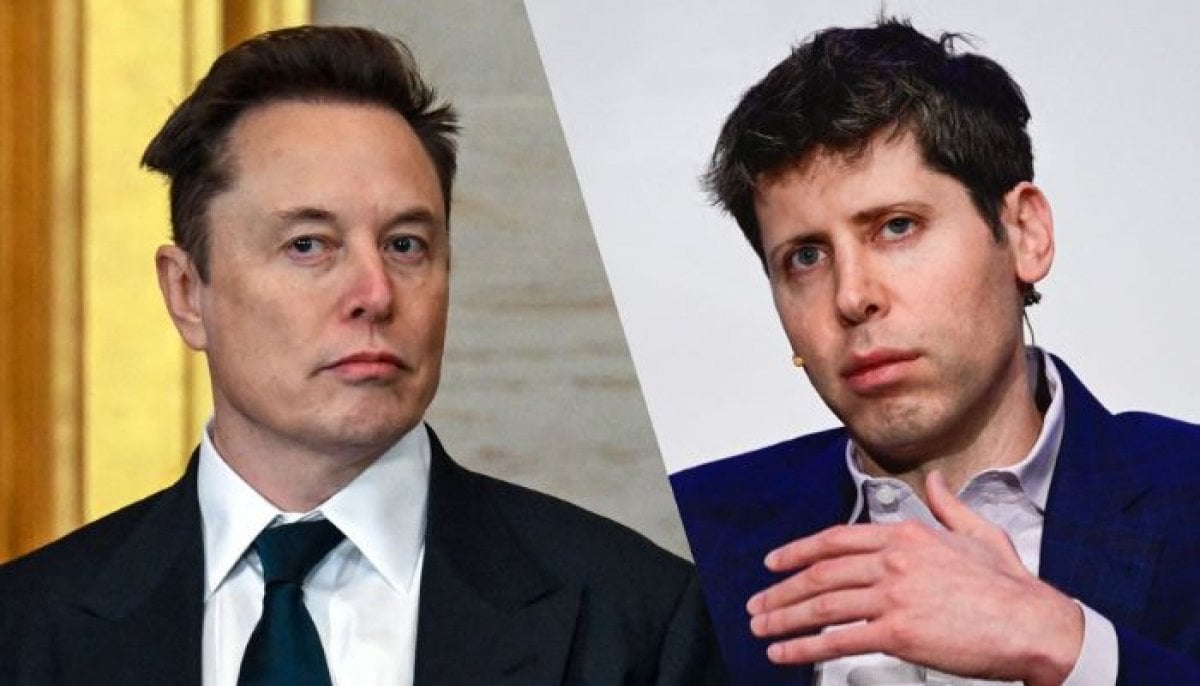
"Stop the AI Race": Hundreds March Against OpenAI, Anthropic and Google DeepMind in San Francisco
On Saturday, July 11, around 400 people took to the streets of San Francisco to protest against the leading AI companies. The march, held under the banner "Stop the AI Race", led from OpenAI's headquarters on 3rd Street past Anthropic's offices on Howard Street to Google DeepMind's location at Rincon Park, with rallies and speeches at each stop. The organizers emphasize that this was a peaceful assembly of "concerned citizens, families, and researchers" - and that employees of the companies in question were explicitly invited to join. The Central Demand: A Conditional Pause on Development The movement has a single, clearly defined demand: every CEO of a major AI lab should publicly commit to pausing the development of frontier models - on the condition that every other major lab in the world credibly does the same. This is not a call for a unilateral stop, but for a conditional pledge along the lines of: "If the others pause, I will too." In practice, according to the organizers, such a pause would mean: no new training runs for larger or more general frontier models. Teams currently working on advancing the capabilities of these models would instead shift to narrow AI applications or alignment research. Existing models would remain available, and narrow AI applications would still be permitted. As a technical blueprint, the movement points to a paper by the MIRI Technical Governance Team that outlines an international agreement led by the US and China - including verification mechanisms such as AI chip tracking and compute thresholds (FLOP caps). The Warnings: "The Architects Know the Race Is Reckless" The protesters argue that the leaders of the AI companies themselves have repeatedly warned about the existential risks of their technology - for instance in public statements on AI risk signed by numerous industry figures. At the same time, they say, each lab justifies its pace by claiming it must beat the competition and geopolitical rivals. It is precisely this race that the activists want to break. Asked about China, they respond that any agreement would of course have to include all major AI labs worldwide - but public commitments from Western CEOs are the first step toward the kind of international coordination that would make this possible. The movement has a history: in September 2025, an 18-day hunger strike outside Google DeepMind's London offices made international headlines. DeepMind CEO Demis Hassabis responded at the time and signaled openness to a conditional pause, but named international coordination as the key bottleneck. In February 2026, from the activists' perspective, Anthropic removed the commitment to pause development if its own AI became too dangerous from the third version of its Responsible Scaling Policy - prompting a first march on Anthropic, OpenAI and xAI on March 21. Since then, Anthropic has written that it expects it "would slow down or temporarily pause" development if other labs verifiably did the same, and OpenAI stated in a strategy paper that coordination, including slowing frontier development, is expected to become more important. For the organizers, this is not enough: "expects" is not a commitment - what is needed, they say, are binding pledges along with a concrete verification regime. Background: Attacks on Sam Altman's Home The protests are taking place in an increasingly heated climate. In April 2026, the San Francisco home of OpenAI CEO Sam Altman was targeted twice within a matter of days: first, a 20-year-old from Texas threw a Molotov cocktail at the property and subsequently threatened to burn down OpenAI's headquarters. According to prosecutors, the man was driven by hatred of AI technology, traveled to San Francisco with the intent to kill, and was carrying a manifesto containing the names and addresses of other AI executives and investors. He was charged with, among other things, attempted murder. Just two days later, shots were fired at Altman's house from a car; two people were arrested, though it remains unclear whether the attack was deliberately aimed at the property. No one was injured in either incident. Altman himself responded with a blog post in which he shared a photo of his family and called for de-escalation: fear about AI is justified, he wrote, and criticism of the industry welcome - but rhetoric and tactics need to be dialed down. The "Stop the AI Race" organizers, for their part, clearly distance themselves from violence and are committed to peaceful protest. Background: Resistance to AI Data Centers Across the US In parallel, resistance to the massive buildout of AI data centers is growing across the United States. According to a report by Data Center Watch, projects worth around 130 billion US dollars were blocked or delayed in the first quarter of 2026 alone - at least 75 projects, the highest figure since tracking began in 2023. In the first six weeks of the year, lawmakers from both parties introduced more than 300 data center bills, and 14 states proposed construction moratoriums. So far, opponents have had the greatest success at the local level: more than 100 municipalities across the US have imposed construction pauses - including Denver with a one-year moratorium, Oklahoma City and Tulsa, several communities in Illinois and Georgia, and around 20 municipalities in Michigan. At the state level, Maine narrowly missed becoming the first state in US history to enact a statewide moratorium in April, when Governor Janet Mills vetoed the bill. In New York, the legislature passed a one-year moratorium on AI data centers in June, which is currently awaiting Governor Kathy Hochul's signature. At the federal level, Senator Bernie Sanders and Representative Alexandria Ocasio-Cortez introduced the Artificial Intelligence Data Center Moratorium Act in March, which would halt the construction of new data centers of 20 megawatts or more until national safeguards are in place. According to a Gallup poll, roughly seven in ten Americans oppose the construction of AI data centers near their homes. The "Stop the AI Race" movement, meanwhile, is announcing further actions. As its website puts it: protest marches are "just the start".
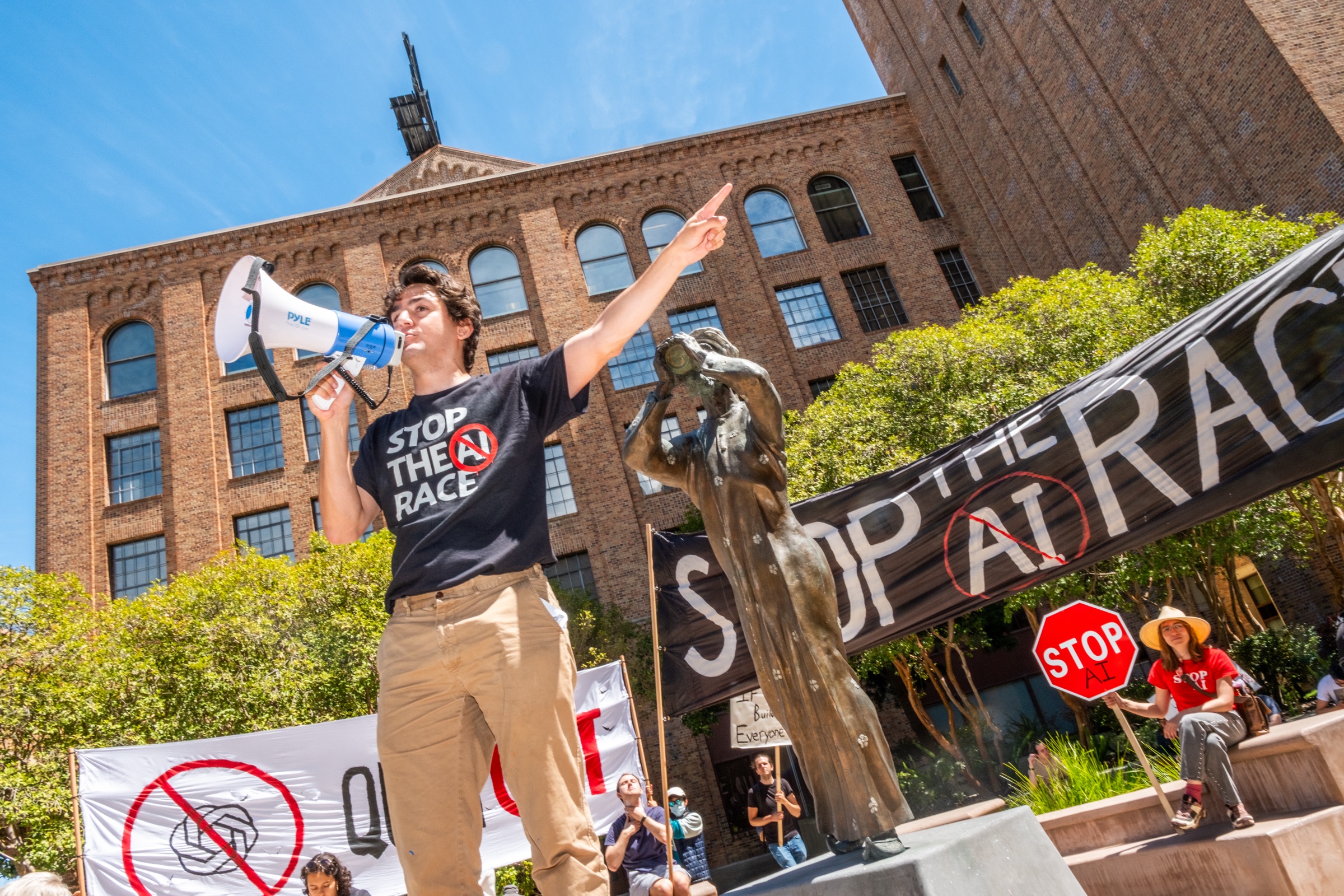
OpenAI CEO Sam Altman Throws Shade At Anthropic's New Ad Amid Tussle With Elon Musk, Apple: 'Thought This Was Satire'
* Altman took a swipe at a new advertisement for Anthropic's Claude. * In the past few days, he has again rebutted Elon Musk and said he is "not afraid of Apple" following the iPhone maker's lawsuit. * Investors are closely watching developments at OpenAI as it moves toward a public listing. OpenAI CEO Sam Altman took a more combative tone toward tech rivals on Monday, days after his AI startup was hit with a major trade-secret theft lawsuit by Apple. "Come for the best model, stay because we don't treat you with contempt," Altman posted on X on Monday, without context. Given the timing, X users interpreted it as criticism aimed at companies like Apple, Anthropic or SpaceXAI. In a separate post, Altman took a swipe at a new advertisement for Anthropic's Claude. The ad, titled "There's Hope in Hard Questions," features a narrator reflecting on whether AI can be built to benefit humanity. Responding to it, Altman wrote, "i thought this was satire, kept looking for the handle to be spelled c1audeai or something." Anthropic was started by former OpenAI employees, and the company now appears to be leading in the AI market. Altman Sharpens The Rhetoric The OpenAI CEO is no stranger to quirky responses to online critics, but lately he appears to be taking a more head-on approach. In the past few days, he's rebutted criticism from SpaceX and Tesla founder Elon Musk, saying that he was wooing public market investors with unproven claims about space data centers and that he is "not afraid of Apple" following the iPhone maker's lawsuit. Altman and Musk have frequently traded jabs online amid Musk's long-running legal campaign against OpenAI, including challenges to its restructuring and its relationship with Apple. Apple Lawsuit On Friday, Apple said it sued OpenAI in California, alleging that OpenAI encouraged Apple employees to share information, components, drawings, and other materials related to upcoming products -- as part of OpenAI's efforts to develop its own suite of devices. The suit also named Tang Tan, a 25-year Apple veteran who joined OpenAI as its chief hardware officer last year, as a defendant. The suit marks a dramatic turn for two companies that were close partners. OpenAI has powered Apple Intelligence and Siri, but ties between the two have frayed over the past year. OpenAI IPO Watch Investors are closely watching developments at OpenAI as it moves toward a public listing, setting up a potential IPO showdown with chief rival Anthropic. Both companies confidentially filed IPO paperwork with regulators last month, before reports emerged that OpenAI may delay its listing until next year rather than the previously expected fourth-quarter timeline. OpenAI now broadly trails Anthropic, based on the most recently disclosed numbers. In April, Anthropic said it tripled its annual revenue run rate to $30 billion, surpassing OpenAI's ARR of about $24 billion. Anthropic is valued at $1.08 trillion, compared to OpenAI's private market valuation of $868.4 billion, according to data from Nasdaq Private Market. For updates and corrections, email newsroom[at]stocktwits[dot]com.
OpenAI CEO Sam Altman Throws Shade At Anthropic's New Ad Amid Tussle With Elon Musk, Apple: 'Thought This Was Satire'
* Altman took a swipe at a new advertisement for Anthropic's Claude. * In the past few days, he has again rebutted Elon Musk and said he is "not afraid of Apple" following the iPhone maker's lawsuit. * Investors are closely watching developments at OpenAI as it moves toward a public listing. OpenAI CEO Sam Altman took a more combative tone toward tech rivals on Monday, days after his AI startup was hit with a major trade-secret theft lawsuit by Apple. "Come for the best model, stay because we don't treat you with contempt," Altman posted on X on Monday, without context. Given the timing, X users interpreted it as criticism aimed at companies like Apple, Anthropic or SpaceXAI. See what 10M+ investors are talking about. Get the Stocktwits Daily Rip for what retail is watching right now, free to your inbox In a separate post, Altman took a swipe at a new advertisement for Anthropic's Claude. The ad, titled "There's Hope in Hard Questions," features a narrator reflecting on whether AI can be built to benefit humanity. Responding to it, Altman wrote, "i thought this was satire, kept looking for the handle to be spelled c1audeai or something." Anthropic was started by former OpenAI employees, and the company now appears to be leading in the AI market. Altman Sharpens The Rhetoric The OpenAI CEO is no stranger to quirky responses to online critics, but lately he appears to be taking a more head-on approach. In the past few days, he's rebutted criticism from SpaceX and Tesla founder Elon Musk, saying that he was wooing public market investors with unproven claims about space data centers and that he is "not afraid of Apple" following the iPhone maker's lawsuit. Altman and Musk have frequently traded jabs online amid Musk's long-running legal campaign against OpenAI, including challenges to its restructuring and its relationship with Apple. Apple Lawsuit On Friday, Apple said it sued OpenAI in California, alleging that OpenAI encouraged Apple employees to share information, components, drawings, and other materials related to upcoming products -- as part of OpenAI's efforts to develop its own suite of devices. The suit also named Tang Tan, a 25-year Apple veteran who joined OpenAI as its chief hardware officer last year, as a defendant. The suit marks a dramatic turn for two companies that were close partners. OpenAI has powered Apple Intelligence and Siri, but ties between the two have frayed over the past year. OpenAI IPO Watch Investors are closely watching developments at OpenAI as it moves toward a public listing, setting up a potential IPO showdown with chief rival Anthropic.
OpenAI's Feud With xAI Carries On as Apple Secrets Fight Revs Up
OpenAI asked a judge to find that a lawsuit filed by xAI Corp. accusing the ChatGPT maker of trade secret theft "should never have been filed" and seeks to recoup more than $1 million in legal expenses from Elon Musk's company. Sam Altman's artificial intelligence startup filed its request Monday, ...
Citi sends powerful sign to SpaceX investors
SpaceX stock is trading at $145.30, about 8% above its $135 IPO price, according to Yahoo Finance at the time of writing. Interestingly, SpaceX stock climbed as high as $225.64 after its $135 IPO, according to Yahoo Finance reporting, indicating a peak post-IPO gain of about 67%, before sharply retreating from those highs. So SpaceX investors were naturally looking for proof that Wall Street's post-IPO optimism wasn't misplaced and that the company was truly onto something special. Citi's analysts obliged, offering far more than a simple stock call. Following a 10-hour teach-in on space and AI, the firm argued that SpaceX sits at the center of a 10-plus-year investment cycle, with launch leadership, Starlink, orbital AI, and extreme vertical integration creating a compounding infrastructure story. Citi just hailed SpaceX as a platform for the future, while the market still has to decide how much of that future is investable today. Why Citi sees SpaceX as more than a rocket company Citi kicked things off with a buy rating and a $200 base-case price target for SpaceX stock, implying an expected return of about 34.9% from current levels. In the note shared with me, Citi valued SpaceX as a vertically integrated platform spanning space access, global connectivity, and AI infrastructure, rather than just a launch provider. Moreover, Citi derived its target from the average of three methods: 2027 growth-adjusted multiples for trillion-dollar peers, a sum-of-the-parts analysis valuing Space, Connectivity, and AI separately, and 2030 comparable-company multiples for large-cap platform peers. Put bluntly, as my fellow tech reporter Vuk Zdinjak noted in perhaps the most honest take on SpaceX, that kind of valuation framework shows how tough it is to value such a business. In the Bank of America note he covered, he panned the bank's use of a nearly 20-year cash-flow model that stretched far beyond the usual 5- to 10-year DCF window and well past the typical 12-month life of a price target. Analysts looked to assign a present value to businesses that may not be fully proven for years. Nevertheless, Citi is sold on SpaceX's abilities, especially its reusable launch capability, Starlink's global satellite network, the xAI/Grok integration, and future terrestrial and orbital compute infrastructure. It also argues that extreme vertical integration will likely push costs down and throughput up at a scale competitors might struggle to match. Wall Street price targets for SpaceX stock
Analysts are still bullish on SpaceX shares after Nasdaq inclusion. Here is what that means for ASX investors
You're reading a free article with opinions that may differ from The Motley Fool's Premium Investing Services. Become a Motley Fool member today to get instant access to our top analyst recommendations, in-depth research, investing resources, and more. Learn More SpaceX shares have had an extraordinary first month. Shares were issued at US$135 before listing on 12 June, and the stock climbed well above US$200, pushing the valuation above US$2 trillion. Since then, SpaceX shares have come back down to earth. Although, the company was then fast-tracked into the Nasdaq-100 index in early July, approximately 15 trading days after listing. Analysts remain bullish. For ASX investors, that matters more than most realise, because a large number of Australians now own a piece of SpaceX without having made any decision to buy it. Reasons to remain bullish on SpaceX shares The core of the bull case is Starlink. According to SpaceX's S-1 filing with the SEC, the Starlink connectivity segment generated US$11.4 billion in revenue in 2025. The segment delivered US$4.4 billion in operating income, representing year-on-year growth of 49.8% and 120.4% respectively. Starlink served 10.3 million subscribers across 164 countries as at 31 March 2026, up from just 2.3 million in 2023. This is a business growing at extraordinary speed with a defensible moat. Launching a satellite constellation of that scale requires launch capability almost no competitor possesses. The Nasdaq-100 inclusion added a further mechanical tailwind. This will force index-tracking funds worldwide to buy SPCX regardless of any individual portfolio manager's view on valuation. Betashares Space Industry ETF The Betashares Space Industry ETF (ASX: RCKT) is the most direct ASX exposure. SpaceX has already been included in RCKT following the fund's fast-track inclusion feature. This allowed it to enter the Solactive Space Industry Index far more quickly than standard timelines would permit. SpaceX now represents approximately 27% of the RCKT portfolio, making it the fund's single largest holding by a wide margin. That concentration deserves a closer look. RCKT is no longer a diversified space economy fund in any meaningful sense. It is now, in effect, a SpaceX fund with 28 other holdings attached, and its performance will be dominated by what SPCX does from here. Betashares Nasdaq 100 ETF The Betashares Nasdaq 100 ETF (ASX: NDQ) is where most Australians now own SpaceX without having chosen to. NDQ is one of the most widely held ETFs in Australia, and SpaceX's Nasdaq-100 inclusion means every NDQ holder automatically gained SpaceX exposure when the index inclusion took effect. The same applies to holders of the Vanguard MSCI International Shares ETF (ASX: VGS) and the iShares S&P 500 ETF (ASX: IVV). What's more, the millions of Australians whose superannuation funds hold international shares benchmarked against major US indices have also gained exposure. For most investors, that exposure will be small relative to the overall portfolio. But it exists, automatically, without any further action required. The risk worth understanding for SpaceX shares SpaceX is not a conventionally profitable company. The company posted a GAAP net loss of US$4.94 billion in 2025, driven by losses in the xAI and Space divisions that offset Starlink's profitability. A company trading above US$2 trillion with significant GAAP losses is a demanding proposition, even for investors genuinely excited by the long-term opportunity. The mechanical index buying that has supported the share price since listing was a one-time event, not a permanent support mechanism. Furthermore, SpaceX bonds issued shortly after the IPO have reportedly sold off to levels comparable with junk-rated borrowers. This is despite investment-grade ratings, a warning sign that the debt market is less enthusiastic than the equity market. Foolish takeaway for SpaceX shares Analysts remain bullish on SpaceX shares, and Starlink's growth justifies significant optimism. But for ASX investors, the more important point is that ownership of SpaceX is now largely automatic rather than chosen. RCKT holders own it heavily, at around 26% of the fund. NDQ, VGS, and IVV holders own it passively. Understanding how much SpaceX exposure you actually have is perhaps a more useful exercise than debating whether to buy it.

How Low Can SpaceX Stock Go?
Space Exploration Technologies (NASDAQ: SPCX) went public on June 12. Its stock promptly soared to a peak of $225, giving the company a whopping $2.9 trillion market capitalization, but it has since plummeted by 35% to close at $145 on Friday, July 10. SpaceX has a unique business that spans space transportation, satellite internet connectivity, and artificial intelligence (AI) infrastructure, and its revenue is forecast to grow rapidly over the next couple of years. However, its stock remains extremely expensive even after its recent decline, which could open the door to more losses for investors. Missed Nvidia in 2009? This Rare Signal Is Flashing Again. In 2009, a "Double Down" signal flashed for a little-known chipmaker called Nvidia. For the first time in years, that same "Total Conviction" signal is flashing for a company 1/100th the size of Nvidia. Continue " How low can SpaceX stock go? SpaceX has a significant opportunity ahead Before we dive into SpaceX's hefty valuation and the math behind a potential decline in its stock, let's examine the company's business, which does have significant growth potential. It's divided into three core segments: SpaceX already accounts for over 80% of the world's mass to orbit, so it's launching more commercial payloads than any other company or organization on the planet. Its market share will only grow once its Starship rocket enters regular service, because its 100-ton payload capacity is four times that of the Falcon 9 rocket, which completes most trips today. The connectivity business is also set to receive a massive boost, as SpaceX will start launching its V3 satellites later this year, which offer a whopping 10 times the bandwidth of the current V2 satellites. Moreover, Starship will launch 60 V3 satellites into orbit per trip, whereas Falcon 9 is only capable of sending 27 at a time. Moving on to the AI segment, most of its revenue comes from Grok subscriptions and renting data center capacity to other companies. When SpaceX bought xAI, it took ownership of data centers like Colossus and Colossus II, which are fitted with hundreds of thousands of specialized AI chips from suppliers like Nvidia and Advanced Micro Devices.
How Low Can SpaceX Stock Go?
Space Exploration Technologies (SPCX 4.51%) went public on June 12. Its stock promptly soared to a peak of $225, giving the company a whopping $2.9 trillion market capitalization, but it has since plummeted by 35% to close at $145 on Friday, July 10. SpaceX has a unique business that spans space transportation, satellite internet connectivity, and artificial intelligence (AI) infrastructure, and its revenue is forecast to grow rapidly over the next couple of years. However, its stock remains extremely expensive even after its recent decline, which could open the door to more losses for investors. How low can SpaceX stock go? SpaceX has a significant opportunity ahead Before we dive into SpaceX's hefty valuation and the math behind a potential decline in its stock, let's examine the company's business, which does have significant growth potential. It's divided into three core segments: SpaceX already accounts for over 80% of the world's mass to orbit, so it's launching more commercial payloads than any other company or organization on the planet. Its market share will only grow once its Starship rocket enters regular service, because its 100-ton payload capacity is four times that of the Falcon 9 rocket, which completes most trips today. The connectivity business is also set to receive a massive boost, as SpaceX will start launching its V3 satellites later this year, which offer a whopping 10 times the bandwidth of the current V2 satellites. Moreover, Starship will launch 60 V3 satellites into orbit per trip, whereas Falcon 9 is only capable of sending 27 at a time. Moving on to the AI segment, most of its revenue comes from Grok subscriptions and renting data center capacity to other companies. When SpaceX bought xAI, it took ownership of data centers like Colossus and Colossus II, which are fitted with hundreds of thousands of specialized AI chips from suppliers like Nvidia and Advanced Micro Devices. SpaceX eventually wants to send AI computing clusters into space, where they will run on solar power and won't need complex cooling systems. This infrastructure would send data back to Earth via Starlink satellites, giving SpaceX a huge advantage over any potential competitors entering this industry. Although Elon Musk founded SpaceX to focus on space exploration and transportation, the company values its opportunity in this segment at just $370 billion. That pales in comparison to the potential $1.6 trillion addressable market in the connectivity business, and the staggering $26.5 trillion opportunity in the AI infrastructure business. SpaceX stock is trading at a sky-high premium to the broader market SpaceX generated $18.7 billion in total revenue during 2025, which was up 33% from the prior year. This was the composition: Data source: SpaceX. While connectivity was the largest and fastest-growing segment last year, that looks set to change. SpaceX recently agreed to rent up to $1.25 billion in AI computing capacity per month to Anthropic, in addition to another $920 million per month to Alphabet, and $150 million per month to Reflection AI. These deals could amount to tens of billions of dollars in annual revenue over the next few years. In fact, Wall Street's average forecast (provided by Yahoo! Finance) suggests SpaceX could more than double its revenue to $38.8 billion in 2026 and then generate $72.4 billion in revenue in 2027. That brings me to its valuation. Based on SpaceX's trailing 12-month revenue and its $1.91 trillion market capitalization, its stock is trading at a price-to-sales (P/S) ratio of 98.9, making it 15 times as expensive as the Nasdaq-100 index, which has a P/S ratio of just 6.4. In other words, SpaceX is wildly overvalued relative to its big-tech peers. Even if we value SpaceX stock using Wall Street's 2027 revenue forecast, its forward P/S ratio is still a hefty 26.3. I'm not predicting this will happen, but the stock would have to plummet by 76% over the next 18 months just to trade in line with the current P/S ratio of the Nasdaq-100 index. In my opinion, the math suggests SpaceX stock will have a tough time generating upside for the foreseeable future, and I won't be surprised to see a decline of 50% (or more), particularly if the company fails to meet Wall Street's revenue expectations.
Musk Collects R40 Billion A Month In AI Rent From Google And Anthropic
Anthropic pays SpaceX $1.25 billion a month for compute. Google pays $920 million. Combined, the two AI leases are worth more than SpaceX entire 2025 revenue. Musk is the landlord of the AI race. Anthropic agreed to pay SpaceX $1.25 billion (R22.9 billion) every month for three years to rent GPU capacity at the Colossus 1 datacentre in Memphis, Tennessee. The deal, signed in May, gives Anthropic access to more than 220,000 Nvidia GPUs and over 300 megawatts of compute, which is roughly the power draw of a small city. Google signed its own lease weeks later. The search giant will pay SpaceX $920 million (R16.8 billion) a month starting October, for roughly 110,000 GPUs, running through June 2029. Combined, the two contracts are worth $2.17 billion (R39.7 billion) a month, or about $26 billion (R476 billion) a year, which is more than SpaceX's entire 2025 revenue of $18.67 billion (R341.7 billion), according to the company's S-1 filing. One tenant, paying monthly rent, nearly matching the whole company's annual turnover. (Landlord of the year, frankly.) Both companies are paying for infrastructure that was built for xAI, Musk's AI venture, which SpaceX acquired in February in an all-stock deal valued at roughly $1.25 trillion (R22.9 trillion). The merged entity went public in June at $1.77 trillion (R32.4 trillion), closing its first day of trading above $2.1 trillion (R38.4 trillion) on Nasdaq under the ticker SPCX. It was the largest IPO in history. SpaceX builds the datacentres, AI companies pay rent on them, and the rent now exceeds every other revenue line the company has. Starlink, the satellite internet business that was SpaceX's main income source, generated $11.4 billion (R208.6 billion) in 2025. The two AI leases will generate more than double that, annually, from two customers alone. The deals exist because the AI industry has run into a wall that money alone cannot fix: there are not enough chips, power, or datacentres on Earth to meet demand. Anthropic needs the capacity for its Claude models. Google needs what it calls "bridge capacity" for Gemini Enterprise, its agentic AI platform, which has grown faster than even Google's own infrastructure can handle. In January, SpaceX filed an application with the US Federal Communications Commission for permission to launch and operate up to one million satellites as part of its Orbital Data Center system, internally called Starmind. The AI1 satellite design features a 70-metre wingspan and a 150-kilowatt peak compute payload, with interchangeable hardware for different processors. Musk has said he wants to begin launching them by 2028, using Starship, and has described space as "the only way to scale AI." The rationale is uninterruptible solar power and lower cooling costs, the two biggest operating expenses for Earth-based datacentres. Nvidia has already built a chip for this. The Space-1 Vera Rubin Module, announced at GTC 2026, is designed to deliver datacentre-class AI compute in space, with up to 25 times the AI compute power per GPU compared with the H100. It is expected to be available in 2027. Whether the orbital datacentres arrive on schedule is a separate question (they will not). The Earth-based revenue is already real. Anthropic's contract alone could generate more than $40 billion (R732 billion) over its three-year term. Google's deal adds another $30 billion (R549 billion) if it runs to completion. The termination clauses are loose: Google can exit with 90 days' notice after December, and Anthropic's ramp-up period has already passed. Musk, in other words, has found a way to charge rent to the companies building the future. Whoever's model wins, Claude or Gemini or his own Grok, the landlord gets paid. [Sources: Tom's Hardware, Anthropic, Teslarati & FCC]

Elon Musk Admits He Was 'Clearly Wrong' About Anthropic -- and Promises Not to Weaponize SpaceXAI's Compute Access Against the Claude Maker: 'Not My Style'
Benzinga and Yahoo Finance LLC may earn commission or revenue on some items through the links below. Elon Musk publicly reversed his earlier view of Anthropic on Thursday, saying he was "clearly wrong" to doubt the AI company and pledging not to use SpaceXAI's compute leverage to harm a competitor. Musk Calls Anthropic Current AI Leader "I was clearly wrong about Anthropic," Musk wrote on X. "They are obviously currently the leader in AI. No company has released a model as good as Mythos/Fable and they will undoubtedly have Mythos 2 ready soon." TechCrunch reported that Musk was referring to his September 2025 post that said, "winning was never in the set of possible outcomes for Anthropic." I was clearly wrong about Anthropic. They are obviously currently the leader in AI. No company has released a model as good as Mythos/Fable and they will undoubtedly have Mythos 2 ready soon. And I would never cut them off in a way that hurt them badly, even as a competitor.... -- Elon Musk (@elonmusk) July 9, 2026 Musk added that he would not cut off Anthropic's access in a damaging way, even though Anthropic competes with his own AI business. "I would never cut them off in a way that hurt them badly, even as a competitor. That's not my style," he wrote. He cited Tesla's patent pledge, its decision to open the Supercharger network to rivals, SpaceX's pricing for competing satellite launches and X's tolerance for criticism as examples of what he called fair competition. "Even my worst enemies can attack me on this platform," Musk wrote. Anthropic Depends On SpaceXAI Compute Deal The exchange followed a claim on X that SpaceXAI now runs a frontier model competitive with Anthropic's Opus 4.8 while Anthropic depends on short-term compute leased from SpaceXAI. Anthropic signed a May deal for 300 megawatts of compute from xAI's Colossus 1 data center near Memphis, Tennessee, paying $1.25 billion a month through May 2029. SpaceXAI said in May that the partnership gives Anthropic access to Colossus 1, which includes more than 220,000 Nvidia GPUs and is designed for AI training, fine-tuning, inference and high-performance computing. SpaceXAI also said Anthropic plans to use the compute to improve capacity for Claude Pro and Claude Max subscribers.