News & Updates
The latest news and updates from companies in the WLTH portfolio.
This Week in Plasma: Shadows for Steam and Discord
Welcome to a new issue of This Week in Plasma! This week the bug-fixing spree of the past few weeks wound down as feature work and user interface polishing moved into the foreground. So let's start out with something pretty darn user-visible: Notable new features Plasma 6.8 KWin now automatically applies a shadow, outline, and corner rounding effect to client-side-decorated windows that lack these -- such as Steam and Discord windows. Read more about this on Vlad's blog! (Vlad Zahorodnii, kwin MR #9147, kwin MR #9566, breeze MR #612, and kdecoration MR #93) You can now assign processes to specific CPUs or groups of CPUs in System Monitor, known as setting CPU affinity. (Taras Oleksyn, KDE Bugzilla #429151) The Task Manager widget now has global shortcuts for re-arranging tasks and switching between them. (Salman Farooq, plasma-desktop MR #3819) Notable UI improvements Plasma 6.7.4 Apps using the global shortcuts portal are now allowed to rename their shortcuts by requesting to re-register them. (David Redondo, KDE Bugzilla #523063) Plasma 6.8 System Settings' Window Behavior page has been ported to QML and modernized a bit in the process, bringing it up to par with most other pages in System Settings. (Tobias Ozór, kwin MR #9370) Notable bug fixes Plasma 6.6.7 System Settings' Effects page now behaves properly for KWin effects whose default values have been overridden at the distribution level. (Nicolas Fella, kwin MR #8112) Plasma 6.7.3 Fixed a recent regression that made the process sometimes crash when the system woke from sleep. (Iyán Méndez Veiga, KDE Bugzilla #521353) Fixed a recent regression that caused lag and stuttering on certain websites using hardware-accelerated rendering for systems using certain GPUs. (Xaver Hugl, KDE Bugzilla #521742) Fixed a weird issue that made the system stop sleeping according to the normal schedule if you interrupted certain monitors while they were right in the middle of shutting down. (Ameen Al-Asady, KDE Bugzilla #523001) Plasma 6.7.4 Fixed a somewhat common way that Discover could crash while installing updates. (Aleix Pol Gonzalez, KDE Bugzilla #522255) The bandwidth usage reported by Plasma's remote desktop server is now accurate. (Liu Jie, krdp MR #216) Fixed a layout glitch on System Settings' Pointers page that prevented some pointer size options from being fully visible when using screen scaling. (Akseli Lahtinen, KDE Bugzilla #521187) Fixed two layout glitches in Discover when using the app with multiple backends and looking at large items on the Installed page. (Nate Graham, discover MR #1357 and discover MR #1358) The "Typing on the desktop activates KRunner" setting is now fully respected for Folder View widgets placed on the desktop, in addition to the embedded Folder View that is the desktop. (Christoph Wolk, KDE Bugzilla #523053) Plasma 6.8 Fixed some positioning and theme compatibility issues with drop-down menus in Plasma and its widgets. (Filip Fila, libplasma MR #1546) Notable in performance & technical Frameworks 6.29 Reduced Plasma's memory usage a little bit. (Nicolas Fella, ksvg MR #113 and kguiaddons MR #224) KDE Gear 26.12 System Settings' Connection Preferences page has been removed. Its settings were extremely esoteric and they applied to almost nothing these days, so the page was mostly just cluttering the place up. (Tobias Fella, kio-extras MR #533) How you can help KDE has become important in the world, and your time and contributions have helped us get there. As we grow, we need your support to keep KDE sustainable. Would you like to help put together this weekly report? Introduce yourself in the Matrix room and join the team! Beyond that, you can help KDE by directly getting involved in any other projects. Donating time is actually more impactful than donating money. Each contributor makes a huge difference in KDE -- you are not a number or a cog in a machine! You don't have to be a programmer, either; many other opportunities exist. You can also help out by making a donation! This helps cover operational costs, salaries, travel expenses for contributors, and in general just keeps KDE bringing Free Software to the world. To get a new Plasma feature or a bug fix mentioned here Push a commit to the relevant merge request on invent.kde.org. Newsletter Enter your email address to follow this blog and receive notifications of new posts by email.

Neural4D AnimeArt Redesigned with Try-Before-Login, Unified Text and Image Input, and Discord Community
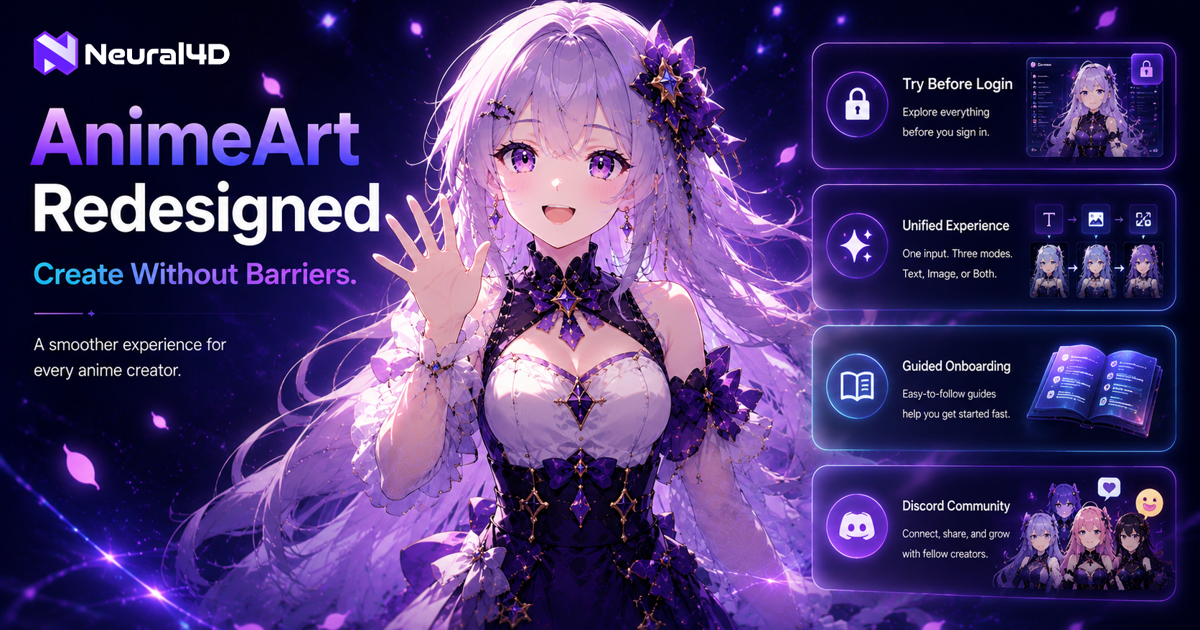
Neural4D updates its AI AnimeArt generator with a friction-free try-before-login experience, unified text and image inputs, and a new Discord community. With this redesign, AnimeArt becomes a destination. Creators can explore the full interface, combine text and image prompts, and start tracking motion within minutes, without hitting a paywall." -- Feihu, CEO of Neural4D NEW YORK, NY, UNITED STATES, July 17, 2026 /EINPresswire.com/ -- Neural4D, the AI creative platform developed by DreamTech, has launched a comprehensive redesign of AnimeArt, its AI-powered anime character generator. The update introduces a try-before-login experience, a unified input system supporting Text Generation, Image Generation, and Mixed Generation, a new onboarding guide, on-screen credit display, and an official Discord community. What Is AnimeArt AnimeArt is Neural4D's AI anime character generator, built to turn text descriptions and reference images into fully rigged anime-style 3D characters in VRM format. Users can generate characters, apply real-time motion capture through a standard webcam with the built-in Tracking module, and export production-ready models for VTubing, game development, and animation projects. The module sits inside Neural4D Studio, the platform's unified workspace for AI-powered 2D and 3D creation, alongside Image Generation, Video Generation, Text to 3D, and Image to 3D. The redesign touches every part of the AnimeArt experience: how users enter the product, how they compose prompts, how they learn the interface, and how they connect with other creators. Each change addresses a friction point identified from user behavior data and community feedback over the past several months. Try Before You Login The most visible change in this redesign is the removal of the mandatory login wall. Previously, visiting the AnimeArt page meant hitting a sign-in prompt before seeing anything. That barrier is now gone. Any visitor can browse the full interface, zoom and rotate the 3D scene, load sample models, type a prompt, and upload reference images without creating an account. The login prompt now appears only when the user takes a high-commitment action: clicking Generate, hitting Download, switching Background scenes, or changing character outfits. When users do log in, the system preserves everything they have already set up: the prompt text stays, uploaded images remain, and the current model state carries through. There is no reset, no lost work, and no need to start over. This change reflects a broader pattern across creative tools: users want to see the canvas before they commit. For creators evaluating whether AnimeArt fits their workflow, the try-before-login model removes the biggest hurdle to a first impression. One Input Field, Three Generation Ways The previous version of AnimeArt split generation into two separate tabs: one for text and one for images. Users had to choose a path before they could start. The redesign merges both into a single unified input field. Users can now type a descriptive prompt for Text Generation, upload a reference image for Image Generation, or combine both in a single request for Mixed Generation. The last option is the most significant addition: supplying a reference photo alongside a text description lets the model anchor its output to the image while following the style, pose, or detail cues from the prompt. For character designers iterating on a specific look, this removes the need to choose between fidelity and creative direction. The unified input also simplifies the interface. Instead of switching contexts, creators stay in one place and build their prompt incrementally: start with text, add an image, or the other way around. The model resolves the intent from whatever combination the user provides. Onboarding Guide and Tracking Redesign New users arriving in AnimeArt can now access a guided onboarding tour. The entry point is a question-mark icon in the top-right corner of the navigation bar. Clicking it opens a guided modal that walks through the core features: character generation, scene controls, model selection, and the Tracking workflow. The Tracking function itself has received a visual overhaul. The core motion-capture flow remains direct: enter Tracking mode, toggle the control to activate webcam capture, move in front of the camera, and watch the generated character mirror the motion in real time. The updated visual design clarifies each step, making the path from camera input to character animation easier to follow for first-time users. Credit Display and Discord Community Two smaller but practical additions round out the redesign. The top-right corner of the AnimeArt interface now shows the user's credit balance and avatar at all times, removing the need to navigate back to the main site to check remaining credits before generating. This keeps creators focused on their work rather than on account management. Neural4D has also launched an official Discord server for AnimeArt, accessible from the top-left corner of the interface. The server provides a direct channel for feedback, product discussion, and sharing work with other creators. For users who want to go deeper into the 3D creation ecosystem, browse print-ready 3D models from the DIY3D community to find base meshes and printable assets that complement their AnimeArt characters. The redesigned AnimeArt experience is live now at https://www.neural4d.com/anime-art-generator. New users receive 50 free Power credits per week to try all features, including the redesigned AnimeArt module and its Tracking function. Paid plans offer higher concurrency and full commercial usage rights. The official Discord community is open at https://discord.com/invite/hKkrdXntCP. Learn more: https://www.neural4d.com/anime-art-generator Product Hunt: https://www.producthunt.com/products/neural4d About Neural4D Neural4D is an AI-powered creative platform developed by DreamTech, offering a full suite of generative tools including Image Generation, Text to Video, Text to 3D, Image to 3D, and AnimeArt. Built on proprietary spatial intelligence technology, the platform serves creators and businesses across gaming, e-commerce, AR/VR, design, and digital entertainment. Neural4D's mission is to empower creators worldwide to bring their ideas to life, from the first visual concept to the final production-ready asset. DreamTech Company Neural4D email us here Visit us on social media: LinkedIn Instagram Facebook YouTube TikTok X Other Legal Disclaimer: EIN Presswire provides this news content "as is" without warranty of any kind. We do not accept any responsibility or liability for the accuracy, content, images, videos, licenses, completeness, legality, or reliability of the information contained in this article. If you have any complaints or copyright issues related to this article, kindly contact the author above.
Neural4D AnimeArt Redesigned with Try-Before-Login, Unified Text and Image Input, and Discord Community
Neural4D updates its AI AnimeArt generator with a friction-free try-before-login experience, unified text and image inputs, and a new Discord community. With this redesign, AnimeArt becomes a destination. Creators can explore the full interface, combine text and image prompts, and start tracking motion within minutes, without hitting a paywall." -- Feihu, CEO of Neural4D NEW YORK, NY, UNITED STATES, July 17, 2026 /EINPresswire.com/ -- Neural4D, the AI creative platform developed by DreamTech, has launched a comprehensive redesign of AnimeArt, its AI-powered anime character generator. The update introduces a try-before-login experience, a unified input system supporting Text Generation, Image Generation, and Mixed Generation, a new onboarding guide, on-screen credit display, and an official Discord community. What Is AnimeArt AnimeArt is Neural4D's AI anime character generator, built to turn text descriptions and reference images into fully rigged anime-style 3D characters in VRM format. Users can generate characters, apply real-time motion capture through a standard webcam with the built-in Tracking module, and export production-ready models for VTubing, game development, and animation projects. The module sits inside Neural4D Studio, the platform's unified workspace for AI-powered 2D and 3D creation, alongside Image Generation, Video Generation, Text to 3D, and Image to 3D. The redesign touches every part of the AnimeArt experience: how users enter the product, how they compose prompts, how they learn the interface, and how they connect with other creators. Each change addresses a friction point identified from user behavior data and community feedback over the past several months. Try Before You Login The most visible change in this redesign is the removal of the mandatory login wall. Previously, visiting the AnimeArt page meant hitting a sign-in prompt before seeing anything. That barrier is now gone. Any visitor can browse the full interface, zoom and rotate the 3D scene, load sample models, type a prompt, and upload reference images without creating an account. The login prompt now appears only when the user takes a high-commitment action: clicking Generate, hitting Download, switching Background scenes, or changing character outfits. When users do log in, the system preserves everything they have already set up: the prompt text stays, uploaded images remain, and the current model state carries through. There is no reset, no lost work, and no need to start over. This change reflects a broader pattern across creative tools: users want to see the canvas before they commit. For creators evaluating whether AnimeArt fits their workflow, the try-before-login model removes the biggest hurdle to a first impression. One Input Field, Three Generation Ways The previous version of AnimeArt split generation into two separate tabs: one for text and one for images. Users had to choose a path before they could start. The redesign merges both into a single unified input field. Users can now type a descriptive prompt for Text Generation, upload a reference image for Image Generation, or combine both in a single request for Mixed Generation. The last option is the most significant addition: supplying a reference photo alongside a text description lets the model anchor its output to the image while following the style, pose, or detail cues from the prompt. For character designers iterating on a specific look, this removes the need to choose between fidelity and creative direction. The unified input also simplifies the interface. Instead of switching contexts, creators stay in one place and build their prompt incrementally: start with text, add an image, or the other way around. The model resolves the intent from whatever combination the user provides. Onboarding Guide and Tracking Redesign New users arriving in AnimeArt can now access a guided onboarding tour. The entry point is a question-mark icon in the top-right corner of the navigation bar. Clicking it opens a guided modal that walks through the core features: character generation, scene controls, model selection, and the Tracking workflow. The Tracking function itself has received a visual overhaul. The core motion-capture flow remains direct: enter Tracking mode, toggle the control to activate webcam capture, move in front of the camera, and watch the generated character mirror the motion in real time. The updated visual design clarifies each step, making the path from camera input to character animation easier to follow for first-time users. Credit Display and Discord Community Two smaller but practical additions round out the redesign. The top-right corner of the AnimeArt interface now shows the user's credit balance and avatar at all times, removing the need to navigate back to the main site to check remaining credits before generating. This keeps creators focused on their work rather than on account management. Neural4D has also launched an official Discord server for AnimeArt, accessible from the top-left corner of the interface. The server provides a direct channel for feedback, product discussion, and sharing work with other creators. For users who want to go deeper into the 3D creation ecosystem, browse print-ready 3D models from the DIY3D community to find base meshes and printable assets that complement their AnimeArt characters. The redesigned AnimeArt experience is live now at https://www.neural4d.com/anime-art-generator. New users receive 50 free Power credits per week to try all features, including the redesigned AnimeArt module and its Tracking function. Paid plans offer higher concurrency and full commercial usage rights. The official Discord community is open at https://discord.com/invite/hKkrdXntCP. Learn more: https://www.neural4d.com/anime-art-generator Product Hunt: https://www.producthunt.com/products/neural4d About Neural4D Neural4D is an AI-powered creative platform developed by DreamTech, offering a full suite of generative tools including Image Generation, Text to Video, Text to 3D, Image to 3D, and AnimeArt. Built on proprietary spatial intelligence technology, the platform serves creators and businesses across gaming, e-commerce, AR/VR, design, and digital entertainment. Neural4D's mission is to empower creators worldwide to bring their ideas to life, from the first visual concept to the final production-ready asset. DreamTech Company Neural4D email us here Visit us on social media: LinkedIn Instagram Facebook YouTube TikTok X Other Legal Disclaimer: EIN Presswire provides this news content "as is" without warranty of any kind. We do not accept any responsibility or liability for the accuracy, content, images, videos, licenses, completeness, legality, or reliability of the information contained in this article. If you have any complaints or copyright issues related to this article, kindly contact the author above.
Discord Invite Link Not Working? Here's How to Fix It
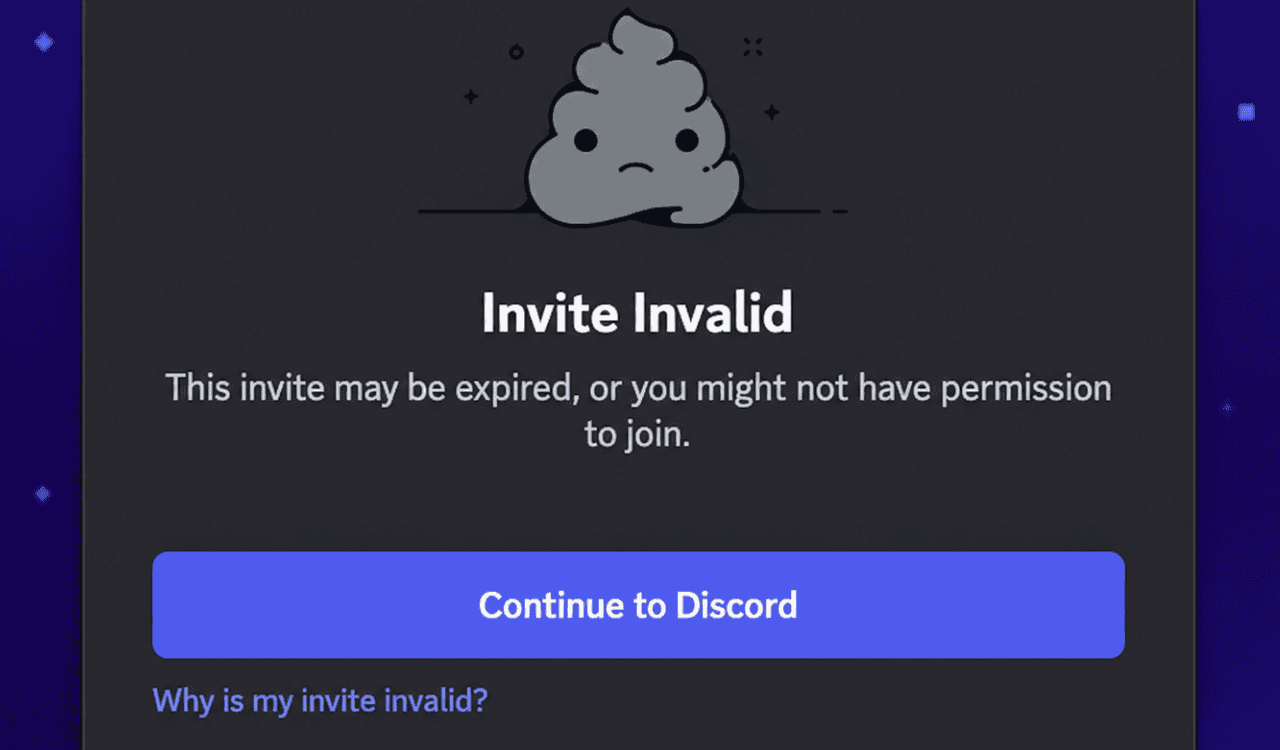
You've probably clicked a Discord invite link expecting to join a server, only to be greeted with an "Invite Invalid" or "Unable to Accept Invite" error. All of sudden, you start thinking why is Discord invite link not working for you. We understand it could be quite frustrating, especially when everyone else seems to be getting in without any trouble. The good news is that the problem usually isn't permanent, and in most cases, you can fix the Discord invite link not working issue. In this guide we will walk you through reasons why is your Discord invite link not working, tried and tested fixes to resolve it and some frequently asked questions by our readers regarding the Discord invite link issue. So, without much ado, let's jump in. Why is your Discord invite link not working? Before trying any fixes, it's worth understanding why the problem happens. A Discord invite invalid message usually appears when the invitation has expired, reached its maximum number of uses, or was deleted by the server administrator. You may also see errors if you're using the wrong Discord account, have been banned from the server, or Discord is experiencing temporary service issues. How to fix a Discord invite link not working 1. Ask for a new Discord invite link Many Discord invitations are set to expire after a certain amount of time or after a specific number of people join. If the Discord invite link expired or reached its maximum usage, you'll need the server owner or a moderator to create a fresh invitation. 2. Double-check the invite link If someone manually copied the invite code, make sure it wasn't shortened, cut off, or modified. Even one incorrect character can result in a Discord invite says invalid error. 3. Sign into the correct Discord account Some users have multiple Discord accounts and accidentally open an invite while logged into the wrong one. Log out, sign into the intended account, and try opening the invitation again. 4. Update the Discord app An outdated version of Discord can sometimes prevent invitation links from opening correctly. * Windows/Mac: Download the latest version or restart Discord to install pending updates. * Android: Update Discord from the Google Play Store. * iPhone: Install the latest version from the App Store. This can help if your Discord invite link is not working on mobile or PC. 5. Clear Discord's cache Corrupted cached files may interfere with invite links. Windows: Android: 6. Try another browser or device If the Discord invite link won't work, open it using another browser or a different device. If it works elsewhere, the problem is likely related to your current browser or Discord installation. 7. Disable your VPN or proxy VPNs and proxy services can occasionally interfere with Discord connections. Temporarily disable them and try opening the invite again. 8. Check Discord's server status If Discord is experiencing an outage, invite links may not work properly. Wait until the service is fully operational before trying again. 9. Contact the server administrator If you've tried every fix and still can't join the Discord server, ask a moderator whether: * The invite was revoked. * The server is full. * You've been banned. * New members are temporarily restricted. They can generate a new invite or confirm whether there's an account-specific issue. We hope one of these methods helps you get the Discord invite link issue fixed. For those who are unable to open Discord at all, check our comprehensive guide on how to force start it. FAQs related to Discord invite link issues 1. Why does my Discord invite say invalid? An invalid invite usually means the link expired, reached its maximum number of uses, was deleted, or contains an incorrect invite code. 2. Why does Discord say, "Unable to Accept Invite"? This error often appears if the invitation is no longer valid, you've been banned from the server, you're using the wrong account, or Discord is experiencing temporary issues. 3. Can I use an expired Discord invite? No. Once a Discord invite link expired, only a server administrator or moderator can generate a new invitation. 4. Why is my Discord invite not working on Android or iPhone? Updating the Discord app, clearing its cache (on Android), switching networks, or reinstalling the app usually resolves most mobile invite issues. 5. Why can't I join a Discord server even with a valid invite? You may have reached Discord's maximum server limit, the server could have membership restrictions, or your account may have been blocked by the server's administrators.
My AI coding workflow runs entirely through Discord, and it's faster than using an editor
Anurag is an experienced journalist and author who's been covering tech for the past 5 years, with a focus on Windows, Android, and Apple. He's written for sites like Android Police, Neowin, Dexerto, and MakeTechEasier. Anurag's always pumped about tech and loves getting his hands on the latest gadgets. When he's not procrastinating, you'll probably find him catching the newest movies in theaters or scrolling through Twitter from his bed. AI tools have advanced to the point where you don't even need a coding editor to code anymore. You don't even have to be coding to code these days. You just need to provide natural-language prompts and tell the AI what you want to build. I've been using OpenClaw to build my own AI coding workflow, which revolves around Claude Code, Discord, and a bunch of other tools. It's actually pretty simple. Discord acts as the interface, and I connect all the tools the agent needs. Then I can just ask the bot to fix a specific bug, build a new page for my website, or add a feature to my product, and it will do it. All I really need to do is verify the output. OpenClaw and Discord work really nicely together You can even use Slack if you want Close The aim here is to build an always-available AI agent, and OpenClaw has many of the primitives you need. It officially supports Discord as a bot interface, including DMs and guild channels. You can use something like Telegram or WhatsApp as well, but I prefer Discord because you can create separate channels for different projects. This keeps the context from getting mixed up and also makes it easier for you to follow what is happening. You can create separate threads as well, making conversations easier to track rather than having everything in one long chat, as is the case with WhatsApp. If you are building this for work, you could also connect it to something like Slack, Microsoft Teams, or whatever else your organization uses. Start by installing OpenClaw on your device. There is a simple script you need to run, after which the rest is mostly a matter of following the instructions on the screen. OpenClaw installs all the dependencies itself. You just need to select an AI model, among other things, during setup, and you will be prompted through the entire process. Note that during the initial setup, you can select any AI provider you want. It does not have to be the same one you eventually use for coding. You can configure that later. Once you are done with the initial setup, you need to replace the default interface with Discord. Start by creating a dedicated private server on Discord, then create channels relevant to your workflow. For example, I have agents, features, and reviews. Now you need to create an agent for Discord. Discord already has built-in bot functionality, so go to the Discord Developer Portal and create a bot there. Once you have created the bot, generate a bot token. This token is essentially like an API key, so save it somewhere secure. Then invite the bot to your Discord server, select the required scopes, and give it permissions to view channels, read messages, and send messages. I would also enable reactions and messaging in threads to help keep conversations clean and organized. Now get your Discord ID and give the Discord token to OpenClaw. Create a config file to enable Discord in OpenClaw, restart OpenClaw, then return to Discord. Your agent should now be online. Connect the coding tools you want Claude Code it is for me Once your Discord interface is working, the next step is to connect the tools that will actually do the coding. OpenClaw should act as the orchestrator here, not necessarily as the tool that writes every line of code itself. I use Claude Code as the primary coding agent, but you could use Codex, OpenCode, Gemini CLI, or another supported coding harness instead. OpenClaw supports running external coding agents, such as Claude Code, via its ACP integration, so you can start and manage coding sessions while continuing to interact with the agent in Discord. For my setup, Claude Code is the part that actually works on the codebase. It can inspect the repository, edit files, run commands, execute tests, and work with the rest of the development environment. I would give it access to a local clone of the project rather than expecting it to do all the coding through a GitHub integration. This gives the agent a proper development loop in which it can inspect the code, make a change, run the application or test suite, analyze the failure, and continue iterating until the task is complete. I would still connect GitHub as a separate tool because it gives the agent access to the wider context around the codebase. GitHub has an official MCP server that can read repositories and code, work with issues and pull requests, and interact with workflows. This means you can eventually send a message in Discord such as, "Look at issue #142, find the cause of the bug, fix it, run the tests, and create a pull request." The coding agent operates directly on the repository, while the GitHub integration helps it understand and manage everything related to that work. Don't forget the MD files Markdown files tell the agent how your project works The next important step is adding Markdown files that tell the agent how your project works. This is what stops it from approaching every task, as it has never seen your codebase before. OpenClaw gives every agent a dedicated workspace and automatically uses workspace files such as AGENTS.md, SOUL.md, TOOLS.md, IDENTITY.md, and USER.md as part of its context when they are present. You do not need to fill every file with pages of instructions, but a few well-written files make a huge difference. I would start with AGENTS.md. This should explain what the agent is responsible for and how it is expected to work. I would also create a project-specific file that explains the application itself. You could call it PROJECT.md and include the architecture, important directories, current priorities, known technical debt, and any areas the agent should avoid touching. OpenClaw does not automatically inject every arbitrary Markdown file into context, so I would reference PROJECT.md explicitly from AGENTS.md and instruct the agent to read it before substantial work. If you are using Claude Code, I would also add a CLAUDE.md file to the repository. Claude Code uses CLAUDE.md files to store persistent project instructions, including coding standards, workflows, architectural notes, and commands it should know about. This is separate from OpenClaw's own workspace files. You don't need editors anymore Well, that's a bit of an exaggeration, but for most use cases, you don't need an editor anymore unless you actually want to code things by hand. You can basically have your agent do things for you, and I think this is the direction editors are moving in as well. For example, VS Code now has an agent mode that doesn't look like an editor at all. It just looks like an agentic chat interface. Cursor has something similar, and I'm sure this kind of setup will become much more mainstream very soon. OpenClaw OpenClaw is a personal AI assistant that runs on your devices. See at Official Site See at Github Expand Collapse
Discord: AI error blocks thousands of accounts because of chessboard images - Research Snipers
Due to an error in AI moderation, Discord has incorrectly blocked over 8,000 user accounts in the past few months. The triggers were harmless images and raster graphics. A software error also prevented human control from being carried out. Faulty AI bans thousands of users Between May and July 2026, the communications platform Discord permanently blocked around 8,200 accounts worldwide without authorization. The reason for the measure was an error in the service's automated security system. Affected users had previously uploaded harmless graphics, but the internal software incorrectly classified them as malicious material. The objectionable content included everyday motifs. Users shared images of simple chessboards, screenshots of spreadsheets or inventory views from the computer game Minecraft. Simple transparent image backgrounds with the familiar gray and white checkered pattern also triggered the filter. The fact that such raster images were targeted by the control systems has a concrete technical background in the prosecution of crimes. "Grid banned" for posting a game texture by u/Flynny__ in BannedFromDiscord Like the online magazine The Verge reported, malicious actors often use special grid patterns to obscure illegal material from detection systems and evade automated deletion. In order to detect and sort out illegal or abusive content on a large scale, platforms rely on an established process called perceptual hashing. The process first converts uploaded images into grayscale and greatly reduces the resolution. The system then divides the graphic into small square sections. Each area is assigned a specific brightness value, creating a unique digital fingerprint of the image. The security system then compares the result with known databases to automatically block prohibited content. Human control failed At Discord, the system is actually designed in such a way that if there is a suspected case, only the upload of the image is initially paused. A human moderator from the security team should then review the material in question. However, a program error in recent months led to accounts being immediately and permanently blocked. The system did not wait for the employees' final decision. Even when human reviewers unblocked the accounts after a manual review, the internal error prevented the ban from being automatically lifted. Discord technical director Stanislav Vishnevskiy explained that all affected accounts have now been unblocked. The company is currently working on better protective measures to reliably prevent similar incidents in the future. The incident shows the limits of automated moderation. While hashing processes are used effectively by technology companies such as Microsoft or Apple to prevent the spread of depictions of abuse, they carry the risk of false assessments. For users who use the platform every day for work or to exchange ideas in communities, a sudden exclusion has direct consequences.
Nmplol Malena Tudi: Nmplol reacts after news of discord with Malena Tudi leaks online - THE LOCAL REPORT ARTICLES
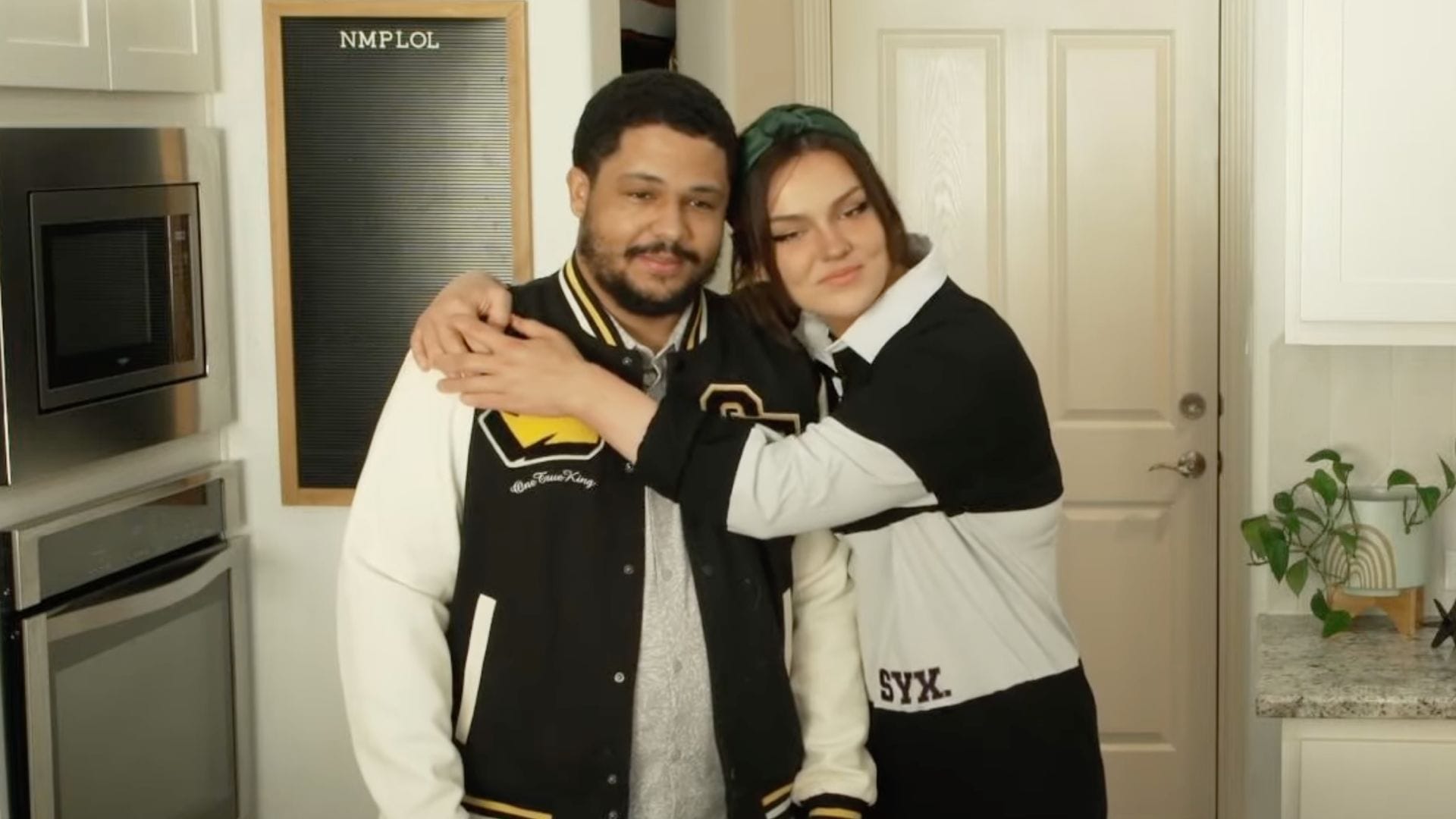
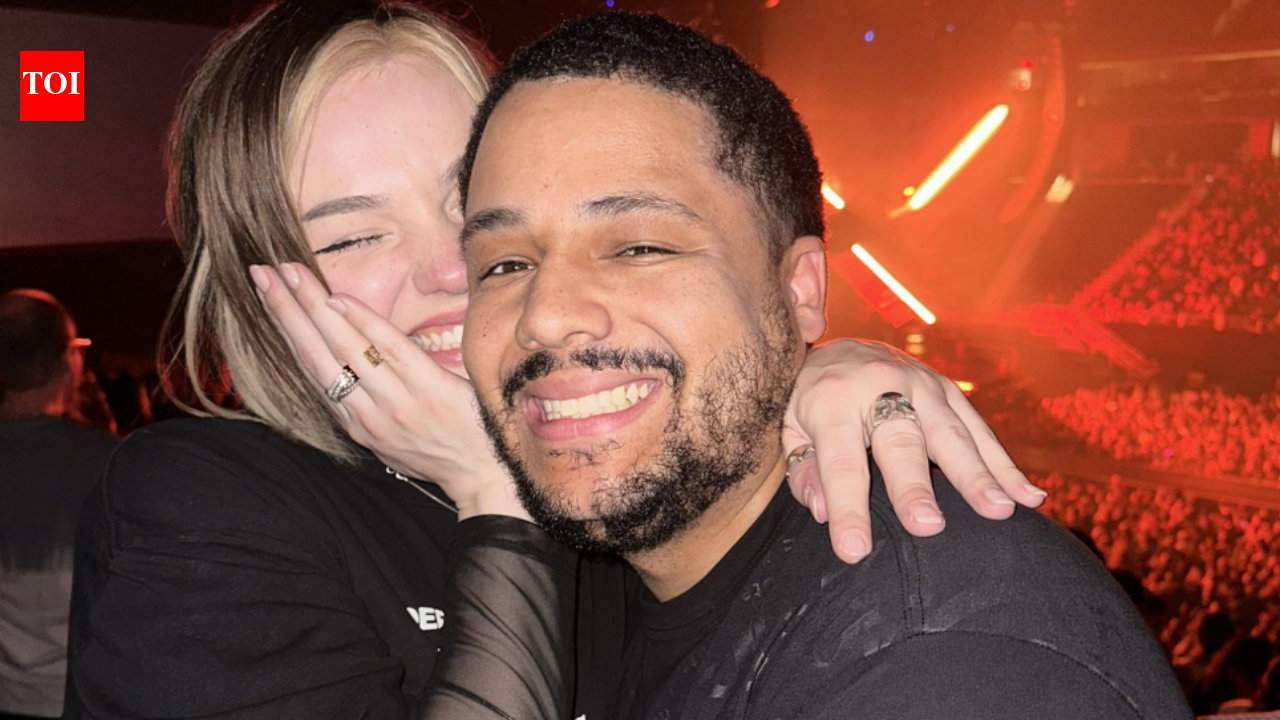
A private Discord message between Twitch streamer Nick "Nmplol" and his ex-wife Malena Tudi went viral after YouTuber Henry Resilient shared a screenshot on X. The posts quickly spread on social media, with many discussing the controversy in the messages. The screenshots appear to show disagreements over control, gaslighting and money. Shortly after the screenshots were shared, Nmplol publicly responded that the screenshots didn't tell the whole story. As of this writing, Malena Toody has yet to make any public statements regarding the leaked information. Nmplol reacts after Discord message with Malena Tudi leaked Henry Resilient posted the screenshot along with the picture, saying that Nmplol's divorce from Malena Tudi was 'Worse than he imagined' and added that he would discuss the situation in an upcoming YouTube video.The leaked information comes from a private Discord conversation on May 29, 2024. During the chat, Malena told Nick that he was always trying to control her. Nick disagreed and replied that she had "Nothing has been done for six months." Then the conversation turned to money and bank accounts.A piece of news has attracted widespread attention online. Malena claimed that while managing funds she said belonged to her, they were not added to the bank account. "Human trafficking". Nick quickly replied: "No."As the screenshots spread on social media, many users began sharing their opinions. Some are questioning what happened between the former couple, while others are waiting for Nick's response before jumping to any conclusions. Nmplol says leaked screenshots miss important context Shortly after the screenshots went viral, Nmplol responded in a discussion on Reddit's r/LivestreamFail subreddit after one of his streamers, xQc, viewed the messages during one of his live streams.Nick said the screenshots were not new evidence. According to him, the documents have been submitted during legal proceedings and reviewed by lawyers and judges. He believes that reading just a few screenshots without the full conversation could give people the wrong idea.Nmplol also explained the bank account issue from his perspective. He said Malena had logged into his bank account, linked a credit card and could spend, withdraw money or transfer money at any time.According to Nick, the disagreement was over becoming a co-owner of the account by adding her name next to his. He said he chose not to do so and claimed the judge did not find his decision constituted financial abuse.Nick also said that he does not plan to continue arguing the case on Reddit because, in his opinion, everything shared online now has already been vetted in the legal process.Leaked Discord messages have once again brought the past relationship of Nmplol and Malena Tudi into the spotlight. While the screenshots sparked widespread discussion online, Nmplol said they did not show the full picture, pointing to the outcome of the legal case. As of now, Malena Tudi has not publicly responded to the leaked news shared by Henry Resilient.
"That's human trafficking. Are you aware of that?": Malena Tudi and Nmplol's Discord messages surface
YouTuber Henry Resilient has shared screenshots of Discord messages between Malena Tudi and Nick "Nmplol." On July 2, 2026, Henry Resilient took to X to claim that Nmplol's divorce from Malena was "worse than he thought," and announced that he would be discussing the situation in an upcoming YouTube video. The content creator also shared two screenshots of Nick and Malena's Discord conversation from May 29, 2024, which contained the following text: Malena: "Nick. You're controlling me always. Always." Nmplol: "Hey re**rd." Malena: "And when I'm not controlled you lose your ****." Nmplol: "You're done nothing for 6 months. Stop gaslighing me." Malena: "^" Nmplol: "Jesus. That's not controlling you that's saying a fact. hello." Malena: "What about the bank account then?" Nmplol: "I asked my dad about that and he agrees." Malena: "Gaslighting me for years saying I'm crazy. Too crazy to be on the account." Nmplol: "My mom didn't have access to that at all." Malena: "With MY MONEY in it." Nmplol: "And she got her half when they divorced." Malena: "That's human trafficking are you aware of that?" Nmplol: "Lmao it's not." Malena: "It is. Working for free whilst controlling the money of a foriegn citizen." Nmplol confirms Discord messages between him and Malena Tudi are real, claims they are "exhibitions from his case that have been discussed, submitted, and scrutinized" by lawyers and judges On July 2, 2026, Nmplol commented on a thread on the r/LivestreamFail subreddit, in which Felix "xQc" read the aforementioned Discord messages between him and Malena Tudi. According to the OTK (One True King) member, the Discord chat logs were evidence in his case, which had "already been discussed, submitted, and scrutinized by lawyers and judges": "These are exhibitions from my case that have already been discussed, submitted, and scrutinized by lawyers and judges. Out of context screenshots might sway some haters online but it had no bearing in the actual court that mattered." The 35-year-old then provided context for the text conversation between him and his ex-wife: "For context, this wasn't about having ACCESS to my account, which she had for years (Her own log in to my account), and had her own personal credit card (Attached to my account), it was for her to CO OWN my account which I said no. She could have withdrawn, sent funds etc., and had the same banking restrictions I had, I was just the owner. She wanted to have her name be right beside mine and I said no. The judge agreed with me as well that this IS NOT financial abuse. I am not going to relitigate my case with the lawyers of reddit. All of this stuff has been seen by actually qualified people and they came to the correct decision. Everything you are gonna see with that ugly watermark on it has been discussed by actual judges and lawyers." As of this writing, Malena Tudi has not issued a statement regarding the Discord messages that have surfaced on social media.