News & Updates
The latest news and updates from companies in the WLTH portfolio.
SpaceX, Grab, Sea to Trade on Singapore Exchange Through SDRs
SpaceX, Grab and Sea are set to start trading on the Singapore Exchange via the issuance of Singapore Depository Receipts on Wednesday. SGX said in a statement that the new additions will "provide direct access to innovative themes" in Singapore's local currency. "The U.S. SDRs enable investors to manage and trade these global companies seamlessly in [Singapore dollars], eliminating foreign-currency conversion friction, while enabling trading during Singapore market hours," SGX said. The move comes as investor activity in SDRs continues to build, the exchange operator said. Average daily turnover has risen strongly, driven by record-high retail participation, it said.

See images of SpaceX launching Northrop Grumman robotic spacecraft
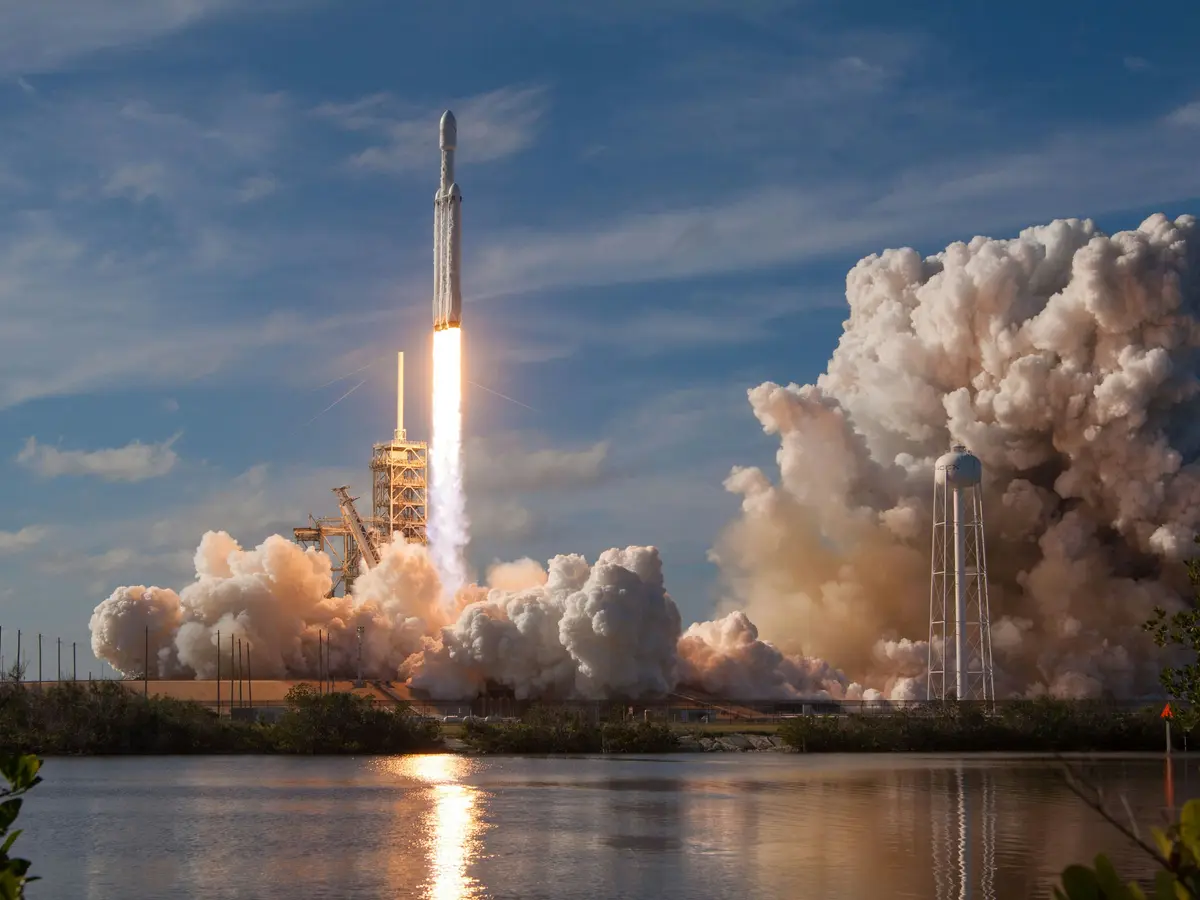
With a brilliant blue-sky backdrop, a soaring SpaceX Falcon 9 rocket launched Northrop Grumman's Mission Robotic Vehicle during a late-afternoon mission Tuesday, July 21, from Cape Canaveral Space Force Station. The Falcon 9 took flight at 5:15 p.m. from Launch Complex 40. Touted by Northrop Grumman as a "Swiss army knife for satellites," the MRV is designed for on-orbit satellite inspection, life extension, repairs, upgrades, debris removal and repositioning. Looking ahead on the Eastern Range calendar, another Falcon 9 will launch July 30 on a SpaceX national security mission, a Federal Aviation Administration operations plan advisory shows. More details on the NROL-95 mission: * Launch window: 2:37 a.m. to 4:04 a.m. * Location: Launch Complex 40 at Cape Canaveral Space Force Station. * Live FLORIDA TODAY Space Team coverage: Starts 90 minutes before liftoff at floridatoday.com/space. For the latest news and launch schedule from Cape Canaveral Space Force Station and NASA's Kennedy Space Center, visit floridatoday.com/space. Another easy way: Click here to sign up for our weekly 321 Launch space newsletter. Rick Neale is a Space Reporter at FLORIDA TODAY, where he has covered news since 2004. Contact Neale at [email protected]. Twitter/X: @RickNeale1

See images of SpaceX launching Northrop Grumman robotic spacecraft
With a brilliant blue-sky backdrop, a soaring SpaceX Falcon 9 rocket launched Northrop Grumman's Mission Robotic Vehicle during a late-afternoon mission Tuesday, July 21, from Cape Canaveral Space Force Station. The Falcon 9 took flight at 5:15 p.m. from Launch Complex 40. Touted by Northrop Grumman as a "Swiss army knife for satellites," the MRV is designed for on-orbit satellite inspection, life extension, repairs, upgrades, debris removal and repositioning. Looking ahead on the Eastern Range calendar, another Falcon 9 will launch July 30 on a SpaceX national security mission, a Federal Aviation Administration operations plan advisory shows. More details on the NROL-95 mission: * Launch window: 2:37 a.m. to 4:04 a.m. * Location: Launch Complex 40 at Cape Canaveral Space Force Station. * Live FLORIDA TODAY Space Team coverage: Starts 90 minutes before liftoff at floridatoday.com/space. For the latest news and launch schedule from Cape Canaveral Space Force Station and NASA's Kennedy Space Center, visit floridatoday.com/space. Another easy way: Click here to sign up for our weekly 321 Launch space newsletter. Rick Neale is a Space Reporter at FLORIDA TODAY, where he has covered news since 2004. Contact Neale at [email protected]. Twitter/X: @RickNeale1
SpaceX reschedules 13th Starship test flight to Thursday
HARLINGEN, Texas (ValleyCentral) - SpaceX has announced it has rescheduled its thirteenth Starship test flight for the second time. The launch window has been moved to 5:45 p.m. Thursday, July 23, from Starbase. The thirteenth Starship test flight will be the second flight test of 2026. Last week's scheduled launch was aborted just seconds before the Starship lifted off. As previously reported on ValleyCentral, SpaceX CEO Elon Musk announced that some of the engines failed to start. SpaceX originally rescheduled the launch for Monday afternoon and then moved the date again to Thursday. According to Starbase, the thirteenth Starship test flight aims to accomplish goals similar to those of the previous flight test, which included the debut of the third-generation Starship and Super Heavy vehicles. In addition to completing similar objectives, the flight will also carry the next-generation Starlink V3 satellites for the first time. A live webcast of the flight test will be available for viewers to watch approximately 30 minutes before takeoff on the SpaceX website.

Tesla, SpaceX and Meta Forecasts - Geopolitical Risks Trigger Pre-Market Tech Selling
The Tesla daily chart shows price sliding toward the $383 support region after a year of sideways action. Source: TradingView. Tesla looks like it's going to gap to the downside at the open on Friday as we continue to see risk appetite a little bit threatened by the conflict in the Middle East. And of course, we are approaching earnings season, so it'll be interesting to see how that plays out. Tesla has earnings next Wednesday and now finds itself threatening the $383 region, an area that's been important multiple times in the past. It'll be interesting to see if there's any type of pushback here from the buyers. All things being equal, the market has been somewhat sideways for the better part of a year as we are just trying to figure out where to go next.

SpaceX Starship launch aborted after engines fail to start
* A SpaceX Starship launch was automatically aborted on Thursday after some engines failed to ignite. * The launch attempt was the 13th test flight for the Starship rocket from Starbase, Texas. * CEO Elon Musk stated that two of the Raptor engines would be replaced out of caution. * The next launch attempt will not occur until next week at the earliest. The countdown clock hit T-0. Some engines ignited. Steam surrounded the rocket. But SpaceX's massive Starship rocket stayed on the pad. The much anticipated Thursday, July 16 liftoff from Texas was aborted. While a new launch date has not yet been set, it won't be until next week at the earliest. "Some of the engines didn't start, triggering an automatic launch abort. Now offloading propellant," SpaceX CEO Elon Musk wrote on X shortly after the abort. The engine visual on the SpaceX webcast showed four out of the 33 Raptor engines on the Super-Heavy booster did not start up. Musk later updated that two of the Raptor engines would be replaced out of caution. This 13th Starship test flight from Starbase, Texas marks the second test overall of the new Starship V3 (Version 3), which is the same model of the ship expected to someday launch from NASA's Kennedy Space Center Pad 39A. Starship will later also launch from Cape Canaveral Space Force Base's Launch Complex 37, where SpaceX is building two launch pads -- 37A and 37B. SpaceX claims that a debut Florida launch for Starship could come as early as later this year, however that depends on how well the upcoming test flight goes. When this second test flight of Starship V3 does happen, the goals are: successful launch, controlled booster landing, ship coasting in space, a relight of a single ship engine, deployment of 20 Starlink satellites, and a splashdown of the ship in the Indian Ocean. Six of the Starlink satellites are outfitted with cameras to assess the ship's heatshield while it coasts in space. The Super-Heavy booster will not be caught back at the launch site for this mission, as SpaceX is still testing the performance of the engines. It is targeting a controlled splashdown in the Gulf of America, also known as the Gulf of Mexico, after stage separation. The FLORIDA TODAY Space Team will provide live coverage of Flight 13 at FloridaToday.com/Space on launch day. Brooke Edwards is a Space Reporter for Florida Today. Contact her at [email protected] or on X: @brookeofstars.

SpaceX Starship launch aborted after engines fail to start
The countdown clock hit T-0. Some engines ignited. Steam surrounded the rocket. But SpaceX's massive Starship rocket stayed on the pad. The much anticipated Thursday, July 16 liftoff from Texas was aborted. While a new launch date has not yet been set, it won't be until next week at the earliest. "Some of the engines didn't start, triggering an automatic launch abort. Now offloading propellant," SpaceX CEO Elon Musk wrote on X shortly after the abort. The engine visual on the SpaceX webcast showed four out of the 33 Raptor engines on the Super-Heavy booster did not start up. Musk later updated that two of the Raptor engines would be replaced out of caution. This 13th Starship test flight from Starbase, Texas marks the second test overall of the new Starship V3 (Version 3), which is the same model of the ship expected to someday launch from NASA's Kennedy Space Center Pad 39A. Starship will later also launch from Cape Canaveral Space Force Base's Launch Complex 37, where SpaceX is building two launch pads -- 37A and 37B. SpaceX claims that a debut Florida launch for Starship could come as early as later this year, however that depends on how well the upcoming test flight goes. When this second test flight of Starship V3 does happen, the goals are: successful launch, controlled booster landing, ship coasting in space, a relight of a single ship engine, deployment of 20 Starlink satellites, and a splashdown of the ship in the Indian Ocean. Six of the Starlink satellites are outfitted with cameras to assess the ship's heatshield while it coasts in space. The Super-Heavy booster will not be caught back at the launch site for this mission, as SpaceX is still testing the performance of the engines. It is targeting a controlled splashdown in the Gulf of America, also known as the Gulf of Mexico, after stage separation. The FLORIDA TODAY Space Team will provide live coverage of Flight 13 at FloridaToday.com/Space on launch day. Brooke Edwards is a Space Reporter for Florida Today. Contact her at [email protected] or on X: @brookeofstars.

Can India finally get its own Elon Musk, SpaceX? Skyroot's Vikram-1 launch could change space ecosystem
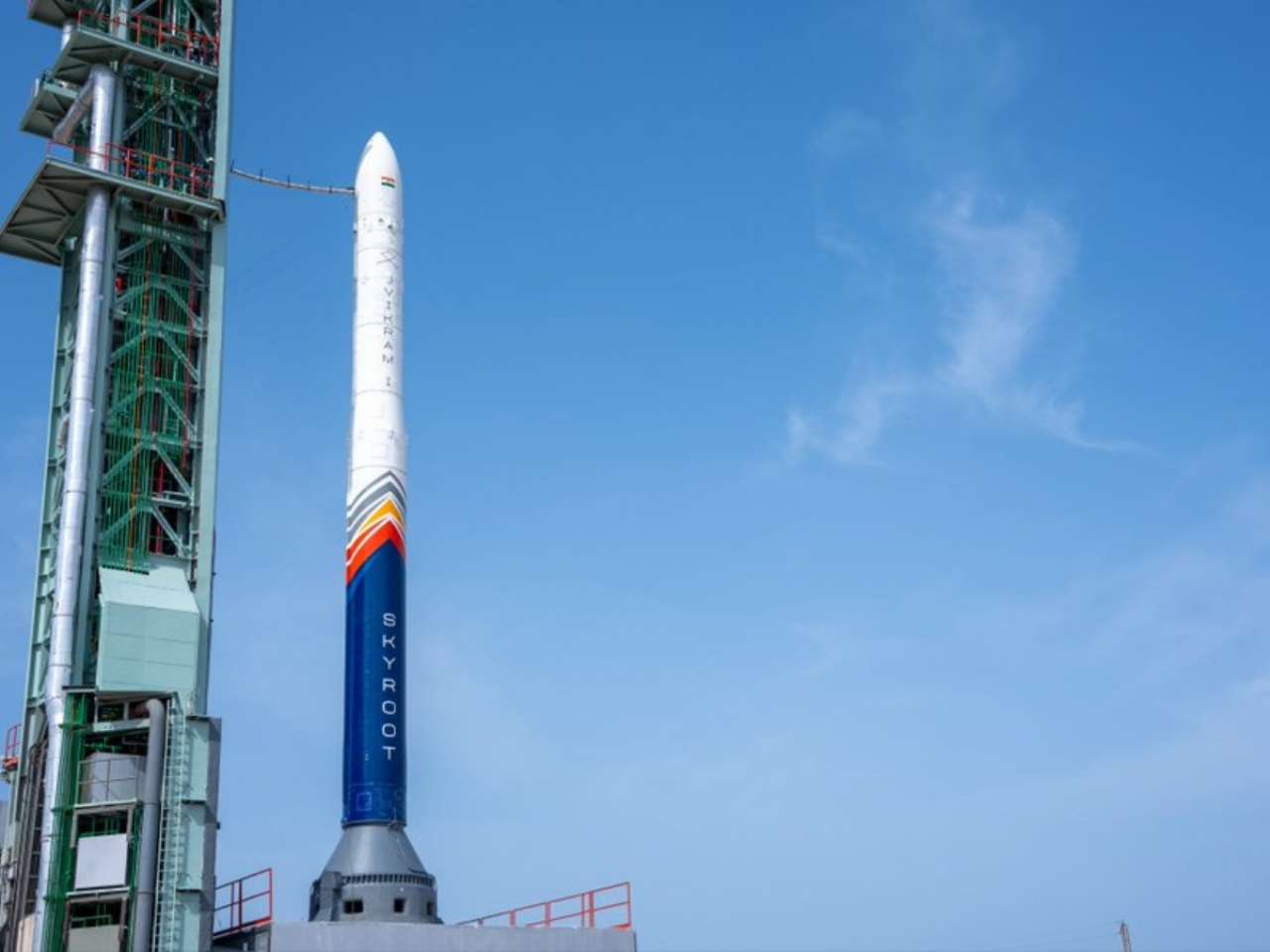
Is India getting ready for its own SpaceX or Elon Musk? The question may appear to be preposterous, but the recent development has paved the path for daring private sector entrepreneurship in the space sector. After the Union government launched the Indian Space Policy 2023, the doors for Non-Government Entities (NGEs) were opened, and they were allowed to undertake end-to-end space activities, creating a level playing field for private companies. The next watershed moment came a few days back when Skyroot Aerospace announced to launch India's first privately developed orbital-class rocket, Vikram 1. India's first private rocket: Vikram- 1 It will be launched from the Satish Dhawan Space Centre in Sriharikota at 11.30 AM ON July 18, 2026. It will be a test flight, named Mission Aagaman, to check the rocket's performance before commercial operations begin. It will also carry a handwritten note from Prime Minister Narendra Modi. The company said in a note, posted on the social media platform X, "Among the payloads on Vikram-1 Test Flight-1 is something truly special -- a handwritten postcard from Hon'ble Prime Minister Shri @narendramodi with the words, "Vande Mataram." Mission Aagman can carry a payload of up to 350 kilograms and place the satellite in Low Earth Orbit (LEO). The propulsion of the rocket is made up of three solid-fuel stages and one liquid-fuel Orbital Adjustment Module (OAM) for precision payload insertion. Skyroot Aerospace, Mission Aagaman If the mission succeeds, Skyroot Aerospace will become the first Indian private company to put a rocket into orbit from Indian soil. It will reflect the development of India's private sector space industry ecosystem. The success of the mission will show the private launch capability alongside ISRO. This will enhance India's capacity to serve the growing global small satellite market. It will throw open a big and expanding space launch business in India, where private companies can offer reliable, cost-effective launch services for international customers, particularly those from Europe. The Mission Aagman aligns well with the government's mission of encouraging Non-Government Entities (NGEs) to undertake end-to-end space activities and drive commercial growth. * The private companies can use ISRO's infrastructure, testing facilities, technical expertise, and launch support. * In an attempt to encourage the private sector and support it, the government has come out with a liberalised FDI policy, IN-SPACe authorisation guidelines, and a Venture Capital Fund of Rs 1,000 crore. I * t has also allowed startups discounted pricing for ISRO facilities. However, all is not hunky-dory. There are challenges, risks and the uncharted future that may go wrong and take an unexpected turn.
SpaceX Starship launch aborted after engines fail to start
Add Yahoo as a preferred source to see more of our stories on Google. The countdown clock hit T-0. Some engines ignited. Steam surrounded the rocket. But SpaceX's massive Starship rocket stayed on the pad. The much anticipated Thursday, July 16 liftoff from Texas was aborted. While a new launch date has not yet been set, it won't be until next week at the earliest. "Some of the engines didn't start, triggering an automatic launch abort. Now offloading propellant," SpaceX CEO Elon Musk wrote on X shortly after the abort. The engine visual on the SpaceX webcast showed four out of the 33 Raptor engines on the Super-Heavy booster did not start up. When is the next Florida rocket launch? Is there a launch today? SpaceX, ULA rocket launch schedule in Florida Musk later updated that two of the Raptor engines would be replaced out of caution. This 13th Starship test flight from Starbase, Texas marks the second test overall of the new Starship V3 (Version 3), which is the same model of the ship expected to someday launch from NASA's Kennedy Space Center Pad 39A. Starship will later also launch from Cape Canaveral Space Force Base's Launch Complex 37, where SpaceX is building two launch pads -- 37A and 37B. SpaceX claims that a debut Florida launch for Starship could come as early as later this year, however that depends on how well the upcoming test flight goes. When this second test flight of Starship V3 does happen, the goals are: successful launch, controlled booster landing, ship coasting in space, a relight of a single ship engine, deployment of 20 Starlink satellites, and a splashdown of the ship in the Indian Ocean. Six of the Starlink satellites are outfitted with cameras to assess the ship's heatshield while it coasts in space. The Super-Heavy booster will not be caught back at the launch site for this mission, as SpaceX is still testing the performance of the engines. It is targeting a controlled splashdown in the Gulf of America, also known as the Gulf of Mexico, after stage separation. The FLORIDA TODAY Space Team will provide live coverage of Flight 13 at FloridaToday.com/Space on launch day. Brooke Edwards is a Space Reporter for Florida Today. Contact her at [email protected] or on X: @brookeofstars. This article originally appeared on Florida Today: SpaceX Starship launch aborted after engines fail to start
SpaceX Starship launch aborted seconds before Texas liftoff
STORY: :: SpaceX's Starship rocket triggers a last-second abort before liftoff for its 13th flight test :: Starbase, Texas / July 16, 2026 :: Dan Huot, SpaceX spokesperson "No Starship launch today. We'll dig in with the teams, figure out what happened, and figure out when our next attempt is going to be." :: In a post on X, CEO Elon Musk said that some of the engines didn't start, triggering an automatic launch abort The launch abort came less than a second before Starship's planned 6:45 p.m. ET (2245 GMT) liftoff from Starbase, SpaceX's company town in south Texas. The rocket's engines ignited but cut off shortly after. Shares of SpaceX, which went public last month, fell about 3% in aftermarket trading following the scrubbed launch.

SpaceX's Starship Rocket Triggers Automatic Launch Abort as Engines Fail to Start
Space Exploration Technologies Corp. designs, manufactures, launches, and operates products and services built on technologies, including rockets and spacecraft. The Company's segments include Space, Connectivity, and artificial intelligence (AI). Its Space segment designs, manufactures, and launches reusable rockets to provide access to space. Its Connectivity segment operates broadband data and communications network powered by approximately 9,600 Starlink broadband and mobile satellites in Low-Earth orbit, delivering connectivity to consumer, enterprises, and government customers over 164 countries, territories, and other markets. In its AI segment, it operates a vertically integrated AI platform spanning its truth-seeking frontier model Grok, AI solutions for consumer and enterprise customers, X-its real-time information, entertainment, and free speech platform and AI computational infrastructure.
SpaceX Starship Launch Aborted on the Pad at the Last Moment
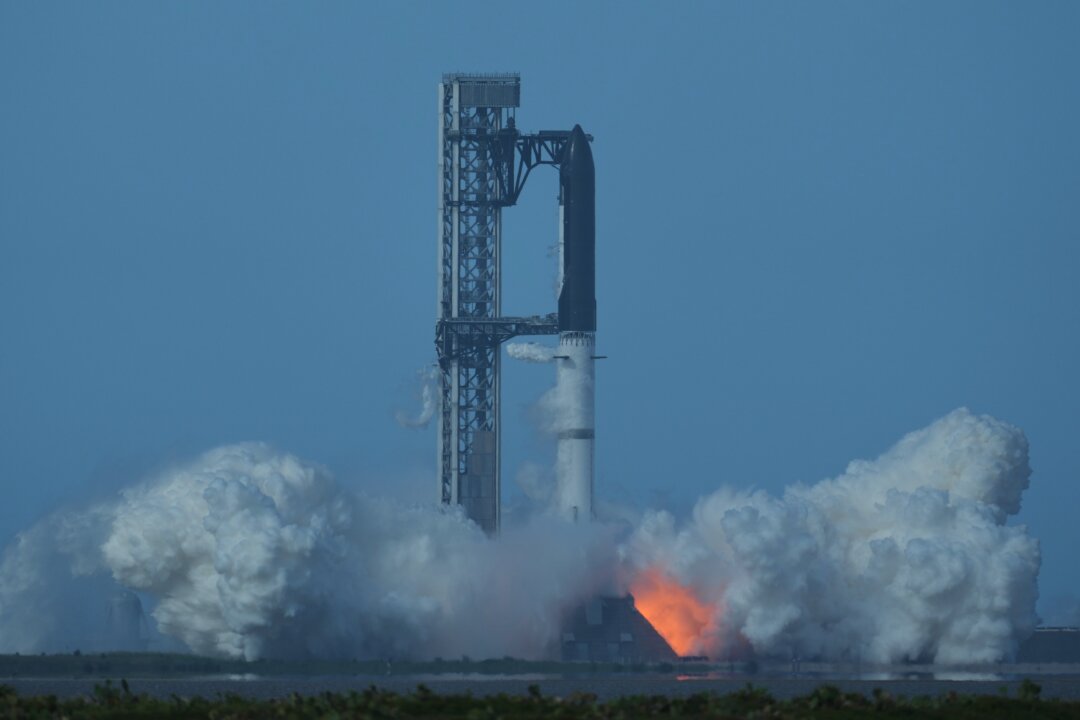
SpaceX's mega Starship rocket came within a second or so from blasting off on a test flight Thursday, but some of the engines failed to ignite, triggering a launch abort amid billowing clouds of smoke and vapor. Elon Musk, the company's founder and CEO, said two engines will be replaced "to be confident of a good flight" before sending Starship from Texas on a space-skimming journey halfway around the world. It will be the 13th flight for Starship, which at 407 feet (124 meters) tall with 33 main engines is the world's biggest and most powerful rocket. SpaceX's launch webcast showed the start of engine ignition three seconds before the planned liftoff, viewed from a drone high above the pad. Although the company did not elaborate, onscreen data showed four engines not firing, with the remaining 29 engines immediately shutting down and keeping the rocket anchored to the pad. It was the first time a full-scale Starship experienced a last-second abort like this. The launch team immediately began draining the fuel from the rocket. "Most probable launch timing is early next week," Musk said via X. Everything was going SpaceX's way, even the weather, until the partial engine ignition. In the end, the rocket's automatic launch system worked as planned by halting everything. Too few operating engines could have doomed the launch. Some earlier Starship flights ended in explosive fireballs. Twenty of SpaceX's newest and most advanced Starlinks were on board Starship for release during the planned hourlong flight from Starbase, the company's hub near the Texas-Mexico border. The internet satellites were going to try communicating with Starlinks already in orbit while taking photos of Starship's heat shield. Neither the first-stage booster nor spacecraft were meant to be recovered, with both ending up in the sea. The rocket's automatic launch system worked as planned by halting everything. Too few operating engines could have resulted in a failed launch. Some earlier Starship flights, for example, ended in explosive fireballs. NASA is counting on Starship to land its astronauts on the moon in the next few years. The space agency has hired SpaceX and Jeff Bezos' Blue Origin to build and fly the lunar landers that will return humanity to the surface of the moon after an absence of more than half a century. Both companies need to have their landers -- Starship and Blue Moon -- ready to fly by next year so that the newly named Artemis III crew can practice docking their capsule with them in orbit around Earth. The mission after that -- Artemis IV planned for no earlier than 2028 -- would use one of those landers to take two astronauts to the moon's south polar region.
SpaceX Starship Launch Aborted on the Pad at the Last Moment
SpaceX's mega Starship rocket came within a second or so from blasting off on a test flight Thursday, but some of the engines failed to ignite, triggering a launch abort amid billowing clouds of smoke and vapor. Elon Musk, the company's founder and CEO, said two engines will be replaced "to be confident of a good flight" before sending Starship from Texas on a space-skimming journey halfway around the world. It will be the 13th flight for Starship, which at 407 feet (124 meters) tall with 33 main engines is the world's biggest and most powerful rocket. SpaceX's launch webcast showed the start of engine ignition three seconds before the planned liftoff, viewed from a drone high above the pad. Although the company did not elaborate, onscreen data showed four engines not firing, with the remaining 29 engines immediately shutting down and keeping the rocket anchored to the pad. It was the first time a full-scale Starship experienced a last-second abort like this. The launch team immediately began draining the fuel from the rocket. "Most probable launch timing is early next week," Musk said via X. Neither the first-stage booster nor spacecraft were meant to be recovered, with both ending up in the sea. Both companies need to have their landers -- Starship and Blue Moon -- ready to fly by next year so that the newly named Artemis III crew can practice docking their capsule with them in orbit around Earth. The mission after that -- Artemis IV planned for no earlier than 2028 -- would use one of those landers to take two astronauts to the moon's south polar region.
SpaceX aborts Starship launch seconds before liftoff after engine failure; Elon Musk says next attempt next week
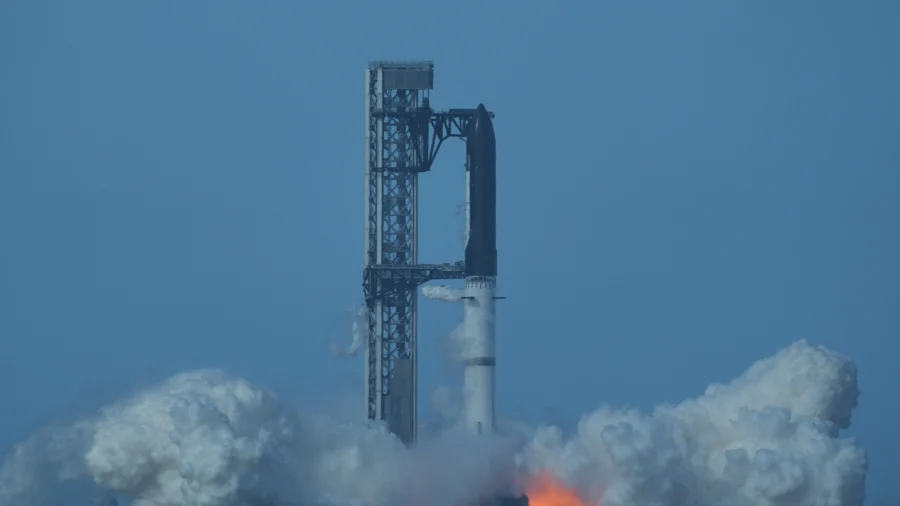
SpaceX aborted its latest Starship launch seconds before liftoff after multiple Raptor engines failed to ignite. Elon Musk said two engines will be replaced before another launch attempt next week, delaying the company's first mission carrying third-generation Starlink satellites. SpaceX's latest attempt to launch its giant Starship rocket ended dramatically on the launch pad after an automatic abort stopped the mission just moments before liftoff in South Texas. The countdown had reached zero, the launch pad's water deluge system activated and the Super Heavy booster began igniting its engines. But within seconds, the engines shut down and the mission was cancelled automatically. Soon afterwards, Elon Musk explained the reason on X, saying that some of the Raptor engines failed to start, triggering the onboard safety system. He added that SpaceX will replace two engines and target another launch attempt next week. According to SpaceX's live broadcast, multiple engines failed to ignite properly during startup. The Starship system relies on dozens of Raptor engines firing in a carefully timed sequence. If enough engines fail to reach required performance, onboard software immediately aborts the launch to prevent a catastrophic failure. The automatic shutdown worked exactly as intended, avoiding damage to the rocket and launch infrastructure. Engineers must now safely drain thousands of tonnes of cryogenic methane and liquid oxygen before inspecting the affected engines and preparing the vehicle for another attempt. This was more than another Starship test. SpaceX planned to launch the first third-generation Starlink satellites, representing the next evolution of its global satellite internet network. Although the satellites were expected to burn up after deployment because Starship has yet to demonstrate a complete orbital mission, the flight would have validated key technologies for future operational launches. The mission also marked Starship's return after May's first Version 3 (V3) test flight, during which both the Super Heavy booster and upper stage experienced technical issues despite achieving several important milestones. The US Federal Aviation Administration (FAA) only cleared SpaceX to fly again earlier this week after reviewing corrective actions following the previous test. Despite the setback, Starship remains the centrepiece of SpaceX's long-term strategy. The fully reusable rocket is designed to carry massive satellite payloads, support future Moon missions under NASA's Artemis programme and eventually transport humans to Mars. It is also expected to deploy larger and more capable Starlink satellites that could significantly expand SpaceX's satellite broadband business -- the company's biggest source of revenue. The launch attempt also came weeks after SpaceX's record-breaking public listing. Investor attention has intensified as the company works to prove Starship can become a reliable commercial launch system. While the aborted launch disappointed spectators, it also demonstrated the importance of automated safety systems. Rather than risking an explosion after detecting abnormal engine performance, Starship shut itself down exactly as designed. If repairs proceed as planned, SpaceX hopes to try again as early as next week.
SpaceX Starship launch aborted on pad at last moment
WASHINGTON: SpaceX's mega Starship rocket came within a second or so from blasting off on a test flight but some of the engines failed to start, triggering a launch abort. Elon Musk's company said it will have to figure out what went wrong before making another attempt to send Starship on a space-skimming flight halfway around the world. It was supposed to be the 13th flight for Starship, which at 407 feet (124 meters) tall with 33 main engines is the world's biggest and most powerful rocket. SpaceX's launch webcast on Thursday showed the start of engine ignition three seconds before the planned liftoff, viewed from a drone high above the pad. Whichever engines fired abruptly shut down, with the rocket remaining anchored to the pad. The launch team immediately began draining the fuel from the rocket. "Next launch attempt hopefully in a few days," Musk announced via X.
SpaceX scrubs Starship flight test due to engine issues
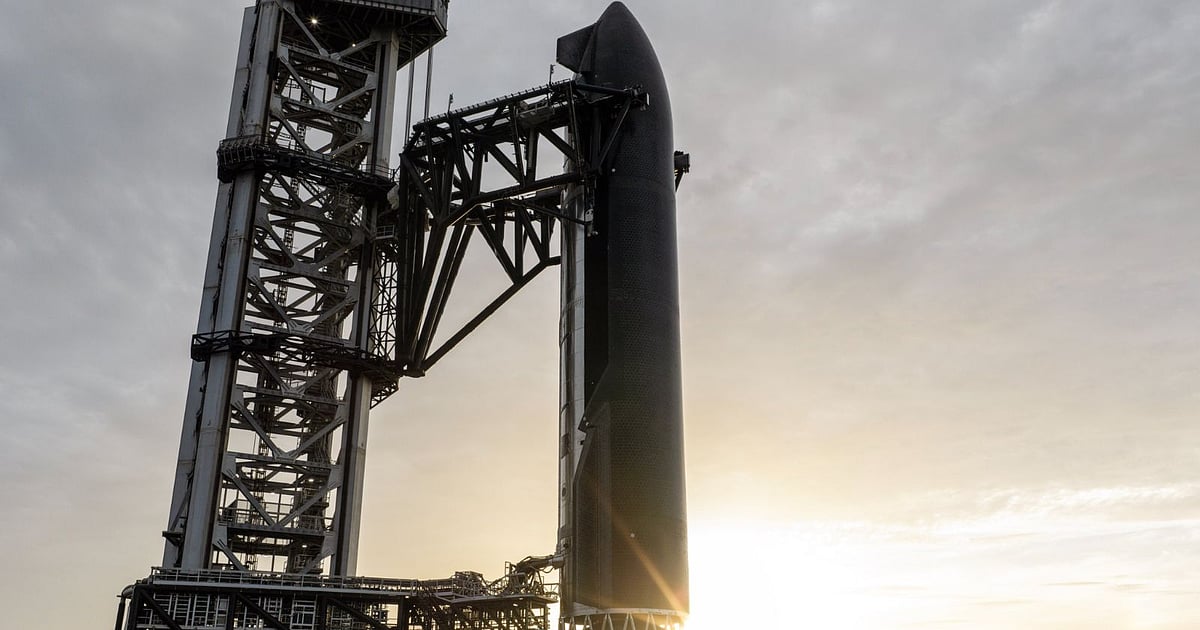
US private space company SpaceX scrubbed the 13th flight test of its giant Starship rocket at the last minute due to engine issues on Thursday. The launch was scheduled for 5:45 p.m. Central Time (2245 GMT) from the company's Starbase facility in the US state of Texas but was later called off. SpaceX founder Elon Musk said in a post on X that "some of the engines didn't start, triggering an automatic launch abort." Musk said the next launch attempt would be "hopefully in a few days." The mission aims to continue testing the upgraded Version 3 Starship and Super Heavy vehicles, which made their debut during the previous flight test in May.

SpaceX's Starship test flight aborted shortly before launch
Despite recent setbacks in test flights, SpaceX's Starship is being developed for potential use by NASA to send astronauts to the moon and Elon Musk's goal of human missions to Mars. A planned test flight of SpaceX's Starship, the largest rocket system ever built, was aborted shortly before launch, company founder Elon Musk said on Thursday. "Some of the engines didn't start, triggering an automatic launch abort," Musk wrote on X, the social media platform he also owns. "Next launch attempt hopefully in a few days," he added. The giant Starship rocket last completed a test flight in May, its 12th overall. Several engines also failed during that flight, but the test otherwise went largely according to plan. It marked the first flight of Starship Version 3, which SpaceX says has been extensively redesigned, including improvements to its design and performance. US space agency NASA hopes to use Starship to send astronauts to the moon, while Musk's stated goal is for humans to reach Mars. The Starship rocket system consists of two parts that separate after the launch: the about 70-metre-long Super Heavy booster and the upper stage, also called Starship, which measures around 50 metres. The system has been developed so that both the spacecraft and the booster can be reused after returning to Earth. The system was first tested in April 2023, when it exploded after a few minutes. Later tests saw the upper stage reach space and land under control in the Indian Ocean. However, several recent test flights fell well short of expectations. SpaceX recently carried out the largest initial public offering to date, although its shares have since fallen below their issue price.
SpaceX's Starship test flight aborted shortly before launch
A planned test flight of SpaceX's Starship, the largest rocket system ever built, was aborted shortly before launch, company founder Elon Musk said on Thursday. "Some of the engines didn't start, triggering an automatic launch abort," Musk wrote on X, the social media platform he also owns. "Next launch attempt hopefully in a few days," he added. The giant Starship rocket last completed a test flight in May, its 12th overall. Several engines also failed during that flight, but the test otherwise went largely according to plan. It marked the first flight of Starship Version 3, which SpaceX says has been extensively redesigned, including improvements to its design and performance. US space agency NASA hopes to use Starship to send astronauts to the moon, while Musk's stated goal is for humans to reach Mars. The Starship rocket system consists of two parts that separate after the launch: the about 70-metre-long Super Heavy booster and the upper stage, also called Starship, which measures around 50 metres. The system has been developed so that both the spacecraft and the booster can be reused after returning to Earth. The system was first tested in April 2023, when it exploded after a few minutes. Later tests saw the upper stage reach space and land under control in the Indian Ocean. However, several recent test flights fell well short of expectations. SpaceX recently carried out the largest initial public offering to date, although its shares have since fallen below their issue price.

SpaceX abruptly scrubs Starship test flight
SpaceX on Thursday scrubbed what was to be its first Starship flight since the company went public, abruptly calling it off just as the booster began to ignite. "Some of the engines didn't start, triggering an automatic launch abort. Now offloading propellant. Next launch attempt hopefully in a few days," wrote company head Elon Musk on X. It was to be the mammoth rocket's 13th flight overall. When it eventually takes off, the flight's aims will be similar to those of a mostly successful voyage carried out in May, which debuted the latest edition of the powerful Starship, its third-generation model. The goals of that test were essentially to demonstrate the new designs in flight. It was not without a few glitches, however, including engine issues with the Super Heavy booster that necessitated a crash into the Gulf of Mexico rather than a precision return. The company said "there have been several modifications to hardware and software to address issues seen on the previous flight." SpaceX will aspire the next time around to execute a launch, ascent, stage separation, boostback burn and landing burn of the booster offshore without hiccups. The upper stage will deploy 20 Starlink V3 satellites, and SpaceX said it will test out a relight of a Raptor engine in space. It will also test upgrades to Starship's heat shield. The latest flight will be the first after Musk's SpaceX went public on Wall Street in June, with a record initial public offering. The rocket company has rapidly expanded its satellite internet service and voiced lofty ambitions for AI data centers in space. There's a lot riding on SpaceX's progress: the company is under contract with NASA to produce a modified version of Starship to serve as a lunar landing system.

SpaceX Starship launch aborted at the last moment
SpaceX's mega Starship rocket has come within a second or so from blasting off on a test flight but some of the engines failed to start, triggering a launch abort. Elon Musk's company said it will have to figure out what went wrong on Thursday before making another attempt to send Starship on a space-skimming journey halfway around the world. It was supposed to be the 13th flight for Starship, which at 124m tall with 33 main engines is the world's biggest and most powerful rocket. SpaceX's launch webcast showed the start of engine ignition three seconds before the planned liftoff, viewed from a drone high above the pad. Although the company did not elaborate, on-screen data showed four engines not firing, with the remaining 29 engines immediately shutting down and keeping the rocket anchored to the pad. It was the first time a full-scale Starship experienced a last-second abort like this. The launch team immediately began draining the fuel from the rocket. "Next launch attempt hopefully in a few days," Musk announced via X. Everything was going SpaceX's way, even the weather, until the partial engine ignition. In the end, the rocket's automatic launch system worked as planned by halting everything. Too few operating engines could have doomed the launch. Some earlier Starship flights ended in explosive fireballs. Elon Musk's company had newest, most advanced Starlinks aboard Twenty of SpaceX's newest and most advanced Starlinks were on board Starship for release during the planned hour-long flight. The internet satellites were going to try communicating with Starlinks already in orbit while taking photos of Starship's heat shield. Neither the first-stage booster nor spacecraft were meant to be recovered, with both ending up in the sea. The rocket's automatic launch system worked as planned by halting everything. Too few operating engines could have resulted in a failed launch. Some earlier Starship flights, for example, ended in explosive fireballs.
