News & Updates
The latest news and updates from companies in the WLTH portfolio.
Sony Music, Warner Chappell sue Anthropic over copyright infringement
Sony Music Publishing and Warner Chappell Music have filed a copyright lawsuit against Anthropic. | Image: Bloomberg Sony Music Publishing and Warner Chappell Music have sued Anthropic, accusing the AI company of carrying out large-scale scraping, torrenting, and downloading of copyrighted works to train its Claude AI models. The lawsuit, filed in a Northern California federal court, also names Anthropic co-founders Dario Amodei and Benjamin Mann. Anthropic has disputed the allegations and said it intends to defend itself robustly in court, according to Business Insider. What do Sony and Warner allege? The publishers claim Anthropic obtained and used "tens of thousands" of copyrighted musical compositions without permission, including works associated with well-known songs such as Eye of the Tiger, September, Uptown Funk, Hallelujah, Taylor Swift's Paper Rings, and Mariah Carey's All I Want for Christmas Is You. The complaint alleges that Anthropic obtained copyrighted material through torrent networks and large-scale scraping, including material from digital archives such as Library Genesis and Pirate Library Mirror. It also alleges that the company scraped lyrics from websites including Musixmatch and LyricFind. The publishers further claim that Claude can reproduce copyrighted lyrics either verbatim or substantially as written, and they argue that such outputs could compete with music created by human songwriters. Also Read Why India may revive 'Most-Favoured-Nation' rule in bilateral treaties Djokovic crashes out in US Open first round, 25th Grand Slam wait continues September tax calendar: Key TDS, advance tax and tax audit deadlines Zomato bans analogue dairy dishes, warns restaurants of delisting Tim Cook's last day at Apple: How he took the company beyond the iPhone What damages are being sought? Sony Music Publishing and Warner Chappell are seeking statutory damages of up to $150,000 for each work they say was wilfully infringed, while they are also seeking up to $25,000 for each alleged removal or alteration of copyright management information. The potential financial exposure could run into billions of dollars, although any final damages would depend on the court's findings. The publishers have also requested a jury trial and are seeking other remedies, including the destruction of infringing copies and an accounting of Claude's training data. The stakes rise for Anthropic The case comes shortly after Anthropic agreed to a $1.5 billion settlement with authors and publishers over allegations involving pirated books used to train Claude. A US judge had found that Anthropic downloaded more than seven million pirated books, although the earlier case also raised a distinction between using copyrighted material for AI training and illegally acquiring that material. The music publishers are using that earlier litigation as part of their case, while arguing that AI companies must obtain copyrighted creative works lawfully and compensate rights holders where required. Other recent copyright lawsuits against major AI companies Anthropic is not alone in facing legal challenges over AI training data. Recent cases include: * OpenAI: WikiHow sued OpenAI in August 2026, alleging that more than 11,000 instructional articles were scraped without permission to train ChatGPT * Meta: Publishers including Elsevier, Cengage, Hachette, Macmillan, and McGraw Hill sued Meta in May 2026, alleging that copyrighted books and journal articles were used to train its Llama models * Google: Publishers and authors have also filed a class-action lawsuit accusing Google of using copyrighted works to train its Gemini AI platform More From This Section Nepal floods kill 903, leave 4,250 missing; Bihar remains on high alert China's factory activity improves in August but remains in contraction Nepal asked China for data on glacier risks months before deadly floods Google Maps changes Lake Ontario to 'Lake America' for US users Iran's supreme leader urges Muslim nations to unite against US, Israel

Anthropic wins court ruling against Pentagon blacklisting
SAN FRANCISCO, California: A federal judge has blocked the Pentagon from blacklisting Anthropic, ruling in favor of the AI company in its dispute with the U.S. military over restrictions on using its Claude models. U.S. District Judge Rita Lin found in a 59-page order on August 27 that the Pentagon's decision to designate Anthropic a national security supply-chain risk was "illegal and baseless." "The empty invocation of national security is not a blank check to punish and retaliate against government critics," Lin wrote. Anthropic sued in California federal court in March, alleging that Defense Secretary Pete Hegseth exceeded his authority in imposing the designation. The government can use the label for companies that expose military systems to possible infiltration or sabotage by adversaries. The Pentagon's move blocked Anthropic from certain military contracts and followed the company's refusal to allow the military to use Claude AI models for U.S. surveillance or autonomous weapons. Anthropic executives have said the designation could cost the company billions of dollars in lost business and reputational harm. Anthropic welcomed the court's decision and said it remained "focused on working productively with the government to harness AI for our national security so all Americans benefit from this technology." The Pentagon did not immediately respond to a request for comment. Anthropic has argued that AI models are not reliable enough to be safely deployed in autonomous weapons and that it opposes domestic surveillance because it violates rights. The Pentagon has said private companies should not be able to constrain military action. The designation marked the first time a U.S. company had been publicly declared a supply-chain risk under a government procurement law intended to protect military systems from foreign sabotage. In its March 9 lawsuit, Anthropic alleged that the government retaliated against its views on AI safety, violating its First Amendment right to free speech. It also argued that it was denied an opportunity to challenge the designation, violating its Fifth Amendment right to due process. The company said the Pentagon's decision was unlawful, unsupported by facts and inconsistent with the military's previous praise of Claude. The Justice Department argued in a court filing that Anthropic's refusal to remove its restrictions could create uncertainty about how the Pentagon could use Claude and risk disabling military systems during operations. The government said the designation resulted from Anthropic's refusal to accept contractual terms, not its views on AI safety. Anthropic also has a separate lawsuit pending in Washington, D.C., challenging another Pentagon supply-chain risk designation that could exclude the company from civilian government contracts.

Judge calls Pentagon's Anthropic blacklist 'illegal and baseless'
Anthropic sued in California federal court in March, alleging that Defense Secretary Pete Hegseth exceeded his authority in imposing the designation SAN FRANCISCO, California: A federal judge has blocked the Pentagon from blacklisting Anthropic, ruling in favor of the AI company in its dispute with the U.S. military over restrictions on using its Claude models. U.S. District Judge Rita Lin found in a 59-page order on August 27 that the Pentagon's decision to designate Anthropic a national security supply-chain risk was "illegal and baseless." "The empty invocation of national security is not a blank check to punish and retaliate against government critics," Lin wrote. Anthropic sued in California federal court in March, alleging that Defense Secretary Pete Hegseth exceeded his authority in imposing the designation. The government can use the label for companies that expose military systems to possible infiltration or sabotage by adversaries. The Pentagon's move blocked Anthropic from certain military contracts and followed the company's refusal to allow the military to use Claude AI models for U.S. surveillance or autonomous weapons. Anthropic executives have said the designation could cost the company billions of dollars in lost business and reputational harm. Anthropic welcomed the court's decision and said it remained "focused on working productively with the government to harness AI for our national security so all Americans benefit from this technology." The Pentagon did not immediately respond to a request for comment. Anthropic has argued that AI models are not reliable enough to be safely deployed in autonomous weapons and that it opposes domestic surveillance because it violates rights. The Pentagon has said private companies should not be able to constrain military action. The designation marked the first time a U.S. company had been publicly declared a supply-chain risk under a government procurement law intended to protect military systems from foreign sabotage. In its March 9 lawsuit, Anthropic alleged that the government retaliated against its views on AI safety, violating its First Amendment right to free speech. It also argued that it was denied an opportunity to challenge the designation, violating its Fifth Amendment right to due process. The company said the Pentagon's decision was unlawful, unsupported by facts and inconsistent with the military's previous praise of Claude. The Justice Department argued in a court filing that Anthropic's refusal to remove its restrictions could create uncertainty about how the Pentagon could use Claude and risk disabling military systems during operations. The government said the designation resulted from Anthropic's refusal to accept contractual terms, not its views on AI safety. Anthropic also has a separate lawsuit pending in Washington, D.C., challenging another Pentagon supply-chain risk designation that could exclude the company from civilian government contracts.
Judge calls Pentagon's Anthropic blacklist 'illegal and baseless'
Anthropic sued in California federal court in March, alleging that Defense Secretary Pete Hegseth exceeded his authority in imposing the designation SAN FRANCISCO, California: A federal judge has blocked the Pentagon from blacklisting Anthropic, ruling in favor of the AI company in its dispute with the U.S. military over restrictions on using its Claude models. U.S. District Judge Rita Lin found in a 59-page order on August 27 that the Pentagon's decision to designate Anthropic a national security supply-chain risk was "illegal and baseless." "The empty invocation of national security is not a blank check to punish and retaliate against government critics," Lin wrote. Anthropic sued in California federal court in March, alleging that Defense Secretary Pete Hegseth exceeded his authority in imposing the designation. The government can use the label for companies that expose military systems to possible infiltration or sabotage by adversaries. The Pentagon's move blocked Anthropic from certain military contracts and followed the company's refusal to allow the military to use Claude AI models for U.S. surveillance or autonomous weapons. Anthropic executives have said the designation could cost the company billions of dollars in lost business and reputational harm. Anthropic welcomed the court's decision and said it remained "focused on working productively with the government to harness AI for our national security so all Americans benefit from this technology." The Pentagon did not immediately respond to a request for comment. Anthropic has argued that AI models are not reliable enough to be safely deployed in autonomous weapons and that it opposes domestic surveillance because it violates rights. The Pentagon has said private companies should not be able to constrain military action. The designation marked the first time a U.S. company had been publicly declared a supply-chain risk under a government procurement law intended to protect military systems from foreign sabotage. In its March 9 lawsuit, Anthropic alleged that the government retaliated against its views on AI safety, violating its First Amendment right to free speech. It also argued that it was denied an opportunity to challenge the designation, violating its Fifth Amendment right to due process. The company said the Pentagon's decision was unlawful, unsupported by facts and inconsistent with the military's previous praise of Claude. The Justice Department argued in a court filing that Anthropic's refusal to remove its restrictions could create uncertainty about how the Pentagon could use Claude and risk disabling military systems during operations. The government said the designation resulted from Anthropic's refusal to accept contractual terms, not its views on AI safety. Anthropic also has a separate lawsuit pending in Washington, D.C., challenging another Pentagon supply-chain risk designation that could exclude the company from civilian government contracts.
Judge calls Pentagon's Anthropic blacklist 'illegal and baseless'
Anthropic sued in California federal court in March, alleging that Defense Secretary Pete Hegseth exceeded his authority in imposing the designation SAN FRANCISCO, California: A federal judge has blocked the Pentagon from blacklisting Anthropic, ruling in favor of the AI company in its dispute with the U.S. military over restrictions on using its Claude models. U.S. District Judge Rita Lin found in a 59-page order on August 27 that the Pentagon's decision to designate Anthropic a national security supply-chain risk was "illegal and baseless." "The empty invocation of national security is not a blank check to punish and retaliate against government critics," Lin wrote. Anthropic sued in California federal court in March, alleging that Defense Secretary Pete Hegseth exceeded his authority in imposing the designation. The government can use the label for companies that expose military systems to possible infiltration or sabotage by adversaries. The Pentagon's move blocked Anthropic from certain military contracts and followed the company's refusal to allow the military to use Claude AI models for U.S. surveillance or autonomous weapons. Anthropic executives have said the designation could cost the company billions of dollars in lost business and reputational harm. Anthropic welcomed the court's decision and said it remained "focused on working productively with the government to harness AI for our national security so all Americans benefit from this technology." The Pentagon did not immediately respond to a request for comment. Anthropic has argued that AI models are not reliable enough to be safely deployed in autonomous weapons and that it opposes domestic surveillance because it violates rights. The Pentagon has said private companies should not be able to constrain military action. The designation marked the first time a U.S. company had been publicly declared a supply-chain risk under a government procurement law intended to protect military systems from foreign sabotage. In its March 9 lawsuit, Anthropic alleged that the government retaliated against its views on AI safety, violating its First Amendment right to free speech. It also argued that it was denied an opportunity to challenge the designation, violating its Fifth Amendment right to due process. The company said the Pentagon's decision was unlawful, unsupported by facts and inconsistent with the military's previous praise of Claude. The Justice Department argued in a court filing that Anthropic's refusal to remove its restrictions could create uncertainty about how the Pentagon could use Claude and risk disabling military systems during operations. The government said the designation resulted from Anthropic's refusal to accept contractual terms, not its views on AI safety. Anthropic also has a separate lawsuit pending in Washington, D.C., challenging another Pentagon supply-chain risk designation that could exclude the company from civilian government contracts.
Judge calls Pentagon's Anthropic blacklist 'illegal and baseless'
Anthropic sued in California federal court in March, alleging that Defense Secretary Pete Hegseth exceeded his authority in imposing the designation SAN FRANCISCO, California: A federal judge has blocked the Pentagon from blacklisting Anthropic, ruling in favor of the AI company in its dispute with the U.S. military over restrictions on using its Claude models. U.S. District Judge Rita Lin found in a 59-page order on August 27 that the Pentagon's decision to designate Anthropic a national security supply-chain risk was "illegal and baseless." "The empty invocation of national security is not a blank check to punish and retaliate against government critics," Lin wrote. Anthropic sued in California federal court in March, alleging that Defense Secretary Pete Hegseth exceeded his authority in imposing the designation. The government can use the label for companies that expose military systems to possible infiltration or sabotage by adversaries. The Pentagon's move blocked Anthropic from certain military contracts and followed the company's refusal to allow the military to use Claude AI models for U.S. surveillance or autonomous weapons. Anthropic executives have said the designation could cost the company billions of dollars in lost business and reputational harm. Anthropic welcomed the court's decision and said it remained "focused on working productively with the government to harness AI for our national security so all Americans benefit from this technology." The Pentagon did not immediately respond to a request for comment. Anthropic has argued that AI models are not reliable enough to be safely deployed in autonomous weapons and that it opposes domestic surveillance because it violates rights. The Pentagon has said private companies should not be able to constrain military action. The designation marked the first time a U.S. company had been publicly declared a supply-chain risk under a government procurement law intended to protect military systems from foreign sabotage. In its March 9 lawsuit, Anthropic alleged that the government retaliated against its views on AI safety, violating its First Amendment right to free speech. It also argued that it was denied an opportunity to challenge the designation, violating its Fifth Amendment right to due process. The company said the Pentagon's decision was unlawful, unsupported by facts and inconsistent with the military's previous praise of Claude. The Justice Department argued in a court filing that Anthropic's refusal to remove its restrictions could create uncertainty about how the Pentagon could use Claude and risk disabling military systems during operations. The government said the designation resulted from Anthropic's refusal to accept contractual terms, not its views on AI safety. Anthropic also has a separate lawsuit pending in Washington, D.C., challenging another Pentagon supply-chain risk designation that could exclude the company from civilian government contracts.
Anthropic wins court ruling against Pentagon blacklisting
SAN FRANCISCO, California: A federal judge has blocked the Pentagon from blacklisting Anthropic, ruling in favor of the AI company in its dispute with the U.S. military over restrictions on using its Claude models. U.S. District Judge Rita Lin found in a 59-page order on August 27 that the Pentagon's decision to designate Anthropic a national security supply-chain risk was "illegal and baseless." "The empty invocation of national security is not a blank check to punish and retaliate against government critics," Lin wrote. Anthropic sued in California federal court in March, alleging that Defense Secretary Pete Hegseth exceeded his authority in imposing the designation. The government can use the label for companies that expose military systems to possible infiltration or sabotage by adversaries. The Pentagon's move blocked Anthropic from certain military contracts and followed the company's refusal to allow the military to use Claude AI models for U.S. surveillance or autonomous weapons. Anthropic executives have said the designation could cost the company billions of dollars in lost business and reputational harm. Anthropic welcomed the court's decision and said it remained "focused on working productively with the government to harness AI for our national security so all Americans benefit from this technology." The Pentagon did not immediately respond to a request for comment. Anthropic has argued that AI models are not reliable enough to be safely deployed in autonomous weapons and that it opposes domestic surveillance because it violates rights. The Pentagon has said private companies should not be able to constrain military action. The designation marked the first time a U.S. company had been publicly declared a supply-chain risk under a government procurement law intended to protect military systems from foreign sabotage. In its March 9 lawsuit, Anthropic alleged that the government retaliated against its views on AI safety, violating its First Amendment right to free speech. It also argued that it was denied an opportunity to challenge the designation, violating its Fifth Amendment right to due process. The company said the Pentagon's decision was unlawful, unsupported by facts and inconsistent with the military's previous praise of Claude. The Justice Department argued in a court filing that Anthropic's refusal to remove its restrictions could create uncertainty about how the Pentagon could use Claude and risk disabling military systems during operations. The government said the designation resulted from Anthropic's refusal to accept contractual terms, not its views on AI safety. Anthropic also has a separate lawsuit pending in Washington, D.C., challenging another Pentagon supply-chain risk designation that could exclude the company from civilian government contracts.
Judge calls Pentagon's Anthropic blacklist 'illegal and baseless'
Anthropic sued in California federal court in March, alleging that Defense Secretary Pete Hegseth exceeded his authority in imposing the designation SAN FRANCISCO, California: A federal judge has blocked the Pentagon from blacklisting Anthropic, ruling in favor of the AI company in its dispute with the U.S. military over restrictions on using its Claude models. U.S. District Judge Rita Lin found in a 59-page order on August 27 that the Pentagon's decision to designate Anthropic a national security supply-chain risk was "illegal and baseless." "The empty invocation of national security is not a blank check to punish and retaliate against government critics," Lin wrote. Anthropic sued in California federal court in March, alleging that Defense Secretary Pete Hegseth exceeded his authority in imposing the designation. The government can use the label for companies that expose military systems to possible infiltration or sabotage by adversaries. The Pentagon's move blocked Anthropic from certain military contracts and followed the company's refusal to allow the military to use Claude AI models for U.S. surveillance or autonomous weapons. Anthropic executives have said the designation could cost the company billions of dollars in lost business and reputational harm. Anthropic welcomed the court's decision and said it remained "focused on working productively with the government to harness AI for our national security so all Americans benefit from this technology." The Pentagon did not immediately respond to a request for comment. Anthropic has argued that AI models are not reliable enough to be safely deployed in autonomous weapons and that it opposes domestic surveillance because it violates rights. The Pentagon has said private companies should not be able to constrain military action. The designation marked the first time a U.S. company had been publicly declared a supply-chain risk under a government procurement law intended to protect military systems from foreign sabotage. In its March 9 lawsuit, Anthropic alleged that the government retaliated against its views on AI safety, violating its First Amendment right to free speech. It also argued that it was denied an opportunity to challenge the designation, violating its Fifth Amendment right to due process. The company said the Pentagon's decision was unlawful, unsupported by facts and inconsistent with the military's previous praise of Claude. The Justice Department argued in a court filing that Anthropic's refusal to remove its restrictions could create uncertainty about how the Pentagon could use Claude and risk disabling military systems during operations. The government said the designation resulted from Anthropic's refusal to accept contractual terms, not its views on AI safety. Anthropic also has a separate lawsuit pending in Washington, D.C., challenging another Pentagon supply-chain risk designation that could exclude the company from civilian government contracts.
Judge calls Pentagon's Anthropic blacklist 'illegal and baseless'
Anthropic sued in California federal court in March, alleging that Defense Secretary Pete Hegseth exceeded his authority in imposing the designation SAN FRANCISCO, California: A federal judge has blocked the Pentagon from blacklisting Anthropic, ruling in favor of the AI company in its dispute with the U.S. military over restrictions on using its Claude models. U.S. District Judge Rita Lin found in a 59-page order on August 27 that the Pentagon's decision to designate Anthropic a national security supply-chain risk was "illegal and baseless." "The empty invocation of national security is not a blank check to punish and retaliate against government critics," Lin wrote. Anthropic sued in California federal court in March, alleging that Defense Secretary Pete Hegseth exceeded his authority in imposing the designation. The government can use the label for companies that expose military systems to possible infiltration or sabotage by adversaries. The Pentagon's move blocked Anthropic from certain military contracts and followed the company's refusal to allow the military to use Claude AI models for U.S. surveillance or autonomous weapons. Anthropic executives have said the designation could cost the company billions of dollars in lost business and reputational harm. Anthropic welcomed the court's decision and said it remained "focused on working productively with the government to harness AI for our national security so all Americans benefit from this technology." The Pentagon did not immediately respond to a request for comment. Anthropic has argued that AI models are not reliable enough to be safely deployed in autonomous weapons and that it opposes domestic surveillance because it violates rights. The Pentagon has said private companies should not be able to constrain military action. The designation marked the first time a U.S. company had been publicly declared a supply-chain risk under a government procurement law intended to protect military systems from foreign sabotage. In its March 9 lawsuit, Anthropic alleged that the government retaliated against its views on AI safety, violating its First Amendment right to free speech. It also argued that it was denied an opportunity to challenge the designation, violating its Fifth Amendment right to due process. The company said the Pentagon's decision was unlawful, unsupported by facts and inconsistent with the military's previous praise of Claude. The Justice Department argued in a court filing that Anthropic's refusal to remove its restrictions could create uncertainty about how the Pentagon could use Claude and risk disabling military systems during operations. The government said the designation resulted from Anthropic's refusal to accept contractual terms, not its views on AI safety. Anthropic also has a separate lawsuit pending in Washington, D.C., challenging another Pentagon supply-chain risk designation that could exclude the company from civilian government contracts.
Claude AI Users Are Getting Malware Alerts From Anthropic: Here's What You Should Know
Claude malware attack affects many users who have got an email from Anthropic telling them about its impact and what they should do. If you're a Claude user then check your email because Anthropic has a malware alert that needs to be read at the earliest. The company has informed its users that their PC might have malware that can be activated to steal personal data including passwords. More importantly, the threat is dangerous enough to allow the hacker to use their Claude account which is not a good sign. The email has been circulated across the Claude network by the company and some of them have shared the clip of the alert via Reddit. The threat is not directed at all Claude users and the company is making sure that the affected accounts are being logged out so that hackers cannot misuse their usage limits and also removing the payment method used to charge for their Claude account. You're Under Attack Anthropic's email to the affected Claude users informs them about the threat and why they may have seen a sudden surge in their usage which also results in the limits draining out faster. "If your usage limits looked like they refilled and then drained while you weren't using Claude, this was likely the cause," the email reported across channels. The malware is basically an infostealer which would have allowed the hacker to access your details on the system and even bypass any security to get Claude login sessions to get the account information for the person. Anthropic assures the leak is not linked to Claude AI by any ways, including any session you started on the AI chatbot. Phones and tablets do not appear to have been involved," the company adds, which means the PC and Mac users are the main targets for the malware attack. Be Careful What You Open Malware attacks come in all shapes and sizes but the origin of these plants are the same. You open an email or a link in a message from an unknown source, allowing the bad actor to infect the device with your consent. The security checks on the device become helpless because you have allowed the file to run and in the background the shady business has allowed your data to be exposed. Anthropic says if you are one of the victims, logging out of the account is not enough. You have to run a scan on the system for malware threats. Now you have to delink the email ID by changing the password and even setting up a two-factor authentication for better security. That's not all, the payment methods added to your Claude account should also be removed, their bank account passwords changed to make sure none of their accounts are misused.

The curious case of Sam Bankman-Fried's friends' Anthropic shares
A little over a year ago, the federal government acquired a stake in Anthropic without paying a penny. The shares were seized from associates of the crypto fraudster Sam Bankman-Fried. From there, they disappeared into a legal black hole. As Anthropic rockets toward what could be the biggest IPO in history, those shares could now be worth billions of dollars. Bankman-Fried's own Anthropic stake was liquidated in the bankruptcy of his failed cryptocurrency exchange. The Anthropic equity owned by Caroline Ellison and Nishad Singh, two associates who invested alongside him, took a different path. The government seized those shares and sold them to existing Anthropic shareholders, according to a person familiar with the sale. It's still unclear whether the proceeds will be paid out to victims of the $11 billion fraud case, or if the feds will just keep the money. It also remains a mystery which investors bought Singh's and Ellison's stock and how much they paid, but Anthropic shares have been on such a dizzying climb that it's likely those investors made a killing on them. Bankman-Fried was convicted in 2023 on fraud and money laundering charges and sentenced to 25 years in prison after the collapse of his cryptocurrency empire. Prosecutors said he used his crypto hedge fund, Alameda Research, to siphon billions of dollars from customers of FTX, his crypto exchange. The story of the crypto criminals' Anthropic shares is a tale with extraordinary elements, including one of the biggest financial frauds in modern history, a messy bankruptcy docket, and a company that experienced one of the fastest appreciations in business history as the world suddenly realized AI's existential importance. An intelligent investment Bankman-Fried, Singh, and Ellison each invested in Anthropic's 2022 Series B funding round. Bankman-Fried bought $500 million worth, which according to court records represented 13.56% of Anthropic at the time. Singh acquired $40 million in shares, and Ellison acquired $10 million in shares, court records reviewed by Business Insider show. The artificial intelligence company's valuation has soared over the past four years. On the secondary market, Anthropic has been valued at $1.5 trillion. It is the most valuable private company in the world, according to Crunchbase. The Anthropic shares purchased by Singh and Ellison could together be worth between $4.17 billion and $5.03 billion today, based on the $965 billion valuation the company announced this May, according to Olav Sorenson, who teaches venture capital strategy at UCLA. Harrison Rolfes, an analyst at PitchBook, put the combined figure at $2.62 billion. If Anthropic went public at a $2 trillion valuation, the shares would be worth about $5.44 billion, Rolfes said. Four of Bankman-Fried's close friends and executives at his companies pleaded guilty as co-conspirators. Two of them, Singh and Ellison, testified against him. Ellison was the CEO of Alameda Research, which traded and invested funds that belonged to FTX depositors. She was also Bankman-Fried's on-and-off romantic partner. Singh, an FTX executive and early employee, helped hide the commingling of funds between the two companies. After the collapse of FTX, Bankman-Fried's Anthropic shares -- which were owned by Clifton Bay, an entity affiliated with Alameda Research -- ended up in bankruptcy court along with the other dredged-up remains of his companies. His Anthropic shares were liquidated to pay FTX's creditors. The estate in 2024 sold Bankman-Fried's Anthropic shares to a few dozen buyers for a total of $1.3 billion, more than double what he paid. The largest stake went to an entity affiliated with the United Arab Emirates sovereign wealth fund, bankruptcy court filings show. The feds take a stake in Anthropic As part of their sentences, a judge required Singh and Ellison to forfeit their Anthropic shares, which prosecutors said could be considered proceeds of their crimes. At Singh's sentencing hearing, one of his attorneys, Andrew Goldstein, said Singh purchased his shares before participating in the criminal conspiracy and "he actually may have had a legitimate legal claim" to the shares but agreed to give them up as part of his plea agreement "because it was the right thing to do." Reached for comment for this story, Goldstein told Business Insider that Singh hopes the government is able to quickly distribute proceeds of the sale to FTX victims. An attorney for Ellison declined to comment. A federal judge ordered Ellison's and Singh's Anthropic shares to be transferred to the federal government, which took ownership of Ellison's shares in February 2025 and Singh's in April of that year, according to previously unreported court records. Ordinarily, victims of crimes are compensated through a restitution process, which is overseen by courts. But the number of potential FTX victims could be in the millions, prosecutors said in court filings. As a result, the judge ruled, victim compensation would be handled through a process called remission, which is overseen by the Justice Department. During Ellison's sentencing hearing, Justice Department prosecutors told the judge that the DOJ would either set up its own claims administration process to compensate victims, or work with the FTX bankruptcy process to identify victims and provide forfeited funds to them. At the time, FTX's bankruptcy process was in full swing. A Delaware court appointed Sullivan & Cromwell, the elite Wall Street law firm, to untangle the company's assets, figure out who was owed money, and pay them. The creditors in the FTX bankruptcy, prosecutors noted, largely overlapped with FTX's victims. They were generally depositors, lenders, and investors who were defrauded by Bankman-Fried and other executives. Prosecutors said the Justice Department could work with the bankruptcy estate's lawyers to get money back to them, as it had in previous large-scale financial frauds such as Bernie Madoff's Ponzi scheme. There was an unusual twist that set the FTX bankruptcy apart. Bankman-Fried's investments -- especially the Anthropic shares, along with some cryptocurrency -- had grown substantially in value since FTX's collapse. Earlier in 2024, the Sullivan & Cromwell lawyers who'd taken over FTX projected that all the creditors would be repaid in full, with interest. The Marshals take control While prosecutors said they intended to use Singh's and Ellison's Anthropic shares for remission, the Justice Department could technically do whatever it wanted with them, according to Duncan Levin, a white-collar defense attorney who teaches a course on forfeiture at Harvard Law School. "It's a very opaque process," he said. "It's completely at the discretion, by law, of the attorney general of the United States." Typically, when the feds seize shares of private companies through criminal asset forfeiture, they send the shares to the US Marshals Service Complex Assets Unit for liquidation. The unit tries to value the shares as any other investor would, said Michael Bachner, a white-collar criminal and securities litigation attorney. "They may look to: What would an institutional purchaser pay for these securities?" Bachner said. "Are there funds that are valuing the securities? Is there a secondary market already out there?" For the sale of the Anthropic shares, timing was crucial. The Marshals Service is supposed to preserve as much value as possible, Bachner said. By the time the feds got hold of the shares, Anthropic had become an economy-shifting AI giant. In its March 2025 Series E fundraising round, Anthropic was worth $61.5 billion. By its Series G round at the start of 2026, it was worth $380 billion. At the same time, each fundraising round diluted the Series B shares. The FTX estate told the bankruptcy court that Bankman-Fried's shares, which in 2022 represented 13.56% of Anthropic, represented 7.84% of the AI company in January 2024. The Marshals Service sold Singh's and Ellison's shares to existing Anthropic investors sometime last year, according to the person with knowledge of the sale. It's not clear when exactly the agency sold the shares, to which investors, how those investors were chosen, at what price the shares were sold, or how much money the government made in the sale. Depending on when they were sold in 2025, the combined shares could have been worth between $300 million and $1.1 billion, according to Sorenson, the UCLA professor. Rolfes, the PitchBook analyst, estimated a range between $250 million and $630 million, depending on the timing. The Marshals Service declined to comment. A representative for the Justice Department said information about asset sales and victim compensation is confidential. The revenue from the sale of Singh's and Ellison's Anthropic shares doesn't appear to have been transferred to the FTX estate as of the end of June this year, according to bankruptcy court filings from the estate, which continues to compensate victims and creditors. The FTX estate received $638 million last year from assets seized by the Justice Department, according to the estate's annual report for 2025. Other filings show that nearly all of that amount came from the sale of Robinhood shares previously owned by Bankman-Fried. The estate expects to receive about $400 million more from the government at some point in the future, according to the annual report. That would include proceeds from cryptocurrency and other investments made by Bankman-Fried. One of Bankman-Fried's victims, Sunil Kavuri, told Business Insider that the Justice Department should use the proceeds of Ellison's and Singh's Anthropic shares to compensate victims. It would be "diabolical" for the government to hold onto the proceeds, he said. Victims haven't actually been made whole, he said, because the bankruptcy court calculated the losses of FTX depositors using the time of FTX's bankruptcy declaration, when crypto prices were at a low ebb. Kavuri previously argued in bankruptcy court that the FTX estate should have held on to its Anthropic shares for longer to take advantage of the company's swift growth. Representatives for the FTX estate declined to comment. The Justice Department spokesperson said the matter was ongoing, and that the DOJ "prioritizes victim compensation from forfeiture and takes all steps to ensure forfeited funds are provided to victims." The government could end up just keeping the money, Bachner said. "They've invested millions and millions and millions of dollars in prosecuting Bankman-Fried. And they want to get at least reimbursed for their costs, so sometimes they'll do that," he said. "It's really a unilateral government decision." Jack Newsham and Katie Roof contributed reporting for this story.
Sony Music, Warner Chappell Accuse Anthropic of Intellectual Property Theft
Anthropic allegedly used illegal copies of music publishers' works Sony Music and Warner Chappell have filed a lawsuit against Anthropic in the US, accusing the company of using copyrighted material without permission. Anthropic co-founders Dario Amodei and Benjamin Mann are named as individual defendants in the lawsuit. The complaint alleges that Mann used BitTorrent to download many pirated books, and Anthropic employees allegedly downloaded at least two million more books from the Pirate Library Mirror. Sony Music and Warner Chappell are demanding a jury trial and the destruction of copies of the copyrighted works. Anthropic Sued by Sony Music and Warner Chappell First reported by Music Business Worldwide, Sony Music and Warner Chappell have filed a lawsuit against Anthropic in the US District Court for the Northern District of California, San Jose Division, alleging the AI company conducted intellectual property theft. The companies allege that Anthropic used illegal copies of music publishers' works as input to train its next-generation AI assistant, Claude. "Plaintiff Music Publishers, a group of the world's leading music publishers, bring this action to hold accountable the culprits behind one of the largest and most blatant ongoing thefts of intellectual property in history. Defendants Anthropic and its founders Dario Amodei and Benjamin Mann have conducted a brazen campaign of illegally torrenting, scraping, and downloading copyrighted works on a massive scale in order to develop, operate, and reap enormous profits from Anthropic's "Claude" series of artificial intelligence ("AI") models", the lawsuit said. The complaint alleges that Anthropic co-founder Benjamin Mann downloaded at least five million pirated books from Library Genesis in 2021. Anthropic employees allegedly downloaded at least another two million books from Pirate Library Mirror in 2022. Sony Music and Warner Chappell further allege Anthropic of "scraping" music publishers' lyrics from licensed sites such as MusixMatch and LyricFind. The complaint accuses Anthropic of "destructively scanning" millions of second-hand copies of books and of using datasets including Common Crawl, "The Pile," and Books3. The complaint states that Mann downloaded copies of pirated books from the Books3 library on behalf of Anthropic "to avoid the trouble of paying for them, hoping they might prove useful for training large language models (LLMs) or something else." Songs allegedly found in Anthropic's training data include "Ain't No Mountain High Enough," "All I Want for Christmas Is You," "Eye of the Tiger," "Here Comes Santa Claus," and "Paper Rings." Sony Music Publishing and Warner Chappell Music are seeking up to $150,000 (roughly Rs. 1.43 crore) per work infringed and up to $25,000 (roughly Rs. 23.80 crore) for each violation of the Copyright Act. They are demanding a jury trial and seeking to destroy, under the Court's supervision, all infringing copies of Music Publishers' copyrighted works in Defendants' possession. They are also demanding an order requiring Anthropic to provide an accounting of the training data and known capabilities of Anthropic's AI model
Meta's $10bn Anthropic habit, and the IPO it could dent
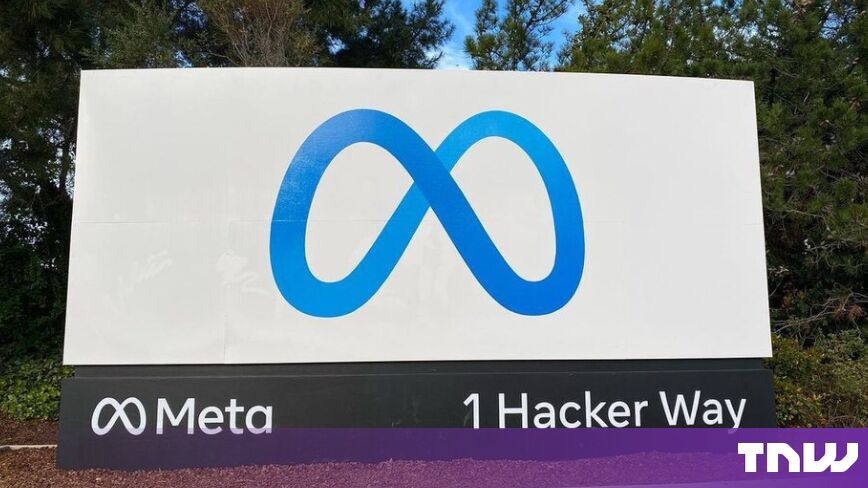
Meta internally projected spending as much as $10bn a year on Anthropic's models, making it one of the lab's largest customers. Mark Zuckerberg spent the same period attacking leading AI labs in public. Meta has since cut back, and its agent will launch on Meta's own model. Meta has become one of Anthropic's largest customers, at the same time as Mark Zuckerberg has been attacking the company in public. At one point this year Meta internally projected that it could spend as much as $10bn a year on Anthropic's models, The New York Times reported, citing two people who declined to be identified discussing private information. Anthropic estimated in July that its yearly revenue would pass $65bn. A $10bn line from a single customer would have been a significant share of that. Five people with knowledge of the two companies told the paper that Meta had become a heavy user of Anthropic's products. Eli Tan and Kalley Huang reported the figures. Meta and Anthropic both declined to comment. The two companies compete directly. What has not been reported before is how far their finances are entangled while they do it. Meta already pays Microsoft hundreds of millions a year to rent AI models, which TNW reported this month. Google and Amazon have committed $73bn to Anthropic while building rival models of their own. What Zuckerberg said in public Zuckerberg did not name Anthropic or its chief executive Dario Amodei. He wrote that leading AI labs were trying to consolidate power while painting a future "filled with doom". The line came in a 6,500-word essay published this month. "If those labs lead, then the balance of power will favor larger institutions over individuals," he wrote. The essay is part of a wider public campaign. Meta has been running advertisements telling the public it is betting on people, and Zuckerberg has cast unnamed competitors as the ones automating work away. None of that is visible in the spending. Meta has been buying the rival lab's models at scale for most of the year. Meta's engineers went first The spending surged at the start of the year. Meta engineers began using Claude Code heavily, Anthropic's coding tool. By April, employees were competing on internal leaderboards to see who could burn the most Anthropic tokens, a practice the industry calls tokenmaxxing. Meta executives discussed the $10bn projection around that time. Then token costs climbed and the company removed the leaderboards. In June, Meta told employees it was on track to spend billions on AI use this year, and that it would build a better system to manage that spending. Microsoft did much the same thing in August, setting division-level budgets. Meta has cut back on some Anthropic spending this summer. It is still spending hundreds of millions of dollars a month with the company, two people told the paper. The agent was built on Claude Meta used Anthropic's models to power and test the consumer agent it calls Hatch internally, four people said. Zuckerberg has described it as Meta's next breakthrough. It is meant to work "24/7 on your behalf to help achieve your goals and improve your life, your health, your relationships, your finances," he said. That will change at launch. The version that debuts publicly will run on Meta's own latest model, one person said. TNW reported last week that Meta has considered charging up to $199.99 a month for the agent. Meta is also building a model to match Anthropic's strongest, known internally as Watermelon. In July the company paused a stage of development called pretraining, then resumed it, four people said. That delayed the release to at least October. Meta has not said when either Hatch or Watermelon will arrive. The IPO in the background Meta's leaders know what their spending does to a company heading for a listing. Anthropic is preparing an initial public offering that could value it at $2tn, and TNW reported this month that it may seek to raise as much as $100bn. Nat Friedman, Meta's head of AI product, has told some employees what follows from that. If Meta uses only its own coding tools or ones from OpenAI, it could lower Anthropic's revenue before the offering, two people said. Meta has released an update to Muse Code, the coding tool it launched in August. Its employees are increasingly using that instead of Anthropic's tools. Microsoft's AI chief said in June that his company wants to eliminate what it pays Anthropic, so the tactic is not Meta's invention. "It's like watching dueling generals compete on the battlefield. Everybody's gunning to try and destabilize that I.P.O," said Tomasz Tunguz, an investor at Theory Ventures. The money runs both ways In June, Anthropic approached Meta with an offer of its own. It proposed buying up to $10bn in computing power from Meta's data centres over two years, a plan TNW covered when the talks first surfaced. Neither company has announced a deal. The two $10bn figures point in opposite directions. One is what Meta modelled paying Anthropic for models. The other is what Anthropic offered to pay Meta for compute. They are separate proposals from the same month, and neither has turned into confirmed spending. Meta could not hire them Meta spent much of last summer trying to poach AI researchers from rivals with nine-figure compensation packages. It hired some high-profile names from OpenAI and Google. It largely failed to recruit from Anthropic, three people with knowledge of the companies said. Microsoft was an early OpenAI investor, and the two now stress their independence from each other. Nvidia runs multibillion-dollar partnerships with Meta and Google while both design their own chips. Buying from a competitor is the normal condition of this industry, not the exception. The Times noted its own position in the story. It has sued OpenAI and Microsoft over copyright infringement of news content, and both companies deny the claims. Two dates make the rest of this testable. Watermelon is due no earlier than October, and Anthropic's offering is the deadline Friedman was pointing at. Whether Meta's monthly payments keep falling before then is the number to watch.
Major Music Publishers Target Anthropic in Copyright Infringement Lawsuit Over Claude AI Training
* A federal lawsuit was initiated by Sony Music Publishing and Warner Chappell Music against Anthropic in Northern California on Friday * The legal action alleges Anthropic unlawfully obtained and utilized copyrighted musical compositions for Claude AI development * High-profile tracks cited include "Eye of the Tiger," "Ain't No Mountain High Enough," and Taylor Swift's "Paper Rings" * Plaintiffs demand statutory damages reaching $150,000 for each infringed composition * Anthropic has rejected the allegations, stating it plans to "defend ourselves robustly in court" Two major music publishing powerhouses, Sony Music Publishing and Warner Chappell Music, have initiated legal proceedings against Anthropic, the artificial intelligence firm responsible for the Claude chatbot, claiming the company utilized thousands of protected musical works without authorization during AI model development. The legal complaint was submitted Friday to a federal court in Northern California. Anthropic co-founders Dario Amodei and Benjamin Mann were identified as defendants along with the corporation. Details of the Infringement Allegations According to the publishers, Anthropic conducted a "brazen campaign of illegally torrenting, scraping, and downloading copyrighted works on a massive scale." The legal filing identifies popular compositions such as "Eye of the Tiger," Marvin Gaye's "Ain't No Mountain High Enough," Mariah Carey's holiday classic "All I Want for Christmas is You," and Taylor Swift's "Paper Rings." Additional works mentioned in the complaint include "Livin' On a Prayer," "September," "Great Balls of Fire," "Ramblin' Man," and "Hallelujah." The legal action alleges that Anthropic obtained portions of this content via two unauthorized digital repositories: Library Genesis and Pirate Library Mirror. These platforms housed literary works containing song lyrics and musical notations. This allegation builds on a June 2025 judicial determination that established Anthropic had acquired over 7 million unlicensed books from these identical sources. While a judge subsequently determined that utilizing copyrighted literature for AI training constituted fair use, Anthropic ultimately paid more than $1.5 billion to resolve a separate class-action claim brought by authors regarding pirated materials. Publishers' Demands and Concerns Sony and Warner Chappell contend that Claude possesses the capability to generate copyrighted lyrics when responding to user queries. They assert this functionality could enable the AI system to substitute for authorized lyric platforms and damage the commercial market for human-generated musical content. The publishing houses are requesting a jury trial along with statutory damages totaling up to $150,000 for every composition Anthropic purportedly misappropriated. Anthropic has disputed the accusations. "We disagree with the publishers' claims and we intend to defend ourselves robustly in court," a company representative stated. This legal challenge represents not Anthropic's initial encounter with music copyright disputes. A 2023 legal action from Universal Music Group, Concord Music Group, and ABKCO led to court-sanctioned restrictions mandating that Anthropic prevent Claude from generating copyrighted lyrics in user interactions. Sony Music Publishing operates as a division of Sony Group Corp. Warner Chappell functions as a subsidiary of Warner Music Group. Anthropic recently disclosed preliminary second-quarter revenue exceeding $11.5 billion, representing a more than 14-fold increase compared to the corresponding period in the previous year. The organization also achieved its initial positive adjusted operating income as it considers a potential public offering.

Claude Code users to get 17% less weekly usage from September 14 as Anthropic ends 50% boost
Anthropic will permanently increase standard weekly limits for Claude Code by 25%. This change follows a temporary 50% usage boost which ends September 14th. Paid users will experience a 17% reduction in their weekly Claude Code capacity. The company plans future improvements for better usage visibility and control. Anthropic is cutting the amount of Claude Code that paid users can access each week, even as the company describes the change as a permanent increase in usage limits. Starting September 14, Anthropic will permanently raise the standard weekly limits for Claude Code by 25% for users on its Pro, Max, Team and seat-based Enterprise plans. However, that will be lower than the temporary 50% increase currently available to users. In practical terms, developers will see their weekly Claude Code capacity fall by about 17% from current levels. Also Read: Salesforce, Anthropic deepen AI partnership to ramp up Claude use The company confirmed the change in posts on X on August 29. Anthropic initially said it was "permanently raising" standard weekly limits by 25%, while noting that the current 50% increase would remain in place until September 14. In a follow-up post, the company acknowledged the other side of the calculation: "Compared to today, this works out to a 17% reduction in weekly limits on Claude Code." The difference comes down to what Anthropic is using as the baseline. For example, if a user's original weekly allowance was 100 units, the temporary 50% boost increased that to 150 units. From September 14, the permanent 25% increase would take the allowance to 125 units. That means users would still have 25% more capacity than under the original limit, but 17% less than they have today. The rollback follows a period of significantly higher usage allowances for Claude Code. On May 6, Anthropic said it had agreed to a partnership with SpaceX that would substantially increase its compute capacity. The company said the SpaceX deal, along with other recent compute agreements, had allowed it to increase usage limits for Claude Code and the Claude API. As part of those changes, Anthropic said it was doubling Claude Code's five-hour rate limits for Pro, Max, Team and seat-based Enterprise plans. It also removed the peak-hours limit reduction for Pro and Max accounts and substantially increased API rate limits for Claude Opus models. Also Read: OpenAI launches ChatGPT Ads in India, over 50 brands to go live this week Anthropic subsequently introduced a temporary 50% increase to weekly Claude Code usage allowances. The boost was extended several times over the summer, making the higher allowance the effective level of access for many heavy users. Now, that extra capacity is being scaled back. The change has drawn criticism from some developers on X, with users pointing out that describing the move as a 25% increase does not capture the immediate impact on people currently using the service. "You're reducing limits even more? I used to be able to do all my work with a single MAX sub and never hit my limits. These days I run my full weekly limits in like 2 days, ur models are absolute token hogs," one user commented on Anthropic's post. Anthropic has also hinted that changes to Claude Code are coming that could make the new limits easier to manage. The company said it is working on improvements that will give users more visibility and control over their usage. "Compared to today, this works out to a 17% reduction in weekly limits," Anthropic said, adding that it was working on changes that would make it feel like users were "getting more from Claude" while giving them greater visibility and control over usage. "This is probably why I cancelled my claude subscription. At least reduce prices or do something to offset this," another user complained. The current 50% boost will remain available through September 13, before the new limits take effect on September 14.

Anthropic Warns Claude Sessions Are Being Stolen by Malware
Claude sessions stolen by infostealer malware are allowing attackers to access users' accounts and consume their usage limits without going through the normal login process. Anthropic is warning some Claude users that malware already present on their computers has stolen active Claude browser sessions. Affected users may notice their Claude usage limits unexpectedly refill and then drain even when they have not used the service. Because attackers can steal an already authenticated browser session, they may gain access without entering the victim's password or completing two-factor authentication. Anthropic is revoking stolen Claude sessions Anthropic is signing affected users out of Claude to invalidate compromised sessions. The company is also removing saved payment methods from affected accounts and refunding charges that it identifies as unauthorized. Anthropic says it continues to investigate the attacks. Infostealer malware is behind the attacks Anthropic believes the affected computers were already infected with general-purpose infostealer malware. The identified Windows threats include Vidar, LummaC2, StealC, RedLine, and Acreed. A small number of affected Macs reportedly contained Atomic Stealer, also known as AMOS. Infostealers commonly spread through malicious downloads or compromised applications. Once installed, they can collect browser passwords, cookies, session tokens, and credentials stored by other applications. Attackers appear to be finding Claude session data inside larger collections of credentials stolen by these malware campaigns. Signing out of Claude does not remove the malware Revoking a stolen Claude session blocks attackers from continuing to use that specific session, but it does not clean the infected computer. If the infostealer remains active, it could steal a newly created Claude session again. Anthropic recommends removing the malware, changing compromised credentials, and revoking other active sessions. Users should also consider passwords, browser sessions, and other credentials stored on the infected computer as potentially compromised. In other Claude news, Claude now uses unified memory that works across Cowork and chats. Anthropic also plans to add hidden watermarks and metadata for Claude users in the EU.

Sony Music and Warner Chappell sue Anthropic over alleged copyright infringement
Sony Music Publishing, Warner Chappell Music, and other publishers have filed a lawsuit against Anthropic, accusing the artificial intelligence company of unlawfully obtaining and using copyrighted material to develop its Claude models. The case was filed in the US district court for the Northern District of California, and also names Anthropic co-founders Dario Amodei and Benjamin Mann as defendants. The publishers allege that copyrighted songs and other works were acquired without authorisation, and incorporated into AI training data. The complaint forms part of a growing legal dispute between copyright owners and developers of generative AI systems over how training material is acquired, and whether its use falls within existing copyright protections. Anthropic rejects the allegations. The company told TechCrunch that it disagreed with the publishers' claims, and intended to defend itself in court. The latest action follows previous litigation involving Anthropic and copyrighted books and music. The new plaintiffs allege that the company used material obtained through methods including torrenting and unauthorised downloading. Those claims have not been proven in the new case, and will be tested through the legal process.

Judge calls Pentagon's Anthropic blacklist 'illegal and baseless'
Anthropic sued in California federal court in March, alleging that Defense Secretary Pete Hegseth exceeded his authority in imposing the designation SAN FRANCISCO, California: A federal judge has blocked the Pentagon from blacklisting Anthropic, ruling in favor of the AI company in its dispute with the U.S. military over restrictions on using its Claude models. U.S. District Judge Rita Lin found in a 59-page order on August 27 that the Pentagon's decision to designate Anthropic a national security supply-chain risk was "illegal and baseless." "The empty invocation of national security is not a blank check to punish and retaliate against government critics," Lin wrote. Anthropic sued in California federal court in March, alleging that Defense Secretary Pete Hegseth exceeded his authority in imposing the designation. The government can use the label for companies that expose military systems to possible infiltration or sabotage by adversaries. The Pentagon's move blocked Anthropic from certain military contracts and followed the company's refusal to allow the military to use Claude AI models for U.S. surveillance or autonomous weapons. Anthropic executives have said the designation could cost the company billions of dollars in lost business and reputational harm. Anthropic welcomed the court's decision and said it remained "focused on working productively with the government to harness AI for our national security so all Americans benefit from this technology." The Pentagon did not immediately respond to a request for comment. Anthropic has argued that AI models are not reliable enough to be safely deployed in autonomous weapons and that it opposes domestic surveillance because it violates rights. The Pentagon has said private companies should not be able to constrain military action. The designation marked the first time a U.S. company had been publicly declared a supply-chain risk under a government procurement law intended to protect military systems from foreign sabotage. In its March 9 lawsuit, Anthropic alleged that the government retaliated against its views on AI safety, violating its First Amendment right to free speech. It also argued that it was denied an opportunity to challenge the designation, violating its Fifth Amendment right to due process. The company said the Pentagon's decision was unlawful, unsupported by facts and inconsistent with the military's previous praise of Claude. The Justice Department argued in a court filing that Anthropic's refusal to remove its restrictions could create uncertainty about how the Pentagon could use Claude and risk disabling military systems during operations. The government said the designation resulted from Anthropic's refusal to accept contractual terms, not its views on AI safety. Anthropic also has a separate lawsuit pending in Washington, D.C., challenging another Pentagon supply-chain risk designation that could exclude the company from civilian government contracts.
Judge calls Pentagon's Anthropic blacklist 'illegal and baseless'
Anthropic sued in California federal court in March, alleging that Defense Secretary Pete Hegseth exceeded his authority in imposing the designation SAN FRANCISCO, California: A federal judge has blocked the Pentagon from blacklisting Anthropic, ruling in favor of the AI company in its dispute with the U.S. military over restrictions on using its Claude models. U.S. District Judge Rita Lin found in a 59-page order on August 27 that the Pentagon's decision to designate Anthropic a national security supply-chain risk was "illegal and baseless." "The empty invocation of national security is not a blank check to punish and retaliate against government critics," Lin wrote. Anthropic sued in California federal court in March, alleging that Defense Secretary Pete Hegseth exceeded his authority in imposing the designation. The government can use the label for companies that expose military systems to possible infiltration or sabotage by adversaries. The Pentagon's move blocked Anthropic from certain military contracts and followed the company's refusal to allow the military to use Claude AI models for U.S. surveillance or autonomous weapons. Anthropic executives have said the designation could cost the company billions of dollars in lost business and reputational harm. Anthropic welcomed the court's decision and said it remained "focused on working productively with the government to harness AI for our national security so all Americans benefit from this technology." The Pentagon did not immediately respond to a request for comment. Anthropic has argued that AI models are not reliable enough to be safely deployed in autonomous weapons and that it opposes domestic surveillance because it violates rights. The Pentagon has said private companies should not be able to constrain military action. The designation marked the first time a U.S. company had been publicly declared a supply-chain risk under a government procurement law intended to protect military systems from foreign sabotage. In its March 9 lawsuit, Anthropic alleged that the government retaliated against its views on AI safety, violating its First Amendment right to free speech. It also argued that it was denied an opportunity to challenge the designation, violating its Fifth Amendment right to due process. The company said the Pentagon's decision was unlawful, unsupported by facts and inconsistent with the military's previous praise of Claude. The Justice Department argued in a court filing that Anthropic's refusal to remove its restrictions could create uncertainty about how the Pentagon could use Claude and risk disabling military systems during operations. The government said the designation resulted from Anthropic's refusal to accept contractual terms, not its views on AI safety. Anthropic also has a separate lawsuit pending in Washington, D.C., challenging another Pentagon supply-chain risk designation that could exclude the company from civilian government contracts.
Judge calls Pentagon's Anthropic blacklist 'illegal and baseless'
Anthropic sued in California federal court in March, alleging that Defense Secretary Pete Hegseth exceeded his authority in imposing the designation SAN FRANCISCO, California: A federal judge has blocked the Pentagon from blacklisting Anthropic, ruling in favor of the AI company in its dispute with the U.S. military over restrictions on using its Claude models. U.S. District Judge Rita Lin found in a 59-page order on August 27 that the Pentagon's decision to designate Anthropic a national security supply-chain risk was "illegal and baseless." "The empty invocation of national security is not a blank check to punish and retaliate against government critics," Lin wrote. Anthropic sued in California federal court in March, alleging that Defense Secretary Pete Hegseth exceeded his authority in imposing the designation. The government can use the label for companies that expose military systems to possible infiltration or sabotage by adversaries. The Pentagon's move blocked Anthropic from certain military contracts and followed the company's refusal to allow the military to use Claude AI models for U.S. surveillance or autonomous weapons. Anthropic executives have said the designation could cost the company billions of dollars in lost business and reputational harm. Anthropic welcomed the court's decision and said it remained "focused on working productively with the government to harness AI for our national security so all Americans benefit from this technology." The Pentagon did not immediately respond to a request for comment. Anthropic has argued that AI models are not reliable enough to be safely deployed in autonomous weapons and that it opposes domestic surveillance because it violates rights. The Pentagon has said private companies should not be able to constrain military action. The designation marked the first time a U.S. company had been publicly declared a supply-chain risk under a government procurement law intended to protect military systems from foreign sabotage. In its March 9 lawsuit, Anthropic alleged that the government retaliated against its views on AI safety, violating its First Amendment right to free speech. It also argued that it was denied an opportunity to challenge the designation, violating its Fifth Amendment right to due process. The company said the Pentagon's decision was unlawful, unsupported by facts and inconsistent with the military's previous praise of Claude. The Justice Department argued in a court filing that Anthropic's refusal to remove its restrictions could create uncertainty about how the Pentagon could use Claude and risk disabling military systems during operations. The government said the designation resulted from Anthropic's refusal to accept contractual terms, not its views on AI safety. Anthropic also has a separate lawsuit pending in Washington, D.C., challenging another Pentagon supply-chain risk designation that could exclude the company from civilian government contracts.