News & Updates
The latest news and updates from companies in the WLTH portfolio.
William R. Timmons IV from South Carolina's 4th district invests in SpaceX By Investing.com
Congressman William R. Timmons IV, representing South Carolina's 4th congressional district, has made a significant investment in SpaceX, according to the latest Periodic Transaction Report. The report indicates that Timmons invested between $50,001 and $100,000 in SpaceX (OTC:SPCX) on June 15, 2026. The transaction was made via SCH Invest, an investment vehicle owned by the congressman. The investment comes as SpaceX shares trade at $115.27, near their 52-week low of $115.19, following a 12% decline over the past week. SpaceX, founded by Elon Musk, is a private American aerospace manufacturer and space transportation company. It is known for developing the Falcon and Starship rockets, and launching the first commercially built spacecraft to deliver cargo to the International Space Station. The investment in SpaceX is a noteworthy move for Timmons, who has shown interest in the space industry in the past. The transaction was disclosed as required by the STOCK Act, which mandates that members of Congress report their transactions within 45 days. This investment comes at a time when SpaceX continues to make significant advancements in its space exploration efforts. The company has been making regular launches and has ambitious plans for future missions to Mars. According to InvestingPro analysis, SpaceX currently appears overvalued relative to its Fair Value, though analysts predict the company will turn profitable this year after recent losses. The report did not indicate whether the investment resulted in capital gains exceeding $200 for Timmons. As with any investment, the value can fluctuate based on a variety of factors. It's worth noting that this transaction does not necessarily indicate a direct endorsement of SpaceX by Timmons. As with any investment, it's important for investors to conduct their own research and consider their own risk tolerance. This report provides a glimpse into the investment activities of our lawmakers. It is part of the ongoing effort to promote transparency in government and ensure that public officials are held to the same standards as private citizens. This article was generated with the support of AI and reviewed by an editor. For more information see our T&C.

Musk keeps Tesla-SpaceX merger speculation alive, cites growing overlap
Tesla, Inc. designs, builds, and sells electric vehicles. Net sales break down by activity as follows: - sale of automotive vehicles (69.4%); - sale of energy generation and storage systems (13.5%); - services (13.2%): primarily maintenance and repair services. The group also develops sale of power train assembly components for electric vehicles activity; - automotive credits (2.1%); - automotive leasing (1.8%). At the end of 2025, the group had 8 manufacturing sites located in the United States (5), China (2) and Germany. Net sales are distributed geographically as follows: the United States (50.2%), China (22.1%) and other (27.7%).

Elon Musk Fuels SpaceX-Tesla Merger Speculation After Earnings Call
The possibility of a merger between Tesla (NASDAQ: TSLA) and SpaceX gained fresh attention after Tesla's second-quarter earnings call, with Deepwater Management's Gene Munster increasing the odds of a deal taking place in the coming years. In a post on X, Munster said he now sees a 90% chance of a SpaceX-Tesla merger, up from his previous estimate of 80%. He pointed to comments made during Tesla's earnings call, where Elon Musk addressed an analyst's question about combining the two companies instead of dismissing the topic outright. Musk highlighted the growing collaboration between Tesla and SpaceX, particularly through Terafab, a chipmaking venture backed by both companies. He noted that the businesses are working together across multiple areas, reflecting increasing operational overlap. "Obviously, we can't talk about combining companies and that kind of thing on an earnings call. It's got to be done with the appropriate process," Musk said, signaling that any potential merger would require formal corporate and regulatory procedures. Speculation has intensified since SpaceX's June public market debut, which initially pushed the aerospace company's valuation to about $2.6 trillion. Although its valuation has since dropped by roughly $1 trillion amid concerns over pricing and anticipated insider share sales, investors continue to debate whether closer integration with Tesla could unlock additional value. The two Musk-led companies already maintain a significant commercial relationship. SpaceX uses Tesla's battery storage systems to support its artificial intelligence data centers, while Tesla has integrated SpaceX's Grok AI assistant into its vehicles. Tesla has also supplied vehicles to SpaceX, further strengthening ties between the businesses. Musk has previously combined several of his companies. Most recently, xAI was merged into SpaceX before the rocket company's IPO. Tesla also acquired SolarCity in 2016, a transaction that faced shareholder litigation but was ultimately upheld in Musk's favor in 2022. Tesla shares fell nearly 4% in after-hours trading following its second-quarter earnings report, after the electric vehicle maker missed profit expectations and reported negative free cash flow, adding pressure to the stock despite renewed investor interest in a potential merger with SpaceX.
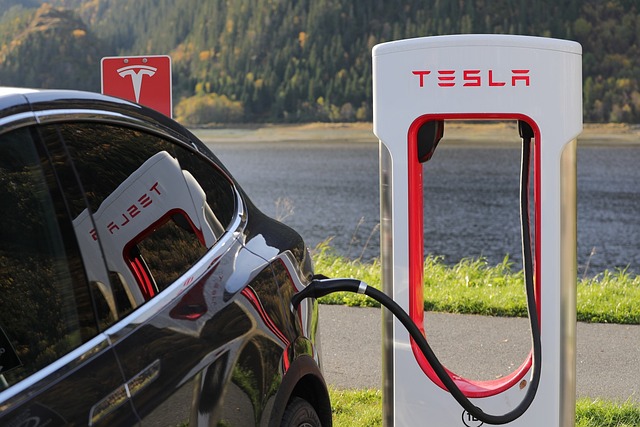
SpaceX, Grab, Sea to Trade on Singapore Exchange Through SDRs
SpaceX, Grab and Sea are set to start trading on the Singapore Exchange via the issuance of Singapore Depository Receipts on Wednesday. SGX said in a statement that the new additions will "provide direct access to innovative themes" in Singapore's local currency. "The U.S. SDRs enable investors to manage and trade these global companies seamlessly in [Singapore dollars], eliminating foreign-currency conversion friction, while enabling trading during Singapore market hours," SGX said. The move comes as investor activity in SDRs continues to build, the exchange operator said. Average daily turnover has risen strongly, driven by record-high retail participation, it said.

William R. Timmons makes significant purchase in SpaceX By Investing.com
South Carolina's 4th congressional district representative, William R. Timmons IV, has made a substantial investment in SpaceX (SPCX), according to a recent congressional trade report. The transaction took place on June 15, 2026, and was reported two days later on June 17. The report indicates that Timmons purchased between $50,001 and $100,000 worth of SpaceX assets. The investment was made through SCH Invest, an investment vehicle used by the congressman. It's important to note that SpaceX, a private American aerospace manufacturer and space transportation company, does not have a publicly available stock ticker. This means that the transaction was not a typical stock purchase and falls under the category of 'Other' in the congressional trade report. The report did not disclose whether the transaction resulted in capital gains exceeding $200. However, it was confirmed that the investment was not part of any initial public offerings. As required by the STOCK Act, all transactions made by members of Congress must be disclosed to ensure transparency and prevent conflicts of interest. This recent investment by Timmons is a clear demonstration of his interest in the space exploration and technology sector. This article was generated with the support of AI and reviewed by an editor. For more information see our T&C.
See images of SpaceX launching Northrop Grumman robotic spacecraft
With a brilliant blue-sky backdrop, a soaring SpaceX Falcon 9 rocket launched Northrop Grumman's Mission Robotic Vehicle during a late-afternoon mission Tuesday, July 21, from Cape Canaveral Space Force Station. The Falcon 9 took flight at 5:15 p.m. from Launch Complex 40. Touted by Northrop Grumman as a "Swiss army knife for satellites," the MRV is designed for on-orbit satellite inspection, life extension, repairs, upgrades, debris removal and repositioning. Looking ahead on the Eastern Range calendar, another Falcon 9 will launch July 30 on a SpaceX national security mission, a Federal Aviation Administration operations plan advisory shows. More details on the NROL-95 mission: * Launch window: 2:37 a.m. to 4:04 a.m. * Location: Launch Complex 40 at Cape Canaveral Space Force Station. * Live FLORIDA TODAY Space Team coverage: Starts 90 minutes before liftoff at floridatoday.com/space. For the latest news and launch schedule from Cape Canaveral Space Force Station and NASA's Kennedy Space Center, visit floridatoday.com/space. Another easy way: Click here to sign up for our weekly 321 Launch space newsletter. Rick Neale is a Space Reporter at FLORIDA TODAY, where he has covered news since 2004. Contact Neale at [email protected]. Twitter/X: @RickNeale1

SpaceX Is Down 20%: Here's Why I'm Still Not Buying
Space Exploration Technologies (NASDAQ: SPCX) has drawn a great amount of excitement in recent times. The company, better known as SpaceX, completed the world's biggest initial public offering last month -- and saw its stock soar 27% in the first days of trading. In recent times, SpaceX stock has pulled back, even falling below its IPO price of $135. But even at this level, I think the stock is too expensive considering the risk involved -- that's why I'm still not buying. Let's check out the details. Missed Nvidia in 2009? This Rare Signal Is Flashing Again. In 2009, a "Double Down" signal flashed for a little-known chipmaker called Nvidia. For the first time in years, that same "Total Conviction" signal is flashing for a company 1/100th the size of Nvidia. Continue " A smart mix of businesses It's true that SpaceX offers a smart mix of growth businesses -- rocket launches, connectivity, and artificial intelligence (AI) -- and these businesses can work together to deliver efficiency. For example, SpaceX can use its rockets to deliver materials to space for the satellite-based internet service and the AI business. This offers SpaceX great autonomy and keeps costs down. The company has also made progress on goals such as bringing down the costs of rocket launches, and last year it completed more orbital launches than any other player. The connectivity business has seen its subscribers quadruple over three years, and this growth is key since this unit drives revenue growth. All of that is positive, and SpaceX, at $119 at the July 20 market close, is considerably lower than it was a few weeks ago. But I'm still not buying because the stock is expensive given the amount of risk involved. Prior to the IPO, Morningstar said its fair value for SpaceX was $63, which seems reasonable; today, the SpaceX price remains far from that level. Upcoming earnings reports I also think that before diving in, it's important to take a look at an earnings report or two to monitor the company's spending trends and the level of revenue that's being generated. So far, we may look at the financial picture over the past three years, as provided in the prospectus. But since SpaceX's capital expenditures are increasing, I'd like to see fresh earnings data. This is particularly key for a company like SpaceX, which has many goals linked to technologies that are still in development. For example, as SpaceX increases capital spending, is its revenue climbing at a fast pace? Last year, capex of $20 billion exceeded revenue, which was $18 billion. I'd like to see revenue step ahead in the coming quarters.
SpaceX eyes multibillion-dollar Pentagon AI computing deal
According to the report, SpaceX has discussed plans to compete more directly with cloud computing providers such as CoreWeave by offering computing capacity to AI customers at lower prices NEW YORK CITY, New York: Elon Musk's SpaceX is in talks to provide the U.S. Department of Defense with access to billions of dollars' worth of data center capacity to run artificial intelligence models, the Wall Street Journal reported on Friday, citing people familiar with the matter. If reached, the agreement would expand the Pentagon's existing relationship with SpaceX, which is already a key partner for rocket launches, satellite communications and missile-tracking services. According to the report, SpaceX has discussed plans to compete more directly with cloud computing providers such as CoreWeave by offering computing capacity to AI customers at lower prices. Like many large organizations, the Defense Department is seeking additional cloud computing capacity to support intelligence agencies and military AI applications. Amazon said late last year it would invest up to $50 billion to expand AI and supercomputing capacity for U.S. government customers through its Amazon Web Services cloud business. The discussions between SpaceX and the Pentagon are ongoing and could still fall through, the Journal reported. SpaceX and the Pentagon did not immediately respond to requests for comment. The company has signed similar computing agreements in recent months. In June, SpaceX reached a multi-year cloud services deal with Alphabet's Google, providing access to about 110,000 Nvidia chips and related computing infrastructure. In May, Anthropic said it had agreed to use the full computing capacity of SpaceX's Colossus 1 facility in Memphis, gaining access to 300 megawatts of new capacity.
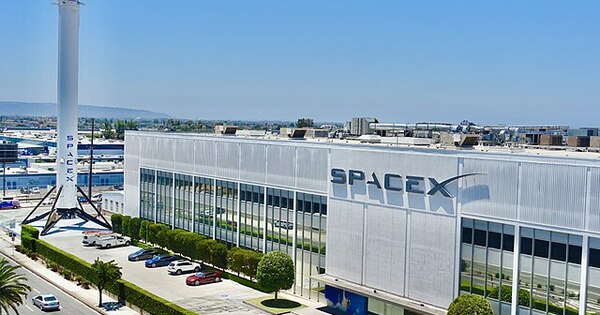
SpaceX eyes multibillion-dollar Pentagon AI computing deal
According to the report, SpaceX has discussed plans to compete more directly with cloud computing providers such as CoreWeave by offering computing capacity to AI customers at lower prices NEW YORK CITY, New York: Elon Musk's SpaceX is in talks to provide the U.S. Department of Defense with access to billions of dollars' worth of data center capacity to run artificial intelligence models, the Wall Street Journal reported on Friday, citing people familiar with the matter. If reached, the agreement would expand the Pentagon's existing relationship with SpaceX, which is already a key partner for rocket launches, satellite communications and missile-tracking services. According to the report, SpaceX has discussed plans to compete more directly with cloud computing providers such as CoreWeave by offering computing capacity to AI customers at lower prices. Like many large organizations, the Defense Department is seeking additional cloud computing capacity to support intelligence agencies and military AI applications. Amazon said late last year it would invest up to $50 billion to expand AI and supercomputing capacity for U.S. government customers through its Amazon Web Services cloud business. The discussions between SpaceX and the Pentagon are ongoing and could still fall through, the Journal reported. SpaceX and the Pentagon did not immediately respond to requests for comment. The company has signed similar computing agreements in recent months. In June, SpaceX reached a multi-year cloud services deal with Alphabet's Google, providing access to about 110,000 Nvidia chips and related computing infrastructure. In May, Anthropic said it had agreed to use the full computing capacity of SpaceX's Colossus 1 facility in Memphis, gaining access to 300 megawatts of new capacity.
SpaceX eyes multibillion-dollar Pentagon AI computing deal
According to the report, SpaceX has discussed plans to compete more directly with cloud computing providers such as CoreWeave by offering computing capacity to AI customers at lower prices NEW YORK CITY, New York: Elon Musk's SpaceX is in talks to provide the U.S. Department of Defense with access to billions of dollars' worth of data center capacity to run artificial intelligence models, the Wall Street Journal reported on Friday, citing people familiar with the matter. If reached, the agreement would expand the Pentagon's existing relationship with SpaceX, which is already a key partner for rocket launches, satellite communications and missile-tracking services. According to the report, SpaceX has discussed plans to compete more directly with cloud computing providers such as CoreWeave by offering computing capacity to AI customers at lower prices. Like many large organizations, the Defense Department is seeking additional cloud computing capacity to support intelligence agencies and military AI applications. Amazon said late last year it would invest up to $50 billion to expand AI and supercomputing capacity for U.S. government customers through its Amazon Web Services cloud business. The discussions between SpaceX and the Pentagon are ongoing and could still fall through, the Journal reported. SpaceX and the Pentagon did not immediately respond to requests for comment. The company has signed similar computing agreements in recent months. In June, SpaceX reached a multi-year cloud services deal with Alphabet's Google, providing access to about 110,000 Nvidia chips and related computing infrastructure. In May, Anthropic said it had agreed to use the full computing capacity of SpaceX's Colossus 1 facility in Memphis, gaining access to 300 megawatts of new capacity.
SpaceX eyes multibillion-dollar Pentagon AI computing deal
According to the report, SpaceX has discussed plans to compete more directly with cloud computing providers such as CoreWeave by offering computing capacity to AI customers at lower prices NEW YORK CITY, New York: Elon Musk's SpaceX is in talks to provide the U.S. Department of Defense with access to billions of dollars' worth of data center capacity to run artificial intelligence models, the Wall Street Journal reported on Friday, citing people familiar with the matter. If reached, the agreement would expand the Pentagon's existing relationship with SpaceX, which is already a key partner for rocket launches, satellite communications and missile-tracking services. According to the report, SpaceX has discussed plans to compete more directly with cloud computing providers such as CoreWeave by offering computing capacity to AI customers at lower prices. Like many large organizations, the Defense Department is seeking additional cloud computing capacity to support intelligence agencies and military AI applications. Amazon said late last year it would invest up to $50 billion to expand AI and supercomputing capacity for U.S. government customers through its Amazon Web Services cloud business. The discussions between SpaceX and the Pentagon are ongoing and could still fall through, the Journal reported. SpaceX and the Pentagon did not immediately respond to requests for comment. The company has signed similar computing agreements in recent months. In June, SpaceX reached a multi-year cloud services deal with Alphabet's Google, providing access to about 110,000 Nvidia chips and related computing infrastructure. In May, Anthropic said it had agreed to use the full computing capacity of SpaceX's Colossus 1 facility in Memphis, gaining access to 300 megawatts of new capacity.
SpaceX eyes multibillion-dollar Pentagon AI computing deal
According to the report, SpaceX has discussed plans to compete more directly with cloud computing providers such as CoreWeave by offering computing capacity to AI customers at lower prices NEW YORK CITY, New York: Elon Musk's SpaceX is in talks to provide the U.S. Department of Defense with access to billions of dollars' worth of data center capacity to run artificial intelligence models, the Wall Street Journal reported on Friday, citing people familiar with the matter. If reached, the agreement would expand the Pentagon's existing relationship with SpaceX, which is already a key partner for rocket launches, satellite communications and missile-tracking services. According to the report, SpaceX has discussed plans to compete more directly with cloud computing providers such as CoreWeave by offering computing capacity to AI customers at lower prices. Like many large organizations, the Defense Department is seeking additional cloud computing capacity to support intelligence agencies and military AI applications. Amazon said late last year it would invest up to $50 billion to expand AI and supercomputing capacity for U.S. government customers through its Amazon Web Services cloud business. The discussions between SpaceX and the Pentagon are ongoing and could still fall through, the Journal reported. SpaceX and the Pentagon did not immediately respond to requests for comment. The company has signed similar computing agreements in recent months. In June, SpaceX reached a multi-year cloud services deal with Alphabet's Google, providing access to about 110,000 Nvidia chips and related computing infrastructure. In May, Anthropic said it had agreed to use the full computing capacity of SpaceX's Colossus 1 facility in Memphis, gaining access to 300 megawatts of new capacity.
SpaceX eyes multibillion-dollar Pentagon AI computing deal
According to the report, SpaceX has discussed plans to compete more directly with cloud computing providers such as CoreWeave by offering computing capacity to AI customers at lower prices NEW YORK CITY, New York: Elon Musk's SpaceX is in talks to provide the U.S. Department of Defense with access to billions of dollars' worth of data center capacity to run artificial intelligence models, the Wall Street Journal reported on Friday, citing people familiar with the matter. If reached, the agreement would expand the Pentagon's existing relationship with SpaceX, which is already a key partner for rocket launches, satellite communications and missile-tracking services. According to the report, SpaceX has discussed plans to compete more directly with cloud computing providers such as CoreWeave by offering computing capacity to AI customers at lower prices. Like many large organizations, the Defense Department is seeking additional cloud computing capacity to support intelligence agencies and military AI applications. Amazon said late last year it would invest up to $50 billion to expand AI and supercomputing capacity for U.S. government customers through its Amazon Web Services cloud business. The discussions between SpaceX and the Pentagon are ongoing and could still fall through, the Journal reported. SpaceX and the Pentagon did not immediately respond to requests for comment. The company has signed similar computing agreements in recent months. In June, SpaceX reached a multi-year cloud services deal with Alphabet's Google, providing access to about 110,000 Nvidia chips and related computing infrastructure. In May, Anthropic said it had agreed to use the full computing capacity of SpaceX's Colossus 1 facility in Memphis, gaining access to 300 megawatts of new capacity.
SpaceX Rebounds From Near-50% Rout as Starship Launch Catalyst Nears
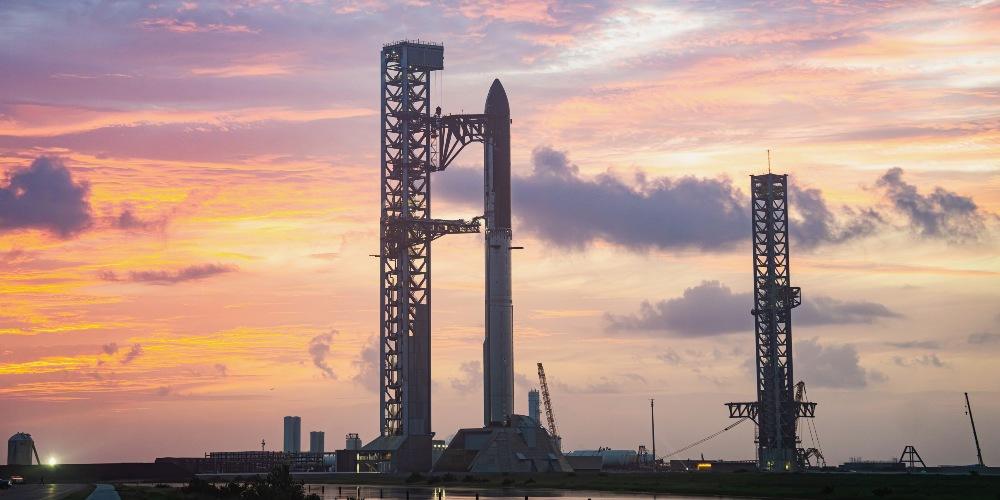
(Zero Hedge) -- SpaceX has slipped below its heavily hyped $135 IPO price and has been nearly halved from its all-time high, which was reached during the June 15 gamma squeeze that briefly sent shares above $220 in overnight trading. Last Thursday's scrub of Starship's 13th test flight added further downward pressure, with shares touching $119 on Monday. The stock rebounded on Tuesday ahead of Thursday's next launch attempt, positioning Flight 13 as a near-term catalyst. The last-second abort was triggered after four of the Super Heavy booster's 33 Raptor engines failed to ignite, prompting an automatic shutdown. "To be confident of a good flight, two Raptors will be removed and replaced," Elon Musk wrote on X. Flight 13 will be the first Starship launch conducted with SpaceX trading as a public company, giving investors direct exposure to the mission's outcome. A successful flight could help restore confidence in the company's stock and bonds, while another failure would likely deepen the latest sell-off. Credit markets are already flashing caution. SpaceX issued $25 billion of bonds across five maturities, including $3.5 billion of 6.65% notes due in 2056, which have moved steadily lower since entering secondary trading. Quite a divergence today... The question now is whether a successful Starship launch Thursday can put a floor under SpaceX shares, which have underperformed most other major Nasdaq IPOs during the opening days and weeks of trading. Wall Street, however, remains broadly bullish on the stock, except for Morningstar's Nicolas Owens with the only "Sell" rating.
SpaceX Is Down 20%: Here's Why I'm Still Not Buying
Space Exploration Technologies (NASDAQ: SPCX) has drawn a great amount of excitement in recent times. The company, better known as SpaceX, completed the world's biggest initial public offering last month -- and saw its stock soar 27% in the first days of trading. In recent times, SpaceX stock has pulled back, even falling below its IPO price of $135. But even at this level, I think the stock is too expensive considering the risk involved -- that's why I'm still not buying. Let's check out the details. Where to invest $1,000 right now? Our analyst team just revealed what they believe are the 10 best stocks to buy right now, when you join Stock Advisor. See the stocks " Image source: Getty Images. A smart mix of businesses It's true that SpaceX offers a smart mix of growth businesses -- rocket launches, connectivity, and artificial intelligence (AI) -- and these businesses can work together to deliver efficiency. For example, SpaceX can use its rockets to deliver materials to space for the satellite-based internet service and the AI business. This offers SpaceX great autonomy and keeps costs down. The company has also made progress on goals such as bringing down the costs of rocket launches, and last year it completed more orbital launches than any other player. The connectivity business has seen its subscribers quadruple over three years, and this growth is key since this unit drives revenue growth. All of that is positive, and SpaceX, at $119 at the July 20 market close, is considerably lower than it was a few weeks ago. But I'm still not buying because the stock is expensive given the amount of risk involved. Prior to the IPO, Morningstar said its fair value for SpaceX was $63, which seems reasonable; today, the SpaceX price remains far from that level. Upcoming earnings reports I also think that before diving in, it's important to take a look at an earnings report or two to monitor the company's spending trends and the level of revenue that's being generated. So far, we may look at the financial picture over the past three years, as provided in the prospectus. But since SpaceX's capital expenditures are increasing, I'd like to see fresh earnings data. This is particularly key for a company like SpaceX, which has many goals linked to technologies that are still in development. For example, as SpaceX increases capital spending, is its revenue climbing at a fast pace? Last year, capex of $20 billion exceeded revenue, which was $18 billion. I'd like to see revenue step ahead in the coming quarters. At this point, SpaceX remains an interesting business that's made progress in key areas. The company could have a very bright future several years down the road, so I understand that some investors aim to get in early. But in my opinion, risk remains high, and visibility remains limited -- so even though SpaceX stock has declined, I'm still not buying. Should you buy stock in Space Exploration Technologies right now? Before you buy stock in Space Exploration Technologies, consider this: The Motley Fool Stock Advisor analyst team just identified what they believe are the 10 best stocks for investors to buy now... and Space Exploration Technologies wasn't one of them. The 10 stocks that made the cut could produce monster returns in the coming years. Consider when Netflix made this list on December 17, 2004... if you invested $1,000 at the time of our recommendation, you'd have $364,562!* Or when Nvidia made this list on April 15, 2005... if you invested $1,000 at the time of our recommendation, you'd have $1,247,668!* Now, it's worth noting Stock Advisor's total average return is 894% -- a market-crushing outperformance compared to 207% for the S&P 500. Don't miss the latest top 10 list, available with Stock Advisor, and join an investing community built by individual investors for individual investors. See the 10 stocks " *Stock Advisor returns as of July 21, 2026. Adria Cimino has no position in any of the stocks mentioned. The Motley Fool has no position in any of the stocks mentioned. The Motley Fool has a disclosure policy. The views and opinions expressed herein are the views and opinions of the author and do not necessarily reflect those of Nasdaq, Inc.

SpaceX Is Down 20%: Here's Why I'm Still Not Buying
Space Exploration Technologies (SPCX +3.19%) has drawn a great amount of excitement in recent times. The company, better known as SpaceX, completed the world's biggest initial public offering last month -- and saw its stock soar 27% in the first days of trading. In recent times, SpaceX stock has pulled back, even falling below its IPO price of $135. But even at this level, I think the stock is too expensive considering the risk involved -- that's why I'm still not buying. Let's check out the details. A smart mix of businesses It's true that SpaceX offers a smart mix of growth businesses -- rocket launches, connectivity, and artificial intelligence (AI) -- and these businesses can work together to deliver efficiency. For example, SpaceX can use its rockets to deliver materials to space for the satellite-based internet service and the AI business. This offers SpaceX great autonomy and keeps costs down. The company has also made progress on goals such as bringing down the costs of rocket launches, and last year it completed more orbital launches than any other player. The connectivity business has seen its subscribers quadruple over three years, and this growth is key since this unit drives revenue growth. All of that is positive, and SpaceX, at $119 at the July 20 market close, is considerably lower than it was a few weeks ago. But I'm still not buying because the stock is expensive given the amount of risk involved. Prior to the IPO, Morningstar said its fair value for SpaceX was $63, which seems reasonable; today, the SpaceX price remains far from that level. Upcoming earnings reports I also think that before diving in, it's important to take a look at an earnings report or two to monitor the company's spending trends and the level of revenue that's being generated. So far, we may look at the financial picture over the past three years, as provided in the prospectus. But since SpaceX's capital expenditures are increasing, I'd like to see fresh earnings data. This is particularly key for a company like SpaceX, which has many goals linked to technologies that are still in development. For example, as SpaceX increases capital spending, is its revenue climbing at a fast pace? Last year, capex of $20 billion exceeded revenue, which was $18 billion. I'd like to see revenue step ahead in the coming quarters. At this point, SpaceX remains an interesting business that's made progress in key areas. The company could have a very bright future several years down the road, so I understand that some investors aim to get in early. But in my opinion, risk remains high, and visibility remains limited -- so even though SpaceX stock has declined, I'm still not buying.

SpaceX eyes multibillion-dollar Pentagon AI computing deal
According to the report, SpaceX has discussed plans to compete more directly with cloud computing providers such as CoreWeave by offering computing capacity to AI customers at lower prices NEW YORK CITY, New York: Elon Musk's SpaceX is in talks to provide the U.S. Department of Defense with access to billions of dollars' worth of data center capacity to run artificial intelligence models, the Wall Street Journal reported on Friday, citing people familiar with the matter. If reached, the agreement would expand the Pentagon's existing relationship with SpaceX, which is already a key partner for rocket launches, satellite communications and missile-tracking services. According to the report, SpaceX has discussed plans to compete more directly with cloud computing providers such as CoreWeave by offering computing capacity to AI customers at lower prices. Like many large organizations, the Defense Department is seeking additional cloud computing capacity to support intelligence agencies and military AI applications. Amazon said late last year it would invest up to $50 billion to expand AI and supercomputing capacity for U.S. government customers through its Amazon Web Services cloud business. The discussions between SpaceX and the Pentagon are ongoing and could still fall through, the Journal reported. SpaceX and the Pentagon did not immediately respond to requests for comment. The company has signed similar computing agreements in recent months. In June, SpaceX reached a multi-year cloud services deal with Alphabet's Google, providing access to about 110,000 Nvidia chips and related computing infrastructure. In May, Anthropic said it had agreed to use the full computing capacity of SpaceX's Colossus 1 facility in Memphis, gaining access to 300 megawatts of new capacity.
SpaceX eyes multibillion-dollar Pentagon AI computing deal
According to the report, SpaceX has discussed plans to compete more directly with cloud computing providers such as CoreWeave by offering computing capacity to AI customers at lower prices NEW YORK CITY, New York: Elon Musk's SpaceX is in talks to provide the U.S. Department of Defense with access to billions of dollars' worth of data center capacity to run artificial intelligence models, the Wall Street Journal reported on Friday, citing people familiar with the matter. If reached, the agreement would expand the Pentagon's existing relationship with SpaceX, which is already a key partner for rocket launches, satellite communications and missile-tracking services. According to the report, SpaceX has discussed plans to compete more directly with cloud computing providers such as CoreWeave by offering computing capacity to AI customers at lower prices. Like many large organizations, the Defense Department is seeking additional cloud computing capacity to support intelligence agencies and military AI applications. Amazon said late last year it would invest up to $50 billion to expand AI and supercomputing capacity for U.S. government customers through its Amazon Web Services cloud business. The discussions between SpaceX and the Pentagon are ongoing and could still fall through, the Journal reported. SpaceX and the Pentagon did not immediately respond to requests for comment. The company has signed similar computing agreements in recent months. In June, SpaceX reached a multi-year cloud services deal with Alphabet's Google, providing access to about 110,000 Nvidia chips and related computing infrastructure. In May, Anthropic said it had agreed to use the full computing capacity of SpaceX's Colossus 1 facility in Memphis, gaining access to 300 megawatts of new capacity.
SpaceX eyes multibillion-dollar Pentagon AI computing deal
According to the report, SpaceX has discussed plans to compete more directly with cloud computing providers such as CoreWeave by offering computing capacity to AI customers at lower prices NEW YORK CITY, New York: Elon Musk's SpaceX is in talks to provide the U.S. Department of Defense with access to billions of dollars' worth of data center capacity to run artificial intelligence models, the Wall Street Journal reported on Friday, citing people familiar with the matter. If reached, the agreement would expand the Pentagon's existing relationship with SpaceX, which is already a key partner for rocket launches, satellite communications and missile-tracking services. According to the report, SpaceX has discussed plans to compete more directly with cloud computing providers such as CoreWeave by offering computing capacity to AI customers at lower prices. Like many large organizations, the Defense Department is seeking additional cloud computing capacity to support intelligence agencies and military AI applications. Amazon said late last year it would invest up to $50 billion to expand AI and supercomputing capacity for U.S. government customers through its Amazon Web Services cloud business. The discussions between SpaceX and the Pentagon are ongoing and could still fall through, the Journal reported. SpaceX and the Pentagon did not immediately respond to requests for comment. The company has signed similar computing agreements in recent months. In June, SpaceX reached a multi-year cloud services deal with Alphabet's Google, providing access to about 110,000 Nvidia chips and related computing infrastructure. In May, Anthropic said it had agreed to use the full computing capacity of SpaceX's Colossus 1 facility in Memphis, gaining access to 300 megawatts of new capacity.
SpaceX eyes multibillion-dollar Pentagon AI computing deal
According to the report, SpaceX has discussed plans to compete more directly with cloud computing providers such as CoreWeave by offering computing capacity to AI customers at lower prices NEW YORK CITY, New York: Elon Musk's SpaceX is in talks to provide the U.S. Department of Defense with access to billions of dollars' worth of data center capacity to run artificial intelligence models, the Wall Street Journal reported on Friday, citing people familiar with the matter. If reached, the agreement would expand the Pentagon's existing relationship with SpaceX, which is already a key partner for rocket launches, satellite communications and missile-tracking services. According to the report, SpaceX has discussed plans to compete more directly with cloud computing providers such as CoreWeave by offering computing capacity to AI customers at lower prices. Like many large organizations, the Defense Department is seeking additional cloud computing capacity to support intelligence agencies and military AI applications. Amazon said late last year it would invest up to $50 billion to expand AI and supercomputing capacity for U.S. government customers through its Amazon Web Services cloud business. The discussions between SpaceX and the Pentagon are ongoing and could still fall through, the Journal reported. SpaceX and the Pentagon did not immediately respond to requests for comment. The company has signed similar computing agreements in recent months. In June, SpaceX reached a multi-year cloud services deal with Alphabet's Google, providing access to about 110,000 Nvidia chips and related computing infrastructure. In May, Anthropic said it had agreed to use the full computing capacity of SpaceX's Colossus 1 facility in Memphis, gaining access to 300 megawatts of new capacity.