News & Updates
The latest news and updates from companies in the WLTH portfolio.
Starship launch fails to take off as SpaceX stock plunges to new low
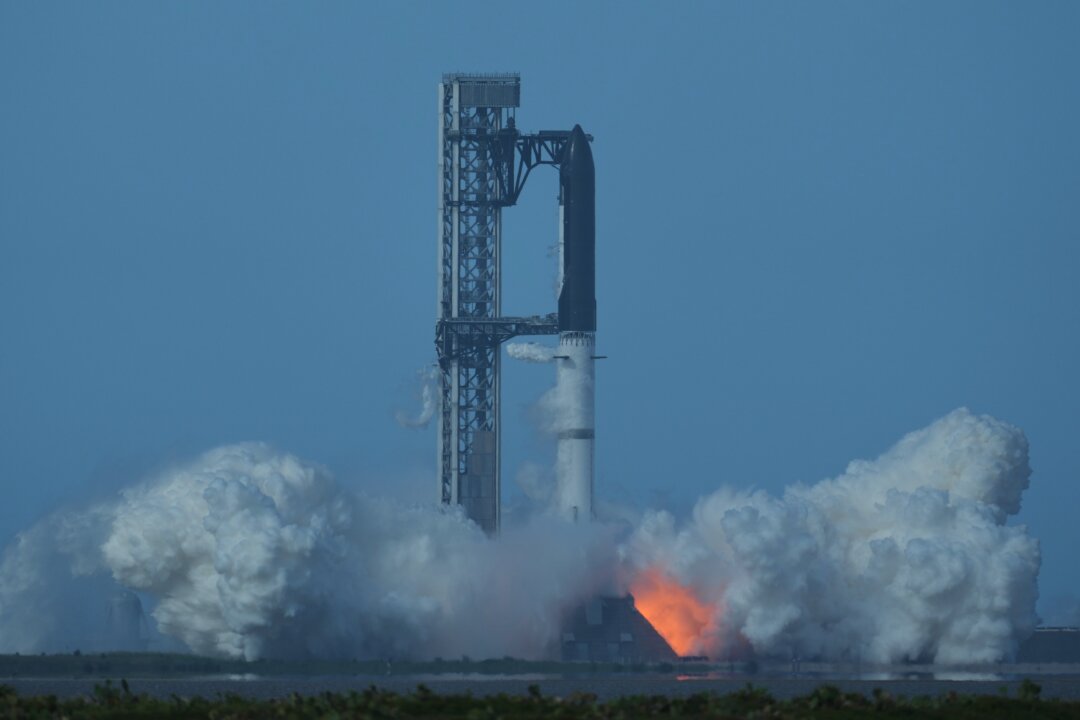
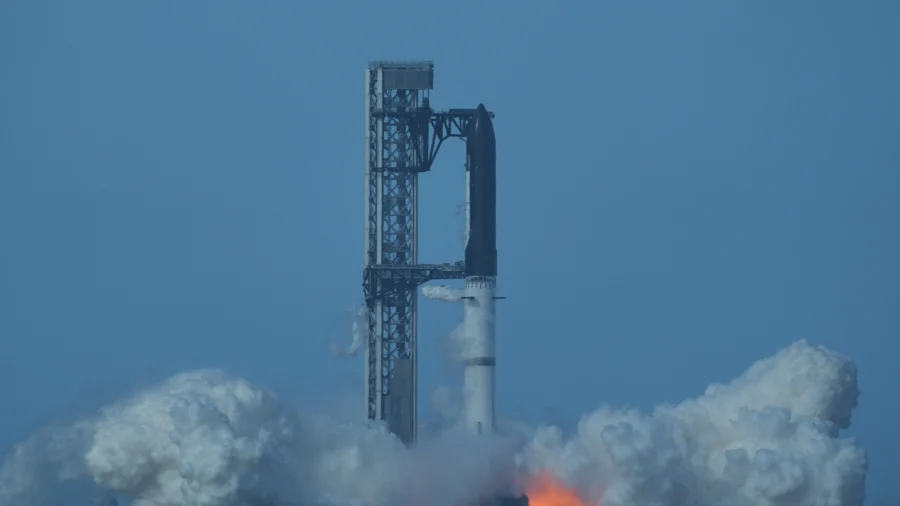
SpaceX was forced to abort its latest Starship launch just seconds before lift off on Thursday after some of the engines on the world's biggest rocket failed to start. The scrubbed launch came just hours after SpaceX shares fell below their initial public offering (IPO) price of $135 for the first time, marking a 40 per cent drop in value over the last month. The share price fell a further 6 per cent in pre market trading in the minutes following the Starship launch failure. The IPO on 12 June saw SpaceX founder Elon Musk become the world's first trillionaire, though the latest stock slide has seen his net worth slip to $833 billion, according to the Bloomberg Billionaires Index. SpaceX's valuation is strongly tied to the success of Starship, though it is yet to prove itself to be mission ready. The company is relying on the rocket to fulfill a multi-billion-dollar contract with Nasa to send astronauts to the Moon, as well as to grow its own Starlink internet network, which is SpaceX's largest source of revenue. Thursday's launch attempt from SpaceX's Starbase facility in Texas was the first to carry a payload of next-generation Starlink V3 satellite, which are twice as big as earlier versions and capable of delivering more than 10 times the capacity. "Starship is planned to deploy 20 satellites which will extend solar arrays and antennas and will attempt to connect with the larger Starlink constellation via high-capacity lasers," SpaceX wrote in its mission brief. "The Starlink satellites will be on the same suborbital trajectory as Starship and are expected to demise upon reentry approximately 20 minutes after deployment." The most recent Starship launch in May saw the 124-metre-tall rocket lift off successfully, before the second stage deployed dummy versions of the Starlink V3 satellites. During the descent of the first stage, multiple engine failures meant the giant rocket crashed into the Gulf of Mexico, leading the US Federal Aviation Administration (FAA) to order an investigation into public safety. The latest engine failure will require some of the engines on Starship's Super Heavy booster to be replaced, according to Mr Musk. "Some of the engines didn't start, triggering an automatic launch abort," the SpaceX CEO wrote on X following the failed launch attempt. "To be confident of a good flight, two Raptors will be removed and replaced." SpaceX said the next Starship launch attempt will take place "as early as next week", though no specific date has been set.
Starship launch fails to take off as SpaceX stock plunges to new low
SpaceX was forced to abort its latest Starship launch just seconds before lift off on Thursday after some of the engines on the world's biggest rocket failed to start. The scrubbed launch came just hours after SpaceX shares fell below their initial public offering (IPO) price of $135 for the first time, marking a 40 per cent drop in value over the last month. The share price fell a further 6 per cent in pre market trading in the minutes following the Starship launch failure. The IPO on 12 June saw SpaceX founder Elon Musk become the world's first trillionaire, though the latest stock slide has seen his net worth slip to $833 billion, according to the Bloomberg Billionaires Index. SpaceX's valuation is strongly tied to the success of Starship, though it is yet to prove itself to be mission ready. The company is relying on the rocket to fulfill a multi-billion-dollar contract with Nasa to send astronauts to the Moon, as well as to grow its own Starlink internet network, which is SpaceX's largest source of revenue. Thursday's launch attempt from SpaceX's Starbase facility in Texas was the first to carry a payload of next-generation Starlink V3 satellite, which are twice as big as earlier versions and capable of delivering more than 10 times the capacity. "Starship is planned to deploy 20 satellites which will extend solar arrays and antennas and will attempt to connect with the larger Starlink constellation via high-capacity lasers," SpaceX wrote in its mission brief. "The Starlink satellites will be on the same suborbital trajectory as Starship and are expected to demise upon reentry approximately 20 minutes after deployment." The most recent Starship launch in May saw the 124-metre-tall rocket lift off successfully, before the second stage deployed dummy versions of the Starlink V3 satellites. During the descent of the first stage, multiple engine failures meant the giant rocket crashed into the Gulf of Mexico, leading the US Federal Aviation Administration (FAA) to order an investigation into public safety. The latest engine failure will require some of the engines on Starship's Super Heavy booster to be replaced, according to Mr Musk. "Some of the engines didn't start, triggering an automatic launch abort," the SpaceX CEO wrote on X following the failed launch attempt. "To be confident of a good flight, two Raptors will be removed and replaced." SpaceX said the next Starship launch attempt will take place "as early as next week", though no specific date has been set.
SpaceX postponed a crucial launch - now its stock is set to slide even further below the IPO price
SpaceX's planned 13th Starship V3 rocket launch was scrubbed during its 90-minute take-off window. Shares in SpaceX were set to slide further below their initial public offering price after the spacecraft manufacturer aborted an attempt to launch its Starship rocket. The Texas-headquartered company's stock (SPCX) declined just over 3% in premarket trading on Friday, on the heels of a 3% slide on Thursday, bringing its price down to $126.58 - almost $9 lower than when it launched on the Nasdaq on June 12. The stock is set to lose steam for the fifth day in a row in what was to be the first flight since going public. SpaceX shares ended at $131.11 a share on Thursday, closing the $135 per-share IPO price for the first time. SpaceX's Starship was due for take-off 90 minutes after its launch window opened at 6:45 p.m. Eastern on Thursday. Ten minutes later, CEO Elon Musk confirmed the mission was postponed, following an announcement during a livestream of the event that it had been cut short. "Some of the engines didn't start, triggering an automatic launch abort. Now offloading propellant. Next launch attempt hopefully in a few days," he wrote in a post on X. Musk later added: "To be confident of a good flight, 2 Raptors will be removed & replaced. Most probable launch timing is early next week." The plan for Starship's 13th flight was to address problems seen during its previous flight, and to carry and deploy 20 Starlink "Version 3" (V3) satellites. The Federal Aviation Administration gave SpaceX the go-ahead for its launch on Monday after closing an investigation into the company's 12th flight, which following a safe lift-off, saw its Super Heavy booster crash into the Gulf of Mexico. The body ordered SpaceX to carry out an investigation that concluded with four actions, including software and hardware updates, to be completed. Analysts at Bernstein, led by Douglas Harned, wrote in a note on Friday that they view Starlink as "the key enabler" of SpaceX's growth in the future, but that it also represents a point of risk. They expect 3,543 launches of the 400-foot rocket in 2031, with about nine in 10 for the purpose of Musk's proposed orbital data centers. -Nora Redmond This content was created by MarketWatch, which is operated by Dow Jones & Co. MarketWatch is published independently from Dow Jones Newswires and The Wall Street Journal. (END) Dow Jones Newswires 07-17-26 0605ET Copyright (c) 2026 Dow Jones & Company, Inc.

Leaving Blue Origin for SpaceX? Jeff Bezos Reportedly Puts Employees in 'Golden Handcuffs' With New Equit
Jeff Bezos' Blue Origin has reportedly introduced a new equity scheme for its employees that includes an unusual non-compete clause. The clause does not apply to employees in California and Washington due to strict laws against non-competes. However, it still impacts a significant portion of the company's workforce, primarily based in Florida, Texas, and Alabama. Two former SpaceX employees who later joined Blue Origin told Business Insider that their SpaceX stock option agreements did not contain non-compete clauses. Blue Origin did not immediately respond to Benzinga's request for comments. Blue Origin Employees Disappointed This non-compete clause, which is not common in fast-growing private startups, has raised eyebrows among employment attorneys and wealth managers. It also presents a dilemma for Blue Origin employees, as they risk losing all their gains if they decide to leave for a competitor. Bezos Takes on Musk Disclaimer: This content was partially produced with the help of AI tools and was reviewed and published by Benzinga editors. Image via Shutterstock Market News and Data brought to you by Benzinga APIs To add Benzinga News as your preferred source on Google, click here.

SpaceX IPO earns millions for US Small Business Administration head Kelly Loeffler
WASHINGTON, July 17 (Reuters) - U.S. Small Business Administration head Kelly Loeffler multiplied the value of her investment in Elon Musk's SpaceX after she was nominated for the job, earning millions of dollars from the company's record initial public offering, a Reuters review of her financial disclosures showed. Loeffler invested between $1 million and $5 million as of January 3, 2025, in xAI, Musk's AI and social media firm that has since merged with SpaceX, according to a required financial disclosure submitted before she became SBA's administrator. Later in 2025, Loeffler invested again in SpaceX and xAI between $1 million and $5 million, according to a separate financial disclosure covering her investments for all of 2025 that she signed on May 14, 2026. Reuters obtained the form from the SBA on June 12. Loeffler's second investment has not been previously reported. Two independent government ethics attorneys agreed with Reuters' assessment of Loeffler's disclosure. Cabinet members use ranges to declare the value of their assets on their required financial disclosure forms, and they do not disclose the dates of their investments before taking office. SpaceX is a military contractor for the U.S. government. Federal law prohibits cabinet members from participating in decisions involving a company in which they have a financial interest. Public records do not show a financial relationship between SBA and xAI or SpaceX. xAI was not included on the public list of AI tools used by SBA employees in 2025. Loeffler and her team did not respond to multiple requests for comment about her SpaceX investment. VALUE OF SPACEX INVESTMENT SOARS Loeffler's bet on SpaceX paid off. The company priced the biggest-ever U.S. IPO on June 12, valuing the space, satellite and AI provider at $1.77 trillion. Her first investment in xAI would have been worth between $7 million and $2.6 billion on the day of the IPO, depending on the exact amount she invested and the date she made it, said Franco Granda, analyst at data provider PitchBook. The second investment would have been worth between $2.2 million and $25.4 million that day, he said. The earlier the investment, the more it would have been worth at the IPO, he said. xAI's valuation increased by more than 7,000% between its first investment round and January 5, 2025. SpaceX's valuation more than doubled in 2025. At least 10 Trump administration officials listed investments in SpaceX or xAI on their 2025 financial disclosure forms. None of those officials works for the Defense Department.
SpaceX Shares Slip Below IPO Price After Starship Launch Abort
New York: SpaceX shares slipped below their initial public offering (IPO) price for the first time after the company aborted the launch of its flagship Starship rocket, extending the stock's losing streak since its market debut. The shares closed at $131.11, down 3.08 per cent for the day and below the IPO price of $135. The decline marked the fifth consecutive losing session since the aerospace company's June 12 listing, which became the largest IPO in history by raising around $86 billion. The selling pressure intensified in after-hours trading, with the stock falling as low as $124 after SpaceX called off the planned launch of its Starship rocket from the company's Starbase facility in South Texas. The Starship test flight was scheduled to lift off during a 90-minute launch window that opened at 6:45 p.m. ET on Thursday. However, minutes after the launch window began, the company announced it was "standing down for the day" after the launch sequence was aborted while the rocket's engines were igniting. SpaceX CEO Elon Musk later said on X that the launch was automatically aborted because some of the engines failed to start. "Some of the engines didn't start, triggering an automatic launch abort. Now offloading propellant. Next launch attempt hopefully in a few days," Musk said. In a subsequent post, Musk said two Raptor engines would be removed and replaced, with the next launch attempt most likely to take place early next week. The mission marked the 13th test flight of Starship and the second test of the upgraded V3 version of the rocket, which stands about 400 feet tall. The previous V3 test flight in May achieved liftoff, but several engines on the rocket's lower stage failed to reignite, causing the vehicle to fall into the Gulf of Mexico before completing its mission.
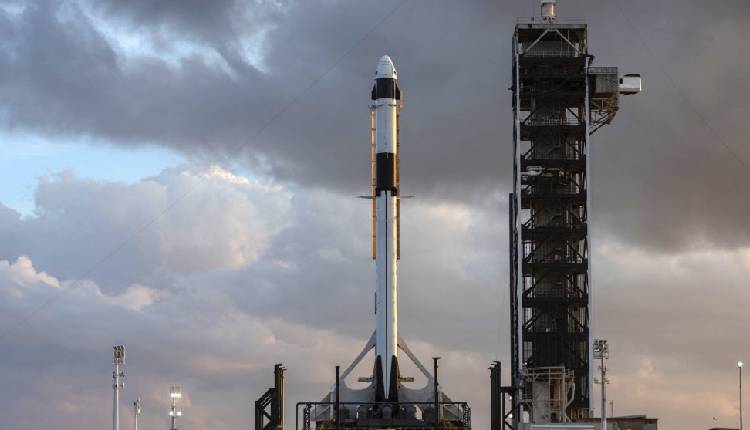
SpaceX aborts Starship launch seconds before liftoff
WASHINGTON: SpaceX's Starship rocket aborted its 13th flight test just seconds before liftoff from its launch site in Texas on Thursday after several of its 33 Raptor engines failed to ignite during the final countdown. CEO Elon Musk said the company was assessing the issue but expected to make another launch attempt early next week, provided the necessary checks were completed. Shares of SpaceX, which went public last month, fell about 3% in aftermarket trading following the scrubbed launch. The stock ended at US$131.11 on Thursday, closing below its IPO price of US$135 for the first time since listing. "Some of the engines didn't start, triggering an automatic launch abort," Musk said in a post on X, without disclosing the number of engines on the Super Heavy rocket that did not start. "To be confident of a good flight, 2 Raptors will be removed & replaced. Most probable launch timing is early next week." The launch abort came less than a second before Starship's planned liftoff from Starbase, SpaceX's company town in south Texas, at 5:45pm CT (2245 GMT). The rocket's engines ignited but cut off shortly after. "We did trigger a hold on the booster that aborted our liftoff as we were starting to light those Raptor engines," said SpaceX spokesman Dan Huot, speaking on the company's live stream after the launch was scrubbed. - Reuters
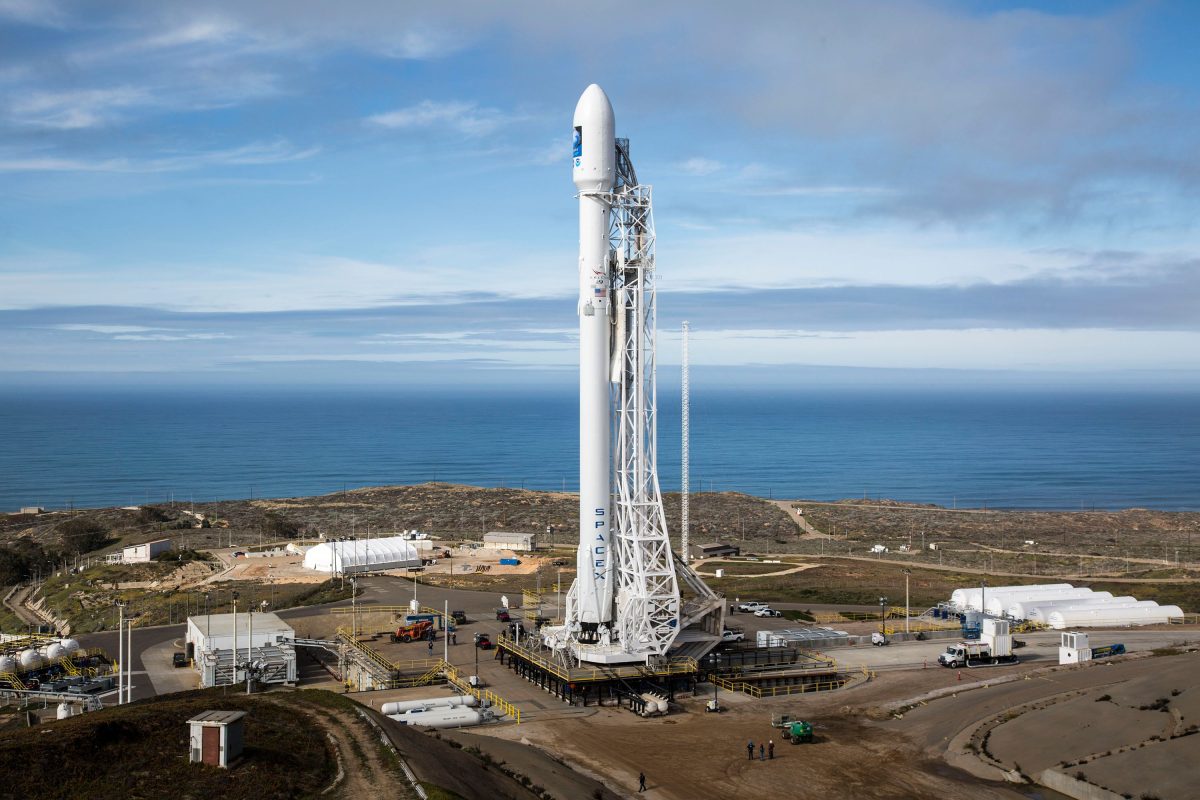
SpaceX IPO earns millions for US Small Business Administration head Kelly Loeffler By Reuters
WASHINGTON, July 17 (Reuters) - U.S. Small Business Administration head Kelly Loeffler multiplied the value of her investment in Elon Musk's SpaceX after she was nominated for the job, earning millions of dollars from the company's record initial public offering, a Reuters review of her financial disclosures showed. Loeffler invested between $1 million and $5 million as of January 3, 2025, in xAI, Musk's AI and social media firm that has since merged with SpaceX, according to a required financial disclosure submitted before she became SBA's administrator. Later in 2025, Loeffler invested again in SpaceX and xAI between $1 million and $5 million, according to a separate financial disclosure covering her investments for all of 2025 that she signed on May 14, 2026. Reuters obtained the form from the SBA on June 12. Loeffler's second investment has not been previously reported. Two independent government ethics attorneys agreed with Reuters' assessment of Loeffler's disclosure. Cabinet members use ranges to declare the value of their assets on their required financial disclosure forms, and they do not disclose the dates of their investments before taking office. SpaceX is a military contractor for the U.S. government. Federal law prohibits cabinet members from participating in decisions involving a company in which they have a financial interest. Public records do not show a financial relationship between SBA and xAI or SpaceX. xAI was not included on the public list of AI tools used by SBA employees in 2025. Loeffler and her team did not respond to multiple requests for comment about her SpaceX investment. VALUE OF SPACEX INVESTMENT SOARS Loeffler's bet on SpaceX paid off. The company priced the biggest-ever U.S. IPO on June 12, valuing the space, satellite and AI provider at $1.77 trillion. Her first investment in xAI would have been worth between $7 million and $2.6 billion on the day of the IPO, depending on the exact amount she invested and the date she made it, said Franco Granda, analyst at data provider PitchBook. The second investment would have been worth between $2.2 million and $25.4 million that day, he said. The earlier the investment, the more it would have been worth at the IPO, he said. xAI's valuation increased by more than 7,000% between its first investment round and January 5, 2025. SpaceX's valuation more than doubled in 2025. At least 10 Trump administration officials listed investments in SpaceX or xAI on their 2025 financial disclosure forms. None of those officials works for the Defense Department. Billionaire Musk, a former Trump adviser, is the founder and CEO of SpaceX. Loeffler initially invested in xAI via a private placement, according to her disclosure form. Private placements are typically open to select individuals and institutions with significant financial resources. Loeffler is a wealthy businesswoman. She was the founding chief executive at Bakkt, a bitcoin trading platform, and spent 16 years working at Intercontinental Exchange, the firm that owns the New York Stock Exchange, according to her LinkedIn profile. She is married to Intercontinental Exchange CEO Jeffrey Sprecher. Loeffler briefly represented Georgia in the Senate. The SBA helps entrepreneurs start and build their small businesses, according to the agency website. It connects business owners with lenders and funding to help them recover from natural disasters, among other responsibilities. The Senate confirmed Loeffler as SBA administrator on February 19, 2025.
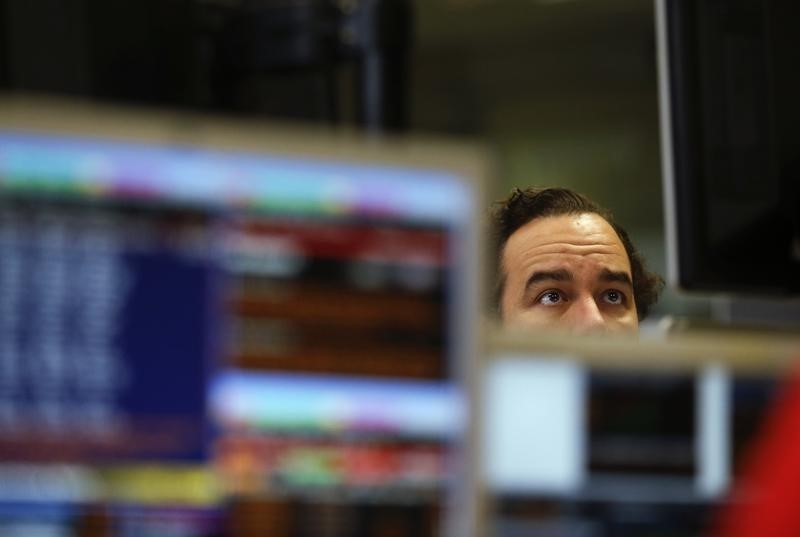
SpaceX falls further in premarket after Starship test flight aborted
SpaceX's stock fell further on Friday, a day after it aborted a test flight for its Starship rocket at the last second, and amid choppy post-IPO trading. The aerospace giant was expected to launch its Starship mega rocket within a 90-minute window at 5:45 p.m. in Texas on Thursday, but an engine ignition failure forced SpaceX to scrub the launch. "Some of the engines didn't start, triggering an automatic launch abort," billionaire founder Elon Musk said in a post on X. "Now offloading propellant. Next launch attempt hopefully in a few days." SpaceX was last seen down 3.5% in premarket trading, after falling more than 3% in after hours trading. Musk later added in a post that 2 Raptors will be removed and replaced, and that a launch is planned again for early next week. Investors are watching the company's rocket tests more closely after it raised a record $85.7 billion in the biggest initial public offering ever in June, pricing shares at $135. SpaceX's shares have soared and dipped since its stock market debut.

SpaceX IPO earns millions for US Small Business Administration head Kelly Loeffler
WASHINGTON, July 17 (Reuters) - U.S. Small Business Administration head Kelly Loeffler multiplied the value of her investment in Elon Musk's SpaceX after she was nominated for the job, earning millions of dollars from the company's record initial public offering, a Reuters review of her financial disclosures showed. Loeffler invested between $1 million and $5 million as of January 3, 2025, in xAI, Musk's AI and social media firm that has since merged with SpaceX (SPCX.O), opens new tab, according to a required financial disclosure submitted before she became SBA's administrator. Later in 2025, Loeffler invested again in SpaceX and xAI between $1 million and $5 million, according to a separate financial disclosure covering her investments for all of 2025 that she signed on May 14, 2026. Reuters obtained the form from the SBA on June 12. Loeffler's second investment has not been previously reported. Two independent government ethics attorneys agreed with Reuters' assessment of Loeffler's disclosure. Cabinet members use ranges to declare the value of their assets on their required financial disclosure forms, and they do not disclose the dates of their investments before taking office. SpaceX is a military contractor for the U.S. government. Federal law, opens new tab prohibits cabinet members from participating in decisions involving a company in which they have a financial interest. Public records do not show a financial relationship between SBA and xAI or SpaceX. xAI was not included on the public list of AI tools, opens new tab used by SBA employees in 2025. Loeffler and her team did not respond to multiple requests for comment about her SpaceX investment. VALUE OF SPACEX INVESTMENT SOARS Loeffler's bet on SpaceX paid off. The company priced the biggest-ever U.S. IPO on June 12, valuing the space, satellite and AI provider at $1.77 trillion. Her first investment in xAI would have been worth between $7 million and $2.6 billion on the day of the IPO, depending on the exact amount she invested and the date she made it, said Franco Granda, analyst at data provider PitchBook. The second investment would have been worth between $2.2 million and $25.4 million that day, he said. The earlier the investment, the more it would have been worth at the IPO, he said. xAI's valuation increased by more than 7,000% between its first investment round and January 5, 2025. SpaceX's valuation more than doubled in 2025. At least 10 Trump administration officials listed investments in SpaceX or xAI on their 2025 financial disclosure forms. None of those officials works for the Defense Department. Billionaire Musk, a former Trump adviser, is the founder and CEO of SpaceX. Loeffler initially invested in xAI via a private placement, according to her disclosure form. Private placements are typically open to select individuals and institutions with significant financial resources. Loeffler is a wealthy businesswoman. She was the founding chief executive at Bakkt, a bitcoin trading platform, and spent 16 years working at Intercontinental Exchange, the firm that owns the New York Stock Exchange, according to her LinkedIn profile. She is married to Intercontinental Exchange CEO Jeffrey Sprecher. Loeffler briefly represented Georgia in the Senate. The SBA helps entrepreneurs start and build their small businesses, according to the agency website. It connects business owners with lenders and funding to help them recover from natural disasters, among other responsibilities. The Senate confirmed Loeffler as SBA administrator on February 19, 2025. Reporting by Courtney Rozen Editing by Chris Sanders and Rod Nickel Our Standards: The Thomson Reuters Trust Principles., opens new tab * Suggested Topics: * Artificial Intelligence Courtney Rozen Thomson Reuters Courtney Rozen reports on the world's largest technology companies from Washington, D.C., focusing on the relationship between the tech industry and the U.S. government. She reported on DOGE and the federal workforce during the first year of U.S. President Donald Trump's second term. Prior to joining Reuters, she was a White House correspondent at Bloomberg Government. She graduated from American University with a master's degree in journalism.

SpaceX IPO earns millions for US Small Business Administration head Kelly Loeffler
Add Yahoo as a preferred source to see more of our stories on Google. WASHINGTON, July 17 (Reuters) - U.S. Small Business Administration head Kelly Loeffler multiplied the value of her investment in Elon Musk's SpaceX after she was nominated for the job, earning millions of dollars from the company's record initial public offering, a Reuters review of her financial disclosures showed. Loeffler invested between $1 million and $5 million as of January 3, 2025, in xAI, Musk's AI and social media firm that has since merged with SpaceX, according to a required financial disclosure submitted before she became SBA's administrator. Later in 2025, Loeffler invested again in SpaceX and xAI between $1 million and $5 million, according to a separate financial disclosure covering her investments for all of 2025 that she signed on May 14, 2026. Reuters obtained the form from the SBA on June 12. Loeffler's second investment has not been previously reported. Two independent government ethics attorneys agreed with Reuters' assessment of Loeffler's disclosure. Cabinet members use ranges to declare the value of their assets on their required financial disclosure forms, and they do not disclose the dates of their investments before taking office. SpaceX is a military contractor for the U.S. government. Federal law prohibits cabinet members from participating in decisions involving a company in which they have a financial interest. Public records do not show a financial relationship between SBA and xAI or SpaceX. xAI was not included on the public list of AI tools used by SBA employees in 2025. Loeffler and her team did not respond to multiple requests for comment about her SpaceX investment. VALUE OF SPACEX INVESTMENT SOARS Loeffler's bet on SpaceX paid off. The company priced the biggest-ever U.S. IPO on June 12, valuing the space, satellite and AI provider at $1.77 trillion. Her first investment in xAI would have been worth between $7 million and $2.6 billion on the day of the IPO, depending on the exact amount she invested and the date she made it, said Franco Granda, analyst at data provider PitchBook. The second investment would have been worth between $2.2 million and $25.4 million that day, he said. The earlier the investment, the more it would have been worth at the IPO, he said. xAI's valuation increased by more than 7,000% between its first investment round and January 5, 2025. SpaceX's valuation more than doubled in 2025. At least 10 Trump administration officials listed investments in SpaceX or xAI on their 2025 financial disclosure forms. None of those officials works for the Defense Department. Billionaire Musk, a former Trump adviser, is the founder and CEO of SpaceX. Loeffler initially invested in xAI via a private placement, according to her disclosure form. Private placements are typically open to select individuals and institutions with significant financial resources. Loeffler is a wealthy businesswoman. She was the founding chief executive at Bakkt, a bitcoin trading platform, and spent 16 years working at Intercontinental Exchange, the firm that owns the New York Stock Exchange, according to her LinkedIn profile. She is married to Intercontinental Exchange CEO Jeffrey Sprecher. Loeffler briefly represented Georgia in the Senate. The SBA helps entrepreneurs start and build their small businesses, according to the agency website. It connects business owners with lenders and funding to help them recover from natural disasters, among other responsibilities. The Senate confirmed Loeffler as SBA administrator on February 19, 2025. (Reporting by Courtney RozenEditing by Chris Sanders and Rod Nickel)
SpaceX IPO earns millions for US Small Business Administration head Kelly Loeffler
Add Yahoo as a preferred source to see more of our stories on Google. WASHINGTON, July 17 (Reuters) - U.S. Small Business Administration head Kelly Loeffler multiplied the value of her investment in Elon Musk's SpaceX after she was nominated for the job, earning millions of dollars from the company's record initial public offering, a Reuters review of her financial disclosures showed. Loeffler invested between $1 million and $5 million as of January 3, 2025, in xAI, Musk's AI and social media firm that has since merged with SpaceX, according to a required financial disclosure submitted before she became SBA's administrator. Later in 2025, Loeffler invested again in SpaceX and xAI between $1 million and $5 million, according to a separate financial disclosure covering her investments for all of 2025 that she signed on May 14, 2026. Reuters obtained the form from the SBA on June 12. Loeffler's second investment has not been previously reported. Two independent government ethics attorneys agreed with Reuters' assessment of Loeffler's disclosure. Cabinet members use ranges to declare the value of their assets on their required financial disclosure forms, and they do not disclose the dates of their investments before taking office. SpaceX is a military contractor for the U.S. government. Federal law prohibits cabinet members from participating in decisions involving a company in which they have a financial interest. Public records do not show a financial relationship between SBA and xAI or SpaceX. xAI was not included on the public list of AI tools used by SBA employees in 2025. Loeffler and her team did not respond to multiple requests for comment about her SpaceX investment. VALUE OF SPACEX INVESTMENT SOARS Loeffler's bet on SpaceX paid off. The company priced the biggest-ever U.S. IPO on June 12, valuing the space, satellite and AI provider at $1.77 trillion. Her first investment in xAI would have been worth between $7 million and $2.6 billion on the day of the IPO, depending on the exact amount she invested and the date she made it, said Franco Granda, analyst at data provider PitchBook. The second investment would have been worth between $2.2 million and $25.4 million that day, he said. The earlier the investment, the more it would have been worth at the IPO, he said. xAI's valuation increased by more than 7,000% between its first investment round and January 5, 2025. SpaceX's valuation more than doubled in 2025. At least 10 Trump administration officials listed investments in SpaceX or xAI on their 2025 financial disclosure forms. None of those officials works for the Defense Department. Billionaire Musk, a former Trump adviser, is the founder and CEO of SpaceX. Loeffler initially invested in xAI via a private placement, according to her disclosure form. Private placements are typically open to select individuals and institutions with significant financial resources. Loeffler is a wealthy businesswoman. She was the founding chief executive at Bakkt, a bitcoin trading platform, and spent 16 years working at Intercontinental Exchange, the firm that owns the New York Stock Exchange, according to her LinkedIn profile. She is married to Intercontinental Exchange CEO Jeffrey Sprecher. Loeffler briefly represented Georgia in the Senate. The SBA helps entrepreneurs start and build their small businesses, according to the agency website. It connects business owners with lenders and funding to help them recover from natural disasters, among other responsibilities. The Senate confirmed Loeffler as SBA administrator on February 19, 2025. (Reporting by Courtney RozenEditing by Chris Sanders and Rod Nickel)
SpaceX's Starship Rocket Triggers Automatic Launch Abort as Engines Fail to Start
Space Exploration Technologies Corp. designs, manufactures, launches, and operates products and services built on technologies, including rockets and spacecraft. The Company's segments include Space, Connectivity, and artificial intelligence (AI). Its Space segment designs, manufactures, and launches reusable rockets to provide access to space. Its Connectivity segment operates broadband data and communications network powered by approximately 9,600 Starlink broadband and mobile satellites in Low-Earth orbit, delivering connectivity to consumer, enterprises, and government customers over 164 countries, territories, and other markets. In its AI segment, it operates a vertically integrated AI platform spanning its truth-seeking frontier model Grok, AI solutions for consumer and enterprise customers, X-its real-time information, entertainment, and free speech platform and AI computational infrastructure.

Prediction: 3 Reasons SpaceX Could Fall 50% Over the Next Year
When Space Exploration Technologies (SPCX 3.08%) debuted last month, it became the largest initial public offering (IPO) ever. However, after a blistering start, the stock has fallen back down to earth and now trades around its IPO price. Let's look at three reasons I think the company (commonly called SpaceX) could lose half its value over the next year. 1. An extreme valuation It's not uncommon for IPOs to debut at frothy valuations, but SpaceX takes this to a whole other galaxy. The company has a nearly $2 trillion market cap, making it one of the 10 largest companies in the world. However, its revenue increased by only 33% to $18.7 billion last year while the company recorded an operating loss. The company is expected to see a meaningful acceleration in revenue this year, with Morgan Stanley projecting sales will climb to nearly $45 billion. Nonetheless, that still values SpaceX at a forward price-to-sales (P/S) multiple of 40 times for what is ultimately a business with high capital expenditures that is likely to burn cash for about the next decade. In fact, Morgan Stanley does not project that it will become free cash flow positive until 2035. As such, not only does the stock carry an extreme valuation, but it will also need to take on debt or issue equity on top of that. 2. Unrealistic goals and timelines With not much to justify its current valuation in the form of revenue or profits, CEO Elon Musk instead has made a bevy of promises and predictions to get investors excited. Eventually, these will have to be realized, or investors may lose faith. However, Musk has a poor track record in this area, with The New York Times recently reporting that fewer than 20% of his past predictions were delivered on schedule. Among Musk's recent promises for SpaceX have been a data center in space by next year, the company generating $1 trillion in revenue by 2030, and launching five uncrewed ships to Mars later this year with a fleet of Tesla Optimus robots. All are unlikely to happen. The Mars Mission and orbital AI data centers both have big technical hurdles that still need to be overcome. For the Mars Mission, the biggest obstacle is refueling, as its largest rocket, Starship, uses up most of its fuel to reach low Earth orbit. Musk has a history of making promises about landing on Mars, but has consistently missed deadlines. Meanwhile, putting a data center in space would require the company to solve the issue of chips being affected by cosmic radiation and to devise a way to cool a system in the vacuum of space. Coming up with solutions for those obstacles will take time and won't happen in the next year. Meanwhile, $1 trillion in revenue by 2030 is an outlandish number that would need everything to go the company's way. Missing out on Musk's predictions could eventually weigh on the stock. 3. Lockup expirations Perhaps the biggest catalyst for SpaceX shares to plummet over the next year is that many more of them will hit the open market. At its IPO, fewer than 5% of its shares were available to be traded, but the number to hit the open market will expand exponentially over the next year as the company faces 15 lockup expirations over this period. The first lockup expiration will come later this month or in early August after the company's first earnings release, when insiders will be permitted to sell 911.5 million shares. That's more than the 555.6 million shares the company initially offered in its IPO. With a flood of new shares hitting the market over the next year, the likelihood of SpaceX missing deadlines, and an extreme valuation, the stock could easily see its price cut in half over the next year -- and it would still arguably be expensive.
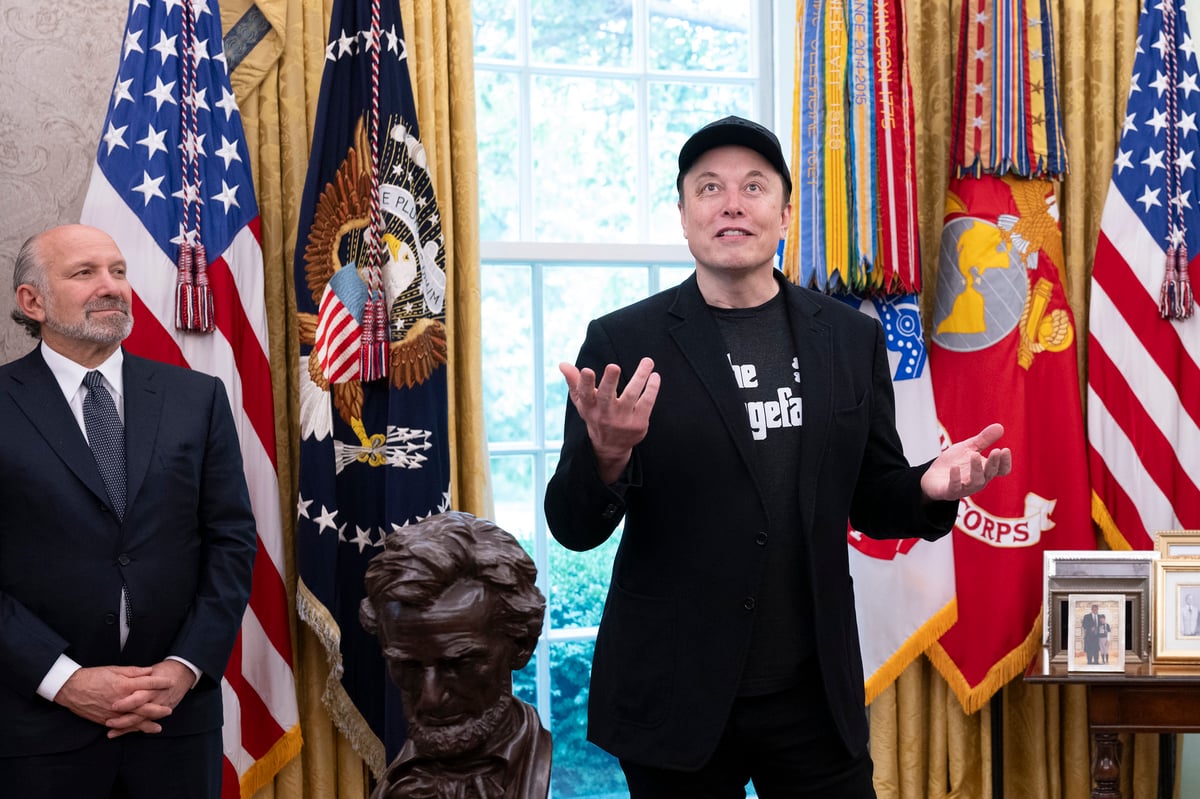
SpaceX Starship Launch Aborted on the Pad at the Last Moment
SpaceX's mega Starship rocket came within a second or so from blasting off on a test flight Thursday, but some of the engines failed to ignite, triggering a launch abort amid billowing clouds of smoke and vapor. Elon Musk, the company's founder and CEO, said two engines will be replaced "to be confident of a good flight" before sending Starship from Texas on a space-skimming journey halfway around the world. It will be the 13th flight for Starship, which at 407 feet (124 meters) tall with 33 main engines is the world's biggest and most powerful rocket. SpaceX's launch webcast showed the start of engine ignition three seconds before the planned liftoff, viewed from a drone high above the pad. Although the company did not elaborate, onscreen data showed four engines not firing, with the remaining 29 engines immediately shutting down and keeping the rocket anchored to the pad. It was the first time a full-scale Starship experienced a last-second abort like this. The launch team immediately began draining the fuel from the rocket. "Most probable launch timing is early next week," Musk said via X. Everything was going SpaceX's way, even the weather, until the partial engine ignition. In the end, the rocket's automatic launch system worked as planned by halting everything. Too few operating engines could have doomed the launch. Some earlier Starship flights ended in explosive fireballs. Twenty of SpaceX's newest and most advanced Starlinks were on board Starship for release during the planned hourlong flight from Starbase, the company's hub near the Texas-Mexico border. The internet satellites were going to try communicating with Starlinks already in orbit while taking photos of Starship's heat shield. Neither the first-stage booster nor spacecraft were meant to be recovered, with both ending up in the sea. The rocket's automatic launch system worked as planned by halting everything. Too few operating engines could have resulted in a failed launch. Some earlier Starship flights, for example, ended in explosive fireballs. NASA is counting on Starship to land its astronauts on the moon in the next few years. The space agency has hired SpaceX and Jeff Bezos' Blue Origin to build and fly the lunar landers that will return humanity to the surface of the moon after an absence of more than half a century. Both companies need to have their landers -- Starship and Blue Moon -- ready to fly by next year so that the newly named Artemis III crew can practice docking their capsule with them in orbit around Earth. The mission after that -- Artemis IV planned for no earlier than 2028 -- would use one of those landers to take two astronauts to the moon's south polar region.
Anthropic reveals it will pay $600,000 for someone to shape its tricky IPO story
Anthropic has already become a success story for venture capitalists. Now, the AI lab begins the tricky task of selling itself to a much larger pool of investors. The company behind the Claude AI model is preparing for a blockbuster initial public offering as soon as this fall that will test investor confidence in its gigantic private valuation, which reached $965 billion in May. To handle the shift to Wall Street, Anthropic is staffing up. On Tuesday, the company posted a job opening for a director on its investor relations team with a base salary of $425,000 to $600,000. The person will develop Anthropic's "investment narrative" and serve as a primary point of contact between major investors and company leadership, according to the listing. They'll track AI developments, speak about Anthropic's products in meetings, and project how major decisions will ripple through the stock market. The job listing says the director will work as a "thought partner" to Anthropic's head of investor relations -- himself a new hire. Kenneth Dorell took that job in June, reporting to chief financial officer Krishna Rao. Dorell previously led Meta's investor relations team. Anthropic's former head of strategic finance and investor relations, Vu Bui, left the company earlier this year, according to an Anthropic spokesperson. Anthropic's revenue boomed over the last year on the strength of its tools for business customers, including Claude Code -- it touted in May that its run-rate revenue crossed $47 billion. It has consistently released cutting-edge AI models, positioning it as OpenAI's key competitor. Dorell, the yet-to-be-hired director, and their team still have a tricky task ahead. Both Anthropic and OpenAI are unusual companies; their private valuations are vast, and AI labs are a new type of investment for Wall Street. Each pours titanic sums of money into training new models and hiring talent, is contending with new government involvement, and boasts an atypical financial structure. Anthropic is a public benefit corporation, meaning that it's required to balance shareholder returns with the "responsible development and maintenance of advanced AI for the long-term benefit of humanity." OpenAI is partially owned by a nonprofit. Each company has an influential bloc of researchers whom executives aim to please. Anthropic's new job listing alludes to that challenge. Its "preferred qualifications" section includes, "Interest in AI safety and enthusiasm for explaining a research-driven company to a financial audience." For guidance, Anthropic's investor relations team can look to SpaceX's $1.77 trillion IPO in June, in which the rocket company positioned itself as a major AI player. After the stock jumped post-listing, it tumbled. On Wednesday, SpaceX shares fell for the first time back below their listing price -- a warning sign for the AI labs about the fickleness of the investors they're beginning to court. Have a tip? Contact this reporter via email at [email protected], or over text, Signal, Telegram, or WhatsApp at 415-757-8198. Use a personal email address, a nonwork WiFi network, and a nonwork device; here's our guide to sharing information securely.
SpaceX Starship Launch Aborted on the Pad at the Last Moment
SpaceX's mega Starship rocket came within a second or so from blasting off on a test flight Thursday, but some of the engines failed to ignite, triggering a launch abort amid billowing clouds of smoke and vapor. Elon Musk, the company's founder and CEO, said two engines will be replaced "to be confident of a good flight" before sending Starship from Texas on a space-skimming journey halfway around the world. It will be the 13th flight for Starship, which at 407 feet (124 meters) tall with 33 main engines is the world's biggest and most powerful rocket. SpaceX's launch webcast showed the start of engine ignition three seconds before the planned liftoff, viewed from a drone high above the pad. Although the company did not elaborate, onscreen data showed four engines not firing, with the remaining 29 engines immediately shutting down and keeping the rocket anchored to the pad. It was the first time a full-scale Starship experienced a last-second abort like this. The launch team immediately began draining the fuel from the rocket. "Most probable launch timing is early next week," Musk said via X. Neither the first-stage booster nor spacecraft were meant to be recovered, with both ending up in the sea. Both companies need to have their landers -- Starship and Blue Moon -- ready to fly by next year so that the newly named Artemis III crew can practice docking their capsule with them in orbit around Earth. The mission after that -- Artemis IV planned for no earlier than 2028 -- would use one of those landers to take two astronauts to the moon's south polar region.
$10,000 invested in SpaceX stock one month ago is now worth
SpaceX (NASDAQ: SPCX) had an explosive initial public offering (IPO) last month, but investors who gained direct exposure to the company at its debut have unfortunately suffered some noticeable losses. Namely, a $10,000 investment made at the initial SpaceX IPO price of $135 per share on June 12, 2026, would now be worth approximately $9,706, with the space exploration leader trading just barely above $131 as of press time, July 17. The losses come after a rather turbulent first month of trading following the largest IPO in history. Indeed, Elon Musk's company debuted with an initial valuation of around $1.77 trillion and closed the first trading session with a market capitalization above $2 trillion. In just four days, SPCX shares hit an intraday high of roughly $211 before broader market weakness kicked in and profit-taking and renewed concerns over the company's valuation sent the stock lower. SpaceX shares fell below their $135 IPO price for the first time on July 15, reaching a session low of $132.28 before recovering to close at $135.27. By press time, the price had gone even lower, to the aforementioned $131. The decline has reduced SpaceX's market capitalization to approximately $1.72 trillion, a significant retreat from the roughly $2.9 trillion valuation recorded just four days after its debut. Why did SpaceX stock crash? First and foremost, the selloff reflects growing investor concerns regarding SpaceX's valuation and financial outlook as the company approaches its first earnings report in August. Currently, analysts expect SpaceX to generate between $34 billion and $43 billion in revenue this year, up from $18.7 billion in 2025. However, many investors are on edge as SpaceX recorded a net loss of approximately $4.9 billion in 2025. Shareholders are also watching for a potential increase in selling pressure later in 2026. For instance, insider share unlocks following the upcoming quarterly could expand the public float, allowing some employees to sell portions of their holdings. Looking ahead, SpaceX's growth is driven by several prospects. The most important of those are its Falcon launch business, expanding Starlink satellite internet network, Starship development, and potential artificial intelligence (AI) infrastructure projects. However, the company faces significant execution risks as it invests heavily in these technologies. With its first earnings report as a public company approaching, investors will be watching whether management can turn technological leadership into financial performance strong enough to justify the multi-trillion-dollar valuation and deliver gains to early and future backers.
SpaceX (SPCX) Shares Tumble After Starship V3 Launch Abort at Ignition
* Thursday's Starship V3 launch was aborted when four Raptor engines failed during the ignition sequence at liftoff * Elon Musk announced plans to swap out two faulty engines, targeting early next week for another launch attempt * SPCX shares declined more than 3% during after-hours trading, settling at $131.11 -- beneath the company's $135 IPO entry point * Federal regulators had just approved SpaceX's return to flight following their probe into May's booster mishap * The cancelled flight planned to deploy 20 advanced Starlink satellites, critical for the company's space-based data infrastructure plans Shares of SpaceX (SPCX) declined over 3% during after-hours trading Thursday evening, falling to approximately $125 following the company's scrubbed second Starship V3 launch attempt. The stock concluded regular market hours at $131.11, trading beneath its $135 initial public offering price established in June. Space Exploration Technologies Corp., SPCX The abort occurred precisely at the ignition moment. The launch pad's water suppression system had activated and the booster's engines began their startup sequence when an abrupt shutdown occurred. Telemetry data from SpaceX's live stream indicated four Raptor engines failed their ignition sequence, activating the automated safety abort protocol. "Several engines failed to ignite, which triggered an automated launch abort sequence," CEO Elon Musk posted on X. He subsequently confirmed that two problematic Raptor engines will undergo removal and replacement, scheduling the next launch window for sometime early the following week. This scrubbed launch continues SPCX's five-session downward trend. The stock has experienced consistent pressure since its historic IPO on June 12, when SpaceX secured $85.7 billion in capital -- establishing the largest public offering ever recorded -- and momentarily achieved market capitalizations rivaling Amazon and Microsoft. Mission Objectives and Payload Details Thursday's planned flight aimed to deliver 20 advanced Starlink satellites to low Earth orbit. Following deployment, these satellites were scheduled to extend their solar panels and communication antennas, establish brief connectivity with the existing Starlink network, then perform controlled atmospheric reentry and burn up approximately 20 minutes post-deployment. SpaceX has yet to successfully demonstrate Starship's capability to achieve sustained orbital flight, explaining why these satellites featured intentionally short operational lifespans. Despite this limitation, the mission represented an important milestone toward validating "orbital data centers" -- a cornerstone of SpaceX's future revenue model. Currently, Starlink stands as SpaceX's sole profitable division and primary income source. Recent Federal Approval Preceded Launch Attempt The Federal Aviation Administration granted SpaceX authorization to resume flights just this past Monday, completing their mandatory investigation following May's inaugural V3 launch. During that previous mission, the Super Heavy booster experienced an engine malfunction during its descent phase, resulting in an ocean impact in the Gulf of Mexico instead of completing its planned simulated landing procedure. The FAA's conclusive mishap investigation identified two primary root causes: thermal stress on propulsion system hardware during the ascent phase and incorrect engine monitoring system configurations. SpaceX implemented four remedial measures, encompassing both hardware modifications and software revisions. The upper stage during May's attempt demonstrated superior performance, successfully deploying Starlink test units and executing its own simulated ocean landing without complications. Thursday's abort requires SpaceX to drain all cryogenic propellants from both the Super Heavy booster and upper stage before technical teams can investigate the Raptor ignition malfunction. SPCX traded near $125 during Friday's pre-market session, representing approximately a 4.65% decline from Thursday's closing price.
Should You Buy SpaceX Stock Below $135 Per Share? Here's What History Says.
After a hot start following its IPO, Space Exploration Technologies (NASDAQ: SPCX), better known as SpaceX, has seen its stock price come back down to Earth. The price is now approaching its IPO price of $135 per share. Investors who couldn't get in on the IPO may be wondering whether to buy the stock if it dips below that number. Here's what history has to say. Missed Nvidia in 2009? This Rare Signal Is Flashing Again. In 2009, a "Double Down" signal flashed for a little-known chipmaker called Nvidia. For the first time in years, that same "Total Conviction" signal is flashing for a company 1/100th the size of Nvidia. Continue " Image source: Getty Images. How well do IPOs hold up over the long run? Most IPO stocks see a pop on their first day of trading. Underwriters intentionally underprice offerings to ensure enough demand to fully allocate the stock offering and guarantee success for the company. Indeed, SpaceX closed its first day of trading about 19% above its IPO price, which is about average based on data dating back to 1960. But most investors aren't interested in SpaceX's short-term outcomes. The company's value is based on its potential to disrupt multiple industries over the long run. The stock should appeal to investors who believe in CEO Elon Musk's ability to build more efficient reusable rockets, expand its satellite constellation, and reshape broadband internet access and artificial intelligence (AI). So, looking at how IPOs usually hold up after at least three years of trading can provide valuable insight. For investors who buy just any new IPO as it comes to market, the long-term results aren't great. Even with a big first-day pop, the average IPO since 1980 (excluding the 1999-2000 dot-com bubble) produced worse returns than the overall market, according to data compiled by professor Jay Ritter. He found that all IPOs produce an average return of 44.2% from their IPO price over three years, but that trails the weighted-average market return by 1.6%. But tech stocks specifically do significantly better. Tech IPOs produced average three-year returns of 73.3%, massively outperforming the market by 25.8%. And if you dig a little bit deeper, big tech stocks with sales exceeding $100 million (adjusted for inflation) perform even better. These companies have delivered an average three-year return of 82.5% and outperformed the market by 43.1%. Even if they're unprofitable, they still produce excess returns of 41.7% on average, according to Ritter's data. In other words, history is on SpaceX's side as a large tech company making its public debut. Still, there are a few reasons to remain cautious about buying SpaceX, even at its IPO price. The SpaceX IPO is a special case SpaceX was the largest IPO in history, raising over $85 billion after underwriters exercised their option to buy additional shares. With a valuation of about $1.75 trillion, it's already a massive business. But that valuation puts its price-to-sales ratio above 90. And valuation still matters. According to a University of Florida 2026 study of IPOs, since 1980, only 14 other IPOs have had over $100 million in sales and a price-to-sales ratio above 40. The average three-year return from their IPO price was just 3.1%, trailing the market average by 15.4%. While it's a small sample size, there's a clear correlation between IPO price-to-sales valuation and returns. The lower the valuation, the better the returns. SpaceX has one of the highest price-to-sales ratios in the market. There's additional concern that SpaceX's stock price could be weighed down as lockup periods expire and early investors and employees can sell their shares. Interestingly, the same University of Florida study found that companies that float a smaller percentage of shares (SpaceX offered about 5% of the company's shares) end up outperforming companies that sell a larger portion of the equity at their IPO. That said, there's never been a company the size of SpaceX with so many shares locked up. That's a lot of capital for the market to absorb over the next six months or so. The truth of the matter is that SpaceX is unlike any IPO we've ever seen. Using historical averages to project SpaceX's future stock price can only go so far. The actual results will depend on the same thing that applies to every stock in the market, whether old or new. Will the company perform better than the market expects? If it does, the stock price could outperform the market average. At its current valuation, the market is setting a very high bar for SpaceX to exceed. Should you buy stock in Space Exploration Technologies right now? Before you buy stock in Space Exploration Technologies, consider this: The Motley Fool Stock Advisor analyst team just identified what they believe are the 10 best stocks for investors to buy now... and Space Exploration Technologies wasn't one of them. The 10 stocks that made the cut could produce monster returns in the coming years. Consider when Netflix made this list on December 17, 2004... if you invested $1,000 at the time of our recommendation, you'd have $397,351!* Or when Nvidia made this list on April 15, 2005... if you invested $1,000 at the time of our recommendation, you'd have $1,304,257!* Now, it's worth noting Stock Advisor's total average return is 934% -- a market-crushing outperformance compared to 210% for the S&P 500. Don't miss the latest top 10 list, available with Stock Advisor, and join an investing community built by individual investors for individual investors. See the 10 stocks " *Stock Advisor returns as of July 17, 2026. Adam Levy has no position in any of the stocks mentioned. The Motley Fool has no position in any of the stocks mentioned. The Motley Fool has a disclosure policy. The views and opinions expressed herein are the views and opinions of the author and do not necessarily reflect those of Nasdaq, Inc.
