News & Updates
The latest news and updates from companies in the WLTH portfolio.
Well-timed bets on Polymarket tied to the Iran war draw calls for investigations from lawmakers
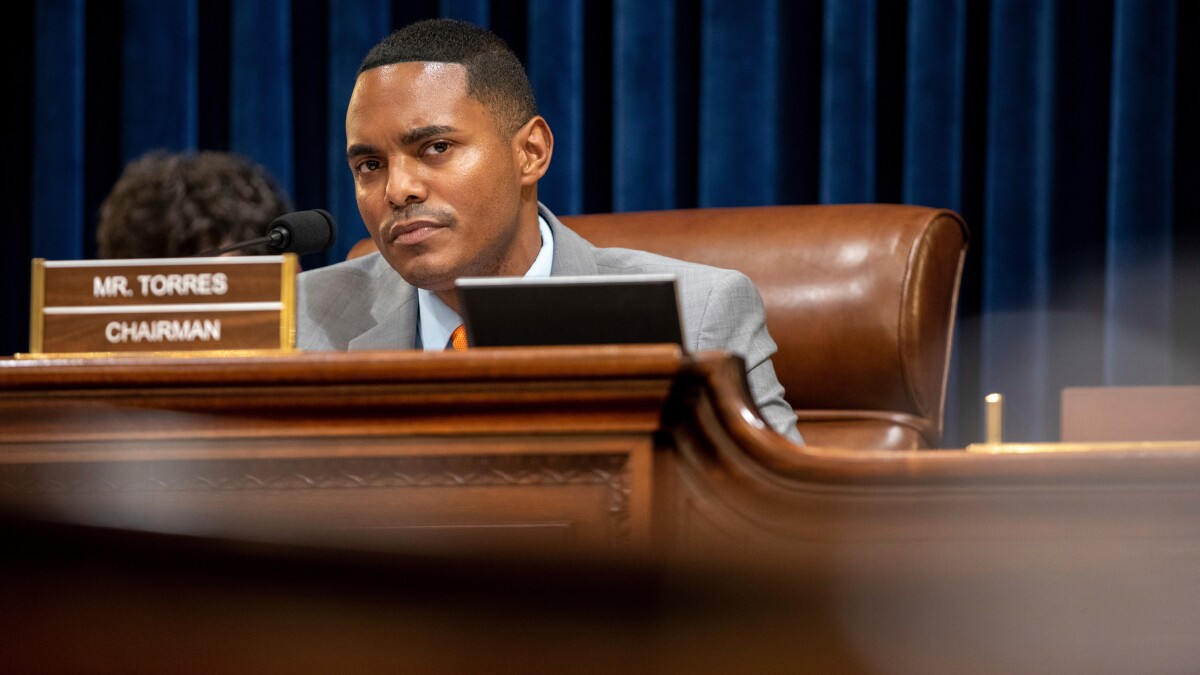
NEW YORK -- Calls are increasing inside Congress for investigations into the prediction market platform Polymarket after the latest instance where groups of anonymous traders made strategic, well-timed bets on a major geopolitical event hours before it occurred. On Wednesday, The Associated Press reported that at least 50 brand new accounts on Polymarket placed substantial bets on a U.S.-Iran ceasefire in the hours, even minutes, before President Donald Trump announced the ceasefire late Tuesday on social media. These were the sole bets made on Polymarket through these accounts. In January, an anonymous Polymarket user made a $400,000 profit by betting that Venezuelan leader Nicolas Maduro would be out of office, hours before Maduro was captured. In the hours before the start of the Iran war, another account made roughly $550,000 in a series of trades effectively betting that the U.S. would strike Iran and that Ayatollah Ali Khamenei would be removed from office. Such prescient wagers have raised eyebrows -- and accusations that prediction markets are ripe for insider trading. And the issue goes beyond these three geopolitical events, according to at least one report. Researchers at Harvard University released a paper last month where, using public blockchain data, they estimated that $143 million in profits have been made on Polymarket by individuals who potentially had insider information about events ranging from Taylor Swift's engagement to the awarding of the Nobel Peace Prize last year. Rep. Ritchie Torres, D-N.Y who sits on the House Financial Services Committee as well as the subcommittee on digital assets and financial technology, sent a letter Thursday to the Commodity Futures Trading Commission demanding the regulator review and investigate these well-timed trades. The CFTC regulates the derivatives markets, which includes prediction markets. "This pattern raises serious concerns that certain market participants may have had access to material nonpublic information regarding a market-moving geopolitical event," Torres wrote. The letter was shared exclusively with The AP. "What is the statistical likelihood that of anyone other than an insider trader placing a winning bet 12 minutes before a market-moving presidential announcement," Torres said in an interview with AP. "There are two answers: God, or an insider trader. And something tells me that God it not placing bets around Donald Trump's posts on Truth Social. " Prediction market platforms like Kalshi and Polymarket allow their users to bet on everything from whether it will rain in Phoenix, Arizona next week to whether the Federal Reserve will raise or lower interest rates. At this time, U.S. residents have limited access to Polymarket, which was banned from the U.S. in 2022. The company has moved to reenter the country by acquiring a CFTC-licensed exchange and clearinghouse, giving it a legal pathway to start offering contracts domestically. The company has begun a limited rollout in the U.S. Polymarket also operates a separate, crypto-based platform offshore that remains outside U.S. jurisdiction. That platform accounts for most of its activity. Sen. Richard Blumenthal, D-Connecticut, sent a letter to Polymarket on Thursday demanding the company explain why it continues to allow trades on war and violence as well as whether the company is making any efforts to keep insiders from trading on the platform. "Polymarket has become an illicit market to sell and exploit national security secrets unlike any in history, and by extension a potential honeypot for foreign intelligence services watching for those same suspicious bets and wagers," Blumenthal wrote. Republicans have also criticized these platforms and called for bans on these sorts of bets. There are at least two bills pending in Congress co-signed by both parties, one in the House and one in the Senate. "We don't want to imagine a world where America's adversaries use prediction markets to anticipate our next move," said Rep. Blake Moore, R-Utah, after the release of the AP's findings on the ceasefire wagers. Polymarket did not immediately reply to a request for comment. The stakes are high for both Kalshi and Polymarket as they seek approval to operate in the U.S. and nationwide, particularly in the lucrative sports betting market. Kalshi, which is already regulated in the U.S., and its executives have a goal of making the company the nation's dominant prediction market. Kalshi has also leaned heavily into sports, which critics have said effectively makes it a sports betting platform that dabbles in event-based contracts on the side. Both companies have also announced partnerships with sports teams and even news organizations to broaden their reach as well. The AP has an agreement to sell U.S. elections data to Kalshi. The competition also carries political overtones. Donald Trump Jr. is an investor in Polymarket through his venture capital firm, 1789 Capital, and separately serves as a paid strategic adviser to Kalshi.
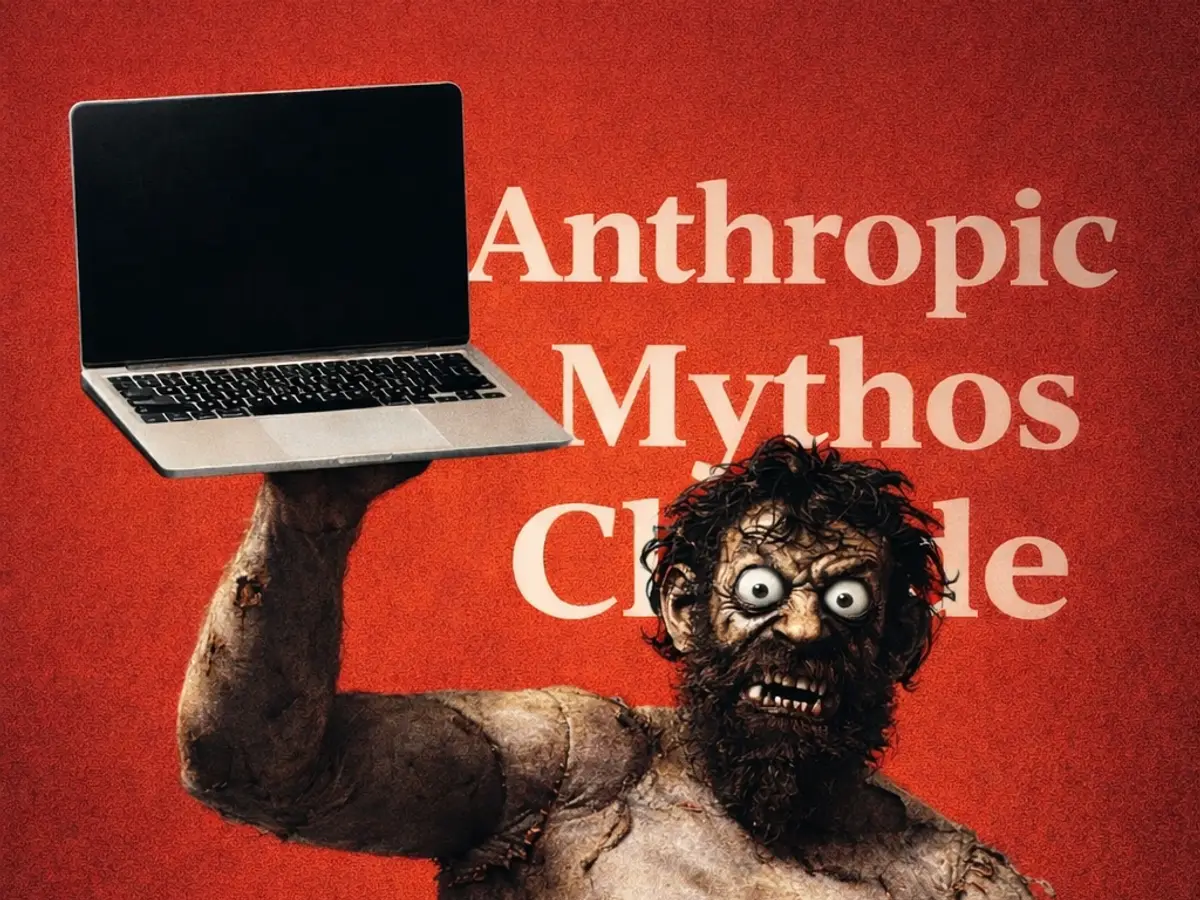
This AI model can end cybersecurity, if in wrong hands: Why Anthropic's Claude Mythos is scaring financial sector and US officials
Anthropic Claude Mythos can automate code writing to hack into computer systems After Anthropic announced a limited release of Claude Mythos Preview, its AI model focused on cybersecurity, US Treasury Secretary Scott Bessent and Federal Reserve Chair Jerome Powell went into a huddle with bank chiefs and finance sector stakeholders. Why? The model could find vulnerabilities or bugs in most computer systems and browsers, and can write code on its own to exploit these vulnerabilities. In the wrong hands, it could lead to an apocalyptic scenario for computers and the internet. Aware of the destructive capability of the model they created, Anthropic is releasing Claude Mythos Preview only to a handful of big tech customers to test and fix vulnerabilities. Here is why this development could have far-reaching consequences.
xAI Files Lawsuit Against Colorado, Calling Its AI Law Unconstitutional
Elon Musk's AI company xAI is taking the state of Colorado to federal court. The target: a sweeping new AI law designed to protect residents from algorithmic bias. xAI says the law tramples on the First Amendment -- and it wants a judge to stop Colorado from enforcing it before the rules kick in this June. Key Takeaways: * xAI has filed a federal lawsuit seeking to block Colorado's AI anti-discrimination law, arguing it violates free-speech protections under the First Amendment. * Colorado became the first U.S. state to pass a comprehensive AI regulation bill, covering sectors including education, healthcare, housing, employment, and financial services. * The lawsuit arrives amid fierce state and federal disagreements over AI oversight, with the Trump administration pushing to relax rules and block state-level regulation. Colorado earned a distinction in 2024 when it became the first state in the country to pass a comprehensive AI regulation bill. The law creates new obligations for AI developers, requiring them to prevent "algorithmic discrimination" against residents in high-stakes areas -- education, employment, healthcare, housing, and financial services among them. Governor Jared Polis, a Democrat, signed the bill but made his discomfort public, noting he did so "with reservations." He urged state legislators to revisit and amend the measure. The law was originally supposed to take effect in February but was delayed until June 30. xAI's argument centers squarely on the First Amendment. The company contends that the Colorado law forces AI developers to promote the state's own political positions -- particularly on issues of racial justice. As reported by the Financial Times, which broke the story, xAI claims the legislation would compel developers to "promote the state's ideological views on various matters, racial justice in particular." The company added: "Its provisions prohibit developers of AI systems from producing speech that the state of Colorado dislikes." The lawsuit was filed in U.S. district court in Colorado. xAI is asking the court for an injunction to halt enforcement of the law, along with a formal declaration that the legislation is unconstitutional. Katie Miller, a former xAI spokesperson and the wife of Trump adviser Stephen Miller, promoted the suit on X. She wrote: "Colorado wants to force Grok to follow its views on equity and race, instead of being maximally truth-seeking. Grok answers to evidence, not woke leftist government regulations." The timing of the legal challenge matters given the broader fight playing out across the United States. Several states -- California and New York chief among them -- have been drafting their own AI rules. The Trump administration has pushed in the opposite direction, seeking to ease regulations and even impose a moratorium on state-level AI laws. xAI itself has not escaped controversy. Grok, the company's chatbot, has repeatedly generated racist, sexist, and antisemitic content. It has promoted conspiracy theories about "white genocide" and at one point referred to itself as "MechaHitler." The company recently merged with Musk's rocket venture SpaceX, adding another layer of corporate complexity. Whether its legal challenge succeeds or not, the case will likely set a precedent for how far states can go in policing AI behavior -- and how far AI companies will go to resist those limits.

Well-timed bets on Polymarket tied to the Iran war draw calls for investigations from lawmakers
NEW YORK -- Calls are increasing inside Congress for investigations into the prediction market platform Polymarket after the latest instance where groups of anonymous traders made strategic, well-timed bets on a major geopolitical event hours before it occurred. On Wednesday, The Associated Press reported that at least 50 brand new accounts on Polymarket placed substantial bets on a U.S.-Iran ceasefire in the hours, even minutes, before President Donald Trump announced the ceasefire late Tuesday on social media. These were the sole bets made on Polymarket through these accounts. In January, an anonymous Polymarket user made a $400,000 profit by betting that Venezuelan leader Nicolas Maduro would be out of office, hours before Maduro was captured. In the hours before the start of the Iran war, another account made roughly $550,000 in a series of trades effectively betting that the U.S. would strike Iran and that Ayatollah Ali Khamenei would be removed from office. Such prescient wagers have raised eyebrows -- and accusations that prediction markets are ripe for insider trading. And the issue goes beyond these three geopolitical events, according to at least one report. Researchers at Harvard University released a paper last month where, using public blockchain data, they estimated that $143 million in profits have been made on Polymarket by individuals who potentially had insider information about events ranging from Taylor Swift's engagement to the awarding of the Nobel Peace Prize last year. Rep. Ritchie Torres, D-N.Y who sits on the House Financial Services Committee as well as the subcommittee on digital assets and financial technology, sent a letter Thursday to the Commodity Futures Trading Commission demanding the regulator review and investigate these well-timed trades. The CFTC regulates the derivatives markets, which includes prediction markets. "This pattern raises serious concerns that certain market participants may have had access to material nonpublic information regarding a market-moving geopolitical event," Torres wrote. The letter was shared exclusively with The AP. "What is the statistical likelihood that of anyone other than an insider trader placing a winning bet 12 minutes before a market-moving presidential announcement," Torres said in an interview with AP. "There are two answers: God, or an insider trader. And something tells me that God it not placing bets around Donald Trump's posts on Truth Social. " Prediction market platforms like Kalshi and Polymarket allow their users to bet on everything from whether it will rain in Phoenix, Arizona next week to whether the Federal Reserve will raise or lower interest rates. At this time, U.S. residents have limited access to Polymarket, which was banned from the U.S. in 2022. The company has moved to reenter the country by acquiring a CFTC-licensed exchange and clearinghouse, giving it a legal pathway to start offering contracts domestically. The company has begun a limited rollout in the U.S. Polymarket also operates a separate, crypto-based platform offshore that remains outside U.S. jurisdiction. That platform accounts for most of its activity. Sen. Richard Blumenthal, D-Connecticut, sent a letter to Polymarket on Thursday demanding the company explain why it continues to allow trades on war and violence as well as whether the company is making any efforts to keep insiders from trading on the platform. "Polymarket has become an illicit market to sell and exploit national security secrets unlike any in history, and by extension a potential honeypot for foreign intelligence services watching for those same suspicious bets and wagers," Blumenthal wrote. Republicans have also criticized these platforms and called for bans on these sorts of bets. There are at least two bills pending in Congress co-signed by both parties, one in the House and one in the Senate. "We don't want to imagine a world where America's adversaries use prediction markets to anticipate our next move," said Rep. Blake Moore, R-Utah, after the release of the AP's findings on the ceasefire wagers. Polymarket did not immediately reply to a request for comment. The stakes are high for both Kalshi and Polymarket as they seek approval to operate in the U.S. and nationwide, particularly in the lucrative sports betting market. Kalshi, which is already regulated in the U.S., and its executives have a goal of making the company the nation's dominant prediction market. Kalshi has also leaned heavily into sports, which critics have said effectively makes it a sports betting platform that dabbles in event-based contracts on the side. Both companies have also announced partnerships with sports teams and even news organizations to broaden their reach as well. The AP has an agreement to sell U.S. elections data to Kalshi. The competition also carries political overtones. Donald Trump Jr. is an investor in Polymarket through his venture capital firm, 1789 Capital, and separately serves as a paid strategic adviser to Kalshi.

Major airport issues warning to passengers as protests spark traffic chaos
A major international airport has issued a warning to passengers this morning, April 10, as protests are raging on a nearby motorway. Dublin Airport published a statement on X this morning, reading: "Passengers travelling to/from Dublin Airport this morning are advised to allow extra time for their journey due to protest activity causing traffic disruption on some roads approaching the airport, including the M50.

SpaceX begins installing equipment at Texas facility, eyes year-end production, sources say
TAIPEI, April 10 (Reuters) - SpaceX has begun installing equipment at its advanced chip packaging facility in Bastrop, Texas, as the satellite and rocket company aims to begin production there by the end of this year, two sources familiar with the matter told Reuters. One of the sources said the timeline had seen some delays, but the company was still targeting a start of production before the year-end. The facility will package radio frequency (RF) chips used in products related to SpaceX's satellite-based internet system Starlink, the sources said, declining to be named as the information is not public. The RF chips to be packaged in Bastrop are currently packaged by external providers, but SpaceX plans to bring at least part of the packaging process in-house once the facility is ready, according to one of the sources and a third source. SpaceX did not immediately respond to a request for comment. In 2025, Texas Governor Greg Abbott said that over the next three years, SpaceX's Bastrop facility would expand by 1 million square feet to produce Starlink kits and related components, including advanced packaged silicon products. The expansion is expected to cost more than $280 million, Abbott said. Elon Musk has been building up the space company's semiconductor capabilities and unveiled a plan last month to build advanced chip factories at a sprawling facility in Austin, Texas. Reporting by Wen-Yee Lee; Editing by Janane Venkatraman Our Standards: The Thomson Reuters Trust Principles., opens new tab * Suggested Topics: * Autos & Transportation * ADAS, AV & Safety * Sustainable & EV Supply Chain

Well-timed bets on Polymarket tied to the Iran war draw calls for investigations from lawmakers
NEW YORK -- Calls are increasing inside Congress for investigations into the prediction market platform Polymarket after the latest instance where groups of anonymous traders made strategic, well-timed bets on a major geopolitical event hours before it occurred. On Wednesday, The Associated Press reported that at least 50 brand new accounts on Polymarket placed substantial bets on a U.S.-Iran ceasefire in the hours, even minutes, before President Donald Trump announced the ceasefire late Tuesday on social media. These were the sole bets made on Polymarket through these accounts. In January, an anonymous Polymarket user made a $400,000 profit by betting that Venezuelan leader Nicolas Maduro would be out of office, hours before Maduro was captured. In the hours before the start of the Iran war, another account made roughly $550,000 in a series of trades effectively betting that the U.S. would strike Iran and that Ayatollah Ali Khamenei would be removed from office. Such prescient wagers have raised eyebrows -- and accusations that prediction markets are ripe for insider trading. And the issue goes beyond these three geopolitical events, according to at least one report. Researchers at Harvard University released a paper last month where, using public blockchain data, they estimated that $143 million in profits have been made on Polymarket by individuals who potentially had insider information about events ranging from Taylor Swift's engagement to the awarding of the Nobel Peace Prize last year. Rep. Ritchie Torres, D-N.Y who sits on the House Financial Services Committee as well as the subcommittee on digital assets and financial technology, sent a letter Thursday to the Commodity Futures Trading Commission demanding the regulator review and investigate these well-timed trades. The CFTC regulates the derivatives markets, which includes prediction markets. "This pattern raises serious concerns that certain market participants may have had access to material nonpublic information regarding a market-moving geopolitical event," Torres wrote. The letter was shared exclusively with The AP. "What is the statistical likelihood that of anyone other than an insider trader placing a winning bet 12 minutes before a market-moving presidential announcement," Torres said in an interview with AP. "There are two answers: God, or an insider trader. And something tells me that God it not placing bets around Donald Trump's posts on Truth Social. " Prediction market platforms like Kalshi and Polymarket allow their users to bet on everything from whether it will rain in Phoenix, Arizona next week to whether the Federal Reserve will raise or lower interest rates. At this time, U.S. residents have limited access to Polymarket, which was banned from the U.S. in 2022. The company has moved to reenter the country by acquiring a CFTC-licensed exchange and clearinghouse, giving it a legal pathway to start offering contracts domestically. The company has begun a limited rollout in the U.S. Polymarket also operates a separate, crypto-based platform offshore that remains outside U.S. jurisdiction. That platform accounts for most of its activity. Sen. Richard Blumenthal, D-Connecticut, sent a letter to Polymarket on Thursday demanding the company explain why it continues to allow trades on war and violence as well as whether the company is making any efforts to keep insiders from trading on the platform. "Polymarket has become an illicit market to sell and exploit national security secrets unlike any in history, and by extension a potential honeypot for foreign intelligence services watching for those same suspicious bets and wagers," Blumenthal wrote. Republicans have also criticized these platforms and called for bans on these sorts of bets. There are at least two bills pending in Congress co-signed by both parties, one in the House and one in the Senate. "We don't want to imagine a world where America's adversaries use prediction markets to anticipate our next move," said Rep. Blake Moore, R-Utah, after the release of the AP's findings on the ceasefire wagers. Polymarket did not immediately reply to a request for comment. The stakes are high for both Kalshi and Polymarket as they seek approval to operate in the U.S. and nationwide, particularly in the lucrative sports betting market. Kalshi, which is already regulated in the U.S., and its executives have a goal of making the company the nation's dominant prediction market. Kalshi has also leaned heavily into sports, which critics have said effectively makes it a sports betting platform that dabbles in event-based contracts on the side. Both companies have also announced partnerships with sports teams and even news organizations to broaden their reach as well. The AP has an agreement to sell U.S. elections data to Kalshi. The competition also carries political overtones. Donald Trump Jr. is an investor in Polymarket through his venture capital firm, 1789 Capital, and separately serves as a paid strategic adviser to Kalshi.

Well-timed bets on Polymarket tied to the Iran war draw calls for investigations from lawmakers
NEW YORK -- Calls are increasing inside Congress for investigations into the prediction market platform Polymarket after the latest instance where groups of anonymous traders made strategic, well-timed bets on a major geopolitical event hours before it occurred. On Wednesday, The Associated Press reported that at least 50 brand new accounts on Polymarket placed substantial bets on a U.S.-Iran ceasefire in the hours, even minutes, before President Donald Trump announced the ceasefire late Tuesday on social media. These were the sole bets made on Polymarket through these accounts. In January, an anonymous Polymarket user made a $400,000 profit by betting that Venezuelan leader Nicolas Maduro would be out of office, hours before Maduro was captured. In the hours before the start of the Iran war, another account made roughly $550,000 in a series of trades effectively betting that the U.S. would strike Iran and that Ayatollah Ali Khamenei would be removed from office. Such prescient wagers have raised eyebrows -- and accusations that prediction markets are ripe for insider trading. And the issue goes beyond these three geopolitical events, according to at least one report. Researchers at Harvard University released a paper last month where, using public blockchain data, they estimated that $143 million in profits have been made on Polymarket by individuals who potentially had insider information about events ranging from Taylor Swift's engagement to the awarding of the Nobel Peace Prize last year. Rep. Ritchie Torres, D-N.Y who sits on the House Financial Services Committee as well as the subcommittee on digital assets and financial technology, sent a letter Thursday to the Commodity Futures Trading Commission demanding the regulator review and investigate these well-timed trades. The CFTC regulates the derivatives markets, which includes prediction markets. "This pattern raises serious concerns that certain market participants may have had access to material nonpublic information regarding a market-moving geopolitical event," Torres wrote. The letter was shared exclusively with The AP. "What is the statistical likelihood that of anyone other than an insider trader placing a winning bet 12 minutes before a market-moving presidential announcement," Torres said in an interview with AP. "There are two answers: God, or an insider trader. And something tells me that God it not placing bets around Donald Trump's posts on Truth Social. " Prediction market platforms like Kalshi and Polymarket allow their users to bet on everything from whether it will rain in Phoenix, Arizona next week to whether the Federal Reserve will raise or lower interest rates. At this time, U.S. residents have limited access to Polymarket, which was banned from the U.S. in 2022. The company has moved to reenter the country by acquiring a CFTC-licensed exchange and clearinghouse, giving it a legal pathway to start offering contracts domestically. The company has begun a limited rollout in the U.S. Polymarket also operates a separate, crypto-based platform offshore that remains outside U.S. jurisdiction. That platform accounts for most of its activity. Sen. Richard Blumenthal, D-Connecticut, sent a letter to Polymarket on Thursday demanding the company explain why it continues to allow trades on war and violence as well as whether the company is making any efforts to keep insiders from trading on the platform. "Polymarket has become an illicit market to sell and exploit national security secrets unlike any in history, and by extension a potential honeypot for foreign intelligence services watching for those same suspicious bets and wagers," Blumenthal wrote. Republicans have also criticized these platforms and called for bans on these sorts of bets. There are at least two bills pending in Congress co-signed by both parties, one in the House and one in the Senate. "We don't want to imagine a world where America's adversaries use prediction markets to anticipate our next move," said Rep. Blake Moore, R-Utah, after the release of the AP's findings on the ceasefire wagers. Polymarket did not immediately reply to a request for comment. The stakes are high for both Kalshi and Polymarket as they seek approval to operate in the U.S. and nationwide, particularly in the lucrative sports betting market. Kalshi, which is already regulated in the U.S., and its executives have a goal of making the company the nation's dominant prediction market. Kalshi has also leaned heavily into sports, which critics have said effectively makes it a sports betting platform that dabbles in event-based contracts on the side. Both companies have also announced partnerships with sports teams and even news organizations to broaden their reach as well. The AP has an agreement to sell U.S. elections data to Kalshi. The competition also carries political overtones. Donald Trump Jr. is an investor in Polymarket through his venture capital firm, 1789 Capital, and separately serves as a paid strategic adviser to Kalshi.

Well-timed bets on Polymarket tied to the Iran war draw calls for investigations from lawmakers
NEW YORK -- Calls are increasing inside Congress for investigations into the prediction market platform Polymarket after the latest instance where groups of anonymous traders made strategic, well-timed bets on a major geopolitical event hours before it occurred. On Wednesday, The Associated Press reported that at least 50 brand new accounts on Polymarket placed substantial bets on a U.S.-Iran ceasefire in the hours, even minutes, before President Donald Trump announced the ceasefire late Tuesday on social media. These were the sole bets made on Polymarket through these accounts. In January, an anonymous Polymarket user made a $400,000 profit by betting that Venezuelan leader Nicolas Maduro would be out of office, hours before Maduro was captured. In the hours before the start of the Iran war, another account made roughly $550,000 in a series of trades effectively betting that the U.S. would strike Iran and that Ayatollah Ali Khamenei would be removed from office. Such prescient wagers have raised eyebrows -- and accusations that prediction markets are ripe for insider trading. And the issue goes beyond these three geopolitical events, according to at least one report. Researchers at Harvard University released a paper last month where, using public blockchain data, they estimated that $143 million in profits have been made on Polymarket by individuals who potentially had insider information about events ranging from Taylor Swift's engagement to the awarding of the Nobel Peace Prize last year. Rep. Ritchie Torres, D-N.Y who sits on the House Financial Services Committee as well as the subcommittee on digital assets and financial technology, sent a letter Thursday to the Commodity Futures Trading Commission demanding the regulator review and investigate these well-timed trades. The CFTC regulates the derivatives markets, which includes prediction markets. "This pattern raises serious concerns that certain market participants may have had access to material nonpublic information regarding a market-moving geopolitical event," Torres wrote. The letter was shared exclusively with The AP. "What is the statistical likelihood that of anyone other than an insider trader placing a winning bet 12 minutes before a market-moving presidential announcement," Torres said in an interview with AP. "There are two answers: God, or an insider trader. And something tells me that God it not placing bets around Donald Trump's posts on Truth Social. " Prediction market platforms like Kalshi and Polymarket allow their users to bet on everything from whether it will rain in Phoenix, Arizona next week to whether the Federal Reserve will raise or lower interest rates. At this time, U.S. residents have limited access to Polymarket, which was banned from the U.S. in 2022. The company has moved to reenter the country by acquiring a CFTC-licensed exchange and clearinghouse, giving it a legal pathway to start offering contracts domestically. The company has begun a limited rollout in the U.S. Polymarket also operates a separate, crypto-based platform offshore that remains outside U.S. jurisdiction. That platform accounts for most of its activity. Sen. Richard Blumenthal, D-Connecticut, sent a letter to Polymarket on Thursday demanding the company explain why it continues to allow trades on war and violence as well as whether the company is making any efforts to keep insiders from trading on the platform. "Polymarket has become an illicit market to sell and exploit national security secrets unlike any in history, and by extension a potential honeypot for foreign intelligence services watching for those same suspicious bets and wagers," Blumenthal wrote. Republicans have also criticized these platforms and called for bans on these sorts of bets. There are at least two bills pending in Congress co-signed by both parties, one in the House and one in the Senate. "We don't want to imagine a world where America's adversaries use prediction markets to anticipate our next move," said Rep. Blake Moore, R-Utah, after the release of the AP's findings on the ceasefire wagers. Polymarket did not immediately reply to a request for comment. The stakes are high for both Kalshi and Polymarket as they seek approval to operate in the U.S. and nationwide, particularly in the lucrative sports betting market. Kalshi, which is already regulated in the U.S., and its executives have a goal of making the company the nation's dominant prediction market. Kalshi has also leaned heavily into sports, which critics have said effectively makes it a sports betting platform that dabbles in event-based contracts on the side. Both companies have also announced partnerships with sports teams and even news organizations to broaden their reach as well. The AP has an agreement to sell U.S. elections data to Kalshi. The competition also carries political overtones. Donald Trump Jr. is an investor in Polymarket through his venture capital firm, 1789 Capital, and separately serves as a paid strategic adviser to Kalshi.
Well-timed bets on Polymarket tied to the Iran war draw calls for investigations from lawmakers
NEW YORK -- Calls are increasing inside Congress for investigations into the prediction market platform Polymarket after the latest instance where groups of anonymous traders made strategic, well-timed bets on a major geopolitical event hours before it occurred. On Wednesday, The Associated Press reported that at least 50 brand new accounts on Polymarket placed substantial bets on a U.S.-Iran ceasefire in the hours, even minutes, before President Donald Trump announced the ceasefire late Tuesday on social media. These were the sole bets made on Polymarket through these accounts. In January, an anonymous Polymarket user made a $400,000 profit by betting that Venezuelan leader Nicolas Maduro would be out of office, hours before Maduro was captured. In the hours before the start of the Iran war, another account made roughly $550,000 in a series of trades effectively betting that the U.S. would strike Iran and that Ayatollah Ali Khamenei would be removed from office. Such prescient wagers have raised eyebrows -- and accusations that prediction markets are ripe for insider trading. And the issue goes beyond these three geopolitical events, according to at least one report. Researchers at Harvard University released a paper last month where, using public blockchain data, they estimated that $143 million in profits have been made on Polymarket by individuals who potentially had insider information about events ranging from Taylor Swift's engagement to the awarding of the Nobel Peace Prize last year. Rep. Ritchie Torres, D-N.Y who sits on the House Financial Services Committee as well as the subcommittee on digital assets and financial technology, sent a letter Thursday to the Commodity Futures Trading Commission demanding the regulator review and investigate these well-timed trades. The CFTC regulates the derivatives markets, which includes prediction markets. "This pattern raises serious concerns that certain market participants may have had access to material nonpublic information regarding a market-moving geopolitical event," Torres wrote. The letter was shared exclusively with The AP. "What is the statistical likelihood that of anyone other than an insider trader placing a winning bet 12 minutes before a market-moving presidential announcement," Torres said in an interview with AP. "There are two answers: God, or an insider trader. And something tells me that God it not placing bets around Donald Trump's posts on Truth Social. " Prediction market platforms like Kalshi and Polymarket allow their users to bet on everything from whether it will rain in Phoenix, Arizona next week to whether the Federal Reserve will raise or lower interest rates. At this time, U.S. residents have limited access to Polymarket, which was banned from the U.S. in 2022. The company has moved to reenter the country by acquiring a CFTC-licensed exchange and clearinghouse, giving it a legal pathway to start offering contracts domestically. The company has begun a limited rollout in the U.S. Polymarket also operates a separate, crypto-based platform offshore that remains outside U.S. jurisdiction. That platform accounts for most of its activity. Sen. Richard Blumenthal, D-Connecticut, sent a letter to Polymarket on Thursday demanding the company explain why it continues to allow trades on war and violence as well as whether the company is making any efforts to keep insiders from trading on the platform. "Polymarket has become an illicit market to sell and exploit national security secrets unlike any in history, and by extension a potential honeypot for foreign intelligence services watching for those same suspicious bets and wagers," Blumenthal wrote. Republicans have also criticized these platforms and called for bans on these sorts of bets. There are at least two bills pending in Congress co-signed by both parties, one in the House and one in the Senate. "We don't want to imagine a world where America's adversaries use prediction markets to anticipate our next move," said Rep. Blake Moore, R-Utah, after the release of the AP's findings on the ceasefire wagers. Polymarket did not immediately reply to a request for comment. The stakes are high for both Kalshi and Polymarket as they seek approval to operate in the U.S. and nationwide, particularly in the lucrative sports betting market. Kalshi, which is already regulated in the U.S., and its executives have a goal of making the company the nation's dominant prediction market. Kalshi has also leaned heavily into sports, which critics have said effectively makes it a sports betting platform that dabbles in event-based contracts on the side. Both companies have also announced partnerships with sports teams and even news organizations to broaden their reach as well. The AP has an agreement to sell U.S. elections data to Kalshi. The competition also carries political overtones. Donald Trump Jr. is an investor in Polymarket through his venture capital firm, 1789 Capital, and separately serves as a paid strategic adviser to Kalshi.
Well-timed bets on Polymarket tied to the Iran war draw calls for investigations from lawmakers
NEW YORK -- Calls are increasing inside Congress for investigations into the prediction market platform Polymarket after the latest instance where groups of anonymous traders made strategic, well-timed bets on a major geopolitical event hours before it occurred. On Wednesday, The Associated Press reported that at least 50 brand new accounts on Polymarket placed substantial bets on a U.S.-Iran ceasefire in the hours, even minutes, before President Donald Trump announced the ceasefire late Tuesday on social media. These were the sole bets made on Polymarket through these accounts. In January, an anonymous Polymarket user made a $400,000 profit by betting that Venezuelan leader Nicolas Maduro would be out of office, hours before Maduro was captured. In the hours before the start of the Iran war, another account made roughly $550,000 in a series of trades effectively betting that the U.S. would strike Iran and that Ayatollah Ali Khamenei would be removed from office. Such prescient wagers have raised eyebrows -- and accusations that prediction markets are ripe for insider trading. And the issue goes beyond these three geopolitical events, according to at least one report. Researchers at Harvard University released a paper last month where, using public blockchain data, they estimated that $143 million in profits have been made on Polymarket by individuals who potentially had insider information about events ranging from Taylor Swift's engagement to the awarding of the Nobel Peace Prize last year. Rep. Ritchie Torres, D-N.Y who sits on the House Financial Services Committee as well as the subcommittee on digital assets and financial technology, sent a letter Thursday to the Commodity Futures Trading Commission demanding the regulator review and investigate these well-timed trades. The CFTC regulates the derivatives markets, which includes prediction markets. "This pattern raises serious concerns that certain market participants may have had access to material nonpublic information regarding a market-moving geopolitical event," Torres wrote. The letter was shared exclusively with The AP. "What is the statistical likelihood that of anyone other than an insider trader placing a winning bet 12 minutes before a market-moving presidential announcement," Torres said in an interview with AP. "There are two answers: God, or an insider trader. And something tells me that God it not placing bets around Donald Trump's posts on Truth Social. " Prediction market platforms like Kalshi and Polymarket allow their users to bet on everything from whether it will rain in Phoenix, Arizona next week to whether the Federal Reserve will raise or lower interest rates. At this time, U.S. residents have limited access to Polymarket, which was banned from the U.S. in 2022. The company has moved to reenter the country by acquiring a CFTC-licensed exchange and clearinghouse, giving it a legal pathway to start offering contracts domestically. The company has begun a limited rollout in the U.S. Polymarket also operates a separate, crypto-based platform offshore that remains outside U.S. jurisdiction. That platform accounts for most of its activity. Sen. Richard Blumenthal, D-Connecticut, sent a letter to Polymarket on Thursday demanding the company explain why it continues to allow trades on war and violence as well as whether the company is making any efforts to keep insiders from trading on the platform. "Polymarket has become an illicit market to sell and exploit national security secrets unlike any in history, and by extension a potential honeypot for foreign intelligence services watching for those same suspicious bets and wagers," Blumenthal wrote. Republicans have also criticized these platforms and called for bans on these sorts of bets. There are at least two bills pending in Congress co-signed by both parties, one in the House and one in the Senate. "We don't want to imagine a world where America's adversaries use prediction markets to anticipate our next move," said Rep. Blake Moore, R-Utah, after the release of the AP's findings on the ceasefire wagers. Polymarket did not immediately reply to a request for comment. The stakes are high for both Kalshi and Polymarket as they seek approval to operate in the U.S. and nationwide, particularly in the lucrative sports betting market. Kalshi, which is already regulated in the U.S., and its executives have a goal of making the company the nation's dominant prediction market. Kalshi has also leaned heavily into sports, which critics have said effectively makes it a sports betting platform that dabbles in event-based contracts on the side. Both companies have also announced partnerships with sports teams and even news organizations to broaden their reach as well. The AP has an agreement to sell U.S. elections data to Kalshi. The competition also carries political overtones. Donald Trump Jr. is an investor in Polymarket through his venture capital firm, 1789 Capital, and separately serves as a paid strategic adviser to Kalshi.
Well-timed bets on Polymarket tied to the Iran war draw calls for investigations from lawmakers
NEW YORK -- Calls are increasing inside Congress for investigations into the prediction market platform Polymarket after the latest instance where groups of anonymous traders made strategic, well-timed bets on a major geopolitical event hours before it occurred. On Wednesday, The Associated Press reported that at least 50 brand new accounts on Polymarket placed substantial bets on a U.S.-Iran ceasefire in the hours, even minutes, before President Donald Trump announced the ceasefire late Tuesday on social media. These were the sole bets made on Polymarket through these accounts. In January, an anonymous Polymarket user made a $400,000 profit by betting that Venezuelan leader Nicolas Maduro would be out of office, hours before Maduro was captured. In the hours before the start of the Iran war, another account made roughly $550,000 in a series of trades effectively betting that the U.S. would strike Iran and that Ayatollah Ali Khamenei would be removed from office. Such prescient wagers have raised eyebrows -- and accusations that prediction markets are ripe for insider trading. And the issue goes beyond these three geopolitical events, according to at least one report. Researchers at Harvard University released a paper last month where, using public blockchain data, they estimated that $143 million in profits have been made on Polymarket by individuals who potentially had insider information about events ranging from Taylor Swift's engagement to the awarding of the Nobel Peace Prize last year. Rep. Ritchie Torres, D-N.Y who sits on the House Financial Services Committee as well as the subcommittee on digital assets and financial technology, sent a letter Thursday to the Commodity Futures Trading Commission demanding the regulator review and investigate these well-timed trades. The CFTC regulates the derivatives markets, which includes prediction markets. "This pattern raises serious concerns that certain market participants may have had access to material nonpublic information regarding a market-moving geopolitical event," Torres wrote. The letter was shared exclusively with The AP. "What is the statistical likelihood that of anyone other than an insider trader placing a winning bet 12 minutes before a market-moving presidential announcement," Torres said in an interview with AP. "There are two answers: God, or an insider trader. And something tells me that God it not placing bets around Donald Trump's posts on Truth Social. " Prediction market platforms like Kalshi and Polymarket allow their users to bet on everything from whether it will rain in Phoenix, Arizona next week to whether the Federal Reserve will raise or lower interest rates. At this time, U.S. residents have limited access to Polymarket, which was banned from the U.S. in 2022. The company has moved to reenter the country by acquiring a CFTC-licensed exchange and clearinghouse, giving it a legal pathway to start offering contracts domestically. The company has begun a limited rollout in the U.S. Polymarket also operates a separate, crypto-based platform offshore that remains outside U.S. jurisdiction. That platform accounts for most of its activity. Sen. Richard Blumenthal, D-Connecticut, sent a letter to Polymarket on Thursday demanding the company explain why it continues to allow trades on war and violence as well as whether the company is making any efforts to keep insiders from trading on the platform. "Polymarket has become an illicit market to sell and exploit national security secrets unlike any in history, and by extension a potential honeypot for foreign intelligence services watching for those same suspicious bets and wagers," Blumenthal wrote. Republicans have also criticized these platforms and called for bans on these sorts of bets. There are at least two bills pending in Congress co-signed by both parties, one in the House and one in the Senate. "We don't want to imagine a world where America's adversaries use prediction markets to anticipate our next move," said Rep. Blake Moore, R-Utah, after the release of the AP's findings on the ceasefire wagers. Polymarket did not immediately reply to a request for comment. The stakes are high for both Kalshi and Polymarket as they seek approval to operate in the U.S. and nationwide, particularly in the lucrative sports betting market. Kalshi, which is already regulated in the U.S., and its executives have a goal of making the company the nation's dominant prediction market. Kalshi has also leaned heavily into sports, which critics have said effectively makes it a sports betting platform that dabbles in event-based contracts on the side. Both companies have also announced partnerships with sports teams and even news organizations to broaden their reach as well. The AP has an agreement to sell U.S. elections data to Kalshi. The competition also carries political overtones. Donald Trump Jr. is an investor in Polymarket through his venture capital firm, 1789 Capital, and separately serves as a paid strategic adviser to Kalshi.
Well-timed bets on Polymarket tied to the Iran war draw calls for investigations from lawmakers
NEW YORK -- Calls are increasing inside Congress for investigations into the prediction market platform Polymarket after the latest instance where groups of anonymous traders made strategic, well-timed bets on a major geopolitical event hours before it occurred. On Wednesday, The Associated Press reported that at least 50 brand new accounts on Polymarket placed substantial bets on a U.S.-Iran ceasefire in the hours, even minutes, before President Donald Trump announced the ceasefire late Tuesday on social media. These were the sole bets made on Polymarket through these accounts. In January, an anonymous Polymarket user made a $400,000 profit by betting that Venezuelan leader Nicolas Maduro would be out of office, hours before Maduro was captured. In the hours before the start of the Iran war, another account made roughly $550,000 in a series of trades effectively betting that the U.S. would strike Iran and that Ayatollah Ali Khamenei would be removed from office. Such prescient wagers have raised eyebrows -- and accusations that prediction markets are ripe for insider trading. And the issue goes beyond these three geopolitical events, according to at least one report. Researchers at Harvard University released a paper last month where, using public blockchain data, they estimated that $143 million in profits have been made on Polymarket by individuals who potentially had insider information about events ranging from Taylor Swift's engagement to the awarding of the Nobel Peace Prize last year. Rep. Ritchie Torres, D-N.Y who sits on the House Financial Services Committee as well as the subcommittee on digital assets and financial technology, sent a letter Thursday to the Commodity Futures Trading Commission demanding the regulator review and investigate these well-timed trades. The CFTC regulates the derivatives markets, which includes prediction markets. "This pattern raises serious concerns that certain market participants may have had access to material nonpublic information regarding a market-moving geopolitical event," Torres wrote. The letter was shared exclusively with The AP. "What is the statistical likelihood that of anyone other than an insider trader placing a winning bet 12 minutes before a market-moving presidential announcement," Torres said in an interview with AP. "There are two answers: God, or an insider trader. And something tells me that God it not placing bets around Donald Trump's posts on Truth Social. " Prediction market platforms like Kalshi and Polymarket allow their users to bet on everything from whether it will rain in Phoenix, Arizona next week to whether the Federal Reserve will raise or lower interest rates. At this time, U.S. residents have limited access to Polymarket, which was banned from the U.S. in 2022. The company has moved to reenter the country by acquiring a CFTC-licensed exchange and clearinghouse, giving it a legal pathway to start offering contracts domestically. The company has begun a limited rollout in the U.S. Polymarket also operates a separate, crypto-based platform offshore that remains outside U.S. jurisdiction. That platform accounts for most of its activity. Sen. Richard Blumenthal, D-Connecticut, sent a letter to Polymarket on Thursday demanding the company explain why it continues to allow trades on war and violence as well as whether the company is making any efforts to keep insiders from trading on the platform. "Polymarket has become an illicit market to sell and exploit national security secrets unlike any in history, and by extension a potential honeypot for foreign intelligence services watching for those same suspicious bets and wagers," Blumenthal wrote. Republicans have also criticized these platforms and called for bans on these sorts of bets. There are at least two bills pending in Congress co-signed by both parties, one in the House and one in the Senate. "We don't want to imagine a world where America's adversaries use prediction markets to anticipate our next move," said Rep. Blake Moore, R-Utah, after the release of the AP's findings on the ceasefire wagers. Polymarket did not immediately reply to a request for comment. The stakes are high for both Kalshi and Polymarket as they seek approval to operate in the U.S. and nationwide, particularly in the lucrative sports betting market. Kalshi, which is already regulated in the U.S., and its executives have a goal of making the company the nation's dominant prediction market. Kalshi has also leaned heavily into sports, which critics have said effectively makes it a sports betting platform that dabbles in event-based contracts on the side. Both companies have also announced partnerships with sports teams and even news organizations to broaden their reach as well. The AP has an agreement to sell U.S. elections data to Kalshi. The competition also carries political overtones. Donald Trump Jr. is an investor in Polymarket through his venture capital firm, 1789 Capital, and separately serves as a paid strategic adviser to Kalshi.
Anthropic May Design Its Own Chips -- Because Borrowing Silicon Gets Cumbersome
Anthropic, the San Francisco AI company behind the Claude chatbot, is quietly investigating whether it should design its own artificial intelligence chips. Key Takeaways: * Anthropic is in early-stage discussions about designing proprietary AI chips, though it has not committed to any architecture or formed a dedicated team. * The company's annualized revenue has tripled from roughly $9 billion in late 2025 to over $30 billion in 2026, fueling demand for more compute. * Designing a cutting-edge AI chip costs approximately $500 million, covering specialized engineering talent and defect-free manufacturing. Three people with knowledge of the discussions confirmed the exploration, which places Anthropic alongside Meta and OpenAI in a widening push among AI companies to control their own hardware destiny. The effort remains early-stage, with no dedicated team assembled and no chip architecture locked in. Anthropic may ultimately choose to keep purchasing chips from existing suppliers. Right now, Anthropic relies on a mix of processors sourced from major partners. Google's tensor processing units (TPUs) and Amazon's custom chips handle the heavy lifting -- training and running the AI models that power Claude. Earlier this week, Anthropic deepened that hardware relationship by signing a long-term agreement with Google and chip design firm Broadcom, a deal tied to Anthropic's broader pledge to pour $50 billion into U.S. computing infrastructure. Still, buying someone else's chips and building your own are not mutually exclusive strategies. The company's explosive growth makes the economics of custom silicon increasingly attractive. Claude usage has surged throughout 2026, and Anthropic disclosed this week that its run-rate revenue now exceeds $30 billion -- more than triple the approximately $9 billion figure from late 2025. That kind of demand devours compute at a staggering pace. Every query, every API call, every enterprise deployment runs through chips that Anthropic currently rents or buys from partners who also happen to be competitors in the AI race. Designing in-house hardware would give the company tighter control over performance, cost, and supply. The price tag for entering the custom chip business is steep. Industry estimates put the cost of designing a single advanced AI chip at around $500 million. That figure covers hiring highly specialized semiconductor engineers and funding the rigorous testing required to ensure a defect-free manufacturing pipeline. It's a serious capital commitment, even for a company posting $30 billion in annualized revenue. Anthropic is hardly alone in eyeing this path. Meta has been developing custom AI accelerators for its own data centers. OpenAI has explored chip design partnerships. The logic is similar across all of them: when your core product depends on a finite supply of specialized hardware, owning the design gives you leverage that no purchase order can match. Whether Anthropic presses ahead or shelves the idea remains uncertain. Two people familiar with the plans emphasized that the company has made no firm decision. But the mere fact that the conversation is happening reveals how seriously Anthropic takes the hardware bottleneck -- and how much the economics of AI have changed in just twelve months.

Why Operational Agility Is Becoming a Core Business Advantage
In an increasingly dynamic business environment, organisations are facing constant pressure to adapt quickly to changing market conditions. From shifting customer expectations to evolving economic trends, the ability to respond effectively has become a defining factor for success. As a result, opera... In an increasingly dynamic business environment, organisations are facing constant pressure to adapt quickly to changing market conditions. From shifting customer expectations to evolving economic trends, the ability to respond effectively has become a defining factor for success. As a result, operational agility is emerging as a critical capability for modern businesses. Operational agility refers to an organisation's ability to adjust its processes, resources, and strategies in response to internal and external changes. It goes beyond flexibility, encompassing speed, efficiency, and resilience. Companies that prioritise agility are better positioned to navigate uncertainty, seize opportunities, and maintain a competitive edge. As businesses continue to embrace digital transformation and global expansion, operational agility is no longer optional -- it is essential. Understanding Operational Agility Operational agility involves the ability to quickly adapt business operations without compromising efficiency or quality. This includes adjusting workflows, reallocating resources, and implementing new processes as needed. Traditionally, businesses relied on rigid structures and long-term planning cycles. While effective in stable environments, these approaches often struggle to keep pace with rapid change. Agile organisations, by contrast, focus on adaptability and continuous improvement. According to McKinsey & Company, agile organisations are characterised by faster decision-making, improved collaboration, and the ability to respond effectively to changing conditions. This shift in approach is enabling businesses to operate more efficiently while remaining responsive to evolving demands. The Drivers Behind Increasing Agility Several factors are contributing to the growing importance of operational agility. Changing Customer Expectations Customers today expect faster service, personalised experiences, and seamless interactions across multiple channels. Businesses must be able to adapt quickly to meet these expectations. Digital Transformation The adoption of digital technologies has accelerated the pace of change. Companies must continuously update systems and processes to remain competitive. Global Competition As markets become more interconnected, businesses face increased competition from both established players and emerging entrants. Agility allows organisations to respond quickly to competitive pressures. Economic Uncertainty Fluctuating economic conditions require businesses to remain flexible and responsive. Agile organisations can adjust strategies more effectively in uncertain environments. Key Benefits of Operational Agility Faster Decision-Making Agile organisations can make decisions more quickly by decentralising authority and empowering teams. This reduces delays and enables faster responses to changing conditions. Improved Efficiency By continuously refining processes, businesses can eliminate inefficiencies and optimise performance. Agile practices encourage ongoing evaluation and improvement. Enhanced Innovation Operational agility supports innovation by creating an environment where new ideas can be tested and implemented. This allows organisations to stay ahead of market trends. Greater Resilience Agile businesses are better equipped to handle disruptions. Whether facing supply chain challenges or market shifts, they can adapt quickly and maintain continuity. Stronger Customer Focus By responding quickly to customer feedback, organisations can improve products and services, leading to higher satisfaction and loyalty. The Role of Technology in Enabling Agility Technology plays a central role in supporting operational agility. Digital tools and platforms enable organisations to streamline processes, improve communication, and access real-time data. Cloud computing, for example, allows businesses to scale resources as needed, providing flexibility and cost efficiency. According to IBM, cloud-based solutions enable organisations to quickly adapt to changing demands by providing scalable and accessible infrastructure. Similarly, data analytics tools provide insights that support informed decision-making. By analysing real-time data, businesses can identify trends, monitor performance, and respond proactively. Automation technologies also contribute to agility by reducing manual workloads and improving efficiency. This allows employees to focus on strategic tasks rather than repetitive processes. Building an Agile Operating Model Developing operational agility requires more than adopting new technologies -- it involves a shift in organisational mindset and structure. Flexible Processes Businesses must design processes that can be adjusted quickly as conditions change. This includes simplifying workflows and reducing dependencies. Empowered Teams Agile organisations empower employees to make decisions and take ownership of their work. This encourages faster responses and greater accountability. Continuous Improvement Agility is supported by a culture of continuous improvement. Organisations must regularly evaluate performance and identify opportunities for enhancement. Cross-Functional Collaboration Collaboration across departments is essential for agility. By breaking down silos, businesses can improve communication and coordination. According to Deloitte, organisations that adopt agile operating models are better positioned to respond to change and achieve long-term success. Industry Applications of Operational Agility Operational agility is relevant across a wide range of industries, each benefiting from increased adaptability and efficiency. Retail Retailers use agile practices to respond to changing consumer preferences, manage inventory, and optimise supply chains. This enables them to deliver better customer experiences. Manufacturing Manufacturers are adopting flexible production systems that can be adjusted quickly based on demand. This improves efficiency and reduces waste. Financial Services Financial institutions are leveraging agility to develop new products, respond to regulatory changes, and improve customer engagement. Healthcare Healthcare providers are using agile approaches to improve patient care, streamline operations, and adapt to changing requirements. Technology Technology companies often lead in agility, continuously updating products and services to meet evolving market demands. Challenges in Achieving Agility While the benefits of operational agility are clear, achieving it can be challenging. Cultural Resistance Transitioning to an agile approach requires changes in mindset and behaviour. Employees and leaders must be willing to embrace new ways of working. Legacy Systems Older systems can limit flexibility and make it difficult to implement new processes. Businesses may need to invest in modern infrastructure. Coordination Complexity Managing multiple teams and processes can be complex. Organisations must ensure alignment and effective communication. Measurement and Performance Traditional performance metrics may not align with agile practices. Businesses need to develop new ways to measure success. Despite these challenges, organisations that invest in agility are better positioned to succeed in the long term. The Future of Operational Agility As business environments continue to evolve, operational agility will become increasingly important. Emerging trends such as artificial intelligence, automation, and advanced analytics are further enhancing the ability of organisations to adapt quickly. In the future, businesses are likely to focus on: * Greater integration of digital technologies * Increased use of data-driven decision-making * More flexible organisational structures * Enhanced collaboration across global teams These developments will enable organisations to respond more effectively to change and maintain a competitive advantage. Conclusion Operational agility is becoming a defining characteristic of successful businesses. By enabling faster decision-making, improving efficiency, and enhancing resilience, agility provides organisations with the tools they need to navigate an increasingly complex and dynamic environment. While achieving agility requires investment and cultural change, the benefits far outweigh the challenges. Businesses that prioritise agility are better equipped to adapt, innovate, and grow in the face of uncertainty. As the pace of change continues to accelerate, operational agility will remain a critical driver of long-term success in the modern business landscape.

Well-timed bets on Polymarket tied to the Iran war draw calls for investigations from lawmakers
NEW YORK -- Calls are increasing inside Congress for investigations into the prediction market platform Polymarket after the latest instance where groups of anonymous traders made strategic, well-timed bets on a major geopolitical event hours before it occurred. On Wednesday, The Associated Press reported that at least 50 brand new accounts on Polymarket placed substantial bets on a U.S.-Iran ceasefire in the hours, even minutes, before President Donald Trump announced the ceasefire late Tuesday on social media. These were the sole bets made on Polymarket through these accounts. In January, an anonymous Polymarket user made a $400,000 profit by betting that Venezuelan leader Nicolas Maduro would be out of office, hours before Maduro was captured. In the hours before the start of the Iran war, another account made roughly $550,000 in a series of trades effectively betting that the U.S. would strike Iran and that Ayatollah Ali Khamenei would be removed from office. Such prescient wagers have raised eyebrows -- and accusations that prediction markets are ripe for insider trading. And the issue goes beyond these three geopolitical events, according to at least one report. Researchers at Harvard University released a paper last month where, using public blockchain data, they estimated that $143 million in profits have been made on Polymarket by individuals who potentially had insider information about events ranging from Taylor Swift's engagement to the awarding of the Nobel Peace Prize last year. Rep. Ritchie Torres, D-N.Y who sits on the House Financial Services Committee as well as the subcommittee on digital assets and financial technology, sent a letter Thursday to the Commodity Futures Trading Commission demanding the regulator review and investigate these well-timed trades. The CFTC regulates the derivatives markets, which includes prediction markets. "This pattern raises serious concerns that certain market participants may have had access to material nonpublic information regarding a market-moving geopolitical event," Torres wrote. The letter was shared exclusively with The AP. "What is the statistical likelihood that of anyone other than an insider trader placing a winning bet 12 minutes before a market-moving presidential announcement," Torres said in an interview with AP. "There are two answers: God, or an insider trader. And something tells me that God it not placing bets around Donald Trump's posts on Truth Social. " Prediction market platforms like Kalshi and Polymarket allow their users to bet on everything from whether it will rain in Phoenix, Arizona next week to whether the Federal Reserve will raise or lower interest rates. At this time, U.S. residents have limited access to Polymarket, which was banned from the U.S. in 2022. The company has moved to reenter the country by acquiring a CFTC-licensed exchange and clearinghouse, giving it a legal pathway to start offering contracts domestically. The company has begun a limited rollout in the U.S. Polymarket also operates a separate, crypto-based platform offshore that remains outside U.S. jurisdiction. That platform accounts for most of its activity. Sen. Richard Blumenthal, D-Connecticut, sent a letter to Polymarket on Thursday demanding the company explain why it continues to allow trades on war and violence as well as whether the company is making any efforts to keep insiders from trading on the platform. "Polymarket has become an illicit market to sell and exploit national security secrets unlike any in history, and by extension a potential honeypot for foreign intelligence services watching for those same suspicious bets and wagers," Blumenthal wrote. Republicans have also criticized these platforms and called for bans on these sorts of bets. There are at least two bills pending in Congress co-signed by both parties, one in the House and one in the Senate. "We don't want to imagine a world where America's adversaries use prediction markets to anticipate our next move," said Rep. Blake Moore, R-Utah, after the release of the AP's findings on the ceasefire wagers. Polymarket did not immediately reply to a request for comment. The stakes are high for both Kalshi and Polymarket as they seek approval to operate in the U.S. and nationwide, particularly in the lucrative sports betting market. Kalshi, which is already regulated in the U.S., and its executives have a goal of making the company the nation's dominant prediction market. Kalshi has also leaned heavily into sports, which critics have said effectively makes it a sports betting platform that dabbles in event-based contracts on the side. Both companies have also announced partnerships with sports teams and even news organizations to broaden their reach as well. The AP has an agreement to sell U.S. elections data to Kalshi. The competition also carries political overtones. Donald Trump Jr. is an investor in Polymarket through his venture capital firm, 1789 Capital, and separately serves as a paid strategic adviser to Kalshi.
Well-timed bets on Polymarket tied to the Iran war draw calls for investigations from lawmakers
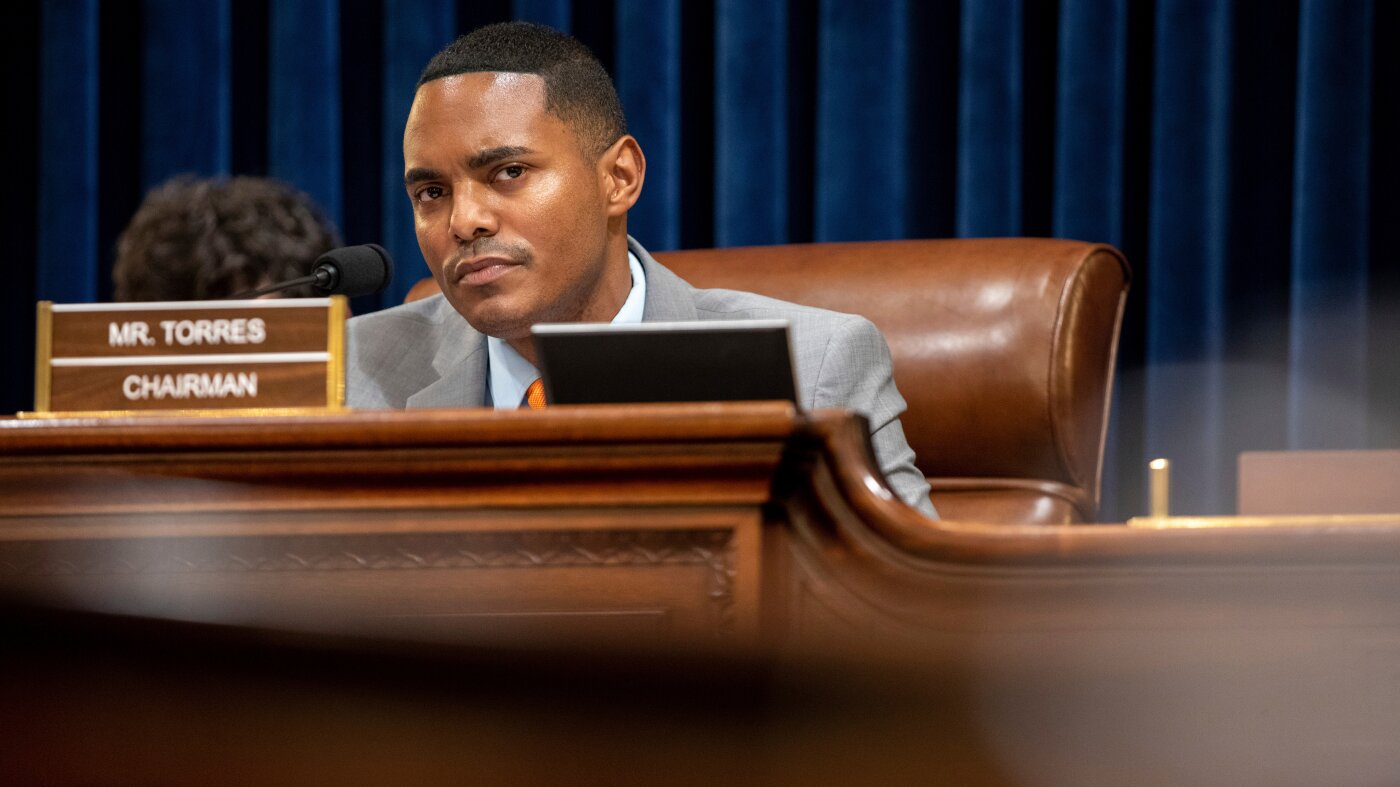
NEW YORK -- Calls are increasing inside Congress for investigations into the prediction market platform Polymarket after the latest instance where groups of anonymous traders made strategic, well-timed bets on a major geopolitical event hours before it occurred. On Wednesday, The Associated Press reported that at least 50 brand new accounts on Polymarket placed substantial bets on a U.S.-Iran ceasefire in the hours, even minutes, before President Donald Trump announced the ceasefire late Tuesday on social media. These were the sole bets made on Polymarket through these accounts. In January, an anonymous Polymarket user made a $400,000 profit by betting that Venezuelan leader Nicolas Maduro would be out of office, hours before Maduro was captured. In the hours before the start of the Iran war, another account made roughly $550,000 in a series of trades effectively betting that the U.S. would strike Iran and that Ayatollah Ali Khamenei would be removed from office. Such prescient wagers have raised eyebrows -- and accusations that prediction markets are ripe for insider trading. And the issue goes beyond these three geopolitical events, according to at least one report. Researchers at Harvard University released a paper last month where, using public blockchain data, they estimated that $143 million in profits have been made on Polymarket by individuals who potentially had insider information about events ranging from Taylor Swift's engagement to the awarding of the Nobel Peace Prize last year. Rep. Ritchie Torres, D-N.Y who sits on the House Financial Services Committee as well as the subcommittee on digital assets and financial technology, sent a letter Thursday to the Commodity Futures Trading Commission demanding the regulator review and investigate these well-timed trades. The CFTC regulates the derivatives markets, which includes prediction markets. "This pattern raises serious concerns that certain market participants may have had access to material nonpublic information regarding a market-moving geopolitical event," Torres wrote. The letter was shared exclusively with The AP. "What is the statistical likelihood that of anyone other than an insider trader placing a winning bet 12 minutes before a market-moving presidential announcement," Torres said in an interview with AP. "There are two answers: God, or an insider trader. And something tells me that God it not placing bets around Donald Trump's posts on Truth Social. " Prediction market platforms like Kalshi and Polymarket allow their users to bet on everything from whether it will rain in Phoenix, Arizona next week to whether the Federal Reserve will raise or lower interest rates. At this time, U.S. residents have limited access to Polymarket, which was banned from the U.S. in 2022. The company has moved to reenter the country by acquiring a CFTC-licensed exchange and clearinghouse, giving it a legal pathway to start offering contracts domestically. The company has begun a limited rollout in the U.S. Polymarket also operates a separate, crypto-based platform offshore that remains outside U.S. jurisdiction. That platform accounts for most of its activity. Sen. Richard Blumenthal, D-Connecticut, sent a letter to Polymarket on Thursday demanding the company explain why it continues to allow trades on war and violence as well as whether the company is making any efforts to keep insiders from trading on the platform. "Polymarket has become an illicit market to sell and exploit national security secrets unlike any in history, and by extension a potential honeypot for foreign intelligence services watching for those same suspicious bets and wagers," Blumenthal wrote. Republicans have also criticized these platforms and called for bans on these sorts of bets. There are at least two bills pending in Congress co-signed by both parties, one in the House and one in the Senate. "We don't want to imagine a world where America's adversaries use prediction markets to anticipate our next move," said Rep. Blake Moore, R-Utah, after the release of the AP's findings on the ceasefire wagers. Polymarket did not immediately reply to a request for comment. The stakes are high for both Kalshi and Polymarket as they seek approval to operate in the U.S. and nationwide, particularly in the lucrative sports betting market. Kalshi, which is already regulated in the U.S., and its executives have a goal of making the company the nation's dominant prediction market. Kalshi has also leaned heavily into sports, which critics have said effectively makes it a sports betting platform that dabbles in event-based contracts on the side. Both companies have also announced partnerships with sports teams and even news organizations to broaden their reach as well. The AP has an agreement to sell U.S. elections data to Kalshi. The competition also carries political overtones. Donald Trump Jr. is an investor in Polymarket through his venture capital firm, 1789 Capital, and separately serves as a paid strategic adviser to Kalshi.
Well-timed bets on Polymarket tied to the Iran war draw calls for investigations from lawmakers
NEW YORK -- Calls are increasing inside Congress for investigations into the prediction market platform Polymarket after the latest instance where groups of anonymous traders made strategic, well-timed bets on a major geopolitical event hours before it occurred. On Wednesday, The Associated Press reported that at least 50 brand new accounts on Polymarket placed substantial bets on a U.S.-Iran ceasefire in the hours, even minutes, before President Donald Trump announced the ceasefire late Tuesday on social media. These were the sole bets made on Polymarket through these accounts. In January, an anonymous Polymarket user made a $400,000 profit by betting that Venezuelan leader Nicolas Maduro would be out of office, hours before Maduro was captured. In the hours before the start of the Iran war, another account made roughly $550,000 in a series of trades effectively betting that the U.S. would strike Iran and that Ayatollah Ali Khamenei would be removed from office. Such prescient wagers have raised eyebrows -- and accusations that prediction markets are ripe for insider trading. And the issue goes beyond these three geopolitical events, according to at least one report. Researchers at Harvard University released a paper last month where, using public blockchain data, they estimated that $143 million in profits have been made on Polymarket by individuals who potentially had insider information about events ranging from Taylor Swift's engagement to the awarding of the Nobel Peace Prize last year. Rep. Ritchie Torres, D-N.Y who sits on the House Financial Services Committee as well as the subcommittee on digital assets and financial technology, sent a letter Thursday to the Commodity Futures Trading Commission demanding the regulator review and investigate these well-timed trades. The CFTC regulates the derivatives markets, which includes prediction markets. "This pattern raises serious concerns that certain market participants may have had access to material nonpublic information regarding a market-moving geopolitical event," Torres wrote. The letter was shared exclusively with The AP. "What is the statistical likelihood that of anyone other than an insider trader placing a winning bet 12 minutes before a market-moving presidential announcement," Torres said in an interview with AP. "There are two answers: God, or an insider trader. And something tells me that God it not placing bets around Donald Trump's posts on Truth Social. " Prediction market platforms like Kalshi and Polymarket allow their users to bet on everything from whether it will rain in Phoenix, Arizona next week to whether the Federal Reserve will raise or lower interest rates. At this time, U.S. residents have limited access to Polymarket, which was banned from the U.S. in 2022. The company has moved to reenter the country by acquiring a CFTC-licensed exchange and clearinghouse, giving it a legal pathway to start offering contracts domestically. The company has begun a limited rollout in the U.S. Polymarket also operates a separate, crypto-based platform offshore that remains outside U.S. jurisdiction. That platform accounts for most of its activity. Sen. Richard Blumenthal, D-Connecticut, sent a letter to Polymarket on Thursday demanding the company explain why it continues to allow trades on war and violence as well as whether the company is making any efforts to keep insiders from trading on the platform. "Polymarket has become an illicit market to sell and exploit national security secrets unlike any in history, and by extension a potential honeypot for foreign intelligence services watching for those same suspicious bets and wagers," Blumenthal wrote. Republicans have also criticized these platforms and called for bans on these sorts of bets. There are at least two bills pending in Congress co-signed by both parties, one in the House and one in the Senate. "We don't want to imagine a world where America's adversaries use prediction markets to anticipate our next move," said Rep. Blake Moore, R-Utah, after the release of the AP's findings on the ceasefire wagers. Polymarket did not immediately reply to a request for comment. The stakes are high for both Kalshi and Polymarket as they seek approval to operate in the U.S. and nationwide, particularly in the lucrative sports betting market. Kalshi, which is already regulated in the U.S., and its executives have a goal of making the company the nation's dominant prediction market. Kalshi has also leaned heavily into sports, which critics have said effectively makes it a sports betting platform that dabbles in event-based contracts on the side. Both companies have also announced partnerships with sports teams and even news organizations to broaden their reach as well. The AP has an agreement to sell U.S. elections data to Kalshi. The competition also carries political overtones. Donald Trump Jr. is an investor in Polymarket through his venture capital firm, 1789 Capital, and separately serves as a paid strategic adviser to Kalshi.
Well-timed bets on Polymarket tied to the Iran war draw calls for investigations from lawmakers
NEW YORK -- Calls are increasing inside Congress for investigations into the prediction market platform Polymarket after the latest instance where groups of anonymous traders made strategic, well-timed bets on a major geopolitical event hours before it occurred. On Wednesday, The Associated Press reported that at least 50 brand new accounts on Polymarket placed substantial bets on a U.S.-Iran ceasefire in the hours, even minutes, before President Donald Trump announced the ceasefire late Tuesday on social media. These were the sole bets made on Polymarket through these accounts. In January, an anonymous Polymarket user made a $400,000 profit by betting that Venezuelan leader Nicolas Maduro would be out of office, hours before Maduro was captured. In the hours before the start of the Iran war, another account made roughly $550,000 in a series of trades effectively betting that the U.S. would strike Iran and that Ayatollah Ali Khamenei would be removed from office. Such prescient wagers have raised eyebrows -- and accusations that prediction markets are ripe for insider trading. And the issue goes beyond these three geopolitical events, according to at least one report. Researchers at Harvard University released a paper last month where, using public blockchain data, they estimated that $143 million in profits have been made on Polymarket by individuals who potentially had insider information about events ranging from Taylor Swift's engagement to the awarding of the Nobel Peace Prize last year. Rep. Ritchie Torres, D-N.Y who sits on the House Financial Services Committee as well as the subcommittee on digital assets and financial technology, sent a letter Thursday to the Commodity Futures Trading Commission demanding the regulator review and investigate these well-timed trades. The CFTC regulates the derivatives markets, which includes prediction markets. "This pattern raises serious concerns that certain market participants may have had access to material nonpublic information regarding a market-moving geopolitical event," Torres wrote. The letter was shared exclusively with The AP. "What is the statistical likelihood that of anyone other than an insider trader placing a winning bet 12 minutes before a market-moving presidential announcement," Torres said in an interview with AP. "There are two answers: God, or an insider trader. And something tells me that God it not placing bets around Donald Trump's posts on Truth Social. " Prediction market platforms like Kalshi and Polymarket allow their users to bet on everything from whether it will rain in Phoenix, Arizona next week to whether the Federal Reserve will raise or lower interest rates. At this time, U.S. residents have limited access to Polymarket, which was banned from the U.S. in 2022. The company has moved to reenter the country by acquiring a CFTC-licensed exchange and clearinghouse, giving it a legal pathway to start offering contracts domestically. The company has begun a limited rollout in the U.S. Polymarket also operates a separate, crypto-based platform offshore that remains outside U.S. jurisdiction. That platform accounts for most of its activity. Sen. Richard Blumenthal, D-Connecticut, sent a letter to Polymarket on Thursday demanding the company explain why it continues to allow trades on war and violence as well as whether the company is making any efforts to keep insiders from trading on the platform. "Polymarket has become an illicit market to sell and exploit national security secrets unlike any in history, and by extension a potential honeypot for foreign intelligence services watching for those same suspicious bets and wagers," Blumenthal wrote. Republicans have also criticized these platforms and called for bans on these sorts of bets. There are at least two bills pending in Congress co-signed by both parties, one in the House and one in the Senate. "We don't want to imagine a world where America's adversaries use prediction markets to anticipate our next move," said Rep. Blake Moore, R-Utah, after the release of the AP's findings on the ceasefire wagers. Polymarket did not immediately reply to a request for comment. The stakes are high for both Kalshi and Polymarket as they seek approval to operate in the U.S. and nationwide, particularly in the lucrative sports betting market. Kalshi, which is already regulated in the U.S., and its executives have a goal of making the company the nation's dominant prediction market. Kalshi has also leaned heavily into sports, which critics have said effectively makes it a sports betting platform that dabbles in event-based contracts on the side. Both companies have also announced partnerships with sports teams and even news organizations to broaden their reach as well. The AP has an agreement to sell U.S. elections data to Kalshi. The competition also carries political overtones. Donald Trump Jr. is an investor in Polymarket through his venture capital firm, 1789 Capital, and separately serves as a paid strategic adviser to Kalshi.
SpaceX is keeping the Space Station alive again this weekend
SpaceX's Falcon 9 launches Northrop Grumman's Cygnus NG-24 to the ISS with 11,000 pounds of cargo Saturday. SpaceX is targeting April 11 for the launch of Northrop Grumman's Cygnus XL cargo spacecraft to the International Space Station, carrying over 11,000 pounds of supplies, science hardware, and equipment for the Expedition 73 crew aboard. Liftoff is set for 7:41 a.m. ET from Space Launch Complex 40 at Cape Canaveral Space Force Station, with a backup window available April 12 at 7:18 a.m. ET. The mission, officially designated NG-24 under NASA's Commercial Resupply Services program, names its spacecraft the S.S. Steven R. Nagel in honor of the NASA astronaut who flew four Space Shuttle missions and logged over 723 hours in space before his death in 2014. Unlike SpaceX's own Dragon capsule, which docks autonomously, Cygnus relies on NASA astronauts to capture it using a robotic arm before it is berthed to the space station's module for unloading. When the mission wraps up around October, the Cygnus will depart loaded with station trash and burn up on reentry. Countdown: America is going back to the Moon and SpaceX holds the key to what comes after This is the second flight of the Cygnus XL configuration, which debuted on NG-23 in September 2025 and offers a roughly 20% increase in cargo capacity over the previous design. Northrop Grumman switched to Falcon 9 launches after its own Antares 230+ rocket was retired in 2023 following supply chain disruptions from the war in Ukraine. The upcoming cargo includes a new module to advance quantum research, and an investigation studying blood stem cell production in microgravity with potential therapeutic applications on Earth. The NG-24 mission is one piece of a much larger picture for SpaceX and the U.S. government. As Teslarati reported, SpaceX has become an indispensable launch provider for U.S. national security missions, picking up a $178.5 million Space Force contract in April 2026 to launch missile tracking satellites, while also holding roughly $4 billion in NASA contracts tied to the Artemis lunar program. At a time when no other American rocket can match the Falcon 9's combination of reliability, cost, and launch cadence, Saturday's mission is a straightforward reminder of how much the U.S. government now depends on a single commercial provider to keep its astronauts supplied and its satellites flying.