News & Updates
The latest news and updates from companies in the WLTH portfolio.
Scottish Mortgage climbs as SpaceX IPO gains momentum
Scottish Mortgage Investment Trust PLC (LSE:SMT) shares edged higher on Tuesday, taking gains this year to nearly 10%, as investors respond to the growing excitement around the IPO of one of its largest private investments: SpaceX. The Baillie Gifford-managed trust rose 1.3% to 1,284p this morning, with interest boosted by further reports today on SpaceX's preparations for a record-breaking initial public offering, with a strong focus on retail investors. Already the largest investment in its portfolio, the trust last week reported a further uplift in the carrying value of its shares in Elon Musk's rocket and satellite company, which lifted its net asset value to 1,316.12p at the end of March. The move has increased SpaceX's weighting in the portfolio to 19.3%, up from 15.4% at the end of February and 8.2% in November. The trust has been increasing its exposure to private companies more broadly. Last month, it asked shareholders to approve a change allowing up to £250 million of additional unlisted investments even if its existing 30% limit is exceeded. The shift reflects a growing focus on earlier-stage growth opportunities and a trend for companies to remain unlisted for longer.

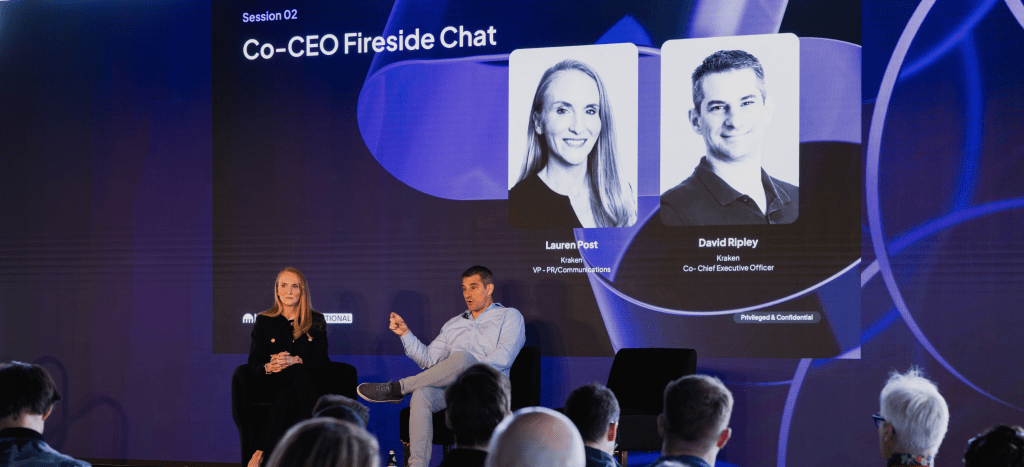
Recap: Kraken Institutional Forum - New York, March 2026
We brought some of the most forward-thinking minds in institutional crypto together for a full afternoon of conversation, debate, and deal-making in New York City. The Kraken Institutional Forum was a closed-door gathering designed not for headlines, but for substance: a space where clients, prospects, and Kraken leadership could get into the details of where institutional crypto is heading and what it takes to get there. Here's a look at what was covered and why the conversations that took place will shape how institutions engage with this market in the months ahead. The afternoon opened with welcome remarks from Gurpreet Oberoi, Head of Kraken Institutional, who set the tone by framing the day around a simple but consequential question: what does it actually take to build institutional-grade infrastructure for digital assets, and who is positioned to deliver it? His answer, and a theme that echoed throughout the day, was that the institutions that win in this market will be vertically integrated platforms that seize the momentum. Gurpreet drew a direct parallel to the stablecoin moment five years ago: just as people once questioned why anyone would want a digital dollar, the questions being asked about institutional crypto today will look equally short-sighted in hindsight. From tokenized equities to sophisticated trading strategies, the multi-trillion asset-class is just getting started. Following the opening remarks, Dave Ripley sat down with Lauren Post for a wide-ranging fireside conversation that set the intellectual backdrop for the rest of the afternoon. Dave opened by taking the room through Kraken's 14-year journey across crypto's most turbulent market cycles, framing each one not as a setback but as a formative lesson. Security came first: Kraken was born directly out of the Mt. Gox hacks of 2012 and 2013, with co-founder Jesse Powell's response to those breaches becoming the founding philosophy of the platform. Financial discipline came next, forged through the cold bear market of 2015 and reinforced sharply in 2021, when Kraken watched peers like Voyager, Celsius, and FTX chase growth without guardrails. Scalability was the lesson of 2017, when a 1,000x surge in throughput forced a full rewrite of the matching engine mid-cycle. And through the 2023 bear market, as banking partners disappeared and competitors exited markets, Kraken's foundations held: a testament to the financial discipline and operational resilience built up over the previous decade. The thread running through all of it, Dave argued, is a culture of being what Kraken calls "productively paranoid." Security, financial risk, and regulatory compliance aren't functions sitting in a corner of the business: they're embedded into every team, every decision, and every product. On institutional adoption, Dave was direct: for the first time in a decade of hearing "institutions are coming," he genuinely believes it. The progression has been gradual. Venture capital first, then high-frequency trading firms, then isolated macro investors like Paul Tudor Jones and Stan Druckenmiller, then the ETF wave. But 2026 feels different. Major banks and brokers have spent the last 12 months actually integrating crypto into their platforms, and Dave expects many of them to go live this year. The infrastructure is ready, the appetite is there, and the direction of travel is clear. On tokenization, he pointed to xStocks, already the highest-volume tokenized equity product in the market, as proof that the stablecoin playbook is repeating itself. People once asked why anyone would want a digital dollar. They now ask why anyone would want a tokenized stock. In both cases, the answer becomes obvious in hindsight. Tokenized metals, private credit, and private equity are next, and the infrastructure to support them is being built now. Early in the afternoon, Gurpreet Oberoi moderated a panel discussion featuring Gordon Grant of Bitwise and Chris Perkins of CoinFund: two of the most experienced operators at the intersection of traditional finance and digital assets. The conversation was wide-ranging and candid. On the state of the market, Chris pushed back on bearish sentiment directly: retail has been burned, but institutions are marching forward, driven by material regulatory unlocks and fundamental improvements across the board. His view, that this is a generational entry point, was grounded in a simple observation: the macro stress of recent months saw capital flow into gold rather than Bitcoin not because the Bitcoin thesis had changed, but because the majority of allocators are still familiarizing themselves with the asset class. That's a timing issue, not a structural one. The institutions are coming, and when retail returns, they'll be joined by a third demographic: agents. Gordon brought a derivatives lens to the same question. The infrastructure picture has changed fundamentally. You now have OTC Bitcoin derivatives, options on spot ETFs, options on CME futures, and Bitcoin increasingly accepted as collateral. Before long, that entire ecosystem will be viewed as a single market with over $150 billion in daily liquidity across spot, futures, and options, available 24/7. The institutions that recognize this earliest will have a meaningful advantage. On derivatives specifically, both panellists were emphatic: derivatives run markets, and crypto's derivatives market is still dramatically underdeveloped relative to where it needs to be. Options currently represent a fraction of total crypto volumes; within two years, that should shift materially. Chris was clear that whoever wins the derivatives market wins the broader market: single-token futures, perps, and basis trading strategies will be the engine of the next phase of institutional growth. Gurpreet Oberoi led a candid roundtable on capital concentration. BTC and ETH will remain dominant for now, but the structural conditions for institutions to move meaningfully into the broader market are developing fast. As they do, counterparty quality becomes as important as asset selection. Kraken's approach of not taking on principal risk and operating as a trusted, regulated counterparty is increasingly what institutions demand as they scale, with the ability to support both large-cap strategies and emerging token ecosystems within a single, resilient platform. Pier Procacci, Head of Institutional Product, facilitated what may have been the day's most forward-looking discussion. The room was aligned on one important shift: tokenization has moved decisively past the exploration and hype phase. The conversation is no longer about whether it's possible, but how to execute and scale. Oracle infrastructure, secondary liquidity, and custody solutions all need to keep pace, and Kraken's integrated approach positions it as one of the few platforms where this vision is already becoming operational. Jonathan Marcus, Head of Staking, and Olivier Mammet, Head of OTC, led a session on a question that is front of mind for most institutional allocators: how do you make digital asset capital work harder? A model gaining real traction is using a qualified custodian like Kraken as the connective tissue, linking institutions directly to a top-tier asset manager like Bitwise for yield, while using cross-margin positions as collateral to maximize capital efficiency. The vision is a genuine one-stop shop: custody, yield, and financing under one roof. Jack Finio led a roundtable on the infrastructure gap that still slows capital movement between crypto and traditional markets. Tri-party collateral arrangements generated the most interest: specifically, the ability to use traditional assets held with conventional custodians as collateral for crypto positions, allowing institutions to access crypto markets without moving capital into a new silo. It's a meaningful unlock, and one that sits squarely within Kraken's convergence thesis. CF Benchmarks' Gabriel Selby and Xin Wang led a session that felt particularly timely given the macroeconomic backdrop. Institutional demand for Bitcoin vol exposure is clicking into high gear as banks begin offering more structured products, and the conversation reflected that shift in real time. A theme that emerged strongly was the change in how market participants are approaching volatility itself: amid the turbulence of 2026, institutions are increasingly assessing and managing vol in a more deliberate and disciplined way, moving beyond using it purely as a hedging tool and towards treating it as an asset class in its own right, with dedicated strategies designed to monetize it systematically. Kraken Co-CEO David Ripley closed the forum by reflecting on a journey that started, in his words, with the belief that TradFi and crypto would never meet. He was, as he put it, "completely fucking wrong." The future isn't decentralized over here and centralized over there. It's a hybrid of the two, and the companies that understand both sides are the ones that will define what this market becomes. His message to everyone in the room: Kraken isn't building for the current moment. It's building for the institution that wants a long-term partner as this asset class reaches its next phase of maturity: fully integrated, vertically consolidated, and already operating at a scale that most of the industry is only beginning to target. Interested in learning more about what Kraken Institutional offers?
SpaceX 600x Earnings: I'm Calling It A Strong Buy Anyway (Private:SPACE)
In my view, setting aside up to 30% of SPACE IPO shares for retail investors could amplify post-IPO frenzy and produce a CoreWeave-like post IPO price action. As an aerospace engineer myself, despite having very low (nay, extremely low) conviction in the "AI in space" narrative, I rate SpaceX (SPACE) a Strong Buy. Wait. What? Unlike traditional value investors, I strongly Small deep value individual investor, with a modest private investment portfolio, split approx. 50%-50% between shares and call options. I have a B.Sc. in aeronautical engineering and over 6 years of experience as an engineering consultant in the aerospace sector. The latter statement is not relevant in any way whatsoever to my investment style, but I thought to add it for self-indulgent purposes. I have a contrarian investment style, highly risky, and often dealing with illiquid options. How illiquid? Well, you can land a Jumbo on the spread and still have clearance for take-off. From time to time, I buy shares, mostly to not be categorized as a degen by my fellow investor friends, therefore the 50%-50% allocation. My timeframe tends to be between 3-24 months.I like stocks that have experienced a recent sell-off due to non-recurrent events, particularly when insiders are buying shares at the new lower price. This is how I often screen through thousands of stocks, mainly in the US, although I may own shares in banana republics. I use fundamental analysis to check the health of companies that pass through my screening process, their leverage, and then compare their financial ratios with the sector, and industry median and average. I also do professional background checks of each insider who purchased shares after the recent sell-off. I use technical analysis to optimize the entry and exit points of my positions. I mainly use multicolor lines for support and resistance levels on weekly charts. From time to time I draw trend lines, taken for granted, in multicolor patterns. Note: I tried to keep my introduction as real, and authentic as possible. I dislike empty suits, high-level BS, deep-level BS, unnecessary jargon, and self-indulgent, third-person written introductions with an air of superiority.Thanks for reading my introduction! Analyst's Disclosure: I/we have no stock, option or similar derivative position in any of the companies mentioned, and no plans to initiate any such positions within the next 72 hours. I wrote this article myself, and it expresses my own opinions. I am not receiving compensation for it (other than from Seeking Alpha). I have no business relationship with any company whose stock is mentioned in this article. Seeking Alpha's Disclosure: Past performance is no guarantee of future results. No recommendation or advice is being given as to whether any investment is suitable for a particular investor. Any views or opinions expressed above may not reflect those of Seeking Alpha as a whole. Seeking Alpha is not a licensed securities dealer, broker or US investment adviser or investment bank. Our analysts are third party authors that include both professional investors and individual investors who may not be licensed or certified by any institute or regulatory body.
Anthropic Reports $30 Billion Run Rate, Expands Broadcom-Google AI Partnership
This article first appeared on GuruFocus. Anthropics latest update reads less like incremental progress and more like a sharp step-function in demand, with the company now reporting a $30 billion revenue run rate, up from $9 billion at the end of 2025. The acceleration appears tied to enterprise adoption of its Claude services, where more than 1,000 customers are now spending over $1 million annually, a figure that has more than doubled since February. The trajectory suggests AI workloads are moving deeper into enterprise budgets, even as the company continues to navigate a dispute with the US government that it has said could potentially impact revenue. To support that surge, Anthropic is expanding its collaboration with Broadcom (NASDAQ:AVGO) and Google (NASDAQ:GOOG), building out the infrastructure required to handle rising demand. The partnership, first outlined last month, includes plans to access roughly 3.5 gigawatts of compute capacity starting in 2027, contingent on Anthropics continued commercial momentum. Broadcom is developing chips based on Googles tensor processing units, offering an alternative to Nvidias architecture, while also entering a long-term supply agreement with Google that extends through 2031. The setup could position Broadcom more directly in the AI silicon conversation as hyperscale demand continues to broaden. Investor reaction appears to reflect that potential shift, with Broadcom shares rising as much as 3.6% in late trading following the filing. Management has previously indicated that AI chip revenue could exceed $100 billion next year, reinforcing expectations that custom silicon tied to large-scale AI deployments may become a central growth driver. Still, the scale of Anthropics future compute consumption remains linked to its ability to sustain commercial traction, leaving both execution and regulatory developments as variables that could shape the trajectory from here.

Broadcom Stock Jumps on Google, Anthropic AI Chip Deals
This article first appeared on GuruFocus. Broadcom (NASDAQ:AVGO) shares rose about 4% on Tuesday after the chipmaker said it signed multiyear agreements with Alphabet (NASDAQ:GOOGL) and Anthropic to supply custom AI processors and networking gear. The deals run through 2031 and center on tensor processing units, or TPUs, which Broadcom will help develop for Google's AI data centers. Anthropic will also get access to 3.5 gigawatts of computing capacity from Google's AI chips starting in 2027. The agreements give Broadcom more visibility into demand for its custom chip and networking business at a time when cloud providers are looking for alternatives to Nvidia's graphics processors. They also deepen the company's role in the infrastructure used to train and run large AI models. Broadcom said the Google pact covers next-generation TPUs, networking parts and other components used in advanced AI racks.
SpaceX courts retail investors in push for biggest IPO in history
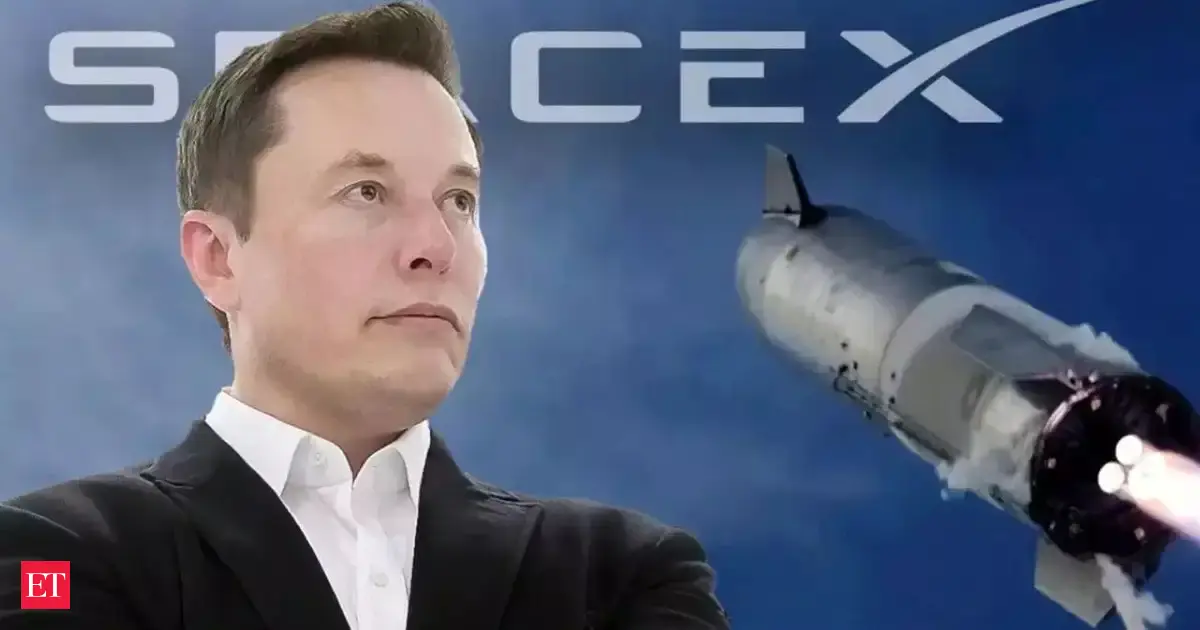
SpaceX will kick off the marketing for its highly anticipated stock exchange debut by hosting an event in June for 1,500 retail investors, as executives set out to convince buyers that the aerospace-to-artificial-intelligence group should be valued at $2 trillion. In an unusual move, the company has earmarked a large portion of its shares - potentially up to 30% - for non-professional, non-institutional investors, banking on the popularity of its chief executive, Elon Musk, to help it raise $75bn (about £56bn) in what is expected to be the largest public offering in history. SpaceX set out plans for a summer "roadshow" to its bankers on Monday night, according to Reuters. The process will begin on 7 June, as executives brief analysts from the 21 banks retained to work on the deal, followed by an event for retail investors on 11 June. The venue has not yet been disclosed. While sales direct to retail subscribers were an established part of government privatisations during the 1980s, with many UK savers getting their first chance to own shares with the sale of British Telecom, privately held companies often ignore smaller investors at launch. Musk appears intent on rewriting the rules with the SpaceX initial public offering (IPO). "Retail is going to be a critical part of this and a bigger part than any IPO in history," SpaceX's chief financial officer, Bret Johnsen, is reported to have said during the virtual meeting. Johnsen said the large retail component was by design as "those are folks that have been incredibly supportive of us and of Elon (Musk) for a long time, and we want to make sure that we recognise that". SpaceX will also offer its shares to investors from the UK, EU, Australia, Canada, Japan and Korea. Analysts have compared the hype around SpaceX's flotation, projected to be the largest in history, to the excitement that greeted Google's launch in 2004. In February, when it merged with Musk's artificial intelligence venture, xAI, the conglomerate was valued at $1.25tn; over the past month, that number has moved to $1.75tn and is now - according to Bloomberg - $2tn. The details of its offering have been closely held, although more are expected to emerge in late May, when it makes its prospectus public. The company has retained the largest banks on Wall Street to lead the fundraising, working with Morgan Stanley, Bank of America, Citigroup, JP Morgan and Goldman Sachs. SpaceX generated roughly $15 to $16bn in revenue last year, with the biggest contributions coming from its satellite internet service Starlink, as well as extensive contracts with the US government for defence and space travel. Analysts estimate revenues could reach $20bn in 2026. George Ferguson, a senior industry analyst at Bloomberg Intelligence, predicted that growth would come from the satellite and space ventures, as "peer leaders", with xAI, which faces stiff competition from more established rivals, "likely to garner less than $1bn". While Elon Musk's original space ambitions included plans for building a civilisation on Mars, these have pivoted in the past month to a different goal: datacentres in space, which proponents argue could solve energy challenges through a constant supply of solar power. So far, however, this remains an unproven idea and is fraught with technological hurdles: solar radiation, space debris, and the more basic issue of getting the components of a datacentre into space and assembling it there. This would probably require advanced robotic systems that do not exist yet. SpaceX aims to surmount this with a new rocket, Starship, which it bills as the world's "most powerful launch vehicle". Yesterday, it delayed a test launch of that rocket until mid-May.
RLUSD, USDT and USDC to Welcome New Rival From Polymarket - U.Today
Disclaimer: The opinions expressed by our writers are their own and do not represent the views of U.Today. The financial and market information provided on U.Today is intended for informational purposes only. U.Today is not liable for any financial losses incurred while trading cryptocurrencies. Conduct your own research by contacting financial experts before making any investment decisions. We believe that all content is accurate as of the date of publication, but certain offers mentioned may no longer be available. Popular prediction market platform Polymarket has announced plans to launch its own stablecoin. According to the update, the new stablecoin -- which could rival Ripple's USD stablecoin (RLUSD), Circle's USDC and Tether's USDT -- will be known as PolymarketUSD. Notably, the prediction platform is migrating from its bridged USDC.e version to this new collateral token. While it will be backed 1:1 by USDC, it is not an independent stablecoin like RLUSD or USDT and can only be used internally inside Polymarket. The Polymarket platform will automatically convert USDC to PolymarketUSD, and users will just have to approve the conversion once. Thereafter, everything will work seamlessly. However, for advanced users who use trading bots, API integrations and programmatic trading, they will need to engage in manual conversion of their tokens. The upgrade is essential to eliminate bridge risks, and enable faster execution and better liquidity. Polymarket will be better able to control collateral using its own wrapped tokens as it simplifies internal accounting. Additionally, it will ensure improved infrastructure and lower gas fees. It will also make it easier for Polymarket to upgrade in the future as having its own collateral token offers more flexibility. All these would make the platform more efficient and attractive for institutional trading. This launch of its own stablecoin could signal a bigger strategic move in the prediction-market industry as Polymarket continues to grow in influence. Given that institutional traders often operate via smart contract wallets, Polymarket might be preparing for algorithmic trading or larger liquidity providers. Meanwhile, a crypto enthusiast, Tx_Hash, has called on Polymarket to make the wrap/unwrap process seamless and affordable. According to him, anything that is not cost-effective could cause the prediction platform to lose its most active users. PolymarketUSD could slightly reduce reliance on major stablecoins like RLUSD and USDT. However, the duo remains far ahead because they operate on a global scale and are not limited to internal usage like PolymarketUSD. It is worth noting that as of March 2026, cross-border B2B payments transacted using stablecoin surged by 733% or $226 billion in global flows. Of this amount, Ripple's USD stablecoin and Tether contributed to the figures. The same cannot be said of PolymarketUSD, as it will be strictly internal upon launch. Additionally, Tether remains a leading player in the stablecoin space with a massive $84 billion in market capitalization. That achievement remains a tall order for any new entrant to flip.

Debut Book by Leading PR Strategist Samantha Flynn - The EntrePReneur Advantage: Turning Chaos into Clarity - Elevates Public Relations as an Entrepreneurial and Brand Growth Tool | Weekly Voice
Now Available, Owner of the Award-Winning Agency Junipr Public Relations Helps Readers Leverage PR Principles to Lead Authentically, Build Strong Brands and Break Through the Noise CHICAGO, April 7, 2026 /PRNewswire/ -- Renowned, public relations strategist, entrepreneur and agency founder Samantha Flynn has released her debut book, The EntrePReneur Advantage: Turning Chaos into Clarity, a practical guide for entrepreneurs, founders and business leaders looking to leverage strategic communications to grow their brands with greater clarity, confidence and impact. Drawing from nearly two decades of experience in public relations and brand strategy, The EntrePReneur Advantage shares the foundational PR principles and actionable strategies that have helped Flynn build brands at the local, national and global level, and how those same philosophies served as entrepreneurial lifelines as she built Junipr Public Relations from the ground up into an award-winning agency in just six and a half years. The key to success? The PR principles of story architecture, message clarity, brand authenticity, audience psychology and media strategy, all of which can serve as powerful tools for anyone looking to build something meaningful and lasting, whether for their business, long-term career, current role or simply themselves. "People often think growth comes from doing more, being louder or trying to be everywhere at once. In reality, growth comes from being clear about who you are, what you do and why it matters. The businesses and brands that last are the ones people understand," said Samantha Flynn, Founder and Principal, Junipr Public Relations. Written for public relations and marketing professionals across the industry, The EntrePReneur Advantage explores the principles that shape stronger businesses, careers and brands over time including: Equal parts raw and strategic, The EntrePReneur Advantage offers an honest look at what it actually takes to grow a business, sharpen your voice and build a reputation that compounds over time. "Entrepreneurship was something I stumbled into, with no formal training, financing or long-term roadmap to rely on," said Flynn. "I wrote this book to share the lessons I learned in real time while building Junipr Public Relations, to talk honestly about the things no one tells you about being an entrepreneur and to offer perspective that helps others navigate the journey with a little more confidence and clarity." Junipr Public Relations' work has been consistently recognized at both the local and national level. In 2026, the agency was nominated for a PRSA Silver Anvil Award, the industry's highest professional honor. In 2025, Junipr received PRSA Chicago's "Best of Skyline" award, the city's top distinction, for its restaurant PR work, with additional category recognition from both PRSA Chicago and the Publicity Club of Chicago. A member of the Forbes Communications Council, Flynn is a highly sought after speaker and contributor to the national dialogue on public relations, including press appearances in Forbes, PRWeek, The Wrap and more. She is a regular speaker at leading marketing events and has been featured in PR and entrepreneur-focused publications nationwide. The EntrePReneur Advantage: Turning Chaos into Clarity by Samantha Flynn is available now in print and digital formats through Amazon. For more information, please visit www.SamanthaFlynn.com or www.JuniprPublicRelations.com. About Samantha Flynn Samantha Flynn is a dynamic entrepreneur and public relations professional with nearly two decades of experience. Since founding strategic communications firm Junipr Public Relations in 2019, Samantha has elevated the profiles of organizations ranging from global brands to Chicago nonprofits, making her a sought-after expert and speaker on the state of marketing, communications and entrepreneurship today. In 2026, she published her first book, The EntrePReneur Advantage: Turning Chaos into Clarity, which explores the PR principles that became entrepreneurial lifelines as she scaled an agency from bootstrap to award-winning. In 2026, she published her first book, The EntrePReneur Advantage: Turning Chaos into Clarity, which explores the PR principles that became entrepreneurial lifelines as she scaled an agency from bootstrap to award-winning. Samantha holds a Master of Science in Public Relations from the S.I. Newhouse School of Public Communications at Syracuse University and a Bachelor of Arts in Communications from Pennsylvania State University. About Junipr Public Relations Founded in 2019, Junipr Public Relations is an award-winning, PR-led strategic communications firm with offices in Chicago and Philadelphia. Guided by its ethos of Smart Work for Nice People™, Junipr's team of strategic practitioners spans three countries and brings together more than 60 years of collective experience in high-profile public relations. Junipr's work has been consistently recognized at both the local and national level. In 2026, the agency was nominated for a PRSA Silver Anvil Award, the industry's highest professional honor. In 2023, Junipr earned its Women Business Enterprise (WBE) certification. For more information, visit www.JuniprPublicRelations.com.

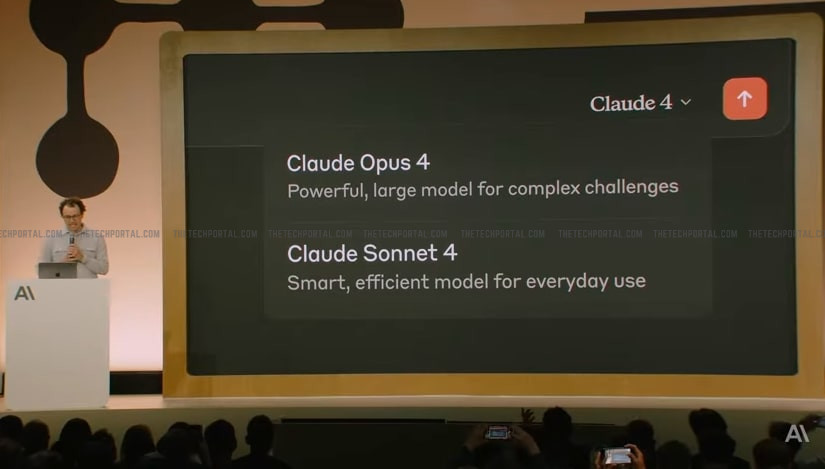
Anthropic partners with Google and Broadcom for 3.5GW AI compute expansion - The Tech Portal
Anthropic has expanded its partnership with Google and Broadcom to power its Claude AI models using next-generation TPU chips at massive scale. The new agreement will give Anthropic access to around 3.5 gigawatts of compute capacity, expected to come online starting in 2027. This builds on an earlier deal that already provided large-scale TPU infrastructure through Google Cloud. Broadcom is working along with Google to develop these custom TPU chips, supporting the overall hardware setup needed to run Claude at scale. The expansion comes at a time when demand for Claude is surging sharply. Anthropic claims its annual revenue run rate has exceeded $30 billion, up from about $9 billion at the end of 2025. Enterprise adoption is accelerating along with this growth. Earlier in the year, the company had reported around 500 business customers spending more than $1 million annually on Claude. That figure has now exceeded 1,000 customers, effectively doubling in less than two months. To support this growth, the AI giant is significantly increasing its investment in physical infrastructure. The company confirmed that most of the new compute capacity tied to this deal will be located in the United States. This aligns with its previously announced commitment to invest about $50 billion into strengthening domestic AI infrastructure, including data centers, power systems, and high-performance computing clusters. Anthropic continues to pursue a diversified hardware strategy. Claude models are trained and deployed across a mix of platforms, including chips from Nvidia, Google's TPUs, and Trainium processors from Amazon. This approach allows the company to assign workloads to the most efficient architecture depending on the task - whether it is large-scale training, fine-tuning, or real-time inference. The result is not just better cost-performance, but also greater system resilience, which is critical for enterprise customers depending on Claude for production use cases. Even Claude currently stands out as the only frontier AI model available across all three major global cloud platforms. It is accessible through Amazon Web Services via Bedrock, through Google Cloud's Vertex AI, and through Microsoft's Azure Foundry. This broad availability gives enterprises flexibility in how they deploy AI. However, despite the growing role of Google, Amazon continues to remain central to Anthropic's operations. The company describes Amazon Web Services as its primary cloud provider and training partner, with ongoing collaboration on large-scale initiatives like Project Rainier. Meanwhile, the timing of the latest move becomes critical as recent reports suggest that Anthropic is targeting an October 2026 window for a potential IPO, eyeing a raise of over $60 billion. The Tech Portal is published by Blue Box Media Private Limited. Our investors have no influence over our reporting. Read our full Ownership and Funding Disclosure →
SpaceX lays out IPO details, targets early June roadshow: sources
SpaceX lays out IPO details, targets early June roadshow: sources SpaceX outlined details of its highly anticipated IPO at a meeting with its team of bankers Monday (April 6) night, telling them it plans to earmark a large portion of shares for retail investors and will host 1,500 of them at an event in June following the IPO roadshow launch, according to two people familiar with the matter. Blanch Ancla has more.

Intel Joins Musk's Terafab AI Chip Project with SpaceX, Tesla, xAI
Intel is exploring collaboration with Musk's Terafab mega AI‑chip project -- a colossal, vertically integrated fab in Austin led by Tesla, SpaceX and xAI -- to possibly leverage Intel Foundry Services amid the $20-25B initiative. Intel to join Musk's Terafab mega AI chip project Intel Partners with Musk's Terafab AI Chip Complex April 7 (Reuters) - Intel said on Tuesday it would join Elon Musk's Terafab AI chip complex project along with SpaceX, Tesla and xAI. Overview of the Terafab Project Last month, Musk said his rocket company SpaceX - which recently merged with his social media and artificial intelligence company xAI - and EV firm Tesla would build two advanced chip factories at a sprawling facility in Austin, Texas, one to power cars and humanoid robots and another designed for AI data centers in space. SpaceX's Role and IPO Plans SpaceX, which confidentially filed for a U.S. initial public offering last week, plans a market launch later this year. Intel's Contribution and Market Impact "Our ability to design, fabricate, and package ultra-high-performance chips at scale will help accelerate Terafab's aim to produce 1 terawatt per year of compute to power future advances in AI and robotics," Intel said in a post on social media platform X. Shares of Intel were up about 2% in early trading. They have risen around 38% so far this year. (Reporting by Deborah Sophia in Bengaluru; Editing by Pooja Desai)
SpaceX courts retail investors in push for biggest IPO in history
Elon Musk's aerospace to AI company will host summer event to try to convince buyers it is worth $2 trillion SpaceX will kick off the marketing for its highly anticipated stock exchange debut by hosting an event in June for 1,500 retail investors, as executives set out to convince buyers that the aerospace-to-artificial-intelligence group should be valued at $2 trillion. In an unusual move, the company has earmarked a large portion of its shares - potentially up to 30% - for non-professional, non-institutional investors, banking on the popularity of its chief executive, Elon Musk, to help it raise $75bn (about £56bn) in what is expected to be the largest public offering in history. SpaceX set out plans for a summer "roadshow" to its bankers on Monday night, according to Reuters. The process will begin on 7 June, as executives brief analysts from the 21 banks retained to work on the deal, followed by an event for retail investors on 11 June. The venue has not yet been disclosed. While sales direct to retail subscribers were an established part of government privatisations during the 1980s, with many UK savers getting their first chance to own shares with the sale of British Telecom, privately held companies often ignore smaller investors at launch. Musk appears intent on rewriting the rules with the SpaceX initial public offering (IPO). "Retail is going to be a critical part of this and a bigger part than any IPO in history," SpaceX's chief financial officer, Bret Johnsen, is reported to have said during the virtual meeting. Johnsen said the large retail component was by design as "those are folks that have been incredibly supportive of us and of Elon (Musk) for a long time, and we want to make sure that we recognise that". SpaceX will also offer its shares to investors from the UK, EU, Australia, Canada, Japan and Korea. Analysts have compared the hype around SpaceX's flotation, projected to be the largest in history, to the excitement that greeted Google's launch in 2004. In February, when it merged with Musk's artificial intelligence venture, xAI, the conglomerate was valued at $1.25tn; over the past month, that number has moved to $1.75tn and is now - according to Bloomberg - $2tn. The details of its offering have been closely held, although more are expected to emerge in late May, when it makes its prospectus public. The company has retained the largest banks on Wall Street to lead the fundraising, working with Morgan Stanley, Bank of America, Citigroup, JP Morgan and Goldman Sachs. SpaceX generated roughly $15 to $16bn in revenue last year, with the biggest contributions coming from its satellite internet service Starlink, as well as extensive contracts with the US government for defence and space travel. Analysts estimate revenues could reach $20bn in 2026. George Ferguson, a senior industry analyst at Bloomberg Intelligence, predicted that growth would come from the satellite and space ventures, as "peer leaders", with xAI, which faces stiff competition from more established rivals, "likely to garner less than $1bn". While Elon Musk's original space ambitions included plans for building a civilisation on Mars, these have pivoted in the past month to a different goal: datacentres in space, which proponents argue could solve energy challenges through a constant supply of solar power. So far, however, this remains an unproven idea and is fraught with technological hurdles: solar radiation, space debris, and the more basic issue of getting the components of a datacentre into space and assembling it there. This would probably require advanced robotic systems that do not exist yet. SpaceX aims to surmount this with a new rocket, Starship, which it bills as the world's "most powerful launch vehicle". Yesterday, it delayed a test launch of that rocket until mid-May.

Amazon's Now pivot; Anthropic's revenue surge
Want this newsletter delivered to your inbox? Amazon is shuttering its Fresh service in major cities to focus on its quick commerce platform. This and more in today's ETtech Top 5. Also in the letter: ■ Boat founder's fresh fundraise ■ Cred widens mutual fund play ■ Visibility battle in AI space Amazon India is planning to shut down its Fresh service in 10 to 15 major cities across the country as it shifts its focus to its quick commerce bet, Amazon Now, according to a report by UBS Global Research. What is Fresh? Amazon Fresh delivers fresh fruit, vegetables, groceries, dairy, and meat products within 4-24 hours and is live in 120 cities. But as quick commerce takes off, Amazon has been pushing Now instead, expanding aggressively over the past few months. The 'quick' push: Amazon Now is currently operational in six cities, including Delhi, Bengaluru, and Mumbai. ET reported on March 13 that Amazon has been rapidly scaling Now and is expected to have hit 500 dark stores, adding roughly two facilities a day since December. Shopping shift: Amazon's quick-commerce bet comes as competition heats up and consumer behaviour shifts. A recent Grant Thornton report shows shoppers are relying less on local kirana stores than they did a year ago. But kiranas remain the preferred channel for planned purchases. Dario Amodei, CEO, Anthropic Anthropic says its revenue run rate has surged past $30 billion, according to a new blog post. Jargon buster: Revenue run rate is a projection of a company's future annual revenue based on its current or quarterly numbers - a favourite metric for fast-growing tech firms. Why this matters: This is a sharp jump. Anthropic's run rate was $9 billion at the end of 2025. Big-spending customers are rising fast too: clients paying over $1 million annually have doubled from 500 in February to more than 1,000 in under two months. For context, rival OpenAI's revenue run rate was a little over $25 billion by the end of February. Chip muscle: Anthropic also announced a deal with Google and Broadcom to secure large-scale access to Google's next-generation TPU (Tensor Processing Unit) chips. The tie-up is meant to secure the computing backbone it needs as demand climbs. Investor frenzy: Secondary-market interest is intense. Data from SetterVC shows Anthropic is now the most sought-after startup in the Q1 secondary market, overtaking SpaceX. Its shares are in high demand and short supply. Aman Gupta, founder, Boat Aman Gupta, cofounder of consumer electronics brand Boat, has raised Rs 100 crore for his new venture, Offbeat Studios. Round details: Background: Gupta first teased Offbeat Studios in early March without revealing a business model. Media reports suggest it will operate as a venture studio, helping early-stage founders and incubating new ideas. The move follows his shift to a non-executive director role at Boat last September. Around then, Sameer Mehta, cofounder and CEO of Imagine Marketing, became an executive director, while COO Gaurav Nayyar took over as CEO. Clean energy startup Ecoil has raised about $2.5 million in a round led by early-growth fund Fundalogical Ventures. Use of funds: Ecoil plans to use the capital to scale up operations, strengthen its tech platform, and deepen its presence across major Indian markets. The round also saw participation from Caspian Impact Investment, Momentum Capital, and existing investor The Chennai Angels. Kunal Shah, founder, Cred Fintech company Cred is doubling down on wealth management through Kuvera, the mutual fund platform it acquired in 2024. The app has been upgraded for affluent users who prefer slick, tech-led investing over traditional human advisors. New features: Strategic play: Cred has already partnered with DSP, ICICI Prudential, Aditya Birla Sun Life AMC, and HDFC AMC for the service. Founder Kunal Shah said the goal is to build for a new set of wealthy users. "Historically, wealth products were created by people who love managing wealth, tracking charts, and technicalities. But for most users, it is overwhelming." Background: Cred had acquired Kuvera, backed by US investment firm Fidelity, for an undisclosed sum in 2024. The deal marked its entry into India's fast-growing mutual fund market, taking on leaders like Zerodha and Groww. Indian businesses are preparing for a new front in the courts as AI platforms increasingly control what users see online. What's happening: Lawyers and policy analysts expect a wave of lawsuits as businesses push back against AI platforms for diverting traffic away from their sites and quietly leaving them out of AI-generated answers. Why companies are worried: The law hasn't kept pace with generative AI, lawyers say. Existing rules don't clearly address opaque summaries, lost visibility, or potential competitive harm when an AI system sidelines a company without notice or explanation. Flashpoint: The issue has sharpened since IndiaMART dragged OpenAI to the Calcutta High Court late last December. The company has alleged that ChatGPT selectively excluded IndiaMART from responses, causing both reputational and commercial damage. Explore other editions Updated On Apr 07, 2026, 07:16 PM IST
SpaceX IPO details: Big allocation for retail investors -- key details to know
SpaceX IPO 2026: SpaceX IPO is turning historic with $75 billion fundraising targets. Valuation may reach $1.75 trillion, reshaping global IPO markets. Retail investors could get up to 30% allocation, far above usual limits. Roadshow begins June 2026, with strong institutional backing already visible. Global participation is expected across US, Europe, and Asia markets. Demand may heavily oversubscribe available retail shares quickly. High valuation raises risks despite massive long-term growth expectations. This could redefine IPO access for ordinary investors worldwide. But can retail truly benefit before hype peaks and pricing stretches further?
Polymarket Replaces Bridged USDC Aiming for a U.S. Relaunch
The overhaul reduces bridge risk and adds features institutional traders typically require, including multisig support. Polymarket is executing what it describes as its largest infrastructure upgrade since launch -- rebuilding its trading engine and replacing its core collateral asset with a new native collateral token. The platform is moving away from bridged USDC (USDC.e) on Polygon and will instead settle positions in Polymarket USD, a proprietary token backed 1:1 by USDC held in reserve. Polymarket has used USDC.e since launch/ It is a version of the stablecoin bridged from Ethereum to Polygon. That arrangement introduced bridge risk: the possibility of exploits or failures in the third-party software connecting the two chains. The shift to a native collateral token removes that dependency. It also forms part of a broader engine overhaul the company calls CTF Exchange V2, which includes a rebuilt trading engine and a new hybrid central limit order book aimed at lower gas fees and faster execution. The upgrade also adds support for multi-sig wallets such as Safe -- a requirement for institutional clients and trading firms that need more granular security and governance controls. The timing is not incidental. Polymarket has been rebuilding its compliance architecture since settling a prior CFTC case, and a controlled, fully owned collateral layer is one of the structural prerequisites for a regulated U.S. relaunch. Institutional capital and regulatory confidence both require a platform that doesn't depend on third-party bridge infrastructure. The transition to Polymarket USD will roll out over the next few weeks. Regular users will see a one-click conversion prompt; API traders and bot operators will need to update their systems manually to interact with the new smart contracts. The upgrade follows record trading volumes. Whether the new architecture is sufficient to satisfy U.S. regulators -- or attract the institutional flows Polymarket is clearly positioning for -- remains to be seen.

Broadcom Signs Anthropic, Google TPU 'Groundbreaking' Deals To Drive AI Capacity
'Anthropic, beginning in 2027, will access through Broadcom approximately 3.5 gigawatts as part of the multiple gigawatts of next-generation TPU-based AI compute capacity committed by Anthropic,' says Broadcom in a government filing. Broadcom is making huge moves in the AI market as the $77 billion tech giant signs deals with Google and Anthropic around developing and supplying Tensor Processing Units (TPUs) as well as supplying networking components. Broadcom, Anthropic and Google signed a deal for approximately 3.5 gigawatts of next-generation TPU capacity starting in 2027. "Anthropic, beginning in 2027, will access through Broadcom approximately 3.5 gigawatts as part of the multiple gigawatts of next-generation TPU-based AI compute capacity committed by Anthropic," said Broadcom in a recent filing with the U.S. Securities and Exchange Commission. [Related: The 20 Hottest AI Cloud Companies: The 2026 CRN AI 100] The compute capacity will draw on Google's TPUs and come online in 2027 as Anthropic's annual run rate has more than tripled since late 2025. "The consumption of such expanded AI compute capacity by Anthropic is dependent on Anthropic's continued commercial success," Broadcom said. Anthropic said this week that the AI startup's annual revenue run rate has now crossed $30 billion. This represents an increase of over 300 percent compared with the roughly $9 billion Anthropic recorded at the close of 2025. "We are making our most significant compute commitment to date to keep pace with our unprecedented growth," said Krishna Rao, CFO of Anthropic, in a blog post. "This groundbreaking partnership with Google and Broadcom is a continuation of our disciplined approach to scaling infrastructure: We are building the capacity necessary to serve the exponential growth we have seen in our customer base while also enabling Claude to define the frontier of AI development," Rao said. Claude is Anthropic's most popular AI model family, initially released in 2023. The vast majority of the new compute infrastructure will be built in the U.S., Anthropic said. Separately, Broadcom and Google also entered into a long-term agreement "for Broadcom to develop and supply custom TPUs for Google's future generations of TPUs," said Broadcom in its filing. The two tech giants also entered a "Supply Assurance Agreement for Broadcom to supply networking and other components to be used in Google's next-generation AI racks through up to 2031," Broadcom said. Broadcom CEO Hock Tan recently spoke about the company's growing partnership with Google during its financial earnings report in March. "For Google, we continue our trajectory of growth in 2026 with strong demand for the seventh-generation iNode TPU. In 2027 and beyond, we expect to see even stronger demand from next generations of TPU," Tan said. In late 2025, Broadcom also created a new partnership with Anthropic rival OpenAI around custom silicon innovation for AI. Both AI model companies rely on GPUs from Nvidia through giant cloud providers like Google, AWS and Microsoft. In fact, many rivals are both competing and partnering with each other as the AI market booms. Anthropic, for its part, said customer needs are front and center when it comes to interoperability and cost optimization. "We train and run Claude on a range of AI hardware -- AWS Trainium, Google TPUs, and Nvidia GPUs -- which means we can match workloads to the chips best suited for them," said Anthropic in a statement regarding its new Broadcom and Google deal. "This diversity of platforms translates to better performance and greater resilience for customers who depend on Claude for critical work," said Anthropic. "Claude remains the only frontier AI model available to customers on all three of the world's largest cloud platforms: Amazon Web Services (Bedrock), Google Cloud (Vertex AI), and Microsoft Azure (Foundry)."
Chaos from the top: The global crises born of Trump's reckless leadership
The world in 2026 faces a series of crises with devastating consequences. Children are being killed in military strikes, governments are under attack, and senior religious and political leaders are being threatened. Much of this chaos can be traced back to the leadership and global actions of Donald Trump. His aggressive rhetoric, unilateral decisions, and disregard for diplomacy have created instability from the Middle East to Latin America and beyond. Iran is one of the most alarming examples. Senior religious leaders known as ayatollahs hold both spiritual and political authority. An ayatollah is a high-ranking Shiʿa Muslim scholar respected for knowledge of Islamic law and theology. Threats against leaders such as Ayatollah Ali Khamenei challenge the country's core governance and inflame tensions. Targeting or threatening these figures makes diplomatic solutions far more difficult and increases the risk of widespread conflict. Civilians, including children, are the first to suffer. Venezuela offers another clear example. The intervention that removed President Nicolás Maduro turned a political dispute into a military operation. Civilians were harmed, and infrastructure was destroyed. What should have been handled through negotiation became a violent disruption of sovereignty. The result was not only immediate human suffering but also a dangerous precedent: one major power acting unilaterally against another sovereign nation. Even in Nigeria, where attacks come from extremist groups rather than foreign powers, the global climate created by confrontational leadership elsewhere makes it harder to provide coordinated international support. This indirectly allows violence to grow and more people, especially children, to die. The ripple effects of reckless leadership are felt across continents, even in crises that are not directly caused by foreign intervention. What connects these events is a pattern. Under Donald Trump, threats replace dialogue, aggression replaces negotiation, and spectacle replaces careful planning. Major global powers carry responsibilities not only to their own citizens but to the world. Decisions made at the top can either stabilize the planet or create chaos. Trump's leadership demonstrates what happens when those responsibilities are ignored. The lesson is stark. The world cannot risk having a leader like Donald Trump in charge of a major economy or military power again. Stability, human life, and international law depend on leaders who prioritize diplomacy, respect sovereignty, and protect civilians. Threatening children, attacking civilian infrastructure, or targeting senior leaders like ayatollahs is unacceptable. The cost of ignoring this lesson is far too high. For the sake of nations, communities, and future generations, the world must ensure that reckless leadership does not repeat itself.

Samantha Flynn Releases The EntrePReneur Advantage: Turning Chaos into Clarity, a Guide to Building a Brand with Public Relations Principles
Den Basisprospekt sowie die Endgültigen Bedingungen und die Basisinformationsblätter erhalten Sie bei Klick auf das Disclaimer Dokument. Beachten Sie auch die weiteren Hinweise zu dieser Werbung. The EntrePReneur Advantage is available now on Amazon To view an enhanced version of this graphic, please visit: https://images.newsfilecorp.com/files/10373/290913_e6145779e4f5990a_00 ... Drawing from nearly two decades of experience in public relations, Flynn demonstrates how key PR principles -- clarity, consistency, and audience psychology -- can be applied to drive business growth. The book emphasizes that PR is not just for large corporations but is a vital tool for any entrepreneur seeking to establish a strong brand presence. In The EntrePReneur Advantage, Flynn blends memoir and business strategy, offering insights from her career while outlining actionable strategies for entrepreneurs. The book explores how clarity in messaging, consistency across channels, and an understanding of audience psychology can elevate a brand's identity and foster lasting connections with customers. A central theme of the book is the importance of leading with authenticity. Flynn discusses how entrepreneurs can break free from external expectations and market noise, embracing a clear and values-driven approach that allows for stronger, more meaningful engagement with their audience. "Clarity in communication is crucial for sustainable growth," Flynn notes. "When messaging is aligned with purpose, it becomes easier to build trust and consistency over time." The book presents practical steps for: * Clarifying their brand's message to communicate with their target audience effectively. * Understanding audience psychology to engage and connect with customers more deeply. * Building a resonant brand that aligns with their business goals and speaks to their ideal customers. * Leading with authenticity to foster trust and grow their business in an authentic way. The EntrePReneur Advantage targets entrepreneurs, founders, and small business owners who seek to clarify their messaging and build a recognizable, consistent brand. It aims to provide valuable insights into overcoming common challenges related to brand visibility, market differentiation, and message consistency. About the Author Samantha Flynn is the founder of Junipr Public Relations, a leading firm specializing in brand identity development, PR strategies, and helping businesses increase visibility. With over 20 years of experience in public relations, Flynn's approach has helped numerous companies grow their brands and build strong reputations. The EntrePReneur Advantage reflects her expertise and offers entrepreneurs the tools they need to succeed in today's fast-paced marketplace. To view the source version of this press release, please visit https://www.newsfilecorp.com/release/290913

Elon Musk's xAI Rivalry Sparks OpenAI Legal Action and State Investigation Request
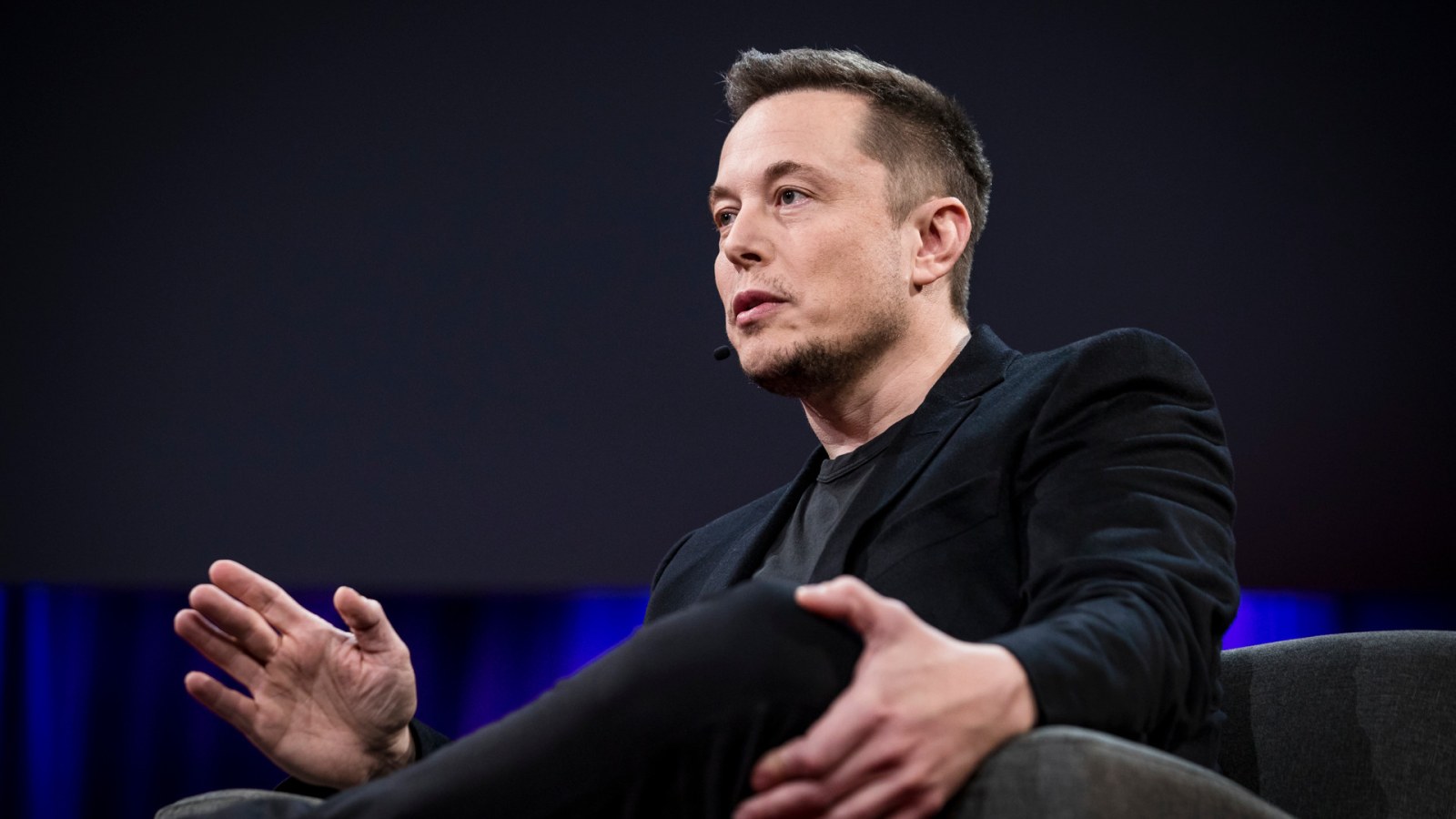
OpenAI has asked state officials in California and Delaware to investigate Elon Musk and his associates for what it calls "improper and anti-competitive behavior," as a major court battle between the two sides nears. In a letter sent Monday to California Attorney General Rob Bonta and Delaware Attorney General Kathy Jennings, OpenAI claimed Musk's actions could harm fair competition and disrupt its mission. The request comes just weeks before a jury trial expected to begin later this month in California. The dispute traces back to Musk's lawsuit filed in 2024 against OpenAI and its CEO, Sam Altman. Musk accused the company of moving away from its original nonprofit mission as it shifted toward a for-profit structure. Musk, who co-founded OpenAI in 2015, left the group in 2018 and later launched rival AI company xAI, which created the chatbot Grok, Reuters reported. OpenAI said Musk's lawsuit is seeking more than $100 billion in damages from its nonprofit foundation, a move it warned could seriously damage the organization. A judge has already ruled that the case will go before a jury. Jason Kwon, OpenAI's chief strategy officer, said in the letter that Musk's actions may interfere with the company's goal of developing artificial general intelligence, or AGI, for public benefit. "These attacks are designed to take control of the future of AGI out of the hands of those who are legally obligated to pursue the mission of ensuring that AGI benefits all of humanity," Kwon wrote. The company also raised concerns about alleged coordination between Musk and Mark Zuckerberg, though it said Zuckerberg did not join a past investment bid tied to Musk's group. OpenAI further pointed to reports claiming that individuals linked to Musk gathered information about Altman and spread harmful claims. It argued that such actions show a pattern of behavior that should be reviewed by regulators. Chris Lehane, OpenAI's chief global affairs officer, questioned why powerful tech leaders would try to block the company's progress. According to CNBC, he said their actions are "highly questionable and sharply worthy of investigation." The company also warned that if Musk succeeds in court, it could benefit xAI's Grok platform, which has faced scrutiny over its outputs. Musk has not publicly responded to the latest claims.
Anthropic Making $200 Million Bet on New Enterprise Arm | PYMNTS.com
By completing this form, you agree to receive marketing communications from PYMNTS and to the sharing of your information with our sponsor, if applicable, in accordance with our Privacy Policy and Terms and Conditions. This effort would see the artificial intelligence (AI) startup try to sell its tools to the private equity (PE) outfits portfolio companies as it tries to strengthen its enterprise customer base, The Wall Street Journal (WSJ) reported Monday (April 6). Blackstone, General Atlantic and Hellman & Friedman are among the PE firms in talks to back the project, sources familiar with the matter told the WSJ. Anthropic is in discussions to raise $1 billion for the project, a figure that includes its $200 million, the sources said. The new venture would act as a consulting arm for Anthropic that helps businesses incorporate the company's AI tools in their operations, per the report. The WSJ story follows previous reporting from The Information about Anthropic's efforts to recruit PE clients. As the WSJ notes, both Anthropic and rival OpenAI are racing to claim revenue from business clients hoping to boost productivity with AI. Both companies, the report added, view themselves as well-placed to capitalize on the wider use of their products in U.S. workplaces. "Anthropic has been repositioning Claude from a conversational assistant into a tool embedded in enterprise operations," PYMNTS wrote last month, referencing the company's flagship artificial intelligence product. As covered here, the company is expanding Claude beyond chat "into structured enterprise workflows, integrating the model into coding, document analysis and business process automation." OpenAI is also reportedly working on a $10 billion joint venture with PE firms to expand the use of its AI tools. The company reassigned its chief operating officer to work on this effort. The WSJ report also points out that Fidji Simo, a top OpenAI executive, wrote in a post on social media X last month that the company aims to send engineers to work at these companies to instruct them how to use the technology. PYMNTS wrote late last year about the way PE firms are employing AI within their own operations, testing whether it can improve forecasting and identify risks earlier. "The shift signals that AI is becoming less of an experiment and more of an operational requirement," that report said. This evolution, the report continued, is most visible in the earliest phases of investment work. For example, Boston-based PE company BayPine has started integrating AI into its investment and operating workflows. "Underwriting value creation from data and AI at the outset significantly increases the likelihood of successful implementation during the ownership period," Cory A. Eaves, partner and head of Portfolio Operations at BayPine, wrote in a June Private Markets Insights report.