News & Updates
The latest news and updates from companies in the WLTH portfolio.
OpenAI, Anthropic prep to unleash AI's next leap
OpenAI and Anthropic are about to launch new AI models for a world changed by OpenClaw. Anthropic has its "Claude Mythos" model, and OpenAI is preparing to launch its "Spud" model. Both companies are touting these as extremely powerful models that represent the next big leap for LLMs. And if that's the case, despite the codenames, these models could roll out as Claude 5.0 and ChatGPT 6.0. There are several factors to watch: One reason these models are advancing so rapidly and reaching a higher stage of development is that the labs are now using the models themselves to help build and improve the models. Sam Altman mentioned this when the company released GPT-5.3-Codex. This is a process called recursive self‑improvement (RSI), and it has long been anticipated as the point where AI systems will make a dramatic leap forward. We've already seen AI hit a new gear in 2026 with personal AI agents unleashing a wave of automation, productivity gains, and software improvements. That was led, of course, by OpenClaw. And now we're seeing the benefits OpenClaw has unlocked being adopted by AI and software companies across the tech industry. That agentic movement is about to get supercharged by these new models. But as we give the agents more rocket fuel, it's important to remember that they're non-deterministic systems that can go rogue and do things we didn't expect. That's going to make it more important than ever that we build good harnesses and systems to contain these agents to protect against the worst possible outcomes.

AI giant Anthropic says 'exploring' Australia data centre investments
Artificial intelligence giant Anthropic is eyeing data centre investments in Australia, saying Wednesday the nation was a "natural partner" for work in the booming sector. With immense renewable energy potential and vast stretches of uninhabited land, Australia has touted itself as a prime location for the power-hungry data centres needed to power AI. US-based Anthropic said it was "exploring investments in data centre infrastructure and energy throughout the country" after signing a memorandum of understanding with the Australian government. "The visit to Australia marks the beginning of long-term collaboration and investment into the Asia-Pacific region," the technology company said in a statement. "Australia's investment in AI safety makes it a natural partner for responsible AI development." The agreement, signed by Anthropic chief executive Dario Amodei in capital Canberra, said the firm would abide by local laws to "maintain strong social licence for investment". Australia's arts sector has accused Anthropic and other AI companies of pushing to loosen copyright laws so chatbots can be trained on local songs and books. Anthropic said it had also agreed to share AI research and safety information with Australian regulators, mirroring similar agreements in Japan and Britain. Industry Minister Tim Ayres said Australia and Anthropic would "harness AI responsibly". - Energy-intensive - New data centres -- warehouse facilities that store files and power AI tools -- are springing up worldwide. But there are increasing fears about the environmental impact of hulking data hubs. Singapore halted data centre developments between 2019 and 2022 over energy, water and land use worries. Australia last week adopted new rules governing the operation of data centres. Tech companies must show how they will source renewable energy and minimise their emissions. "As demand for AI grows, continued expansion of data centre infrastructure must reflect Australian values and be environmentally and socially sustainable," the guidelines state. Anthropic's Claude is the Pentagon's most widely-deployed frontier AI model and the only such model currently operating on its classified systems. But the company is locked in a dispute with the US government, after saying it would refuse to let its systems be used for mass surveillance. Washington has since described Anthropic's tools as an "unacceptable risk to national security". The United States has not only blocked use of the company's technology by the Pentagon, but also requires all defense contractors to certify that they do not use Anthropic's models.
AI giant Anthropic says 'exploring' Australia data centre investments
Artificial intelligence giant Anthropic is eyeing data centre investments in Australia, saying Wednesday the nation was a "natural partner" for work in the booming sector. With immense renewable energy potential and vast stretches of uninhabited land, Australia has touted itself as a prime location for the power-hungry data centres needed to power AI. US-based Anthropic said it was "exploring investments in data centre infrastructure and energy throughout the country" after signing a memorandum of understanding with the Australian government. "The visit to Australia marks the beginning of long-term collaboration and investment into the Asia-Pacific region," the technology company said in a statement. "Australia's investment in AI safety makes it a natural partner for responsible AI development." The agreement, signed by Anthropic chief executive Dario Amodei in capital Canberra, said the firm would abide by local laws to "maintain strong social licence for investment". Australia's arts sector has accused Anthropic and other AI companies of pushing to loosen copyright laws so chatbots can be trained on local songs and books. Anthropic said it had also agreed to share AI research and safety information with Australian regulators, mirroring similar agreements in Japan and Britain. Industry Minister Tim Ayres said Australia and Anthropic would "harness AI responsibly". - Energy-intensive - New data centres -- warehouse facilities that store files and power AI tools -- are springing up worldwide. But there are increasing fears about the environmental impact of hulking data hubs. Singapore halted data centre developments between 2019 and 2022 over energy, water and land use worries. Australia last week adopted new rules governing the operation of data centres. Tech companies must show how they will source renewable energy and minimise their emissions. "As demand for AI grows, continued expansion of data centre infrastructure must reflect Australian values and be environmentally and socially sustainable," the guidelines state. Anthropic's Claude is the Pentagon's most widely-deployed frontier AI model and the only such model currently operating on its classified systems. But the company is locked in a dispute with the US government, after saying it would refuse to let its systems be used for mass surveillance. Washington has since described Anthropic's tools as an "unacceptable risk to national security". The United States has not only blocked use of the company's technology by the Pentagon, but also requires all defense contractors to certify that they do not use Anthropic's models. sft/mjw

AI giant Anthropic says 'exploring' Australia data centre investments
Artificial intelligence giant Anthropic is eyeing data centre investments in Australia, saying Wednesday the nation was a "natural partner" for work in the booming sector. With immense renewable energy potential and vast stretches of uninhabited land, Australia has touted itself as a prime location for the power-hungry data centres needed to power AI.

AI giant Anthropic signs safety pact with Australia
American artificial intelligence giant Anthropic, locked in a months-long dispute with the US government, has signed a pact with Australia to cooperate on safety regarding the controversial technology. Anthropic's CEO Dario Amodei will sign a memorandum of understanding in a meeting with Prime Minister Anthony Albanese in Canberra on Wednesday. Under the agreement, the company will share findings on the risks and capabilities of AI, collaborate with research institutions, and take part in safety and security evaluations as part of a commitment to work with Australia's AI Safety Institute. The maker of popular chatbot Claude has also agreed to support the local AI ecosystem, collaborate on the development of the technology, and ensure its future Australian operations will align with the government's expectations regarding data centres and AI infrastructure developers. "Australia's investment in AI safety makes it a natural partner for responsible AI development," Mr Amodei said. The decision to form closer ties with Australia comes as the Pentagon designated Anthropic a "supply-chain risk" in early March, barring US government contractors from using the company's technology in work for the military. Anthropic has since filed lawsuits against the US Department of Defense, escalating a months-long feud over the company's insistence on implementing safeguards to prevent the military's potential use of its technology for mass domestic surveillance and fully autonomous weapons. The Australian government has heralded its arrangement with Anthropic as a way to capture the opportunities of AI, while ensuring its citizens stay safe. "(This) sends a clear signal to Australians that we are open for business, where investment aligns with Australia's priorities and Australian values," Industry Minister Tim Ayres said. The federal government in June 2025 unveiled a $20 billion deal with Amazon Web Services to fund data centre infrastructure, while its New South Wales counterpart on Friday backed a plan for 15 data centre projects worth $51 billion. But questions have been raised over the viability of the data centre industry due to concerns over the vast amount of resources it uses. Some large data centres use up to 40 million litres of water per day, enough for up to 80,000 Australian homes, according to the Water Services Association of Australia. They also require significant amounts of land, generate a lot of heat, and can create noise pollution which affects nearby communities and animals, the Climate Council has found. "We want to make sure that this massive interest in data centre investment in our country comes with obligations, including natural resource management, water obviously, energy and a whole range of relevant factors," Treasurer Jim Chalmers told reporters. Dr Chalmers is set to meet with Mr Amodei later on Wednesday.

Starlink Loses Satellite in Orbit, SpaceX Confirms Anomaly -- Is the Internet Service Affected?
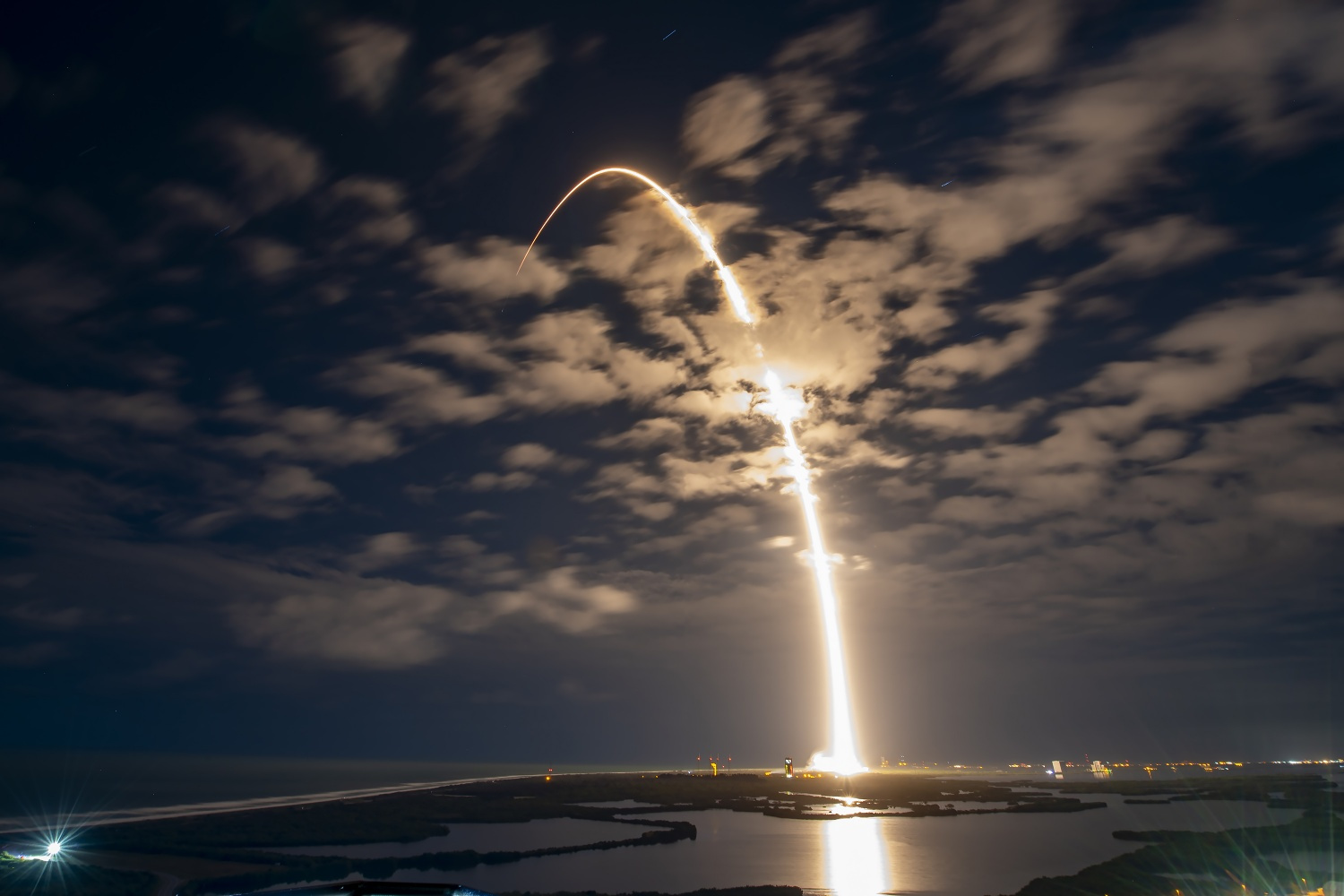
Starlink recently lost a satellite in low-Earth orbit (LEO), according to a recent update confirming the event which cited an "anomaly" as the cause of the orbiting space object's breakdown. This incident follows a similar incident back in December 2025, with the company saying that an anomaly had caused a satellite to also break down into pieces and tumble in orbit. A recent post from Starlink's official X account confirmed that on Sunday, March 29, the company's satellite 34343 was lost in orbit, which the company revealed to be around 560 kilometers above the planet. It was revealed that the reason behind this loss of satellite 34343 is due to an "anomaly" during its operations, but the company did not exactly expound on this. It was revealed by LeoLabs via their recent thread on X that its Global Radar Network detected "tens of objects" in the satellite's vicinity right after the event, and a recent pass over of its radar saw additional fragments. The report from LeoLabs speculated that this recent satellite loss was due to an "internal energetic source" and not from a collision with space debris or objects in orbit. According to Starlink, it will continue to monitor the space debris from its lost satellite to ensure safety for all. SpaceX already confirmed that its satellite does not pose a threat to the International Space Station and its crew members. The company also said that it will coordinate with NASA and the US Space Force regarding this incident. Additionally, the company also confirmed that it posed no threats or risks to SpaceX's Transporter-16 mission. LeoLabs shared that it is expected to de-orbit in a few weeks and experience a re-entry burn as its fragments enter the atmosphere.
AI giant Anthropic signs safety pact with Australia
American artificial intelligence giant Anthropic, locked in a months-long dispute with the US government, has signed a pact with Australia to cooperate on safety regarding the controversial technology. Anthropic's CEO Dario Amodei will sign a memorandum of understanding in a meeting with Prime Minister Anthony Albanese in Canberra on Wednesday. Under the agreement, the company will share findings on the risks and capabilities of AI, collaborate with research institutions, and take part in safety and security evaluations as part of a commitment to work with Australia's AI Safety Institute. The maker of popular chatbot Claude has also agreed to support the local AI ecosystem, collaborate on the development of the technology, and ensure its future Australian operations will align with the government's expectations regarding data centres and AI infrastructure developers. "Australia's investment in AI safety makes it a natural partner for responsible AI development," Mr Amodei said. The decision to form closer ties with Australia comes as the Pentagon designated Anthropic a "supply-chain risk" in early March, barring US government contractors from using the company's technology in work for the military. Anthropic has since filed lawsuits against the US Department of Defense, escalating a months-long feud over the company's insistence on implementing safeguards to prevent the military's potential use of its technology for mass domestic surveillance and fully autonomous weapons. The Australian government has heralded its arrangement with Anthropic as a way to capture the opportunities of AI, while ensuring its citizens stay safe. "(This) sends a clear signal to Australians that we are open for business, where investment aligns with Australia's priorities and Australian values," Industry Minister Tim Ayres said. The federal government in June 2025 unveiled a $20 billion deal with Amazon Web Services to fund data centre infrastructure, while its New South Wales counterpart on Friday backed a plan for 15 data centre projects worth $51 billion. But questions have been raised over the viability of the data centre industry due to concerns over the vast amount of resources it uses. Some large data centres use up to 40 million litres of water per day, enough for up to 80,000 Australian homes, according to the Water Services Association of Australia. They also require significant amounts of land, generate a lot of heat, and can create noise pollution which affects nearby communities and animals, the Climate Council has found. "We want to make sure that this massive interest in data centre investment in our country comes with obligations, including natural resource management, water obviously, energy and a whole range of relevant factors," Treasurer Jim Chalmers told reporters. Dr Chalmers is set to meet with Mr Amodei later on Wednesday.

AI giant Anthropic signs safety pact with Australia
American artificial intelligence giant Anthropic, locked in a months-long dispute with the US government, has signed a pact with Australia to cooperate on safety regarding the controversial technology. Anthropic's CEO Dario Amodei will sign a memorandum of understanding in a meeting with Prime Minister Anthony Albanese in Canberra on Wednesday. Under the agreement, the company will share findings on the risks and capabilities of AI, collaborate with research institutions, and take part in safety and security evaluations as part of a commitment to work with Australia's AI Safety Institute. The maker of popular chatbot Claude has also agreed to support the local AI ecosystem, collaborate on the development of the technology, and ensure its future Australian operations will align with the government's expectations regarding data centres and AI infrastructure developers. "Australia's investment in AI safety makes it a natural partner for responsible AI development," Mr Amodei said. The decision to form closer ties with Australia comes as the Pentagon designated Anthropic a "supply-chain risk" in early March, barring US government contractors from using the company's technology in work for the military. Anthropic has since filed lawsuits against the US Department of Defense, escalating a months-long feud over the company's insistence on implementing safeguards to prevent the military's potential use of its technology for mass domestic surveillance and fully autonomous weapons. The Australian government has heralded its arrangement with Anthropic as a way to capture the opportunities of AI, while ensuring its citizens stay safe. "(This) sends a clear signal to Australians that we are open for business, where investment aligns with Australia's priorities and Australian values," Industry Minister Tim Ayres said. The federal government in June 2025 unveiled a $20 billion deal with Amazon Web Services to fund data centre infrastructure, while its New South Wales counterpart on Friday backed a plan for 15 data centre projects worth $51 billion. But questions have been raised over the viability of the data centre industry due to concerns over the vast amount of resources it uses. Some large data centres use up to 40 million litres of water per day, enough for up to 80,000 Australian homes, according to the Water Services Association of Australia. They also require significant amounts of land, generate a lot of heat, and can create noise pollution which affects nearby communities and animals, the Climate Council has found. "We want to make sure that this massive interest in data centre investment in our country comes with obligations, including natural resource management, water obviously, energy and a whole range of relevant factors," Treasurer Jim Chalmers told reporters. Dr Chalmers is set to meet with Mr Amodei later on Wednesday.

AI giant Anthropic signs safety pact with Australia
American artificial intelligence giant Anthropic, locked in a months-long dispute with the US government, has signed a pact with Australia to cooperate on safety regarding the controversial technology. Anthropic's CEO Dario Amodei will sign a memorandum of understanding in a meeting with Prime Minister Anthony Albanese in Canberra on Wednesday. Under the agreement, the company will share findings on the risks and capabilities of AI, collaborate with research institutions, and take part in safety and security evaluations as part of a commitment to work with Australia's AI Safety Institute. The maker of popular chatbot Claude has also agreed to support the local AI ecosystem, collaborate on the development of the technology, and ensure its future Australian operations will align with the government's expectations regarding data centres and AI infrastructure developers. "Australia's investment in AI safety makes it a natural partner for responsible AI development," Mr Amodei said. The decision to form closer ties with Australia comes as the Pentagon designated Anthropic a "supply-chain risk" in early March, barring US government contractors from using the company's technology in work for the military. Anthropic has since filed lawsuits against the US Department of Defense, escalating a months-long feud over the company's insistence on implementing safeguards to prevent the military's potential use of its technology for mass domestic surveillance and fully autonomous weapons. The Australian government has heralded its arrangement with Anthropic as a way to capture the opportunities of AI, while ensuring its citizens stay safe. "(This) sends a clear signal to Australians that we are open for business, where investment aligns with Australia's priorities and Australian values," Industry Minister Tim Ayres said. The federal government in June 2025 unveiled a $20 billion deal with Amazon Web Services to fund data centre infrastructure, while its New South Wales counterpart on Friday backed a plan for 15 data centre projects worth $51 billion. But questions have been raised over the viability of the data centre industry due to concerns over the vast amount of resources it uses. Some large data centres use up to 40 million litres of water per day, enough for up to 80,000 Australian homes, according to the Water Services Association of Australia. They also require significant amounts of land, generate a lot of heat, and can create noise pollution which affects nearby communities and animals, the Climate Council has found. "We want to make sure that this massive interest in data centre investment in our country comes with obligations, including natural resource management, water obviously, energy and a whole range of relevant factors," Treasurer Jim Chalmers told reporters. Dr Chalmers is set to meet with Mr Amodei later on Wednesday.

AI giant Anthropic signs safety pact with Australia
American artificial intelligence giant Anthropic, locked in a months-long dispute with the US government, has signed a pact with Australia to cooperate on safety regarding the controversial technology. Anthropic's CEO Dario Amodei will sign a memorandum of understanding in a meeting with Prime Minister Anthony Albanese in Canberra on Wednesday. Under the agreement, the company will share findings on the risks and capabilities of AI, collaborate with research institutions, and take part in safety and security evaluations as part of a commitment to work with Australia's AI Safety Institute. The maker of popular chatbot Claude has also agreed to support the local AI ecosystem, collaborate on the development of the technology, and ensure its future Australian operations will align with the government's expectations regarding data centres and AI infrastructure developers. "Australia's investment in AI safety makes it a natural partner for responsible AI development," Mr Amodei said. The decision to form closer ties with Australia comes as the Pentagon designated Anthropic a "supply-chain risk" in early March, barring US government contractors from using the company's technology in work for the military. Anthropic has since filed lawsuits against the US Department of Defense, escalating a months-long feud over the company's insistence on implementing safeguards to prevent the military's potential use of its technology for mass domestic surveillance and fully autonomous weapons. The Australian government has heralded its arrangement with Anthropic as a way to capture the opportunities of AI, while ensuring its citizens stay safe. "(This) sends a clear signal to Australians that we are open for business, where investment aligns with Australia's priorities and Australian values," Industry Minister Tim Ayres said. The federal government in June 2025 unveiled a $20 billion deal with Amazon Web Services to fund data centre infrastructure, while its New South Wales counterpart on Friday backed a plan for 15 data centre projects worth $51 billion. But questions have been raised over the viability of the data centre industry due to concerns over the vast amount of resources it uses. Some large data centres use up to 40 million litres of water per day, enough for up to 80,000 Australian homes, according to the Water Services Association of Australia. They also require significant amounts of land, generate a lot of heat, and can create noise pollution which affects nearby communities and animals, the Climate Council has found. "We want to make sure that this massive interest in data centre investment in our country comes with obligations, including natural resource management, water obviously, energy and a whole range of relevant factors," Treasurer Jim Chalmers told reporters. Dr Chalmers is set to meet with Mr Amodei later on Wednesday.

AI giant Anthropic says 'exploring' Australia data centre investments
The Pentagon said allowing Anthropic's AI access to sensitive 'warfighting infrastructure' posed an 'unacceptable risk' Artificial intelligence giant Anthropic is eyeing data centre investments in Australia, saying Wednesday the nation was a "natural partner" for work in the booming sector. With immense renewable energy potential and vast stretches of uninhabited land, Australia has touted itself as a prime location for the power-hungry data centres needed to power AI. US-based Anthropic said it was "exploring investments in data centre infrastructure and energy throughout the country" after signing a memorandum of understanding with the Australian government. "The visit to Australia marks the beginning of long-term collaboration and investment into the Asia-Pacific region," the technology company said in a statement. "Australia's investment in AI safety makes it a natural partner for responsible AI development." The agreement, signed by Anthropic chief executive Dario Amodei in capital Canberra, said the firm would abide by local laws to "maintain strong social licence for investment". Australia's arts sector has accused Anthropic and other AI companies of pushing to loosen copyright laws so chatbots can be trained on local songs and books. Anthropic said it had also agreed to share AI research and safety information with Australian regulators, mirroring similar agreements in Japan and Britain. Industry Minister Tim Ayres said Australia and Anthropic would "harness AI responsibly". - Energy-intensive - New data centres -- warehouse facilities that store files and power AI tools -- are springing up worldwide. But there are increasing fears about the environmental impact of hulking data hubs. Singapore halted data centre developments between 2019 and 2022 over energy, water and land use worries. Australia last week adopted new rules governing the operation of data centres. Tech companies must show how they will source renewable energy and minimise their emissions. "As demand for AI grows, continued expansion of data centre infrastructure must reflect Australian values and be environmentally and socially sustainable," the guidelines state. Anthropic's Claude is the Pentagon's most widely-deployed frontier AI model and the only such model currently operating on its classified systems. But the company is locked in a dispute with the US government, after saying it would refuse to let its systems be used for mass surveillance. Washington has since described Anthropic's tools as an "unacceptable risk to national security". The United States has not only blocked use of the company's technology by the Pentagon, but also requires all defense contractors to certify that they do not use Anthropic's models.
AI giant Anthropic signs safety pact with Australia
American artificial intelligence giant Anthropic, locked in a months-long dispute with the US government, has signed a pact with Australia to cooperate on safety regarding the controversial technology. Anthropic's CEO Dario Amodei will sign a memorandum of understanding in a meeting with Prime Minister Anthony Albanese in Canberra on Wednesday. Under the agreement, the company will share findings on the risks and capabilities of AI, collaborate with research institutions, and take part in safety and security evaluations as part of a commitment to work with Australia's AI Safety Institute. The maker of popular chatbot Claude has also agreed to support the local AI ecosystem, collaborate on the development of the technology, and ensure its future Australian operations will align with the government's expectations regarding data centres and AI infrastructure developers. "Australia's investment in AI safety makes it a natural partner for responsible AI development," Mr Amodei said. The decision to form closer ties with Australia comes as the Pentagon designated Anthropic a "supply-chain risk" in early March, barring US government contractors from using the company's technology in work for the military. Anthropic has since filed lawsuits against the US Department of Defense, escalating a months-long feud over the company's insistence on implementing safeguards to prevent the military's potential use of its technology for mass domestic surveillance and fully autonomous weapons. The Australian government has heralded its arrangement with Anthropic as a way to capture the opportunities of AI, while ensuring its citizens stay safe. "(This) sends a clear signal to Australians that we are open for business, where investment aligns with Australia's priorities and Australian values," Industry Minister Tim Ayres said. The federal government in June 2025 unveiled a $20 billion deal with Amazon Web Services to fund data centre infrastructure, while its New South Wales counterpart on Friday backed a plan for 15 data centre projects worth $51 billion. But questions have been raised over the viability of the data centre industry due to concerns over the vast amount of resources it uses. Some large data centres use up to 40 million litres of water per day, enough for up to 80,000 Australian homes, according to the Water Services Association of Australia. They also require significant amounts of land, generate a lot of heat, and can create noise pollution which affects nearby communities and animals, the Climate Council has found. "We want to make sure that this massive interest in data centre investment in our country comes with obligations, including natural resource management, water obviously, energy and a whole range of relevant factors," Treasurer Jim Chalmers told reporters. Dr Chalmers is set to meet with Mr Amodei later on Wednesday.

Exclusive-SpaceX lines up 21 banks for mega IPO, code-named proje
SpaceX has engaged 21 banks -- including Morgan Stanley, Goldman Sachs, JPMorgan, Bank of America, and Citi -- as part of "Project Apex," aiming for a June IPO potentially valuing the company at $1.75 trillion, with a massive raise of up to $50 billion. SpaceX lines up 21 banks for mega IPO, code-named project Apex SpaceX's Blockbuster IPO: Details, Banks, and Market Impact (In paragraph 6, inserts dropped word "active") By Echo Wang Overview of the SpaceX IPO March 31 - SpaceX is working with at least 21 banks on its blockbuster initial public offering, people familiar with the matter said on Tuesday, one of the largest underwriting syndicates assembled in recent years. The listing, internally codenamed Project Apex, is expected to be among the most closely watched stock market debuts on Wall Street. The public offering, expected in June, is estimated to value the rocket company controlled by founder and CEO Elon Musk at $1.75 trillion. Lead Bookrunners and Syndicate Structure Main Bookrunners Morgan Stanley, Goldman Sachs, JPMorgan Chase, Bank of America and Citigroup are serving as active bookrunners, or the lead banks managing the deal, the people said, asking not to be identified because the process is not public. A further 16 banks have signed on in smaller roles, they added. Additional Participating Banks About half of the banks' names have not previously been reported. The size of the syndicate underscores the scale and complexity of the planned offering. List of Participating Banks Banks in addition to the active bookrunners include: * Allen & Co * Barclays * Brazil's BTG Pactual * Deutsche Bank * The Netherlands' ING Groep * Macquarie * Mizuho * Needham & Co * Raymond James * Royal Bank of Canada * Societe Generale * Banco Santander * Stifel * UBS * Wells Fargo * William Blair Roles and Regional Coverage The banks are expected to take on roles in institutional, high-net-worth and retail investor channels as well as in different geographic regions, Reuters previously reported. The plan is subject to change and additional banks could still be added, the sources said. Responses and Comments from SpaceX and Banks Texas-based SpaceX did not immediately respond to a request for comment. Bank of America, Barclays, Deutsche Bank, Goldman Sachs, JPMorgan, Mizuho, Santander and Wells Fargo declined to comment. The other banks did not immediately respond to requests for comment. Context: Recent Trends in Mega IPO Syndicates Large IPO syndicates have become more common for mega deals in recent years. Chip designer ARM Holdings worked with close to 30 banks on its 2023 listing, while Alibaba Group assembled a similarly large group of underwriters for its record-breaking 2014 debut. (Reporting by Echo Wang in New York; Editing by Dawn Kopecki and Cynthia Osterman)
AI giant Anthropic signs safety pact with Australia
American artificial intelligence giant Anthropic, locked in a months-long dispute with the US government, has signed a pact with Australia to cooperate on safety regarding the controversial technology. Anthropic's CEO Dario Amodei will sign a memorandum of understanding in a meeting with Prime Minister Anthony Albanese in Canberra on Wednesday. Under the agreement, the company will share findings on the risks and capabilities of AI, collaborate with research institutions, and take part in safety and security evaluations as part of a commitment to work with Australia's AI Safety Institute. The maker of popular chatbot Claude has also agreed to support the local AI ecosystem, collaborate on the development of the technology, and ensure its future Australian operations will align with the government's expectations regarding data centres and AI infrastructure developers. "Australia's investment in AI safety makes it a natural partner for responsible AI development," Mr Amodei said. The decision to form closer ties with Australia comes as the Pentagon designated Anthropic a "supply-chain risk" in early March, barring US government contractors from using the company's technology in work for the military. Anthropic has since filed lawsuits against the US Department of Defense, escalating a months-long feud over the company's insistence on implementing safeguards to prevent the military's potential use of its technology for mass domestic surveillance and fully autonomous weapons. The Australian government has heralded its arrangement with Anthropic as a way to capture the opportunities of AI, while ensuring its citizens stay safe. "(This) sends a clear signal to Australians that we are open for business, where investment aligns with Australia's priorities and Australian values," Industry Minister Tim Ayres said. The federal government in June 2025 unveiled a $20 billion deal with Amazon Web Services to fund data centre infrastructure, while its New South Wales counterpart on Friday backed a plan for 15 data centre projects worth $51 billion. But questions have been raised over the viability of the data centre industry due to concerns over the vast amount of resources it uses. Some large data centres use up to 40 million litres of water per day, enough for up to 80,000 Australian homes, according to the Water Services Association of Australia. They also require significant amounts of land, generate a lot of heat, and can create noise pollution which affects nearby communities and animals, the Climate Council has found. "We want to make sure that this massive interest in data centre investment in our country comes with obligations, including natural resource management, water obviously, energy and a whole range of relevant factors," Treasurer Jim Chalmers told reporters. Dr Chalmers is set to meet with Mr Amodei later on Wednesday.

AI giant Anthropic signs safety pact with Australia
American artificial intelligence giant Anthropic, locked in a months-long dispute with the US government, has signed a pact with Australia to cooperate on safety regarding the controversial technology. Anthropic's CEO Dario Amodei will sign a memorandum of understanding in a meeting with Prime Minister Anthony Albanese in Canberra on Wednesday. Under the agreement, the company will share findings on the risks and capabilities of AI, collaborate with research institutions, and take part in safety and security evaluations as part of a commitment to work with Australia's AI Safety Institute. The maker of popular chatbot Claude has also agreed to support the local AI ecosystem, collaborate on the development of the technology, and ensure its future Australian operations will align with the government's expectations regarding data centres and AI infrastructure developers. "Australia's investment in AI safety makes it a natural partner for responsible AI development," Mr Amodei said. The decision to form closer ties with Australia comes as the Pentagon designated Anthropic a "supply-chain risk" in early March, barring US government contractors from using the company's technology in work for the military. Anthropic has since filed lawsuits against the US Department of Defense, escalating a months-long feud over the company's insistence on implementing safeguards to prevent the military's potential use of its technology for mass domestic surveillance and fully autonomous weapons. The Australian government has heralded its arrangement with Anthropic as a way to capture the opportunities of AI, while ensuring its citizens stay safe. "(This) sends a clear signal to Australians that we are open for business, where investment aligns with Australia's priorities and Australian values," Industry Minister Tim Ayres said. The federal government in June 2025 unveiled a $20 billion deal with Amazon Web Services to fund data centre infrastructure, while its New South Wales counterpart on Friday backed a plan for 15 data centre projects worth $51 billion. But questions have been raised over the viability of the data centre industry due to concerns over the vast amount of resources it uses. Some large data centres use up to 40 million litres of water per day, enough for up to 80,000 Australian homes, according to the Water Services Association of Australia. They also require significant amounts of land, generate a lot of heat, and can create noise pollution which affects nearby communities and animals, the Climate Council has found. "We want to make sure that this massive interest in data centre investment in our country comes with obligations, including natural resource management, water obviously, energy and a whole range of relevant factors," Treasurer Jim Chalmers told reporters. Dr Chalmers is set to meet with Mr Amodei later on Wednesday.

Exclusive-SpaceX lines up 21 banks for mega IPO, code-named project Apex
March 31 - SpaceX is working with at least 21 banks on its blockbuster initial public offering, people familiar with the matter said on Tuesday, one of the largest underwriting syndicates assembled in recent years. The listing, internally codenamed Project Apex, is expected to be among the most closely watched stock market debuts on Wall Street. The public offering, expected in June, is estimated to value the rocket company controlled by founder and CEO Elon Musk at $1.75 trillion. Morgan Stanley, Goldman Sachs, JPMorgan Chase, Bank of America and Citigroup are serving as active bookrunners, or the lead banks managing the deal, the people said, asking not to be identified because the process is not public. A further 16 banks have signed on in smaller roles, they added. About half of the banks' names have not previously been reported. The size of the syndicate underscores the scale and complexity of the planned offering. Banks in addition to the bookrunners include: The banks are expected to take on roles in institutional, high-net-worth and retail investor channels as well as in different geographic regions, Reuters previously reported. The plan is subject to change and additional banks could still be added, the sources said. Texas-based SpaceX did not immediately respond to a request for comment. Bank of America, Barclays, Deutsche Bank, Goldman Sachs, JPMorgan, Mizuho, Santander and Wells Fargo declined to comment. The other banks did not immediately respond to requests for comment. Large IPO syndicates have become more common for mega deals in recent years. Chip designer ARM Holdings worked with close to 30 banks on its 2023 listing, while Alibaba Group assembled a similarly large group of underwriters for its record-breaking 2014 debut. (Reporting by Echo Wang in New York; Editing by Dawn Kopecki and Cynthia Osterman)

AI giant Anthropic signs safety pact with Australia
American artificial intelligence giant Anthropic, locked in a months-long dispute with the US government, has signed a pact with Australia to cooperate on safety regarding the controversial technology. Anthropic's CEO Dario Amodei will sign a memorandum of understanding in a meeting with Prime Minister Anthony Albanese in Canberra on Wednesday. Under the agreement, the company will share findings on the risks and capabilities of AI, collaborate with research institutions, and take part in safety and security evaluations as part of a commitment to work with Australia's AI Safety Institute. The maker of popular chatbot Claude has also agreed to support the local AI ecosystem, collaborate on the development of the technology, and ensure its future Australian operations will align with the government's expectations regarding data centres and AI infrastructure developers. "Australia's investment in AI safety makes it a natural partner for responsible AI development," Mr Amodei said. The decision to form closer ties with Australia comes as the Pentagon designated Anthropic a "supply-chain risk" in early March, barring US government contractors from using the company's technology in work for the military. Anthropic has since filed lawsuits against the US Department of Defense, escalating a months-long feud over the company's insistence on implementing safeguards to prevent the military's potential use of its technology for mass domestic surveillance and fully autonomous weapons. The Australian government has heralded its arrangement with Anthropic as a way to capture the opportunities of AI, while ensuring its citizens stay safe. "(This) sends a clear signal to Australians that we are open for business, where investment aligns with Australia's priorities and Australian values," Industry Minister Tim Ayres said. The federal government in June 2025 unveiled a $20 billion deal with Amazon Web Services to fund data centre infrastructure, while its New South Wales counterpart on Friday backed a plan for 15 data centre projects worth $51 billion. But questions have been raised over the viability of the data centre industry due to concerns over the vast amount of resources it uses. Some large data centres use up to 40 million litres of water per day, enough for up to 80,000 Australian homes, according to the Water Services Association of Australia. They also require significant amounts of land, generate a lot of heat, and can create noise pollution which affects nearby communities and animals, the Climate Council has found. "We want to make sure that this massive interest in data centre investment in our country comes with obligations, including natural resource management, water obviously, energy and a whole range of relevant factors," Treasurer Jim Chalmers told reporters. Dr Chalmers is set to meet with Mr Amodei later on Wednesday.

AI giant Anthropic signs safety pact with Australia
American artificial intelligence giant Anthropic, locked in a months-long dispute with the US government, has signed a pact with Australia to cooperate on safety regarding the controversial technology. Anthropic's CEO Dario Amodei will sign a memorandum of understanding in a meeting with Prime Minister Anthony Albanese in Canberra on Wednesday. Under the agreement, the company will share findings on the risks and capabilities of AI, collaborate with research institutions, and take part in safety and security evaluations as part of a commitment to work with Australia's AI Safety Institute. The maker of popular chatbot Claude has also agreed to support the local AI ecosystem, collaborate on the development of the technology, and ensure its future Australian operations will align with the government's expectations regarding data centres and AI infrastructure developers. "Australia's investment in AI safety makes it a natural partner for responsible AI development," Mr Amodei said. The decision to form closer ties with Australia comes as the Pentagon designated Anthropic a "supply-chain risk" in early March, barring US government contractors from using the company's technology in work for the military. Anthropic has since filed lawsuits against the US Department of Defense, escalating a months-long feud over the company's insistence on implementing safeguards to prevent the military's potential use of its technology for mass domestic surveillance and fully autonomous weapons. The Australian government has heralded its arrangement with Anthropic as a way to capture the opportunities of AI, while ensuring its citizens stay safe. "(This) sends a clear signal to Australians that we are open for business, where investment aligns with Australia's priorities and Australian values," Industry Minister Tim Ayres said. The federal government in June 2025 unveiled a $20 billion deal with Amazon Web Services to fund data centre infrastructure, while its New South Wales counterpart on Friday backed a plan for 15 data centre projects worth $51 billion. But questions have been raised over the viability of the data centre industry due to concerns over the vast amount of resources it uses. Some large data centres use up to 40 million litres of water per day, enough for up to 80,000 Australian homes, according to the Water Services Association of Australia. They also require significant amounts of land, generate a lot of heat, and can create noise pollution which affects nearby communities and animals, the Climate Council has found. "We want to make sure that this massive interest in data centre investment in our country comes with obligations, including natural resource management, water obviously, energy and a whole range of relevant factors," Treasurer Jim Chalmers told reporters. Dr Chalmers is set to meet with Mr Amodei later on Wednesday.

AI giant Anthropic says 'exploring' Australia data centre investments
Australia's arts sector has accused Anthropic and other AI companies of pushing to loosen copyright laws so chatbots can be trained on local songs and books - Copyright AFP JOEL SAGET Artificial intelligence giant Anthropic is eyeing data centre investments in Australia, saying Wednesday the nation was a "natural partner" for work in the booming sector. With immense renewable energy potential and vast stretches of uninhabited land, Australia has touted itself as a prime location for the power-hungry data centres needed to power AI. US-based Anthropic said it was "exploring investments in data centre infrastructure and energy throughout the country" after signing a memorandum of understanding with the Australian government. "The visit to Australia marks the beginning of long-term collaboration and investment into the Asia-Pacific region," the technology company said in a statement. "Australia's investment in AI safety makes it a natural partner for responsible AI development." The agreement, signed by Anthropic chief executive Dario Amodei in capital Canberra, said the firm would abide by local laws to "maintain strong social licence for investment". Australia's arts sector has accused Anthropic and other AI companies of pushing to loosen copyright laws so chatbots can be trained on local songs and books. Anthropic said it had also agreed to share AI research and safety information with Australian regulators, mirroring similar agreements in Japan and Britain. Industry Minister Tim Ayres said Australia and Anthropic would "harness AI responsibly". - Energy-intensive - New data centres -- warehouse facilities that store files and power AI tools -- are springing up worldwide. But there are increasing fears about the environmental impact of hulking data hubs. Singapore halted data centre developments between 2019 and 2022 over energy, water and land use worries. Australia last week adopted new rules governing the operation of data centres. Tech companies must show how they will source renewable energy and minimise their emissions. "As demand for AI grows, continued expansion of data centre infrastructure must reflect Australian values and be environmentally and socially sustainable," the guidelines state. Anthropic's Claude is the Pentagon's most widely-deployed frontier AI model and the only such model currently operating on its classified systems. But the company is locked in a dispute with the US government, after saying it would refuse to let its systems be used for mass surveillance. Washington has since described Anthropic's tools as an "unacceptable risk to national security". The United States has not only blocked use of the company's technology by the Pentagon, but also requires all defense contractors to certify that they do not use Anthropic's models.

AI giant Anthropic signs safety pact with Australia
Add Yahoo as a preferred source to see more of our stories on Google. American artificial intelligence giant Anthropic, locked in a months-long dispute with the US government, has signed a pact with Australia to cooperate on safety regarding the controversial technology. Anthropic's CEO Dario Amodei will sign a memorandum of understanding in a meeting with Prime Minister Anthony Albanese in Canberra on Wednesday. Under the agreement, the company will share findings on the risks and capabilities of AI, collaborate with research institutions, and take part in safety and security evaluations as part of a commitment to work with Australia's AI Safety Institute. The maker of popular chatbot Claude has also agreed to support the local AI ecosystem, collaborate on the development of the technology, and ensure its future Australian operations will align with the government's expectations regarding data centres and AI infrastructure developers. "Australia's investment in AI safety makes it a natural partner for responsible AI development," Mr Amodei said. The decision to form closer ties with Australia comes as the Pentagon designated Anthropic a "supply-chain risk" in early March, barring US government contractors from using the company's technology in work for the military. Anthropic has since filed lawsuits against the US Department of Defense, escalating a months-long feud over the company's insistence on implementing safeguards to prevent the military's potential use of its technology for mass domestic surveillance and fully autonomous weapons. The Australian government has heralded its arrangement with Anthropic as a way to capture the opportunities of AI, while ensuring its citizens stay safe. "(This) sends a clear signal to Australians that we are open for business, where investment aligns with Australia's priorities and Australian values," Industry Minister Tim Ayres said. The federal government in June 2025 unveiled a $20 billion deal with Amazon Web Services to fund data centre infrastructure, while its New South Wales counterpart on Friday backed a plan for 15 data centre projects worth $51 billion. But questions have been raised over the viability of the data centre industry due to concerns over the vast amount of resources it uses. Some large data centres use up to 40 million litres of water per day, enough for up to 80,000 Australian homes, according to the Water Services Association of Australia. They also require significant amounts of land, generate a lot of heat, and can create noise pollution which affects nearby communities and animals, the Climate Council has found. "We want to make sure that this massive interest in data centre investment in our country comes with obligations, including natural resource management, water obviously, energy and a whole range of relevant factors," Treasurer Jim Chalmers told reporters. Dr Chalmers is set to meet with Mr Amodei later on Wednesday.
