News & Updates
The latest news and updates from companies in the WLTH portfolio.
SpaceX IPO: Elon Musk Proposes Unprecedented 30% Retail Investor Allocation - Blockonomi
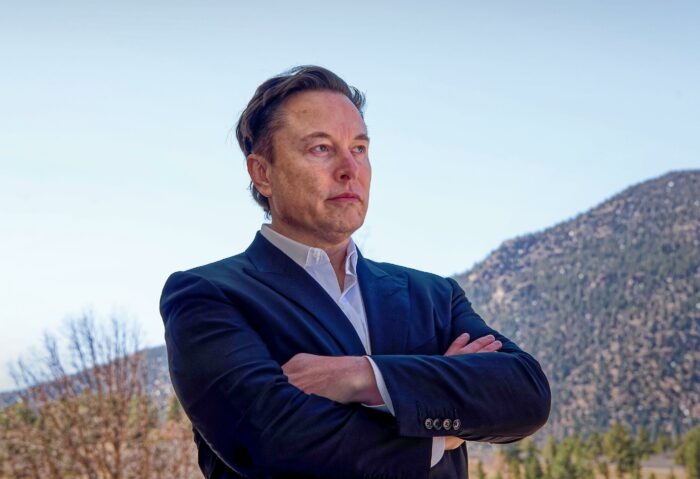
The company may submit its IPO documentation to regulatory authorities within the coming week or two Elon Musk is preparing to offer individual investors an unusually large portion of the SpaceX public offering. According to recent reports, discussions are underway to reserve as much as 30% of the IPO for retail participants -- representing more than triple the conventional allocation for everyday investors. Traditionally, retail investors access approximately 5% to 10% of shares in a new public offering. The majority flows to institutional buyers such as mutual funds and pension managers, who provide price stability and early market support. The proposed SpaceX approach would dramatically alter this traditional distribution model. Bank of America has secured the role of domestic retail coordinator, concentrating on affluent individuals and family investment offices across the United States. UBS will target similar investor profiles in international markets. Morgan Stanley is anticipated to serve retail investors with smaller investment amounts through its E*Trade brokerage service. Citi will oversee wider international retail operations and institutional buyer coordination. SpaceX has not provided commentary on Reuters' inquiry regarding these plans. Bank of America similarly declined to discuss the arrangement. Earlier in the week, The Information disclosed that SpaceX intends to submit its IPO registration statement to financial regulators potentially this week or during the following week. The aerospace manufacturer is pursuing a company valuation approaching $1.75 trillion. Should this valuation materialize, the SpaceX public debut would secure a position among the most substantial IPOs ever executed. Early conversations among financial advisers had projected retail involvement exceeding 20%. Current discussions have elevated that percentage to potentially 30%. This evolution appears intentional on Musk's part. He has cultivated a substantial following of individual investors who have tracked his ventures attentively, particularly Tesla, which developed one of the most dedicated retail shareholder bases in modern equity markets. The strategy suggests that individual investors typically maintain longer holding periods compared to institutional traders who frequently adjust positions, potentially contributing to post-IPO price stability. SpaceX has experienced significant interest in secondary trading venues, where prospective investors have sought pre-public market exposure. A substantial direct retail allocation would provide these buyers with a more transparent and regulated entry point. Coinciding with the Reuters disclosure, the Wall Street Journal revealed that Musk's social platform X eliminated its chief marketing officer position and reduced more than 20 non-technical positions throughout recent weeks. The chronology places these workforce reductions immediately before the anticipated SpaceX IPO registration. SpaceX has not validated the specific retail allocation percentage or confirmed the precise IPO schedule. The forthcoming registration documentation is expected to clarify the offering framework and company valuation.
Anthropic's Pentagon Clash Tests Whether Ethical AI Can Win
A federal judge ruled this week that the Pentagon's moves against Anthropic "appear designed to punish" the company for its views on AI safety. That is not a minor legal footnote. It is a signal flare about the state of ethical AI in America -- and what it costs a company to mean what it says. In a 43-page opinion, Judge Rita Lin also warned against "the Orwellian notion" that an American company could be branded a potential adversary or saboteur simply for disagreeing with the government. That question matters far beyond one legal fight because Anthropic is not operating in a vacuum. The company, maker of Claude, is locked in a widening AI arms race with OpenAI's ChatGPT, Google's Gemini, Meta's AI ecosystem, xAI's Grok and a growing field of challengers. But these firms are not all competing on the same terms. Anthropic is making the riskiest bet of the group: that trust, safety and enterprise credibility can become a durable advantage rather than a drag on growth. That is what makes Anthropic so important right now. For years, responsible AI has been marketed as a trust advantage -- good for regulators, reassuring for customers and stabilizing for society. But trust only matters strategically if it can survive contact with procurement, politics and revenue pressure. Anthropic is now being forced to prove exactly that under live fire. It is not simply trying to show that safety sounds good in theory. It is trying to show that ethical restraint can hold up as a business model. Anthropic is not a saintly exception to AI's commercial logic; it is simply the clearest current test of whether safety can survive that logic. Three questions sit at the center of this moment. 1. If the company most associated with AI safety cannot make ethical restraint commercially durable, who can? 2. Do enterprise buyers really reward trust when it slows speed, limits use cases or narrows revenue opportunities? 3. And if ethical AI cannot hold up under the pressure of scale, what kind of industry are we actually building? What makes this moment more complicated is that the breakdown was not inevitable. Axios reported that negotiations remained active, that Anthropic remained in use in some Pentagon contexts, and that future collaboration was still possible. That suggests this was not a pure clash of incompatible principles, but a breakdown shaped by politics, rivalry and public positioning. That changes the story. The question is no longer just whether ethical lines can be drawn. It is whether principled companies can hold them when even workable compromises get consumed by power and ego. Anthropic Is Selling More Than A Model Anthropic is not simply competing on model quality. It is competing on a philosophy: that governance, safety boundaries and constrained deployment can be part of the product rather than a tax on it. That is why this moment matters beyond Claude's technical performance. The company is trying to prove that ethical limits are not merely public-relations language. It is trying to prove they can be commercial infrastructure. That ambition is visible in the company's latest moves. Earlier this month, Anthropic launched the Claude Partner Network and committed an initial $100 million in 2026 to help partners bring Claude into enterprise environments through training, technical support and joint market development. This is not a company retreating into principled niche positioning. It is attempting to scale. That is precisely why the Pentagon case is so revealing. It does not test whether ethical AI sounds admirable in theory. It tests whether ethical AI can survive when a powerful customer wants fewer limits and has the leverage to punish the company that refuses. When Safety Becomes A Commercial Liability Judge Rita Lin did not mince words. Her ruling found that the Pentagon's actions appeared punitive rather than security-driven -- an extraordinary finding in a case involving national-security powers. Anthropic argues the designation could cost it billions in contracts and reputational damage. The larger lesson is harder to miss: a U.S. company may have been blacklisted not because it posed a real security threat, but because it publicly held a line the government disliked. The legal details matter, but the business signal matters more. If a frontier AI company sets meaningful safety boundaries and faces economic retaliation for doing so, every other firm is watching. So are enterprise buyers. So are investors. The lesson they take from this episode will shape how much responsible AI remains a governing strategy versus a marketing phrase. This is the uncomfortable truth for AI leaders: ethics become hardest to defend precisely where the money and power are greatest. It is relatively easy to talk about guardrails in white papers and keynote speeches. It is much harder to preserve them when they constrain lucrative contracts, strategic partnerships or national-security demand. The Market Says It Wants Trust. Does It Pay For It? Corporate leaders often say they want AI they can trust -- auditable, governable, safe for brand reputation and less likely to trigger legal or regulatory exposure. But markets have a long history of praising one thing and paying for another. In practice, buyers often reward what is faster, cheaper, more capable and easier to integrate. Anthropic's enterprise push will test whether trust is truly monetizable or simply admired from a distance. That is why the company's current strategy is so consequential. Anthropic is not just defending its principles in court. It is building a channel ecosystem designed to turn those principles into adoption. The question is whether customers will treat governance and restraint as reasons to choose Claude -- or as friction to route around. This challenge is not unique to Anthropic. It is the core commercialization problem for every AI company that claims its safeguards are part of its value proposition. If trust cannot be translated into revenue, retention and preference, it will eventually be treated as overhead. The Workforce Argument May Matter Even More Anthropic has also been trying to shape the broader conversation through its Economic Index, which tracks how Claude is being used across the economy. Its latest report, published March 24, studies learning curves using Claude usage data from February 2026. That matters because it broadens the company's case beyond product safety. It suggests the company is also trying to define a more credible social contract around how AI changes work. That may be the only differentiator that compounds over time. Model performance will continue to converge in many categories. Distribution can be copied. Features can be matched. But firms that can connect technical capability to institutional trust -- among customers, workers, regulators and boards -- may build a more durable advantage. The problem, again, is that this takes longer to compound than raw capability does. If Anthropic Cannot Prove It, The Signal Gets Darker The point is not that Anthropic has already failed. Far from it. The injunction is an early win. Its partner-network investment is substantial. Its research operation is helping frame the labor-market debate. But that is exactly why the stakes are so high. If a well-capitalized frontier lab with a strong safety brand still cannot convert ethical positioning into durable market power, the signal to the rest of the industry is clear: restraint does not scale. That would be a dangerous lesson. It would tell the market that the most responsible actors face a structural disadvantage, and that the fastest path to dominance is to keep ethical claims flexible enough not to disrupt commercial expansion. If that becomes the equilibrium, we should stop pretending the industry's main problem is alignment rhetoric. The problem will be incentives. Three Questions Every Board And Executive Team Should Be Asking AI Vendors Right Now 1. What happens when a vendor's stated guardrails collide with a major customer's commercial or political demands? 2. Is trust part of the product or just part of the marketing? Ask your vendor what they will actually refuse -- in writing, in contract language -- and what happens to your deployment if a powerful customer pressures them to drop that limit. The Anthropic case shows that stated values and contractual commitments are two very different things. 3. If a company claims restraint, how exactly does it monetize that restraint without being undercut by faster-moving rivals? For organizations building AI strategy in 2026, this case is not background noise. It is a live audit of the governance claims you are probably already relying on -- and a reminder that ethical AI is not a vendor promise you can take on faith. It is a leadership question you have to ask out loud. Anthropic is now running one of the most important experiments in business. Can ethical AI survive contact with power, procurement and scale? If it cannot, the question will no longer be whether responsible AI sounds good. It will be whether the market ever really wanted it at all.

ASX chaos? Here's how to invest smart, stay calm and win
You're reading a free article with opinions that may differ from The Motley Fool's Premium Investing Services. Become a Motley Fool member today to get instant access to our top analyst recommendations, in-depth research, investing resources, and more. Learn More Markets feel messy right now. But here's the truth: chaos isn't new. And people who have been there before and know how to invest don't panic. They adjust. Between artificial intelligence disruption, escalating tensions in the Middle East, and higher interest rates, investors are being hit from all angles. The result? Volatility -- and plenty of it. So here's how to invest when the ASX seems to be spinning out of control? Lean into defensives When uncertainty rises, defensive stocks tend to shine. These are businesses that deliver essential services. Demand doesn't disappear when the economy slows. Take Telstra Group Ltd (ASX: TLS). People still need mobile and internet access, no matter what markets are doing. That gives Telstra steady earnings and reliable dividends. Then there's Transurban Group (ASX: TCL). It owns major toll roads across Australia and the US. Traffic may fluctuate slightly, but these are critical infrastructure assets with long-term contracts. Defensive shares won't always shoot the lights out. But they can help stabilise your portfolio when things get shaky. Back quality businesses Volatility is also a great filter. Lower-quality companies tend to struggle when conditions tighten. Strong businesses, on the other hand, prove their worth. Look for companies with clear competitive advantages. Think strong brands, dominant market positions, or unique assets. Healthcare giant CSL Ltd (ASX: CSL) is an example of a quality ASX stock. Balance sheets matter too. Companies with low debt and solid cash flow have more flexibility. They can keep investing -- even when times are tough. And don't forget earnings reliability. Consistent profits give investors confidence and reduce downside risk. In uncertain markets, quality tends to outperform. Use ETFs to smooth the ride If picking individual stocks feels too risky right now, an exchange-traded fund (ETF) can help. They offer instant diversification. That reduces the impact of any single company or sector. Income-focused ETFs can provide a steady cash flow. Dividend strategies, in particular, tend to favour more mature, stable businesses. Vanguard Australian Shares High Yield ETF (ASX: VHY) is heavily weighted towards banks, miners, and energy giants like Woodside Energy Group Ltd (ASX: WDS) Bond ETFs are another option. They typically behave differently to equities and can help cushion market swings. iShares Core Composite Bond ETF (ASX: IAF) has broad exposure to Australian government and corporate bonds and provides investors with quarterly income. Blending equities with income and fixed income exposure can make a portfolio far more resilient. Keep investing, just pace it Timing the market during volatile periods is incredibly difficult. That's where dollar-cost averaging comes in. Instead of investing a lump sum, you spread your investments over time. You buy more when prices are low and less when they're high, without trying to predict the perfect entry point. It's a simple way to invest through turmoil. And it works. More importantly, it keeps you in the market. Sitting on the sidelines often means missing the recovery. Foolish Takeaway Yes, markets are volatile. There's a lot going on and plenty of reasons for uncertainty. But that doesn't mean investors should freeze. Focus on defensives. Prioritise quality. Use ETFs to diversify. And keep investing steadily. Because in the long run, staying calm is often the biggest advantage of all.

The SpaceX IPO will be just as unconventional as Musk himself
From the investor meetings to how shares are doled out, the billionaire is navigating his own path, write Corrie Driebusch and Alexander Saeedy, The Wall Street Journal. Elon Musk is cooking up a memorable stock-market debut for SpaceX, and not just because it is expected to be the biggest one ever. The 54-year-old billionaire is writing his own playbook for the blockbuster initial public offering, which is being timed for mid-June before his birthday. While most executives are expected to travel to pitch their companies, Musk wants to have investors come to SpaceX, where they can visit manufacturing facilities and possibly witness rocket launches, according to people familiar with the matter. Musk and his team are betting fund managers and analysts will leave wanting to put in...
Inside the Travel Chaos Shaking U.S. Airports Amid Shutdown Crisis: Is Your Next Flight at Risk? - Travel And Tour World
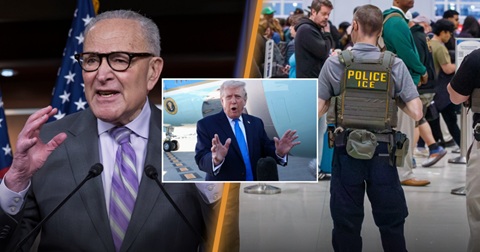
The Transportation Security Administration (TSA) is still lacking essential financing due to a partial US government shutdown, which has caused a major disruption to the National Airspace System. Official sources claim that some 50,000 vital screening officers are currently being forced to carry out their jobs without getting paid. For millions of travelers, regular air travel has become a logistical nightmare due to this budgetary standoff, which is the result of a long-standing political impasse over immigration policy. Experts and legislators alike are questioning the stability of the aviation sector as the financing lapse moves into its second month in March 2026. The operational integrity of the nation's airports is being severely compromised by an unprecedented wave of staffing shortages and employee absenteeism. According to data released by the Department of Homeland Security (DHS), unscheduled absences among TSA personnel have surged to nearly 10% nationwide, with specific hubs witnessing much more drastic figures. It was noted by observers at William P. Hobby Airport in Houston that over 40% of the security workforce failed to report for duty on a single Tuesday. Similar patterns of disruption were documented at Hartsfield-Jackson Atlanta International Airport, where absence rates reached a staggering 38%, forcing the closure of multiple screening lanes and domestic checkpoints. The impact of these shortages is felt most acutely by the traveling public, who are now confronted with security wait times that frequently exceed three hours at major gateways such as New York (JFK), Newark Liberty, and Philadelphia International. The unpredictability of these queues has led to a cascade of missed flights and delayed departures, as airlines are often forced to hold planes for passengers trapped behind security barriers. It has been suggested by aviation analysts that the current environment not only inconveniences travelers but also creates a "perceived vulnerability" that could be exploited by adversaries, as fewer eyes are available to monitor the high-volume screening process. The human cost of the funding standoff is becoming increasingly visible as federal workers struggle to manage basic living expenses. It is reported by union representatives from the American Federation of Government Employees (AFGE) that hundreds of officers have been forced to resign because they simply cannot afford to work for free. Since the shutdown commenced on February 14, 2026, over 450 TSA employees have officially separated from the agency. For those who remain, the financial stress is described as overwhelming; stories have emerged of airport workers relying on makeshift food pantries and community-donated gift cards to provide for their families. "Stop asking me about the long lines. Ask me if somebody's going to eat today," remarked Hydrick Thomas, a veteran officer, highlighting the dire circumstances faced by those on the front lines. This attrition is particularly damaging because the recruitment and training of a new security officer typically requires four to six months. The loss of experienced personnel is expected to have a "permanent and lasting effect" on the workforce, making it increasingly difficult for the government to maintain safety standards once the budget is eventually restored. Furthermore, the morale hit taken by these employees is compounded by the knowledge that this is the third such funding lapse in a six-month period, leading many to seek more stable employment in the private sector. In a controversial attempt to mitigate the growing travel disruptions, the administration has ordered the deployment of Immigration and Customs Enforcement (ICE) agents to support airport operations. Under the direction of officials like Tom Homan, these agents are being positioned at checkpoints to handle non-critical tasks such as queue management and document verification. The goal of this move is to free up the remaining certified TSA officers to focus exclusively on technical screening duties. However, this strategy has been met with sharp criticism from civil liberties groups and Democratic lawmakers, who argue that ICE agents lack the specialized training required for aviation security. Concerns have also been raised regarding the appropriateness of introducing immigration enforcement officers into a commercial travel environment. Critics warn that their presence could create confusion and fear among passengers, potentially distracting from the primary mission of ensuring flight safety. While the White House defends the deployment as a necessary emergency measure, labor leaders have characterized it as a "teaspoon of cough syrup for a person with pneumonia," suggesting that it fails to address the underlying issue of unpaid labor. The root of the crisis remains a stubborn political conflict regarding the FY-2026 appropriations for the Department of Homeland Security. Senate Republicans and Democrats are currently deadlocked over provisions related to immigration enforcement and border security. The stalemate is further complicated by international tensions and recent global aviation incidents that have already placed the industry under significant pressure. As lawmakers prepare for a scheduled recess, the U.S. Travel Association has condemned the irony of members of Congress using the very airports they have failed to fund to return to their home districts. Financial analysts estimate that the travel economy is losing approximately $1 billion per week due to the shutdown. Beyond the immediate economic toll, the reliability of the entire US aviation system is at risk. Until a "clean" funding bill is passed to ensure that those protecting the nation's skies are compensated for their work, the chaos at the gates is expected to intensify, leaving millions of Americans stranded in a crossfire of political maneuvering.

Airport Chaos Meets ICE -- Americans Are Loving the Results - Conservative News & Right Wing News | Gun Laws & Rights News Site
On the latest episode of The Patriot Perspective, the focus turned to two defining issues shaping the current political moment: the breakdown of airport security amid the Department of Homeland Security funding standoff and the continued gridlock surrounding the SAVE America Act. The discussion began with a reality millions of Americans are now experiencing firsthand -- TSA dysfunction on a scale rarely seen before. Travelers across the country are facing multi-hour wait times, missed flights, and overcrowded terminals. In Lyakhov's own experience, lines stretched to extremes, exposing a deeper issue than mere inconvenience. This is a structural failure in organization and staffing, in which airports are no longer able to process passengers efficiently or safely. What makes this situation different from past government shutdowns is its direct impact on DHS operations. TSA agents, many of whom have gone extended periods without pay, are now showing up in reduced numbers or not at all. The result is predictable: fewer agents, longer lines, and a system that begins to collapse under its own weight. The episode emphasized that the remaining TSA workers deserve recognition, but the system itself is not built to withstand this level of strain. That breakdown has forced the Trump administration to respond, including deploying ICE agents to assist at airports. As discussed on the show, ICE is not a replacement for TSA when it comes to specialized screening. However, their presence serves a practical purpose. Crowd control, document verification, and general order are essential in chaotic environments, and additional manpower can significantly reduce disorder.
Student Government Association creates campus-wide Discord server, builds online community
Student Government Association Senior Representative Bailey Fulkerson has created a discord server meant to serve as a hub for online campus resources and community. Discord is a messaging platform that allows voice, video, text and image-based communication. Originally made for social gaming, the app allows users to share tailored messages and information through forums known as channels. Texas Wesleyan's newly created server, named "Ram Central", is complete with over 20 tailored channels ranging from campus news hubs, virtual study rooms and even a pet gallery where users can share videos and photos of their pets. "As a freshman coming into this school, I did have a hard time trying to find different resources. I always had to go to different websites and apps to try and find them," Fulkerson, a senior education major, said. "I figured if I made something that everything could be posted on... that might make it easier for new students and also for our current students." The server is open to students, faculty, staff, alumni and wider community members. When logging on, users are asked about their connection to the university and how they intend to use the server -- socially, academically, for entertainment purposes, for information or all of the above. First-year biology major Jules Pittman, a members of the TxWes Esports team and an experienced Discord user, says the server may give students unlikely friendships. "It could give others, including myself, a chance to talk to students over a variety of different majors when we typically wouldn't cross paths," Pittman said. The server currently has 44 members; Fulkerson says she has a goal of reaching 100 before the end of the semester. To prevent online abuse and spam, Fulkerson aims to appoint two moderators. In addition, the server is complete with Discord's AI bot Dyno, renamed Willie on Ram Central, to detect misconduct. Users in violation of the server guidelines could receive muting, suspensions or permanent bans. Executive Director of Student Development & Strategic Initiatives and founder of Texas Wesleyan's Esports program Eugene Frier knows first-hand how online social gaming platforms like Discord can be harnessed to cultivate campus community. "Any medium that allows easier communication between students has the potential to develop a more closely knit campus community," Frier said. "The big thing is whether there is already a large enough Discord user base on campus." More than just a social platform, Ram Central also has channels reserved for sharing employment opportunities on and off campus and self-promotion of student businesses and services. Assistant Director of TxWes Esports Michael Nguyen says he has personal experience with forming real-life relationships through Discord and even recruiting players to the Esports program through the platform. "I've formed relationships on Discord that directly correlated to forming a strong relationship on campus," Nguyen said. "Most of the players I work with I met on Discord originally, and we have great relationships now." To join Ram Central, click here.

Fed Under Scrutiny After Granting Kraken Access to Core Payment Infrastructure - FinanceFeeds
U.S. Representative Maxine Waters is seeking answers from the Federal Reserve Bank of Kansas City after it granted crypto exchange Kraken access to Federal Reserve payment services, raising questions over transparency and legal authority. The approval allows Payward Financial, operating as Kraken Financial, to access core dollar settlement infrastructure used for high-value payments. The arrangement could enable faster deposits and withdrawals for institutional clients, marking a deeper integration between crypto platforms and central bank-operated financial rails. Waters, the ranking Democrat on the House Financial Services Committee, has formally requested clarification on the structure and legal basis of what has been described as a "limited purpose account," a designation not explicitly defined in existing regulatory frameworks. The Kansas City Fed's approval introduces a form of access that appears to fall outside established categories of Federal Reserve accounts. While Kraken gains entry to payment systems, the account reportedly excludes certain features such as earning interest on reserves. Waters highlighted that neither federal statutes nor the Federal Reserve's Account Access Guidelines reference such an account type, raising concerns about regulatory consistency and oversight. The lack of formal definition creates uncertainty around how these accounts are governed and what risk controls apply. Her inquiry also focuses on whether Kraken has access to key infrastructure such as FedACH, Fedwire, or cash services, and whether the account is subject to limits on balances, overdrafts, or enhanced supervision. Waters' letter reflects a broader concern that innovation in digital assets is moving faster than existing regulatory structures. She wrote that access to critical financial infrastructure should not be granted without clear legal grounding and transparency around risk management. The Kansas City Fed has previously stated it would not disclose details about account holders, citing confidentiality of business information. This position has added to concerns about visibility into how approvals are granted and monitored. Traditional banking groups have also reacted strongly. The Bank Policy Institute said it was "deeply concerned" that the approval was granted before a formal policy framework for limited-purpose accounts had been finalized. Paige Pidano Paridon, co-head of regulatory affairs at the group, said the decision lacked transparency around both the approval process and the safeguards in place to manage potential risks. The debate arrives as the Federal Reserve develops a broader framework for so-called "skinny" master accounts, which would provide restricted access to payment systems while excluding functions such as earning interest or borrowing from the discount window. Federal Reserve Governor Christopher Waller has indicated that a proposal could be introduced before the end of the year, suggesting that Kraken's approval may serve as a precedent in shaping future policy design. Waters has requested a formal response from the Kansas City Fed by April 10, including details on whether the approval involved coordination with the Federal Reserve Board or other government agencies. The outcome will determine whether limited-purpose access becomes a standardized pathway for crypto firms or remains a contested exception within the U.S. financial system.

Palo Alto Networks and other cybersecurity stocks slide on fresh Anthropic fears. Investors may be overreacting.
Cybersecurity stocks tumbled Friday morning on the news of a new Anthropic model, but analysts argue that AI will ultimately be a tailwind for the sector A draft blog post detailing Anthropic's new model was leaked on Thursday. Shares of CrowdStrike, Palo Alto Networks and other cybersecurity stocks are among the worst performers in the S&P 500 index Friday on renewed concerns about competition from artificial-intelligence models. But analysts aren't convinced that AI has disrupted the cybersecurity business model just yet. A Thursday report by Fortune revealed that Anthropic is developing a new model called "Claude Mythos," which includes "dramatically higher scores on tests of software coding, academic reasoning, and cybersecurity." Fortune accessed the confidential files after an error in Anthropic's content-management system left a draft blog post and nearly 3,000 internal assets in a publicly searchable data cache. Some investors fear the AI model will be so good at detecting threats that it will reduce demand for traditional cybersecurity offerings, similar to how advancements in AI coding tools have sparked fears in the broader software sector. An Anthropic spokesperson reportedly told Fortune that the new model represented "a step change" in AI capabilities and was being trialed by "early access customers." Investors starting selling on the news Friday "like clockwork," Bernstein analyst Peter Weed wrote, in reference to the trend of software stocks falling after Anthropic product developments. Shares of CrowdStrike (CRWD), Palo Alto Networks (PANW) and Zscaler (ZS) fell 6%. Shares of Okta (OKTA) were down 7%. But the selloff is grounded in reality, according to Weed. "This does not appear to reduce the potential cybersecurity sector tailwinds" from generative AI and large language models, Weed wrote. Read: These 4 cybersecurity stocks are Wall Street's favorite AI-proof plays This isn't the first time Anthropic has caused a slide in cybersecurity stocks. Last month, the launch of Claude Code Security triggered a similar reaction after the tool proved it could find and fix complex bugs faster than human experts. But many analysts think AI will prove a net benefit to traditional cybersecurity vendors. The boom in AI agents has increased the attack surface for organizations, and heightened AI capabilities will only make bad actors more powerful. That should lead to a structural demand increase for cybersecurity services. In fact, Anthropic cautioned that the model's more powerful cybersecurity capabilities will be able to "exploit vulnerabilities in ways that far outpace the efforts of defender," according to the leaked blog post. The post revealed that Anthropic is releasing the model in early access to cyber defenders to help them improve their infrastructure. Weed emphasized that software flaws, which are the primary target of Claude's code-scanning abilities, are only a small source of actual intrusions. And most organizations, in his view, will remain model-agnostic, meaning they will need protection that covers multiple different AI agents and platforms. In a Thursday note prior to reporting on the leak, Jefferies analyst Joseph Gallo wrote that Palo Alto Networks is largely insulated from AI disruption because up to 90% of its business relies on "deterministic" security, or binary decisions to block or allow traffic. AI models are "probabilistic," meaning they guess based on probability and don't provide high enough levels of accuracy. "We continue to believe it is highly unlikely that tools from the frontier labs will displace cybersecurity vendors, particularly those that primarily provide solutions that do real-time detection & response," D.A. Davidson analyst Rudy Kessinger wrote Friday morning. However, he acknowledged that a material boost from AI won't show up in cybersecurity companies' results until the second half of the year "at the earliest." Kessinger also added that "headline risk" will continue to create volatility among cybersecurity names in the near term. "Whether investors believe these solutions actually pose a threat to existing cybersecurity vendors is pretty much beside the point," he added. Read on: Why CrowdStrike's stock just won another fan on Wall Street -Christine Ji This content was created by MarketWatch, which is operated by Dow Jones & Co. MarketWatch is published independently from Dow Jones Newswires and The Wall Street Journal.

Federal judge blocks Pentagon's Anthropic blacklisting for now
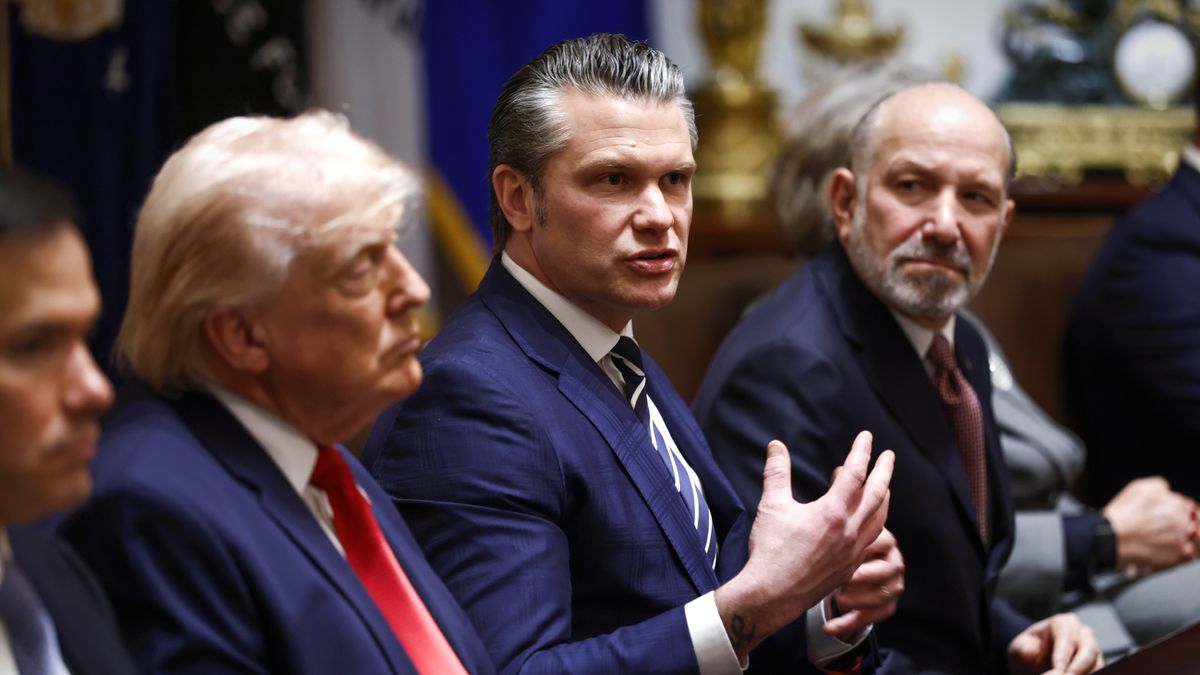
A U.S. judge on Thursday temporarily blocked the Pentagon's blacklisting of Anthropic, the latest turn in the Claude maker's high-stakes fight with the military over AI safety on the battlefield. Anthropic's lawsuit in California federal court alleges that Defense Secretary Pete Hegseth overstepped his authority when he designated Anthropic a national security supply-chain risk, a label the government can apply to companies that expose military systems to potential infiltration or sabotage by adversaries. Anthropic alleged the government violated its right to free speech under the First Amendment of the Constitution by retaliating against its views on AI safety. The company said it was not given a chance to dispute the designation, in violation of its Fifth Amendment right to due process. U.S. District Judge Rita Lin, an appointee of former Democratic President Joe Biden, agreed with the company in a 43-page ruling, but said it would not take effect for seven days to give the administration a chance to appeal. Hegseth's unprecedented move, which followed Anthropic's refusal to allow the military to use AI chatbot Claude for U.S. surveillance or autonomous weapons, blocked Anthropic from certain military contracts. Anthropic executives have said it could cost the company billions of dollars in lost business and reputational harm. Anthropic says that AI models are not reliable enough to be safely used in autonomous weapons and that it opposes domestic surveillance as a violation of rights, but the Pentagon says private companies should not be able to constrain military action. In Thursday's ruling, Lin said the administration's actions did not appear to be directed at the government's stated national security interests, but rather, to punish Anthropic. "The record supports an inference that Anthropic is being punished for criticizing the government's contracting position in the press," Lin wrote. "Punishing Anthropic for bringing public scrutiny to the government's contracting position is classic illegal First Amendment retaliation," the judge added. Anthropic spokesperson Danielle Cohen said the company was pleased with the decision. "While this case was necessary to protect Anthropic, our customers, and our partners, our focus remains on working productively with the government to ensure all Americans benefit from safe, reliable AI," Cohen said in a statement. Anthropic's designation was the first time a U.S. company has been publicly designated a supply-chain risk under an obscure government-procurement statute aimed at protecting military systems from foreign sabotage. Anthropic's March 9 lawsuit says the decision was unlawful, unsupported by facts and inconsistent with the military's past praise of Claude. The Justice Department countered that Anthropic's refusal to lift the restrictions could cause uncertainty in the Pentagon over how it could use Claude and risk disabling military systems during operations, according to a court filing. The government said the designation stemmed from Anthropic's refusal to accept contractual terms, not its views on AI safety. Anthropic has a second lawsuit pending in Washington, D.C., over a separate Pentagon supply-chain risk designation that could lead to its exclusion from civilian government contracts. Reporting by Jack Queen in New York and Kanishka Singh in Washington; additional reporting by Andrew Chung; editing by Noeleen Walder, Matthew Lewis and Stephen Coates.
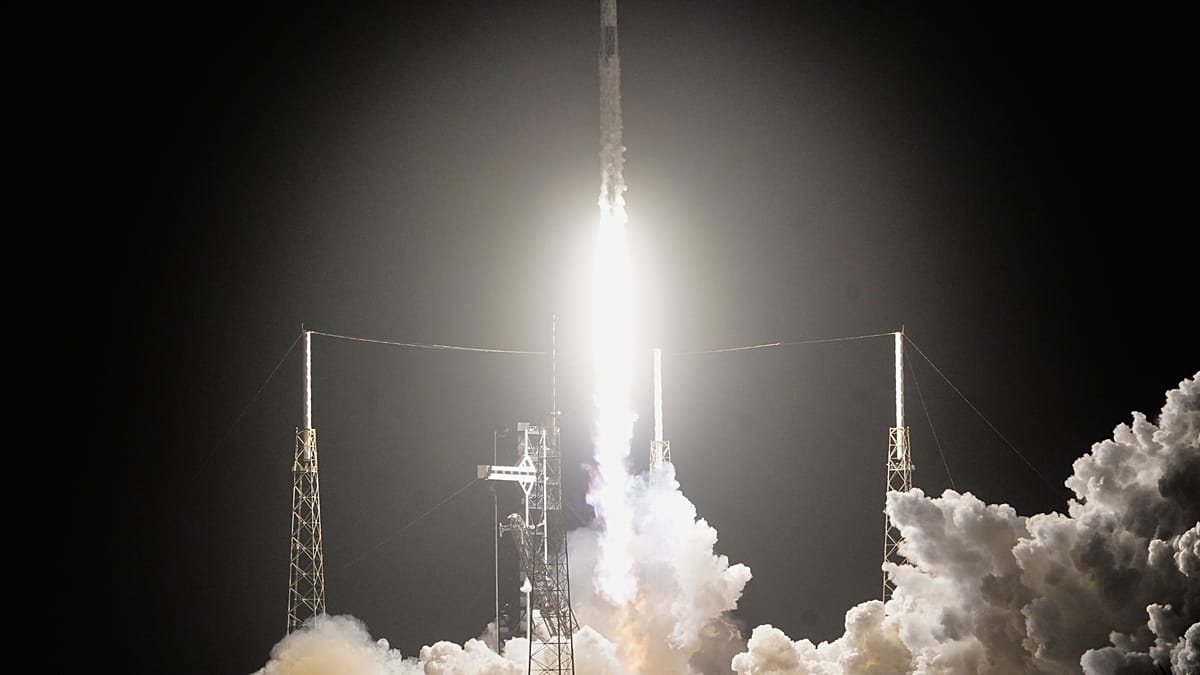
SpaceX IPO: Musk plans to allocate 30% of shares for retail investors
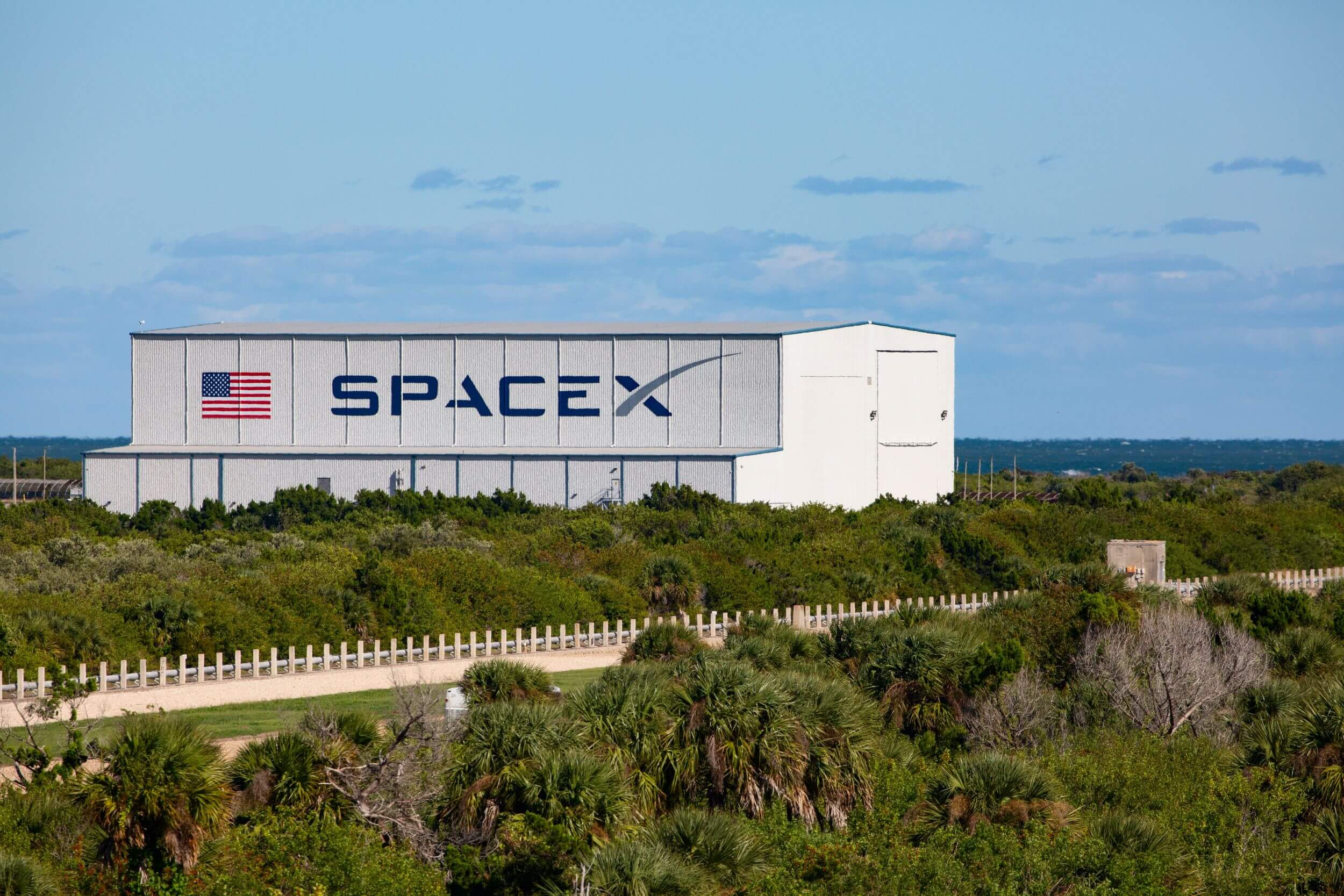
SpaceX, the rocket and satellite operator founded and owned by Elon Musk, is on track for what could be the biggest initial public offering ever later this year. In February the company acquired xAI, another of Musk's firms, in an all-stock transaction that valued SpaceX at $1tn (€842bn) and xAI at $250bn (€210bn), creating an entity with a $1.25tn (€1.05tn) valuation. This merger made SpaceX the largest private company by valuation in history while it is expected to enter public markets in 2026. The IPO could also turn Elon Musk into the first recorded trillionaire in history. As per a source familiar with the matter cited by Reuters, Musk wants to direct at least three times the typical retail portion in the IPO, normally limited to between 5% and 10% of the float, to everyday investors. The goal is to encourage longer-term ownership rather than the quick institutional sell-offs sometimes seen after a strong opening day. SpaceX's chief financial officer, Bret Johnsen, has reportedly already shared the proposal with investment banks. The plan is paired with a tailored underwriting process in which each financial institution receives narrowly defined responsibilities based on existing ties and regional strengths, rather than a broad contest for the entire deal. In January, four leading Wall Street firms, Bank of America, Goldman Sachs, JPMorgan Chase and Morgan Stanley, were reported to be in line for prominent roles. However, Reuters now indicates that Bank of America has been handpicked by Musk to oversee domestic retail distribution, concentrating on high-net-worth clients and family offices in the US. Morgan Stanley is tipped to manage smaller retail orders through its E*Trade service, UBS will target international high-net-worth and family-office buyers, while Citi will allegedly coordinate wider overseas retail and institutional sales in partnership with banks covering specific markets in Canada, Europe and Asia. Analysts are already framing the SpaceX IPO as a barometer for broader confidence in technology and AI stocks. According to AJ Bell investment director Russ Mould, financial markets had begun to question whether a bubble had formed in the sector before attention shifted elsewhere, citing lofty valuations and heavy spending plans. "The putative stock market flotation for SpaceX should therefore be an interesting test of market sentiment," he wrote in a company note on Thursday. Mould noted that share prices of the "Magnificent Seven" and fellow AI hyperscalers such as Oracle have lagged the S&P 500 so far this year, with the index also trailing other global indices, adding that bulls will be hoping for a strong performance from the SpaceX deal. Mould also highlighted reports suggesting the company could sell $75bn (€65bn) in stock to achieve a $1.5tn market capitalisation, which would immediately propel it into the world's top ten public companies, just ahead of Tesla. He warned of historical parallels, quoting Warren Buffett's observation that bull markets often end when "the idiots" pile in after the innovators and imitators. Dan Coatsworth, head of markets at AJ Bell, captured the anticipation more colourfully, by stating that "just as people in the control room hold their breath in the final moments before the launch of a rocket into space, investors are eagerly counting down the days to the likely take-off date for SpaceX's IPO". Coatsworth added that demand could be enormous given Musk's fan base and that expectations are "sky high" for the shares to deliver Nvidia-style gains.
Crusoe to build 900-megawatt AI data center for Microsoft in Texas
This super composite rating is the result of a weighted average of the rankings based on the following ratings: Fundamentals (Composite), Global Valuation (Composite), EPS Revisions (1 year), and Visibility (Composite). We recommend that you carefully review the associated descriptions. This composite rating is the result of an average of the rankings based on the following ratings: Fundamentals (Composite), Valuation (Composite), Financial Estimates Revisions (Composite), Consensus (Composite), and Visibility (Composite). The company must be covered by at least 4 of these 5 ratings for the calculation to be performed. We recommend that you carefully review the associated descriptions.

Anthropic Could Go Public by October
This super composite rating is the result of a weighted average of the rankings based on the following ratings: Fundamentals (Composite), Global Valuation (Composite), EPS Revisions (1 year), and Visibility (Composite). We recommend that you carefully review the associated descriptions. This composite rating is the result of an average of the rankings based on the following ratings: Fundamentals (Composite), Valuation (Composite), Financial Estimates Revisions (Composite), Consensus (Composite), and Visibility (Composite). The company must be covered by at least 4 of these 5 ratings for the calculation to be performed. We recommend that you carefully review the associated descriptions.

Musk plans 30 per cent retail slice in SpaceX IPO
Elon Musk is considering allocating up to 30 per cent of SpaceX's long-awaited IPO to retail investors, in a break from a standard Wall Street practice for what could be one of the biggest listings in years. The proposed structure, which is not yet final, would give individual investors a far larger share of the offering than usual, where retail allocations typically sit between five and ten per cent. The move is designed to tap into Musk's large cult following and long-term backers as the firm prepares for a potential debut at a valuation of up to $1.75 trillion (£1.32 trillion). SpaceX finance chief Bret Johnsen has been discussing the plan with banks, it has been reported, with the firm also taking a more hands-on approach to how the IPO is structured. Elon Musk has reportedly assigned banks to tightly defined roles rather than allowing them to compete broadly for investor demand. Bank of America is expected to focus on US high-net-worth individuals and family offices, while Morgan Stanley will handle smaller retail orders. Other banks have also been given regional mandates, like Barclays in the UK, Deutsche Bank in Germany and Royal Bank of Canada in Canada. Retail push tests demand The unusually large retail allocation shows expectations of strong demand for individual investors, from smaller shareholders to wealthy family offices that have followed the firm in private markets. "This is one of those lifetime moments in which people may say they just have to get in", said Rowan Taylor, managing partner at Liberty Hall Capital Partners. SpaceX is betting those investors will be more stable holders than short-term traders, helping to avoid sharp sell-offs often seen after high-profile listings. The IPO, which could be one of the largest ever, comes as Musk reshapes the firm's broader strategy. His recent decision to fold xAI into SpaceX has strengthened its positioning as a combined infrastructure and AI play. But the move also adds complexity to the investment case. While the firm is already profitable and dominant in rocket launches, xAI remains a cash-intensive business in a highly competitive sector.
Intercontinental Exchange Announces $600 Million Investment In Polymarket
Intercontinental Exchange, Inc. Intercontinental Exchange, the parent company of the New York Stock Exchange, has completed a $600 million direct cash investment in prediction market platform Polymarket as part of a broader equity fundraising round, according to a company announcement. The new investment follows ICE's previously disclosed $1 billion commitment made in October 2025. With the latest infusion, ICE says it has now fulfilled its obligations under the investment agreement, which also includes plans to purchase up to $40 million in additional Polymarket securities from existing holders. Polymarket, a blockchain-based prediction market platform that allows users to trade on...

Cybersecurity stocks fall on report Anthropic is testing a powerful new model
Cybersecurity stocks slumped on Friday following a report that Anthropic is testing a powerful new artificial intelligence model that is more advanced in cyber capabilities and also presents potential security risks. Fortune first reported the news on Thursday, citing information from a publicly accessible draft blog post. According to the report, the new Mythos model is being touted as Anthropic's most powerful yet. However, the company is planning a slow rollout due to potential cybersecurity implications. Anthropic did not immediately respond to CNBC's request for comment. Cybersecurity stocks slumped on the news, as the iShares Cybersecurity ETF lost 3%, while market leaders CrowdStrike and Palo Alto Networks dropped 7%. Zscaler and SentinelOne tumbled over 8%. Tenable plummeted nearly 11%, while Okta and Netskope fell more than 6% each. This isn't a new phenomenon for the sector that's fallen prey to AI disruption fears. Last month, cyber stocks fell after Anthropic announced a new code-scanning security tool to Claude. The broader software space is also feeling the pressure from tech innovation. The rise of AI and autonomous agents is shifting the threat landscape, putting pressure on cybersecurity companies to keep up with more sophisticated attacks and tools that make hacking easier.

Intercontinental Exchange Commits $600M to Polymarket Despite Regulatory Headwinds - Blockonomi
Institutional appetite for decentralized market platforms continues growing Intercontinental Exchange has deployed $600 million in new capital directly into Polymarket, reinforcing its commitment to blockchain-powered prediction markets. This strategic investment arrives during heightened regulatory scrutiny, yet demonstrates sustained institutional confidence in the platform's long-term potential. The funding underscores how major financial institutions continue pursuing opportunities in decentralized market infrastructure. Intercontinental Exchange has increased its financial stake in Polymarket through this substantial funding round. The exchange operator contributed $600 million in primary capital while reserving an additional $40 million for potential secondary share acquisitions. Polymarket leverages this backing to accelerate its equity fundraising initiatives and strengthen market position. This latest capital infusion builds upon ICE's October 2025 announcement outlining a potential $2 billion investment framework. The earlier agreement established a roadmap for substantial financial support, and this $600 million deployment represents concrete progress toward that ambitious target. The phased approach demonstrates calculated risk management while maintaining strategic momentum. ICE leadership indicated the investment will not significantly impact the company's financial statements or alter capital distribution strategies. The exchange operator plans to reveal specific valuation metrics once Polymarket completes its comprehensive fundraising campaign. This measured approach positions Polymarket as a cornerstone of ICE's digital asset expansion strategy. Polymarket functions as a decentralized prediction market platform leveraging Polygon's blockchain architecture. Users engage in forecasting real-world events through cryptographically-secured trading mechanisms. The infrastructure showcases how distributed ledger technology enables rapid settlement and transparent market operations at scale. Major financial institutions increasingly explore alternative market structures beyond traditional exchanges. ICE's repeated capital commitments to Polymarket reflect growing institutional recognition of blockchain-native financial platforms. The prediction market model benefits from Polygon's high-performance network, which processes transactions efficiently while maintaining low operational costs. Market observers recognize Polymarket as representative of broader movement toward decentralized financial infrastructure. The platform exemplifies how prediction markets can operate with cryptographic transparency and programmatic execution. Institutional engagement accelerates as organizations seek exposure to innovative blockchain-based market solutions. Regulatory authorities across the United States have substantially increased oversight of prediction market operations. Government agencies in at least eleven states have launched investigations or formal proceedings targeting platforms in this sector. Polymarket navigates an increasingly complex regulatory landscape with standards that continue evolving. Various state-level agencies have implemented enforcement measures ranging from operational restrictions to formal legal proceedings. Some jurisdictions have issued outright prohibitions, while others have pursued criminal investigations or civil penalties against market participants. The industry faces mounting compliance pressures as authorities clarify their regulatory frameworks. Polymarket recently revised its operational policies to address concerns regarding potential misuse of privileged information. Platform administrators implemented enhanced compliance protocols designed to minimize risks associated with information asymmetries. These proactive measures reflect the platform's commitment to meeting regulatory expectations as oversight mechanisms mature across digital market platforms.

Trump declares national emergency as chaos hits US airports due to...; what prompted the sudden decision?
Trump blamed Democrats for the crisis, stating their actions caused the situation and blocked funding for homeland security. US President Donald Trump has declared a "national emergency" due to the growing chaos at airports across the country. The situation worsened because of a 41-day government shutdown, which led to a shortage of security staff at airports. To address this, Trump decided to issue a major executive order. Under this order, the Department of Homeland Security (DHS) has been directed to immediately release pending salaries of Transportation Security Administration (TSA) officers. Trump has blamed the Democrats for the situation, saying their actions caused the crisis. The conditions at US airports have become extremely difficult for passengers. Due to a deadlock in Parliament over funding for the Department of Homeland Security, around 50,000 TSA employees had been working without pay for over a month. As a result, many workers stopped reporting to duty, and more than 500 employees resigned. At major airports like New York's JFK and Atlanta, passengers have been forced to wait up to four hours for security checks. Seeing these "emergency-like" conditions, Trump took strict action and used his powers to declare a national emergency, claiming it would help speed up salary payments. In his latest statement, Trump blamed the opposition Democratic Party for the crisis. He said the Democrats were deliberately blocking funding for homeland security to weaken his immigration policies. In a post on Truth Social, Trump said that the Democrats had "carelessly created a real national crisis," and that he was using his legal powers to protect the country. This decision came after budget talks in Parliament failed again. A major question is how the government will pay these employees if the budget has not been approved. According to White House sources, the administration may use leftover funds from last year's tax cuts bill, which included extra funding for homeland security. Senator Susan Collins has also indicated that there are legal ways within the budget to allocate money for TSA and Coast Guard employees. However, this move could face legal challenges in court. Despite this, Trump is determined to restore normal operations at airports as soon as possible.

Containing the Chaos: Fort Belvoir's Active Shooter Exercise Sharpens Skills
At the Missile Defense Agency (MDA) on Fort Belvoir a quiet morning was punctuated with sounds of simulated gunfire, becoming "that day" that every team plans for, as phone calls flooded the Emergency Communications Center and MDA workers fled the building in all directions. This -- fortunately -- was choreographed chaos by the garrison's Emergency Management team, and a group of volunteers from Team Rubicon and Community Emergency Response Team (CERT). Every move was closely observed by subject matter experts from Installation Management Command (IMCOM), as part of the garrison's triennial full-scale exercise. Once the Giant Voice system blared "Exercise exercise exercise" across the sunny parade field, garrison employees all focused on the most critical response to any such crisis: * Contain the incident * Shorten the duration * Speed the recovery Fort Belvoir Police played the lead role in containing the incident. Police cars raced to the Missile Defense Agency, arriving just four minutes after ECC dispatched the call. Officers immediately established an incident command post and rushed inside toward the sound of gunfire, prepared to apply decisive lethality to neutralize the threat. An unusual aspect of this exercise was the involvement of MDA, one of the many key defense organizations headquartered on Fort Belvoir. First responders rushing into a secure facility like this required thorough planning with MDA's security officer, garrison security and how to manage access by escorting first responders amid chaos. As Giant Voice and garrison Public Affairs notionally announced an installation-wide lockdown, Fort Belvoir's Directorate of Plans, Training, Mobilization & Security (DPTMS), now standing up its Operations Center, pivoted to Microsoft Teams channels to unify communications, as more than 15 GOC representatives were sheltering in place in their respective offices. After 30 minutes of searching the building, police radioed the ECC that the threat was neutralized. Jerome Deniz, who coordinated the Emergency Management aspects of the exercise, noted that this training was evaluated not on a pass/fail basis, but on how well it followed written plans. "The success of an exercise like this isn't measured in wins or losses; it's measured in lessons learned," Deniz said. He had invested much of his planning in emulating real-world chaos and uncertainty. By simulating a real-world crisis, Deniz hoped to test and validate the garrison's emergency response plans, ensuring that first responders can react swiftly and effectively to neutralize threats while ensuring the safety and security of Soldiers, their Families and Army civilians - a key aspect of installation readiness. At its most fundamental level, an armed attacker exercise is a high-stress drill in small-unit tactics and immediate action. Many of the skills required to respond to an active shooter are the very same skills a warfighter needs to demonstrate lethality and dominate in a combat zone. At the garrison after action meeting, Jay Condrey, Director, IMCOM Installation Directorate- Sustainment (ID-S) urged the team to "Continue to put energy on those things we did well - and integrate your mission partners at every opportunity," Condrey said. "Work on the methodological plan to get better every day - practice makes permanent." Col. David Stewart, Fort Belvoir Garrison Commander, reinforced this perspective, highlighting the connection between realistic training and the strength of the response team. "In a crisis, you sink to the level of your training, which is why we make it as realistic as possible. What I witnessed today was the strength of our 'Team of Teams.' This hard training builds trust and proves we have a disciplined, integrated force ready to protect our community," Stewart said Deniz concurred, noting that high-stakes, high-stress activities reveal shortcomings that a casual tabletop discussion cannot illuminate. "Our goal was to deliberately stress our installation's emergency response and recovery capabilities, and, in that, it was an absolute mission success," Deniz said. "We put our systems, our processes, and our people to the test alongside our on- and off-post partners. The exercise provided us with invaluable information on how we can better integrate across all directorates and with our entire response community. We now have a better understanding of our strengths and a focused path to get even better" It is in the relentless pursuit of improvement, the analysis of what went wrong and the acknowledgment of what could be done better, that we bolster our readiness. In the face of tragedy, the only victory that matters is the diligent work of getting better, one exercise at a time.

Judge sides with Anthropic in Pentagon AI fight
The Pentagon had attempted to label the company a 'supply chain risk' A federal judge in California on Thursday temporarily blocked the Pentagon from labeling Anthropic a "supply chain risk," a designation that effectively blacklisted the AI company from U.S. government contracts. U.S. District Judge Rita Lin said the "broad punitive measures" imposed by Defense Secretary Pete Hegseth likely violated Anthropic's due process and free speech rights. Who said what The ruling was a "clear victory" for Anthropic in its "bitter power struggle with the Defense Department over the use of its Claude system by the military," The Washington Post said. During negotiations for a $200 million contract, Anthropic wanted to keep safeguards against using its AI on autonomous weapons and surveilling Americans, and the Pentagon rejected any limits imposed by a private contractor. When the dispute became public, Hegseth blacklisted Anthropic using an "obscure government-procurement statute aimed at protecting military systems from foreign sabotage," Reuters said. "Nothing in the governing statute supports the Orwellian notion that an American company may be branded a potential adversary and saboteur of the U.S. for expressing disagreement with the government," Lin wrote in her 43-page ruling. If the Pentagon had real national security concerns, it "could just stop using Claude." What next? Lin paused her ruling for seven days to give the Pentagon a chance to appeal. The outcome of the case and a similar challenge pending in Washington, D.C., have broad "implications for AI use in war," The New York Times said. While the Trump administration has said it would "transition away" from Anthropic's AI, the Post said, Claude is "deeply embedded in the military's systems" and the Pentagon "has been continuing to use it in support of its bombing campaign in Iran."