News & Updates
The latest news and updates from companies in the WLTH portfolio.
Anthropic's Latest AI Test Pressures Cybersecurity Stocks Lower - IT Security News
The technical storage or access is necessary for the legitimate purpose of storing preferences that are not requested by the subscriber or user. The technical storage or access that is used exclusively for statistical purposes. The technical storage or access that is used exclusively for anonymous statistical purposes. Without a subpoena, voluntary compliance on the part of your Internet Service Provider, or additional records from a third party, information stored or retrieved for this purpose alone cannot usually be used to identify you.

Cathie Wood Calls New SpaceX Milestone 'Wild' After Elon Musk Touts 119 Satellites Delivered To Orbit At Once - State Street SPDR Dow Jones Industrial Average ETF Trust (ARCA:DIA), Alphabet (NASDAQ:GOOG)
Cathie Wood, chief executive of ARK Invest, reacted in awe of SpaceX's latest satellite-hauling feat, replying to a post by Elon Musk in which the billionaire said the company had delivered 119 satellites to orbit at once on its Transporter-16 rideshare mission. Cathie Wood Reacts To SpaceX Milestone Wood quoted a post by Musk on Sunday with a single word replying, "Wild!" after he posted about SpaceX's successful launch. SpaceX says the mission includes cubesats, microsats, hosted payloads, a reentry vehicle and orbital transfer vehicles carrying some of the payloads. Musk wrote that the Falcon 9 used for the mission can carry about 20 tons to orbit even with a reusable booster and fairing, adding that this makes it a "heavy" class rocket by conventional standards. SpaceX IPO Buzz Builds Around MuskARK Fund Holds Big SpaceX Bet ARK said in June 2025 that SpaceX could reach a roughly $2.5 trillion valuation by 2030, driven largely by Starlink. Photo Courtesy: Wirestock Creators on Shutterstock.com Market News and Data brought to you by Benzinga APIs To add Benzinga News as your preferred source on Google, click here.

Crisis talks held over Scotland's ferry shortage to prevent Easter weekend chaos
Crisis talks have been held ahead of the Easter holidays as Scotland's beleaguered ferry fleet faces further disruption. With tens of thousands expected to visit west coast islands over the busy bank holiday weekend, the transport secretary, Fiona Hyslop, met CalMac on Sunday to discuss resilience and vessel deployment for the next ten days. The operator has previously recorded more than 112,000 passenger movements over the four-day Easter period alone. A spate of engine problems has left eight CalMac ferries out of action, with the operator warning of a "critical" shortage of vessels. Services will be amended for Barra, Harris, and North and South Uist from Tuesday, while MV Isle of Mull will be redeployed for ten days to serve Coll, Tiree and Colonsay. By then, some of the affected vessels are expected to have completed maintenance and return to service. Scottish Labour leader Anas Sarwar is expected to travel to Stornoway on Lewis today, where he will make an election pledge to "end the SNP's ferry fiasco" by effectively scrapping CalMac. He said Scottish Labour would merge CalMac with Caledonian Maritime Assets Ltd (CMAL) into a new publicly owned ferry agency. His comments came as new figures showed a tenfold increase in CalMac cancellations linked to breakdowns over the past decade. Data released under Freedom of Information shows cancellations for technical reasons rose from 709 in 2015 to 7,371 in 2025. Figures from last year indicate that, for the first time in at least a decade, most cancellations were caused by technical faults rather than weather or other factors. In 2015, technical issues accounted for just one in 10 cancellations. "Right across Scotland, the SNP's ferry fiasco is a symbol of their incompetence and waste - but in our islands it has wreaked havoc with people's day-to-day lives," Mr Sarwar said. He said that islanders had missed "weddings, funerals and medical appointments", with businesses struggling to stay afloat. "Enough is enough - it is time to put an end to the SNP's ferry fiasco and give island communities the reliable lifeline service they deserve." An SNP spokesperson said more than £2 billion had been invested in ferry services during the party's time in office and argued that building more vessels was the solution. "Under the SNP we are operating more sailings and serving more routes than ever before, but the priority is to ensure island communities get the service they deserve," the spokesperson said. CalMac said technical outages remained a significant risk given the age of the fleet, adding that demand had increased as services expanded. The state-owned company confirmed that six major and seven smaller vessels are due to join the fleet between 2025 and 2029, which should help reduce cancellations. Amid the chaos, CalMac leaders told island communities the situation was the "most pressing" it had faced. With election campaigning under way, opposition parties seized on the disruption. Scottish Liberal Democrat MSP Jamie Greene described the crisis as "never-ending". "With Easter and summer just around the corner, island tourism is wholly reliant on ferries which run, but the SNP have thrown the network into permanent chaos," he said. Ferry bosses warned disruption would continue well into the week and measures are in place to help reduce the chaos over the next seven to ten days. The latest disruption follows the suspension of MV Lord of the Isles, which serves Coll, Tiree and Colonsay and had also been covering the Oban-Mull route due to issues with MV Isle of Arran. The vessel was withdrawn on Saturday after a main engine fault, with no clear timeline for its return. CalMac said MV Isle of Mull will instead operate services between Oban, Coll, Tiree and Colonsay from Tuesday, subject to repositioning from Barra on Monday. On Mull, a single-vessel service will run between Oban and Craignure, with MV Loch Riddon operating between Tobermory and Kilchoan. Services to and from Arran, Barra, Harris, Islay, North Uist and South Uist have also been affected. Three other large ferries, including the troubled Glen Sannox, remain unavailable, while four more are undergoing annual maintenance. Sailings to Barra and North and South Uist will operate via Uig on Skye, and passengers travelling to or from Harris are advised to use the Ullapool to Stornoway route where possible. The MV Isle of Islay, which only arrived from its Turkish shipyard last month, missed its planned passenger debut on Friday due to a failure in its power management system. CalMac chief executive Duncan Mackison said: "The situation remains critical and our focus over the weekend has been on ensuring service provision is in place throughout the next seven to 10 days. "Services will be amended for Barra, Harris, and North and South Uist from Tuesday and MV Isle of Mull will be redeployed to serve Coll, Tiree and Colonsay. This will be in place from Tuesday 31 March to Thursday 9 April to give communities and customers a clear view of minimum service levels, with the hope that we can review and enhance services before then as some of the eight vessels off-service complete maintenance and repairs and return."

'Scary as hell:' SafetyCulture, Canva lead post-Anthropic AI scramble
The chief executive of one of Australia's largest private software companies, SafetyCulture, says new artificial intelligence coding abilities have transformed the way it builds products, as one of the firm's biggest investors, Blackbird Ventures, conceded start-ups in its portfolio were scrambling to adapt to the AI era. Luke Anear retook the reins as chief executive of SafetyCulture in February amid a global meltdown in software company valuations - known as the SaaSpocalypse - caused by investor fears that tools from AI giants such as Anthropic would let everyday people "vibe-code" their own apps.

Chaos prevails in House over MLA Nagender's remarks
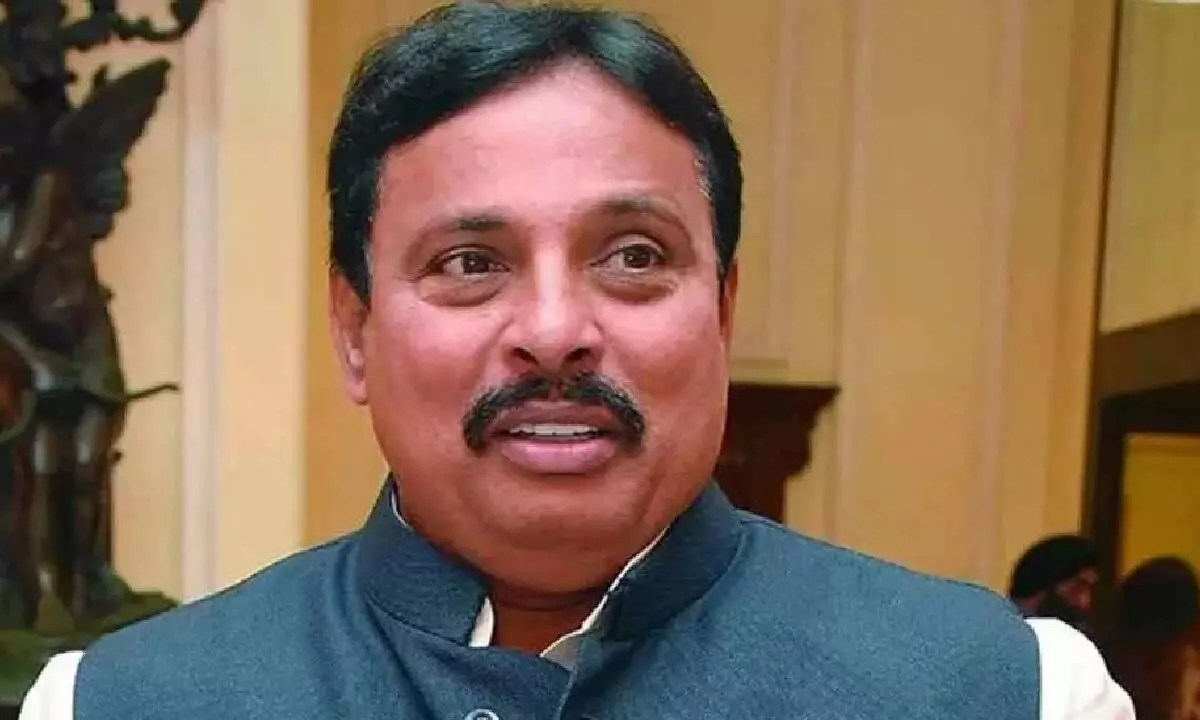
Hyderabad: Chaos prevailed during the ongoing Telangana Assembly session. The BRS party MLAs staged massive protests within the House by rushing towards the podium and raising slogans. Amidst the proceedings, remarks made by former Minister and current Khairatabad MLA Danam Nagender, have created a major ruckus in the house. He launched a scathing attack regarding land allocations made during the tenure of the previous government. In particular, the allegations he levelled -- specifically targeting BRS party Working President KTR have become a subject of intense debate. Speaking on the matter, MLA Danam Nagender alleged that KTR handed over his own land to a private company and added that since KTR held the reins of power at that time, he said that he suffered severe losses.
Zoom: Undervalued And Underestimated - Even Without The Anthropic Stake (NASDAQ:ZM)
Analyst's Disclosure: I/we have a beneficial long position in the shares of GOOG, MSFT either through stock ownership, options, or other derivatives. I wrote this article myself, and it expresses my own opinions. I am not receiving compensation for it (other than from Seeking Alpha). I have no business relationship with any company whose stock is mentioned in this article. Seeking Alpha's Disclosure: Past performance is no guarantee of future results. No recommendation or advice is being given as to whether any investment is suitable for a particular investor. Any views or opinions expressed above may not reflect those of Seeking Alpha as a whole. Seeking Alpha is not a licensed securities dealer, broker or US investment adviser or investment bank. Our analysts are third party authors that include both professional investors and individual investors who may not be licensed or certified by any institute or regulatory body.

Watch SpaceX launch 119 payloads to orbit from California early on March 30
Viewers can watch the live launch coverage on SpaceX's website, with liftoff scheduled during a 57-minute window that opens at 6:20 a.m. EDT (1020 GMT; 3:20 a.m. local California time). When you buy through links on our articles, Future and its syndication partners may earn a commission. SpaceX will launch more than 100 satellites to orbit from California early Monday morning (March 30), and you can watch the action live. A Falcon 9 rocket is scheduled to lift off from Vandenberg Space Force Base in California on Monday during a 57-minute window that opens at 6:20 a.m. EDT (1020 GMT; 3:20 a.m. local California time). The launch will kick off SpaceX's Transporter-16 rideshare mission. You can watch it live via SpaceX, beginning about 15 minutes before liftoff. As its name suggests, Transporter-16 will be the 16th mission of SpaceX's Transporter rideshare series. The company also operates another rideshare program called Bandwagon, which has four launches under its belt so far. Together, these two programs have lofted a total of more than 1,600 payloads to orbit -- including 143 on Transporter-1 in January 2021, which still holds the single-launch record. Transporter-16 will loft 119 payloads, "including cubesats, microsats, hosted payloads, a reentry vehicle, and orbital transfer vehicles carrying eight of those payloads to be deployed at a later time," SpaceX wrote in a mission description. If all goes to plan on Monday morning, the Falcon 9's first stage will land about 8.5 minutes after launch on the SpaceX droneship "Of Course I Still Love You," which will be stationed in the Pacific Ocean. It will be the 12th launch and landing for this particular booster, according to the mission description. The rocket's upper stage, meanwhile, will haul the 119 payloads to low Earth orbit, where they'll be deployed starting about 55 minutes after liftoff.

How to Buy Crypto Before the Rally as SpaceX IPO Buzz Lifts Pepeto and DOGE
Early PEPE holders turned a few thousand dollars into generational wealth, and every one of them wishes they bought more while the entry was still open. In addition, SpaceX IPO rumors suggest up to 30% of shares could be reserved for retail investors. This proves that the biggest opportunities now come with direct access before the crowd arrives. Moving during fear is what separates the wallets that celebrate from the ones that watch. Pepeto is filling with a SolidProof verified presale and a confirmed Binance listing. As a result, the wallets buying right now are the ones set to get the biggest returns when the listing arrives. How to Buy Crypto: A Step by Step Guide as SpaceX IPO Opens Doors for Retail SpaceX IPO allocation rumors suggest up to 30% of shares may be reserved for retail investors per KuCoin. The interest proves that retail now demands early access to the biggest opportunities per BitRss. Understanding the timing matters because the same retail energy driving SpaceX interest is flowing into presale entries with confirmed listings. This happens before the broader market turns bullish. Where the Wallets Buying Right Now Are Set for the Biggest Returns Pepeto Removes All Trading Fees So Every Buy and Sell Keeps the Full Value Learning entering starts with connecting any compatible wallet to the presale platform at Pepeto official website, selecting your payment method, and confirming the transaction. Every contract is cleared by SolidProof, the verification that separates proven safety from empty promises. Thus, tokens arrive at the presale price of $0.000000186. Once inside, PepetoSwap removes all trading fees so every buy and sell keeps the full value. Moreover, the cross chain bridge connects assets on different chains into one holding without transfer cost. The wallets buying Pepeto right now are set to get the biggest returns when the confirmed Binance listing arrives. Analysts project 100x from current levels. 191% APY grows every position daily while the confirmed listing approaches. Furthermore, early PEPE holders turned small entries into generational wealth. The same setup is forming around Pepeto with the same cofounder and a working exchange behind it. Therefore, entering through Pepeto before the listing is the second chance to be on the winning side. Knowing how to buy crypto is the first step. Acting on it before the listing closes the window is the decision that defines this cycle. Digitap Targets Digital Identity but Has No Confirmed Exchange Listing Digitap is building a digital identity verification system focused on secure onboarding for financial services. The technology addresses a real problem, but without a confirmed exchange listing or live trading tools, wallets seeking presale entries find a clearer path through entries with defined timing and verified contracts. Dogecoin Holds at $0.09 as X Money Beta Creates the Biggest Unresolved Catalyst DOGE trades near $0.09 with the X Money beta entering testing on Musk's platform, though integration remains unconfirmed per CoinDCX. The SEC classified DOGE as a digital commodity. Entering during this correction starts with the entries that do not need unconfirmed catalysts. This is because confirmed listings deliver the returns on a defined timeline. Conclusion The current market presents stability through DOGE and opportunity through SpaceX opening doors for retail, while learning how to buy crypto during fear is what every success story started with. The wallets buying Pepeto right now are the ones set to get the biggest returns when the confirmed Binance listing arrives, and early PEPE holders who turned small entries into generational wealth all wish they committed more while the window was open. The same setup is forming through the Pepeto official website right now, and missing it means watching from outside while the wallets that learned how to buy crypto during fear celebrate the returns the listing delivers. Learn how to buy crypto at Pepeto official website before the listing converts presale positions into exchange returns. FAQs: What is the fastest way to learn how to buy crypto? Connect any compatible wallet to Pepeto official website, choose your payment method, and confirm. Learning how to buy crypto takes minutes, and SolidProof verified contracts ensure the safety before entry. How does learning entering during fear create better returns? Fear pushes the market to extreme lows, and learning during that window locks the widest presale gap to confirmed listings before the recovery begins. Where should someone start when learning how to buy crypto? The Pepeto official website offers a step by step presale process with verified contracts and a confirmed Binance listing, making it the clearest starting point for anyone learning how to buy crypto. Related Items:Crypto Market News Today, Dogecoin, How to Buy Crypto Recommended for you XRP News: Evernorth Eyes Nasdaq Treasury Launch as Pepeto Crosses $8M Bitcoin News: MARA Sells 15,133 BTC as Pepeto Fills While PEPE Corrects Best Crypto Exchange Tools as Pepeto Fills While SOL Corrects and ARK Adds Kalshi

SpaceX's upcoming listing stirs up social media frenzy, ticker bets
From rocket launches drawing millions of YouTube views to social media frenzy over its potential listing, SpaceX's debut is shaping up to be a landmark moment for Wall Street. Traders are betting thousands of dollars on the company's ticker and speculating over its entry into the most elite club of U.S. companies, giving the world's most valuable startup a level of social media buzz that only a few companies enjoy, especially when they are yet to file their IPO paperwork. On Polymarket, users were betting on topics including the company's targeted valuation, the exchange it will list on and the ticker its shares would trade under. The combined trading volume of such bets exceeded more than $15.2 million, as of Friday. Odds on the prediction markets platform put a 25% chance on SpaceX choosing the letter "X" as its ticker, a sharp drop from 60% a month ago. The single-letter ticker is up for grabs after U.S. Steel, which reportedly held it for over a century, delisted from the New York Stock Exchange after being bought by Japan's Nippon Steel last year. Musk's social media platform is also called X after a rebrand from Twitter in 2023. Tuttle Capital Management CEO Matthew Tuttle said a better alternative would be "SPCX" - also the ticker of an exchange traded fund his company manages. Story continues below this ad Tuttle has indicated openness to selling the SPCX symbol to SpaceX. "I've not heard from Elon, but my phone line is still open and I'm holding out hope that I get a call," he said. Apart from X, other potential options floated on Polymarket include "SPAX" and the risqué, "SEX". However, users see a roughly 70% probability that the company chooses a different ticker altogether. From Magnificent Seven to Super Eight? SpaceX is targeting a valuation of $1.75 trillion in its listing, which would make it the sixth biggest U.S. company by market capitalization. Tesla and Meta Platforms could fall behind, with market valuations of $1.4 trillion and $1.39 trillion, respectively. Story continues below this ad That has fueled speculation over whether the company's market debut will force a rethink of the so-called "Magnificent Seven", a group of some of the most valuable U.S. companies. "When the company does finally go public, the Magnificent Seven will clearly expand. They'll probably call it the Magnificent Eight, the Super Eight or some new acronym," said Todd Schoenberger, chief investment officer at CrossCheck Management. To capitalize on his popularity among retail investors, CEO Elon Musk is also discussing allocating as much as 30% of the IPO to individual investors, at least three times the usual retail slice, Reuters reported. On social media platform Reddit's r/WallStreetBets thread, SpaceX was mentioned 130 times over the past week and was the 19th most popular mention, according to data from Germany-based data group Breakout Point. Story continues below this ad "The retail investor plays a very significant role when you have a company like SpaceX that's coming public. Most people would say yes to the opportunity of investing in Elon Musk's space company," said Jonathan Corpina, senior managing partner for Meridian Equity Partners.

Smuggled drugs fuel chaos inside Ohio prisons
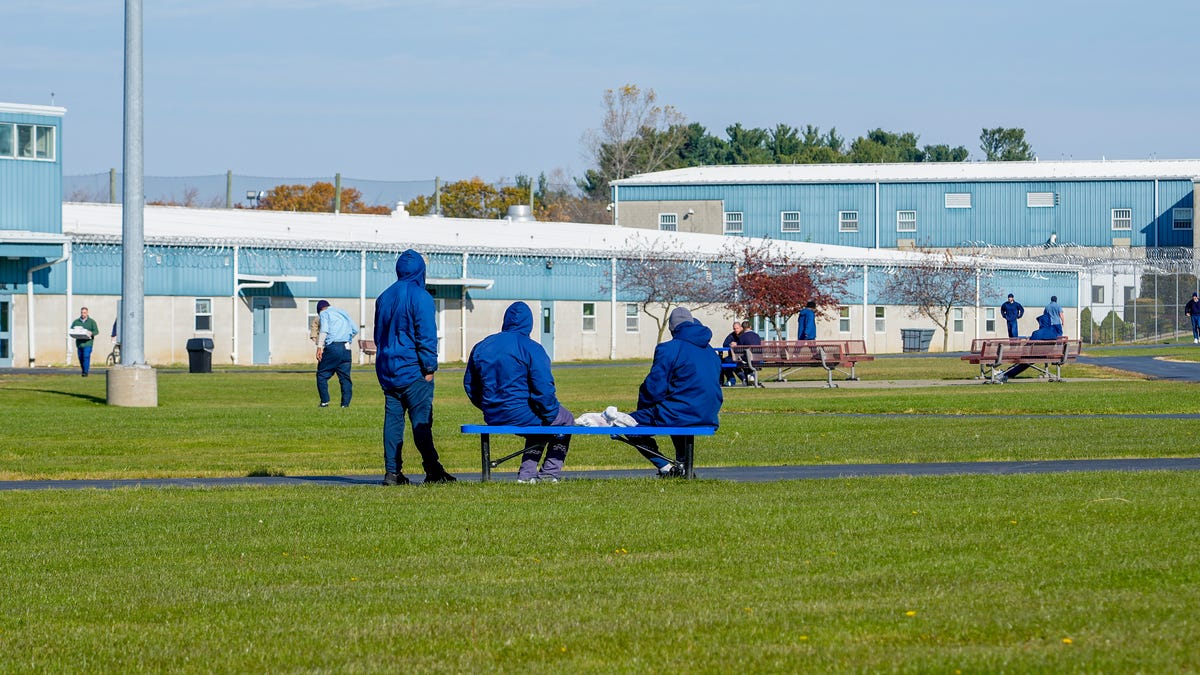
Addictive drugs soaked in confetti-sized hits are being smuggled in, tossed over fences and dropped in by drones. Why can't prison officials stop it? * Drug-soaked paper, known as K2, is now the most common drug found in Ohio prisons. * Fatal overdoses from K2 are rising, but the state likely undercounts them due to detection difficulties. * Despite millions spent on security, drugs are smuggled in by staff, visitors, and drones. * Staff and contractors suspected of smuggling often resign without facing criminal charges. Jayson Murphy lit the speck of paper and inhaled, holding the smoke in his lungs as long as he could. His cellmate, John Jenkins, purchased the drug-soaked paper from another incarcerated man at Lebanon Correctional Institution, a state prison notorious for substance abuse and violence. The drug was their escape from the cockroaches, the bad food, the brutality of their life in prison. The friends laughed themselves to sleep in their bunks that October evening in 2024. The next morning, Jenkins set his dirty laundry outside the cell and tapped Murphy's leg. But Murphy, 50, didn't move. "Oh man, my cellie is dead," Jenkins recalled telling a corrections officer. A crime lab detected potent synthetic drugs, that incarcerated users call K2, in the partially burnt paper found near Murphy's body. Authorities closed their criminal investigation the moment the coroner ruled the death an overdose, abandoning any effort to determine how the drug entered the prison. "I feel like they think, 'OK, he made a choice to get high. So that's that,' you know, instead of looking deeper into the root of the issues," said Amber Hall, Murphy's sister. "How are these things happening? Why are they happening more often? Why is this normal?" Drug-soaked paper, sold in confetti-sized hits, is now the most commonly found drug in Ohio prisons, fueling violence and accounting for more deaths than any other substance, according to a yearlong investigation by The Marshall Project - Cleveland, Columbus Dispatch, Cincinnati Enquirer, Akron Beacon Journal and Canton Repository. The highly addictive drug is smuggled in by staff and visitors, tossed over fences and dropped in by drones. Wide-ranging and unpredictable side effects include vomiting, twitching, convulsing, aggression and psychosis. Jenkins said nearly all 150 men in his cellblock smoke paper. He described a scene from "The Walking Dead" -- men passing out or shuffling around, grunting with burn holes in their clothes. Reporters reviewed hundreds of autopsy, police and court records, hours of prison surveillance footage and data on more than 56,000 drug seizures inside Ohio prisons since 2020. They interviewed prison employees, incarcerated people, families, prosecutors, coroners, forensic scientists, lawmakers, inspectors and smugglers. The investigation found tens of millions of tax dollars spent on tighter security, including taller perimeter fences, anti-drone technology and the electronic delivery of mail. Yet an unknown number of employees and contractors continue to sneak significant amounts of drugs through the front entrance with little consequence. Workers suspected of smuggling often resigned without facing charges, records showed. Murphy was among at least 13 people incarcerated in Ohio who fatally overdosed on K2 in 2024, up from just three the year before, according to available autopsy and toxicology reports. Coroners say they are struggling to identify K2 and other chemicals that evade detection in standard toxicology tests, causing state prison officials to undercount fatal overdoses, the news outlets found after reviewing dozens of death investigations. "At the end of the day, they're still someone's dad, brother, son," said Hall. "And they have people that care about them." Corrections officers are doling out an unprecedented level of discipline. From 2020 to 2024, records show that rule violations for drug use and possession doubled from 10,308 to 20,799, despite only a 6% uptick in the state prison population. Prison officials attribute the spike to new drug detection methods. Nearly half of all drugs found in Ohio prisons are suspected to be K2 paper or other synthetic drugs, state records show. "There is an infestation of narcotics in prisons all over Ohio," said Chris Mabe, president of the union that represents state prison workers. The suspected drugs officers find are rarely tested due to cost and potential exposure. It's impractical to investigate every case, a state official said. Nonetheless, the contraband found is used to discipline incarcerated people. Drug-soaked paper is the most troubling development within state prisons in 30 years, said Annette Chambers-Smith, director of the Ohio Department of Rehabilitation and Correction, who is stepping down to take a job in the governor's office. When it's not available, desperation and untreated addiction drive incarcerated people to wipe up floor wax and bug spray with toilet paper, and then smoke it. People will even smoke dead cockroaches soaked in insecticide, Chambers-Smith said. In some prisons, the floors aren't waxed anymore. "It's crazy," Chambers-Smith said. "Who else is going to smoke wax? I don't notice that happening out in the community." Smoking paper is a uniquely prison thing. The common chemicals and synthetic compounds are hard to detect. The paper is easy to smuggle and hide. Smugglers can make up to $5,000 for each delivery, which can vary in size and often includes other types of drugs. People who unbundle and sell the packages inside prison walls make even more. One man incarcerated at Ross Correctional Institution bragged on a text-messaging system used to communicate with people on the outside that he could make $12,000 in two or three days, according to messages obtained by the highway patrol. His collaborators could make a half-million dollars in two or three years. "It's a gold mine here," he texted. "F--- THE LAW," the man wrote in another message, declaring open season for drug dealing in Ohio prisons. "I GOT 28 TO LIFE. IM NEVEGONE STOP HUSTLIN TILL I GET HOME OR THEY KILL ME." Synthetic cannabinoids flood Ohio prisons Even before drug-soaked paper began to overrun facilities in 2018, addiction and drug use were devastating Ohio prisons. Chambers-Smith said more than 80% of incarcerated people have a history of substance abuse. Corrections officers significantly increased the use of Narcan in 2024 to counter suspected opioid overdoses. But there is no antidote for widely circulating synthetic cannabinoids, which killed more people in Ohio prisons than fentanyl that year, autopsy records show. These mind-altering substances appeared on the shelves of U.S. head shops about 20 years ago. The drug was sold as incense or potpourri -- often in colorful packaging with names like Spice or K2 and with often-ignored warning labels that said, "not for human consumption." Public health departments and poison control centers fielded emergency calls and sounded alarms. By 2011, federal regulators and lawmakers in states including Ohio started banning the drug. These drugs are primarily manufactured overseas. In 2019, the Chinese government outlawed synthetic cannabinoids. But clandestine labs continued to produce the ingredients as manufacturing shifted to the U.S., said Derek Maltz, who led the Drug Enforcement Administration in 2025. Synthetic cannabinoids are seemingly tailored for prisons. The drug is soaked into paper, sometimes disguised as court documents, magazines and books. It enters prisons in full sheets or tiny pieces, often packaged in balloons that can be swallowed. The product is ultimately sold in hits that users smoke or ingest. "I've never seen anything like it," said Tim Wade, who has served time in six prisons in the past decade. "It's different. People are getting rich off it. You can't stop it because you can't detect it. There's no test for it." When Wade first smoked K2, also called tune, he was told he threw his commissary box at his cellmate while barking like a dog. "You mess with someone on tune," Wade said, "you're liable to get attacked." He said he eventually quit, but it wasn't easy. Inside Ohio prisons, multiple eyewitnesses described people smearing feces on walls, constantly talking to themselves, and refusing to shower or eat after prolonged use. Some are "like that permanently now," Wade said. "They ain't coming out of it." Jenkins, 36, remains incarcerated at Lebanon Correctional Institution. He continued to smoke paper after reporting the death of his cellmate, Murphy. "That tune is the devil. It turns you into something that you really ain't," he said. The last time he used the drug, he said it felt like his heart was going to explode -- a scare that finally got him to kick the habit. One morning in February 2023, Steven Grant found his cellmate, Willis Crutcher, still slumped over in a chair from the night before. He was dead, his skin cold and tight. A toxicology test found methamphetamine, fentanyl and K2 in Crutcher's system. Packing up his belongings fell on Grant, who called Crutcher's mother to share details of her son's death. "That was probably the worst part," Grant, 48, said, "talking to her on the phone because she didn't know that he even smoked the tune, you know what I mean? And I hated to be the one to tell her that." Incarcerated people, workers and independent inspectors said some K2 users will visit the prison infirmary in the morning until the effects wear off and be back at it that evening. "We got inmates that go to prison who were straight arrows and clean. And when they leave prison, they're addicts," said Ohio Rep. Mark Johnson, a Chillicothe Republican, who has two state prisons in his district. "There is something wrong with this puzzle." A game of Whac-A-Mole Prisons are struggling to stem the flow of drugs across the country and in Ohio, where officials in recent years have spent tens of millions of tax dollars on tighter security and new strategies. "It's like Whac-A-Mole," state prison director Chambers-Smith said of the multi-front war on prison drugs. "[W]hen you shut down one lane, another one tries to open up." Along with higher fencing and drone detection systems, Chambers-Smith wants more than 14 drug-sniffing dogs, which take time to train, to cover 28 prisons. In the meantime, prison investigators have deployed mobile units that detect unauthorized cellphone signals and airport-style body scanners that check incarcerated people as they return from visits or outside work. The scanners use low-dose X-ray imaging. "A person can be scanned 1,000 times and be under the amount of radiation someone can be exposed to in a year," state prison officials said in a September press release. But they're not used on staff despite more than 180 state prison employees and private vendors suspected of smuggling drugs or contraband since 2020. Some of them admitted to smuggling for weeks or months before getting caught at the main entrance with drugs tucked into their underwear, according to investigative files. The most significant change is how Ohio prisoners receive their mail. Mailrooms had become a primary entry point for drug-soaked paper. In 2021, staff at each prison began scanning and photocopying thousands of letters each month. By 2023, the department opened a center in Youngstown to streamline the process. Now, the 158,000 letters sent to Ohio prisons each year are scanned. Incarcerated people receive them digitally on state-issued tablets, which are also used for emails, phone calls and video visits. Monitoring all that communication, including 60 million annual phone calls lasting 833 million minutes, is a monumental job. In 2025, the department began piloting artificial intelligence at 10 prisons to help investigators search for keywords and follow up on tips. Lawmakers allocated $1 million to expand the program in 2026. But incarcerated dealers and their collaborators often speak in code to keep a step ahead of investigators. And last year, prison investigators said they found at least 1,000 illegal cellphones. Mobile units can detect illegal phones, allowing officials to see phone numbers but not hear the conversations. State prisons are under constant watch by thousands of cameras and employees. Yet drone operators continue to drop drugs into prison yards, even where netting has been installed. People chuck packets over fences or shoot them out of potato cannons -- homemade launchers. Visitors conceal drugs in their bags, bodies or clothing, even under press-on fingernails. Sometimes they're caught, but often the smugglers get away with it. "You can get a whole lot of Suboxone strips in the palm of your hand, worth thousands upon thousands of dollars. Same with the K2 -- it's so small and easily carried. It's really pretty simple math," said one man, who has been incarcerated for nearly two decades and asked not to be named because of safety concerns. Suboxone, which is abused by some incarcerated users, is prescribed for opioid addiction. Drug testing is difficult, costly Of the 176 deaths recorded in Ohio prisons in 2024, officials only linked 10 to fatal overdoses. But toxicology and autopsy reports show that drug use likely caused or contributed to at least 20 deaths: 13 from K2, five from amphetamines like meth, and one each from fentanyl or alcohol. And that's probably an undercount since standard testing isn't designed to detect many chemicals in drug-soaked paper, and additional testing can be costly. Unable to confirm suspected overdoses, coroners often list an undetermined cause of death or point to a chronic disease in a person's medical history. Some coroners go further than others to get answers. In November 2024, Eric Thompson, 33, died while sitting on the bunk in his single cell at Lorain Correctional Institution. Jaleel McCray, 36, died a month later in the middle of a phone call. Lorain County Coroner Frank P. Miller III found nothing of note in their medical histories. He sent each man's blood and urine to a forensic toxicology lab in Indianapolis for the standard $300 screening, plus $200 for synthetic cannabinoid testing. No hits. Undeterred, Miller applied for free testing at the nonprofit Center for Forensic Science Research & Education near Philadelphia, a cutting-edge operation with the latest instruments and a library of known substances. Both men had, in fact, died of the same synthetic cannabinoid, the center found. "It really was invaluable to us that they were able to screen our material and find that," said Miller. Warren County Coroner Russell Uptegrove, who examines bodies from two state prisons, increasingly has had to send samples to specialty labs. "I've heard about people trying to spray things with ant killer or some sort of pesticide or some sort of chemicals," said Uptegrove. "But, again, unless you know specifically what kind of chemical, that's not going to show up on routine toxicology testing." Jessica Toms manages the drug chemistry section at the Ohio Bureau of Criminal Investigation, which has grown from six chemists to three dozen in her 20-year career. Originally, lab testing revealed more common drugs like cocaine and meth, she said. "And now just the volume of designer drugs has exploded." Toms and her team are often telling crime labs in other states when they find something new. "Unfortunately, Ohio is at the forefront of some of these new substances. So, we're seeing some of these things first, and then telling the DEA, 'This is what we've seen. You should be aware of this,'" she said. The smuggling economy: 'A hell of a temptation' A concentration of users and dealers drives demand behind bars, making prisons fertile ground for the lucrative drug market. "Who would want to stop that?" said Grant, who has been incarcerated for more than three decades. "I mean, you're already in prison. You got less risk. What are they gonna do, ride you to another prison where you're going to do the same thing?" Workers can make a month's salary for smuggling just once. "That's a hell of a temptation, don't you think?" Grant said. "It takes a lot of morals and self decency to say, 'yeah, I'm cool on that.'" Grant's solution? Punish everyone who smuggles, sells and uses drugs in prison. "That's the only way things are really going to change. You have to have consequences. There are none." For many, the reward outweighed the risk. Travis Fletcher worked for Aramark at Mansfield Correctional Institution in early 2021 when an incarcerated kitchen worker serving time for drug trafficking offered him $2,500 to smuggle in "some little things." Struggling to pay his bills, Fletcher drove to Akron to pick up pre-packaged Suboxone strips and a box of court papers soaked in K2. "I can promise u 100,000 cash by christmas," the incarcerated kitchen worker texted, three days before Fletcher got busted. Generally, smugglers are paid by dealers via online money apps, such as Cash App, Venmo or Apple Pay. Instead of getting paid, Fletcher pleaded guilty and was given four years of probation. In some instances, employees conspire with each other to bring in contraband. At the start of their shifts, corrections officers walk through metal detectors. Another officer working the front desk checks their bags and might run a hand wand over their coworker's body. It's like going through airport security, but you might be on a first-name basis with the agent checking you. Corrections Officer Brenda Dixson worked the front entry desk at Northeast Ohio Correctional Center and would allow registered nurse Jodi Johnson to pass through with drugs and other contraband, according to federal court records. The two women pleaded not guilty and are awaiting trial on drug trafficking charges. Acting on an internal tip, prison investigator Scott Nagy worked with a federal drug task force to catch the two on Oct. 18, 2025. The prison is owned and operated by CoreCivic, a publicly traded, for-profit company. It declined a request for records that would shed light on the case. In a 2025 hearing on a prison security bill, lawmakers asked William R. Cokonougher, a sergeant at Ross Correctional Institution, what prison reform is needed most. "It's going to be drug interdiction, 100%," Cokonougher said, without hesitation. "We need to put more measures in place to combat these drugs. Like I said, it's killing inmates. It's causing staff to OD." Mark Johnson, the state representative, said he believes that the government -- not private contractors -- should handle all functions inside high-security prisons, including food service. Ohio started contracting with Aramark for food service in 2013 under Gov. John Kasich to save money. "We have people who are from behind the walls of prison getting their friends to apply for work here," Johnson said. "They know all the signs and everything when they get there. They're not really going to work to serve food. They're going in there to serve drugs up." An Aramark spokesperson did not respond to detailed questions. State prison officials have banned more than 200 Aramark employees from prison property since 2020 for suspected smuggling or inappropriate relationships, which often go hand in hand. Like former staff put on a do-not-rehire list, they rarely face criminal charges. And as soon as one of them gets removed from the job, incarcerated people are busy finding replacements. "I need somebody to come out here and work in this prison for Aramark," an incarcerated dealer wrote on a monitored messaging system in May 2024, just two days after his Aramark contact got busted. "Can you knock a white girl for us in Chillicothe Ohio, a smart one. To bring me drugs in the kitchen where I work." Few answers for families Katherine Dixon, 24, holds a heart-shaped pendant etched with "always in my heart." Inside is a portion of her father's cremated remains. When she gets married in October, Dixon plans to wear the pendant and leave a front-row seat open for her dad, Aaron Dixon. "I always imagined my dad walking me down the aisle," she said. In August 2024, Aaron called Katherine, the oldest of his seven children, from inside Chillicothe Correctional Institution. They made plans to attend her little sister's high school graduation together -- if he managed to get out in time. "He said, 'I love you,' and that he'd call me the next day," Katherine Dixon said. That night, an officer asked Aaron Dixon's cellmate if his bunkie was OK. He hopped off the top bunk to find Dixon slumped forward, blue and cold. The autopsy said Aaron Dixon suffered from heart disease and died of a synthetic cannabinoid overdose. Patrol investigators found a wire and a burnt electrical outlet in the cell -- a telltale sign of smoking drugs. As the listed next of kin, Katherine Dixon got the call from the prison about his death. In the weeks that followed, she said she placed multiple calls to the coroner, which yielded little information about exactly what happened. Prison officials told her that he suffered a heart attack. She learned the true cause months later when a reporter called and shared the autopsy and toxicology reports with her. "Wait, did you say that he overdosed?" Katherine Dixon said on the phone. She and her sister Hannah sobbed when they finally reviewed the medical reports. A heart attack seemed easier to accept. "It feels different because passing away due to a drug overdose, it's something you don't want to hear about a family member. It just breaks you inside," Katherine Dixon said. Aaron Dixon, who was serving seven years for drug possession and burglary, started using drugs as a teenager. With a family history of addiction, he had little success controlling his cravings. He landed in jails, bar fights, homeless shelters, prisons and trouble. When her father got locked up, Katherine Dixon was hopeful that he would finally get clean. "I thought he was going to be safe in prison." This article was published in partnership with The Marshall Project, a nonprofit news organization covering the U.S. criminal justice system. Sign up for The Marshall Project's newsletters, and follow them on Instagram, TikTok, Reddit and Facebook.
Smuggled drugs fuel chaos inside Ohio prisons
Addictive drugs soaked in confetti-sized hits are being smuggled in, tossed over fences and dropped in by drones. Why can't prison officials stop it? * Drug-soaked paper, known as K2, is now the most common drug found in Ohio prisons. * Fatal overdoses from K2 are rising, but the state likely undercounts them due to detection difficulties. * Despite millions spent on security, drugs are smuggled in by staff, visitors, and drones. * Staff and contractors suspected of smuggling often resign without facing criminal charges. Jayson Murphy lit the speck of paper and inhaled, holding the smoke in his lungs as long as he could. His cellmate, John Jenkins, purchased the drug-soaked paper from another incarcerated man at Lebanon Correctional Institution, a state prison notorious for substance abuse and violence. The drug was their escape from the cockroaches, the bad food, the brutality of their life in prison. The friends laughed themselves to sleep in their bunks that October evening in 2024. The next morning, Jenkins set his dirty laundry outside the cell and tapped Murphy's leg. But Murphy, 50, didn't move. "Oh man, my cellie is dead," Jenkins recalled telling a corrections officer. A crime lab detected potent synthetic drugs, that incarcerated users call K2, in the partially burnt paper found near Murphy's body. Authorities closed their criminal investigation the moment the coroner ruled the death an overdose, abandoning any effort to determine how the drug entered the prison. "I feel like they think, 'OK, he made a choice to get high. So that's that,' you know, instead of looking deeper into the root of the issues," said Amber Hall, Murphy's sister. "How are these things happening? Why are they happening more often? Why is this normal?" Drug-soaked paper, sold in confetti-sized hits, is now the most commonly found drug in Ohio prisons, fueling violence and accounting for more deaths than any other substance, according to a yearlong investigation by The Marshall Project - Cleveland, Columbus Dispatch, Cincinnati Enquirer, Akron Beacon Journal and Canton Repository. The highly addictive drug is smuggled in by staff and visitors, tossed over fences and dropped in by drones. Wide-ranging and unpredictable side effects include vomiting, twitching, convulsing, aggression and psychosis. Jenkins said nearly all 150 men in his cellblock smoke paper. He described a scene from "The Walking Dead" -- men passing out or shuffling around, grunting with burn holes in their clothes. Reporters reviewed hundreds of autopsy, police and court records, hours of prison surveillance footage and data on more than 56,000 drug seizures inside Ohio prisons since 2020. They interviewed prison employees, incarcerated people, families, prosecutors, coroners, forensic scientists, lawmakers, inspectors and smugglers. The investigation found tens of millions of tax dollars spent on tighter security, including taller perimeter fences, anti-drone technology and the electronic delivery of mail. Yet an unknown number of employees and contractors continue to sneak significant amounts of drugs through the front entrance with little consequence. Workers suspected of smuggling often resigned without facing charges, records showed. Murphy was among at least 13 people incarcerated in Ohio who fatally overdosed on K2 in 2024, up from just three the year before, according to available autopsy and toxicology reports. Coroners say they are struggling to identify K2 and other chemicals that evade detection in standard toxicology tests, causing state prison officials to undercount fatal overdoses, the news outlets found after reviewing dozens of death investigations. "At the end of the day, they're still someone's dad, brother, son," said Hall. "And they have people that care about them." Corrections officers are doling out an unprecedented level of discipline. From 2020 to 2024, records show that rule violations for drug use and possession doubled from 10,308 to 20,799, despite only a 6% uptick in the state prison population. Prison officials attribute the spike to new drug detection methods. Nearly half of all drugs found in Ohio prisons are suspected to be K2 paper or other synthetic drugs, state records show. "There is an infestation of narcotics in prisons all over Ohio," said Chris Mabe, president of the union that represents state prison workers. The suspected drugs officers find are rarely tested due to cost and potential exposure. It's impractical to investigate every case, a state official said. Nonetheless, the contraband found is used to discipline incarcerated people. Drug-soaked paper is the most troubling development within state prisons in 30 years, said Annette Chambers-Smith, director of the Ohio Department of Rehabilitation and Correction, who is stepping down to take a job in the governor's office. When it's not available, desperation and untreated addiction drive incarcerated people to wipe up floor wax and bug spray with toilet paper, and then smoke it. People will even smoke dead cockroaches soaked in insecticide, Chambers-Smith said. In some prisons, the floors aren't waxed anymore. "It's crazy," Chambers-Smith said. "Who else is going to smoke wax? I don't notice that happening out in the community." Smoking paper is a uniquely prison thing. The common chemicals and synthetic compounds are hard to detect. The paper is easy to smuggle and hide. Smugglers can make up to $5,000 for each delivery, which can vary in size and often includes other types of drugs. People who unbundle and sell the packages inside prison walls make even more. One man incarcerated at Ross Correctional Institution bragged on a text-messaging system used to communicate with people on the outside that he could make $12,000 in two or three days, according to messages obtained by the highway patrol. His collaborators could make a half-million dollars in two or three years. "It's a gold mine here," he texted. "F--- THE LAW," the man wrote in another message, declaring open season for drug dealing in Ohio prisons. "I GOT 28 TO LIFE. IM NEVEGONE STOP HUSTLIN TILL I GET HOME OR THEY KILL ME." Synthetic cannabinoids flood Ohio prisons Even before drug-soaked paper began to overrun facilities in 2018, addiction and drug use were devastating Ohio prisons. Chambers-Smith said more than 80% of incarcerated people have a history of substance abuse. Corrections officers significantly increased the use of Narcan in 2024 to counter suspected opioid overdoses. But there is no antidote for widely circulating synthetic cannabinoids, which killed more people in Ohio prisons than fentanyl that year, autopsy records show. These mind-altering substances appeared on the shelves of U.S. head shops about 20 years ago. The drug was sold as incense or potpourri -- often in colorful packaging with names like Spice or K2 and with often-ignored warning labels that said, "not for human consumption." Public health departments and poison control centers fielded emergency calls and sounded alarms. By 2011, federal regulators and lawmakers in states including Ohio started banning the drug. These drugs are primarily manufactured overseas. In 2019, the Chinese government outlawed synthetic cannabinoids. But clandestine labs continued to produce the ingredients as manufacturing shifted to the U.S., said Derek Maltz, who led the Drug Enforcement Administration in 2025. Synthetic cannabinoids are seemingly tailored for prisons. The drug is soaked into paper, sometimes disguised as court documents, magazines and books. It enters prisons in full sheets or tiny pieces, often packaged in balloons that can be swallowed. The product is ultimately sold in hits that users smoke or ingest. "I've never seen anything like it," said Tim Wade, who has served time in six prisons in the past decade. "It's different. People are getting rich off it. You can't stop it because you can't detect it. There's no test for it." When Wade first smoked K2, also called tune, he was told he threw his commissary box at his cellmate while barking like a dog. "You mess with someone on tune," Wade said, "you're liable to get attacked." He said he eventually quit, but it wasn't easy. Inside Ohio prisons, multiple eyewitnesses described people smearing feces on walls, constantly talking to themselves, and refusing to shower or eat after prolonged use. Some are "like that permanently now," Wade said. "They ain't coming out of it." Jenkins, 36, remains incarcerated at Lebanon Correctional Institution. He continued to smoke paper after reporting the death of his cellmate, Murphy. "That tune is the devil. It turns you into something that you really ain't," he said. The last time he used the drug, he said it felt like his heart was going to explode -- a scare that finally got him to kick the habit. One morning in February 2023, Steven Grant found his cellmate, Willis Crutcher, still slumped over in a chair from the night before. He was dead, his skin cold and tight. A toxicology test found methamphetamine, fentanyl and K2 in Crutcher's system. Packing up his belongings fell on Grant, who called Crutcher's mother to share details of her son's death. "That was probably the worst part," Grant, 48, said, "talking to her on the phone because she didn't know that he even smoked the tune, you know what I mean? And I hated to be the one to tell her that." Incarcerated people, workers and independent inspectors said some K2 users will visit the prison infirmary in the morning until the effects wear off and be back at it that evening. "We got inmates that go to prison who were straight arrows and clean. And when they leave prison, they're addicts," said Ohio Rep. Mark Johnson, a Chillicothe Republican, who has two state prisons in his district. "There is something wrong with this puzzle." A game of Whac-A-Mole Prisons are struggling to stem the flow of drugs across the country and in Ohio, where officials in recent years have spent tens of millions of tax dollars on tighter security and new strategies. "It's like Whac-A-Mole," state prison director Chambers-Smith said of the multi-front war on prison drugs. "[W]hen you shut down one lane, another one tries to open up." Along with higher fencing and drone detection systems, Chambers-Smith wants more than 14 drug-sniffing dogs, which take time to train, to cover 28 prisons. In the meantime, prison investigators have deployed mobile units that detect unauthorized cellphone signals and airport-style body scanners that check incarcerated people as they return from visits or outside work. The scanners use low-dose X-ray imaging. "A person can be scanned 1,000 times and be under the amount of radiation someone can be exposed to in a year," state prison officials said in a September press release. But they're not used on staff despite more than 180 state prison employees and private vendors suspected of smuggling drugs or contraband since 2020. Some of them admitted to smuggling for weeks or months before getting caught at the main entrance with drugs tucked into their underwear, according to investigative files. The most significant change is how Ohio prisoners receive their mail. Mailrooms had become a primary entry point for drug-soaked paper. In 2021, staff at each prison began scanning and photocopying thousands of letters each month. By 2023, the department opened a center in Youngstown to streamline the process. Now, the 158,000 letters sent to Ohio prisons each year are scanned. Incarcerated people receive them digitally on state-issued tablets, which are also used for emails, phone calls and video visits. Monitoring all that communication, including 60 million annual phone calls lasting 833 million minutes, is a monumental job. In 2025, the department began piloting artificial intelligence at 10 prisons to help investigators search for keywords and follow up on tips. Lawmakers allocated $1 million to expand the program in 2026. But incarcerated dealers and their collaborators often speak in code to keep a step ahead of investigators. And last year, prison investigators said they found at least 1,000 illegal cellphones. Mobile units can detect illegal phones, allowing officials to see phone numbers but not hear the conversations. State prisons are under constant watch by thousands of cameras and employees. Yet drone operators continue to drop drugs into prison yards, even where netting has been installed. People chuck packets over fences or shoot them out of potato cannons -- homemade launchers. Visitors conceal drugs in their bags, bodies or clothing, even under press-on fingernails. Sometimes they're caught, but often the smugglers get away with it. "You can get a whole lot of Suboxone strips in the palm of your hand, worth thousands upon thousands of dollars. Same with the K2 -- it's so small and easily carried. It's really pretty simple math," said one man, who has been incarcerated for nearly two decades and asked not to be named because of safety concerns. Suboxone, which is abused by some incarcerated users, is prescribed for opioid addiction. Drug testing is difficult, costly Of the 176 deaths recorded in Ohio prisons in 2024, officials only linked 10 to fatal overdoses. But toxicology and autopsy reports show that drug use likely caused or contributed to at least 20 deaths: 13 from K2, five from amphetamines like meth, and one each from fentanyl or alcohol. And that's probably an undercount since standard testing isn't designed to detect many chemicals in drug-soaked paper, and additional testing can be costly. Unable to confirm suspected overdoses, coroners often list an undetermined cause of death or point to a chronic disease in a person's medical history. Some coroners go further than others to get answers. In November 2024, Eric Thompson, 33, died while sitting on the bunk in his single cell at Lorain Correctional Institution. Jaleel McCray, 36, died a month later in the middle of a phone call. Lorain County Coroner Frank P. Miller III found nothing of note in their medical histories. He sent each man's blood and urine to a forensic toxicology lab in Indianapolis for the standard $300 screening, plus $200 for synthetic cannabinoid testing. No hits. Undeterred, Miller applied for free testing at the nonprofit Center for Forensic Science Research & Education near Philadelphia, a cutting-edge operation with the latest instruments and a library of known substances. Both men had, in fact, died of the same synthetic cannabinoid, the center found. "It really was invaluable to us that they were able to screen our material and find that," said Miller. Warren County Coroner Russell Uptegrove, who examines bodies from two state prisons, increasingly has had to send samples to specialty labs. "I've heard about people trying to spray things with ant killer or some sort of pesticide or some sort of chemicals," said Uptegrove. "But, again, unless you know specifically what kind of chemical, that's not going to show up on routine toxicology testing." Jessica Toms manages the drug chemistry section at the Ohio Bureau of Criminal Investigation, which has grown from six chemists to three dozen in her 20-year career. Originally, lab testing revealed more common drugs like cocaine and meth, she said. "And now just the volume of designer drugs has exploded." Toms and her team are often telling crime labs in other states when they find something new. "Unfortunately, Ohio is at the forefront of some of these new substances. So, we're seeing some of these things first, and then telling the DEA, 'This is what we've seen. You should be aware of this,'" she said. The smuggling economy: 'A hell of a temptation' A concentration of users and dealers drives demand behind bars, making prisons fertile ground for the lucrative drug market. "Who would want to stop that?" said Grant, who has been incarcerated for more than three decades. "I mean, you're already in prison. You got less risk. What are they gonna do, ride you to another prison where you're going to do the same thing?" Workers can make a month's salary for smuggling just once. "That's a hell of a temptation, don't you think?" Grant said. "It takes a lot of morals and self decency to say, 'yeah, I'm cool on that.'" Grant's solution? Punish everyone who smuggles, sells and uses drugs in prison. "That's the only way things are really going to change. You have to have consequences. There are none." For many, the reward outweighed the risk. Travis Fletcher worked for Aramark at Mansfield Correctional Institution in early 2021 when an incarcerated kitchen worker serving time for drug trafficking offered him $2,500 to smuggle in "some little things." Struggling to pay his bills, Fletcher drove to Akron to pick up pre-packaged Suboxone strips and a box of court papers soaked in K2. "I can promise u 100,000 cash by christmas," the incarcerated kitchen worker texted, three days before Fletcher got busted. Generally, smugglers are paid by dealers via online money apps, such as Cash App, Venmo or Apple Pay. Instead of getting paid, Fletcher pleaded guilty and was given four years of probation. In some instances, employees conspire with each other to bring in contraband. At the start of their shifts, corrections officers walk through metal detectors. Another officer working the front desk checks their bags and might run a hand wand over their coworker's body. It's like going through airport security, but you might be on a first-name basis with the agent checking you. Corrections Officer Brenda Dixson worked the front entry desk at Northeast Ohio Correctional Center and would allow registered nurse Jodi Johnson to pass through with drugs and other contraband, according to federal court records. The two women pleaded not guilty and are awaiting trial on drug trafficking charges. Acting on an internal tip, prison investigator Scott Nagy worked with a federal drug task force to catch the two on Oct. 18, 2025. The prison is owned and operated by CoreCivic, a publicly traded, for-profit company. It declined a request for records that would shed light on the case. In a 2025 hearing on a prison security bill, lawmakers asked William R. Cokonougher, a sergeant at Ross Correctional Institution, what prison reform is needed most. "It's going to be drug interdiction, 100%," Cokonougher said, without hesitation. "We need to put more measures in place to combat these drugs. Like I said, it's killing inmates. It's causing staff to OD." Mark Johnson, the state representative, said he believes that the government -- not private contractors -- should handle all functions inside high-security prisons, including food service. Ohio started contracting with Aramark for food service in 2013 under Gov. John Kasich to save money. "We have people who are from behind the walls of prison getting their friends to apply for work here," Johnson said. "They know all the signs and everything when they get there. They're not really going to work to serve food. They're going in there to serve drugs up." An Aramark spokesperson did not respond to detailed questions. State prison officials have banned more than 200 Aramark employees from prison property since 2020 for suspected smuggling or inappropriate relationships, which often go hand in hand. Like former staff put on a do-not-rehire list, they rarely face criminal charges. And as soon as one of them gets removed from the job, incarcerated people are busy finding replacements. "I need somebody to come out here and work in this prison for Aramark," an incarcerated dealer wrote on a monitored messaging system in May 2024, just two days after his Aramark contact got busted. "Can you knock a white girl for us in Chillicothe Ohio, a smart one. To bring me drugs in the kitchen where I work." Few answers for families Katherine Dixon, 24, holds a heart-shaped pendant etched with "always in my heart." Inside is a portion of her father's cremated remains. When she gets married in October, Dixon plans to wear the pendant and leave a front-row seat open for her dad, Aaron Dixon. "I always imagined my dad walking me down the aisle," she said. In August 2024, Aaron called Katherine, the oldest of his seven children, from inside Chillicothe Correctional Institution. They made plans to attend her little sister's high school graduation together -- if he managed to get out in time. "He said, 'I love you,' and that he'd call me the next day," Katherine Dixon said. That night, an officer asked Aaron Dixon's cellmate if his bunkie was OK. He hopped off the top bunk to find Dixon slumped forward, blue and cold. The autopsy said Aaron Dixon suffered from heart disease and died of a synthetic cannabinoid overdose. Patrol investigators found a wire and a burnt electrical outlet in the cell -- a telltale sign of smoking drugs. As the listed next of kin, Katherine Dixon got the call from the prison about his death. In the weeks that followed, she said she placed multiple calls to the coroner, which yielded little information about exactly what happened. Prison officials told her that he suffered a heart attack. She learned the true cause months later when a reporter called and shared the autopsy and toxicology reports with her. "Wait, did you say that he overdosed?" Katherine Dixon said on the phone. She and her sister Hannah sobbed when they finally reviewed the medical reports. A heart attack seemed easier to accept. "It feels different because passing away due to a drug overdose, it's something you don't want to hear about a family member. It just breaks you inside," Katherine Dixon said. Aaron Dixon, who was serving seven years for drug possession and burglary, started using drugs as a teenager. With a family history of addiction, he had little success controlling his cravings. He landed in jails, bar fights, homeless shelters, prisons and trouble. When her father got locked up, Katherine Dixon was hopeful that he would finally get clean. "I thought he was going to be safe in prison." This article was published in partnership with The Marshall Project, a nonprofit news organization covering the U.S. criminal justice system. Sign up for The Marshall Project's newsletters, and follow them on Instagram, TikTok, Reddit and Facebook.
As OpenAI drops out of datacentre project at Texas, Microsoft moves in; CEO of data center developer Crusoe says: This will be ...
Microsoft is reportedly taking over a data centre construction project in Texas after OpenAI declined to pursue it. This will make the two companies neighbours at one of the country's largest artificial intelligence (AI) hubs. The project, located in Abilene, Texas, is being developed by data centre company Crusoe, which has now confirmed that it is working with the company that was once the exclusive cloud computing provider and still holds a roughly 27% stake in ChatGPT-maker. However, both companies have been increasingly pursuing AI development separately, even as they occupy the same tract of land. The announcement comes after OpenAI said that it had dropped plans to expand its Abilene project further earlier this month.In a written statement to Fortune, Crusoe co-founder and CEO Chase Lochmiller said that this data centre will be the "industrial foundation for American AI". The company's chief executive also noted that Crusoe continues to build the power plant tied to Microsoft's project that will generate 900 megawatts "at a velocity the industry has never seen."The Abilene site was originally planned as a cryptocurrency mining facility before developers revised and expanded the project following the rise in demand for AI infrastructure after the launch of ChatGPT.Crusoe has announced that this site will be part of its deal with Microsoft, which involves building two new "AI factory" facilities, along with an on-site power plant for the company. The development will sit next to a separate, larger campus that Crusoe is already constructing for OpenAI and Oracle, bringing multiple AI infrastructure projects in the same location. However, Microsoft's plant will be larger than the 350-megawatt, gas-fired power plant attached to the OpenAI and Oracle project, the company added. Crusoe has already completed two data centre buildings for OpenAI and its cloud partner Oracle, with SoftBank also involved as an investment partner. Currently, the company is constructing six additional buildings for OpenAI and Oracle, with completion expected by the end of this year.OpenAI's existing project, which is part of the Stargate data centre initiative, was announced by US President Donald Trump as part of AI investment efforts he described as a "resounding declaration of confidence in America's potential."In a post shared on X, Sachin Katti, OpenAI's head of compute infrastructure, wrote, "Our flagship Stargate site is one of the largest AI data center campuses in the United States. We considered expanding it further, but ultimately chose to put that additional capacity in other locations."Katti added that OpenAI has more than half a dozen sites under development across the United States, including a project with Oracle in Wisconsin.Meanwhile, Microsoft's two additional facilities in Abilene, announced last week, will bring the total number of data centre buildings at the site to 10, with a combined capacity of 2.1 gigawatts.Oracle has said the on-site power plant will serve as a backup, as the data centres primarily rely on the regional electricity grid, including power from nearby wind farms.The expansion of AI infrastructure has also raised concerns around emissions. During a visit to Abilene last year, OpenAI CEO Sam Altman said, "We're burning gas to run this data center," adding that "in the long trajectory of Stargate", the aim is to transition to other power sources.

Manchester Airport Plunges into Travel Nightmare as Numerous Flight Cancellations Cause Unprecedented Travel Chaos: You Need to Know - Travel And Tour World
Travelers across Europe and the Middle East have faced significant disruptions in recent days due to multiple flight cancellations. Key airports, including Bahrain International, Amsterdam Schiphol, and Oslo Gardermoen, have been heavily affected. Airlines such as Gulf Air, KLM, and Icelandair have had to cancel numerous flights due to various operational reasons, leaving thousands of passengers stranded or rerouted. Tourists planning their trips to these regions or connecting through major hubs should be prepared for unexpected delays and changes in their travel plans. Impact on Tourism These disruptions have extended beyond the inconvenience of individual travelers, influencing the tourism industry at large. Major tourist destinations in the Middle East and Europe are feeling the effects as tourists are forced to adjust their schedules. Bahrain, with its growing appeal as a cultural and business hub, faces a drop in international arrivals due to the large volume of canceled flights. Similarly, destinations like Amsterdam, famous for its rich culture and vibrant city life, have seen a sharp decline in visitor numbers this week. The cancellations are also impacting cruise tourists who plan to connect to Mediterranean or Arabian Gulf departures. For instance, tourists traveling from Amsterdam to join Mediterranean cruises might face delays that affect port times, further complicating their travel logistics. How Airports Are Affected Bahrain International Airport (BAH), a key gateway for international visitors to the Gulf, is facing multiple canceled flights by Gulf Air (GFA4). This impacts both business and leisure travel, as Bahrain is a popular destination for those exploring the region's cultural heritage, shopping districts, and events. Tourists who had planned to experience the famed Bahrain International Circuit or enjoy its luxurious hotels now face frustration due to cancellations that have disrupted travel. Amsterdam Schiphol (AMS), a hub for global travelers heading to Europe, has been another critical location. KLM's cancellations have primarily impacted routes between European capitals and beyond. With its proximity to landmarks like the Rijksmuseum and Van Gogh Museum, the impact on tourism is notable. The airport has also struggled to maintain smooth operations, with long lines and congestion due to the influx of passengers rerouted from canceled flights. Oslo Gardermoen Airport (OSL), a key departure point for those traveling to the Nordic countries, also faced a wave of cancellations on flights operated by SAS. Norway, with its dramatic fjords and lively culture, typically sees a surge of tourism in the summer months. Cancellations now threaten to delay travelers hoping to explore Norway's natural wonders, such as the Northern Lights and the Oslo Opera House. Tourist Options for Affected Travelers Tourists affected by these disruptions can explore options to mitigate their travel woes. Travelers who were planning to visit the Middle East or Europe can take advantage of rerouted flights through nearby airports. For instance, travelers stuck at Bahrain International can consider connecting flights through Dubai International Airport (DXB), which remains operational despite the disruptions in the region. Those heading to Amsterdam can choose alternative connections through Brussels Airport (BRU) or Paris Charles de Gaulle (CDG), two other major European travel hubs. Both airports continue to function smoothly and offer a wide range of options to reconnect to international destinations. In cases where a traveler is stranded, airports are offering accommodation and meals for those who have been delayed overnight. Passengers who were on canceled flights should immediately check with their airline for options to rebook at no additional cost or claim compensation for the inconvenience. Government Actions and Guidelines Governments and local aviation authorities are actively working to resolve the issue and support travelers affected by flight disruptions. According to the Bahrain Civil Aviation Affairs (CAA) and European Union Aviation Safety Agency (EASA), airlines are expected to communicate swiftly with passengers regarding delays and cancellations. Both authorities have urged airlines to prioritize transparency and provide clear rebooking instructions to ensure minimal disruption to passengers' schedules. Travelers are encouraged to check government websites and their airline's official channels for real-time updates and further guidance. Those traveling in and out of the Middle East and Europe should ensure they have access to their booking details and be prepared for changes. Future of European and Middle Eastern Tourism While current cancellations have disrupted tourism to several key cities, the longer-term impact on the region's tourism is expected to be minimal. Both Europe and the Middle East remain top global destinations, with rich cultures, world-renowned landmarks, and high-quality services attracting millions of visitors annually. Tourists planning to visit iconic sites like the Eiffel Tower in Paris, the Burj Khalifa in Dubai, or the museums of Amsterdam can look forward to visiting these landmarks in the future. Once flight schedules normalize, the regions will continue to see a steady influx of international visitors, as they are set to host a variety of cultural events, concerts, and sports activities. While recent flight cancellations in Bahrain, Amsterdam, and Oslo have caused significant inconvenience, tourists are advised to remain patient and explore alternative travel routes. The impact on tourism may be temporary, but the beauty and appeal of these regions remain undiminished. Government authorities and airlines are working diligently to provide solutions, and with careful planning, travelers can resume their trips without missing out on the cultural and historical experiences these destinations offer. For now, affected passengers should remain flexible with their travel plans and stay updated through official channels. With the right steps, these disruptions can be managed, ensuring future travel to the Middle East and Europe continues smoothly.

Live coverage: SpaceX to launch 119 payloads on smallsat rideshare mission from California
SpaceX is gearing up to launch its third largest smallsat rideshare mission on Monday morning. The Transporter-16 mission will fly 119 payloads to a Sun-synchronous, low Earth orbit on a Falcon 9 rocket launching from Vandenberg Space Force Base. Liftoff from Space Launch Complex 4 East is scheduled for 4:02 a.m. PDT (7:02 a.m. EDT / 1102 UTC). Spaceflight Now will have live coverage beginning about 30 minutes prior to liftoff. The Falcon 9 first stage booster supporting this mission has the tail number B1093. This will be its 12th flight including a pair of missions for the Space Development Agency and nine batches of Starlink satellites. A little more than 8.5 minutes after liftoff, B1093 will target a landing on the drone ship, 'Of Course I Still Love You,' positioned in the Pacific Ocean. If successful, this will be the 187th landing on this vessel and the 592nd booster landing for the company to date. Like all of SpaceX's rideshare missions, this flight supports dozens of customers, from companies to sovereign governments to academia. Two companies who managed manifesting the majority of the payloads are Exolaunch (57 payloads) and Seops Space (19 payloads). "Exolaunch is enabling launch access for more than 25 commercial, institutional, and government customers from the United States, the United Kingdom, Bulgaria, France, Finland, Greece, Italy, Spain, South Korea, Taiwan, Turkey, and more on this mission," Exolaunch said in a statement in February. The payloads overseen by Seops Space are a combination of 14 CubeSats and five PocketQubes. The latter of which are from a company called Alba Orbital and are Earth observation satellites. "The Seops Transporter-16 manifest represents a truly global cross-section of the small satellite community, with payloads originating from 13 countries, including Canada, France, Malaysia, Nepal, Norway, Romania, Scotland, Spain, Switzerland, Taiwan, the United Kingdom, the United States, and Vietnam," Seops said in a statement. Other notable payloads include Varda Space's sixth reentry satellite bus, designed for on-orbit manufacturing, and the so-called 'cake topper,' the Gravitas satellite from K2 Space. The Gravitas satellite has a wingspan of 40 meters with its solar panels unfurled and weighs about two metric tons. It's designed to produce 20 kW of electricity.

Britons turn to solar power to 'insulate' against oil and gas chaos, says E.On
War in the Middle East is prompting Britons to turn away from fossil fuel-driven power, as E.On revealed a spike in solar panel sales over recent weeks. The electricity supplier said solar sales were up by 62% this month, compared with the previous month, while website visits to the solar page soared by a similar amount over the first week of March. E.On UK's chief executive Chris Norbury told the Press Association: "There's probably never been a more important time to bring products to market that have the potential to make a significant difference to residential customers' energy bills. "Ultimately, what all of our customers tell us very clearly is they want solutions that help bring energy prices down for them not just temporarily, but sustainably and on an enduring basis." It comes as E.On, which is one of the UK's biggest electricity suppliers, announced the launch of a new service that uses automation to reduce bills for homes with solar panels and batteries. The tool, named Next Optimise, connects to wholesale prices and uses automation to charge batteries when wholesale prices are low, and use or export stored energy when prices rise. The technology has been used in 80,000 Australian homes, where sunnier weather has helped it get ahead of the uptake of solar power relative to other countries, including the UK. Dan Adams, the chief executive of Amber Electric, which has partnered with E.On to provide the technology, said he thinks the shift has made Australia "less exposed to some of these big shocks because of that increased uptake" of solar. E.On's Mr Norbury said: "As a country, we are in a better position than we were in 2022, but there's still a hell of a lot more work to do. "We have the opportunity to do that work quickly, to continue the decarbonisation of our energy system, which is ultimately what will insulate us from fossil fuel-driven events such as this." Electrifying home energy, such as battery and solar, needs to be done quickly and will benefit households who are more vulnerable to price volatility, he argued. It comes as the prices of crude oil and natural gas have rocketed in recent weeks in response to the effective closure of the Strait of Hormuz and damage to energy infrastructure in the Middle East. Martin McCluskey, minister for energy consumers, said: "Events in the Middle East remind us that our mission for clean, homegrown power is essential for our energy security. "Solar power will play a crucial part in that mission, and it's clear that the British people are recognising that, too. "That's why we're also making it possible for consumers to buy plug-in solar in shops within months - helping people to save money on their bills and protecting them from volatile fossil fuel markets."
Reserve Bank of India FX intervention move after hours on Friday. INR chaos day ahead? | investingLive
The RBI's after-hours announcement of FX position caps is being viewed as a form of indirect intervention to support the rupee. While the policy forces short covering and limits speculative pressure, banks warn that rapid implementation could trigger disorderly unwinds and near-term volatility. Summary: Indian banks are pushing back against newly announced foreign exchange restrictions from the Reserve Bank of India, framing the move as a de facto intervention in currency markets that could trigger short-term disruption if implemented too quickly. The RBI announced after the market close on Friday that banks must cap their net open rupee positions in the onshore deliverable market at $100 million by the end of each business day starting April 10. The timing of the announcement, outside trading hours,s ignals urgency and aligns with a broader effort to stabilise the rupee following its slide to a record low of 94.84 per U.S. dollar. The currency has come under sustained pressure amid a surge in oil prices and heavy foreign portfolio outflows linked to the Iran war. As a major oil importer, India faces structurally higher U.S. dollar demand when energy prices rise, while capital outflows further amplify depreciation pressure. Against this backdrop, the RBI's move is being interpreted by market participants as a form of indirect FX intervention. By imposing strict limits on net open positions, the central bank is effectively forcing banks to reduce short rupee exposure. This creates mechanical demand for the rupee, particularly into daily closes, and constrains the ability of institutions to build large bearish positions. In practical terms, it acts as a cap on USD/INR upside by compelling banks to square positions and supply dollars back into the market. However, banks warn that the speed of implementation could prove destabilising. Treasury officials from both domestic and foreign lenders have raised concerns that the short compliance window may trigger a disorderly unwinding of existing trades, particularly arbitrage strategies between the offshore non-deliverable forward (NDF) market and the onshore market. These positions are heavily concentrated in the one- to three-month tenor, meaning forced early exits could generate one-sided flows and mark-to-market losses. Lenders have asked for a three-month transition period or permission to hold existing positions to maturity, arguing that a more gradual adjustment would allow exposures to roll off naturally and reduce the risk of abrupt market dislocation. The situation underscores the RBI's balancing act. While the policy is clearly aimed at defending the rupee and restoring orderly conditions, it introduces near-term execution risk. In essence, the central bank is tightening control over positioning rather than deploying reserves directly, but the effect is similar: limiting downside pressure on the currency. For markets, the takeaway is twofold. The move signals a clear shift into defensive mode from the RBI, but also raises the likelihood of short-term volatility as positions are recalibrated. The policy may slow depreciation and compress speculative pressure, but the underlying drivers -- oil prices and capital flows -- remain firmly in place. --- The RBI's cap on net open positions effectively forces banks to reduce short INR exposure, creating consistent end-of-day demand for the currency as positions are squared. By limiting how large bearish bets can be, it dampens speculative pressure and curbs momentum-driven depreciation, particularly into the close. The move also indirectly increases USD supply in the onshore market, helping cap USD/INR upside. However, while this supports the rupee in the short term and smooths volatility, it does not address underlying pressures such as higher oil import costs and ongoing foreign outflows.
Emirates, Etihad, flydubai, Qatar Airways, Air France and Cathay Pacific Cancel Flights as UAE Battles Storm Chaos and US‑Iran Conflict Disruptions - Travel And Tour World
Emirates, Etihad, and flydubai, along with other major airlines like Qatar Airways, Air France, and Cathay Pacific, are facing significant operational challenges as severe weather and escalating US-Iran tensions wreak havoc on air travel across the UAE. As powerful storms continue to batter Dubai and Abu Dhabi, passengers at both airports have encountered widespread flight cancellations, delays, and major disruptions to their travel plans. These weather conditions, combined with the geopolitical instability in the region, have left thousands of travelers stranded or rebooking flights at the last minute. The storm chaos, compounded by airspace restrictions linked to the ongoing conflict, has put immense pressure on the UAE's aviation infrastructure, with some flights rerouted or delayed for hours. At the same time, the hospitality industry in the UAE is struggling to accommodate the surge of stranded passengers, leading to overcrowded hotels and skyrocketing accommodation prices. For travelers hoping to visit the UAE, the situation has turned into a nightmare, with airport congestion and long lines becoming the norm. Despite these challenges, airlines and local authorities are working around the clock to manage the crisis, offering flexible rebooking options and refunds to affected passengers. But with stormy weather expected to persist and regional tensions showing no signs of abating, the travel uncertainty is far from over. Emirates, Etihad, flydubai, Qatar Airways, Air France and Cathay Pacific Cancel Flights as UAE Battles Storm Chaos and US-Iran Conflict Disruptions The UAE is currently facing severe disruptions in air travel as powerful storms and regional conflicts have significantly impacted flight schedules at its major airports. Emirates, Etihad, flydubai, Qatar Airways, Air France, and Cathay Pacific have all been forced to cancel or delay flights as inclement weather and ongoing geopolitical tensions caused by the US-Iran conflict put a strain on the region's aviation network. The effects of these disruptions have been widespread, with thousands of passengers left stranded or forced to rebook their flights. The airline and hospitality industries are facing major setbacks, as the storm chaos and regional instability significantly hinder travel plans. As powerful storms sweep across the UAE, Dubai International (DXB) and Abu Dhabi International (AUH) airports have experienced severe disruptions. The storm caused waterlogged roads, leading to delays and cancellations for many flights, especially from Emirates, Etihad, flydubai, and Air India Express. With the heavy rain continuing, the National Centre of Meteorology warned that the storms would persist, further affecting flights in the coming days. This has left passengers scrambling to find new travel options as thousands of flights were either cancelled or delayed. The conflict in the region, especially the US-Iran tensions, added another layer of uncertainty, causing airline operations to become even more strained. As a result of both severe weather conditions and regional tensions, Emirates, Etihad, flydubai, Qatar Airways, and other international carriers, including Air France and Cathay Pacific, have been forced to cancel or delay flights. Emirates, for example, had to delay flights to major destinations, including Vienna, Hamburg, Mumbai, Hong Kong, and Sao Paulo, while Etihad also canceled flights to key international locations like Boston and Ahmedabad. Many airlines have advised passengers to check the status of their flights before arriving at the airport, and there have been reports of long lines at check-in counters due to the volume of rebookings. The situation at the airports has been chaotic, with major congestion and delays. Travelers have been advised to expect extended waiting times and to take extra care when navigating the airports. The effect of these disruptions has also been felt by the hospitality industry, as thousands of tourists are finding themselves stranded in hotels. With airport hotels at full capacity, many tourists have found themselves struggling to secure alternative accommodations. The storm chaos, combined with the effects of the regional conflict, has caused a sharp rise in demand for hotel rooms in Dubai and Abu Dhabi. Hotels in both cities are experiencing high occupancy rates as stranded travelers seek accommodation. Unfortunately, due to the limited number of available rooms, many passengers have reported difficulty finding places to stay. Hotel prices have surged, with many visitors being forced to pay higher rates for last-minute bookings. Luxury hotel chains, such as the Atlantis The Palm in Dubai, the Burj Al Arab, and other top-tier properties, have been particularly impacted. With most travelers unable to leave due to flight cancellations, the demand for both short- and long-term accommodations has risen significantly. Some hotels have implemented flexible cancellation policies and offered discounts for future bookings in response to the heightened uncertainty, while others have been offering free shuttle services to transport passengers between airports and hotels. With the ongoing disruptions at Dubai and Abu Dhabi airports, it is essential for travelers to stay informed and plan accordingly. Airport authorities have issued travel advisories urging passengers to check their flight status before arriving at the airport. Passengers are advised to arrive earlier than usual to allow time for delays and additional security measures, which may be implemented in response to regional tensions. With some flights being rerouted due to airspace restrictions, it is crucial to verify whether flights are operating as scheduled before leaving for the airport. Additionally, with heightened security concerns following the US-Iran conflict, travelers can expect longer security wait times. It is recommended that passengers use mobile apps, such as the Dubai Airports app or the Etihad Airways app, to stay up-to-date on their flight information and to check for any last-minute changes to their itinerary. Frequent travelers should also ensure that their travel insurance covers flight delays and cancellations, as this will help to reduce the financial impact of unexpected disruptions. In response to the ongoing storm disruptions and regional instability, several airlines have introduced flexible rebooking policies. Emirates and Etihad have been offering free rebooking options for travelers who were scheduled to fly between February 28 and April 15, 2026. Both airlines are allowing customers to rebook their flights on alternate dates, with no additional charges, and are also offering full refunds for those who no longer wish to travel. Flydubai has similarly implemented flexible travel policies for its passengers, allowing them to change their bookings free of charge or request a refund for canceled flights. Qatar Airways, known for its customer service, is also offering a rebooking option without additional fees, providing a much-needed relief to affected passengers. These airlines are encouraging travelers to check their flight status regularly, as schedules continue to change due to the ongoing disruption. In an effort to assist travelers during this unprecedented disruption, some airlines have partnered with hotels to provide additional support for stranded passengers. Etihad Airways, in collaboration with local hotels, has been offering complimentary accommodation for affected travelers who were unable to secure a room at the airport. Additionally, Emirates has been working closely with several high-end hotels in Dubai and Abu Dhabi to ensure that passengers can secure accommodations during their extended stays. These partnerships are essential in ensuring that travelers have a place to stay while they wait for flights to resume. As the storm chaos continues and the regional conflict persists, it is clear that both the airline and hospitality industries will face significant challenges in the coming weeks. While some airlines have managed to reroute flights and resume operations, many routes remain suspended or significantly reduced. The long-term impact of these disruptions on the aviation and hospitality sectors will depend largely on how the geopolitical situation unfolds in the coming days. Despite the ongoing challenges posed by the storm and regional tensions, some airlines have been expanding their routes to maintain service for key destinations. Emirates, for example, has announced that it will be introducing new routes to several destinations in Europe and Asia, which will provide travelers with more options once the current disruptions have been resolved. This expansion is part of the airline's long-term strategy to strengthen its network and cater to the growing demand for international travel. Etihad Airways is also looking to expand its services to new destinations in Southeast Asia and North America, further solidifying its position as a major player in the global aviation market. While these new routes are not yet operational, they represent a positive step for the airline industry as it looks to recover from the current disruptions. The ongoing storm chaos and US-Iran conflict have left travelers in a state of uncertainty, with severe disruptions at UAE airports. Airlines, such as Emirates, Etihad, flydubai, and Qatar Airways, are struggling to manage cancellations, delays, and rerouted flights. Meanwhile, the hospitality sector is overwhelmed by the influx of stranded passengers looking for accommodation. As airlines and hotels work together to assist travelers during this difficult time, it is important for tourists to stay informed and prepared. With flexible rebooking policies in place and ongoing efforts to expand flight services, the aviation and hospitality industries are doing their best to restore normalcy. However, as the situation remains fluid, travelers should be ready for further delays and adjustments to their travel plans. Emirates, Etihad, and flydubai, along with major international airlines, are facing severe disruptions at UAE airports as powerful storms and escalating US-Iran tensions cause widespread flight cancellations and delays. Travelers are left scrambling as regional instability and weather chaos continue to impact air travel across the region. Travelers planning to visit the UAE in the coming weeks should monitor their flight statuses, confirm accommodations, and be prepared for potential disruptions in the region. While the situation is challenging, proactive planning and staying informed will help travelers navigate this turbulent time with less stress and frustration.

Britons turn to solar power to 'insulate' against oil and gas chaos, says E.On
War in the Middle East is prompting Britons to turn away from fossil fuel-driven power, as E.On revealed a spike in solar panel sales over recent weeks. The electricity supplier said solar sales were up by 62% this month, compared with the previous month, while website visits to the solar page soared by a similar amount over the first week of March. E.On UK's chief executive Chris Norbury told the Press Association: "There's probably never been a more important time to bring products to market that have the potential to make a significant difference to residential customers' energy bills. "Ultimately, what all of our customers tell us very clearly is they want solutions that help bring energy prices down for them not just temporarily, but sustainably and on an enduring basis." It comes as E.On, which is one of the UK's biggest electricity suppliers, announced the launch of a new service that uses automation to reduce bills for homes with solar panels and batteries. The tool, named Next Optimise, connects to wholesale prices and uses automation to charge batteries when wholesale prices are low, and use or export stored energy when prices rise. The technology has been used in 80,000 Australian homes, where sunnier weather has helped it get ahead of the uptake of solar power relative to other countries, including the UK. Dan Adams, the chief executive of Amber Electric, which has partnered with E.On to provide the technology, said he thinks the shift has made Australia "less exposed to some of these big shocks because of that increased uptake" of solar. E.On's Mr Norbury said: "As a country, we are in a better position than we were in 2022, but there's still a hell of a lot more work to do. "We have the opportunity to do that work quickly, to continue the decarbonisation of our energy system, which is ultimately what will insulate us from fossil fuel-driven events such as this." Electrifying home energy, such as battery and solar, needs to be done quickly and will benefit households who are more vulnerable to price volatility, he argued. It comes as the prices of crude oil and natural gas have rocketed in recent weeks in response to the effective closure of the Strait of Hormuz and damage to energy infrastructure in the Middle East. Martin McCluskey, minister for energy consumers, said: "Events in the Middle East remind us that our mission for clean, homegrown power is essential for our energy security. "Solar power will play a crucial part in that mission, and it's clear that the British people are recognising that, too. "That's why we're also making it possible for consumers to buy plug-in solar in shops within months - helping people to save money on their bills and protecting them from volatile fossil fuel markets."

Mayor Mamdani's budget mess is creating chaos in the NYC bond market
City Hall at a Crossroads: Councilwoman Vickie Paladino Speaks Out on "Islamophobia" & Political Double Standards New York City's bonds have suddenly become a hot topic on Wall Street -- and you can thank socialist Mayor Zohran Mamdani for this certifiably bizarre development. This past week, the Big Apple went to investors to sell billions of dollars in municipal debt. With Mamdani doing his best imitation of Fidel Castro, the city sold $2.3 billion -- $300 million less than it had targeted. Mind you, I've been covering NYC bond deals for decades. Even back under Mayor David Dinkins, when the city was reeling from the aftershocks of the 1987 stock market crash -- not to mention Dinkins' own spending largesse -- the city's bond sales remained mostly strong. Once the fiscal crisis of the 1970s and our near-default subsided in the minds of investors, NYC bond issues have frequently been "oversubscribed," which in Wall Street lingo means there are more buyers than bonds available at auction. That's because of the heavy city and state tax burden and how city debt provides significant yields that are triple tax-free, and not least, the protections provided by something called the Financial Emergency Act of 1975, the state law designed to make sure that what went down in the 1970s never happens again. The fact that the city had to scale back the latest bond issue because of the weakened demand indicates a particular investor animus to what Mamdani is doing, according to well-placed investors. One broker who deals with super-rich people looking for tax breaks in municipal debt says many of his clients are staying away from NYC debt -- simply because they don't trust Mamdani. "I've had clients that are selling them and others who don't want to own them," he said. "That's unusual because taxes might be going up. I don't think they're going to default, but it's been difficult to make the sale." You wouldn't know any of this based on the spin from the city and its bond underwriters on Wall Street. Given the trauma the Iran conflict has produced in global markets, particularly the bond market off of which NYC debt is priced, the sale went swimmingly, they claimed. The "steady demand for the City's municipal bonds in the face of market volatility is a clear signal of confidence from investors who know that our credit is strong," city Comptroller Mark Levine said in a statement, according to Bloomberg. (A City Hall rep didn't return a request for comment.) Reality check: First, the city paid higher interest rates on those bonds than it did not too long ago, meaning it's getting increasingly expensive to sell debt, when it used to be a cakewalk. Recall that the state fiscal-crisis law, which provided significant safeguards for city bonds in good times and bad, was created when bankruptcy was looming and NYC couldn't sell bonds for infrastructure; and cops were being laid off as were city workers. The Emergency Act created a mechanism where investors wouldn't be afraid to buy our debt because they received first dibs on city tax revenues. That's one reason Mamdani, for all his self-inflicted governing nuttiness, is still able to tap Wall Street when he needs to. If you believe the city will never default given the above, its bonds might seem like a good place to park money. During times of fiscal distress when yields (their implied interest rates) rise and prices fall, you can make a few bucks rolling the dice on Mamdani. But that gamble is growing increasingly dicey now that we have an avowed socialist for a mayor with plans to tax and spend the city into oblivion. It's also why rating agencies that grade city debt are increasingly worried that Mamdani's budgeting won't work. Three agencies recently revised their outlook on the city's debt to "negative" from "stable." And it's why even the city comptroller is worried about Mamdani's decision to raid rainy-day funds to try to get a balanced budget, which he must under the Financial Emergency Act. If he ends the year with a deficit of just $100 million, Mamdani faces a state takeover of the city's finances. In other words, the city will be run out of Albany. Mamdani wants to raise taxes, but a growing chorus of Dems, the governor included, know it's like pushing on a string; people leave, as they have been doing, meaning there are fewer taxpayers to tax while the welfare rolls grow. Then there's the obvious incompetence coming from City Hall. It projected a 15% increase in Wall Street bonuses to pay for the mayor's $127 billion budget but instead bonuses grew 9% from 2024. With the likes of JPMorgan and Goldman Sachs doing more hiring in places like Texas (which has no income tax) and low-taxed Utah, you can see how even that healthy increase will decline in the budget cycles ahead. Put it all together and you can say there were buyers of city debt, but the reality is they're demanding more for their money because they're getting nervous -- which they have every right to be.

Security Drama Near Trump's Air Force One Throws Airport Into Chaos
Palm Beach International Airport was thrown into chaos on Sunday as a security scare ahead of President Donald Trump's scheduled departure caused F-16 fighter jets to deploy flares in the skies above Mar-a-Lago. Just hours before Air Force One was slated to leave for Washington, D.C., after Trump's weekend getaway, F-16 fighter jets from the North American Aerospace Defense Command (NORAD) intercepted a civilian aircraft that had violated a Temporary Flight Restriction around 1:15 p.m. and escorted it out of the restricted airspace above PBI, according to a NORAD statement shared by the Defense Visual Information Distribution Service. NORAD confirmed the incident in another statement shared on X. "Today, NORAD F-16 aircraft responded to a civilian aircraft that entered restricted airspace under a Temporary Flight Restriction (TFR) over Palm Beach, Florida," the defense force wrote. "The situation was resolved safely." Federal Aviation Administration authorities issued a ground stop at the Florida airport after they lost communication with the plane, the New York Post reported. A White House official told the outlet that once contact was reestablished with the aircraft, the ground stop was lifted. Initial reports indicated that a drone scare caused the ground stop, as a video circulating on social media showed a Delta pilot on a commercial flight informing passengers of the reason for the stop. "They're not sure what it was, but apparently there was a drone that came in too close to the airport," the pilot can be heard saying in the video shared by freelance video journalist Oliya Scootercaster on X. "There was no drone incursion or concern regarding Air Force One, which is not slated to take off until this evening," a White House official told the New York Post. Trump, 79, eventually boarded Air Force One around 6:50 p.m. on Sunday on his way back to Washington, D.C.
