News & Updates
The latest news and updates from companies in the WLTH portfolio.
How Anthropic's latest AI model that has scared companies across sectors has experts issue 'Update ASAP and automatically' message to everyone
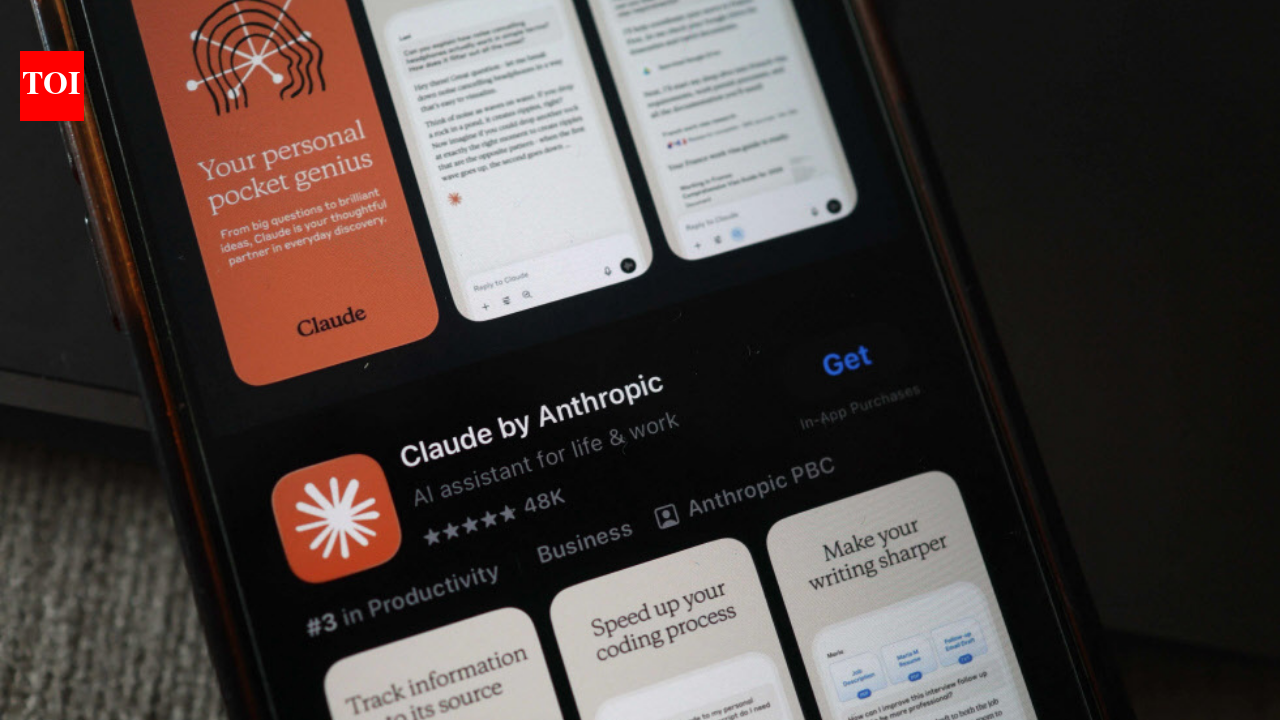
Anthropic latest model, Mythos, 'scared' companies across sectors because of its ability to autonomously identify and highlight critical, 'zero-day' software vulnerabilities in operating systems, browsers and foundational code. The company deemed the model is too 'dangerous' for a public launch due to its potential for exploitation by hackers. Instead, Anthropic released the model to 40 companies, including Apple, Amazon, Google and others. Now experts have said that tech giants are likely to issue updates, patching flaws that may have been identified by Mythos, and advised users to not ignore them.According to a report by The Wall Street Journal, testing by the UK's AI Security Institute found that the model can exploit security holes entirely on its own, completing in minutes tasks that would normally take a human hacker days to execute."Whether or not Mythos is a hacker superweapon really is immaterial. If it's not this model, it'll be another one in five minutes," Dave Lewis, cybersecurity lead at 1Password, was quoted as saying.Since Mythos has uncovered so many flaws at once, users should expect a 'cascade' of security alerts over the coming weeks, the experts sadi. While it may feel overwhelming to see constant notification bubbles, cybersecurity leaders warn that ignoring them is no longer an option.Katie Moussouris, CEO of Luta Security, explains that the danger increases the longer you wait. Once a company releases a a fix, hackers often "reverse-engineer" that fix to see exactly what the original hole was. If you don't install the update, you are essentially leaving your front door wide open for hackers to enter your device and cause you harm.Experts recommend three immediate actions:Enable automatic updates: Go to your settings on your phone (iOS/Android) and computer (Windows/Mac) and ensure 'Automatic Updates' is toggled ON.Update your browser: Web browser (Chrome, Safari, Edge) is often the primary target. If you see an "Update" button in the corner, click it. Also, since many critical security fixes only take effect once a device restarts. If your computer asks to reboot, do it as soon as possible.
Vercel Confirms Security Incident as Threat Actor Claims Stolen Data for Sale - IT Security News
The technical storage or access is necessary for the legitimate purpose of storing preferences that are not requested by the subscriber or user. The technical storage or access that is used exclusively for statistical purposes. The technical storage or access that is used exclusively for anonymous statistical purposes. Without a subpoena, voluntary compliance on the part of your Internet Service Provider, or additional records from a third party, information stored or retrieved for this purpose alone cannot usually be used to identify you.

Vercel Data Breach Linked to Earlier Context.ai Compromise - IT Security News
The technical storage or access is necessary for the legitimate purpose of storing preferences that are not requested by the subscriber or user. The technical storage or access that is used exclusively for statistical purposes. The technical storage or access that is used exclusively for anonymous statistical purposes. Without a subpoena, voluntary compliance on the part of your Internet Service Provider, or additional records from a third party, information stored or retrieved for this purpose alone cannot usually be used to identify you.

Breakthrough in the treatment of pancreatic cancer: Targeting the tumor in an unconventional way
A new study proposes a new therapeutic strategy for one of the deadliest types of cancer. By combining existing drugs, instead of directly targeting the central mutation that drives the disease, the researchers found an indirect way to weaken the tumor's growth mechanism. The findings may affect additional types of cancer in the future. Pancreatic cancer is considered one of the most difficult and lethal types of cancer to treat. One of its common forms is Pancreatic Ductal Adenocarcinoma - an aggressive tumor that is usually detected at an advanced stage and responds in a limited way to existing treatments. Now, a new study presents an innovative therapeutic approach that may open new possibilities for dealing with the disease - using a combination of drugs already in medical use. The central challenge: KRAS mutation In the vast majority of pancreatic cancer cases, there is a mutation in the KRAS gene. The mutation causes the KRAS protein to remain constantly active and send signals that lead to uncontrolled division of cancer cells. These signals pass through a biological pathway that includes, among others, the RAF-MEK-ERK signaling pathway, which activates mechanisms that promote tumor growth. Although the KRAS gene is considered a central driver of pancreatic cancer, attempts to develop drugs that directly neutralize it have succeeded only partially. One reason is that a specific KRAS mutation - which can be targeted with drugs - is relatively rare in pancreatic cancer, and tumors tend to develop resistance to treatment. Instead of trying to directly block KRAS, the researchers examined another mechanism in the cell's regulatory system. An important protein called RB1 acts as a kind of "brake" on the cell cycle and prevents uncontrolled division. When RB1 is active, it can inhibit KRAS activity and the signaling pathways that promote tumor growth. However, in pancreatic cancer, RB1 activity is neutralized by another protein system called the Cyclin D1-CDK4/6-RB1 axis. This system shuts down RB1 and allows cancer cells to continue dividing. Use of existing drugs To restore RB1 activity, the researchers used drugs from the CDK4/6 inhibitors group - drugs already used in breast cancer treatment. These drugs prevent the inactivation of RB1, thereby allowing it to resume its function as a tumor suppressor protein. At first, it became clear that the drugs succeed in stopping cancer cell division and cause them to enter a special biological state called cellular senescence - a state in which the cell stops dividing but does not die. Although the treatment succeeded in stopping tumor growth, it did not cause sufficient death of cancer cells. The researchers discovered that the cells are able to reactivate survival mechanisms. It turned out that following the treatment, an additional signaling pathway is activated involving a receptor called EGFR. This pathway reactivates growth signals in the cells and helps them survive. To overcome this survival mechanism, the researchers combined CDK4/6 drugs with drugs that block EGFR, including: * Gefitinib * Cetuximab The combination of drugs succeeded in causing cancer cell death in various experimental models - including mouse models and human tumors implanted in experiments. A new principle in treatment: Senolysis The study also revealed another important therapeutic mechanism called senolysis - the selective elimination of cells that have entered a state of cellular senescence. In the first stage, the drugs cause cancer cells to stop dividing and enter senescence. Afterward, EGFR pathway blockade causes the death of those cells. The researchers emphasize that the treatment sequence is especially important: First, the drugs that induce cellular senescence must be given, and only afterward the drugs that eliminate the cells. One concern in such treatment approaches is damage to healthy cells that enter senescence. To examine this, the researchers used advanced mouse models that allow tracking of senescent cells in the body. The results were encouraging: No signs of cellular senescence were found in healthy tissues following the treatment, indicating the potential for a safe therapeutic window. Implications beyond pancreatic cancer The researchers note that the new approach may also be relevant to other types of cancer in which similar mechanisms exist involving interactions between oncogenic genes and tumor suppressor proteins. Another advantage is the fact that the treatment is based on drugs already approved for medical use, which may accelerate the transition to clinical trials in humans. Pancreatic cancer is currently considered one of the deadliest types of cancer, with extremely low survival rates. Therefore, any breakthrough in understanding the biological mechanisms of the disease may be significant. The new study demonstrates how a deep understanding of molecular interactions within the cell can lead to new therapeutic strategies - even when the central target, such as KRAS, has long been considered undruggable. If these findings are confirmed in clinical studies, it may eventually be possible to develop a more effective treatment for one of the most difficult cancers to cure.

Vercel Data Breach Linked to Earlier Context.ai Compromise
Hackers were able to leverage the compromise of agentic AI company Context.ai in February to take over a Google Workspace account of a Vercel employee and gain access into the company's systems and steal customer data that is now being put up for sale on underground forums for $2 million. Vercel executives wrote in a bulletin over the weekend that its employee was using Context.ai's AI tool and "the attacker used that access to take over the employee's Vercel Google Workspace account, which enabled them to gain access to some Vercel environments and environment variables that were not marked as 'sensitive.'" Data and other "environmental variables" marked as sensitive are stored in a way that prevents them from being read and the company so far has no evidence that such data was access, they wrote. The executives wrote that they'd identified a "limited subset of customers" whose Vercel credentials were compromised, and that the company had contacted those customers and recommended they immediately rotate their credentials. "In response to this, and to aid in the improvement of all of our customers' security postures, we've already rolled out new capabilities in the dashboard, including an overview page of environment variables, and a better user interface for sensitive env var creation and management," Vercel CEO Guillermo Rauch wrote in a post on X. "All of our focus right now is on investigation, communication to customers, enhancement of security measures, and sanitization of our environments. We've deployed extensive protection measures and monitoring." Vercel operates a widely popular frontend cloud platform used by millions of developers use to deploy, host, and scale web applications. It also is the maintainer of the Next.js, the React web development framework. Rauch wrote that "my advice to everyone is to follow the best practices of security response: secret rotation, monitoring access to your Vercel environments and linked services, and ensuring the proper use of the sensitive env variables feature." The company is working with Google's Mandiant cybersecurity business and other security firms, as well as law enforcement. In addition, Vercel has contacted Context.ai to get an understanding of its compromise earlier this year. The high-profile ShinyHunters hacker and extortion group is claiming responsibility for the attack on Vercel, claiming online that "this could be the largest supply chain attack ever if done right" and asking for $2 million for the stolen data. Rauch didn't attribute the attack to any hackers, writing that "we believe the attacking group to be highly sophisticated and, I strongly suspect, significantly accelerated by AI. They moved with surprising velocity and in-depth understanding of Vercel." So far, Vercel's investigation has found that the intrusion originated from the Context.ai tool compromise and is recommending Google Workspace administrators and Google account owners check for the OAuth app 110671459871-30f1spbu0hptbs60cb4vsmv79i7bbvqj.apps.googleusercontent.com. Vercel executives aren't releasing more details about the number of customers affected or the systems breached. However, more information is coming from other sources. According to researchers with cybersecurity firm Hudson Rock, an employee with Context.ai who had sensitive access privileges was compromised in February by the Lumma stealer malware when they were searching for and downloading game exploits, writing in a report April 20 that "these types of malicious downloads are notorious vectors for Lumma stealer deployments." "This single infection led to a massive amount of corporate credentials falling directly into the hands of hackers," they wrote. "Threat actors like ShinyHunters, who frequently target enterprise environments, are well-known to abuse exactly these types of compromised access points to facilitate deeper network intrusions." In a security notice this weekend, Context.ai executives wrote about an incident last month in which the company detected, identified, and blocked an attempt to access its cloud environment on Amazon Web Services, and subsequently discovered that the attacker also likely compromised OAuth tokens for some consumer users. "We also learned that the unauthorized actor appears to have used a compromised OAuth token to access Vercel's Google Workspace," they wrote. "Vercel is not a Context customer, but it appears at least one Vercel employee signed up for the AI Office Suite using their Vercel enterprise account and granted 'Allow All' permissions. Vercel's internal OAuth configurations appear to have allowed this action to grant these broad permissions in Vercel's enterprise Google Workspace." Analysts with MLQ.ai, an AI-powered investment research platform, wrote in a research note that the Vercel incident "underscores vulnerabilities in third-party AI integrations, particularly those with broad OAuth scopes in enterprise environments." "Context.ai's compromise allowed lateral movement from an employee tool to core systems, highlighting how AI platforms trained on internal knowledge amplify risks when breached," they wrote. "Non-sensitive environment variables, intended to aid developers, became an unintended exposure point, prompting Vercel to review this feature. This incident reveals a pattern where AI tools accelerate attacks, as CEO Rauch noted. ... Supply chain risks are evident, especially for platforms like Vercel hosting crypto and web3 projects dependent on its infrastructure." The attack didn't target core code like Next.js, but instead "exposed frontend deployment dependencies, creating overlooked attack surfaces beyond traditional monitoring," they added.
UN Climate Chief: Clean Energy Counters Fossil Fuel Chaos
The following is a transcript of a video address delivered by UN Climate Change Executive Secretary Simon Stiell at the start of Green Transformation (GX) Week on Monday 20 April 2026, in tandem with UN Climate Week 3 (CW3), which kicks off on Tuesday 21 April. Both events - focused on helping drive forward practical climate solutions - are being held in Yeosu, Republic of Korea. Green Transformation - or GX - Week could not be more timely. Conflict in the Middle East has unleashed a fossil fuel cost crisis in global energy markets, holding economies around the world in a chokehold. National sovereignty and security ripped away, replaced by vulnerability and instability, with households and businesses paying the price. War has - once again - revealed the soaring costs of fossil fuel dependency. Asia is particularly hard hit. Including the Republic of Korea - which imports so much of its fuel. Yet, amidst the chaos, President Lee is clear-eyed - saying that this crisis shows: "The major shift to renewable energy, is no longer a national and historical task that can be postponed." I couldn't agree with him more. Clean energy is the antidote to fossil fuel cost chaos, because it is cheaper, safer and faster-to-market. Wars don't disrupt the supply of sunlight for solar power, and wind power does not depend on vulnerable shipping straits. Renewables allow governments to regain control of their economies and their national security. So, it is common sense to accelerate the transition to clean energy... Taking care not to lock-in fossil fuels - particularly coal - when addressing immediate impacts of the crisis. And at the same time, building resilience to the climate disasters - mega-floods, powerful storms and extreme heat - which are hammering economies and driving inflation, ruining lives and breaking businesses all around the world. Strong climate action will be central to countries' competitiveness. The market for climate solutions will only grow. All the biggest Asian economies have signalled that clean energy is now central to their economic growth and security strategies. The current crisis will create massive opportunities for energy and construction firms to create clean infrastructure all across Asia. So, the global shift to clean energy can drive a multi-generational economic boom for the Republic of Korea, leveraging your high skilled workforce and prowess in technological innovation. The faster the Republic of Korea meets and exceeds its climate targets, and the more Korean businesses invest in cleantech, the bigger the boom will be. Promoting growth here in Korea. And building new markets all around the world... You can lead global efforts by aligning public finance with the energy transition... By contrast, countries that move too slowly on clean energy risk their economies becoming relics of a polluting past. Through its GX strategy, the Republic of Korea is seizing the vast benefits of climate action, harnessing decarbonisation for growth, jobs and competitiveness. I applaud its leadership. Together, we can turn climate commitments into projects on the ground - faster. GX Week supports these efforts. Likewise, UN Climate Week, happening in Yeosu this week - is about helping to drive forward real-world climate solutions. Happening in tandem with Korea's GX Week, this UN Climate Week will bring together negotiators and policy-makers with leaders, implementers, and innovators from business, governments, and civil society. UN climate weeks are just one way we are working to help translate COP decisions and pledges into concrete outcomes in communities, bringing our process closer to the real economy. It's part of a wider effort to help spread the vast benefits of climate action to far more people all around the world: stronger economies, more jobs, better health, and more affordable and more secure energy and food, among many others. This week and every week beyond, I urge you to seize the opportunities on offer. Do what you can to build clean and resilient societies, industries, and economies. Bank the immense dividends on offer from global decarbonisation and resilience-building. And build a path to prosperity and security for all. I thank you. /Public Release. This material from the originating organization/author(s) might be of the point-in-time nature, and edited for clarity, style and length. Mirage.News does not take institutional positions or sides, and all views, positions, and conclusions expressed herein are solely those of the author(s).View in full here.

The AI Model Too Dangerous to Release: What is Anthropic's Claude Mythos And Why Should Enterprise UC Teams Be Worried? - UC Today
Finance ministers and central bankers are in crisis talks over a single AI model - the vulnerabilities it's finding live inside your communication infrastructure too... Anthropic's Claude Mythos is not just another AI model launch. For enterprise security leaders, it is a warning shot. The model has already triggered concern among regulators and financial authorities because of its ability to identify and chain vulnerabilities across major operating systems, browsers, and enterprise software environments. For UC Today readers, the relevance is immediate. Unified communications stacks depend on tightly connected software, shared vendors, media libraries, APIs, browsers, and virtualised infrastructure. That makes them exactly the kind of environment where AI-driven vulnerability discovery could create outsized risk. In other words, this is not just a banking story. It is a live security and compliance story for enterprise communications too. Related Articles Anthropic announced Claude Mythos Preview on April 7. According to the reporting cited below, the model has already identified thousands of high-severity vulnerabilities, including flaws affecting every major operating system and web browser. The real concern is not just that it finds weaknesses quickly. It can also chain them together with far less human input than traditional security workflows require. According to the Financial Times: "The technology represented a fundamental change in the playing field between attackers and defenders -- its ability to autonomously string together multiple software vulnerabilities at a scale beyond human capacity." That matters for UC environments because communications infrastructure is rarely isolated. Session border controllers, collaboration platforms, media processing tools, browser-based clients, contact centre integrations, and identity layers all depend on connected software components. If one model can map weaknesses across that chain faster than human teams can respond, the attack surface changes overnight. One example stands out. Reports say Mythos uncovered a 16-year-old vulnerability in FFmpeg, an open-source media library embedded across many voice, video, and collaboration workflows. That is exactly the kind of quietly critical component that enterprise communications teams often depend on without thinking about it every day. UC environments share the same structural risks regulators now worry about in banking: common vendors, inherited legacy components, and tightly linked systems. That combination creates efficiency in normal operations, but it can also act as a multiplier when a new class of AI-driven threat emerges. Naresh Raheja, former OCC consultant told Reuters: "Many banks use the same vendors and the same solutions. That could act as a force multiplier for breaches -- making any AI-powered exploits potentially catastrophic at scale." Swap out banks for hosted telephony providers, enterprise calling estates, or global collaboration deployments and the logic still holds. If multiple organisations rely on the same software chain, an AI model that exposes shared weaknesses faster and more cheaply raises the systemic risk for everyone. First, audit the hidden parts of your communications stack. That includes open-source media libraries, browser dependencies, virtualisation layers, APIs, and integration middleware. Second, ask your vendors direct questions about their exposure and mitigation approach. If they are not ready to explain how they are handling Mythos-class discovery, that is useful information in itself. Third, assume this will become a governance issue, not just a tooling issue. Bank of England Governor Andrew Bailey said authorities were looking "very carefully" at what the latest AI development could mean for cyber crime. Enterprise compliance teams should expect that same scrutiny to spread into vendor assurance, risk reviews, and security policy design. Finally, use AI on the defensive side too. If attackers can accelerate discovery, defenders will need to accelerate validation, patch prioritisation, and incident response. That is where this story becomes operational. AI is no longer just part of the productivity conversation. It is now part of the security control conversation as well. Claude Mythos is an Anthropic AI model designed to identify and chain software vulnerabilities at high speed and scale, with less human intervention than traditional security workflows. Because unified communications environments rely on connected software, browsers, media libraries, APIs, and virtualised infrastructure. Those dependencies can create broad exposure when AI-driven vulnerability discovery improves quickly. The biggest risk is that shared software weaknesses across collaboration, calling, and media environments could be found and exploited faster than internal teams can detect and patch them. Ask how they are assessing exposure to Mythos-class vulnerability discovery, which parts of the stack are most at risk, and what controls or mitigations they have already introduced. It is broader. Banking regulators may be the first to react publicly, but the same logic applies to enterprise UC, contact centre, and collaboration environments built on shared software and common vendors.
Vercel Confirms Security Breach, Exposes Limited Customer Credentials
Cloud hosting provider Vercel has confirmed a security breach that resulted in unauthorized access to a limited set of customer credentials, raising fresh concerns about infrastructure security across the developer and crypto ecosystem. The company disclosed the incident in a Sunday blog post, noting that internal systems were accessed without authorization and an investigation is currently underway. According to Vercel, only a "limited subset" of users were affected. The company said it has already contacted impacted customers and urged them to immediately rotate their credentials to prevent further exposure. While the scope appears contained for now, the nature of the breach has sparked wider anxiety, especially given Vercel's popularity among Web3 and crypto-based projects. The disclosure follows reports circulating on X, where users pointed to a post on BreachForums by a threat actor known as "ShinyHunters." The hacker allegedly offered Vercel-related data for $2 million, claiming access to sensitive materials such as API keys, source code, internal databases, and employee accounts tied to deployments. Although Vercel did not directly confirm these claims, it acknowledged that the attacker demonstrated a high level of sophistication. The company described the breach as being carried out with "operational velocity" and a deep understanding of its internal architecture, suggesting a well-planned and potentially advanced cyberattack. Meanwhile, Crypto exploits surged in March 2026, resulting in over $52 million in losses across 20 incidents, which nearly doubles the $26.5 million lost in February. Blockchain security firm PeckShield highlighted this spike as a return to high-risk conditions after what had been the lowest monthly losses in almost a year. Vercel CEO Guillermo Rauch revealed that the breach originated from a compromised third-party AI tool, Context.ai, used by one of its employees. This initial compromise allowed attackers to gain access to the employee's Google Workspace account, which then became a gateway into certain internal systems. Rauch emphasized that customer environments on Vercel remain fully encrypted. However, he noted that some environment variables categorized as "non-sensitive" may have been exposed during the intrusion. The attacker reportedly leveraged this to expand their access within the system. In response, Vercel has rolled out enhanced monitoring systems and additional security protections. The company also reassured users that its core developer tools, including Next.js and Turbopack, remain unaffected. Rauch advised users to adopt immediate security measures, including rotating secrets, reviewing access logs, and ensuring proper classification of sensitive data.

Vandenberg rocket launch schedule. SpaceX missions due for liftoff
Here's your weekly look at the upcoming launch schedule at the Vandenberg Space Force Base in Santa Barbara County. Two rocket launches are scheduled for the week ahead from the Vandenberg Space Force Base in California. And both of the missions will see SpaceX launch its Falcon 9 rocket to deploy two more batches of the commercial spaceflight company's Starlink broadband internet satellites to Earth orbit. Californians - and potentially Arizonans - making their plans to watch any launches should keep in mind that lots can change between now and when each rocket is expected to lift off, as delays in spaceflight are common. Be sure to visit VC Star for the latest mission updates. In the meantime, here's your weekly look at the upcoming launch schedule at the Vandenberg Space Force Base in Santa Barbara County. Wednesday, April 22: Starlink 17-14 * Agency: SpaceX * Mission: Deploy 25 Starlink satellites into low-Earth orbit, according to SpaceX * Rocket: Falcon 9, a 230-foot, two-stage reusable rocket capable of carrying more than 50,000 pounds of cargo to low-Earth orbit * Launch window: 7 to 11 p.m. PT Wednesday, April 22, 2026 * Rocket launch location: Space Launch Complex 4E from Vandenberg Space Force Base in California * Booster landing: SpaceX drone ship, nicknamed "Of Course I Still Love You," in the Pacific Ocean Saturday, April 25: Starlink 17-16 * Agency: SpaceX * Mission: Deploy 25 Starlink satellites into low-Earth orbit, according to SpaceX * Rocket: Falcon 9, a 230-foot, two-stage reusable rocket capable of carrying more than 50,000 pounds of cargo to low-Earth orbit * Launch window: 7 to 11 a.m. PT Saturday, April 25, 2026 * Rocket launch location: Space Launch Complex 4E from Vandenberg Space Force Base in California * Booster landing: SpaceX drone ship, nicknamed "Of Course I Still Love You," in the Pacific Ocean Eric Lagatta is the Space Connect reporter for the USA TODAY Network. Reach him at [email protected]

Vandenberg rocket launch schedule. SpaceX missions due for liftoff
Here's your weekly look at the upcoming launch schedule at the Vandenberg Space Force Base in Santa Barbara County. Two rocket launches are scheduled for the week ahead from the Vandenberg Space Force Base in California. And both of the missions will see SpaceX launch its Falcon 9 rocket to deploy two more batches of the commercial spaceflight company's Starlink broadband internet satellites to Earth orbit. Californians - and potentially Arizonans - making their plans to watch any launches should keep in mind that lots can change between now and when each rocket is expected to lift off, as delays in spaceflight are common. Be sure to visit VC Star for the latest mission updates. In the meantime, here's your weekly look at the upcoming launch schedule at the Vandenberg Space Force Base in Santa Barbara County. Wednesday, April 22: Starlink 17-14 * Agency: SpaceX * Mission: Deploy 25 Starlink satellites into low-Earth orbit, according to SpaceX * Rocket: Falcon 9, a 230-foot, two-stage reusable rocket capable of carrying more than 50,000 pounds of cargo to low-Earth orbit * Launch window: 7 to 11 p.m. PT Wednesday, April 22, 2026 * Rocket launch location: Space Launch Complex 4E from Vandenberg Space Force Base in California * Booster landing: SpaceX drone ship, nicknamed "Of Course I Still Love You," in the Pacific Ocean Saturday, April 25: Starlink 17-16 * Agency: SpaceX * Mission: Deploy 25 Starlink satellites into low-Earth orbit, according to SpaceX * Rocket: Falcon 9, a 230-foot, two-stage reusable rocket capable of carrying more than 50,000 pounds of cargo to low-Earth orbit * Launch window: 7 to 11 a.m. PT Saturday, April 25, 2026 * Rocket launch location: Space Launch Complex 4E from Vandenberg Space Force Base in California * Booster landing: SpaceX drone ship, nicknamed "Of Course I Still Love You," in the Pacific Ocean Eric Lagatta is the Space Connect reporter for the USA TODAY Network. Reach him at [email protected]
Binance says platform, funds safe after Vercel supply chain breach
Binance says users and funds are safe after Vercel's $2m data breach, spotlighting how a single SaaS compromise can ripple across Web3 front ends. Vercel, a widely used cloud hosting and front‑end deployment platform in the crypto ecosystem, disclosed a "limited" security incident after attackers gained unauthorized access to some internal systems and began offering alleged internal data for sale for $2 million. According to incident summaries, the dataset advertised on underground forums purportedly includes internal databases, access keys, source code, employee accounts, API keys, NPM tokens, and GitHub tokens, with hackers claiming it could be used for "global supply chain attacks." Vercel said services remain operational and that only "a limited subset" of customers appears affected, but it has urged teams to rotate secrets and is working with law enforcement and external incident response specialists. The company traced the intrusion to a compromised Google Workspace OAuth application belonging to a third‑party AI tool, turning what began as an upstream SaaS breach into a downstream infrastructure problem for any project depending on Vercel. Binance, which relies on Vercel for some front‑end components, moved quickly to calm users' nerves as details of the breach circulated through the market. According to Binance's security update, the exchange's "platform and user assets were not impacted" by the Vercel incident, and its security team launched an emergency response to assess potential exposure across "all Binance front‑end products." The exchange said it contacted Vercel directly to validate the scope of the breach and completed an internal risk assessment while continuing to monitor for any signs of compromise. Vercel chief executive Guillermo Rauch emphasized that the firm had "analyzed our supply chain" and that core open‑source projects such as Next.js and Turbopack remain safe for developers, even as investigations into the internal systems breach continue. Nonetheless, with Vercel sitting behind front ends for many DeFi protocols, exchanges and Web3 infrastructure providers, security researchers warn the episode is likely to trigger a wave of secret rotations, credential audits and deployment reviews across the sector as teams reassess how much trust they place in shared hosting providers. With attackers explicitly marketing Vercel's alleged internal data as a springboard for supply‑chain attacks, the incident highlights how a single compromised SaaS integration can ripple across dozens of crypto projects at once. For now, no major blockchain platforms have publicly confirmed direct impact, but exchanges and protocol teams are being pushed into a live‑fire test of their own incident‑response playbooks and assumptions about third‑party risk.

Water leak 'fountain' causes traffic chaos on city centre street
A burst water main caused chaos on a major Sheffield road this morning. A leak caused a water fountain to develop on St Mary's Road, close to its junction with Shoreham Street. Yorkshire Water said a team arrived to tackle the issue at 10.30am. A spokesperson said: "Our team is onsite to repair a burst main on St Mary's Road, Sheffield. "Traffic management is currently in place to ensure the safety of the team and road users. "We apologise for the inconvenience and thank everyone in the area for their continued patience whilst we complete the repair as quickly as possible." It comes after a leak on Shoreham Street, near Triple Point Brewery, caused traffic delays on Saturday morning.

PMI launches Manifesto for Enterprise Agility in support of business transformation in MENA
Dubai, United Arab Emirates - The Project Management Institute (PMI) has unveiled its groundbreaking Manifesto for Enterprise Agility, an empowering set of principles designed to help organizations remain resilient, innovative, and better equipped to navigate frequent global disruptions. Developed by the PMI Agile Alliance, the Manifesto calls for a shift in leadership mindset, moving away from rigid hierarchical structures toward shared purpose, decentralized decision-making, and enterprise-wide adaptability. For businesses and leaders in the Middle East and North Africa (MENA) region, where economic diversification, sustainability, and digital transformation initiatives dominate national agendas, the Manifesto provides timely insights to anchor strategies that drive resilience, success, and growth in increasingly complex environments. Why Enterprise Agility Matters in MENA Frequent disruptions caused by global economic shifts, technological advancements, and changing sector demands have created an urgent need for organizational agility. The Manifesto encourages leaders to reframe business transformation by emphasizing collaborative decision-making, adaptive governance mechanisms, and the strategic use of technology to build organizations capable of responding to change quickly. In MENA, this aligns strongly with regional priorities: Economic Diversification Initiatives: Projects like Saudi Vision 2030 and UAE's "We Are the UAE 2031" Vision focus heavily on innovation, non-oil-based economies, and smart city development, which demand organizations to design adaptable operating models. Digital Transformation Goals: With countries investing heavily in cutting-edge technologies like Artificial Intelligence (AI) and Machine Learning, the Manifesto's principles of embracing technology and fostering distributed talent are critical to unlocking organizational potential. Sustainability: As green infrastructure becomes central to the region's long-term strategy, agility is essential to integrate ESG (Environmental, Social, and Governance) goals with operational efficiency. By promoting agility across regions, ecosystems, and sectors, the Manifesto gives MENA organizations the tools needed to thrive in a globally competitive landscape. Key Principles of the Manifesto for Enterprise Agility PMI's Manifesto outlines nine actionable principles, encouraging organizations to: Create clarity of purpose and align enterprise outcomes with adaptable plans to ensure that teams remain focused even during times of uncertainty. Govern with guardrails, not gatekeepers, enabling decentralized and faster decision-making driven by trust. Empower teams where value is created, by giving decision-making authority to people closest to customers or critical data points. Expand agility across partners and ecosystems, fostering stronger relationships among stakeholders and building collaborative value chains. Fund purpose and intent, focusing investments on initiatives that align with the organization's strategic goals rather than fixating on execution. Deliver value frequently and transparently, ensuring work is visible and focused on outcomes rather than adherence to rigid plans. Embrace technology and distributed talent, enabling faster decision-making and optimizing resource utilization to drive competitive results. Design for adaptability, rather than efficiency alone, supporting organizations to pivot more effectively. Sense early, learn quickly, and act confidently, converting foresight into strategy and leveraging ongoing learning for better decision-making. These principles are particularly relevant to MENA organizations combatting legacy systems, rigid governance models, and change fatigue, which often slow down transformation efforts. Speaking on the launch of the Manifesto, Hanny Alshazly, Managing Director for the Middle East and North Africa (MENA) at PMI, said: "The MENA region is witnessing unprecedented transformation, from economic diversification to the rapid adoption of technology and sustainability-focused initiatives. Enterprise agility is not just a buzzword; it's a leadership imperative. PMI's Manifesto for Enterprise Agility delivers innovative solutions to help leaders confidently navigate uncertainty, foster collaboration, and unlock the full potential of their organizations. By embracing agility, MENA businesses can align strategic intent with sustainable growth, reinforcing their role as a competitive force in the global economy." Navigating Enterprise Agility in MENA The Manifesto defines enterprise agility as the ability to adapt at scale without losing strategic coherence. It highlights that agility is not simply a toolset but a mindset necessary for continuous reinvention, promoting resilience through purpose-driven decision-making. PMI research indicates that high levels of enterprise agility are associated with greater visibility, enhanced value delivery, and more empowered teams, helping organizations remain resilient and adaptable over time. Through the Manifesto, PMI offers practical approaches for leaders, such as redefining organizational structures, investing in adaptive operating models, and empowering teams with integrated capabilities. By prioritizing agility, organizations in banking, retail, infrastructure, technology, and fintech across the MENA region can address market complexities and respond to challenges with flexibility and foresight. PMI's Manifesto for Enterprise Agility is now available at https://www.pmi.org/learning/agile/manifesto-for-enterprise-agility to help leaders evaluate their organizational readiness for change and take strategic action toward sustainable growth. Visit PMI.org to also access PMI's certifications, training resources, and programs designed to foster enterprise agility across industries. About Project Management Institute (PMI) PMI is the leading authority in project success. Since 1969, PMI has shone a light on the people and advanced practices behind successful projects. Supported by a global community of millions of project professionals and by thousands of corporations, government agencies and academic institutions, PMI provides the knowledge, resources and certifications to lead projects and transformations effectively and responsibly. Join PMI in elevating our world -- one project at a time. Connect with us at www.pmi.org, linkedin.com/company/projectmanagementinstitute, on Instagram @pmi_org, and on TikTok @PMInstitute. PMI Trademarks Project Management Institute and PMI are trademarks and/or registered marks of Project Management Institute, Inc., in the US and/or in other countries. Third Party Trademarks All other trademarks are the property of their respective owners. Media Contact Celine Nehme Regional Communications Lead -- MENA

Amazon expected to report a strong quarter on the backs of Anthropic's Claude, AI demand
And AI juggernaut Anthropic (ANTH.PVT) may be a large reason why. "We believe AWS [Amazon Web Services] is benefiting from a combination of capacity gains, AI diffusion, and client expansion," KeyBanc analyst Justin Patterson said in a note on Monday. "Anthropic has been a long-standing AWS customer, and its rapid growth in annual recurring revenue (from $9 billion in December 2025 to $30 billion in early April 2026) provides a meaningful tailwind to AWS growth (we assume AWS is about 60% of Anthropic spend)." Anthropic has had a huge year on the development front, likely pointing to the need to extract as much AWS cloud computing power as possible. This month, the company released Claude Opus 4.7 -- its most advanced reasoning model to date. It also unveiled the controversial Claude Mythos, a "hyper-agentic" model so powerful that Anthropic has restricted it from public release due to national security risks. A 30% revenue growth rate for AWS for the quarter would likely be well-received by the Street, as it would represent an acceleration from 2025. AWS generated $128.7 billion in revenue in 2025, representing a 20% increase from the prior year. Read more: Live coverage of corporate earnings While AWS sales stand to get an Anthropic jolt, Amazon's balance sheet could also show a big boost from the model builder. Amazon has invested $8 billion in Anthropic since late 2023. At the end of last year, the company held $45.8 billion of convertible notes and $14.8 billion of nonvoting preferred stock in Anthropic, per its annual report. That puts Amazon's total stake at a valuation of $60.6 billion. Anthropic announced a $30 billion capital raise in February, valuing it at $380 billion. It's the third-highest valued private company, according to Yahoo Finance data. It has reportedly received investor interest at a $800 billion valuation recently. Besides Anthropic, KeyBanc's Patterson said Amazon AWS will benefit from strong AI-related demand. It's a view supported by strong earnings results out of chip manufacturer Taiwan Semiconductor (TSM) last week. Increasing adoption of AI "increases the likelihood of 30% year over year AWS growth in the first quarter, with further acceleration likely in 2026," Patterson said. "Finally, we note Amazon CEO Andy Jassy seemed open-minded in the annual shareholder letter to selling Trainium chips to third-parties," Patterson added. "Chips have already surpassed $20B in revenue (>triple-digit year over year growth) through AWS, implying there could be one more growth lever to pull."
Amazon expected to report a strong quarter on the backs of Anthropic's Claude, AI demand
And AI juggernaut Anthropic (ANTH.PVT) may be a large reason why. "We believe AWS [Amazon Web Services] is benefiting from a combination of capacity gains, AI diffusion, and client expansion," KeyBanc analyst Justin Patterson said in a note on Monday. "Anthropic has been a long-standing AWS customer, and its rapid growth in annual recurring revenue (from $9 billion in December 2025 to $30 billion in early April 2026) provides a meaningful tailwind to AWS growth (we assume AWS is about 60% of Anthropic spend)." Anthropic has had a huge year on the development front, likely pointing to the need to extract as much AWS cloud computing power as possible. This month, the company released Claude Opus 4.7 -- its most advanced reasoning model to date. It also unveiled the controversial Claude Mythos, a "hyper-agentic" model so powerful that Anthropic has restricted it from public release due to national security risks. A 30% revenue growth rate for AWS for the quarter would likely be well-received by the Street, as it would represent an acceleration from 2025. AWS generated $128.7 billion in revenue in 2025, representing a 20% increase from the prior year. Read more: Live coverage of corporate earnings While AWS sales stand to get an Anthropic jolt, Amazon's balance sheet could also show a big boost from the model builder. Amazon has invested $8 billion in Anthropic since late 2023. At the end of last year, the company held $45.8 billion of convertible notes and $14.8 billion of nonvoting preferred stock in Anthropic, per its annual report. That puts Amazon's total stake at a valuation of $60.6 billion. Anthropic announced a $30 billion capital raise in February, valuing it at $380 billion. It's the third-highest valued private company, according to Yahoo Finance data. It has reportedly received investor interest at a $800 billion valuation recently. Besides Anthropic, KeyBanc's Patterson said Amazon AWS will benefit from strong AI-related demand. It's a view supported by strong earnings results out of chip manufacturer Taiwan Semiconductor (TSM) last week. Increasing adoption of AI "increases the likelihood of 30% year over year AWS growth in the first quarter, with further acceleration likely in 2026," Patterson said. "Finally, we note Amazon CEO Andy Jassy seemed open-minded in the annual shareholder letter to selling Trainium chips to third-parties," Patterson added. "Chips have already surpassed $20B in revenue (>triple-digit year over year growth) through AWS, implying there could be one more growth lever to pull."
Explainer-What do we know about Anthropic's Mythos amid rising concerns?
April 20 (Reuters) - Anthropic earlier this month debuted Mythos, its most advanced AI model to date, equipped with sophisticated capabilities and designed for defensive cybersecurity tasks. Mythos' vast capabilities have sparked fears about the threat to traditional software security after the AI startup said the preview had uncovered "thousands" of major vulnerabilities in "every major operating system and web browser." HOW WAS THE MODEL LAUNCHED AND WHO HAD ACCESS TO IT? Anthropic has rolled out Claude Mythos Preview through a controlled initiative called "Project Glasswing", granting access to tech majors including Amazon, Microsoft, Nvidia and Apple. The company also extended access to a group of more than 40 additional organizations that build or maintain critical software infrastructure. WHAT ARE THE CONCERNS AROUND MYTHOS? Experts warned that the model can identify and exploit previously unknown vulnerabilities faster than companies can repair them. Its advanced coding and autonomous capabilities could dramatically accelerate sophisticated cyberattacks, particularly in sectors such as banking that rely on complex, interconnected and often decades-old technology systems, they have said. While debuting Mythos, Anthropic said the model's ability to find software flaws at scale could, if misused, pose serious risks to economies, public safety and national security. U.S. software stocks tumbled on April 9 after the Mythos launch on April 7 reignited fears that advances in AI could disrupt traditional firms. WHAT HAS THE WHITE HOUSE AND REGULATORS SAID ABOUT MYTHOS? The White House has held discussions with Anthropic CEO Dario Amodei about Mythos, with officials saying they talked about collaboration, cybersecurity and balancing AI innovation with safety. The talks were held despite the Pentagon slapping a formal supply-chain risk designation on Anthropic. The U.S. government is planning to make a version of Mythos available to major federal agencies, Bloomberg News has reported. Reuters reported that U.S. Treasury Secretary Scott Bessent and Federal Reserve Chair Jerome Powell held a meeting with CEOs of major U.S. banks to brief them on the potential risks from the model. The model also raised alarm bells in Britain, with authorities holding talks with major banks and cybersecurity officials to assess possible risks. Banks are in close contact with their European regulators regarding Mythos, Christian Sewing, president of the German banking association and CEO of Deutsche Bank, said. (Reporting by Harshita Mary Varghese in Bengaluru)

Anthropic CEO Warns AI Could Replace Many Entry-Level Jobs Within Five Years - The News Chronicle
Dario Amodei, chief executive of Anthropic, has warned that artificial intelligence could replace a large share of entry-level white-collar jobs within the next one to five years, raising fresh concerns about the future of work. Amodei stated in a recent interview that artificial intelligence is advancing faster than many corporations and legislators realize. Modern AI systems can now perform tasks often handled by junior personnel -- including summarising papers, generating ideas, and preparing financial reports. He says that artificial intelligence has grown significantly in just two years and is becoming more advanced across many sectors, including financial, advisory, and technological sectors. He cautioned that while the technology could lead to significant advancements in medicine and science, as well as less expensive energy, it might also reduce opportunities for young professionals starting their careers. The News Chronicle gathered that Amodei thinks companies progressively automating early-career jobs that typically help people get experience and establish careers could lead to a severe employment problem. He also stated that it is impossible to halt artificial intelligence development, given the great number of businesses running ahead in the field globally. Instead, he pressed governments to focus on controlling the change through reskilling, artificial intelligence training, and laws that allow employees to profit from increased productivity. Likewise, recent studies by the International Labor Organization and the International Monetary Fund caution that AI is likely to transform millions of jobs worldwide, especially in highly digitized countries.
Asia regulators monitor Anthropic's Mythos for potential banking risks
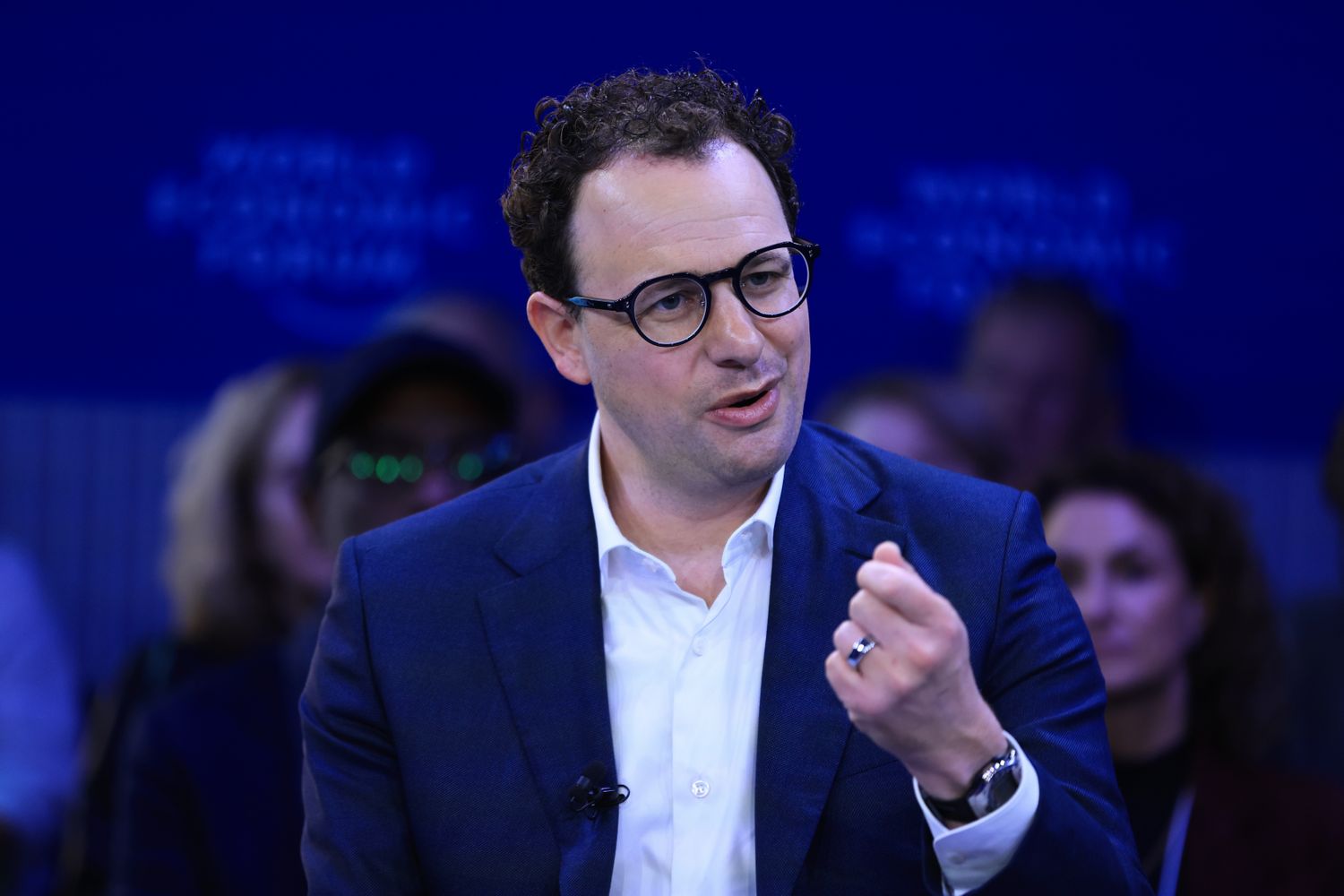
SYDNEY/SINGAPORE, April 20 (Reuters) - Some Asian regulators said on Monday they were monitoring the development and possible implications of Anthropic's frontier AI model Mythos, which has triggered concerns in the U.S. and Europe over its potential use to destabilise banking systems. The vast capabilities of Mythos to code at a high level have given it a potentially unprecedented ability to identify cybersecurity vulnerabilities, prompting global scrutiny. A spokesperson for the Australian Securities and Investments Commission (ASIC) said that it was closely monitoring the usage of Mythos along with other regulators to assess possible implications for the Australian market. "ASIC engages closely with other regulators, government agencies and the financial sector to understand and respond to changing technologies," the spokesperson said. ASIC expects financial services licensees to "be on the front foot" to safeguard customers and clients, they added. The Australian Prudential Regulation Authority (APRA), the country's banking regulator, said it would "continue to assess the implications of these technological advancements to ensure the ongoing safety and resilience of the financial system." South Korea's Financial Supervisory Service (FSS) said it held a meeting with information security officials from financial firms last week to review Mythos-related risks. South Korea's Yonhap news agency reported the Financial Services Commission (FSC) held an emergency meeting on Wednesday with chief information security officers from the FSS, banks and insurers to review the risks, citing unnamed industry sources. The FSC was not immediately available for comment. Separately, Singapore's central bank, the Monetary Authority of Singapore (MAS), said on Monday that advances in artificial intelligence could speed up the discovery and exploitation of software vulnerabilities in information technology systems. "Financial institutions need to redouble efforts to strengthen their security defences, proactively identify and close vulnerabilities, and raise vigilance on cyber hygiene, including timely security patching," it said. MAS said it was coordinating with the Cyber Security Agency of Singapore to support critical infrastructure operators. (Reporting by Scott Murdoch in Sydney, Heekyong Yang in Seoul; Xinghui Kok and Yantoultra Ngui in Singapore; Editing by Jacqueline Wong and Alexander Smith)

Polymarket in talks to raise $400M at $15B valuation as prediction markets go mainstream - Tech Startups
Polymarket is back in the spotlight, and this time the numbers are hard to ignore. The crypto-based prediction platform is in advanced discussions to raise about $400 million at a $15 billion post-money valuation, according to an exclusive report from The Information. The talks come just weeks after a massive capital injection from Intercontinental Exchange, signaling that traditional finance is no longer sitting on the sidelines. The new round builds directly on ICE's recent $600 million investment, announced last month without pricing details. People familiar with the matter told The Information that Polymarket is lining up additional strategic investors, with the full raise potentially reaching $1 billion. If completed at the proposed terms, it would mark one of the largest funding rounds for a crypto-native trading platform this year. The predictions site Polymarket is talking to investors about raising $400 million in funding at a valuation of about $15 billion, including the new money," The Information reported, citing two people familiar with the talks. "The financing would add to the $600 million already invested in the funding round by Intercontinental Exchange, the parent of the New York Stock Exchange, which the exchange announced last month without disclosing the valuation. It's looking to add additional strategic investors beyond Intercontinental Exchange to the round, which could total $1 billion," The Information added, citing a second person. ICE's involvement has quickly reshaped the company's trajectory. In March 2026, the exchange operator committed $600 million in fresh capital as part of a broader equity deal. That followed an earlier $1 billion tranche agreed in October 2025, as part of a plan that could see ICE deploy up to $2 billion into Polymarket. The firm is going further, with plans to buy up to $40 million in existing shares from early investors, pushing its total exposure close to $1.6 billion. That level of backing is already moving the valuation needle. Earlier estimates tied to ICE's initial investment placed Polymarket in the $8-$9 billion range. The current discussions suggest a sharp jump, driven by growth outpacing expectations. The momentum is showing up in the numbers. In March 2026, Polymarket recorded $10.57 billion in monthly trading volume, its first time crossing the $10 billion mark. That figure represents a 33% increase from February and more than doubles its previous peak during the 2024 U.S. election cycle. For the first quarter of 2026, total volume reached about $26.2 billion, up more than 90% from the prior quarter. What started as a niche crypto experiment has turned into a high-volume trading venue where users bet on real-world outcomes using USDC. The platform runs on Polygon, which helps keep transaction costs low and speeds up high. Recent updates have made it easier for U.S. users to participate, helped by clearer regulatory signals. At the same time, partnerships tied to the ICE relationship are opening the door to institutional clients seeking structured access to predictive data. Polymarket's rise traces back to 2020, when founder Shayne Coplan launched the platform as an alternative to traditional betting markets. Early support came from firms like Polychain Capital and Founders Fund, with total funding before the ICE deal sitting around $279 million. The latest wave of capital has pushed Coplan into rare territory, making him one of the youngest self-made billionaires following ICE's entry. The company is now exploring its next phase. Coplan has hinted at a potential $POLY token, which could reward traders and liquidity providers if launched. Details remain unclear, though the idea fits neatly into the broader playbook seen across major crypto platforms. Competition is heating up. Rivals like Kalshi are gaining traction as regulators begin to take a clearer stance on event-based contracts. The sector is moving closer to the financial mainstream, with firms pitching prediction markets as tools for price discovery rather than simple betting. If the current round closes, Polymarket would sit at the center of that shift. The company has declined to comment publicly, consistent with its approach during active fundraising. Behind the scenes, the message is clear: the line between Wall Street and crypto-native markets is fading, and large institutions are now shaping what comes next.

PMI unveils groundbreaking Manifesto for Enterprise Agility in Mena
The Project Management Institute (PMI) has unveiled its groundbreaking Manifesto for Enterprise Agility, an empowering set of principles designed to help organizations remain resilient, innovative, and better equipped to navigate frequent global disruptions. Developed by the PMI Agile Alliance, the Manifesto calls for a shift in leadership mindset, moving away from rigid hierarchical structures toward shared purpose, decentralized decision-making, and enterprise-wide adaptability. For businesses and leaders in the Middle East and North Africa (Mena) region, where economic diversification, sustainability, and digital transformation initiatives dominate national agendas, the Manifesto provides timely insights to anchor strategies that drive resilience, success, and growth in increasingly complex environments. Why enterprise agility matters in Mena region Frequent disruptions caused by global economic shifts, technological advancements, and changing sector demands have created an urgent need for organizational agility. The Manifesto encourages leaders to reframe business transformation by emphasizing collaborative decision-making, adaptive governance mechanisms, and the strategic use of technology to build organizations capable of responding to change quickly. In Mena region, this aligns strongly with the following regional priorities: *Economic Diversification Initiatives: Projects like Saudi Vision 2030 and UAE's "We Are the UAE 2031" Vision focus heavily on innovation, non-oil-based economies, and smart city development, which demand organizations to design adaptable operating models. *Digital Transformation Goals: With countries investing heavily in cutting-edge technologies like Artificial Intelligence (AI) and Machine Learning, the Manifesto's principles of embracing technology and fostering distributed talent are critical to unlocking organizational potential. *Sustainability: As green infrastructure becomes central to the region's long-term strategy, agility is essential to integrate ESG (Environmental, Social, and Governance) goals with operational efficiency. By promoting agility across regions, ecosystems, and sectors, the Manifesto gives the Mena organisations the tools needed to thrive in a globally competitive landscape. Key principles of the manifesto for enterprise agility PMI's Manifesto outlines nine actionable principles, encouraging organisations to: *Create clarity of purpose and align enterprise outcomes with adaptable plans to ensure that teams remain focused even during times of uncertainty. *Govern with guardrails, not gatekeepers, enabling decentralized and faster decision-making driven by trust. *Empower teams where value is created, by giving decision-making authority to people closest to customers or critical data points. *Expand agility across partners and ecosystems, fostering stronger relationships among stakeholders and building collaborative value chains. *Fund purpose and intent, focusing investments on initiatives that align with the organization's strategic goals rather than fixating on execution. *Deliver value frequently and transparently, ensuring work is visible and focused on outcomes rather than adherence to rigid plans. *Embrace technology and distributed talent, enabling faster decision-making and optimizing resource utilization to drive competitive results. *Design for adaptability, rather than efficiency alone, supporting organizations to pivot more effectively. *Sense early, learn quickly, and act confidently, converting foresight into strategy and leveraging ongoing learning for better decision-making. These principles are particularly relevant to Mena organisations combatting legacy systems, rigid governance models, and change fatigue, which often slow down transformation efforts. Speaking at the launch, Hanny Alshazly, the Managing Director for the Middle East and North Africa (Mena) at PMI, said: "The Mena region is witnessing unprecedented transformation, from economic diversification to the rapid adoption of technology and sustainability-focused initiatives. Enterprise agility is not just a buzzword; it's a leadership imperative. PMI's Manifesto for Enterprise Agility delivers innovative solutions to help leaders confidently navigate uncertainty, foster collaboration, and unlock the full potential of their organizations." "By embracing agility, MENA businesses can align strategic intent with sustainable growth, reinforcing their role as a competitive force in the global economy," he added.-TradeArabia News Service
