News & Updates
The latest news and updates from companies in the WLTH portfolio.
White House chief of staff to meet with Anthropic CEO over its new...
WASHINGTON (AP) - White House chief of staff Susie Wiles plans to sound out Anthropic CEO Dario Amodei about the artificial intelligence company's new Mythos model, which has attracted attention from the federal government for how it could transform national security and the economy. A White House official, who requested anonymity to discuss the planned meeting Friday, said the administration is engaging with advanced AI labs about their models and the security of software. The official stressed that any new technology that might be used by the federal government would require a technical period for evaluation. The meeting comes after tensions have run hot between the Trump administration and the safety-conscious Anthropic, which has sought to put guardrails on the development of AI to minimize any potential risks and maximize its economic and national security benefits for the U.S. President Donald Trump tried to stop all federal agencies from using Anthropic´s chatbot Claude over the company´s contract dispute with the Pentagon, with Trump saying in a February social media post that the administration "will not do business with them again!" Defense Secretary Pete Hegseth also sought to declare Anthropic a supply chain risk, an unprecedented move against a U.S. company that Anthropic has challenged in two federal courts. The company said it wanted assurance the Pentagon would not use its technology in fully autonomous weapons and the surveillance of Americans. Hegseth said the company must allow for any uses the Pentagon deemed lawful. U.S. District Judge Rita Lin issued a ruling in March that blocked the enforcement of Trump´s social media directive ordering all federal agencies to stop using Anthropic products. Anthropic declined to speak about the meeting in advance. The San Francisco-based Anthropic has said the new Mythos model it announced on April 7 is so "strikingly capable" that it is limiting its use to select customers because of its ability to surpass human cybersecurity experts in finding and exploiting computer vulnerabilities. And while some industry experts have questioned whether Anthropic's claims of too-powerful AI technology were a marketing ploy, even some of the company's sharpest critics have suggested that Mythos might represent a further advancement in AI. One influential Anthropic critic, David Sacks, who was the White House's AI and crypto czar, said people should "take this seriously." "Anytime Anthropic is scaring people, you have to ask, 'Is this a tactic? Is this part of their Chicken Little routine? Or is it real?´" Sacks said on the "All-In" podcast he co-hosts with other tech investors. "With cyber, I actually would give them credit in this case and say this is more on the real side." Sacks said, "It just makes sense that as the coding models become more and more capable, they are more capable at finding bugs. That means they´re more capable at finding vulnerabilities. That means they´re more capable at stringing together multiple vulnerabilities and creating an exploit." The model's potential benefits, as well as its risks, have also attracted attention outside the U.S. The United Kingdom's AI Security Institute said it evaluated the new model and found it a "step up" over previous models, which were already rapidly improving. "Mythos Preview can exploit systems with weak security posture, and it is likely that more models with these capabilities will be developed," the institute said in a report. Anthropic has also been in talks with the European Union about its AI models, including advanced models that haven´t yet been released in Europe, European Commission spokesman Thomas Regnier said Friday. Axios first reported the scheduled meeting between Wiles and Amodei. When it announced Mythos, Anthropic said it was also forming an initiative called Project Glasswing, bringing together tech giants such as Amazon, Apple, Google and Microsoft, along with other companies like JPMorgan Chase, in hopes of securing the world´s critical software from "severe" fallout that the new model could pose to public safety, national security and the economy. "We´re releasing it to a subset of some of the world´s most important companies and organizations so they can use this to find vulnerabilities," said the Anthropic co-founder and policy chief, Jack Clark, at this week´s Semafor World Economy conference. Clark added that Mythos, while ahead of the curve, is not a "special model." "There will be other systems just like this in a few months from other companies, and in a year to a year-and-a-half later, there will be open-weight models from China that have these capabilities," he said. So the world is going to have to get ready for more powerful systems that are going to exist within it." ___ O'Brien reported from Providence, R.I. AP business reporter Kelvin Chan contributed to this report from London.

White House chief of staff to meet with Anthropic CEO over its new AI technology
WASHINGTON -- White House chief of staff Susie Wiles plans to sound out Anthropic CEO Dario Amodei about the artificial intelligence company's new Mythos model, which has attracted attention from the federal government for how it could transform national security and the economy. A White House official, who requested anonymity to discuss the planned meeting Friday, said the administration is engaging with advanced AI labs about their models and the security of software. The official stressed that any new technology that might be used by the federal government would require a technical period for evaluation. The meeting comes after tensions have run hot between the Trump administration and the safety-conscious Anthropic, which has sought to put guardrails on the development of AI to minimize any potential risks and maximize its economic and national security benefits for the U.S. President Donald Trump tried to stop all federal agencies from using Anthropic's chatbot Claude over the company's contract dispute with the Pentagon, with Trump saying in a February social media post that the administration "will not do business with them again!" Defense Secretary Pete Hegseth also sought to declare Anthropic a supply chain risk, an unprecedented move against a U.S. company that Anthropic has challenged in two federal courts. The company said it wanted assurance the Pentagon would not use its technology in fully autonomous weapons and the surveillance of Americans. Hegseth said the company must allow for any uses the Pentagon deemed lawful. U.S. District Judge Rita Lin issued a ruling in March that blocked the enforcement of Trump's social media directive ordering all federal agencies to stop using Anthropic products. Anthropic declined to speak about the meeting in advance. The San Francisco-based Anthropic has said the new Mythos model it announced on April 7 is so "strikingly capable" that it is limiting its use to select customers because of its ability to surpass human cybersecurity experts in finding and exploiting computer vulnerabilities. And while some industry experts have questioned whether Anthropic's claims of too-powerful AI technology were a marketing ploy, even some of the company's sharpest critics have suggested that Mythos might represent a further advancement in AI. One influential Anthropic critic, David Sacks, who was the White House's AI and crypto czar, said people should "take this seriously." "Anytime Anthropic is scaring people, you have to ask, 'Is this a tactic? Is this part of their Chicken Little routine? Or is it real?'" Sacks said on the "All-In" podcast he co-hosts with other tech investors. "With cyber, I actually would give them credit in this case and say this is more on the real side." Sacks said, "It just makes sense that as the coding models become more and more capable, they are more capable at finding bugs. That means they're more capable at finding vulnerabilities. That means they're more capable at stringing together multiple vulnerabilities and creating an exploit." The model's potential benefits, as well as its risks, have also attracted attention outside the U.S. The United Kingdom's AI Security Institute said it evaluated the new model and found it a "step up" over previous models, which were already rapidly improving. "Mythos Preview can exploit systems with weak security posture, and it is likely that more models with these capabilities will be developed," the institute said in a report. Anthropic has also been in talks with the European Union about its AI models, including advanced models that haven't yet been released in Europe, European Commission spokesman Thomas Regnier said Friday. Axios first reported the scheduled meeting between Wiles and Amodei. When it announced Mythos, Anthropic said it was also forming an initiative called Project Glasswing, bringing together tech giants such as Amazon, Apple, Google and Microsoft, along with other companies like JPMorgan Chase, in hopes of securing the world's critical software from "severe" fallout that the new model could pose to public safety, national security and the economy. "We're releasing it to a subset of some of the world's most important companies and organizations so they can use this to find vulnerabilities," said the Anthropic co-founder and policy chief, Jack Clark, at this week's Semafor World Economy conference. Clark added that Mythos, while ahead of the curve, is not a "special model." "There will be other systems just like this in a few months from other companies, and in a year to a year-and-a-half later, there will be open-weight models from China that have these capabilities," he said. So the world is going to have to get ready for more powerful systems that are going to exist within it."
Pentagon reliance on SpaceX faces scrutiny after Starlink outage
The incident was one of several disruptions linked to Starlink that affected Navy testing of autonomous systems, underscoring risks tied to the military's dependence on commercial satellite networks WASHINGTON, D.C.: A Starlink outage that disrupted U.S. Navy drone tests off the California coast has highlighted growing concerns within the Pentagon over its increasing reliance on SpaceX for critical military operations. During an August test of unmanned vessels, a global outage affecting Elon Musk's satellite network left around two dozen autonomous surface vessels without connectivity, forcing operations to halt for nearly an hour, according to internal Navy documents reviewed by Reuters and a person familiar with the matter. The vessels, part of a program aimed at strengthening U.S. capabilities in a potential conflict with China, were unable to communicate after the outage cut off access to Starlink, exposing what officials described as a single point of failure. The incident was one of several disruptions linked to Starlink that affected Navy testing of autonomous systems, underscoring risks tied to the military's dependence on commercial satellite networks. Starlink has become central to a range of Pentagon initiatives, from drone operations to missile tracking, supported by a low-Earth orbit constellation of nearly 10,000 satellites. Its scale has made it a critical communications backbone for U.S. defense systems. But the Navy's experience points to vulnerabilities. In April 2025, officials reported that tests involving unmanned boats and aerial drones showed the network struggled under the heavy data demands of operating multiple systems simultaneously. "Starlink reliance exposed limitations under multiple-vehicle load," a Navy safety report said, also citing issues with radios from Silvus and a network system provided by Viasat. Intermittent connectivity issues also disrupted earlier tests in the weeks leading up to the August outage, though the exact causes were unclear, according to Navy documents. Despite these challenges, defense experts say the benefits of Starlink's widespread availability and relatively low cost continue to outweigh the risks. "You accept those vulnerabilities because of the benefits you get from the ubiquity it provides," said Bryan Clark, an autonomous warfare expert at the Hudson Institute. Still, the incidents have added to broader concerns about relying heavily on a single private company for national security infrastructure. "If there were no Starlink, the U.S. government wouldn't have access to a global constellation of low-earth-orbit communications," said Clayton Swope, deputy director of the Aerospace Security Project at the Center for Strategic and International Studies. Lawmakers have also raised concerns about concentration risk, warning that dependence on a company led by a single individual could create strategic vulnerabilities. SpaceX's dominance extends beyond satellite communications. The company has secured a leading role in space launches and military-related technologies, including its Starshield network designed for national security applications. Its position has strengthened further as competitors struggle to catch up. While Amazon has sought to expand in low-Earth-orbit communications, including a US$11.6 billion deal announced this week to acquire satellite maker Globalstar, SpaceX remains well ahead. The Pentagon has defended its approach, with Chief Information Officer Kirsten Davies saying the department uses "multiple, robust, resilient systems for its broad network." However, past incidents have fuelled unease. Reuters reported previously that Musk restricted Starlink access to Ukrainian forces during operations against Russia, while questions have also been raised about service availability for U.S. troops in Taiwan. Neither the Pentagon nor SpaceX responded to requests for comment on the Navy test disruptions or related concerns. As SpaceX prepares for a potential public offering that could value the company at around $2 trillion, its deepening ties with the U.S. military are likely to remain under scrutiny, particularly as the Pentagon balances innovation with the risks of overdependence on a single provider.

Anthropic's Amodei to Meet Wiles With US Seeking Mythos Access
Chief Executive Officer is scheduled to meet on Friday with White House Chief of Staff , according to people familiar with the matter, as the Trump administration seeks wider US government access to the company's powerful new Mythos artificial intelligence model. The discussions could set the stage for major federal agencies to eventually start using Mythos. Gregory Barbaccia, federal chief information officer of the White House Office of Management and Budget, said in an email Tuesday that that could allow their agencies to begin using the closely guarded AI ...

The White House weighs whether Anthropic's Mythos is too valuable for the federal government to refuse
Anthropic CEO Dario Amodei meets White House Chief of Staff Susie Wiles on Friday to end the standoff with the Pentagon, per Axios and the Wall Street Journal. The talks follow Anthropic's lawsuit against the Department of War, which blacklisted the company after Amodei refused unrestricted access to its AI model. At issue is "Mythos," a new Claude model that Anthropic says is unusually effective at breaking through cyber defenses. A pre-release version has gone to tech companies and critical infrastructure operators, with no public release planned. US intelligence agencies and CISA are already testing Mythos, and the Treasury Department is interested. A source close to the talks told Axios it would be grossly negligent for the government to pass on the tech, calling it a "gift to China." The WSJ reports the Office of Management and Budget is preparing access for federal agencies. Anthropic hired Trump-aligned advisers after Defense Secretary Pete Hegseth flagged the company as a security risk in February. Friday's meeting is meant to tee up a deal. The EU is also negotiating access to Mythos.

Canva Killer? Anthropic Releases Claude Design
Anthropic has introduced Claude Design, a new product under Anthropic Labs that allows users to work with Claude to create visual content such as designs, prototypes, presentations, one-pagers, and related materials. The product is powered by Claude Opus 4.7, Anthropic's latest vision model, and is launching in research preview for Claude Pro, Max, Team, and Enterprise subscribers. Access is being rolled out gradually. Anthropic said Claude Design is intended to help experienced designers explore more concepts in less time, while also giving non-design users a way to create visual work. Users can describe what they need, after which Claude generates an initial version. Projects can then be refined through conversation, inline comments, direct edits, or custom sliders generated by Claude. If granted access, Claude can also apply a company's design system automatically so outputs match existing branding and visual standards. Anthropic said teams are already using Claude Design for multiple workflows. These include interactive prototypes for feedback and testing, wireframes and product mockups, design concept exploration, pitch decks, presentations, marketing assets, landing pages, social media visuals, and code-powered prototypes using voice, video, shaders, 3D, and built-in AI tools. During onboarding, Claude can build a design system for a company by reading codebases and design files. Future projects then automatically use approved colors, typography, and components. Users can start projects from text prompts, uploaded files such as DOCX, PPTX, and XLSX, or by connecting Claude to a codebase. A web capture tool also allows users to copy visual elements directly from a website so prototypes more closely match live products. Claude Design includes detailed editing controls such as inline comments, direct text changes, and adjustment controls for spacing, color, and layout. Users can then ask Claude to apply selected changes across the full design. The platform also supports organization-level sharing. Documents can remain private, be shared through internal links, or be opened for collaborative editing where multiple users can work together. Completed work can be exported to Canva, PDF, PPTX, or standalone HTML files. When a design is ready for production, Claude can package files into a handoff bundle for Claude Code through a single instruction. Anthropic said broader integrations with additional workplace tools will be added in the coming weeks. Claude Design is available to Claude Pro, Max, Team, and Enterprise subscribers. Usage counts toward existing subscription limits, with an option for additional paid usage. For Enterprise customers, Claude Design is turned off by default and must be enabled by administrators in organization settings.

White House chief of staff to meet with Anthropic CEO over its new AI technology
WASHINGTON (AP) -- White House chief of staff Susie Wiles plans to sound out Anthropic CEO Dario Amodei about the artificial intelligence company's new Mythos model, which has attracted attention from the federal government for how it could transform national security and the economy. A White House official, who requested anonymity to discuss the planned meeting Friday, said the administration is engaging with advanced AI labs about their models and the security of software. The official stressed that any new technology that might be used by the federal government would require a technical period for evaluation. The meeting comes after tensions have run hot between the Trump administration and the safety-conscious Anthropic, which has sought to put guardrails on the development of AI to minimize any potential risks and maximize its economic and national security benefits for the U.S. President Donald Trump tried to stop all federal agencies from using Anthropic's chatbot Claude over the company's contract dispute with the Pentagon, with Trump saying in a February social media post that the administration "will not do business with them again!" Defense Secretary Pete Hegseth also sought to declare Anthropic a supply chain risk, an unprecedented move against a U.S. company that Anthropic has challenged in two federal courts. The company said it wanted assurance the Pentagon would not use its technology in fully autonomous weapons and the surveillance of Americans. Hegseth said the company must allow for any uses the Pentagon deemed lawful. U.S. District Judge Rita Lin issued a ruling in March that blocked the enforcement of Trump's social media directive ordering all federal agencies to stop using Anthropic products. Anthropic declined to speak about the meeting in advance. The San Francisco-based Anthropic has said the new Mythos model it announced on April 7 is so "strikingly capable" that it is limiting its use to select customers because of its ability to surpass human cybersecurity experts in finding and exploiting computer vulnerabilities. And while some industry experts have questioned whether Anthropic's claims of too-powerful AI technology were a marketing ploy, even some of the company's sharpest critics have suggested that Mythos might represent a further advancement in AI. One influential Anthropic critic, David Sacks, who was the White House's AI and crypto czar, said people should "take this seriously." "Anytime Anthropic is scaring people, you have to ask, 'Is this a tactic? Is this part of their Chicken Little routine? Or is it real?'" Sacks said on the "All-In" podcast he co-hosts with other tech investors. "With cyber, I actually would give them credit in this case and say this is more on the real side." Sacks said, "It just makes sense that as the coding models become more and more capable, they are more capable at finding bugs. That means they're more capable at finding vulnerabilities. That means they're more capable at stringing together multiple vulnerabilities and creating an exploit." The model's potential benefits, as well as its risks, have also attracted attention outside the U.S. The United Kingdom's AI Security Institute said it evaluated the new model and found it a "step up" over previous models, which were already rapidly improving. "Mythos Preview can exploit systems with weak security posture, and it is likely that more models with these capabilities will be developed," the institute said in a report. Anthropic has also been in talks with the European Union about its AI models, including advanced models that haven't yet been released in Europe, European Commission spokesman Thomas Regnier said Friday. Axios first reported the scheduled meeting between Wiles and Amodei. When it announced Mythos, Anthropic said it was also forming an initiative called Project Glasswing, bringing together tech giants such as Amazon, Apple, Google and Microsoft, along with other companies like JPMorgan Chase, in hopes of securing the world's critical software from "severe" fallout that the new model could pose to public safety, national security and the economy. "We're releasing it to a subset of some of the world's most important companies and organizations so they can use this to find vulnerabilities," said the Anthropic co-founder and policy chief, Jack Clark, at this week's Semafor World Economy conference. Clark added that Mythos, while ahead of the curve, is not a "special model." "There will be other systems just like this in a few months from other companies, and in a year to a year-and-a-half later, there will be open-weight models from China that have these capabilities," he said. So the world is going to have to get ready for more powerful systems that are going to exist within it." ___ O'Brien reported from Providence, R.I. AP business reporter Kelvin Chan contributed to this report from London.
White House chief of staff to meet with Anthropic CEO over its new AI technology
WASHINGTON (AP) -- White House chief of staff Susie Wiles plans to sound out Anthropic CEO Dario Amodei about the artificial intelligence company's new Mythos model, which has attracted attention from the federal government for how it could transform national security and the economy. A White House official, who requested anonymity to discuss the planned meeting Friday, said the administration is engaging with advanced AI labs about their models and the security of software. The official stressed that any new technology that might be used by the federal government would require a technical period for evaluation. The meeting comes after tensions have run hot between the Trump administration and the safety-conscious Anthropic, which has sought to put guardrails on the development of AI to minimize any potential risks and maximize its economic and national security benefits for the U.S. President Donald Trump tried to stop all federal agencies from using Anthropic's chatbot Claude over the company's contract dispute with the Pentagon, with Trump saying in a February social media post that the administration "will not do business with them again!" Defense Secretary Pete Hegseth also sought to declare Anthropic a supply chain risk, an unprecedented move against a U.S. company that Anthropic has challenged in two federal courts. The company said it wanted assurance the Pentagon would not use its technology in fully autonomous weapons and the surveillance of Americans. Hegseth said the company must allow for any uses the Pentagon deemed lawful. U.S. District Judge Rita Lin issued a ruling in March that blocked the enforcement of Trump's social media directive ordering all federal agencies to stop using Anthropic products. Anthropic declined to speak about the meeting in advance. The San Francisco-based Anthropic has said the new Mythos model it announced on April 7 is so "strikingly capable" that it is limiting its use to select customers because of its ability to surpass human cybersecurity experts in finding and exploiting computer vulnerabilities. And while some industry experts have questioned whether Anthropic's claims of too-powerful AI technology were a marketing ploy, even some of the company's sharpest critics have suggested that Mythos might represent a further advancement in AI. One influential Anthropic critic, David Sacks, who was the White House's AI and crypto czar, said people should "take this seriously." "Anytime Anthropic is scaring people, you have to ask, 'Is this a tactic? Is this part of their Chicken Little routine? Or is it real?'" Sacks said on the "All-In" podcast he co-hosts with other tech investors. "With cyber, I actually would give them credit in this case and say this is more on the real side." Sacks said, "It just makes sense that as the coding models become more and more capable, they are more capable at finding bugs. That means they're more capable at finding vulnerabilities. That means they're more capable at stringing together multiple vulnerabilities and creating an exploit." The model's potential benefits, as well as its risks, have also attracted attention outside the U.S. The United Kingdom's AI Security Institute said it evaluated the new model and found it a "step up" over previous models, which were already rapidly improving. "Mythos Preview can exploit systems with weak security posture, and it is likely that more models with these capabilities will be developed," the institute said in a report. Anthropic has also been in talks with the European Union about its AI models, including advanced models that haven't yet been released in Europe, European Commission spokesman Thomas Regnier said Friday. Axios first reported the scheduled meeting between Wiles and Amodei. When it announced Mythos, Anthropic said it was also forming an initiative called Project Glasswing, bringing together tech giants such as Amazon, Apple, Google and Microsoft, along with other companies like JPMorgan Chase, in hopes of securing the world's critical software from "severe" fallout that the new model could pose to public safety, national security and the economy. "We're releasing it to a subset of some of the world's most important companies and organizations so they can use this to find vulnerabilities," said the Anthropic co-founder and policy chief, Jack Clark, at this week's Semafor World Economy conference. Clark added that Mythos, while ahead of the curve, is not a "special model." "There will be other systems just like this in a few months from other companies, and in a year to a year-and-a-half later, there will be open-weight models from China that have these capabilities," he said. So the world is going to have to get ready for more powerful systems that are going to exist within it." ___ O'Brien reported from Providence, R.I. AP business reporter Kelvin Chan contributed to this report from London.
White House chief of staff to meet with Anthropic CEO over its new AI technology
WASHINGTON (AP) -- White House chief of staff Susie Wiles plans to sound out Anthropic CEO Dario Amodei about the artificial intelligence company's new Mythos model, which has attracted attention from the federal government for how it could transform national security and the economy. A White House official, who requested anonymity to discuss the planned meeting Friday, said the administration is engaging with advanced AI labs about their models and the security of software. The official stressed that any new technology that might be used by the federal government would require a technical period for evaluation. The meeting comes after tensions have run hot between the Trump administration and the safety-conscious Anthropic, which has sought to put guardrails on the development of AI to minimize any potential risks and maximize its economic and national security benefits for the U.S. President Donald Trump tried to stop all federal agencies from using Anthropic's chatbot Claude over the company's contract dispute with the Pentagon, with Trump saying in a February social media post that the administration "will not do business with them again!" Defense Secretary Pete Hegseth also sought to declare Anthropic a supply chain risk, an unprecedented move against a U.S. company that Anthropic has challenged in two federal courts. The company said it wanted assurance the Pentagon would not use its technology in fully autonomous weapons and the surveillance of Americans. Hegseth said the company must allow for any uses the Pentagon deemed lawful. U.S. District Judge Rita Lin issued a ruling in March that blocked the enforcement of Trump's social media directive ordering all federal agencies to stop using Anthropic products. Anthropic declined to speak about the meeting in advance. The San Francisco-based Anthropic has said the new Mythos model it announced on April 7 is so "strikingly capable" that it is limiting its use to select customers because of its ability to surpass human cybersecurity experts in finding and exploiting computer vulnerabilities. And while some industry experts have questioned whether Anthropic's claims of too-powerful AI technology were a marketing ploy, even some of the company's sharpest critics have suggested that Mythos might represent a further advancement in AI. One influential Anthropic critic, David Sacks, who was the White House's AI and crypto czar, said people should "take this seriously." "Anytime Anthropic is scaring people, you have to ask, 'Is this a tactic? Is this part of their Chicken Little routine? Or is it real?'" Sacks said on the "All-In" podcast he co-hosts with other tech investors. "With cyber, I actually would give them credit in this case and say this is more on the real side." Sacks said, "It just makes sense that as the coding models become more and more capable, they are more capable at finding bugs. That means they're more capable at finding vulnerabilities. That means they're more capable at stringing together multiple vulnerabilities and creating an exploit." The model's potential benefits, as well as its risks, have also attracted attention outside the U.S. The United Kingdom's AI Security Institute said it evaluated the new model and found it a "step up" over previous models, which were already rapidly improving. "Mythos Preview can exploit systems with weak security posture, and it is likely that more models with these capabilities will be developed," the institute said in a report. Anthropic has also been in talks with the European Union about its AI models, including advanced models that haven't yet been released in Europe, European Commission spokesman Thomas Regnier said Friday. Axios first reported the scheduled meeting between Wiles and Amodei. When it announced Mythos, Anthropic said it was also forming an initiative called Project Glasswing, bringing together tech giants such as Amazon, Apple, Google and Microsoft, along with other companies like JPMorgan Chase, in hopes of securing the world's critical software from "severe" fallout that the new model could pose to public safety, national security and the economy. "We're releasing it to a subset of some of the world's most important companies and organizations so they can use this to find vulnerabilities," said the Anthropic co-founder and policy chief, Jack Clark, at this week's Semafor World Economy conference. Clark added that Mythos, while ahead of the curve, is not a "special model." "There will be other systems just like this in a few months from other companies, and in a year to a year-and-a-half later, there will be open-weight models from China that have these capabilities," he said. So the world is going to have to get ready for more powerful systems that are going to exist within it." ___ O'Brien reported from Providence, R.I. AP business reporter Kelvin Chan contributed to this report from London.

Anthropic's Project Glasswing Tackles AI Security Challenges
Anthropic has launched Project Glasswing, an initiative aimed at securing the software stack powering modern digital infrastructure as AI accelerates the discovery of vulnerabilities across widely used systems. The effort centers on a new model, Claude Mythos, designed to identify and help remediate software flaws across complex environments. It is being deployed in a controlled setting with select partners to evaluate how advanced AI can be used for defensive cybersecurity without introducing new risks. The initiative brings together major technology providers - including AWS, Google, Microsoft, Nvidia, and Cisco - to test how Anthropic's model performs across widely deployed platforms. The program is intended to explore how increasingly capable AI systems can be safely applied to defensive security roles. As AI workloads scale across data centers, the challenge is shifting from provisioning compute to securing a rapidly expanding software stack - spanning training pipelines, inference systems, orchestration layers, and open-source components. Related:Threat Group Breaches AWS, Azure With Stolen Credentials The initiative positions AI as a continuous security layer embedded into the software stack, moving beyond periodic testing. "Project Glasswing signals a transition from point-in-time security audits to a persistent, autonomous layer within the cloud fabric," said Dave McCarthy, research vice president, cloud and edge services at IDC. "For infrastructure providers, this represents a fundamental shift toward self-healing environments where the model acts as a real-time immune system for the data center." Participants will use a preview version of the model to probe their own systems for vulnerabilities before they can be exploited - a shift that raises a key concern: discovery may soon outpace remediation. Modern environments rely on shared software components, especially open-source projects often maintained by small teams. By giving participants controlled access to its model, Anthropic is attempting to coordinate vulnerability discovery across that ecosystem. "It is smart for AI companies like Anthropic to collaborate with security vendors and cloud service providers because security and compliance concerns can slow down AI adoption," said Melinda Marks, practice director, cybersecurity at Enterprise Strategy Group. "The better we address security, the more confident organizations can be in adopting AI." Marks said similar friction emerged during earlier shifts such as cloud adoption, where integrating security into platforms and development processes proved critical to scaling use. Related:Securing the Future: Data Center Defense in the Age of AI The initiative underscores a growing tension, where the same models that strengthen defenses may also be used to find and exploit vulnerabilities. Anthropic is limiting access to a controlled group of partners, aiming to evaluate defensive use before similar capabilities become widely available. That reflects a widening gap between rapidly advancing AI capabilities and the frameworks designed to govern them. "Anthropic's launch of Project Glasswing this week made something viscerally clear: 2026 is the year we cross from a pre-AI infrastructure world to a post-AI one," said Moudy Elbayadi, chief technology officer at Evotek, in a LinkedIn post. "Just as Y2K forced us to confront the hidden fragility buried in every system we relied on, Project Glasswing is forcing us to re-examine every application, service, and codebase through an entirely new lens." The project aims to compress the time between introducing and fixing vulnerabilities - a longstanding challenge, particularly in open-source ecosystems. "Securing AI workloads requires a move away from static perimeter defense toward a more dynamic, behavioral architecture," McCarthy said. "Traditional applications fail in predictable ways, but AI workloads introduce non-deterministic risks." Related:Interview: Inside the SIA's Push for Data Center Security The shift is also challenging long-standing assumptions about software security. "Anthropic's latest capabilities suggest a step-change in the cyber risk landscape," said Mike Maddison, CEO of NCC Group. "Vulnerability discovery is no longer constrained by human review cycles, and the accepted window to address vulnerabilities has effectively shrunk." He added that legacy code, long considered stable, may now be newly exposed as AI systems analyze and exploit weaknesses at scale. But faster discovery introduces a new challenge. "There is a looming remediation paradox where AI identifies vulnerabilities at a velocity that human-led infrastructure teams simply cannot match," McCarthy said. "If we don't automate the fix alongside the find, we're just building a faster alarm for a fire we can't put out." Marks said organizations are already shifting toward automation to keep pace. "Security programs need to evolve from just finding vulnerabilities to effectively mitigating risk," she said. "Organizations are looking for automated remediation, AI-driven recommendations and orchestration to resolve issues as quickly as possible." "Frontier AI models like Claude Mythos represent a true inflection point for cybersecurity because they dramatically compress the time between identifying a vulnerability and exploiting it," said Dan Schiappa, president of technology and services at Arctic Wolf. "What once took days or weeks can now happen in hours or minutes." As a result, the bottleneck is shifting from discovery to response, with organizations facing growing backlogs across codebases that lack the resources to address issues quickly. For data center operators, scaling AI workloads expands the attack surface across software supply chains, orchestration systems, and compute environments. Securing those environments will require always-on, AI-driven systems capable of continuously identifying and mitigating risk. Marks said that it will also require tighter coordination across teams. "As organizations support more speed and scale, the silos between IT and security must be dismantled," she said. "Tools need to share data to operate efficiently." Infrastructure is no longer just physical and computational - it is increasingly defined by the security of the software layers that connect it. Anthropic emphasized that the initiative is in its early stages, with findings expected to guide broader deployment. Marks said trust in AI-driven security remains a work in progress.

White House chief of staff to meet with Anthropic CEO over its new AI technology
WASHINGTON -- White House chief of staff Susie Wiles plans to sound out Anthropic CEO Dario Amodei about the artificial intelligence company's new Mythos model, which has attracted attention from the federal government for how it could transform national security and the economy. A White House official, who requested anonymity to discuss the planned meeting Friday, said the administration is engaging with advanced AI labs about their models and the security of software. The official stressed that any new technology that might be used by the federal government would require a technical period for evaluation. The meeting comes after tensions have run hot between the Trump administration and the safety-conscious Anthropic, which has sought to put guardrails on the development of AI to minimize any potential risks and maximize its economic and national security benefits for the U.S. President Donald Trump tried to stop all federal agencies from using Anthropic's chatbot Claude over the company's contract dispute with the Pentagon, with Trump saying in a February social media post that the administration "will not do business with them again!" U.S. Defense Secretary Pete Hegseth also sought to declare Anthropic a supply chain risk, an unprecedented move against a U.S. company that Anthropic has challenged in two federal courts. The company said it wanted assurance the Pentagon would not use its technology in fully autonomous weapons and the surveillance of Americans. Hegseth said the company must allow for any uses the Pentagon deemed lawful. U.S. District Judge Rita Lin issued a ruling in March that blocked the enforcement of Trump's social media directive ordering all federal agencies to stop using Anthropic products. Anthropic declined to speak about the meeting in advance. The San Francisco-based Anthropic has said the new Mythos model it announced on April 7 is so "strikingly capable" that it is limiting its use to select customers because of its ability to surpass human cybersecurity experts in finding and exploiting computer vulnerabilities. And while some industry experts have questioned whether Anthropic's claims of too-powerful AI technology were a marketing ploy, even some of the company's sharpest critics have suggested that Mythos might represent a further advancement in AI. One influential Anthropic critic, David Sacks, who was the White House's AI and crypto czar, said people should "take this seriously." "Anytime Anthropic is scaring people, you have to ask, 'Is this a tactic? Is this part of their Chicken Little routine? Or is it real?'" Sacks said on the "All-In" podcast he co-hosts with other tech investors. "With cyber, I actually would give them credit in this case and say this is more on the real side." Sacks said, "It just makes sense that as the coding models become more and more capable, they are more capable at finding bugs. That means they're more capable at finding vulnerabilities. That means they're more capable at stringing together multiple vulnerabilities and creating an exploit." The model's potential benefits, as well as its risks, have also attracted attention outside the U.S. The United Kingdom's AI Security Institute said it evaluated the new model and found it a "step up" over previous models, which were already rapidly improving. "Mythos Preview can exploit systems with weak security posture, and it is likely that more models with these capabilities will be developed," the institute said in a report. Anthropic has also been in talks with the European Union about its AI models, including advanced models that haven't yet been released in Europe, European Commission spokesman Thomas Regnier said Friday. Axios first reported the scheduled meeting between Wiles and Amodei. When it announced Mythos, Anthropic said it was also forming an initiative called Project Glasswing, bringing together tech giants such as Amazon, Apple, Google and Microsoft, along with other companies like JPMorgan Chase, in hopes of securing the world's critical software from "severe" fallout that the new model could pose to public safety, national security and the economy. "We're releasing it to a subset of some of the world's most important companies and organizations so they can use this to find vulnerabilities," said the Anthropic co-founder and policy chief, Jack Clark, at this week's Semafor World Economy conference. Clark added that Mythos, while ahead of the curve, is not a "special model." "There will be other systems just like this in a few months from other companies, and in a year to a year-and-a-half later, there will be open-weight models from China that have these capabilities," he said. So the world is going to have to get ready for more powerful systems that are going to exist within it."
White House chief of staff to meet with Anthropic CEO over its new AI technology
White House chief of staff Susie Wiles plans to sound out Anthropic CEO Dario Amodei about the artificial intelligence company's new Mythos model, which has attracted attention from the federal government for how it could transform national security and the economy. A White House official, who requested anonymity to discuss the planned meeting Friday, said the administration is engaging with advanced AI labs about their models and the security of software. The official stressed that any new technology that might be used by the federal government would require a technical period for evaluation. The meeting comes after tensions have run hot between the Trump administration and the safety-conscious Anthropic, which has sought to put guardrails on the development of AI to minimize any potential risks and maximize its economic and national security benefits for the U.S. President Donald Trump tried to stop all federal agencies from using Anthropic's chatbot Claude over the company's contract dispute with the Pentagon, with Trump saying in a February social media post that the administration "will not do business with them again!" Defense Secretary Pete Hegseth also sought to declare Anthropic a supply chain risk, an unprecedented move against a U.S. company that Anthropic has challenged in two federal courts. The company said it wanted assurance the Pentagon would not use its technology in fully autonomous weapons and the surveillance of Americans. Hegseth said the company must allow for any uses the Pentagon deemed lawful. U.S. District Judge Rita Lin issued a ruling in March that blocked the enforcement of Trump's social media directive ordering all federal agencies to stop using Anthropic products. Anthropic declined to speak about the meeting in advance. The San Francisco-based Anthropic has said the new Mythos model it announced on April 7 is so "strikingly capable" that it is limiting its use to select customers because of its ability to surpass human cybersecurity experts in finding and exploiting computer vulnerabilities. And while some industry experts have questioned whether Anthropic's claims of too-powerful AI technology were a marketing ploy, even some of the company's sharpest critics have suggested that Mythos might represent a further advancement in AI. One influential Anthropic critic, David Sacks, who was the White House's AI and crypto czar, said people should "take this seriously." "Anytime Anthropic is scaring people, you have to ask, 'Is this a tactic? Is this part of their Chicken Little routine? Or is it real?'" Sacks said on the "All-In" podcast he co-hosts with other tech investors. "With cyber, I actually would give them credit in this case and say this is more on the real side." Sacks said, "It just makes sense that as the coding models become more and more capable, they are more capable at finding bugs. That means they're more capable at finding vulnerabilities. That means they're more capable at stringing together multiple vulnerabilities and creating an exploit." The model's potential benefits, as well as its risks, have also attracted attention outside the U.S. The United Kingdom's AI Security Institute said it evaluated the new model and found it a "step up" over previous models, which were already rapidly improving. "Mythos Preview can exploit systems with weak security posture, and it is likely that more models with these capabilities will be developed," the institute said in a report. Anthropic has also been in talks with the European Union about its AI models, including advanced models that haven't yet been released in Europe, European Commission spokesman Thomas Regnier said Friday. Axios first reported the scheduled meeting between Wiles and Amodei. When it announced Mythos, Anthropic said it was also forming an initiative called Project Glasswing, bringing together tech giants such as Amazon, Apple, Google and Microsoft, along with other companies like JPMorgan Chase, in hopes of securing the world's critical software from "severe" fallout that the new model could pose to public safety, national security and the economy. "We're releasing it to a subset of some of the world's most important companies and organizations so they can use this to find vulnerabilities," said the Anthropic co-founder and policy chief, Jack Clark, at this week's Semafor World Economy conference. Clark added that Mythos, while ahead of the curve, is not a "special model." "There will be other systems just like this in a few months from other companies, and in a year to a year-and-a-half later, there will be open-weight models from China that have these capabilities," he said. So the world is going to have to get ready for more powerful systems that are going to exist within it." ___ O'Brien reported from Providence, R.I. AP business reporter Kelvin Chan contributed to this report from London.
Anthropic's Mythos shows need to 'come to grips' with AI risks: BoC governor
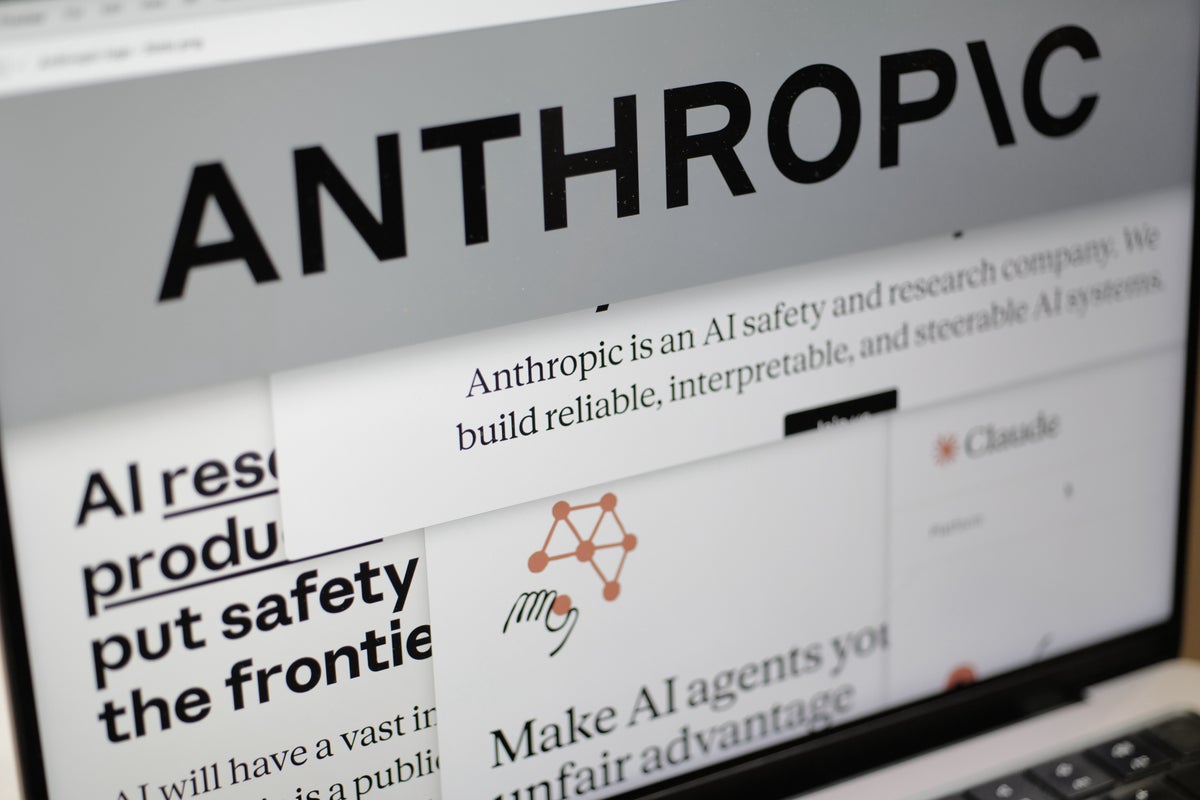
Bank of Canada Governor Tiff Macklem says global financial systems need to "come to grips" with the risks posed by rapid advances in artificial intelligence models like Anthropic's Mythos. Developer Anthropic claims the upcoming Mythos model of its Claude AI is capable of quickly detecting long-hidden cybersecurity vulnerabilities, news which has made major financial market players and regulators anxious about the technology's disruptive potential. The Bank of Canada gathered representatives from big banks and financial agencies last week to discuss the risks Mythos poses for the Canadian financial system. Macklem says while there's been a fair amount of discussion about Mythos on the sidelines of the International Monetary Fund's spring meetings in Washington, no one knows yet the full implications of this latest AI advance. He says Mythos is not a one-off event and the nature of AI development means firms, regulators and policy-makers need to grapple with how these rapidly evolving technologies will affect the integrity of financial systems in Canada and around the world. Finance Minister Francois-Philippe Champagne was also in Washington for the IMF meetings and told reporters earlier in the day that Mythos has become a "test case" for how governments prepare for and react to new technologies.
White House chief of staff to meet with Anthropic CEO over its new AI technology
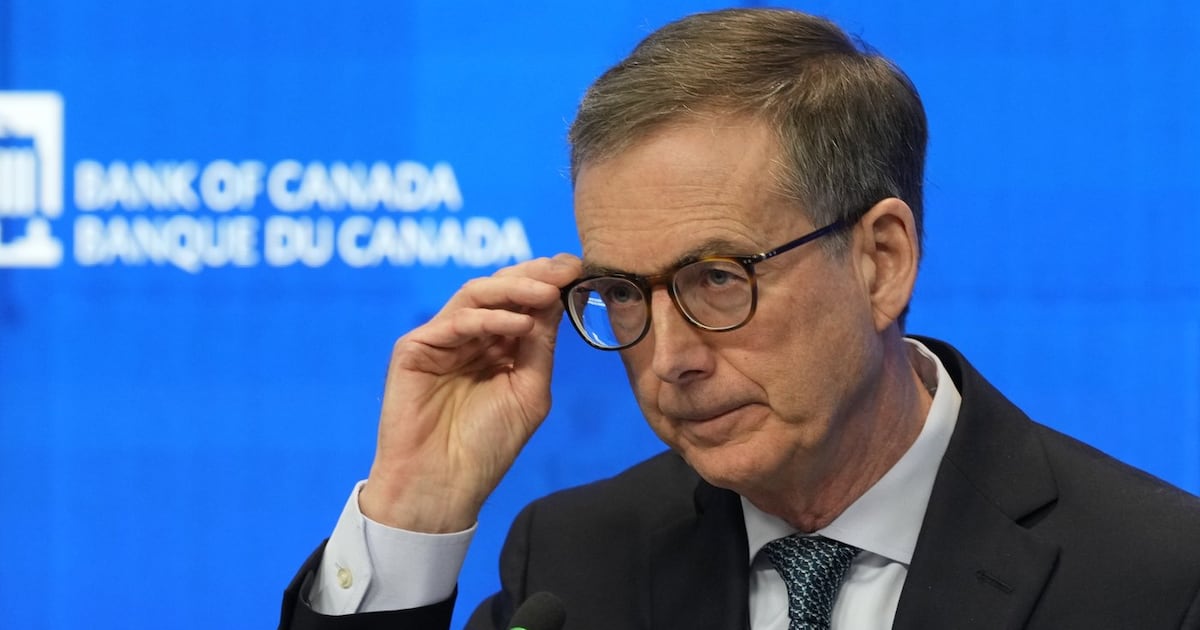
WASHINGTON (AP) -- White House chief of staff Susie Wiles plans to sound out Anthropic CEO Dario Amodei about the artificial intelligence company's new Mythos model, which has attracted attention from the federal government for how it could transform national security and the economy. A White House official, who requested anonymity to discuss the planned meeting Friday, said the administration is engaging with advanced AI labs about their models and the security of software. The official stressed that any new technology that might be used by the federal government would require a technical period for evaluation. The meeting comes after tensions have run hot between the Trump administration and the safety-conscious Anthropic, which has sought to put guardrails on the development of AI to minimize any potential risks and maximize its economic and national security benefits for the U.S. President Donald Trump tried to stop all federal agencies from using Anthropic's chatbot Claude over the company's contract dispute with the Pentagon, with Trump saying in a February social media post that the administration "will not do business with them again!" Defense Secretary Pete Hegseth also sought to declare Anthropic a supply chain risk, an unprecedented move against a U.S. company that Anthropic has challenged in two federal courts. The company said it wanted assurance the Pentagon would not use its technology in fully autonomous weapons and the surveillance of Americans. Hegseth said the company must allow for any uses the Pentagon deemed lawful. U.S. District Judge Rita Lin issued a ruling in March that blocked the enforcement of Trump's social media directive ordering all federal agencies to stop using Anthropic products. Anthropic declined to speak about the meeting in advance. The San Francisco-based Anthropic has said the new Mythos model it announced on April 7 is so "strikingly capable" that it is limiting its use to select customers because of its ability to surpass human cybersecurity experts in finding and exploiting computer vulnerabilities. And while some industry experts have questioned whether Anthropic's claims of too-powerful AI technology were a marketing ploy, even some of the company's sharpest critics have suggested that Mythos might represent a further advancement in AI. One influential Anthropic critic, David Sacks, who was the White House's AI and crypto czar, said people should "take this seriously." "Anytime Anthropic is scaring people, you have to ask, 'Is this a tactic? Is this part of their Chicken Little routine? Or is it real?'" Sacks said on the "All-In" podcast he co-hosts with other tech investors. "With cyber, I actually would give them credit in this case and say this is more on the real side." Sacks said, "It just makes sense that as the coding models become more and more capable, they are more capable at finding bugs. That means they're more capable at finding vulnerabilities. That means they're more capable at stringing together multiple vulnerabilities and creating an exploit." The model's potential benefits, as well as its risks, have also attracted attention outside the U.S. The United Kingdom's AI Security Institute said it evaluated the new model and found it a "step up" over previous models, which were already rapidly improving. "Mythos Preview can exploit systems with weak security posture, and it is likely that more models with these capabilities will be developed," the institute said in a report. Anthropic has also been in talks with the European Union about its AI models, including advanced models that haven't yet been released in Europe, European Commission spokesman Thomas Regnier said Friday. Axios first reported the scheduled meeting between Wiles and Amodei. When it announced Mythos, Anthropic said it was also forming an initiative called Project Glasswing, bringing together tech giants such as Amazon, Apple, Google and Microsoft, along with other companies like JPMorgan Chase, in hopes of securing the world's critical software from "severe" fallout that the new model could pose to public safety, national security and the economy. "We're releasing it to a subset of some of the world's most important companies and organizations so they can use this to find vulnerabilities," said the Anthropic co-founder and policy chief, Jack Clark, at this week's Semafor World Economy conference. Clark added that Mythos, while ahead of the curve, is not a "special model." "There will be other systems just like this in a few months from other companies, and in a year to a year-and-a-half later, there will be open-weight models from China that have these capabilities," he said. So the world is going to have to get ready for more powerful systems that are going to exist within it." ___ O'Brien reported from Providence, R.I. AP business reporter Kelvin Chan contributed to this report from London.
White House chief of staff to meet with Anthropic CEO over its new AI technology - WTOP News
WASHINGTON (AP) -- White House chief of staff Susie Wiles plans to sound out Anthropic CEO Dario Amodei about the artificial intelligence company's new Mythos model, which has attracted attention from the federal government for how it could transform national security and the economy. A White House official, who requested anonymity to discuss the planned meeting Friday, said the administration is engaging with advanced AI labs about their models and the security of software. The official stressed that any new technology that might be used by the federal government would require a technical period for evaluation. The meeting comes after tensions have run hot between the Trump administration and the safety-conscious Anthropic, which has sought to put guardrails on the development of AI to minimize any potential risks and maximize its economic and national security benefits for the U.S. President Donald Trump tried to stop all federal agencies from using Anthropic's chatbot Claude over the company's contract dispute with the Pentagon, with Trump saying in a February social media post that the administration "will not do business with them again!" Defense Secretary Pete Hegseth also sought to declare Anthropic a supply chain risk, an unprecedented move against a U.S. company that Anthropic has challenged in two federal courts. The company said it wanted assurance the Pentagon would not use its technology in fully autonomous weapons and the surveillance of Americans. Hegseth said the company must allow for any uses the Pentagon deemed lawful. U.S. District Judge Rita Lin issued a ruling in March that blocked the enforcement of Trump's social media directive ordering all federal agencies to stop using Anthropic products. Anthropic declined to speak about the meeting in advance. The San Francisco-based Anthropic has said the new Mythos model it announced on April 7 is so "strikingly capable" that it is limiting its use to select customers because of its ability to surpass human cybersecurity experts in finding and exploiting computer vulnerabilities. And while some industry experts have questioned whether Anthropic's claims of too-powerful AI technology were a marketing ploy, even some of the company's sharpest critics have suggested that Mythos might represent a further advancement in AI. One influential Anthropic critic, David Sacks, who was the White House's AI and crypto czar, said people should "take this seriously." "Anytime Anthropic is scaring people, you have to ask, 'Is this a tactic? Is this part of their Chicken Little routine? Or is it real?'" Sacks said on the "All-In" podcast he co-hosts with other tech investors. "With cyber, I actually would give them credit in this case and say this is more on the real side." Sacks said, "It just makes sense that as the coding models become more and more capable, they are more capable at finding bugs. That means they're more capable at finding vulnerabilities. That means they're more capable at stringing together multiple vulnerabilities and creating an exploit." The model's potential benefits, as well as its risks, have also attracted attention outside the U.S. The United Kingdom's AI Security Institute said it evaluated the new model and found it a "step up" over previous models, which were already rapidly improving. "Mythos Preview can exploit systems with weak security posture, and it is likely that more models with these capabilities will be developed," the institute said in a report. Anthropic has also been in talks with the European Union about its AI models, including advanced models that haven't yet been released in Europe, European Commission spokesman Thomas Regnier said Friday. Axios first reported the scheduled meeting between Wiles and Amodei. When it announced Mythos, Anthropic said it was also forming an initiative called Project Glasswing, bringing together tech giants such as Amazon, Apple, Google and Microsoft, along with other companies like JPMorgan Chase, in hopes of securing the world's critical software from "severe" fallout that the new model could pose to public safety, national security and the economy. "We're releasing it to a subset of some of the world's most important companies and organizations so they can use this to find vulnerabilities," said the Anthropic co-founder and policy chief, Jack Clark, at this week's Semafor World Economy conference. Clark added that Mythos, while ahead of the curve, is not a "special model." "There will be other systems just like this in a few months from other companies, and in a year to a year-and-a-half later, there will be open-weight models from China that have these capabilities," he said. So the world is going to have to get ready for more powerful systems that are going to exist within it." ___ O'Brien reported from Providence, R.I. AP business reporter Kelvin Chan contributed to this report from London. Copyright © 2026 The Associated Press. All rights reserved. This material may not be published, broadcast, written or redistributed.
White House chief of staff to meet with Anthropic CEO over its new AI technology
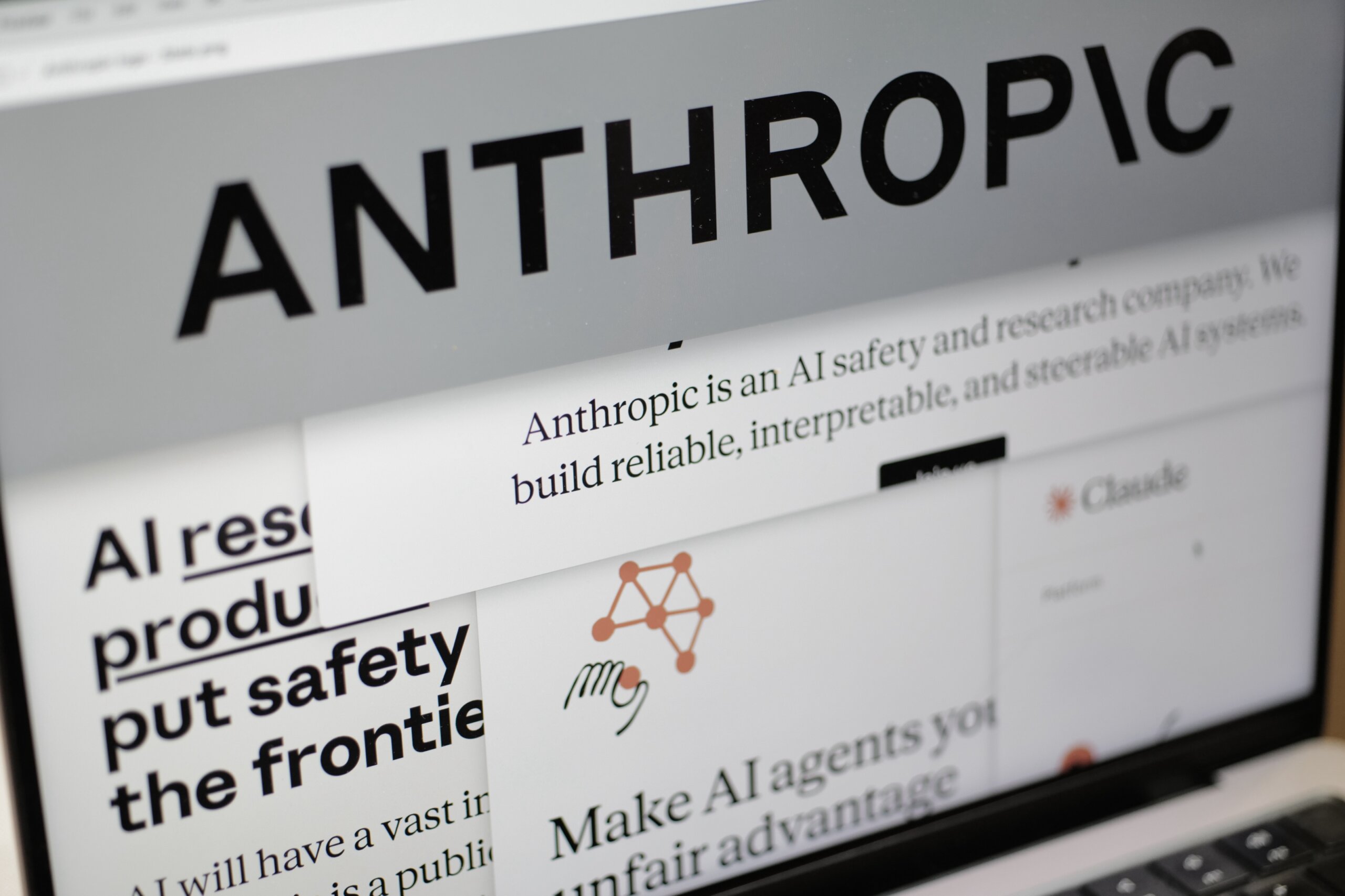
WASHINGTON - White House chief of staff Susie Wiles plans to sound out Anthropic CEO Dario Amodei about the artificial intelligence company's new Mythos model, which has attracted attention from the federal government for how it could transform national security and the economy. A White House official, who requested anonymity to discuss the planned meeting Friday, said the administration is engaging with advanced AI labs about their models and the security of software. The official stressed that any new technology that might be used by the federal government would require a technical period for evaluation. Recommended Videos The meeting comes after tensions have run hot between the Trump administration and the safety-conscious Anthropic, which has sought to put guardrails on the development of AI to minimize any potential risks and maximize its economic and national security benefits for the U.S. President Donald Trump tried to stop all federal agencies from using Anthropic's chatbot Claude over the company's contract dispute with the Pentagon, with Trump saying in a February social media post that the administration "will not do business with them again!" Defense Secretary Pete Hegseth also sought to declare Anthropic a supply chain risk, an unprecedented move against a U.S. company that Anthropic has challenged in two federal courts. The company said it wanted assurance the Pentagon would not use its technology in fully autonomous weapons and the surveillance of Americans. Hegseth said the company must allow for any uses the Pentagon deemed lawful. U.S. District Judge Rita Lin issued a ruling in March that blocked the enforcement of Trump's social media directive ordering all federal agencies to stop using Anthropic products. Anthropic declined to speak about the meeting in advance. The San Francisco-based Anthropic has said the new Mythos model it announced on April 7 is so "strikingly capable" that it is limiting its use to select customers because of its ability to surpass human cybersecurity experts in finding and exploiting computer vulnerabilities. And while some industry experts have questioned whether Anthropic's claims of too-powerful AI technology were a marketing ploy, even some of the company's sharpest critics have suggested that Mythos might represent a further advancement in AI. One influential Anthropic critic, David Sacks, who was the White House's AI and crypto czar, said people should "take this seriously." "Anytime Anthropic is scaring people, you have to ask, 'Is this a tactic? Is this part of their Chicken Little routine? Or is it real?'" Sacks said on the "All-In" podcast he co-hosts with other tech investors. "With cyber, I actually would give them credit in this case and say this is more on the real side." Sacks said, "It just makes sense that as the coding models become more and more capable, they are more capable at finding bugs. That means they're more capable at finding vulnerabilities. That means they're more capable at stringing together multiple vulnerabilities and creating an exploit." The model's potential benefits, as well as its risks, have also attracted attention outside the U.S. The United Kingdom's AI Security Institute said it evaluated the new model and found it a "step up" over previous models, which were already rapidly improving. "Mythos Preview can exploit systems with weak security posture, and it is likely that more models with these capabilities will be developed," the institute said in a report. Anthropic has also been in talks with the European Union about its AI models, including advanced models that haven't yet been released in Europe, European Commission spokesman Thomas Regnier said Friday. Axios first reported the scheduled meeting between Wiles and Amodei. When it announced Mythos, Anthropic said it was also forming an initiative called Project Glasswing, bringing together tech giants such as Amazon, Apple, Google and Microsoft, along with other companies like JPMorgan Chase, in hopes of securing the world's critical software from "severe" fallout that the new model could pose to public safety, national security and the economy. "We're releasing it to a subset of some of the world's most important companies and organizations so they can use this to find vulnerabilities," said the Anthropic co-founder and policy chief, Jack Clark, at this week's Semafor World Economy conference. Clark added that Mythos, while ahead of the curve, is not a "special model." "There will be other systems just like this in a few months from other companies, and in a year to a year-and-a-half later, there will be open-weight models from China that have these capabilities," he said. So the world is going to have to get ready for more powerful systems that are going to exist within it." ___ O'Brien reported from Providence, R.I. AP business reporter Kelvin Chan contributed to this report from London.

Anthropic's Mythos shows need to 'come to grips' with AI risks: BoC governor
Bank of Canada Governor Tiff Macklem says global financial systems need to "come to grips" with the risks posed by rapid advances in artificial intelligence models like Anthropic's Mythos. Developer Anthropic claims the upcoming Mythos model of its Claude AI is capable of quickly detecting long-hidden cybersecurity vulnerabilities, news which has made major financial market players and regulators anxious about the technology's disruptive potential. The Bank of Canada gathered representatives from big banks and financial agencies last week to discuss the risks Mythos poses for the Canadian financial system. Macklem says while there's been a fair amount of discussion about Mythos on the sidelines of the International Monetary Fund's spring meetings in Washington, no one knows yet the full implications of this latest AI advance. He says Mythos is not a one-off event and the nature of AI development means firms, regulators and policy-makers need to grapple with how these rapidly evolving technologies will affect the integrity of financial systems in Canada and around the world. Finance Minister Francois-Philippe Champagne was also in Washington for the IMF meetings and told reporters earlier in the day that Mythos has become a "test case" for how governments prepare for and react to new technologies. This report by The Canadian Press was first published April 17, 2026.
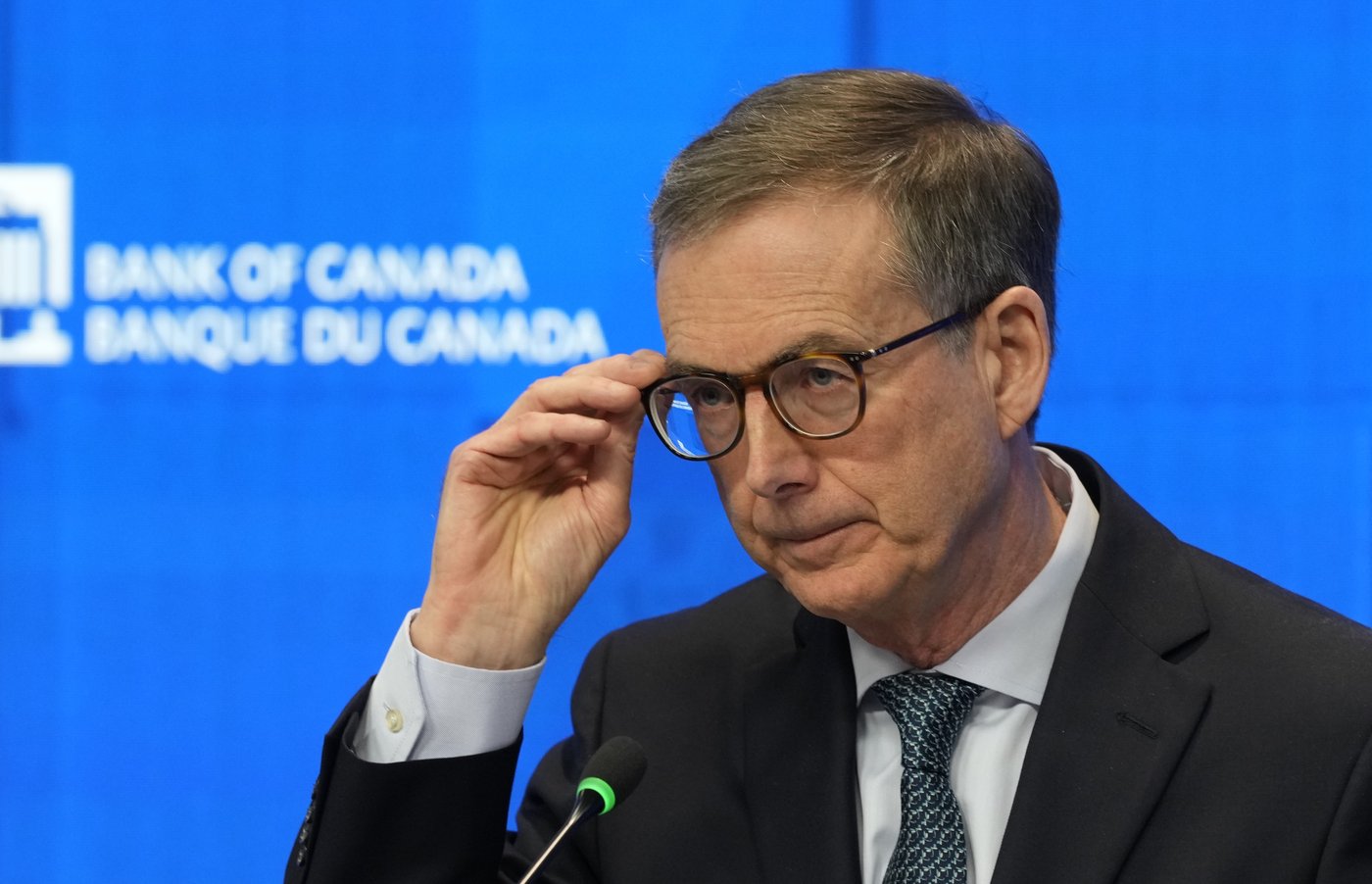
Anthropic's Mythos shows need to 'come to grips' with AI risks: BoC governor
Bank of Canada Governor Tiff Macklem says global financial systems need to "come to grips" with the risks posed by rapid advances in artificial intelligence models like Anthropic's Mythos. Developer Anthropic claims the upcoming Mythos model of its Claude AI is capable of quickly detecting long-hidden cybersecurity vulnerabilities, news which has made major financial market players and regulators anxious about the technology's disruptive potential. The Bank of Canada gathered representatives from big banks and financial agencies last week to discuss the risks Mythos poses for the Canadian financial system. Macklem says while there's been a fair amount of discussion about Mythos on the sidelines of the International Monetary Fund's spring meetings in Washington, no one knows yet the full implications of this latest AI advance. He says Mythos is not a one-off event and the nature of AI development means firms, regulators and policy-makers need to grapple with how these rapidly evolving technologies will affect the integrity of financial systems in Canada and around the world. Finance Minister Francois-Philippe Champagne was also in Washington for the IMF meetings and told reporters earlier in the day that Mythos has become a "test case" for how governments prepare for and react to new technologies. This report by The Canadian Press was first published April 17, 2026. Craig Lord, The Canadian Press

Anthropic's Mythos shows need to 'come to grips' with AI risks: BoC governor
Bank of Canada Governor Tiff Macklem says global financial systems need to "come to grips" with the risks posed by rapid advances in artificial intelligence models like Anthropic's Mythos. Developer Anthropic claims the upcoming Mythos model of its Claude AI is capable of quickly detecting long-hidden cybersecurity vulnerabilities, news which has made major financial market players and regulators anxious about the technology's disruptive potential. The Bank of Canada gathered representatives from big banks and financial agencies last week to discuss the risks Mythos poses for the Canadian financial system. ARTICLE CONTINUES BELOW Macklem says while there's been a fair amount of discussion about Mythos on the sidelines of the International Monetary Fund's spring meetings in Washington, no one knows yet the full implications of this latest AI advance. He says Mythos is not a one-off event and the nature of AI development means firms, regulators and policy-makers need to grapple with how these rapidly evolving technologies will affect the integrity of financial systems in Canada and around the world. Finance Minister Francois-Philippe Champagne was also in Washington for the IMF meetings and told reporters earlier in the day that Mythos has become a "test case" for how governments prepare for and react to new technologies. This report by The Canadian Press was first published April 17, 2026.
Anthropic's Mythos shows need to 'come to grips' with AI risks: BoC governor
Bank of Canada Governor Tiff Macklem is seen during a news conference in Ottawa, Wednesday, March 18, 2026. THE CANADIAN PRESS/Adrian Wyld Bank of Canada Governor Tiff Macklem says global financial systems need to "come to grips" with the risks posed by rapid advances in artificial intelligence models like Anthropic's Mythos. Developer Anthropic claims the upcoming Mythos model of its Claude AI is capable of quickly detecting long-hidden cybersecurity vulnerabilities, news which has made major financial market players and regulators anxious about the technology's disruptive potential. The Bank of Canada gathered representatives from big banks and financial agencies last week to discuss the risks Mythos poses for the Canadian financial system. Macklem says while there's been a fair amount of discussion about Mythos on the sidelines of the International Monetary Fund's spring meetings in Washington, no one knows yet the full implications of this latest AI advance. He says Mythos is not a one-off event and the nature of AI development means firms, regulators and policy-makers need to grapple with how these rapidly evolving technologies will affect the integrity of financial systems in Canada and around the world. Finance Minister Francois-Philippe Champagne was also in Washington for the IMF meetings and told reporters earlier in the day that Mythos has become a "test case" for how governments prepare for and react to new technologies.
