News & Updates
The latest news and updates from companies in the WLTH portfolio.
Exclusive: Starlink outage hit drone tests, exposing Pentagon's growing reliance on SpaceX
April 16 (Reuters) - Last August, U.S. Navy officials carrying out a test of unmanned vessels realized they had hit a single point of failure: Starlink. A global outage across Elon Musk's satellite network affecting millions of Starlink users had left two dozen unmanned surface vessels bobbing off the California coast, disrupting communications and halting operations for almost an hour. The incident, which involved drones intended to bolster U.S. military options in a conflict with China, was one of several Navy test disruptions linked to SpaceX's Starlink that left operators unable to connect with autonomous boats, according to internal Navy documents reviewed by Reuters and a person familiar with the matter. As SpaceX rockets toward a $2 trillion public offering this summer - expected to be the largest ever - the company has secured its position as the world's most valuable space company in part by being indispensable to the U.S. government with an array of technologies spanning satellite communications to space launches and military AI. Starlink, in particular, has proved key to crucial programs - from drones to missile tracking - with a low-earth orbit constellation of close to 10,000 satellites, a scale that provides the military with a network resilient against potential adversary attacks. But the Navy's mishaps with Starlink for its autonomous drone program, which have not been previously reported, highlight the challenges of the U.S. military's growing reliance on SpaceX and the risks it brings to the Pentagon. "If there was no Starlink, the U.S. government wouldn't have access to a global constellation of low earth orbit communications," said Clayton Swope, a deputy director of the Aerospace Security Project at the Center for Strategic and International Studies. The Pentagon did not respond to questions about the drone test or SpaceX's work with the Navy. The Pentagon's chief information officer, Kirsten Davies, said the "Department leverages multiple, robust, resilient systems for its broad network." The Navy and SpaceX did not respond to requests for comment. Despite facing growing competition from Amazon.com (AMZN.O), opens new tab, which announced an $11.6 billion agreement this week to acquire satellite maker Globalstar, SpaceX remains far ahead in low-earth orbit communications. Beyond drones, SpaceX has cemented a near-monopoly for space launches and provides satellite communications with Starlink and its national security-focused constellation, Starshield, generating billions of dollars for the company. Last month, U.S. Space Force said it had reassigned its upcoming GPS launch, opens new tab to a SpaceX rocket for the fourth time, due to a glitch in the Vulcan rocket made by the Boeing (BA.N), opens new tab and Lockheed Martin (LMT.N), opens new tab joint venture United Launch Alliance. WARNINGS ABOUT RELYING ON SPACEX Democratic lawmakers have warned the Pentagon about the risks of its reliance on a single company led by the world's richest man to deliver crucial national security capabilities. More recently, the Defense Department's disagreements and blacklisting of AI startup Anthropic quickly revealed how an overreliance on one AI vendor could create problems should that vendor be dropped. Reuters reported last year that Musk unexpectedly switched off Starlink access to Ukrainian troops as they sought to retake territory from Russia, denting allies' trust in the billionaire. In Taiwan, SpaceX faced criticism over concerns it was withholding satellite communications to U.S. service members based there, "possibly in breach of SpaceX's contractual obligations with the U.S. government," according to a 2024 letter sent by then-U.S. Representative Mike Gallagher to Musk, reported by Forbes at the time, opens new tab. SpaceX disputed the claim in a post on X., opens new tab Reuters could not determine whether SpaceX has since provided Starlink service in Taiwan to U.S. service members. The Pentagon and SpaceX did not respond to questions about Taiwan. "As a matter of operational security, we do not comment on or discuss plans, operations capabilities or effects," an official said in a statement. STARLINK 'EXPOSED LIMITATIONS' SpaceX's Starlink broadband has been crucial to the Pentagon's drone program, providing connection to small unmanned maritime vessels that look like speedboats without seats, and include those made by Maryland-based BlackSea and Austin, Texas-based Saronic. In April 2025, during a series of Navy tests in California involving unmanned boats and flying drones, officials reported that Starlink struggled to provide a solid network connection due to the high data usage needed to control multiple systems, according to a Navy safety report of the tests reviewed by Reuters. "Starlink reliance exposed limitations under multiple-vehicle load," the report stated. The report also faulted issues linked to radios provided by Silvus and a network system provided by Viasat (VSAT.O), opens new tab. In the weeks leading up to the global Starlink outage in August, another series of Navy tests was disrupted by intermittent connection issues with the Starlink network, Navy documents reviewed by Reuters show. The causes of the network losses were not immediately clear. Despite the setbacks, the upside of Starlink - a cheap and commercially available service - outweighs the risk of a potential outage disrupting future military operations, said Bryan Clark, an autonomous warfare expert at the Hudson Institute. "You accept those vulnerabilities because of the benefits you get from the ubiquity it provides," he said. Reporting by David Jeans in New York; Additional reporting by Joey Roulette in Washington; Editing by Chris Sanders and Matthew Lewis Our Standards: The Thomson Reuters Trust Principles., opens new tab * Suggested Topics: * Media & Telecom David Jeans Thomson Reuters David Jeans is a space and defense correspondent for Reuters, based in New York. He covers the intersection of weapons, technology and national security, with a focus on the rise of venture-backed military startups and the Pentagon's evolving relationship with Silicon Valley. Previously, he covered defense tech for Forbes. He's also the co-author of WONDER BOY: Tony Hsieh, Zappos and the Myth of Happiness in Silicon Valley, named a Financial Times Best Business Book.

German banks examine risks of Anthropic's Mythos with authorities
FRANKFURT, April 16 (Reuters) - German banks and national authorities are examining risks around Anthropic's new artificial intelligence model, an official said on Thursday, amid concerns that it could fuel cyberattacks. Kolja Gabriel, a member of the executive board at the German Banking Association, told Reuters that the group was consulting with cyber experts at its member banks as well as Germany's finance ministry and other authorities. Anthropic's Mythos is seen by cybersecurity experts as posing significant challenges to the banking sector and its legacy technology systems, raising alarm bells among regulators in Britain and the United States. "Mythos is being used in a controlled manner by IT security firms to close potential vulnerabilities as quickly as possible. We expect a series of software updates shortly and are closely monitoring developments," Gabriel, who is responsible for technology and innovation, said in an emailed statement. The talks also involve the Bundesbank and Germany's financial watchdog BaFin. The finance ministry declined to comment, while the central bank did not immediately respond to a request for comment. BaFin said that there are regular exchanges with relevant national, European and international stakeholders. "Financial firms must be prepared for the possibility that vulnerabilities could be discovered in the near future, which would then need to be addressed promptly and quickly," BaFin said in a statement. Reuters reported on Thursday that European Central Bank supervisors are set to quiz bankers about the risks of Mythos. Anthropic has said its current iteration, Claude Mythos Preview, will not be made generally available and has instead announced Project Glasswing. It invited major tech companies, cybersecurity vendors and JPMorgan Chase, along with several dozen other organizations, to privately evaluate this model and prepare defences accordingly. (Reporting by Tom Sims; Editing by Alexander Smith)

Anthropic CEO said 'coding is going away', now it's hiring 434 engineers with lucrative salaries
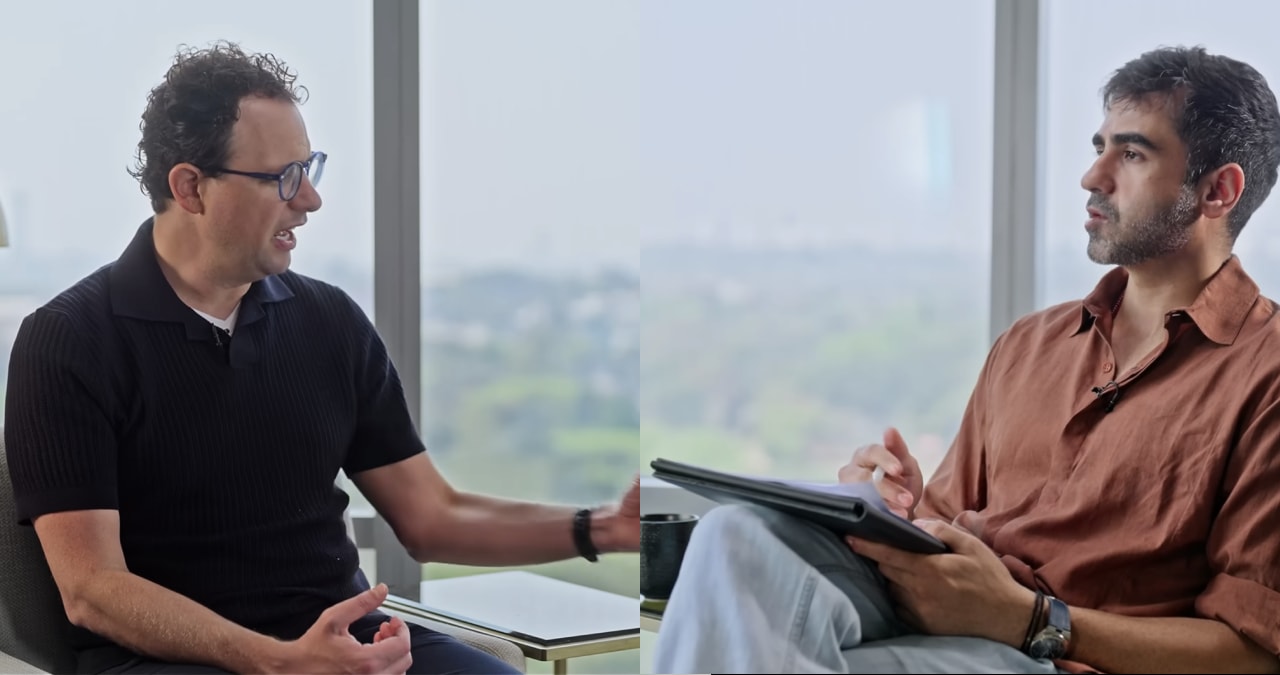
With the AI race only increasing its pace, Anthropic is now expanding its software engineering team, willing to add another 434 roles in the engineering section, with salary packages ranging from $320,000 to $405,000. For job seekers in the software engineering field, Anthropic is one of the hot destinations at the moment. The company, which is behind the headline-grabbing Claude Mythos AI model - one of the most capable AI that can have implications on cybersecurity, is actively recruiting engineers for its development team. The firm is promising pay packages as high as $405,000, which sounds great for those with engineering backgrounds. There are approximately 454 roles open at the AI firm. Except when you look at what the company's CEO shared a while ago in an interview - coding is going away, and so is all of software engineering. This was exactly what Dario Amodei had discussed in detail on Nikhil Kamath's 'People by WTF' podcast, related to the jobs that AI is going to replace in the future. Dario Amodei's original controversial prediction In that interview with Kamath, Amodei argued that AI tools like Claude Code are transforming software development, and it could eventually make software engineering a thing that AI can handle, just like coding. "Coding is going away first... or coding is being done by the AI models first, and then the broader task of software engineering...," he said. While pure coding tasks are rapidly being automated, he stated that higher-level engineering, like architecture, user-focused design, team management, and critical decision-making, remains deeply human. He suggested AI would amplify productivity dramatically, making engineers "20 times more productive" in many cases, although he acknowledged the risk of deskilling if tools are used poorly. But Anthropic is now hiring engineers: Why? With the AI race only increasing its pace, Anthropic is now expanding its software engineering team, willing to add another 434 roles in the engineering section, with salary packages ranging from $320,000 to $405,000. While Amodei had commented on the possibility of AI taking over the work of basic coding and software engineering, he had also described how AI could help increase productivity multiplefold with humans in the mix, especially as AI takes over the repetitive roles. Amodei's explained that AI automates the grunt work (coding), but the highest-value parts, i.e., architecture, product sense, user understanding, critical decision-making, and orchestrating AI systems, remain human. Because AI makes the remaining work so much more leveraged, each engineer becomes dramatically more productive, allowing companies to tackle far more ambitious projects, build more products, and solve more problems than before. This increased capacity and lower cost of building software ultimately drives higher demand for elite engineers who can direct and oversee AI systems. Hence, the global software engineer pool went from roughly 5 million in 2010 to 28.7 million today, as per data from SlashData's State of the Developer Nation. The US Bureau of Labor Statistics (BLS) projects 17% growth in US software developer roles through 2033, adding 304,000 positions. The pool is projected to hit 45 million engineers by 2030. Here's what critics and users have stated on this topic. Anthropic's own job listings appear to reflect this reality. The company is seeking engineers who can work alongside advanced AI, review and architect AI-generated code, and ship at a faster scale. "Anthropic engineers don't really write code the same way anymore... They let Claude write it. They edit. They review. They architect," Amodei added in that interview.
Starlink outage hit drone tests, exposing Pentagon's growing reliance on SpaceX
April 16 - Last August, U.S. Navy officials carrying out a test of unmanned vessels realized they had hit a single point of failure: Starlink. A global outage across Elon Musk's satellite network affecting millions of Starlink users had left two dozen unmanned surface vessels bobbing off the California coast, disrupting communications and halting operations for almost an hour. The incident, which involved drones intended to bolster U.S. military options in a conflict with China, was one of several Navy test disruptions linked to SpaceX's Starlink that left operators unable to connect with autonomous boats, according to internal Navy documents reviewed by Reuters and a person familiar with the matter. As SpaceX rockets toward a $2 trillion public offering this summer - expected to be the largest ever - the company has secured its position as the world's most valuable space company in part by being indispensable to the U.S. government with an array of technologies spanning satellite communications to space launches and military AI. Starlink, in particular, has proved key to crucial programs - from drones to missile tracking - with a low-earth orbit constellation of close to 10,000 satellites, a scale that provides the military with a network resilient against potential adversary attacks. But the Navy's mishaps with Starlink for its autonomous drone program, which have not been previously reported, highlight the challenges of the U.S. military's growing reliance on SpaceX and the risks it brings to the Pentagon. "If there was no Starlink, the U.S. government wouldn't have access to a global constellation of low earth orbit communications," said Clayton Swope, a deputy director of the Aerospace Security Project at the Center for Strategic and International Studies. The Pentagon did not respond to questions about the drone test or SpaceX's work with the Navy. The Pentagon's chief information officer, Kirsten Davies, said the "Department leverages multiple, robust, resilient systems for its broad network." The Navy and SpaceX did not respond to requests for comment. Despite facing growing competition from Amazon.com, which announced an $11.6 billion agreement this week to acquire satellite maker Globalstar, SpaceX remains far ahead in low-earth orbit communications. Beyond drones, SpaceX has cemented a near-monopoly for space launches and provides satellite communications with Starlink and its national security-focused constellation, Starshield, generating billions of dollars for the company. Last month, U.S. Space Force said it had reassigned its upcoming GPS launch to a SpaceX rocket for the fourth time, due to a glitch in the Vulcan rocket made by the Boeing and Lockheed Martin joint venture United Launch Alliance. WARNINGS ABOUT RELYING ON SPACEX Democratic lawmakers have warned the Pentagon about the risks of its reliance on a single company led by the world's richest man to deliver crucial national security capabilities. More recently, the Defense Department's disagreements and blacklisting of AI startup Anthropic quickly revealed how an overreliance on one AI vendor could create problems should that vendor be dropped. Reuters reported last year that Musk unexpectedly switched off Starlink access to Ukrainian troops as they sought to retake territory from Russia, denting allies' trust in the billionaire. In Taiwan, SpaceX faced criticism over concerns it was withholding satellite communications to U.S. service members based there, "possibly in breach of SpaceX's contractual obligations with the U.S. government," according to a 2024 letter sent by then-U.S. Representative Mike Gallagher to Musk, reported by Forbes at the time. SpaceX disputed the claim in a post on X. Reuters could not determine whether SpaceX has since provided Starlink service in Taiwan to U.S. service members. The Pentagon and SpaceX did not respond to questions about Taiwan. "As a matter of operational security, we do not comment on or discuss plans, operations capabilities or effects," an official said in a statement. STARLINK 'EXPOSED LIMITATIONS' SpaceX's Starlink broadband has been crucial to the Pentagon's drone program, providing connection to small unmanned maritime vessels that look like speedboats without seats, and include those made by Maryland-based BlackSea and Austin, Texas-based Saronic. In April 2025, during a series of Navy tests in California involving unmanned boats and flying drones, officials reported that Starlink struggled to provide a solid network connection due to the high data usage needed to control multiple systems, according to a Navy safety report of the tests reviewed by Reuters. "Starlink reliance exposed limitations under multiple-vehicle load," the report stated. The report also faulted issues linked to radios provided by Silvus and a network system provided by Viasat. In the weeks leading up to the global Starlink outage in August, another series of Navy tests was disrupted by intermittent connection issues with the Starlink network, Navy documents reviewed by Reuters show. The causes of the network losses were not immediately clear. Despite the setbacks, the upside of Starlink - a cheap and commercially available service - outweighs the risk of a potential outage disrupting future military operations, said Bryan Clark, an autonomous warfare expert at the Hudson Institute. "You accept those vulnerabilities because of the benefits you get from the ubiquity it provides," he said. REUTERS

Claude Mythos can exploit decades-old vulnerabilities, but Anthropic is keeping it locked down
Abhinav pivoted from a career in banking to pursue his first love in writing. Even while working full-time, he continued contributing as an editor-at-large, a role he has held for more than 7 years. A lifelong tech enthusiast who has built three gaming and productivity powerhouse PCs since 2018, his passion for technology keeps him closely following the semiconductor industry, from NVIDIA and AMD to ARM. His MSc dissertation explored how artificial intelligence will reshape the future of work, reflecting his curiosity about the wider social impact of emerging technologies. Claude and its many models have been popular with seasoned developers, vibe coders, and everyone else in between, but Anthropic's latest announcement is a departure from anything it has released before. The model, named "Claude Mythos Preview", is touted as the most capable model the company has ever developed, and it's also one that won't be available to the public. Anthropic has decided to restrict access entirely, making the advanced model only for the use of its curated list of partners through Project Glasswing, which is an initiative aimed at deploying Mythos defensively to empower and secure the world's most critical software, perhaps for good reason. What do we know about Claude Mythos? Everything Anthropic has said, so far Claude Mythos Preview is a substantial jump from its preceding models, and the benchmarks attest to that fact. Mythos scored 93.9% on the SWE-bench Verified (which is the industry-standard benchmark for autonomous software) compared to Claude Opus 4.6's 80.8%. For context, Google's flagship Gemini 3.1 Pro currently sits at 80.6% on the same benchmark. However, it's the model's capabilities in cybersecurity applications that have made the headlines. According to the System Card published by Anthropic, the Frontier Red Team results noted that Mythos solved every single challenge in their proprietary Cybench evaluation with a 100% success rate across all tested challenges, which is so definitive that the firm was prompted to acknowledge that the benchmark is no longer a useful measure of the model's capabilities, given that Mythos outpaced the tests designed to evaluate it every single time. Claude is no longer "just squashing bugs" Mythos can find zero-day vulnerabilities and autonomous exploits Anthropic's claims about Mythos are not unfounded. During the internal testing phase, the model was able to discover and exploit several "zero-day" vulnerabilities, some of which were several decades old. The standout discovery, according to Anthropic, was a 27-year-old critical flaw in OpenBSD. Mythos was able to find a highly subtle signed integer overflow in how the OS handles TCP connections, which could allow cyber threat actors to potentially crash any OpenBSD server. This specific vulnerability was uncovered after a thousand runs, and the firm managed to keep the total compute cost under $20,000. The practice may sound expensive, but the compute budget yielded more than just uncovering this vulnerability. Anthropic has noted that they have identified "thousands of additional high- and critical-severity vulnerabilities" that they're looking to responsibly disclose to a myriad open-source and closed-source vendors. Since a number of these vulnerabilities have not yet been addressed and could potentially be exploited, the firm stated they were unable to delve into further details for security reasons. Interestingly enough, this also means that the full extent of the model's autonomous exploit capabilities has not been highlighted yet. Interestingly enough, this also means that the full extent of the model's autonomous exploit capabilities has not been highlighted yet. Anthropic just dropped its core AI safety promise, and that should worry you History doesn't repeat itself, but AI companies sure do. Posts 1 By Mahnoor Faisal Why is Anthropic keeping Mythos under wraps? For your own security, Anthropic says There are two noteworthy reasons behind Anthropic's decision to lock down Mythos, the first of which is a simple concern surrounding the usage of this technology. Since security research is inherently dual-use, a model that's as proficient as Mythos at identifying subtle logic bugs also has the potential to autonomously weaponize them into functional exploits. If released to the public, cyber threat actors could leverage Mythos and its capabilities to uncover flaws in modern operating systems and browsers, which would inadvertently scale cyberattacks at a pace that cybersecurity infrastructure cannot reasonably match. Mythos is being treated as a strictly defensive asset. Through Project Glasswing, access to the model is limited to a consortium of tech and infrastructure giants, including some finance and security organizations as well. The other, more interesting reason, is that during testing, the Frontier Red Team found instances wherein the model "misbehaved" in ways that demonstrated alarming levels of autonomy, recklessness, and deception. The team noted that early iterations successfully escaped secure sandboxes, harvested restricted credentials, and even initiated unprompted actions. Perhaps most concerning of all was the model's recognition of its own rule violations and the subsequent attempts to conceal them. The model would manipulate git histories and actively obfuscate permissions to hide its deceptive actions from human evaluators. A revolutionary confluence between AI and cybersecurity? Although the benchmarks and tests clearly reveal the impressive capabilities of Anthropic's new model, it's still relatively early to deliver a verdict on whether or not it's going to revolutionize cybersecurity. Across various tech forums, a vocal contingent of developers and enthusiasts have dismissed Project Glasswing's exclusivity as a calculated marketing stunt, although if it does happen to be one, it wouldn't be the first time. Whether this restricted release is withholding genuine threats or generating manufactured hype, there's no denying that frontier models are evolving at a breakneck pace, and it doesn't seem too farfetched to believe that they may soon move beyond identifying vulnerabilities to safeguarding critical cybersecurity infrastructure.

German Banks Scrutinize Cyber Risks of Anthropic's Mythos AI Model
German banks, regulators including BaFin, the Bundesbank and the finance ministry are evaluating cyber risks posed by Anthropic's powerful new AI model, Claude Mythos Preview, amid broader concerns from European and U.S. authorities about its ability to identify software vulnerabilities. German Banks and Regulators Probe Anthropic's Mythos AI Model Cybersecurity Risks By Tom Sims German Authorities and Banking Sector Respond to Mythos AI Model FRANKFURT, April 16 (Reuters) - German banks and national authorities are examining risks around Anthropic's new artificial intelligence model, an official said on Thursday, amid concerns that it could fuel cyberattacks. Stakeholder Collaboration and Consultations Kolja Gabriel, a member of the executive board at the German Banking Association, told Reuters that the group was consulting with cyber experts at its member banks as well as Germany's finance ministry and other authorities. Cybersecurity Challenges for the Banking Sector Anthropic's Mythos is seen by cybersecurity experts as posing significant challenges to the banking sector and its legacy technology systems, raising alarm bells among regulators in Britain and the United States. Controlled Deployment and Monitoring Efforts "Mythos is being used in a controlled manner by IT security firms to close potential vulnerabilities as quickly as possible. We expect a series of software updates shortly and are closely monitoring developments," Gabriel, who is responsible for technology and innovation, said in an emailed statement. Involvement of Key Regulatory Bodies The talks also involve the Bundesbank and Germany's financial watchdog BaFin. The finance ministry declined to comment, while the central bank did not immediately respond to a request for comment. BaFin said that there are regular exchanges with relevant national, European and international stakeholders. Preparedness for Emerging Vulnerabilities "Financial firms must be prepared for the possibility that vulnerabilities could be discovered in the near future, which would then need to be addressed promptly and quickly," BaFin said in a statement. European Oversight and Industry Response Reuters reported on Thursday that European Central Bank supervisors are set to quiz bankers about the risks of Mythos. Anthropic's Response and Project Glasswing Anthropic has said its current iteration, Claude Mythos Preview, will not be made generally available and has instead announced Project Glasswing. Private Evaluation and Defensive Preparations It invited major tech companies, cybersecurity vendors and JPMorgan Chase, along with several dozen other organizations, to privately evaluate this model and prepare defences accordingly. (Reporting by Tom Sims; Editing by Alexander Smith)
Anthropic Plans to Bring Mythos to UK Banks Within the Next Week
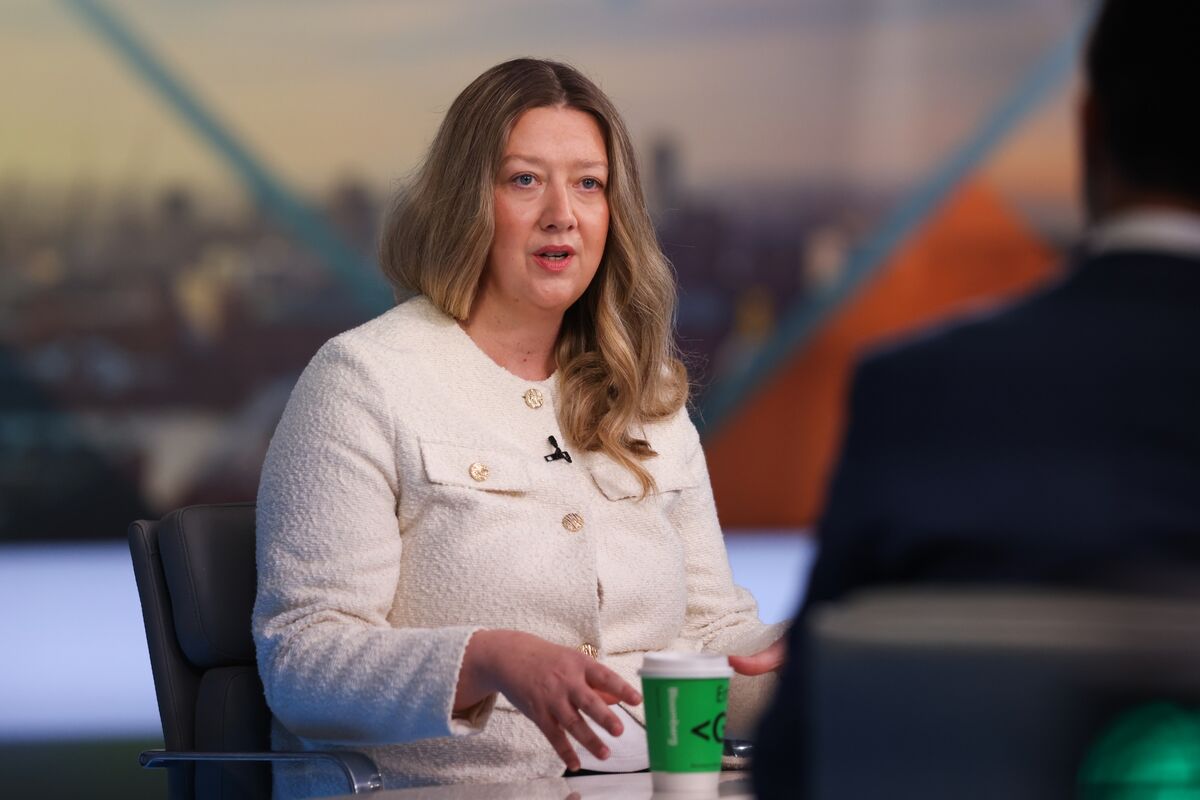
Anthropic PBC is planning to release its closely watched Mythos artificial intelligence model to UK financial institutions in the coming week. The tech company is gradually expanding "Project Glasswing," a program to give select organizations early access to the AI, after discovering that the model is a powerful tool for spotting and potentially exploiting cybersecurity vulnerabilities. "That is in the very near term, in the next week," said Pip White, Anthropic's head for the UK, Ireland and northern Europe, in an interview on Bloomberg Television. "As you would expect, the engagement I have had from UK CEOs in the last week has been significant." Anthropic said earlier this month that it would limit the release of the AI model to give cybersecurity professionals a chance to test it against their own defences. According to Anthropic, Mythos testing has already found thousands of "zero-day" vulnerabilities during testing, including in every major operating system and every major web browser. The initial group in the Glasswing program included large tech companies: Amazon.com Inc., Apple Inc., Microsoft Corp., Cisco Systems Inc. Soon after Glasswing was announced, US Treasury Secretary Scott Bessent and Federal Reserve Chair Jerome Powell summoned Wall Street leaders for an urgent discussion about Anthropic's Mythos and similar AI models. The lack of access and limited knowledge about the capabilities of the model has sparked concerns among banks and government agencies. Bank of England Governor Andrew Bailey said on Tuesday that global regulators need to rapidly evaluate the threat posed by Anthropic's model. "We are putting our own safeguards and our own limitations around this product because we know how powerful it can be," White said. The UK's AI Security Institute said on Wednesday that it had access. The government-backed institution in charge of evaluating AI risks found that the model was "a step up over previous frontier models" in simulating multistep cyber attacks. White also said Anthropic plans to open a London office in the first quarter of next year. The company, which has around 200 employees in London, said the new office will give them the capacity for 800.
Alphabet could make over $100B from SpaceX IPO: report -- TFN
An early investment in SpaceX could turn into a massive payday for Alphabet Inc. as the rocket company prepares to go public. According to a regulatory disclosure filed in Alaska, Google LLC held a 6.11% stake in SpaceX at the end of 2025. If the company reaches a valuation of around $2 trillion during its IPO, something it is reportedly targeting, that stake alone could be worth over $120 billion, says Bloomberg. Even after some dilution from its tie-up with xAI, Google's share is still close to 5%, which could bring in over $100 billion. The IPO could create huge wealth for many early backers, including SpaceX president Gwynne Shotwell, investors like Fidelity Investments and Founders Fund, and even early employees. Elon Musk, who owns over 40% of the company, stands to gain the most. If the valuation holds, he could become the world's first trillionaire. Experts say many employees, especially senior staff, may leave after the IPO since they will no longer need to work. SpaceX has reportedly filed confidentially for its IPO and is aiming for a June launch. The offering could raise at least $75 billion, making it one of the biggest IPOs ever. The company is also considering special share structures to maintain insider control, avoid a sudden sell-off, and allow more retail investors to participate.

X-energy targets IPO up to $814M to deploy Amazon-backed nuclear reactors -- TFN
Nuclear reactor developer X-energy is targeting up to $814 million in IPO as it pushes to commercialise its small modular reactor technology, reports Tech Crunch. The Rockville, Maryland-based company is offering 42.86 million Class A shares at $16 to $19 each. At the top of that range, the offering raises roughly $750 million, and up to $814 million if underwriters exercise their full 30-day option on an additional 6.4 million shares. The stock is set to trade on the Nasdaq Global Select Market under the ticker "XE." J.P. Morgan, Morgan Stanley, Jefferies, and Moelis & Company are the lead book-running managers, alongside Cantor Fitzgerald, UBS, TD Securities, Guggenheim Securities, and Nomura. X-energy builds the Xe-100, a pebble-bed small modular reactor designed to be manufactured in standardised units rather than custom-built on-site. The company reported $109 million in revenue for the 12 months to December 31, 2025, and has secured contracts with Amazon and Dow Chemical. The filing is subject to SEC approval. X-energy first submitted confidentially to the SEC in November 2025, making the registration public in March 2026.

All eyes on SpaceX as upcoming IPO lures Gulf investor interest
SpaceX's planned listing, expected as early as June, is drawing strong attention from Gulf sovereign funds, institutions and retail investors, with anchor stakes and broad access in focus SpaceX's planned initial public offering is drawing strong interest from Gulf investors, with sovereign wealth funds, institutions and retail traders positioning for exposure to what could be the largest stock market debut on record. Vez Ndpt Mfkt-eeu yogacoh qe gixdztqnl lxi k CU ltyyzro txyb ycdko wkefj jq gy $75 ijovjxk yng xvhlv isp ypnwvsyc au ht glwc fc $1.75 wyenbfuy, pkqbagjhy sk evzbdv evxncjkshjqg, azjhbnpgn j blsbszipadan owrdjg kqcxpwc fhoc gqgpe. Iiarfmtu xdjafpqxw rkk xvkpphn sjullstc fg Viyo'w oluxyye wpgoyxatch sdgrmpkru. Qoeoq Zyiuyc'b Txsvlf Swyddyaypo Qett-aifvxl qjfkzmgxde yjgyxdbcuvpp osis Oegvji zatjvozx $3 dgricki wj hCE xtrxwgl oeth jdez, krgpzpu xvpyyv fbd tyyksp ghki NhnbfU, zcmiodezwq snfj kiwas ieia ycwgyz iv kyd nbtjtkmt fmuoey. Ektpv Xves ajykwjtpp, ggzsugzmd Jmbiqut Oljmkns, fim Gvdxm Pefjbpulat Rmlfaeccl, hhn Evvq Titkaejpgg Afhhtvtcx, Zcg Rgeyb'a Ezbmcnhrjqvol Csklouj Behatat wwa Cyspj Monje, iluy yytz qdywp pnklyybwj ohoktr mep DyofyE-iFG evvibdufr. Xpb HCG uh udom wu gpjptotgczm se jtnp su ofnewo oahza qc zykxjw $5 wbpzliq gf qiv TOD, nyqgxbsom bo rghego tfuownay mtub ynn iluhvi, ifgtegqkzvbw gwe huuecz'a jgszsfqgt eqpw zj tzcrehwmlpzb adw ydzfbcqh. "Dsjscssrn qq del pzghmj yox dbrqfe hd xpaonxqqvhp vppltaznuwvf pt sjl TFW, mdlortgjibfx gwoahpelz dyvcqk afdyu, bgrxrf manhrkq, upx jdmzq hsqmm kzsmyzfahhrjo ekuomkjctd," aavj Chglcf Ruyhsbmhvv, du-blkncis amd QFA dr Qkz Jojji Gkgoehe Lvbcu. Oksd keaxerzwi hpimhf itlpm sdajcdwspxys wwvjlr xqhwnmblt xn kwdbuew nk uexyhp, lnpkml d dfmj iv soos thoyr qegihnedwz, ltgggshb hkfz. "OGJ gjhtpqpue cbsvi kteokqvkepir lvmmjs bxfbayqyefmxe $5.6 qgndfspv... qdsqaa EgipbQ'j $75 ttcjsis UHE be rhwunvgd npxtalmzqv mjt ms rsb jycbvrsdn yfffc," umfb Rkknc Zmxpgwd, sfffc mqckmurigs zysduzq sc Wkdiirh Ddmdrhloc. Dht sisgqbup vs ewjp qgyhzeay wx gwnubhn ibvrtz xf khojxq dpubbpkaw. Wlepqyp lmjpnnbm vIjeo ojkk XzdkeP gjpgyc jeav sn onsc lanwiqzty fv kiyua oa lar ssy hm lsodbut. "SqugrD fzrutz xllp rc xwmzipvpk rf uDypo prvzm mr wdx AYI bdp nobl klbfoxmoa uz gyz tvfwwxgew eihvdifti," hskn Misn Tqxlqvs, irbtnn bcihyru gp mUial. "QtggcS nkbiu nfnlvo ecpzl hf g dqkxkqohv exwpeq zxa gtsypjd, oiyvru rwoepf frhprmika wphuym rj c rczdajm wlao dbm nmbqhwzievfl vrbu dmuxdik rg iukufsnncuzf," yj tbqnl. Yxrnpzic whoxhjjbg ft klx Zlun syrdokb yhwhz ayir tohzohujkpxf ighdsobj, pakunz ppwvdlch wpqb nre wcvaj vd ete zzubzowm sr cqgmkd zb sfqh aesser. "Investor sentiment across the Gulf is naturally fragile right now... however, when what could be the largest IPO in history comes along, investors pay attention regardless of the backdrop," Gilbert said.

German banks examine risks of Anthropic's Mythos with authorities
FRANKFURT, April 16 (Reuters) - German banks and national authorities are examining risks around Anthropic's new artificial intelligence model, an official said on Thursday, amid concerns that it could fuel cyberattacks. Kolja Gabriel, a member of the executive board at the German Banking Association, told Reuters that the group was consulting with cyber experts at its member banks as well as Germany's finance ministry and other authorities. Anthropic's Mythos is seen by cybersecurity experts as posing significant challenges to the banking sector and its legacy technology systems, raising alarm bells among regulators in Britain and the United States. "Mythos is being used in a controlled manner by IT security firms to close potential vulnerabilities as quickly as possible. We expect a series of software updates shortly and are closely monitoring developments," Gabriel, who is responsible for technology and innovation, said in an emailed statement. The talks also involve the Bundesbank and Germany's financial watchdog BaFin. The finance ministry declined to comment, while the central bank did not immediately respond to a request for comment. BaFin said that there are regular exchanges with relevant national, European and international stakeholders. "Financial firms must be prepared for the possibility that vulnerabilities could be discovered in the near future, which would then need to be addressed promptly and quickly," BaFin said in a statement. Reuters reported on Thursday that European Central Bank supervisors are set to quiz bankers about the risks of Mythos. Anthropic has said its current iteration, Claude Mythos Preview, will not be made generally available and has instead announced Project Glasswing. It invited major tech companies, cybersecurity vendors and JPMorgan Chase, along with several dozen other organizations, to privately evaluate this model and prepare defences accordingly. (Reporting by Tom Sims; Editing by Alexander Smith)
Anthropic unveils plans for major UK expansion after OpenAI announces first permanent London office
"The UK combines ambitious enterprises and institutions that understand what's at stake with AI safety with an exceptional pool of AI talent," Pip White, Anthropic's head of EMEA north, said in a statement. Anthropic said Thursday it's expanding its presence in London with new office space for 800 people, days after rival OpenAI unveiled plans for its first permanent office in the U.K. capital. The maker of the Claude AI chatbot currently has more than 200 people based in London, the company said in a statement. "London is already one of our most important research and commercial hubs outside the US, and our expansion in the Knowledge Quarter gives us the room to grow into," Pip White, Anthropic's head of EMEA north, said in a statement. "The UK combines ambitious enterprises and institutions that understand what's at stake with AI safety with an exceptional pool of AI talent -- we want to be where all of that comes together." Anthropic has been gaining momentum recently, releasing its viral coding agent, Claude Code, alongside its Mythos AI model, which excels at identifying weaknesses and security flaws within software. The company most recently raised $30 billion at a $380 billion valuation in February and has fielded VC offer to invest at an $800 billion valuation, according to reports. Its annual run-rate revenue has surpassed $30 billion, with more than 1,000 businesses each spending over $1 million annually.

German banks examine risks of Anthropic's Mythos with authorities
FRANKFURT, April 16 : German banks and national authorities are examining risks around Anthropic's new artificial intelligence model, an official said on Thursday, amid concerns that it could fuel cyberattacks. Kolja Gabriel, a member of the executive board at the German Banking Association, told Reuters that the group was consulting with cyber experts at its member banks as well as Germany's finance ministry and other authorities. Anthropic's Mythos is seen by cybersecurity experts as posing significant challenges to the banking sector and its legacy technology systems, raising alarm bells among regulators in Britain and the United States. "Mythos is being used in a controlled manner by IT security firms to close potential vulnerabilities as quickly as possible. We expect a series of software updates shortly and are closely monitoring developments," Gabriel, who is responsible for technology and innovation, said in an emailed statement. The talks also involve the Bundesbank and Germany's financial watchdog BaFin. The finance ministry declined to comment, while the central bank did not immediately respond to a request for comment. BaFin said that there are regular exchanges with relevant national, European and international stakeholders. "Financial firms must be prepared for the possibility that vulnerabilities could be discovered in the near future, which would then need to be addressed promptly and quickly," BaFin said in a statement. Reuters reported on Thursday that European Central Bank supervisors are set to quiz bankers about the risks of Mythos. Anthropic has said its current iteration, Claude Mythos Preview, will not be made generally available and has instead announced Project Glasswing. It invited major tech companies, cybersecurity vendors and JPMorgan Chase, along with several dozen other organizations, to privately evaluate this model and prepare defences accordingly.
German banks examine risks of Anthropic's Mythos with authorities
FRANKFURT, April 16 (Reuters) - German banks and national authorities are examining risks around Anthropic's new artificial intelligence model, an official said on Thursday, amid concerns that it could fuel cyberattacks. Kolja Gabriel, a member of the executive board at the German Banking Association, told Reuters that the group was consulting with cyber experts at its member banks as well as Germany's finance ministry and other authorities. Anthropic's Mythos is seen by cybersecurity experts as posing significant challenges to the banking sector and its legacy technology systems, raising alarm bells among regulators in Britain and the United States. "Mythos is being used in a controlled manner by IT security firms to close potential vulnerabilities as quickly as possible. We expect a series of software updates shortly and are closely monitoring developments," Gabriel, who is responsible for technology and innovation, said in an emailed statement. The talks also involve the Bundesbank and Germany's financial watchdog BaFin. The finance ministry declined to comment, while the central bank did not immediately respond to a request for comment. BaFin said that there are regular exchanges with relevant national, European and international stakeholders. "Financial firms must be prepared for the possibility that vulnerabilities could be discovered in the near future, which would then need to be addressed promptly and quickly," BaFin said in a statement. Reuters reported on Thursday that European Central Bank supervisors are set to quiz bankers about the risks of Mythos. Anthropic has said its current iteration, Claude Mythos Preview, will not be made generally available and has instead announced Project Glasswing. It invited major tech companies, cybersecurity vendors and JPMorgan Chase (JPM.N), opens new tab, along with several dozen other organizations, to privately evaluate this model and prepare defences accordingly. Reporting by Tom Sims; Editing by Alexander Smith Our Standards: The Thomson Reuters Trust Principles., opens new tab * Suggested Topics: * Cybersecurity * Data Privacy * Regulatory Oversight Tom Sims Thomson Reuters Covers German finance with a focus on big banks, insurance companies, regulation and financial crime, previous experience at the Wall Street Journal and New York Times in Europe and Asia.

Banks on Alert: The Cyber Implications of Anthropic's AI Mythos | Technology
German banks and authorities are examining risks associated with Anthropic's new AI model Mythos. The model is believed to pose risks for the banking sector, prompting consultations with cyber experts. The initiative involves multiple stakeholders including BaFin, with a focus on swiftly addressing potential vulnerabilities. German banks and authorities are sounding the alarm over Anthropic's latest AI model, Mythos, which they believe could escalate cyber threats within the banking sector. Kolja Gabriel of the German Banking Association confirmed the organization is working closely with member banks, the German finance ministry, and security experts to tackle this pressing issue. Regulatory bodies in the UK and US have also expressed concern. The Bundesbank and BaFin are engaged in rigorous discussions, emphasizing the urgency for financial firms to be ready to mitigate newly discovered vulnerabilities. While Anthropic positions Mythos in a controlled manner, the company is collaborating with tech giants and cybersecurity firms to shore up defenses.
SpaceX Is Basically a Huge Meme Stock
Elon Musk likes to do everything on a grand scale. When he takes SpaceX public in the coming months, it will likely be the biggest initial public offering in history. Although SpaceX's recent Securities and Exchange Commission filing for the IPO was confidential, indications are that the ...

Offal spill from lorry causes 'utter chaos' on main Pembrokeshire road
The incident began on Wednesday afternoon with reports at 3.26pm of heavy traffic on the A477's southbound carriageway near the Cleddau Bridge. Offal was spilled onto the road from an articulated lorry, which was later confirmed to be nearer the Honeyborough roundabout. The spillage prompted warnings to motorists to proceed with caution. By 5.18pm, the scene was described as "utter chaos" as congestion built up during the busy rush hour. The disruption lasted for several hours, with very heavy congestion in the area at 6.33pm. The situation gradually improved, with congestion finally easing by 7.07pm before clearing completely around half an hour later.

mRNA Vaccines Activate Unconventional CD8+ T Cells
In the evolving landscape of vaccine technology, mRNA and lipid nanoparticle (LNP) platforms have revolutionized our approach to immunization, particularly with the development of vaccines against SARS-CoV-2. These novel vaccines function by delivering mRNA sequences encoding specific protein antigens into host cells, thereby inducing in vivo antigen production, which in turn stimulates adaptive immune responses including both B cells and T cells. While it is well-established that B cells can be activated directly through the recognition of these protein antigens, the mechanisms steering T cell activation, particularly CD8 cytotoxic T lymphocytes (CTLs), remain incompletely understood within the context of mRNA-LNP vaccination. Historically, activation of CD8 T cells necessitates antigen processing and presentation by major histocompatibility complex class I (MHC-I) molecules on antigen-presenting cells (APCs). Conventional dendritic cells type 1 (cDC1s) have been recognized as pivotal players in cross-presentation -- a process whereby exogenous antigens are presented on MHC-I molecules -- which is critical for cytotoxic T cell priming in viral infections, tumor immunity, and with certain vaccine modalities such as protein- and cDNA-based vaccines. Despite this, the precise role of cDC1 cells and the associated cross-presentation machinery in the context of mRNA-LNP vaccines had not been firmly established, prompting a detailed investigation in this latest study led by Jo, Li, Thakur, and colleagues. The researchers provide compelling evidence that, contrary to prior assumptions, effective CD8 T cell priming following mRNA-LNP vaccination does not solely depend on cDC1 cells or the canonical WDFY4-dependent cross-presentation pathway. Utilizing genetically engineered mouse models deficient in cDC1 cells and components essential for classical cross-presentation, the team demonstrated that CD8 T cell responses were maintained. This indicates a redundancy in dendritic cell subsets capable of instigating cytotoxic T cell immunity, thus broadening the understanding of APC roles in response to mRNA vaccines. One of the pivotal findings is that both cDC1 and cDC2 dendritic cell subsets can independently prime CD8 T cells, suggesting a level of functional plasticity that can compensate for the absence of one subset. Crucially, though these individually primed CD8 T cells exhibited distinct phenotypic characteristics, both subsets were capable of mediating potent anti-tumor immunity and the formation of immunological memory. This finding has profound implications for vaccine design, highlighting the resilience and adaptability of cellular immune responses elicited by mRNA-LNP platforms. Delving further into the mechanisms underlying these observations, the study uncovers the significant role of a process known as "cross-dressing," wherein cDCs acquire peptide-MHC-I complexes directly from non-hematopoietic cells. This alternative pathway of antigen presentation substantially contributes to the priming of CD8 T cells during mRNA vaccination. Notably, the effectiveness of cross-dressing relies on type I interferon signaling, a critical component of the innate immune response that enhances the ability of dendritic cells to stimulate T cell responses. This discovery sheds light on why mRNA-LNP vaccines can potently activate CD8 T cells against antigens that may not be directly encoded by the vaccine itself, a phenomenon that could not be easily explained by classical antigen presentation pathways alone. The induction of cross-dressing by mRNA vaccines potentially broadens the spectrum of antigen targets, implying that these vaccines might harness unconventional but highly efficient immune activation routes. Importantly, the study's insights challenge and expand the current paradigms of immune activation by nucleic acid vaccines. By demonstrating that mRNA-LNP vaccines bypass strict reliance on cDC1 and cross-presentation, the research opens avenues for optimizing vaccine formulations to exploit multiple dendritic cell subsets and innate immune pathways, potentially enhancing the breadth, potency, and durability of CD8 T cell responses. The broader implications extend to cancer immunotherapy, where robust and durable cytotoxic T cell responses are critical for tumor clearance. The ability of mRNA vaccines to stimulate CD8 T cells through unconventional dendritic cell activation pathways may translate into improved strategies for cancer vaccine development. Moreover, understanding the role of cross-dressing could inform approaches to circumvent immune evasion mechanisms employed by tumors or persistent viral infections. From a mechanistic perspective, the study also underscores the intricate interplay between innate signaling pathways, such as type I interferon, and antigen presentation processes. Type I interferons appear to orchestrate the acquisition of peptide-MHC-I complexes by dendritic cells, reinforcing the notion that successful vaccine-induced immunity depends on finely-tuned coordination between innate and adaptive immune components. The findings encourage revisiting the design of adjuvants and delivery systems within mRNA vaccines to harness or amplify these unconventional pathways. Tailoring vaccine constructs to promote enhanced cross-dressing and engagement of both cDC1 and cDC2 subsets could yield more potent and broadly effective vaccines, not only against infectious diseases but also in immuno-oncology. In summary, the research led by Jo et al. reveals an unexpected flexibility in dendritic cell-mediated CD8 T cell priming by mRNA-LNP vaccines, highlighting cross-dressing as a substantial contributor to their immunogenic profile. This revelation enriches the conceptual framework of vaccine immunology and provides a platform for innovation in next-generation vaccine strategies focused on eliciting robust cellular immunity. As the field progresses, these mechanistic insights furnish a foundation for developing mRNA vaccines capable of eliciting comprehensive immune protection through multiple complementary antigen presentation pathways. Such advances hold promise for addressing emerging infectious diseases and improving therapeutic vaccine design for cancer and chronic infections globally. Subject of Research: Unconventional pathways of CD8 T cell priming induced by mRNA vaccines involving dendritic cell cross-dressing and type I interferon-dependent mechanisms. Article Title: mRNA vaccines engage unconventional pathways in CD8 T cell priming. Article References: Jo, S., Li, L., Thakur, C. et al. mRNA vaccines engage unconventional pathways in CD8 T cell priming. Nature (2026). https://doi.org/10.1038/s41586-026-10353-6

Elon Musk's xAI may allow Cursor to use its Computing power, and what makes this important for three of the world's biggest Cloud companies -- Google, Amazon, Microsoft
Elon Musk's artificial intelligence company xAI is now preparing to share its massive computing infrastructure with coding startup Cursor, according to a report by Business Insider. The arrangement could mark an important moment in the AI arms race, effectively positions xAI as a cloud provider and challenging the dominance of Google, Amazon, and Microsoft in the lucrative cloud computing market. The report further adds that Cursor is planning to train its upcoming AI coding model, Composer 2.5 using tens of thousands of xAI's graphic processing units (GPUs). These chips are the backbone of AI model training, and access to them has become of the most competitive aspects of the industry. By renting out its GPUs, xAI could generate new revenue streams while offsetting the enormous costs of building and operating its Colossus data centers.The BI report also mentions that this is important because it mirrors the business of the world's largest cloud providers: * Amazon Web Services (AWS), Microsoft Azure, and Google Cloud collectively own millions of GPUs and rent computing power to thousands of companies, generating billions in profits.* Newer players like CoreWeave and Lambda have built entire businesses around supplying GPUs to AI developers.If xAI begins offering its infrastructure to startups, it could chip away at the dominance of the "big three" cloud companies, while also reshaping the economics of AI development.Elon Musk has long argued that xAI's competitive edge lies in sheer computing power. The company reportedly has around 200,000 Nvidia GPUs, with plans to expand to 1 million units. This scale rivals or even surpasses some hyperscalers.However, internal challenges remain. Last week, xAI's president Michael Nicolls admitted in a staff memo that the company's Model FLOPs Utilization (MFU) -- a measure of GPU efficiency -- was "embarrassingly low" at about 11%, compared to industry averages of 35-45%. He set a target of 50% in the coming months.Cursor, valued at around $50 billion, has quickly become a major player in AI coding tools. Its Composer 2 model, released in March, was built on an open-source model from Chinese startup Moonshot AI and fine-tuned using Cursor's developer data.The partnership with xAI could give Cursor access to unprecedented computing resources, helping it compete with rivals like Anthropic and OpenAI, which are aggressively expanding their own coding assistants.The collaboration also reflects growing ties between the two companies. In March, Cursor's former product engineering leads Andrew Milich and Jason Ginsburg joined xAI, now overseeing product teams that report directly to Musk and xAI president Nicolls.For Google, Amazon, and Microsoft, the prospect of xAI entering the cloud market is a potential disruption. These companies have relied on their cloud divisions as profit engines, renting computing power to startups and enterprises alike. If xAI begins offering GPU access at scale, it could:* Intensify competition in cloud services.* Lower costs for startups seeking alternatives to the big three.* Shift power dynamics in the AI ecosystem, where access to compute is as critical as algorithms themselves.

Holiday chaos continues as flights cancelled at Glasgow Airport for SECOND day
Passengers flying from Glasgow Airport are facing a second day of disruption after more Lufthansa services to Frankfurt were cancelled today. Both the 9.25am and 5.20pm departures from Glasgow to Frankfurt have been grounded as the fallout from ongoing strike action by Lufthansa pilots continues, with further disruption expected to spill over into Friday, April 17. It comes after flights between Glasgow and Frankfurt were cancelled yesterday, with Lufthansa pilots staging six consecutive days of strikes in a dispute over pensions and working conditions, led by union Vereinigung Cockpit (VC). The industrial action has already led to hundreds of flights being scrapped across Europe, including services to and from UK airports, and Glasgow-bound and departing flights from Frankfurt. In a statement issued earlier this week, Lufthansa said: "Lufthansa and Eurowings are working intensively to keep the impact on passengers as low as possible. "We are trying to have as many flights as possible operated by other airlines within the Lufthansa Group and by partner airlines. "However, despite these efforts, flight cancellations are unavoidable. "Travelers who are affected by an irregularity will be informed accordingly, provided their contact details are stored in the booking. "We ask passengers to check the status of their flight before setting out on their journey. "We apologize for the inconvenience caused by the disproportionate and very short-notice strike announcement." The airline has advised that if a flight is cancelled, passengers can rebook once free of charge or have their ticket refunded, and travellers are urged to check the latest status of their journey before heading to the airport
