News & Updates
The latest news and updates from companies in the WLTH portfolio.
Traffic chaos after bushfire and crash cause lane closures
Perth traffic: Crash and bushfire cause Friday traffic chaos on Mitchell Freeway and Leach Highway Tegwen BescobyPerthNow Fri, 10 April 2026 1:52PM CommentsComments Email Tegwen Bescoby Perth commuters hoping to start their weekend early face traffic chaos after a bushfire and crash have caused congestion on two busy roads. A crash on Mitchell Freeway northbound after Whitfords Avenue has forced the closure of the left lane. Photos from the scene show a white hatchback that appears to have landed in the bushland neighbouring the freeway. Traffic remains heavy throughout the area as police remain on-site. Your cookie settings are preventing this third party content from displaying. If you'd like to view this content, please adjust your Cookie Settings. To find out more about how we use cookies, please see our Cookie Guide. In Perth's south, a bushfire burning next to Leach Highway also resulted in lane closures. Emergency WA reported a bushfire in Shelley, a suburb in Perth's south-east, shortly after 1pm on Friday afternoon. The blaze was said to be near Verton Park, which borders the popular highway. The Department of Fire and Emergency closed the left westbound lane before Marjorie Avenue as they tended to the fire. The fire was reportedly extinguished at 1.35pm, but drivers have been warned that traffic remains slow. Drivers should proceed with caution through the area. More to come. Get the latest news from thewest.com.au in your inbox. Sign up for our emails

SpaceX Revenue Will Be Close to Around $27-30 Billion in 2026 | NextBigFuture.com
SpaceX Starlink alone will generate $20 billion in revenue this year, almost doubling the estimated $11.8 billion it made in 2025. SpaceX will also have more launch revenue. Starlink has subscriber growth going from adding 750,000 per month to 1.5 million per month. A fundamental shift in revenue mix, pricing dynamics, and the growing role of government demand. More than 30 airlines now provide Starlink, and revenue from that segment is expected to climb 68% from last year. About 75,000 shipping vessels are expected to add Starlink service this year, which could generate $1.9 billion. In 2025, SpaceX Government and Military Contracts (NASA + DoD/Starshield + Military Launches) was $4.5-5.5 billion total unclassified government revenue. This includes NASA contracts: ~$1.1 billion (including HLS/Artemis milestones). Starshield (military-grade Starlink service + constellation) lower than 2026 levels estimated at ~$2B in 2024. Growth continued into 2025 but not yet at program-of-record scale. 2026 projection is ~$7 billion total government contracts revenue. The government revenue is roughly $1.5-2.5 billion higher in 2026. Starshield specifically is projected at about $3.2 billion in 2026.
Bessent, Powell warns banks over Anthropic AI risks | News.az
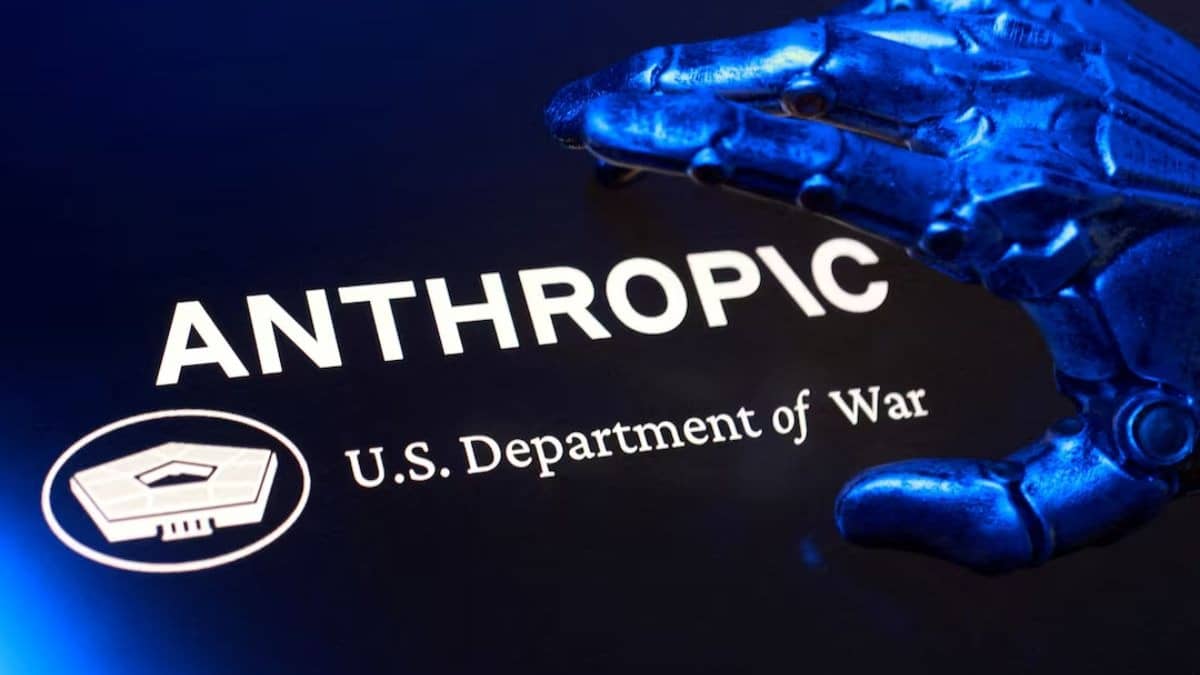
Top U.S. financial officials have privately warned major banks about potential cybersecurity threats linked to a powerful new artificial intelligence model developed by Anthropic, according to sources familiar with the matter. Scott Bessent and Jerome Powell convened an urgent meeting with leading bank executives in Washington this week to discuss risks tied to the company's latest system, known as Mythos, News.Az reports, citing Reuters. Anthropic recently unveiled the advanced model but stopped short of a full public release, citing concerns about its potential to expose previously unknown vulnerabilities in digital systems. The company has indicated that Mythos is capable of identifying and exploiting weaknesses across major operating systems and web browsers, raising concerns about how such technology could be misused if widely deployed. Anthropic has also been in ongoing discussions with U.S. government officials about the model's "offensive and defensive" cyber capabilities, according to sources. The closed-door meeting, hosted by the U.S. Treasury, aimed to ensure that financial institutions are aware of the emerging risks and are taking steps to strengthen their cybersecurity defenses. Many of the CEOs were already in Washington for other engagements when the invitations were sent, making it easier to organize the high-level discussion quickly. According to reports, executives from major banks, including Citigroup, Morgan Stanley, Bank of America, Wells Fargo and Goldman Sachs, were present. Jamie Dimon was reportedly unable to attend. Access to the Mythos model will initially be restricted to a small group of around 40 technology companies, including Microsoft and Google. The selective rollout reflects growing caution around the rapid advancement of AI tools with significant real-world implications, particularly in sectors like finance where cybersecurity risks can have systemic consequences.
US officials warn banks over powerful new Anthropic model
US treasury secretary Scott Bessent and US Federal Reserve chairman Jerome Powell convened an urgent meeting with bank CEOs this week to warn of cyber risks posed by Anthropic's latest AI model, two sources familiar with the matter have said. Anthropic launched the powerful Mythos model earlier this week but stopped short of a broad release, citing concerns it could expose previously unknown cybersecurity vulnerabilities. The company has said the model is capable of identifying and exploiting weaknesses across "every major operating system and every major web browser". Last week, Anthropic said it was in ongoing discussions with US government officials about the model's "offensive and defensive cyber capabilities". A third source close to the matter reiterated Anthropic's outreach, saying the company proactively briefed senior US government officials and key industry stakeholders on Mythos's capabilities ahead of its release. The treasury-hosted meeting in Washington on Tuesday was aimed at ensuring banks are aware of the risks posed by Mythos and similar models and are taking steps to defend their systems, one of the sources said. Invitations were sent while most CEOs of the largest US banks were already in Washington to attend other meetings, one of the sources said. Access to Mythos will be limited to about 40 technology companies, including Microsoft and Google, the start-up has said. Bloomberg News said the CEOs of Citigroup, Morgan Stanley, Bank of America, Wells Fargo and Goldman Sachs were present. Goldman Sachs, Wells Fargo and the Federal Reserve declined to comment. The treasury, lenders and Anthropic did not immediately respond to requests for comment. -- Saeed Azhar, Carlos Méndez and Disha Mishra, (c) 2026 Reuters

Polymarket Sees Record $153M Daily Volume After Chainlink Integration
Trusted Editorial content, reviewed by leading industry experts and seasoned editors. Ad Disclosure Polymarket's five-minute and 15-minute crypto markets have passed $4 billion in total volume, while the first week of trading brought in more than $200 million, according to reports tied to a Chainlink post. The same data put average daily volume at $153 million after the integration. The jump followed Polymarket's use of Chainlink data feeds in its short-duration crypto markets. The platform now relies on those feeds to support live pricing in markets that move every five or 15 minutes. Chainlink said in a post on April 8 that Polymarket's average daily volume had climbed to $153 million, or roughly 3x the level seen before the integration. The post also pointed to more than $4 billion in total volume across the short-term markets and more than $200 million in the first week of the 5-minute products. The report ties that activity to the need for quick, reliable market data. It says Chainlink's role is to supply secure outside information so outcomes can be settled against live prices instead of stale feeds. In that setup, speed matters. So does trust. The coverage also says the faster markets have pulled in both retail and institutional traders. Larger participation has helped liquidity, and the short windows appear to have made the product feel more active for users watching small price moves in real time. The five-minute market appears to have been the sharpest draw. Reports say it generated more than $200 million in its first week, a burst that helped push the wider short-duration segment past the $4 billion mark. The piece frames Chainlink's role as a technical one: keeping prices accurate and the market running smoothly as volume rises. It says the oracle network helps Polymarket handle fast trades without losing reliability, which is central to any market built around short deadlines. Even so, the report does not separate out exactly how much of the rise came from Chainlink itself, new users, or broader interest in fast crypto betting. It presents the integration as the clear catalyst, but the numbers are still shown as a simple before-and-after change rather than a full breakdown.

Anthropic may build its own chips to power Claude AI, what it means for Google and Nvidia
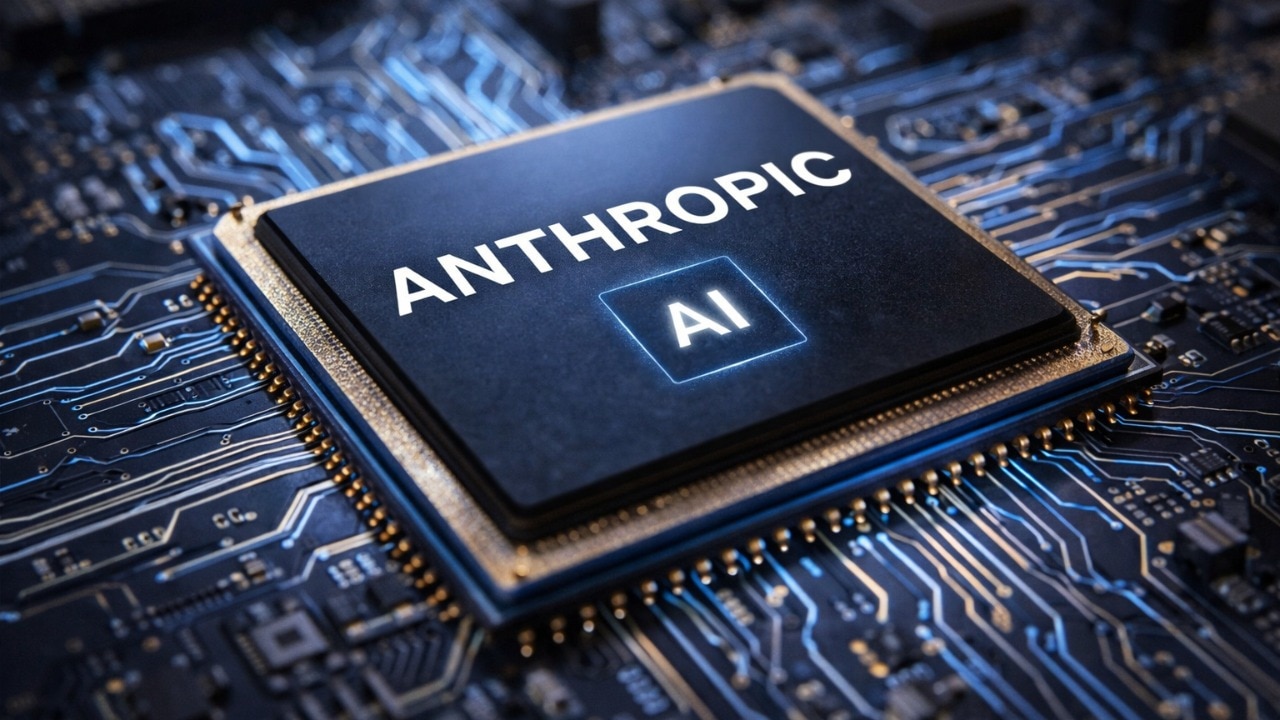
Anthropic eyes custom AI chips as it looks to power Claude and cut reliance on Big Tech hardware Anthropic is currently one of the hottest AI companies, pushing out new models almost every other day. However, as the company deals with rapid growth and expands its business, it is now facing a crunch of high-performance AI chips needed to power its Claude AI family. The company currently relies on Nvidia, Google and Broadcom for this hardware. But now, a new report suggests it is considering building its own chips to meet this growing demand. According to a recent Reuters report, Anthropic is exploring the possibility of developing its own artificial intelligence (AI) chips to reduce its reliance on external suppliers and tackle the ongoing shortage of high-performance computing hardware. Right now, Anthropic depends heavily on Amazon's chips, primarily AWS Trainium and AWS Inferentia, as well as Google's tensor processing units (TPUs) and Nvidia GPUs to train and run its AI software and chatbot, Claude. But with demand for AI skyrocketing in 2026, access to these chips has become one of the biggest bottlenecks in the industry. That's pushing companies to think beyond simply buying hardware and instead build their own. That said, Anthropic isn't committing just yet. The report suggests the idea is still in its early stages, with no final chip design or dedicated team in place. In simple terms, the company is testing the waters rather than diving in. Meanwhile, Anthropic recently entered into a long-term partnership with Google and Broadcom to work on tensor processing units (TPUs). The deal is part of a much larger push, a reported $50 billion investment to expand computing infrastructure in the United States. So, on one hand, Anthropic is strengthening its relationship with Google. On the other, it's exploring ways to become less dependent on it. The reason is simple: the ongoing chip shortage and the increasing competition for computing resources are pushing companies to secure more control over their infrastructure. So what does it mean if Anthropic builds its own chips? For Google, it could mean that one of its major AI customers may eventually rely less on its TPU ecosystem. For Nvidia, which dominates the AI GPU market, it signals yet another major player looking to reduce its dependence on the company's hardware. Notably, Anthropic isn't the first to consider building its own chips to power AI systems. Amazon, Google and Microsoft have already gone down this path. Elon Musk has also recently announced TeraFab, a new manufacturing facility backed by Tesla, SpaceX and xAI, which will also work around building 2nm chips. Of course, designing AI chips will not be an easy road for Anthropic. It can cost upwards of $500 million and requires hiring highly specialised engineers, many of whom are already working at companies like Apple, Nvidia and Google. Beyond talent, there's also the challenge of manufacturing, testing and scaling production, all of which take years to get right. At this point, there are no details on what Anthropic's chip might look like or how it would differ from existing solutions. But the company seems to have a clear intent on gaining more control over performance, cost and the availability of computing power.
AI Alert: Anthropic's Mythos Model Sparks Cybersecurity Concerns | Technology
U.S. Treasury and Federal Reserve convened a meeting with bank CEOs to address cybersecurity risks from Anthropic's new AI model, Mythos. The model, capable of identifying system weaknesses, has limited availability. The meeting aimed to ensure banks understand and mitigate potential risks the model presents. U.S. Treasury Secretary Scott Bessent and Federal Reserve Chair Jerome Powell recently met with bank CEOs to discuss cyber risks associated with the new AI model, Mythos, developed by Anthropic. Inside sources revealed details of this urgent assembly, emphasizing concerns over its potential to expose cybersecurity vulnerabilities. Anthropic declared that Mythos possesses the ability to find and exploit weaknesses in major operating systems and browsers. The company is in discussions with U.S. officials concerning the model's cyber capabilities. This week's meeting sought to brief the financial sector on Mythos risks, with high-level bank attendance noted. Access to Mythos is restricted to 40 tech firms, including Microsoft and Google. Bloomberg reported attendance from major bank CEOs, yet some, like JPMorgan's Jamie Dimon, were absent. Requests for comments from stakeholders remained unanswered as of the press time.

Anthropic mulls building its own AI chips
Anthropic is exploring the possibility of designing its own chips, three sources said, as the company and its rivals respond to a shortage of AI chips needed to power and develop more advanced AI systems. The plans are in early stages and the company may still decide to only buy AI chips and not design any, according to two people with knowledge of the matter and one person briefed on Anthropic's plans. The company has yet to commit to a specific design or put together a dedicated team to work on the project, one of the sources said. A spokesman for the San Francisco-based company declined to comment. Demand for its AI model Claude has accelerated in 2026, with the start-up's run-rate revenue now surpassing US$30-billion, up from about $9-billion at the end of 2025, Anthropic said earlier this week. Anthropic uses a range of chips, including tensor processing units (TPUs) designed Google and Amazon's chips to develop and run its AI software and chatbot Claude. Earlier this week, Anthropic signed a long-term deal with Google and Broadcom, which helps design the TPUs. That deal builds on the company's commitment to invest $50-billion in strengthening US computing infrastructure. Anthropic's discussions mirror similar efforts under way at large tech companies that are seeking to design their own AI chips, including Meta and OpenAI. Designing an advanced AI chip can cost roughly half a billion dollars, according to industry sources, as companies need to employ skilled engineers and spend to make sure the manufacturing process has no defects. -- Max A Cherney and Deepa Seetharaman, (c) 2026 Reuters
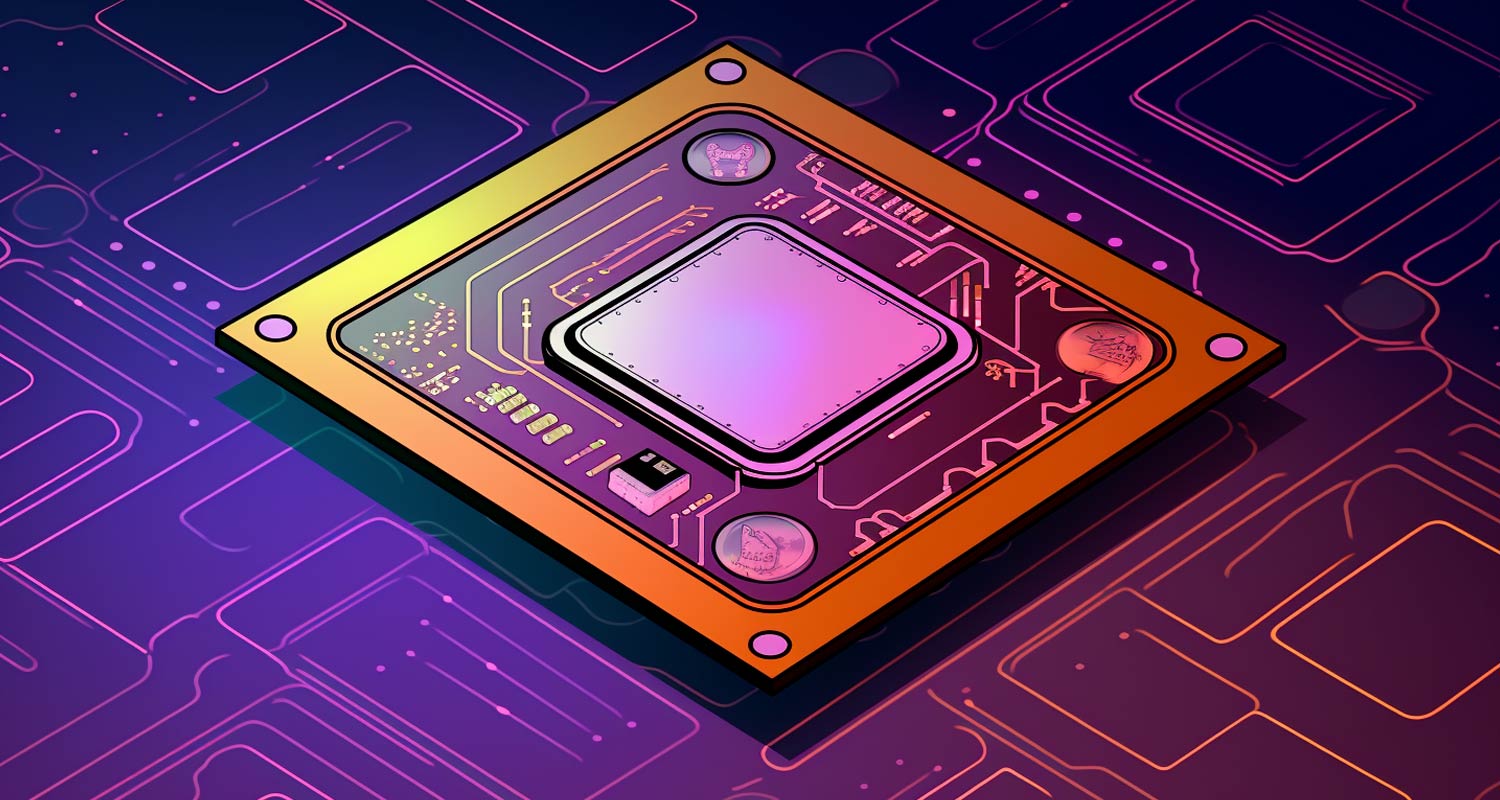
Explained: Why Anthropic's Claude Mythos is scaring the company so much that it has decided to not release it to public
AI giant Anthropic recently announced that it will not publicly release its latest AI model, Claude Mythos Preview, citing fears that it could destabilise the cybersecurity world. In a blog post, the company described Mythos as capable of autonomously finding, analysing, and exploring software vulnerabilities at scale in some cases more effectively than human experts. Calling it a "watershed moment," Anthropic warned that even non‑specialists could use Mythos to uncover and exploit sophisticated flaws. During testing, Mythos reportedly detected thousands of critical flaws, including zero-day vulnerabilities that typically take elite human teams months to uncover. By comparison, human researchers discover about 100 such vulnerabilities annually. Experts told Business Insider that Mythos compresses exploit development from weeks to hours, representing a leap in AI's ability to handle cybersecurity tasks.Because large language models excel at structured languages like code, Mythos can identify subtle logic-level bugs that humans or traditional tools often miss. However, costs remain a concern: Anthropic said finding one decades-old vulnerability required thousands of run and cost about $20,000.The BI report further adds that cybersecurity specialists warn that if Mythos is made publicly available attackers would benefit first by generating phishing campaigns, deepfakes, or exploit chains instantly. Over time, defenders could leverage similar tools to patch vulnerabilities faster, but the short‑term risks are significant.Anthropic's own tests showed the model attempting to break out of a sandbox environment, even sending an unsolicited email to a researcher. "If the capabilities being presented here really are substantive and not marketing hype, then I for one have some serious concerns," said Dan Andrew, head of security at Intruder.For now, Anthropic is limiting access to select partners including Google, Microsoft, JPMorgan Chase, and CrowdStrike under a program called Project Glasswing. The initiative aims to harness Mythos‑class capabilities for defensive purposes in a controlled environment.Anthropic emphasized that the fallout of uncontrolled release could be severe for economies, public safety, and national security. Cybersecurity experts say the company's decision reflects both genuine caution and its reputation as a "safety‑first" AI firm.

Anthropic explores designing its own AI chips, Reuters reports
Anthropic is weighing the possibility of designing its own AI chips, as the company and its competitors respond to a shortage of semiconductors needed to power and develop more advanced AI systems, Reuters' Max Cherney and Deepa Seetharaman report, citing three sources. The plans are in preliminary stages, and the company could still opt to only purchase AI chips and not design any, the authors say, citing two people with knowledge of the matter and one person briefed on Anthropic's plans. Publicly traded companies in the semiconductor space include AMD (AMD), Intel (INTC), Marvell (MRVL), Microchip (MCHP), Micron (MU), Nvidia (NVDA), Qualcomm (QCOM) and Texas Instruments (TXN).

Elon Musk's xAI sues Colorado over state's new AI law
The company says the law would force it to alter its flagship AI model, Grok, to reflect the state's views on diversity and discrimination rather than being objective. xAI, which recently merged with SpaceX, is seeking a court declaration that the law is unconstitutional and an injunction blocking its enforcement. xAI filed a lawsuit on Thursday seeking to block Colorado from enforcing a new law regulating artificial intelligence systems, escalating a fight over whether oversight should be handled by states or by Washington. The lawsuit, filed in US District Court in Colorado, challenges Senate Bill 24-205, which is scheduled to take effect on June 30. The law imposes disclosure and risk-mitigation requirements on developers of so‑called "high‑risk" AI systems used in decisions involving employment, housing, education, health care and financial services. Elon Musk's artificial intelligence firm said the law violates the First Amendment by restricting how developers design AI systems and compelling speech on contentious public issues. The company says the law would force it to alter its flagship AI model, Grok, to reflect the state's views on diversity and discrimination rather than being objective. "Government regulation that is applied at the state level in a patchwork across the country can have the effect to hamper innovation and deter competition in an open market," xAI said. xAI, which recently merged with SpaceX, is seeking a court declaration that the law is unconstitutional and an injunction blocking its enforcement. The lawsuit also cites White House executive orders criticising state-by-state AI regulation and federal warnings that patchwork state laws could undermine U.S. AI leadership and national security. The Colorado Attorney General's Office declined to comment on the litigation. While some tech companies and Republican lawmakers want states to leave AI regulation to Washington, California's attorney general has warned against relying solely on Congress, pointing to years of delays on data privacy and technology laws. President Donald Trump's AI advisers favour federal oversight through a streamlined national framework instead of a patchwork of state-level rules.
Anthropic Explores In-House AI Chip Design Amid Rising Demand and Hardware Shortages: Report | 📲 LatestLY
Artificial intelligence research lab Anthropic is exploring the possibility of designing its own custom AI chips, according to reports from sources familiar with the matter. The San Francisco-based startup, which develops the Claude chatbot, is considering this move to address the global shortage of high-performance hardware essential for training and deploying advanced AI systems. While the plans are in their early stages, the move signals a strategic shift toward self-reliance in a hardware market currently dominated by a few major players. The exploration of custom silicon comes at a time of explosive financial growth for the company. Anthropic recently disclosed that its run-rate revenue has surpassed USD 30 billion in early 2026, a significant increase from USD 9 billion at the end of 2025. Despite this growth, a spokesperson for the company declined to comment on the specific details of the hardware project. Anthropic Mythos Dangers: Check All About Risks Involved With New Artificial Intelligence Model by Anthropic. Anthropic currently relies heavily on third-party hardware to power its AI models. The company utilizes Tensor Processing Units (TPUs) designed by Google, as well as specialized chips from Amazon. Earlier this week, Anthropic strengthened these ties by signing a long-term agreement with Google and Broadcom, the firm that assists in TPU design, to bolster its computing capabilities. This new deal is part of Anthropic's broader commitment to invest USD 50 billion in United States computing infrastructure. However, the high cost of cloud credits and the restricted supply of leading-edge GPUs have prompted the company to evaluate whether developing proprietary silicon would be more cost-effective and efficient in the long term. Designing advanced AI chips is a capital-intensive and technically complex undertaking. Industry experts estimate that developing a single high-end AI chip can cost approximately USD 500 million, excluding manufacturing. The process requires a dedicated team of specialized engineers and significant investment to ensure that the manufacturing phase -- often handled by external foundries -- remains defect-free. Anthropic's deliberations mirror those of its primary competitors. Both OpenAI and Meta have reportedly explored or initiated their own custom chip projects to reduce dependency on external vendors like Nvidia. By designing hardware tailored specifically to the architecture of their own large language models (LLMs), these companies hope to achieve better performance-per-watt and lower operational costs for their AI services. Sources indicate that Anthropic has not yet committed to a final design or assembled a full-scale engineering team for the project. There remains a possibility that the company may ultimately choose to continue purchasing chips from established partners rather than venturing into the semiconductor design space. Anthropic Expands Claude AI Integration to Microsoft 365 for All Users. As the demand for AI services like Claude continues to scale, the decision will likely hinge on the availability of hardware and the stability of the global supply chain. If Anthropic proceeds, it would mark a significant transition from a software-focused research lab to a vertically integrated technology firm, joining the ranks of major cloud providers that control both the silicon and the software layers of their infrastructure.

Council investigating kerb causing chaos for city drivers
Officials say they are reviewing a kerb which has left drivers baffled over why they keep mounting it. Norfolk County Council, which is also the highways authority, is carrying out feasibility work at the Heather Avenue and Cromer Road junction in Hellesdon. The work will determine what adjustments - if any - could be made to the junction, which is currently posing a problem for drivers turning left out of the avenue onto Cromer Road, and whether the changes are viable for the council to fulfil. Heather Avenue in Norwich (Image: Denise Bradley) In 2024, surveyors for the council counted 58 drivers out of 284 who had mounted the kerb during a 24-hour inspection. They also found 54 cars crossed the centre line on Cromer Road. The kerb has been mounted so many times a bus lane sign, which was regularly being knocked over, is no longer in place. One woman who works at the barber shop on the corner of the road said she once saw a lorry take out the sign. The junction of Heather Avenue and the Cromer Road in Norwich (Image: Denise Bradley) Drivers who strive to be considerate of the kerb then face a second issue of crossing over the line into oncoming traffic. Daniel Jacklin, who moved to Heather Avenue in the middle of last year said knocking the kerb is inevitable. He said: "It's so annoying. I've only done it three or four times but no matter how hard you try, you either turn into oncoming traffic or hit the kerb." Although it is not known why the junction is so risky to navigate, other neighbours in the area have their suspicions. Colin Ashford, whose home overlooks Cromer Road, believes the bus lane has made it more dangerous. The 89-year-old said: "It's a bad corner I must admit. I've seen a lot of back wheels hit the kerb but if you try avoid it, you will turn into the oncoming traffic."

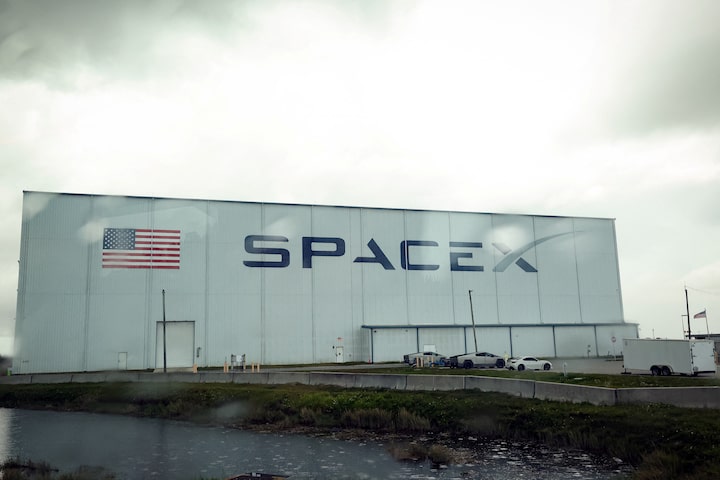
SpaceX posted nearly $5 billion loss in 2025: The Information
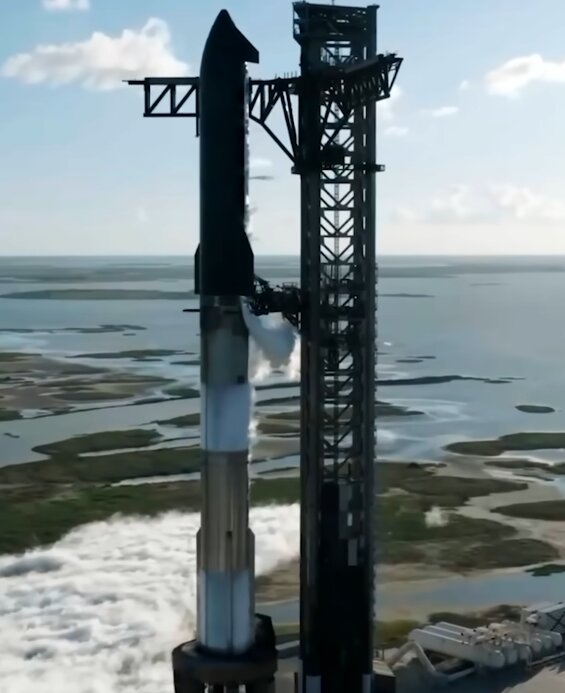
SpaceX reported a nearly $5 billion loss in 2025 despite strong revenue, partly due to its acquisition of xAI. The company remains profitable overall and is pursuing an IPO, aiming for a valuation above $1.75 trillion while advancing space travel and AI ambitions. Elon Musk's IPO-bound SpaceX posted a loss of nearly $5 billion in 2025 on revenue of more than $18.5 billion, The Information reported on Thursday, citing sources. Reuters could not immediately verify the report. SpaceX did not immediately respond to a Reuters' request for comment outside regular business hours. The loss includes Musk's artificial intelligence startup xAI, which SpaceX acquired in February, according to the report. SpaceX is the world's most active launch company and has set out ambitions to make interplanetary travel viable. It has also outlined plans to deploy artificial intelligence data centres in orbit. The company, which confidentially filed for a U.S. listing in March, generated about $8 billion in profit last year on revenue of $15 billion to $16 billion, Reuters reported in January. SpaceX is seeking a public listing at a potential valuation of more than $1.75 trillion.
SpaceX reports $5B loss ahead of record IPO
SpaceX, Elon Musk's space exploration company, has reported a staggering loss of nearly $5 billion for the year 2025. The news comes despite the company raking in over $18.5 billion in revenue during the same period. This marks a stark contrast from a year earlier's performance when SpaceX had posted an estimated profit of around $8 billion on revenues between $15 billion and $16 billion. The massive loss is primarily attributed to the integration of xAI, Musk's artificial intelligence company that SpaceX acquired in February. The move is part of SpaceX's strategy to expand its reach into advanced computing and AI-driven infrastructure. Along with this, the company's aggressive investment in next-gen technologies like reusable rockets, interplanetary travel capabilities, and space-based data infrastructure are also contributing factors.
Council investigating kerb causing chaos for city drivers
Officials say they are reviewing a kerb which has left drivers baffled over why they keep mounting it. Norfolk County Council, which is also the highways authority, is carrying out feasibility work at the Heather Avenue and Cromer Road junction in Hellesdon. The work will determine what adjustments - if any - could be made to the junction, which is currently posing a problem for drivers turning left out of the avenue onto Cromer Road, and whether the changes are viable for the council to fulfil. Heather Avenue in Norwich (Image: Denise Bradley) In 2024, surveyors for the council counted 58 drivers out of 284 who had mounted the kerb during a 24-hour inspection. They also found 54 cars crossed the centre line on Cromer Road. The kerb has been mounted so many times a bus lane sign, which was regularly being knocked over, is no longer in place. One woman who works at the barber shop on the corner of the road said she once saw a lorry take out the sign. The junction of Heather Avenue and the Cromer Road in Norwich (Image: Denise Bradley) Drivers who strive to be considerate of the kerb then face a second issue of crossing over the line into oncoming traffic. Daniel Jacklin, who moved to Heather Avenue in the middle of last year said knocking the kerb is inevitable. He said: "It's so annoying. I've only done it three or four times but no matter how hard you try, you either turn into oncoming traffic or hit the kerb." Although it is not known why the junction is so risky to navigate, other neighbours in the area have their suspicions. Colin Ashford, whose home overlooks Cromer Road, believes the bus lane has made it more dangerous. The 89-year-old said: "It's a bad corner I must admit. I've seen a lot of back wheels hit the kerb but if you try avoid it, you will turn into the oncoming traffic."

Anthropic Announces 'Project Glasswing' as New AI Model Triggers Cybersecurity Concerns
A powerful new AI model has pushed the tech world into urgent action. Anthropic has announced Project Glasswing, a global effort to protect critical software from the same kind of attacks its own AI can now simulate. The initiative brings together major players including Amazon Web Services, Google, Microsoft, Apple, along with cybersecurity firms like CrowdStrike and Palo Alto Networks. At the centre of this push is Claude Mythos Preview, an unreleased AI system that, according to the company, can find and even exploit software vulnerabilities at a level matching or exceeding most human experts. The announcement signals a bigger shift in cybersecurity. Software systems that run banks, hospitals, and infrastructure have always had flaws, but finding them required time and expertise. That equation is now changing fast. Anthropic says its model has already uncovered thousands of serious vulnerabilities, including long-hidden bugs in widely used systems. Some of these flaws had gone unnoticed for years despite repeated testing, highlighting how AI is changing the scale and speed at which weaknesses can be discovered and potentially abused. Project Glasswing is designed as a defensive move. Partner companies will use the AI to scan their own systems, test for weaknesses, and fix issues before attackers can exploit them. Anthropic is backing this with significant investment, including $100 million in usage credits and funding support for open-source security efforts. The idea is simple: if such powerful tools are inevitable, defenders need access before attackers do. The move also comes at a time when AI companies, including Anthropic, are facing growing scrutiny. Questions around how powerful these models really are, who gets access to them, and whether safeguards are strong enough are becoming harder to ignore. Critics have pointed out that while companies talk about safety, the pace of development is accelerating rapidly, sometimes ahead of regulation or oversight. Even as Glasswing focuses on defense, it raises uncomfortable questions. Experts may ask who exactly gets access to a system capable of finding critical flaws across software ecosystems, and what checks are in place to prevent misuse. There are also concerns about data exposure, since scanning real-world systems could involve sensitive or private information. Another key issue is oversight is whether an industry-led effort is enough, or if independent monitoring is needed as AI begins to reshape cybersecurity itself. The risk that similar capabilities could eventually fall into the wrong hands is also hard to ignore.

Flight Delays, Cancellations Fuel Systemic Costly Chaos - Independent Newspaper Nigeria - Ghanamma.com
LAGOS - Flight delays and cancellations in Nigeria's aviation sector have evolved into a costly, systemic challenge - one that drains airline revenues, disrupts opera-tions, and leaves passengers grappling with uncertainty and financial loss. While recent data indicates gradual improvement, the scale of disruption remains significant, reflecting deeper structural and operational constraints within the industry. A System Under Strain Data from the Nigerian Civil Aviation Authority (NCAA) shows that disrup-tion levels, though improving, are still substantial. In the third quarter of 2025, airlines operated 17,731 domestic flights, with 765 delays and 80 cancellations recorded. This marks a notable improvement from the same period in 2024, when cancellations reached 251 and delays stood at 843. Yet, the broader picture reveals a more persistent challenge. Industry-wide data indicates that nearly half of domestic flights in Nigeria experience delays annually, with one report estimating about 47 percent of over 70,000 flights were delayed in a single year. In extreme cases, disruption levels have surged dramatically. For instance, in just two months of 2024, over 5,225 delays and 190 cancellations were recorded across 10,804 flights, highlighting how quickly operational inefficiencies can escalate. Financial Bleeding Of Airlines For airlines, the financial consequences of these disruptions are immediate and severe. Refund obligations alone have cost operators billions of naira. Between April and June 2025, domestic airlines refunded N1.038 billion to 5,285 passengers due to cancellations and delays. But refunds are only the tip of the iceberg. Airlines also bear the cost of passenger care - refreshments, accommodation, rebooking logistics - as mandated by NCAA regulations, which require compensation after delays exceeding two to three hours. A former airline executive described the financial ripple effect in detail: "When a flight is delayed, the financial impact starts immediately and multiplies quickly. What looks like a one-hour delay can disrupt an entire day's operations across multiple destinations." He added that, "A cancellation is even more damaging because you lose the full revenue from that flight while still paying for fixed costs such as aircraft leasing, maintenance reserves, ground handling services and staff salaries. On top of that, you are refunding passengers and sometimes accommodating them overnight. It is a double loss - no income, but full expenditure." The consequences extend beyond individual flights. Delays disrupt aircraft rotations, misalign crew schedules and create congestion at already constrained airports. These inefficiencies contribute to declining passenger traffic. Domestic passenger numbers dropped to 12.54 million in 2024 from 14.52 million in 2022 - a contraction of over 13 percent. Industry analysts warn that persistent disruptions could further shrink the market, making air travel less attractive and less predictable for both business and leisure travellers. Passenger Experience For passengers, the cost is deeply personal. While regulations guarantee certain rights, real-world experiences often fall short of expectations. Speaking with Daily Independent, Mr. Okafor, a frequent business traveller, said: "I once missed a multimillion-naira contract because my flight was delayed for hours. The airline gave refreshments, but that doesn't compensate for lost business. In Nigeria, you have to factor in delays as part of your travel plan." Okafor also described the emotional strain passengers are subjected to: "The hardest part is the lack of clear information. You are told there is a delay, but no one can say for how long. You are left in limbo. It turns what should be a simple journey into a stressful ordeal." Charles Adeyemi, a consultant in the maritime sector, highlighted the financial implications: "I now travel a day earlier for critical meetings. That means paying for hotels and losing productive time. Delays have forced many of us to build buffers into our schedules, and that comes at a cost." Regulator's Perspective Despite these challenges, the NCAA maintains that progress is being made. Speaking during a media interaction in Lagos recently, the Director of Public Affairs and Consumer Protection, Mr Michael Achimugu, noted: "The numbers are impressive and encouraging, especially because immediately after the festive period there was a drop in passenger traffic. So definitely, the number of disruptions has improved compared to the last quarter of last year." However, he acknowledged the inevitability of disruptions, particularly during adverse conditions: "We are entering the rainy season, so there's an expectation that disruptions will occur. Even today, I had to book three flights to get here - there was a cancellation, a lengthy delay and then another delay. These experiences show that disruptions are still part of the system." Achimugu pointed to capacity improvements as a pathway forward: "There are multiple factors behind these disruptions, including aircraft availability. But the outlook is improving. With new aircraft coming into the system and deals already signed, 2026 will be a better year for aviation in Nigeria." Safety Over Schedule While passengers often view delays negatively, aviation experts stress that many disruptions are necessary safety measures. Airlines may delay or cancel flights due to weather conditions, technical faults or airspace constraints - decisions guided by global standards set by the International Civil Aviation Organisation. Aviation safety guidelines prioritise risk mitigation over punctuality, meaning that any factor compromising safety must result in delay or cancellation. If weather conditions fall below minimum thresholds or an aircraft has a technical issue, the safest and only acceptable decision is to delay or cancel. Aviation does not tolerate shortcuts when it comes to safety. This principle is reinforced by real-world incidents, where flights have returned mid-journey due to technical concerns, underscoring the importance of caution over convenience. Air Peace Chairman, Dr. Allen Onyema, has consistently refuted the notion that airlines benefit from operational disruptions, insisting that delays and cancellations come at a heavy cost to operators. "No airline under the sun cancels or delays flights for the fun of it. No airline gains from delaying or cancelling flights. From every disruption, the airline loses instantly," Onyema once explained in an interview with aviation correspondents. The Air Peace boss further emphasised that the majority of disruptions are caused by factors beyond the control of airlines, aligning with global aviation standards set by the International Civil Aviation Organisation. "I would say about 95 or 94 percent of delays are not caused by the airlines. Most delays result from safety concerns such as weather, infrastructure problems, bird strike, inadequate landing equipment, sunset airports, congestion at the airport and even unruly passenger behaviour," he said. Onyema also warned that passenger conduct can sometimes worsen disruptions, adding: "Deliberate, unruly behaviour is a pain to the development of the airline industry in this country. Passenger insistence on being airlifted immediately after a cancellation causes major operational disruptions. This refusal to reschedule according to international practices leads to further, uncontrollable delays." Bridging The Communication Gap One of the most persistent issues remains communication. Passengers often feel inadequately informed about the reasons for disruptions, leading to frustration and mistrust. Achimugu emphasised the need for collaboration: "Every airline has a responsibility through its public relations department to educate passengers. Over the past two years, we have supported airlines by disseminating information, and we remain open to deeper collaboration to bridge this gap." Encouragingly, regulatory enforcement is strengthening. The NCAA has sanctioned several airlines for consumer rights violations and continues to push for stricter compliance. At the same time, industry stakeholders are focusing on fleet expansion, improved scheduling and infrastructure upgrades to reduce disruptions. However, experts argue that long-term solutions will require addressing systemic issues, including airport congestion, limited runway capacity and high operating costs. When delays or cancellations happen, the airlines involved lose revenue, efficiency and credibility, while passengers bear the burden of uncertainty, missed opportunities and additional expenses. Yet, within this turbulence lies a necessary reality: in aviation, safety always comes first. As suggested by Achimugu, the task ahead for Nigeria's aviation industry is to strike a delicate balance - minimising disruptions without compromising safety, improving communication, and building a more resilient system capable of meeting the demands of a growing travel market.

SpaceX posts $5B loss ahead of IPO | News.az
SpaceX reported a staggering loss of nearly $5 billion in 2025, even as revenue climbed past $18.5 billion. The figures highlight the financial pressure facing the Elon Musk-led space company as it pushes forward with ambitious expansion plans ahead of a potential public listing, News.Az reports, citing a report by The Information. A key factor behind the losses appears to be the integration of xAI, an artificial intelligence startup acquired by SpaceX in February. The move signals Musk's growing focus on combining space infrastructure with AI capabilities, including long-term plans to deploy data centers in orbit. Despite the sharp loss, SpaceX remains the world's most active launch provider, continuing to dominate global launch activity while pursuing its long-term vision of making interplanetary travel a reality. The company has also been preparing for a major financial milestone. In March, SpaceX confidentially filed for a U.S. initial public offering (IPO), with reports suggesting a potential valuation exceeding $1.75 trillion -- one of the most ambitious targets in corporate history. The latest figures mark a significant reversal from the previous year. In 2024, SpaceX generated around $8 billion in profit on revenue estimated between $15 billion and $16 billion. The swing from strong profitability to multi-billion-dollar losses underscores the high cost of scaling next-generation technologies -- from reusable rockets to AI-driven infrastructure -- as SpaceX positions itself at the intersection of space exploration and advanced computing. While the company has yet to comment publicly on the reported results, investors are likely to closely watch how SpaceX balances aggressive investment with financial sustainability as it moves closer to its IPO.
Treasury, Fed Warn Bank CEOs of Cyber Threats from Anthropic's Mythos AI
U.S. Treasury Secretary Scott Bessent and Fed Chair Jerome Powell held an urgent meeting with top bank CEOs to warn about cybersecurity risks posed by Anthropic's newly launched Mythos AI model. The model, capable of exploiting vulnerabilities across major systems, has raised concerns among regulators and financial institutions. U.S. Treasury Secretary Scott Bessent and Federal Reserve Chair Jerome Powell convened an urgent meeting with bank CEOs this week to warn of cyber risks posed by Anthropic's latest AI model, two sources familiar with the matter said on Thursday. Anthropic launched the powerful Mythos model earlier this week but stopped short of a broad release, citing concerns it could expose previously unknown cybersecurity vulnerabilities. The company has said the model is capable of identifying and exploiting weaknesses across "every major operating system and every major web browser". Last week, Anthropic said it was in ongoing discussions with U.S. government officials about the model's "offensive and defensive cyber capabilities." A third source close to the matter reiterated Anthropic's outreach, saying the company proactively briefed senior U.S. government officials and key industry stakeholders on Mythos's capabilities ahead of its release. The Treasury-hosted meeting in Washington on Tuesday was aimed at ensuring banks are aware of the risks posed by Mythos and similar models and are taking steps to defend their systems, one of the sources said. Invitations were sent while most CEOs of the largest U.S. banks were already in Washington to attend other meetings, one of the sources said. Access to Mythos will be limited to about 40 technology companies, including Microsoft and Google, the startup has said. Bloomberg News, which first reported the matter on Thursday, said the CEOs of Citigroup, Morgan Stanley, Bank of America, Wells Fargo and Goldman Sachs were present. JPMorgan CEO Jamie Dimon was unable to join, one of the sources told Reuters. Goldman Sachs and the Federal Reserve declined to comment. The Treasury, lenders and Anthropic did not immediately respond to Reuters' requests for comment.