News & Updates
The latest news and updates from companies in the WLTH portfolio.
Well-Timed Bets on Polymarket Tied to the Iran War Draw Calls for Investigations From Lawmakers
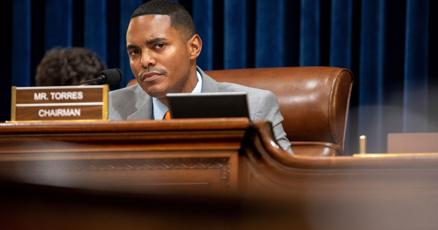
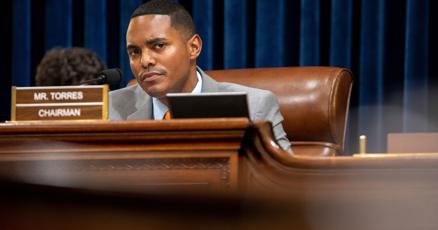
NEW YORK (AP) -- Calls are increasing inside Congress for investigations into the prediction market platform Polymarket after the latest instance where groups of anonymous traders made strategic, well-timed bets on a major geopolitical event hours before it occured. On Wednesday, The Associated Press reported that at least 50 brand new accounts on Polymarket placed substantial bets on a U.S.-Iran ceasefire in the hours, even minutes, before President Donald Trump announced the ceasefire late Tuesday on social media. These were the sole bets made on Polymarket through these accounts. In January, an anonymous Polymarket user made a $400,000 profit by betting that Venezuelan leader Nicolas Maduro would be out of office, hours before Maduro was captured. In the hours before the start of the Iran war, another account made roughly $550,000 in a series of trades effectively betting that the U.S. would strike Iran and that Ayatollah Ali Khamenei would be removed from office. Such prescient wagers have raised eyebrows -- and accusations that prediction markets are ripe for insider trading. And the issue goes beyond these three geopolitical events, according to at least one report. Researchers at Harvard University released a paper last month where, using public blockchain data, they estimated that $143 million in profits have been made on Polymarket by individuals who potentially had insider information about events ranging from Taylor Swift's engagement to the awarding of the Nobel Peace Prize last year. Rep. Ritchie Torres, D-N.Y who sits on the House Financial Services Committee as well as the subcommittee on digital assets and financial technology, sent a letter Thursday to the Commodity Futures Trading Commission demanding the regulator review and investigate these well-timed trades. The CFTC regulates the derivatives markets, which includes prediction markets. "This pattern raises serious concerns that certain market participants may have had access to material nonpublic information regarding a market-moving geopolitical event," Torres wrote. The letter was shared exclusively with The AP. "What is the statistical likelihood that of anyone other than an insider trader placing a winning bet 12 minutes before a market-moving presidential announcement," Torres said in an interview with AP. "There are two answers: God, or an insider trader. And something tells me that God it not placing bets around Donald Trump's posts on Truth Social. " Prediction market platforms like Kalshi and Polymarket allow their users to bet on everything from whether it will rain in Phoenix, Arizona next week to whether the Federal Reserve will raise or lower interest rates. U.S. residents are barred from using Polymarket under both its terms of service and federal law, though Polymarket's crypto-based design and limited identity checks can make those restrictions hard to police. Sen. Richard Blumenthal, D-Connecticut, sent a letter to Polymarket on Thursday demanding the company explain why it continues to allow trades on war and violence as well as whether the company is making any efforts to keep insiders from trading on the platform. "Polymarket has become an illicit market to sell and exploit national security secrets unlike any in history, and by extension a potential honeypot for foreign intelligence services watching for those same suspicious bets and wagers," Blumenthal wrote. Republicans have also criticized these platforms and called for bans on these sorts of bets. There are at least two bills pending in Congress co-signed by both parties, one in the House and one in the Senate. "We don't want to imagine a world where America's adversaries use prediction markets to anticipate our next move," said Rep. Blake Moore, R-Utah, after the release of the AP's findings on the ceasefire wagers. Polymarket did not immediately reply to a request for comment. The stakes are high for both Kalshi and Polymarket as they seek approval to operate in the U.S. and nationwide, particularly in the lucrative sports betting market. Polymarket was banned from the U.S. in 2022 and has moved to reenter the country by acquiring a CFTC-licensed exchange and clearinghouse, giving it a legal pathway to start offering contracts domestically. The company has begun a limited rollout in the U.S. while at the same time continuing to operate a separate, crypto-based platform offshore that remains outside U.S. jurisdiction. That platform will account for most of its activity. Kalshi, which is already regulated in the U.S., and its executives have a goal of making the company the nation's dominant prediction market. Kalshi has also leaned heavily into sports, which critics have said effectively makes it a sports betting platform that dabbles in event-based contracts on the side. Both companies have also announced partnerships with sports teams and even news organizations to broaden their reach as well. The competition also carries political overtones. Donald Trump Jr. is an investor in Polymarket through his venture capital firm, 1789 Capital, and separately serves as a paid strategic adviser to Kalshi.

xAI CFO Anthony Armstrong leaves the company: Report
Anthony Armstrong, xAI's Chief Financial Officer, has left the company. This departure is part of a larger trend of senior staff exits. Armstrong was instrumental in guiding X's finances back to stability. Meanwhile, SpaceX is preparing for a significant initial public offering. The space company aims to raise a substantial amount of capital. Anthony Armstrong, named xAI's CFO in October, has departed the company as part of a broader wave of senior exits, the Information reported on Thursday, citing two people familiar with the matter. Armstrong, who previously worked as a Morgan Stanley banker and advised Elon Musk during the acquisition of social media platform X, was reporting to Bret Johnsen, the Information had reported in February. Johnsen was the finance chief of the combined company following xAI and SpaceX's record-setting merger. xAI did not immediately respond to Reuters' request for comment. Armstrong was leading the finance operations for both xAI and X, the Financial Times had reported in October. He was responsible for steering the social media business back to financial stability following an exodus of advertisers after Musk relaxed its content moderation standards, the report said. SpaceX is planning a highly anticipated initial public offering seeking to raise $75 billion, valuing the space company at as much as $1.75 trillion, has previously reported. It outlined details of the IPO at a meeting with its team of bankers on Monday, telling them it plans to earmark a large portion of shares for retail investors and will host 1,500 of them at an event in June.
Well-timed bets on Polymarket tied to the Iran war draw calls for investigations from lawmakers
NEW YORK (AP) -- Calls are increasing inside Congress for investigations into the prediction market platform Polymarket after the latest instance where groups of anonymous traders made strategic, well-timed bets on a major geopolitical event hours before it occurred. On Wednesday, The Associated Press reported that at least 50 brand new accounts on Polymarket placed substantial bets on a U.S.-Iran ceasefire in the hours, even minutes, before President Donald Trump announced the ceasefire late Tuesday on social media. These were the sole bets made on Polymarket through these accounts. In January, an anonymous Polymarket user made a $400,000 profit by betting that Venezuelan leader Nicolas Maduro would be out of office, hours before Maduro was captured. In the hours before the start of the Iran war, another account made roughly $550,000 in a series of trades effectively betting that the U.S. would strike Iran and that Ayatollah Ali Khamenei would be removed from office. Such prescient wagers have raised eyebrows -- and accusations that prediction markets are ripe for insider trading. And the issue goes beyond these three geopolitical events, according to at least one report. Researchers at Harvard University released a paper last month where, using public blockchain data, they estimated that $143 million in profits have been made on Polymarket by individuals who potentially had insider information about events ranging from Taylor Swift's engagement to the awarding of the Nobel Peace Prize last year. Rep. Ritchie Torres, D-N.Y who sits on the House Financial Services Committee as well as the subcommittee on digital assets and financial technology, sent a letter Thursday to the Commodity Futures Trading Commission demanding the regulator review and investigate these well-timed trades. The CFTC regulates the derivatives markets, which includes prediction markets. "This pattern raises serious concerns that certain market participants may have had access to material nonpublic information regarding a market-moving geopolitical event," Torres wrote. The letter was shared exclusively with The AP. "What is the statistical likelihood that of anyone other than an insider trader placing a winning bet 12 minutes before a market-moving presidential announcement," Torres said in an interview with AP. "There are two answers: God, or an insider trader. And something tells me that God it not placing bets around Donald Trump's posts on Truth Social. " Prediction market platforms like Kalshi and Polymarket allow their users to bet on everything from whether it will rain in Phoenix, Arizona next week to whether the Federal Reserve will raise or lower interest rates. U.S. residents are barred from using Polymarket under both its terms of service and federal law, though Polymarket's crypto-based design and limited identity checks can make those restrictions hard to police. Sen. Richard Blumenthal, D-Connecticut, sent a letter to Polymarket on Thursday demanding the company explain why it continues to allow trades on war and violence as well as whether the company is making any efforts to keep insiders from trading on the platform. "Polymarket has become an illicit market to sell and exploit national security secrets unlike any in history, and by extension a potential honeypot for foreign intelligence services watching for those same suspicious bets and wagers," Blumenthal wrote. Republicans have also criticized these platforms and called for bans on these sorts of bets. There are at least two bills pending in Congress co-signed by both parties, one in the House and one in the Senate. "We don't want to imagine a world where America's adversaries use prediction markets to anticipate our next move," said Rep. Blake Moore, R-Utah, after the release of the AP's findings on the ceasefire wagers. Polymarket did not immediately reply to a request for comment. The stakes are high for both Kalshi and Polymarket as they seek approval to operate in the U.S. and nationwide, particularly in the lucrative sports betting market. Polymarket was banned from the U.S. in 2022 and has moved to reenter the country by acquiring a CFTC-licensed exchange and clearinghouse, giving it a legal pathway to start offering contracts domestically. The company has begun a limited rollout in the U.S. while at the same time continuing to operate a separate, crypto-based platform offshore that remains outside U.S. jurisdiction. That platform will account for most of its activity. Kalshi, which is already regulated in the U.S., and its executives have a goal of making the company the nation's dominant prediction market. Kalshi has also leaned heavily into sports, which critics have said effectively makes it a sports betting platform that dabbles in event-based contracts on the side. Both companies have also announced partnerships with sports teams and even news organizations to broaden their reach as well. The competition also carries political overtones. Donald Trump Jr. is an investor in Polymarket through his venture capital firm, 1789 Capital, and separately serves as a paid strategic adviser to Kalshi.

Anthropic and OpenAI Models Now Available Inside Microsoft 365
You no longer have to switch between different AI websites to use top models for your daily work. Microsoft 365 Copilot now lets you access both Anthropic Claude and OpenAI GPT models straight from its own interface. This update gives people the ability to handle big tasks and compare different model results without leaving the familiar environment that its users already rely on. This just makes testing and using these tools much simpler. Now you can handle big tasks with Copilot Cowork Copilot Cowork is a new feature designed to handle jobs that require multiple steps. You can write a single prompt and ask it to create a text document, a presentation, and a spreadsheet all at once. If you remember something else you need while it is already working, you can add new instructions. It will fold those requests, like scheduling a meeting or drafting an email, right into the active process. Microsoft designed it to connect directly to your calendar, emails, and files using a system called Work IQ. This means you do not have to copy and paste sensitive data into outside tools. Teaming models up for better research The Researcher tool now uses a two-step process called Critique. Instead of relying on just one model, it splits the work. One model acts as the writer, drafting the initial report and pulling in information. The second model steps in as a dedicated reviewer. This reviewer double-checks the generated text against your files to make sure the claims are accurate and linked to reliable sources. It improves the final quality of the output before you even see the draft. It also compares results side by side There is also a new feature named Model Council. If you are unsure which model will give the best answer, you can test them together. You submit your prompt once, and the system sends it to both Claude and GPT at the exact same time. It then shows you a split screen with both answers right next to each other. You can read how each model reasoned through your request and decide which approach fits your project best. Microsoft requires its Frontier program to be active to try these tools.

CFO Anthony Armstrong leaves xAI, the Information reports
April 9 - Anthony Armstrong, named xAI's CFO in October, has departed the company as part of a broader wave of senior exits, the Information reported on Thursday, citing two people familiar with the matter. Armstrong, who previously worked as a Morgan Stanley banker and advised Elon Musk during the acquisition of social media platform X, was reporting to Bret Johnsen, the Information had reported in February. Johnsen was the finance chief of the combined company following xAI and SpaceX's record-setting merger. xAI did not immediately respond to Reuters' request for comment. Armstrong was leading the finance operations for both xAI and X, the Financial Times had reported in October. He was responsible for steering the social media business back to financial stability following an exodus of advertisers after Musk relaxed its content moderation standards, the report said. SpaceX is planning a highly anticipated initial public offering seeking to raise $75 billion, valuing the space company at as much as $1.75 trillion, Reuters has previously reported. It outlined details of the IPO at a meeting with its team of bankers on Monday, telling them it plans to earmark a large portion of shares for retail investors and will host 1,500 of them at an event in June. (Reporting by Juby Babu in Mexico City; Editing by Shreya Biswas)
Well-timed bets on Polymarket tied to the Iran war draw calls for investigations from lawmakers
NEW YORK (AP) -- Calls are increasing inside Congress for investigations into the prediction market platform Polymarket after the latest instance where groups of anonymous traders made strategic, well-timed bets on a major geopolitical event hours before it occurred. On Wednesday, The Associated Press reported that at least 50 brand new accounts on Polymarket placed substantial bets on a U.S.-Iran ceasefire in the hours, even minutes, before President Donald Trump announced the ceasefire late Tuesday on social media. These were the sole bets made on Polymarket through these accounts. In January, an anonymous Polymarket user made a $400,000 profit by betting that Venezuelan leader Nicolas Maduro would be out of office, hours before Maduro was captured. In the hours before the start of the Iran war, another account made roughly $550,000 in a series of trades effectively betting that the U.S. would strike Iran and that Ayatollah Ali Khamenei would be removed from office. Such prescient wagers have raised eyebrows -- and accusations that prediction markets are ripe for insider trading. And the issue goes beyond these three geopolitical events, according to at least one report. Researchers at Harvard University released a paper last month where, using public blockchain data, they estimated that $143 million in profits have been made on Polymarket by individuals who potentially had insider information about events ranging from Taylor Swift's engagement to the awarding of the Nobel Peace Prize last year. Rep. Ritchie Torres, D-N.Y who sits on the House Financial Services Committee as well as the subcommittee on digital assets and financial technology, sent a letter Thursday to the Commodity Futures Trading Commission demanding the regulator review and investigate these well-timed trades. The CFTC regulates the derivatives markets, which includes prediction markets. "This pattern raises serious concerns that certain market participants may have had access to material nonpublic information regarding a market-moving geopolitical event," Torres wrote. The letter was shared exclusively with The AP. "What is the statistical likelihood that of anyone other than an insider trader placing a winning bet 12 minutes before a market-moving presidential announcement," Torres said in an interview with AP. "There are two answers: God, or an insider trader. And something tells me that God it not placing bets around Donald Trump's posts on Truth Social. " Prediction market platforms like Kalshi and Polymarket allow their users to bet on everything from whether it will rain in Phoenix, Arizona next week to whether the Federal Reserve will raise or lower interest rates. U.S. residents are barred from using Polymarket under both its terms of service and federal law, though Polymarket's crypto-based design and limited identity checks can make those restrictions hard to police.

Well-timed bets on Polymarket tied to the Iran war draw calls for investigations from lawmakers
NEW YORK (AP) -- Calls are increasing inside Congress for investigations into the prediction market platform Polymarket after the latest instance where groups of anonymous traders made strategic, well-timed bets on a major geopolitical event hours before it occured. On Wednesday, The Associated Press reported that at least 50 brand new accounts on Polymarket placed substantial bets on a U.S.-Iran ceasefire in the hours, even minutes, before President Donald Trump announced the ceasefire late Tuesday on social media. These were the sole bets made on Polymarket through these accounts. In January, an anonymous Polymarket user made a $400,000 profit by betting that Venezuelan leader Nicolas Maduro would be out of office, hours before Maduro was captured. In the hours before the start of the Iran war, another account made roughly $550,000 in a series of trades effectively betting that the U.S. would strike Iran and that Ayatollah Ali Khamenei would be removed from office. Such prescient wagers have raised eyebrows -- and accusations that prediction markets are ripe for insider trading. And the issue goes beyond these three geopolitical events, according to at least one report. Researchers at Harvard University released a paper last month where, using public blockchain data, they estimated that $143 million in profits have been made on Polymarket by individuals who potentially had insider information about events ranging from Taylor Swift's engagement to the awarding of the Nobel Peace Prize last year. Rep. Ritchie Torres, D-N.Y who sits on the House Financial Services Committee as well as the subcommittee on digital assets and financial technology, sent a letter Thursday to the Commodity Futures Trading Commission demanding the regulator review and investigate these well-timed trades. The CFTC regulates the derivatives markets, which includes prediction markets. "This pattern raises serious concerns that certain market participants may have had access to material nonpublic information regarding a market-moving geopolitical event," Torres wrote. The letter was shared exclusively with The AP. "What is the statistical likelihood that of anyone other than an insider trader placing a winning bet 12 minutes before a market-moving presidential announcement," Torres said in an interview with AP. "There are two answers: God, or an insider trader. And something tells me that God it not placing bets around Donald Trump's posts on Truth Social. " Prediction market platforms like Kalshi and Polymarket allow their users to bet on everything from whether it will rain in Phoenix, Arizona next week to whether the Federal Reserve will raise or lower interest rates. U.S. residents are barred from using Polymarket under both its terms of service and federal law, though Polymarket's crypto-based design and limited identity checks can make those restrictions hard to police. Sen. Richard Blumenthal, D-Connecticut, sent a letter to Polymarket on Thursday demanding the company explain why it continues to allow trades on war and violence as well as whether the company is making any efforts to keep insiders from trading on the platform. "Polymarket has become an illicit market to sell and exploit national security secrets unlike any in history, and by extension a potential honeypot for foreign intelligence services watching for those same suspicious bets and wagers," Blumenthal wrote. Republicans have also criticized these platforms and called for bans on these sorts of bets. There are at least two bills pending in Congress co-signed by both parties, one in the House and one in the Senate. "We don't want to imagine a world where America's adversaries use prediction markets to anticipate our next move," said Rep. Blake Moore, R-Utah, after the release of the AP's findings on the ceasefire wagers. Polymarket did not immediately reply to a request for comment. The stakes are high for both Kalshi and Polymarket as they seek approval to operate in the U.S. and nationwide, particularly in the lucrative sports betting market. Polymarket was banned from the U.S. in 2022 and has moved to reenter the country by acquiring a CFTC-licensed exchange and clearinghouse, giving it a legal pathway to start offering contracts domestically. The company has begun a limited rollout in the U.S. while at the same time continuing to operate a separate, crypto-based platform offshore that remains outside U.S. jurisdiction. That platform will account for most of its activity. Kalshi, which is already regulated in the U.S., and its executives have a goal of making the company the nation's dominant prediction market. Kalshi has also leaned heavily into sports, which critics have said effectively makes it a sports betting platform that dabbles in event-based contracts on the side. Both companies have also announced partnerships with sports teams and even news organizations to broaden their reach as well. The competition also carries political overtones. Donald Trump Jr. is an investor in Polymarket through his venture capital firm, 1789 Capital, and separately serves as a paid strategic adviser to Kalshi.
Palantir stock sinks as Michael Burry says Anthropic is 'eating' its lunch
Benzinga reported that Burry has put options on Palantir that expire in 2027 -- contracts that, per regulatory disclosures, cover approximately five million shares on the downside. His broader case against the stock frames Palantir as a glorified systems integrator whose AI narrative depends on external foundation models. In his words, the company "has no real AI software of its own." A standoff between Anthropic and the Pentagon over safety guardrails for autonomous weapons systems prompted the Trump administration to designate the AI lab as a supply-chain risk. The order cascaded to federal contractors -- Palantir among them -- requiring Claude to be pulled from their technology stacks. Reuters, as cited by Yahoo Finance, reported that Palantir was compelled to excise Claude from Maven Smart Systems, the company's digital assistant for military commanders, and undertake a rebuild of affected sections of the platform.

OpenAI works on cybersecurity model to rival Anthropic Mythos
Anthropic pointed out that Mythos Preview did not get any special security training. Its ability to find vulnerabilities comes from general improvements in code understanding and logical reasoning, not from targeted preparation. This has both benefits and risks, because the same skills that help it fix flaws could also let it exploit them. Claude Mythos Preview first surfaced publicly after internal draft materials were left in an unprotected, publicly accessible data store on Anthropic's servers. The company attributed the exposure to a configuration error in an external content management tool. Those documents identified the model under the internal code name "Capybara" and indicated it had beaten Claude Opus 4.6 on benchmarks spanning cybersecurity, coding, and academic reasoning; they also described the system as occupying a position in Anthropic's hierarchy that would sit above the Opus line.

Well-timed bets on Polymarket tied to the Iran war draw calls for investigations from lawmakers
By KEN SWEET, AP Business Writer NEW YORK (AP) -- Calls are increasing inside Congress for investigations into the prediction market platform Polymarket after the latest instance where groups of anonymous traders made strategic, well-timed bets on a major geopolitical event hours before it occurred. On Wednesday, The Associated Press reported that at least 50 brand new accounts on Polymarket placed substantial bets on a U.S.-Iran ceasefire in the hours, even minutes, before President Donald Trump announced the ceasefire late Tuesday on social media. These were the sole bets made on Polymarket through these accounts. In January, an anonymous Polymarket user made a $400,000 profit by betting that Venezuelan leader Nicolas Maduro would be out of office, hours before Maduro was captured. In the hours before the start of the Iran war, another account made roughly $550,000 in a series of trades effectively betting that the U.S. would strike Iran and that Ayatollah Ali Khamenei would be removed from office. Such prescient wagers have raised eyebrows -- and accusations that prediction markets are ripe for insider trading. And the issue goes beyond these three geopolitical events, according to at least one report. Researchers at Harvard University released a paper last month where, using public blockchain data, they estimated that $143 million in profits have been made on Polymarket by individuals who potentially had insider information about events ranging from Taylor Swift's engagement to the awarding of the Nobel Peace Prize last year. Rep. Ritchie Torres, D-N.Y who sits on the House Financial Services Committee as well as the subcommittee on digital assets and financial technology, sent a letter Thursday to the Commodity Futures Trading Commission demanding the regulator review and investigate these well-timed trades. The CFTC regulates the derivatives markets, which includes prediction markets. "This pattern raises serious concerns that certain market participants may have had access to material nonpublic information regarding a market-moving geopolitical event," Torres wrote. The letter was shared exclusively with The AP. "What is the statistical likelihood that of anyone other than an insider trader placing a winning bet 12 minutes before a market-moving presidential announcement," Torres said in an interview with AP. "There are two answers: God, or an insider trader. And something tells me that God it not placing bets around Donald Trump's posts on Truth Social. " Prediction market platforms like Kalshi and Polymarket allow their users to bet on everything from whether it will rain in Phoenix, Arizona next week to whether the Federal Reserve will raise or lower interest rates. U.S. residents are barred from using Polymarket under both its terms of service and federal law, though Polymarket's crypto-based design and limited identity checks can make those restrictions hard to police. Sen. Richard Blumenthal, D-Connecticut, sent a letter to Polymarket on Thursday demanding the company explain why it continues to allow trades on war and violence as well as whether the company is making any efforts to keep insiders from trading on the platform. "Polymarket has become an illicit market to sell and exploit national security secrets unlike any in history, and by extension a potential honeypot for foreign intelligence services watching for those same suspicious bets and wagers," Blumenthal wrote. Republicans have also criticized these platforms and called for bans on these sorts of bets. There are at least two bills pending in Congress co-signed by both parties, one in the House and one in the Senate. "We don't want to imagine a world where America's adversaries use prediction markets to anticipate our next move," said Rep. Blake Moore, R-Utah, after the release of the AP's findings on the ceasefire wagers. Polymarket did not immediately reply to a request for comment. The stakes are high for both Kalshi and Polymarket as they seek approval to operate in the U.S. and nationwide, particularly in the lucrative sports betting market. Polymarket was banned from the U.S. in 2022 and has moved to reenter the country by acquiring a CFTC-licensed exchange and clearinghouse, giving it a legal pathway to start offering contracts domestically. The company has begun a limited rollout in the U.S. while at the same time continuing to operate a separate, crypto-based platform offshore that remains outside U.S. jurisdiction. That platform will account for most of its activity. Kalshi, which is already regulated in the U.S., and its executives have a goal of making the company the nation's dominant prediction market. Kalshi has also leaned heavily into sports, which critics have said effectively makes it a sports betting platform that dabbles in event-based contracts on the side. Both companies have also announced partnerships with sports teams and even news organizations to broaden their reach as well. The competition also carries political overtones. Donald Trump Jr. is an investor in Polymarket through his venture capital firm, 1789 Capital, and separately serves as a paid strategic adviser to Kalshi.

xAI CFO Anthony Armstrong Resigns Amid Broader Leadership Exits
Anthony Armstrong, who became CFO of xAI and X in October, has exited the company amid a wave of senior departures, including the exit of several co‑founders. Meanwhile SpaceX -- now owning xAI -- is preparing a landmark IPO aimed at raising about $75 billion. CFO Anthony Armstrong Departs xAI Amid Major Senior Leadership Changes Senior Leadership Shakeup at xAI and Related Companies Anthony Armstrong's Departure April 9 - Anthony Armstrong, named xAI's CFO in October, has departed the company as part of a broader wave of senior exits, the Information reported on Thursday, citing two people familiar with the matter. Armstrong's Background and Role Previous Experience Armstrong, who previously worked as a Morgan Stanley banker and advised Elon Musk during the acquisition of social media platform X, was reporting to Bret Johnsen, the Information had reported in February. Reporting Structure Johnsen was the finance chief of the combined company following xAI and SpaceX's record-setting merger. Official Response xAI did not immediately respond to Reuters' request for comment. Armstrong's Responsibilities and Impact Finance Operations Leadership Armstrong was leading the finance operations for both xAI and X, the Financial Times had reported in October. Financial Stability Efforts He was responsible for steering the social media business back to financial stability following an exodus of advertisers after Musk relaxed its content moderation standards, the report said. SpaceX IPO Plans Valuation and Fundraising Goals SpaceX is planning a highly anticipated initial public offering seeking to raise $75 billion, valuing the space company at as much as $1.75 trillion, Reuters has previously reported. IPO Details and Retail Investor Involvement It outlined details of the IPO at a meeting with its team of bankers on Monday, telling them it plans to earmark a large portion of shares for retail investors and will host 1,500 of them at an event in June. Reporting Credits (Reporting by Juby Babu in Mexico City; Editing by Shreya Biswas)
Well-timed bets on Polymarket tied to the Iran war draw calls for investigations from lawmakers
NEW YORK (AP) -- Calls are increasing inside Congress for investigations into the prediction market platform Polymarket after the latest instance where groups of anonymous traders made strategic, well-timed bets on a major geopolitical event hours before it occurred. On Wednesday, The Associated Press reported that at least 50 brand new accounts on Polymarket placed substantial bets on a U.S.-Iran ceasefire in the hours, even minutes, before President Donald Trump announced the ceasefire late Tuesday on social media. These were the sole bets made on Polymarket through these accounts. In January, an anonymous Polymarket user made a $400,000 profit by betting that Venezuelan leader Nicolas Maduro would be out of office, hours before Maduro was captured. In the hours before the start of the Iran war, another account made roughly $550,000 in a series of trades effectively betting that the U.S. would strike Iran and that Ayatollah Ali Khamenei would be removed from office. Such prescient wagers have raised eyebrows -- and accusations that prediction markets are ripe for insider trading. And the issue goes beyond these three geopolitical events, according to at least one report. Researchers at Harvard University released a paper last month where, using public blockchain data, they estimated that $143 million in profits have been made on Polymarket by individuals who potentially had insider information about events ranging from Taylor Swift's engagement to the awarding of the Nobel Peace Prize last year. Rep. Ritchie Torres, D-N.Y who sits on the House Financial Services Committee as well as the subcommittee on digital assets and financial technology, sent a letter Thursday to the Commodity Futures Trading Commission demanding the regulator review and investigate these well-timed trades. The CFTC regulates the derivatives markets, which includes prediction markets. "This pattern raises serious concerns that certain market participants may have had access to material nonpublic information regarding a market-moving geopolitical event," Torres wrote. The letter was shared exclusively with The AP. "What is the statistical likelihood that of anyone other than an insider trader placing a winning bet 12 minutes before a market-moving presidential announcement," Torres said in an interview with AP. "There are two answers: God, or an insider trader. And something tells me that God it not placing bets around Donald Trump's posts on Truth Social. " Prediction market platforms like Kalshi and Polymarket allow their users to bet on everything from whether it will rain in Phoenix, Arizona next week to whether the Federal Reserve will raise or lower interest rates. U.S. residents are barred from using Polymarket under both its terms of service and federal law, though Polymarket's crypto-based design and limited identity checks can make those restrictions hard to police. Sen. Richard Blumenthal, D-Connecticut, sent a letter to Polymarket on Thursday demanding the company explain why it continues to allow trades on war and violence as well as whether the company is making any efforts to keep insiders from trading on the platform. "Polymarket has become an illicit market to sell and exploit national security secrets unlike any in history, and by extension a potential honeypot for foreign intelligence services watching for those same suspicious bets and wagers," Blumenthal wrote. Republicans have also criticized these platforms and called for bans on these sorts of bets. There are at least two bills pending in Congress co-signed by both parties, one in the House and one in the Senate. "We don't want to imagine a world where America's adversaries use prediction markets to anticipate our next move," said Rep. Blake Moore, R-Utah, after the release of the AP's findings on the ceasefire wagers. Polymarket did not immediately reply to a request for comment. The stakes are high for both Kalshi and Polymarket as they seek approval to operate in the U.S. and nationwide, particularly in the lucrative sports betting market. Polymarket was banned from the U.S. in 2022 and has moved to reenter the country by acquiring a CFTC-licensed exchange and clearinghouse, giving it a legal pathway to start offering contracts domestically. The company has begun a limited rollout in the U.S. while at the same time continuing to operate a separate, crypto-based platform offshore that remains outside U.S. jurisdiction. That platform will account for most of its activity. Kalshi, which is already regulated in the U.S., and its executives have a goal of making the company the nation's dominant prediction market. Kalshi has also leaned heavily into sports, which critics have said effectively makes it a sports betting platform that dabbles in event-based contracts on the side. Both companies have also announced partnerships with sports teams and even news organizations to broaden their reach as well. The competition also carries political overtones. Donald Trump Jr. is an investor in Polymarket through his venture capital firm, 1789 Capital, and separately serves as a paid strategic adviser to Kalshi.

Well-timed bets on Polymarket tied to the Iran war draw calls for investigations from lawmakers
NEW YORK (AP) -- Calls are increasing inside Congress for investigations into the prediction market platform Polymarket after the latest instance where groups of anonymous traders made strategic, well-timed bets on a major geopolitical event hours before it occurred. On Wednesday, The Associated Press reported that at least 50 brand new accounts on Polymarket placed substantial bets on a U.S.-Iran ceasefire in the hours, even minutes, before President Donald Trump announced the ceasefire late Tuesday on social media. These were the sole bets made on Polymarket through these accounts. In January, an anonymous Polymarket user made a $400,000 profit by betting that Venezuelan leader Nicolas Maduro would be out of office, hours before Maduro was captured. In the hours before the start of the Iran war, another account made roughly $550,000 in a series of trades effectively betting that the U.S. would strike Iran and that Ayatollah Ali Khamenei would be removed from office. Such prescient wagers have raised eyebrows -- and accusations that prediction markets are ripe for insider trading. And the issue goes beyond these three geopolitical events, according to at least one report. Researchers at Harvard University released a paper last month where, using public blockchain data, they estimated that $143 million in profits have been made on Polymarket by individuals who potentially had insider information about events ranging from Taylor Swift's engagement to the awarding of the Nobel Peace Prize last year. Rep. Ritchie Torres, D-N.Y who sits on the House Financial Services Committee as well as the subcommittee on digital assets and financial technology, sent a letter Thursday to the Commodity Futures Trading Commission demanding the regulator review and investigate these well-timed trades. The CFTC regulates the derivatives markets, which includes prediction markets. "This pattern raises serious concerns that certain market participants may have had access to material nonpublic information regarding a market-moving geopolitical event," Torres wrote. The letter was shared exclusively with The AP. "What is the statistical likelihood that of anyone other than an insider trader placing a winning bet 12 minutes before a market-moving presidential announcement," Torres said in an interview with AP. "There are two answers: God, or an insider trader. And something tells me that God it not placing bets around Donald Trump's posts on Truth Social. " Prediction market platforms like Kalshi and Polymarket allow their users to bet on everything from whether it will rain in Phoenix, Arizona next week to whether the Federal Reserve will raise or lower interest rates. U.S. residents are barred from using Polymarket under both its terms of service and federal law, though Polymarket's crypto-based design and limited identity checks can make those restrictions hard to police. Sen. Richard Blumenthal, D-Connecticut, sent a letter to Polymarket on Thursday demanding the company explain why it continues to allow trades on war and violence as well as whether the company is making any efforts to keep insiders from trading on the platform. "Polymarket has become an illicit market to sell and exploit national security secrets unlike any in history, and by extension a potential honeypot for foreign intelligence services watching for those same suspicious bets and wagers," Blumenthal wrote. Republicans have also criticized these platforms and called for bans on these sorts of bets. There are at least two bills pending in Congress co-signed by both parties, one in the House and one in the Senate. "We don't want to imagine a world where America's adversaries use prediction markets to anticipate our next move," said Rep. Blake Moore, R-Utah, after the release of the AP's findings on the ceasefire wagers. Polymarket did not immediately reply to a request for comment. The stakes are high for both Kalshi and Polymarket as they seek approval to operate in the U.S. and nationwide, particularly in the lucrative sports betting market. Polymarket was banned from the U.S. in 2022 and has moved to reenter the country by acquiring a CFTC-licensed exchange and clearinghouse, giving it a legal pathway to start offering contracts domestically. The company has begun a limited rollout in the U.S. while at the same time continuing to operate a separate, crypto-based platform offshore that remains outside U.S. jurisdiction. That platform will account for most of its activity. Kalshi, which is already regulated in the U.S., and its executives have a goal of making the company the nation's dominant prediction market. Kalshi has also leaned heavily into sports, which critics have said effectively makes it a sports betting platform that dabbles in event-based contracts on the side. Both companies have also announced partnerships with sports teams and even news organizations to broaden their reach as well. The competition also carries political overtones. Donald Trump Jr. is an investor in Polymarket through his venture capital firm, 1789 Capital, and separately serves as a paid strategic adviser to Kalshi.

CFO Anthony Armstrong leaves xAI, the Information reports
April 9 - Anthony Armstrong, named xAI's CFO in October, has departed the company as part of a broader wave of senior exits, the Information reported on Thursday, citing two people familiar with the matter. Armstrong, who previously worked as a Morgan Stanley banker and advised Elon Musk during the acquisition of social media platform X, was reporting to Bret Johnsen, the Information had reported in February. Johnsen was the finance chief of the combined company following xAI and SpaceX's record-setting merger. xAI did not immediately respond to Reuters' request for comment. Armstrong was leading the finance operations for both xAI and X, the Financial Times had reported in October. He was responsible for steering the social media business back to financial stability following an exodus of advertisers after Musk relaxed its content moderation standards, the report said. SpaceX is planning a highly anticipated initial public offering seeking to raise $75 billion, valuing the space company at as much as $1.75 trillion, Reuters has previously reported. It outlined details of the IPO at a meeting with its team of bankers on Monday, telling them it plans to earmark a large portion of shares for retail investors and will host 1,500 of them at an event in June. (Reporting by Juby Babu in Mexico City; Editing by Shreya Biswas)

Well-timed bets on Polymarket tied to the Iran war draw calls for investigations from lawmakers
Calls are increasing inside Congress for investigations into the prediction market platform Polymarket NEW YORK (AP) -- Calls are increasing inside Congress for investigations into the prediction market platform Polymarket after the latest instance where groups of anonymous traders made strategic, well-timed bets on a major geopolitical event hours before it occurred. On Wednesday, The Associated Press reported that at least 50 brand new accounts on Polymarket placed substantial bets on a U.S.-Iran ceasefire in the hours, even minutes, before President Donald Trump announced the ceasefire late Tuesday on social media. These were the sole bets made on Polymarket through these accounts. In January, an anonymous Polymarket user made a $400,000 profit by betting that Venezuelan leader Nicolas Maduro would be out of office, hours before Maduro was captured. In the hours before the start of the Iran war, another account made roughly $550,000 in a series of trades effectively betting that the U.S. would strike Iran and that Ayatollah Ali Khamenei would be removed from office. Such prescient wagers have raised eyebrows -- and accusations that prediction markets are ripe for insider trading. And the issue goes beyond these three geopolitical events, according to at least one report. Researchers at Harvard University released a paper last month where, using public blockchain data, they estimated that $143 million in profits have been made on Polymarket by individuals who potentially had insider information about events ranging from Taylor Swift's engagement to the awarding of the Nobel Peace Prize last year. Rep. Ritchie Torres, D-N.Y who sits on the House Financial Services Committee as well as the subcommittee on digital assets and financial technology, sent a letter Thursday to the Commodity Futures Trading Commission demanding the regulator review and investigate these well-timed trades. The CFTC regulates the derivatives markets, which includes prediction markets. "This pattern raises serious concerns that certain market participants may have had access to material nonpublic information regarding a market-moving geopolitical event," Torres wrote. The letter was shared exclusively with The AP. "What is the statistical likelihood that of anyone other than an insider trader placing a winning bet 12 minutes before a market-moving presidential announcement," Torres said in an interview with AP. "There are two answers: God, or an insider trader. And something tells me that God it not placing bets around Donald Trump's posts on Truth Social. " Prediction market platforms like Kalshi and Polymarket allow their users to bet on everything from whether it will rain in Phoenix, Arizona next week to whether the Federal Reserve will raise or lower interest rates. U.S. residents are barred from using Polymarket under both its terms of service and federal law, though Polymarket's crypto-based design and limited identity checks can make those restrictions hard to police. Sen. Richard Blumenthal, D-Connecticut, sent a letter to Polymarket on Thursday demanding the company explain why it continues to allow trades on war and violence as well as whether the company is making any efforts to keep insiders from trading on the platform. "Polymarket has become an illicit market to sell and exploit national security secrets unlike any in history, and by extension a potential honeypot for foreign intelligence services watching for those same suspicious bets and wagers," Blumenthal wrote. Republicans have also criticized these platforms and called for bans on these sorts of bets. There are at least two bills pending in Congress co-signed by both parties, one in the House and one in the Senate. "We don't want to imagine a world where America's adversaries use prediction markets to anticipate our next move," said Rep. Blake Moore, R-Utah, after the release of the AP's findings on the ceasefire wagers. Polymarket did not immediately reply to a request for comment. The stakes are high for both Kalshi and Polymarket as they seek approval to operate in the U.S. and nationwide, particularly in the lucrative sports betting market. Polymarket was banned from the U.S. in 2022 and has moved to reenter the country by acquiring a CFTC-licensed exchange and clearinghouse, giving it a legal pathway to start offering contracts domestically. The company has begun a limited rollout in the U.S. while at the same time continuing to operate a separate, crypto-based platform offshore that remains outside U.S. jurisdiction. That platform will account for most of its activity. Kalshi, which is already regulated in the U.S., and its executives have a goal of making the company the nation's dominant prediction market. Kalshi has also leaned heavily into sports, which critics have said effectively makes it a sports betting platform that dabbles in event-based contracts on the side. Both companies have also announced partnerships with sports teams and even news organizations to broaden their reach as well. The competition also carries political overtones. Donald Trump Jr. is an investor in Polymarket through his venture capital firm, 1789 Capital, and separately serves as a paid strategic adviser to Kalshi.
OpenAI looks to take on Anthropic with $100 per month ChatGPT Pro subscriptions
OpenAI announced a Pro ChatGPT tier on Wednesday that increases limits for Codex, OpenAI's artificial intelligence-powered coding assistant, as the company looks to compete with Anthropic's popular Claude Code. In an announcement posted to X, the company said the $100 per month Pro tier has five times more Codex usage than its $20 per month Plus level, and is best for "longer, high-effort Codex sessions." "The Plus plan will continue to be the best offer at $20 for steady, day-to-day usage of Codex, and the new $100 Pro tier offers a more accessible upgrade path for heavier daily use," the company wrote in a post on X. The new level brings the number of ChatGPT subscription tiers to five for personal use: Free, Go, Plus and now two Pro levels. OpenAI already had a $200/month Pro tier.

Well-timed bets on Polymarket tied to the Iran war draw calls for investigations from lawmakers
NEW YORK (AP) -- Calls are increasing inside Congress for investigations into the prediction market platform Polymarket after the latest instance where groups of anonymous traders made strategic, well-timed bets on a major geopolitical event hours before it occurred. On Wednesday, The Associated Press reported that at least 50 brand new accounts on Polymarket placed substantial bets on a U.S.-Iran ceasefire in the hours, even minutes, before President Donald Trump announced the ceasefire late Tuesday on social media. These were the sole bets made on Polymarket through these accounts. In January, an anonymous Polymarket user made a $400,000 profit by betting that Venezuelan leader Nicolas Maduro would be out of office, hours before Maduro was captured. In the hours before the start of the Iran war, another account made roughly $550,000 in a series of trades effectively betting that the U.S. would strike Iran and that Ayatollah Ali Khamenei would be removed from office. Such prescient wagers have raised eyebrows -- and accusations that prediction markets are ripe for insider trading. And the issue goes beyond these three geopolitical events, according to at least one report. Researchers at Harvard University released a paper last month where, using public blockchain data, they estimated that $143 million in profits have been made on Polymarket by individuals who potentially had insider information about events ranging from Taylor Swift's engagement to the awarding of the Nobel Peace Prize last year. Rep. Ritchie Torres, D-N.Y who sits on the House Financial Services Committee as well as the subcommittee on digital assets and financial technology, sent a letter Thursday to the Commodity Futures Trading Commission demanding the regulator review and investigate these well-timed trades. The CFTC regulates the derivatives markets, which includes prediction markets. "This pattern raises serious concerns that certain market participants may have had access to material nonpublic information regarding a market-moving geopolitical event," Torres wrote. The letter was shared exclusively with The AP. "What is the statistical likelihood that of anyone other than an insider trader placing a winning bet 12 minutes before a market-moving presidential announcement," Torres said in an interview with AP. "There are two answers: God, or an insider trader. And something tells me that God it not placing bets around Donald Trump's posts on Truth Social. " Prediction market platforms like Kalshi and Polymarket allow their users to bet on everything from whether it will rain in Phoenix, Arizona next week to whether the Federal Reserve will raise or lower interest rates. U.S. residents are barred from using Polymarket under both its terms of service and federal law, though Polymarket's crypto-based design and limited identity checks can make those restrictions hard to police. Sen. Richard Blumenthal, D-Connecticut, sent a letter to Polymarket on Thursday demanding the company explain why it continues to allow trades on war and violence as well as whether the company is making any efforts to keep insiders from trading on the platform. "Polymarket has become an illicit market to sell and exploit national security secrets unlike any in history, and by extension a potential honeypot for foreign intelligence services watching for those same suspicious bets and wagers," Blumenthal wrote. Republicans have also criticized these platforms and called for bans on these sorts of bets. There are at least two bills pending in Congress co-signed by both parties, one in the House and one in the Senate. "We don't want to imagine a world where America's adversaries use prediction markets to anticipate our next move," said Rep. Blake Moore, R-Utah, after the release of the AP's findings on the ceasefire wagers. Polymarket did not immediately reply to a request for comment. The stakes are high for both Kalshi and Polymarket as they seek approval to operate in the U.S. and nationwide, particularly in the lucrative sports betting market. Polymarket was banned from the U.S. in 2022 and has moved to reenter the country by acquiring a CFTC-licensed exchange and clearinghouse, giving it a legal pathway to start offering contracts domestically. The company has begun a limited rollout in the U.S. while at the same time continuing to operate a separate, crypto-based platform offshore that remains outside U.S. jurisdiction. That platform will account for most of its activity. Kalshi, which is already regulated in the U.S., and its executives have a goal of making the company the nation's dominant prediction market. Kalshi has also leaned heavily into sports, which critics have said effectively makes it a sports betting platform that dabbles in event-based contracts on the side. Both companies have also announced partnerships with sports teams and even news organizations to broaden their reach as well. The competition also carries political overtones. Donald Trump Jr. is an investor in Polymarket through his venture capital firm, 1789 Capital, and separately serves as a paid strategic adviser to Kalshi.

Well-timed bets on Polymarket tied to the Iran war draw calls for investigations from lawmakers
NEW YORK (AP) -- Calls are increasing inside Congress for investigations into the prediction market platform Polymarket after the latest instance where groups of anonymous traders made strategic, well-timed bets on a major geopolitical event hours before it occurred. On Wednesday, The Associated Press reported that at least 50 brand new accounts on Polymarket placed substantial bets on a U.S.-Iran ceasefire in the hours, even minutes, before President Donald Trump announced the ceasefire late Tuesday on social media. These were the sole bets made on Polymarket through these accounts. In January, an anonymous Polymarket user made a $400,000 profit by betting that Venezuelan leader Nicolas Maduro would be out of office, hours before Maduro was captured. In the hours before the start of the Iran war, another account made roughly $550,000 in a series of trades effectively betting that the U.S. would strike Iran and that Ayatollah Ali Khamenei would be removed from office. Such prescient wagers have raised eyebrows -- and accusations that prediction markets are ripe for insider trading. And the issue goes beyond these three geopolitical events, according to at least one report. Researchers at Harvard University released a paper last month where, using public blockchain data, they estimated that $143 million in profits have been made on Polymarket by individuals who potentially had insider information about events ranging from Taylor Swift's engagement to the awarding of the Nobel Peace Prize last year. Rep. Ritchie Torres, D-N.Y who sits on the House Financial Services Committee as well as the subcommittee on digital assets and financial technology, sent a letter Thursday to the Commodity Futures Trading Commission demanding the regulator review and investigate these well-timed trades. The CFTC regulates the derivatives markets, which includes prediction markets. "This pattern raises serious concerns that certain market participants may have had access to material nonpublic information regarding a market-moving geopolitical event," Torres wrote. The letter was shared exclusively with The AP. "What is the statistical likelihood that of anyone other than an insider trader placing a winning bet 12 minutes before a market-moving presidential announcement," Torres said in an interview with AP. "There are two answers: God, or an insider trader. And something tells me that God it not placing bets around Donald Trump's posts on Truth Social. " Prediction market platforms like Kalshi and Polymarket allow their users to bet on everything from whether it will rain in Phoenix, Arizona next week to whether the Federal Reserve will raise or lower interest rates. U.S. residents are barred from using Polymarket under both its terms of service and federal law, though Polymarket's crypto-based design and limited identity checks can make those restrictions hard to police. Sen. Richard Blumenthal, D-Connecticut, sent a letter to Polymarket on Thursday demanding the company explain why it continues to allow trades on war and violence as well as whether the company is making any efforts to keep insiders from trading on the platform. "Polymarket has become an illicit market to sell and exploit national security secrets unlike any in history, and by extension a potential honeypot for foreign intelligence services watching for those same suspicious bets and wagers," Blumenthal wrote. Republicans have also criticized these platforms and called for bans on these sorts of bets. There are at least two bills pending in Congress co-signed by both parties, one in the House and one in the Senate. "We don't want to imagine a world where America's adversaries use prediction markets to anticipate our next move," said Rep. Blake Moore, R-Utah, after the release of the AP's findings on the ceasefire wagers. Polymarket did not immediately reply to a request for comment. The stakes are high for both Kalshi and Polymarket as they seek approval to operate in the U.S. and nationwide, particularly in the lucrative sports betting market. Polymarket was banned from the U.S. in 2022 and has moved to reenter the country by acquiring a CFTC-licensed exchange and clearinghouse, giving it a legal pathway to start offering contracts domestically. The company has begun a limited rollout in the U.S. while at the same time continuing to operate a separate, crypto-based platform offshore that remains outside U.S. jurisdiction. That platform will account for most of its activity. Kalshi, which is already regulated in the U.S., and its executives have a goal of making the company the nation's dominant prediction market. Kalshi has also leaned heavily into sports, which critics have said effectively makes it a sports betting platform that dabbles in event-based contracts on the side. Both companies have also announced partnerships with sports teams and even news organizations to broaden their reach as well. The competition also carries political overtones. Donald Trump Jr. is an investor in Polymarket through his venture capital firm, 1789 Capital, and separately serves as a paid strategic adviser to Kalshi.

Well-timed bets on Polymarket tied to the Iran war draw calls for investigations from lawmakers
NEW YORK (AP) -- Calls are increasing inside Congress for investigations into the prediction market platform Polymarket after the latest instance where groups of anonymous traders made strategic, well-timed bets on a major geopolitical event hours before it occurred. On Wednesday, The Associated Press reported that at least 50 brand new accounts on Polymarket placed substantial bets on a U.S.-Iran ceasefire in the hours, even minutes, before President Donald Trump announced the ceasefire late Tuesday on social media. These were the sole bets made on Polymarket through these accounts. In January, an anonymous Polymarket user made a $400,000 profit by betting that Venezuelan leader Nicolas Maduro would be out of office, hours before Maduro was captured. In the hours before the start of the Iran war, another account made roughly $550,000 in a series of trades effectively betting that the U.S. would strike Iran and that Ayatollah Ali Khamenei would be removed from office. Such prescient wagers have raised eyebrows -- and accusations that prediction markets are ripe for insider trading. And the issue goes beyond these three geopolitical events, according to at least one report. Researchers at Harvard University released a paper last month where, using public blockchain data, they estimated that $143 million in profits have been made on Polymarket by individuals who potentially had insider information about events ranging from Taylor Swift's engagement to the awarding of the Nobel Peace Prize last year. Rep. Ritchie Torres, D-N.Y who sits on the House Financial Services Committee as well as the subcommittee on digital assets and financial technology, sent a letter Thursday to the Commodity Futures Trading Commission demanding the regulator review and investigate these well-timed trades. The CFTC regulates the derivatives markets, which includes prediction markets. "This pattern raises serious concerns that certain market participants may have had access to material nonpublic information regarding a market-moving geopolitical event," Torres wrote. The letter was shared exclusively with The AP. "What is the statistical likelihood that of anyone other than an insider trader placing a winning bet 12 minutes before a market-moving presidential announcement," Torres said in an interview with AP. "There are two answers: God, or an insider trader. And something tells me that God it not placing bets around Donald Trump's posts on Truth Social. " Prediction market platforms like Kalshi and Polymarket allow their users to bet on everything from whether it will rain in Phoenix, Arizona next week to whether the Federal Reserve will raise or lower interest rates. U.S. residents are barred from using Polymarket under both its terms of service and federal law, though Polymarket's crypto-based design and limited identity checks can make those restrictions hard to police. Sen. Richard Blumenthal, D-Connecticut, sent a letter to Polymarket on Thursday demanding the company explain why it continues to allow trades on war and violence as well as whether the company is making any efforts to keep insiders from trading on the platform. "Polymarket has become an illicit market to sell and exploit national security secrets unlike any in history, and by extension a potential honeypot for foreign intelligence services watching for those same suspicious bets and wagers," Blumenthal wrote. Republicans have also criticized these platforms and called for bans on these sorts of bets. There are at least two bills pending in Congress co-signed by both parties, one in the House and one in the Senate. "We don't want to imagine a world where America's adversaries use prediction markets to anticipate our next move," said Rep. Blake Moore, R-Utah, after the release of the AP's findings on the ceasefire wagers. Polymarket did not immediately reply to a request for comment. The stakes are high for both Kalshi and Polymarket as they seek approval to operate in the U.S. and nationwide, particularly in the lucrative sports betting market. Polymarket was banned from the U.S. in 2022 and has moved to reenter the country by acquiring a CFTC-licensed exchange and clearinghouse, giving it a legal pathway to start offering contracts domestically. The company has begun a limited rollout in the U.S. while at the same time continuing to operate a separate, crypto-based platform offshore that remains outside U.S. jurisdiction. That platform will account for most of its activity. Kalshi, which is already regulated in the U.S., and its executives have a goal of making the company the nation's dominant prediction market. Kalshi has also leaned heavily into sports, which critics have said effectively makes it a sports betting platform that dabbles in event-based contracts on the side. Both companies have also announced partnerships with sports teams and even news organizations to broaden their reach as well. The competition also carries political overtones. Donald Trump Jr. is an investor in Polymarket through his venture capital firm, 1789 Capital, and separately serves as a paid strategic adviser to Kalshi.

Well-timed bets on Polymarket tied to the Iran war draw calls for investigations from lawmakers
NEW YORK (AP) -- Calls are increasing inside Congress for investigations into the prediction market platform Polymarket after the latest instance where groups of anonymous traders made strategic, well-timed bets on a major geopolitical event hours before it occurred. On Wednesday, The Associated Press reported that at least 50 brand new accounts on Polymarket placed substantial bets on a U.S.-Iran ceasefire in the hours, even minutes, before President Donald Trump announced the ceasefire late Tuesday on social media. These were the sole bets made on Polymarket through these accounts. In January, an anonymous Polymarket user made a $400,000 profit by betting that Venezuelan leader Nicolas Maduro would be out of office, hours before Maduro was captured. In the hours before the start of the Iran war, another account made roughly $550,000 in a series of trades effectively betting that the U.S. would strike Iran and that Ayatollah Ali Khamenei would be removed from office. Such prescient wagers have raised eyebrows -- and accusations that prediction markets are ripe for insider trading. And the issue goes beyond these three geopolitical events, according to at least one report. Researchers at Harvard University released a paper last month where, using public blockchain data, they estimated that $143 million in profits have been made on Polymarket by individuals who potentially had insider information about events ranging from Taylor Swift's engagement to the awarding of the Nobel Peace Prize last year. Rep. Ritchie Torres, D-N.Y who sits on the House Financial Services Committee as well as the subcommittee on digital assets and financial technology, sent a letter Thursday to the Commodity Futures Trading Commission demanding the regulator review and investigate these well-timed trades. The CFTC regulates the derivatives markets, which includes prediction markets. "This pattern raises serious concerns that certain market participants may have had access to material nonpublic information regarding a market-moving geopolitical event," Torres wrote. The letter was shared exclusively with The AP. "What is the statistical likelihood that of anyone other than an insider trader placing a winning bet 12 minutes before a market-moving presidential announcement," Torres said in an interview with AP. "There are two answers: God, or an insider trader. And something tells me that God it not placing bets around Donald Trump's posts on Truth Social. " Prediction market platforms like Kalshi and Polymarket allow their users to bet on everything from whether it will rain in Phoenix, Arizona next week to whether the Federal Reserve will raise or lower interest rates. U.S. residents are barred from using Polymarket under both its terms of service and federal law, though Polymarket's crypto-based design and limited identity checks can make those restrictions hard to police. Sen. Richard Blumenthal, D-Connecticut, sent a letter to Polymarket on Thursday demanding the company explain why it continues to allow trades on war and violence as well as whether the company is making any efforts to keep insiders from trading on the platform. "Polymarket has become an illicit market to sell and exploit national security secrets unlike any in history, and by extension a potential honeypot for foreign intelligence services watching for those same suspicious bets and wagers," Blumenthal wrote. Republicans have also criticized these platforms and called for bans on these sorts of bets. There are at least two bills pending in Congress co-signed by both parties, one in the House and one in the Senate. "We don't want to imagine a world where America's adversaries use prediction markets to anticipate our next move," said Rep. Blake Moore, R-Utah, after the release of the AP's findings on the ceasefire wagers. Polymarket did not immediately reply to a request for comment. The stakes are high for both Kalshi and Polymarket as they seek approval to operate in the U.S. and nationwide, particularly in the lucrative sports betting market. Polymarket was banned from the U.S. in 2022 and has moved to reenter the country by acquiring a CFTC-licensed exchange and clearinghouse, giving it a legal pathway to start offering contracts domestically. The company has begun a limited rollout in the U.S. while at the same time continuing to operate a separate, crypto-based platform offshore that remains outside U.S. jurisdiction. That platform will account for most of its activity. Kalshi, which is already regulated in the U.S., and its executives have a goal of making the company the nation's dominant prediction market. Kalshi has also leaned heavily into sports, which critics have said effectively makes it a sports betting platform that dabbles in event-based contracts on the side. Both companies have also announced partnerships with sports teams and even news organizations to broaden their reach as well. The competition also carries political overtones. Donald Trump Jr. is an investor in Polymarket through his venture capital firm, 1789 Capital, and separately serves as a paid strategic adviser to Kalshi.
