News & Updates
The latest news and updates from companies in the WLTH portfolio.
Prediction bets on Polymarket tied to Iran war calls for investigations from lawmakers
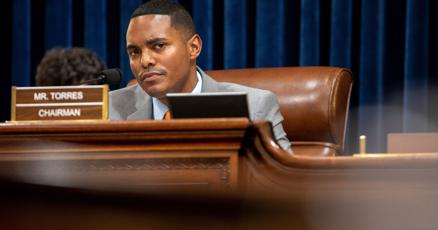
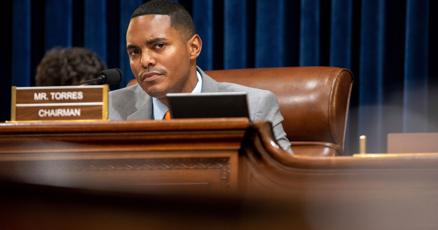
Calls are increasing inside Congress for investigations into the prediction market platform Polymarket after the latest instance where groups of anonymous traders made strategic, well-timed bets on a major geopolitical event hours before it occurred. On Wednesday, The Associated Press reported that at least 50 brand new accounts on Polymarket placed substantial bets on a U.S.-Iran ceasefire in the hours, even minutes, before President Donald Trump announced the ceasefire late Tuesday on social media. These were the sole bets made on Polymarket through these accounts. In January, an anonymous Polymarket user made a $400,000 profit by betting that Venezuelan leader Nicolas Maduro would be out of office, hours before Maduro was captured. In the hours before the start of the Iran war, another account made roughly $550,000 in a series of trades effectively betting that the U.S. would strike Iran and that Ayatollah Ali Khamenei would be removed from office. Such prescient wagers have raised eyebrows - and accusations that prediction markets are ripe for insider trading. And the issue goes beyond these three geopolitical events, according to at least one report. Researchers at Harvard University released a paper last month where, using public blockchain data, they estimated that $143 million in profits have been made on Polymarket by individuals who potentially had insider information about events ranging from Taylor Swift's engagement to the awarding of the Nobel Peace Prize last year. Rep. Ritchie Torres, D-N.Y who sits on the House Financial Services Committee as well as the subcommittee on digital assets and financial technology, sent a letter Thursday to the Commodity Futures Trading Commission demanding the regulator review and investigate these well-timed trades. The CFTC regulates the derivatives markets, which includes prediction markets. "This pattern raises serious concerns that certain market participants may have had access to material nonpublic information regarding a market-moving geopolitical event," Torres wrote. The letter was shared exclusively with The AP. "What is the statistical likelihood that of anyone other than an insider trader placing a winning bet 12 minutes before a market-moving presidential announcement," Torres said in an interview with AP. "There are two answers: God, or an insider trader. And something tells me that God it not placing bets around Donald Trump's posts on Truth Social. " Prediction market platforms like Kalshi and Polymarket allow their users to bet on everything from whether it will rain in Phoenix, Arizona next week to whether the Federal Reserve will raise or lower interest rates. U.S. residents are barred from using Polymarket under both its terms of service and federal law, though Polymarket's crypto-based design and limited identity checks can make those restrictions hard to police. Sen. Richard Blumenthal, D-Connecticut, sent a letter to Polymarket on Thursday demanding the company explain why it continues to allow trades on war and violence as well as whether the company is making any efforts to keep insiders from trading on the platform. "Polymarket has become an illicit market to sell and exploit national security secrets unlike any in history, and by extension a potential honeypot for foreign intelligence services watching for those same suspicious bets and wagers," Blumenthal wrote. Republicans have also criticized these platforms and called for bans on these sorts of bets. There are at least two bills pending in Congress co-signed by both parties, one in the House and one in the Senate. "We don't want to imagine a world where America's adversaries use prediction markets to anticipate our next move," said Rep. Blake Moore, R-Utah, after the release of the AP's findings on the ceasefire wagers. Polymarket did not immediately reply to a request for comment. The stakes are high for both Kalshi and Polymarket as they seek approval to operate in the U.S. and nationwide, particularly in the lucrative sports betting market. Polymarket was banned from the U.S. in 2022 and has moved to reenter the country by acquiring a CFTC-licensed exchange and clearinghouse, giving it a legal pathway to start offering contracts domestically. The company has begun a limited rollout in the U.S. while at the same time continuing to operate a separate, crypto-based platform offshore that remains outside U.S. jurisdiction. That platform will account for most of its activity. Kalshi, which is already regulated in the U.S., and its executives have a goal of making the company the nation's dominant prediction market. Kalshi has also leaned heavily into sports, which critics have said effectively makes it a sports betting platform that dabbles in event-based contracts on the side. Both companies have also announced partnerships with sports teams and even news organizations to broaden their reach as well. The competition also carries political overtones. Donald Trump Jr. is an investor in Polymarket through his venture capital firm, 1789 Capital, and separately serves as a paid strategic adviser to Kalshi.

Well-timed bets on Polymarket tied to the Iran war draw calls for investigations from lawmakers
NEW YORK (AP) -- Calls are increasing inside Congress for investigations into the prediction market platform Polymarket after the latest instance where groups of anonymous traders made strategic, well-timed bets on a major geopolitical event hours before it occurred. On Wednesday, The Associated Press reported that at least 50 brand new accounts on Polymarket placed substantial bets on a U.S.-Iran ceasefire in the hours, even minutes, before President Donald Trump announced the ceasefire late Tuesday on social media. These were the sole bets made on Polymarket through these accounts. In January, an anonymous Polymarket user made a $400,000 profit by betting that Venezuelan leader Nicolas Maduro would be out of office, hours before Maduro was captured. In the hours before the start of the Iran war, another account made roughly $550,000 in a series of trades effectively betting that the U.S. would strike Iran and that Ayatollah Ali Khamenei would be removed from office. Such prescient wagers have raised eyebrows -- and accusations that prediction markets are ripe for insider trading. And the issue goes beyond these three geopolitical events, according to at least one report. Researchers at Harvard University released a paper last month where, using public blockchain data, they estimated that $143 million in profits have been made on Polymarket by individuals who potentially had insider information about events ranging from Taylor Swift's engagement to the awarding of the Nobel Peace Prize last year. Rep. Ritchie Torres, D-N.Y who sits on the House Financial Services Committee as well as the subcommittee on digital assets and financial technology, sent a letter Thursday to the Commodity Futures Trading Commission demanding the regulator review and investigate these well-timed trades. The CFTC regulates the derivatives markets, which includes prediction markets. "This pattern raises serious concerns that certain market participants may have had access to material nonpublic information regarding a market-moving geopolitical event," Torres wrote. The letter was shared exclusively with The AP. "What is the statistical likelihood that of anyone other than an insider trader placing a winning bet 12 minutes before a market-moving presidential announcement," Torres said in an interview with AP. "There are two answers: God, or an insider trader. And something tells me that God it not placing bets around Donald Trump's posts on Truth Social. " Prediction market platforms like Kalshi and Polymarket allow their users to bet on everything from whether it will rain in Phoenix, Arizona next week to whether the Federal Reserve will raise or lower interest rates. At this time, U.S. residents have limited access to Polymarket, which was banned from the U.S. in 2022. The company has moved to reenter the country by acquiring a CFTC-licensed exchange and clearinghouse, giving it a legal pathway to start offering contracts domestically. The company has begun a limited rollout in the U.S. Polymarket also operates a separate, crypto-based platform offshore that remains outside U.S. jurisdiction. That platform accounts for most of its activity. Sen. Richard Blumenthal, D-Connecticut, sent a letter to Polymarket on Thursday demanding the company explain why it continues to allow trades on war and violence as well as whether the company is making any efforts to keep insiders from trading on the platform. "Polymarket has become an illicit market to sell and exploit national security secrets unlike any in history, and by extension a potential honeypot for foreign intelligence services watching for those same suspicious bets and wagers," Blumenthal wrote. Republicans have also criticized these platforms and called for bans on these sorts of bets. There are at least two bills pending in Congress co-signed by both parties, one in the House and one in the Senate. "We don't want to imagine a world where America's adversaries use prediction markets to anticipate our next move," said Rep. Blake Moore, R-Utah, after the release of the AP's findings on the ceasefire wagers. Polymarket did not immediately reply to a request for comment. The stakes are high for both Kalshi and Polymarket as they seek approval to operate in the U.S. and nationwide, particularly in the lucrative sports betting market. Kalshi, which is already regulated in the U.S., and its executives have a goal of making the company the nation's dominant prediction market. Kalshi has also leaned heavily into sports, which critics have said effectively makes it a sports betting platform that dabbles in event-based contracts on the side. Both companies have also announced partnerships with sports teams and even news organizations to broaden their reach as well. The competition also carries political overtones. Donald Trump Jr. is an investor in Polymarket through his venture capital firm, 1789 Capital, and separately serves as a paid strategic adviser to Kalshi.

SpaceX Starship 13 Should be the First Orbital Flight | NextBigFuture.com
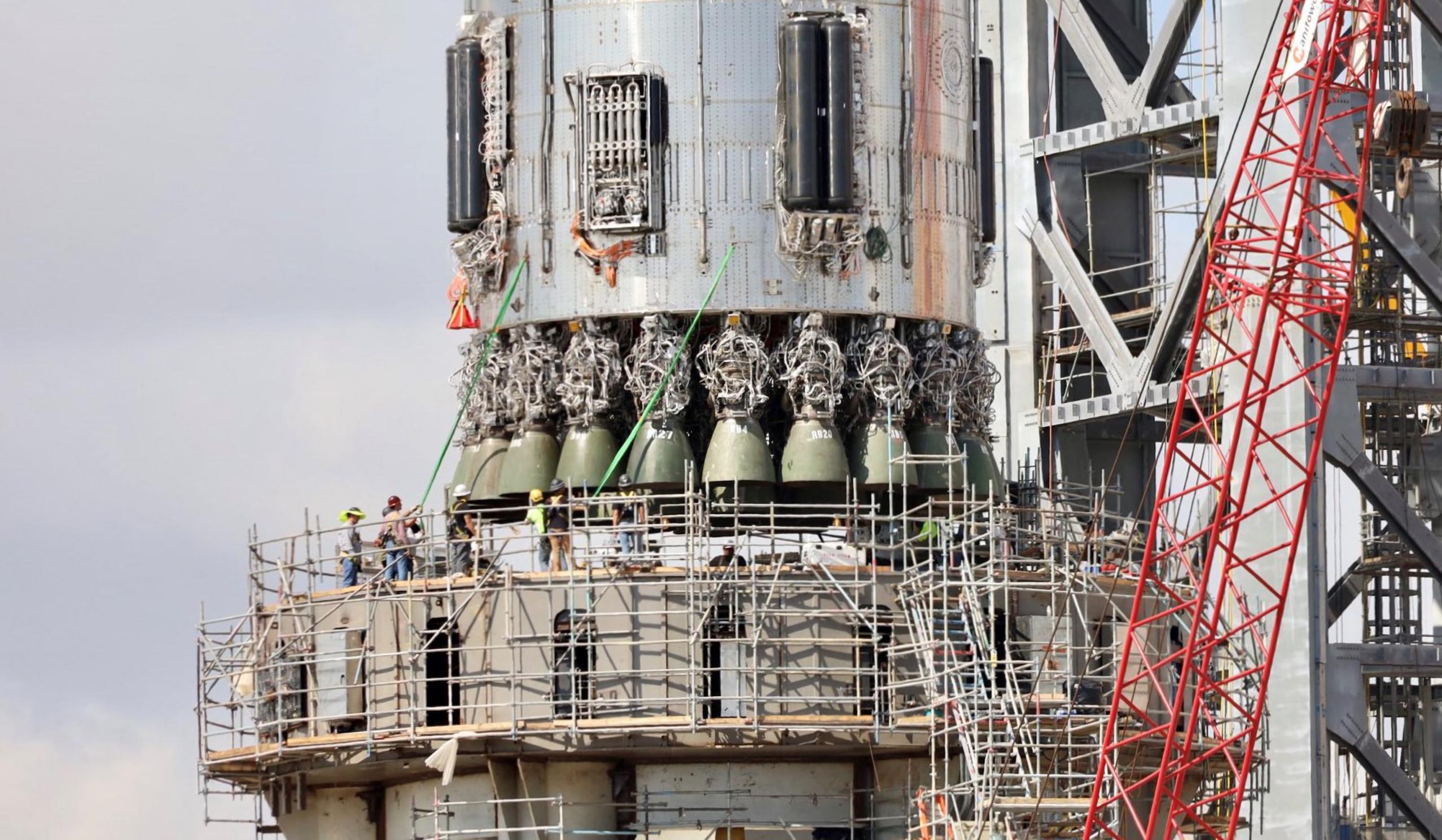
Starship Flight 13's now says suborbital first stage and ORBITAL second stage. Starship 13 is looking at an end of May or early June launch. Brian Wang is a Futurist Thought Leader and a popular Science blogger with 1 million readers per month. His blog Nextbigfuture.com is ranked #1 Science News Blog. It covers many disruptive technology and trends including Space, Robotics, Artificial Intelligence, Medicine, Anti-aging Biotechnology, and Nanotechnology. Known for identifying cutting edge technologies, he is currently a Co-Founder of a startup and fundraiser for high potential early-stage companies. He is the Head of Research for Allocations for deep technology investments and an Angel Investor at Space Angels. A frequent speaker at corporations, he has been a TEDx speaker, a Singularity University speaker and guest at numerous interviews for radio and podcasts. He is open to public speaking and advising engagements.
IGV ETF Hit By Palantir Rout As Anthropic Reshapes AI Spending - Adobe (NASDAQ:ADBE), Salesforce (NYSE:CR
Palantir has lost over 13% in the last two days, while the IGV ETF is also down more than 5%, making it clear that being invested in high growth AI companies is amplifying downside risk for ETF investors. As one of the top holdings of the ETF, Palantir's loss is adding to the fund's woes, which has struggled throughout the year. The ETF was down more than 24% in the last quarter, marking its worst-ever quarterly return since the global financial crisis of 2008, according to FactSet data, as software stocks broadly fell out of favor amid valuation concerns and shifting AI narratives. AI Spending Shift Hits Software Sentiment The core issue behind this volatility stems from growing concerns about where the value in the stack will ultimately lie. New numbers released by Ramp's AI Index indicate that Anthropic has seen accelerated adoption among enterprises, now claiming a notable portion of the incremental AI spend. This is largely driven by the perception that firms without a proprietary AI stack and heavily dependent on third-party large language models would be outcompeted as enterprises opt for cheaper, more scalable AI solutions. ETF Concentration Risk In Focus The recent moves highlight the concentration risk for thematic ETFs like IGV. With top holdings such as Microsoft and Palantir driving a significant portion of returns, sharp drawdowns and negative sentiments around a few names can ripple across the entire fund. For ETF investors, the key question now is whether IGV's exposure still captures the most lucrative parts of the AI trade, or if the center of gravity is shifting toward model providers like Anthropic, leaving traditional software players playing catch-up. Photo: DIA TV / Shutterstock Market News and Data brought to you by Benzinga APIs To add Benzinga News as your preferred source on Google, click here.

Well-timed bets on Polymarket tied to the Iran war draw calls for investigations from lawmakers
Unfortunately you've used all of your gifts this month. Your counter will reset on the first day of next month. NEW YORK (AP) -- Calls are increasing inside Congress for investigations into the prediction market platform Polymarket after the latest instance where groups of anonymous traders made strategic, well-timed bets on a major geopolitical event hours before it occurred. On Wednesday, The Associated Press reported that at least 50 brand new accounts on Polymarket placed substantial bets on a U.S.-Iran ceasefire in the hours, even minutes, before President Donald Trump announced the ceasefire late Tuesday on social media. These were the sole bets made on Polymarket through these accounts.
Well-timed bets on Polymarket tied to the Iran war draw calls for investigations from lawmakers
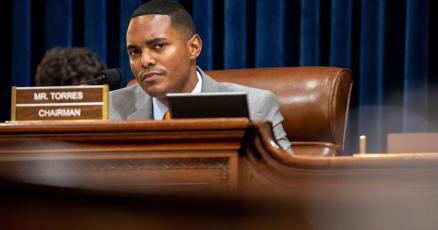
Calls are increasing inside Congress for investigations into the prediction market platform Polymarket NEW YORK (AP) -- Calls are increasing inside Congress for investigations into the prediction market platform Polymarket after the latest instance where groups of anonymous traders made strategic, well-timed bets on a major geopolitical event hours before it occured. On Wednesday, The Associated Press reported that at least 50 brand new accounts on Polymarket placed substantial bets on a U.S.-Iran ceasefire in the hours, even minutes, before President Donald Trump announced the ceasefire late Tuesday on social media. These were the sole bets made on Polymarket through these accounts. In January, an anonymous Polymarket user made a $400,000 profit by betting that Venezuelan leader Nicolas Maduro would be out of office, hours before Maduro was captured. In the hours before the start of the Iran war, another account made roughly $550,000 in a series of trades effectively betting that the U.S. would strike Iran and that Ayatollah Ali Khamenei would be removed from office. Such prescient wagers have raised eyebrows -- and accusations that prediction markets are ripe for insider trading. And the issue goes beyond these three geopolitical events, according to at least one report. Researchers at Harvard University released a paper last month where, using public blockchain data, they estimated that $143 million in profits have been made on Polymarket by individuals who potentially had insider information about events ranging from Taylor Swift's engagement to the awarding of the Nobel Peace Prize last year. Rep. Ritchie Torres, D-N.Y who sits on the House Financial Services Committee as well as the subcommittee on digital assets and financial technology, sent a letter Thursday to the Commodity Futures Trading Commission demanding the regulator review and investigate these well-timed trades. The CFTC regulates the derivatives markets, which includes prediction markets. "This pattern raises serious concerns that certain market participants may have had access to material nonpublic information regarding a market-moving geopolitical event," Torres wrote. The letter was shared exclusively with The AP. "What is the statistical likelihood that of anyone other than an insider trader placing a winning bet 12 minutes before a market-moving presidential announcement," Torres said in an interview with AP. "There are two answers: God, or an insider trader. And something tells me that God it not placing bets around Donald Trump's posts on Truth Social. " Prediction market platforms like Kalshi and Polymarket allow their users to bet on everything from whether it will rain in Phoenix, Arizona next week to whether the Federal Reserve will raise or lower interest rates. U.S. residents are barred from using Polymarket under both its terms of service and federal law, though Polymarket's crypto-based design and limited identity checks can make those restrictions hard to police. Sen. Richard Blumenthal, D-Connecticut, sent a letter to Polymarket on Thursday demanding the company explain why it continues to allow trades on war and violence as well as whether the company is making any efforts to keep insiders from trading on the platform. "Polymarket has become an illicit market to sell and exploit national security secrets unlike any in history, and by extension a potential honeypot for foreign intelligence services watching for those same suspicious bets and wagers," Blumenthal wrote. Republicans have also criticized these platforms and called for bans on these sorts of bets. There are at least two bills pending in Congress co-signed by both parties, one in the House and one in the Senate. "We don't want to imagine a world where America's adversaries use prediction markets to anticipate our next move," said Rep. Blake Moore, R-Utah, after the release of the AP's findings on the ceasefire wagers. Polymarket did not immediately reply to a request for comment. The stakes are high for both Kalshi and Polymarket as they seek approval to operate in the U.S. and nationwide, particularly in the lucrative sports betting market. Polymarket was banned from the U.S. in 2022 and has moved to reenter the country by acquiring a CFTC-licensed exchange and clearinghouse, giving it a legal pathway to start offering contracts domestically. The company has begun a limited rollout in the U.S. while at the same time continuing to operate a separate, crypto-based platform offshore that remains outside U.S. jurisdiction. That platform will account for most of its activity. Kalshi, which is already regulated in the U.S., and its executives have a goal of making the company the nation's dominant prediction market. Kalshi has also leaned heavily into sports, which critics have said effectively makes it a sports betting platform that dabbles in event-based contracts on the side. Both companies have also announced partnerships with sports teams and even news organizations to broaden their reach as well. The competition also carries political overtones. Donald Trump Jr. is an investor in Polymarket through his venture capital firm, 1789 Capital, and separately serves as a paid strategic adviser to Kalshi.
Well-timed bets on Polymarket tied to the Iran war draw calls for investigations from lawmakers
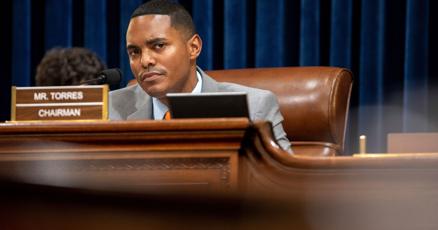
Calls are increasing inside Congress for investigations into the prediction market platform Polymarket NEW YORK (AP) -- Calls are increasing inside Congress for investigations into the prediction market platform Polymarket after the latest instance where groups of anonymous traders made strategic, well-timed bets on a major geopolitical event hours before it occurred. On Wednesday, The Associated Press reported that at least 50 brand new accounts on Polymarket placed substantial bets on a U.S.-Iran ceasefire in the hours, even minutes, before President Donald Trump announced the ceasefire late Tuesday on social media. These were the sole bets made on Polymarket through these accounts. In January, an anonymous Polymarket user made a $400,000 profit by betting that Venezuelan leader Nicolas Maduro would be out of office, hours before Maduro was captured. In the hours before the start of the Iran war, another account made roughly $550,000 in a series of trades effectively betting that the U.S. would strike Iran and that Ayatollah Ali Khamenei would be removed from office. Such prescient wagers have raised eyebrows -- and accusations that prediction markets are ripe for insider trading. And the issue goes beyond these three geopolitical events, according to at least one report. Researchers at Harvard University released a paper last month where, using public blockchain data, they estimated that $143 million in profits have been made on Polymarket by individuals who potentially had insider information about events ranging from Taylor Swift's engagement to the awarding of the Nobel Peace Prize last year. Rep. Ritchie Torres, D-N.Y who sits on the House Financial Services Committee as well as the subcommittee on digital assets and financial technology, sent a letter Thursday to the Commodity Futures Trading Commission demanding the regulator review and investigate these well-timed trades. The CFTC regulates the derivatives markets, which includes prediction markets. "This pattern raises serious concerns that certain market participants may have had access to material nonpublic information regarding a market-moving geopolitical event," Torres wrote. The letter was shared exclusively with The AP. "What is the statistical likelihood that of anyone other than an insider trader placing a winning bet 12 minutes before a market-moving presidential announcement," Torres said in an interview with AP. "There are two answers: God, or an insider trader. And something tells me that God it not placing bets around Donald Trump's posts on Truth Social. " Prediction market platforms like Kalshi and Polymarket allow their users to bet on everything from whether it will rain in Phoenix, Arizona next week to whether the Federal Reserve will raise or lower interest rates. At this time, U.S. residents have limited access to Polymarket, which was banned from the U.S. in 2022. The company has moved to reenter the country by acquiring a CFTC-licensed exchange and clearinghouse, giving it a legal pathway to start offering contracts domestically. The company has begun a limited rollout in the U.S. Polymarket also operates a separate, crypto-based platform offshore that remains outside U.S. jurisdiction. That platform accounts for most of its activity. Sen. Richard Blumenthal, D-Connecticut, sent a letter to Polymarket on Thursday demanding the company explain why it continues to allow trades on war and violence as well as whether the company is making any efforts to keep insiders from trading on the platform. "Polymarket has become an illicit market to sell and exploit national security secrets unlike any in history, and by extension a potential honeypot for foreign intelligence services watching for those same suspicious bets and wagers," Blumenthal wrote. Republicans have also criticized these platforms and called for bans on these sorts of bets. There are at least two bills pending in Congress co-signed by both parties, one in the House and one in the Senate. "We don't want to imagine a world where America's adversaries use prediction markets to anticipate our next move," said Rep. Blake Moore, R-Utah, after the release of the AP's findings on the ceasefire wagers. Polymarket did not immediately reply to a request for comment. The stakes are high for both Kalshi and Polymarket as they seek approval to operate in the U.S. and nationwide, particularly in the lucrative sports betting market. Kalshi, which is already regulated in the U.S., and its executives have a goal of making the company the nation's dominant prediction market. Kalshi has also leaned heavily into sports, which critics have said effectively makes it a sports betting platform that dabbles in event-based contracts on the side. Both companies have also announced partnerships with sports teams and even news organizations to broaden their reach as well. The competition also carries political overtones. Donald Trump Jr. is an investor in Polymarket through his venture capital firm, 1789 Capital, and separately serves as a paid strategic adviser to Kalshi.
Well-timed bets on Polymarket tied to the Iran war draw calls for investigations from lawmakers
NEW YORK - Calls are increasing inside Congress for investigations into the prediction market platform Polymarket after the latest instance where groups of anonymous traders made strategic, well-timed bets on a major geopolitical event hours before it occurred. On Wednesday, The Associated Press reported that at least 50 brand new accounts on Polymarket placed substantial bets on a U.S.-Iran ceasefire in the hours, even minutes, before President Donald Trump announced the ceasefire late Tuesday on social media. These were the sole bets made on Polymarket through these accounts. Recommended Videos In January, an anonymous Polymarket user made a $400,000 profit by betting that Venezuelan leader Nicolas Maduro would be out of office, hours before Maduro was captured. In the hours before the start of the Iran war, another account made roughly $550,000 in a series of trades effectively betting that the U.S. would strike Iran and that Ayatollah Ali Khamenei would be removed from office. Such prescient wagers have raised eyebrows -- and accusations that prediction markets are ripe for insider trading. And the issue goes beyond these three geopolitical events, according to at least one report. Researchers at Harvard University released a paper last month where, using public blockchain data, they estimated that $143 million in profits have been made on Polymarket by individuals who potentially had insider information about events ranging from Taylor Swift's engagement to the awarding of the Nobel Peace Prize last year. Rep. Ritchie Torres, D-N.Y who sits on the House Financial Services Committee as well as the subcommittee on digital assets and financial technology, sent a letter Thursday to the Commodity Futures Trading Commission demanding the regulator review and investigate these well-timed trades. The CFTC regulates the derivatives markets, which includes prediction markets. "This pattern raises serious concerns that certain market participants may have had access to material nonpublic information regarding a market-moving geopolitical event," Torres wrote. The letter was shared exclusively with The AP. "What is the statistical likelihood that of anyone other than an insider trader placing a winning bet 12 minutes before a market-moving presidential announcement," Torres said in an interview with AP. "There are two answers: God, or an insider trader. And something tells me that God it not placing bets around Donald Trump's posts on Truth Social. " Prediction market platforms like Kalshi and Polymarket allow their users to bet on everything from whether it will rain in Phoenix, Arizona next week to whether the Federal Reserve will raise or lower interest rates. At this time, U.S. residents have limited access to Polymarket, which was banned from the U.S. in 2022. The company has moved to reenter the country by acquiring a CFTC-licensed exchange and clearinghouse, giving it a legal pathway to start offering contracts domestically. The company has begun a limited rollout in the U.S. Polymarket also operates a separate, crypto-based platform offshore that remains outside U.S. jurisdiction. That platform accounts for most of its activity. Sen. Richard Blumenthal, D-Connecticut, sent a letter to Polymarket on Thursday demanding the company explain why it continues to allow trades on war and violence as well as whether the company is making any efforts to keep insiders from trading on the platform. "Polymarket has become an illicit market to sell and exploit national security secrets unlike any in history, and by extension a potential honeypot for foreign intelligence services watching for those same suspicious bets and wagers," Blumenthal wrote. Republicans have also criticized these platforms and called for bans on these sorts of bets. There are at least two bills pending in Congress co-signed by both parties, one in the House and one in the Senate. "We don't want to imagine a world where America's adversaries use prediction markets to anticipate our next move," said Rep. Blake Moore, R-Utah, after the release of the AP's findings on the ceasefire wagers. Polymarket did not immediately reply to a request for comment. The stakes are high for both Kalshi and Polymarket as they seek approval to operate in the U.S. and nationwide, particularly in the lucrative sports betting market. Kalshi, which is already regulated in the U.S., and its executives have a goal of making the company the nation's dominant prediction market. Kalshi has also leaned heavily into sports, which critics have said effectively makes it a sports betting platform that dabbles in event-based contracts on the side. Both companies have also announced partnerships with sports teams and even news organizations to broaden their reach as well. The competition also carries political overtones. Donald Trump Jr. is an investor in Polymarket through his venture capital firm, 1789 Capital, and separately serves as a paid strategic adviser to Kalshi.

Well-timed bets on Polymarket tied to the Iran war draw calls for investigations from lawmakers
Such prescient wagers have raised eyebrows -- and accusations that prediction markets are ripe for insider trading. And the issue goes beyond these three geopolitical events, according to at least one report. Researchers at Harvard University released a paper last month where, using public blockchain data, they estimated that $143 million in profits have been made on Polymarket by individuals who potentially had insider information about events ranging from Taylor Swift's engagement to the awarding of the Nobel Peace Prize last year.
XAI's CFO Anthony Armstrong Has Left After Six Months
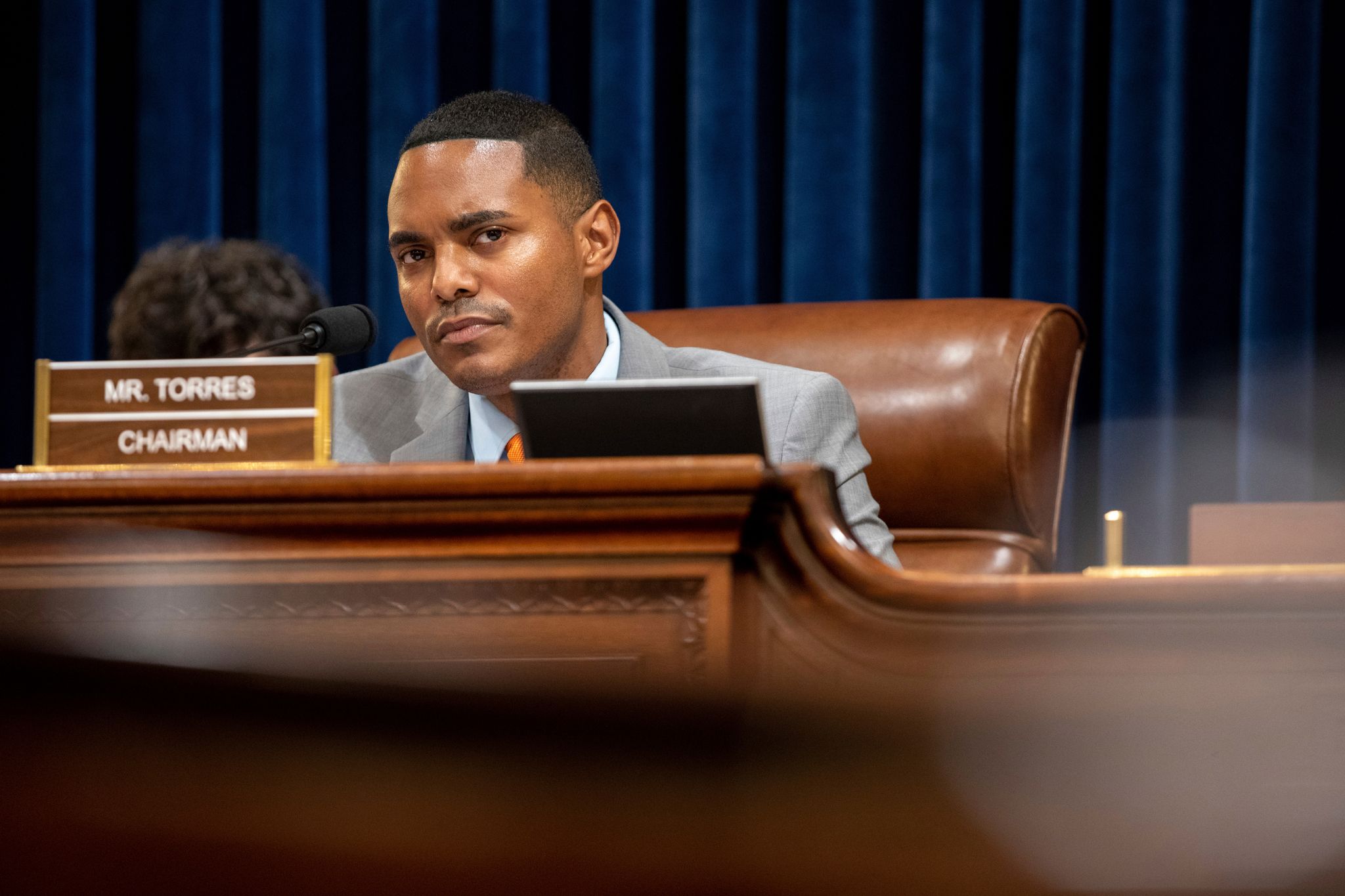
The finance shake-up adds uncertainty for Musk's xAI and X as SpaceX's IPO plans stay in focus. xAI CFO Anthony Armstrong has left after about six months, The Information reported on April 9 - the latest high-profile exit in Elon Musk's orbit. What does this mean? Armstrong joined in October after advising Musk at Morgan Stanley, including on the deal for X. He was also tied to the tricky job of getting X's finances steadier after advertisers pulled back, per earlier Financial Times reporting. The Information said he reported to Bret Johnsen, suggesting money decisions across xAI and X are becoming more centralized. When a CFO departs that quickly, it can complicate fundraising, slow integration work, and leave outsiders wondering who owns the numbers...

US defense official overseeing AI reaped millions selling xAI stock after Pentagon entered agreement with company
Expert said federal law prohibits officials from taking actions in their jobs that benefit their own financial interests A high-profile US defense department official who oversees the agency's artificial intelligence efforts made a profit of up to $24m selling a private investment he held in Elon Musk's AI company earlier this year, according to government ethics records released this month. The value of his stake totaled a maximum of million dollars when he joined the department. Emil Michael, who is the Pentagon's under secretary for research and engineering under the Trump administration, oversees negotiations with AI companies and has been pushing the defense department to rapidly increase the widespread use of AI. Michael declared in March 2025 that he had a position in xAI valued between $500,000 and $1m. He sold those holdings on 9 January for between $5m and $25m, according to disclosures filed with the office of government ethics (OGE). He reported that he owned the xAI shares through a company called KQ Partners. (Government financial disclosure reports are designed to show ranges of holdings, rather than precise amounts.) The increase in value amounts to a gain of between 400% and 4,800%. xAI, which is the company behind Musk's Grok chatbot, is not publicly traded, so it is unclear how Michael obtained his position, how it was priced or to whom he sold it. During the period that Michael owned the xAI stock the Pentagon announced two separate agreements with the firm. In July 2025 the Pentagon chose Grok as one of four commercial providers that would help the department utilize artificial intelligence. On 18 December, seven months into running the Pentagon's research and engineering efforts, Michael received a divestiture certificate from the OGE that said he would sell his xAI stock to comply with conflict of interest laws. Four days later, on 22 December, the defense department, which now refers to itself as the Department of War, announced a new agreement with xAI. "Today, the War Department officially entered into an agreement with xAI, paving the way for the deployment of its advanced capabilities on GenAI.mil. This move builds on the rapid deployment of cutting‑edge AI across the Department's 3 million military and civilian personnel." Michael didn't ultimately sell his position in xAI until 9 January, disclosures show. Richard Painter, a former ethics lawyer at the White House under President George W Bush, said that in general it is a criminal violation for government officials to participate in any government actions that would benefit their own financial interests. "It sounds pretty weird," he said of the transactions. "There is no way that a decent ethics lawyer would let a [defense department] official hold on to AI stock while he's involved in AI matters. You would have a very high chance of violating the criminal statute." Federal law prohibits officials from taking actions in their jobs that benefit their own financial interests. The Pentagon did not respond to detailed questions, but sent a statement attributed to spokesperson Sean Parnell: "The Department of War maintains a rigorous, multi-layered ethics framework that includes financial disclosure reviews, divestitures where appropriate, and screening to prevent conflicts of interest." The statement said Michael is "in full compliance with all ethics laws and regulations. Any claims otherwise are false." Michael was sworn in as under secretary of defense for research and engineering last May. In recent months he became the face of the Pentagon's highly public dispute with AI contractor Anthropic after the firm insisted its technology could not be used for domestic surveillance or for autonomous killing. Michael, in what would be seen as unusual conduct for a defense department official in most administrations, posted personal insults on X targeting the CEO of the company, calling him a "liar" who had a "God-complex". Michael's role overseeing AI acquisition comes as the US secretary of defense, Pete Hegseth, has become an insistent promoter of AI in the military. The halls of the Pentagon were papered with posters evocative of an iconic second world war recruiting poster, but with the words "I want YOU to use AI." Musk launched xAI in 2023, and has raised billions in funding for it from major equity companies and the Qatar Investment Authority. xAI's Grok chatbot has been embroiled in controversy over sexualized deepfakes. Before his nomination to the under secretary job by Trump, Michael had a long career in business, including a high-profile stint as chief business officer at Uber. It has been widely reported that Michael knows Musk socially. His name was initially floated in 2024 as a contender for Trump's secretary of transportation, and Musk, whose Tesla operations could be affected by that department's actions, tweeted approvingly that Michael "would be effective" at the role, but Trump chose someone else. When Hegseth spoke at Musk's Stargate facility in Texas, just three days after Michael sold his xAI holdings, he gave a shoutout to to the under secretary, who was sitting right in front of him. "Our under secretary of war for research and engineering, Emil Michael, right here in the front row, is the war department's single chief technology officer. One CTO for the entire enterprise," he said.
After data breach, $10B valued startup Mercor is having a month | TechCrunch
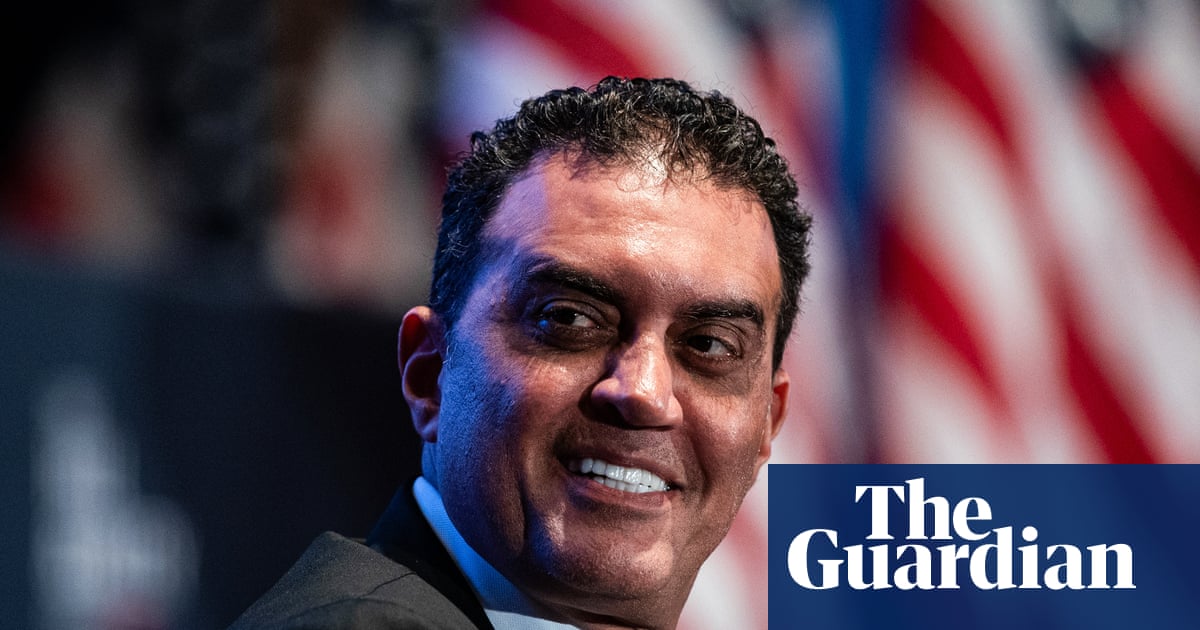
Six months ago, Mercor was flying high after raising a massive $350 million Series C that valued the AI data training startup at $10 billion. But after admitting on March 31 that it was the target of a data breach, the company has been facing a world of trouble. Since then, a hacker group has claimed to have obtained 4TB of stolen data from Mercor's systems, including candidate profiles, personally identifiable information, employer data, source code, and API keys. Mercor has not commented on the authenticity of the data, reiterating only that it is investigating and "will continue to communicate with our customers and contractors directly as appropriate and devote the resources necessary to resolving the matter as soon as possible." Mercor said its data breach was the result of a hack of the open source tool LiteLLM. This tool is so popular that it's downloaded millions of times a day. For 40 minutes, the tool harbored credential harvesting malware -- rogue software that could steal login credentials. Those credentials were used to gain access to more software and accounts, which it used to harvest more credentials, and so on. While there have been no formal acknowledgments of how much data was scooped up from Mercor, there have been repercussions all the same. Meta has paused its contracts with Mercor indefinitely, sources told Wired. (Mercor declined to comment to TechCrunch about this.) Like other contract AI data training companies, Mercor handles some of the model makers' biggest trade secrets: the custom data sets and processes they use to teach their models. This is so important to them that even after Meta spent $14.3 billion on Mercor's competitor Scale AI, it continued working with Mercor. In a spot of good news for Mercor (maybe...we'll see): OpenAI also confirmed to Wired that it was investigating its exposure in Mercor's breach, but said it had not paused or ended its contracts at the time. However, TechCrunch has heard from multiple sources that other large model makers may also be weighing their relationships with Mercor after the breach, although we have not confirmed enough details to name names as of yet. In the meantime, five of Mercor's contractors have filed lawsuits, Business Insider reports, over their alleged personal data exposure. Whether these suits represent a serious threat or are just opportunistic and a nuisance remains to be seen. (Mercor declined to comment.) One lawsuit, reviewed by TechCrunch, even named LiteLLM and Delve as defendants. This is wild, and perhaps a stretch, but here's the connection: LiteLLM used AI compliance startup Delve to obtain its security certifications. Delve has been accused by an anonymous whistleblower of allegedly faking data for security certifications and using rubber-stamping auditors. A security certification does not directly prevent hackers from launching successful attacks, but it is intended to ensure that companies have processes in place to minimize such threats. Although Delve has denied those allegations while simultaneously instituting operational changes, it has been a world of hurt of its own, to the point where Y Combinator severed ties with the company. LiteLLM ditched Delve and is now working with another AI compliance startup to obtain its security certifications again. LiteLLM also published a complete report on the security incident. But Mercor itself was not a Delve customer, the company confirmed to TechCrunch. If, however, the fallout for Mercor continues, a lot of revenue could be at stake. The company was reportedly on pace to hit over $1 billion in annualized revenue earlier this year before the data leak, an anonymous source told The Information.

Anthropic will let your agents sleep on its couch
Want to run your business on autopilot? For better or worse, Managed Agents might help with that If you need AI agents to do a lot of ongoing tasks for your business, Anthropic has a new answer for you. The Claude maker has introduced Managed Agents, a service to help organizations create and deploy cloud-hosted knowledge work automations. Agents, for those who haven't been following along, consist of machine learning models given access to software tools in an iterative loop. Claude Code is a coding agent that can emit programming code with the assistance of models like Opus 4.6 and permitted command line tools like bash, yoked together through a client-side harness - an orchestration tool. Those using Claude Code can create sub-agents that specialize in certain tasks, like frontend design. These are defined by Markdown files and YAML data - words that steer the underlying model toward training data related to functional interface patterns as opposed to code efficiency or some other goal. "An agent is a reusable, versioned configuration that defines persona and capabilities," Anthropic explains in its documentation. "It bundles the model, system prompt, tools, MCP servers, and skills that shape how Claude behaves during a session." Running an agent involves some degree of planning and configuration followed by monitoring and feedback - you give it a task, the agent attempts to comply, and it either asks further questions or proceeds to generate its interpretation of the desired response - until your token quota or your API budget has been exhausted. Hence the appeal of Managed Agents: Anthropic is offering to make the agentic process a bit more hands-off and more scalable, which for organizations might have some appeal. "Shipping a production agent requires sandboxed code execution, checkpointing, credential management, scoped permissions, and end-to-end tracing," the company said in a blog post. "Managed Agents handles the complexity. You define your agent's tasks, tools, and guardrails and we run it on our infrastructure. A built-in orchestration harness decides when to call tools, how to manage context, and how to recover from errors." Where personal agent usage (for coding at least) tends to be semi-autonomous - you give the agent some tasks and check in as the model implements specific features - Claude Managed Agents is intended for longer periods of unsupervised action (a.k.a. spending). Managed agents are designed to muck around in their managed environment, reading files, running commands, browsing the web, and executing code without much oversight. The mundane aspects of LLM interaction - compacting sessions to free up context space, for example - are left to the machines. Anthropic recommends Managed Agents for tasks that require a long time to complete and lots of tool calls, can operate in cloud-hosted secure containers, and benefit from persistent file and conversation data. The Managed Agents service isn't just for coding, which remains the primary commercial use case for Claude to date. Anthropic suggests that its hosted ghost workers can handle a broad set of office tasks - a position underscored by Claude Cowork's declaration of general availability on Thursday. The AI biz emphasizes the general utility of its toilbots in a YouTube testimonial from Notion product manager Eric Liu that describes how Notion uses Managed Agents to ship code and produce websites and presentations. This involves, for example, asking the managed agents to consolidate project assets, create Slack channels, research competitor home pages, and send emails with project timelines. All this could be yours for the low, low price of standard platform rates, plus $0.08 per session-hour for active runtime. ®

Anthropic says new AI model too dangerous for public release
TAMPA, Fla. (The Hill) -- Anthropic announced this week it will hold back the full release of its new artificial intelligence model as it believes it is too dangerous for the general public at this stage. The model, called Claude Mythos Preview, will be available to a select group of technology firms, including Microsoft, Apple, CrowdStrike and Amazon Web Services, along with more than 40 organizations that build critical software infrastructure, the AI firm announced Tuesday. This consortium is part of Anthropic's new initiative Project Glasswing, which will focus on identifying and patching security vulnerabilities in critical software programs. The company said the initiative was formed after the company discovered the capabilities of Mythos Preview, stating the model "could reshape cybersecurity." The AI firm claimed Mythos Preview already found thousands of high-security vulnerabilities, including some in every major operating system and web browser, that were previously unknown to the software's developers. Some of these vulnerabilities date back more than two decades, according to Anthropic. Before AI models like Mythos, these vulnerabilities could go undetected for years, given the limited security expertise on the topic. Now, the technology is providing opportunities for hackers and foreign adversaries to more easily detect these vulnerabilities. "Given the rate of AI progress, it will not be long before such capabilities proliferate, potentially beyond actors who are committed to deploying them safely," Anthropic wrote in its announcement. "The fallout -- for economics, public safety, and national security -- could be severe." The company added, "Project Glasswing is an urgent attempt to put these capabilities to work for defensive purposes." Anthropic notes these capabilities, while dangerous, also provide opportunities to more easily find and fix flaws in software, and make new software with fewer security bugs. "Project Glasswing is an important step toward giving defenders a durable advantage in the coming AI-driven era of cybersecurity," Anthriopic wrote. Glasswing's partner companies will use Mythos Preview in their defensive security work, and findings will be shared by Anthropic for the whole industry. The organizations that build or maintain critical software infrastructure will use the model to scan first-party and open-source systems, Anthropic said. The company will commit up to $100 million in usage credits and $4 million in direct donations to open source security organizations.

OpenAI works on cybersecurity model to rival Anthropic Mythos
OpenAI is developing a cybersecurity-focused AI model for a restricted program called "Trusted Access for Cyber," according to a new report, putting it in direct competition with Anthropic's Claude Mythos Preview. Details of the model and program are limited. Axios reported the development, which positions OpenAI as a rival to Anthropic in the emerging market for frontier AI systems built for offensive and defensive security work. Project Glasswing, Anthropic's accompanying initiative, set aside up to $100 million in usage credits and limited the model's initial rollout to twelve partners -- including Amazon Web Services, Apple, Broadcom, Cisco, CrowdStrike, Google, JPMorganChase, the Linux Foundation, Microsoft, Nvidia, and Palo Alto Networks -- each contractually bound to use it exclusively for defensive security work. More than 40 additional organizations that build or maintain critical software infrastructure also received access. Anthropic says the model can find and exploit software weaknesses on par with the best human security researchers. When tested, Mythos Preview uncovered thousands of previously unknown vulnerabilities in popular operating systems and browsers. For example, it found a 27-year-old bug in OpenBSD and an FFmpeg flaw that automated tools had missed in five million earlier checks. Anthropic pointed out that Mythos Preview did not get any special security training. Its ability to find vulnerabilities comes from general improvements in code understanding and logical reasoning, not from targeted preparation. This has both benefits and risks, because the same skills that help it fix flaws could also let it exploit them. Claude Mythos Preview first surfaced publicly after internal draft materials were left in an unprotected, publicly accessible data store on Anthropic's servers. The company attributed the exposure to a configuration error in an external content management tool. Those documents identified the model under the internal code name "Capybara" and indicated it had beaten Claude Opus 4.6 on benchmarks spanning cybersecurity, coding, and academic reasoning; they also described the system as occupying a position in Anthropic's hierarchy that would sit above the Opus line.

AI threat's relentless flogging of software stocks shows no end in sight with Anthropic's new agent
Software's artificial intelligence troubles don't appear as though they will let up anytime soon, following the sector's slide after Anthropic's latest product and revenue updates. Software is down again this week, with the iShares Expanded Tech-Software Sector ETF (IGV) falling Wednesday -- when most of the market participated in a sharp rally following President Donald Trump's announcement of a ceasefire -- and then again on Thursday. The IGV is down more than 4% week to date. Some stocks suffered more than others, like Workday and Intuit which are both down more than 15% this week. The tumult comes after the Anthropic disclosed this week that its revenue run rate now tops $30 billion, up from $9 billion at the end of 2025. The company also rolled out its latest updates on agentic tools, including Claude Managed Agents , which reduce the time it takes for developers to build their own agents. That revived fears of an AI day of reckoning coming for software. IGV 5D mountain The iShares Expanded Tech-Software Sector ETF (IGV) in the past five trading days "That Anthropic update was staggering," wrote Ben Reitzes, head of technology research at Melius Research, in a Wednesday note that referred to the revenue run rate. "The exponential we are seeing below stems from the onset of software being tokenized to replace and augment a labor [total addressable market] that approximates to tens of trillions. It's in inning one - and your narrative must be aligned with this exponential for your stock to work." "The market is getting it right in SaaS," Reitzes continued, referring to "software as a service." "No platform is safe even as we've lost $1.4T in SaaS market cap since Anthropic was worth just $18B in January 2025." Software has come under pressure this year on fears that agentic AI could make traditional software-as-a-service models obsolete, with the IGV more than 35% off its recent high, and 28% lower in 2026. But Anthropic's projections of its own future performance have researchers concerned the market has yet to price in the full scale of the disruption. Reitzes expects the automation of workflows could hurt even the largest companies, such as members of the Magnificent Seven. Microsoft, for example, will have to show that it can succeed building its own frontier models, given that its 365 product is at risk from inevitable layoffs coming for white collar workers, he said. Amazon's retail business could be threatened by agentic AI, while Meta's AI strategy is also in competition with Anthropic, Reitzes added. Investors who expect that software has already bottomed are going through the market to pick those companies that could be best positioned to emerge as AI winners, as many believe the recent bout of selling has been indiscriminate. Yet others remain comfortable sticking to the sidelines for the time being until there is better clarity that software has made a turn. "[I'm] pretty confident that not every software company is going to be a loser, but I'm also confident that there will be many losers," said John Belton, portfolio manager of GGRW ETF at Gabelli Funds. The portfolio manager said he's keeping software exposure low until there are signs that sentiment has started to stabilize or bottom. In the meantime, the clear beneficiaries of AI could continue to be in hardware, as in semiconductors, over software, according to Reitzes. The VanEck Semiconductor ETF (SMH) was a major outperformer of this week's rally, surging more than 9%, as of Thursday. "SaaS is to be avoided," Reitzes wrote to CNBC. -- CNBC's Gabriel Cortes contributed to this report.

Well-timed bets on Polymarket tied to the Iran war draw calls for investigations from lawmakers
NEW YORK (AP) -- Calls are increasing inside Congress for investigations into the prediction market platform Polymarket after the latest instance where groups of anonymous traders made strategic, well-timed bets on a major geopolitical event hours before it occurred. On Wednesday, The Associated Press reported that at least 50 brand new accounts on Polymarket placed substantial bets on a U.S.-Iran ceasefire in the hours, even minutes, before President Donald Trump announced the ceasefire late Tuesday on social media. These were the sole bets made on Polymarket through these accounts. In January, an anonymous Polymarket user made a $400,000 profit by betting that Venezuelan leader Nicolas Maduro would be out of office, hours before Maduro was captured. In the hours before the start of the Iran war, another account made roughly $550,000 in a series of trades effectively betting that the U.S. would strike Iran and that Ayatollah Ali Khamenei would be removed from office. Such prescient wagers have raised eyebrows -- and accusations that prediction markets are ripe for insider trading. And the issue goes beyond these three geopolitical events, according to at least one report. Researchers at Harvard University released a paper last month where, using public blockchain data, they estimated that $143 million in profits have been made on Polymarket by individuals who potentially had insider information about events ranging from Taylor Swift's engagement to the awarding of the Nobel Peace Prize last year. Rep. Ritchie Torres, D-N.Y who sits on the House Financial Services Committee as well as the subcommittee on digital assets and financial technology, sent a letter Thursday to the Commodity Futures Trading Commission demanding the regulator review and investigate these well-timed trades. The CFTC regulates the derivatives markets, which includes prediction markets. "This pattern raises serious concerns that certain market participants may have had access to material nonpublic information regarding a market-moving geopolitical event," Torres wrote. The letter was shared exclusively with The AP. "What is the statistical likelihood that of anyone other than an insider trader placing a winning bet 12 minutes before a market-moving presidential announcement," Torres said in an interview with AP. "There are two answers: God, or an insider trader. And something tells me that God it not placing bets around Donald Trump's posts on Truth Social. " Prediction market platforms like Kalshi and Polymarket allow their users to bet on everything from whether it will rain in Phoenix, Arizona next week to whether the Federal Reserve will raise or lower interest rates. U.S. residents are barred from using Polymarket under both its terms of service and federal law, though Polymarket's crypto-based design and limited identity checks can make those restrictions hard to police. Sen. Richard Blumenthal, D-Connecticut, sent a letter to Polymarket on Thursday demanding the company explain why it continues to allow trades on war and violence as well as whether the company is making any efforts to keep insiders from trading on the platform. "Polymarket has become an illicit market to sell and exploit national security secrets unlike any in history, and by extension a potential honeypot for foreign intelligence services watching for those same suspicious bets and wagers," Blumenthal wrote. Republicans have also criticized these platforms and called for bans on these sorts of bets. There are at least two bills pending in Congress co-signed by both parties, one in the House and one in the Senate. "We don't want to imagine a world where America's adversaries use prediction markets to anticipate our next move," said Rep. Blake Moore, R-Utah, after the release of the AP's findings on the ceasefire wagers. Polymarket did not immediately reply to a request for comment. The stakes are high for both Kalshi and Polymarket as they seek approval to operate in the U.S. and nationwide, particularly in the lucrative sports betting market. Polymarket was banned from the U.S. in 2022 and has moved to reenter the country by acquiring a CFTC-licensed exchange and clearinghouse, giving it a legal pathway to start offering contracts domestically. The company has begun a limited rollout in the U.S. while at the same time continuing to operate a separate, crypto-based platform offshore that remains outside U.S. jurisdiction. That platform will account for most of its activity. Kalshi, which is already regulated in the U.S., and its executives have a goal of making the company the nation's dominant prediction market. Kalshi has also leaned heavily into sports, which critics have said effectively makes it a sports betting platform that dabbles in event-based contracts on the side. Both companies have also announced partnerships with sports teams and even news organizations to broaden their reach as well. The competition also carries political overtones. Donald Trump Jr. is an investor in Polymarket through his venture capital firm, 1789 Capital, and separately serves as a paid strategic adviser to Kalshi.

Anthropic says new AI model too dangerous for public release
(The Hill) -- Anthropic announced this week it will hold back the full release of its new artificial intelligence model as it believes it is too dangerous for the general public at this stage. The model, called Claude Mythos Preview, will be available to a select group of technology firms, including Microsoft, Apple, CrowdStrike and Amazon Web Services, along with more than 40 organizations that build critical software infrastructure, the AI firm announced Tuesday. This consortium is part of Anthropic's new initiative Project Glasswing, which will focus on identifying and patching security vulnerabilities in critical software programs. The company said the initiative was formed after the company discovered the capabilities of Mythos Preview, stating the model "could reshape cybersecurity." The AI firm claimed Mythos Preview already found thousands of high-security vulnerabilities, including some in every major operating system and web browser, that were previously unknown to the software's developers. Some of these vulnerabilities date back more than two decades, according to Anthropic. Before AI models like Mythos, these vulnerabilities could go undetected for years, given the limited security expertise on the topic. Now, the technology is providing opportunities for hackers and foreign adversaries to more easily detect these vulnerabilities. "Given the rate of AI progress, it will not be long before such capabilities proliferate, potentially beyond actors who are committed to deploying them safely," Anthropic wrote in its announcement. "The fallout -- for economics, public safety, and national security -- could be severe." The company added, "Project Glasswing is an urgent attempt to put these capabilities to work for defensive purposes." Anthropic notes these capabilities, while dangerous, also provide opportunities to more easily find and fix flaws in software, and make new software with fewer security bugs. "Project Glasswing is an important step toward giving defenders a durable advantage in the coming AI-driven era of cybersecurity," Anthriopic wrote. Glasswing's partner companies will use Mythos Preview in their defensive security work, and findings will be shared by Anthropic for the whole industry. The organizations that build or maintain critical software infrastructure will use the model to scan first-party and open-source systems, Anthropic said. The company will commit up to $100 million in usage credits and $4 million in direct donations to open source security organizations.

CFO Anthony Armstrong leaves xAI, the Information reports By Reuters
April 9 - Anthony Armstrong, named xAI's CFO in October, has departed the company as part of a broader wave of senior exits, the Information reported on Thursday, citing two people familiar with the matter. Armstrong, who previously worked as a Morgan Stanley banker and advised Elon Musk during the acquisition of social media platform X, was reporting to Bret Johnsen, the Information had reported in February. Johnsen was the finance chief of the combined company following xAI and SpaceX's record-setting merger. xAI did not immediately respond to Reuters' request for comment. Armstrong was leading the finance operations for both xAI and X, the Financial Times had reported in October. He was responsible for steering the social media business back to financial stability following an exodus of advertisers after Musk relaxed its content moderation standards, the report said. SpaceX is planning a highly anticipated initial public offering seeking to raise $75 billion, valuing the space company at as much as $1.75 trillion, Reuters has previously reported. It outlined details of the IPO at a meeting with its team of bankers on Monday, telling them it plans to earmark a large portion of shares for retail investors and will host 1,500 of them at an event in June.

Well-timed bets on Polymarket tied to the Iran war draw calls for investigations from lawmakers
NEW YORK (AP) -- Calls are increasing inside Congress for investigations into the prediction market platform Polymarket after the latest instance where groups of anonymous traders made strategic, well-timed bets on a major geopolitical event hours before it occurred. On Wednesday, The Associated Press reported that at least 50 brand new accounts on Polymarket placed substantial bets on a U.S.-Iran ceasefire in the hours, even minutes, before President Donald Trump announced the ceasefire late Tuesday on social media. These were the sole bets made on Polymarket through these accounts. In January, an anonymous Polymarket user made a $400,000 profit by betting that Venezuelan leader Nicolas Maduro would be out of office, hours before Maduro was captured. In the hours before the start of the Iran war, another account made roughly $550,000 in a series of trades effectively betting that the U.S. would strike Iran and that Ayatollah Ali Khamenei would be removed from office. Such prescient wagers have raised eyebrows -- and accusations that prediction markets are ripe for insider trading. And the issue goes beyond these three geopolitical events, according to at least one report. Researchers at Harvard University released a paper last month where, using public blockchain data, they estimated that $143 million in profits have been made on Polymarket by individuals who potentially had insider information about events ranging from Taylor Swift's engagement to the awarding of the Nobel Peace Prize last year. Rep. Ritchie Torres, D-N.Y who sits on the House Financial Services Committee as well as the subcommittee on digital assets and financial technology, sent a letter Thursday to the Commodity Futures Trading Commission demanding the regulator review and investigate these well-timed trades. The CFTC regulates the derivatives markets, which includes prediction markets. "This pattern raises serious concerns that certain market participants may have had access to material nonpublic information regarding a market-moving geopolitical event," Torres wrote. The letter was shared exclusively with The AP. "What is the statistical likelihood that of anyone other than an insider trader placing a winning bet 12 minutes before a market-moving presidential announcement," Torres said in an interview with AP. "There are two answers: God, or an insider trader. And something tells me that God it not placing bets around Donald Trump's posts on Truth Social. " Prediction market platforms like Kalshi and Polymarket allow their users to bet on everything from whether it will rain in Phoenix, Arizona next week to whether the Federal Reserve will raise or lower interest rates. U.S. residents are barred from using Polymarket under both its terms of service and federal law, though Polymarket's crypto-based design and limited identity checks can make those restrictions hard to police. Sen. Richard Blumenthal, D-Connecticut, sent a letter to Polymarket on Thursday demanding the company explain why it continues to allow trades on war and violence as well as whether the company is making any efforts to keep insiders from trading on the platform. "Polymarket has become an illicit market to sell and exploit national security secrets unlike any in history, and by extension a potential honeypot for foreign intelligence services watching for those same suspicious bets and wagers," Blumenthal wrote. Republicans have also criticized these platforms and called for bans on these sorts of bets. There are at least two bills pending in Congress co-signed by both parties, one in the House and one in the Senate. "We don't want to imagine a world where America's adversaries use prediction markets to anticipate our next move," said Rep. Blake Moore, R-Utah, after the release of the AP's findings on the ceasefire wagers. Polymarket did not immediately reply to a request for comment. The stakes are high for both Kalshi and Polymarket as they seek approval to operate in the U.S. and nationwide, particularly in the lucrative sports betting market. Polymarket was banned from the U.S. in 2022 and has moved to reenter the country by acquiring a CFTC-licensed exchange and clearinghouse, giving it a legal pathway to start offering contracts domestically. The company has begun a limited rollout in the U.S. while at the same time continuing to operate a separate, crypto-based platform offshore that remains outside U.S. jurisdiction. That platform will account for most of its activity. Kalshi, which is already regulated in the U.S., and its executives have a goal of making the company the nation's dominant prediction market. Kalshi has also leaned heavily into sports, which critics have said effectively makes it a sports betting platform that dabbles in event-based contracts on the side. Both companies have also announced partnerships with sports teams and even news organizations to broaden their reach as well. The competition also carries political overtones. Donald Trump Jr. is an investor in Polymarket through his venture capital firm, 1789 Capital, and separately serves as a paid strategic adviser to Kalshi.