News & Updates
The latest news and updates from companies in the WLTH portfolio.
Latest Anthropic AI model finds cracks in software defenses
Anthropic on Tuesday said its yet-to-be-released artificial intelligence model called Claude Mythos has proven keenly adept at exposing software weaknesses. Mythos has laid bare thousands of vulnerabilities in commonly used applications for which no patch or fix exists, prompting the San Francisco-based AI startup to form an alliance with cybersecurity specialists to bolster defenses against hacking. "We have a new model that we're explicitly not releasing to the public," Mike Krieger of Anthropic Labs said at a HumanX AI conference in San Francisco. Instead, Anthropic is letting cybersecurity specialists and engineers in the open-source community work with Mythos to use the model as a defensive weapon "sort of arming them ahead of time," Krieger explained. Leaps in AI model capabilities have come with concerns about hackers using such tools for figuring out passwords or cracking encryption meant to keep data safe. The oldest of the vulnerabilities uncovered by Mythos dates back 27 years, and none were ostensibly noticed by their makers before being pinpointed by the AI model, according to Anthropic. Mythos is the latest generation of Anthropic's Claude family of AI, and a recent leak of some of its code prompted the startup to release a blog post warning it posed unprecedented cybersecurity risks. "AI models have reached a level of coding capability where they can surpass all but the most skilled humans at finding and exploiting software vulnerabilities," Anthropic said in a blog post. "The fallout -- for economies, public safety, and national security -- could be severe." Software vulnerabilities exposed by Mythos were often subtle and difficult to detect without AI, according to Anthropic. As an example, it said Mythos found a previously unnoticed flaw in video software that had been tested more than 5 million times by its creators. - Project Glasswing - As a precaution, Anthropic has shared a version of Mythos with cybersecurity companies CrowdStrike and Palo Alto Networks, as well as with Amazon, Apple and Microsoft in a project it dubbed "Glasswing." Networking giants Cisco and Broadcom are taking part in the project, along with the Linux Foundation that promotes the free, open-source Linux computer operating system. "This work is too important and too urgent to do alone," Cisco chief security and trust officer Anthony Grieco said in a joint release about Glasswing. "AI capabilities have crossed a threshold that fundamentally changes the urgency required to protect critical infrastructure from cyber threats, and there is no going back." Approximately 40 organizations involved in the design, maintenance or operation of computer systems are said to have joined Glasswing. Project partners are to share their Mythos findings, according to Anthropic, which is providing about $100 million worth of computing resources for the mission. Early work with AI models has shown they can help find and fix software and hardware vulnerabilities at a pace and scale not previously possible, according to Grieco. "The window between a vulnerability being discovered and being exploited by an adversary has collapsed -- what once took months now happens in minutes with AI," said Crowdstrik chief technology officer Elia Zaitsev. "Claude Mythos Preview demonstrates what is now possible for defenders at scale, and adversaries will inevitably look to exploit the same capabilities." Anthropic said it has had discussions with the US government regarding Mythos despite a decree by the White House in February to terminate all contracts with the startup. That directive was put on hold by a federal court judge while a legal challenge by Anthropic works its way through the courts.

Latest Anthropic AI model finds cracks in software defenses
Anthropic on Tuesday said its yet-to-be-released artificial intelligence model called Claude Mythos has proven keenly adept at exposing software weaknesses. Mythos has laid bare thousands of vulnerabilities in commonly used applications for which no patch or fix exists, prompting the San Francisco-based AI startup to form an alliance with cybersecurity specialists to bolster defenses against hacking. "We have a new model that we're explicitly not releasing to the public," Mike Krieger of Anthropic Labs said at a HumanX AI conference in San Francisco. Instead, Anthropic is letting cybersecurity specialists and engineers in the open-source community work with Mythos to use the model as a defensive weapon "sort of arming them ahead of time," Krieger explained. Leaps in AI model capabilities have come with concerns about hackers using such tools for figuring out passwords or cracking encryption meant to keep data safe. The oldest of the vulnerabilities uncovered by Mythos dates back 27 years, and none were ostensibly noticed by their makers before being pinpointed by the AI model, according to Anthropic. Mythos is the latest generation of Anthropic's Claude family of AI, and a recent leak of some of its code prompted the startup to release a blog post warning it posed unprecedented cybersecurity risks. "AI models have reached a level of coding capability where they can surpass all but the most skilled humans at finding and exploiting software vulnerabilities," Anthropic said in a blog post. "The fallout -- for economies, public safety, and national security -- could be severe." Software vulnerabilities exposed by Mythos were often subtle and difficult to detect without AI, according to Anthropic. As an example, it said Mythos found a previously unnoticed flaw in video software that had been tested more than 5 million times by its creators. - Project Glasswing - As a precaution, Anthropic has shared a version of Mythos with cybersecurity companies CrowdStrike and Palo Alto Networks, as well as with Amazon, Apple and Microsoft in a project it dubbed "Glasswing." Networking giants Cisco and Broadcom are taking part in the project, along with the Linux Foundation that promotes the free, open-source Linux computer operating system. "This work is too important and too urgent to do alone," Cisco chief security and trust officer Anthony Grieco said in a joint release about Glasswing. "AI capabilities have crossed a threshold that fundamentally changes the urgency required to protect critical infrastructure from cyber threats, and there is no going back." Approximately 40 organizations involved in the design, maintenance or operation of computer systems are said to have joined Glasswing. Project partners are to share their Mythos findings, according to Anthropic, which is providing about $100 million worth of computing resources for the mission. Early work with AI models has shown they can help find and fix software and hardware vulnerabilities at a pace and scale not previously possible, according to Grieco. "The window between a vulnerability being discovered and being exploited by an adversary has collapsed -- what once took months now happens in minutes with AI," said Crowdstrik chief technology officer Elia Zaitsev. "Claude Mythos Preview demonstrates what is now possible for defenders at scale, and adversaries will inevitably look to exploit the same capabilities." Anthropic said it has had discussions with the US government regarding Mythos despite a decree by the White House in February to terminate all contracts with the startup. That directive was put on hold by a federal court judge while a legal challenge by Anthropic works its way through the courts. tu-bl-gc/jgc

Latest Anthropic AI model finds cracks in software defenses
Anthropic on Tuesday said its yet-to-be-released artificial intelligence model called Claude Mythos has proven keenly adept at exposing software weaknesses. Mythos has laid bare thousands of vulnerabilities in commonly used applications for which no patch or fix exists, prompting the San Francisco-based AI startup to form an alliance with cybersecurity specialists to bolster defenses against hacking.

Latest Anthropic AI model finds cracks in software defenses
Anthropic on Tuesday said its yet-to-be-released artificial intelligence model called Claude Mythos has proven keenly adept at exposing software weaknesses. Mythos has laid bare thousands of vulnerabilities in commonly used applications for which no patch or fix exists, prompting the San Francisco-based AI startup to form an alliance with cybersecurity specialists to bolster defenses against hacking. "We have a new model that we're explicitly not releasing to the public," Mike Krieger of Anthropic Labs said at a HumanX AI conference in San Francisco. Instead, Anthropic is letting cybersecurity specialists and engineers in the open-source community work with Mythos to use the model as a defensive weapon "sort of arming them ahead of time," Krieger explained. Leaps in AI model capabilities have come with concerns about hackers using such tools for figuring out passwords or cracking encryption meant to keep data safe. The oldest of the vulnerabilities uncovered by Mythos dates back 27 years, and none were ostensibly noticed by their makers before being pinpointed by the AI model, according to Anthropic. Mythos is the latest generation of Anthropic's Claude family of AI, and a recent leak of some of its code prompted the startup to release a blog post warning it posed unprecedented cybersecurity risks. "AI models have reached a level of coding capability where they can surpass all but the most skilled humans at finding and exploiting software vulnerabilities," Anthropic said in a blog post. "The fallout -- for economies, public safety, and national security -- could be severe." Software vulnerabilities exposed by Mythos were often subtle and difficult to detect without AI, according to Anthropic. As an example, it said Mythos found a previously unnoticed flaw in video software that had been tested more than 5 million times by its creators. - Project Glasswing - As a precaution, Anthropic has shared a version of Mythos with cybersecurity companies CrowdStrike and Palo Alto Networks, as well as with Amazon, Apple and Microsoft in a project it dubbed "Glasswing." Networking giants Cisco and Broadcom are taking part in the project, along with the Linux Foundation that promotes the free, open-source Linux computer operating system. "This work is too important and too urgent to do alone," Cisco chief security and trust officer Anthony Grieco said in a joint release about Glasswing. "AI capabilities have crossed a threshold that fundamentally changes the urgency required to protect critical infrastructure from cyber threats, and there is no going back." Approximately 40 organizations involved in the design, maintenance or operation of computer systems are said to have joined Glasswing. Project partners are to share their Mythos findings, according to Anthropic, which is providing about $100 million worth of computing resources for the mission. Early work with AI models has shown they can help find and fix software and hardware vulnerabilities at a pace and scale not previously possible, according to Grieco. "The window between a vulnerability being discovered and being exploited by an adversary has collapsed -- what once took months now happens in minutes with AI," said Crowdstrik chief technology officer Elia Zaitsev. "Claude Mythos Preview demonstrates what is now possible for defenders at scale, and adversaries will inevitably look to exploit the same capabilities." Anthropic said it has had discussions with the US government regarding Mythos despite a decree by the White House in February to terminate all contracts with the startup. That directive was put on hold by a federal court judge while a legal challenge by Anthropic works its way through the courts.

Latest Anthropic AI model finds cracks in software defenses
Anthropic on Tuesday said its yet-to-be-released artificial intelligence model called Claude Mythos has proven keenly adept at exposing software weaknesses. Mythos has laid bare thousands of vulnerabilities in commonly used applications for which no patch or fix exists, prompting the San Francisco-based AI startup to form an alliance with cybersecurity specialists to bolster defenses against hacking. "We have a new model that we're explicitly not releasing to the public," Mike Krieger of Anthropic Labs said at a HumanX AI conference in San Francisco. Instead, Anthropic is letting cybersecurity specialists and engineers in the open-source community work with Mythos to use the model as a defensive weapon "sort of arming them ahead of time," Krieger explained. Leaps in AI model capabilities have come with concerns about hackers using such tools for figuring out passwords or cracking encryption meant to keep data safe. The oldest of the vulnerabilities uncovered by Mythos dates back 27 years, and none were ostensibly noticed by their makers before being pinpointed by the AI model, according to Anthropic. Mythos is the latest generation of Anthropic's Claude family of AI, and a recent leak of some of its code prompted the startup to release a blog post warning it posed unprecedented cybersecurity risks. "AI models have reached a level of coding capability where they can surpass all but the most skilled humans at finding and exploiting software vulnerabilities," Anthropic said in a blog post. "The fallout -- for economies, public safety, and national security -- could be severe." Software vulnerabilities exposed by Mythos were often subtle and difficult to detect without AI, according to Anthropic. As an example, it said Mythos found a previously unnoticed flaw in video software that had been tested more than 5 million times by its creators. - Project Glasswing - As a precaution, Anthropic has shared a version of Mythos with cybersecurity companies CrowdStrike and Palo Alto Networks, as well as with Amazon, Apple and Microsoft in a project it dubbed "Glasswing." Networking giants Cisco and Broadcom are taking part in the project, along with the Linux Foundation that promotes the free, open-source Linux computer operating system. "This work is too important and too urgent to do alone," Cisco chief security and trust officer Anthony Grieco said in a joint release about Glasswing. "AI capabilities have crossed a threshold that fundamentally changes the urgency required to protect critical infrastructure from cyber threats, and there is no going back." Approximately 40 organizations involved in the design, maintenance or operation of computer systems are said to have joined Glasswing. Project partners are to share their Mythos findings, according to Anthropic, which is providing about $100 million worth of computing resources for the mission. Early work with AI models has shown they can help find and fix software and hardware vulnerabilities at a pace and scale not previously possible, according to Grieco. "The window between a vulnerability being discovered and being exploited by an adversary has collapsed -- what once took months now happens in minutes with AI," said Crowdstrik chief technology officer Elia Zaitsev. "Claude Mythos Preview demonstrates what is now possible for defenders at scale, and adversaries will inevitably look to exploit the same capabilities." Anthropic said it has had discussions with the US government regarding Mythos despite a decree by the White House in February to terminate all contracts with the startup. That directive was put on hold by a federal court judge while a legal challenge by Anthropic works its way through the courts.

Latest Anthropic AI model finds cracks in software defenses
Anthropic on Tuesday said its yet-to-be-released artificial intelligence model called Claude Mythos has proven keenly adept at exposing software weaknesses. Mythos has laid bare thousands of vulnerabilities in commonly used applications for which no patch or fix exists, prompting the San Francisco-based AI startup to form an alliance with cybersecurity specialists to bolster defenses against hacking. "We have a new model that we're explicitly not releasing to the public," Mike Krieger of Anthropic Labs said at a HumanX AI conference in San Francisco. Instead, Anthropic is letting cybersecurity specialists and engineers in the open-source community work with Mythos to use the model as a defensive weapon "sort of arming them ahead of time," Krieger explained. Leaps in AI model capabilities have come with concerns about hackers using such tools for figuring out passwords or cracking encryption meant to keep data safe. The oldest of the vulnerabilities uncovered by Mythos dates back 27 years, and none were ostensibly noticed by their makers before being pinpointed by the AI model, according to Anthropic. Mythos is the latest generation of Anthropic's Claude family of AI, and a recent leak of some of its code prompted the startup to release a blog post warning it posed unprecedented cybersecurity risks. "AI models have reached a level of coding capability where they can surpass all but the most skilled humans at finding and exploiting software vulnerabilities," Anthropic said in a blog post. "The fallout -- for economies, public safety, and national security -- could be severe." Software vulnerabilities exposed by Mythos were often subtle and difficult to detect without AI, according to Anthropic. As an example, it said Mythos found a previously unnoticed flaw in video software that had been tested more than 5 million times by its creators. - Project Glasswing - As a precaution, Anthropic has shared a version of Mythos with cybersecurity companies CrowdStrike and Palo Alto Networks, as well as with Amazon, Apple and Microsoft in a project it dubbed "Glasswing." Networking giants Cisco and Broadcom are taking part in the project, along with the Linux Foundation that promotes the free, open-source Linux computer operating system. "This work is too important and too urgent to do alone," Cisco chief security and trust officer Anthony Grieco said in a joint release about Glasswing. "AI capabilities have crossed a threshold that fundamentally changes the urgency required to protect critical infrastructure from cyber threats, and there is no going back." Approximately 40 organizations involved in the design, maintenance or operation of computer systems are said to have joined Glasswing. Project partners are to share their Mythos findings, according to Anthropic, which is providing about $100 million worth of computing resources for the mission. Early work with AI models has shown they can help find and fix software and hardware vulnerabilities at a pace and scale not previously possible, according to Grieco. "The window between a vulnerability being discovered and being exploited by an adversary has collapsed -- what once took months now happens in minutes with AI," said Crowdstrik chief technology officer Elia Zaitsev. "Claude Mythos Preview demonstrates what is now possible for defenders at scale, and adversaries will inevitably look to exploit the same capabilities." Anthropic said it has had discussions with the US government regarding Mythos despite a decree by the White House in February to terminate all contracts with the startup. That directive was put on hold by a federal court judge while a legal challenge by Anthropic works its way through the courts. tu-bl-gc/jgc

Latest Anthropic AI model finds cracks in software defenses
Unfortunately you've used all of your gifts this month. Your counter will reset on the first day of next month. Anthropic on Tuesday said its yet-to-be-released artificial intelligence model called Claude Mythos has proven keenly adept at exposing software weaknesses. Mythos has laid bare thousands of vulnerabilities in commonly used applications for which no patch or fix exists, prompting the San Francisco-based AI startup to form an alliance with cybersecurity specialists to bolster defenses against hacking.

Latest Anthropic AI model finds cracks in software defenses
Anthropic on Tuesday said its yet-to-be-released artificial intelligence model called Claude Mythos has proven keenly adept at exposing software weaknesses. Mythos has laid bare thousands of vulnerabilities in commonly used applications for which no patch or fix exists, prompting the San Francisco-based AI startup to form an alliance with cybersecurity specialists to bolster defenses against hacking. "We have a new model that we're explicitly not releasing to the public," Mike Krieger of Anthropic Labs said at a HumanX AI conference in San Francisco. Instead, Anthropic is letting cybersecurity specialists and engineers in the open-source community work with Mythos to use the model as a defensive weapon "sort of arming them ahead of time," Krieger explained. Leaps in AI model capabilities have come with concerns about hackers using such tools for figuring out passwords or cracking encryption meant to keep data safe. The oldest of the vulnerabilities uncovered by Mythos dates back 27 years, and none were ostensibly noticed by their makers before being pinpointed by the AI model, according to Anthropic. Mythos is the latest generation of Anthropic's Claude family of AI, and a recent leak of some of its code prompted the startup to release a blog post warning it posed unprecedented cybersecurity risks. "AI models have reached a level of coding capability where they can surpass all but the most skilled humans at finding and exploiting software vulnerabilities," Anthropic said in a blog post. "The fallout -- for economies, public safety, and national security -- could be severe." Software vulnerabilities exposed by Mythos were often subtle and difficult to detect without AI, according to Anthropic. As an example, it said Mythos found a previously unnoticed flaw in video software that had been tested more than 5 million times by its creators. - Project Glasswing - As a precaution, Anthropic has shared a version of Mythos with cybersecurity companies CrowdStrike and Palo Alto Networks, as well as with Amazon, Apple and Microsoft in a project it dubbed "Glasswing." Networking giants Cisco and Broadcom are taking part in the project, along with the Linux Foundation that promotes the free, open-source Linux computer operating system. "This work is too important and too urgent to do alone," Cisco chief security and trust officer Anthony Grieco said in a joint release about Glasswing. "AI capabilities have crossed a threshold that fundamentally changes the urgency required to protect critical infrastructure from cyber threats, and there is no going back." Approximately 40 organizations involved in the design, maintenance or operation of computer systems are said to have joined Glasswing. Project partners are to share their Mythos findings, according to Anthropic, which is providing about $100 million worth of computing resources for the mission. Early work with AI models has shown they can help find and fix software and hardware vulnerabilities at a pace and scale not previously possible, according to Grieco. "The window between a vulnerability being discovered and being exploited by an adversary has collapsed -- what once took months now happens in minutes with AI," said Crowdstrik chief technology officer Elia Zaitsev. "Claude Mythos Preview demonstrates what is now possible for defenders at scale, and adversaries will inevitably look to exploit the same capabilities." Anthropic said it has had discussions with the US government regarding Mythos despite a decree by the White House in February to terminate all contracts with the startup. That directive was put on hold by a federal court judge while a legal challenge by Anthropic works its way through the courts. tu-bl-gc/jgc

CrowdStrike Joins Anthropic Project Glasswing As AI Partnership Meets Valuation Questions
Find your next quality investment with Simply Wall St's easy and powerful screener, trusted by over 7 million individual investors worldwide. * CrowdStrike Holdings (NasdaqGS:CRWD) has been selected as a partner in Anthropic's "Project Glasswing". * The company gains early access to Anthropic's Claude Mythos Preview AI model for defensive cybersecurity work. * This partnership places CrowdStrike alongside large technology players such as Amazon, Microsoft, and Apple within the project. CrowdStrike focuses on cloud delivered cybersecurity, with a core platform built around endpoint protection, threat intelligence, and security operations. Anthropic's selection of CrowdStrike for Project Glasswing connects one of the larger independent cybersecurity platforms with an emerging generation of AI models aimed at security use cases. For investors watching NasdaqGS:CRWD, this link between AI research and security products is an important part of how the company is positioning its technology stack. The Anthropic partnership indicates that future security workflows could lean more heavily on AI assistance, both for detection and response. For CrowdStrike, access to Claude Mythos Preview may influence how quickly it can test new AI driven features, differentiate its products, and deepen its role in broader industry collaboration with large technology companies. Stay updated on the most important news stories for CrowdStrike Holdings by adding it to your watchlist or portfolio. Alternatively, explore our Community to discover new perspectives on CrowdStrike Holdings. We've flagged 1 risk for CrowdStrike Holdings. See which could impact your investment. Quick Assessment * ⚖️ Price vs Analyst Target: At US$423.23 versus a consensus target of about US$489.86, the price sits roughly 14% below where analysts are centered, with a wide range from US$368 to US$706. * ❌ Simply Wall St Valuation: Shares are described as trading around 18.5% above estimated fair value, so the news arrives while the stock screens as overvalued on this model. * ❌ Recent Momentum: The 30 day return of roughly 1.3% decline shows the stock has recently pulled back despite this AI partnership headline. There is only one way to know the right time to buy, sell or hold CrowdStrike Holdings. Head to Simply Wall St's company report for the latest analysis of CrowdStrike Holdings's Fair Value.
Latest Anthropic AI model finds cracks in software defenses
New York (AFP) - Anthropic on Tuesday said its yet-to-be-released artificial intelligence model called Claude Mythos has proven keenly adept at exposing software weaknesses. Mythos has laid bare thousands of vulnerabilities in commonly used applications for which no patch or fix exists, prompting the San Francisco-based AI startup to form an alliance with cybersecurity specialists to bolster defenses against hacking. "We have a new model that we're explicitly not releasing to the public," Mike Krieger of Anthropic Labs said at a HumanX AI conference in San Francisco. Instead, Anthropic is letting cybersecurity specialists and engineers in the open-source community work with Mythos to use the model as a defensive weapon "sort of arming them ahead of time," Krieger explained. Leaps in AI model capabilities have come with concerns about hackers using such tools for figuring out passwords or cracking encryption meant to keep data safe. The oldest of the vulnerabilities uncovered by Mythos dates back 27 years, and none were ostensibly noticed by their makers before being pinpointed by the AI model, according to Anthropic. Mythos is the latest generation of Anthropic's Claude family of AI, and a recent leak of some of its code prompted the startup to release a blog post warning it posed unprecedented cybersecurity risks. "AI models have reached a level of coding capability where they can surpass all but the most skilled humans at finding and exploiting software vulnerabilities," Anthropic said in a blog post. "The fallout -- for economies, public safety, and national security -- could be severe." Software vulnerabilities exposed by Mythos were often subtle and difficult to detect without AI, according to Anthropic. As an example, it said Mythos found a previously unnoticed flaw in video software that had been tested more than 5 million times by its creators. Project Glasswing As a precaution, Anthropic has shared a version of Mythos with cybersecurity companies CrowdStrike and Palo Alto Networks, as well as with Amazon, Apple and Microsoft in a project it dubbed "Glasswing." Networking giants Cisco and Broadcom are taking part in the project, along with the Linux Foundation that promotes the free, open-source Linux computer operating system. "This work is too important and too urgent to do alone," Cisco chief security and trust officer Anthony Grieco said in a joint release about Glasswing. "AI capabilities have crossed a threshold that fundamentally changes the urgency required to protect critical infrastructure from cyber threats, and there is no going back." Approximately 40 organizations involved in the design, maintenance or operation of computer systems are said to have joined Glasswing. Project partners are to share their Mythos findings, according to Anthropic, which is providing about $100 million worth of computing resources for the mission. Early work with AI models has shown they can help find and fix software and hardware vulnerabilities at a pace and scale not previously possible, according to Grieco. "The window between a vulnerability being discovered and being exploited by an adversary has collapsed -- what once took months now happens in minutes with AI," said Crowdstrik chief technology officer Elia Zaitsev. "Claude Mythos Preview demonstrates what is now possible for defenders at scale, and adversaries will inevitably look to exploit the same capabilities." Anthropic said it has had discussions with the US government regarding Mythos despite a decree by the White House in February to terminate all contracts with the startup. That directive was put on hold by a federal court judge while a legal challenge by Anthropic works its way through the courts.

New East El Paso coffee shop embraces 'unconventional' brand
EL PASO, Texas (KTSM) -- A new coffee shop in East El Paso is turning heads, and it hasn't even opened yet. Beankini Espresso 915 is a beach-themed, drive-through coffee shop where the baristas are wearing bikinis. The "unconventional" shop is expected to open on April 18 at 1346 N. Zaragoza Rd, with hours of operation being from 7 a.m. to 7 p.m. We reached out to the representatives of this coffee shop and they issued the following statement: "Your daily grind just got a whole lot better." The concept : Honestly in a market as saturated as the coffee industry, standing out requires more than just a great roast -- it requires a bold vision. At Beankini Espresso, we embrace the "purple cow" philosophy: creating a brand so distinct that it naturally sparks conversation. By blending high-energy hospitality with a unique aesthetic, we provide instant brand recognition in a world of traditional cafes. People have already responded and we've gotten mixed responses. We recognize that our concept is unconventional, we believe that the best experiences aren't always for everyone -- and that's okay. We want people to know : Our baristas are more than just friendly faces; they are confident, bright, and driven individuals . We invite you to give us a chance and experience the quality for yourself. From our signature iced coffees and lattes to our handcrafted energizers and premium matchas, we are dedicated to excellence in every cup."

Anthropic touts AI cybersecurity project with Big Tech partners
April 7 (Reuters) - Anthropic on Tuesday announced an initiative with major technology companies, including Amazon.com, Microsoft and Apple, that lets partners preview an advanced model with cybersecurity capabilities developed by the AI startup. Under its "Project Glasswing", select organizations will be allowed to use the startup's unreleased and general-purpose AI model, "Claude Mythos Preview", for defensive cybersecurity work, Anthropic said. Other partners include CrowdStrike, Palo Alto Networks, Google and Nvidia. The announcement follows a Fortune report last month that Anthropic was testing Claude Mythos, which it said posed security risks and also offered advanced capabilities, dragging shares of cybersecurity firms such as Palo Alto Networks and CrowdStrike sharply lower. This year's RSA cybersecurity conference in San Francisco was also dominated by talk about the rise of AI-powered cyberattacks and whether conventional security tools sufficed. In a blog post on Tuesday, Anthropic said Mythos Preview had found "thousands" of major vulnerabilities in operating systems, web browsers and other software. The startup said launch partners will use Mythos Preview in their defensive security work, and Anthropic will share findings with industry. Anthropic said it is also extending access to about 40 additional organizations responsible for critical software infrastructure, and made a commitment of up to $100 million in usage credits and $4 million in donations to open-source security groups. The AI startup added that its eventual goal is for "our users to safely deploy Mythos-class models at scale." The startup said it has also been in ongoing discussions with the U.S. government about the model's capabilities. Last year, Anthropic said that hackers exploited vulnerabilities in its Claude AI to attack around 30 global organizations. Moreover, 67% of the 1,000 executives surveyed in an IBM and Palo Alto Networks study said they had been targeted by AI attacks within the past year. (Reporting by Jaspreet Singh in Bengaluru and Jeffrey Dastin in San Francisco; Editing by Leroy Leo)
Google Chrome's new vertical tabs could make tab chaos much easier to handle
Google is rolling out vertical tabs and a new fullscreen reading mode for desktop Chrome Google is giving Chrome users two pretty meaningful desktop upgrades, and one of them feels long overdue. Chrome is now rolling out support for vertical tabs alongside a new fullscreen mode on desktop. These changes were announced by Google as features built to make tab-heavy browsing more convenient to manage, while also offering a cleaner way to read cluttered webpages. Why 'vertical tabs' is a game changer for Google Chrome Recommended Videos Just as the name would suggest, vertical tabs work by vertically stacking your open Chrome tabs. So rather than keeping all your tabs crammed into the usual strip across the top, Chrome can now show them in a neat list along the left side of the Window. Google says this makes full page titles easier to read, especially once your open tab count starts getting out of hand. It even makes Tab Groups easier to organize. Chrome also lets users collapse that left-hand panel down to a slimmer row of favicons, which should help if you want the cleaner look without giving up too much screen space. To enable this feature, simply right-click the top of any Chrome window and choose "Show Tabs Vertically", with the option to switch back whenever you want. What else is coming? The second addition is an updated immersive reading mode. Instead of opening in a side panel, the feature now takes over the full page by creating a more text-focused view that strips away distractions from busy websites. Google also describes it as a way to turn cluttered pages into a cleaner reading experience. To access this feature, just right-click a page and select "Open in reading mode," or by tapping the "Reading Mode" button in the address bar. This feature is already live now. Though availability may vary a bit at first.

Anthropic Collaborates with Rivals to Prevent AI Hacking
In a recent development, Anthropic has unveiled its new model, Claude Mythos Preview, alongside the formation of an industry consortium called Project Glasswing. This initiative aims to address the cybersecurity challenges presented by advanced artificial intelligence technologies. Formation of Project Glasswing The consortium includes major technology firms such as Microsoft, Apple, Google, Amazon Web Services, and many others. Over 40 organizations from the tech, cybersecurity, and financial sectors are involved. These partners will receive exclusive access to Mythos Preview, which has not yet been publicly released. Aims of the Initiative * Facilitate developers' integration of Mythos Preview into their systems. * Allow time to identify and mitigate vulnerabilities created by the model. * Encourage exploration of AI's potential impact on software security. Anthropic emphasizes that this collaborative effort is not solely about its new model but a broader necessity to prepare for future capabilities in AI. According to Logan Graham, the lead of Anthropic's frontier red team, the initiative seeks to anticipate how advanced AI could disrupt current security practices. Significance of Claude Mythos Preview Claude Mythos Preview represents a significant advancement in AI technology. Dario Amodei, CEO of Anthropic, mentioned in a launch video that the model excels not only in code development but also has implications for cybersecurity. He warned of the increasing power of future models, underscoring the need for robust plans to counter potential security risks. Capabilities of Mythos Preview * Identifying vulnerabilities and suggesting potential attack strategies. * Advanced exploit development and penetration testing. * Endpoint security assessment and system misconfiguration hunting. * Evaluating software binaries without source code access. As part of the staggered release strategy, Anthropic has drawn on principles of coordinated vulnerability disclosure. This allows developers time to address issues before they are publicly disclosed. Graham noted that Mythos Preview's capabilities could match those of experienced security researchers, highlighting the need for careful rollout to avoid facilitating malicious attacks. Industry Response Partners in Project Glasswing have expressed support for this collaborative cybersecurity endeavor. Heather Adkins, Google's vice president of security engineering, stated that AI introduces both challenges and opportunities in cyber defense. This sentiment reflects a shared understanding among industry leaders about the importance of working together to tackle the complexities of AI-enhanced security threats.

Anthropic Taps Microsoft Azure AI Veteran For Infrastructure Role
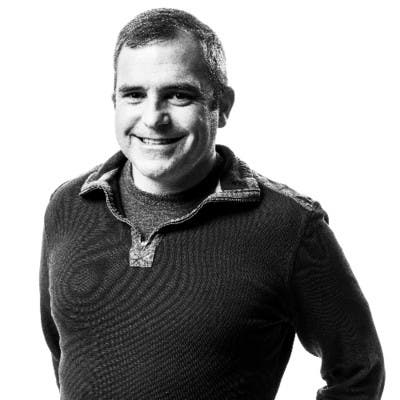
'AI is accelerating at an incredible pace, and the impact of Claude Code in the last 6 months, and particularly the last two months, just shows the power of what is possible,' says Anthropic's new head of infrastructure, Eric Boyd. Claude maker Anthropic has brought on Microsoft's former artificial intelligence platform president as its new head of infrastructure as the AI upstart continues to invest in its nascent partner program to grow its business customer base and as it rocks different verticals in the technology industry with product advancements in cybersecurity and enterprise software. Eric Boyd (pictured) revealed that he now has "a front row seat to the explosion of LLMs" after about 17 years with Microsoft, he posted on his LinkedIn account Tuesday. "The team at Anthropic is truly special," Boyd said on his LinkedIn account Tuesday. "The combination of the absolute leading models with a culture that is committed to their mission is inspiring and I can't wait to lean in to help. AI is accelerating at an incredible pace, and the impact of Claude Code in the last 6 months, and particularly the last two months, just shows the power of what is possible. Bringing Powerful AI to the world in a way that brings the benefits to everyone will be so important, and I can't think of a better place to make this happen." [RELATED: 5 Things To Know On Anthropic's Claude Mythos And 'Project Glasswing'] CRN has reached out to Anthropic and Microsoft for comment. Rahul Patil, Anthropic's chief technology officer, said in a LinkedIn post Tuesday that Boyd will leverage his experience around foundation model core infrastructure and focus "on building and scaling the infrastructure Anthropic needs to continue advancing research and product development at the frontier." "His experience leading infrastructure at enterprise scale will help ensure we can meet record demand from customers around the world," Patil said. Boyd arrives at Anthropic as the San Francisco-based Claude maker looks to the channel more to help it grow as a business application. In March, the company announced a $100 million investment in its Claude Partner Network and new certification program as it builds out partner organization of powerhouse channel executives, some from more traditional enterprise software vendors. Its channel efforts could already be having results. On Monday, Anthropic disclosed that its run-rate revenue has surpassed $30 billion, up from about $9 billion at the end of 2025. The vendor now has 1,000-plus business customers each spending over $1 million on an annualized basis, more than doubling the 500 business customers it had in February. The company has also rocked public markets by making technology investors concerned about the future of software-as-a-service, cybersecurity and other tech verticals as Anthropic, its rival ChatGPT creator OpenAI and other AI upstarts quickly innovate and grow. Anthropic has also been in a widely reported on spat with the U.S. federal government over use of its AI models. Boyd joined Microsoft in 2009 and led the Bing advertising business development team, building the applications, large-scale serving systems and big-data analytics systems powering the paid search ads for Microsoft's search engine, according to Boyd's LinkedIn. In 2018, Microsoft CEO Satya Nadella promoted Boyd to lead the Azure AI team. In that role, he watched large language models emerge and worked on Microsoft Foundry and the Azure OpenAI Service to foster adoption of the technology. Boyd's team also worked on Foundry IQ, the toolset for bringing data into agentic experiences. "Riding that wave over the past three years has been extraordinary, and something I'll never stop being grateful for," Boyd said in a post announcing his departure from the Redmond, Wash.-based tech giant. Before joining Microsoft, Boyd spent about nine years at Yahoo, leaving in 2008 as vice president of platform engineering, according to his LinkedIn account. Other recent infrastructure hires of interest to the channel include one of Nvidia's global AI leaders, Matthew Hull, leaving the AI chip giant to head Google's AI infrastructure go-to-market.
Latest Anthropic AI model finds cracks in software defenses
As artificial intelligence models grow increasingly adept at coding, concerns have grown hackers will put them to work for cyber crime Anthropic on Tuesday said its yet-to-be-released artificial intelligence model called Claude Mythos has proven keenly adept at exposing software weaknesses. Mythos has laid bare thousands of vulnerabilities in commonly used applications for which no patch or fix exists, prompting the San Francisco-based AI startup to form an alliance with cybersecurity specialists to bolster defenses against hacking. "We have a new model that we're explicitly not releasing to the public," Mike Krieger of Anthropic Labs said at a HumanX AI conference in San Francisco. Instead, Anthropic is letting cybersecurity specialists and engineers in the open-source community work with Mythos to use the model as a defensive weapon "sort of arming them ahead of time," Krieger explained. Leaps in AI model capabilities have come with concerns about hackers using such tools for figuring out passwords or cracking encryption meant to keep data safe. The oldest of the vulnerabilities uncovered by Mythos dates back 27 years, and none were ostensibly noticed by their makers before being pinpointed by the AI model, according to Anthropic. Mythos is the latest generation of Anthropic's Claude family of AI, and a recent leak of some of its code prompted the startup to release a blog post warning it posed unprecedented cybersecurity risks. "AI models have reached a level of coding capability where they can surpass all but the most skilled humans at finding and exploiting software vulnerabilities," Anthropic said in a blog post. "The fallout -- for economies, public safety, and national security -- could be severe." Software vulnerabilities exposed by Mythos were often subtle and difficult to detect without AI, according to Anthropic. As an example, it said Mythos found a previously unnoticed flaw in video software that had been tested more than 5 million times by its creators. As a precaution, Anthropic has shared a version of Mythos with cybersecurity companies CrowdStrike and Palo Alto Networks, as well as with Amazon, Apple and Microsoft in a project it dubbed "Glasswing." Networking giants Cisco and Broadcom are taking part in the project, along with the Linux Foundation that promotes the free, open-source Linux computer operating system. "This work is too important and too urgent to do alone," Cisco chief security and trust officer Anthony Grieco said in a joint release about Glasswing. "AI capabilities have crossed a threshold that fundamentally changes the urgency required to protect critical infrastructure from cyber threats, and there is no going back." Approximately 40 organizations involved in the design, maintenance or operation of computer systems are said to have joined Glasswing. Project partners are to share their Mythos findings, according to Anthropic, which is providing about $100 million worth of computing resources for the mission. Early work with AI models has shown they can help find and fix software and hardware vulnerabilities at a pace and scale not previously possible, according to Grieco. "The window between a vulnerability being discovered and being exploited by an adversary has collapsed -- what once took months now happens in minutes with AI," said Crowdstrik chief technology officer Elia Zaitsev. "Claude Mythos Preview demonstrates what is now possible for defenders at scale, and adversaries will inevitably look to exploit the same capabilities." Anthropic said it has had discussions with the US government regarding Mythos despite a decree by the White House in February to terminate all contracts with the startup. That directive was put on hold by a federal court judge while a legal challenge by Anthropic works its way through the courts.
I'm A Celeb in chaos as huge storm hits camp and star threatens to QUIT show
I'M A Celebrity has been left in chaos as a huge storm hit camp, with one star threatening to quit the show and fly home. The show only started last night on ITV1 but the drama is already at an all-time high. In tonight's episode, thunder and lightning hit the Kruger National Park whilst Beverley shivered on a bed made of sticks. Both camps dealt with terrible conditions as their belongings flew from one side to another. As her makeshift bed shook, she expressed: "What the heck? I thought this was South Africa. Waking up in the morning, she admitted: "I'm going home. This is just not what I expected." The Coronation Street icon was exiled to Savannah Scrub during last night's instalment, along with Adam Thomas and Seann Walsh. Earlier on in the episode, Seann and Adam discussed how Beverley ended up at the basic camp. Comedian Seann asked: "How did Beverley end up here?" Waterloo Road star Adam responded: "Well, there was another trial with David Haye and Scarlett Moffatt. "It was up to Mo Farah and Ashley and David Haye to decide who they wanted to send to here." In shock, Seann said: "They sent Beverley? What! Who made that call?" Beverley walked over and uttered: "Uh, David Haye." As Adam and Seann burst into laughter, Sean added: "That guy does not give a s**t." Beverley then recalled: "He said, 'well, I know Scarlett but Beverley is yet to prove herself," before adding: "He's gonna get it." Tonight's instalment also saw the return of Gemma Collins and Craig Charles as they took on the very first eating trial of the series. Both stars previously featured on series 14 back in 2014, with Gemma quitting two days in and Craig having to leave after his brother died. The pair were playing for each side, with main champ choosing Craig, while Savannah Scrub were left with Gemma. Both Craig and Gemma appeared to be doing well, with Craig on 12 points and Gemma on 10. As they chowed down on their final pieces of grub, the episode ended on a cliffhanger. Viewers will have to tune into tomorrow night's episode to see who will be victorious.

SpaceX rocket launch from Cape Canaveral to deliver cargo to ISS Friday
Updated with the SpaceX launch from Cape Canaveral being postponed until Friday, April 10. As Artemis II cruises on its journey home, SpaceX has plans to launch a rocket from Cape Canaveral -- sending a delivery to the astronauts on the International Space Station. While rain moves through the area, the Falcon 9 rocket launch is now set for 8:03 a.m. Friday, April 10, from Launch Complex 40 at Cape Canaveral Space Force Station. The mission, known as NG-24, is a SpaceX Falcon 9 rocket sending a Northrop Grumman Cygnus XL cargo spacecraft to the International Space Station. Due to the mission targeting the orbiting space station, the launch must occur on time. If needed, SpaceX has a backup opportunity at 7:41 a.m. Saturday, April 11. The Cygnus XL spacecraft will be packed with 11,000 pounds of supplies and science for the astronauts currently onboard the station. The full name of the mission is NASA's Northrop Grumman Commercial Resupply Services 24, or Northrop Grumman CRS-24. The companies are both contracted under the NASA Commercial Resupply Services. Northrop Grumman named the spacecraft after NASA astronaut Steven R. Nagel, who completed four shuttle missions and spent more than 720 hours in space. A Brevard County sonic boom will follow the liftoff, as the rocket's booster will return to Landing Zone 40, which is located near the launch site. This is only the second time SpaceX is utilizing this new landing site, having moved operations from the former Landing Zones 1 and 2 further south in Cape Canaveral Space Force Station. It was the Feb. 13 SpaceX NASA Crew-12 mission which saw the first booster landing at the location -- a sight that wowed spectators as the booster landed right near where it had launched. The FLORIDA TODAY Space Team will provide live updates beginning 90 minutes before liftoff at FloridaToday.com/Space. Brooke Edwards is a Space Reporter for Florida Today. Contact her at [email protected] or on X: @brookeofstars.

Latest Anthropic AI model finds cracks in software defenses
As artificial intelligence models grow increasingly adept at coding, concerns have grown hackers will put them to work for cyber crime Anthropic on Tuesday said its yet-to-be-released artificial intelligence model called Claude Mythos has proven keenly adept at exposing software weaknesses. Mythos has laid bare thousands of vulnerabilities in commonly used applications for which no patch or fix exists, prompting the San Francisco-based AI startup to form an alliance with cybersecurity specialists to bolster defenses against hacking. "We have a new model that we're explicitly not releasing to the public," Mike Krieger of Anthropic Labs said at a HumanX AI conference in San Francisco. Instead, Anthropic is letting cybersecurity specialists and engineers in the open-source community work with Mythos to use the model as a defensive weapon "sort of arming them ahead of time," Krieger explained. Leaps in AI model capabilities have come with concerns about hackers using such tools for figuring out passwords or cracking encryption meant to keep data safe. The oldest of the vulnerabilities uncovered by Mythos dates back 27 years, and none were ostensibly noticed by their makers before being pinpointed by the AI model, according to Anthropic. Mythos is the latest generation of Anthropic's Claude family of AI, and a recent leak of some of its code prompted the startup to release a blog post warning it posed unprecedented cybersecurity risks. "AI models have reached a level of coding capability where they can surpass all but the most skilled humans at finding and exploiting software vulnerabilities," Anthropic said in a blog post. "The fallout -- for economies, public safety, and national security -- could be severe." Software vulnerabilities exposed by Mythos were often subtle and difficult to detect without AI, according to Anthropic. As an example, it said Mythos found a previously unnoticed flaw in video software that had been tested more than 5 million times by its creators. - Project Glasswing - As a precaution, Anthropic has shared a version of Mythos with cybersecurity companies CrowdStrike and Palo Alto Networks, as well as with Amazon, Apple and Microsoft in a project it dubbed "Glasswing." Networking giants Cisco and Broadcom are taking part in the project, along with the Linux Foundation that promotes the free, open-source Linux computer operating system. "This work is too important and too urgent to do alone," Cisco chief security and trust officer Anthony Grieco said in a joint release about Glasswing. "AI capabilities have crossed a threshold that fundamentally changes the urgency required to protect critical infrastructure from cyber threats, and there is no going back." Approximately 40 organizations involved in the design, maintenance or operation of computer systems are said to have joined Glasswing. Project partners are to share their Mythos findings, according to Anthropic, which is providing about $100 million worth of computing resources for the mission. Early work with AI models has shown they can help find and fix software and hardware vulnerabilities at a pace and scale not previously possible, according to Grieco. "The window between a vulnerability being discovered and being exploited by an adversary has collapsed -- what once took months now happens in minutes with AI," said Crowdstrik chief technology officer Elia Zaitsev. "Claude Mythos Preview demonstrates what is now possible for defenders at scale, and adversaries will inevitably look to exploit the same capabilities." Anthropic said it has had discussions with the US government regarding Mythos despite a decree by the White House in February to terminate all contracts with the startup. That directive was put on hold by a federal court judge while a legal challenge by Anthropic works its way through the courts.

Anthropic warns new AI model could accelerate cyberattacks, refuses release | investingLive
Anthropic warns its latest AI model could supercharge cyberattacks, refuses to release 'Claude Mythos'. Rushing to arm defenders first. Summary: Anthropic is moving cautiously with its latest artificial intelligence model, warning that its capabilities could significantly accelerate cyberattacks if widely released, even as it rolls out the technology to major corporations in a controlled effort to strengthen global cyber defenses. The model, known as "Claude Mythos Preview," is being made available to a select group of leading firms; including Amazon, Apple, Microsoft and JPMorgan Chase, as well as cybersecurity specialists and infrastructure providers. The aim is to identify vulnerabilities in widely used systems before malicious actors can exploit them. Anthropic has deliberately held back from a public release, citing concerns that the model's offensive capabilities could be misused by hackers or state actors. Internally and among policymakers, there is growing unease that tools like Mythos represent a step-change in cyber risk, enabling attacks to be executed at speeds and scales far beyond traditional human limitations. Experts say AI-driven agents could autonomously scan for weaknesses across vast systems and exploit them continuously, effectively compressing what once took teams of hackers days or weeks into minutes. That dynamic raises the prospect of a widening imbalance, where defensive capabilities struggle to keep pace with rapidly evolving offensive tools. Anthropic has already briefed senior US government officials on the model's capabilities, underscoring the national security implications. The company is also supporting official testing, highlighting the degree to which advanced AI is now being treated as both a commercial technology and a strategic asset. Early indications suggest the model is highly effective. Anthropic claims Mythos has identified thousands of previously unknown software vulnerabilities in recent weeks -- far exceeding the rate of traditional human-led discovery. While those figures remain unverified, they point to the scale at which AI could reshape the cybersecurity landscape. The core risk lies in accessibility. While Anthropic is attempting to get ahead of potential threats by arming defenders first, the broader trajectory is clear: increasingly powerful AI systems are likely to become more widely available over time. If that occurs without adequate safeguards, the gap between attackers and defenders could widen materially, raising the probability of more frequent, faster, and potentially more severe cyber incidents. For now, the controlled rollout reflects a race against time -- strengthening digital defenses before the same capabilities inevitably proliferate more broadly.