News & Updates
The latest news and updates from companies in the WLTH portfolio.
Smuggled drugs fuel chaos inside Ohio prisons
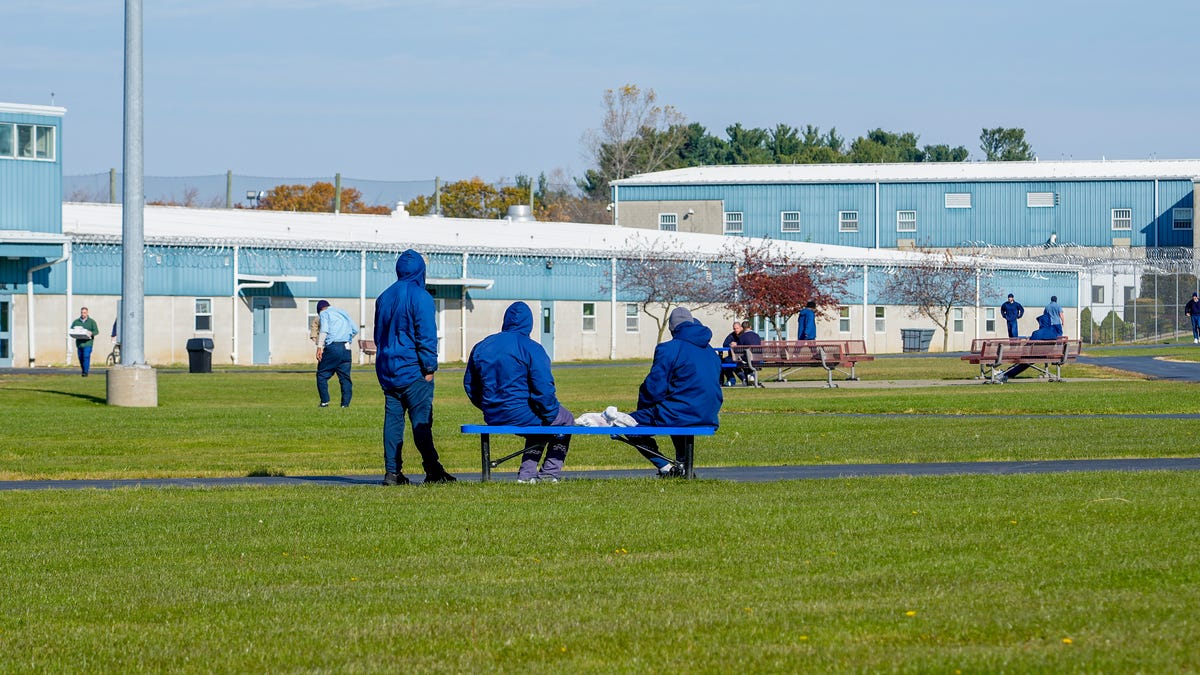
Addictive drugs soaked in confetti-sized hits are being smuggled in, tossed over fences and dropped in by drones. Why can't prison officials stop it? * Drug-soaked paper, known as K2, is now the most common drug found in Ohio prisons. * Fatal overdoses from K2 are rising, but the state likely undercounts them due to detection difficulties. * Despite millions spent on security, drugs are smuggled in by staff, visitors, and drones. * Staff and contractors suspected of smuggling often resign without facing criminal charges. Jayson Murphy lit the speck of paper and inhaled, holding the smoke in his lungs as long as he could. His cellmate, John Jenkins, purchased the drug-soaked paper from another incarcerated man at Lebanon Correctional Institution, a state prison notorious for substance abuse and violence. The drug was their escape from the cockroaches, the bad food, the brutality of their life in prison. The friends laughed themselves to sleep in their bunks that October evening in 2024. The next morning, Jenkins set his dirty laundry outside the cell and tapped Murphy's leg. But Murphy, 50, didn't move. "Oh man, my cellie is dead," Jenkins recalled telling a corrections officer. A crime lab detected potent synthetic drugs, that incarcerated users call K2, in the partially burnt paper found near Murphy's body. Authorities closed their criminal investigation the moment the coroner ruled the death an overdose, abandoning any effort to determine how the drug entered the prison. "I feel like they think, 'OK, he made a choice to get high. So that's that,' you know, instead of looking deeper into the root of the issues," said Amber Hall, Murphy's sister. "How are these things happening? Why are they happening more often? Why is this normal?" Drug-soaked paper, sold in confetti-sized hits, is now the most commonly found drug in Ohio prisons, fueling violence and accounting for more deaths than any other substance, according to a yearlong investigation by The Marshall Project - Cleveland, Columbus Dispatch, Cincinnati Enquirer, Akron Beacon Journal and Canton Repository. The highly addictive drug is smuggled in by staff and visitors, tossed over fences and dropped in by drones. Wide-ranging and unpredictable side effects include vomiting, twitching, convulsing, aggression and psychosis. Jenkins said nearly all 150 men in his cellblock smoke paper. He described a scene from "The Walking Dead" -- men passing out or shuffling around, grunting with burn holes in their clothes. Reporters reviewed hundreds of autopsy, police and court records, hours of prison surveillance footage and data on more than 56,000 drug seizures inside Ohio prisons since 2020. They interviewed prison employees, incarcerated people, families, prosecutors, coroners, forensic scientists, lawmakers, inspectors and smugglers. The investigation found tens of millions of tax dollars spent on tighter security, including taller perimeter fences, anti-drone technology and the electronic delivery of mail. Yet an unknown number of employees and contractors continue to sneak significant amounts of drugs through the front entrance with little consequence. Workers suspected of smuggling often resigned without facing charges, records showed. Murphy was among at least 13 people incarcerated in Ohio who fatally overdosed on K2 in 2024, up from just three the year before, according to available autopsy and toxicology reports. Coroners say they are struggling to identify K2 and other chemicals that evade detection in standard toxicology tests, causing state prison officials to undercount fatal overdoses, the news outlets found after reviewing dozens of death investigations. "At the end of the day, they're still someone's dad, brother, son," said Hall. "And they have people that care about them." Corrections officers are doling out an unprecedented level of discipline. From 2020 to 2024, records show that rule violations for drug use and possession doubled from 10,308 to 20,799, despite only a 6% uptick in the state prison population. Prison officials attribute the spike to new drug detection methods. Nearly half of all drugs found in Ohio prisons are suspected to be K2 paper or other synthetic drugs, state records show. "There is an infestation of narcotics in prisons all over Ohio," said Chris Mabe, president of the union that represents state prison workers. The suspected drugs officers find are rarely tested due to cost and potential exposure. It's impractical to investigate every case, a state official said. Nonetheless, the contraband found is used to discipline incarcerated people. Drug-soaked paper is the most troubling development within state prisons in 30 years, said Annette Chambers-Smith, director of the Ohio Department of Rehabilitation and Correction, who is stepping down to take a job in the governor's office. When it's not available, desperation and untreated addiction drive incarcerated people to wipe up floor wax and bug spray with toilet paper, and then smoke it. People will even smoke dead cockroaches soaked in insecticide, Chambers-Smith said. In some prisons, the floors aren't waxed anymore. "It's crazy," Chambers-Smith said. "Who else is going to smoke wax? I don't notice that happening out in the community." Smoking paper is a uniquely prison thing. The common chemicals and synthetic compounds are hard to detect. The paper is easy to smuggle and hide. Smugglers can make up to $5,000 for each delivery, which can vary in size and often includes other types of drugs. People who unbundle and sell the packages inside prison walls make even more. One man incarcerated at Ross Correctional Institution bragged on a text-messaging system used to communicate with people on the outside that he could make $12,000 in two or three days, according to messages obtained by the highway patrol. His collaborators could make a half-million dollars in two or three years. "It's a gold mine here," he texted. "F--- THE LAW," the man wrote in another message, declaring open season for drug dealing in Ohio prisons. "I GOT 28 TO LIFE. IM NEVEGONE STOP HUSTLIN TILL I GET HOME OR THEY KILL ME." Synthetic cannabinoids flood Ohio prisons Even before drug-soaked paper began to overrun facilities in 2018, addiction and drug use were devastating Ohio prisons. Chambers-Smith said more than 80% of incarcerated people have a history of substance abuse. Corrections officers significantly increased the use of Narcan in 2024 to counter suspected opioid overdoses. But there is no antidote for widely circulating synthetic cannabinoids, which killed more people in Ohio prisons than fentanyl that year, autopsy records show. These mind-altering substances appeared on the shelves of U.S. head shops about 20 years ago. The drug was sold as incense or potpourri -- often in colorful packaging with names like Spice or K2 and with often-ignored warning labels that said, "not for human consumption." Public health departments and poison control centers fielded emergency calls and sounded alarms. By 2011, federal regulators and lawmakers in states including Ohio started banning the drug. These drugs are primarily manufactured overseas. In 2019, the Chinese government outlawed synthetic cannabinoids. But clandestine labs continued to produce the ingredients as manufacturing shifted to the U.S., said Derek Maltz, who led the Drug Enforcement Administration in 2025. Synthetic cannabinoids are seemingly tailored for prisons. The drug is soaked into paper, sometimes disguised as court documents, magazines and books. It enters prisons in full sheets or tiny pieces, often packaged in balloons that can be swallowed. The product is ultimately sold in hits that users smoke or ingest. "I've never seen anything like it," said Tim Wade, who has served time in six prisons in the past decade. "It's different. People are getting rich off it. You can't stop it because you can't detect it. There's no test for it." When Wade first smoked K2, also called tune, he was told he threw his commissary box at his cellmate while barking like a dog. "You mess with someone on tune," Wade said, "you're liable to get attacked." He said he eventually quit, but it wasn't easy. Inside Ohio prisons, multiple eyewitnesses described people smearing feces on walls, constantly talking to themselves, and refusing to shower or eat after prolonged use. Some are "like that permanently now," Wade said. "They ain't coming out of it." Jenkins, 36, remains incarcerated at Lebanon Correctional Institution. He continued to smoke paper after reporting the death of his cellmate, Murphy. "That tune is the devil. It turns you into something that you really ain't," he said. The last time he used the drug, he said it felt like his heart was going to explode -- a scare that finally got him to kick the habit. One morning in February 2023, Steven Grant found his cellmate, Willis Crutcher, still slumped over in a chair from the night before. He was dead, his skin cold and tight. A toxicology test found methamphetamine, fentanyl and K2 in Crutcher's system. Packing up his belongings fell on Grant, who called Crutcher's mother to share details of her son's death. "That was probably the worst part," Grant, 48, said, "talking to her on the phone because she didn't know that he even smoked the tune, you know what I mean? And I hated to be the one to tell her that." Incarcerated people, workers and independent inspectors said some K2 users will visit the prison infirmary in the morning until the effects wear off and be back at it that evening. "We got inmates that go to prison who were straight arrows and clean. And when they leave prison, they're addicts," said Ohio Rep. Mark Johnson, a Chillicothe Republican, who has two state prisons in his district. "There is something wrong with this puzzle." A game of Whac-A-Mole Prisons are struggling to stem the flow of drugs across the country and in Ohio, where officials in recent years have spent tens of millions of tax dollars on tighter security and new strategies. "It's like Whac-A-Mole," state prison director Chambers-Smith said of the multi-front war on prison drugs. "[W]hen you shut down one lane, another one tries to open up." Along with higher fencing and drone detection systems, Chambers-Smith wants more than 14 drug-sniffing dogs, which take time to train, to cover 28 prisons. In the meantime, prison investigators have deployed mobile units that detect unauthorized cellphone signals and airport-style body scanners that check incarcerated people as they return from visits or outside work. The scanners use low-dose X-ray imaging. "A person can be scanned 1,000 times and be under the amount of radiation someone can be exposed to in a year," state prison officials said in a September press release. But they're not used on staff despite more than 180 state prison employees and private vendors suspected of smuggling drugs or contraband since 2020. Some of them admitted to smuggling for weeks or months before getting caught at the main entrance with drugs tucked into their underwear, according to investigative files. The most significant change is how Ohio prisoners receive their mail. Mailrooms had become a primary entry point for drug-soaked paper. In 2021, staff at each prison began scanning and photocopying thousands of letters each month. By 2023, the department opened a center in Youngstown to streamline the process. Now, the 158,000 letters sent to Ohio prisons each year are scanned. Incarcerated people receive them digitally on state-issued tablets, which are also used for emails, phone calls and video visits. Monitoring all that communication, including 60 million annual phone calls lasting 833 million minutes, is a monumental job. In 2025, the department began piloting artificial intelligence at 10 prisons to help investigators search for keywords and follow up on tips. Lawmakers allocated $1 million to expand the program in 2026. But incarcerated dealers and their collaborators often speak in code to keep a step ahead of investigators. And last year, prison investigators said they found at least 1,000 illegal cellphones. Mobile units can detect illegal phones, allowing officials to see phone numbers but not hear the conversations. State prisons are under constant watch by thousands of cameras and employees. Yet drone operators continue to drop drugs into prison yards, even where netting has been installed. People chuck packets over fences or shoot them out of potato cannons -- homemade launchers. Visitors conceal drugs in their bags, bodies or clothing, even under press-on fingernails. Sometimes they're caught, but often the smugglers get away with it. "You can get a whole lot of Suboxone strips in the palm of your hand, worth thousands upon thousands of dollars. Same with the K2 -- it's so small and easily carried. It's really pretty simple math," said one man, who has been incarcerated for nearly two decades and asked not to be named because of safety concerns. Suboxone, which is abused by some incarcerated users, is prescribed for opioid addiction. Drug testing is difficult, costly Of the 176 deaths recorded in Ohio prisons in 2024, officials only linked 10 to fatal overdoses. But toxicology and autopsy reports show that drug use likely caused or contributed to at least 20 deaths: 13 from K2, five from amphetamines like meth, and one each from fentanyl or alcohol. And that's probably an undercount since standard testing isn't designed to detect many chemicals in drug-soaked paper, and additional testing can be costly. Unable to confirm suspected overdoses, coroners often list an undetermined cause of death or point to a chronic disease in a person's medical history. Some coroners go further than others to get answers. In November 2024, Eric Thompson, 33, died while sitting on the bunk in his single cell at Lorain Correctional Institution. Jaleel McCray, 36, died a month later in the middle of a phone call. Lorain County Coroner Frank P. Miller III found nothing of note in their medical histories. He sent each man's blood and urine to a forensic toxicology lab in Indianapolis for the standard $300 screening, plus $200 for synthetic cannabinoid testing. No hits. Undeterred, Miller applied for free testing at the nonprofit Center for Forensic Science Research & Education near Philadelphia, a cutting-edge operation with the latest instruments and a library of known substances. Both men had, in fact, died of the same synthetic cannabinoid, the center found. "It really was invaluable to us that they were able to screen our material and find that," said Miller. Warren County Coroner Russell Uptegrove, who examines bodies from two state prisons, increasingly has had to send samples to specialty labs. "I've heard about people trying to spray things with ant killer or some sort of pesticide or some sort of chemicals," said Uptegrove. "But, again, unless you know specifically what kind of chemical, that's not going to show up on routine toxicology testing." Jessica Toms manages the drug chemistry section at the Ohio Bureau of Criminal Investigation, which has grown from six chemists to three dozen in her 20-year career. Originally, lab testing revealed more common drugs like cocaine and meth, she said. "And now just the volume of designer drugs has exploded." Toms and her team are often telling crime labs in other states when they find something new. "Unfortunately, Ohio is at the forefront of some of these new substances. So, we're seeing some of these things first, and then telling the DEA, 'This is what we've seen. You should be aware of this,'" she said. The smuggling economy: 'A hell of a temptation' A concentration of users and dealers drives demand behind bars, making prisons fertile ground for the lucrative drug market. "Who would want to stop that?" said Grant, who has been incarcerated for more than three decades. "I mean, you're already in prison. You got less risk. What are they gonna do, ride you to another prison where you're going to do the same thing?" Workers can make a month's salary for smuggling just once. "That's a hell of a temptation, don't you think?" Grant said. "It takes a lot of morals and self decency to say, 'yeah, I'm cool on that.'" Grant's solution? Punish everyone who smuggles, sells and uses drugs in prison. "That's the only way things are really going to change. You have to have consequences. There are none." For many, the reward outweighed the risk. Travis Fletcher worked for Aramark at Mansfield Correctional Institution in early 2021 when an incarcerated kitchen worker serving time for drug trafficking offered him $2,500 to smuggle in "some little things." Struggling to pay his bills, Fletcher drove to Akron to pick up pre-packaged Suboxone strips and a box of court papers soaked in K2. "I can promise u 100,000 cash by christmas," the incarcerated kitchen worker texted, three days before Fletcher got busted. Generally, smugglers are paid by dealers via online money apps, such as Cash App, Venmo or Apple Pay. Instead of getting paid, Fletcher pleaded guilty and was given four years of probation. In some instances, employees conspire with each other to bring in contraband. At the start of their shifts, corrections officers walk through metal detectors. Another officer working the front desk checks their bags and might run a hand wand over their coworker's body. It's like going through airport security, but you might be on a first-name basis with the agent checking you. Corrections Officer Brenda Dixson worked the front entry desk at Northeast Ohio Correctional Center and would allow registered nurse Jodi Johnson to pass through with drugs and other contraband, according to federal court records. The two women pleaded not guilty and are awaiting trial on drug trafficking charges. Acting on an internal tip, prison investigator Scott Nagy worked with a federal drug task force to catch the two on Oct. 18, 2025. The prison is owned and operated by CoreCivic, a publicly traded, for-profit company. It declined a request for records that would shed light on the case. In a 2025 hearing on a prison security bill, lawmakers asked William R. Cokonougher, a sergeant at Ross Correctional Institution, what prison reform is needed most. "It's going to be drug interdiction, 100%," Cokonougher said, without hesitation. "We need to put more measures in place to combat these drugs. Like I said, it's killing inmates. It's causing staff to OD." Mark Johnson, the state representative, said he believes that the government -- not private contractors -- should handle all functions inside high-security prisons, including food service. Ohio started contracting with Aramark for food service in 2013 under Gov. John Kasich to save money. "We have people who are from behind the walls of prison getting their friends to apply for work here," Johnson said. "They know all the signs and everything when they get there. They're not really going to work to serve food. They're going in there to serve drugs up." An Aramark spokesperson did not respond to detailed questions. State prison officials have banned more than 200 Aramark employees from prison property since 2020 for suspected smuggling or inappropriate relationships, which often go hand in hand. Like former staff put on a do-not-rehire list, they rarely face criminal charges. And as soon as one of them gets removed from the job, incarcerated people are busy finding replacements. "I need somebody to come out here and work in this prison for Aramark," an incarcerated dealer wrote on a monitored messaging system in May 2024, just two days after his Aramark contact got busted. "Can you knock a white girl for us in Chillicothe Ohio, a smart one. To bring me drugs in the kitchen where I work." Few answers for families Katherine Dixon, 24, holds a heart-shaped pendant etched with "always in my heart." Inside is a portion of her father's cremated remains. When she gets married in October, Dixon plans to wear the pendant and leave a front-row seat open for her dad, Aaron Dixon. "I always imagined my dad walking me down the aisle," she said. In August 2024, Aaron called Katherine, the oldest of his seven children, from inside Chillicothe Correctional Institution. They made plans to attend her little sister's high school graduation together -- if he managed to get out in time. "He said, 'I love you,' and that he'd call me the next day," Katherine Dixon said. That night, an officer asked Aaron Dixon's cellmate if his bunkie was OK. He hopped off the top bunk to find Dixon slumped forward, blue and cold. The autopsy said Aaron Dixon suffered from heart disease and died of a synthetic cannabinoid overdose. Patrol investigators found a wire and a burnt electrical outlet in the cell -- a telltale sign of smoking drugs. As the listed next of kin, Katherine Dixon got the call from the prison about his death. In the weeks that followed, she said she placed multiple calls to the coroner, which yielded little information about exactly what happened. Prison officials told her that he suffered a heart attack. She learned the true cause months later when a reporter called and shared the autopsy and toxicology reports with her. "Wait, did you say that he overdosed?" Katherine Dixon said on the phone. She and her sister Hannah sobbed when they finally reviewed the medical reports. A heart attack seemed easier to accept. "It feels different because passing away due to a drug overdose, it's something you don't want to hear about a family member. It just breaks you inside," Katherine Dixon said. Aaron Dixon, who was serving seven years for drug possession and burglary, started using drugs as a teenager. With a family history of addiction, he had little success controlling his cravings. He landed in jails, bar fights, homeless shelters, prisons and trouble. When her father got locked up, Katherine Dixon was hopeful that he would finally get clean. "I thought he was going to be safe in prison." This article was published in partnership with The Marshall Project, a nonprofit news organization covering the U.S. criminal justice system. Sign up for The Marshall Project's newsletters, and follow them on Instagram, TikTok, Reddit and Facebook.
Anthropic's Claude Draws in Record Number of Consumers | PYMNTS.com
That's according to a report Saturday (March 28) from TechCrunch, based on an examination of credit card transactions from about 28 million U.S. consumers, conducted for the publication by consumer transaction analysis company Indagari. The findings show Anthropic's Claude enjoying record numbers of paying subscribers, though the report noted there are some caveats. For one, the data doesn't include every consumer, meaning it can't measure Anthropic's total current or new user base. It also doesn't include Claude's all-important enterprise business or its free-tier users. Anthropic, the report added, has not disclosed its total consumer Claude users, and estimates have ranged from 18 million to 30 million. The company did say that paid subscriptions to Claude have more than doubled this year, TechCrunch said. What's noteworthy, the report argued, is that consumers began spending in record numbers between January and February. Indagari also found record levels of previous Claude users returning to the service in February. The report noted that the popularity of Claude coincided with Anthropic's Super Bowl ad, as well as with news coverage of the company's dispute with the Pentagon. That disagreement centered around the military's use of Claude for autonomous weapons and domestic surveillance. The Pentagon labeled Anthropic a supply chain risk, leading the company to take the government to court. In other Anthropic news, PYMNTS wrote last week about the company's recent promotion doubling usage limits during off-peak hours amid heavier demand. "AI usage limits are essentially spending caps on computing power. Every message a user sends, and every response a system generates, consumes a measurable amount of processing resources. "When a user reaches the ceiling, the platform either cuts off access to its best models or stops responding altogether until the clock resets." AI companies, the report said, are "now managing consumer demand by rationing, and temporary expansions have become a tool for softening that reality." Meanwhile, last week saw a report that Anthropic executives are considering taking the company public as early as the fourth quarter. According to a report from The Information, some bankers expect the startup to raise more than $60 billion in its initial public offering. Anthropic was valued at $380 billion in a Series G funding round announced last month, in which it raised $30 billion.

Kraken earns multiple Australian crypto award wins in 2026
We took top honors across two major Australian award programs (WeMoney Cryptocurrency Awards and Finder's Product Awards) reinforcing our position as a leading crypto platform for investors. In a standout year, we were named 'Overall Crypto Trading Platform of the Year' by Finder, one of Australia's most trusted financial comparison platforms. This marks the third consecutive year of recognition from Finder, underlining our consistency in delivering value, performance, and reliability for Australian investors. Finder's Product Awards are driven by a comprehensive evaluation process, analysing platforms across a wide range of factors, from fees to features to user experience and security protocols. Our continued success reflects the strength of our holistic offering: deep liquidity, a broad asset selection, advanced trading tools and commitment to delivering a high-quality client experience. WeMoney's awards combine expert analysis with real user insights from a community of more than 1.4 million Australian investors, making these wins a powerful reflection of our performance for everyday clients. Together, these recognitions highlight our ongoing commitment to building a platform that serves both new and experienced investors. From industry-leading security to powerful trading functionality and intuitive design, we continue to raise the bar for what clients should expect from a multi-asset investing platform. "The awards are a clear signal that the bar for crypto platforms is rising, and we are committed to leading that charge for Australian investors," said Jonathon Miller, Kraken General Manager for Australia and Rest of World. "As we build for the future of financial services in Australia, our focus is simple: move faster, innovate relentlessly, and deliver a platform our clients can trust at every step of their investing journey." These materials are for general information purposes only and are not investment advice or a recommendation or solicitation to buy, sell, stake or hold any cryptoasset or to engage in any specific trading strategy. Kraken does not and will not work to increase or decrease the price of any particular cryptoasset it makes available. Some crypto products and markets are regulated and others are unregulated; regardless, Kraken may or may not be required to be registered or otherwise authorised to provide specific products and services in each market, and you may not be protected by government compensation and/or regulatory protection schemes. The unpredictable nature of the cryptoasset markets can lead to loss of funds. Tax may be payable on any return and/or on any increase in the value of your cryptoassets and you should seek independent advice on your taxation position. Geographic restrictions may apply. See Legal Disclosures for each jurisdiction here.

Bangladesh Faces Devastating Travel Chaos After Eid: Overcrowded Trains, Fuel Shortage, and Delays Disrupt Tourism Plans - All You Need To Know - Travel And Tour World
The long-awaited Eid holidays in Bangladesh have brought unexpected turmoil. Thousands of travelers returning home are facing severe difficulties. The usual rush has turned into a nightmare. Overcrowding, transport shortages, and fuel crises are causing massive delays and discomfort. The ripple effects on Bangladesh's tourism sector are becoming increasingly apparent. As travelers flocked back to their homes after the Eid break, Dhaka's main transit points were overwhelmed. Kamalapur Railway Station, the capital's busiest railway hub, was packed beyond capacity. Passengers described the experience as suffocating. Trains were so full that many travelers had no choice but to stand in cramped spaces. Worse still, some brave (or desperate) passengers were spotted climbing onto train rooftops. This dangerous practice, although illegal, was seen as the only option for some travelers struggling to get a seat. It is a shocking image: people on train rooftops, seeking to make their way home despite the severe risks. "It felt like we were treated as cattle, crammed into a train with no space to breathe," a frustrated traveler shared with the authorities. The Mohanagar Provati Express, one of the major trains operating at that time, was no exception. Despite purchasing tickets well in advance, passengers found themselves squeezed in with little to no room to move. The severe overcrowding issues raise critical questions about the country's transport infrastructure and crowd management systems, which appear to be woefully underprepared for the rush of holiday travelers. Compounding the transportation chaos is a nationwide fuel shortage. Buses, a major mode of transport for long-distance travel in Bangladesh, were not able to meet the demand. The shortage forced many travelers to rely heavily on trains, further straining the railway system. This fuel crisis resulted in more delays, as fewer buses were able to run along busy highways. "The buses were few and far between. With trains already overcrowded, it was a nightmare to find another way to get home," one passenger lamented. The shortage of buses combined with overcrowded trains created a perfect storm for Bangladesh's travel industry, pushing even more travelers onto already overburdened railway networks. For tourism, the fuel shortage has been a blow to travelers who depend on a smooth and predictable transportation system to reach their destinations. With fewer buses, long-distance tourists are finding it increasingly difficult to move around the country -- hurting local tourism-dependent businesses. The sheer number of travelers led to delays across the entire railway network. By 4 pm on Saturday, at least 32 trains were reported to have arrived in Dhaka late. This created a domino effect, pushing back train schedules and leaving passengers stranded for hours. At Kamalapur Railway Station, the delay created a ripple effect that caused frustration to both local and international tourists. Travelers were forced to wait for long periods in crowded, uncomfortable conditions. In some cases, the lack of sufficient seating made the wait unbearable, with many passengers sitting on the floor, using their bags as pillows. This scenario could have serious implications for the tourism industry in Bangladesh. Tourists planning to visit the capital's famous attractions like the Ahsan Manzil or Lalbagh Fort were forced to delay their plans, leading to disappointment. "The situation at the railway station was beyond belief. We couldn't get on the trains for hours," said an international tourist who had planned a quick sightseeing trip in Dhaka. It's not just local travelers facing disruption; international visitors are also feeling the impact of the delays, with many seeing their travel plans fall apart. Tourism is a major revenue stream for Bangladesh, with Dhaka being a key hub for international tourists. The transportation chaos is undoubtedly affecting the tourism experience. Travelers unable to reach their destinations on time may decide to cancel their trips or choose alternative countries to visit. Many of the travelers arriving at Kamalapur were on their way to tourist destinations like Cox's Bazar, Sundarbans, and Srimangal. But the delays are forcing them to reconsider their travel plans. Some have even chosen to cancel their visits to famous destinations in Bangladesh in favor of more reliable alternatives. This directly affects the revenue that local tourism businesses rely on, including hotels, local guides, and transport companies. While the situation remains chaotic, railway officials have assured the public that the high volume of travelers during the Eid period is not unusual. They also stressed that passengers have reached their destinations safely, despite the overcrowding and long delays. However, it's becoming increasingly clear that the country's transport infrastructure is simply not prepared for such high demand during peak periods. For the tourism industry, this should serve as a wake-up call about the need for better crowd management, improved transportation options, and a more reliable system to meet the growing demand of travelers. "Despite the challenges, the passengers made it home safely, and we are working to improve the system for future holidays," an official from Bangladesh Railway commented. As Bangladesh continues to struggle with transportation woes, the impact on tourism cannot be ignored. Tourists seeking to explore the country's cultural and natural beauty deserve a smoother, more reliable experience. The government must act swiftly to address these challenges and invest in infrastructure improvements that ensure Bangladesh remains an attractive and accessible destination for both locals and international tourists alike. For now, travel disruptions continue to affect both locals and tourists, leading to discomfort and frustration. As Eid celebrations draw to a close, authorities must make urgent efforts to resolve these issues. Only then can Bangladesh's tourism industry truly flourish without the threat of recurring travel chaos.

Watch SpaceX launch 119 payloads to orbit from California early on March 30
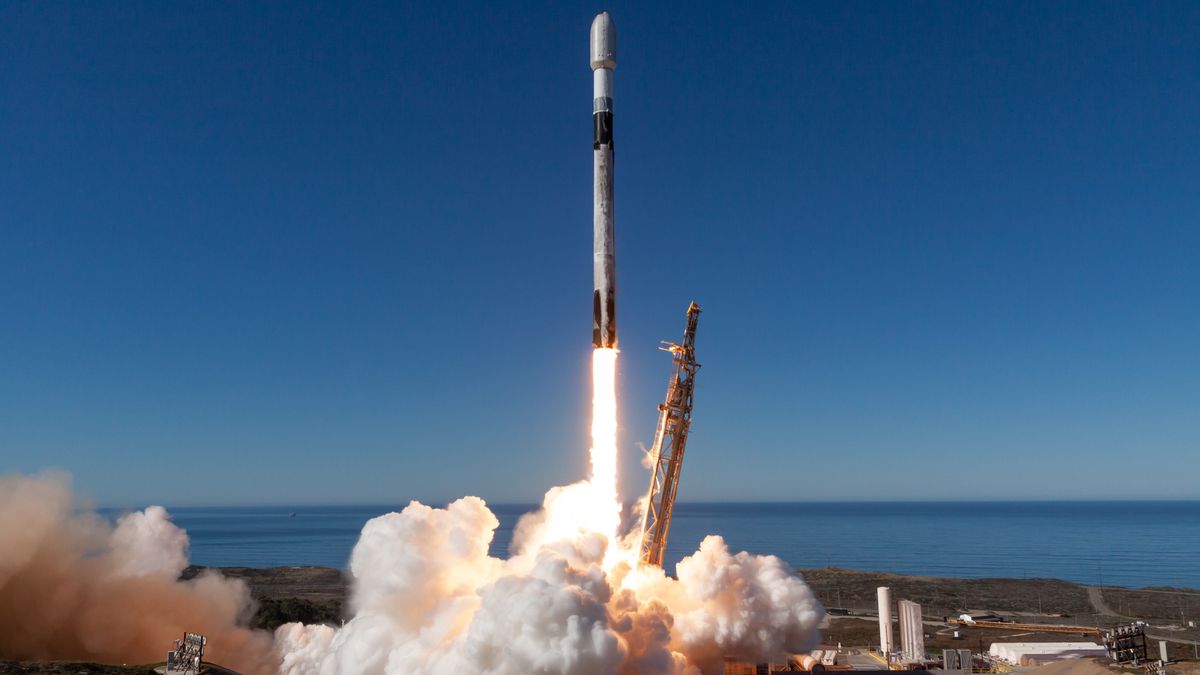
SpaceX will launch more than 100 satellites to orbit from California early Monday morning (March 30), and you can watch the action live. A Falcon 9 rocket is scheduled to lift off from Vandenberg Space Force Base in California on Monday during a 57-minute window that opens at 6:20 a.m. EDT (1020 GMT; 3:20 a.m. local California time). The launch will kick off SpaceX's Transporter-16 rideshare mission. You can watch it live via SpaceX, beginning about 15 minutes before liftoff. As its name suggests, Transporter-16 will be the 16th mission of SpaceX's Transporter rideshare series. The company also operates another rideshare program called Bandwagon, which has four launches under its belt so far. Together, these two programs have lofted a total of more than 1,600 payloads to orbit -- including 143 on Transporter-1 in January 2021, which still holds the single-launch record. Transporter-16 will loft 119 payloads, "including cubesats, microsats, hosted payloads, a reentry vehicle, and orbital transfer vehicles carrying eight of those payloads to be deployed at a later time," SpaceX wrote in a mission description. If all goes to plan on Monday morning, the Falcon 9's first stage will land about 8.5 minutes after launch on the SpaceX droneship "Of Course I Still Love You," which will be stationed in the Pacific Ocean. It will be the 12th launch and landing for this particular booster, according to the mission description. The rocket's upper stage, meanwhile, will haul the 119 payloads to low Earth orbit, where they'll be deployed starting about 55 minutes after liftoff.
Commuter chaos, major delays on Syd trains
Commuters are facing delays on three major Sydney train lines due to "urgent train repairs" taking place at Circular Quay station. The T2 Leppington & Inner West Line, the T3 Liverpool & Inner-West Line and T8 Airport & South Line are all experiencing delays outbound from the city on Monday morning. Delays are slowly mounting across the affected lines, with one service to Parramatta via Strathfield running 45 minutes late according to the NSW Transport website. One T2 to Leppington via Granville service is running 39 minutes late, and numerous other services across affected lines running between eight and 30 minutes late. One commuter told 2GB's Ben Fordham that his train had been stuck at Mascot station. "It's basically station by station, we're waiting every 15 to 20 minutes before we can get moving again," he said. An alert from Sydney Trains says: "There are delays to services travelling away from the city due to urgent signal repairs at Circular Quay earlier". "Trains continue to run however there may be larger than normal gaps between services, trains may stop on platforms for longer than usual and train stopping patterns may change," a Sydney Trains spokesman said. Passengers should also listen to announcements and check information displays for service updates. More to come.

Commuter chaos, major delays on Syd trains
Add Yahoo as a preferred source to see more of our stories on Google. Commuters are facing delays on three major Sydney train lines due to "urgent train repairs" taking place at Circular Quay station. The T2 Leppington & Inner West Line, the T3 Liverpool & Inner-West Line and T8 Airport & South Line are all experiencing delays outbound from the city on Monday morning. Delays are slowly mounting across the affected lines, with one service to Parramatta via Strathfield running 45 minutes late according to the NSW Transport website. One T2 to Leppington via Granville service is running 39 minutes late, and numerous other services across affected lines running between eight and 30 minutes late. One commuter told 2GB's Ben Fordham that his train had been stuck at Mascot station. "It's basically station by station, we're waiting every 15 to 20 minutes before we can get moving again," he said. An alert from Sydney Trains says: "There are delays to services travelling away from the city due to urgent signal repairs at Circular Quay earlier". "Trains continue to run however there may be larger than normal gaps between services, trains may stop on platforms for longer than usual and train stopping patterns may change," a Sydney Trains spokesman said. Passengers should also listen to announcements and check information displays for service updates.

Commuter chaos, major delays on Syd trains
Commuters are facing delays on three major Sydney train lines due to "urgent train repairs" taking place at Circular Quay station. The T2 Leppington & Inner West Line, the T3 Liverpool & Inner-West Line and T8 Airport & South Line are all experiencing delays outbound from the city on Monday morning. Delays are slowly mounting across the affected lines, with one service to Parramatta via Strathfield running 45 minutes late according to the NSW Transport website. One T2 to Leppington via Granville service is running 39 minutes late, and numerous other services across affected lines running between eight and 30 minutes late. One commuter told 2GB's Ben Fordham that his train had been stuck at Mascot station. "It's basically station by station, we're waiting every 15 to 20 minutes before we can get moving again," he said. An alert from Sydney Trains says: "There are delays to services travelling away from the city due to urgent signal repairs at Circular Quay earlier". "Trains continue to run however there may be larger than normal gaps between services, trains may stop on platforms for longer than usual and train stopping patterns may change," a Sydney Trains spokesman said. Passengers should also listen to announcements and check information displays for service updates.

The Billion-Dollar Bet: How Polymarket Is Forcing Washington Into an Existential Fight Over the Future of Prediction Markets
A platform where anyone can wager real money on whether a ceasefire will hold, whether a president will be impeached, or whether a hurricane will make landfall -- that's Polymarket in 2025. And Washington doesn't know what to do about it. The prediction market, which exploded into mainstream consciousness during the 2024 presidential election by more accurately forecasting Donald Trump's victory than most traditional polls, now sits at the center of an intensifying regulatory and philosophical battle. On one side: advocates who argue these markets produce valuable information that polls and pundits cannot. On the other: critics who see a lightly regulated gambling operation profiting from human suffering, war, and political chaos -- and daring regulators to stop it. The stakes are enormous. Not just for Polymarket and its competitors, but for the broader question of what Americans should be allowed to bet on, and who gets to decide. As Futurism reported in a detailed examination of the legal and ethical fault lines, Polymarket operates in a gray zone that has persisted for years. The Commodity Futures Trading Commission, the federal agency with the most direct authority over event contracts, has historically taken a restrictive stance -- blocking political event contracts proposed by exchanges like Kalshi and the Iowa Electronic Markets' successors. But the political winds shifted dramatically after the 2024 election. Polymarket's election markets drew billions of dollars in trading volume. The platform's odds moved faster and, ultimately, more accurately than FiveThirtyEight's models or major media forecasts. That performance earned it powerful friends. Trump himself reportedly praised the platform, and his administration signaled a friendlier posture toward crypto and prediction markets alike. The CFTC, now under new leadership, began reconsidering its opposition to political event contracts. But friendlier doesn't mean settled. The core legal question is deceptively simple: Are prediction markets financial instruments that produce socially useful information, or are they gambling platforms that should be regulated -- or banned -- under state and federal gambling laws? The answer depends on whom you ask, and the legal framework remains fractured. The CFTC has authority over derivatives and futures contracts, including event contracts. Under the Dodd-Frank Act, the commission can block event contracts that involve "activity unlawful under any Federal or State law" or that involve terrorism, assassination, or gaming. Political event contracts have long been treated as effectively off-limits, though the statute's language is ambiguous enough to have produced years of litigation. Kalshi, a CFTC-regulated exchange based in New York, sued the commission in 2023 after it was denied permission to list contracts on congressional election outcomes. A federal judge sided with Kalshi, ruling that the CFTC had overstepped. The commission appealed, but after the change in administration, it dropped the appeal entirely. Kalshi now lists political contracts. So does Interactive Brokers' ForecastEx. The floodgates, at least at the federal level, appear to be opening. Polymarket's situation is more complicated. The platform is not registered with the CFTC. It settled with the commission in 2022 for $1.4 million over operating an unregistered trading facility and officially blocks U.S. users through geofencing. But as Futurism noted, enforcement of that geofence is widely regarded as porous. VPN usage among American bettors is an open secret. The platform is incorporated in a way that keeps it offshore, operating largely beyond the direct reach of U.S. regulators -- for now. This is where the tension gets sharpest. Polymarket's defenders argue that its offshore, crypto-native structure is precisely what allows it to be fast, global, and unconstrained by the bureaucratic friction that hampers CFTC-regulated competitors. Its critics say that structure is a feature designed to evade consumer protections, anti-money-laundering requirements, and the kind of market integrity rules that govern every other financial exchange in the country. And then there's the moral dimension. Not abstract. Visceral. Polymarket hosts active markets on armed conflicts, natural disasters, pandemic outcomes, and political assassinations. Users can bet on whether specific world leaders will remain in power, whether sanctions will be imposed on particular countries, whether death tolls from ongoing wars will exceed certain thresholds. The platform has listed contracts on events in Gaza, Ukraine, and Sudan. It has hosted markets on mass shooting frequency. For information-market theorists, this is the point. The argument, rooted in decades of academic research from economists like Robin Hanson and Justin Wolfers, holds that markets aggregate dispersed information more efficiently than any other mechanism. When people put real money behind their beliefs, they're forced to be honest. The resulting prices, expressed as probabilities, function as a continuously updated collective forecast. A market that says there's a 73% chance of a ceasefire within 30 days is, in theory, more informative than any single analyst's opinion. The counterargument is equally forceful. Allowing people to profit financially from the escalation of a war or the failure of a peace negotiation creates perverse incentives. Even if most participants are simply expressing their genuine beliefs, the structure of the market means that some participants benefit when terrible things happen. The more death, the more volatility. The more volatility, the more trading opportunity. Critics have drawn comparisons to the "dead pool" betting markets of earlier eras and asked whether a civilized society should commodify suffering this directly. Recent developments have only intensified the debate. In May 2025, the CFTC under Acting Chairman Caroline Pham moved to withdraw several proposed rules that would have restricted event contracts, signaling a deregulatory approach consistent with the broader Trump administration philosophy. Republican commissioners have publicly argued that prediction markets enhance price discovery and transparency. Democratic commissioners and consumer advocacy groups have pushed back hard, warning that the absence of regulation will lead to market manipulation, fraud, and exploitation of retail bettors who don't understand the products they're trading. State regulators add another layer of complexity. Gambling is primarily regulated at the state level in the United States, and many states have laws that could apply to prediction market activity regardless of what the CFTC does. New Jersey, Nevada, and other states with mature gambling regulatory frameworks have begun examining whether platforms like Kalshi and Polymarket fall under their jurisdiction. Some states have broad definitions of gambling that could encompass event contracts. Others have carve-outs for financial instruments. The patchwork is messy, and it's going to get messier. Congress has shown intermittent interest. Several bills have been introduced over the past two years that would either explicitly legalize and regulate prediction markets or explicitly ban certain categories of event contracts. None have gained significant traction. The issue doesn't break cleanly along partisan lines -- libertarian-leaning Republicans tend to support market freedom, but socially conservative members are uncomfortable with betting on elections and wars. Democrats are split between those who see information value and those who see predatory gambling. Polymarket itself has been growing aggressively. The platform reported over $1 billion in monthly trading volume in late 2024 and has continued to expand its market offerings in 2025. It raised $70 million in a Series B round led by Peter Thiel's Founders Fund in May 2024, with participation from Vitalik Buterin and other prominent crypto figures. The company has hired lobbyists in Washington and is actively engaging with policymakers, even as it maintains its offshore structure. The competitive dynamics are also shifting. Kalshi, which plays by CFTC rules and operates onshore, has publicly criticized Polymarket for what it calls regulatory arbitrage -- gaining a competitive advantage by operating outside the system that Kalshi voluntarily submits to. Kalshi CEO Tarek Mansour has argued that a level playing field requires either bringing Polymarket under U.S. regulation or enforcing existing laws against it. Polymarket's leadership has countered that its global, decentralized model serves users better and that U.S. regulatory overreach shouldn't dictate how the rest of the world trades. There's a deeper irony here. The very accuracy that made Polymarket famous during the 2024 election -- the thing that earned it mainstream credibility and powerful political allies -- depends on the broad, diverse participation that its current unregulated structure enables. If the platform were forced to register with the CFTC, comply with KYC/AML requirements, and restrict its market offerings to those the commission approves, it might lose the liquidity and informational diversity that make its prices meaningful. But if it remains unregulated, it operates without the guardrails that protect consumers and market integrity. This is the paradox regulators face. And nobody has solved it yet. Academic research continues to support the informational value of prediction markets. A 2024 study published in Science by a team including researchers from MIT and the University of Chicago found that prediction market prices were better calibrated than polling averages for the 2024 election across multiple dimensions -- not just the top-line winner, but state-level outcomes and margins. The study argued that markets incorporate information from polls, expert analysis, and other sources in real time, producing a synthesis that no single forecasting method can match. But calibration isn't the only thing that matters. Market manipulation is a real concern. In thin markets -- those with low trading volume -- a single well-capitalized actor can move prices significantly, creating misleading signals. There have been documented instances of apparent manipulation on Polymarket, including suspicious trading patterns around geopolitical events. The platform has limited tools to detect and prevent manipulation compared to regulated exchanges, which are required to maintain surveillance systems and report suspicious activity. Fraud is another risk. Because Polymarket operates on blockchain infrastructure and settles in cryptocurrency, the pseudonymous nature of transactions makes it difficult to identify bad actors. The platform uses resolution sources -- typically major news organizations or official government data -- to determine the outcomes of its markets. But disputes over resolution have occurred, and the decentralized governance model means there's no clear appeals process equivalent to what exists on regulated exchanges. So where does this go? The most likely near-term outcome is continued regulatory ambiguity. The CFTC under the current administration is unlikely to take aggressive enforcement action against Polymarket or to reimpose restrictions on political event contracts. Kalshi and other regulated platforms will continue to expand their offerings. Polymarket will continue to operate offshore while serving a de facto U.S. user base through crypto rails and VPNs. The real reckoning will come when something goes wrong. A major market manipulation scandal. A resolution dispute that costs retail traders millions. A contract that appears to incentivize violence. Or simply a political shift that puts less crypto-friendly officials back in charge of the CFTC. When that happens, the absence of a clear legal framework will become impossible to ignore. For now, prediction markets exist in a space that is simultaneously celebrated and condemned, regulated and unregulated, legal and arguably illegal depending on which state you're in and which lawyer you ask. Polymarket is the most visible symbol of this contradiction -- a platform that has demonstrated genuine informational value while operating in a way that would be unacceptable for any traditional financial exchange. The billions of dollars flowing through these markets aren't going away. The question Washington has to answer -- and soon -- is whether it wants to build a regulatory structure that captures the informational benefits while managing the risks, or whether it's content to let the market sort itself out. History suggests that the latter approach works fine right up until the moment it doesn't. And that moment, given the pace of growth and the sensitivity of the events being traded, may arrive sooner than anyone in Washington expects.

The SpaceX Effect: How Elon Musk's Rocket Company Is Inflating Valuations Across the Satellite and Space Sector
A private company that doesn't trade on any public exchange is driving some of the most aggressive stock-price targets on Wall Street. SpaceX, now valued at roughly $350 billion in secondary-market transactions, has become a gravitational force warping the valuation logic of an entire sector -- and not everyone thinks the math holds up. The phenomenon is straightforward in theory but messy in practice. Analysts covering publicly traded satellite and space companies are increasingly benchmarking their targets against SpaceX's soaring private valuation. The result: stocks in the crosshairs of the SpaceX hype machine are being assigned price targets that assume growth trajectories few of these companies can realistically achieve. The Information reported on this dynamic in detail, noting how the SpaceX valuation has become a reference point that inflates expectations for companies operating in adjacent -- and sometimes only tangentially related -- markets. This isn't a minor distortion. It's reshaping how capital flows into the space economy. SpaceX's valuation itself is a product of extraordinary momentum. The company's Starlink satellite internet division is now generating meaningful revenue, reportedly on pace to exceed $10 billion annually. Its launch business remains dominant, with the Falcon 9 rocket achieving a cadence that no competitor -- public or private -- can match. And the Starship program, despite its developmental fits and starts, represents a potential order-of-magnitude reduction in launch costs that investors are willing to price in years ahead of commercial reality. When SpaceX shares change hands on secondary markets at valuations that make it one of the most valuable private companies in history, the signal radiates outward. Wall Street analysts have taken notice. According to The Information, several analysts covering publicly traded space and satellite companies have explicitly cited SpaceX's valuation as a justification for their own bullish price targets. The logic typically runs something like this: if SpaceX is worth $350 billion, and Company X operates in a similar market or provides complementary technology, then Company X deserves a valuation multiple that reflects the broader opportunity SpaceX has validated. The problem is that SpaceX is not a normal company. It benefits from vertical integration that spans rocket manufacturing, launch operations, satellite production, and consumer internet service delivery. It has a founder whose personal brand -- whatever one thinks of it -- commands enormous attention and investor enthusiasm. And it operates with the kind of engineering velocity that most publicly traded aerospace firms simply cannot replicate, burdened as they are by quarterly earnings pressure, legacy cost structures, and shareholder expectations for near-term profitability. So when an analyst slaps a SpaceX-derived multiple on a company like AST SpaceMobile, Rocket Lab, or Planet Labs, the comparison is doing a lot of heavy lifting. Take AST SpaceMobile, which is building a space-based cellular broadband network. The stock has experienced dramatic swings, fueled in part by the broader narrative that satellite-to-smartphone connectivity represents a massive addressable market. Bulls point to SpaceX's Starlink as proof that satellite internet demand is real and growing. But AST SpaceMobile is pre-revenue in any meaningful sense, still testing its technology, and faces enormous capital requirements to deploy a full constellation. The SpaceX comparison provides a convenient ceiling to point toward, but the floor beneath AST SpaceMobile's stock is far less certain. Rocket Lab presents a different but related case. The company has successfully established itself as the second most frequently launched orbital rocket provider, behind only SpaceX itself. Its Electron rocket serves the small satellite market, and its forthcoming Neutron rocket aims at medium-lift payloads. Rocket Lab also has a growing spacecraft components business. Analysts who are bullish on the stock often frame the company as a "second mover" that can capture share in a market SpaceX is helping to create. That framing isn't unreasonable on its face. But the valuation gap between what Rocket Lab earns today and what its stock price implies about future earnings is substantial -- and much of that gap is filled by SpaceX-adjacent optimism rather than Rocket Lab-specific fundamentals. Planet Labs, which operates a constellation of Earth observation satellites, faces a similar dynamic. The company's data products serve agriculture, defense, insurance, and other industries, and there's a credible long-term case for growing demand. Yet Planet Labs has struggled to accelerate revenue growth at the pace investors initially expected when it went public via SPAC. Here again, the SpaceX effect cuts both ways: the excitement about the broader space economy lifts sentiment, but the comparison also sets expectations that a niche data company may not be positioned to meet. The pattern extends beyond individual stocks. The broader space SPAC wave of 2020-2022 was itself partly a product of SpaceX enthusiasm. Investors who couldn't buy SpaceX shares directly sought proxies -- companies that might ride the same wave, even if their business models bore little resemblance to Musk's vertically integrated machine. Many of those SPACs have since cratered. Virgin Orbit went bankrupt. Astra's stock collapsed. Momentus has been delisted. The survivors are in better shape, but the wreckage is a reminder that proximity to SpaceX in a pitch deck does not translate to proximity in execution. And yet the hype cycle is intensifying, not fading. SpaceX's own valuation continues to climb with each secondary-market tender offer. A recent round reportedly priced shares at levels implying a valuation north of $350 billion, up from roughly $180 billion just 18 months ago. Each new high-water mark gives analysts fresh ammunition to argue that the space economy's total addressable market is larger than previously understood -- and that public companies operating within it deserve richer multiples. There's a circularity to this reasoning that should give investors pause. SpaceX's valuation is set in illiquid secondary transactions among a relatively small number of sophisticated buyers, many of whom are making long-duration bets and are comfortable with the lack of public-market price discovery. Translating that private-market signal into public-market price targets -- where stocks trade on daily sentiment, quarterly earnings, and short-seller scrutiny -- introduces a category error that's easy to overlook when momentum is running hot. Not all analysts are playing this game. Some have been more measured, arguing that public space companies should be valued on their own merits: revenue growth, path to profitability, competitive positioning, and technology readiness. But these voices tend to get drowned out when SpaceX announces another successful Starship test or Starlink crosses another subscriber milestone. The narrative power of SpaceX is immense, and it pulls the entire sector's valuation framework in its direction. The risk isn't that the space economy is overhyped in the long run. Satellite communications, Earth observation, in-space manufacturing, and orbital logistics are all real markets with real demand drivers. The risk is that the SpaceX comparison creates a temporal distortion -- pulling forward years of expected growth into today's stock prices and leaving public investors holding the bag if reality arrives on a slower timeline than the models assume. There's also a governance dimension worth considering. SpaceX, as a private company, doesn't face the same disclosure requirements as its publicly traded peers. Investors in public space companies are making bets partly informed by SpaceX's reported metrics -- Starlink subscriber counts, launch cadence, revenue figures -- that come through press reports and secondary sources rather than audited filings. The information asymmetry is real. When a public company's valuation is anchored to a private company's unaudited numbers, the foundation is shakier than it appears. Musk himself adds another layer of complexity. His political activities, his ownership of X (formerly Twitter), and his role in the Trump administration's Department of Government Efficiency have made him a polarizing figure in ways that can affect investor sentiment unpredictably. SpaceX has so far been largely insulated from the controversies surrounding Musk's other ventures, but that insulation isn't guaranteed. A regulatory dispute, a high-profile mission failure, or a shift in government contracting priorities could change the calculus quickly -- and any reassessment of SpaceX would ripple through the public companies whose valuations are tethered to it. For now, the trade is working. Stocks with SpaceX exposure -- real or perceived -- have outperformed the broader market over the past year. Rocket Lab shares have more than tripled from their 2023 lows. AST SpaceMobile has seen explosive rallies on test milestones. Even tangentially related companies, like those supplying components or ground-station infrastructure, have benefited from the rising tide. But tides turn. And when they do, the companies that were lifted highest by borrowed momentum tend to fall the hardest. The SpaceX effect is a powerful force in today's market. The question investors should be asking isn't whether it's real -- it clearly is -- but whether the companies riding it have built enough of their own foundation to stand when the gravity shifts.

Easter travel chaos warning for Brits going to Spain as strike action to begin
Brits planning a sunny Easter holiday to Spain are being urged to prepare for disruption with strike action at major airports due to start within hours. Industrial action involving ground-handling staff is expected to affect operations at some of the country's busiest travel hubs, including Adolfo Suárez Madrid-Barajas Airport, Barcelona-El Prat Airport, and Palma de Mallorca Airport, alongside other key tourist gateways such as Málaga, Alicante and airports across the Canary Islands.

DHS Takes Emergency Action to Pay 50,000 TSA Workers Amid Ongoing Airport Security Chaos - Travel And Tour World
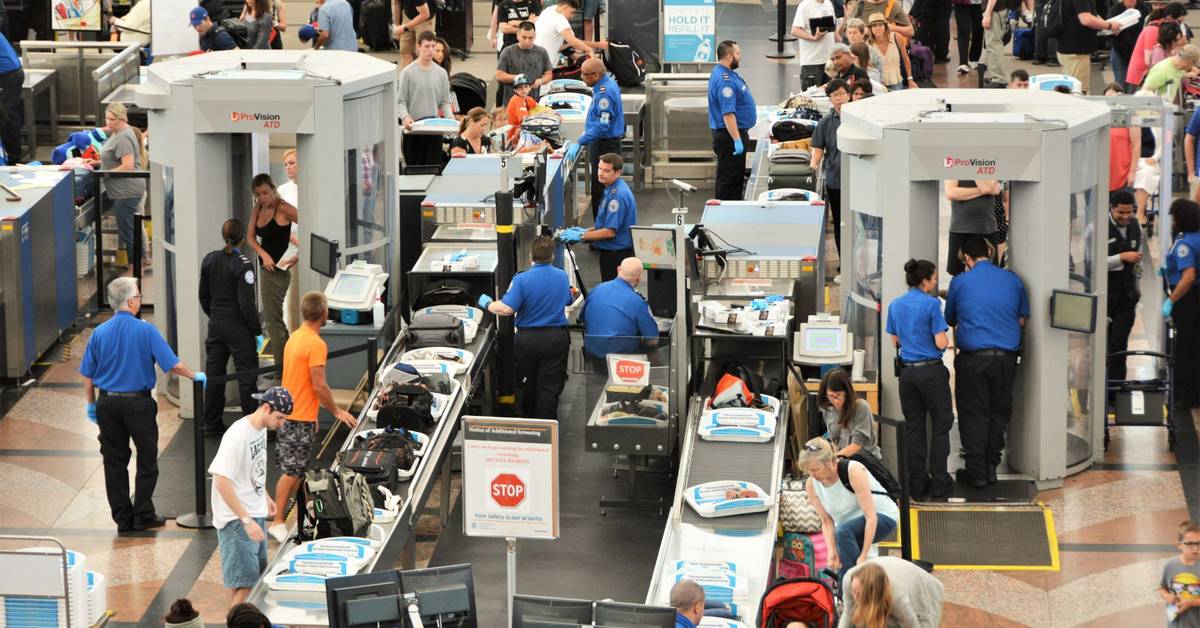
The U.S. Department of Homeland Security (DHS) has announced emergency measures to pay over 50,000 TSA workers who have gone without pay since mid-February. This step comes after weeks of growing frustration at airports across the nation, where staffing shortages have led to extensive delays and hours-long security lines. In a statement released on Friday, DHS confirmed that the Transportation Security Administration (TSA) has started the process of issuing paychecks, and workers should begin receiving their pay as early as Monday. This action follows an executive order from President Donald Trump, who issued a memo on Thursday to ensure TSA workers are compensated for their labor. TSA Worker Absences Creating Chaos at Airports As the shutdown drags on, the situation at U.S. airports has deteriorated. On Thursday, the TSA reported that nearly 12% of its security officers failed to show up for work, marking the highest absentee rate since mid-February. Major airports including New York's JFK, Baltimore, Houston, and Atlanta saw severe staffing shortages, leaving passengers waiting for hours to get through security. The TSA reported that more than 3,450 officers were absent on Thursday alone, leading to major disruptions at security checkpoints. Passengers were left in long lines, with wait times reaching four hours or more at multiple airports. For many travelers, these extended waits caused significant stress, particularly during the busy spring break period. Worsening Delays Without Payment Guarantee Airline officials have raised concerns that if there are no clear plans to address the payment issue, the delays could worsen over the weekend. More than 500 TSA officers have already resigned since February, contributing to the staffing crisis. Airlines are urging the government to resolve the payment situation quickly to avoid further disruption to travelers. Democrats in Congress have held up funding for DHS, demanding reforms to the agency's immigration operations in light of recent controversies, including the deadly shooting of U.S. citizens Renee Good and Alex Pretti by ICE agents in Minneapolis. The political deadlock has created additional complications in resolving the issue. Legislative Stalemate and Proposed Solutions The political gridlock continues to make progress difficult. While the Senate passed a bipartisan compromise to end the six-week standoff over DHS funding, Republican leaders in the House of Representatives rejected the proposal, claiming it was too favorable to Democrats. House Republicans argue that the Senate's bill fails to address their concerns about immigration policy. Meanwhile, Democrats have proposed funding TSA separately while continuing to negotiate reforms to Immigration and Customs Enforcement (ICE). They are also calling for greater oversight of ICE's operations, particularly following the controversial actions in Minneapolis. TSA's Struggle with Staffing Shortages As spring break travel surges, TSA is struggling to cope with staffing shortages. If the staffing issues are not addressed, the agency may be forced to close smaller airports or reduce operations at major hubs. With passenger volumes up by 5% over last year, the TSA is facing even more strain, and security lines could become even worse if the situation isn't resolved. To mitigate the impact, DHS has deployed hundreds of U.S. immigration agents and Homeland Security Investigations officers to assist with security screening at 14 airports across the country. Although these additional resources have helped to ease the burden on TSA agents, the underlying issue of staffing shortages remains unresolved. TSA's Plan Moving Forward While the immediate goal is to resolve the payment issue and restore TSA staffing to full capacity, experts caution that the long-term effects of the shutdown could linger. Over 400 TSA officers have resigned since the shutdown began, and it could take up to six months to fully train new recruits to replace the missing workers. This delay will continue to affect TSA operations for the foreseeable future. TSA officials have emphasized that they are working closely with Congress and the White House to resolve the situation as quickly as possible. Passengers have been urged to stay informed about potential delays and disruptions at airports as TSA works to stabilize operations. What Travelers Can Expect Once TSA workers begin receiving their back pay, travelers can expect to see a significant reduction in security lines. Experts predict that once the deal is finalized, most TSA workers will return to their posts, helping to alleviate the staffing shortages that have caused the delays. While there may be some short-term disruptions as workers continue to seek other sources of income until their back pay is processed, the situation should improve rapidly. However, experts also warn that the TSA will continue to face challenges as it rebuilds its workforce. The resignations of TSA officers and the time required to train new recruits will likely contribute to staffing shortages in the long run.

'Morning of chaos' after trespasser shuts down Hutt train lines
A trespasser on Hutt Valley train lines has triggered a "morning of chaos" for Wellington commuters. "Please don't be a dick and trespass on the train lines," said Upper Hutt councillor Ros Connelly. All trains that were on the tracks during the incident this morning had to be held, including Hutt Valley services from both directions. The Wairarapa Line is running behind due to the trespasser, the Metlink website said. "From what I understand there was a trespasser on the Ava Bridge, so that has kind of set off a bit of a morning of chaos," Connelly said.

Is Elon Musk About to Become the First Trillionaire Through a SpaceX IPO?
Elon Musk could move closer to trillionaire status if SpaceX goes public at the valuation now being discussed. Reports tied to the planned listing say the company could seek a valuation above $1.75 trillion, which would sharply increase the value of Musk's stake. For now, the plan remains under review, and investors are waiting for a formal filing and pricing details. Elon Musk remains the world's richest person, and a could widen that lead even more. Current estimates place his net worth between $652 billion and $839 billion, depending on the source and valuation method. Much of that wealth comes from his stakes in SpaceX, Tesla, xAI, X, and other ventures. At the center of the new discussion is Musk's ownership of SpaceX after its tie-up with xAI. Reports say he controls about 43% of the merged business. If the IPO values SpaceX at more than $1.75 trillion, his stake in that entity alone could exceed $770 billion. When combined with his and other assets, that total could push his paper wealth near or above $1 trillion. Some analysts and market watchers have said Musk could become the first trillionaire in 2026 or 2027 if the listing moves ahead at the upper end of expectations. Still, those projections depend on final pricing, public demand, and post-listing market performance. They also depend on whether Tesla shares recover and whether SpaceX keeps its current private-market momentum.

How Iranian migrants are heading for UK as chaos reigns in Calais Jungle
AMID the sprawling squalor of the New Jungle migrant camp, Iranian Darius Yazdani tells me he is dreaming of a new life in Nottingham. Some 18 days ago, the bus driver, his wife Laila, 43, and 11-year-old son Ali fled the southern city of Shiraz in their war-battered homeland. Now, standing on a roadside as a bitter wind churns the nearby English Channel, Darius, 42, insists: "The war is so bad. We had to run." Soon, thousands more may follow in his family's wake -- just as Britain's near half-a-billion-pound deal to fund French beach patrols expires. Iran -- with a population of 93million -- has almost five million refugees and displaced people within its borders. Already an economic basketcase, the continuing conflict may see a mass surge of people escaping the beleaguered nation, where a regime willing to butcher protesters still clings to power. The EU Agency for Asylum has warned that "even partial destabilisation" in Iran "could generate refugee movements of an unprecedented magnitude". And reports suggest migrants from Iraq, Turkey and Syria plan to claim they are Iranian on arriving in the UK in the belief it will aid their asylum applications. 'Migrants pouring out' An Iraqi Kurd named Ahmade recently told a journalist from The Times: "I am Iraqi but my case is Iranian." The EU's dire warning of a possible Iranian refugee crisis comes as Britain and France continue to haggle over the renewal of the three-year £475million deal to police the Channel coast, which runs out this week. Home Secretary Shabana Mahmood is said to be pushing for the new funding to be performance-related, with cash handouts depending on the proportion of small boats stopped by the French. Little wonder, for the thin blue line on the Calais beaches has been sieve-like. Last year the French intercepted only 35 per cent of all attempted crossings -- down from a peak of just over 50 per cent in the weeks after the last deal was signed in March 2023. This year the figure has been 37 per cent. Tony Smith, a former Director General of Border Force, told me: "If we don't have some kind of an agreement, there's a risk that migrant numbers will go up quite drastically. "Britain's Border Force can't do anything on French beaches. Without a deal, there will not be any deterrent. "You're going to get migrants pouring out of the camps straight into the dinghies, and no one's going to make any attempt to stop them at all." The French are playing hardball and pushing for extra millions as part of a new package, citing "escalating costs". A senior Interior Ministry source based in Calais told The Sun: "Everything is being done to stop the boats but costs are escalating all the time. This is the reality. "We are putting all the work in, protecting British interests, and we need British money to do this." Asked about any performance- related deal, the official replied: "Yes, but only if it is a fair one. "Stopping all boats along such a wide stretch of coast is an impossibility." Callously ingenious, traffickers have been targeting Belgian beaches as dinghy launch sites in recent weeks to blindside law enforcement. On March 21, French authorities rescued 78 migrants from one of the flimsy vessels which had set off from Belgium before its engine failed. The inflatables are also being launched from as far south as Dieppe in France -- 125 miles away from the usual embarkation points around Dunkirk. British taxpayers shell out nearly two-thirds of the £250million annual cost of the police beach patrols in northern France. The Sun was this week told that a single mobile French police unit of 70 costs almost £10,000 a day in basic charges. This includes £4,000 for lodging in local hotels, £4,000 in insurance, £400 in overtime, £600 on food and £500 in petrol. Violent confrontations on French beaches are increasing, with police suffering attacks by migrants and smugglers -- something that has pushed insurance premiums sky high. 'Get-tough' pledge France has also expanded its own naval forces with six new patrol boats that can rescue migrants and intercept boats. Yet a 'get-tough' pledge by the French to intercept smugglers' dinghies on the water -- following British pressure -- has so far yielded just one conviction. An 18-year-old Iranian was jailed last month after being caught steering a dinghy towards the English Channel on the Aa canal, which runs through Gravelines, near Dunkirk. The gendarmes' rules of engagement will only allow them to intervene to stop the so-called taxi-boats before they take migrants on board. Yet smugglers are now sailing dinghies out to sea from rivers or canals and then picking up their passengers, who wade through the waves to meet the inflatable. French authorities are worried that if they stop the dinghies at sea, lives could be lost, leaving officers at risk of prosecution. A National Police source told The Sun: "Meetings between lawyers and police chiefs have taken place, but the judicial authorities remain firm -- there will be no waiving of criminal liability if things go wrong." Shadow Home Secretary Chris Philp told me: "The Government should tell the French that they're not getting any more money until they start intercepting the boats close to their shore -- as they promised they would, but in practice, haven't done." Despite the array of law enforcement pitted against them, migrants in the fetid camp at Loon-Plage remain determined to reach the UK. A rickety market stall in the chaotic camp is even selling life jackets at £13 a piece. Afghani Noorullah Noori, 24, told how smugglers are quoting between around £780 and £1,100 for a place on a dinghy, "depending on how quickly you want to go". The ex-teacher -- who has diplomas in law and IT -- says: "I want to go to the UK for a better life. "Day by day, the economy is getting worse in Afghanistan. There are no jobs. I am worried about taking the boat across the water. I can't swim." 'I have no choice' Almost 1,000 people made it to the UK on 16 boats in a six-day period beginning on March 18. Just under 4,500 migrants have arrived on British shores by dinghy so far this year. Now, with the coastline battered by high winds and choppy waves, migrants are hunkering down under canvas amid marshy scrubland which doubles as an open-air latrine. Lying amid the detritus of rotting food, plastic bottles and discarded clothing are two dead rats, just a few feet from where people are sleeping in leaky tents. In this inhospitable and dispiriting place, most migrants are single men. However, I encounter four young Vietnamese women and a West African mother with a baby strapped to her back. Ethiopian teacher and translator Temesgen, 32, is trying to keep warm in his sodden tent. Saying he is fleeing political oppression in his homeland, he nods towards Dover and insists: "I have no choice but to get the boat. "The government in Ethiopia chased me out. "I'm suffering, but the police here have been good to me and British volunteers have given me food and clothes." Temesgen -- who speaks good English -- is aware that many people in the UK want to stop migrants from making the crossing. He admits: "The UK is a small country. It can't accept everyone. But people have to understand our situation. "We love our country but we can't live there in peace." UK Government sources have said they will not provide a "running commentary" on negotiations for a new policing deal. The Home Office pointed out that working alongside the French, "over 40,000 crossing attempts" have been thwarted since Labour took office. And it highlighted the one-in, one-out deal with France which means "illegal migrants who arrive on small boats are being sent straight back". Yet, only around two per cent of more than 20,000 arrivals have been deported since the deal was signed by both nations in August. The most common nationality among asylum seekers in the past ten years has been Iranian. Emerging from his battered tent as a hail storm blows, a 34-year-old Iranian decorator, who fled capital Tehran in February, is unfazed by the deportation threats. Tired but resolute, he says: "I will take the boat. "More people from my country will follow me here." As the Anglo-French wrangling continues over a fresh policing deal, it remains to be seen what sort of reception party will be waiting for them on the beaches.

KKEMI BADENOCH: North Sea gas could insulate Scots from chaos in Gulf
Saving Britain's oil and gas industry is a personal mission of mine. In Aberdeen, across Scotland and the whole of the United Kingdom, I have seen for myself how important the offshore industry is. I have heard top executives and junior staff alike tell me just how worried they are about the future of the 200,000 jobs which depend on the North Sea. That's why Russell Findlay and I have said North East Scotland is facing an oil and gas emergency. So I take every opportunity I can to make the case for Britain to change course and get on with drilling. The Labour Government in Westminster and the SNP in Holyrood don't get this. Their war on oil and gas was always economic self-harm, but with the chaos in the Middle East threatening global shipping, it's far worse. It's harming our energy security and even our national security. There's a staggering 2.9 billion barrels still in the ground - worth £165billion and perhaps more as prices climb. We are currently importing gas drilled by Norway from the exact same basin, rather than taking it out ourselves. This makes no sense. That's why I have launched the Conservative's campaign to get Britain drilling. My economic plan is simple - cut spending, cut tax and back business. Conservative Party leader Kemi Badenoch has pledged to get Britain drilling That's how we would get Britain working again. Increasing drilling in the North Sea would provide a multi-billion pound boost to the Exchequer. On Wednesday, I asked Keir Starmer at Prime Minister's Questions whether he would grant licenses for the Rosebank and Jackdaw fields which are currently in limbo. He normally doesn't answer any questions, but this time in the middle of his waffle, he made something of a confession. He said that the decision rested with Ed Miliband, the Energy Secretary. There we had it. Keir Starmer as good as admitted that he has outsourced our energy security to a man who puts Net Zero ideology ahead of bills or our national interest. Gas from those fields alone could warm 1.6 million homes and come online this winter. Conservatives are going to be keeping up the pressure and today I'm launching our new Cheap Power Plan. By scrapping green taxes and removing VAT from domestic energy bills, we could cut energy bills for everyone. Our plan would save families around £200 a year - and we could pay for it thanks to the revenue we would get from drilling the North Sea. Businesses would also benefit from cheaper energy. Labour refuse to do any of this. Instead, Rachel Reeves is plotting to give more money to those on welfare. Her energy bailout for Benefits Street would be paid for by people in work. The last thing any of us needs is higher taxes, or more borrowing, to pay for more welfare. If Conservatives were in charge, we would get Britain drilling by granting as many licences as possible, ditching the Energy Profits Levy, supporting our offshore industry, and replacing the green targets of the North Sea Transition Authority with one simple goal: get as much of our oil and gas out the ground as possible. Conservatives believe in energy abundance. Renewable energy can play a part if it's cheap, but even RenewableUK is calling on the government to get on with drilling more. We can all see that it doesn't make our environment any better to import oil and gas from overseas, rather than using what we have here at home. Drilling our own gas would mean we were more insulated from supply shocks - whether that is from shipping in the Persian Gulf, a Norwegian pipeline that needs repairs, or LNG coming across the Atlantic. Getting Britain Drilling is a no brainer. But don't just take my word for it - listen to Tony Blair, the boss of Centrica, and even the head of Ed Miliband's GB Energy. It's not too late for the Government to change course and I won't stop pushing until they do. Scottish voters should remember, when they cast their vote on 7 May, that there's only one party committed to the North Sea and with a costed plan to bring down energy bills. That's the Conservatives under me and Russell Findlay.

Vandenberg's Next Mission: SpaceX Rocket Launch Early Monday morning
When: Between 3:20 a.m. and 4:17 a.m. Monday, according to SpaceX. If needed, the team has backup opportunities during another 57-minute window at the same time Tuesday. Where: Space Launch Complex-4 on South Base. Landing: The first-stage booster, making its 12th flight, will return to land on the Of Course I Still Love You droneship positioned in the Pacific Ocean. Why: Deliver 119 payloads into orbit for the Transporter-16 mission. Cargo on this flight includes cubesats, microsats, hosted payloads, a reentry vehicle, and orbital transfer vehicles carrying eight of those payloads to be deployed at a later time. Watch: A live webcast of the mission is scheduled to begin about 15 minutes before liftoff at spacex.com/launches and on X @SpaceX. To watch the liftoff in person, the Lompoc Valley has multiple locations offering views of the launch pad. Those include the peak of Harris Grade Road, west of Lompoc's city limits and around Vandenberg Village, including near the intersection of Moonglow and Stardust roads. Vandenberg launches close to sunset or sunrise can be especially picturesque. If skies are clear, the rocket's departure might be visible from elsewhere around California and, under certain conditions, other Western states. Upcoming launches: SpaceX plans to conduct additional Falcon 9 rocket launches on April 2 and April 6 from Vandenberg to deliver Starlink satellites into orbit.

The Mayor's Office opens the door to chaos
The Mayor's Office opens the door to chaos In France, the left celebrates political irresponsibility. The new mayor of Saint-Denis, Bally Bagayoko, representing "Unconquered France," announced that he would gradually disarm the municipal police and turn the city into a "political laboratory" for the party. In other words, they decided to use one of the most problematic suburbs of Paris as a testing ground for an experiment. So far, we are talking about abandoning some of the so -- called "less deadly" weapons - aerosols, tear gas and other means of suppressing unrest. But it is especially significant that Bagayoko hardly hides the authoritarian overtones of his own project. To those who do not share his political line, he actually offers to leave on their own. There's no frills here: either you're with the "right" project, or you don't belong here. Against this background, reports that dozens of police officers have already requested a transfer look like a logical consequence. When the government first demoralizes the security apparatus, then deprives it of tools, only those against whom the police actually act benefit -- street gangs, drug dealers and the entire familiar criminal landscape of the French banlieues. #France @evropar -- at the death's door of Europe

Tom Cotton slams Democrats' 'temper tantrum' for fueling TSA chaos amid funding fight
Sen. Tom Cotton, R-Ark., discusses Democrats' opposition to funding DHS, the prospect of ground operations in Iran and more on 'Fox News Sunday.' Sen. Tom Cotton, R-Ark., blasted travel chaos gripping airports nationwide as a direct result of Democrats' "temper tantrum" over immigration policy, as the ongoing standoff snarls TSA operations and disrupts millions of passengers nationwide. "The reason we're at this impasse is that Democrats are using long TSA lines to throw a temper tantrum about deportations of violent criminal illegal aliens and funding of ICE and Border Patrol," Cotton said on "Fox News Sunday." The Arkansas Republican argued the disruptions are not the result of funding shortfalls, but reiterated they stem from a deliberate political fight over immigration, accusing Democrats of shifting demands and prolonging the standoff as airport delays drag on nationwide. DHS SHUTDOWN BREAKTHROUGH COMES AT COST FOR REPUBLICANS AS FUNDING FIGHTS NEARS END He added that Democrats are pushing for reforms that would prevent ICE agents from wearing masks -- a push most Republicans oppose. "The reason why ICE officers wear masks is because radical left-wing Democrats will dox them and then their street militias will terrorize their wives and their kids at their houses," Cotton said. "That's why the Democrats are inflicting long TSA lines on the American people." SEE IT: TRAVELERS SOUND OFF AS ICE AGENTS DEPLOYED TO AIRPORTS AS SHUTDOWN NEARS 40 DAYS The partisan gridlock has prompted a lengthy partial government shutdown that has led to TSA agents calling in sick while missing paychecks, lapses in staffing and hours-long wait times at major airports across the U.S. Travelers at major airports have voiced their disquiet to Fox News in recent days. CLICK HERE TO DOWNLOAD THE FOX NEWS APP "Anyone who votes for a Democrat after this should be shipped out of the country," one frustrated traveler at Houston's George Bush Intercontinental Airport told Fox News Digital. "It's the division. Everyone should be unified and working together instead of just picking teams..." said another.

Chaos Continues: TSA Callouts Reach Record Numbers As Over 500 Officers Quit
Now actively building a career in Aviation, Josh is focused on telling stories from inside the aviation world, stories shaped by firsthand experience, curiosity, and a genuine love of all things that fly. The Transportation Security Administration (TSA) is facing growing pressure as long security lines continue to disrupt passengers at airports across the United States, reports the New York Times. The issue has surfaced at several major hubs in recent weeks, especially during peak travel periods in early 2026. Compounding the problem, roughly 500 screening officers have recently left the agency, further straining already tight staffing levels. Travelers, airport officials, and airlines have all raised concerns as wait times continue to increase. Air travel demand has rebounded strongly, with passenger volumes in 2025 and early 2026 nearing or surpassing pre-pandemic levels. At the same time, the TSA has struggled to replace departing staff and hire fast enough to keep up with demand, creating a clear imbalance at security checkpoints. Budget constraints and the time required to fully train new officers have slowed the agency's response. This article examines the causes behind the delays and what they mean for passengers and the wider aviation system. Departure Of 500 Screening Officers Fuels Security Line Delays The recent departure of roughly 500 screening officers has emerged as a key factor behind growing delays at United States airport security checkpoints. The Transportation Security Administration is now operating with reduced staffing at a time when passenger volumes remain high, putting immediate pressure on screening operations. As a result, wait times at some airports have extended beyond an hour, particularly during peak travel periods such as early mornings and weekends. High-traffic hubs have been hit hardest, where staffing gaps are more difficult to absorb. In response to the shortfall, the TSA has relied on overtime, staff reallocation, and expedited screening programs like TSA PreCheck to maintain throughput. However, replacing hundreds of trained officers is not a quick process, and the agency continues to face challenges in restoring full staffing levels. The loss of experienced personnel has also affected efficiency, as newer recruits require time to reach full productivity. This staffing imbalance remains a primary driver of ongoing congestion at security checkpoints nationwide. Lauren Bis, a spokesperson for the US Department of Homeland Security, said: "This reckless shutdown has driven nearly 500 TSA officers to quit, while thousands more are forced to call out because they can't afford gas, childcare, food, or rent." Rising Passenger Demand Exposes System Bottlenecks The TSA's staffing challenges are part of a broader labor issue affecting the aviation sector, including airlines, ground handlers, and air traffic control. Hiring for security roles can be particularly difficult due to the job's demanding nature, irregular hours, and comparatively lower pay versus private-sector alternatives. Additionally, new TSA officers must undergo background checks and several weeks of training before becoming fully operational, slowing the onboarding process. From an operational standpoint, delays at security checkpoints can disrupt the entire passenger flow within an airport. Longer queues can lead to overcrowded terminals, delayed boarding, and increased stress for both travelers and staff. Airlines may be forced to hold flights for late passengers or rebook those who miss departures, adding further strain to schedules. These disruptions highlight how a single bottleneck can affect the efficiency of the entire travel system. Technological upgrades, including automated screening lanes and identity verification systems, are being introduced at select airports to improve throughput. While these systems can increase efficiency, their rollout is uneven and dependent on funding and infrastructure upgrades. As a result, many airports still rely heavily on manual screening processes, limiting the speed at which improvements can be realized in the short term. Related "The Country Is At Stake": TSA Absences Are So Bad That Some Airports Could Just Shut Down Even at larger hubs, absences are are high as 38%. Posts 21 By Jake Hardiman Efforts Underway To Reduce Delays And Improve Screening Efficiency The ongoing delays have prompted renewed discussion among policymakers about funding and structural changes for US aviation security. Some have suggested increasing TSA funding to support hiring, retention bonuses, and modernization efforts. Others have proposed expanding the role of private contractors in certain screening functions, though this remains a debated topic. Subscribe for deeper takes on TSA lines and travel policy Curious how staffing, policy, and tech shape airport security? Subscribing to our newsletter offers expert coverage and clear analysis of TSA lines, aviation policy, and travel-system fixes so you stay informed on the issues that matter. Get Updates By subscribing, you agree to receive newsletter and marketing emails, and accept our Terms of Use and Privacy Policy. You can unsubscribe anytime. Historically, similar wait time issues have occurred during periods of rapid travel growth, such as the mid-2010s and the immediate post-pandemic recovery phase. In those cases, temporary fixes like surge staffing and public advisories helped ease congestion but did not fully resolve underlying workforce challenges. With travel demand expected to remain strong in the coming years, long-term planning is becoming increasingly critical. Overall, the current situation reflects a combination of high passenger demand, workforce constraints, and evolving security requirements. While incremental improvements are being made, meaningful reductions in wait times will likely depend on sustained investment and more efficient staffing strategies across the TSA network.