News & Updates
The latest news and updates from companies in the WLTH portfolio.
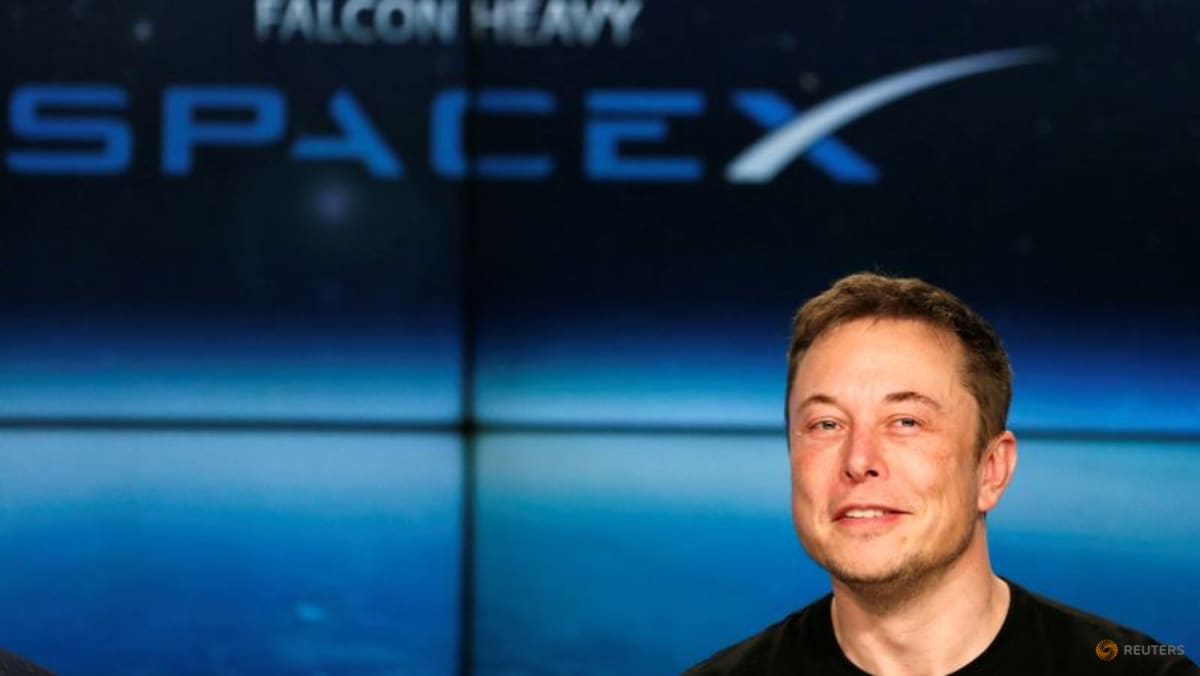
Musk bought $1.4B of SpaceX stock from employees, IPO filing shows By Investing.com
Investing.com -- Elon Musk purchased $1.4 billion worth of SpaceX stock from current and former employees last year, according to The Information, which cited a draft of the company's confidential IPO prospectus. The purchase was made through Musk's trust, the document shows. The filing also reveals a compensation plan that would award Musk tens of millions of shares if SpaceX's market capitalization increases by trillions of dollars. The valuation at which Musk bought the stock last year remains unclear, according to the report. This article was generated with the support of AI and reviewed by an editor. For more information see our T&C.

SpaceX president made $86M in 2025. Musk earned $54k
SpaceX president and COO Gwynne Shotwell raked in a whopping $85.8 million in total compensation last year, according to a company prospectus. The figure makes her one of the highest-paid executives in the US. Elon Musk, the CEO and majority shareholder of SpaceX, paid himself a much lower salary of just $54,080 for 2025. SpaceX's Chief Financial Officer Bret Johnson earned a total compensation of $9.8 million last year. Shotwell's massive pay package included a base salary of $1 million, with the majority coming from stock options and awards. The numbers put Shotwell's pay above many other high-profile tech executives such as Microsoft's Satya Nadella, who earned $79 million in 2024, and Apple's Tim Cook, who took home $75 million. The details were revealed in an excerpt from SpaceX's S-1 filing, a registration document companies use to disclose finances and risks before going public.
Amazon commits up to $25bn investment in Anthropic
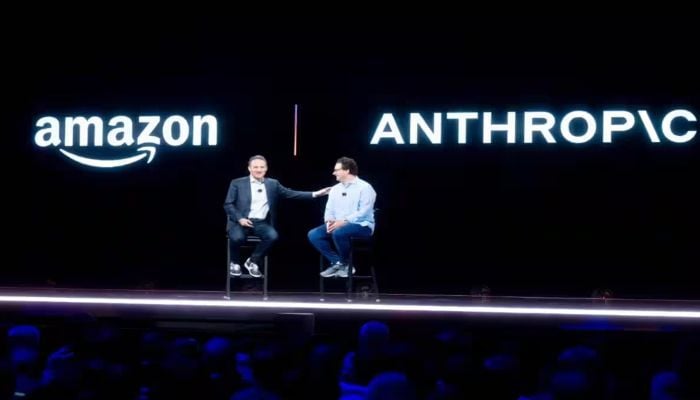
Amazon has agreed to make an investment of $5bn in Anthropic, with the possibility of up to a further $20bn in future investment tied to specific commercial targets. Alongside the previous commitment of $8bn, Amazon's total potential investment in the Claude developer would rise to $33bn. Additionally, the two firms have expanded their partnership with an arrangement that will see Anthropic secure up to 5GW of Amazon's Trainium chips, including present and future generations. This move is expected to support the development and deployment of Anthropic's advanced AI models. Anthropic has also pledged to spend more than $100bn over the next decade on AWS technologies. This will cover current and future Trainium chips, as well as tens of millions of Graviton CPU cores. Anthropic's AI models, including the Claude family, will use these chips for training and inference workloads. Significant Trainium3 chip capacity will be available later this year, as part of the expanded infrastructure agreement. The companies also plan to extend international inference capabilities across Asia and Europe to support Anthropic's growing global user base. Currently, more than 100,000 organisations are said to use Anthropic's Claude models through AWS, making it a widely adopted model family on Amazon's Bedrock inference service. Anthropic CEO and co-founder Dario Amodei said: "Our users tell us Claude is increasingly essential to how they work, and we need to build the infrastructure to keep pace with rapidly growing demand. "Our collaboration with Amazon will allow us to continue advancing AI research while delivering Claude to our customers, including the more than 100,000 building on AWS." Currently, AWS runs most of its inference on Trainium chips. According to Amazon, both Trainium and Graviton technologies are used by over 100,000 customers each. Anthropic uses AWS as its main cloud and training provider for mission-critical workloads. As part of the agreement, AWS customers now have direct access to Anthropic's full Claude Platform from their existing AWS accounts. This eliminates the need for separate contracts, credentials, or billing processes. The integration allows users to employ AWS' existing access controls and monitoring systems. Whether customers access the Claude Platform on AWS or Anthropic's models through Amazon Bedrock, both companies aim to streamline access to AI tools for customers. Amazon CEO Andy Jassy said: "Anthropic's commitment to run its large language models on AWS Trainium for the next decade reflects the progress we've made together on custom silicon, as we continue delivering the technology and infrastructure our customers need to build with generative AI." In addition, Anthropic and AWS continue to collaborate on large-scale infrastructure, such as Project Rainier, which includes one of the world's largest AI compute clusters, equipped with roughly half a million Trainium2 chips. Project Rainier is used to train and deploy Claude models globally and to build future versions. Anthropic works with Amazon's Annapurna Labs to provide feedback on Trainium chip design, influencing future iterations to meet the demands of frontier AI models. Since the start of their partnership, Amazon and Anthropic have focused on enabling large-scale adoption of generative AI across sectors, providing technology and infrastructure to help customers build and scale AI-driven solutions.
Elon Musk vacuums up US$1.4b in SpaceX stock from past and present employees
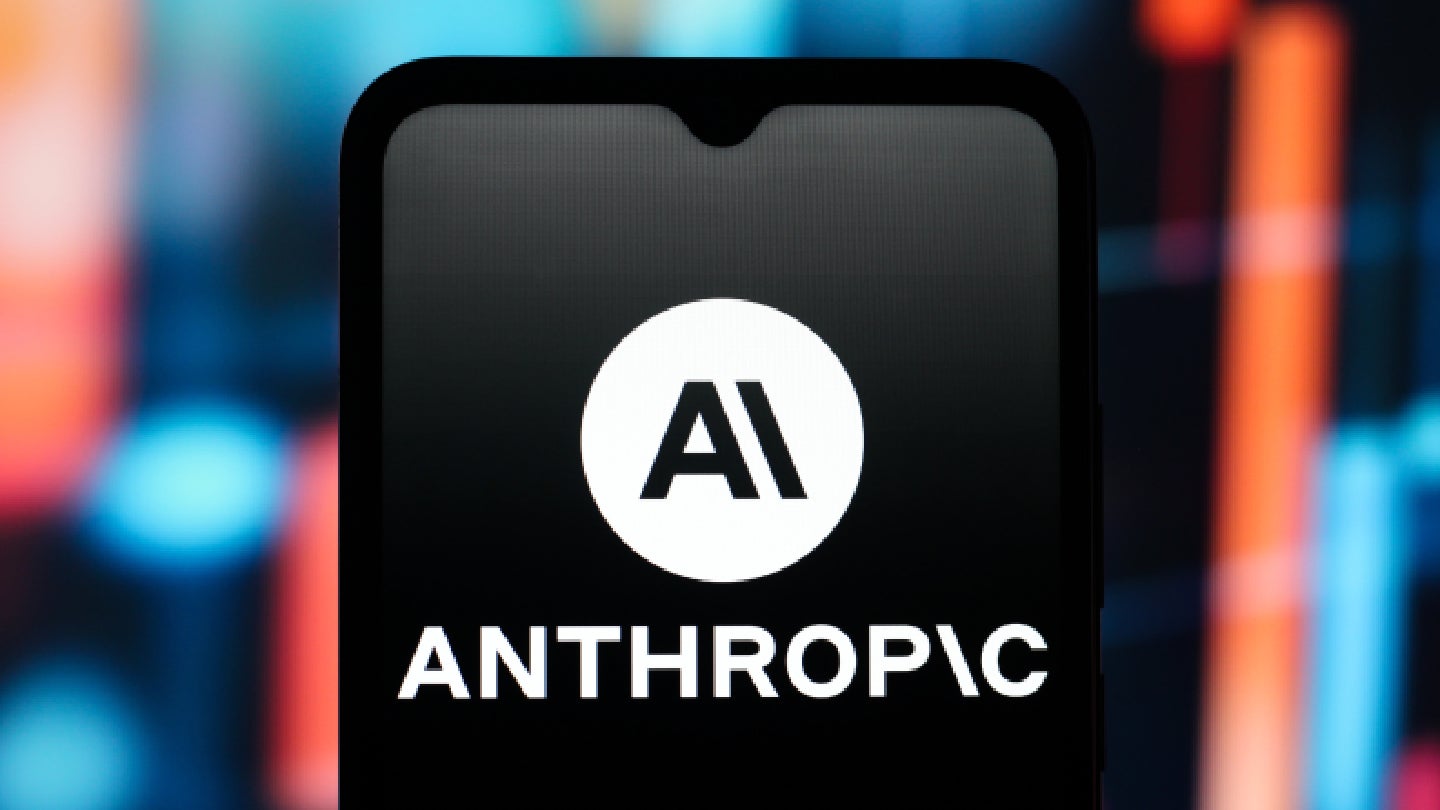
NEW YORK, April 21 -- Elon Musk increased his stake in SpaceX last year by purchasing US$1.4 billion (RM5.5 billion) worth of stock from current and former employees, The Information reported on Tuesday. The secondary stock purchase, made through Musk's trust, was disclosed in a draft of SpaceX's confidential IPO prospectus, the report said. SpaceX also approved a plan last month that would award the billionaire CEO 60 million additional shares if the company's market capitalisation climbs from US$1.1 trillion to as high as US$6.6 trillion and the firm completes an ambitious plan of building data centres in space to supply compute for AI developers, The Information said. The stock would vest as SpaceX increases its market cap in US$500 billion increments, according to the Information. Reuters could not immediately verify the report. SpaceX did not immediately respond to a request for comment. The company, which confidentially filed for a U.S. listing in March, generated about US$8 billion in profit last year on revenue of US$15 billion to US$16 billion, Reuters reported in January. SpaceX plans to use a dual-class equity structure that gives Class B shareholders 10 votes each, Reuters reported on Tuesday, concentrating power with Musk and a handful of other insiders, while Class A shares sold to public investors will carry one vote each. -- Reuters
Amazon and Anthropic Expand Partnership with $100 Billion AWS Commitment - TechAfrica News
Expanding on this success, Amazon and Anthropic are deepening their collaboration with a commitment from Anthropic to spend more than $100 billion over the next ten years on AWS technologies. Since 2023, Amazon and Anthropic have worked together to accelerate generative AI adoption across industries, making it easier for customers to build, deploy, and scale AI applications that solve real-world problems. Now, over 100,000 customers run Anthropic Claude models on AWS, making Claude one of the most popular model families on Amazon Bedrock. The two companies are also pushing the boundaries of what is possible with large-scale infrastructure, collaborating on Project Rainier -- one of the largest AI compute clusters in the world -- and together are opening new horizons with what's possible in AI research and development. Expanding on this success, Amazon and Anthropic are deepening their collaboration with a commitment from Anthropic to spend more than $100 billion over the next ten years on AWS technologies. This encompasses current and future generations of Trainium (Amazon's custom silicon) and tens of millions of Graviton cores (Amazon's widely-adopted CPU chip) to provide superior price performance. Anthropic will secure up to 5 gigawatts (GW) of capacity to train and power their advanced AI models, including significant Trainium3 capacity expected to come online this year. The collaboration also includes a meaningful expansion of international inference in Asia and Europe to better serve Claude's growing international customer base. Overall, the commitment includes Trainium2, Trainium3, Trainium4, and the ability to purchase future generations of Trainium as they become available. Anthropic is already using AWS Trainium and Graviton to deliver scalable performance and cost efficiency across a broad range of generative AI workloads, allowing Anthropic to accelerate its growth with the scale, cost-efficiency, and security of AWS. Both Trainium and Graviton are used by more than 100,000 customers each, and Amazon Bedrock (Amazon's high-performance inference service with a leading selection of frontier models) runs most of its inference on Trainium today. Additionally, AWS customers will be able to access the full Anthropic-native Claude console from within AWS. Claude Platform on AWS lets customers access Anthropic's Claude Platform through their existing AWS account, with no additional credentials, contracts or billing relationships to manage. Customers can use the same AWS access controls and monitoring they already have in place, making it easier to directly access Anthropic's native Claude experience. Whether customers choose Claude Platform on AWS or Claude on Amazon Bedrock, AWS and Anthropic are partnering to provide customers the path to Claude that best meets their needs. Separately, Amazon will invest $5 billion in Anthropic today and up to an additional $20 billion in the future tied to certain commercial milestones. This is in addition to the $8 billion Amazon previously invested in Anthropic.

Mumbai Local Chaos Spills Online: 30 Minute Delays, Packed Platforms and Angry Posts Flood Social Media
Mumbai Local Chaos Goes Viral: 30-Min Delays, Packed Platforms and Angry Posts Flood Social Media | Image: Pexels Commuters across Mumbai faced yet another frustrating morning on Tuesday as delays, cancellations, and overcrowding crippled services on all three lines of the Central Railway. What started as a derailment near Dombivli a day earlier has now spiralled into a full-blown commuter crisis- one that is playing out in real time on social media. Fresh commuter posts, backed by live tracking screenshots from the m-Indicator app, show just how severe the situation became. Several trains on the main line were running 25 to over 30 minutes late during peak hours. For instance, a CSMT-Kalyan service was reported nearly 29 minutes late near Vidyavihar, while another Badlapur fast train was delayed by over 30 minutes at Kurla. Multiple services between Matunga, Sion, Dadar and Ghatkopar were also running behind schedule, turning routine commutes into long, uncertain waits. These real-time updates quickly made their way to Twitter, where frustrated passengers tagged railway authorities, posting screenshots as proof of the delays and demanding accountability. The disruption stems from Monday's derailment of an empty local train coach near Dombivli station. While no injuries were reported, the timing -- during morning rush hour -- meant immediate cancellations and cascading delays. Though restoration work was completed within hours, the ripple effect has clearly lasted longer. Even on Tuesday, commuters reported missing multiple trains or being unable to board due to overcrowding. The main line continued to suffer due to ongoing repair work and crossover adjustments near Dombivli. Meanwhile, additional delays hit the Kasara route due to infrastructure work near Khardi, where pre-interlocking activity is underway for a new third railway line. On the Harbour line, chaos unfolded at CBD Belapur railway station after a Panvel-Wadala train was abruptly cancelled and diverted, forcing passengers to disembark and wait for alternatives. Platforms quickly filled up, with crowding spilling over staircases and entry points. Passenger groups and daily commuters have criticised what they see as poor coordination. Many questioned why major infrastructure work and repairs are being handled alongside peak-hour operations without adequate backup planning. Some even demanded special trains from key stations like Kalyan to ease congestion, especially after repeated cancellations from Dombivli. The railway administration has formed a committee to investigate the derailment, while officials insist efforts are ongoing to stabilise services. However, for Mumbai's millions of daily train users, the bigger issue remains reliability. As delays stretch into a second day and online complaints pile up, one thing is clear: Mumbai's lifeline is running, but far from on time.

Musk bought $1.4B of SpaceX stock from employees, IPO filing shows By Investing.com
Investing.com -- Elon Musk purchased $1.4 billion worth of SpaceX stock from current and former employees last year, according to The Information, which cited a draft of the company's confidential IPO prospectus. The purchase was made through Musk's trust, the document shows. The filing also reveals a compensation plan that would award Musk tens of millions of shares if SpaceX's market capitalization increases by trillions of dollars. The valuation at which Musk bought the stock last year remains unclear, according to the report. This article was generated with the support of AI and reviewed by an editor. For more information see our T&C.
SpaceX Courts Wall Street in High Stakes IPO Push Aiming for Record $75 Billion Raise
SpaceX, led by Elon Musk, is stepping up preparations for what could become the largest IPO in history. The company is hosting a three day series of closed door briefings for top analysts and institutional investors ahead of a planned public listing later this year. The meetings are taking place at key operational sites, including its Starbase launch facility in Texas and a major data center in Tennessee, offering investors a closer look at its aerospace and artificial intelligence ambitions. The analyst meetings are a critical step in the IPO process, where companies present financials, growth strategy, and long term vision to shape investor expectations. SpaceX is targeting a massive $75 billion raise, with a projected valuation of around $1.75 trillion. Executives are aiming for a late June market debut, making this one of the most closely watched listings in recent years. The company has also merged with xAI, combining rockets, satellites, social media platform X, and AI systems under one umbrella. This integration has created a unique but complex business model that investors are still trying to evaluate. Initial disclosures show a mixed financial outlook. While the combined entity holds significant cash reserves, it is also carrying substantial liabilities. Heavy investment in artificial intelligence infrastructure led to a sharp swing into losses in 2025, despite rising revenues. This raises key questions about profitability timelines and whether future growth can justify the ambitious valuation. One of the biggest challenges is how to value a company that spans aerospace, telecom, and AI. Instead of traditional comparisons with firms like Boeing or AT&T, some investors are benchmarking SpaceX against data and AI focused firms such as Palantir Technologies and Vertiv. This reflects a broader shift in how markets value technology driven infrastructure companies, but it also introduces uncertainty and speculation into pricing. In a notable move, Elon Musk plans to allocate a significant portion of shares to retail investors. This strategy mirrors the success seen with Tesla, where strong retail participation helped drive valuations. The company is also expected to open access to international investors, expanding the IPO's global appeal. Despite going public, Musk will retain firm control through a dual class share structure. This limits the influence of outside investors on corporate decisions, a model increasingly common among major tech firms but often debated in governance circles. If successful, this IPO could reshape capital markets by setting new benchmarks for scale and cross sector integration. It also signals the growing convergence of aerospace, artificial intelligence, and digital infrastructure into a single strategic domain. However, the offering comes with significant risks. High valuation expectations, combined with ongoing losses and complex operations, mean investor confidence will be critical. Following the analyst briefings, SpaceX is expected to hold further sessions focused on financial modeling and projections. Attention will then shift to pricing, investor demand, and final regulatory steps ahead of the anticipated listing. Market conditions, particularly in tech and growth stocks, will play a key role in determining the IPO's success. This IPO is not just about raising capital but about redefining how a company is valued in the modern economy. By merging space technology with artificial intelligence and digital platforms, SpaceX is positioning itself as more than an aerospace firm. The challenge lies in execution. Investors must weigh long term transformative potential against short term financial pressures. Ultimately, the success of this offering will depend on whether markets buy into Musk's vision of a fully integrated tech and space ecosystem or remain cautious about its scale and complexity.

Musk bought $1.4B of SpaceX stock from employees, IPO filing shows By Investing.com
Investing.com -- Elon Musk purchased $1.4 billion worth of SpaceX stock from current and former employees last year, according to The Information, which cited a draft of the company's confidential IPO prospectus. The purchase was made through Musk's trust, the document shows. The filing also reveals a compensation plan that would award Musk tens of millions of shares if SpaceX's market capitalization increases by trillions of dollars. The valuation at which Musk bought the stock last year remains unclear, according to the report. This article was generated with the support of AI and reviewed by an editor. For more information see our T&C.
Amazon invests another $5bn in Anthropic
SAN FRANCISCO: Amazon on Monday said it pumped another $5 billion into Anthropic as it ramps up its collaboration with the startup behind Claude artificial intelligence. The e-commerce and cloud computing colossus noted that the investment builds on $8 billion it had already invested in Anthropic, according to the companies. Amazon added that it could invest $20 billion more in Anthropic, provided the startup meets certain performance goals. For its part, San Francisco-based Anthropic said it has committed to spending more than $100 billion on Amazon Web Services (AWS) technology to power AI in the coming decade. "We need to build the infrastructure to keep pace with rapidly growing demand," Anthropic chief executive Dario Amodei said in a release. "Our collaboration with Amazon will allow us to continue advancing AI research while delivering Claude to our customers." Anthropic said in early April that it had tripled its annualised revenues quarter-on-quarter to over $30 billion -- outpacing OpenAI for the first time. Amodei visited US officials last week at the White House, where they struck a different tone from the dispute that erupted in February, when the AI startup infuriated Pentagon chief Pete Hegseth by insisting its technology should not be used for mass surveillance or fully autonomous weapons systems. "We discussed opportunities for collaboration, as well as shared approaches and protocols to address the challenges associated with scaling this technology," a White House spokesperson told AFP. The rhetoric marks a departure from months earlier, when President Donald Trump instructed the US government to "immediately cease" using Anthropic's technology after the company refused to allow the Pentagon unconditional use of its Claude AI models. Anthropic has challenged the Trump administration in court, as well as Hegseth's move to add the company to a list of firms that pose a "supply chain risk." Earlier this month, Anthropic announced its newest AI model Mythos, withholding it from public release due to its potential cybersecurity risks.
Digest: Meta to Cut 8,000 Jobs; White House & Anthropic Hold "Productive" AI Talks; ByteDance Profit Hit by AI Costs - ExchangeWire.com
In today's Digest, we cover Meta planning to begin a new round of layoffs on 20th May, the White House and Anthropic holding "productive" AI talks, and ByteDance's profit being hit by AI costs despite an overseas surge. Meta Platforms is preparing a new round of layoffs beginning 20th May, with the first wave expected to cut around 10% of its global workforce, according to people familiar with the plans. The company had approximately 79,000 employees at the end of 2025. Additional reductions are reportedly being considered for the second half of the year, though the scope and timing remain uncertain as executives evaluate ongoing developments in AI and their impact on operations. The move would mark Meta's largest workforce reduction since its sweeping cuts of roughly 21,000 jobs across 2022 and 2023. Meta Platforms declined to comment on the matter. The White House has described recent talks with Anthropic as "productive and constructive", signalling a potential thaw in relations despite the AI firm's ongoing lawsuit against the US Department of Defense. CEO Dario Amodei met with treasury secretary Scott Bessent and chief of staff Susie Wiles, just weeks after the administration had criticised the company. The meeting follows the release of Anthropic's Claude Mythos preview, an advanced AI tool reportedly capable of outperforming humans in certain cyber-security and hacking tasks. In a statement, the White House said discussions focused on opportunities for collaboration as well as shared frameworks to manage the challenges of scaling the technology. It added that the meeting explored how to balance continued innovation with safety considerations, underscoring the growing policy emphasis on governance alongside AI development. The meeting comes two months after Anthropic filed legal action challenging its designation as a supply chain risk by the Defense Department, a classification it claims was retaliatory after refusing to grant unrestricted access to its tools over concerns about surveillance and autonomous weapons. Despite the dispute, the renewed engagement suggests the US government may view Anthropic's technology as too critical to sideline. ByteDance reported a nearly 50% year-on-year increase in international revenue in 2025. Overseas operations accounted for more than 30% of total revenue, up from around 25% in 2024 and the highest share on record. Much of the growth was driven by e-commerce, particularly the rapid expansion of TikTok Shop, where sales climbed close to 70%. The figures underscore ByteDance's accelerating push beyond its domestic market, leveraging its global platforms to scale commerce and advertising revenues. However, the company's net profit fell by more than 70% over the same period, reflecting a surge in spending on AI. ByteDance allocated roughly USD$20bn (£15.8bn) in capital expenditure in 2025, with the majority directed toward AI, and has earmarked a further USD$22.7bn (£17.93bn) for infrastructure investment in 2026.

Anthropic Expands Amazon Partnership With $100B Commitment & Bet on Trainium Chips
Amazon and Anthropic have announced their AI partnership in a big way. The two companies have announced a massive long-term deal that could see over $100 billion spent on cloud infrastructure, alongside fresh investment commitments and expanded access to Claude models on AWS. Amazon doubles down on Anthropic with massive AI infrastructure push At the center of this move is Anthropic committing to use Amazon Web Services as its primary training and deployment platform for the next decade. This includes securing up to 5 gigawatts of compute capacity, powered largely by Amazon's custom Trainium chips. That being said, Amazon is not just providing infrastructure here. The company is also investing $5 billion immediately, with plans to add up to $20 billion more based on certain milestones. This builds on the roughly $8 billion it has already invested in Anthropic since 2023. Speaking of scale, more than 100,000 customers are already running Claude models through AWS, making it one of the most widely used AI model families on Amazon Bedrock. The new deal expands that further, with Anthropic's full Claude platform now becoming directly accessible inside AWS without separate logins or billing setups. Meanwhile, both companies are continuing to push infrastructure limits. Their joint effort, Project Rainier, is already one of the largest AI compute clusters globally, reportedly powered by hundreds of thousands of Trainium chips. A growing AI arms race around custom chips and scale At a time when AI demand is skyrocketing, this partnership highlights a clear shift toward custom silicon and massive compute clusters. Amazon's Trainium and Graviton chips are now central to that strategy, offering lower cost and scalable performance. Back in earlier cycles, cloud providers mostly competed on pricing and availability. Now, it appears the battle is shifting toward who can deliver the most efficient AI training infrastructure at scale. There is also a geographic angle here. The partnership includes expansion into Asia and Europe, suggesting that global demand for AI inference is becoming harder to ignore. Here it's worth noting that OpenAI and Amazon recently entered $50 billion AWS deal. Interestingly, report from last month hinted that Microsoft has threatened to sue both the companies as it believes he deals "would violate the spirit, if not the letter, of their agreement."

Elon Musk Boosts SpaceX Stake Amidst Ambitious Market Expansion Plans | Business
Elon Musk has increased his ownership in SpaceX by purchasing $1.4 billion in stock from current and former employees. The transaction, reported by The Information, was part of SpaceX's confidential IPO prospectus. SpaceX plans to offer 60 million additional shares to Musk if certain market capitalization milestones are met. Elon Musk has significantly increased his stake in SpaceX, acquiring $1.4 billion worth of shares from current and former employees, according to a Tuesday report by The Information. The acquisition was made through Musk's trust and was revealed in SpaceX's confidential IPO prospectus. As part of an ambitious growth plan, SpaceX aims to escalate its market capitalization to $6.6 trillion, a move that could earn Musk 60 million additional shares if successful, according to the report. This potential increase hinges on SpaceX building data centers in space to provide computing power for AI developers. A dual-class equity structure has also been proposed, granting Class B shareholders more voting power, thereby consolidating control with Musk and a few insiders.

Musk bought $1.4B of SpaceX stock from employees, IPO filing shows By Investing.com
Investing.com -- Elon Musk purchased $1.4 billion worth of SpaceX stock from current and former employees last year, according to The Information, which cited a draft of the company's confidential IPO prospectus. The purchase was made through Musk's trust, the document shows. The filing also reveals a compensation plan that would award Musk tens of millions of shares if SpaceX's market capitalization increases by trillions of dollars. The valuation at which Musk bought the stock last year remains unclear, according to the report. This article was generated with the support of AI and reviewed by an editor. For more information see our T&C.
Musk bought $1.4 billion SpaceX shares last year, The Information reports
April 21 (Reuters) - Elon Musk increased his stake in SpaceX last year by purchasing $1.4 billion worth of stock from current and former employees, The Information reported on Tuesday. The secondary stock purchase, made through Musk's trust, was disclosed in a draft of SpaceX's confidential IPO prospectus, the report said. SpaceX also approved a plan last month that would award the billionaire CEO 60 million additional shares if the company's market capitalization climbs from $1.1 trillion to as high as $6.6 trillion and completes an ambitious plan of building data centers in space to supply compute for AI developers, The Information said. Reuters could not immediately verify the report. SpaceX did not immediately respond to a request for comment. (Reporting by Chandni Shah in Bengaluru; Editing by Janane Venkatraman and Mrigank Dhaniwala)
What Amazon's Anthropic Deal Really Means for the AI Race | Investing.com
At first glance, Amazon.com's (NASDAQ:AMZN) expanded partnership with Anthropic looks like another familiar AI headline: more capital, more chips, more cloud spend. That is the obvious reading. The more important one is deeper. This is not just an investment announcement. It is a signal that Amazon is trying to turn AI infrastructure from a high-risk capital outlay into a partially pre-committed, vertically integrated demand engine. That distinction matters because the headline numbers are large enough to reshape how investors think about AWS. Anthropic has agreed to spend more than $100 billion over the next decade on AWS technologies, while Amazon is investing another $5 billion in Anthropic today and may invest up to an additional $20 billion later. On the surface, that can be read as Amazon writing another massive check in the AI arms race. But economically, the structure looks less like a simple venture-style bet and more like a strategic loop: Amazon funds a leading model company, that model company commits its future growth to Amazon's infrastructure, and AWS gets a much clearer line of sight into future utilization. The most overlooked part of the deal may be the compute language, not the equity language. Anthropic is securing up to 5 gigawatts of capacity to train and run Claude. That is utility-scale infrastructure. In practical terms, this suggests Amazon is no longer just competing as a cloud vendor that happens to offer AI tools. It is trying to become the landlord of frontier-model computing at an industrial scale. That matters because the AI market is increasingly constrained not only by model quality but by the availability of power, chips, networking, and deployable capacity. In that environment, the winner is not simply the company with the best chatbot. It is often the company that can guarantee supply when others cannot. A long-duration commitment like this effectively turns scarce AI infrastructure into something closer to contracted demand. Another non-obvious implication is what this says about Amazon's custom silicon strategy. Anthropic's commitment spans Trainium2 through Trainium4, with the option to use future generations as they become available. That is important because it suggests Anthropic is not treating Amazon's chips as a temporary cost-saving experiment. It is standardizing around them as part of a long-term scaling plan. For Amazon, that changes the debate. Investors have spent much of the AI cycle asking whether hyperscalers can earn adequate returns on massive infrastructure spend. What this deal suggests is that Amazon may be doing more than renting out compute. It may be building an ecosystem in which chip design, model training, cloud delivery, and enterprise distribution increasingly reinforce one another. If that architecture works, Trainium is not just a margin lever. It becomes a strategic control point. That also reduces the simplicity of the usual Nvidia-dependence narrative. The market has often treated AI infrastructure as if the main question were how much access each company has to Nvidia's supply. This agreement points to a different possibility: Amazon is trying to create its own durable AI stack, one in which it captures value not only from renting servers, but from steering demand onto its own silicon and into its own software layers. This is where the deal could matter most for valuation. One of the biggest investor concerns around AI spending has been timing. The market has tolerated huge capex only as long as there is confidence that demand will follow. Amazon has already started giving investors more evidence that monetization is real. The Anthropic agreement adds something different: it suggests that part of the future revenue stream may not be purely speculative or spot-driven, but increasingly tied to large, strategically important customers whose infrastructure needs are becoming more predictable. That does not make AWS a utility in the traditional sense, but it does push the business slightly closer to a model where some AI revenue carries more visibility than the market may have assumed. If that becomes a broader pattern, then Amazon's AI buildout may deserve to be viewed less as open-ended spending and more as a staged conversion of capex into committed throughput. There is another subtle point here. Amazon is not only hosting Anthropic. It is tightening the commercial path between Claude and AWS customers. The fuller Anthropic platform becoming accessible inside AWS reduces friction for enterprise adoption, procurement, governance, and billing. That may sound procedural, but it matters because large enterprises often do not scale frontier models based only on benchmark quality. They scale what is easiest to buy, govern, secure, and deploy inside systems they already trust. In that sense, the deal strengthens Amazon on two layers at once: infrastructure and distribution. Anthropic helps fill the pipes, while AWS helps normalize Claude inside the enterprise stack. That is a more durable advantage than a one-time model launch or a short burst of consumer enthusiasm. The simple version of the story is that Amazon is spending heavily to stay relevant in AI. The deeper version is that Amazon may be turning AI into a form of strategic industrial policy inside its own business. It is using capital, chip design, cloud capacity, and distribution to build a system where demand becomes harder to dislodge once it is onboarded. That does not remove the usual risks. Capital intensity remains enormous. Execution still matters. Anthropic concentration cuts both ways. And investors are right to keep asking how quickly AI revenue can outrun AI depreciation. But this announcement suggests Amazon is not merely chasing the AI boom. It is trying to lock in a meaningful part of the value chain before the market fully adjusts to what durable AI demand may actually look like. That is why the Anthropic news may be more important than another bullish AI headline. It is less about enthusiasm and more about structure. Amazon is not just buying exposure to a model company. It is trying to convert that exposure into long-term infrastructure control, chip relevance, and revenue visibility across AWS. If that interpretation is right, the real takeaway is not that Amazon spent more. It is that Amazon may have found a way to make more of its AI spending look strategically inevitable.

German central bank chief calls for wide access to Anthropic's Mythos
FRANKFURT, April 21 : German central bank chief Joachim Nagel called on Tuesday for all institutions to have access to Anthropic's artificial intelligence model Mythos to keep the playing field even and to avoid it being misused. The Bundesbank head said banking authorities must act to prevent the misuse of Anthropic's most advanced AI model to date, as it opens the door to new and sophisticated cyber risks. "Mythos is an AI model that appears capable of quickly identifying and exploiting security vulnerabilities in financial institutions' software," Nagel said in a speech. Mythos has sparked fears across the banking industry that it could be misused to exploit legacy IT system vulnerabilities. "This AI model seems to be a double-edged sword, since it could be used not only to improve digital security systems, but also to leverage their vulnerabilities for malicious purposes," Nagel said at an event in Rome. The capabilities of Mythos to code at a high level have given it a potentially unprecedented ability to identify cybersecurity vulnerabilities, experts say, prompting greater scrutiny from regulators globally. Anthropic has rolled out a preview of Mythos to a select number of companies and some organisations that build or maintain critical software infrastructure, prompting calls for wider access to the technology. "All relevant institutions should have access to such technology to avoid competitive distortions," Nagel said. Its advanced coding and autonomous capabilities could dramatically accelerate sophisticated cyberattacks, particularly in sectors such as banking that rely on complex, interconnected and often decades-old technology systems, experts have said. While debuting Mythos, Anthropic said the model's ability to find software flaws at scale could, if misused, pose serious risks to economies, public safety and national security. In broader comments on AI, Nagel challenged the notion it could help lower inflation, the core focus of central banks. He said AI increases investment demand, could raise incomes and push up electricity prices, all of which may increase inflationary pressures. Moreover, the use of algorithms may facilitate the setting of prices above competitive levels, Nagel warned. "There is evidence that AI algorithms are able to consistently learn to charge excessive prices, without communicating with one another," he said. "From a central banking perspective, this uncertainty calls for particular vigilance," Nagel added.
Musk and insiders to retain voting control of SpaceX after IPO, filing shows
NEW YORK, April 20 (Reuters) - SpaceX plans to cement founder Elon Musk's control after its IPO, granting him and a small group of insiders super-voting shares that will outweigh other investors, according to excerpts of the company's IPO filing reviewed by Reuters. The prospectus, which was confidentially filed this month, provides fresh details of the company's financials and corporate governance. Upon completion of the offering, Musk will stay on as chief executive officer, chief technical officer, and will serve as chairman of SpaceX's nine-member board of directors. Though Musk was paid $54,080 last year, according to the excerpts, he stands to gain billions in equity after the company's stock market debut. SpaceX is targeting a listing valuation of roughly $1.75 trillion with a $75 billion raise, which would make it the largest initial public offering in history. President and Chief Operating Officer Gwynne Shotwell received $85.8 million in total compensation last year, Reuters previously reported, while Chief Financial Officer Bret Johnsen was paid $9.8 million. ANALYST DAY Some of the executives are driving Musk's IPO ambitions with three days of meetings planned this week for Wall Street analysts, starting with a tour and briefings at SpaceX's Starbase launch facility in Boca Chica, Texas. The filing excerpts show SpaceX will use a dual-class equity structure that gives Class B shareholders 10 votes each, concentrating power with Musk and a handful of other insiders, while Class A shares sold to public investors will carry one vote each. They also outline provisions that could limit shareholders' ability to influence board elections or pursue certain legal claims, forcing disputes into arbitration instead and restricting where they can be brought. While such structures are common among founder-led technology companies, they limit public shareholders' ability to influence strategy or challenge management. FIRST LOOK AT FINANCIALS The filing gives investors the first look at SpaceX's financial health, especially after Musk combined the rocket maker with his social media and AI company xAI this year. The combined company ended 2025 with about $24.8 billion in cash on hand, and had total assets of $92 billion against total liabilities of $50.8 billion. Its satellite internet business Starlink generated billions in profit last year, helping to offset heavy losses inherited when it bought founder Elon Musk's social media and artificial intelligence company xAI this year, the excerpts show. SpaceX swung to a $4.94 billion consolidated loss in 2025 on revenue of $18.67 billion as it invested heavily in xAI's artificial intelligence infrastructure, from a $791 million profit and $14.02 billion in revenue the year before. Its losses stem from an almost fivefold increase in capital spending over two years to $20.74 billion last year, more than half of that on AI spending. The company's successful Starlink satellite internet service is subsidizing much of that spending, generating $4.42 billion in operating profit but accounting for less than a quarter of its total capital expenditures. Capital expenditure at the AI segment surged to $12.7 billion from $5.6 billion the prior year, pushing SpaceX's total capex above $20.7 billion, more than double the prior year. That remains a fraction of spending by the largest technology companies on AI infrastructure: Meta, with a comparable market capitalization of about $1.7 trillion, had capital expenditure of $72 billion in 2025. The Information previously reported some aspects of the financials. SpaceX did not immediately respond to a request for comment. (Reporting by Echo Wang; Writing by Dawn Kopecki; Editing by Clarence Fernandez)

Musk and insiders to retain voting control of SpaceX after IPO, filing shows
Starlink operating income surged, offsetting xAI's widening losses SpaceX plans to cement founder Elon Musk's control after its IPO, granting him and a small group of insiders super-voting shares that will outweigh other investors, according to excerpts of the company's IPO filing reviewed by Reuters. The prospectus, which was confidentially filed this month, provides fresh details of the company's financials and corporate governance. Upon completion of the offering, Musk will stay on as chief executive officer, chief technical officer, and will serve as chairman of SpaceX's nine-member board of directors. Though Musk was paid $54,080 last year, according to the excerpts, he stands to gain billions in equity after the company's stock market debut. SpaceX is targeting a listing valuation of roughly $1.75 trillion with a $75 billion raise, which would make it the largest initial public offering in history. President and Chief Operating Officer Gwynne Shotwell received $85.8 million in total compensation last year, Reuters previously reported, while Chief Financial Officer Bret Johnsen was paid $9.8 million. ANALYST DAY Some of the executives are driving Musk's IPO ambitions with three days of meetings planned this week for Wall Street analysts, starting with a tour and briefings at SpaceX's Starbase launch facility in Boca Chica, Texas. The filing excerpts show SpaceX will use a dual-class equity structure that gives Class B shareholders 10 votes each, concentrating power with Musk and a handful of other insiders, while Class A shares sold to public investors will carry one vote each. They also outline provisions that could limit shareholders' ability to influence board elections or pursue certain legal claims, forcing disputes into arbitration instead and restricting where they can be brought. While such structures are common among founder-led technology companies, they limit public shareholders' ability to influence strategy or challenge management. FIRST LOOK AT FINANCIALS The filing gives investors the first look at SpaceX's financial health, especially after Musk combined the rocket maker with his social media and AI company xAI this year. The combined company ended 2025 with about $24.8 billion in cash on hand, and had total assets of $92 billion against total liabilities of $50.8 billion. Its satellite internet business Starlink generated billions in profit last year, helping to offset heavy losses inherited when it bought founder Elon Musk's social media and artificial intelligence company xAI this year, the excerpts show. SpaceX swung to a $4.94 billion consolidated loss in 2025 on revenue of $18.67 billion as it invested heavily in xAI's artificial intelligence infrastructure, from a $791 million profit and $14.02 billion in revenue the year before. It lost $4.63 billion on $10.4 billion in revenue in 2023. AI SPENDING Its losses stem from an almost fivefold increase in capital spending over two years to $20.74 billion last year, more than half of that on AI spending. The company's successful Starlink satellite internet service is subsidizing much of that spending, generating $4.42 billion in operating profit but accounting for less than a quarter of its total capital expenditures. Capital expenditure at the AI segment surged to $12.7 billion from $5.6 billion the prior year, pushing SpaceX's total capex above $20.7 billion, more than double the prior year. That remains a fraction of spending by the largest technology companies on AI infrastructure: Meta, with a comparable market capitalization of about $1.7 trillion, had capital expenditure of $72 billion in 2025. The Information previously reported some aspects of the financials. SpaceX did not immediately respond to a request for comment. Comments Published on April 21, 2026 READ MORE
Musk bought $1.4 billion SpaceX shares last year, The Information reports
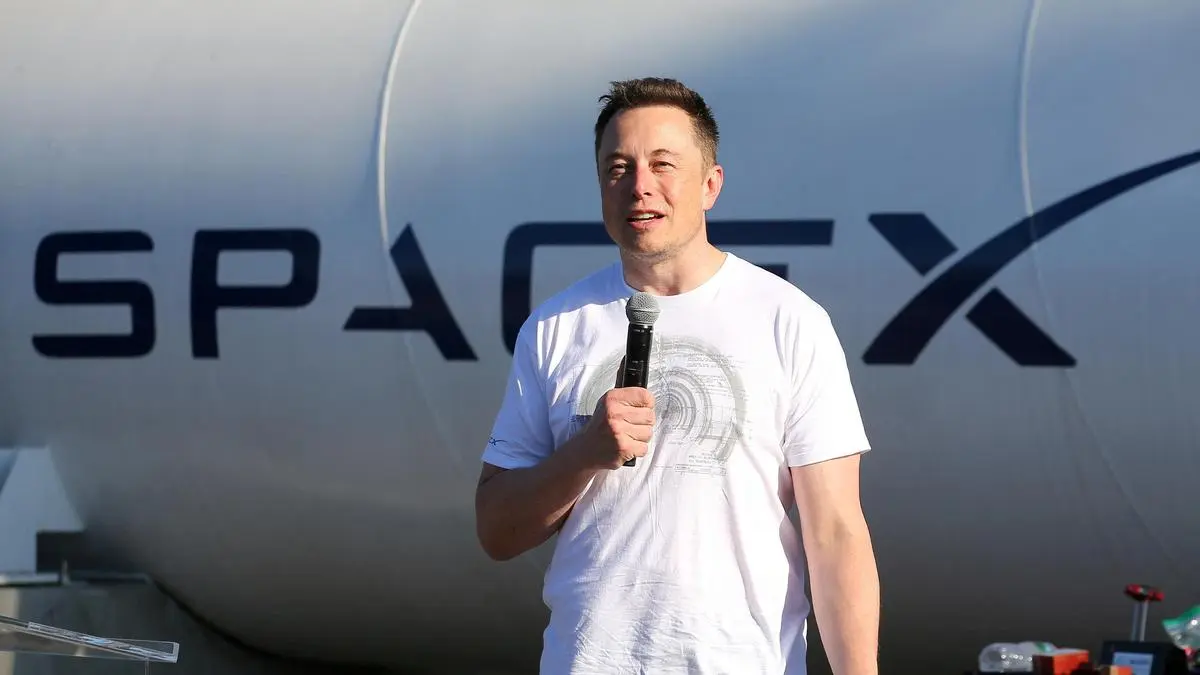
April 21 : Elon Musk increased his stake in SpaceX last year by purchasing $1.4 billion worth of stock from current and former employees, The Information reported on Tuesday. The secondary stock purchase, made through Musk's trust, was disclosed in a draft of SpaceX's confidential IPO prospectus, the report said. SpaceX also approved a plan last month that would award the billionaire CEO 60 million additional shares if the company's market capitalization climbs from $1.1 trillion to as high as $6.6 trillion and completes an ambitious plan of building data centers in space to supply compute for AI developers, The Information said. Reuters could not immediately verify the report. SpaceX did not immediately respond to a request for comment.