News & Updates
The latest news and updates from companies in the WLTH portfolio.
Kraken Being Extorted Over Stolen Crypto User Data: Will They Pay?
Ahmed Balaha is a journalist and copywriter based in Georgia with a growing focus on blockchain technology, DeFi, AI, privacy, digital assets, and fintech innovation. Kraken confirmed Monday it is being extorted by a criminal group holding videos of internal systems containing customer data, and the crypto exchange has publicly refused to comply. Chief Security Officer Nick Percoco disclosed the threat via X on April 13, 2026, stating the firm is working with federal law enforcement across multiple jurisdictions to pursue arrests. The refusal is the right call. It's also a calculated institutional signal at a moment when exchange trust is structurally fragile. How Kraken Crypto Breach and Extortion Mechanics Actually Worked This was not a credential-scraping exploit or a protocol vulnerability. The entry point in both the February 2025 incident and the current extortion threat was insider recruitment; compromised individuals within Kraken's organization granted access to internal systems, enabling reconnaissance rather than a full breach. The access appears to have been read-only, sufficient to capture customer data on video without triggering immediate detection. Percoco confirmed that Kraken received a tip about a video showcasing sensitive customer information from its internal crypto systems, the same mechanism used in the February 2025 case, when a similar video surfaced on a criminal forum. In both instances, an internal actor was identified. The criminals are now threatening to distribute those videos and associated customer data to local media and across social networks unless Kraken complies with unspecified demands. The precise dollar figure of the extortion demand has not been publicly disclosed. The pattern Percoco described is deliberate and scalable. "We have been collaborating with industry partners and law enforcement to investigate and disrupt insider recruitment efforts targeting not only crypto companies, but also gaming and telecommunications organizations," he said. That's not opportunistic hacking. That's a coordinated recruitment infrastructure operating across high-value data sectors, and Kraken is explicitly naming it as such, which matters for how the industry should respond. Emerging crypto theft vectors increasingly target infrastructure access rather than on-chain exploits, and insider recruitment fits that same threat profile. Discover: The best pre-launch token sales What User Data Was Actually Exposed - and What That Enables Kraken crypto has not publicly specified which data categories were captured in the videos, including KYC documentation, wallet addresses, transaction history, or account metadata. What is confirmed: approximately 2,000 individuals had their information viewed, and Kraken states it has already contacted everyone at risk. The access was read-only, and internal systems were not breached in the fuller sense of data being exfiltrated at scale. The practical risk for affected users is not account takeover; no funds were accessed. The risk is targeted social engineering and physical exposure. (Source - TRM Labs) With names, addresses, and account-level data in criminal hands, affected users become targets for the same wrench attack vector that CertiK tracked, resulting in over $40 million in losses last year. That figure is almost certainly undercounted, given the norms of underreporting. Kraken's outreach to affected users is the right procedural step; whether that outreach included specific security guidance, hardware key recommendations, address changes, or heightened vigilance is not confirmed.
Valorant Partners With Discord, Revamps Settings Screen, and More in Patch 12.07
Valorant has officially confirmed a partnership with Discord for its upcoming 12.07 patch, and it's set to bring a series of exciting features that Discord users will be able to enjoy once the update goes live. Alongside the Discord integration, the Valorant 12.07 update will greet players with a revamped settings page aimed at improving functionality and overall visual clarity. Riot is also rolling out a variety of bug fixes and quality-of-life improvements to enhance the overall player experience. Unfortunately, the Valorant 12.07 update doesn't introduce any changes to the actual gameplay, which means the current meta remains untouched and at least two more weeks of Neon pickers wreaking havoc in your lobbies until Patch 12.08 arrives on April 29. Without further ado, let's check out all the changes that the Valorant 12.07 patch will bring with it to the competitive shooter. Valorant 12.07 Patch Notes Revealed The partnership with Discord is easily the biggest highlight of the Valorant 12.07 update. Discord users will now be able to link their IDs with their Valorant accounts to unlock new social features. Beyond this addition, Riot Games has also shared the full details of everything included in the patch. You can check out the complete Valorant 12.07 patch notes below for a finer look at all the changes: ALL PLATFORMS BUG FIXES * Cosmetics * Store PC ONLY GENERAL UPDATES * The settings screens have been revamped to improve functionality and visual clarity * We understand some of you quickly adjust settings during games, and we didn't want to jeopardize that experience. The experience should largely feel the same but with improved QOL.

Exclusive | Anthropic Adds Novartis CEO to Board
Anthropic appointed Vas Narasimhan, chief executive of Novartis, to its board of directors. Anthropic has appointed Vas Narasimhan, chief executive of Swiss pharmaceutical company Novartis NOVN 0.20%increase; green up pointing triangle, to its board of directors, its second new board addition in recent months. The company is strengthening its board as it eyes an initial public offering, potentially as soon as this year, and as it expands its enterprise push into healthcare. The developer of the Claude chatbot added Chris Liddell, the former Microsoft and General Motors executive, to its board in February. The healthcare sector is a priority for Anthropic. It has already partnered with Eli Lilly, Novo Nordisk and Genmab with the aim of shortening drug development life cycles. Anthropic co-founder Daniela Amodei said in a statement that Narasimhan had overseen the development and approval of more than 35 novel medicines in "one of the most regulated industries." Anthropic announced several new features in January tailored to healthcare providers, insurers and health tech companies. It also expanded Claude's capabilities in life sciences to better assist with clinical trial management and regulatory operations. Earlier this month, Anthropic acquired biotech startup Coefficient Bio, according to a person familiar with the matter. The Information earlier reported on the deal talks. "AI is accelerating solutions to some of the hardest scientific challenges, from deepening our understanding of disease biology to designing better medicines," Narasimhan said in a statement.

Amazon to Acquire Globalstar to Compete with SpaceX - Techstrong IT
Amazon has agreed to acquire Globalstar in a transaction valued at roughly $11.6 billion, a purchase that supports the company's effort to build a competitor to SpaceX's Starlink network. The deal gives Amazon control of Globalstar's satellite fleet, spectrum licenses, and ground infrastructure, assets that are expected to accelerate deployment of its low Earth orbit system, known as Leo. Demand is growing for satellite-based connectivity, particularly in regions underserved by traditional cell networks. Amazon said the acquisition will allow it to expand beyond broadband into direct-to-device services, enabling smartphones and other devices to connect directly to satellites. "There are billions of customers out there living, traveling, and operating in places beyond the reach of existing networks," said Panos Panay, Amazon's senior VP of devices and services. "By combining Globalstar's proven expertise and strong foundation with Amazon's customer-obsession and innovation, customers can expect faster, more reliable service in more places." Globalstar brings an established satellite operation to Amazon's effort. The company operates a network focused on mobile satellite services, including connectivity for remote communications and emergency use cases. Globalstar has also played a central role in enabling Apple's satellite features on iPhones, including emergency messaging. As part of the announcement, Amazon and Apple confirmed a new agreement that will use the Leo network to further support satellite features on iPhone and Apple Watch models. These services include emergency messaging, location sharing, and roadside assistance, capabilities designed for use beyond the reach of land-based networks. Apple executive Greg Joswiak said the company's satellite features have already proven critical in real-world scenarios. "Our groundbreaking safety service Emergency SOS via satellite has helped save many lives around the world," he said, adding that the expanded partnership will ensure continued access to these services. Competition in the satellite sector is clearly growing more intense. SpaceX's Starlink remains the dominant player, with thousands of satellites in orbit and millions of users worldwide. Amazon, by contrast, has launched only a fraction of its planned constellation and has faced delays in meeting regulatory milestones. Acquiring Globalstar provides a shortcut to scale. Its existing infrastructure and spectrum could allow Amazon to accelerate deployment timelines and expand into direct-to-device services more quickly than building from scratch. Amazon plans to begin deploying its own direct-to-device satellite system in 2028. The company claims the new system will offer higher efficiency than earlier approaches, supporting voice, data, and messaging services directly on consumer devices. The overall strategy is to integrate these features into a unified network that supports both fixed broadband and mobile connectivity. Amazon is building a system capable of serving consumers and enterprise users across a wide range of scenarios, from rural broadband to emergency response. The transaction is expected to close in 2027, pending regulatory approval and operational milestones. Globalstar shareholders will receive either cash or Amazon stock under a structured compensation plan.

Kevin Warsh Holdings Include Polymarket, SpaceX
Federal Reserve chairman nominee Kevin Warsh has disclosed holdings spanning cryptocurrency-linked prediction markets, aerospace and artificial intelligence ventures in an official financial filing submitted to the U.S. Office of Government Ethics. The OGE Form 278e nominee report names Polymarket and SpaceX among portfolio companies held through a venture vehicle, while an accompanying ethics agreement commits Warsh to divesting those interests before assuming the Fed chair role. Warsh's OGE Form 278e identifies him as a nominee for "Chairman and Member, Board of Governors of the Federal Reserve System." The document is the primary evidence base for the disclosed holdings, filed as part of the Senate confirmation process. The distinction matters for crypto-native readers: the filing is not a voluntary transparency gesture. It is a legally required nominee disclosure that becomes part of the public record during confirmation scrutiny. The filing lists Polymarket, described as a prediction market platform, and SpaceX (acq. xAI), described as an aerospace and AI technology company, as underlying portfolio companies under AVGF II within DCM Investments 10 LLC. These are indirect holdings through a venture fund structure, not direct spot positions in crypto tokens or public equities. Separately, THSDFS LLC - Series 65 is disclosed at a value range of $250,001 - $500,000, with language stating it will be divested if Warsh is confirmed. Juggernaut Fund, LP appears twice in the filing, and each listed position is valued at over $50,000,000. The dual listing suggests separate share classes or commitment tranches within the same fund. The filing also shows Warsh earned $10,200,000 in consulting fees from Duquesne Family Office, underscoring the scale of his private-market financial relationships ahead of the nomination. Polymarket operates as a blockchain-based prediction market platform that has drawn regulatory attention from U.S. authorities. For a Fed chair nominee to hold indirect exposure to a company at the intersection of crypto infrastructure and political wagering creates a conflict-of-interest question that accessible Reuters-style summaries did not unpack. The broader media framing centered on the headline figure of assets exceeding $100 million, but the official 278 filing explicitly names Polymarket inside AVGF II under DCM Investments 10 LLC. That specificity, buried in the venture fund structure, is the detail that matters to readers tracking how Bitcoin nears $75,000 while regulatory scrutiny of crypto-adjacent platforms intensifies. SpaceX (acq. xAI) expands the story beyond digital assets into private-market AI capital. The filing identifies the company as an "aerospace and AI technology company," reflecting the post-acquisition structure after SpaceX absorbed Elon Musk's xAI. A Fed chair with disclosed exposure to both a crypto prediction market and a private AI conglomerate touches two of the market's most politically sensitive narratives. The question for institutional observers is not the size of the holdings, but whether those exposures could complicate regulatory posture on emerging technology sectors. Warsh's April 10, 2026 ethics agreement invokes 18 U.S.C. Section 208(a) and related federal ethics rules. The agreement commits him to divesting DCM Investments 10 LLC, Juggernaut Fund LP, and listed THSDFS LLC interests before assuming duties or within the stated post-confirmation divestiture window. The divestiture requirement means that the Polymarket and SpaceX/xAI exposures disclosed in the 278 filing are not permanent features of a future Fed chair's portfolio. They are flagged for disposal as a condition of service. Until divestiture is completed, Warsh will not participate in matters directly affecting those interests. This recusal provision creates a practical constraint: if confirmation proceeds before full divestiture, the new Fed chair could face limitations on deliberations involving companies or sectors linked to his covered holdings. The disclosure alone is not the full story. The ethics agreement transforms a holdings list into a policy question about the scope of action available to a sitting Fed chair during the transition period, particularly on matters touching crypto regulation or AI-sector oversight where institutional players like BlackRock are already active. The White House sent Warsh's nomination to the Senate on March 4, 2026, designating a four-year chair term and a fourteen-year board term from February 1, 2026. The disclosure filing arrives during active confirmation scrutiny, not as a post-appointment formality. The filing matters because it shapes the questions senators will ask during hearings, not because it directly changed Fed policy or market conditions. Any direct price impact attribution would be unsupported by the available evidence. The broader crypto backdrop remained risk-off at the time of the disclosure, with the Fear & Greed Index sitting at 21, firmly in "Extreme Fear" territory. Bitcoin traded near $75,490, up about 5.53% over 24 hours, reflecting macro-driven volatility rather than a reaction to the Warsh filing specifically. Industry reaction has been measured. Lindsey Johnson, President and CEO of the Consumer Bankers Association, offered support for the nomination. "On behalf of America's leading Main Street banks, we congratulate Kevin Warsh on his nomination to serve as Chair of the Federal Reserve." Lindsey Johnson, CBA President and CEO, via CBA statement For crypto and macro watchers, the confirmation calendar is the next actionable signal. Senate Banking Committee hearings will determine whether the Polymarket and SpaceX disclosures become friction points or footnotes, and whether Warsh's divestiture timeline satisfies ethics requirements before he could take the chair. No. The filing shows indirect venture exposure to Polymarket through AVGF II within DCM Investments 10 LLC. This is a fund-of-funds position, not a direct holding of crypto tokens or a personal on-chain staking position. The distinction between fund exposure and spot ownership is critical for interpreting the disclosure accurately. His ethics agreement requires divestiture of DCM Investments 10 LLC, which contains the AVGF II vehicle holding both Polymarket and SpaceX/xAI exposure. He must divest before assuming duties or within the post-confirmation window specified in the agreement. Until then, recusal rules prevent him from participating in matters directly affecting those interests. The filing does not break out Polymarket or SpaceX individually. They appear as underlying companies within AVGF II under DCM Investments 10 LLC. The largest disclosed positions are in Juggernaut Fund, LP, listed twice at over $50,000,000 each. THSDFS LLC - Series 65 is separately valued at $250,001 to $500,000. A Fed chair nominee with disclosed exposure to a blockchain-based prediction market platform raises questions about how crypto-adjacent conflicts of interest will be managed at the central bank level. The ethics agreement's recusal and divestiture provisions set a precedent for how future nominees with digital asset exposure navigate the confirmation process. Disclaimer: This article is for informational purposes only and does not constitute financial or investment advice. Cryptocurrency and digital asset markets carry significant risk. Always do your own research before making decisions.

Can a chatbot have a soul? Anthropic turns to church leaders
Anthropic AI fight with Pentagon After refusing to let its AI be used for autonomous weapons and mass surveillance, Anthropic has seen a surge in app downloads and paid subscriptions. ANTHROPIC, an artificial intelligence company valued at $380 billion, can take its pick of Silicon Valley talent thanks to the success of its chatbot Claude. But last month, the start-up sought advice from a group rarely consulted in tech circles: Christian religious leaders. The company hosted about 15 Christian leaders from Catholic and Protestant churches, academia and the business world at its headquarters in late March for a two-day summit that included discussion sessions and a private dinner with senior Anthropic researchers, according to four participants who spoke with The Washington Post. Anthropic staff sought guidance on how to steer Claude's moral and spiritual development as the chatbot responds to complex and unpredictable ethical questions, participants said. The discussions also explored how the chatbot should respond to users grieving loved ones, and whether Claude could be considered a "child of God." "They're growing something that they don't fully know what it's going to turn out as," said Brendan McGuire, a Catholic priest based in Silicon Valley who has written about faith and technology and participated in the discussions. "We've got to build ethical thinking into the machine so it's able to adapt dynamically." Attendees also discussed how Claude should engage with users at risk of self-harm, and what attitude it should take toward its own possible shutdown, according to one participant who spoke on the condition of anonymity. The summit comes as the rapid spread of AI puts Silicon Valley companies under pressure to account for the societal impact of their technology. Concerns about job losses have grown as businesses adopt AI tools. OpenAI and Google have been sued by families of people who died by suicide after intense interactions with chatbots. Both companies say they have safeguards for vulnerable users. (The Washington Post has a content partnership with OpenAI.) Anthropic has been more vocal than many tech firms about the risks of advanced AI. Its leaders have suggested that chatbots may raise profound moral and philosophical questions, and could even show early signs of consciousness -- a fringe idea in tech circles that critics say lacks evidence. The summit signals Anthropic's willingness to engage ideas outside Silicon Valley orthodoxy, even as it becomes one of the most influential players in the AI race, with Claude widely used by programmers, businesses, government agencies and the military. "A year ago, I would not have told you that Anthropic is a company that cares about religious ethics," said Meghan Sullivan, a philosophy professor at the University of Notre Dame who attended the meetings. "That's changed." A spokesperson for Anthropic said the company believes it is important to engage with different groups, including religious communities, to help shape AI as it becomes more consequential. The firm said it is working to include more voices in that process. Anthropic chief executive Dario Amodei has said he is open to the idea that Claude may already have some form of consciousness, and company leaders often speak about the need to give it a moral character. The company uses a 29,000-word "constitution" to guide Claude's behaviour and apparent personality, written by in-house philosopher Amanda Askell and employees in consultation with outside experts. It states that Claude should "never deceive users in ways that could cause real harm" and that "Anthropic genuinely cares about Claude's wellbeing." Anthropic's effort to encode principles into its model has become a point of tension in its dispute with the U.S. military over defence contracts. The company clashed with defence officials after suggesting it should be able to limit use of its technology for autonomous weapons or mass surveillance. The Pentagon's research under secretary, Emil Michael, said in an interview on CNBC last month that Claude's design could undermine U.S. forces. "We can't have a company that has a different policy preference that is baked into the model through its constitution, its soul ... pollute the supply chain so our warfighters are getting ineffective weapons," Michael said. The Trump administration has blocked government departments and contractors from using Anthropic's technology. The company has challenged the decision in court, and a judge last week allowed the block to remain while the case continues. Anthropic's March summit with Christian leaders was the first in a planned series of gatherings with religious and philosophical traditions, said attendee Brian Patrick Green, a Catholic who teaches AI ethics at Santa Clara University. "What does it mean to give someone moral formation? How do we make sure that Claude behaves itself?" Green said. At one point, participants discussed whether an AI chatbot could be called a "child of God," implying spiritual value beyond a machine. However, questions of AI sentience were not central to the meetings, he said. Most discussion time was spent with Anthropic's interpretability team, which studies how its systems work internally, the anonymous participant said. Researchers from that team recently published a technical paper suggesting systems like Claude may exhibit "functional emotions." In one experiment, restricting an AI assistant triggered signs of "desperation," according to the paper. Some Anthropic staff at the meeting "really don't want to rule out the possibility that they are creating a creature to whom they owe some kind moral duty," the participant said. Others did not find that framing useful. The discussions were at times emotionally difficult for senior Anthropic staff, who appeared visibly affected by reflections on the implications of their work, the participant added. The belief that AI has achieved sentience remains a minority view in Silicon Valley. But many researchers believe future systems may develop capabilities once considered uniquely human. For now, AI developers are still refining ways to control systems that remain unpredictable. Methods used to prevent harmful or incorrect outputs are still imperfect. Some Christian attendees initially wondered whether the summit was aimed at building political allies, Green said. Anthropic has faced criticism from allies of President Donald Trump, who accuse it of supporting regulations that could disadvantage smaller firms, as well as disputes over military applications. All four participants who spoke with The Post said they believed Anthropic was sincerely seeking outside perspectives to make its AI more beneficial to society. Some of the company's leaders are associated with effective altruism, a largely secular movement focused on using evidence and reason to maximise good outcomes. One participant said the summit appeared driven partly by a belief that secular frameworks alone may not fully address the moral and spiritual questions raised by AI. "I found the folks at Anthropic to be very sincere and interested in learning from us," said Green. "Do they have blind spots? Yes. That's exactly why they want us there."
Kraken Flags Possible Customer Data Exposure After Extortion Attempt
Kraken says a criminal group may have accessed limited customer data through internal breaches, highlighting a growing shift toward human-focused crypto attacks. You don't usually expect a crypto exchange to admit something like this publicly, but Kraken has done exactly that. The company says a criminal group is trying to extort it, claiming they have access to some customer information. According to Kraken's chief security officer, Nick Percoco, the situation doesn't involve stolen funds, which is often the biggest fear in cases like this. Instead, the concern is around limited personal data. That includes things like names and addresses, not passwords or crypto balances. Still, even that kind of information can be sensitive, especially in a space where privacy matters a lot. The company says it's already working with law enforcement across different countries to track down those involved. While Kraken hasn't shared how much money the attackers are demanding, the fact that this is being treated as an extortion case shows how serious the situation is. What makes this case stand out is how the data may have been accessed. It wasn't a typical hack involving code or system vulnerabilities. The issue, rather, appears to have come from inside the system. In two separate incidents, one in 2025 and another earlier this year, customer support staff allegedly took photos and videos of internal data. That detail points to a different kind of weakness, one that has been growing across the crypto industry. We're now seeing that, by breaking through firewalls, attackers are increasingly targeting people, likely because it could be easier to manipulate or bribe someone with access than to crack a secure system. That shift is becoming more visible as exchanges strengthen their technical defenses. But this isn't happening in isolation. Across the crypto industry, there has been a clear move toward what some call the "human layer" attacks. Ari Redbord, who works in policy and investigations at TRM Labs, explained that "What we are seeing is a shift toward the human layer. As technical defenses get stronger, the focus moves to the people inside the system, especially those whose job is to be accessible and helpful." For affected users, the company has already started reaching out with warnings. Around 2,000 customers may have had some of their data exposed, and they're being advised to stay alert for suspicious messages or attempts at fraud. Even though funds weren't touched, having personal information exposed can lead to phishing attacks or targeted scams. In crypto, where transactions cannot be reversed, even small mistakes can have big consequences. Kraken's response suggests it is trying to stay ahead of the situation. By being open about the issue and involving authorities early, the exchange is aiming to contain both the damage and the reputational impact. This incident comes at a time when trust in crypto platforms is already under pressure. In just the past year, several high-profile cases have shown how quickly things can go wrong. In 2026 alone, the Drift Protocol hack saw attackers drain about $285 million in minutes, making it one of the biggest breaches of the year and exposing how even advanced systems can be manipulated through a mix of technical and human weaknesses. That shift is becoming clearer across the industry. In 2025, hackers targeted Coinbase by bribing customer support agents to access user data, turning insiders into entry points instead of breaking through code. Against that backdrop, cases like Kraken's highlight an uncomfortable truth. Security is no longer just about code. It is also about people, processes, and how information is handled at every level.

YPF awards Halliburton unconventional completions contract in Argentina - Drilling Contractor
YPF awarded Halliburton a multibillion-dollar, multi-year contract to provide bundled unconventional completions services in the Vaca Muerta shale play in Argentina. The award followed a competitive process and establishes a dedicated, exclusive collaboration between the two companies. Under the contract, Halliburton will deploy its ZEUS electric fracturing services in their first international application. The agreement also includes the OCTIV Auto Frac service, part of Halliburton's OCTIV digital fracturing services environment.
Report: SpaceX's satellite internet business is propping up its rocket and AI businesses
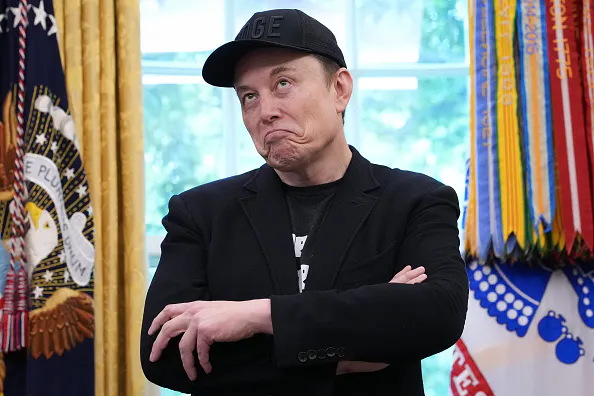
Ahead of SpaceX's highly anticipated IPO in June, new reporting from The Information reveals just how dependent the rocket and AI company is on its internet business. According to the report, in 2025, Starlink generated $11.4 billion in revenue and $7.2 billion in adjusted EBITDA -- a striking 63% margin -- making it SpaceX's only meaningful source of profit. By contrast, the company's core rocket launch business and its recently acquired AI unit, xAI, lagged far behind financially. The space launch business generated $4.1 billion in revenue and about $700 million in adjusted EBITDA, while the AI segment brought in $3.2 billion in revenue but lost roughly $1.2 billion on an EBITDA basis. In other words, Starlink accounted for most of SpaceX's revenue -- and more than all of its adjusted profit. Starlink's profitability is already attracting rivals. Amazon on Tuesday agreed to acquire satellite company Globalstar in an effort to more directly compete with Starlink.
Polymarket audits startups potentially helping users copy insider trading: report
We'd love your feedback. Take a 30-second survey to help improve The Block. Polymarket, the prediction platform startup seeking a roughly $20 billion valuation, has launched an audit of app startups that promise to help users track the activity of successful traders who could be guilty of insider trading, The Information reported Tuesday. "Polymarket was already under pressure to curb insider trading when it launched a program late last year to support startups that sent trades to its prediction market," the outlet reported. "Those companies quickly began handing suspected insider trading accounts to their own customers, letting them copy those trades ... Now Polymarket has launched an audit of those startups." The startups being audited build what are called "copy-trading apps." These apps help users track the activity of successful traders who might be privy to nonpublic information. Both Polymarket and its chief rival, Kalshi, have faced scrutiny over insider trading. Last month, Polymarket introduced clearer rules around insider trading and enforcement. Polymarket didn't immediately respond for comment. Expand Chart 'Guide' to insider trading The Information reported that one startup supported by Polymarket's developers program, Polycool, offers a "guide to Polymarket insider trading" on its website. "This isn't the stock market, where using nonpublic information will land you in jail," Polycool says on its site. "The rules for decentralized prediction markets are a completely different game." Another startup, Kreo, offers to help users "find insiders before the rest." These apps participated in a Builders Program that Polymarket launched last November. The outside developers create apps built on top of Polymarket's technology. "These copy-trading apps give their customers lists of Polymarket traders with good winning streaks, or flag unusually large or oddly timed bets that may be based on confidential information," said The Information. "Customers can use bots to copy the trades or can receive notifications of seemingly well-placed trades. The apps charge a fee to use their services." The copy-trading apps have helped boost trading volume on Polymarket by hundreds of millions of dollars.

Anthropic Has Wiped Out Trillions From the Software Sector. 2 Things Can Happen Next | The Motley Fool
The value that's been erased in software should appear elsewhere in the stock market. Software stocks jumped on Monday, but the trend in the sector this year has been clear. Year-to-date, the iShares Expanded Tech-Software Sector ETF (IGV +1.75%), which tracks top software stocks like Microsoft (MSFT +2.06%), Palantir, and Oracle, is down 26.4% for the year. While sky-high valuations in the sector coming into the year may be partially to blame, the biggest explanation for the collapse in software stocks is Anthropic. The AI start-up has made rapid advances in its AI models and plug-ins, designed to compete with entrenched enterprise software companies. Many of the software-as-a-service (SaaS) sector's worst days were triggered by product announcements from Anthropic. For example, Mythos, its latest model, is so powerful, posing serious risks to banks and cybersecurity, that the company chose not to release it to the public. CrowdStrike, the leading cybersecurity firm, fell 8% on the day it was announced. All told, software stocks have lost trillions in market value this year. Microsoft, alone, has given up $700 billion, and Palantir and Oracle are each down about $100 billion. Anthropic isn't entirely to blame for the sell-off in the software sector, but it looks like the primary culprit at this point. There are two scenarios that can unfold from here, and both represent opportunities for investors. The underlying premise for the software sell-off is that AI agents and "vibecoding" platforms from Anthropic and peers like OpenAI will make software much cheaper to make and more customizable, alleviating the need for enterprises to spend tens of millions of dollars on massive per-seat contracts with the likes of Salesforce and ServiceNow. While there is some anecdotal evidence that businesses are starting to do this, the notion that Anthropic will kill individual software companies has received substantial pushback. Nvidia CEO Jensen Huang said in February that "markets got it wrong" on the software sell-off, arguing that agentic AI will use existing software programs, rather than disrupting them. There's also little evidence in these companies' earnings reports that they are experiencing any disruption. In fact, most of them continue to post strong growth and guidance, and are incorporating AI tools into their products. In this scenario, software stocks continue to deliver solid growth, and the market eventually gives up on the AI disruption trade, leading to a recovery. Investing in the IGV ETF or its individual components is the best way to profit in this scenario. Alternatively, Anthropic and other agentic AI tools could successfully disrupt the software sector, much like the internet disrupted pre-digital forms of media. If that happens, it's likely to take years, but the value being destroyed in the software sector should show up elsewhere. Anthropic is an obvious candidate, but the company is still privately held, making it difficult to invest directly in the company. Another option is to invest in Anthropic's biggest customers, as those companies are likely to benefit from the productivity and cost-savings from agentic AI. Of the publicly traded companies using Anthropic, one of the biggest, surprisingly, is Microsoft. Though the Windows-maker is known for its partnership with OpenAI, it's now on pace to spend around $500 million on Anthropic this year, according to The Information. Cognizant Technology Solutions also recently became one of Anthropic's three largest customers by seats, with plans to make Claude available for its 350,000 employees. Additionally, Amazon and Alphabet are both major investors and partners of Anthropic, though it's unclear how much they actually spend on Anthropic products. Anthropic is growing rapidly, meaning its customer list is too, which should provide more potential targets for investors. The opportunity to buy shares of Anthropic could also soon be a possibility as the company is aiming to go public by the end of the year. Overall, investors may want to consider hedging into both scenarios here. Investing in software stocks is the easiest and most direct option, but if Anthropic is truly disruptive enough to crush the enterprise software industry, then the companies leveraging its power should benefit. Notably, Microsoft appears on both lists, making it a good candidate for investors. While its software business might be at risk of disruption, its cloud infrastructure division is seeing surging growth from AI, and the stock is as cheap as it's been in years.

Fed nominee Warsh's holdings include SpaceX, Polymarket, crypto and AI
WASHINGTON, April 14 (Reuters) - Holdings in Elon Musk's SpaceX company and predictions platform Polymarket are among dozens of future-oriented assets that Federal Reserve chair nominee Kevin Warsh lists on a newly filed financial disclosure that shows dozens of apparently small bets on a wide array of emerging and almost science fiction-sounding ventures. Warsh's major holdings put his assets at well over $100 million, including two $50-million-plus holdings in the Juggernaut Fund LP, apparently part of Warsh's work advising for the Duquesne Family Office, the private investment firm of Stanley Druckenmiller. But it is in dozens of other holdings, listed as part of something called DCM Investments 10 LLC with a market value of no more than half a million dollars, that Warsh's stylings as a traditionalist central banker morph into an emerging future of digitized AI avatars doling out advice, AI-driven art, new vaccines for herpes and longlasting reversible male contraception, and decentralized derivatives trading. SpaceX may be well known for Musk's business blanketing the globe with internet satellite coverage and ambitions for a manned journey to Mars. But the relatively small half-million-dollars spread across dozens of firms suggests early stage bets on less well-known companies that may make it, may not, or may make it big. There's "Recraft," described in Warsh's filing as an "AI vector art platform." There's Volt, an "AI physical security software" company, and 11x, an "autonomous AI workforce platform." A company called Outpace Bio is involved in protein engineering, a field considered to have enormous potential through the use of AI; Partiful takes human welfare in a different direction offering a "social event planning platform"; Cafe X could provide synergy there with its "robotic coffee bar platform." Crypto and fintech are other focuses, including Tenderly, an "ethereum developer platform," Stashfin, described as a "consumer lending neobank," and Lemon Cash, described as a crypto financial services platform. The holdings run on to other health items including a firm developing a herpes vaccine, one developing a "reversible male contraceptive" currently in clinical trials, and a "bionic" clothing company that assists movement. There's also a "digital cloning platform" called Delphi AI, whose website says it will "turn your knowledge into an interactive profile people can talk to. Showcase your expertise, answer repetitive questions, and discover what people want to know next," a tool Warsh might find useful at Fed press conferences. (Reporting by Howard Schneider; Editing by Chizu Nomiyama )
Kraken Defies Extortionists
Crypto incident losses jumped to over $178 million in March 2026, driven largely by authorization abuse. Kraken just gave a masterclass in how to handle cyber-extortionists. A criminal group claimed they had the keys to the kingdom and tried to shake the exchange down, but Kraken isn't biting. Their CSO, Nick Percoco, laid it out on social media: while about 2,000 accounts saw some 'inappropriate access,' the core systems are totally fine. Even when the hackers threatened to leak videos of internal tools, Kraken stood its ground and refused to pay a cent. They're now working with the feds to hunt the group down, proving that the era of easy crypto shakedowns is over. Kraken's refusal to negotiate follows a historical precedent set by Coinbase in May 2025. In that instance, hackers attempted to extort $20 million after compromising the data of 70,000 users through bribed contractors. Kraken's current situation appears more contained, focusing on account-level unauthorized access rather than a bribe-led system compromise. However, the rise in these attempts correlates with a broader spike in crypto-related crime. According to blockchain intelligence firm Nominis, March 2026 saw a massive jump in losses -- up to $178 million from just $49 million in February. The primary culprit in these modern attacks is "authorization abuse." Rather than cracking sophisticated encryption, hackers are increasingly tricking users or contractors into approving malicious transactions or providing access credentials. Percoco's digging in his heels for a reason: he wants to send a clear message that attacking them just isn't worth the trouble. By making the 'cost' of the heat from law enforcement way higher than the actual loot, he's trying to scare off the next guy. For the 2,000 users caught in the middle, the priority now is locking down their accounts and staying sharp -- the real danger now is the wave of follow-up phishing emails that usually follow a data leak. The "Kraken Stance" represents a maturing industry that prioritizes long-term security and legal accountability over quick, quiet payouts to bad actors. Are my funds on Kraken safe? Yes, the exchange has confirmed that user funds were not at risk and no system-wide breach occurred. How many people were affected? Approximately 2,000 user accounts were impacted by unauthorized access to client data. What should I do if I have a Kraken account? As a general rule, ensure you have two-factor authentication (2FA) enabled and avoid clicking on suspicious links in emails.
Lawfare Live: A Hearing on Anthropic's Preliminary Injunction Motion
Join the Lawfare team for a live debrief of the hearing this evening. Following the March 24 hearing in Anthropic's suit challenging its supply chain designation on the AI company's request for a preliminary injunction, Lawfare Editor in Chief Benjamin Wittes will sit down with Lawfare Senior Editors Kate Klonick, Molly Roberts, and Roger Parloff for a live discussion of what occurred. The hearing will begin at 4:30 pm ET and the livestream will occur following its conclucion. The livestream is tentatively scheduled for 6:30 pm ET but this timing is subject to change. The official start time of the livestream will be announced on Lawfare's social media and YouTube page once the hearing concludes.

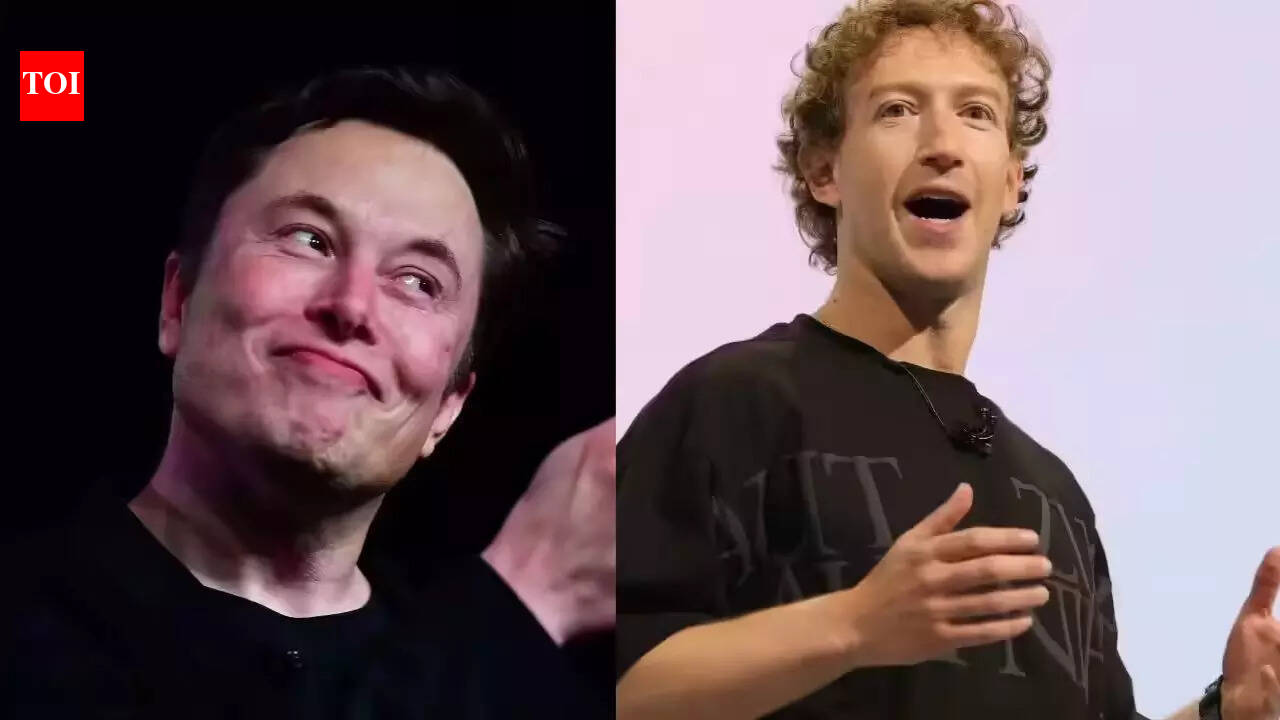
After seeking Mark Zuckerberg's help against Sam Altman and slamming Instagram, WhatsApp; SpaceX IPO may make Elon Musk do what has been unthinkable since years
Elon Musk may be doing the unthinkable: returning to the social media platforms he once famously trashed. Despite years of public feuds with Mark Zuckerberg and criticising apps like Facebook, a report has claimed that the world's richest man is expanding his social media footprint. The reason may be a mission to turn SpaceX into a trillion-dollar company. What's interesting is that this report comes weeks after court documents showed that in early 2025, Musk reached out to Zuckerberg with a proposal, asking him to join forces to buy OpenAI. Musk tried to recruit his long-time rival into his legal and corporate battle against Sam Altman.For years, Musk has been a vocal critic of Meta-owned Instagram and Facebook. In 2018, he deleted his personal accounts and his companies' pages, later telling Joe Rogan that Instagram leads to "unhappiness." He even briefly banned users on X from promoting their Instagram profiles.However, a report by The New York Times says that a verified Instagram account with the handle @elonmusk recently surfaced and it is currently private with no posts. Even more surprising is a verified TikTok account under his name posted its first video last week - a "supercut" of achievements from Tesla and SpaceX captioned "Ad Astra" (to the stars).But what is the reason behind this (alleged) sudden change of heart? Reports point to the upcoming SpaceX Initial Public Offering (IPO). To ensure the rocket company's debut is a success, Musk needs to reach the widest audience possible to drum up investor interest, the report said.While X is his own platform that he uses to broadcast messages,, TikTok and Instagram offer access to billions of potential investors and fans that he cannot reach on X alone. If the IPO is successful, it could propel Musk to becoming the planet's first trillionaire.The move appears to be a calculated retreat from his "X-only" stance. By utilising TikTok, which US President Donald Trump said helped him win elections for the second term, and potentially Instagram, Musk is pushing SpaceX as well as his other companies Neuralink and The Boring Company to a global audience.
GRANDGEAR Film Teases Robot Vs. Kaiju Chaos, Sets Release Date
Grandgear is gonna bring some big robot and kaiju action to theaters in the not-so-far future. Sony Pictures is behind this project, which has Godzilla Minus One director Takashi Yamazaki on the team as well as Bad Robot's J.J. Abrams producing. The production company teased more information at CinemaCon 2026 for the Grandgear movie, including a February 18, 2028 release date as well as a short but very cool concept clip from the film. It was a whole lotta mecha versus kaiju chaos in the streets, basically. And it certainly caught the attention of the crowd, even though it was a very short look. We are hype about what's coming from Sony in the future, including a Bloodborne R-rated film.

U.S. Fed nominee Kevin Warsh's holdings include SpaceX, Polymarket and dozens of futuristic firms
Holdings in Elon Musk's SpaceX company and predictions platform Polymarket are among dozens of future-oriented assets that Federal Reserve chair nominee Kevin Warsh lists on a newly filed financial disclosure that shows dozens of apparently small bets on a wide array of emerging and almost science fiction-sounding ventures. Warsh's major holdings put his assets at well over US$100-million, including two US$50-million-plus holdings in the Juggernaut Fund LP, apparently part of Warsh's work advising for the Duquesne Family Office, the private investment firm of Stanley Druckenmiller. But it is in dozens of other holdings, listed as part of something called DCM Investments 10 LLC with a market value of no more than half a million dollars, that Warsh's stylings as a traditionalist central banker morph into an emerging future of digitized AI avatars doling out advice, AI-driven art, new vaccines for herpes and long-lasting reversible male contraception, and decentralized derivatives trading. Who is Trump's Federal Reserve chair nominee Kevin Warsh? SpaceX may be well known for Musk's business blanketing the globe with internet satellite coverage and ambitions for a manned journey to Mars. But the relatively small half-million-dollars spread across dozens of firms suggests early stage bets on less well-known companies that may make it, may not, or may make it big. There's "Recraft," described in Warsh's filing as an "AI vector art platform." There's Volt, an "AI physical security software" company, and 11x, an "autonomous AI workforce platform." A company called Outpace Bio is involved in protein engineering, a field considered to have enormous potential through the use of AI; Partiful takes human welfare in a different direction offering a "social event planning platform"; Cafe X could provide synergy there with its "robotic coffee bar platform." Crypto and fintech are other focuses, including Tenderly, an "ethereum developer platform," Stashfin, described as a "consumer lending neobank," and Lemon Cash, described as a crypto financial services platform. The holdings run on to other health items including a firm developing a herpes vaccine, one developing a "reversible male contraceptive" currently in clinical trials, and a "bionic" clothing company that assists movement. There's also a "digital cloning platform" called Delphi AI, whose website says it will "turn your knowledge into an interactive profile people can talk to. Showcase your expertise, answer repetitive questions, and discover what people want to know next," a tool Warsh might find useful at Fed press conferences.

US Treasury Seeking Access to Anthropic's Mythos to Find Flaws
The US Treasury Department's technology team is seeking to gain access to Anthropic PBC's Mythos AI model so it can begin hunting for vulnerabilities, according to a person familiar with the situation. Treasury Chief Information Officer Sam Corcos was aiming to gain access to the model, which Anthropic has been releasing to a limited number of institutions, as soon as this week, the person said, asking not to be identified because the information isn't public. Corcos briefed the Treasury's cybersecurity team on the technology last week and directed it to prepare for the eventual threats from powerful AI systems, the person said. Treasury didn't respond to requests for comment. Anthropic declined to comment. Treasury Secretary Scott Bessent and Federal Reserve Chair Jerome Powell summoned Wall Street leaders last week to an urgent meeting on concerns that Mythos will usher in an era of greater cyber risk. Anthropic has warned that the model may be capable of powering cyberattacks if companies don't test it against their own systems and build defenses ahead of any wider release. At the meeting last week, Wall Street leaders were urged to take Mythos seriously and to use it to detect vulnerabilities. The Treasury Department is seeking access from Anthropic despite the Pentagon labeling the artificial intelligence company a US supply chain risk earlier this year. The government made the declaration after a dispute with Anthropic over how its AI technology may be used by the military, and set a six-month period for the company to hand over AI services to another provider. The startup is fighting the designation in federal court. Get the Tech Newsletter bundle. Get the Tech Newsletter bundle. Get the Tech Newsletter bundle. Bloomberg's subscriber-only tech newsletters, and full access to all the articles they feature. Bloomberg's subscriber-only tech newsletters, and full access to all the articles they feature. Bloomberg's subscriber-only tech newsletters, and full access to all the articles they feature. Plus Signed UpPlus Sign UpPlus Sign Up By continuing, I agree to the Privacy Policy and Terms of Service. Corcos -- co-founder of a health tech startup and a part of the Department of Government Efficiency, or DOGE, that Elon Musk led to orchestrate cuts at agencies -- was named Treasury's chief information officer in mid-2025. Corcos had encouraged the use of Anthropic's Claude AI tools within the Treasury's technology team before the company was labeled a supply chain risk, according to the person familiar with the situation. During testing of Mythos, Anthropic's security team found it was capable of identifying and then exploiting vulnerabilities "in every major operating system and every major web browser when directed by a user to do so." In one case, it wrote a web browser exploit that chained together four vulnerabilities. In a recent blog, Anthropic introduced an initiative called Project Glasswing through which a limited number of organizations are testing Mythos. Anthropic said in the post that it has been in "ongoing discussions" with government officials about the model and its capabilities. "We are ready to work with local, state, and federal representatives," the startup said. Wall Street banks themselves have begun testing Mythos internally. While JPMorgan Chase & Co. was the only bank named as part of an initiative to test the Mythos model, other major financial institutions including Goldman Sachs Group Inc., Citigroup Inc., Bank of America Corp. and Morgan Stanley have also gained access, people familiar with the matter told Bloomberg last week.
Neion Bio Strengthens Genome Engineering Leadership with Appointment of Colossal Biosciences Veteran James Kehler
Dr. James Kehler at Neion Bio's facilities in the Ford Center Incubator at Rockefeller University. Get the latest news delivered to your inbox Sign up for The Manila Times newsletters By signing up with an email address, I acknowledge that I have read and agree to the Terms of Service and Privacy Policy. Advertisement James Kehler and Sven Bocklandt Dr. James Kehler (left) and Dr. Sven Bocklandt (right) on the campus of Rockefeller University. Advertisement NEW YORK, April 14, 2026 (GLOBE NEWSWIRE) -- Neion Bio, a biotechnology company revolutionizing the production of biologic medicines, today announced the appointment of James Kehler, VMD, PhD, as Head of Avian Sciences. Dr. Kehler joins Neion Bio from Colossal Biosciences, where he served as Vice President of BioSynergy overseeing multiple programs at the intersection of genome engineering and animal science. His appointment further strengthens Neion's leadership bench in advanced genome engineering, following the earlier recruitment of founding geneticist and Chief Scientific Officer Dr. Sven Bocklandt, who also joined Neion from Colossal Biosciences. "James has a rare ability to translate cutting-edge genome engineering into real-world preclinical and translational execution," said Dimi Kellari, co-founder and CEO of Neion Bio. "As we scale our platform toward commercial programs, building a leadership team with deep experience at the frontier of genetic engineering is a deliberate priority." Dr. Kehler brings more than two decades of experience developing advanced gene-edited animal models and enabling preclinical studies for leading biotechnology and pharmaceutical organizations. His pioneering work in cloning mammals from blood was recognized as one of TIME magazine's Best Inventions of 2025. Advertisement Earlier in his career, Dr. Kehler worked alongside Dr. Bocklandt to develop the world's first gene-edited hypoallergenic cat. He received his VMD and PhD in Cell and Molecular Biology from the University of Pennsylvania and completed post-doctoral training at the National Institutes of Health, including research appointments at the National Institute of Diabetes and Digestive and Kidney Diseases (NIDDK), the National Institute of Neurological Disorders and Stroke (NINDS), and the National Cancer Institute (NCI). Dr. Kehler has held leadership roles at several notable biotechnology organizations, including Stemgent (now part of REPROCELL), the New York Stem Cell Foundation (now part of The Jackson Laboratory), MTI-GlobalStem (now part of Thermo Fisher Scientific), and Mirimus. In these roles, he led the development of advanced gene-edited models to enable translational and preclinical programs across multiple therapeutic areas. "Very few areas of science have advanced as rapidly as genome engineering over the past decade," said Dr. Kehler. "I'm thrilled to join Neion Bio at this stage of both the field and the company's development to apply frontier genetics to an industrial application with the potential to meaningfully expand innovation and access to medicines. Neion has a unique opportunity to translate scientific progress into durable technology that will have lasting impact." Dr. Kehler's appointment reinforces Neion Bio's focus on advancing its genome engineering platform toward industrial-scale production of biologic medicines. His addition further strengthens the company's ability to translate scientific innovation into scalable, cost-efficient manufacturing solutions for the biotech industry. About Neion Bio Advertisement Neion Bio is pioneering a new era in biomanufacturing, using frontier genetic engineering to harness nature's most prolific molecular factory - the egg - to produce biological medicines with unprecedented efficiency, scalability, and environmental sustainability. Founded in 2024, Neion aims to dramatically lower the cost of biologics manufacturing to spur biotech innovation and democratize global access to life-changing therapies. Neion's Raptor™ platform enables localized, resilient domestic manufacturing of critical medicines, strengthening national security while unlocking significant commercial opportunities. Led by a multidisciplinary team of scientists and industry veterans with deep expertise in genetic engineering, biologics manufacturing, and commercialization, Neion is building a platform designed to reset the boundaries of what is possible in biomanufacturing. The company aims to become the partner of choice for upstream biologics manufacturing and deliver transformational advantages for the biotech industry and patients worldwide. Neion Bio Contacts: [email protected] Photos accompanying this announcement are available at

Neion Bio Strengthens Genome Engineering Leadership with Appointment of Colossal Biosciences Veteran Jame
"James has a rare ability to translate cutting-edge genome engineering into real-world preclinical and translational execution," said Dimi Kellari, co-founder and CEO of Neion Bio. "As we scale our platform toward commercial programs, building a leadership team with deep experience at the frontier of genetic engineering is a deliberate priority." Dr. Kehler brings more than two decades of experience developing advanced gene-edited animal models and enabling preclinical studies for leading biotechnology and pharmaceutical organizations. His pioneering work in cloning mammals from blood was recognized as one of TIME magazine's Best Inventions of 2025. Dr. Kehler's appointment reinforces Neion Bio's focus on advancing its genome engineering platform toward industrial-scale production of biologic medicines. His addition further strengthens the company's ability to translate scientific innovation into scalable, cost-efficient manufacturing solutions for the biotech industry. About Neion Bio Neion Bio Contacts: [email protected] Photos accompanying this announcement are available at https://www.globenewswire.com/NewsRoom/AttachmentNg/e37518bc-d9ef-45ce-99a7-35e82f143444 https://www.globenewswire.com/NewsRoom/AttachmentNg/4f6216ab-2904-4d09-b30a-41ec33b0e03b Market News and Data brought to you by Benzinga APIs To add Benzinga News as your preferred source on Google, click here.
