News & Updates
The latest news and updates from companies in the WLTH portfolio.
3 Satellite Stocks To Check Out Before SpaceX's IPO
Elon Musk's SpaceX IPO, anticipated sometime this year, could be the biggest of all time based on a rumored valuation of $1.75 trillion -- and savvy investors might want to start thinking about how other space stocks could be swept up for the ride. A number of companies in the burgeoning satellite industry may be primed for movement as the massive SpaceX event approaches, but more importantly, some of these firms have compelling investment theses all on their own. Three stellar names that are not SpaceX include BlackSky Technology Inc. NYSE: BKSY, Viasat Inc. NASDAQ: VSAT, and Redwire Corp. NYSE: RDW. Not only do these companies stand to gain extra investor attention in the lead-up to the SpaceX IPO, but some or all of them may play a pivotal role in the ongoing Iran war or other geopolitical events in the near-term as well. BlackSky's Technological Advantage Needs Continued Support From Growing Fundamentals BlackSky operates a constellation of satellites used for geospatial intelligence and similar services. Although it is a pre-profit company with some inconsistency in its revenue growth (in the last quarter, revenue of $35.2 million missed analyst predictions by close to $2 million), it ended 2025 with a massive $345-million backlog and $240 million in contract bookings, indicating very strong customer interest. This company's key advantage is its ability to offer satellite imagery in real time, a feat that many other competitors cannot match at this point. The benefits of this feature span everything from defense applications to weather services, disaster management, and more. What investors should watch in 2026 is whether BlackSky can successfully convert its backlog and growing customer interest into realized sales. This will likely hinge on its ability to continue to deploy and scale its latest Gen-3 satellite systems. Growing margin, continuing to firm up cash position, and minimizing capital expenditures will also be crucial. With a price-to-sales (P/S) ratio of 8.11, BlackSky may not have much room for missteps in these areas, but analysts remain confident based on a Moderate Buy rating and expectations of 25% in upside. Return to Profitability as Viasat Prepares for Major New Satellite Launches Broadband and wireless communications provider Viasat has already seen shares climb by about 25% year-to-date (YTD) after strong indications of improving fundamentals in its earnings report for Q3 fiscal 2026, the period ended Dec. 31, 2025. After a $158-million loss in the prior-year quarter, the company swung back to profit with net income of $25 million and also noted positive free cash flow. On top of that, backlog climbed by 12% year-over-year (YOY) to nearly $4 billion. Like BlackSky, Viasat is also banking on strong execution of a new generation of satellites -- the ultra-high-capacity ViaSat-3 -- to continue to boost these fundamentals through the rest of the year and beyond. Growing interest from the government, reflected in multi-year contracts, should provide stable, recurring revenue. The launch of the ViaSat-3 program should help to further increase the company's appeal to government clients as well as customers in the aviation and maritime industries. There may be somewhat less room for near-term upside compared to BKSY, but VSAT still enjoys support from analysts overall with a Moderate Buy rating. Potential Value Deal on a Satellite Infrastructure Firm Redwire is a different type of satellite company from the others above -- this firm is a space infrastructure that designs, services, and builds spaceflight and satellite hardware and software. Shares have remained roughly flat YTD amid a low gross margin for the latest quarter and wider-than-expected net losses. However, Redwire's backlog reached a record of more than $411 million with accelerating bookings toward the end of 2025, and management has predicted 2026 revenue between $450 million and $500 million, for about 42% YOY improvement at the midpoint. With a P/S ratio of 4.52, Redwire is fairly attractively valued given its prospects for the quarters to come. Defense and space contracts are likely to continue to fuel growth in the remainder of this year, but the bigger question for this company may be profitability and whether it can successfully boost its margins. Like the companies above, analysts are generally bullish on RDW shares, rating them a Moderate Buy overall. The consensus price target across Wall Street is nearly $14, which indicates strong upside potential of about 80%. Investors anticipating a boost in interest in Redwire as the SpaceX IPO approaches might find the company to be competitively valued after its latest dip. Should You Invest $1,000 in BlackSky Technology Right Now? Before you consider BlackSky Technology, you'll want to hear this. MarketBeat keeps track of Wall Street's top-rated and best performing research analysts and the stocks they recommend to their clients on a daily basis. MarketBeat has identified the five stocks that top analysts are quietly whispering to their clients to buy now before the broader market catches on... and BlackSky Technology wasn't on the list. While BlackSky Technology currently has a Moderate Buy rating among analysts, top-rated analysts believe these five stocks are better buys.

Pre-game Stats: Oilers Vs Kraken
2nd place in the Pacific Division Last Game: 4-2 W vs ANA PP: 30.2% PK: 77.3% GF-GA: 258-251 32-29-11 | 75 PTS 5th place in the Pacific Division Last Game: 3-2 SOL at BUF PP: 20.7% PK: 73.4% GF-GA: 206-224 Edmonton Oilers | Seattle Kraken 37-28-9...........Record.............32-29-11 19-13-4......Home Record.......17-14-5 18-15-5........Road Record........15-15-6 6-3-1.......Last 10 Games.......3-5-2 3.49..........GF/Game..........2.85 3.35...........GA/Game..........3.03 30.2% .........PP.........20.6% 77.3% .......PK......73.4% 52.6%.......FO%......47.9% Connor McDavid: 74 GP, 42 G, 82 A, 124 PTS Leon Draisaitl: 65 GP, 35 G, 62 A, 97 PTS Evan Bouchard: 74 GP, 20 G, 66 A, 86 PTS Jordan Eberle: 70 GP, 23 G, 28 A, 51 PTS Matty Beniers: 72 GP, 19 G, 26 A, 45 PTS Chandler Stephenson: 70 GP, 15 G, 29 A, 44 PTS Colton Dach (undisclosed, LTIR); Mattias Janmark (undisclosed, LTIR); Leon Draisaitl (lower body, LTIR); Trent Frederich (undisclosed, out). Jaden Schwartz (face, day-to-day); Shane Wright (undisclosed, day-to-day) [expected to return tonight]; Ryan Winterton (personal, out) [expected to return tonight]; Max McCormick (hip, out) EDM: Likely Connor Ingram; 2.80 GAA, .892 SV%, 13-8-2 VGK: Probable Philipp Grubauer: 2.60 GAA, .910 SV%, 13-9-4

Hartsfield-Jackson Atlanta International Airport TSA Wait Time Plummet to Minutes After Weeks of Chaos
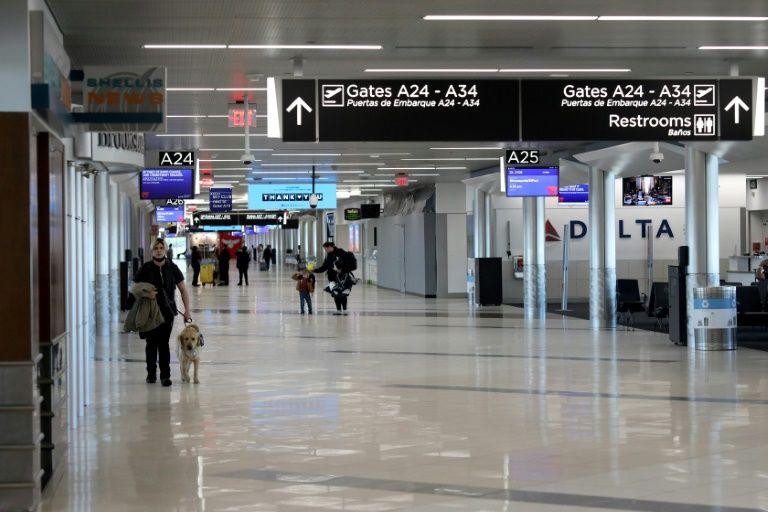
ATLANTA -- Security lines at Hartsfield-Jackson Atlanta International Airport, the world's busiest, have dramatically shortened Tuesday with TSA wait times dropping to as little as a few minutes at many checkpoints, offering relief to spring break travelers after weeks of chaos triggered by a partial government shutdown and severe staffing shortages. As of mid-morning on March 31, 2026, multiple checkpoints at ATL showed minimal delays. Domestic terminals reported waits of 0 to 2 minutes at main, north and lower north lanes, while the south PreCheck-only checkpoint registered near zero. International main checkpoint waits hovered around 4 minutes, according to real-time trackers and airline reports. Earlier in the day, some sources noted waits under 5 minutes across the board shortly after 6:20 a.m. ET. The sharp improvement marks a stark turnaround from recent weeks when lines snaked through terminals, baggage claim areas and even outside, with waits stretching up to four hours during peak morning rushes. Airport officials had urged passengers to arrive at least four hours early due to unpredictability, and the official TSA wait time tracker was temporarily suspended because of inaccuracy amid fluctuating staffing. The relief comes as TSA officers received long-overdue paychecks following executive action to address the funding lapse that left many agents unpaid for weeks. High call-out rates -- reportedly nearing 40% at times -- had crippled checkpoint capacity during one of the busiest travel periods, overlapping with spring break, Passover and upcoming Easter holidays. Hartsfield-Jackson Atlanta International Airport handled more than 100 million passengers in recent full years, serving as a critical hub for Delta Air Lines and a gateway for domestic and international travel. Even on a relatively lighter Tuesday, the airport processes tens of thousands of travelers daily, making staffing levels critical for smooth operations. Travelers on social media and Reddit megathreads reported swift passage through security in the early hours, with some PreCheck and Clear lanes moving even faster. However, airport leadership continued to recommend caution, advising at least three to four hours for domestic flights and more for international, citing lingering risks of hour-to-hour swings in wait times. "After weeks of huge lines, TSA waits at America's busiest airport have plummeted from 4 hours to 5 minutes," one national report noted, highlighting similar improvements at other hard-hit hubs like Houston. The partial government shutdown, now stretching into its later stages, had forced the Transportation Security Administration to operate with reduced personnel. Federal immigration officers were temporarily deployed to assist at checkpoints, but their long-term presence remained uncertain. Union leaders warned of potential mass exodus of experienced TSA staff even after backpay, raising questions about sustained recovery. Delta Air Lines, which operates its largest hub at ATL, published its own wait time dashboard showing short domestic and international checkpoints Tuesday morning. Other third-party trackers reported average waits fluctuating between 10 and 54 minutes depending on the hour, but real-time observations indicated far lighter conditions than the previous week's peaks. Passengers shared mixed experiences on platforms like Reddit's r/Atlanta, where daily TSA megathreads documented everything from 30-minute PreCheck delays on prior days to near-empty lanes on Tuesday. One common theme: early morning (5-9 a.m.) remained the most unpredictable period, with lines building quickly before easing later. Airport general manager Ricky Smith acknowledged ongoing challenges but noted improvement as staffing stabilized. "We've seen increased patience from passengers during these recent challenges caused by our federal partners," the airport posted in updates thanking travelers. For those without TSA PreCheck or Clear, standard lanes still carried risks of moderate delays during surges. Families, travelers with children or those needing additional screening faced longer processing even when general lines appeared short. Officials stressed removing liquids, electronics and following 3-1-1 rules to keep flow moving. The situation at ATL mirrors broader national headaches during the shutdown. Major hubs from New York to California reported staffing strains, though none matched Atlanta's volume-driven impact. Some frustrated passengers turned to alternatives like intercity buses to avoid airport hassles entirely. Looking ahead, travel experts predict continued volatility through the holiday weekend. Passover begins April 1 and Easter follows April 5, layering additional demand onto spring break crowds already filling flights out of Atlanta. To minimize stress, the airport and TSA recommend several strategies: * Check real-time wait times via the ATL website (though currently limited), Delta's dashboard, or third-party apps before heading to the airport. * Enroll in TSA PreCheck or Clear if frequent travel justifies the cost and time savings. * Arrive early, especially for early-morning or peak-afternoon departures. * Pack efficiently and prepare for potential additional screening. * Monitor flight status, as security delays can cascade into gate holds or missed connections. Hartsfield-Jackson's layout, with its domestic terminal feeding into concourses via the Plane Train, adds another layer: even quick security clearance requires 10-20 extra minutes to reach distant gates like those in Concourse F or E. International travelers face separate processes, including customs on arrival, but departure screening has also benefited from lighter lines Tuesday. The international terminal main checkpoint showed short waits, though officials still advise generous buffers for document checks and potential secondary screening. The broader context involves ongoing congressional negotiations to resolve the funding impasse affecting the Department of Homeland Security. While emergency pay provided immediate relief, long-term solutions for TSA workforce retention and training remain priorities to prevent future disruptions. For Atlanta-area residents and connecting passengers, the airport's role as an economic engine -- supporting jobs, tourism and business travel -- makes reliable security operations essential. Local leaders have pushed for federal support to stabilize operations at the critical hub. As midday approached Tuesday, conditions remained favorable, but travelers were urged not to let their guard down. One Reddit user summed up the sentiment: "Lines are moving fast right now, but this airport can turn on a dime -- build in buffer time." Airlines echoed the message, with Delta and others updating passengers via apps and gate announcements to plan accordingly. Some carriers offered flexibility for rebooking amid any residual uncertainty. In the end, Tuesday's light lines provided a welcome breather for the millions who rely on ATL. Yet the episode underscores the fragility of airport security staffing during fiscal standoffs and the importance of traveler preparedness. Passengers flying out of Hartsfield-Jackson in coming days should continue monitoring official channels and community reports. While the worst of the four-hour nightmares appears behind for now, prudence remains the best strategy in one of the world's most complex travel environments.
How devastating Anthropic's leak exposed 512,000 lines of Claude Code
What started as a routine software update became one of the most talked about accidental exposures in Silicon Valley history, and the fallout is only just beginning. It took one misplaced file, one sharp-eyed developer and about 30 minutes for the story to explode across every corner of the internet. On the morning of March 31, 2026, Anthropic, one of the most closely watched AI companies in the world, accidentally published the full source code of Claude Code, its flagship AI developer tool, to a public software registry. By the time most of Silicon Valley had poured its first cup of coffee, the damage was already done. How a single file brought everything to light The leak traces back to version 2.1.88 of the @anthropic-ai/claude-code package, pushed to the public npm registry in the early hours of Tuesday morning. Buried inside the update was a 59.8 megabyte JavaScript source map file, the kind of file typically used by developers internally to debug compressed code. In most circumstances it never sees the light of day. This time, it did. By 4:23 a.m. ET, Chaofan Shou, an intern at Solayer Labs, had spotted the file and posted about it on X, formerly Twitter, attaching a direct download link. The post spread like a lit fuse. Within hours, developers had mirrored the full codebase across GitHub, where a repository cloning the leaked code climbed past 5,000 stars in under half an hour. The complete contents, over 1,900 files and roughly 512,000 lines of TypeScript code, were being picked apart in real time by developers around the world. For Anthropic, a company currently reporting an annualized revenue run rate of approximately $19 billion as of March 2026, this was not simply an embarrassing morning. Claude Code alone generates an estimated $2.5 billion in annualized recurring revenue, a figure that has more than doubled since the start of the year. Eighty percent of that revenue comes from enterprise clients. What those clients pay for, in part, is the belief that the technology powering their workflows is proprietary and protected. That belief took a serious hit Tuesday morning. What was actually inside the code The leak did not just expose lines of software. It exposed the thinking behind one of the most commercially successful AI coding tools ever built, and developers wasted no time digging through it. Among the most significant discoveries was a three-layer memory architecture that developers say explains why Claude Code performs so reliably over long, complex work sessions. At its center is a lightweight index file that stores pointers to project knowledge rather than the knowledge itself, keeping the AI's working memory lean and accurate. Supporting that system is a strict discipline that prevents the agent from logging failed attempts into its own context, effectively keeping its internal workspace clean. The leak also surfaced a feature flagged under the name KAIROS, referenced more than 150 times throughout the source. The name draws from the ancient Greek concept meaning at the right time, and the feature lives up to it. KAIROS appears to be an autonomous background mode that allows Claude Code to keep working even when the user is idle, consolidating memory, resolving contradictions in its understanding of a project and sharpening vague insights into reliable facts. When a user returns to their session, the agent's context has already been tidied and prepared. Then there is what developers have taken to calling Undercover Mode. The code contains explicit instructions directing the agent to scrub all traces of its AI origins from public git commit messages when operating in open-source repositories, ensuring that internal Anthropic model names and attributions never surface in public logs. Internal model names and an uncomfortable performance stat The source code also offered a rare look at Anthropic's internal development roadmap. The leak confirms that the internal codename for a Claude 4.6 variant is Capybara, with Opus 4.6 carrying the name Fennec and an as yet unreleased model called Numbat still in testing. Internal comments attached to Capybara's development reveal that the model's eighth iteration carries a false claims rate of 29 to 30 percent, notably higher than the 16.7 percent rate recorded in its fourth version. Developers also noted the presence of what is described as an assertiveness counterweight, a mechanism designed to prevent the model from becoming too aggressive when rewriting code. Not every discovery was heavy. Somewhere inside the 512,000 lines, engineers had quietly built a fully functional virtual pet system, complete with 18 species, rarity tiers, shiny variants and detailed stat tracking. The internet, predictably, had a great deal to say about that. What users should do right now The source code exposure carries real security consequences for anyone who installed or updated Claude Code via npm on March 31 between 12:21 a.m. and 3:29 a.m. UTC. A separate supply chain attack on a widely used software package called axios, which occurred in the same window, may have introduced malicious code into some installations. Users who updated during that period should check their project lock files for axios versions 1.14.1 or 0.30.4 and a dependency called plain-crypto-js. Any machine where these are found should be treated as fully compromised, with all credentials rotated and a clean system reinstall performed. Beyond that immediate concern, Anthropic has designated its native installer as the recommended installation method going forward, specifically because it bypasses the npm dependency chain entirely. Users still on npm should uninstall version 2.1.88 and revert to 2.1.86. Rotating Anthropic API keys and monitoring account usage for unusual activity is also strongly advised, particularly for anyone running the tool inside unfamiliar or recently cloned code repositories. A field forever changed The code is out, it has been mirrored across the internet and no takedown notice will put it back. What Anthropic built inside Claude Code turns out to be far more than a language model wrapped in a command-line interface. It is a sophisticated, multi-threaded system for software engineering, and its architecture is now available for any competitor willing to study it. The race to build the next generation of autonomous AI coding agents just got a great deal more complicated for the company that was leading it.

SpaceX suffers another Starlink satellite anomaly: ISS and Artemis II safe
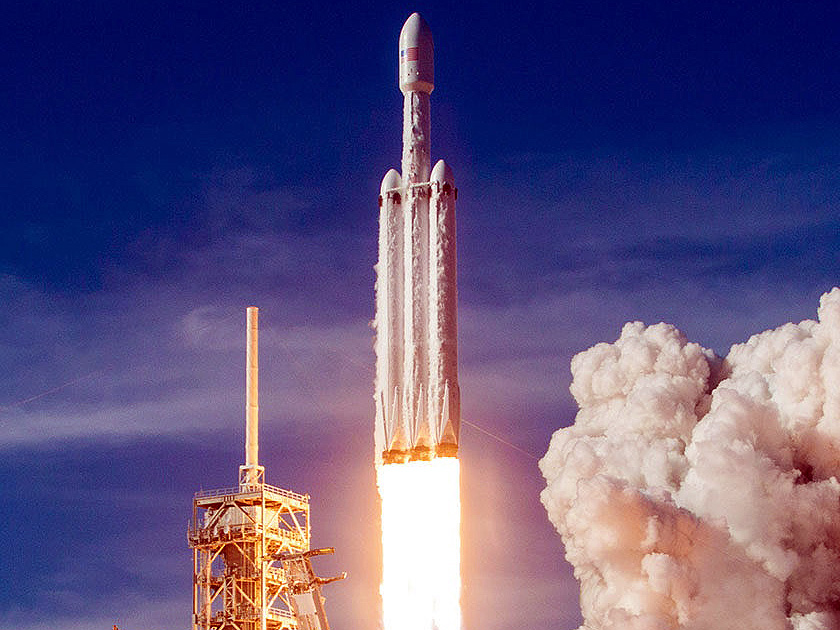
SpaceX has suffered two Starlink satellite incidents in three months, both explained as 'anomalies' with root causes yet to be disclosed. While SpaceX insists the debris field doesn't threaten the ISS or the Artemis II mission to the moon, with 9,500 satellites and counting, space debris is a growing concern. SpaceX has a recurring runaway Starlink satellite issue, it seems. It has reported that on March 29 the Starlink 34343 satellite "experienced an anomaly" and lost communications while cruising at 560 km above Earth. That likely means it has entered a zombie state where it is unable to receive commands or fire its ion thrusters for one reason or another and is slowly surrendering to atmospheric drag. This is the second time in just over three months that a Starlink satellite has generated debris from an apparent malfunction while orbiting and delivering Internet connectivity to earthlings. The first was December 17, when satellite 35956 suffered propulsion tank venting, a 4 km orbital decay, and spat out a small number of trackable objects at 418 km altitude. SpaceX called that one an anomaly as well at the time and said it is investigating the root cause with no update since then. Its "latest analysis shows the event poses no new risk to the Space Station, its crew, or to the upcoming launch of NASA's Artemis II mission," informs SpaceX, referring to NASA's newest Moon push. The "no risk to the ISS" line is technically correct, as the Station orbits at roughly 400 km, well below the Starlink 34343's current 560 km shell. The crossing risk only materializes during the satellite's final descent, potentially many moons from now, giving NASA, SpaceX, and the US Space Force ample time to track and react if need be. SpaceX's passive deorbiting design also ensures the zombie satellite eventually clears itself up, burning completely upon reentry, rather than littering the graveyard orbit permanently. Still, Starlink operates more than 9,500 satellites at the moment, which represent about 65% of all functional satellites in orbit, while its constellation keeps growing. The December incident reignited debate around transparency and international notification practices, and SpaceX hasn't disclosed the root cause for either event, despite the open nature of its mishap announcements. Hours after confirming the latest March anomaly, however, SpaceX launched 29 fresh Starlink satellites, unlike after the previous incident when it didn't launch anything for two weeks.
Chaos on the N4 calls for motorists' vigilance following protest
Circumstances that led to the protest remain unclear at this stage. Motorists are advised to exercise caution on the N4 near the CBD toward Kwa-Guqa following a protest that caused significant traffic congestion earlier today. Eyewitness accounts suggest that protestors have allegedly been throwing stones at passing vehicles and forcibly taking truck keys. As a result of the unrest, several trucks remain stationary by the roadside. However, they are posing a danger toward motorists driving past the area. Motorists are strongly advised to avoid the N4 near the CBD, toward Kwa-Guqa, and make use of alternative routes. Police are at the scene. This is a developing story. Your city, your story, as it happens. Stay in the loop with WITBANK NEWS. Find us on our website, Facebook, X, Instagram or TikTok

Chaos At US Airports Eases As TSA Officers Receive Long-overdue Pay
WASHINGTON (dpa-AFX) - Chaos at airports across the United States is beginning to ease as TSA officers receive long-overdue pay amid the Department of Homeland Security Shutdown. Now in its 46th day, the DHS Shutdown has led to weeks of strain on Americans across the country. President Donald Trump signed an order declaring a national emergency to pay TSA officers, with their first paychecks in weeks reaching workers on Monday, already reducing absenteeism and improving staffing levels. To ease the burden on TSA personnel, Trump ordered the deployment of ICE officers to major airports, where they are assisting with crowd control, logistics, entrance and exit security, and identity verification. Media outlets are reporting measurable improvements across U.S. airports. Wait times at some TSA security bottlenecks, such as the airport checkpoints in Atlanta and Houston, reportedly improved significantly on Monday. 'Abysmal wait times at airports shrank Monday morning as tens of thousands of Transportation Security Administration workers started getting back pay after more than a month without income - apparently prompting fewer to call out,' CNN reported. 'Early morning travelers reported another round of long lines at Louis Armstrong New Orleans International Airport on Monday, but, compared to Sunday, lines moved faster than the ones that had snarled the airport in previous weeks,' another report said. After a congested and contentious spring break weekend, with some passengers stuck in queues for four or five hours, security wait times at BWI Marshall Airport have stabilized going into the workweek, reports WBAL-TV. While President Trump's actions are providing critical short-term relief, the underlying crisis created by Democrats persists as tens of thousands of other DHS workers continue to go without pay, the White House said. The White House urged Democrats in Congress 'to immediately end their shutdown, pass responsible funding legislation, and stop putting political demands over the safety, security, and livelihoods of the American people.' Department of Homeland Security is largely shut down because Congress and the President failed to pass the legislation necessary to keep it open and operating in current Fiscal Year 2026 as lawmakers in Washington continue to fight over funding the Department. On Sunday, the partial US government shutdown reached 44 days, the longest in U.S. history. Copyright(c) 2026 RTTNews.com. All Rights Reserved Copyright RTT News/dpa-AFX© 2026 AFX News

Chaos At US Airports Eases As TSA Officers Receive Long-overdue Pay
Chaos at airports across the United States is beginning to ease as TSA officers receive long-overdue pay amid the Department of Homeland Security Shutdown. Now in its 46th day, the DHS Shutdown has led to weeks of strain on Americans across the country. President Donald Trump signed an order declaring a national emergency to pay TSA officers, with their first paychecks in weeks reaching workers on Monday, already reducing absenteeism and improving staffing levels.

Amazon inks satellite internet deal with Delta in major win over Elon Musk's SpaceX
Amazon (AMZN) announced on Tuesday that it will provide internet service to Delta Air Lines (DAL) flights via its Amazon Leo satellites beginning in 2028. Like SpaceX's (SPAX.PVT) Starlink, Amazon's Leo service (Leo stands for Low Earth Orbit) relies on a constellation of satellites orbiting the planet to beam internet connectivity to stationary base stations on the ground or, in the case of Delta, to aircraft flying through the sky. The retail and cloud computing giant said that at 370 miles above the Earth, its Leo satellites are 50 times closer to the planet than the geostationary satellite systems that power older, laggy in-flight Wi-Fi services that struggle to load web pages. When up and running, Amazon said that Delta's planes will feature antennas that can support download speeds as fast as 1 gigabit per second and upload speeds of 400 megabits per second. That could make it possible to take video calls and stream movies from Netflix (NFLX) while flying. "We've designed Leo to provide high-speed internet to the billions of people on Earth without reliable connectivity, and this agreement with Delta is a great example of the impact and scale of the technology -- bringing even faster in-flight Wi-Fi to tens of millions of passengers who fly Delta every year," Amazon CEO Andy Jassy said in a statement. "People increasingly want to stay connected wherever they are in the world, and Leo's speed and reliability is going to have a big impact for businesses, governments, and consumers. It's going to make the in-flight experience so much better, and it's going to change what's possible while traveling." Amazon said the company currently has more than 200 satellites in orbit with plans for 20 additional satellite launches this year. In total, Amazon said it has an initial block of 80 launches for its first-generation Leo satellite constellation. The company is sending the satellites to space aboard rockets from Jeff Bezos-owned Blue Origin, as well as rockets from United Launch Alliance (UAL) and, interestingly enough, SpaceX. Despite Amazon's expansion efforts, Starlink is well ahead of the company. SpaceX says it already has thousands of satellites in orbit and continues to expand its lead thanks to its in-house rocket capabilities. Starlink is also already available on airlines, including Southwest (LUV) and United Airlines (UAL), and offers its own consumer-level service. Email Daniel Howley at [email protected]. Follow him on Twitter at @DanielHowley. Click here for the latest technology news that will impact the stock market

Amazon inks satellite internet deal with Delta in major win over Elon Musk's SpaceX
Amazon (AMZN) announced on Tuesday that it will provide internet service to Delta Air Lines (DAL) flights via its Amazon Leo satellites beginning in 2028. Like SpaceX's (SPAX.PVT) Starlink, Amazon's Leo service (Leo stands for Low Earth Orbit) relies on a constellation of satellites orbiting the planet to beam internet connectivity to stationary base stations on the ground or, in the case of Delta, to aircraft flying through the sky. The retail and cloud computing giant said that at 370 miles above the Earth, its Leo satellites are 50 times closer to the planet than the geostationary satellite systems that power older, laggy in-flight Wi-Fi services that struggle to load web pages. When up and running, Amazon said that Delta's planes will feature antennas that can support download speeds as fast as 1 gigabit per second and upload speeds of 400 megabits per second. That could make it possible to take video calls and stream movies from Netflix (NFLX) while flying. "We've designed Leo to provide high-speed internet to the billions of people on Earth without reliable connectivity, and this agreement with Delta is a great example of the impact and scale of the technology -- bringing even faster in-flight Wi-Fi to tens of millions of passengers who fly Delta every year," Amazon CEO Andy Jassy said in a statement. "People increasingly want to stay connected wherever they are in the world, and Leo's speed and reliability is going to have a big impact for businesses, governments, and consumers. It's going to make the in-flight experience so much better, and it's going to change what's possible while traveling." Amazon said the company currently has more than 200 satellites in orbit with plans for 20 additional satellite launches this year. In total, Amazon said it has an initial block of 80 launches for its first-generation Leo satellite constellation. The company is sending the satellites to space aboard rockets from Jeff Bezos-owned Blue Origin, as well as rockets from United Launch Alliance (UAL) and, interestingly enough, SpaceX. Despite Amazon's expansion efforts, Starlink is well ahead of the company. SpaceX says it already has thousands of satellites in orbit and continues to expand its lead thanks to its in-house rocket capabilities. Starlink is also already available on airlines, including Southwest (LUV) and United Airlines (UAL), and offers its own consumer-level service. Email Daniel Howley at [email protected]. Follow him on Twitter at @DanielHowley. Click here for the latest technology news that will impact the stock market
TSA lines at Baltimore-Washington airport return to normal after travel chaos
BALTIMORE, Md. (DC News Now) -- Following days of chaos at the Baltimore/Washington International Thurgood Marshall Airport (BWI), officials said Transportation Security Administration (TSA) checkpoint lines have returned to normal. Airport officials announced Monday afternoon that all security checkpoints were open and lines were back to being quick and efficient. Over the last several days, massive TSA lines at BWI spilled out of terminals as the Department of Homeland Security (DHS) shutdown continued, security checkpoints closed and spring break travel started. Travelers shared videos on social media showing the lines stretching throughout the airport. In some instances, passengers reported waiting five hours to go through TSA. On Saturday, passengers stood in security checkpoint lines at BWI for hours. U.S. Immigration and Customs Enforcement (ICE) agents assisted TSA agents to help expedite passenger clearance over the weekend. "We know the last few days have been difficult. The normal, quick and efficient checkpoint operations we're known for have returned today," wrote BWI in a post on social media on Monday.

Rights lawyer Coltart assaulted, phone stolen as chaos rocks Harare Constitution Amendment Bill public hearings - NewZimbabwe.com
Public hearings on the Constitutional Amendment No. 3 Bill turned chaotic Tuesday at the City Sports Centre, amid reports of violence, intimidation and disruptions targeting opposition figures and journalists. Doug Coltart was attacked while making his way out of the venue by a group of suspected ZANU PF supporters and his mobile phone stolen. Opposition figures Tendai Biti, Fadzayi Mahere, Morgen Komichi were booed at and heckled, with proceedings descending into disorder. Journalists covering the hearings were blocked from filming and taking photographs, with others subjected to intimidation. The public hearings form part of nationwide consultations on the Constitutional Amendment No. 3 Bill, which among other changes seeks to extend the president's term to seven years.

Robinhood, SoFi Snubbed From SpaceX IPO? 'False,' Musk Says - Robinhood Markets (NASDAQ:HOOD), SoFi Techn
Tesla's Retail Engine Tesla, Inc. (NASDAQ:TSLA) trades roughly 60 million shares a day. Retail participation across U.S. equities sits near 20%, but Tesla skews higher -- closer to 25%. That implies roughly 15 million shares of daily retail volume. Now consider where that flow sits. Robinhood dominates high-frequency retail trading in names like Tesla, while SoFi continues to scale its app-first investor base. A combined ~35%-40% share of retail Tesla flow is a reasonable estimate. Do the math: that's roughly 5-6 million shares daily. Against total volume, that lands near 8%-10% -- and moves comfortably above 10% on active days. Not Shut Out -- Already Driving Flow The IPO debate misses the bigger picture. The focus is on whether Robinhood and SoFi get access to a future SpaceX listing. But in Tesla, they're already shaping price action -- especially around catalysts where retail participation clusters and amplifies moves. This isn't marginal activity. It's directional flow. Control The IPO, Not The Market SpaceX, if and when it lists, will likely be tightly controlled. Tesla isn't. And that's the contrast Musk's response highlights: he can shut down speculation about who gets into SpaceX -- but Tesla already trades in a market where retail platforms help set the tone. Image: Shutterstock Market News and Data brought to you by Benzinga APIs To add Benzinga News as your preferred source on Google, click here.

Chaos and Confusion: BJP's Critique of the INDIA Bloc in Puducherry | Politics
BJP leader K Annamalai criticized the Congress-led INDIA bloc alleging it suffers chaos and confusion. Campaigning for NDA candidates in Puducherry, he pointed out a lack of cohesion between Congress and DMK. He praised AINRC-led NDA government's achievements and urged voters to support BJP candidate V P Ramalingam. On Tuesday, BJP leader K Annamalai launched a scathing critique on the INDIA bloc in Puducherry, attributing its struggles to chaos and disarray. As he campaigned for NDA candidates for the forthcoming Puducherry assembly elections, he asserted that a lack of unity is crippling the Congress-led alliance. Annamalai highlighted the discord between the Congress and DMK, especially in candidate selection and seat allocation, questioning their ability to effectively govern. He urged the electorate to back BJP nominee V P Ramalingam for a stable administration. Citing the accomplishments of the AINRC-led NDA government, the former Tamil Nadu BJP chief applauded Chief Minister N Rangasamy's efforts in creating peace in the region over the past five years. He contrasted this with what he termed as the 'jungle raj' of the previous Congress regime.

Trump threatens to leave allies facing economic chaos by 'ending war without reopening Strait of Hormuz'
Donald Trump has said he is willing to end the US military campaign in Iran even if the Strait of Hormuz remains closed, according to a report, leaving Tehran in control of the vital shipping lane and prolonging economic chaos. The US president told aides that a mission to forcibly reopen the strait would push the war beyond his timeline of four to six weeks, according to administration officials who spoke to The Wall Street Journal. Instead, he has reportedly decided to focus on his goal of dismantling Iran's navy and missile stocks, while using diplomatic pressure on Tehran to try to resume the flow of trade, before concluding the conflict. If this fails, then Mr Trump would get his allies in Europe and the Gulf - countries that rely on the maritime passage for imports and exports - to front the operation to pry it open. It comes as Iran struck a fully loaded Kuwaiti oil tanker in the Persian Gulf, while the US military bombed targets in Isfahan. The city in central Iran is home to one of three sites which were attacked by Washington in June 2025 and some of Iran's highly enriched uranium is likely stored or buried there. The Strait of Hormuz has become Iran's biggest pressure point in the war, with the regime imposing a de facto blockade on the waterway, upending global oil and gas supplies, which have caused energy prices to surge. The Islamic Republic has allowed some ships to pass through in a "tollbooth" system, where vessels pay as much as $2m per voyage or according to particular political and financial conditions. The prolonged closure of the chokepoint threatens to extend disruption to the world's energy supplies, with the prices per barrel of oil continuing to rise above $100 - the first time since 2022. Suzanne Moloney, an Iran expert and vice president of the Washington-based Brookings Institution, described ending the campaign against Iran before the strait is reopened as "unbelievably irresponsible." "Energy markets are inherently global, and there is no possibility of insulating the U.S. from the economic damage that is already occurring and will become exponentially worse if the closure of the strait continues," Moloney added. Over the past month, Mr Trump has made conflicting statements on his intentions in Iran. At times, he has threatened to bomb the country's energy infrastructure or seize its main oil terminal on Kharg island, but he has also appeared to downplay the Strait of Hormuz's importance, saying it is up to other countries to reopen. Over the weekend, the USS Tripoli and the 31st Marine Expeditionary Unit entered the region, while thousands of soldiers from the US army's elite 82nd Airborne Division have also arrived in the Middle East. Reuters reported that no decision has been made for American boots on the ground in Iran, but that they are there for any potential future operations. On Monday, White House press secretary Karoline Leavitt told reporters that the US was "working towards" normal operations in the strait, but didn't include it among its main military objectives. Other administration officials have also appeared to show no urgency for immediately reopening the waterway. In an interview on Fox News on Monday, Treasury secretary Scott Bessent suggested that eventually the US or other countries would provide escorts for ships. "The market is well-supplied, and we are seeing more and more ships go through on a daily basis as individual countries cut deals with the Iranian regime for the time being," he said. "But over time, the US is going to retake control of the straits, and there will be freedom of navigation, whether it is through US escorts or a multinational escort." Earlier this month, a group of countries, including the UK, France, and Germany, issued a joint statement expressing their "readiness to contribute to appropriate efforts to ensure safe passage through the [Hormuz] Strait."
Polymarket Opens Betting on Whether Stolen KitKats Will Be Returned
The market currently makes it a 24% chance that Nestle, a Nestle affiliate, or a relevant government or law enforcement authority will recover any of the stolen chocolate bars by April 5. The market rules state, "The confirmed recovery of any amount of the stolen KitKats, including a single bar, will be sufficient for this market to resolve to 'Yes'." A user commented below the market, "Listen i got an idea. Steal 12 tonnes of Kit Kats and hedge against getting your kitkats taken away when you get caught by betting on yourself getting caught. So when you do get caught, you can buy new kitkats with your winnings. Win-win." It could also be possible for those responsible for the theft to return some of the bars and wager on the market. While Polymarket has taken steps to address insider trading, these markets open up a range of potentially problematic scenarios. KitKat confirmed that 12 tonnes, around 400,000 bars, had gone missing in a post on X on Sunday. The post on X has over 120 million views, and the news has attracted mass media attention. Nestle has turned the theft into a marketing opportunity. In a press release, the company said the bars were from its new Formula 1 range. The candy manufacturer recently signed an extension to its deal with the sport, making it the official chocolate bar of F1. A KitKat spokesperson said, "We've always encouraged people to have a break with KITKAT - but it seems thieves have taken the message too literally and made a break with more than 12 tonnes of our chocolate." "Whilst we appreciate the criminals' exceptional taste, the fact remains that cargo theft is an escalating issue for businesses of all sizes. With more sophisticated schemes being deployed on a regular basis, we have chosen to go public with our own experience in the hope that it raises awareness of an increasingly common criminal trend." Nestle added, "Consumers are requested to not attempt to locate, handle or recover any stolen goods and to not take any direct action. Any relevant information should be shared with local law enforcement authorities." Those with any knowledge of the theft can also make a sizable profit on Polymarket. Over $33,000 has been traded on the market as of March 31. Despite some backlash, Polymarket continues to push the boundaries of what markets are fair game for betting. There has been a recent surge of trading on the Iran war, including from military insiders. Markets on pre-taped shows, such as Survivor, have also raised questions over which markets should be prohibited. Lawmakers are proposing stricter rules, but Polymarket largely operates through its international platform, which is not regulated in the US. The company promoted the KitKat market in an email to users, referencing the current odds as a sign that the recovery is not looking good.

AI hardware trade jumps 40% despite commodity chaos - Business Upturn Trade & Policy
Global trade is witnessing an unprecedented divergence as AI hardware and digital services continue to surge while traditional physical commodity flows face historic disruptions. Analysts report that despite the near-total collapse of seaborne fertilizer trade through the Strait of Hormuz estimated at 95% disruption with $1 billion in daily losses and tanker rates rising over 90% AI-related trade, including semiconductors, servers, and data center equipment, has grown by 40%, highlighting a structural bifurcation in global commerce. The disruption in physical trade has been acute. Fertilizer, urea, and oil shipments, critical to agricultural and industrial supply chains, are stranded due to maritime chokepoints and rising freight costs. Global grain and energy markets are particularly affected, with Least Developed Countries (LDCs) such as Sudan and Tanzania facing severe shortages in fertilizer imports, threatening planting cycles and export capacities. Rising bond yields in Gulf economies, coupled with skyrocketing insurance premiums, exacerbate the fiscal strain on import-dependent nations. In stark contrast, AI hardware trade remains largely unaffected by maritime congestion. Taiwan, South Korea, and Southeast Asian manufacturers continue to supply semiconductors, GPUs, and server equipment, while U.S. data centers, which constitute roughly 50% of global computing capacity, absorb over 66% of AI import demand. Analysts attribute this resilience to the predominance of air freight for high-value AI hardware, diversified supply networks, and advanced logistics infrastructure that bypasses traditional chokepoints. The contrast underscores India's dual trade strategy, which leverages CBIC courier reforms, including the removal of the ₹10 lakh export cap, and the IEC-NPCI digital payment infrastructure. These measures have enabled Indian MSMEs and digital exporters to capitalize on growing demand for IT services and AI hardware while avoiding exposure to vulnerable physical supply chains. Combined with bilateral agreements such as EU free trade pacts, this strategy ensures continuity of digital trade even as physical exports, particularly grains and fertilizers, contract. Experts highlight the widening trade bifurcation as a fundamental shift in global commerce. While physical commodity trade is constrained by single-point chokepoints like Hormuz, digital and high-value technological goods demonstrate robustness, supported by air logistics, digital facilitation platforms, and diversified sourcing. The phenomenon illustrates that countries and companies invested in digital trade infrastructure can continue to capture market growth despite systemic disruptions in traditional trade channels. Economic modeling indicates that the surge in AI hardware trade is compensating for stagnation in some traditional sectors. Growth in semiconductor and server exports, coupled with strong IT and IT-enabled services, has supported an estimated 33% of global trade expansion, offsetting some of the losses caused by physical trade paralysis. Taiwan, the U.S., the EU, and India emerge as clear winners, benefiting from resilient supply chains and high-value digital exports. Conversely, LDCs dependent on fertilizer imports and Gulf merchandise are increasingly exposed to fiscal and trade shocks, highlighting structural vulnerabilities. This digital-physical divergence also carries strategic implications. Countries prioritizing physical commodity security without digital trade infrastructure face heightened risks during global supply chain shocks. India's coordinated approach pairing CBIC reforms, IEC-NPCI payments, and bilateral FTAs demonstrates how digital trade can buffer national economies against external disruptions, preserving export growth, employment, and foreign exchange inflows. The trend also reinforces lessons from prior crises. The 2022 Ukraine war had shown the vulnerability of diversified fertilizer and grain supplies, with price surges and export restrictions triggering global food inflation. Hormuz compounds the challenge by concentrating a third of seaborne fertilizer trade in a single chokepoint. By contrast, AI and high-value digital commodities illustrate the advantages of diversified, air-transportable, and digitally facilitated trade flows. In conclusion, the 2026 global trade landscape is being reshaped by a clear digital-physical divergence. While physical commodity trade collapses under chokepoint and freight pressures, AI hardware and digital services continue to expand, highlighting the critical importance of digital trade infrastructure, courier reforms, and strategic bilateral agreements. India's experience demonstrates that robust digital facilitation can mitigate exposure to global supply shocks, providing a template for trade resilience in an increasingly uncertain world.

Microsoft's Copilot Now Runs on Anthropic and OpenAI Together -- And That Changes Everything About the AI Platform War
Microsoft just made the most significant architectural bet in the AI assistant race: it's no longer tethered to a single model provider. The company unveiled a redesigned Copilot that blends models from both OpenAI and Anthropic's Claude, routing user queries to whichever system is best suited for the task. It's a move that redefines Microsoft's relationship with OpenAI, signals a new phase in enterprise AI strategy, and raises pointed questions about where the real value in artificial intelligence actually sits -- the model layer or the orchestration layer above it. The announcement, first reported by The Information, detailed how Microsoft's refreshed Copilot experience will intelligently select between OpenAI's GPT models and Anthropic's Claude depending on the nature of a given request. Coding tasks, for example, might be routed to Claude, which has earned a strong reputation among developers for its performance on programming benchmarks. Broader reasoning or creative tasks could still flow through OpenAI's models. The system decides. Not the user. This is a sharp departure from the tight coupling Microsoft maintained with OpenAI over the past two years. Since its initial $1 billion investment in 2019 -- later expanded to a reported $13 billion commitment -- Microsoft positioned itself as OpenAI's exclusive commercial partner, embedding GPT models across Bing, Microsoft 365, Azure, and GitHub Copilot. OpenAI was the engine; Microsoft was the chassis. That framing is now obsolete. By introducing Anthropic's models into its flagship consumer AI product, Microsoft is telling the market something important: no single model vendor will own the future of its AI stack. The company is building an orchestration layer -- a meta-intelligence that sits above individual foundation models and allocates work based on performance, cost, and suitability. Think of it as a general contractor hiring specialized subcontractors for different parts of a build. And that has profound implications. For OpenAI, the message is unmistakable. Its most important distribution partner -- the company responsible for putting GPT in front of hundreds of millions of enterprise users -- is hedging. Microsoft CEO Satya Nadella has spoken publicly about the importance of model diversity on Azure, but embedding a competitor's model directly into Copilot's consumer-facing product is a different magnitude of signal. It suggests Microsoft views models as increasingly interchangeable components rather than irreplaceable foundations. This isn't happening in a vacuum. The relationship between Microsoft and OpenAI has grown more complex in recent months. OpenAI's restructuring from a capped-profit entity to a more traditional corporate form drew scrutiny. Negotiations over commercial terms have reportedly been tense. OpenAI has also been building its own enterprise sales operation, putting it in occasional competition with Microsoft's Azure OpenAI Service. Meanwhile, Reuters has reported on the evolving and sometimes strained dynamics between the two companies as OpenAI pursues greater independence. So Microsoft diversifying its model supply chain isn't just a technical decision. It's a strategic insurance policy. Anthropic, for its part, stands to gain enormously from the arrangement. The Amazon-backed AI lab, founded by former OpenAI researchers Dario and Daniela Amodei, has positioned Claude as a safety-conscious alternative to GPT. But distribution has been its persistent challenge. Amazon Web Services offers Claude through its Bedrock service, and Anthropic has its own consumer chatbot, but neither channel matches the sheer reach of Microsoft's installed base. Getting Claude embedded inside Copilot -- used across Windows, Edge, and Microsoft 365 -- is a distribution coup. The technical architecture behind the new Copilot is worth examining closely. Microsoft appears to be building what the industry calls a "model router" -- software that evaluates incoming prompts and dispatches them to the most appropriate model based on predefined criteria. Several startups, including Martian and Not Diamond, have been developing similar routing technology. But Microsoft doing it at scale within its own product line brings the concept into the mainstream. Model routing solves a real problem. No single large language model excels at everything. Claude tends to outperform on long-context tasks and code generation. OpenAI's latest models, including GPT-4o, are strong on multimodal inputs and general-purpose reasoning. Google's Gemini has advantages in certain retrieval-heavy scenarios. A routing layer lets a product deliver the best possible response by matching the query to the model's strengths -- without requiring the user to know or care which model is working behind the scenes. For enterprise customers, this approach has obvious appeal. Companies have been reluctant to lock into a single model provider, worried about pricing power, capability gaps, and the risk of vendor dependency. Microsoft offering a multi-model Copilot effectively lets IT departments adopt a best-of-breed strategy without managing the complexity themselves. Microsoft handles the routing, the integration, the fallback logic. The customer gets results. But there are risks. Blending models from different providers introduces consistency challenges. Each model has its own personality, its own tendencies around tone, verbosity, and factual grounding. A user interacting with Copilot might get subtly different response styles depending on which model fields their query. Microsoft will need to invest heavily in a normalization layer -- post-processing that smooths out these differences so the product feels unified. There's also the question of data handling. Enterprise customers are acutely sensitive about where their data flows. If a query is routed to an Anthropic model, what infrastructure processes it? Does the data stay within Microsoft's Azure boundary, or does it touch Anthropic's systems? Microsoft will need to provide clear answers, particularly for regulated industries like finance and healthcare where data residency requirements are strict. The competitive dynamics are fascinating. Google has taken a different approach with Gemini, building and controlling its own models end-to-end across Search, Workspace, and Android. Apple is reportedly pursuing a hybrid strategy with Apple Intelligence, using on-device models for some tasks and cloud-based models -- potentially from multiple providers -- for others. Meta is betting on open-source models through its Llama family, distributing capability broadly but retaining less control over the end-user experience. Microsoft's multi-model orchestration strategy carves out a fourth path. It concedes that building the best model isn't necessarily the winning move. Instead, it bets that assembling, routing, and integrating the best models into products people already use is where the durable competitive advantage lies. It's a classic Microsoft play -- the company has historically won not by inventing categories but by dominating the integration and distribution layer. Windows wasn't the first operating system. Office wasn't the first productivity software. Azure wasn't the first cloud. But Microsoft's ability to bundle, distribute, and entrench these products within enterprise workflows made them dominant. The same logic applies here. If foundation models become commoditized -- and there's growing evidence they will, as open-source alternatives from Meta, Mistral, and others close the performance gap -- then the value migrates upward to the orchestration and application layer. Microsoft is positioning Copilot to be that layer. Wall Street appears to be watching closely. Microsoft's stock has performed well on the strength of its AI narrative, with Azure's AI-related revenue growing significantly in recent quarters. Analysts at Morgan Stanley and Goldman Sachs have highlighted Copilot adoption as a key metric for Microsoft's long-term AI monetization story. A multi-model Copilot could accelerate enterprise adoption by reducing concerns about model lock-in -- a persistent objection from CIOs evaluating AI assistants. Not everyone is convinced this is the right move. Some industry observers argue that model routing adds latency and complexity without meaningfully improving the user experience for most tasks. If GPT-4o handles 90% of queries well enough, does the marginal improvement from routing 10% to Claude justify the engineering overhead? The answer probably depends on the use case. For consumer chat, maybe not. For enterprise workflows involving code generation, legal analysis, or financial modeling, the performance difference on that remaining 10% could be substantial. There's a deeper philosophical question, too. By treating models as interchangeable modules, Microsoft is implicitly arguing that the model layer will be commoditized. OpenAI, by contrast, is betting that frontier model capabilities -- reasoning, planning, agentic behavior -- will remain differentiated enough to command premium pricing and exclusive partnerships. The next two years will determine which thesis proves correct. The timing of Microsoft's announcement is also notable. It comes as the AI industry enters what some researchers call the "post-scaling" era, where simply making models bigger yields diminishing returns. The focus is shifting to inference-time compute, better fine-tuning, and smarter orchestration -- exactly the kind of work a model router represents. Microsoft isn't just following this trend. It's building a product strategy around it. For developers, the implications are immediate. GitHub Copilot already offers model selection, allowing developers to choose between different models for code completion. Extending that multi-model philosophy to the broader Copilot product line creates a consistent approach across Microsoft's AI portfolio. Developers who've grown comfortable with Claude for coding tasks won't have to switch contexts when moving to other Microsoft tools. And for Anthropic, the deal validates a strategy of focusing on model quality and safety while relying on partners for distribution. Dario Amodei has spoken about wanting Claude to be the "most trusted" AI model. Being selected by Microsoft for inclusion in Copilot -- alongside, not replacing, OpenAI -- is a significant endorsement of that positioning. The broader industry will be watching how users respond. If multi-model routing delivers noticeably better results, expect Google, Apple, and others to follow with their own orchestration layers. If it doesn't -- if users can't tell the difference or if the added complexity creates reliability issues -- the approach may remain a niche enterprise feature rather than a consumer standard. Either way, Microsoft has made its bet. The AI wars aren't just about who builds the best model anymore. They're about who builds the best system for choosing among them.

Run BTS! 2.0 Teaser: BTS Promise Chaos, Creativity and a Fresh Format | Filmfare.com
Run BTS! 2.0 returns on April 7, 2026. ARMYs are excited to watch the BTS members in their fun-filled avatars. The members of BTS are returning with the second edition of their beloved reality game series Run BTS. This time, the show has been titled Run BTS! 2.0. A teaser for the same has been released for ARMYs to cherish. The show had temporarily stopped due to BTS members' departures for their military tenures. However, as the boys are back, so is Run BTS. The members have promised a whole lot of fun and more. The newly-released teaser shows RM, Jin, SUGA, J-Hope, Jimin, V and Jungkook returning with fresh ideas for the show's grand comeback. The opening text for the teaser reads, "The beginning of a way too invested contest." From that point on, the members exchange ideas and share light-hearted moments as they discuss reworking the format. RM naturally takes charge of the conversation and guides the group. They collectively agree that the show deserves a meaningful refresh after being away for so long. SUGA envisions a concept where the members experience each other's lives, perhaps by stepping into one another's shoes for a day. He adds a humorous condition, wondering if they'd really be willing to spend eight hours a day playing the guitar. Fans have been excited about the return of Run BTS. The last episode of the previous run had aired in 2022. After that, the members were busy with their solo schedules and had taken temporary pauses from group activities. Moreover, BTS' oldest member, Jin, had begun his military tenure in 2022. Now, it seems that all seven members are reuniting for the show after their long-awaited post military comeback Arirang is out for the world to cherish.

Google Nears $5B Deal to Finance Anthropic Texas AI Data Center
Broader Context: Anthropic has separately pledged $50 billion for U.S. data centers, while Google has committed $40 billion to Texas infrastructure through 2027. Google is close to finalizing a deal worth more than $5 billion to finance a Texas data center for AI computing, the Financial Times reported. A consortium of banks is vying to finance the first phase of the project, with Alphabet's strong credit rating expected to help secure financing at a lower cost. A shift in Google's role from cloud provider to direct infrastructure financier for one of AI's highest-valued startups, the arrangement marks a new chapter in tech-industry capital flows. Moreover, Anthropic is now valued at $170 billion after a ninefold increase from its previous valuation. Google's move from cloud provider to direct infrastructure financier comes as AI companies race to secure computing capacity amid an industry-wide capital expenditure surge. Separately, Anthropic last November announced a commitment to invest in American computing infrastructure, underscoring how rapidly AI companies are scaling their physical footprints to keep pace with demand for frontier model training. Nexus Data Centers will operate the Texas facility, with Alphabet serving as financial underwriter rather than constructor. A consortium of banks is competing to provide financing for the initial phase by mid-year, according to the Financial Times. Anthropic signed a lease for the site earlier in March, and construction is already underway, suggesting both companies see urgent demand for new computing capacity. Furthermore, initial capacity will reach around 500 megawatts, with expansion potential to approximately 7.7 gigawatts. Located near pipelines operated by Enterprise, Energy Transfer, and Atmos, the site enables behind-the-meter power generation via gas turbines, giving Anthropic direct access to energy without relying on the public grid. Behind-the-meter generation allows the facility to produce power on-site rather than drawing from the utility network, reducing both transmission costs and exposure to grid congestion. Beyond financing, the arrangement also involves hardware. Google holds exclusive rights to supply up to 1 million custom AI chips to Anthropic and already provides TPU infrastructure through Google Cloud for training language models. As a result, by combining compute supply with direct infrastructure financing, Google is positioning itself as both technology vendor and capital partner. Rather than simply selling compute by the hour, Google is now underwriting the physical infrastructure where that compute runs. For Anthropic, the arrangement secures both financing and a guaranteed chip pipeline; for Google, it creates a structural dependency that ties Anthropic's operations to Alphabet's hardware and capital for years to come. Anthropic's own infrastructure commitment extends well beyond the Google-financed facility. The company pledged $50 billion for data centers across Texas and New York, as WinBuzzer previously reported. The program is expected to create approximately 800 permanent jobs and 2,400 construction jobs. An Anthropic spokesperson previously confirmed in February 2026 that data centers are being built in Mitchell County, Texas and Niagara County, New York, with an additional facility in southeast Louisiana. Building on this, according to the same announcement, Anthropic now serves more than 300,000 business customers, while its large accounts generating over $100,000 in annual run-rate revenue grew nearly sevenfold in the past year. For its data center buildout, Anthropic selected Fluidstack as a partner to deliver gigawatts of power quickly. Gary Wu, co-founder and CEO of Fluidstack, described the partnership as a defining opportunity, emphasizing Fluidstack's focus on rapidly deploying infrastructure for frontier AI development. In turn, with training runs for frontier models requiring ever-larger clusters of GPUs and custom chips, compute capacity has become the binding constraint on AI research progress. Sevenfold growth in large accounts translates directly into compute demand that existing cloud infrastructure cannot absorb, making physical expansion a prerequisite for continued revenue growth. "We're getting closer to AI that can accelerate scientific discovery and help solve complex problems in ways that weren't possible before. Realizing that potential requires infrastructure that can support continued development at the frontier. These sites will help us build more capable AI systems that can drive those breakthroughs, while creating American jobs." Amodei's framing positions the spending not as a competitive response but as a prerequisite for frontier AI development, connecting the physical infrastructure expansion to Anthropic's broader research mission. Google committed $40 billion to Texas through 2027 for cloud and AI infrastructure, according to a company blog post published in November 2025. It represents the company's largest single-state investment ever. According to the same announcement, Google contracted more than 6,200 megawatts of new energy generation and created a $30 million Energy Impact Fund for energy initiatives in the state. Meanwhile, in Haskell County,the company will build a data center alongside a new solar and battery storage plant. Separately, Google is funding the Electrical Training ALLIANCE to train more than 1,700 apprentices in Texas by 2030, addressing workforce demands tied to data center construction. In October 2025 Google committed $24 billion to AI infrastructure across the U.S. and India, as WinBuzzer reported. Google's financial backing for Anthropic also fits into a wider competitive strategy against OpenAI and Nvidia that combines model development, partnership deals, and infrastructure control. By financing Anthropic's infrastructure while simultaneously building its own Texas data center campuses, Google is pursuing a two-track strategy: securing long-term influence over a key AI partner while expanding its own computing footprint in a state that has become the epicenter of AI infrastructure development. However, Google's deal does not exist in isolation. SoftBank, OpenAI, and Oracle have jointly committed to a multibillion-dollar AI infrastructure venture known as Stargate, with eight data centers planned in Abilene, Texas. Such spending would have seemed implausible just two years ago. In addition, Meta has committed to heavy U.S. infrastructure spending through the end of 2028, including a sprawling site in Louisiana with multiple gigawatts of power capacity. Meta's Hyperion data center campus in Richland Parish will be powered by seven new gas-fired plants providing 5.2 gigawatts of total generation capacity. Across the industry, hyperscaler capital expenditure on AI infrastructure has surged as companies race to secure the physical resources needed to train and serve increasingly large models. Against this backdrop, the Anthropic financing deal represents Google's attempt to lock in a competitive position before rival cloud providers can offer similar arrangements. Amazon has invested $8 billion in Anthropic, giving it material influence over the startup's direction. Google's combination of chip supply, cloud infrastructure, and direct capital creates a layered dependency that goes further than a single equity stake. Consequently, Anthropic has responded by diversifying its infrastructure partnerships, working with Fluidstack for operations, Nexus for facility management, and both Google and Amazon for cloud compute and financing. How long that balancing act can hold as investment scales into the tens of billions remains an open question for the company's independence. On the regulatory front, Senators Bernie Sanders and Alexandria Ocasio-Cortez have proposed legislation to ban new data centers with peak power loads exceeding 20 megawatts until Congress enacts comprehensive AI regulation. ERCOT estimates that data center energy demand in Texas could reach 78 gigawatts by 2031, and Texas enacted Senate Bill 6 in June 2025 to address data center interconnection and cost-sharing concerns, signaling that regulatory frameworks are struggling to keep pace with the industry's appetite for power.
