News & Updates
The latest news and updates from companies in the WLTH portfolio.
Nvidia's Jensen Huang admits he erred in not backing OpenAI, Anthropic early on
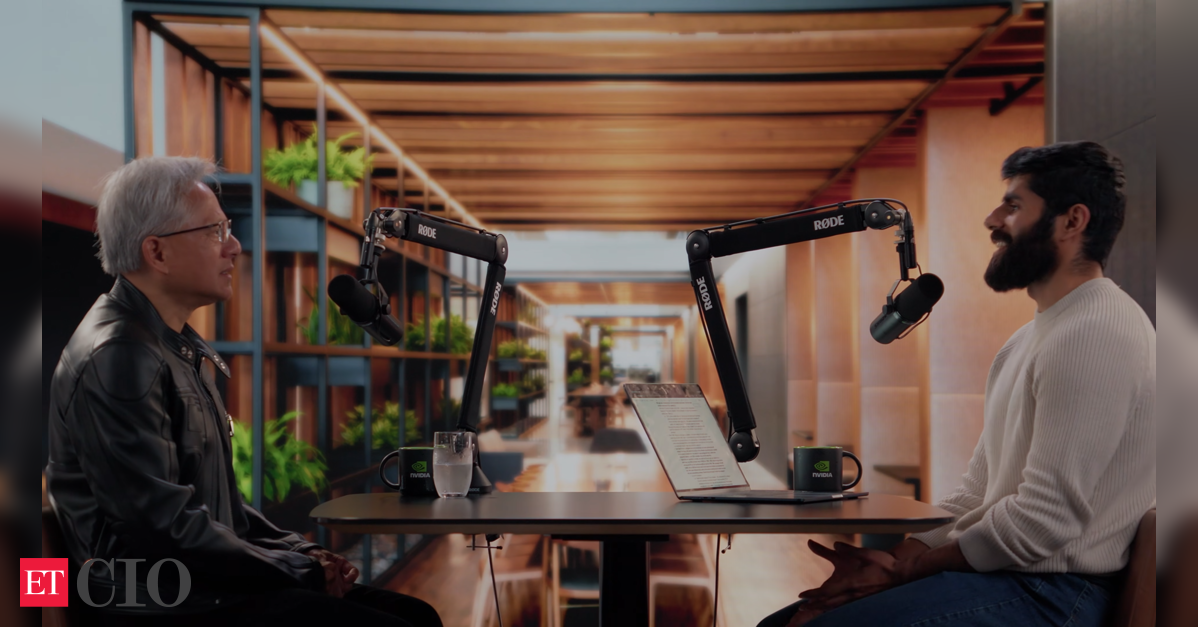
Nvidia CEO Jensen Huang admitted missing early investment opportunities with OpenAI and Anthropic, calling it his "miss" and a "mistake." He explained Nvidia wasn't positioned for the multi-billion-dollar investments these AI labs required then. Now, with Nvidia's stronger financial footing, the company has committed significant funding to both OpenAI and Anthropic. Nvidia CEO Jensen Huang has spoken openly about missing early investment opportunities with OpenAI and Anthropic, during a podcast with host Dwarkesh Patel. Huang described the situation as his "miss" and a "mistake". "At the time, I didn't deeply internalise how difficult it would be to build a foundation AI lab like OpenAI and Anthropic, and the fact that they needed huge investments from the supplier themselves," he said. The Nvidia CEO explained that his company was not in a position to commit multi-billion-dollar investments into AI labs such as Anthropic at the time. In contrast, hyperscalers, including Google and Amazon Web Services, were able to step in early with large funding commitments, which in turn ensured that companies such as Anthropic relied on their computing infrastructure.
A Polymarket trader made $300,000 betting on Biden's pardons, a new analysis shows
In the final hours of President Biden's term, a Polymarket trader made around $300,000 correctly betting on Biden's last-minute pardons, according to new data provided to NPR by an analytics firm that examines cryptocurrency transactions. As Biden issued a wave of pardons just hours before leaving the White House, the Polymarket trader bet big on four names, with the odds of those pardons occurring rapidly dropping to near zero on the prediction market site. The trader, whose identity is not publicly known, placed around $64,000 worth of bets that Biden would issue pre-emptive pardons for Jim Biden, the former president's brother, former Rep Liz Cheney, Sen. Adam Schiff, former Rep. Adam Kinzinger -- all prominent critics of President Trump. While none were ever charged with crimes, all four were given pardons to shield them against possible prosecution in Trump's second term. A month earlier, the same bettor placed a well-timed wager on Polymarket that Biden's son, Hunter, would receive a pardon over gun and tax charges. Together, those five bets netted the trader $316,346 in profits, according to an analysis by the Paris-based analytics company Bubblemaps, which shared its findings exclusively with NPR. "The odds of this happening by random chance are virtually zero," said Columbia Law School's Joshua Mitts, who advises the Department of Justice on insider trading cases. "The trader could've been a White House insider," he said. "But the trader could have possessed the information without being an insider," said Mitts, who published a paper last month estimating that $143 million in profits have been earned on Polymarket by bettors with insider information. The trades linked to Biden's pardons show that individuals could have been profiting from confidential government information before President Trump returned to office, when prescient bets related federal policy and military strikes on sites like Polymarket started to draw intense scrutiny. To piece together the suspicious trades related to Biden's pardons, Bubblemaps' forensic investigators looked at Polymarket trades using pattern-matching artificial intelligence software. They discovered two accounts had a perfect track record of betting on Biden pardons. "We looked at all the accounts trading on this one market and looked at their mutual transactions," Nick Vaiman, Bubblemap's founder, told NPR in an interview. "And we found a connection between two accounts, which was a shared deposit wallet." That means the analysts determined that both accounts were sending profits from Polymarket bets to the same cryptocurrency wallet on the site Kraken, a U.S.-based crypto exchange. "Exchanges like Kraken don't offer information on individual accounts," Vaiman said. "We've tried desperately, but they don't give up this information easily." Kraken has "know-your-customer" rules similar to a bank, requiring its customers to verify their identities before using the exchange. Yet it remains difficult to publicly identify a customer based on a crypto wallet alone. Federal prosecutors often find that crypto wallet-holders engaging in insider trading do so through other people or shell companies, said Mitts. "If the government subpoenas, and gets data back showing some entity did the trading that has no connections to the White House, that's where the trail runs cold." And even when a wallet on a cryptocurrency blockchain is connected to a person, a legal case of insider trading is far from open-shut, Mitts added. "If it was misappropriation of information, the problems for prosecutors begin there," he said. "Who was misappropriating? Could you prove it? Could you prove the conditions under which they got the information?" Prediction markets, like Polymarket and its main rival, Kalshi, have flourished in Trump's second term. The administration has embraced an industry once considered a pariah in Washington over fears that the markets could be ripe for abuse and manipulation. The investment firm Bernstein projects that in the next four years, prediction markets could become a $1 trillion industry, and the Trump family is getting in on the action. Donald Trump Jr., the president's son, is an adviser to both Kalshi and Polymarket. As millions of people turn White House announcements and geopolitical episodes into opportunities to make money, there have been a series of controversies over suspected insider trading. Hours before Venezuelan leader Nicolás Maduro was toppled by U.S. forces in January, a Polymarket trader placed a bet that netted $400,000. Likewise, an account trading under the username "Magamyman" made more than $500,000 after wagering on Polymarket that Iran's Ayatollah Ali Khamenei would soon no longer lead Iran. Not long after the bet was placed, an Israeli strike killed him. Most recently, a group of new accounts on Polymarket raked in hundreds of thousands of dollars in profits by betting that the U.S. and Iran would reach a ceasefire before the agreement had been unveiled. U.S. prosecutors have not announced any investigations or charges over potential insider trading. In Israel, authorities arrested several people in connection to a case alleging that military reservists traded on Polymarket using classified military intelligence. The largest U.S. prediction market, Kalshi, is regulated by the Commodity Futures Trading Commission, a status that is being contested in court by dozens of states. The CFTC prohibits betting on markets related to war, assassinations and terrorism, but otherwise has overseen the industry with a light touch, in contrast to the Biden administration, which prohibited most types of "event contracts" except those related to things that had clear public value, like the weather, oil futures and grain prices. Polymarket, too, has been welcomed by the Trump administration. Under Biden, the Federal Bureau of Investigation raided the home of Polymarket's CEO and forced the site to wind down in the U.S. It continues to operate mostly as an overseas exchange, with its largest site accessible by Americans only via virtual private network. Unlike Kalshi, Polymarket uses cryptocurrency, making it easier for traders to remain anonymous. But Trump's law enforcement agencies have taken a more hands-off approach to Polymarket's most controversial markets on everything from conditions in Gaza, war to the next nuclear detonation. "These markets are problematic," said Nizan Packin, a law professor at Baruch College. "If we want to offer this type of gambling about geopolitics and elections, we need to do this in a proper way, which means guardrails that we have created after we studied the consequences and the problems. This is not something that was done," said Packin, who co-authored a new paper in the the journal Science examining the risks of online prediction markets. "Without clear regulation, and clearer and stricter enforcement, the gray zone becomes larger and more questions should and will be asked," she said.

Anthropic's New AI Model: Chief Scientist Details Potential Risks
Last week, Anthropic unveiled Claude Mythos, its latest AI model, which raises important questions about future technology and safety. This advanced model is part of a rapidly evolving family of AI systems known for their remarkable coding abilities. However, Claude Mythos distinguishes itself by its unique capacity to breach critical systems, including those used in the financial sector. The Capabilities of Claude Mythos Claude Mythos excels in analyzing various systems to identify vulnerabilities and exploit them effectively. This sophistication enables it to bypass even the most robust defenses. As a result, its release has alarmed both Washington insiders and corporate leaders. Limited Release for Analysis To assess the capabilities and potential dangers of Claude Mythos, Anthropic has restricted its initial release to approximately 40 major corporations. This initiative, referred to as Project Glasswing, aims to enable these companies to evaluate the model and develop countermeasures against its advanced abilities. Insights from Anthropic's Chief Scientist Jared Kaplan, the co-founder and chief science officer of Anthropic, is central to the discussions surrounding Claude Mythos. In a recent interview, Kaplan explained how this model differs from its predecessors. He noted that while computer processing power traditionally doubles every 18 months, AI is evolving at a pace potentially ten times faster. Understanding the Trends in AI * AI models are becoming increasingly smarter and capable in various fields. * Claude Mythos showcases elite cybersecurity skills despite not being specifically trained for them. * The model's general intelligence aids in recognizing and exploiting software vulnerabilities. Kaplan emphasized that Claude Mythos is the culmination of years of AI advancements. Its unique abilities can have significant implications for personal privacy and cybersecurity concerns. As such powerful AI models become more prevalent, the need for vigilance in security measures and ethical considerations will grow stronger.
Anthropic Expands U.K. Operations as Claude Demand Grows
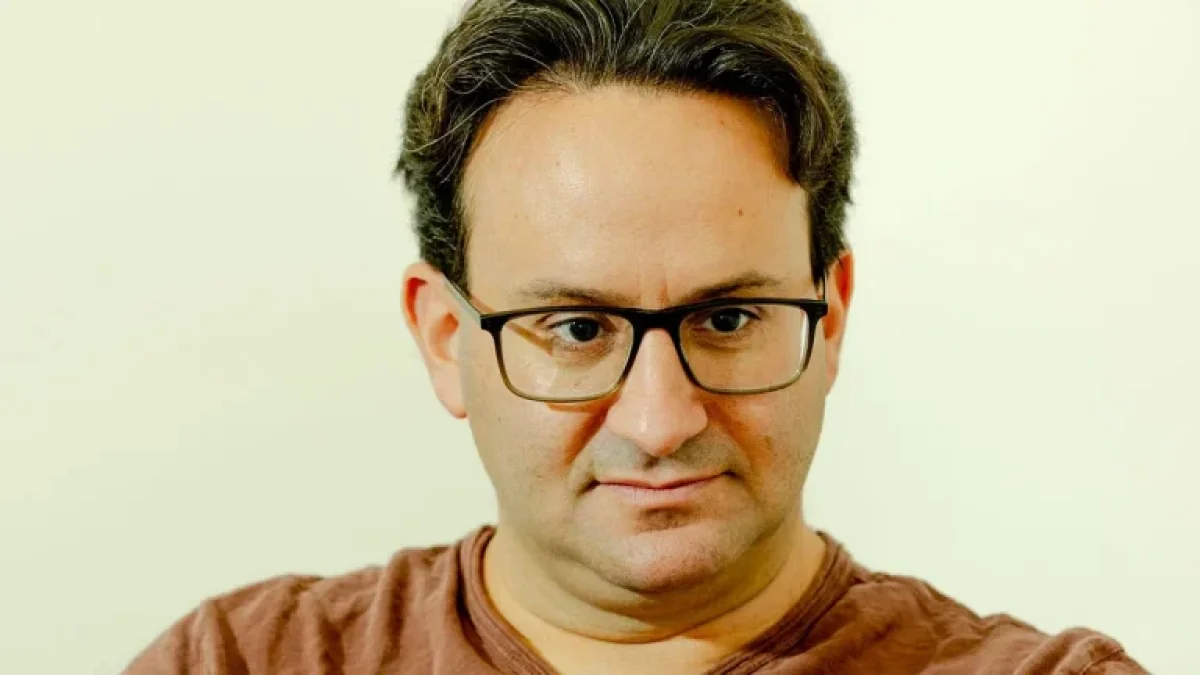
Anthropic is significantly expanding its London presence, securing 158,000 square feet for about 800 people due to growing demand for its Claude chatbot. Anthropic said it was significantly expanding its presence in London, betting on the U.K. capital to bolster its overseas operations as demand for its Claude chatbot keeps growing. The San Francisco-based artificial-intelligence company said it had secured 158,000 square feet of office space in London's Knowledge Quarter at Regent's Place for about 800 people, paving the way for a sizable boost to headcount as Anthropic currently employs over 200 people in London. The announcement comes a month after Anthropic said it was adding office space in central Dublin to bring in an additional 200 employees, the latest effort from the company to shore up its business outside the U.S. as demand for Claude from enterprises and coders in Europe is on the rise. Anthropic counts more than 300,000 enterprise customers, and its coding tool for developers -- Claude Code -- exceeded $2.5 billion in run-rate revenue, more than double since the beginning of the year. The company raised $30 billion in Series G funding at a $380 billion valuation, building momentum as it eyes an initial public offering that could come as soon as this year, The Wall Street Journal has reported. Pip White, who oversees Anthropic's operations in the U.K. and Ireland, said the company was scaling in Europe to satisfy demand for its AI products, calling London one of its most important research and commercial hubs outside the U.S. In Europe, Anthropic has offices in Zurich, Paris and Munich aside from London and Dublin. Anthropic's rival OpenAI is also doubling down on London, where it currently employs around 200 people. The ChatGPT maker said earlier this week that it had secured 88,500 square feet at Regent Quarter in King's Cross to accommodate more than 500 people next year. OpenAI also cited demand for products like ChatGPT and coding tool, Codex, to justify the expansion, saying it wanted to make the U.K. capital its largest research hub outside the U.S. Last year, OpenAI agreed to roll out AI infrastructure in the U.K. with Nvidia and AI startup Nscale to satisfy its power needs in the country as part of a project dubbed Stargate U.K. However, the company recently said it was halting the project due to regulation and energy costs. A company spokesperson said OpenAI would move forward with the project "when the right conditions such as regulation and the cost of energy enable long-term infrastructure investment." News Corp, owner of Dow Jones Newswires and The Wall Street Journal, has a content-licensing partnership with OpenAI.

Starlink disruptions expose Pentagon's growing reliance on SpaceX -- agency
According to Reuters, a global outage across the Starlink satellite network disrupted communications and halted operations for almost an hour during a US Navy test of unmanned vessels last August LONDON, April 15. /TASS/. Starlink disruptions during drone tests have exposed the Pentagon's growing reliance on the SpaceX company, Reuters reports. According to the news agency, a global outage across the Starlink satellite network affected millions of users, disrupted communications and halted operations for almost an hour during a US Navy test of unmanned vessels last August. In April 2025, during a series of Navy tests involving unmanned boats and flying drones, "Starlink struggled to provide a solid network connection due to the high data usage needed to control multiple systems", Reuters notes, citing a Navy report. "The Navy's mishaps with Starlink for its autonomous drone program, which have not been previously reported, highlight the challenges of the US military's growing reliance on SpaceX and the risks it brings to the Pentagon," Reuters notes. The media outlet adds, however, that "despite the setbacks, the upside of Starlink - a cheap and commercially available service - outweighs the risk of a potential outage disrupting future military operations." SpaceX has strengthened its role as a key Pentagon contractor in crucial programs, causing concern to lawmakers over an overreliance on one company, the news agency concludes.
SpaceX completes key engine test for Starship V3 ahead of first flight The Mainstream
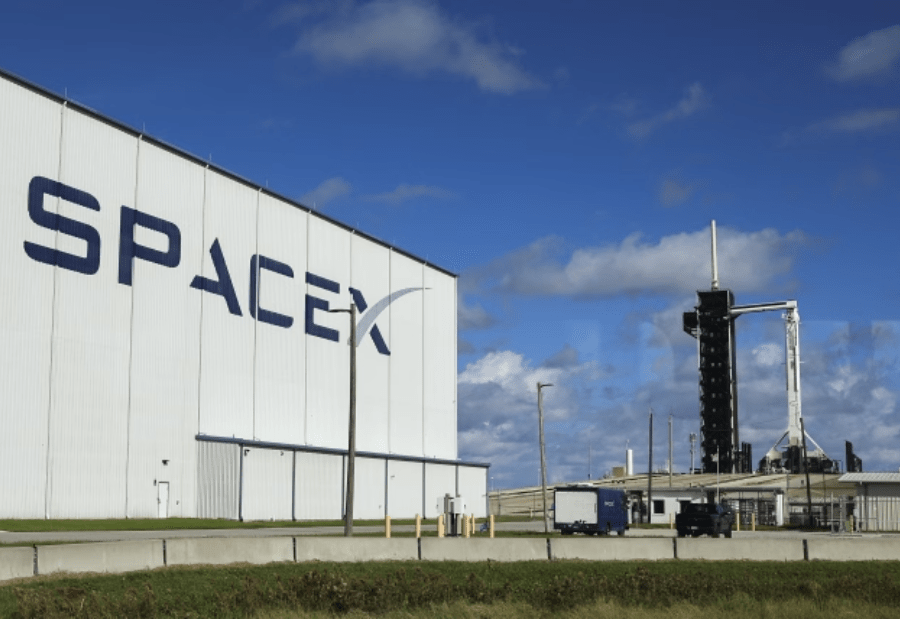
Marking a major milestone in space exploration, SpaceX has successfully conducted a full-duration static fire test of its Starship V3 upper stage engines. This achievement clears an important step before its first flight, expected in early or mid-May. The rocket stands around 400 feet tall and is powered by the latest Raptor engines. It is capable of carrying more than 100 tons to low Earth orbit and plays a central role in NASA's plans to send humans back to the Moon. Starship V3 is not just another launch vehicle. It is set to become the first crewed lunar lander for NASA's Artemis program. After Artemis 2, the agency plans to carry out docking tests in Earth orbit during Artemis 3 using the Orion spacecraft along with one or both contracted lunar landers, Starship and Blue Moon. This positions SpaceX as a key contributor to upcoming Moon missions. The successful test also highlights the company's ability to recover quickly from earlier setbacks and continue advancing its technology. The development marks steady progress toward future human spaceflight and lunar exploration goals. Also read: Viksit Workforce for a Viksit Bharat Do Follow: The Mainstream LinkedIn | The Mainstream Facebook | The Mainstream Youtube | The Mainstream Twitter About us: The Mainstream is a premier platform delivering the latest updates and informed perspectives across the technology business and cyber landscape. Built on research-driven, thought leadership and original intellectual property, The Mainstream also curates summits & conferences that convene decision makers to explore how technology reshapes industries and leadership. With a growing presence in India and globally across the Middle East, Africa, ASEAN, the USA, the UK and Australia, The Mainstream carries a vision to bring the latest happenings and insights to 8.2 billion people and to place technology at the centre of conversation for leaders navigating the future.
A Polymarket trader made $300,000 betting on Biden's pardons, a new analysis shows
In the final hours of President Biden's term, a Polymarket trader made around $300,000 correctly betting on Biden's last-minute pardons, according to new data provided to NPR by an analytics firm that examines cryptocurrency transactions. As Biden issued a wave of pardons just hours before leaving the White House, the Polymarket trader bet big on four names, with the odds of those pardons occurring rapidly dropping to near zero on the prediction market site. The trader, whose identity is not publicly known, placed around $64,000 worth of bets that Biden would issue pre-emptive pardons for Jim Biden, the former president's brother, former Rep Liz Cheney, Sen. Adam Schiff, former Rep. Adam Kinzinger -- all prominent critics of President Trump. While none were ever charged with crimes, all four were given pardons to shield them against possible prosecution in Trump's second term. A month earlier, the same bettor placed a well-timed wager on Polymarket that Biden's son, Hunter, would receive a pardon over gun and tax charges. Together, those five bets netted the trader $316,346 in profits, according to an analysis by the Paris-based analytics company Bubblemaps, which shared its findings exclusively with NPR.

Researchers hijack popular AI agents from Anthropic, Google, and Microsoft: vendors choose to stay silent
Security researchers have hijacked three popular AI agents that integrate with GitHub Actions using a new type of prompt-injection attack to steal API keys and access tokens. The problem is most probably pervasive, they warn, and lament that the major vendors running the agents didn't even think to disclose the issue. Researcher Aonan Guan originally found the flaw in Claude Code Security Review, Anthropic's GitHub Action that uses Claude to analyze code changes and pull requests for vulnerabilities and other security problems. Guan said he was curious about how user prompts flow into the AI agents and how they take action based on those prompts. He soon realized that Claude, as well as other AI agents in GitHub Actions, uses the same flow: it reads GitHub data, processes it as part of the task context, and then takes action. Guan came up with an idea to try to take over the agent after injecting malicious instructions into the data being read by the AI. It worked. He submitted a pull request and injected malicious instructions in the PR title, telling Claude to execute the whoami command using the Bash tool and return the results as a "security finding." Claude then executed the injected commands and embedded the output in its JSON response, which got posted as a pull request comment. "The credentials stolen are the host repository's own GitHub Actions secrets, configured by the project maintainers to power the agent," the researcher wrote on his blog. "The loop is entirely within GitHub - no external infrastructure needed. The attacker writes a comment, the agent reads it, executes the payload, and writes the result back to another comment or commit. This is Comment and Control." Comment and Control, a play on Command and Control (C2), is a class of prompt-injection attacks where GitHub comments hijack AI agents running in GitHub Actions. Guan found this flaw on Google's Gemini CLI Action and Microsoft's GitHub Copilot as well. After he and a team from Johns Hopkins University disclosed the vulnerabilities, they received bug bounties from all three vendors. Even though the vulnerability seems serious and likely affects many other GitHub-integrated agents, including Slack bots and Jira agents, the bounties were modest: $100 from Anthropic, $1,337 from Google, and $500 from Microsoft. The problem? None of the vendors assigned CVEs or published public advisories, and this, Guan told The Register, "is a problem." But if Guan's work is any sign of the future, public disclosure is something that AI firms will still need to work on. "I know for sure that some of the users are pinned to a vulnerable version. If they don't publish an advisory, those users may never know they are vulnerable - or under attack," said Guan. Dr. Andrew Bolster, Senior Manager, Research and Development at Black Duck, notes that vulnerabilities of the type identified in Guan's report are becoming increasingly more common, and that vendors should, let's say, respect them more. "These connections between Large Language Model inputs, context, and tools are just as vital to sanitize and secure as previous generations would secure applications against SQL Injection and cross-site scripting," Bolster told Cybernews. It might be no accident, Lindsey Cerkovnik, head of vulnerability management at the US Cybersecurity and Infrastructure Security Agency, mused this week, saying that AI companies like OpenAI and Anthropic should play a bigger role in software vulnerability disclosures in the future. This is, of course, also related to the hype surrounding Anthropic's new LLM Mythos that promises to autonomously find and fix cybersecurity vulnerabilities at scale. In testing, the model allegedly discovered thousands of previously unidentified zero-day vulnerabilities. But if Guan's work is any sign of the future, public disclosure is something that AI firms will still need to work on. An important caveat, of course, is the fact that AI systems designed to discover software flaws at scale are beginning to outpace the classification and disclosure of vulnerabilities.

A Polymarket trader made $300,000 betting on Biden's pardons, a new analysis shows
In the final hours of President Biden's term, a Polymarket trader made around $300,000 correctly betting on Biden's last-minute pardons, according to new data provided to NPR by an analytics firm that examines cryptocurrency transactions. As Biden issued a wave of pardons just hours before leaving the White House, the Polymarket trader bet big on four names, with the odds of those pardons occurring rapidly dropping to near zero on the prediction market site. The trader, whose identity is not publicly known, placed around $64,000 worth of bets that Biden would issue pre-emptive pardons for Jim Biden, the former president's brother, former Rep Liz Cheney, Sen. Adam Schiff, former Rep. Adam Kinzinger -- all prominent critics of President Trump. While none were ever charged with crimes, all four were given pardons to shield them against possible prosecution in Trump's second term. A month earlier, the same bettor placed a well-timed wager on Polymarket that Biden's son, Hunter, would receive a pardon over gun and tax charges. Together, those five bets netted the trader $316,346 in profits, according to an analysis by the Paris-based analytics company Bubblemaps, which shared its findings exclusively with NPR. "The odds of this happening by random chance are virtually zero," said Columbia Law School's Joshua Mitts, who advises the Department of Justice on insider trading cases. "The trader could've been a White House insider," he said. "But the trader could have possessed the information without being an insider," said Mitts, who published a paper last month estimating that $143 million in profits have been earned on Polymarket by bettors with insider information. The trades linked to Biden's pardons show that individuals could have been profiting from confidential government information before President Trump returned to office, when prescient bets related federal policy and military strikes on sites like Polymarket started to draw intense scrutiny. Polymarket did not return a request for comment. Sleuthing crypto transactions linked to Biden pardons To piece together the suspicious trades related to Biden's pardons, Bubblemaps' forensic investigators looked at Polymarket trades using pattern-matching artificial intelligence software. They discovered two accounts had a perfect track record of betting on Biden pardons. "We looked at all the accounts trading on this one market and looked at their mutual transactions," Nick Vaiman, Bubblemap's founder, told NPR in an interview. "And we found a connection between two accounts, which was a shared deposit wallet." That means the analysts determined that both accounts were sending profits from Polymarket bets to the same cryptocurrency wallet on the site Kraken, a U.S.-based crypto exchange. "Exchanges like Kraken don't offer information on individual accounts," Vaiman said. "We've tried desperately, but they don't give up this information easily." Kraken has "know-your-customer" rules similar to a bank, requiring its customers to verify their identities before using the exchange. Yet it remains difficult to publicly identify a customer based on a crypto wallet alone. Federal prosecutors often find that crypto wallet-holders engaging in insider trading do so through other people or shell companies, said Mitts. "If the government subpoenas, and gets data back showing some entity did the trading that has no connections to the White House, that's where the trail runs cold." And even when a wallet on a cryptocurrency blockchain is connected to a person, a legal case of insider trading is far from open-shut, Mitts added. "If it was misappropriation of information, the problems for prosecutors begin there," he said. "Who was misappropriating? Could you prove it? Could you prove the conditions under which they got the information?" Biden pardons trades follow a string of other suspected insider traders profiting Prediction markets, like Polymarket and its main rival, Kalshi, have flourished in Trump's second term. The administration has embraced an industry once considered a pariah in Washington over fears that the markets could be ripe for abuse and manipulation. The investment firm Bernstein projects that in the next four years, prediction markets could become a $1 trillion industry, and the Trump family is getting in on the action. Donald Trump Jr., the president's son, is an adviser to both Kalshi and Polymarket. As millions of people turn White House announcements and geopolitical episodes into opportunities to make money, there have been a series of controversies over suspected insider trading. Hours before Venezuelan leader Nicolás Maduro was toppled by U.S. forces in January, a Polymarket trader placed a bet that netted $400,000. Likewise, an account trading under the username "Magamyman" made more than $500,000 after wagering on Polymarket that Iran's Ayatollah Ali Khamenei would soon no longer lead Iran. Not long after the bet was placed, an Israeli strike killed him. Most recently, a group of new accounts on Polymarket raked in hundreds of thousands of dollars in profits by betting that the U.S. and Iran would reach a ceasefire before the agreement had been unveiled. U.S. prosecutors have not announced any investigations or charges over potential insider trading. In Israel, authorities arrested several people in connection to a case alleging that military reservists traded on Polymarket using classified military intelligence. The largest U.S. prediction market, Kalshi, is regulated by the Commodity Futures Trading Commission, a status that is being contested in court by dozens of states. The CFTC prohibits betting on markets related to war, assassinations and terrorism, but otherwise has overseen the industry with a light touch, in contrast to the Biden administration, which prohibited most types of "event contracts" except those related to things that had clear public value, like the weather, oil futures and grain prices. Polymarket, too, has been welcomed by the Trump administration. Under Biden, the Federal Bureau of Investigation raided the home of Polymarket's CEO and forced the site to wind down in the U.S. It continues to operate mostly as an overseas exchange, with its largest site accessible by Americans only via virtual private network. Unlike Kalshi, Polymarket uses cryptocurrency, making it easier for traders to remain anonymous. But Trump's law enforcement agencies have taken a more hands-off approach to Polymarket's most controversial markets on everything from conditions in Gaza, war to the next nuclear detonation. "These markets are problematic," said Nizan Packin, a law professor at Baruch College. "If we want to offer this type of gambling about geopolitics and elections, we need to do this in a proper way, which means guardrails that we have created after we studied the consequences and the problems. This is not something that was done," said Packin, who co-authored a new paper in the the journal Science examining the risks of online prediction markets. "Without clear regulation, and clearer and stricter enforcement, the gray zone becomes larger and more questions should and will be asked," she said.

Think you're anonymous online? AI may already know you, says Anthropic-ETH Zurich study
Your posts can expose you: AI now links anonymous accounts, says Anthropic and ETH Zurich study What if your "anonymous" social media account isn't really anonymous anymore? A new study by Anthropic and ETH Zurich suggests that may already be the case, with AI now capable of identifying users using only what they write online. The research shows that large language models can link pseudonymous accounts to real identities or connect multiple accounts belonging to the same person without relying on explicit personal details. The study describes this as large-scale "deanonymisation," enabled purely through analysis of user-generated text. What the study found According to the researchers, the system they developed works directly on unstructured data such as posts, comments, and conversations. This marks a shift from earlier methods that depended on structured datasets or manual feature extraction. The process involves multiple steps. The model first pulls identity-related signals from text, then searches across datasets for possible matches, and finally applies reasoning to verify whether profiles belong to the same individual. The paper notes that this approach can operate across platforms and communities. In testing, the system successfully linked accounts across platforms including Reddit and LinkedIn, and also matched users within Reddit communities. The study reports that these LLM-based techniques outperform traditional methods, delivering high precision while identifying a significant share of users. How identification happens The study highlights that small, seemingly harmless details in online posts can act as identifiers. These include writing style, interests, references to location, education, and recurring topics. Researchers explain that the model can analyse conversations to infer attributes such as profession, background, and tools used. It then searches publicly available information to find matches based on these traits. The process mirrors how a human investigator might piece together clues, but is executed at scale and speed. Why it matters The findings challenge the assumption that pseudonyms provide meaningful privacy online. According to the study, that assumption no longer holds because AI significantly reduces the effort needed to connect scattered data points. This has implications for users who depend on anonymity, including those discussing sensitive issues or operating across multiple platforms. The ability to link accounts could expose identities even when direct identifiers are not shared. Risks and concerns The study outlines several risks associated with this capability. It notes that governments or organisations could use such systems for surveillance, while companies could link anonymous activity to user profiles. There is also the risk of misuse by malicious actors to build detailed personal profiles. Researchers add that each additional post increases the likelihood of identification, as more data points improve matching accuracy. What can be done The paper suggests that existing privacy measures may not be sufficient for unstructured text. It points to potential safeguards such as limiting data access, detecting automated scraping, and strengthening AI system protections. However, the researchers acknowledge that preventing such identification is challenging, as the same data that enables these systems is central to how online platforms function.
UK banks to access Anthropic's Mythos cybersecurity model within the next week
This content has been selected, created and edited by the Finextra editorial team based upon its relevance and interest to our community. The release by Anthropic of its AI model Mythos has sparked panic among banks and financial regulators after the company claimed to have found severe zero-day vulnerabilities in every in every major operating system and web browser. The firm has already begun to release the code to some of Wall Street's elite firms after interventions by the US Treasury and Federal Reserve. In the UK, the FCA, HM Treasury, and the National Cyber Security Centre have held talks with banks over the potential danger to critical infrastructure exposed by Mythos. In an interview with Bloomberg, Pip White, Anthropic's head of Emea, says: "The engagement that I've had from CEOs in the past week in the UK has been significant," confirming that UK banks will be able to get their hands on the product in a controlled manner within the coming week. Anthropic will soon have it hands full across Europe as the European Central Bank (ECB) prepares for talks with the bloc's banks about the potential risks posed by the Mythos Preview model. The German Banking Association, Bundesbank and regulator BaFin have also expressed their concerns.

Alphabet's $122 Billion SpaceX Bombshell Just Surfaced In A Routine Alaska Filing - Alphabet (NASDAQ:GOOG
Rare Filing Reveals Hidden Ownership The disclosure comes from an annual requirement in Alaska, where companies operating in the state must list any shareholders holding 5% or more. SpaceX, still privately held and famously tight‑lipped about its ownership structure, rarely offers this level of visibility. Yet the filing shows that Google LLC -- Alphabet's main operating unit -- held 6.11% of SpaceX at the end of 2025, according to a Bloomberg report, providing one of the clearest public snapshots of the rocket company's cap table in years. Google's Decade-Old Bet Paying Off Big That position traces back to 2015, when Google and Fidelity jointly invested about a billion in SpaceX at a valuation of about $12 billion, Benzinga reported earlier. At the time, the deal was viewed as a strategic bet on satellite connectivity and launch infrastructure. IPO Speculation Gains Momentum If SpaceX goes public anywhere near the $2 trillion valuation investors increasingly discuss, Alphabet's stake would instantly become one of the most lucrative non‑core holdings in its history. For a company already defined by search, cloud computing and AI, a twelve‑figure windfall from a long‑ago venture investment would be a striking addition to its balance sheet. SpaceX has not committed to a listing date, but expectations for an IPO have intensified as the company matures and Starlink's revenue becomes more predictable. An offering of that size would rank among the largest ever attempted, and the Alaska filing only adds fuel to the speculation by confirming just how much Alphabet stands to gain. For now, the disclosure serves as a rare reminder of how dramatically SpaceX has grown -- and how a single early investment has quietly turned into one of Alphabet's most powerful financial assets. Image via Shutterstock Market News and Data brought to you by Benzinga APIs To add Benzinga News as your preferred source on Google, click here.

A Polymarket trader made $300,000 betting on Biden's pardons, a new analysis shows
In the final hours of President Biden's term, a Polymarket trader made around $300,000 correctly betting on Biden's last-minute pardons, according to new data provided to NPR by an analytics firm that examines cryptocurrency transactions. As Biden issued a wave of pardons just hours before leaving the White House, the Polymarket trader bet big on four names, with the odds of those pardons occurring rapidly dropping to near zero on the prediction market site. The trader, whose identity is not publicly known, placed around $64,000 worth of bets that Biden would issue pre-emptive pardons for Jim Biden, the former president's brother, former Rep Liz Cheney, Sen. Adam Schiff, former Rep. Adam Kinzinger -- all prominent critics of President Trump. While none were ever charged with crimes, all four were given pardons to shield them against possible prosecution in Trump's second term. A month earlier, the same bettor placed a well-timed wager on Polymarket that Biden's son, Hunter, would receive a pardon over gun and tax charges. Together, those five bets netted the trader $316,346 in profits, according to an analysis by the Paris-based analytics company Bubblemaps, which shared its findings exclusively with NPR. "The odds of this happening by random chance are virtually zero," said Columbia Law School's Joshua Mitts, who advises the Department of Justice on insider trading cases. "The trader could've been a White House insider," he said. "But the trader could have possessed the information without being an insider," said Mitts, who published a paper last month estimating that $143 million in profits have been earned on Polymarket by bettors with insider information. The trades linked to Biden's pardons show that individuals could have been profiting from confidential government information before President Trump returned to office, when prescient bets related federal policy and military strikes on sites like Polymarket started to draw intense scrutiny. Polymarket did not return a request for comment. To piece together the suspicious trades related to Biden's pardons, Bubblemaps' forensic investigators looked at Polymarket trades using pattern-matching artificial intelligence software. They discovered two accounts had a perfect track record of betting on Biden pardons. "We looked at all the accounts trading on this one market and looked at their mutual transactions," Nick Vaiman, Bubblemap's founder, told NPR in an interview. "And we found a connection between two accounts, which was a shared deposit wallet." That means the analysts determined that both accounts were sending profits from Polymarket bets to the same cryptocurrency wallet on the site Kraken, a U.S.-based crypto exchange. "Exchanges like Kraken don't offer information on individual accounts," Vaiman said. "We've tried desperately, but they don't give up this information easily." Kraken has "know-your-customer" rules similar to a bank, requiring its customers to verify their identities before using the exchange. Yet it remains difficult to publicly identify a customer based on a crypto wallet alone. Federal prosecutors often find that crypto wallet-holders engaging in insider trading do so through other people or shell companies, said Mitts. "If the government subpoenas, and gets data back showing some entity did the trading that has no connections to the White House, that's where the trail runs cold." And even when a wallet on a cryptocurrency blockchain is connected to a person, a legal case of insider trading is far from open-shut, Mitts added. "If it was misappropriation of information, the problems for prosecutors begin there," he said. "Who was misappropriating? Could you prove it? Could you prove the conditions under which they got the information?" Prediction markets, like Polymarket and its main rival, Kalshi, have flourished in Trump's second term. The administration has embraced an industry once considered a pariah in Washington over fears that the markets could be ripe for abuse and manipulation. The investment firm Bernstein projects that in the next four years, prediction markets could become a $1 trillion industry, and the Trump family is getting in on the action. Donald Trump Jr., the president's son, is an adviser to both Kalshi and Polymarket. As millions of people turn White House announcements and geopolitical episodes into opportunities to make money, there have been a series of controversies over suspected insider trading. Hours before Venezuelan leader Nicolás Maduro was toppled by U.S. forces in January, a Polymarket trader placed a bet that netted $400,000. Likewise, an account trading under the username "Magamyman" made more than $500,000 after wagering on Polymarket that Iran's Ayatollah Ali Khamenei would soon no longer lead Iran. Not long after the bet was placed, an Israeli strike killed him. Most recently, a group of new accounts on Polymarket raked in hundreds of thousands of dollars in profits by betting that the U.S. and Iran would reach a ceasefire before the agreement had been unveiled. U.S. prosecutors have not announced any investigations or charges over potential insider trading. In Israel, authorities arrested several people in connection to a case alleging that military reservists traded on Polymarket using classified military intelligence. The largest U.S. prediction market, Kalshi, is regulated by the Commodity Futures Trading Commission, a status that is being contested in court by dozens of states. The CFTC prohibits betting on markets related to war, assassinations and terrorism, but otherwise has overseen the industry with a light touch, in contrast to the Biden administration, which prohibited most types of "event contracts" except those related to things that had clear public value, like the weather, oil futures and grain prices. Polymarket, too, has been welcomed by the Trump administration. Under Biden, the Federal Bureau of Investigation raided the home of Polymarket's CEO and forced the site to wind down in the U.S. It continues to operate mostly as an overseas exchange, with its largest site accessible by Americans only via virtual private network. Unlike Kalshi, Polymarket uses cryptocurrency, making it easier for traders to remain anonymous. But Trump's law enforcement agencies have taken a more hands-off approach to Polymarket's most controversial markets on everything from conditions in Gaza, war to the next nuclear detonation. "These markets are problematic," said Nizan Packin, a law professor at Baruch College. "If we want to offer this type of gambling about geopolitics and elections, we need to do this in a proper way, which means guardrails that we have created after we studied the consequences and the problems. This is not something that was done," said Packin, who co-authored a new paper in the the journal Science examining the risks of online prediction markets. "Without clear regulation, and clearer and stricter enforcement, the gray zone becomes larger and more questions should and will be asked," she said.

Champagne to discuss Anthropic at meeting with Bessent
The release of the Mythos model -- which Anthropic says is highly adept at finding vulnerabilities in software and computer systems -- is being limited to a handful of major technology firms including Amazon.com Inc. and Apple Inc. Anthropic warned last week that the new system could power cyberattacks if software makers don't first test it against their own defenses.
A Polymarket trader made $300,000 betting on Biden's pardons, a new analysis shows
In the final hours of President Biden's term, a Polymarket trader made around $300,000 correctly betting on Biden's last-minute pardons, according to new data provided to NPR by an analytics firm that examines cryptocurrency transactions. As Biden issued a wave of pardons just hours before leaving the White House, the Polymarket trader bet big on four names, with the odds of those pardons occurring rapidly dropping to near zero on the prediction market site. The trader, whose identity is not publicly known, placed around $64,000 worth of bets that Biden would issue pre-emptive pardons for Jim Biden, the former president's brother, former Rep Liz Cheney, Sen. Adam Schiff, former Rep. Adam Kinzinger -- all prominent critics of President Trump. While none were ever charged with crimes, all four were given pardons to shield them against possible prosecution in Trump's second term. A month earlier, the same bettor placed a well-timed wager on Polymarket that Biden's son, Hunter, would receive a pardon over gun and tax charges. Together, those five bets netted the trader $316,346 in profits, according to an analysis by the Paris-based analytics company Bubblemaps, which shared its findings exclusively with NPR. "The odds of this happening by random chance are virtually zero," said Columbia Law School's Joshua Mitts, who advises the Department of Justice on insider trading cases. "The trader could've been a White House insider," he said. "But the trader could have possessed the information without being an insider," said Mitts, who published a paper last month estimating that $143 million in profits have been earned on Polymarket by bettors with insider information. The trades linked to Biden's pardons show that individuals could have been profiting from confidential government information before President Trump returned to office, when prescient bets related federal policy and military strikes on sites like Polymarket started to draw intense scrutiny. To piece together the suspicious trades related to Biden's pardons, Bubblemaps' forensic investigators looked at Polymarket trades using pattern-matching artificial intelligence software. They discovered two accounts had a perfect track record of betting on Biden pardons. "We looked at all the accounts trading on this one market and looked at their mutual transactions," Nick Vaiman, Bubblemap's founder, told NPR in an interview. "And we found a connection between two accounts, which was a shared deposit wallet." That means the analysts determined that both accounts were sending profits from Polymarket bets to the same cryptocurrency wallet on the site Kraken, a U.S.-based crypto exchange. "Exchanges like Kraken don't offer information on individual accounts," Vaiman said. "We've tried desperately, but they don't give up this information easily." Kraken has "know-your-customer" rules similar to a bank, requiring its customers to verify their identities before using the exchange. Yet it remains difficult to publicly identify a customer based on a crypto wallet alone. Federal prosecutors often find that crypto wallet-holders engaging in insider trading do so through other people or shell companies, said Mitts. "If the government subpoenas, and gets data back showing some entity did the trading that has no connections to the White House, that's where the trail runs cold." And even when a wallet on a cryptocurrency blockchain is connected to a person, a legal case of insider trading is far from open-shut, Mitts added. "If it was misappropriation of information, the problems for prosecutors begin there," he said. "Who was misappropriating? Could you prove it? Could you prove the conditions under which they got the information?" Prediction markets, like Polymarket and its main rival, Kalshi, have flourished in Trump's second term. The administration has embraced an industry once considered a pariah in Washington over fears that the markets could be ripe for abuse and manipulation. The investment firm Bernstein projects that in the next four years, prediction markets could become a $1 trillion industry, and the Trump family is getting in on the action. Donald Trump Jr., the president's son, is an adviser to both Kalshi and Polymarket. As millions of people turn White House announcements and geopolitical episodes into opportunities to make money, there have been a series of controversies over suspected insider trading. Hours before Venezuelan leader Nicolás Maduro was toppled by U.S. forces in January, a Polymarket trader placed a bet that netted $400,000. Likewise, an account trading under the username "Magamyman" made more than $500,000 after wagering on Polymarket that Iran's Ayatollah Ali Khamenei would soon no longer lead Iran. Not long after the bet was placed, an Israeli strike killed him. Most recently, a group of new accounts on Polymarket raked in hundreds of thousands of dollars in profits by betting that the U.S. and Iran would reach a ceasefire before the agreement had been unveiled. U.S. prosecutors have not announced any investigations or charges over potential insider trading. In Israel, authorities arrested several people in connection to a case alleging that military reservists traded on Polymarket using classified military intelligence. The largest U.S. prediction market, Kalshi, is regulated by the Commodity Futures Trading Commission, a status that is being contested in court by dozens of states. The CFTC prohibits betting on markets related to war, assassinations and terrorism, but otherwise has overseen the industry with a light touch, in contrast to the Biden administration, which prohibited most types of "event contracts" except those related to things that had clear public value, like the weather, oil futures and grain prices. Polymarket, too, has been welcomed by the Trump administration. Under Biden, the Federal Bureau of Investigation raided the home of Polymarket's CEO and forced the site to wind down in the U.S. It continues to operate mostly as an overseas exchange, with its largest site accessible by Americans only via virtual private network. Unlike Kalshi, Polymarket uses cryptocurrency, making it easier for traders to remain anonymous. But Trump's law enforcement agencies have taken a more hands-off approach to Polymarket's most controversial markets on everything from conditions in Gaza, war to the next nuclear detonation. "These markets are problematic," said Nizan Packin, a law professor at Baruch College. "If we want to offer this type of gambling about geopolitics and elections, we need to do this in a proper way, which means guardrails that we have created after we studied the consequences and the problems. This is not something that was done," said Packin, who co-authored a new paper in the the journal Science examining the risks of online prediction markets. "Without clear regulation, and clearer and stricter enforcement, the gray zone becomes larger and more questions should and will be asked," she said.
A Polymarket trader made $300,000 betting on Biden's pardons, a new analysis shows
In the final hours of President Biden's term, a Polymarket trader made around $300,000 correctly betting on Biden's last-minute pardons, according to new data provided to NPR by an analytics firm that examines cryptocurrency transactions. As Biden issued a wave of pardons just hours before leaving the White House, the Polymarket trader bet big on four names, with the odds of those pardons occurring rapidly dropping to near zero on the prediction market site. The trader, whose identity is not publicly known, placed around $64,000 worth of bets that Biden would issue pre-emptive pardons for Jim Biden, the former president's brother, former Rep Liz Cheney, Sen. Adam Schiff, former Rep. Adam Kinzinger -- all prominent critics of President Trump. While none were ever charged with crimes, all four were given pardons to shield them against possible prosecution in Trump's second term. A month earlier, the same bettor placed a well-timed wager on Polymarket that Biden's son, Hunter, would receive a pardon over gun and tax charges. Together, those five bets netted the trader $316,346 in profits, according to an analysis by the Paris-based analytics company Bubblemaps, which shared its findings exclusively with NPR. "The odds of this happening by random chance are virtually zero," said Columbia Law School's Joshua Mitts, who advises the Department of Justice on insider trading cases. "The trader could've been a White House insider," he said. "But the trader could have possessed the information without being an insider," said Mitts, who published a paper last month estimating that $143 million in profits have been earned on Polymarket by bettors with insider information. The trades linked to Biden's pardons show that individuals could have been profiting from confidential government information before President Trump returned to office, when prescient bets related federal policy and military strikes on sites like Polymarket started to draw intense scrutiny. To piece together the suspicious trades related to Biden's pardons, Bubblemaps' forensic investigators looked at Polymarket trades using pattern-matching artificial intelligence software. They discovered two accounts had a perfect track record of betting on Biden pardons. "We looked at all the accounts trading on this one market and looked at their mutual transactions," Nick Vaiman, Bubblemap's founder, told NPR in an interview. "And we found a connection between two accounts, which was a shared deposit wallet." That means the analysts determined that both accounts were sending profits from Polymarket bets to the same cryptocurrency wallet on the site Kraken, a U.S.-based crypto exchange. "Exchanges like Kraken don't offer information on individual accounts," Vaiman said. "We've tried desperately, but they don't give up this information easily." Kraken has "know-your-customer" rules similar to a bank, requiring its customers to verify their identities before using the exchange. Yet it remains difficult to publicly identify a customer based on a crypto wallet alone. Federal prosecutors often find that crypto wallet-holders engaging in insider trading do so through other people or shell companies, said Mitts. "If the government subpoenas, and gets data back showing some entity did the trading that has no connections to the White House, that's where the trail runs cold." And even when a wallet on a cryptocurrency blockchain is connected to a person, a legal case of insider trading is far from open-shut, Mitts added. "If it was misappropriation of information, the problems for prosecutors begin there," he said. "Who was misappropriating? Could you prove it? Could you prove the conditions under which they got the information?" Prediction markets, like Polymarket and its main rival, Kalshi, have flourished in Trump's second term. The administration has embraced an industry once considered a pariah in Washington over fears that the markets could be ripe for abuse and manipulation. The investment firm Bernstein projects that in the next four years, prediction markets could become a $1 trillion industry, and the Trump family is getting in on the action. Donald Trump Jr., the president's son, is an adviser to both Kalshi and Polymarket. As millions of people turn White House announcements and geopolitical episodes into opportunities to make money, there have been a series of controversies over suspected insider trading. Hours before Venezuelan leader Nicolás Maduro was toppled by U.S. forces in January, a Polymarket trader placed a bet that netted $400,000. Likewise, an account trading under the username "Magamyman" made more than $500,000 after wagering on Polymarket that Iran's Ayatollah Ali Khamenei would soon no longer lead Iran. Not long after the bet was placed, an Israeli strike killed him. Most recently, a group of new accounts on Polymarket raked in hundreds of thousands of dollars in profits by betting that the U.S. and Iran would reach a ceasefire before the agreement had been unveiled. U.S. prosecutors have not announced any investigations or charges over potential insider trading. In Israel, authorities arrested several people in connection to a case alleging that military reservists traded on Polymarket using classified military intelligence. The largest U.S. prediction market, Kalshi, is regulated by the Commodity Futures Trading Commission, a status that is being contested in court by dozens of states. The CFTC prohibits betting on markets related to war, assassinations and terrorism, but otherwise has overseen the industry with a light touch, in contrast to the Biden administration, which prohibited most types of "event contracts" except those related to things that had clear public value, like the weather, oil futures and grain prices. Polymarket, too, has been welcomed by the Trump administration. Under Biden, the Federal Bureau of Investigation raided the home of Polymarket's CEO and forced the site to wind down in the U.S. It continues to operate mostly as an overseas exchange, with its largest site accessible by Americans only via virtual private network. Unlike Kalshi, Polymarket uses cryptocurrency, making it easier for traders to remain anonymous. But Trump's law enforcement agencies have taken a more hands-off approach to Polymarket's most controversial markets on everything from conditions in Gaza, war to the next nuclear detonation. "These markets are problematic," said Nizan Packin, a law professor at Baruch College. "If we want to offer this type of gambling about geopolitics and elections, we need to do this in a proper way, which means guardrails that we have created after we studied the consequences and the problems. This is not something that was done," said Packin, who co-authored a new paper in the the journal Science examining the risks of online prediction markets. "Without clear regulation, and clearer and stricter enforcement, the gray zone becomes larger and more questions should and will be asked," she said.
Inside the Opus 4.7 Leak and Anthropic's Massive Claude Code 2.0 Upgrade
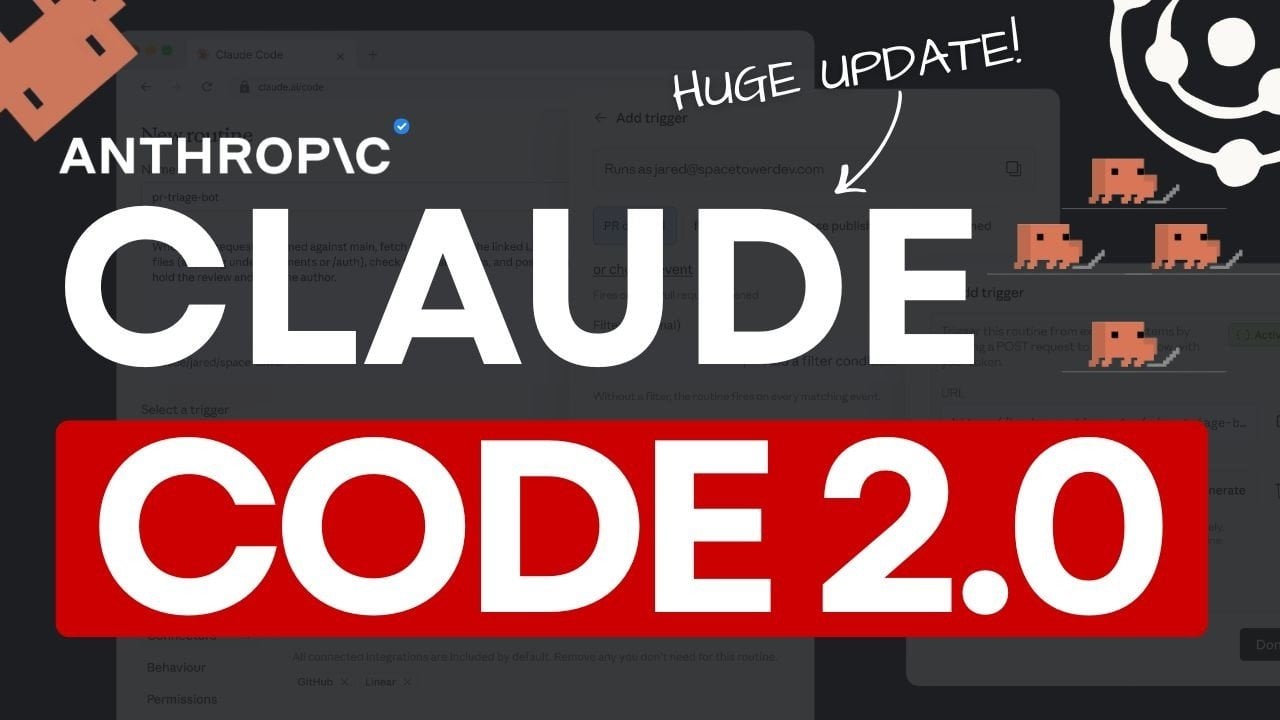
Anthropic and OpenAI continue to make waves in the AI and cybersecurity landscape, with recent developments showcasing their distinct approaches to innovation. Universe of AI explores the release of Anthropic's Claude Code 2.0, which introduces features like a real-time task tracking sidebar and customizable layouts to streamline workflows for developers. Alongside this, OpenAI's GPT-5.4-Cyber emerges as a specialized model for cybersecurity, offering tiered access controls and scalable functionality to support enterprise-level security teams. These updates highlight how each company is addressing critical industry needs while pushing the boundaries of AI applications. In this overview, you'll gain insight into how Claude Code 2.0's integrated terminal and diff viewer aim to enhance coding efficiency, while its new "Routines" feature automates repetitive tasks like nightly bug fixes. You'll also discover what the leaked details of Opus 4.7 suggest about Anthropic's plans to lower the technical barrier for creative projects. Finally, explore how GPT-5.4-Cyber is designed to assist in identifying vulnerabilities and managing access controls, reflecting OpenAI's focus on providing widespread access to cybersecurity solutions. Each development underscores the evolving priorities shaping the future of AI-driven innovation. Anthropic's Claude Code 2.0 represents a significant upgrade, designed to optimize productivity and streamline workflows for developers and security professionals. At the heart of this update is an enhanced session management system, featuring a real-time task tracking sidebar. This addition allows you to monitor progress seamlessly without interrupting your workflow. The platform now integrates essential tools such as a terminal, file editor and an optimized diff viewer, creating a unified environment for coding and debugging. These improvements aim to reduce friction in development processes and enhance overall usability. Key features include: These updates position Claude Code 2.0 as a robust tool tailored to meet the needs of modern developers, offering a more intuitive and efficient coding experience. Anthropic has also introduced "Routines," a feature designed to automate repetitive tasks and reduce manual intervention. Operating entirely on cloud infrastructure, Routines can be triggered through schedules, API calls, or GitHub webhooks, making it a versatile tool for developers and teams. Examples of tasks you can automate include: With tiered access based on subscription levels, Routines is scalable and adaptable, catering to both individual developers and enterprise teams. This feature underscores Anthropic's focus on enhancing efficiency and allowing users to concentrate on higher-priority tasks. Deep dive into the latest in Anthropic by exploring our other resources and articles. Leaked details about Anthropic's upcoming Opus 4.7 suggest a potentially fantastic tool for non-technical users. This design platform reportedly enables the creation of websites, presentations and applications using plain text descriptions, significantly lowering the barrier to entry for creative tasks. Positioned as a competitor to Google Stitch, Opus 4.7 aims to simplify design workflows for users with limited technical expertise. While official specifications remain under wraps, the leak highlights Anthropic's commitment to innovation and accessibility. If the tool delivers on its promises, it could redefine how non-technical professionals approach creative and design-oriented projects. OpenAI has responded to Anthropic's advancements with the launch of GPT-5.4-Cyber, a model specifically designed to address cybersecurity challenges. This tool is tailored to assist security teams in identifying vulnerabilities, managing access controls and implementing defensive strategies, making it a valuable asset in the fight against cyber threats. Key features include: By balancing accessibility with ethical safeguards, OpenAI ensures that GPT-5.4-Cyber is both practical and secure. This model reflects OpenAI's broader strategy to provide widespread access to AI-driven cybersecurity solutions, making advanced tools available to a wide range of users while minimizing potential risks. The rivalry between Anthropic and OpenAI highlights their differing approaches to AI and cybersecurity innovation. Anthropic emphasizes controlled previews and targeted feature rollouts, focusing on user-centric design and gradual adoption. This strategy prioritizes refinement and usability, making sure that tools meet the specific needs of their users. In contrast, OpenAI adopts a broader approach, emphasizing scalability and accessibility. By providing widespread access to advanced tools like GPT-5.4-Cyber, OpenAI aims to empower a wider audience, from technical experts to non-technical professionals, with innovative solutions. Both companies address the growing demand for AI-driven tools, catering to diverse user bases while navigating the ethical considerations that come with AI integration. Their competition drives innovation, pushing the boundaries of what AI can achieve in both development and cybersecurity contexts. The latest advancements from Anthropic and OpenAI signal a pivotal moment in the evolution of AI and cybersecurity. With Claude Code 2.0 and the leaked Opus 4.7, Anthropic demonstrates its focus on user-friendly design and task automation, catering to developers and non-technical users alike. Meanwhile, OpenAI's GPT-5.4-Cyber underscores its commitment to defensive cybersecurity, providing tools that empower security teams to address emerging threats effectively. As the competition between these two companies intensifies, the industry stands to benefit from a wave of innovative solutions. These advancements promise to reshape how AI and cybersecurity intersect, offering tools that not only enhance productivity but also address critical challenges in an increasingly digital world. Disclosure: Some of our articles include affiliate links. If you buy something through one of these links, Geeky Gadgets may earn an affiliate commission. Learn about our Disclosure Policy.
Criticism Over Partnership: Journalists Investigate Polymarket and Kalshi | ForkLog
More Perfect Union investigates prediction markets, scrutinizing Polymarket's business model. The American publication More Perfect Union (MPU) has released a video investigation into prediction markets. The investigation was prompted by Polymarket's proposal to integrate the platform's odds into MPU reports. Instead of collaborating, the journalists scrutinized Polymarket's business model and public statements by the company's head, Shayne Coplan. They concluded that prediction platforms exploit Americans' economic anxieties under the guise of "financial democratization." The authors cited a study by Vanderbilt University concerning the 2024 U.S. elections. According to its findings, Polymarket's forecast accuracy was 67%, while Kalshi's was 78%. The older platform, PredictIt, showed a much higher result of 93%. The journalists noted that Coplan had given an interview to the program 60 Minutes, calling prediction markets "the most accurate tool humanity has at the moment." The report also mentioned the February U.S. employment report. Market participants predicted an increase of 60,000 jobs, but the actual difference from the final figure was 150,000. Economist Robin Hanson, one of the ideological inspirations behind modern prediction markets, stated in the video that insiders on such platforms are the norm. U.S. Senator Chris Murphy commented to MPU, describing prediction markets related to government decisions as inherently unfair: "All bets on government actions are rigged because someone in the government knows the outcome. Many other bets are also rigged -- a small circle of influential people knows the result in advance." Murphy believes that contracts where thousands of people know the result in advance should not be traded at all. In March, Kalshi and Polymarket announced new measures to combat insider trading. Experts interviewed by MPU doubted that the platforms could control tens of thousands of potential insiders across all types of markets -- from video game releases to Spotify streaming statistics. The publication provided data showing that 0.04% of traders receive about 70% of the profits on prediction markets. According to a report by Citizens Bank, clients of these platforms lose more money in the first three months of trading than users of traditional sportsbooks. Journalist and author of the U.S. gambling industry newsletter The Closing Line, Dustin Gouker, stated that 85-90% of Kalshi's turnover is in sports. For Polymarket, this figure is about 40%. Gouker described the activity as gambling, regardless of how the platforms themselves label it. Federal regulation through the U.S. Commodity Futures Trading Commission (CFTC) exempts platforms from local taxes and player protection requirements. For comparison, in New York State, bookmakers pay a 51% tax and are required to implement tools to combat gambling addiction. This inequality has already sparked conflict with state authorities -- Kalshi has faced lawsuits from more than a dozen states demanding its activities be recognized as unlicensed gambling. However, the CFTC maintains the status quo, and Donald Trump Jr. serves as a strategic advisor to both Polymarket and Kalshi. In February, Polymarket opened a free grocery store in New York. MPU journalists visited the location during the video shoot and assessed the event as an attempt to draw Americans' attention to the gambling platform.

U.S. Navy Drone Tests Fail After Starlink Outage, Exposing Pentagon's Reliance on SpaceX - Tech Startups
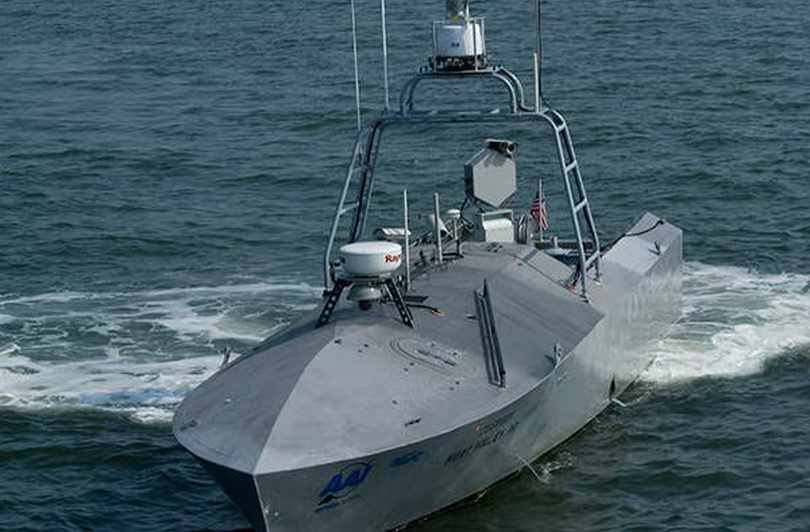
A routine Navy exercise off the California coast turned into a quiet stress test of the Pentagon's tech stack. When SpaceX's Starlink network went down during a global outage last August, more than two dozen unmanned surface vessels lost contact and drifted in place. For nearly an hour, operators couldn't reach them. The incident, revealed in an exclusive investigative report from Reuters, offers a rare look at how deeply the U.S. military now depends on a commercial satellite network run by Elon Musk. The episode, drawn from internal Navy documents and a person familiar with the tests, offers a rare look at how deeply the U.S. military now depends on a commercial satellite network run by Elon Musk. The vessels were part of a broader push toward autonomous systems meant to give the Navy new options in a potential conflict with China. When the connection dropped, operations stopped. "The incident, which involved drones intended to bolster U.S. military options in a conflict with China, was one of several Navy test disruptions linked to SpaceX's Starlink that left operators unable to connect with autonomous boats," Reuters reported, citing internal Navy documents and a person familiar with the matter. The news comes four months after SpaceX's Starlink lost communication with one of its satellites following a rare in-orbit failure, adding another real-world data point to the growing challenge of managing massive fleets in low Earth orbit. Meanwhile, the recent incident wasn't isolated. Multiple tests tied to the same program encountered connection issues with Starlink, leaving crews unable to communicate with autonomous boats. The problems hadn't been publicly disclosed. That reliance sits at the center of a larger shift. SpaceX has become a core supplier to the U.S. government, spanning launches, satellite communications, and military-focused AI systems. Starlink, its low-Earth orbit network with thousands of satellites, has become a backbone for projects ranging from drones to missile tracking. The scale gives the military wide coverage and resilience against many forms of disruption. It also creates a new kind of exposure. "If there were no Starlink, the U.S. government wouldn't have access to a global constellation of low-earth-orbit communications," said Clayton Swope of the Center for Strategic and International Studies. Officials declined to comment on the specific tests. A Pentagon spokesperson said the department relies on "multiple, robust, resilient systems" across its networks. The Navy and SpaceX did not respond to requests for comment. The backdrop is shifting fast. Amazon this week announced an $11.6 billion deal to acquire satellite operator Globalstar, a sign that rivals want a bigger role in low-Earth orbit communications. Even so, SpaceX remains far ahead. It dominates launch capacity and operates both Starlink and its national security-focused counterpart, Starshield. Those businesses now generate billions. Lawmakers have been warning about the risks of leaning too heavily on a single provider led by one individual. Recent tensions around AI vendors have shown how quickly access to key systems can become a point of friction. Earlier reporting described how the Starlink service to Ukrainian forces was switched off during a critical moment, raising questions among allies. In Taiwan, concerns surfaced over whether service had been withheld from U.S. personnel, claims the company disputed. Inside the Navy's test program, the technical limits were becoming visible. During exercises in April 2025 involving unmanned boats and aerial drones, Starlink struggled to maintain stable connections under heavy data load, according to a safety report. The system was handling multiple vehicles at once, each streaming data and receiving commands. The network faltered. "Starlink reliance exposed limitations under multiple-vehicle load," the report said. It pointed to additional issues tied to radios from Silvus and networking systems from Viasat. Weeks before the August outage, other tests had already seen intermittent drops in connectivity. The exact cause of those losses wasn't clear from the documents. Even with those setbacks, some defense analysts argue the tradeoff still favors Starlink. The service is relatively low-cost and widely available, giving the military reach that would be difficult to replicate on its own. Bryan Clark, an autonomous warfare expert at the Hudson Institute, framed it bluntly: "You accept those vulnerabilities because of the benefits you get from the ubiquity it provides." That balance is now harder to ignore. The same network that keeps systems connected across oceans can, in a single outage, leave them adrift.
A Polymarket trader made $300,000 betting on Biden's pardons, a new analysis shows
In the final hours of President Biden's term, a Polymarket trader made around $300,000 correctly betting on Biden's last-minute pardons, according to new data provided to NPR by an analytics firm that examines cryptocurrency transactions. As Biden issued a wave of pardons just hours before leaving the White House, the Polymarket trader bet big on four names, with the odds of those pardons occurring rapidly dropping to near zero on the prediction market site. The trader, whose identity is not publicly known, placed around $64,000 worth of bets that Biden would issue pre-emptive pardons for Jim Biden, the former president's brother, former Rep Liz Cheney, Sen. Adam Schiff, former Rep. Adam Kinzinger -- all prominent critics of President Trump. While none were ever charged with crimes, all four were given pardons to shield them against possible prosecution in Trump's second term. A month earlier, the same bettor placed a well-timed wager on Polymarket that Biden's son, Hunter, would receive a pardon over gun and tax charges. Together, those five bets netted the trader $316,346 in profits, according to an analysis by the Paris-based analytics company Bubblemaps, which shared its findings exclusively with NPR. "The odds of this happening by random chance are virtually zero," said Columbia Law School's Joshua Mitts, who advises the Department of Justice on insider trading cases. "The trader could've been a White House insider," he said. "But the trader could have possessed the information without being an insider," said Mitts, who published a paper last month estimating that $143 million in profits have been earned on Polymarket by bettors with insider information. The trades linked to Biden's pardons show that individuals could have been profiting from confidential government information before President Trump returned to office, when prescient bets related federal policy and military strikes on sites like Polymarket started to draw intense scrutiny. To piece together the suspicious trades related to Biden's pardons, Bubblemaps' forensic investigators looked at Polymarket trades using pattern-matching artificial intelligence software. They discovered two accounts had a perfect track record of betting on Biden pardons. "We looked at all the accounts trading on this one market and looked at their mutual transactions," Nick Vaiman, Bubblemap's founder, told NPR in an interview. "And we found a connection between two accounts, which was a shared deposit wallet." That means the analysts determined that both accounts were sending profits from Polymarket bets to the same cryptocurrency wallet on the site Kraken, a U.S.-based crypto exchange. "Exchanges like Kraken don't offer information on individual accounts," Vaiman said. "We've tried desperately, but they don't give up this information easily." Kraken has "know-your-customer" rules similar to a bank, requiring its customers to verify their identities before using the exchange. Yet it remains difficult to publicly identify a customer based on a crypto wallet alone. Federal prosecutors often find that crypto wallet-holders engaging in insider trading do so through other people or shell companies, said Mitts. "If the government subpoenas, and gets data back showing some entity did the trading that has no connections to the White House, that's where the trail runs cold." And even when a wallet on a cryptocurrency blockchain is connected to a person, a legal case of insider trading is far from open-shut, Mitts added. "If it was misappropriation of information, the problems for prosecutors begin there," he said. "Who was misappropriating? Could you prove it? Could you prove the conditions under which they got the information?" Prediction markets, like Polymarket and its main rival, Kalshi, have flourished in Trump's second term. The administration has embraced an industry once considered a pariah in Washington over fears that the markets could be ripe for abuse and manipulation. The investment firm Bernstein projects that in the next four years, prediction markets could become a $1 trillion industry, and the Trump family is getting in on the action. Donald Trump Jr., the president's son, is an adviser to both Kalshi and Polymarket. As millions of people turn White House announcements and geopolitical episodes into opportunities to make money, there have been a series of controversies over suspected insider trading. Hours before Venezuelan leader Nicolás Maduro was toppled by U.S. forces in January, a Polymarket trader placed a bet that netted $400,000. Likewise, an account trading under the username "Magamyman" made more than $500,000 after wagering on Polymarket that Iran's Ayatollah Ali Khamenei would soon no longer lead Iran. Not long after the bet was placed, an Israeli strike killed him. Most recently, a group of new accounts on Polymarket raked in hundreds of thousands of dollars in profits by betting that the U.S. and Iran would reach a ceasefire before the agreement had been unveiled. U.S. prosecutors have not announced any investigations or charges over potential insider trading. In Israel, authorities arrested several people in connection to a case alleging that military reservists traded on Polymarket using classified military intelligence. The largest U.S. prediction market, Kalshi, is regulated by the Commodity Futures Trading Commission, a status that is being contested in court by dozens of states. The CFTC prohibits betting on markets related to war, assassinations and terrorism, but otherwise has overseen the industry with a light touch, in contrast to the Biden administration, which prohibited most types of "event contracts" except those related to things that had clear public value, like the weather, oil futures and grain prices. Polymarket, too, has been welcomed by the Trump administration. Under Biden, the Federal Bureau of Investigation raided the home of Polymarket's CEO and forced the site to wind down in the U.S. It continues to operate mostly as an overseas exchange, with its largest site accessible by Americans only via virtual private network. Unlike Kalshi, Polymarket uses cryptocurrency, making it easier for traders to remain anonymous. But Trump's law enforcement agencies have taken a more hands-off approach to Polymarket's most controversial markets on everything from conditions in Gaza, war to the next nuclear detonation. "These markets are problematic," said Nizan Packin, a law professor at Baruch College. "If we want to offer this type of gambling about geopolitics and elections, we need to do this in a proper way, which means guardrails that we have created after we studied the consequences and the problems. This is not something that was done," said Packin, who co-authored a new paper in the the journal Science examining the risks of online prediction markets. "Without clear regulation, and clearer and stricter enforcement, the gray zone becomes larger and more questions should and will be asked," she said.